


Key Insights
The ANZ Geospatial Analytics Market is poised for substantial expansion, projected to reach a market size of approximately USD 680 million by 2025, driven by a robust Compound Annual Growth Rate (CAGR) of 9.13% through 2033. This significant growth is fueled by the increasing adoption of advanced geospatial technologies across diverse industries, notably in utilities and communications for grid management and network optimization, and in defense and intelligence for enhanced situational awareness and strategic planning. The agriculture sector is leveraging geospatial analytics for precision farming, optimizing crop yields, and managing resources efficiently. Furthermore, government initiatives promoting smart city development and infrastructure planning are acting as powerful catalysts for market penetration. The real estate and construction industries are also increasingly relying on geospatial data for site selection, risk assessment, and project management, contributing to the overall market dynamism.

ANZ Geospatial Analytics Market Market Size (In Million)

The market's expansion will be shaped by several key trends, including the burgeoning integration of Artificial Intelligence (AI) and Machine Learning (ML) with geospatial data for predictive analytics and automated insights. The proliferation of IoT devices and satellite imagery is generating vast datasets that are becoming increasingly accessible and actionable through sophisticated analytics platforms. While the demand for sophisticated solutions is high, the market may face challenges such as the high cost of implementing advanced geospatial technologies and a potential shortage of skilled professionals capable of leveraging these tools effectively. However, the continuous innovation in cloud-based geospatial platforms and the growing availability of open-source geospatial data are expected to mitigate some of these restraints, fostering wider adoption and driving market growth. The market's competitive landscape is characterized by a mix of established players and emerging innovators, all vying to capitalize on the evolving demand for intelligent spatial decision-making.

ANZ Geospatial Analytics Market Company Market Share
This comprehensive report provides an in-depth analysis of the ANZ Geospatial Analytics Market, offering critical insights for stakeholders seeking to understand market dynamics, growth trajectories, and competitive landscapes. Covering the period from 2019 to 2033, with a base and estimated year of 2025, this study delves into the intricate workings of the geospatial data and analytics sector across Australia and New Zealand. The report is meticulously segmented by type and end-user vertical, providing granular data and strategic outlooks.
ANZ Geospatial Analytics Market Market Concentration & Innovation
The ANZ Geospatial Analytics Market is characterized by a moderate level of concentration, with a blend of established global players and agile local innovators driving the sector's evolution. Innovation is predominantly fueled by advancements in Artificial Intelligence (AI), Machine Learning (ML), cloud computing, and the increasing availability of high-resolution satellite and aerial imagery. These technological leaps enable more sophisticated data processing, analysis, and visualization capabilities, leading to enhanced decision-making across various industries. Regulatory frameworks in both Australia and New Zealand, while largely supportive of data sharing and technological adoption, often focus on data privacy and security, influencing how geospatial data is collected, stored, and utilized. Product substitutes, such as traditional geographic information systems (GIS) without advanced analytical capabilities, are gradually being superseded by more integrated geospatial analytics platforms. End-user trends indicate a growing demand for real-time analytics, predictive modeling, and actionable insights rather than raw data. Mergers and Acquisitions (M&A) activities, while not extensively documented in terms of specific deal values for this niche, are crucial for consolidating market share and acquiring specialized technological expertise. For instance, strategic partnerships and acquisitions by larger technology firms seeking to bolster their geospatial offerings are expected to continue shaping the market. The estimated market share of key players is dynamic, with market leaders often demonstrating significant influence in specific segments.
ANZ Geospatial Analytics Market Industry Trends & Insights
The ANZ Geospatial Analytics Market is experiencing robust growth, driven by an escalating demand for data-driven decision-making across a multitude of industries. The CAGR for the forecast period is estimated to be between 10% and 15%, reflecting a strong upward trajectory. Market penetration is steadily increasing as more organizations recognize the transformative potential of geospatial analytics in optimizing operations, mitigating risks, and identifying new opportunities. Key growth drivers include the proliferation of Big Data, the continuous advancements in sensor technologies (e.g., drones, satellites), and the increasing adoption of cloud-based geospatial solutions that offer scalability and accessibility. Furthermore, government initiatives promoting digital transformation and smart city development are significantly contributing to market expansion. The utility and communication sector, for example, leverages geospatial analytics for network management, infrastructure planning, and outage prediction, while the agriculture sector utilizes it for precision farming, crop yield optimization, and resource management. The defense and intelligence sector relies on geospatial data for surveillance, threat assessment, and operational planning. The real estate and construction industry benefits from site selection analysis, urban planning, and risk assessment. Consumer preferences are shifting towards integrated, user-friendly platforms that provide intuitive geovisualization and actionable insights, reducing the need for specialized geospatial expertise. Technological disruptions, such as the integration of AI and ML into geospatial platforms for automated feature extraction and predictive modeling, are creating new avenues for growth and competitive advantage. Companies that can offer real-time analytics and customized solutions are poised to capture significant market share. The competitive dynamics are characterized by intense innovation, strategic partnerships, and a focus on value-added services. The increasing availability of open geospatial data is also democratizing access to this powerful technology, fostering broader adoption and driving market expansion.
Dominant Markets & Segments in ANZ Geospatial Analytics Market
The Australian market is currently the dominant region within the ANZ Geospatial Analytics Market, owing to its larger economic scale, extensive natural resources, and a higher rate of technological adoption across diverse industries. Within Australia, key economic policies and infrastructure development projects, such as those in urban planning and resource extraction, consistently drive demand for sophisticated geospatial analytics. The Government sector is a pivotal end-user vertical, utilizing geospatial intelligence for public service delivery, urban planning, environmental monitoring, and national security. Government agencies are significant investors in geospatial technologies to improve efficiency and evidence-based policymaking.
- Government: This segment's dominance is driven by the critical need for spatial data in infrastructure development, disaster management, land administration, and policy formulation. Initiatives like smart city projects and climate change adaptation strategies necessitate advanced geospatial analytics.
- Mining and Natural Resources: Australia's vast mining industry extensively uses geospatial analytics for exploration, resource estimation, operational efficiency, environmental impact assessment, and safety management. The vastness of the terrain and the complexity of operations make geospatial tools indispensable.
- Agriculture: Precision agriculture, driven by the need for sustainable farming practices and increased yield, is a significant growth area. Geospatial analytics aids in soil mapping, crop health monitoring, irrigation management, and pest detection, leading to optimized resource utilization.
- Utility and Communication: The management of vast networks, from power grids to telecommunication infrastructure, relies heavily on geospatial analytics for planning, maintenance, fault detection, and expansion. Real-time monitoring and predictive maintenance are key drivers.
- Defense and Intelligence: This sector leverages geospatial analytics for intelligence gathering, surveillance, reconnaissance, and strategic planning, ensuring national security and defense readiness. The detailed mapping and analysis of territories and potential threats are paramount.
- Automotive and Transportation: With the rise of autonomous vehicles and advanced logistics, geospatial data is crucial for route optimization, traffic management, infrastructure planning, and the development of smart transportation systems.
- Real Estate and Construction: Geospatial analytics supports site selection, urban development planning, property valuation, risk assessment (e.g., flood zones), and construction project management, contributing to efficient and informed real estate decisions.
Among the Type segments, Surface Analysis is currently leading due to its broad applicability in environmental monitoring, land use mapping, and urban planning. Network Analysis is rapidly gaining traction, particularly in utility, transportation, and logistics sectors, for optimizing routes, managing infrastructure, and planning service delivery. Geovisualization plays a crucial role in making complex geospatial data understandable and accessible to a wider audience, thus supporting decision-making across all end-user verticals. The consistent investment in infrastructure, resource exploration, and public services across Australia and New Zealand ensures sustained demand for these analytical types.
ANZ Geospatial Analytics Market Product Developments
Product developments in the ANZ Geospatial Analytics Market are increasingly focused on enhancing the capabilities of AI and ML integration for automated feature extraction and predictive analytics. Innovations are geared towards creating more user-friendly platforms that democratize access to sophisticated geospatial insights. For instance, the development of cloud-native geospatial analytics solutions allows for scalable processing of vast datasets, while advanced visualization tools are enabling more intuitive interpretation of complex spatial information. Competitive advantages are being built around the ability to deliver real-time insights, tailored solutions for specific industry needs, and seamless integration with existing enterprise systems. The trend towards 3D mapping and digital twins, exemplified by collaborations like Ecopia AI and Woolpert, is rapidly expanding the scope and applicability of geospatial products, offering a more comprehensive representation of the physical world.
Report Scope & Segmentation Analysis
This report meticulously segments the ANZ Geospatial Analytics Market by Type and End-user Vertical. The Type segmentation includes Surface Analysis, Network Analysis, and Geovisualization, each catering to distinct analytical needs and offering unique value propositions. Surface Analysis focuses on understanding spatial patterns and relationships on the Earth's surface, crucial for environmental and land management. Network Analysis is vital for optimizing flow and connectivity in systems like transportation and utilities. Geovisualization enhances data interpretation and communication through maps and visual aids. The End-user Vertical segmentation spans Agriculture, Utility and Communication, Defense and Intelligence, Government, Mining and Natural Resources, Automotive and Transportation, Healthcare, Real Estate and Construction, and Other End-user Verticals. Each vertical presents unique drivers for geospatial analytics adoption, with specific market sizes and competitive dynamics influenced by regulatory environments, technological maturity, and economic significance within the ANZ region. Growth projections for these segments will be detailed, highlighting areas of highest potential.
Key Drivers of ANZ Geospatial Analytics Market Growth
The ANZ Geospatial Analytics Market is propelled by several key drivers, fostering significant growth opportunities. Technological advancements, particularly in AI, ML, and cloud computing, are enabling more sophisticated data processing and insightful analytics, allowing for applications like predictive maintenance and automated feature extraction. The increasing volume and availability of diverse geospatial data, from satellite imagery to IoT sensor data, provide the raw material for these analyses. Furthermore, growing government initiatives focused on digital transformation, smart city development, and environmental sustainability are creating substantial demand for geospatial solutions. Economic factors, such as the expansion of resource extraction and the development of urban infrastructure, directly fuel the need for efficient spatial planning and management. The growing awareness among businesses regarding the competitive advantage offered by data-driven decision-making also plays a crucial role.
Challenges in the ANZ Geospatial Analytics Market Sector
Despite its robust growth, the ANZ Geospatial Analytics Market faces several challenges that could impede its full potential. The scarcity of skilled geospatial professionals, including data scientists and analysts with specialized expertise, presents a significant bottleneck. High implementation costs associated with advanced software and hardware can be a barrier for small and medium-sized enterprises (SMEs). Data privacy and security concerns, coupled with evolving regulatory landscapes, necessitate stringent compliance measures, which can add complexity and cost. Integration challenges with legacy systems within organizations can also slow down the adoption and deployment of new geospatial analytics solutions. Furthermore, the sheer volume and complexity of geospatial data can overwhelm less experienced users, requiring extensive training and support.
Emerging Opportunities in ANZ Geospatial Analytics Market
The ANZ Geospatial Analytics Market is ripe with emerging opportunities, driven by evolving technological capabilities and shifting industry demands. The burgeoning fields of AI and ML are enabling the development of highly automated and predictive geospatial solutions, such as intelligent feature extraction and real-time anomaly detection, which can revolutionize sectors like agriculture and infrastructure monitoring. The increasing adoption of digital twins is creating demand for hyper-realistic 3D geospatial models, transforming urban planning, asset management, and disaster simulation. The expansion of the Internet of Things (IoT) ecosystem, with its vast network of sensors generating location-based data, offers a continuous stream of information for advanced analytics in areas like smart logistics and environmental monitoring. Furthermore, the growing focus on sustainable development and climate resilience is driving demand for geospatial solutions in areas such as renewable energy site selection, carbon footprint analysis, and natural disaster prediction and response.
Leading Players in the ANZ Geospatial Analytics Market Market
- Geospatial Intelligence Pty Ltd
- CoreLogic NZ Limited
- Mapizy Pty Ltd
- New Zealand Geoanalytics Ltd
- Lynker Analytics Ltd
- Hexagon AB
- NGIS Australia Pty Ltd (NGIS)
- Intermap Technologies
- Alteryx
- Abley Ltd
- Esri Australia
Key Developments in ANZ Geospatial Analytics Market Industry
- January 2023: Ecopia AI (Ecopia) and Woolpert announced an expanded collaboration to map Australia's top metropolitan areas in 3D. The resulting vector maps will offer Woolpert's Asia-Pacific clients an accurate, detailed, and up-to-date foundational layer of geospatial data representing the dimensional world. As one of the leading geospatial services providers, Woolpert works with commercial and government organizations alike to map and analyze locations for strategic decision-making.
- September 2022: Wellington-based Geospatial data, technology, and analytics company Lynker Analytics announced that it had been selected by Toitū Te Whenua Land Information New Zealand in order to capture the building outlines from publicly owned aerial imagery over the next three years. Toitū Te Whenua Land Information New Zealand maintains a national open dataset of the building outlines extracted from multiple years of imagery captured through airborne sensors.
Strategic Outlook for ANZ Geospatial Analytics Market Market
The strategic outlook for the ANZ Geospatial Analytics Market remains exceptionally positive, driven by a confluence of technological innovation, increasing data availability, and a growing recognition of its strategic value across diverse industries. The continued integration of AI and ML into geospatial platforms will unlock more sophisticated predictive and prescriptive analytics, enhancing operational efficiency and risk mitigation. The expansion of cloud-based solutions will further democratize access to powerful geospatial tools, accelerating adoption across small and medium enterprises. Emerging trends like the development of digital twins and the increased use of real-time data streams from IoT devices present significant opportunities for market players to offer advanced insights and services. As governments and businesses in Australia and New Zealand increasingly prioritize data-driven decision-making for sustainable development, infrastructure upgrades, and resource management, the demand for comprehensive geospatial analytics solutions is poised for sustained and robust growth. Strategic partnerships, continued investment in R&D, and a focus on providing tailored solutions for specific industry challenges will be key to capturing future market potential.
ANZ Geospatial Analytics Market Segmentation
-
1. Type
- 1.1. Surface Analysis
- 1.2. Network Analysis
- 1.3. Geovisualization
-
2. End-user Vertical
- 2.1. Agriculture
- 2.2. Utility and Communication
- 2.3. Defense and Intelligence
- 2.4. Government
- 2.5. Mining and Natural Resources
- 2.6. Automotive and Transportation
- 2.7. Healthcare
- 2.8. Real Estate and Construction
- 2.9. Other End-user Verticals
ANZ Geospatial Analytics Market Segmentation By Geography
-
1. North America
- 1.1. United States
- 1.2. Canada
- 1.3. Mexico
-
2. South America
- 2.1. Brazil
- 2.2. Argentina
- 2.3. Rest of South America
-
3. Europe
- 3.1. United Kingdom
- 3.2. Germany
- 3.3. France
- 3.4. Italy
- 3.5. Spain
- 3.6. Russia
- 3.7. Benelux
- 3.8. Nordics
- 3.9. Rest of Europe
-
4. Middle East & Africa
- 4.1. Turkey
- 4.2. Israel
- 4.3. GCC
- 4.4. North Africa
- 4.5. South Africa
- 4.6. Rest of Middle East & Africa
-
5. Asia Pacific
- 5.1. China
- 5.2. India
- 5.3. Japan
- 5.4. South Korea
- 5.5. ASEAN
- 5.6. Oceania
- 5.7. Rest of Asia Pacific

ANZ Geospatial Analytics Market Regional Market Share
Geographic Coverage of ANZ Geospatial Analytics Market
ANZ Geospatial Analytics Market REPORT HIGHLIGHTS
| Aspects | Details |
|---|---|
| Study Period | 2020-2034 |
| Base Year | 2025 |
| Estimated Year | 2026 |
| Forecast Period | 2026-2034 |
| Historical Period | 2020-2025 |
| Growth Rate | CAGR of 9.13% from 2020-2034 |
| Segmentation |
|
Table of Contents
- 1. Introduction
- 1.1. Research Scope
- 1.2. Market Segmentation
- 1.3. Research Methodology
- 1.4. Definitions and Assumptions
- 2. Executive Summary
- 2.1. Introduction
- 3. Market Dynamics
- 3.1. Introduction
- 3.2. Market Drivers
- 3.2.1. Growing Demand for Geospatial Analytics in Smart City Development and Urban Planning; Integration of Advanced Technologies such as AI and ML in Geospatial Analytics Solutions
- 3.3. Market Restrains
- 3.3.1. Higher Costs Associated With Geospatial Analytics Solutions
- 3.4. Market Trends
- 3.4.1. Agriculture Segment is Anticipated to Hold Significant Market Share
- 4. Market Factor Analysis
- 4.1. Porters Five Forces
- 4.2. Supply/Value Chain
- 4.3. PESTEL analysis
- 4.4. Market Entropy
- 4.5. Patent/Trademark Analysis
- 5. Global ANZ Geospatial Analytics Market Analysis, Insights and Forecast, 2020-2032
- 5.1. Market Analysis, Insights and Forecast - by Type
- 5.1.1. Surface Analysis
- 5.1.2. Network Analysis
- 5.1.3. Geovisualization
- 5.2. Market Analysis, Insights and Forecast - by End-user Vertical
- 5.2.1. Agriculture
- 5.2.2. Utility and Communication
- 5.2.3. Defense and Intelligence
- 5.2.4. Government
- 5.2.5. Mining and Natural Resources
- 5.2.6. Automotive and Transportation
- 5.2.7. Healthcare
- 5.2.8. Real Estate and Construction
- 5.2.9. Other End-user Verticals
- 5.3. Market Analysis, Insights and Forecast - by Region
- 5.3.1. North America
- 5.3.2. South America
- 5.3.3. Europe
- 5.3.4. Middle East & Africa
- 5.3.5. Asia Pacific
- 5.1. Market Analysis, Insights and Forecast - by Type
- 6. North America ANZ Geospatial Analytics Market Analysis, Insights and Forecast, 2020-2032
- 6.1. Market Analysis, Insights and Forecast - by Type
- 6.1.1. Surface Analysis
- 6.1.2. Network Analysis
- 6.1.3. Geovisualization
- 6.2. Market Analysis, Insights and Forecast - by End-user Vertical
- 6.2.1. Agriculture
- 6.2.2. Utility and Communication
- 6.2.3. Defense and Intelligence
- 6.2.4. Government
- 6.2.5. Mining and Natural Resources
- 6.2.6. Automotive and Transportation
- 6.2.7. Healthcare
- 6.2.8. Real Estate and Construction
- 6.2.9. Other End-user Verticals
- 6.1. Market Analysis, Insights and Forecast - by Type
- 7. South America ANZ Geospatial Analytics Market Analysis, Insights and Forecast, 2020-2032
- 7.1. Market Analysis, Insights and Forecast - by Type
- 7.1.1. Surface Analysis
- 7.1.2. Network Analysis
- 7.1.3. Geovisualization
- 7.2. Market Analysis, Insights and Forecast - by End-user Vertical
- 7.2.1. Agriculture
- 7.2.2. Utility and Communication
- 7.2.3. Defense and Intelligence
- 7.2.4. Government
- 7.2.5. Mining and Natural Resources
- 7.2.6. Automotive and Transportation
- 7.2.7. Healthcare
- 7.2.8. Real Estate and Construction
- 7.2.9. Other End-user Verticals
- 7.1. Market Analysis, Insights and Forecast - by Type
- 8. Europe ANZ Geospatial Analytics Market Analysis, Insights and Forecast, 2020-2032
- 8.1. Market Analysis, Insights and Forecast - by Type
- 8.1.1. Surface Analysis
- 8.1.2. Network Analysis
- 8.1.3. Geovisualization
- 8.2. Market Analysis, Insights and Forecast - by End-user Vertical
- 8.2.1. Agriculture
- 8.2.2. Utility and Communication
- 8.2.3. Defense and Intelligence
- 8.2.4. Government
- 8.2.5. Mining and Natural Resources
- 8.2.6. Automotive and Transportation
- 8.2.7. Healthcare
- 8.2.8. Real Estate and Construction
- 8.2.9. Other End-user Verticals
- 8.1. Market Analysis, Insights and Forecast - by Type
- 9. Middle East & Africa ANZ Geospatial Analytics Market Analysis, Insights and Forecast, 2020-2032
- 9.1. Market Analysis, Insights and Forecast - by Type
- 9.1.1. Surface Analysis
- 9.1.2. Network Analysis
- 9.1.3. Geovisualization
- 9.2. Market Analysis, Insights and Forecast - by End-user Vertical
- 9.2.1. Agriculture
- 9.2.2. Utility and Communication
- 9.2.3. Defense and Intelligence
- 9.2.4. Government
- 9.2.5. Mining and Natural Resources
- 9.2.6. Automotive and Transportation
- 9.2.7. Healthcare
- 9.2.8. Real Estate and Construction
- 9.2.9. Other End-user Verticals
- 9.1. Market Analysis, Insights and Forecast - by Type
- 10. Asia Pacific ANZ Geospatial Analytics Market Analysis, Insights and Forecast, 2020-2032
- 10.1. Market Analysis, Insights and Forecast - by Type
- 10.1.1. Surface Analysis
- 10.1.2. Network Analysis
- 10.1.3. Geovisualization
- 10.2. Market Analysis, Insights and Forecast - by End-user Vertical
- 10.2.1. Agriculture
- 10.2.2. Utility and Communication
- 10.2.3. Defense and Intelligence
- 10.2.4. Government
- 10.2.5. Mining and Natural Resources
- 10.2.6. Automotive and Transportation
- 10.2.7. Healthcare
- 10.2.8. Real Estate and Construction
- 10.2.9. Other End-user Verticals
- 10.1. Market Analysis, Insights and Forecast - by Type
- 11. Competitive Analysis
- 11.1. Global Market Share Analysis 2025
- 11.2. Company Profiles
- 11.2.1 Geospatial Intelligence Pty Ltd *List Not Exhaustive
- 11.2.1.1. Overview
- 11.2.1.2. Products
- 11.2.1.3. SWOT Analysis
- 11.2.1.4. Recent Developments
- 11.2.1.5. Financials (Based on Availability)
- 11.2.2 CoreLogic NZ Limited
- 11.2.2.1. Overview
- 11.2.2.2. Products
- 11.2.2.3. SWOT Analysis
- 11.2.2.4. Recent Developments
- 11.2.2.5. Financials (Based on Availability)
- 11.2.3 Mapizy Pty Ltd
- 11.2.3.1. Overview
- 11.2.3.2. Products
- 11.2.3.3. SWOT Analysis
- 11.2.3.4. Recent Developments
- 11.2.3.5. Financials (Based on Availability)
- 11.2.4 New Zealand Geoanalytics Ltd
- 11.2.4.1. Overview
- 11.2.4.2. Products
- 11.2.4.3. SWOT Analysis
- 11.2.4.4. Recent Developments
- 11.2.4.5. Financials (Based on Availability)
- 11.2.5 Lynker Analytics Ltd
- 11.2.5.1. Overview
- 11.2.5.2. Products
- 11.2.5.3. SWOT Analysis
- 11.2.5.4. Recent Developments
- 11.2.5.5. Financials (Based on Availability)
- 11.2.6 Hexagon AB
- 11.2.6.1. Overview
- 11.2.6.2. Products
- 11.2.6.3. SWOT Analysis
- 11.2.6.4. Recent Developments
- 11.2.6.5. Financials (Based on Availability)
- 11.2.7 NGIS Australia Pty Ltd (NGIS)
- 11.2.7.1. Overview
- 11.2.7.2. Products
- 11.2.7.3. SWOT Analysis
- 11.2.7.4. Recent Developments
- 11.2.7.5. Financials (Based on Availability)
- 11.2.8 Intermap Technologies
- 11.2.8.1. Overview
- 11.2.8.2. Products
- 11.2.8.3. SWOT Analysis
- 11.2.8.4. Recent Developments
- 11.2.8.5. Financials (Based on Availability)
- 11.2.9 Alteryx
- 11.2.9.1. Overview
- 11.2.9.2. Products
- 11.2.9.3. SWOT Analysis
- 11.2.9.4. Recent Developments
- 11.2.9.5. Financials (Based on Availability)
- 11.2.10 Abley Ltd
- 11.2.10.1. Overview
- 11.2.10.2. Products
- 11.2.10.3. SWOT Analysis
- 11.2.10.4. Recent Developments
- 11.2.10.5. Financials (Based on Availability)
- 11.2.11 Esri Australia
- 11.2.11.1. Overview
- 11.2.11.2. Products
- 11.2.11.3. SWOT Analysis
- 11.2.11.4. Recent Developments
- 11.2.11.5. Financials (Based on Availability)
- 11.2.1 Geospatial Intelligence Pty Ltd *List Not Exhaustive
List of Figures
- Figure 1: Global ANZ Geospatial Analytics Market Revenue Breakdown (Million, %) by Region 2025 & 2033
- Figure 2: North America ANZ Geospatial Analytics Market Revenue (Million), by Type 2025 & 2033
- Figure 3: North America ANZ Geospatial Analytics Market Revenue Share (%), by Type 2025 & 2033
- Figure 4: North America ANZ Geospatial Analytics Market Revenue (Million), by End-user Vertical 2025 & 2033
- Figure 5: North America ANZ Geospatial Analytics Market Revenue Share (%), by End-user Vertical 2025 & 2033
- Figure 6: North America ANZ Geospatial Analytics Market Revenue (Million), by Country 2025 & 2033
- Figure 7: North America ANZ Geospatial Analytics Market Revenue Share (%), by Country 2025 & 2033
- Figure 8: South America ANZ Geospatial Analytics Market Revenue (Million), by Type 2025 & 2033
- Figure 9: South America ANZ Geospatial Analytics Market Revenue Share (%), by Type 2025 & 2033
- Figure 10: South America ANZ Geospatial Analytics Market Revenue (Million), by End-user Vertical 2025 & 2033
- Figure 11: South America ANZ Geospatial Analytics Market Revenue Share (%), by End-user Vertical 2025 & 2033
- Figure 12: South America ANZ Geospatial Analytics Market Revenue (Million), by Country 2025 & 2033
- Figure 13: South America ANZ Geospatial Analytics Market Revenue Share (%), by Country 2025 & 2033
- Figure 14: Europe ANZ Geospatial Analytics Market Revenue (Million), by Type 2025 & 2033
- Figure 15: Europe ANZ Geospatial Analytics Market Revenue Share (%), by Type 2025 & 2033
- Figure 16: Europe ANZ Geospatial Analytics Market Revenue (Million), by End-user Vertical 2025 & 2033
- Figure 17: Europe ANZ Geospatial Analytics Market Revenue Share (%), by End-user Vertical 2025 & 2033
- Figure 18: Europe ANZ Geospatial Analytics Market Revenue (Million), by Country 2025 & 2033
- Figure 19: Europe ANZ Geospatial Analytics Market Revenue Share (%), by Country 2025 & 2033
- Figure 20: Middle East & Africa ANZ Geospatial Analytics Market Revenue (Million), by Type 2025 & 2033
- Figure 21: Middle East & Africa ANZ Geospatial Analytics Market Revenue Share (%), by Type 2025 & 2033
- Figure 22: Middle East & Africa ANZ Geospatial Analytics Market Revenue (Million), by End-user Vertical 2025 & 2033
- Figure 23: Middle East & Africa ANZ Geospatial Analytics Market Revenue Share (%), by End-user Vertical 2025 & 2033
- Figure 24: Middle East & Africa ANZ Geospatial Analytics Market Revenue (Million), by Country 2025 & 2033
- Figure 25: Middle East & Africa ANZ Geospatial Analytics Market Revenue Share (%), by Country 2025 & 2033
- Figure 26: Asia Pacific ANZ Geospatial Analytics Market Revenue (Million), by Type 2025 & 2033
- Figure 27: Asia Pacific ANZ Geospatial Analytics Market Revenue Share (%), by Type 2025 & 2033
- Figure 28: Asia Pacific ANZ Geospatial Analytics Market Revenue (Million), by End-user Vertical 2025 & 2033
- Figure 29: Asia Pacific ANZ Geospatial Analytics Market Revenue Share (%), by End-user Vertical 2025 & 2033
- Figure 30: Asia Pacific ANZ Geospatial Analytics Market Revenue (Million), by Country 2025 & 2033
- Figure 31: Asia Pacific ANZ Geospatial Analytics Market Revenue Share (%), by Country 2025 & 2033
List of Tables
- Table 1: Global ANZ Geospatial Analytics Market Revenue Million Forecast, by Type 2020 & 2033
- Table 2: Global ANZ Geospatial Analytics Market Revenue Million Forecast, by End-user Vertical 2020 & 2033
- Table 3: Global ANZ Geospatial Analytics Market Revenue Million Forecast, by Region 2020 & 2033
- Table 4: Global ANZ Geospatial Analytics Market Revenue Million Forecast, by Type 2020 & 2033
- Table 5: Global ANZ Geospatial Analytics Market Revenue Million Forecast, by End-user Vertical 2020 & 2033
- Table 6: Global ANZ Geospatial Analytics Market Revenue Million Forecast, by Country 2020 & 2033
- Table 7: United States ANZ Geospatial Analytics Market Revenue (Million) Forecast, by Application 2020 & 2033
- Table 8: Canada ANZ Geospatial Analytics Market Revenue (Million) Forecast, by Application 2020 & 2033
- Table 9: Mexico ANZ Geospatial Analytics Market Revenue (Million) Forecast, by Application 2020 & 2033
- Table 10: Global ANZ Geospatial Analytics Market Revenue Million Forecast, by Type 2020 & 2033
- Table 11: Global ANZ Geospatial Analytics Market Revenue Million Forecast, by End-user Vertical 2020 & 2033
- Table 12: Global ANZ Geospatial Analytics Market Revenue Million Forecast, by Country 2020 & 2033
- Table 13: Brazil ANZ Geospatial Analytics Market Revenue (Million) Forecast, by Application 2020 & 2033
- Table 14: Argentina ANZ Geospatial Analytics Market Revenue (Million) Forecast, by Application 2020 & 2033
- Table 15: Rest of South America ANZ Geospatial Analytics Market Revenue (Million) Forecast, by Application 2020 & 2033
- Table 16: Global ANZ Geospatial Analytics Market Revenue Million Forecast, by Type 2020 & 2033
- Table 17: Global ANZ Geospatial Analytics Market Revenue Million Forecast, by End-user Vertical 2020 & 2033
- Table 18: Global ANZ Geospatial Analytics Market Revenue Million Forecast, by Country 2020 & 2033
- Table 19: United Kingdom ANZ Geospatial Analytics Market Revenue (Million) Forecast, by Application 2020 & 2033
- Table 20: Germany ANZ Geospatial Analytics Market Revenue (Million) Forecast, by Application 2020 & 2033
- Table 21: France ANZ Geospatial Analytics Market Revenue (Million) Forecast, by Application 2020 & 2033
- Table 22: Italy ANZ Geospatial Analytics Market Revenue (Million) Forecast, by Application 2020 & 2033
- Table 23: Spain ANZ Geospatial Analytics Market Revenue (Million) Forecast, by Application 2020 & 2033
- Table 24: Russia ANZ Geospatial Analytics Market Revenue (Million) Forecast, by Application 2020 & 2033
- Table 25: Benelux ANZ Geospatial Analytics Market Revenue (Million) Forecast, by Application 2020 & 2033
- Table 26: Nordics ANZ Geospatial Analytics Market Revenue (Million) Forecast, by Application 2020 & 2033
- Table 27: Rest of Europe ANZ Geospatial Analytics Market Revenue (Million) Forecast, by Application 2020 & 2033
- Table 28: Global ANZ Geospatial Analytics Market Revenue Million Forecast, by Type 2020 & 2033
- Table 29: Global ANZ Geospatial Analytics Market Revenue Million Forecast, by End-user Vertical 2020 & 2033
- Table 30: Global ANZ Geospatial Analytics Market Revenue Million Forecast, by Country 2020 & 2033
- Table 31: Turkey ANZ Geospatial Analytics Market Revenue (Million) Forecast, by Application 2020 & 2033
- Table 32: Israel ANZ Geospatial Analytics Market Revenue (Million) Forecast, by Application 2020 & 2033
- Table 33: GCC ANZ Geospatial Analytics Market Revenue (Million) Forecast, by Application 2020 & 2033
- Table 34: North Africa ANZ Geospatial Analytics Market Revenue (Million) Forecast, by Application 2020 & 2033
- Table 35: South Africa ANZ Geospatial Analytics Market Revenue (Million) Forecast, by Application 2020 & 2033
- Table 36: Rest of Middle East & Africa ANZ Geospatial Analytics Market Revenue (Million) Forecast, by Application 2020 & 2033
- Table 37: Global ANZ Geospatial Analytics Market Revenue Million Forecast, by Type 2020 & 2033
- Table 38: Global ANZ Geospatial Analytics Market Revenue Million Forecast, by End-user Vertical 2020 & 2033
- Table 39: Global ANZ Geospatial Analytics Market Revenue Million Forecast, by Country 2020 & 2033
- Table 40: China ANZ Geospatial Analytics Market Revenue (Million) Forecast, by Application 2020 & 2033
- Table 41: India ANZ Geospatial Analytics Market Revenue (Million) Forecast, by Application 2020 & 2033
- Table 42: Japan ANZ Geospatial Analytics Market Revenue (Million) Forecast, by Application 2020 & 2033
- Table 43: South Korea ANZ Geospatial Analytics Market Revenue (Million) Forecast, by Application 2020 & 2033
- Table 44: ASEAN ANZ Geospatial Analytics Market Revenue (Million) Forecast, by Application 2020 & 2033
- Table 45: Oceania ANZ Geospatial Analytics Market Revenue (Million) Forecast, by Application 2020 & 2033
- Table 46: Rest of Asia Pacific ANZ Geospatial Analytics Market Revenue (Million) Forecast, by Application 2020 & 2033
Frequently Asked Questions
1. What is the projected Compound Annual Growth Rate (CAGR) of the ANZ Geospatial Analytics Market ?
The projected CAGR is approximately 9.13%.
2. Which companies are prominent players in the ANZ Geospatial Analytics Market ?
Key companies in the market include Geospatial Intelligence Pty Ltd *List Not Exhaustive, CoreLogic NZ Limited, Mapizy Pty Ltd, New Zealand Geoanalytics Ltd, Lynker Analytics Ltd, Hexagon AB, NGIS Australia Pty Ltd (NGIS), Intermap Technologies, Alteryx, Abley Ltd, Esri Australia.
3. What are the main segments of the ANZ Geospatial Analytics Market ?
The market segments include Type, End-user Vertical.
4. Can you provide details about the market size?
The market size is estimated to be USD 0.68 Million as of 2022.
5. What are some drivers contributing to market growth?
Growing Demand for Geospatial Analytics in Smart City Development and Urban Planning; Integration of Advanced Technologies such as AI and ML in Geospatial Analytics Solutions.
6. What are the notable trends driving market growth?
Agriculture Segment is Anticipated to Hold Significant Market Share.
7. Are there any restraints impacting market growth?
Higher Costs Associated With Geospatial Analytics Solutions.
8. Can you provide examples of recent developments in the market?
January 2023: Ecopia AI (Ecopia) and Woolpert announced an expanded collaboration to map Australia's top metropolitan areas in 3D. The resulting vector maps will offer Woolpert's Asia-Pacific clients an accurate, detailed, and up-to-date foundational layer of geospatial data representing the dimensional world. As one of the leading geospatial services providers, Woolpert works with commercial and government organizations alike to map and analyze locations for strategic decision-making.
9. What pricing options are available for accessing the report?
Pricing options include single-user, multi-user, and enterprise licenses priced at USD 4750, USD 4950, and USD 6800 respectively.
10. Is the market size provided in terms of value or volume?
The market size is provided in terms of value, measured in Million.
11. Are there any specific market keywords associated with the report?
Yes, the market keyword associated with the report is "ANZ Geospatial Analytics Market ," which aids in identifying and referencing the specific market segment covered.
12. How do I determine which pricing option suits my needs best?
The pricing options vary based on user requirements and access needs. Individual users may opt for single-user licenses, while businesses requiring broader access may choose multi-user or enterprise licenses for cost-effective access to the report.
13. Are there any additional resources or data provided in the ANZ Geospatial Analytics Market report?
While the report offers comprehensive insights, it's advisable to review the specific contents or supplementary materials provided to ascertain if additional resources or data are available.
14. How can I stay updated on further developments or reports in the ANZ Geospatial Analytics Market ?
To stay informed about further developments, trends, and reports in the ANZ Geospatial Analytics Market , consider subscribing to industry newsletters, following relevant companies and organizations, or regularly checking reputable industry news sources and publications.
Methodology
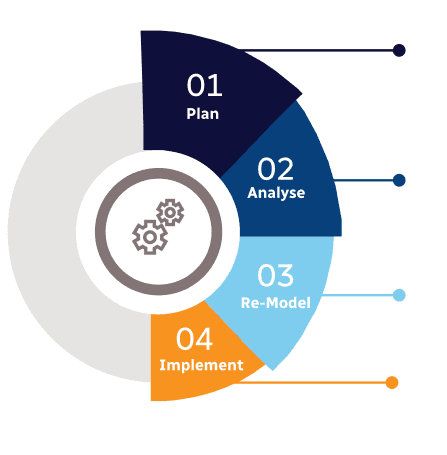
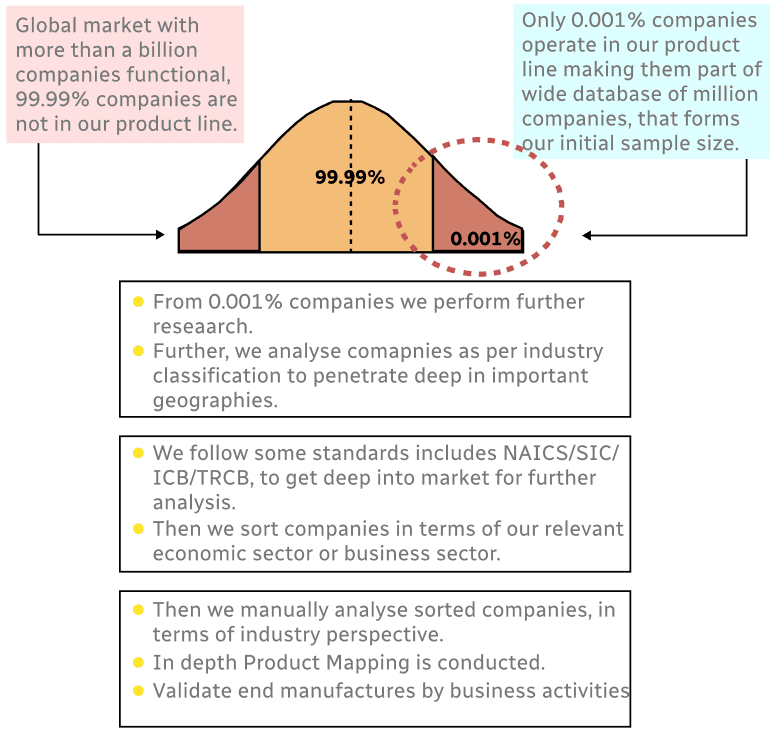
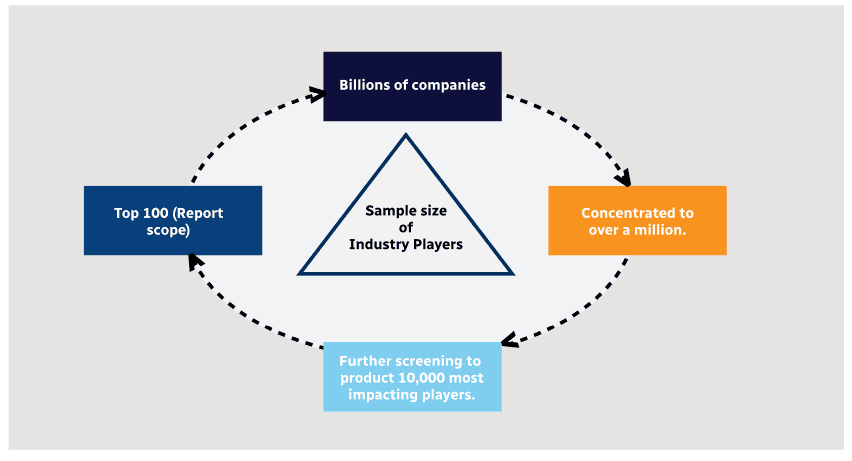
Step 1 - Identification of Relevant Samples Size from Population Database
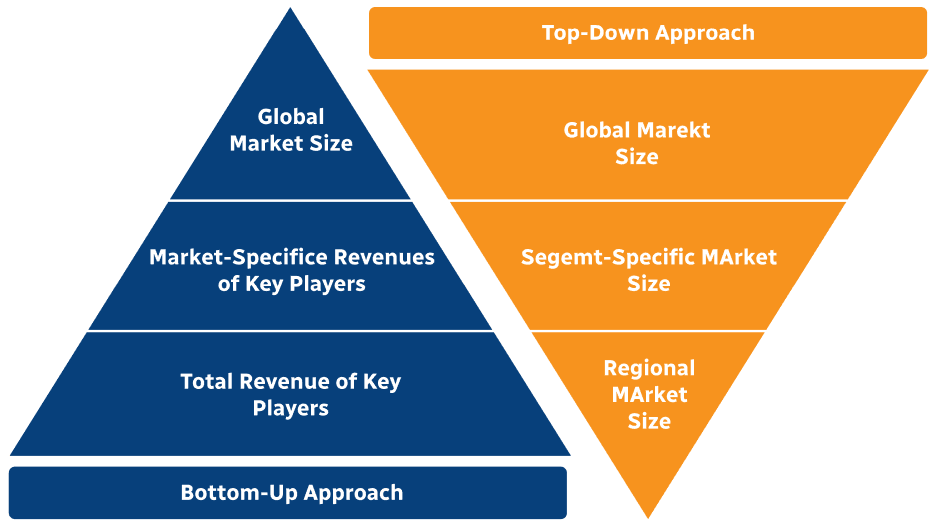
Step 2 - Approaches for Defining Global Market Size (Value, Volume* & Price*)
Note*: In applicable scenarios
Step 3 - Data Sources
Primary Research
- Web Analytics
- Survey Reports
- Research Institute
- Latest Research Reports
- Opinion Leaders
Secondary Research
- Annual Reports
- White Paper
- Latest Press Release
- Industry Association
- Paid Database
- Investor Presentations
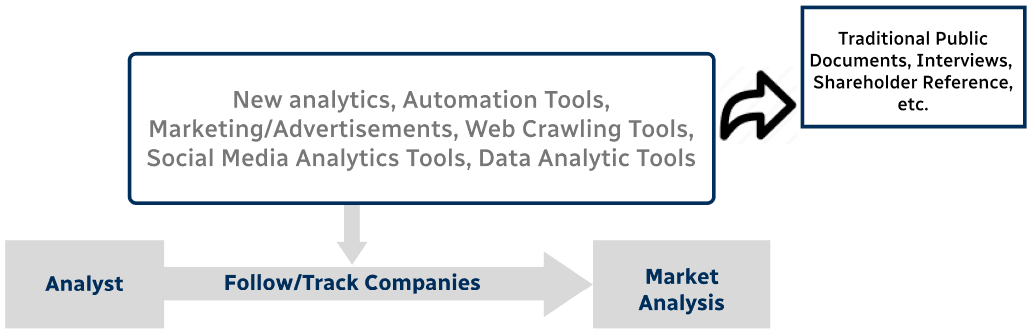
Step 4 - Data Triangulation
Involves using different sources of information in order to increase the validity of a study
These sources are likely to be stakeholders in a program - participants, other researchers, program staff, other community members, and so on.
Then we put all data in single framework & apply various statistical tools to find out the dynamic on the market.
During the analysis stage, feedback from the stakeholder groups would be compared to determine areas of agreement as well as areas of divergence