Key Insights
The global Biobased Polyamide 9T (PA9T) market is poised for substantial expansion, projected to reach an estimated market size of approximately $22 million in 2025. This robust growth trajectory is underpinned by a significant Compound Annual Growth Rate (CAGR) of 8.3%, indicating a dynamic and expanding industry over the forecast period extending to 2033. The market's expansion is largely driven by a confluence of factors, most notably the increasing global demand for sustainable and eco-friendly materials across various industries. Mounting environmental concerns and stringent regulatory landscapes are compelling manufacturers to seek alternatives to traditional petroleum-based plastics, making biobased polyamides like PA9T increasingly attractive. Furthermore, advancements in bio-manufacturing technologies are enhancing the cost-effectiveness and performance characteristics of these materials, further fueling their adoption. The inherent properties of PA9T, such as its excellent thermal stability, chemical resistance, and mechanical strength, make it a versatile substitute for conventional polyamides in demanding applications.
The market is segmented into key applications, with the Automotive, Electronics and Appliances, and Aerospace sectors emerging as primary growth engines. In the automotive industry, PA9T is finding increased use in interior and exterior components, contributing to vehicle lightweighting efforts and improved fuel efficiency. The electronics sector benefits from PA9T's electrical insulation properties and flame retardancy, crucial for safety and performance in consumer electronics and electrical appliances. The aerospace industry leverages its high-performance attributes for structural components where strength and durability are paramount. Market growth is further characterized by innovations in material types, with both Standard and Reinforced PA9T gaining traction, catering to diverse performance requirements. While the market exhibits strong growth drivers, potential restraints such as the initial cost premium compared to conventional polyamides and the need for wider supply chain development remain critical areas for industry focus and strategic investment to ensure sustained and accelerated market penetration.
.png)
Biobased Polyamide 9T (PA9T) Market Concentration & Innovation
The Biobased Polyamide 9T (PA9T) market exhibits moderate concentration, with key players like Kuraray and Shanghai Genius Advanced Material leading innovation and production. The report analyzes innovation drivers, emphasizing the demand for sustainable materials, advancements in bio-polymerization technologies, and growing industry adoption of renewable resources. Regulatory frameworks, particularly those promoting circular economy principles and reducing reliance on fossil fuels, are critical. While direct substitutes are limited, high-performance conventional polyamides and other bio-based polymers present indirect competition. End-user trends reveal a strong preference for materials with reduced environmental footprints, driving adoption in automotive, electronics, and aerospace sectors. Mergers and acquisitions (M&A) are anticipated to play a role in consolidating market share and fostering technological advancements. The market share of leading players is estimated to be between 20% and 30% each. Anticipated M&A deal values in the coming years are projected to exceed several hundred million.
Biobased Polyamide 9T (PA9T) Industry Trends & Insights
The Biobased Polyamide 9T (PA9T) industry is poised for robust growth, driven by a confluence of sustainability mandates, technological breakthroughs, and evolving consumer preferences. The increasing global awareness and regulatory pressure to reduce carbon footprints are significantly fueling the demand for bio-based alternatives to conventional petroleum-derived plastics. PA9T, derived from renewable resources, offers a compelling solution with its excellent mechanical properties, thermal stability, and chemical resistance, making it a viable replacement for traditional polyamides in high-performance applications.
Technological disruptions are at the forefront of this market's evolution. Innovations in bio-polymerization processes are leading to improved efficiency, higher yields, and reduced production costs, thereby enhancing the competitiveness of bio-based PA9T. Furthermore, ongoing research and development are focused on expanding the feedstock options for PA9T production, moving towards even more sustainable and readily available bio-resources. This technological advancement directly translates into a lower environmental impact throughout the product lifecycle, from raw material sourcing to end-of-life disposal.
Consumer preferences are increasingly tilting towards environmentally conscious products. Industries, in turn, are responding by actively seeking and integrating sustainable materials into their product lines to meet the demands of eco-aware consumers and enhance their brand image. This shift is particularly evident in sectors such as automotive, where lightweighting and reduced emissions are paramount, and in electronics and appliances, where the demand for sustainable and durable materials is growing. The market penetration of bio-based PA9T is expected to accelerate as performance parity with conventional polyamides is achieved and cost-effectiveness becomes more widespread.
The competitive dynamics within the bio-based PA9T market are characterized by a growing number of specialized manufacturers and a few established chemical giants investing in bio-polymer research and production. Strategic partnerships and collaborations are becoming increasingly common as companies aim to secure supply chains, leverage expertise, and accelerate market entry. The compound annual growth rate (CAGR) for bio-based PA9T is projected to be around 15% to 20% over the forecast period, indicating a significant upward trajectory for this innovative material. The market penetration is currently estimated at around 5% and is expected to reach 20% by 2033.
.png)
Dominant Markets & Segments in Biobased Polyamide 9T (PA9T)
The global Biobased Polyamide 9T (PA9T) market is experiencing significant expansion, with particular dominance observed in regions and applications driven by stringent environmental regulations and high-performance material demands.
Leading Region: Asia-Pacific is emerging as the dominant region in the bio-based PA9T market. This leadership is attributed to several factors:
- Economic Policies: Government initiatives promoting sustainable manufacturing and a circular economy in countries like China and South Korea are a major catalyst. These policies include subsidies for bio-based material production and preferential treatment for sustainable products in public procurement.
- Infrastructure: Robust industrial infrastructure, including advanced manufacturing facilities and efficient logistics networks, supports the large-scale production and distribution of bio-based PA9T. The presence of major automotive and electronics manufacturing hubs further drives demand.
- Market Size: The sheer scale of manufacturing in the Asia-Pacific region, particularly in automotive and electronics, creates a substantial demand base for high-performance polymers.
- Innovation Hubs: Growing research and development centers in the region are contributing to the innovation and customization of bio-based PA9T for specific application needs.
Dominant Segments:
- Application: Automotive:
- Key Drivers: The automotive industry's relentless pursuit of lightweighting to improve fuel efficiency and reduce emissions is a primary driver for bio-based PA9T. Its excellent mechanical strength, thermal resistance, and chemical inertness make it ideal for under-the-hood components, interior parts, and exterior trim.
- Market Dominance: The automotive sector is expected to command a market share exceeding 40% of the total bio-based PA9T market by 2033. The increasing adoption of electric vehicles (EVs) further bolsters demand, as EVs often require lighter components for battery optimization and extended range.
- Application: Electronics and Appliances:
- Key Drivers: The growing consumer demand for sustainable electronics and appliances, coupled with regulations restricting the use of hazardous substances, is propelling the adoption of bio-based PA9T. Its flame retardant properties and good electrical insulation make it suitable for connectors, housings, and internal components.
- Market Dominance: This segment is projected to account for approximately 30% of the market share. The trend towards miniaturization and increased energy efficiency in electronic devices also favors materials that can offer high performance in compact designs.
- Types: Reinforced:
- Key Drivers: Reinforced bio-based PA9T, often incorporating glass or carbon fibers, offers enhanced strength, stiffness, and dimensional stability. This makes it suitable for demanding structural applications where superior mechanical performance is critical.
- Market Dominance: Reinforced grades are increasingly preferred in applications where traditional metals are being replaced by polymers, contributing significantly to the overall market growth, estimated at over 50% of the total PA9T market by type. The ability to tailor reinforcement levels allows for a wide range of performance characteristics.
The "Others" segment, encompassing aerospace, textiles, and industrial goods, also presents significant growth potential, driven by specific niche requirements for sustainability and high performance. The aerospace sector, for instance, is increasingly exploring bio-based materials for cabin interiors and structural components where weight reduction and fire resistance are paramount.
Biobased Polyamide 9T (PA9T) Product Developments
Recent product developments in Biobased Polyamide 9T (PA9T) are centered on enhancing its sustainability profile and expanding its application range. Innovations focus on improving the bio-content of the polymer without compromising performance, achieving higher bio-based carbon content targets. New grades are being engineered for improved processability, offering faster cycle times in injection molding and extrusion. Furthermore, advancements in compounding have led to enhanced properties like increased impact strength and UV resistance, making PA9T suitable for more demanding outdoor and high-stress applications. The competitive advantage lies in offering a truly sustainable alternative to high-performance engineering plastics, addressing the growing market need for eco-friendly materials with no performance compromise.
Report Scope & Segmentation Analysis
This report provides a comprehensive analysis of the Biobased Polyamide 9T (PA9T) market, segmented by application and type. The application segments include: Automotive, where demand is driven by lightweighting and sustainability; Electronics and Appliances, catering to consumer goods with a focus on eco-friendly materials; Aerospace, targeting high-performance, lightweight solutions; and Others, encompassing various industrial and specialty applications. The market is also segmented by type: Standard PA9T, offering a balance of performance and cost; and Reinforced PA9T, which incorporates fillers to enhance mechanical properties for demanding applications. Each segment's market size, growth projections, and competitive dynamics are meticulously analyzed from the study period 2019–2033, with the base year at 2025 and the forecast period extending from 2025 to 2033.
Key Drivers of Biobased Polyamide 9T (PA9T) Growth
The growth of the Biobased Polyamide 9T (PA9T) market is propelled by a confluence of critical drivers. Increasing environmental regulations worldwide are compelling industries to adopt sustainable materials, directly benefiting bio-based alternatives. For instance, policies aimed at reducing single-use plastics and promoting circular economy principles encourage the use of materials derived from renewable resources. Technological advancements in bio-polymerization have significantly improved production efficiency and cost-effectiveness, making bio-based PA9T a more viable option for mass production. Furthermore, growing consumer awareness and demand for sustainable products are pushing manufacturers to incorporate eco-friendly materials, creating market pull for bio-based PA9T across various sectors like automotive and electronics. The pursuit of lightweighting in the automotive industry to enhance fuel efficiency and reduce emissions is another major driver, as PA9T offers a compelling combination of strength and low density.
Challenges in the Biobased Polyamide 9T (PA9T) Sector
Despite its promising growth, the Biobased Polyamide 9T (PA9T) sector faces several challenges. Higher production costs compared to conventional polyamides remain a significant barrier, impacting price competitiveness. While decreasing, the initial investment in bio-based production facilities can be substantial, creating a hurdle for new market entrants. Fluctuations in the supply and price of bio-based feedstocks can introduce volatility into the production chain. The availability and cost of raw materials, such as castor oil derivatives, are subject to agricultural yields and global commodity markets. Limited consumer awareness and education regarding the benefits and performance of bio-based polymers can also hinder adoption. Some end-users may still perceive bio-based materials as inferior in performance, requiring concerted efforts in marketing and education. Scalability of production to meet rapidly growing demand can also pose challenges, requiring significant investment in expanding manufacturing capacity.
Emerging Opportunities in Biobased Polyamide 9T (PA9T)
The Biobased Polyamide 9T (PA9T) market is ripe with emerging opportunities driven by innovation and evolving market demands. The expansion of circular economy initiatives presents a significant opportunity for PA9T, particularly as technologies for chemical recycling of bio-based polymers mature. The increasing focus on electrification of vehicles creates a surge in demand for lightweight, high-performance materials for batteries, power electronics, and structural components, areas where PA9T excels. Furthermore, the development of novel bio-based feedstocks from waste streams or non-food crops can further enhance the sustainability and cost-effectiveness of PA9T production, opening new avenues for sourcing and reducing environmental impact. The growing trend towards biodegradable and compostable materials in certain applications also presents an opportunity for PA9T formulations that can be engineered with these end-of-life characteristics.
Leading Players in the Biobased Polyamide 9T (PA9T) Market
- Kuraray
- Shanghai Genius Advanced Material
Key Developments in Biobased Polyamide 9T (PA9T) Industry
- 2023/08: Kuraray announces expansion of its bio-based PA9T production capacity to meet growing global demand.
- 2023/05: Shanghai Genius Advanced Material introduces new grades of reinforced bio-based PA9T for automotive applications, offering enhanced mechanical properties.
- 2023/01: Industry consortium formed to accelerate research and development of advanced bio-based polymer recycling technologies, including PA9T.
- 2022/10: New regulatory framework introduced in Europe to incentivize the use of bio-based materials in manufacturing, impacting PA9T market growth.
- 2022/06: Kuraray partners with a leading automotive manufacturer to integrate bio-based PA9T in interior components, demonstrating significant market adoption.
Strategic Outlook for Biobased Polyamide 9T (PA9T) Market
The strategic outlook for the Biobased Polyamide 9T (PA9T) market is exceptionally positive, characterized by strong growth catalysts and increasing industry acceptance. The ongoing shift towards a circular economy, coupled with stringent environmental regulations, will continue to drive demand for sustainable materials like PA9T. Technological advancements in production processes and feedstock diversification will further enhance its competitiveness. Key growth strategies will involve expanding application areas within the automotive, electronics, and aerospace sectors, while also exploring new markets such as renewable energy components and high-performance textiles. Collaborative efforts between material manufacturers, end-users, and research institutions will be crucial for accelerating innovation, overcoming cost barriers, and driving widespread adoption, positioning bio-based PA9T as a cornerstone of sustainable material solutions in the coming decade.
Biobased Polyamide 9T (PA9T) Segmentation
-
1. Application
- 1.1. Automotive
- 1.2. Electronics and Appliances
- 1.3. Aerospace
- 1.4. Others
-
2. Types
- 2.1. Standard
- 2.2. Reinforced
Biobased Polyamide 9T (PA9T) Segmentation By Geography
-
1. North America
- 1.1. United States
- 1.2. Canada
- 1.3. Mexico
-
2. South America
- 2.1. Brazil
- 2.2. Argentina
- 2.3. Rest of South America
-
3. Europe
- 3.1. United Kingdom
- 3.2. Germany
- 3.3. France
- 3.4. Italy
- 3.5. Spain
- 3.6. Russia
- 3.7. Benelux
- 3.8. Nordics
- 3.9. Rest of Europe
-
4. Middle East & Africa
- 4.1. Turkey
- 4.2. Israel
- 4.3. GCC
- 4.4. North Africa
- 4.5. South Africa
- 4.6. Rest of Middle East & Africa
-
5. Asia Pacific
- 5.1. China
- 5.2. India
- 5.3. Japan
- 5.4. South Korea
- 5.5. ASEAN
- 5.6. Oceania
- 5.7. Rest of Asia Pacific
.png)
Biobased Polyamide 9T (PA9T) REPORT HIGHLIGHTS
| Aspects | Details |
|---|---|
| Study Period | 2019-2033 |
| Base Year | 2024 |
| Estimated Year | 2025 |
| Forecast Period | 2025-2033 |
| Historical Period | 2019-2024 |
| Growth Rate | CAGR of 8.3% from 2019-2033 |
| Segmentation |
|
Table of Contents
- 1. Introduction
- 1.1. Research Scope
- 1.2. Market Segmentation
- 1.3. Research Methodology
- 1.4. Definitions and Assumptions
- 2. Executive Summary
- 2.1. Introduction
- 3. Market Dynamics
- 3.1. Introduction
- 3.2. Market Drivers
- 3.3. Market Restrains
- 3.4. Market Trends
- 4. Market Factor Analysis
- 4.1. Porters Five Forces
- 4.2. Supply/Value Chain
- 4.3. PESTEL analysis
- 4.4. Market Entropy
- 4.5. Patent/Trademark Analysis
- 5. Global Biobased Polyamide 9T (PA9T) Analysis, Insights and Forecast, 2019-2031
- 5.1. Market Analysis, Insights and Forecast - by Application
- 5.1.1. Automotive
- 5.1.2. Electronics and Appliances
- 5.1.3. Aerospace
- 5.1.4. Others
- 5.2. Market Analysis, Insights and Forecast - by Types
- 5.2.1. Standard
- 5.2.2. Reinforced
- 5.3. Market Analysis, Insights and Forecast - by Region
- 5.3.1. North America
- 5.3.2. South America
- 5.3.3. Europe
- 5.3.4. Middle East & Africa
- 5.3.5. Asia Pacific
- 5.1. Market Analysis, Insights and Forecast - by Application
- 6. North America Biobased Polyamide 9T (PA9T) Analysis, Insights and Forecast, 2019-2031
- 6.1. Market Analysis, Insights and Forecast - by Application
- 6.1.1. Automotive
- 6.1.2. Electronics and Appliances
- 6.1.3. Aerospace
- 6.1.4. Others
- 6.2. Market Analysis, Insights and Forecast - by Types
- 6.2.1. Standard
- 6.2.2. Reinforced
- 6.1. Market Analysis, Insights and Forecast - by Application
- 7. South America Biobased Polyamide 9T (PA9T) Analysis, Insights and Forecast, 2019-2031
- 7.1. Market Analysis, Insights and Forecast - by Application
- 7.1.1. Automotive
- 7.1.2. Electronics and Appliances
- 7.1.3. Aerospace
- 7.1.4. Others
- 7.2. Market Analysis, Insights and Forecast - by Types
- 7.2.1. Standard
- 7.2.2. Reinforced
- 7.1. Market Analysis, Insights and Forecast - by Application
- 8. Europe Biobased Polyamide 9T (PA9T) Analysis, Insights and Forecast, 2019-2031
- 8.1. Market Analysis, Insights and Forecast - by Application
- 8.1.1. Automotive
- 8.1.2. Electronics and Appliances
- 8.1.3. Aerospace
- 8.1.4. Others
- 8.2. Market Analysis, Insights and Forecast - by Types
- 8.2.1. Standard
- 8.2.2. Reinforced
- 8.1. Market Analysis, Insights and Forecast - by Application
- 9. Middle East & Africa Biobased Polyamide 9T (PA9T) Analysis, Insights and Forecast, 2019-2031
- 9.1. Market Analysis, Insights and Forecast - by Application
- 9.1.1. Automotive
- 9.1.2. Electronics and Appliances
- 9.1.3. Aerospace
- 9.1.4. Others
- 9.2. Market Analysis, Insights and Forecast - by Types
- 9.2.1. Standard
- 9.2.2. Reinforced
- 9.1. Market Analysis, Insights and Forecast - by Application
- 10. Asia Pacific Biobased Polyamide 9T (PA9T) Analysis, Insights and Forecast, 2019-2031
- 10.1. Market Analysis, Insights and Forecast - by Application
- 10.1.1. Automotive
- 10.1.2. Electronics and Appliances
- 10.1.3. Aerospace
- 10.1.4. Others
- 10.2. Market Analysis, Insights and Forecast - by Types
- 10.2.1. Standard
- 10.2.2. Reinforced
- 10.1. Market Analysis, Insights and Forecast - by Application
- 11. Competitive Analysis
- 11.1. Global Market Share Analysis 2024
- 11.2. Company Profiles
- 11.2.1 Kuraray
- 11.2.1.1. Overview
- 11.2.1.2. Products
- 11.2.1.3. SWOT Analysis
- 11.2.1.4. Recent Developments
- 11.2.1.5. Financials (Based on Availability)
- 11.2.2 Shanghai Genius Advanced Material
- 11.2.2.1. Overview
- 11.2.2.2. Products
- 11.2.2.3. SWOT Analysis
- 11.2.2.4. Recent Developments
- 11.2.2.5. Financials (Based on Availability)
- 11.2.1 Kuraray
List of Figures
- Figure 1: Global Biobased Polyamide 9T (PA9T) Revenue Breakdown (million, %) by Region 2024 & 2032
- Figure 2: North America Biobased Polyamide 9T (PA9T) Revenue (million), by Application 2024 & 2032
- Figure 3: North America Biobased Polyamide 9T (PA9T) Revenue Share (%), by Application 2024 & 2032
- Figure 4: North America Biobased Polyamide 9T (PA9T) Revenue (million), by Types 2024 & 2032
- Figure 5: North America Biobased Polyamide 9T (PA9T) Revenue Share (%), by Types 2024 & 2032
- Figure 6: North America Biobased Polyamide 9T (PA9T) Revenue (million), by Country 2024 & 2032
- Figure 7: North America Biobased Polyamide 9T (PA9T) Revenue Share (%), by Country 2024 & 2032
- Figure 8: South America Biobased Polyamide 9T (PA9T) Revenue (million), by Application 2024 & 2032
- Figure 9: South America Biobased Polyamide 9T (PA9T) Revenue Share (%), by Application 2024 & 2032
- Figure 10: South America Biobased Polyamide 9T (PA9T) Revenue (million), by Types 2024 & 2032
- Figure 11: South America Biobased Polyamide 9T (PA9T) Revenue Share (%), by Types 2024 & 2032
- Figure 12: South America Biobased Polyamide 9T (PA9T) Revenue (million), by Country 2024 & 2032
- Figure 13: South America Biobased Polyamide 9T (PA9T) Revenue Share (%), by Country 2024 & 2032
- Figure 14: Europe Biobased Polyamide 9T (PA9T) Revenue (million), by Application 2024 & 2032
- Figure 15: Europe Biobased Polyamide 9T (PA9T) Revenue Share (%), by Application 2024 & 2032
- Figure 16: Europe Biobased Polyamide 9T (PA9T) Revenue (million), by Types 2024 & 2032
- Figure 17: Europe Biobased Polyamide 9T (PA9T) Revenue Share (%), by Types 2024 & 2032
- Figure 18: Europe Biobased Polyamide 9T (PA9T) Revenue (million), by Country 2024 & 2032
- Figure 19: Europe Biobased Polyamide 9T (PA9T) Revenue Share (%), by Country 2024 & 2032
- Figure 20: Middle East & Africa Biobased Polyamide 9T (PA9T) Revenue (million), by Application 2024 & 2032
- Figure 21: Middle East & Africa Biobased Polyamide 9T (PA9T) Revenue Share (%), by Application 2024 & 2032
- Figure 22: Middle East & Africa Biobased Polyamide 9T (PA9T) Revenue (million), by Types 2024 & 2032
- Figure 23: Middle East & Africa Biobased Polyamide 9T (PA9T) Revenue Share (%), by Types 2024 & 2032
- Figure 24: Middle East & Africa Biobased Polyamide 9T (PA9T) Revenue (million), by Country 2024 & 2032
- Figure 25: Middle East & Africa Biobased Polyamide 9T (PA9T) Revenue Share (%), by Country 2024 & 2032
- Figure 26: Asia Pacific Biobased Polyamide 9T (PA9T) Revenue (million), by Application 2024 & 2032
- Figure 27: Asia Pacific Biobased Polyamide 9T (PA9T) Revenue Share (%), by Application 2024 & 2032
- Figure 28: Asia Pacific Biobased Polyamide 9T (PA9T) Revenue (million), by Types 2024 & 2032
- Figure 29: Asia Pacific Biobased Polyamide 9T (PA9T) Revenue Share (%), by Types 2024 & 2032
- Figure 30: Asia Pacific Biobased Polyamide 9T (PA9T) Revenue (million), by Country 2024 & 2032
- Figure 31: Asia Pacific Biobased Polyamide 9T (PA9T) Revenue Share (%), by Country 2024 & 2032
List of Tables
- Table 1: Global Biobased Polyamide 9T (PA9T) Revenue million Forecast, by Region 2019 & 2032
- Table 2: Global Biobased Polyamide 9T (PA9T) Revenue million Forecast, by Application 2019 & 2032
- Table 3: Global Biobased Polyamide 9T (PA9T) Revenue million Forecast, by Types 2019 & 2032
- Table 4: Global Biobased Polyamide 9T (PA9T) Revenue million Forecast, by Region 2019 & 2032
- Table 5: Global Biobased Polyamide 9T (PA9T) Revenue million Forecast, by Application 2019 & 2032
- Table 6: Global Biobased Polyamide 9T (PA9T) Revenue million Forecast, by Types 2019 & 2032
- Table 7: Global Biobased Polyamide 9T (PA9T) Revenue million Forecast, by Country 2019 & 2032
- Table 8: United States Biobased Polyamide 9T (PA9T) Revenue (million) Forecast, by Application 2019 & 2032
- Table 9: Canada Biobased Polyamide 9T (PA9T) Revenue (million) Forecast, by Application 2019 & 2032
- Table 10: Mexico Biobased Polyamide 9T (PA9T) Revenue (million) Forecast, by Application 2019 & 2032
- Table 11: Global Biobased Polyamide 9T (PA9T) Revenue million Forecast, by Application 2019 & 2032
- Table 12: Global Biobased Polyamide 9T (PA9T) Revenue million Forecast, by Types 2019 & 2032
- Table 13: Global Biobased Polyamide 9T (PA9T) Revenue million Forecast, by Country 2019 & 2032
- Table 14: Brazil Biobased Polyamide 9T (PA9T) Revenue (million) Forecast, by Application 2019 & 2032
- Table 15: Argentina Biobased Polyamide 9T (PA9T) Revenue (million) Forecast, by Application 2019 & 2032
- Table 16: Rest of South America Biobased Polyamide 9T (PA9T) Revenue (million) Forecast, by Application 2019 & 2032
- Table 17: Global Biobased Polyamide 9T (PA9T) Revenue million Forecast, by Application 2019 & 2032
- Table 18: Global Biobased Polyamide 9T (PA9T) Revenue million Forecast, by Types 2019 & 2032
- Table 19: Global Biobased Polyamide 9T (PA9T) Revenue million Forecast, by Country 2019 & 2032
- Table 20: United Kingdom Biobased Polyamide 9T (PA9T) Revenue (million) Forecast, by Application 2019 & 2032
- Table 21: Germany Biobased Polyamide 9T (PA9T) Revenue (million) Forecast, by Application 2019 & 2032
- Table 22: France Biobased Polyamide 9T (PA9T) Revenue (million) Forecast, by Application 2019 & 2032
- Table 23: Italy Biobased Polyamide 9T (PA9T) Revenue (million) Forecast, by Application 2019 & 2032
- Table 24: Spain Biobased Polyamide 9T (PA9T) Revenue (million) Forecast, by Application 2019 & 2032
- Table 25: Russia Biobased Polyamide 9T (PA9T) Revenue (million) Forecast, by Application 2019 & 2032
- Table 26: Benelux Biobased Polyamide 9T (PA9T) Revenue (million) Forecast, by Application 2019 & 2032
- Table 27: Nordics Biobased Polyamide 9T (PA9T) Revenue (million) Forecast, by Application 2019 & 2032
- Table 28: Rest of Europe Biobased Polyamide 9T (PA9T) Revenue (million) Forecast, by Application 2019 & 2032
- Table 29: Global Biobased Polyamide 9T (PA9T) Revenue million Forecast, by Application 2019 & 2032
- Table 30: Global Biobased Polyamide 9T (PA9T) Revenue million Forecast, by Types 2019 & 2032
- Table 31: Global Biobased Polyamide 9T (PA9T) Revenue million Forecast, by Country 2019 & 2032
- Table 32: Turkey Biobased Polyamide 9T (PA9T) Revenue (million) Forecast, by Application 2019 & 2032
- Table 33: Israel Biobased Polyamide 9T (PA9T) Revenue (million) Forecast, by Application 2019 & 2032
- Table 34: GCC Biobased Polyamide 9T (PA9T) Revenue (million) Forecast, by Application 2019 & 2032
- Table 35: North Africa Biobased Polyamide 9T (PA9T) Revenue (million) Forecast, by Application 2019 & 2032
- Table 36: South Africa Biobased Polyamide 9T (PA9T) Revenue (million) Forecast, by Application 2019 & 2032
- Table 37: Rest of Middle East & Africa Biobased Polyamide 9T (PA9T) Revenue (million) Forecast, by Application 2019 & 2032
- Table 38: Global Biobased Polyamide 9T (PA9T) Revenue million Forecast, by Application 2019 & 2032
- Table 39: Global Biobased Polyamide 9T (PA9T) Revenue million Forecast, by Types 2019 & 2032
- Table 40: Global Biobased Polyamide 9T (PA9T) Revenue million Forecast, by Country 2019 & 2032
- Table 41: China Biobased Polyamide 9T (PA9T) Revenue (million) Forecast, by Application 2019 & 2032
- Table 42: India Biobased Polyamide 9T (PA9T) Revenue (million) Forecast, by Application 2019 & 2032
- Table 43: Japan Biobased Polyamide 9T (PA9T) Revenue (million) Forecast, by Application 2019 & 2032
- Table 44: South Korea Biobased Polyamide 9T (PA9T) Revenue (million) Forecast, by Application 2019 & 2032
- Table 45: ASEAN Biobased Polyamide 9T (PA9T) Revenue (million) Forecast, by Application 2019 & 2032
- Table 46: Oceania Biobased Polyamide 9T (PA9T) Revenue (million) Forecast, by Application 2019 & 2032
- Table 47: Rest of Asia Pacific Biobased Polyamide 9T (PA9T) Revenue (million) Forecast, by Application 2019 & 2032
Frequently Asked Questions
1. What is the projected Compound Annual Growth Rate (CAGR) of the Biobased Polyamide 9T (PA9T)?
The projected CAGR is approximately 8.3%.
2. Which companies are prominent players in the Biobased Polyamide 9T (PA9T)?
Key companies in the market include Kuraray, Shanghai Genius Advanced Material.
3. What are the main segments of the Biobased Polyamide 9T (PA9T)?
The market segments include Application, Types.
4. Can you provide details about the market size?
The market size is estimated to be USD 22 million as of 2022.
5. What are some drivers contributing to market growth?
N/A
6. What are the notable trends driving market growth?
N/A
7. Are there any restraints impacting market growth?
N/A
8. Can you provide examples of recent developments in the market?
N/A
9. What pricing options are available for accessing the report?
Pricing options include single-user, multi-user, and enterprise licenses priced at USD 2900.00, USD 4350.00, and USD 5800.00 respectively.
10. Is the market size provided in terms of value or volume?
The market size is provided in terms of value, measured in million.
11. Are there any specific market keywords associated with the report?
Yes, the market keyword associated with the report is "Biobased Polyamide 9T (PA9T)," which aids in identifying and referencing the specific market segment covered.
12. How do I determine which pricing option suits my needs best?
The pricing options vary based on user requirements and access needs. Individual users may opt for single-user licenses, while businesses requiring broader access may choose multi-user or enterprise licenses for cost-effective access to the report.
13. Are there any additional resources or data provided in the Biobased Polyamide 9T (PA9T) report?
While the report offers comprehensive insights, it's advisable to review the specific contents or supplementary materials provided to ascertain if additional resources or data are available.
14. How can I stay updated on further developments or reports in the Biobased Polyamide 9T (PA9T)?
To stay informed about further developments, trends, and reports in the Biobased Polyamide 9T (PA9T), consider subscribing to industry newsletters, following relevant companies and organizations, or regularly checking reputable industry news sources and publications.
Methodology
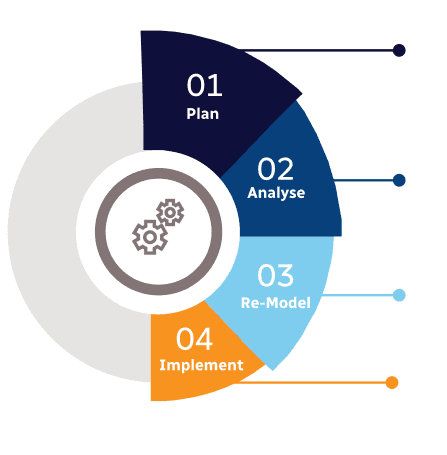
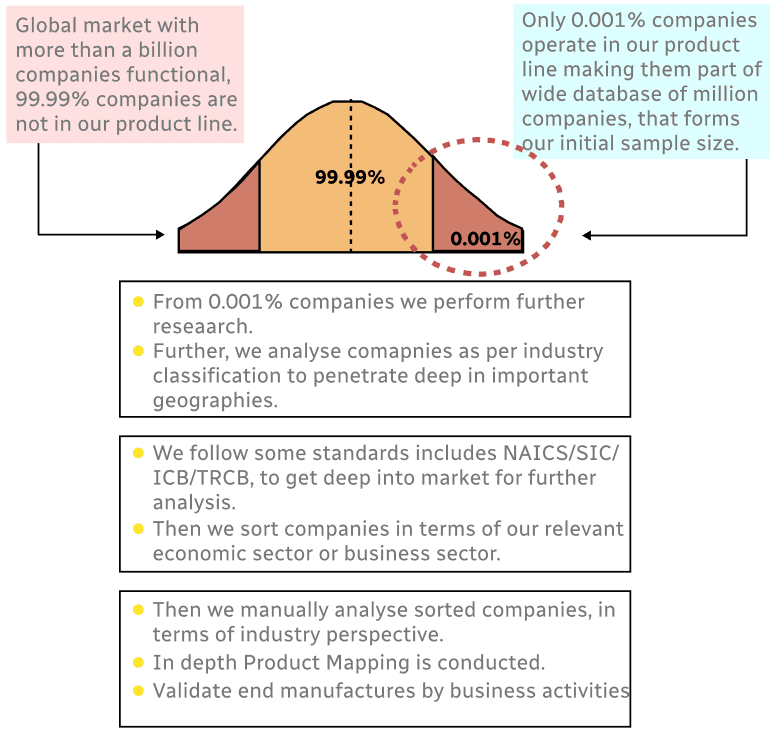
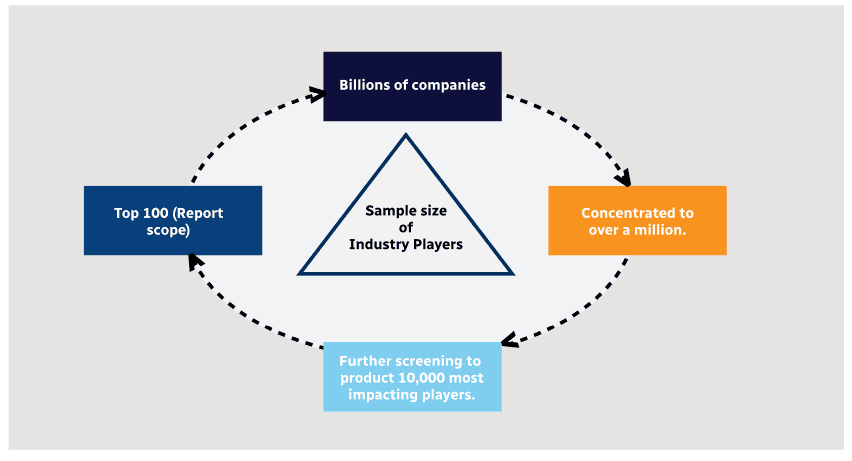
Step 1 - Identification of Relevant Samples Size from Population Database
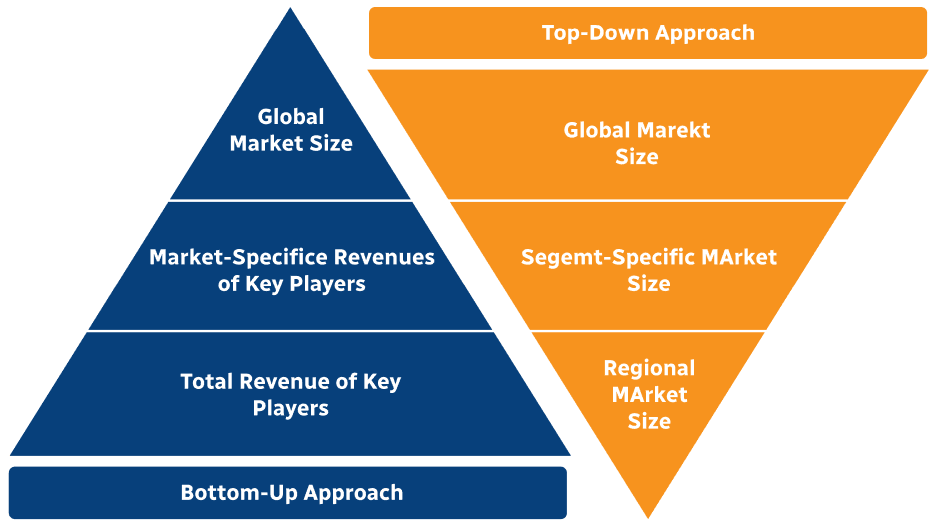
Step 2 - Approaches for Defining Global Market Size (Value, Volume* & Price*)
Note*: In applicable scenarios
Step 3 - Data Sources
Primary Research
- Web Analytics
- Survey Reports
- Research Institute
- Latest Research Reports
- Opinion Leaders
Secondary Research
- Annual Reports
- White Paper
- Latest Press Release
- Industry Association
- Paid Database
- Investor Presentations
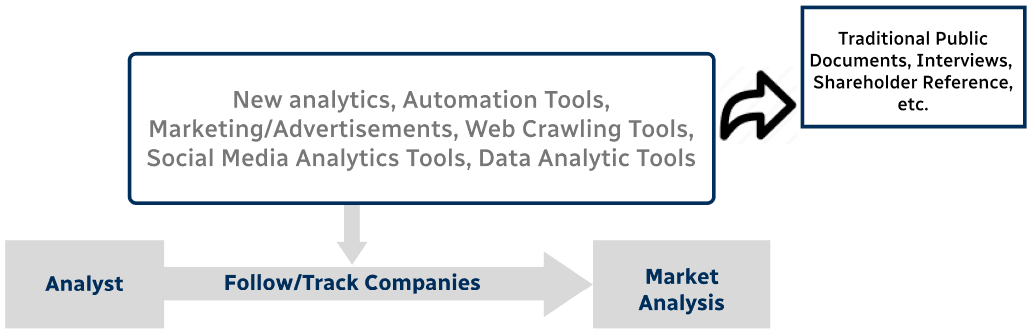
Step 4 - Data Triangulation
Involves using different sources of information in order to increase the validity of a study
These sources are likely to be stakeholders in a program - participants, other researchers, program staff, other community members, and so on.
Then we put all data in single framework & apply various statistical tools to find out the dynamic on the market.
During the analysis stage, feedback from the stakeholder groups would be compared to determine areas of agreement as well as areas of divergence