Key Insights
The global biological pesticide market is poised for substantial growth, estimated to reach a market size of USD 6,834 million in 2025, driven by a compelling Compound Annual Growth Rate (CAGR) of 9%. This robust expansion is fueled by an increasing demand for sustainable agricultural practices, growing consumer preference for organic produce, and stringent government regulations aimed at reducing the environmental impact of conventional pesticides. The market is witnessing a significant shift towards eco-friendly alternatives due to concerns over chemical pesticide residues in food and their adverse effects on biodiversity and human health. Key applications like fruits and vegetables, cereals and pulses, and other crops are increasingly adopting biological solutions to enhance crop yields while minimizing ecological footprints. The rising awareness among farmers about the efficacy and long-term benefits of biological pesticides, coupled with ongoing research and development efforts, further propels market expansion.
The biological pesticide market encompasses various types, including microbial pesticides, biochemical pesticides, and plant-incorporated protectants (PIPs), each offering unique advantages in pest and disease management. Microbial pesticides, leveraging beneficial microorganisms, are gaining significant traction due to their targeted action and minimal environmental persistence. Biochemical pesticides, derived from natural substances, also contribute to this growth trajectory. The market's dynamism is further illustrated by the competitive landscape featuring prominent players such as Bayer Crop Science, Syngenta, BASF, and Corteva Agriscience, alongside specialized biological pesticide manufacturers like Valent BioSciences, Certis USA, and Koppert. These companies are actively investing in innovation and expanding their product portfolios to cater to the evolving needs of the agricultural sector. Regionally, Asia Pacific, driven by its large agricultural base and increasing adoption of advanced farming techniques, is expected to be a significant growth engine, alongside established markets in North America and Europe.
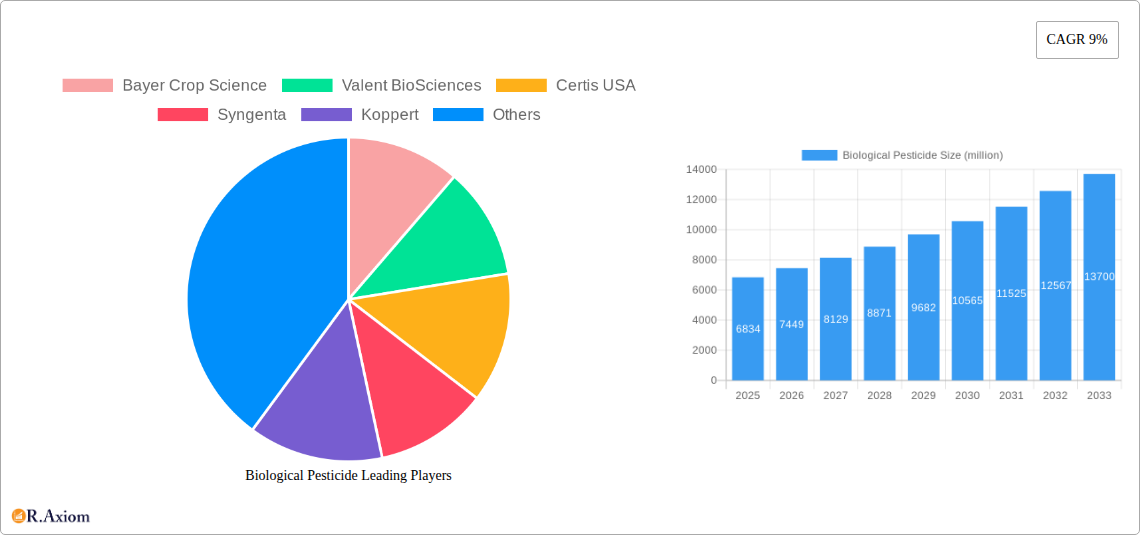
Biological Pesticide Market Concentration & Innovation
The global biological pesticide market, projected to reach xx million USD by 2033, exhibits a moderate to high concentration. Key players like Bayer Crop Science, Syngenta, BASF, and Corteva Agriscience are actively involved, alongside specialized biopesticide firms such as Valent BioSciences, Certis USA, and Koppert. Innovation in this sector is primarily driven by the demand for sustainable agricultural practices, reduced environmental impact, and the increasing incidence of pest resistance to synthetic chemicals. Regulatory frameworks are continuously evolving, creating both opportunities and challenges for market entry and product development. For instance, stricter regulations on synthetic pesticides globally encourage the adoption of biological alternatives. Product substitutes, primarily conventional chemical pesticides, remain a significant competitive factor, though their market share is gradually eroding in favor of biopesticides due to health and environmental concerns. End-user trends are strongly influenced by consumer demand for organic produce and the growing awareness of food safety. Mergers and acquisitions (M&A) are a notable aspect of market dynamics, with larger agrochemical companies acquiring smaller, innovative biopesticide firms to bolster their portfolios. Valued at xx million USD, M&A activities in the biological pesticide sector reflect a strategic consolidation aimed at expanding market reach and technological capabilities. The market share of leading companies is estimated to be around xx%, indicating a competitive landscape with room for both established giants and niche specialists.
Biological Pesticide Industry Trends & Insights
The biological pesticide industry is experiencing robust growth, driven by a confluence of factors favoring sustainable agriculture and safer pest management solutions. The Compound Annual Growth Rate (CAGR) is estimated at xx% during the forecast period of 2025–2033, with the market size projected to reach xx million USD by 2033. This expansion is underpinned by increasing global awareness of the environmental and health risks associated with synthetic pesticides, leading to a significant shift in consumer and regulatory preferences. Market penetration of biological pesticides is steadily rising, particularly in developed economies and for high-value crops. Technological disruptions are a key trend, with advancements in understanding microbial strains, fermentation processes, and formulation technologies enabling the development of more effective and stable biopesticide products. Research into novel microbial pesticides, including bacteria, fungi, and viruses, as well as biochemical pesticides derived from natural plant extracts and pheromones, is accelerating. Plant-Incorporated Protectants (PIPs), while a distinct category, also contribute to the overall push for reduced chemical inputs. Consumer preferences for organic and residue-free food products are a paramount growth driver, compelling farmers to adopt biopesticides to meet market demands and stringent international standards for food safety. Furthermore, the development of pest resistance to conventional pesticides necessitates the exploration of alternative control methods, with biological solutions offering a sustainable and effective approach. The competitive dynamics are intensifying, with a blend of established agrochemical giants like Bayer Crop Science, Syngenta, BASF, and Corteva Agriscience expanding their biopesticide offerings and innovative specialized companies such as Valent BioSciences, Certis USA, Koppert, and Novozymes gaining market traction. Strategic collaborations, product launches, and acquisitions are prevalent as companies aim to secure market share and enhance their technological capabilities in this rapidly evolving sector. The increasing support from governments through subsidies and favorable regulations for eco-friendly pest management further bolsters the industry's growth trajectory.
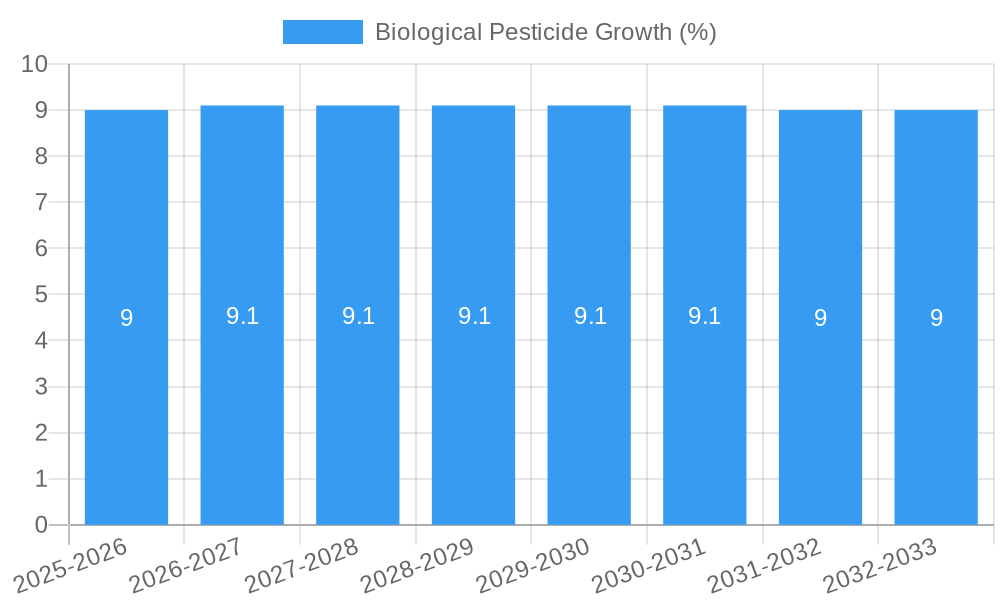
Dominant Markets & Segments in Biological Pesticide
The biological pesticide market showcases significant dominance in specific regions and application segments, driven by distinct economic, regulatory, and agricultural practices.
Dominance by Application
- Fruits and Vegetables: This segment consistently emerges as the most dominant application for biological pesticides. The high-value nature of these crops, coupled with stringent residue limits and consumer demand for blemish-free, organically grown produce, creates a strong market pull for biological solutions. Countries with well-established organic farming initiatives and significant horticultural production, such as those in Europe and North America, heavily contribute to this segment's dominance. Economic policies favoring organic certifications and sustainable farming practices directly impact the adoption rates here.
- Cereals and Pulses: While not as dominant as fruits and vegetables, this segment is witnessing considerable growth in biological pesticide adoption. Increasing concerns about soil health, the need for integrated pest management (IPM) in large-scale cultivation, and the rising cost of synthetic inputs are driving the use of biopesticides for major grain and pulse crops. Government support for sustainable agriculture and food security initiatives plays a crucial role in expanding the market here.
- Other Crops: This broad category, encompassing crops like cotton, sugarcane, and plantation crops, also represents a substantial market for biological pesticides. Factors such as the need to manage resistant pest populations, reduce environmental impact in large monocultures, and meet specific export market requirements contribute to growth in this segment. Infrastructure development supporting the distribution and application of biopesticides in diverse agro-climatic zones is essential for its expansion.
Dominance by Type
- Microbial Pesticides: This category, including products based on bacteria (e.g., Bacillus thuringiensis), fungi (e.g., Beauveria bassiana), viruses, and protozoa, currently holds the largest market share. Their efficacy, specificity, and favorable environmental profiles make them highly sought after. Continued research into novel microbial strains and improved fermentation techniques fuels their dominance.
- Biochemical Pesticides: This segment, comprising pheromones, plant extracts, and other naturally occurring substances, is also a significant contributor. They are often used for mating disruption, repellency, or to enhance plant defense mechanisms. Regulatory approval processes for biochemical pesticides can sometimes be less stringent than for microbial counterparts, aiding their market penetration.
- Plant-Incorporated Protectants (PIPs): While a distinct category often linked to genetically modified (GM) crops, PIPs contribute to the overall reduction of external pesticide applications. Their dominance is tied to the adoption of GM technology in specific regions.
- Others: This category includes emerging biological control agents and novel formulations that are gaining traction.
- Microbial Pesticides: This category, including products based on bacteria (e.g., Bacillus thuringiensis), fungi (e.g., Beauveria bassiana), viruses, and protozoa, currently holds the largest market share. Their efficacy, specificity, and favorable environmental profiles make them highly sought after. Continued research into novel microbial strains and improved fermentation techniques fuels their dominance.
- Biochemical Pesticides: This segment, comprising pheromones, plant extracts, and other naturally occurring substances, is also a significant contributor. They are often used for mating disruption, repellency, or to enhance plant defense mechanisms. Regulatory approval processes for biochemical pesticides can sometimes be less stringent than for microbial counterparts, aiding their market penetration.
- Plant-Incorporated Protectants (PIPs): While a distinct category often linked to genetically modified (GM) crops, PIPs contribute to the overall reduction of external pesticide applications. Their dominance is tied to the adoption of GM technology in specific regions.
- Others: This category includes emerging biological control agents and novel formulations that are gaining traction.
The dominance of specific regions, particularly North America and Europe, is attributed to their advanced agricultural technologies, strong regulatory push for sustainable practices, and high consumer demand for organic produce. Asia-Pacific, driven by a large agricultural base and increasing awareness of environmental issues, is the fastest-growing market. Economic policies promoting agricultural modernization and R&D investments in biological solutions are key drivers for market leadership in these dominant regions.
Biological Pesticide Product Developments
The biological pesticide sector is abuzz with innovation. Companies are developing novel microbial strains with enhanced efficacy and broader spectrum control, alongside advanced biochemical formulations that offer improved stability and delivery. Products targeting specific pests in fruits and vegetables, such as Bacillus thuringiensis varieties for lepidopteran larvae and beneficial fungi for soil-borne diseases, are gaining prominence. Competitive advantages lie in the reduced environmental impact, lower residue levels, and the ability to manage pest resistance. Technological trends favor precision application and integrated pest management systems, where biological pesticides complement conventional approaches. Market fit is increasingly defined by products that offer cost-effectiveness and tangible benefits for farmers in terms of yield and crop quality.
Report Scope & Segmentation Analysis
This report meticulously segments the global biological pesticide market to provide granular insights into its intricate dynamics. The primary segmentation is based on Application, encompassing Fruits and Vegetables, Cereals and Pulses, and Other Crops. We also analyze the market by Type, including Microbial Pesticides, Biochemical Pesticides, Plant-Incorporated Protectants (PIPs), and Others. Each segment is analyzed for its current market size, projected growth rates, and competitive landscape. For instance, the Fruits and Vegetables segment is projected to witness a market size of xx million USD by 2033 with a CAGR of xx%, driven by high adoption rates and stringent regulations. Microbial Pesticides are expected to maintain their leading position with a market share of xx%, benefiting from continuous R&D and efficacy.
Key Drivers of Biological Pesticide Growth
The rapid expansion of the biological pesticide market is propelled by several interconnected drivers. Firstly, a growing global awareness of the detrimental effects of synthetic pesticides on human health and the environment is a primary catalyst. This fuels consumer demand for organic and residue-free food products, compelling farmers to seek safer alternatives. Secondly, increasingly stringent regulatory frameworks worldwide, which restrict the use of certain chemical pesticides and encourage sustainable practices, create a favorable environment for biological solutions. Technological advancements in fermentation, formulation, and strain discovery are leading to more effective and economically viable biopesticides. Finally, the escalating problem of pest resistance to conventional chemicals necessitates the development and adoption of novel pest management strategies, with biological pesticides offering a sustainable and integrated approach.
Challenges in the Biological Pesticide Sector
Despite the promising growth, the biological pesticide sector faces significant challenges. Regulatory hurdles, including lengthy and complex approval processes for new products, can impede market entry and increase development costs. The shelf life and stability of some biological pesticides can be shorter than their synthetic counterparts, posing logistical challenges in storage and distribution, especially in diverse climatic conditions. Furthermore, while the cost-effectiveness of biological pesticides is improving, in some instances, they can still be perceived as more expensive than conventional chemicals, especially for broad-spectrum applications in large-scale agriculture. Competitive pressures from the well-established synthetic pesticide market, coupled with a lack of farmer awareness and technical expertise regarding the optimal use of biopesticides, also represent significant barriers.
Emerging Opportunities in Biological Pesticide
The future of biological pesticides is bright with numerous emerging opportunities. The growing global demand for organic food products presents a substantial market for biopesticides, particularly in high-value crop segments. Advancements in genetic engineering and synthetic biology are opening avenues for developing highly targeted and potent microbial and biochemical pesticides. The increasing focus on integrated pest management (IPM) strategies creates a significant opportunity for biopesticides to be used in conjunction with, or as a replacement for, chemical treatments. Expansion into developing economies, where agricultural modernization and a growing awareness of environmental issues are prevalent, offers vast untapped market potential. Furthermore, the development of novel delivery systems and formulations that enhance the efficacy and user-friendliness of biopesticides presents a key area for innovation and market penetration.
Leading Players in the Biological Pesticide Market
- Bayer Crop Science
- Valent BioSciences
- Certis USA
- Syngenta
- Koppert
- BASF
- Andermatt Biocontrol
- Corteva Agriscience
- FMC Corporation
- Isagro
- Marrone Bio Innovations
- Chengdu New Sun
- Som Phytopharma India
- Novozymes
- Coromandel
- SEIPASA
- Jiangsu Luye
- Jiangxi Xinlong Biological
- Bionema
Key Developments in Biological Pesticide Industry
- 2023: Valent BioSciences launches a new bioinsecticide for controlling a wider range of vegetable pests.
- 2023: Certis USA expands its portfolio with a novel biofungicide for seed treatment.
- 2022: Syngenta invests heavily in R&D for microbial biopesticides, announcing several new product pipelines.
- 2022: Koppert Biological Systems acquires a stake in a startup focused on developing advanced microbial formulations.
- 2021: Bayer Crop Science announces strategic partnerships to accelerate the development and commercialization of biological crop protection solutions.
- 2021: BASF showcases its expanded range of biologicals at major agricultural expos, emphasizing their role in sustainable farming.
- 2020: Marrone Bio Innovations (now part of Bioceres Crop Solutions) receives regulatory approval for a new bioherbicide.
- 2020: Novozymes collaborates with agricultural distributors to expand the reach of its microbial solutions in emerging markets.
Strategic Outlook for Biological Pesticide Market
The strategic outlook for the biological pesticide market is overwhelmingly positive, characterized by sustained growth and increasing market share. Key growth catalysts include the accelerating global trend towards sustainable agriculture, driven by both consumer demand and stringent environmental regulations. Continued innovation in microbial and biochemical pesticide development, coupled with advancements in formulation and delivery technologies, will enhance product efficacy and broaden application scope. The increasing need for effective pest resistance management strategies further bolsters the demand for biological alternatives. Strategic alliances, mergers, and acquisitions will likely continue as companies seek to consolidate their market positions and expand their technological capabilities. Expansion into new geographical markets, particularly in developing regions with large agricultural sectors, represents a significant opportunity. The market is poised for substantial expansion, becoming an integral component of global food production systems.
Biological Pesticide Segmentation
-
1. Application
- 1.1. Fruits and Vegetables
- 1.2. Cereals and Pulses
- 1.3. Other Crops
-
2. Types
- 2.1. Microbial Pesticides
- 2.2. Biochemical Pesticides
- 2.3. Plant-Incorporated Protectants (PIPs)
- 2.4. Others
Biological Pesticide Segmentation By Geography
-
1. North America
- 1.1. United States
- 1.2. Canada
- 1.3. Mexico
-
2. South America
- 2.1. Brazil
- 2.2. Argentina
- 2.3. Rest of South America
-
3. Europe
- 3.1. United Kingdom
- 3.2. Germany
- 3.3. France
- 3.4. Italy
- 3.5. Spain
- 3.6. Russia
- 3.7. Benelux
- 3.8. Nordics
- 3.9. Rest of Europe
-
4. Middle East & Africa
- 4.1. Turkey
- 4.2. Israel
- 4.3. GCC
- 4.4. North Africa
- 4.5. South Africa
- 4.6. Rest of Middle East & Africa
-
5. Asia Pacific
- 5.1. China
- 5.2. India
- 5.3. Japan
- 5.4. South Korea
- 5.5. ASEAN
- 5.6. Oceania
- 5.7. Rest of Asia Pacific
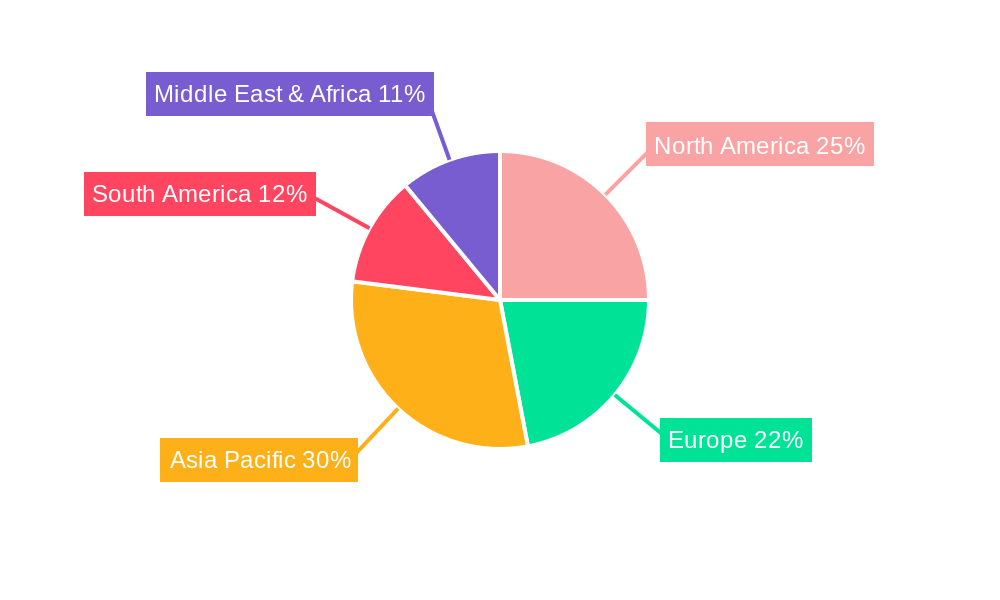
Biological Pesticide REPORT HIGHLIGHTS
| Aspects | Details |
|---|---|
| Study Period | 2019-2033 |
| Base Year | 2024 |
| Estimated Year | 2025 |
| Forecast Period | 2025-2033 |
| Historical Period | 2019-2024 |
| Growth Rate | CAGR of 9% from 2019-2033 |
| Segmentation |
|
Table of Contents
- 1. Introduction
- 1.1. Research Scope
- 1.2. Market Segmentation
- 1.3. Research Methodology
- 1.4. Definitions and Assumptions
- 2. Executive Summary
- 2.1. Introduction
- 3. Market Dynamics
- 3.1. Introduction
- 3.2. Market Drivers
- 3.3. Market Restrains
- 3.4. Market Trends
- 4. Market Factor Analysis
- 4.1. Porters Five Forces
- 4.2. Supply/Value Chain
- 4.3. PESTEL analysis
- 4.4. Market Entropy
- 4.5. Patent/Trademark Analysis
- 5. Global Biological Pesticide Analysis, Insights and Forecast, 2019-2031
- 5.1. Market Analysis, Insights and Forecast - by Application
- 5.1.1. Fruits and Vegetables
- 5.1.2. Cereals and Pulses
- 5.1.3. Other Crops
- 5.2. Market Analysis, Insights and Forecast - by Types
- 5.2.1. Microbial Pesticides
- 5.2.2. Biochemical Pesticides
- 5.2.3. Plant-Incorporated Protectants (PIPs)
- 5.2.4. Others
- 5.3. Market Analysis, Insights and Forecast - by Region
- 5.3.1. North America
- 5.3.2. South America
- 5.3.3. Europe
- 5.3.4. Middle East & Africa
- 5.3.5. Asia Pacific
- 5.1. Market Analysis, Insights and Forecast - by Application
- 6. North America Biological Pesticide Analysis, Insights and Forecast, 2019-2031
- 6.1. Market Analysis, Insights and Forecast - by Application
- 6.1.1. Fruits and Vegetables
- 6.1.2. Cereals and Pulses
- 6.1.3. Other Crops
- 6.2. Market Analysis, Insights and Forecast - by Types
- 6.2.1. Microbial Pesticides
- 6.2.2. Biochemical Pesticides
- 6.2.3. Plant-Incorporated Protectants (PIPs)
- 6.2.4. Others
- 6.1. Market Analysis, Insights and Forecast - by Application
- 7. South America Biological Pesticide Analysis, Insights and Forecast, 2019-2031
- 7.1. Market Analysis, Insights and Forecast - by Application
- 7.1.1. Fruits and Vegetables
- 7.1.2. Cereals and Pulses
- 7.1.3. Other Crops
- 7.2. Market Analysis, Insights and Forecast - by Types
- 7.2.1. Microbial Pesticides
- 7.2.2. Biochemical Pesticides
- 7.2.3. Plant-Incorporated Protectants (PIPs)
- 7.2.4. Others
- 7.1. Market Analysis, Insights and Forecast - by Application
- 8. Europe Biological Pesticide Analysis, Insights and Forecast, 2019-2031
- 8.1. Market Analysis, Insights and Forecast - by Application
- 8.1.1. Fruits and Vegetables
- 8.1.2. Cereals and Pulses
- 8.1.3. Other Crops
- 8.2. Market Analysis, Insights and Forecast - by Types
- 8.2.1. Microbial Pesticides
- 8.2.2. Biochemical Pesticides
- 8.2.3. Plant-Incorporated Protectants (PIPs)
- 8.2.4. Others
- 8.1. Market Analysis, Insights and Forecast - by Application
- 9. Middle East & Africa Biological Pesticide Analysis, Insights and Forecast, 2019-2031
- 9.1. Market Analysis, Insights and Forecast - by Application
- 9.1.1. Fruits and Vegetables
- 9.1.2. Cereals and Pulses
- 9.1.3. Other Crops
- 9.2. Market Analysis, Insights and Forecast - by Types
- 9.2.1. Microbial Pesticides
- 9.2.2. Biochemical Pesticides
- 9.2.3. Plant-Incorporated Protectants (PIPs)
- 9.2.4. Others
- 9.1. Market Analysis, Insights and Forecast - by Application
- 10. Asia Pacific Biological Pesticide Analysis, Insights and Forecast, 2019-2031
- 10.1. Market Analysis, Insights and Forecast - by Application
- 10.1.1. Fruits and Vegetables
- 10.1.2. Cereals and Pulses
- 10.1.3. Other Crops
- 10.2. Market Analysis, Insights and Forecast - by Types
- 10.2.1. Microbial Pesticides
- 10.2.2. Biochemical Pesticides
- 10.2.3. Plant-Incorporated Protectants (PIPs)
- 10.2.4. Others
- 10.1. Market Analysis, Insights and Forecast - by Application
- 11. Competitive Analysis
- 11.1. Global Market Share Analysis 2024
- 11.2. Company Profiles
- 11.2.1 Bayer Crop Science
- 11.2.1.1. Overview
- 11.2.1.2. Products
- 11.2.1.3. SWOT Analysis
- 11.2.1.4. Recent Developments
- 11.2.1.5. Financials (Based on Availability)
- 11.2.2 Valent BioSciences
- 11.2.2.1. Overview
- 11.2.2.2. Products
- 11.2.2.3. SWOT Analysis
- 11.2.2.4. Recent Developments
- 11.2.2.5. Financials (Based on Availability)
- 11.2.3 Certis USA
- 11.2.3.1. Overview
- 11.2.3.2. Products
- 11.2.3.3. SWOT Analysis
- 11.2.3.4. Recent Developments
- 11.2.3.5. Financials (Based on Availability)
- 11.2.4 Syngenta
- 11.2.4.1. Overview
- 11.2.4.2. Products
- 11.2.4.3. SWOT Analysis
- 11.2.4.4. Recent Developments
- 11.2.4.5. Financials (Based on Availability)
- 11.2.5 Koppert
- 11.2.5.1. Overview
- 11.2.5.2. Products
- 11.2.5.3. SWOT Analysis
- 11.2.5.4. Recent Developments
- 11.2.5.5. Financials (Based on Availability)
- 11.2.6 BASF
- 11.2.6.1. Overview
- 11.2.6.2. Products
- 11.2.6.3. SWOT Analysis
- 11.2.6.4. Recent Developments
- 11.2.6.5. Financials (Based on Availability)
- 11.2.7 Andermatt Biocontrol
- 11.2.7.1. Overview
- 11.2.7.2. Products
- 11.2.7.3. SWOT Analysis
- 11.2.7.4. Recent Developments
- 11.2.7.5. Financials (Based on Availability)
- 11.2.8 Corteva Agriscience
- 11.2.8.1. Overview
- 11.2.8.2. Products
- 11.2.8.3. SWOT Analysis
- 11.2.8.4. Recent Developments
- 11.2.8.5. Financials (Based on Availability)
- 11.2.9 FMC Corporation
- 11.2.9.1. Overview
- 11.2.9.2. Products
- 11.2.9.3. SWOT Analysis
- 11.2.9.4. Recent Developments
- 11.2.9.5. Financials (Based on Availability)
- 11.2.10 Isagro
- 11.2.10.1. Overview
- 11.2.10.2. Products
- 11.2.10.3. SWOT Analysis
- 11.2.10.4. Recent Developments
- 11.2.10.5. Financials (Based on Availability)
- 11.2.11 Marrone Bio Innovations
- 11.2.11.1. Overview
- 11.2.11.2. Products
- 11.2.11.3. SWOT Analysis
- 11.2.11.4. Recent Developments
- 11.2.11.5. Financials (Based on Availability)
- 11.2.12 Chengdu New Sun
- 11.2.12.1. Overview
- 11.2.12.2. Products
- 11.2.12.3. SWOT Analysis
- 11.2.12.4. Recent Developments
- 11.2.12.5. Financials (Based on Availability)
- 11.2.13 Som Phytopharma India
- 11.2.13.1. Overview
- 11.2.13.2. Products
- 11.2.13.3. SWOT Analysis
- 11.2.13.4. Recent Developments
- 11.2.13.5. Financials (Based on Availability)
- 11.2.14 Novozymes
- 11.2.14.1. Overview
- 11.2.14.2. Products
- 11.2.14.3. SWOT Analysis
- 11.2.14.4. Recent Developments
- 11.2.14.5. Financials (Based on Availability)
- 11.2.15 Coromandel
- 11.2.15.1. Overview
- 11.2.15.2. Products
- 11.2.15.3. SWOT Analysis
- 11.2.15.4. Recent Developments
- 11.2.15.5. Financials (Based on Availability)
- 11.2.16 SEIPASA
- 11.2.16.1. Overview
- 11.2.16.2. Products
- 11.2.16.3. SWOT Analysis
- 11.2.16.4. Recent Developments
- 11.2.16.5. Financials (Based on Availability)
- 11.2.17 Jiangsu Luye
- 11.2.17.1. Overview
- 11.2.17.2. Products
- 11.2.17.3. SWOT Analysis
- 11.2.17.4. Recent Developments
- 11.2.17.5. Financials (Based on Availability)
- 11.2.18 Jiangxi Xinlong Biological
- 11.2.18.1. Overview
- 11.2.18.2. Products
- 11.2.18.3. SWOT Analysis
- 11.2.18.4. Recent Developments
- 11.2.18.5. Financials (Based on Availability)
- 11.2.19 Bionema
- 11.2.19.1. Overview
- 11.2.19.2. Products
- 11.2.19.3. SWOT Analysis
- 11.2.19.4. Recent Developments
- 11.2.19.5. Financials (Based on Availability)
- 11.2.1 Bayer Crop Science
List of Figures
- Figure 1: Global Biological Pesticide Revenue Breakdown (million, %) by Region 2024 & 2032
- Figure 2: Global Biological Pesticide Volume Breakdown (K, %) by Region 2024 & 2032
- Figure 3: North America Biological Pesticide Revenue (million), by Application 2024 & 2032
- Figure 4: North America Biological Pesticide Volume (K), by Application 2024 & 2032
- Figure 5: North America Biological Pesticide Revenue Share (%), by Application 2024 & 2032
- Figure 6: North America Biological Pesticide Volume Share (%), by Application 2024 & 2032
- Figure 7: North America Biological Pesticide Revenue (million), by Types 2024 & 2032
- Figure 8: North America Biological Pesticide Volume (K), by Types 2024 & 2032
- Figure 9: North America Biological Pesticide Revenue Share (%), by Types 2024 & 2032
- Figure 10: North America Biological Pesticide Volume Share (%), by Types 2024 & 2032
- Figure 11: North America Biological Pesticide Revenue (million), by Country 2024 & 2032
- Figure 12: North America Biological Pesticide Volume (K), by Country 2024 & 2032
- Figure 13: North America Biological Pesticide Revenue Share (%), by Country 2024 & 2032
- Figure 14: North America Biological Pesticide Volume Share (%), by Country 2024 & 2032
- Figure 15: South America Biological Pesticide Revenue (million), by Application 2024 & 2032
- Figure 16: South America Biological Pesticide Volume (K), by Application 2024 & 2032
- Figure 17: South America Biological Pesticide Revenue Share (%), by Application 2024 & 2032
- Figure 18: South America Biological Pesticide Volume Share (%), by Application 2024 & 2032
- Figure 19: South America Biological Pesticide Revenue (million), by Types 2024 & 2032
- Figure 20: South America Biological Pesticide Volume (K), by Types 2024 & 2032
- Figure 21: South America Biological Pesticide Revenue Share (%), by Types 2024 & 2032
- Figure 22: South America Biological Pesticide Volume Share (%), by Types 2024 & 2032
- Figure 23: South America Biological Pesticide Revenue (million), by Country 2024 & 2032
- Figure 24: South America Biological Pesticide Volume (K), by Country 2024 & 2032
- Figure 25: South America Biological Pesticide Revenue Share (%), by Country 2024 & 2032
- Figure 26: South America Biological Pesticide Volume Share (%), by Country 2024 & 2032
- Figure 27: Europe Biological Pesticide Revenue (million), by Application 2024 & 2032
- Figure 28: Europe Biological Pesticide Volume (K), by Application 2024 & 2032
- Figure 29: Europe Biological Pesticide Revenue Share (%), by Application 2024 & 2032
- Figure 30: Europe Biological Pesticide Volume Share (%), by Application 2024 & 2032
- Figure 31: Europe Biological Pesticide Revenue (million), by Types 2024 & 2032
- Figure 32: Europe Biological Pesticide Volume (K), by Types 2024 & 2032
- Figure 33: Europe Biological Pesticide Revenue Share (%), by Types 2024 & 2032
- Figure 34: Europe Biological Pesticide Volume Share (%), by Types 2024 & 2032
- Figure 35: Europe Biological Pesticide Revenue (million), by Country 2024 & 2032
- Figure 36: Europe Biological Pesticide Volume (K), by Country 2024 & 2032
- Figure 37: Europe Biological Pesticide Revenue Share (%), by Country 2024 & 2032
- Figure 38: Europe Biological Pesticide Volume Share (%), by Country 2024 & 2032
- Figure 39: Middle East & Africa Biological Pesticide Revenue (million), by Application 2024 & 2032
- Figure 40: Middle East & Africa Biological Pesticide Volume (K), by Application 2024 & 2032
- Figure 41: Middle East & Africa Biological Pesticide Revenue Share (%), by Application 2024 & 2032
- Figure 42: Middle East & Africa Biological Pesticide Volume Share (%), by Application 2024 & 2032
- Figure 43: Middle East & Africa Biological Pesticide Revenue (million), by Types 2024 & 2032
- Figure 44: Middle East & Africa Biological Pesticide Volume (K), by Types 2024 & 2032
- Figure 45: Middle East & Africa Biological Pesticide Revenue Share (%), by Types 2024 & 2032
- Figure 46: Middle East & Africa Biological Pesticide Volume Share (%), by Types 2024 & 2032
- Figure 47: Middle East & Africa Biological Pesticide Revenue (million), by Country 2024 & 2032
- Figure 48: Middle East & Africa Biological Pesticide Volume (K), by Country 2024 & 2032
- Figure 49: Middle East & Africa Biological Pesticide Revenue Share (%), by Country 2024 & 2032
- Figure 50: Middle East & Africa Biological Pesticide Volume Share (%), by Country 2024 & 2032
- Figure 51: Asia Pacific Biological Pesticide Revenue (million), by Application 2024 & 2032
- Figure 52: Asia Pacific Biological Pesticide Volume (K), by Application 2024 & 2032
- Figure 53: Asia Pacific Biological Pesticide Revenue Share (%), by Application 2024 & 2032
- Figure 54: Asia Pacific Biological Pesticide Volume Share (%), by Application 2024 & 2032
- Figure 55: Asia Pacific Biological Pesticide Revenue (million), by Types 2024 & 2032
- Figure 56: Asia Pacific Biological Pesticide Volume (K), by Types 2024 & 2032
- Figure 57: Asia Pacific Biological Pesticide Revenue Share (%), by Types 2024 & 2032
- Figure 58: Asia Pacific Biological Pesticide Volume Share (%), by Types 2024 & 2032
- Figure 59: Asia Pacific Biological Pesticide Revenue (million), by Country 2024 & 2032
- Figure 60: Asia Pacific Biological Pesticide Volume (K), by Country 2024 & 2032
- Figure 61: Asia Pacific Biological Pesticide Revenue Share (%), by Country 2024 & 2032
- Figure 62: Asia Pacific Biological Pesticide Volume Share (%), by Country 2024 & 2032
List of Tables
- Table 1: Global Biological Pesticide Revenue million Forecast, by Region 2019 & 2032
- Table 2: Global Biological Pesticide Volume K Forecast, by Region 2019 & 2032
- Table 3: Global Biological Pesticide Revenue million Forecast, by Application 2019 & 2032
- Table 4: Global Biological Pesticide Volume K Forecast, by Application 2019 & 2032
- Table 5: Global Biological Pesticide Revenue million Forecast, by Types 2019 & 2032
- Table 6: Global Biological Pesticide Volume K Forecast, by Types 2019 & 2032
- Table 7: Global Biological Pesticide Revenue million Forecast, by Region 2019 & 2032
- Table 8: Global Biological Pesticide Volume K Forecast, by Region 2019 & 2032
- Table 9: Global Biological Pesticide Revenue million Forecast, by Application 2019 & 2032
- Table 10: Global Biological Pesticide Volume K Forecast, by Application 2019 & 2032
- Table 11: Global Biological Pesticide Revenue million Forecast, by Types 2019 & 2032
- Table 12: Global Biological Pesticide Volume K Forecast, by Types 2019 & 2032
- Table 13: Global Biological Pesticide Revenue million Forecast, by Country 2019 & 2032
- Table 14: Global Biological Pesticide Volume K Forecast, by Country 2019 & 2032
- Table 15: United States Biological Pesticide Revenue (million) Forecast, by Application 2019 & 2032
- Table 16: United States Biological Pesticide Volume (K) Forecast, by Application 2019 & 2032
- Table 17: Canada Biological Pesticide Revenue (million) Forecast, by Application 2019 & 2032
- Table 18: Canada Biological Pesticide Volume (K) Forecast, by Application 2019 & 2032
- Table 19: Mexico Biological Pesticide Revenue (million) Forecast, by Application 2019 & 2032
- Table 20: Mexico Biological Pesticide Volume (K) Forecast, by Application 2019 & 2032
- Table 21: Global Biological Pesticide Revenue million Forecast, by Application 2019 & 2032
- Table 22: Global Biological Pesticide Volume K Forecast, by Application 2019 & 2032
- Table 23: Global Biological Pesticide Revenue million Forecast, by Types 2019 & 2032
- Table 24: Global Biological Pesticide Volume K Forecast, by Types 2019 & 2032
- Table 25: Global Biological Pesticide Revenue million Forecast, by Country 2019 & 2032
- Table 26: Global Biological Pesticide Volume K Forecast, by Country 2019 & 2032
- Table 27: Brazil Biological Pesticide Revenue (million) Forecast, by Application 2019 & 2032
- Table 28: Brazil Biological Pesticide Volume (K) Forecast, by Application 2019 & 2032
- Table 29: Argentina Biological Pesticide Revenue (million) Forecast, by Application 2019 & 2032
- Table 30: Argentina Biological Pesticide Volume (K) Forecast, by Application 2019 & 2032
- Table 31: Rest of South America Biological Pesticide Revenue (million) Forecast, by Application 2019 & 2032
- Table 32: Rest of South America Biological Pesticide Volume (K) Forecast, by Application 2019 & 2032
- Table 33: Global Biological Pesticide Revenue million Forecast, by Application 2019 & 2032
- Table 34: Global Biological Pesticide Volume K Forecast, by Application 2019 & 2032
- Table 35: Global Biological Pesticide Revenue million Forecast, by Types 2019 & 2032
- Table 36: Global Biological Pesticide Volume K Forecast, by Types 2019 & 2032
- Table 37: Global Biological Pesticide Revenue million Forecast, by Country 2019 & 2032
- Table 38: Global Biological Pesticide Volume K Forecast, by Country 2019 & 2032
- Table 39: United Kingdom Biological Pesticide Revenue (million) Forecast, by Application 2019 & 2032
- Table 40: United Kingdom Biological Pesticide Volume (K) Forecast, by Application 2019 & 2032
- Table 41: Germany Biological Pesticide Revenue (million) Forecast, by Application 2019 & 2032
- Table 42: Germany Biological Pesticide Volume (K) Forecast, by Application 2019 & 2032
- Table 43: France Biological Pesticide Revenue (million) Forecast, by Application 2019 & 2032
- Table 44: France Biological Pesticide Volume (K) Forecast, by Application 2019 & 2032
- Table 45: Italy Biological Pesticide Revenue (million) Forecast, by Application 2019 & 2032
- Table 46: Italy Biological Pesticide Volume (K) Forecast, by Application 2019 & 2032
- Table 47: Spain Biological Pesticide Revenue (million) Forecast, by Application 2019 & 2032
- Table 48: Spain Biological Pesticide Volume (K) Forecast, by Application 2019 & 2032
- Table 49: Russia Biological Pesticide Revenue (million) Forecast, by Application 2019 & 2032
- Table 50: Russia Biological Pesticide Volume (K) Forecast, by Application 2019 & 2032
- Table 51: Benelux Biological Pesticide Revenue (million) Forecast, by Application 2019 & 2032
- Table 52: Benelux Biological Pesticide Volume (K) Forecast, by Application 2019 & 2032
- Table 53: Nordics Biological Pesticide Revenue (million) Forecast, by Application 2019 & 2032
- Table 54: Nordics Biological Pesticide Volume (K) Forecast, by Application 2019 & 2032
- Table 55: Rest of Europe Biological Pesticide Revenue (million) Forecast, by Application 2019 & 2032
- Table 56: Rest of Europe Biological Pesticide Volume (K) Forecast, by Application 2019 & 2032
- Table 57: Global Biological Pesticide Revenue million Forecast, by Application 2019 & 2032
- Table 58: Global Biological Pesticide Volume K Forecast, by Application 2019 & 2032
- Table 59: Global Biological Pesticide Revenue million Forecast, by Types 2019 & 2032
- Table 60: Global Biological Pesticide Volume K Forecast, by Types 2019 & 2032
- Table 61: Global Biological Pesticide Revenue million Forecast, by Country 2019 & 2032
- Table 62: Global Biological Pesticide Volume K Forecast, by Country 2019 & 2032
- Table 63: Turkey Biological Pesticide Revenue (million) Forecast, by Application 2019 & 2032
- Table 64: Turkey Biological Pesticide Volume (K) Forecast, by Application 2019 & 2032
- Table 65: Israel Biological Pesticide Revenue (million) Forecast, by Application 2019 & 2032
- Table 66: Israel Biological Pesticide Volume (K) Forecast, by Application 2019 & 2032
- Table 67: GCC Biological Pesticide Revenue (million) Forecast, by Application 2019 & 2032
- Table 68: GCC Biological Pesticide Volume (K) Forecast, by Application 2019 & 2032
- Table 69: North Africa Biological Pesticide Revenue (million) Forecast, by Application 2019 & 2032
- Table 70: North Africa Biological Pesticide Volume (K) Forecast, by Application 2019 & 2032
- Table 71: South Africa Biological Pesticide Revenue (million) Forecast, by Application 2019 & 2032
- Table 72: South Africa Biological Pesticide Volume (K) Forecast, by Application 2019 & 2032
- Table 73: Rest of Middle East & Africa Biological Pesticide Revenue (million) Forecast, by Application 2019 & 2032
- Table 74: Rest of Middle East & Africa Biological Pesticide Volume (K) Forecast, by Application 2019 & 2032
- Table 75: Global Biological Pesticide Revenue million Forecast, by Application 2019 & 2032
- Table 76: Global Biological Pesticide Volume K Forecast, by Application 2019 & 2032
- Table 77: Global Biological Pesticide Revenue million Forecast, by Types 2019 & 2032
- Table 78: Global Biological Pesticide Volume K Forecast, by Types 2019 & 2032
- Table 79: Global Biological Pesticide Revenue million Forecast, by Country 2019 & 2032
- Table 80: Global Biological Pesticide Volume K Forecast, by Country 2019 & 2032
- Table 81: China Biological Pesticide Revenue (million) Forecast, by Application 2019 & 2032
- Table 82: China Biological Pesticide Volume (K) Forecast, by Application 2019 & 2032
- Table 83: India Biological Pesticide Revenue (million) Forecast, by Application 2019 & 2032
- Table 84: India Biological Pesticide Volume (K) Forecast, by Application 2019 & 2032
- Table 85: Japan Biological Pesticide Revenue (million) Forecast, by Application 2019 & 2032
- Table 86: Japan Biological Pesticide Volume (K) Forecast, by Application 2019 & 2032
- Table 87: South Korea Biological Pesticide Revenue (million) Forecast, by Application 2019 & 2032
- Table 88: South Korea Biological Pesticide Volume (K) Forecast, by Application 2019 & 2032
- Table 89: ASEAN Biological Pesticide Revenue (million) Forecast, by Application 2019 & 2032
- Table 90: ASEAN Biological Pesticide Volume (K) Forecast, by Application 2019 & 2032
- Table 91: Oceania Biological Pesticide Revenue (million) Forecast, by Application 2019 & 2032
- Table 92: Oceania Biological Pesticide Volume (K) Forecast, by Application 2019 & 2032
- Table 93: Rest of Asia Pacific Biological Pesticide Revenue (million) Forecast, by Application 2019 & 2032
- Table 94: Rest of Asia Pacific Biological Pesticide Volume (K) Forecast, by Application 2019 & 2032
Frequently Asked Questions
1. What is the projected Compound Annual Growth Rate (CAGR) of the Biological Pesticide?
The projected CAGR is approximately 9%.
2. Which companies are prominent players in the Biological Pesticide?
Key companies in the market include Bayer Crop Science, Valent BioSciences, Certis USA, Syngenta, Koppert, BASF, Andermatt Biocontrol, Corteva Agriscience, FMC Corporation, Isagro, Marrone Bio Innovations, Chengdu New Sun, Som Phytopharma India, Novozymes, Coromandel, SEIPASA, Jiangsu Luye, Jiangxi Xinlong Biological, Bionema.
3. What are the main segments of the Biological Pesticide?
The market segments include Application, Types.
4. Can you provide details about the market size?
The market size is estimated to be USD 6834 million as of 2022.
5. What are some drivers contributing to market growth?
N/A
6. What are the notable trends driving market growth?
N/A
7. Are there any restraints impacting market growth?
N/A
8. Can you provide examples of recent developments in the market?
N/A
9. What pricing options are available for accessing the report?
Pricing options include single-user, multi-user, and enterprise licenses priced at USD 3950.00, USD 5925.00, and USD 7900.00 respectively.
10. Is the market size provided in terms of value or volume?
The market size is provided in terms of value, measured in million and volume, measured in K.
11. Are there any specific market keywords associated with the report?
Yes, the market keyword associated with the report is "Biological Pesticide," which aids in identifying and referencing the specific market segment covered.
12. How do I determine which pricing option suits my needs best?
The pricing options vary based on user requirements and access needs. Individual users may opt for single-user licenses, while businesses requiring broader access may choose multi-user or enterprise licenses for cost-effective access to the report.
13. Are there any additional resources or data provided in the Biological Pesticide report?
While the report offers comprehensive insights, it's advisable to review the specific contents or supplementary materials provided to ascertain if additional resources or data are available.
14. How can I stay updated on further developments or reports in the Biological Pesticide?
To stay informed about further developments, trends, and reports in the Biological Pesticide, consider subscribing to industry newsletters, following relevant companies and organizations, or regularly checking reputable industry news sources and publications.
Methodology
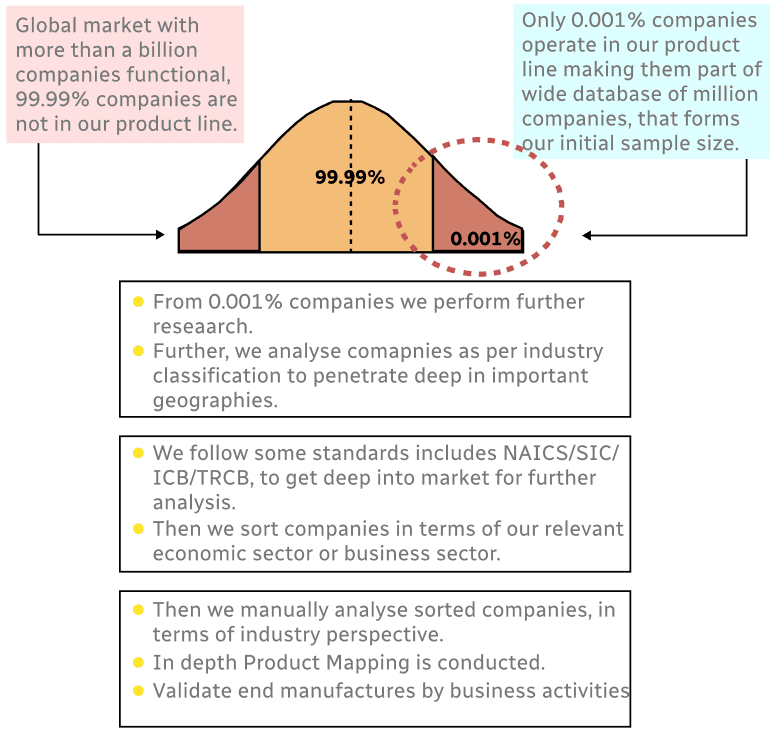
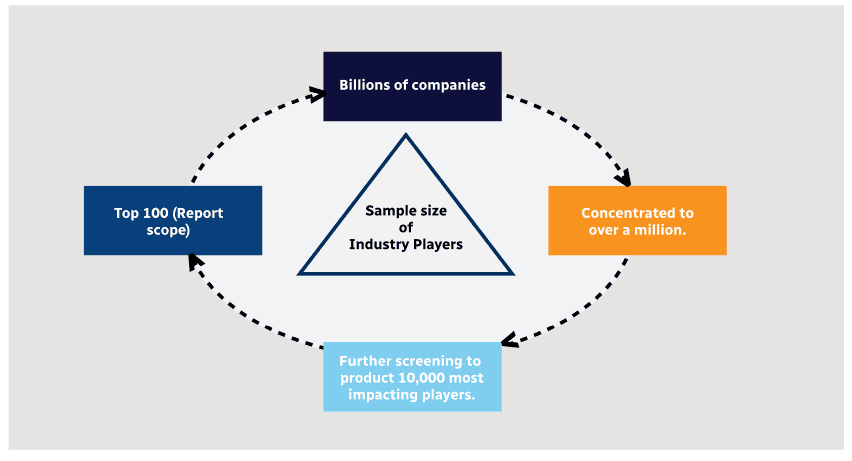
Step 1 - Identification of Relevant Samples Size from Population Database
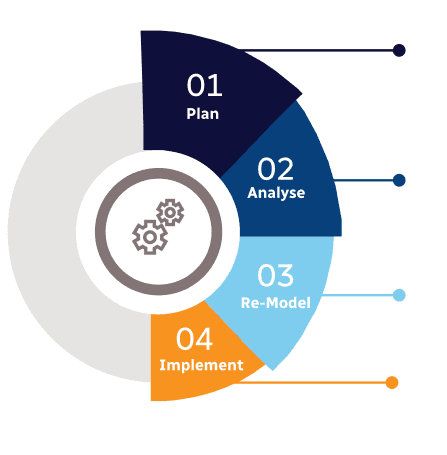
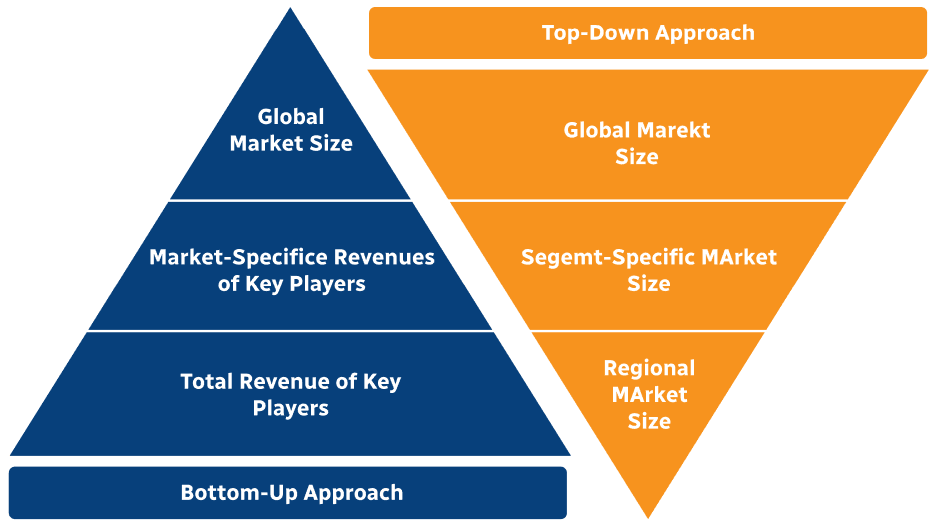
Step 2 - Approaches for Defining Global Market Size (Value, Volume* & Price*)
Note*: In applicable scenarios
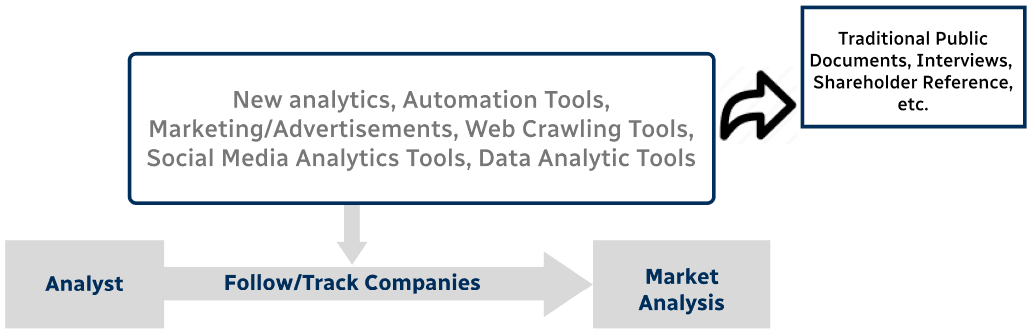
Step 3 - Data Sources
Primary Research
- Web Analytics
- Survey Reports
- Research Institute
- Latest Research Reports
- Opinion Leaders
Secondary Research
- Annual Reports
- White Paper
- Latest Press Release
- Industry Association
- Paid Database
- Investor Presentations
Step 4 - Data Triangulation
Involves using different sources of information in order to increase the validity of a study
These sources are likely to be stakeholders in a program - participants, other researchers, program staff, other community members, and so on.
Then we put all data in single framework & apply various statistical tools to find out the dynamic on the market.
During the analysis stage, feedback from the stakeholder groups would be compared to determine areas of agreement as well as areas of divergence