


Key Insights
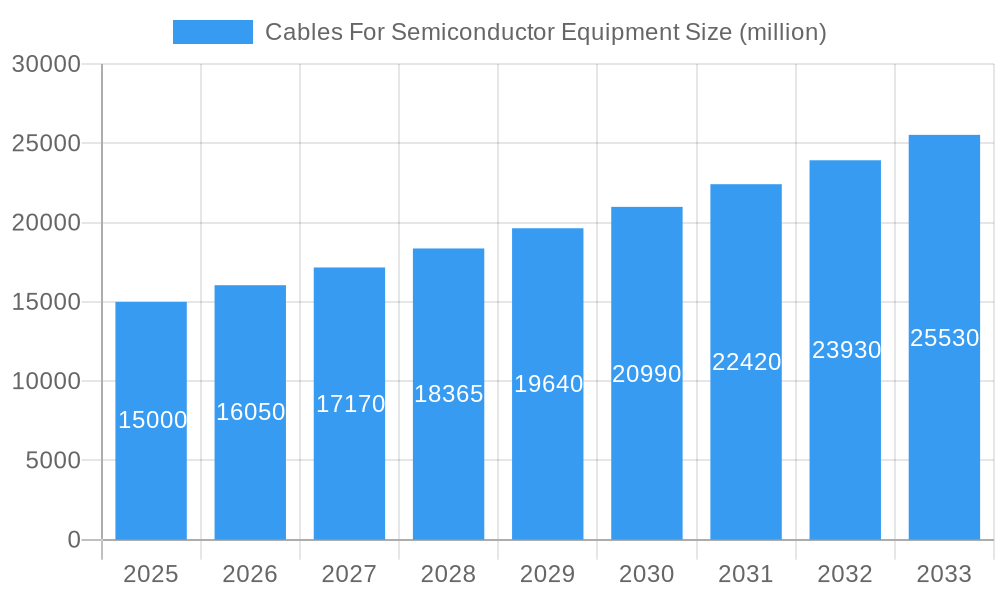
The global market for cables for semiconductor equipment is experiencing robust growth, driven by the increasing demand for advanced semiconductor devices and the expansion of the semiconductor manufacturing industry. The market's Compound Annual Growth Rate (CAGR) is estimated to be around 7% from 2025 to 2033, fueled by several key factors. These include the miniaturization of electronic components, necessitating specialized high-performance cables, the rise of advanced packaging technologies like 3D stacking and chiplets that require sophisticated interconnect solutions, and the growing adoption of automation and robotics in semiconductor fabrication plants. Furthermore, the increasing demand for high-bandwidth, low-latency data transmission within semiconductor facilities contributes significantly to market expansion. Key players like BizLink, HELUKABEL, and Gore are actively involved in developing and supplying innovative cable solutions to meet these evolving industry requirements. Competition is fierce, with companies focusing on technological advancements, product diversification, and strategic partnerships to gain a competitive edge.
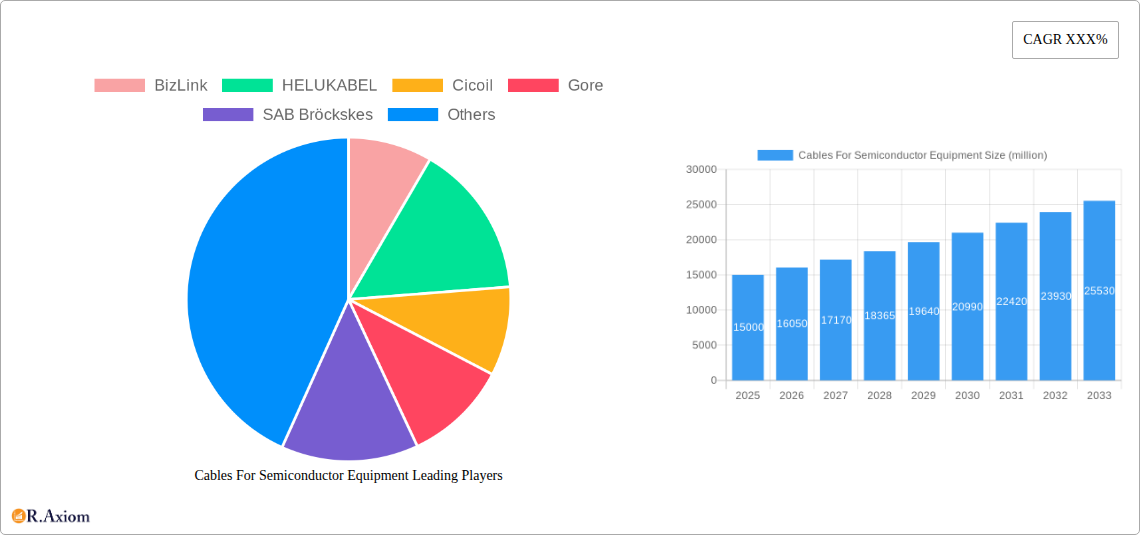
Cables For Semiconductor Equipment Market Size (In Billion)

The market is segmented based on cable type (e.g., coaxial cables, fiber optic cables, shielded twisted-pair cables), application (e.g., wafer fabrication, testing, packaging), and end-user industry (e.g., logic chips, memory chips, analog chips). Regional variations in growth are expected, with regions like North America and Asia-Pacific anticipated to hold significant market shares due to the concentration of major semiconductor manufacturers and robust investments in research and development. However, regulatory hurdles related to material sourcing and environmental concerns could pose challenges to market growth. Despite these potential restraints, the long-term outlook for the cables for semiconductor equipment market remains positive, reflecting the continuous advancements in semiconductor technology and the global demand for electronics.
Cables For Semiconductor Equipment Company Market Share
This comprehensive report provides an in-depth analysis of the global Cables For Semiconductor Equipment market, offering valuable insights for stakeholders across the semiconductor industry. Covering the period from 2019 to 2033, with a base year of 2025 and a forecast period of 2025-2033, this report meticulously examines market dynamics, growth drivers, challenges, and emerging opportunities. The report leverages detailed data analysis, incorporating millions of dollars in market value figures, and includes profiles of leading players such as BizLink, HELUKABEL, Cicoil, Gore, SAB Bröckskes, TOTOKU ELECTRIC CO., LTD., NICHIGOH COMMUNICATION ELECTRIC WIRE CO.,LTD., Rosenberger, Times Microwave Systems, Caton Connector Corporation, Daiichi Denzai CO., LTD., and CHUGOKU ELECTRIC WIRE & CABLE CO.,LTD. This report is crucial for businesses seeking to understand and capitalize on the growth potential within this specialized market segment.
Cables For Semiconductor Equipment Market Concentration & Innovation
This section analyzes market concentration, identifying key players and their respective market share. The analysis incorporates data on mergers and acquisitions (M&A) activities, evaluating their impact on market dynamics. Innovation drivers, regulatory frameworks, the availability of product substitutes, end-user trends, and their influence on market evolution are also explored.
- Market Concentration: The market exhibits a moderately concentrated structure, with the top 5 players holding an estimated xx% market share in 2025. This concentration is expected to slightly shift by 2033, with projections suggesting a xx% market share for the top 5.
- Innovation Drivers: Miniaturization trends in semiconductor manufacturing, the increasing demand for high-speed data transmission, and the need for improved signal integrity are key innovation drivers.
- M&A Activities: The historical period (2019-2024) witnessed xx M&A deals, with a total transaction value exceeding $xx million. The forecast period is expected to see an increase in M&A activity, driven by the consolidation of market players and technological advancements. Significant deals are anticipated to exceed $xx million in value.
- Regulatory Framework: Stringent industry regulations regarding material safety and performance standards influence product development and market access. Compliance costs are a significant factor for smaller players.
- Product Substitutes: While direct substitutes are limited, the use of alternative transmission technologies or materials could present potential challenges to market growth.
- End-User Trends: The growing adoption of advanced semiconductor manufacturing processes in various end-use sectors—such as automotive, consumer electronics, and 5G infrastructure—fuels market demand.
Cables For Semiconductor Equipment Industry Trends & Insights
This section delves into the key trends shaping the Cables For Semiconductor Equipment market, including market growth drivers, technological disruptions, consumer preferences, and competitive dynamics. We explore how these factors interact to influence market expansion and evolution. The analysis utilizes metrics such as Compound Annual Growth Rate (CAGR) and market penetration rates to provide quantitative insights.
The global Cables For Semiconductor Equipment market is experiencing significant growth, driven primarily by the escalating demand for advanced semiconductor technologies. The CAGR for the forecast period (2025-2033) is projected to be xx%, reaching a market value of $xx million by 2033. This growth is fueled by factors such as the increasing adoption of high-speed data transmission in semiconductor manufacturing, the rising demand for advanced packaging technologies, and the continuous expansion of the semiconductor industry. Technological disruptions, particularly in materials science and manufacturing processes, are constantly reshaping the competitive landscape. The market penetration rate for advanced cable technologies is steadily increasing, reflecting the industry's drive towards enhanced performance and reliability. Competitive dynamics are characterized by intense competition among established players and the emergence of new entrants offering specialized cable solutions. Consumer preferences are increasingly focused on high-performance, reliable, and environmentally friendly cables.
Dominant Markets & Segments in Cables For Semiconductor Equipment
This section identifies the leading regions, countries, or segments within the Cables For Semiconductor Equipment market, providing a detailed analysis of their dominance. Key drivers for this dominance are explored, including economic policies, infrastructure development, and industry-specific factors.
Dominant Region: Asia-Pacific is projected to maintain its dominance throughout the forecast period, driven by the strong presence of semiconductor manufacturing hubs in countries like China, South Korea, Taiwan, and Japan.
Key Drivers for Asia-Pacific Dominance:
- Rapid growth of the electronics and semiconductor industries.
- Significant government investments in infrastructure and technological advancements.
- Favorable economic conditions and a large pool of skilled labor.
Detailed Dominance Analysis: The dominance of Asia-Pacific is largely attributable to the region's concentration of major semiconductor manufacturers and their associated supply chains. The presence of established industry clusters and supportive government policies further strengthens this dominance.
Cables For Semiconductor Equipment Product Developments
This section summarizes recent product innovations, their applications, and their competitive advantages, emphasizing technological trends and market fit.
Recent advancements in cable technology for semiconductor equipment focus on improving signal integrity, minimizing signal loss, and enhancing durability in demanding manufacturing environments. This includes the development of cables with lower signal attenuation, improved shielding to mitigate electromagnetic interference (EMI), and materials that withstand high temperatures and vibrations. These innovations are crucial for ensuring the reliable operation of advanced semiconductor manufacturing processes, contributing to higher yields and improved overall efficiency. The market is seeing a growing adoption of miniaturized cables designed for use in high-density packaging applications.
Report Scope & Segmentation Analysis
This section details the market segmentation used throughout the report, including growth projections, market sizes, and competitive dynamics for each segment.
The report segments the market based on cable type (e.g., coaxial cables, fiber optic cables, twisted-pair cables), application (e.g., wafer fabrication, packaging, testing), and region. Each segment is analyzed individually, providing detailed insights into growth projections, market sizes, and competitive dynamics. The analysis incorporates the impact of technological advancements, regulatory changes, and industry trends on each segment's performance.
Key Drivers of Cables For Semiconductor Equipment Growth
This section outlines the key factors contributing to market growth, focusing on technological, economic, and regulatory influences.
- Technological Advancements: The ongoing miniaturization of semiconductor devices and the demand for higher data transfer speeds drive the need for advanced cable technologies.
- Economic Growth: The expansion of the global semiconductor industry, fueled by increased demand from various sectors (e.g., automotive, consumer electronics), directly boosts market growth.
- Favorable Government Policies: Government initiatives aimed at promoting technological innovation and supporting the semiconductor industry create a conducive environment for market expansion.
Challenges in the Cables For Semiconductor Equipment Sector
This section discusses challenges and restraints hindering market growth, including regulatory hurdles, supply chain issues, and competitive pressures.
The market faces challenges related to maintaining consistent supply chains, particularly in securing raw materials and specialized components. The complexity of cable manufacturing and testing processes adds to production costs. Stringent industry regulations concerning material safety and performance compliance can impose significant burdens on manufacturers. Intense competition among established players also creates pricing pressures, affecting profitability.
Emerging Opportunities in Cables For Semiconductor Equipment
This section highlights potential opportunities, including new markets, technologies, or consumer preferences.
Emerging opportunities lie in the development of cables for advanced packaging technologies and next-generation semiconductor manufacturing processes. The rising demand for high-bandwidth cables for 5G and other high-speed communication applications presents a significant growth opportunity. The adoption of sustainable materials and eco-friendly manufacturing processes is also expected to drive innovation and create new market niches.
Leading Players in the Cables For Semiconductor Equipment Market
- BizLink
- HELUKABEL
- Cicoil
- Gore
- SAB Bröckskes
- TOTOKU ELECTRIC CO., LTD.
- NICHIGOH COMMUNICATION ELECTRIC WIRE CO.,LTD.
- Rosenberger
- Times Microwave Systems
- Caton Connector Corporation
- Daiichi Denzai CO., LTD.
- CHUGOKU ELECTRIC WIRE & CABLE CO.,LTD.
Key Developments in Cables For Semiconductor Equipment Industry
- 2022-Q4: Times Microwave Systems launched a new series of high-frequency cables designed for advanced 5G applications.
- 2023-Q1: BizLink announced a strategic partnership with a leading semiconductor manufacturer to develop customized cable solutions for advanced packaging.
- 2023-Q3: HELUKABEL acquired a specialized cable manufacturer, expanding its product portfolio. (Further details on the acquired company and the transaction value are unavailable and thus denoted as xx)
Strategic Outlook for Cables For Semiconductor Equipment Market
The Cables For Semiconductor Equipment market is poised for continued growth, driven by several factors. The increasing adoption of advanced semiconductor technologies across diverse industries, combined with ongoing innovations in cable materials and designs, will fuel market expansion. The focus on improving signal integrity, minimizing signal loss, and enhancing durability will remain key drivers. Strategic partnerships, mergers, and acquisitions are expected to continue shaping the competitive landscape, leading to further consolidation and innovation within the market. The market is expected to reach $xx million by 2033.
Cables For Semiconductor Equipment Segmentation
-
1. Application
- 1.1. undefined
-
2. Type
- 2.1. undefined
Cables For Semiconductor Equipment Segmentation By Geography
- 1. undefined
- 2. undefined
- 3. undefined
- 4. undefined
- 5. undefined
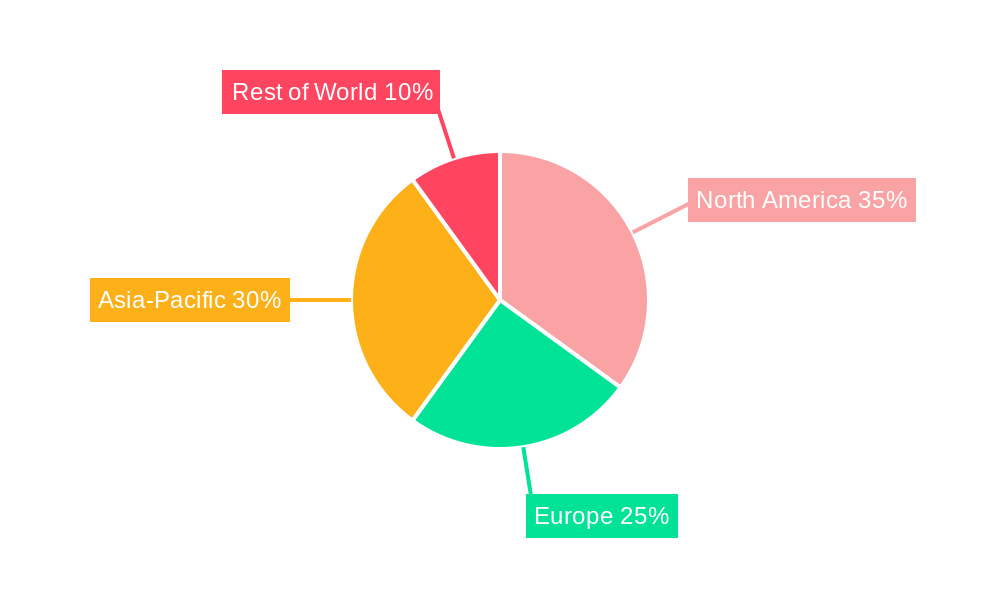
Cables For Semiconductor Equipment Regional Market Share
Geographic Coverage of Cables For Semiconductor Equipment
Cables For Semiconductor Equipment REPORT HIGHLIGHTS
| Aspects | Details |
|---|---|
| Study Period | 2020-2034 |
| Base Year | 2025 |
| Estimated Year | 2026 |
| Forecast Period | 2026-2034 |
| Historical Period | 2020-2025 |
| Growth Rate | CAGR of XXX% from 2020-2034 |
| Segmentation |
|
Table of Contents
- 1. Introduction
- 1.1. Research Scope
- 1.2. Market Segmentation
- 1.3. Research Methodology
- 1.4. Definitions and Assumptions
- 2. Executive Summary
- 2.1. Introduction
- 3. Market Dynamics
- 3.1. Introduction
- 3.2. Market Drivers
- 3.3. Market Restrains
- 3.4. Market Trends
- 4. Market Factor Analysis
- 4.1. Porters Five Forces
- 4.2. Supply/Value Chain
- 4.3. PESTEL analysis
- 4.4. Market Entropy
- 4.5. Patent/Trademark Analysis
- 5. Global Cables For Semiconductor Equipment Analysis, Insights and Forecast, 2020-2032
- 5.1. Market Analysis, Insights and Forecast - by Application
- 5.1.1.
- 5.2. Market Analysis, Insights and Forecast - by Type
- 5.2.1.
- 5.3. Market Analysis, Insights and Forecast - by Region
- 5.3.1.
- 5.3.2.
- 5.3.3.
- 5.3.4.
- 5.3.5.
- 5.1. Market Analysis, Insights and Forecast - by Application
- 6. undefined Cables For Semiconductor Equipment Analysis, Insights and Forecast, 2020-2032
- 6.1. Market Analysis, Insights and Forecast - by Application
- 6.1.1.
- 6.2. Market Analysis, Insights and Forecast - by Type
- 6.2.1.
- 6.1. Market Analysis, Insights and Forecast - by Application
- 7. undefined Cables For Semiconductor Equipment Analysis, Insights and Forecast, 2020-2032
- 7.1. Market Analysis, Insights and Forecast - by Application
- 7.1.1.
- 7.2. Market Analysis, Insights and Forecast - by Type
- 7.2.1.
- 7.1. Market Analysis, Insights and Forecast - by Application
- 8. undefined Cables For Semiconductor Equipment Analysis, Insights and Forecast, 2020-2032
- 8.1. Market Analysis, Insights and Forecast - by Application
- 8.1.1.
- 8.2. Market Analysis, Insights and Forecast - by Type
- 8.2.1.
- 8.1. Market Analysis, Insights and Forecast - by Application
- 9. undefined Cables For Semiconductor Equipment Analysis, Insights and Forecast, 2020-2032
- 9.1. Market Analysis, Insights and Forecast - by Application
- 9.1.1.
- 9.2. Market Analysis, Insights and Forecast - by Type
- 9.2.1.
- 9.1. Market Analysis, Insights and Forecast - by Application
- 10. undefined Cables For Semiconductor Equipment Analysis, Insights and Forecast, 2020-2032
- 10.1. Market Analysis, Insights and Forecast - by Application
- 10.1.1.
- 10.2. Market Analysis, Insights and Forecast - by Type
- 10.2.1.
- 10.1. Market Analysis, Insights and Forecast - by Application
- 11. Competitive Analysis
- 11.1. Global Market Share Analysis 2025
- 11.2. Company Profiles
- 11.2.1 BizLink
- 11.2.1.1. Overview
- 11.2.1.2. Products
- 11.2.1.3. SWOT Analysis
- 11.2.1.4. Recent Developments
- 11.2.1.5. Financials (Based on Availability)
- 11.2.2 HELUKABEL
- 11.2.2.1. Overview
- 11.2.2.2. Products
- 11.2.2.3. SWOT Analysis
- 11.2.2.4. Recent Developments
- 11.2.2.5. Financials (Based on Availability)
- 11.2.3 Cicoil
- 11.2.3.1. Overview
- 11.2.3.2. Products
- 11.2.3.3. SWOT Analysis
- 11.2.3.4. Recent Developments
- 11.2.3.5. Financials (Based on Availability)
- 11.2.4 Gore
- 11.2.4.1. Overview
- 11.2.4.2. Products
- 11.2.4.3. SWOT Analysis
- 11.2.4.4. Recent Developments
- 11.2.4.5. Financials (Based on Availability)
- 11.2.5 SAB Bröckskes
- 11.2.5.1. Overview
- 11.2.5.2. Products
- 11.2.5.3. SWOT Analysis
- 11.2.5.4. Recent Developments
- 11.2.5.5. Financials (Based on Availability)
- 11.2.6 TOTOKU ELECTRIC CO. LTD.
- 11.2.6.1. Overview
- 11.2.6.2. Products
- 11.2.6.3. SWOT Analysis
- 11.2.6.4. Recent Developments
- 11.2.6.5. Financials (Based on Availability)
- 11.2.7 NICHIGOH COMMUNICATION ELECTRIC WIRE CO.LTD.
- 11.2.7.1. Overview
- 11.2.7.2. Products
- 11.2.7.3. SWOT Analysis
- 11.2.7.4. Recent Developments
- 11.2.7.5. Financials (Based on Availability)
- 11.2.8 Rosenberger
- 11.2.8.1. Overview
- 11.2.8.2. Products
- 11.2.8.3. SWOT Analysis
- 11.2.8.4. Recent Developments
- 11.2.8.5. Financials (Based on Availability)
- 11.2.9 Times Microwave Systems
- 11.2.9.1. Overview
- 11.2.9.2. Products
- 11.2.9.3. SWOT Analysis
- 11.2.9.4. Recent Developments
- 11.2.9.5. Financials (Based on Availability)
- 11.2.10 Caton Connector Corporation
- 11.2.10.1. Overview
- 11.2.10.2. Products
- 11.2.10.3. SWOT Analysis
- 11.2.10.4. Recent Developments
- 11.2.10.5. Financials (Based on Availability)
- 11.2.11 Daiichi Denzai CO. LTD.
- 11.2.11.1. Overview
- 11.2.11.2. Products
- 11.2.11.3. SWOT Analysis
- 11.2.11.4. Recent Developments
- 11.2.11.5. Financials (Based on Availability)
- 11.2.12 CHUGOKU ELECTRIC WIRE & CABLE CO.LTD.
- 11.2.12.1. Overview
- 11.2.12.2. Products
- 11.2.12.3. SWOT Analysis
- 11.2.12.4. Recent Developments
- 11.2.12.5. Financials (Based on Availability)
- 11.2.1 BizLink
List of Figures
- Figure 1: Global Cables For Semiconductor Equipment Revenue Breakdown (million, %) by Region 2025 & 2033
- Figure 2: undefined Cables For Semiconductor Equipment Revenue (million), by Application 2025 & 2033
- Figure 3: undefined Cables For Semiconductor Equipment Revenue Share (%), by Application 2025 & 2033
- Figure 4: undefined Cables For Semiconductor Equipment Revenue (million), by Type 2025 & 2033
- Figure 5: undefined Cables For Semiconductor Equipment Revenue Share (%), by Type 2025 & 2033
- Figure 6: undefined Cables For Semiconductor Equipment Revenue (million), by Country 2025 & 2033
- Figure 7: undefined Cables For Semiconductor Equipment Revenue Share (%), by Country 2025 & 2033
- Figure 8: undefined Cables For Semiconductor Equipment Revenue (million), by Application 2025 & 2033
- Figure 9: undefined Cables For Semiconductor Equipment Revenue Share (%), by Application 2025 & 2033
- Figure 10: undefined Cables For Semiconductor Equipment Revenue (million), by Type 2025 & 2033
- Figure 11: undefined Cables For Semiconductor Equipment Revenue Share (%), by Type 2025 & 2033
- Figure 12: undefined Cables For Semiconductor Equipment Revenue (million), by Country 2025 & 2033
- Figure 13: undefined Cables For Semiconductor Equipment Revenue Share (%), by Country 2025 & 2033
- Figure 14: undefined Cables For Semiconductor Equipment Revenue (million), by Application 2025 & 2033
- Figure 15: undefined Cables For Semiconductor Equipment Revenue Share (%), by Application 2025 & 2033
- Figure 16: undefined Cables For Semiconductor Equipment Revenue (million), by Type 2025 & 2033
- Figure 17: undefined Cables For Semiconductor Equipment Revenue Share (%), by Type 2025 & 2033
- Figure 18: undefined Cables For Semiconductor Equipment Revenue (million), by Country 2025 & 2033
- Figure 19: undefined Cables For Semiconductor Equipment Revenue Share (%), by Country 2025 & 2033
- Figure 20: undefined Cables For Semiconductor Equipment Revenue (million), by Application 2025 & 2033
- Figure 21: undefined Cables For Semiconductor Equipment Revenue Share (%), by Application 2025 & 2033
- Figure 22: undefined Cables For Semiconductor Equipment Revenue (million), by Type 2025 & 2033
- Figure 23: undefined Cables For Semiconductor Equipment Revenue Share (%), by Type 2025 & 2033
- Figure 24: undefined Cables For Semiconductor Equipment Revenue (million), by Country 2025 & 2033
- Figure 25: undefined Cables For Semiconductor Equipment Revenue Share (%), by Country 2025 & 2033
- Figure 26: undefined Cables For Semiconductor Equipment Revenue (million), by Application 2025 & 2033
- Figure 27: undefined Cables For Semiconductor Equipment Revenue Share (%), by Application 2025 & 2033
- Figure 28: undefined Cables For Semiconductor Equipment Revenue (million), by Type 2025 & 2033
- Figure 29: undefined Cables For Semiconductor Equipment Revenue Share (%), by Type 2025 & 2033
- Figure 30: undefined Cables For Semiconductor Equipment Revenue (million), by Country 2025 & 2033
- Figure 31: undefined Cables For Semiconductor Equipment Revenue Share (%), by Country 2025 & 2033
List of Tables
- Table 1: Global Cables For Semiconductor Equipment Revenue million Forecast, by Application 2020 & 2033
- Table 2: Global Cables For Semiconductor Equipment Revenue million Forecast, by Type 2020 & 2033
- Table 3: Global Cables For Semiconductor Equipment Revenue million Forecast, by Region 2020 & 2033
- Table 4: Global Cables For Semiconductor Equipment Revenue million Forecast, by Application 2020 & 2033
- Table 5: Global Cables For Semiconductor Equipment Revenue million Forecast, by Type 2020 & 2033
- Table 6: Global Cables For Semiconductor Equipment Revenue million Forecast, by Country 2020 & 2033
- Table 7: Global Cables For Semiconductor Equipment Revenue million Forecast, by Application 2020 & 2033
- Table 8: Global Cables For Semiconductor Equipment Revenue million Forecast, by Type 2020 & 2033
- Table 9: Global Cables For Semiconductor Equipment Revenue million Forecast, by Country 2020 & 2033
- Table 10: Global Cables For Semiconductor Equipment Revenue million Forecast, by Application 2020 & 2033
- Table 11: Global Cables For Semiconductor Equipment Revenue million Forecast, by Type 2020 & 2033
- Table 12: Global Cables For Semiconductor Equipment Revenue million Forecast, by Country 2020 & 2033
- Table 13: Global Cables For Semiconductor Equipment Revenue million Forecast, by Application 2020 & 2033
- Table 14: Global Cables For Semiconductor Equipment Revenue million Forecast, by Type 2020 & 2033
- Table 15: Global Cables For Semiconductor Equipment Revenue million Forecast, by Country 2020 & 2033
- Table 16: Global Cables For Semiconductor Equipment Revenue million Forecast, by Application 2020 & 2033
- Table 17: Global Cables For Semiconductor Equipment Revenue million Forecast, by Type 2020 & 2033
- Table 18: Global Cables For Semiconductor Equipment Revenue million Forecast, by Country 2020 & 2033
Frequently Asked Questions
1. What is the projected Compound Annual Growth Rate (CAGR) of the Cables For Semiconductor Equipment?
The projected CAGR is approximately XXX%.
2. Which companies are prominent players in the Cables For Semiconductor Equipment?
Key companies in the market include BizLink, HELUKABEL, Cicoil, Gore, SAB Bröckskes, TOTOKU ELECTRIC CO., LTD., NICHIGOH COMMUNICATION ELECTRIC WIRE CO.,LTD., Rosenberger, Times Microwave Systems, Caton Connector Corporation, Daiichi Denzai CO., LTD., CHUGOKU ELECTRIC WIRE & CABLE CO.,LTD..
3. What are the main segments of the Cables For Semiconductor Equipment?
The market segments include Application, Type.
4. Can you provide details about the market size?
The market size is estimated to be USD XXX million as of 2022.
5. What are some drivers contributing to market growth?
N/A
6. What are the notable trends driving market growth?
N/A
7. Are there any restraints impacting market growth?
N/A
8. Can you provide examples of recent developments in the market?
N/A
9. What pricing options are available for accessing the report?
Pricing options include single-user, multi-user, and enterprise licenses priced at USD 2900.00, USD 4350.00, and USD 5800.00 respectively.
10. Is the market size provided in terms of value or volume?
The market size is provided in terms of value, measured in million.
11. Are there any specific market keywords associated with the report?
Yes, the market keyword associated with the report is "Cables For Semiconductor Equipment," which aids in identifying and referencing the specific market segment covered.
12. How do I determine which pricing option suits my needs best?
The pricing options vary based on user requirements and access needs. Individual users may opt for single-user licenses, while businesses requiring broader access may choose multi-user or enterprise licenses for cost-effective access to the report.
13. Are there any additional resources or data provided in the Cables For Semiconductor Equipment report?
While the report offers comprehensive insights, it's advisable to review the specific contents or supplementary materials provided to ascertain if additional resources or data are available.
14. How can I stay updated on further developments or reports in the Cables For Semiconductor Equipment?
To stay informed about further developments, trends, and reports in the Cables For Semiconductor Equipment, consider subscribing to industry newsletters, following relevant companies and organizations, or regularly checking reputable industry news sources and publications.
Methodology
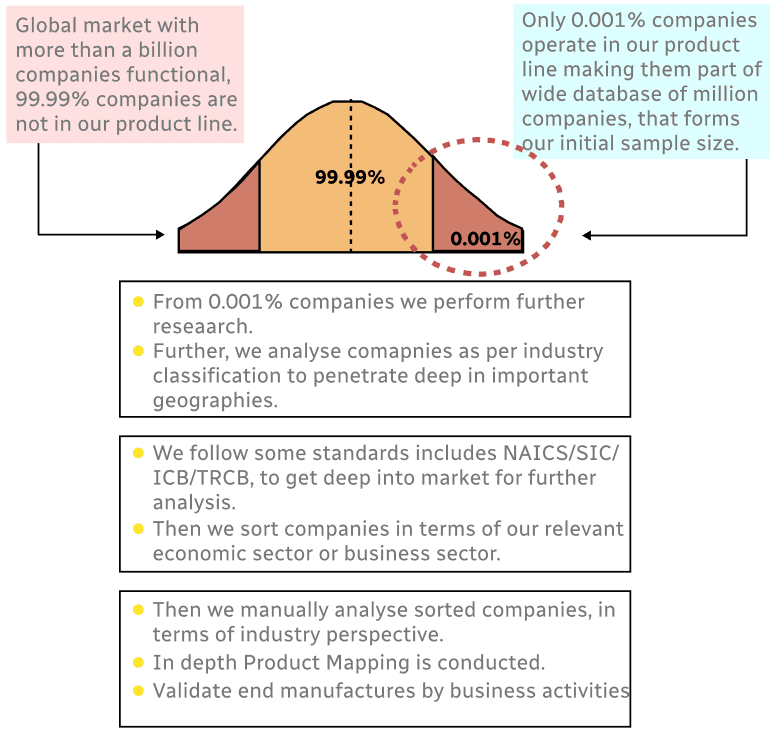
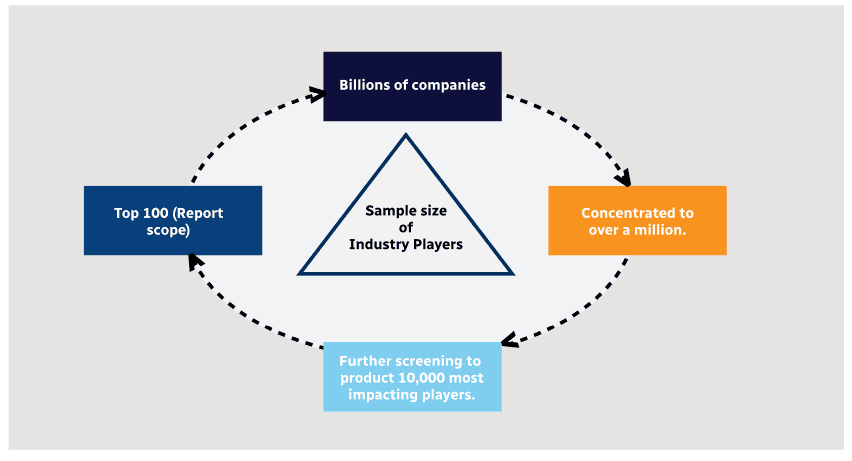
Step 1 - Identification of Relevant Samples Size from Population Database
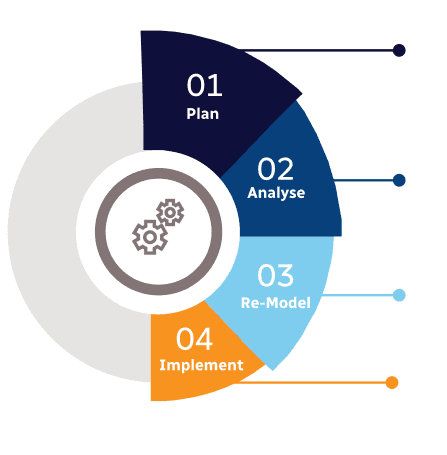
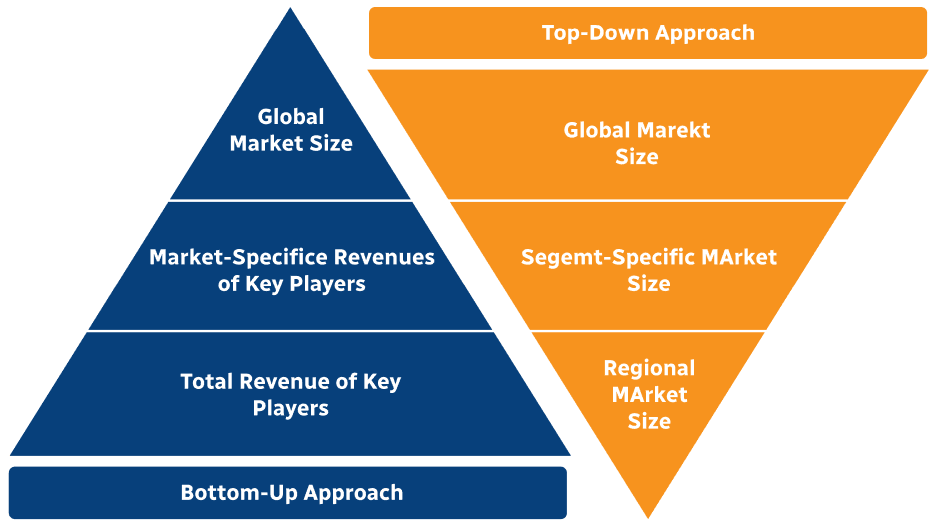
Step 2 - Approaches for Defining Global Market Size (Value, Volume* & Price*)
Note*: In applicable scenarios
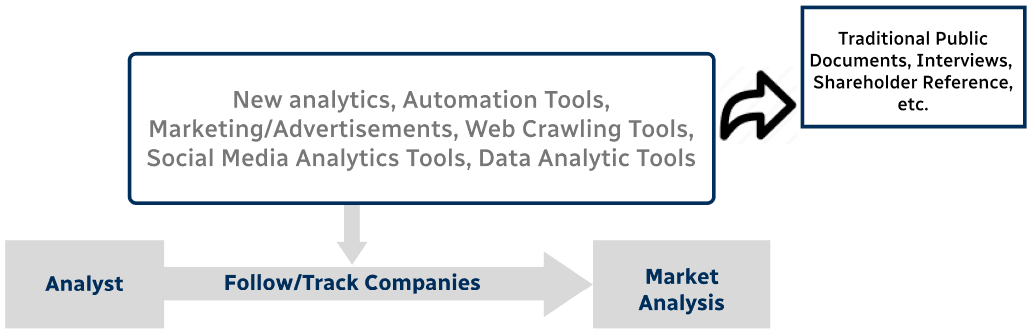
Step 3 - Data Sources
Primary Research
- Web Analytics
- Survey Reports
- Research Institute
- Latest Research Reports
- Opinion Leaders
Secondary Research
- Annual Reports
- White Paper
- Latest Press Release
- Industry Association
- Paid Database
- Investor Presentations
Step 4 - Data Triangulation
Involves using different sources of information in order to increase the validity of a study
These sources are likely to be stakeholders in a program - participants, other researchers, program staff, other community members, and so on.
Then we put all data in single framework & apply various statistical tools to find out the dynamic on the market.
During the analysis stage, feedback from the stakeholder groups would be compared to determine areas of agreement as well as areas of divergence