Key Insights
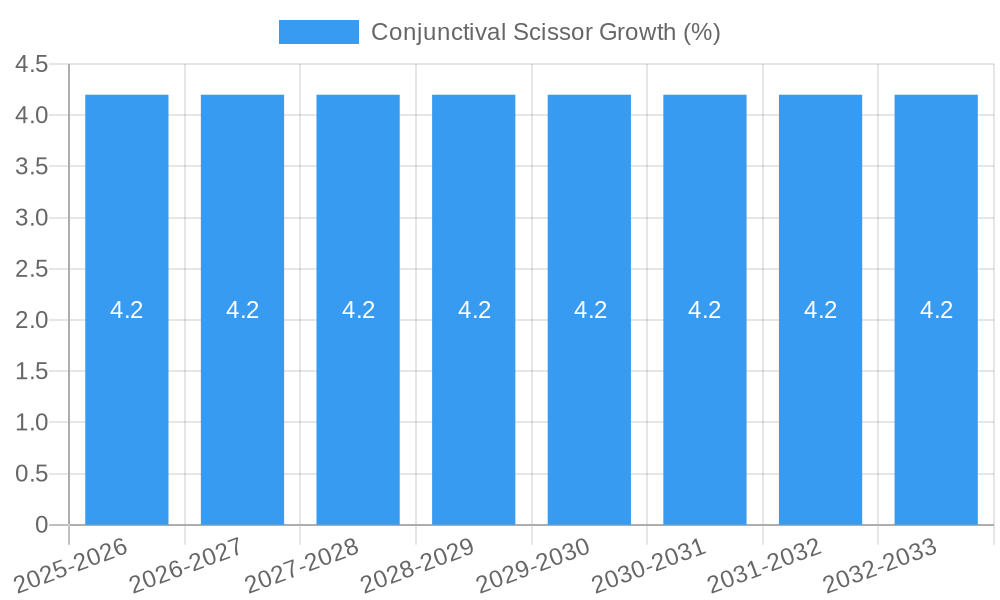
The global Conjunctival Scissor market is poised for steady expansion, estimated at $113 million in 2025 and projected to grow at a Compound Annual Growth Rate (CAGR) of 4.2% through 2033. This sustained growth is primarily fueled by the increasing prevalence of ophthalmic conditions requiring surgical intervention, such as cataracts, glaucoma, and retinal detachments. Advances in surgical techniques and the development of minimally invasive procedures are further driving demand for specialized ophthalmic instruments like conjunctival scissors. The aging global population, a significant demographic trend, directly contributes to a higher incidence of eye-related diseases, thereby augmenting the need for these precision surgical tools. Furthermore, growing healthcare expenditure and improved access to eye care services, particularly in emerging economies, are creating a more favorable market environment. Hospitals remain the dominant application segment, owing to their comprehensive surgical facilities and the higher volume of procedures performed. However, the rapid growth of specialized eye clinics, driven by a focus on outpatient ophthalmic surgeries and enhanced patient convenience, presents a significant growth opportunity.
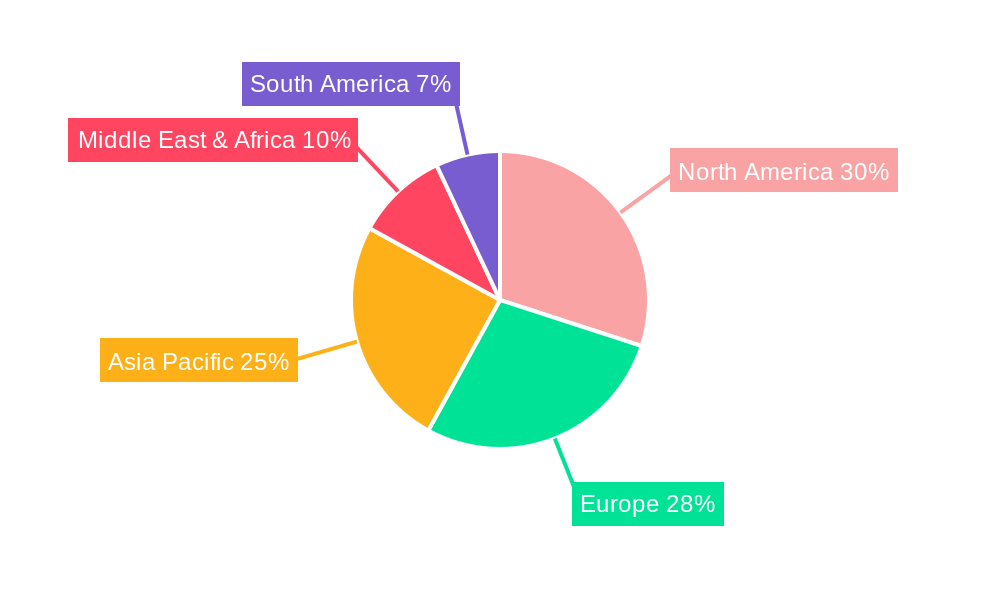
The market dynamics are also shaped by a combination of accelerating trends and certain restraining factors. Key market drivers include the rising incidence of ocular diseases, technological advancements in ophthalmic surgery, and increasing healthcare investments. The trend towards precision surgery and the demand for specialized, high-quality instruments are paramount. Conversely, the market faces restraints such as the high cost of advanced ophthalmic equipment and stringent regulatory approvals for medical devices, which can slow down product launches and market penetration. The competitive landscape features a mix of established global players and regional manufacturers, all vying for market share through product innovation, strategic partnerships, and expanding distribution networks. The ongoing shift towards value-based healthcare and the emphasis on patient outcomes will continue to influence product development and market strategies. The United States and European countries currently represent significant markets due to advanced healthcare infrastructure and high adoption rates of new technologies. However, the Asia Pacific region is expected to witness the most dynamic growth, driven by a large patient pool, increasing disposable incomes, and government initiatives to improve eye care access.
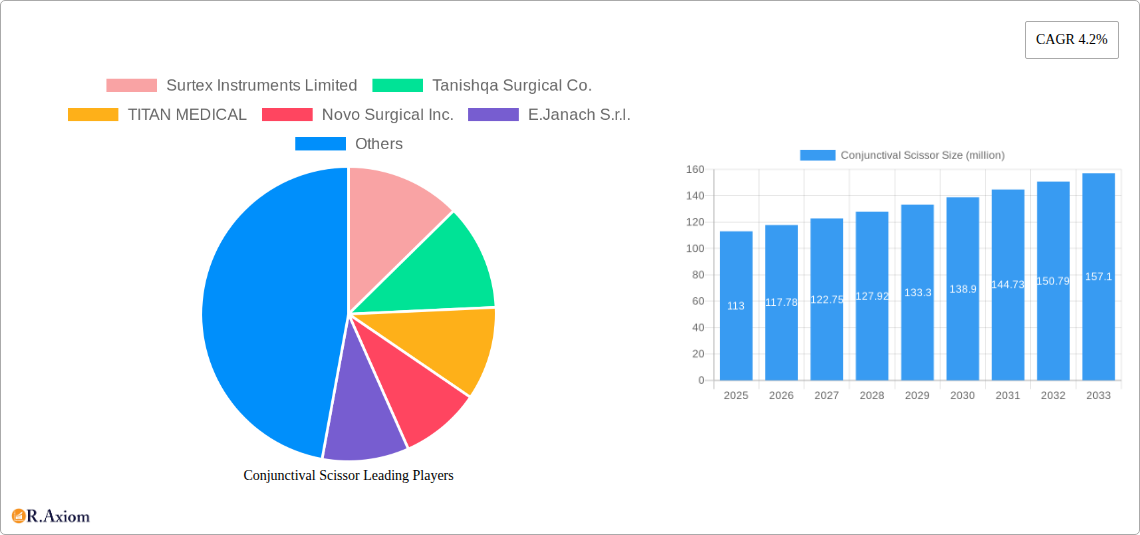
Conjunctival Scissor Market Concentration & Innovation
The global conjunctival scissor market, valued at over XX million in 2025, exhibits a moderately concentrated landscape. Leading players such as Surtex Instruments Limited, Tanishqa Surgical Co., TITAN MEDICAL, Novo Surgical Inc., and E.Janach S.r.l. hold significant market shares. Innovation is a key differentiator, driven by advancements in material science for enhanced durability and precision, alongside ergonomic designs for improved surgeon comfort and reduced patient trauma. Regulatory frameworks, particularly those from the FDA and EMA, play a crucial role in market entry and product approval, ensuring stringent quality and safety standards. Product substitutes, while limited in direct ophthalmic procedures, include laser technologies for certain delicate excisions, posing a niche challenge. End-user trends are leaning towards minimally invasive surgical techniques, demanding sharper and more specialized conjunctival scissors. Mergers and acquisitions (M&A) activity, while not exceptionally high, has seen strategic consolidation, with estimated deal values reaching XX million in the historical period (2019-2024), aimed at expanding product portfolios and geographical reach.
- Market Share: Dominated by a few key manufacturers, with top 5 players accounting for over 60% of the market.
- Innovation Drivers: Advanced metallurgy, ergonomic design, and specialized blade geometries.
- Regulatory Impact: FDA and EMA approvals are critical for market access and credibility.
- End-User Demands: Increasing preference for precision instruments for ophthalmic surgeries.
- M&A Activity: Strategic acquisitions focused on market expansion and technological integration.
Conjunctival Scissor Industry Trends & Insights
The global conjunctival scissor market is poised for substantial growth, driven by an increasing prevalence of eye disorders and a rising demand for advanced ophthalmic surgical procedures. The Compound Annual Growth Rate (CAGR) is projected to be XX% during the forecast period of 2025–2033, with the market size expected to surpass XX million by 2033. This robust growth is fueled by several key factors. Firstly, the aging global population, particularly in developed economies, is leading to a higher incidence of conditions like cataracts, glaucoma, and dry eye syndrome, all of which often require surgical intervention where conjunctival scissors are indispensable. Secondly, technological disruptions in surgical instrumentation are continuously pushing the boundaries of precision and efficacy. Manufacturers are investing heavily in research and development to produce conjunctival scissors with superior sharpness, optimal blade angles, and advanced materials like high-grade stainless steel and titanium alloys, which offer enhanced biocompatibility and corrosion resistance. This focus on material innovation directly translates into improved surgical outcomes, reduced patient recovery times, and fewer complications, thereby driving market penetration.
Consumer preferences are also evolving. Ophthalmic surgeons are increasingly seeking instruments that offer enhanced tactile feedback, improved grip, and greater control during intricate procedures. This has led to a demand for ergonomically designed conjunctival scissors that minimize surgeon fatigue and optimize dexterity. Furthermore, the growing trend towards outpatient and ambulatory surgical centers is creating a larger market for sterile, disposable, or easily sterilizable conjunctival scissors, catering to the need for efficiency and infection control. The competitive dynamics within the conjunctival scissor industry are characterized by intense R&D efforts and strategic collaborations. Companies are differentiating themselves through product specialization, catering to specific surgical needs, such as those for pterygium excision, corneal transplantation, or the removal of conjunctival tumors. The increasing adoption of sophisticated surgical techniques, including micro-incisional surgeries, further accentuates the need for highly specialized and precise conjunctival scissors, thereby shaping the competitive landscape. The market penetration of advanced conjunctival scissors is steadily increasing as healthcare providers recognize their contribution to improved patient care and surgical efficiency. The overall market penetration is estimated to reach XX% by 2033.
Dominant Markets & Segments in Conjunctival Scissor
The global conjunctival scissor market showcases distinct regional dominance and segment preferences, driven by varying healthcare infrastructures, economic policies, and patient demographics.
Leading Region: North America currently holds the dominant position in the conjunctival scissor market, driven by a robust healthcare system, high disposable income, and a strong emphasis on advanced medical technologies. The presence of a large aging population, coupled with a high prevalence of eye-related conditions, further bolsters demand. Economic policies in the United States and Canada prioritize healthcare innovation and accessibility, facilitating the adoption of cutting-edge surgical instruments. Advanced healthcare infrastructure, including well-equipped hospitals and specialized eye clinics, ensures a consistent demand for high-quality conjunctival scissors.
- Key Drivers for North America:
- High prevalence of age-related eye diseases.
- Government initiatives promoting advanced healthcare technologies.
- Significant investment in R&D by leading medical device manufacturers.
- Well-established reimbursement policies for ophthalmic procedures.
Dominant Application Segment: The Hospital segment commands the largest market share for conjunctival scissors. Hospitals, being the primary centers for complex ophthalmic surgeries, witness a high volume of procedures requiring these specialized instruments. The availability of comprehensive surgical facilities, multidisciplinary teams, and a continuous flow of patients with diverse eye conditions contribute to the sustained demand. Regulatory frameworks within hospitals also enforce the use of sterile and high-quality surgical tools, favoring established and reputable brands.
- Key Drivers for Hospital Segment:
- High volume of intricate ophthalmic surgeries.
- Availability of state-of-the-art surgical infrastructure.
- Stringent infection control protocols demanding sterile instruments.
- Presence of specialized ophthalmology departments.
Dominant Type Segment: Within the types of conjunctival scissors, the Curved Blade segment exhibits greater market penetration. Curved blades offer enhanced maneuverability and precision, particularly in reaching and dissecting delicate conjunctival tissues in complex anatomical areas within the eye. This design is favored for procedures requiring intricate dissection and minimal collateral tissue damage. The adoption of minimally invasive surgical techniques further amplifies the demand for curved blade conjunctival scissors, as they facilitate access through smaller incisions.
- Key Drivers for Curved Blade Segment:
- Superior maneuverability in delicate surgical fields.
- Enhanced precision for intricate dissections.
- Preference for instruments in minimally invasive procedures.
- Reduced risk of accidental tissue damage.
Conjunctival Scissor Product Developments
Product development in the conjunctival scissor market is heavily focused on enhancing precision, durability, and surgeon ergonomics. Innovations include the introduction of micro-serrated blades for improved grip and cutting efficiency, along with advanced coating technologies for reduced friction and enhanced biocompatibility. Manufacturers are also exploring lighter yet stronger materials, such as specialized stainless steel alloys and titanium, to minimize surgeon fatigue during prolonged procedures. The competitive advantage lies in offering instruments tailored for specific ophthalmic surgeries, such as pterygium removal or conjunctival flap creation, thereby catering to niche market demands and improving surgical outcomes.
Report Scope & Segmentation Analysis
This report provides a comprehensive analysis of the global conjunctival scissor market, segmenting it by application and type. The application segments include Hospital, Eye Clinic, and Others. The Hospital segment is expected to witness a significant market share, driven by the high volume of complex surgeries and advanced infrastructure. The Eye Clinic segment, while smaller, is anticipated to grow steadily with the increasing number of specialized eye care centers. The Others segment, encompassing research institutions and veterinary ophthalmology, represents a niche but emerging area.
In terms of type, the market is segmented into Straight Blade and Curved Blade conjunctival scissors. The Curved Blade segment is projected to dominate, owing to its superior maneuverability in ophthalmic surgeries. The Straight Blade segment will continue to cater to specific procedures where direct, linear cutting is required. Growth projections and competitive dynamics within each segment are meticulously detailed.
Key Drivers of Conjunctival Scissor Growth
The conjunctival scissor market growth is propelled by a confluence of technological, economic, and demographic factors.
- Technological Advancements: Continuous innovation in material science and manufacturing techniques leads to the development of sharper, more durable, and ergonomically superior conjunctival scissors, enhancing surgical precision and patient outcomes.
- Rising Ophthalmic Disorder Prevalence: The increasing global incidence of eye conditions such as cataracts, glaucoma, and pterygium, particularly in aging populations, directly translates to a higher demand for ophthalmic surgical instruments, including conjunctival scissors.
- Growth of Minimally Invasive Ophthalmic Surgery: The widespread adoption of minimally invasive techniques in ophthalmology necessitates the use of specialized, high-precision instruments like conjunctival scissors, fostering market expansion.
- Healthcare Infrastructure Development: Investments in advanced healthcare infrastructure and the establishment of specialized eye care centers in emerging economies are creating new market opportunities for conjunctival scissor manufacturers.
Challenges in the Conjunctival Scissor Sector
Despite robust growth, the conjunctival scissor sector faces several challenges that can impact its trajectory.
- Stringent Regulatory Approvals: Obtaining regulatory clearance from bodies like the FDA and EMA can be a lengthy and costly process, potentially delaying product launches and market entry.
- Intense Competition and Price Pressures: The presence of numerous manufacturers, both large and small, leads to significant competition, often resulting in price erosion and reduced profit margins, especially for standard product offerings.
- Supply Chain Disruptions: Geopolitical instability, raw material availability, and global logistics challenges can disrupt the supply chain, impacting production timelines and increasing operational costs.
- Development of Alternative Technologies: While direct substitutes are limited, advancements in laser technologies for certain ophthalmic procedures could pose a long-term competitive threat in specific applications.
Emerging Opportunities in Conjunctival Scissor
The conjunctival scissor market is ripe with emerging opportunities, driven by evolving healthcare landscapes and technological frontiers.
- Expansion in Emerging Economies: Rapid advancements in healthcare infrastructure and increasing disposable incomes in regions like Asia-Pacific and Latin America present significant untapped markets for conjunctival scissors.
- Development of Smart/Connected Instruments: The integration of sensor technology and connectivity features into surgical instruments, enabling real-time data feedback and enhanced surgical guidance, represents a key technological frontier.
- Growth in Veterinary Ophthalmology: The increasing specialization and sophistication of veterinary care are creating a niche but growing demand for ophthalmic surgical instruments, including conjunctival scissors, for animal patients.
- Focus on Sustainable and Biocompatible Materials: Growing environmental consciousness and a demand for bio-compatible materials offer opportunities for manufacturers to develop innovative, eco-friendly, and patient-safe conjunctival scissors.
Leading Players in the Conjunctival Scissor Market
- Surtex Instruments Limited
- Tanishqa Surgical Co.
- TITAN MEDICAL
- Novo Surgical Inc.
- E.Janach S.r.l.
- Duckworth & Kent Ltd.
- GerMedUSA Inc
- McKesson Corporation
- Wexler Surgical
- Altomed
- CILITA Ltd.
- BangOn International
- MST
- BD
- Teleflex
Key Developments in Conjunctival Scissor Industry
- 2023: Surtex Instruments Limited launched a new line of micro-serrated conjunctival scissors, enhancing surgical precision for pterygium excision.
- 2022: TITAN MEDICAL acquired a specialized manufacturing facility to increase its production capacity for ophthalmic instruments.
- 2021: Novo Surgical Inc. received FDA clearance for its ergonomic conjunctival scissor design, focusing on surgeon comfort.
- 2020: E.Janach S.r.l. expanded its distribution network into the Middle East, targeting growing ophthalmic surgery markets.
- 2019: Duckworth & Kent Ltd. introduced advanced coating technology for its conjunctival scissors, improving durability and reducing surgical friction.
Strategic Outlook for Conjunctival Scissor Market
The strategic outlook for the conjunctival scissor market is characterized by sustained growth driven by increasing demand for advanced ophthalmic care and continuous technological innovation. Key growth catalysts include the expanding elderly population, the rising prevalence of eye diseases, and the ongoing adoption of minimally invasive surgical techniques. Manufacturers will focus on product differentiation through enhanced precision, ergonomic designs, and the adoption of novel materials. Strategic partnerships and targeted market expansion into emerging economies are expected to be crucial for sustained market leadership. The emphasis will remain on meeting the evolving needs of ophthalmic surgeons and delivering instruments that contribute to improved patient outcomes and surgical efficiency.
Conjunctival Scissor Segmentation
-
1. Application
- 1.1. Hospital
- 1.2. Eye Clinic
- 1.3. Others
-
2. Type
- 2.1. Straight Blade
- 2.2. Curved Blade
Conjunctival Scissor Segmentation By Geography
-
1. North America
- 1.1. United States
- 1.2. Canada
- 1.3. Mexico
-
2. South America
- 2.1. Brazil
- 2.2. Argentina
- 2.3. Rest of South America
-
3. Europe
- 3.1. United Kingdom
- 3.2. Germany
- 3.3. France
- 3.4. Italy
- 3.5. Spain
- 3.6. Russia
- 3.7. Benelux
- 3.8. Nordics
- 3.9. Rest of Europe
-
4. Middle East & Africa
- 4.1. Turkey
- 4.2. Israel
- 4.3. GCC
- 4.4. North Africa
- 4.5. South Africa
- 4.6. Rest of Middle East & Africa
-
5. Asia Pacific
- 5.1. China
- 5.2. India
- 5.3. Japan
- 5.4. South Korea
- 5.5. ASEAN
- 5.6. Oceania
- 5.7. Rest of Asia Pacific
Conjunctival Scissor REPORT HIGHLIGHTS
| Aspects | Details |
|---|---|
| Study Period | 2019-2033 |
| Base Year | 2024 |
| Estimated Year | 2025 |
| Forecast Period | 2025-2033 |
| Historical Period | 2019-2024 |
| Growth Rate | CAGR of 4.2% from 2019-2033 |
| Segmentation |
|
Table of Contents
- 1. Introduction
- 1.1. Research Scope
- 1.2. Market Segmentation
- 1.3. Research Methodology
- 1.4. Definitions and Assumptions
- 2. Executive Summary
- 2.1. Introduction
- 3. Market Dynamics
- 3.1. Introduction
- 3.2. Market Drivers
- 3.3. Market Restrains
- 3.4. Market Trends
- 4. Market Factor Analysis
- 4.1. Porters Five Forces
- 4.2. Supply/Value Chain
- 4.3. PESTEL analysis
- 4.4. Market Entropy
- 4.5. Patent/Trademark Analysis
- 5. Global Conjunctival Scissor Analysis, Insights and Forecast, 2019-2031
- 5.1. Market Analysis, Insights and Forecast - by Application
- 5.1.1. Hospital
- 5.1.2. Eye Clinic
- 5.1.3. Others
- 5.2. Market Analysis, Insights and Forecast - by Type
- 5.2.1. Straight Blade
- 5.2.2. Curved Blade
- 5.3. Market Analysis, Insights and Forecast - by Region
- 5.3.1. North America
- 5.3.2. South America
- 5.3.3. Europe
- 5.3.4. Middle East & Africa
- 5.3.5. Asia Pacific
- 5.1. Market Analysis, Insights and Forecast - by Application
- 6. North America Conjunctival Scissor Analysis, Insights and Forecast, 2019-2031
- 6.1. Market Analysis, Insights and Forecast - by Application
- 6.1.1. Hospital
- 6.1.2. Eye Clinic
- 6.1.3. Others
- 6.2. Market Analysis, Insights and Forecast - by Type
- 6.2.1. Straight Blade
- 6.2.2. Curved Blade
- 6.1. Market Analysis, Insights and Forecast - by Application
- 7. South America Conjunctival Scissor Analysis, Insights and Forecast, 2019-2031
- 7.1. Market Analysis, Insights and Forecast - by Application
- 7.1.1. Hospital
- 7.1.2. Eye Clinic
- 7.1.3. Others
- 7.2. Market Analysis, Insights and Forecast - by Type
- 7.2.1. Straight Blade
- 7.2.2. Curved Blade
- 7.1. Market Analysis, Insights and Forecast - by Application
- 8. Europe Conjunctival Scissor Analysis, Insights and Forecast, 2019-2031
- 8.1. Market Analysis, Insights and Forecast - by Application
- 8.1.1. Hospital
- 8.1.2. Eye Clinic
- 8.1.3. Others
- 8.2. Market Analysis, Insights and Forecast - by Type
- 8.2.1. Straight Blade
- 8.2.2. Curved Blade
- 8.1. Market Analysis, Insights and Forecast - by Application
- 9. Middle East & Africa Conjunctival Scissor Analysis, Insights and Forecast, 2019-2031
- 9.1. Market Analysis, Insights and Forecast - by Application
- 9.1.1. Hospital
- 9.1.2. Eye Clinic
- 9.1.3. Others
- 9.2. Market Analysis, Insights and Forecast - by Type
- 9.2.1. Straight Blade
- 9.2.2. Curved Blade
- 9.1. Market Analysis, Insights and Forecast - by Application
- 10. Asia Pacific Conjunctival Scissor Analysis, Insights and Forecast, 2019-2031
- 10.1. Market Analysis, Insights and Forecast - by Application
- 10.1.1. Hospital
- 10.1.2. Eye Clinic
- 10.1.3. Others
- 10.2. Market Analysis, Insights and Forecast - by Type
- 10.2.1. Straight Blade
- 10.2.2. Curved Blade
- 10.1. Market Analysis, Insights and Forecast - by Application
- 11. Competitive Analysis
- 11.1. Global Market Share Analysis 2024
- 11.2. Company Profiles
- 11.2.1 Surtex Instruments Limited
- 11.2.1.1. Overview
- 11.2.1.2. Products
- 11.2.1.3. SWOT Analysis
- 11.2.1.4. Recent Developments
- 11.2.1.5. Financials (Based on Availability)
- 11.2.2 Tanishqa Surgical Co.
- 11.2.2.1. Overview
- 11.2.2.2. Products
- 11.2.2.3. SWOT Analysis
- 11.2.2.4. Recent Developments
- 11.2.2.5. Financials (Based on Availability)
- 11.2.3 TITAN MEDICAL
- 11.2.3.1. Overview
- 11.2.3.2. Products
- 11.2.3.3. SWOT Analysis
- 11.2.3.4. Recent Developments
- 11.2.3.5. Financials (Based on Availability)
- 11.2.4 Novo Surgical Inc.
- 11.2.4.1. Overview
- 11.2.4.2. Products
- 11.2.4.3. SWOT Analysis
- 11.2.4.4. Recent Developments
- 11.2.4.5. Financials (Based on Availability)
- 11.2.5 E.Janach S.r.l.
- 11.2.5.1. Overview
- 11.2.5.2. Products
- 11.2.5.3. SWOT Analysis
- 11.2.5.4. Recent Developments
- 11.2.5.5. Financials (Based on Availability)
- 11.2.6 Duckworth & Kent Ltd.
- 11.2.6.1. Overview
- 11.2.6.2. Products
- 11.2.6.3. SWOT Analysis
- 11.2.6.4. Recent Developments
- 11.2.6.5. Financials (Based on Availability)
- 11.2.7 GerMedUSA Inc
- 11.2.7.1. Overview
- 11.2.7.2. Products
- 11.2.7.3. SWOT Analysis
- 11.2.7.4. Recent Developments
- 11.2.7.5. Financials (Based on Availability)
- 11.2.8 McKesson Corporation
- 11.2.8.1. Overview
- 11.2.8.2. Products
- 11.2.8.3. SWOT Analysis
- 11.2.8.4. Recent Developments
- 11.2.8.5. Financials (Based on Availability)
- 11.2.9 Wexler Surgical
- 11.2.9.1. Overview
- 11.2.9.2. Products
- 11.2.9.3. SWOT Analysis
- 11.2.9.4. Recent Developments
- 11.2.9.5. Financials (Based on Availability)
- 11.2.10 Altomed
- 11.2.10.1. Overview
- 11.2.10.2. Products
- 11.2.10.3. SWOT Analysis
- 11.2.10.4. Recent Developments
- 11.2.10.5. Financials (Based on Availability)
- 11.2.11 CILITA Ltd.
- 11.2.11.1. Overview
- 11.2.11.2. Products
- 11.2.11.3. SWOT Analysis
- 11.2.11.4. Recent Developments
- 11.2.11.5. Financials (Based on Availability)
- 11.2.12 BangOn International
- 11.2.12.1. Overview
- 11.2.12.2. Products
- 11.2.12.3. SWOT Analysis
- 11.2.12.4. Recent Developments
- 11.2.12.5. Financials (Based on Availability)
- 11.2.13 MST
- 11.2.13.1. Overview
- 11.2.13.2. Products
- 11.2.13.3. SWOT Analysis
- 11.2.13.4. Recent Developments
- 11.2.13.5. Financials (Based on Availability)
- 11.2.14 BD
- 11.2.14.1. Overview
- 11.2.14.2. Products
- 11.2.14.3. SWOT Analysis
- 11.2.14.4. Recent Developments
- 11.2.14.5. Financials (Based on Availability)
- 11.2.15 Teleflex
- 11.2.15.1. Overview
- 11.2.15.2. Products
- 11.2.15.3. SWOT Analysis
- 11.2.15.4. Recent Developments
- 11.2.15.5. Financials (Based on Availability)
- 11.2.1 Surtex Instruments Limited
List of Figures
- Figure 1: Global Conjunctival Scissor Revenue Breakdown (million, %) by Region 2024 & 2032
- Figure 2: North America Conjunctival Scissor Revenue (million), by Application 2024 & 2032
- Figure 3: North America Conjunctival Scissor Revenue Share (%), by Application 2024 & 2032
- Figure 4: North America Conjunctival Scissor Revenue (million), by Type 2024 & 2032
- Figure 5: North America Conjunctival Scissor Revenue Share (%), by Type 2024 & 2032
- Figure 6: North America Conjunctival Scissor Revenue (million), by Country 2024 & 2032
- Figure 7: North America Conjunctival Scissor Revenue Share (%), by Country 2024 & 2032
- Figure 8: South America Conjunctival Scissor Revenue (million), by Application 2024 & 2032
- Figure 9: South America Conjunctival Scissor Revenue Share (%), by Application 2024 & 2032
- Figure 10: South America Conjunctival Scissor Revenue (million), by Type 2024 & 2032
- Figure 11: South America Conjunctival Scissor Revenue Share (%), by Type 2024 & 2032
- Figure 12: South America Conjunctival Scissor Revenue (million), by Country 2024 & 2032
- Figure 13: South America Conjunctival Scissor Revenue Share (%), by Country 2024 & 2032
- Figure 14: Europe Conjunctival Scissor Revenue (million), by Application 2024 & 2032
- Figure 15: Europe Conjunctival Scissor Revenue Share (%), by Application 2024 & 2032
- Figure 16: Europe Conjunctival Scissor Revenue (million), by Type 2024 & 2032
- Figure 17: Europe Conjunctival Scissor Revenue Share (%), by Type 2024 & 2032
- Figure 18: Europe Conjunctival Scissor Revenue (million), by Country 2024 & 2032
- Figure 19: Europe Conjunctival Scissor Revenue Share (%), by Country 2024 & 2032
- Figure 20: Middle East & Africa Conjunctival Scissor Revenue (million), by Application 2024 & 2032
- Figure 21: Middle East & Africa Conjunctival Scissor Revenue Share (%), by Application 2024 & 2032
- Figure 22: Middle East & Africa Conjunctival Scissor Revenue (million), by Type 2024 & 2032
- Figure 23: Middle East & Africa Conjunctival Scissor Revenue Share (%), by Type 2024 & 2032
- Figure 24: Middle East & Africa Conjunctival Scissor Revenue (million), by Country 2024 & 2032
- Figure 25: Middle East & Africa Conjunctival Scissor Revenue Share (%), by Country 2024 & 2032
- Figure 26: Asia Pacific Conjunctival Scissor Revenue (million), by Application 2024 & 2032
- Figure 27: Asia Pacific Conjunctival Scissor Revenue Share (%), by Application 2024 & 2032
- Figure 28: Asia Pacific Conjunctival Scissor Revenue (million), by Type 2024 & 2032
- Figure 29: Asia Pacific Conjunctival Scissor Revenue Share (%), by Type 2024 & 2032
- Figure 30: Asia Pacific Conjunctival Scissor Revenue (million), by Country 2024 & 2032
- Figure 31: Asia Pacific Conjunctival Scissor Revenue Share (%), by Country 2024 & 2032
List of Tables
- Table 1: Global Conjunctival Scissor Revenue million Forecast, by Region 2019 & 2032
- Table 2: Global Conjunctival Scissor Revenue million Forecast, by Application 2019 & 2032
- Table 3: Global Conjunctival Scissor Revenue million Forecast, by Type 2019 & 2032
- Table 4: Global Conjunctival Scissor Revenue million Forecast, by Region 2019 & 2032
- Table 5: Global Conjunctival Scissor Revenue million Forecast, by Application 2019 & 2032
- Table 6: Global Conjunctival Scissor Revenue million Forecast, by Type 2019 & 2032
- Table 7: Global Conjunctival Scissor Revenue million Forecast, by Country 2019 & 2032
- Table 8: United States Conjunctival Scissor Revenue (million) Forecast, by Application 2019 & 2032
- Table 9: Canada Conjunctival Scissor Revenue (million) Forecast, by Application 2019 & 2032
- Table 10: Mexico Conjunctival Scissor Revenue (million) Forecast, by Application 2019 & 2032
- Table 11: Global Conjunctival Scissor Revenue million Forecast, by Application 2019 & 2032
- Table 12: Global Conjunctival Scissor Revenue million Forecast, by Type 2019 & 2032
- Table 13: Global Conjunctival Scissor Revenue million Forecast, by Country 2019 & 2032
- Table 14: Brazil Conjunctival Scissor Revenue (million) Forecast, by Application 2019 & 2032
- Table 15: Argentina Conjunctival Scissor Revenue (million) Forecast, by Application 2019 & 2032
- Table 16: Rest of South America Conjunctival Scissor Revenue (million) Forecast, by Application 2019 & 2032
- Table 17: Global Conjunctival Scissor Revenue million Forecast, by Application 2019 & 2032
- Table 18: Global Conjunctival Scissor Revenue million Forecast, by Type 2019 & 2032
- Table 19: Global Conjunctival Scissor Revenue million Forecast, by Country 2019 & 2032
- Table 20: United Kingdom Conjunctival Scissor Revenue (million) Forecast, by Application 2019 & 2032
- Table 21: Germany Conjunctival Scissor Revenue (million) Forecast, by Application 2019 & 2032
- Table 22: France Conjunctival Scissor Revenue (million) Forecast, by Application 2019 & 2032
- Table 23: Italy Conjunctival Scissor Revenue (million) Forecast, by Application 2019 & 2032
- Table 24: Spain Conjunctival Scissor Revenue (million) Forecast, by Application 2019 & 2032
- Table 25: Russia Conjunctival Scissor Revenue (million) Forecast, by Application 2019 & 2032
- Table 26: Benelux Conjunctival Scissor Revenue (million) Forecast, by Application 2019 & 2032
- Table 27: Nordics Conjunctival Scissor Revenue (million) Forecast, by Application 2019 & 2032
- Table 28: Rest of Europe Conjunctival Scissor Revenue (million) Forecast, by Application 2019 & 2032
- Table 29: Global Conjunctival Scissor Revenue million Forecast, by Application 2019 & 2032
- Table 30: Global Conjunctival Scissor Revenue million Forecast, by Type 2019 & 2032
- Table 31: Global Conjunctival Scissor Revenue million Forecast, by Country 2019 & 2032
- Table 32: Turkey Conjunctival Scissor Revenue (million) Forecast, by Application 2019 & 2032
- Table 33: Israel Conjunctival Scissor Revenue (million) Forecast, by Application 2019 & 2032
- Table 34: GCC Conjunctival Scissor Revenue (million) Forecast, by Application 2019 & 2032
- Table 35: North Africa Conjunctival Scissor Revenue (million) Forecast, by Application 2019 & 2032
- Table 36: South Africa Conjunctival Scissor Revenue (million) Forecast, by Application 2019 & 2032
- Table 37: Rest of Middle East & Africa Conjunctival Scissor Revenue (million) Forecast, by Application 2019 & 2032
- Table 38: Global Conjunctival Scissor Revenue million Forecast, by Application 2019 & 2032
- Table 39: Global Conjunctival Scissor Revenue million Forecast, by Type 2019 & 2032
- Table 40: Global Conjunctival Scissor Revenue million Forecast, by Country 2019 & 2032
- Table 41: China Conjunctival Scissor Revenue (million) Forecast, by Application 2019 & 2032
- Table 42: India Conjunctival Scissor Revenue (million) Forecast, by Application 2019 & 2032
- Table 43: Japan Conjunctival Scissor Revenue (million) Forecast, by Application 2019 & 2032
- Table 44: South Korea Conjunctival Scissor Revenue (million) Forecast, by Application 2019 & 2032
- Table 45: ASEAN Conjunctival Scissor Revenue (million) Forecast, by Application 2019 & 2032
- Table 46: Oceania Conjunctival Scissor Revenue (million) Forecast, by Application 2019 & 2032
- Table 47: Rest of Asia Pacific Conjunctival Scissor Revenue (million) Forecast, by Application 2019 & 2032
Frequently Asked Questions
1. What is the projected Compound Annual Growth Rate (CAGR) of the Conjunctival Scissor?
The projected CAGR is approximately 4.2%.
2. Which companies are prominent players in the Conjunctival Scissor?
Key companies in the market include Surtex Instruments Limited, Tanishqa Surgical Co., TITAN MEDICAL, Novo Surgical Inc., E.Janach S.r.l., Duckworth & Kent Ltd., GerMedUSA Inc, McKesson Corporation, Wexler Surgical, Altomed, CILITA Ltd., BangOn International, MST, BD, Teleflex.
3. What are the main segments of the Conjunctival Scissor?
The market segments include Application, Type.
4. Can you provide details about the market size?
The market size is estimated to be USD 113 million as of 2022.
5. What are some drivers contributing to market growth?
N/A
6. What are the notable trends driving market growth?
N/A
7. Are there any restraints impacting market growth?
N/A
8. Can you provide examples of recent developments in the market?
N/A
9. What pricing options are available for accessing the report?
Pricing options include single-user, multi-user, and enterprise licenses priced at USD 2900.00, USD 4350.00, and USD 5800.00 respectively.
10. Is the market size provided in terms of value or volume?
The market size is provided in terms of value, measured in million.
11. Are there any specific market keywords associated with the report?
Yes, the market keyword associated with the report is "Conjunctival Scissor," which aids in identifying and referencing the specific market segment covered.
12. How do I determine which pricing option suits my needs best?
The pricing options vary based on user requirements and access needs. Individual users may opt for single-user licenses, while businesses requiring broader access may choose multi-user or enterprise licenses for cost-effective access to the report.
13. Are there any additional resources or data provided in the Conjunctival Scissor report?
While the report offers comprehensive insights, it's advisable to review the specific contents or supplementary materials provided to ascertain if additional resources or data are available.
14. How can I stay updated on further developments or reports in the Conjunctival Scissor?
To stay informed about further developments, trends, and reports in the Conjunctival Scissor, consider subscribing to industry newsletters, following relevant companies and organizations, or regularly checking reputable industry news sources and publications.
Methodology
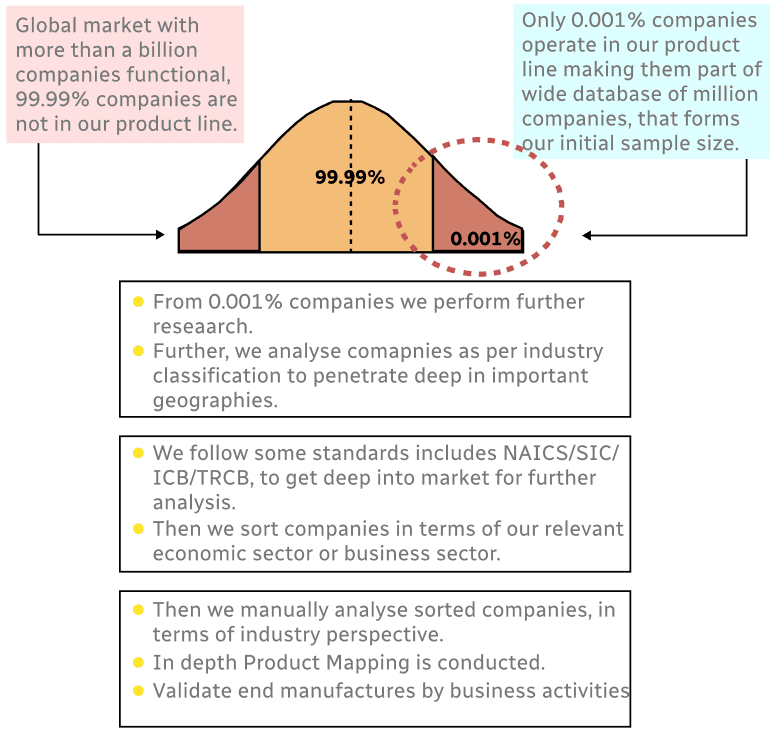
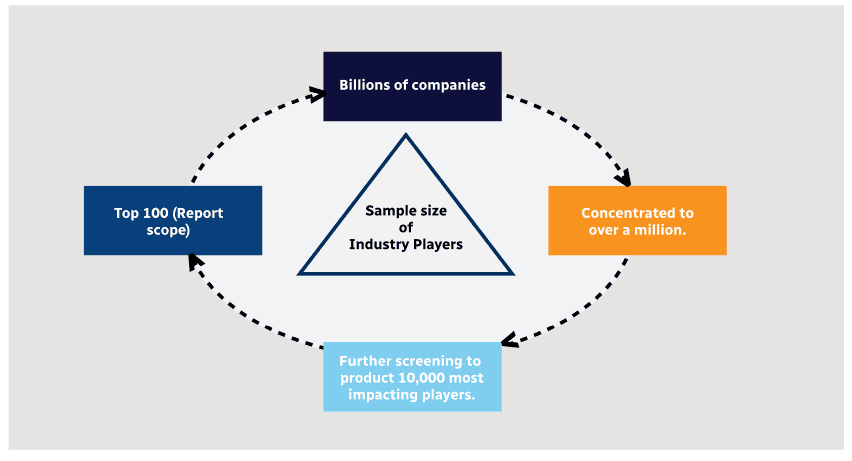
Step 1 - Identification of Relevant Samples Size from Population Database
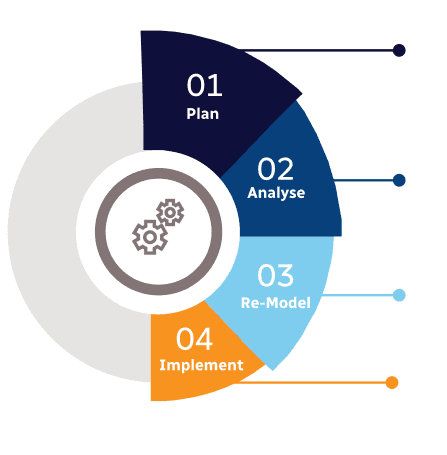
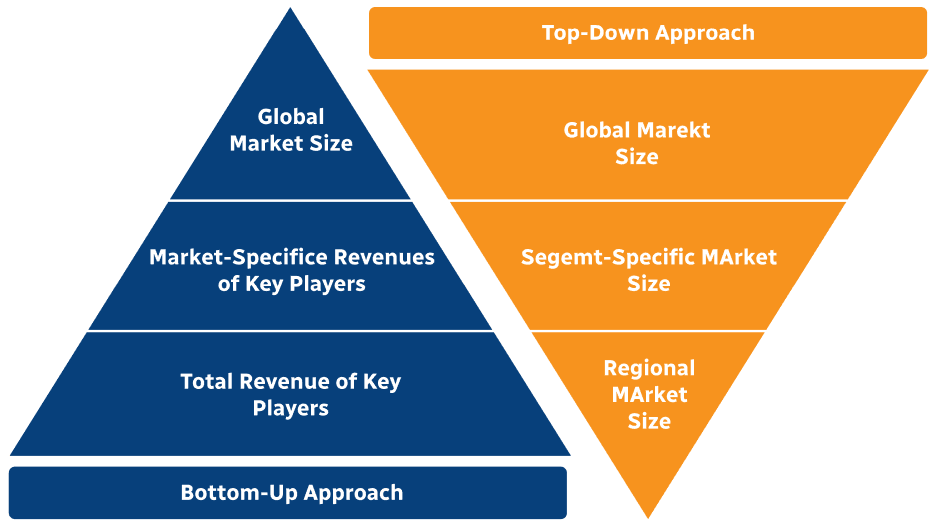
Step 2 - Approaches for Defining Global Market Size (Value, Volume* & Price*)
Note*: In applicable scenarios
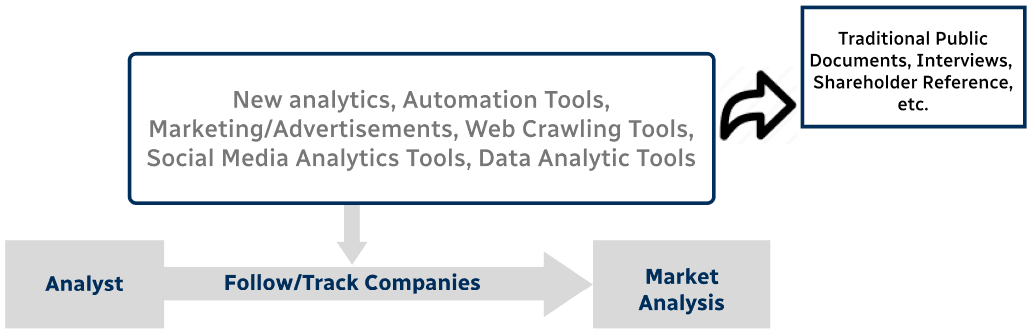
Step 3 - Data Sources
Primary Research
- Web Analytics
- Survey Reports
- Research Institute
- Latest Research Reports
- Opinion Leaders
Secondary Research
- Annual Reports
- White Paper
- Latest Press Release
- Industry Association
- Paid Database
- Investor Presentations
Step 4 - Data Triangulation
Involves using different sources of information in order to increase the validity of a study
These sources are likely to be stakeholders in a program - participants, other researchers, program staff, other community members, and so on.
Then we put all data in single framework & apply various statistical tools to find out the dynamic on the market.
During the analysis stage, feedback from the stakeholder groups would be compared to determine areas of agreement as well as areas of divergence