Key Insights
The Eco-Friendly Insulation Packaging market is poised for significant expansion, driven by a growing global consciousness towards environmental sustainability and increasingly stringent regulations on single-use plastics. The market is estimated to be valued at approximately USD 15,000 million in 2025, with a projected Compound Annual Growth Rate (CAGR) of 7.5% through 2033. This robust growth is fueled by escalating demand from the food and pharmaceutical industries, which require specialized packaging solutions to maintain product integrity during transit and storage, while simultaneously minimizing their environmental footprint. Key drivers include the rising consumer preference for sustainable brands, corporate social responsibility initiatives, and the development of innovative, biodegradable, and recyclable insulation materials. The widespread adoption of these eco-friendly alternatives to traditional polystyrene and other non-biodegradable options is a testament to the market's positive trajectory.
The market segmentation reveals a diverse landscape, with insulated bags and containers representing the primary product types, catering to a broad spectrum of applications. While the food sector, encompassing fresh produce, frozen foods, and meal kits, is a dominant consumer, the pharmaceutical industry's need for temperature-controlled shipping of vaccines, biologics, and other sensitive medications presents a high-value segment. Emerging applications in other sectors, such as luxury goods and electronics requiring protection from temperature fluctuations, are also contributing to market diversification. However, challenges such as higher initial costs compared to conventional packaging and the need for further standardization in material sourcing and disposal infrastructure may temper rapid adoption in certain regions. Despite these restraints, the overwhelming push towards a circular economy and reduced waste ensures that eco-friendly insulation packaging will continue to be a vital and expanding segment within the broader packaging industry.
This comprehensive report offers an in-depth analysis of the global Eco-Friendly Insulation Packaging market, providing critical insights for industry stakeholders. The study covers the historical period from 2019 to 2024, with a base year of 2025 and a forecast period extending to 2033. We delve into market concentration, innovation drivers, regulatory landscapes, competitive dynamics, and emerging opportunities.
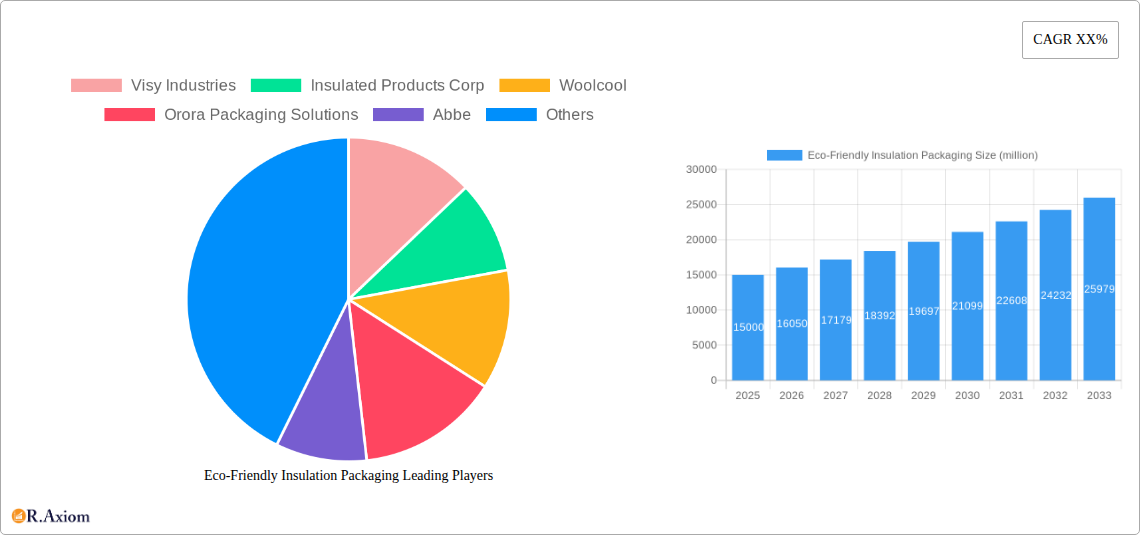
Eco-Friendly Insulation Packaging Market Concentration & Innovation
The Eco-Friendly Insulation Packaging market is characterized by a moderate to high level of concentration, with key players like Visy Industries, Insulated Products Corp, Woolcool, Orora Packaging Solutions, Abbe, Planet Protector, Pro-pac Packaging, Puffin Packaging, The Illuminate Group, Sealed Air, Thermologistics Group, Sancell, Cryolux Group, and Pearl Ice actively shaping the competitive landscape. Innovation is a significant driver, fueled by the increasing demand for sustainable packaging solutions. Companies are investing heavily in R&D to develop novel materials derived from recycled content, biodegradable polymers, and plant-based alternatives. Regulatory frameworks, such as extended producer responsibility (EPR) schemes and single-use plastic bans, are compelling manufacturers to adopt eco-friendly options. The threat of product substitutes, primarily conventional insulation materials, is being mitigated by the superior environmental credentials and performance of newer eco-friendly alternatives. End-user trends are strongly favoring sustainable choices, with consumers and businesses alike prioritizing reduced environmental impact. Mergers and acquisitions (M&A) are also playing a role in market consolidation and expansion, with estimated M&A deal values reaching hundreds of millions. For instance, strategic acquisitions in recent years have allowed established players to enhance their product portfolios and geographical reach, further influencing market concentration.
Eco-Friendly Insulation Packaging Industry Trends & Insights
The Eco-Friendly Insulation Packaging industry is experiencing robust growth, projected to witness a Compound Annual Growth Rate (CAGR) of approximately 8.5% during the forecast period. This expansion is primarily driven by a confluence of factors, including escalating environmental consciousness among consumers and stringent government regulations mandating the reduction of carbon footprints. The pharmaceutical and food industries, in particular, are at the forefront of adopting these sustainable solutions, driven by the need for temperature-controlled logistics that minimize spoilage and waste, while also adhering to corporate social responsibility goals. Technological disruptions are continuously reshaping the market, with ongoing advancements in material science leading to the development of advanced insulation materials that offer superior thermal performance, biodegradability, and recyclability. Innovations such as aerogels, mycelium-based packaging, and advanced molded pulp are gaining traction, offering viable alternatives to traditional polystyrene and plastic foams. Consumer preferences are increasingly shifting towards brands that demonstrate a commitment to sustainability, creating a significant demand for packaging that aligns with these values. This growing consumer awareness directly influences purchasing decisions and compels manufacturers to invest in eco-friendly packaging options. The competitive dynamics within the industry are characterized by a blend of established packaging giants and agile startups, all vying for market share by offering innovative and cost-effective sustainable solutions. Market penetration of eco-friendly insulation packaging is steadily increasing, especially in developed economies where regulatory pressures and consumer awareness are highest. The market is also witnessing a rise in circular economy initiatives, with companies exploring closed-loop systems for their packaging materials, further enhancing their sustainability credentials.

Dominant Markets & Segments in Eco-Friendly Insulation Packaging
The Eco-Friendly Insulation Packaging market exhibits significant regional and segment-specific dominance. North America and Europe are leading regions, driven by stringent environmental regulations, a highly conscious consumer base, and well-developed logistical infrastructures that support the efficient distribution of temperature-sensitive goods. Within these regions, countries like the United States, Germany, and the United Kingdom are spearheading the adoption of sustainable packaging solutions.
The Food application segment is a dominant force, accounting for an estimated XX% of the market share in the base year of 2025. The growing demand for ready-to-eat meals, meal kits, and frozen food products necessitates effective temperature-controlled packaging to maintain freshness and quality during transit. Economic policies that encourage local sourcing and reduce food miles further amplify the need for efficient and sustainable cold chain solutions.
The Pharmaceutical segment is also a critical and rapidly growing area, projected to capture XX% of the market by 2033. The global increase in biopharmaceutical production and the expansion of healthcare services, especially in emerging economies, are driving the demand for reliable, temperature-controlled pharmaceutical packaging to ensure the efficacy and safety of vaccines, biologics, and other sensitive medications. Regulatory mandates concerning the integrity of the pharmaceutical supply chain are paramount.
In terms of product Types, the Insulated Container segment holds a substantial market share, estimated at XX% in 2025. These containers, ranging from expanded polystyrene (EPS) alternatives to molded pulp and vacuum insulated panels, offer superior thermal performance for longer durations, making them ideal for high-value, temperature-sensitive shipments. Infrastructure development, particularly in e-commerce logistics and the cold chain, directly supports the growth of this segment.
The Insulated Bag segment, while smaller, is experiencing significant growth due to its flexibility and suitability for last-mile delivery and smaller shipments. Its market share is projected to reach XX% by 2033. Innovations in material science are leading to lighter, more efficient, and compostable insulated bags, catering to the rising demand for direct-to-consumer delivery services.
Eco-Friendly Insulation Packaging Product Developments
Recent product developments in eco-friendly insulation packaging focus on enhancing sustainability without compromising performance. Innovations include the use of recycled paper pulp molded into custom shapes for superior cushioning and insulation, biodegradable starch-based foams, and advanced vacuum insulated panels (VIPs) offering exceptional thermal efficiency with minimal material usage. Companies like Woolcool are pioneering wool-based insulation, providing excellent thermal performance and breathability. These developments are driven by the need to meet stricter environmental regulations and cater to the growing demand for packaging that is both functional and environmentally responsible, offering competitive advantages in terms of reduced carbon footprint and waste.
Report Scope & Segmentation Analysis
This report comprehensively segments the Eco-Friendly Insulation Packaging market across key applications and product types. The Food application segment, encompassing fresh produce, dairy, meat, seafood, and frozen foods, is analyzed for its specific thermal insulation requirements and the growing adoption of sustainable packaging. The Pharmaceutical segment examines the critical need for temperature-controlled packaging for vaccines, biologics, and temperature-sensitive drugs, with a focus on regulatory compliance and supply chain integrity. The Others application segment includes a wide array of uses, such as medical samples, chemicals, and temperature-sensitive consumer goods. In terms of product types, the Insulated Bag segment explores the market for flexible packaging solutions, including thermal pouches and cooler bags, driven by e-commerce and direct-to-consumer delivery. The Insulated Container segment analyzes rigid packaging solutions like boxes, crates, and specialized containers, crucial for larger shipments and extended temperature control. The Others product types encompass innovative and emerging insulation materials and packaging formats. Each segment's growth projections, market sizes, and competitive dynamics are meticulously detailed within the report.
Key Drivers of Eco-Friendly Insulation Packaging Growth
Several key factors are propelling the growth of the Eco-Friendly Insulation Packaging market. Increasing global awareness of climate change and the environmental impact of traditional packaging materials are driving consumer and corporate demand for sustainable alternatives. Stringent government regulations, including bans on single-use plastics and mandates for recycled content, are compelling manufacturers to innovate and adopt eco-friendly solutions. Technological advancements in material science are leading to the development of high-performance, biodegradable, and recyclable insulation materials that offer comparable or superior thermal properties to conventional options. The expansion of e-commerce and the growth of temperature-sensitive industries like pharmaceuticals and fresh food delivery further necessitate efficient and sustainable cold chain logistics. For example, the rise of online grocery shopping and meal kit delivery services directly fuels the demand for insulated bags and containers.
Challenges in the Eco-Friendly Insulation Packaging Sector
Despite the significant growth potential, the Eco-Friendly Insulation Packaging sector faces several challenges. The initial cost of eco-friendly insulation materials can sometimes be higher than traditional options, impacting price-sensitive markets. Supply chain complexities and the availability of raw materials for certain sustainable packaging solutions can also pose a challenge. Ensuring consistent performance and durability across various environmental conditions is crucial, especially for pharmaceutical and food applications where product integrity is paramount. Consumer education regarding the proper disposal and recyclability of these new materials is still an ongoing process, and a lack of standardized recycling infrastructure in some regions can hinder their end-of-life management. Competitive pressures from established, lower-cost conventional packaging also remain a factor.
Emerging Opportunities in Eco-Friendly Insulation Packaging
Emerging opportunities in the Eco-Friendly Insulation Packaging market are abundant and diverse. The growing demand for reusable and returnable insulation packaging systems presents a significant avenue for innovation and market penetration, aligning with circular economy principles. The development of advanced bio-based and compostable insulation materials, derived from sources like algae or agricultural waste, offers novel solutions with a significantly reduced environmental footprint. Expansion into emerging economies, where the adoption of sustainable practices is rapidly gaining momentum, provides a vast untapped market potential. Furthermore, the integration of smart packaging technologies, such as temperature indicators, into eco-friendly insulation packaging can enhance supply chain visibility and product integrity, creating added value for end-users. The increasing focus on last-mile delivery optimization also presents opportunities for lightweight and efficient insulated bag solutions.
Leading Players in the Eco-Friendly Insulation Packaging Market
- Visy Industries
- Insulated Products Corp
- Woolcool
- Orora Packaging Solutions
- Abbe
- Planet Protector
- Pro-pac Packaging
- Puffin Packaging
- The Illuminate Group
- Sealed Air
- Thermologistics Group
- Sancell
- Cryolux Group
- Pearl Ice
- KODIAKOOLER
Key Developments in Eco-Friendly Insulation Packaging Industry
- 2023 May: Woolcool launched a new range of compostable mailers, enhancing their product offerings for the direct-to-consumer market.
- 2023 February: Sealed Air announced significant investments in R&D for advanced biodegradable insulation materials, targeting pharmaceutical cold chain solutions.
- 2022 December: Visy Industries acquired a stake in a sustainable packaging startup focused on molded pulp innovations.
- 2022 September: Orora Packaging Solutions expanded its portfolio with the introduction of plant-based insulation materials for food applications.
- 2022 April: Planet Protector partnered with a major e-commerce logistics provider to offer their sustainable insulation solutions.
- 2021 October: Insulated Products Corp developed an innovative vacuum insulated panel (VIP) for extended temperature control in pharmaceutical shipments.
Strategic Outlook for Eco-Friendly Insulation Packaging Market
The strategic outlook for the Eco-Friendly Insulation Packaging market remains exceptionally positive, driven by a sustained increase in environmental awareness and increasingly stringent global regulations favoring sustainable practices. Key growth catalysts include continued innovation in material science, leading to the development of even more efficient, biodegradable, and cost-competitive insulation solutions. The expansion of e-commerce and the burgeoning pharmaceutical cold chain logistics will continue to provide robust demand. Companies that focus on developing circular economy models, such as reusable and returnable packaging systems, are poised for significant success. Furthermore, strategic partnerships and collaborations will be crucial for market players to navigate complex supply chains and expand their geographical reach. The market is expected to witness further consolidation and specialization, with companies focusing on niche applications and advanced material technologies to gain a competitive edge.
Eco-Friendly Insulation Packaging Segmentation
-
1. Application
- 1.1. Food
- 1.2. Pharmaceutical
- 1.3. Others
-
2. Types
- 2.1. Insulated Bag
- 2.2. Insulated Container
- 2.3. Others
Eco-Friendly Insulation Packaging Segmentation By Geography
-
1. North America
- 1.1. United States
- 1.2. Canada
- 1.3. Mexico
-
2. South America
- 2.1. Brazil
- 2.2. Argentina
- 2.3. Rest of South America
-
3. Europe
- 3.1. United Kingdom
- 3.2. Germany
- 3.3. France
- 3.4. Italy
- 3.5. Spain
- 3.6. Russia
- 3.7. Benelux
- 3.8. Nordics
- 3.9. Rest of Europe
-
4. Middle East & Africa
- 4.1. Turkey
- 4.2. Israel
- 4.3. GCC
- 4.4. North Africa
- 4.5. South Africa
- 4.6. Rest of Middle East & Africa
-
5. Asia Pacific
- 5.1. China
- 5.2. India
- 5.3. Japan
- 5.4. South Korea
- 5.5. ASEAN
- 5.6. Oceania
- 5.7. Rest of Asia Pacific
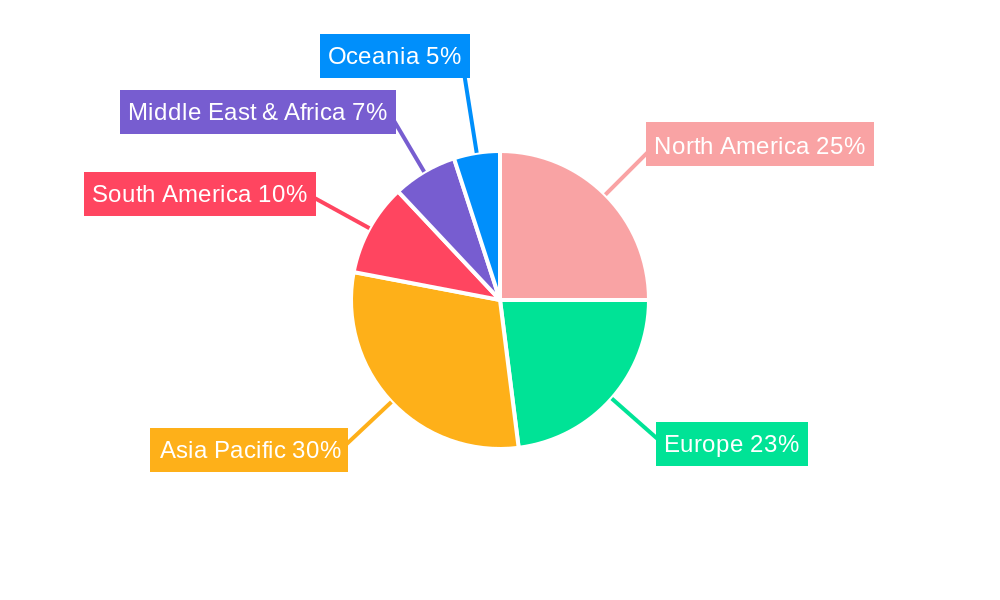
Eco-Friendly Insulation Packaging REPORT HIGHLIGHTS
| Aspects | Details |
|---|---|
| Study Period | 2019-2033 |
| Base Year | 2024 |
| Estimated Year | 2025 |
| Forecast Period | 2025-2033 |
| Historical Period | 2019-2024 |
| Growth Rate | CAGR of XX% from 2019-2033 |
| Segmentation |
|
Table of Contents
- 1. Introduction
- 1.1. Research Scope
- 1.2. Market Segmentation
- 1.3. Research Methodology
- 1.4. Definitions and Assumptions
- 2. Executive Summary
- 2.1. Introduction
- 3. Market Dynamics
- 3.1. Introduction
- 3.2. Market Drivers
- 3.3. Market Restrains
- 3.4. Market Trends
- 4. Market Factor Analysis
- 4.1. Porters Five Forces
- 4.2. Supply/Value Chain
- 4.3. PESTEL analysis
- 4.4. Market Entropy
- 4.5. Patent/Trademark Analysis
- 5. Global Eco-Friendly Insulation Packaging Analysis, Insights and Forecast, 2019-2031
- 5.1. Market Analysis, Insights and Forecast - by Application
- 5.1.1. Food
- 5.1.2. Pharmaceutical
- 5.1.3. Others
- 5.2. Market Analysis, Insights and Forecast - by Types
- 5.2.1. Insulated Bag
- 5.2.2. Insulated Container
- 5.2.3. Others
- 5.3. Market Analysis, Insights and Forecast - by Region
- 5.3.1. North America
- 5.3.2. South America
- 5.3.3. Europe
- 5.3.4. Middle East & Africa
- 5.3.5. Asia Pacific
- 5.1. Market Analysis, Insights and Forecast - by Application
- 6. North America Eco-Friendly Insulation Packaging Analysis, Insights and Forecast, 2019-2031
- 6.1. Market Analysis, Insights and Forecast - by Application
- 6.1.1. Food
- 6.1.2. Pharmaceutical
- 6.1.3. Others
- 6.2. Market Analysis, Insights and Forecast - by Types
- 6.2.1. Insulated Bag
- 6.2.2. Insulated Container
- 6.2.3. Others
- 6.1. Market Analysis, Insights and Forecast - by Application
- 7. South America Eco-Friendly Insulation Packaging Analysis, Insights and Forecast, 2019-2031
- 7.1. Market Analysis, Insights and Forecast - by Application
- 7.1.1. Food
- 7.1.2. Pharmaceutical
- 7.1.3. Others
- 7.2. Market Analysis, Insights and Forecast - by Types
- 7.2.1. Insulated Bag
- 7.2.2. Insulated Container
- 7.2.3. Others
- 7.1. Market Analysis, Insights and Forecast - by Application
- 8. Europe Eco-Friendly Insulation Packaging Analysis, Insights and Forecast, 2019-2031
- 8.1. Market Analysis, Insights and Forecast - by Application
- 8.1.1. Food
- 8.1.2. Pharmaceutical
- 8.1.3. Others
- 8.2. Market Analysis, Insights and Forecast - by Types
- 8.2.1. Insulated Bag
- 8.2.2. Insulated Container
- 8.2.3. Others
- 8.1. Market Analysis, Insights and Forecast - by Application
- 9. Middle East & Africa Eco-Friendly Insulation Packaging Analysis, Insights and Forecast, 2019-2031
- 9.1. Market Analysis, Insights and Forecast - by Application
- 9.1.1. Food
- 9.1.2. Pharmaceutical
- 9.1.3. Others
- 9.2. Market Analysis, Insights and Forecast - by Types
- 9.2.1. Insulated Bag
- 9.2.2. Insulated Container
- 9.2.3. Others
- 9.1. Market Analysis, Insights and Forecast - by Application
- 10. Asia Pacific Eco-Friendly Insulation Packaging Analysis, Insights and Forecast, 2019-2031
- 10.1. Market Analysis, Insights and Forecast - by Application
- 10.1.1. Food
- 10.1.2. Pharmaceutical
- 10.1.3. Others
- 10.2. Market Analysis, Insights and Forecast - by Types
- 10.2.1. Insulated Bag
- 10.2.2. Insulated Container
- 10.2.3. Others
- 10.1. Market Analysis, Insights and Forecast - by Application
- 11. Competitive Analysis
- 11.1. Global Market Share Analysis 2024
- 11.2. Company Profiles
- 11.2.1 Visy Industries
- 11.2.1.1. Overview
- 11.2.1.2. Products
- 11.2.1.3. SWOT Analysis
- 11.2.1.4. Recent Developments
- 11.2.1.5. Financials (Based on Availability)
- 11.2.2 Insulated Products Corp
- 11.2.2.1. Overview
- 11.2.2.2. Products
- 11.2.2.3. SWOT Analysis
- 11.2.2.4. Recent Developments
- 11.2.2.5. Financials (Based on Availability)
- 11.2.3 Woolcool
- 11.2.3.1. Overview
- 11.2.3.2. Products
- 11.2.3.3. SWOT Analysis
- 11.2.3.4. Recent Developments
- 11.2.3.5. Financials (Based on Availability)
- 11.2.4 Orora Packaging Solutions
- 11.2.4.1. Overview
- 11.2.4.2. Products
- 11.2.4.3. SWOT Analysis
- 11.2.4.4. Recent Developments
- 11.2.4.5. Financials (Based on Availability)
- 11.2.5 Abbe
- 11.2.5.1. Overview
- 11.2.5.2. Products
- 11.2.5.3. SWOT Analysis
- 11.2.5.4. Recent Developments
- 11.2.5.5. Financials (Based on Availability)
- 11.2.6 Planet Protector
- 11.2.6.1. Overview
- 11.2.6.2. Products
- 11.2.6.3. SWOT Analysis
- 11.2.6.4. Recent Developments
- 11.2.6.5. Financials (Based on Availability)
- 11.2.7 Pro-pac Packaging
- 11.2.7.1. Overview
- 11.2.7.2. Products
- 11.2.7.3. SWOT Analysis
- 11.2.7.4. Recent Developments
- 11.2.7.5. Financials (Based on Availability)
- 11.2.8 Puffin Packaging
- 11.2.8.1. Overview
- 11.2.8.2. Products
- 11.2.8.3. SWOT Analysis
- 11.2.8.4. Recent Developments
- 11.2.8.5. Financials (Based on Availability)
- 11.2.9 The Illuminate Group
- 11.2.9.1. Overview
- 11.2.9.2. Products
- 11.2.9.3. SWOT Analysis
- 11.2.9.4. Recent Developments
- 11.2.9.5. Financials (Based on Availability)
- 11.2.10 Sealed Air
- 11.2.10.1. Overview
- 11.2.10.2. Products
- 11.2.10.3. SWOT Analysis
- 11.2.10.4. Recent Developments
- 11.2.10.5. Financials (Based on Availability)
- 11.2.11 Thermologistics Group
- 11.2.11.1. Overview
- 11.2.11.2. Products
- 11.2.11.3. SWOT Analysis
- 11.2.11.4. Recent Developments
- 11.2.11.5. Financials (Based on Availability)
- 11.2.12 Sancell
- 11.2.12.1. Overview
- 11.2.12.2. Products
- 11.2.12.3. SWOT Analysis
- 11.2.12.4. Recent Developments
- 11.2.12.5. Financials (Based on Availability)
- 11.2.13 Cryolux Group
- 11.2.13.1. Overview
- 11.2.13.2. Products
- 11.2.13.3. SWOT Analysis
- 11.2.13.4. Recent Developments
- 11.2.13.5. Financials (Based on Availability)
- 11.2.14 Pearl IcePearl Ice
- 11.2.14.1. Overview
- 11.2.14.2. Products
- 11.2.14.3. SWOT Analysis
- 11.2.14.4. Recent Developments
- 11.2.14.5. Financials (Based on Availability)
- 11.2.15 KODIAKOOLER
- 11.2.15.1. Overview
- 11.2.15.2. Products
- 11.2.15.3. SWOT Analysis
- 11.2.15.4. Recent Developments
- 11.2.15.5. Financials (Based on Availability)
- 11.2.1 Visy Industries
List of Figures
- Figure 1: Global Eco-Friendly Insulation Packaging Revenue Breakdown (million, %) by Region 2024 & 2032
- Figure 2: North America Eco-Friendly Insulation Packaging Revenue (million), by Application 2024 & 2032
- Figure 3: North America Eco-Friendly Insulation Packaging Revenue Share (%), by Application 2024 & 2032
- Figure 4: North America Eco-Friendly Insulation Packaging Revenue (million), by Types 2024 & 2032
- Figure 5: North America Eco-Friendly Insulation Packaging Revenue Share (%), by Types 2024 & 2032
- Figure 6: North America Eco-Friendly Insulation Packaging Revenue (million), by Country 2024 & 2032
- Figure 7: North America Eco-Friendly Insulation Packaging Revenue Share (%), by Country 2024 & 2032
- Figure 8: South America Eco-Friendly Insulation Packaging Revenue (million), by Application 2024 & 2032
- Figure 9: South America Eco-Friendly Insulation Packaging Revenue Share (%), by Application 2024 & 2032
- Figure 10: South America Eco-Friendly Insulation Packaging Revenue (million), by Types 2024 & 2032
- Figure 11: South America Eco-Friendly Insulation Packaging Revenue Share (%), by Types 2024 & 2032
- Figure 12: South America Eco-Friendly Insulation Packaging Revenue (million), by Country 2024 & 2032
- Figure 13: South America Eco-Friendly Insulation Packaging Revenue Share (%), by Country 2024 & 2032
- Figure 14: Europe Eco-Friendly Insulation Packaging Revenue (million), by Application 2024 & 2032
- Figure 15: Europe Eco-Friendly Insulation Packaging Revenue Share (%), by Application 2024 & 2032
- Figure 16: Europe Eco-Friendly Insulation Packaging Revenue (million), by Types 2024 & 2032
- Figure 17: Europe Eco-Friendly Insulation Packaging Revenue Share (%), by Types 2024 & 2032
- Figure 18: Europe Eco-Friendly Insulation Packaging Revenue (million), by Country 2024 & 2032
- Figure 19: Europe Eco-Friendly Insulation Packaging Revenue Share (%), by Country 2024 & 2032
- Figure 20: Middle East & Africa Eco-Friendly Insulation Packaging Revenue (million), by Application 2024 & 2032
- Figure 21: Middle East & Africa Eco-Friendly Insulation Packaging Revenue Share (%), by Application 2024 & 2032
- Figure 22: Middle East & Africa Eco-Friendly Insulation Packaging Revenue (million), by Types 2024 & 2032
- Figure 23: Middle East & Africa Eco-Friendly Insulation Packaging Revenue Share (%), by Types 2024 & 2032
- Figure 24: Middle East & Africa Eco-Friendly Insulation Packaging Revenue (million), by Country 2024 & 2032
- Figure 25: Middle East & Africa Eco-Friendly Insulation Packaging Revenue Share (%), by Country 2024 & 2032
- Figure 26: Asia Pacific Eco-Friendly Insulation Packaging Revenue (million), by Application 2024 & 2032
- Figure 27: Asia Pacific Eco-Friendly Insulation Packaging Revenue Share (%), by Application 2024 & 2032
- Figure 28: Asia Pacific Eco-Friendly Insulation Packaging Revenue (million), by Types 2024 & 2032
- Figure 29: Asia Pacific Eco-Friendly Insulation Packaging Revenue Share (%), by Types 2024 & 2032
- Figure 30: Asia Pacific Eco-Friendly Insulation Packaging Revenue (million), by Country 2024 & 2032
- Figure 31: Asia Pacific Eco-Friendly Insulation Packaging Revenue Share (%), by Country 2024 & 2032
List of Tables
- Table 1: Global Eco-Friendly Insulation Packaging Revenue million Forecast, by Region 2019 & 2032
- Table 2: Global Eco-Friendly Insulation Packaging Revenue million Forecast, by Application 2019 & 2032
- Table 3: Global Eco-Friendly Insulation Packaging Revenue million Forecast, by Types 2019 & 2032
- Table 4: Global Eco-Friendly Insulation Packaging Revenue million Forecast, by Region 2019 & 2032
- Table 5: Global Eco-Friendly Insulation Packaging Revenue million Forecast, by Application 2019 & 2032
- Table 6: Global Eco-Friendly Insulation Packaging Revenue million Forecast, by Types 2019 & 2032
- Table 7: Global Eco-Friendly Insulation Packaging Revenue million Forecast, by Country 2019 & 2032
- Table 8: United States Eco-Friendly Insulation Packaging Revenue (million) Forecast, by Application 2019 & 2032
- Table 9: Canada Eco-Friendly Insulation Packaging Revenue (million) Forecast, by Application 2019 & 2032
- Table 10: Mexico Eco-Friendly Insulation Packaging Revenue (million) Forecast, by Application 2019 & 2032
- Table 11: Global Eco-Friendly Insulation Packaging Revenue million Forecast, by Application 2019 & 2032
- Table 12: Global Eco-Friendly Insulation Packaging Revenue million Forecast, by Types 2019 & 2032
- Table 13: Global Eco-Friendly Insulation Packaging Revenue million Forecast, by Country 2019 & 2032
- Table 14: Brazil Eco-Friendly Insulation Packaging Revenue (million) Forecast, by Application 2019 & 2032
- Table 15: Argentina Eco-Friendly Insulation Packaging Revenue (million) Forecast, by Application 2019 & 2032
- Table 16: Rest of South America Eco-Friendly Insulation Packaging Revenue (million) Forecast, by Application 2019 & 2032
- Table 17: Global Eco-Friendly Insulation Packaging Revenue million Forecast, by Application 2019 & 2032
- Table 18: Global Eco-Friendly Insulation Packaging Revenue million Forecast, by Types 2019 & 2032
- Table 19: Global Eco-Friendly Insulation Packaging Revenue million Forecast, by Country 2019 & 2032
- Table 20: United Kingdom Eco-Friendly Insulation Packaging Revenue (million) Forecast, by Application 2019 & 2032
- Table 21: Germany Eco-Friendly Insulation Packaging Revenue (million) Forecast, by Application 2019 & 2032
- Table 22: France Eco-Friendly Insulation Packaging Revenue (million) Forecast, by Application 2019 & 2032
- Table 23: Italy Eco-Friendly Insulation Packaging Revenue (million) Forecast, by Application 2019 & 2032
- Table 24: Spain Eco-Friendly Insulation Packaging Revenue (million) Forecast, by Application 2019 & 2032
- Table 25: Russia Eco-Friendly Insulation Packaging Revenue (million) Forecast, by Application 2019 & 2032
- Table 26: Benelux Eco-Friendly Insulation Packaging Revenue (million) Forecast, by Application 2019 & 2032
- Table 27: Nordics Eco-Friendly Insulation Packaging Revenue (million) Forecast, by Application 2019 & 2032
- Table 28: Rest of Europe Eco-Friendly Insulation Packaging Revenue (million) Forecast, by Application 2019 & 2032
- Table 29: Global Eco-Friendly Insulation Packaging Revenue million Forecast, by Application 2019 & 2032
- Table 30: Global Eco-Friendly Insulation Packaging Revenue million Forecast, by Types 2019 & 2032
- Table 31: Global Eco-Friendly Insulation Packaging Revenue million Forecast, by Country 2019 & 2032
- Table 32: Turkey Eco-Friendly Insulation Packaging Revenue (million) Forecast, by Application 2019 & 2032
- Table 33: Israel Eco-Friendly Insulation Packaging Revenue (million) Forecast, by Application 2019 & 2032
- Table 34: GCC Eco-Friendly Insulation Packaging Revenue (million) Forecast, by Application 2019 & 2032
- Table 35: North Africa Eco-Friendly Insulation Packaging Revenue (million) Forecast, by Application 2019 & 2032
- Table 36: South Africa Eco-Friendly Insulation Packaging Revenue (million) Forecast, by Application 2019 & 2032
- Table 37: Rest of Middle East & Africa Eco-Friendly Insulation Packaging Revenue (million) Forecast, by Application 2019 & 2032
- Table 38: Global Eco-Friendly Insulation Packaging Revenue million Forecast, by Application 2019 & 2032
- Table 39: Global Eco-Friendly Insulation Packaging Revenue million Forecast, by Types 2019 & 2032
- Table 40: Global Eco-Friendly Insulation Packaging Revenue million Forecast, by Country 2019 & 2032
- Table 41: China Eco-Friendly Insulation Packaging Revenue (million) Forecast, by Application 2019 & 2032
- Table 42: India Eco-Friendly Insulation Packaging Revenue (million) Forecast, by Application 2019 & 2032
- Table 43: Japan Eco-Friendly Insulation Packaging Revenue (million) Forecast, by Application 2019 & 2032
- Table 44: South Korea Eco-Friendly Insulation Packaging Revenue (million) Forecast, by Application 2019 & 2032
- Table 45: ASEAN Eco-Friendly Insulation Packaging Revenue (million) Forecast, by Application 2019 & 2032
- Table 46: Oceania Eco-Friendly Insulation Packaging Revenue (million) Forecast, by Application 2019 & 2032
- Table 47: Rest of Asia Pacific Eco-Friendly Insulation Packaging Revenue (million) Forecast, by Application 2019 & 2032
Frequently Asked Questions
1. What is the projected Compound Annual Growth Rate (CAGR) of the Eco-Friendly Insulation Packaging?
The projected CAGR is approximately XX%.
2. Which companies are prominent players in the Eco-Friendly Insulation Packaging?
Key companies in the market include Visy Industries, Insulated Products Corp, Woolcool, Orora Packaging Solutions, Abbe, Planet Protector, Pro-pac Packaging, Puffin Packaging, The Illuminate Group, Sealed Air, Thermologistics Group, Sancell, Cryolux Group, Pearl IcePearl Ice, KODIAKOOLER.
3. What are the main segments of the Eco-Friendly Insulation Packaging?
The market segments include Application, Types.
4. Can you provide details about the market size?
The market size is estimated to be USD XXX million as of 2022.
5. What are some drivers contributing to market growth?
N/A
6. What are the notable trends driving market growth?
N/A
7. Are there any restraints impacting market growth?
N/A
8. Can you provide examples of recent developments in the market?
N/A
9. What pricing options are available for accessing the report?
Pricing options include single-user, multi-user, and enterprise licenses priced at USD 4900.00, USD 7350.00, and USD 9800.00 respectively.
10. Is the market size provided in terms of value or volume?
The market size is provided in terms of value, measured in million.
11. Are there any specific market keywords associated with the report?
Yes, the market keyword associated with the report is "Eco-Friendly Insulation Packaging," which aids in identifying and referencing the specific market segment covered.
12. How do I determine which pricing option suits my needs best?
The pricing options vary based on user requirements and access needs. Individual users may opt for single-user licenses, while businesses requiring broader access may choose multi-user or enterprise licenses for cost-effective access to the report.
13. Are there any additional resources or data provided in the Eco-Friendly Insulation Packaging report?
While the report offers comprehensive insights, it's advisable to review the specific contents or supplementary materials provided to ascertain if additional resources or data are available.
14. How can I stay updated on further developments or reports in the Eco-Friendly Insulation Packaging?
To stay informed about further developments, trends, and reports in the Eco-Friendly Insulation Packaging, consider subscribing to industry newsletters, following relevant companies and organizations, or regularly checking reputable industry news sources and publications.
Methodology
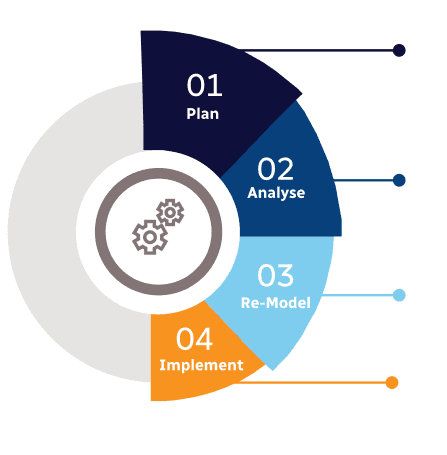
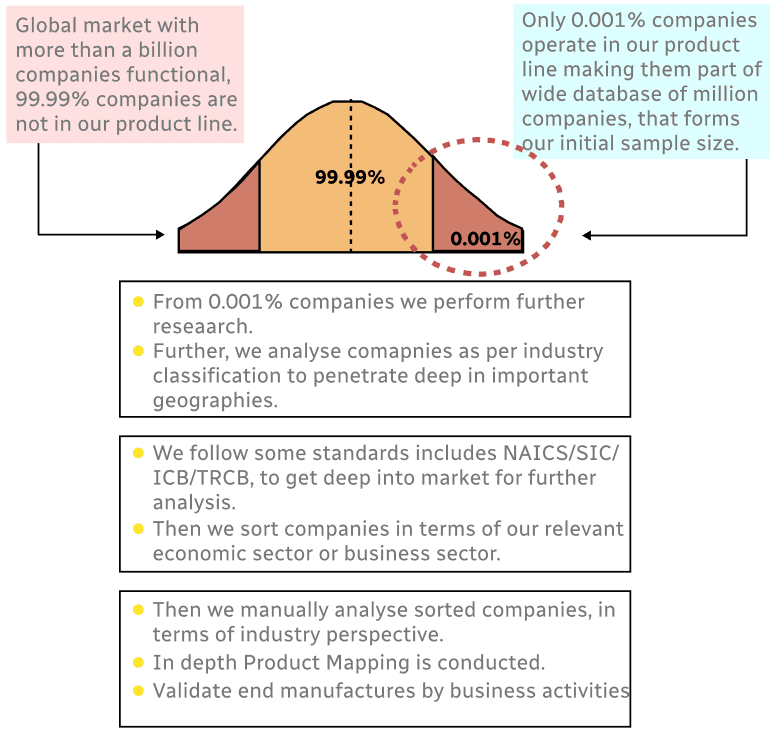
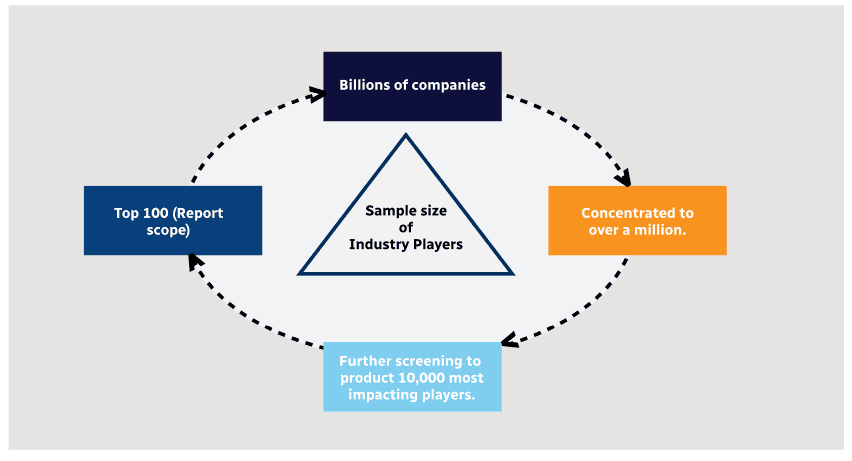
Step 1 - Identification of Relevant Samples Size from Population Database
Step 2 - Approaches for Defining Global Market Size (Value, Volume* & Price*)
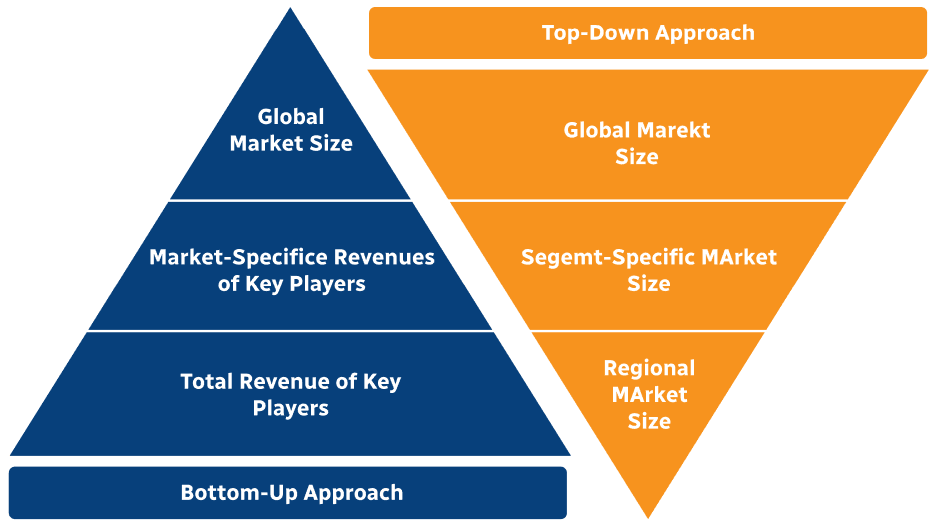
Note*: In applicable scenarios
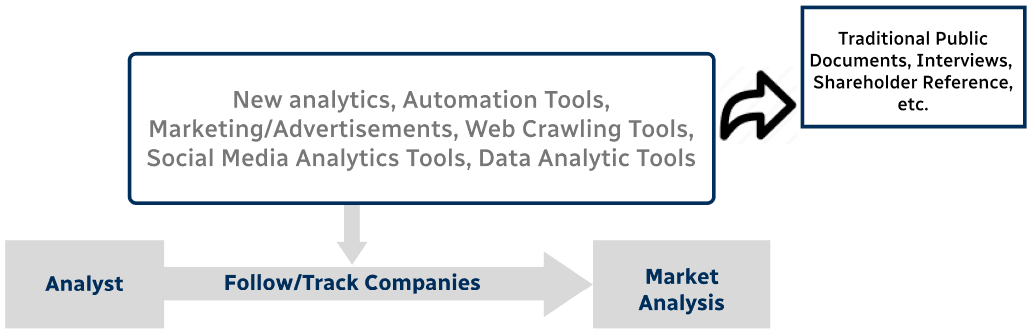
Step 3 - Data Sources
Primary Research
- Web Analytics
- Survey Reports
- Research Institute
- Latest Research Reports
- Opinion Leaders
Secondary Research
- Annual Reports
- White Paper
- Latest Press Release
- Industry Association
- Paid Database
- Investor Presentations
Step 4 - Data Triangulation
Involves using different sources of information in order to increase the validity of a study
These sources are likely to be stakeholders in a program - participants, other researchers, program staff, other community members, and so on.
Then we put all data in single framework & apply various statistical tools to find out the dynamic on the market.
During the analysis stage, feedback from the stakeholder groups would be compared to determine areas of agreement as well as areas of divergence