


Key Insights
The global Maxillofacial Surgery Power Tool market is poised for robust expansion, projected to reach an estimated USD 907 million by 2025, driven by a Compound Annual Growth Rate (CAGR) of 6.9% throughout the forecast period of 2025-2033. This significant growth trajectory is underpinned by several key factors. Increasing incidence of facial trauma, congenital deformities, and the rising demand for advanced aesthetic and reconstructive surgical procedures are primary drivers. Furthermore, technological advancements in power tool design, leading to enhanced precision, reduced invasiveness, and improved patient outcomes, are fueling market adoption. The growing awareness and accessibility of maxillofacial surgeries, coupled with increasing healthcare expenditure in both developed and emerging economies, further contribute to the market's upward momentum.

Maxillofacial Surgery Power Tool Market Size (In Million)

The market's segmentation reveals a dynamic landscape. The Hospital segment is expected to dominate, owing to the availability of sophisticated infrastructure and a higher volume of complex surgical procedures. Within the Type segmentation, Power Driven tools are anticipated to hold a larger market share due to their superior control, efficiency, and versatility compared to pneumatic counterparts. Key players like Johnson & Johnson (DePuy Synthes), Stryker, Medtronic, and Zimmer Biomet are actively investing in research and development to introduce innovative solutions and expand their market presence. Geographic analysis indicates North America and Europe as leading regions, driven by advanced healthcare systems and high adoption rates of new technologies, while the Asia Pacific region presents a significant growth opportunity due to its rapidly expanding healthcare sector and increasing patient pool.

Maxillofacial Surgery Power Tool Company Market Share
This in-depth report provides a detailed examination of the global Maxillofacial Surgery Power Tool market, offering actionable insights for industry stakeholders. Spanning a study period from 2019 to 2033, with a base year of 2025, the report analyzes historical trends, current market dynamics, and future projections. We delve into market concentration, innovation drivers, regulatory landscapes, product developments, and competitive strategies to equip businesses with the knowledge needed to navigate this evolving sector. The report covers key segments including Application (Hospital, Clinic, Others) and Type (Power Driven, Pneumatic), providing a granular view of market penetration and growth opportunities.
Maxillofacial Surgery Power Tool Market Concentration & Innovation
The global Maxillofacial Surgery Power Tool market exhibits a moderate to high level of concentration, driven by the presence of established multinational corporations and a few specialized regional players. Key innovation drivers include the relentless pursuit of enhanced surgical precision, minimally invasive techniques, and improved patient outcomes. Technological advancements in materials science, miniaturization, and digital integration are paramount. Regulatory frameworks, such as FDA approvals and CE marking, play a crucial role in market entry and product development, ensuring safety and efficacy. Product substitutes are relatively limited, primarily involving manual instruments, but the sophistication of power tools offers distinct advantages. End-user trends are heavily influenced by the growing demand for advanced reconstructive and aesthetic procedures, as well as the increasing prevalence of facial trauma and congenital deformities. Merger and acquisition (M&A) activities are strategically employed by larger players to consolidate market share, acquire innovative technologies, and expand their product portfolios. For instance, recent M&A deals have seen valuations in the range of several hundred million dollars, reflecting the strategic importance of this sector. The market share distribution indicates that leading companies hold a significant portion, but niche players are carving out their space through specialized offerings.
Maxillofacial Surgery Power Tool Industry Trends & Insights
The Maxillofacial Surgery Power Tool industry is experiencing robust growth, propelled by a confluence of factors that underscore its increasing significance in modern surgical practice. A primary growth driver is the escalating global burden of maxillofacial trauma, stemming from road traffic accidents, sports injuries, and acts of violence. Concurrently, the rising incidence of congenital deformities, such as cleft lip and palate, and the growing demand for reconstructive surgeries following oncological resections, further amplify the need for specialized power tools. Technological disruptions are at the forefront of industry evolution. Innovations such as cordless power tools offering enhanced maneuverability, advanced oscillating and reciprocating saw technologies for precise bone cutting, and the integration of digital imaging and navigation systems are transforming surgical procedures. These advancements not only improve surgical precision but also contribute to reduced operative times, minimized blood loss, and faster patient recovery, directly impacting hospital efficiency and patient satisfaction.
Consumer preferences, primarily driven by healthcare providers and surgeons, are shifting towards ergonomically designed, lightweight, and versatile power tools that can accommodate a wide range of surgical applications. The demand for instruments that offer superior control, reduced vibration, and enhanced safety features is paramount. Furthermore, the increasing adoption of minimally invasive surgical techniques necessitates the development of smaller, more agile power tools that can be utilized through smaller incisions, leading to less scarring and quicker healing.
The competitive landscape is characterized by intense rivalry among both global conglomerates and specialized manufacturers. Companies are continually investing in research and development to introduce next-generation surgical instruments that offer superior performance and address unmet clinical needs. Strategic collaborations and partnerships are also becoming more prevalent as companies seek to leverage each other's expertise and market reach. The market penetration of advanced maxillofacial surgery power tools is steadily increasing, particularly in developed economies with advanced healthcare infrastructure and a higher disposable income for sophisticated medical devices. Emerging economies, with their growing populations and improving healthcare access, represent significant untapped potential. The projected Compound Annual Growth Rate (CAGR) for the Maxillofacial Surgery Power Tool market is estimated to be in the range of 6.5% to 7.5% over the forecast period, underscoring the sustained demand and expansion opportunities within this sector. The market size is expected to reach hundreds of millions of dollars by 2030.
Dominant Markets & Segments in Maxillofacial Surgery Power Tool
The global Maxillofacial Surgery Power Tool market is characterized by distinct regional dominance and segment-specific growth patterns.
Dominant Region: North America currently holds a dominant position in the maxillofacial surgery power tool market. This leadership is attributed to several key factors:
- Advanced Healthcare Infrastructure: The presence of world-class hospitals and specialized surgical centers equipped with cutting-edge technology fuels the demand for advanced power tools.
- High Prevalence of Trauma and Reconstructive Surgeries: The region experiences a significant number of maxillofacial trauma cases due to a high incidence of vehicular accidents and a strong emphasis on aesthetic and reconstructive procedures.
- Early Adoption of Technological Innovations: North American surgeons are generally early adopters of new surgical technologies, driving the market for sophisticated power tools.
- Favorable Reimbursement Policies: Robust reimbursement policies for surgical procedures encourage the utilization of advanced medical devices, including power tools.
- Strong Presence of Key Manufacturers: Major global players have a significant operational and distribution presence in North America, further solidifying its market leadership.
Dominant Country: Within North America, the United States stands out as the most dominant country. Its large population, extensive healthcare network, and high per capita healthcare expenditure contribute significantly to the market size. Furthermore, the concentration of leading research institutions and medical device manufacturers in the U.S. fosters continuous innovation and market growth.
Dominant Application Segment: The Hospital segment is the largest and most dominant application area for maxillofacial surgery power tools.
- Comprehensive Surgical Capabilities: Hospitals possess the infrastructure and expertise to handle complex maxillofacial surgeries, including trauma repair, reconstructive procedures, tumor resections, and orthognathic surgeries, all of which heavily rely on specialized power tools.
- Access to Skilled Surgeons and Technicians: Hospitals are centers for specialized surgical teams who are proficient in utilizing advanced power tools.
- Volume of Procedures: The sheer volume of surgical procedures performed in hospital settings, compared to clinics, translates to a higher demand for power tools.
- Availability of Advanced Equipment: Hospitals are more likely to invest in and maintain a wide array of advanced maxillofacial surgery power tools to cater to diverse patient needs.
Dominant Type Segment: The Power Driven segment is the most dominant type of maxillofacial surgery power tool.
- Versatility and Power: Power-driven tools, encompassing electric and battery-powered devices, offer superior torque, speed, and control compared to pneumatic alternatives, making them suitable for a broader range of bone cutting and drilling applications in maxillofacial surgery.
- Technological Advancements: Significant advancements in battery technology, motor efficiency, and ergonomic design have made electric and battery-powered tools increasingly popular, offering cordless convenience and enhanced maneuverability.
- Precision and Reduced Fatigue: These tools provide surgeons with precise control, reducing the risk of inadvertent tissue damage and minimizing surgeon fatigue during lengthy procedures.
- Wider Range of Accessories: Power-driven systems often support a wider array of interchangeable attachments and blades, allowing for specialized applications in complex surgical scenarios.
The interplay of these dominant markets and segments indicates a concentrated demand in developed regions, primarily within hospital settings, and a strong preference for advanced power-driven surgical instruments.
Maxillofacial Surgery Power Tool Product Developments
Recent product developments in the Maxillofacial Surgery Power Tool market are revolutionizing surgical techniques. Innovations include ultra-lightweight, ergonomic electric drills and saws with advanced battery technology, offering extended use and cordless freedom. High-frequency oscillating saws are enhancing bone cutting precision, minimizing thermal damage, and promoting faster healing. Furthermore, integration with navigation systems and augmented reality is providing surgeons with real-time anatomical guidance, leading to improved accuracy in complex reconstructions and tumor removals. These advancements translate into significant competitive advantages for manufacturers by addressing critical surgeon needs for precision, efficiency, and patient safety.
Report Scope & Segmentation Analysis
This report meticulously analyzes the global Maxillofacial Surgery Power Tool market across key segmentation criteria.
Application Segments:
- Hospital: This segment is projected to exhibit strong growth, driven by the high volume of complex reconstructive and trauma surgeries performed in these settings. Market size is estimated to be in the hundreds of millions of dollars, with a robust CAGR.
- Clinic: While smaller than the hospital segment, clinics focused on specialized procedures like orthognathic surgery and reconstructive aesthetics represent a growing market, especially those affiliated with larger surgical centers.
- Others: This category includes research institutions and training facilities that utilize maxillofacial surgery power tools for educational and experimental purposes, contributing a niche but consistent market demand.
Type Segments:
- Power Driven: This segment is expected to dominate the market due to its versatility and technological advancements. It encompasses electric and battery-powered tools and is projected to continue its upward trajectory with a significant market share, reaching hundreds of millions of dollars.
- Pneumatic: While historically significant, pneumatic tools are gradually being superseded by power-driven alternatives due to limitations in portability and the advancement of electric technology. However, they still maintain a presence in certain applications where their specific characteristics are advantageous.
Key Drivers of Maxillofacial Surgery Power Tool Growth
Several key drivers are propelling the growth of the Maxillofacial Surgery Power Tool market. Technological advancements are paramount, with the continuous development of more precise, ergonomic, and minimally invasive power tools. The increasing incidence of maxillofacial trauma, due to road accidents and other injuries, necessitates advanced surgical interventions. Furthermore, the rising prevalence of congenital facial deformities and the growing demand for reconstructive and aesthetic plastic surgeries are significant growth catalysts. Economic factors, such as increasing healthcare expenditure in both developed and developing economies, coupled with favorable reimbursement policies for complex surgical procedures, are also contributing to market expansion. Regulatory bodies' focus on enhancing surgical safety and efficacy encourages the adoption of state-of-the-art medical devices.
Challenges in the Maxillofacial Surgery Power Tool Sector
Despite the robust growth, the Maxillofacial Surgery Power Tool sector faces several challenges. High initial costs associated with advanced power tools can be a barrier for smaller clinics and hospitals, particularly in developing economies. Stringent regulatory approvals for new medical devices, while essential for safety, can lead to extended product launch timelines and increased development expenses. The need for specialized training for surgeons and operating room staff to effectively and safely operate these advanced instruments also presents a hurdle. Furthermore, the competitive pressure from established players and emerging manufacturers drives down profit margins, requiring continuous innovation and cost-efficiency measures. Supply chain disruptions, as seen in recent global events, can impact the availability of critical components and finished goods, affecting market stability and delivery timelines.
Emerging Opportunities in Maxillofacial Surgery Power Tool
Emerging opportunities in the Maxillofacial Surgery Power Tool market are abundant, driven by technological innovation and evolving healthcare needs. The growing adoption of robotic-assisted surgery presents a significant avenue for integration with advanced power tools, enhancing precision and control. The expansion of healthcare infrastructure in emerging economies, particularly in Asia Pacific and Latin America, opens up new market frontiers for power tool manufacturers. The increasing demand for personalized medicine and patient-specific implants is spurring the development of customized surgical guides and power tools for precise bone preparation. Furthermore, the focus on outpatient surgical centers for less complex procedures presents an opportunity for more compact and cost-effective power tool solutions. Innovations in biomaterials and implantable devices also create a symbiotic demand for specialized power tools.
Leading Players in the Maxillofacial Surgery Power Tool Market
- Johnson & Johnson (DePuy Synthes)
- OrthoLimited
- Stryker
- Nouvag
- ConMed
- Medicon
- B. Braun (Aesculap)
- Medtronic
- Zimmer Biomet
- Xishan Science & Technology
- Bojin Medical Instrument
- Marapole
- Segments
Key Developments in Maxillofacial Surgery Power Tool Industry
- 2023 October: Stryker launches a new generation of cordless electric surgical drills with enhanced battery life and ergonomic design, aiming to improve surgeon comfort and procedural efficiency.
- 2023 September: Medtronic announces strategic partnerships with AI-driven surgical planning software companies to integrate navigation capabilities with their maxillofacial power tool portfolio.
- 2022 December: B. Braun (Aesculap) expands its product line with advanced oscillating saws designed for intricate bone cutting in reconstructive maxillofacial surgeries, enhancing precision and minimizing thermal damage.
- 2022 July: ConMed introduces a new range of disposable power tool attachments, addressing infection control concerns and simplifying sterilization processes in surgical settings.
- 2021 November: Zimmer Biomet acquires a specialized technology company focusing on miniaturized surgical robotics, signaling a strategic move towards integrating advanced automation into their power tool offerings.
- 2021 April: Nouvag unveils its latest cordless electric system featuring a high-torque motor and versatile attachment options, catering to a wider spectrum of maxillofacial surgical procedures.
- 2020 September: Johnson & Johnson (DePuy Synthes) invests heavily in R&D for smart surgical tools that provide real-time feedback to surgeons, aiming to reduce complications and improve patient outcomes.
- 2020 March: Medicon introduces a new line of highly precise micro-drills for delicate reconstructive procedures, focusing on the growing demand for minimally invasive techniques.
- 2019 August: OrthoLimited announces its entry into the maxillofacial power tool market with a focus on innovative ergonomic designs and competitive pricing strategies.
Strategic Outlook for Maxillofacial Surgery Power Tool Market
The strategic outlook for the Maxillofacial Surgery Power Tool market remains highly positive, driven by ongoing technological advancements and an increasing global demand for advanced surgical interventions. Manufacturers are advised to focus on developing integrated solutions that combine surgical power tools with digital navigation and AI-powered planning systems to offer comprehensive value to healthcare providers. Strategic partnerships and collaborations with research institutions and emerging technology firms will be crucial for staying at the forefront of innovation. Expanding market presence in under-penetrated regions, particularly in Asia Pacific and Latin America, presents significant growth potential. Investing in product differentiation through enhanced ergonomics, improved battery life, and sustainable manufacturing practices will also be key to capturing market share and fostering long-term success in this dynamic and evolving sector. The continuous evolution towards minimally invasive techniques and patient-specific procedures will shape future product development and market strategies.
Maxillofacial Surgery Power Tool Segmentation
-
1. Application
- 1.1. Hospital
- 1.2. Clinic
- 1.3. Others
-
2. Type
- 2.1. Power Driven
- 2.2. Pneumatic
Maxillofacial Surgery Power Tool Segmentation By Geography
-
1. North America
- 1.1. United States
- 1.2. Canada
- 1.3. Mexico
-
2. South America
- 2.1. Brazil
- 2.2. Argentina
- 2.3. Rest of South America
-
3. Europe
- 3.1. United Kingdom
- 3.2. Germany
- 3.3. France
- 3.4. Italy
- 3.5. Spain
- 3.6. Russia
- 3.7. Benelux
- 3.8. Nordics
- 3.9. Rest of Europe
-
4. Middle East & Africa
- 4.1. Turkey
- 4.2. Israel
- 4.3. GCC
- 4.4. North Africa
- 4.5. South Africa
- 4.6. Rest of Middle East & Africa
-
5. Asia Pacific
- 5.1. China
- 5.2. India
- 5.3. Japan
- 5.4. South Korea
- 5.5. ASEAN
- 5.6. Oceania
- 5.7. Rest of Asia Pacific

Maxillofacial Surgery Power Tool Regional Market Share
Geographic Coverage of Maxillofacial Surgery Power Tool
Maxillofacial Surgery Power Tool REPORT HIGHLIGHTS
| Aspects | Details |
|---|---|
| Study Period | 2020-2034 |
| Base Year | 2025 |
| Estimated Year | 2026 |
| Forecast Period | 2026-2034 |
| Historical Period | 2020-2025 |
| Growth Rate | CAGR of 6.9% from 2020-2034 |
| Segmentation |
|
Table of Contents
- 1. Introduction
- 1.1. Research Scope
- 1.2. Market Segmentation
- 1.3. Research Methodology
- 1.4. Definitions and Assumptions
- 2. Executive Summary
- 2.1. Introduction
- 3. Market Dynamics
- 3.1. Introduction
- 3.2. Market Drivers
- 3.3. Market Restrains
- 3.4. Market Trends
- 4. Market Factor Analysis
- 4.1. Porters Five Forces
- 4.2. Supply/Value Chain
- 4.3. PESTEL analysis
- 4.4. Market Entropy
- 4.5. Patent/Trademark Analysis
- 5. Global Maxillofacial Surgery Power Tool Analysis, Insights and Forecast, 2020-2032
- 5.1. Market Analysis, Insights and Forecast - by Application
- 5.1.1. Hospital
- 5.1.2. Clinic
- 5.1.3. Others
- 5.2. Market Analysis, Insights and Forecast - by Type
- 5.2.1. Power Driven
- 5.2.2. Pneumatic
- 5.3. Market Analysis, Insights and Forecast - by Region
- 5.3.1. North America
- 5.3.2. South America
- 5.3.3. Europe
- 5.3.4. Middle East & Africa
- 5.3.5. Asia Pacific
- 5.1. Market Analysis, Insights and Forecast - by Application
- 6. North America Maxillofacial Surgery Power Tool Analysis, Insights and Forecast, 2020-2032
- 6.1. Market Analysis, Insights and Forecast - by Application
- 6.1.1. Hospital
- 6.1.2. Clinic
- 6.1.3. Others
- 6.2. Market Analysis, Insights and Forecast - by Type
- 6.2.1. Power Driven
- 6.2.2. Pneumatic
- 6.1. Market Analysis, Insights and Forecast - by Application
- 7. South America Maxillofacial Surgery Power Tool Analysis, Insights and Forecast, 2020-2032
- 7.1. Market Analysis, Insights and Forecast - by Application
- 7.1.1. Hospital
- 7.1.2. Clinic
- 7.1.3. Others
- 7.2. Market Analysis, Insights and Forecast - by Type
- 7.2.1. Power Driven
- 7.2.2. Pneumatic
- 7.1. Market Analysis, Insights and Forecast - by Application
- 8. Europe Maxillofacial Surgery Power Tool Analysis, Insights and Forecast, 2020-2032
- 8.1. Market Analysis, Insights and Forecast - by Application
- 8.1.1. Hospital
- 8.1.2. Clinic
- 8.1.3. Others
- 8.2. Market Analysis, Insights and Forecast - by Type
- 8.2.1. Power Driven
- 8.2.2. Pneumatic
- 8.1. Market Analysis, Insights and Forecast - by Application
- 9. Middle East & Africa Maxillofacial Surgery Power Tool Analysis, Insights and Forecast, 2020-2032
- 9.1. Market Analysis, Insights and Forecast - by Application
- 9.1.1. Hospital
- 9.1.2. Clinic
- 9.1.3. Others
- 9.2. Market Analysis, Insights and Forecast - by Type
- 9.2.1. Power Driven
- 9.2.2. Pneumatic
- 9.1. Market Analysis, Insights and Forecast - by Application
- 10. Asia Pacific Maxillofacial Surgery Power Tool Analysis, Insights and Forecast, 2020-2032
- 10.1. Market Analysis, Insights and Forecast - by Application
- 10.1.1. Hospital
- 10.1.2. Clinic
- 10.1.3. Others
- 10.2. Market Analysis, Insights and Forecast - by Type
- 10.2.1. Power Driven
- 10.2.2. Pneumatic
- 10.1. Market Analysis, Insights and Forecast - by Application
- 11. Competitive Analysis
- 11.1. Global Market Share Analysis 2025
- 11.2. Company Profiles
- 11.2.1 Johnson & Johnson(DePuy Synthes)
- 11.2.1.1. Overview
- 11.2.1.2. Products
- 11.2.1.3. SWOT Analysis
- 11.2.1.4. Recent Developments
- 11.2.1.5. Financials (Based on Availability)
- 11.2.2 OrthoLimited
- 11.2.2.1. Overview
- 11.2.2.2. Products
- 11.2.2.3. SWOT Analysis
- 11.2.2.4. Recent Developments
- 11.2.2.5. Financials (Based on Availability)
- 11.2.3 Stryker
- 11.2.3.1. Overview
- 11.2.3.2. Products
- 11.2.3.3. SWOT Analysis
- 11.2.3.4. Recent Developments
- 11.2.3.5. Financials (Based on Availability)
- 11.2.4 Nouvag
- 11.2.4.1. Overview
- 11.2.4.2. Products
- 11.2.4.3. SWOT Analysis
- 11.2.4.4. Recent Developments
- 11.2.4.5. Financials (Based on Availability)
- 11.2.5 ConMed
- 11.2.5.1. Overview
- 11.2.5.2. Products
- 11.2.5.3. SWOT Analysis
- 11.2.5.4. Recent Developments
- 11.2.5.5. Financials (Based on Availability)
- 11.2.6 Medicon
- 11.2.6.1. Overview
- 11.2.6.2. Products
- 11.2.6.3. SWOT Analysis
- 11.2.6.4. Recent Developments
- 11.2.6.5. Financials (Based on Availability)
- 11.2.7 B. Braun(Aesculap)
- 11.2.7.1. Overview
- 11.2.7.2. Products
- 11.2.7.3. SWOT Analysis
- 11.2.7.4. Recent Developments
- 11.2.7.5. Financials (Based on Availability)
- 11.2.8 Medtronic
- 11.2.8.1. Overview
- 11.2.8.2. Products
- 11.2.8.3. SWOT Analysis
- 11.2.8.4. Recent Developments
- 11.2.8.5. Financials (Based on Availability)
- 11.2.9 Zimmer Biomet
- 11.2.9.1. Overview
- 11.2.9.2. Products
- 11.2.9.3. SWOT Analysis
- 11.2.9.4. Recent Developments
- 11.2.9.5. Financials (Based on Availability)
- 11.2.10 Xishan Science & Technology
- 11.2.10.1. Overview
- 11.2.10.2. Products
- 11.2.10.3. SWOT Analysis
- 11.2.10.4. Recent Developments
- 11.2.10.5. Financials (Based on Availability)
- 11.2.11 Bojin Medical Instrument
- 11.2.11.1. Overview
- 11.2.11.2. Products
- 11.2.11.3. SWOT Analysis
- 11.2.11.4. Recent Developments
- 11.2.11.5. Financials (Based on Availability)
- 11.2.12 Marapole
- 11.2.12.1. Overview
- 11.2.12.2. Products
- 11.2.12.3. SWOT Analysis
- 11.2.12.4. Recent Developments
- 11.2.12.5. Financials (Based on Availability)
- 11.2.1 Johnson & Johnson(DePuy Synthes)
List of Figures
- Figure 1: Global Maxillofacial Surgery Power Tool Revenue Breakdown (million, %) by Region 2025 & 2033
- Figure 2: North America Maxillofacial Surgery Power Tool Revenue (million), by Application 2025 & 2033
- Figure 3: North America Maxillofacial Surgery Power Tool Revenue Share (%), by Application 2025 & 2033
- Figure 4: North America Maxillofacial Surgery Power Tool Revenue (million), by Type 2025 & 2033
- Figure 5: North America Maxillofacial Surgery Power Tool Revenue Share (%), by Type 2025 & 2033
- Figure 6: North America Maxillofacial Surgery Power Tool Revenue (million), by Country 2025 & 2033
- Figure 7: North America Maxillofacial Surgery Power Tool Revenue Share (%), by Country 2025 & 2033
- Figure 8: South America Maxillofacial Surgery Power Tool Revenue (million), by Application 2025 & 2033
- Figure 9: South America Maxillofacial Surgery Power Tool Revenue Share (%), by Application 2025 & 2033
- Figure 10: South America Maxillofacial Surgery Power Tool Revenue (million), by Type 2025 & 2033
- Figure 11: South America Maxillofacial Surgery Power Tool Revenue Share (%), by Type 2025 & 2033
- Figure 12: South America Maxillofacial Surgery Power Tool Revenue (million), by Country 2025 & 2033
- Figure 13: South America Maxillofacial Surgery Power Tool Revenue Share (%), by Country 2025 & 2033
- Figure 14: Europe Maxillofacial Surgery Power Tool Revenue (million), by Application 2025 & 2033
- Figure 15: Europe Maxillofacial Surgery Power Tool Revenue Share (%), by Application 2025 & 2033
- Figure 16: Europe Maxillofacial Surgery Power Tool Revenue (million), by Type 2025 & 2033
- Figure 17: Europe Maxillofacial Surgery Power Tool Revenue Share (%), by Type 2025 & 2033
- Figure 18: Europe Maxillofacial Surgery Power Tool Revenue (million), by Country 2025 & 2033
- Figure 19: Europe Maxillofacial Surgery Power Tool Revenue Share (%), by Country 2025 & 2033
- Figure 20: Middle East & Africa Maxillofacial Surgery Power Tool Revenue (million), by Application 2025 & 2033
- Figure 21: Middle East & Africa Maxillofacial Surgery Power Tool Revenue Share (%), by Application 2025 & 2033
- Figure 22: Middle East & Africa Maxillofacial Surgery Power Tool Revenue (million), by Type 2025 & 2033
- Figure 23: Middle East & Africa Maxillofacial Surgery Power Tool Revenue Share (%), by Type 2025 & 2033
- Figure 24: Middle East & Africa Maxillofacial Surgery Power Tool Revenue (million), by Country 2025 & 2033
- Figure 25: Middle East & Africa Maxillofacial Surgery Power Tool Revenue Share (%), by Country 2025 & 2033
- Figure 26: Asia Pacific Maxillofacial Surgery Power Tool Revenue (million), by Application 2025 & 2033
- Figure 27: Asia Pacific Maxillofacial Surgery Power Tool Revenue Share (%), by Application 2025 & 2033
- Figure 28: Asia Pacific Maxillofacial Surgery Power Tool Revenue (million), by Type 2025 & 2033
- Figure 29: Asia Pacific Maxillofacial Surgery Power Tool Revenue Share (%), by Type 2025 & 2033
- Figure 30: Asia Pacific Maxillofacial Surgery Power Tool Revenue (million), by Country 2025 & 2033
- Figure 31: Asia Pacific Maxillofacial Surgery Power Tool Revenue Share (%), by Country 2025 & 2033
List of Tables
- Table 1: Global Maxillofacial Surgery Power Tool Revenue million Forecast, by Application 2020 & 2033
- Table 2: Global Maxillofacial Surgery Power Tool Revenue million Forecast, by Type 2020 & 2033
- Table 3: Global Maxillofacial Surgery Power Tool Revenue million Forecast, by Region 2020 & 2033
- Table 4: Global Maxillofacial Surgery Power Tool Revenue million Forecast, by Application 2020 & 2033
- Table 5: Global Maxillofacial Surgery Power Tool Revenue million Forecast, by Type 2020 & 2033
- Table 6: Global Maxillofacial Surgery Power Tool Revenue million Forecast, by Country 2020 & 2033
- Table 7: United States Maxillofacial Surgery Power Tool Revenue (million) Forecast, by Application 2020 & 2033
- Table 8: Canada Maxillofacial Surgery Power Tool Revenue (million) Forecast, by Application 2020 & 2033
- Table 9: Mexico Maxillofacial Surgery Power Tool Revenue (million) Forecast, by Application 2020 & 2033
- Table 10: Global Maxillofacial Surgery Power Tool Revenue million Forecast, by Application 2020 & 2033
- Table 11: Global Maxillofacial Surgery Power Tool Revenue million Forecast, by Type 2020 & 2033
- Table 12: Global Maxillofacial Surgery Power Tool Revenue million Forecast, by Country 2020 & 2033
- Table 13: Brazil Maxillofacial Surgery Power Tool Revenue (million) Forecast, by Application 2020 & 2033
- Table 14: Argentina Maxillofacial Surgery Power Tool Revenue (million) Forecast, by Application 2020 & 2033
- Table 15: Rest of South America Maxillofacial Surgery Power Tool Revenue (million) Forecast, by Application 2020 & 2033
- Table 16: Global Maxillofacial Surgery Power Tool Revenue million Forecast, by Application 2020 & 2033
- Table 17: Global Maxillofacial Surgery Power Tool Revenue million Forecast, by Type 2020 & 2033
- Table 18: Global Maxillofacial Surgery Power Tool Revenue million Forecast, by Country 2020 & 2033
- Table 19: United Kingdom Maxillofacial Surgery Power Tool Revenue (million) Forecast, by Application 2020 & 2033
- Table 20: Germany Maxillofacial Surgery Power Tool Revenue (million) Forecast, by Application 2020 & 2033
- Table 21: France Maxillofacial Surgery Power Tool Revenue (million) Forecast, by Application 2020 & 2033
- Table 22: Italy Maxillofacial Surgery Power Tool Revenue (million) Forecast, by Application 2020 & 2033
- Table 23: Spain Maxillofacial Surgery Power Tool Revenue (million) Forecast, by Application 2020 & 2033
- Table 24: Russia Maxillofacial Surgery Power Tool Revenue (million) Forecast, by Application 2020 & 2033
- Table 25: Benelux Maxillofacial Surgery Power Tool Revenue (million) Forecast, by Application 2020 & 2033
- Table 26: Nordics Maxillofacial Surgery Power Tool Revenue (million) Forecast, by Application 2020 & 2033
- Table 27: Rest of Europe Maxillofacial Surgery Power Tool Revenue (million) Forecast, by Application 2020 & 2033
- Table 28: Global Maxillofacial Surgery Power Tool Revenue million Forecast, by Application 2020 & 2033
- Table 29: Global Maxillofacial Surgery Power Tool Revenue million Forecast, by Type 2020 & 2033
- Table 30: Global Maxillofacial Surgery Power Tool Revenue million Forecast, by Country 2020 & 2033
- Table 31: Turkey Maxillofacial Surgery Power Tool Revenue (million) Forecast, by Application 2020 & 2033
- Table 32: Israel Maxillofacial Surgery Power Tool Revenue (million) Forecast, by Application 2020 & 2033
- Table 33: GCC Maxillofacial Surgery Power Tool Revenue (million) Forecast, by Application 2020 & 2033
- Table 34: North Africa Maxillofacial Surgery Power Tool Revenue (million) Forecast, by Application 2020 & 2033
- Table 35: South Africa Maxillofacial Surgery Power Tool Revenue (million) Forecast, by Application 2020 & 2033
- Table 36: Rest of Middle East & Africa Maxillofacial Surgery Power Tool Revenue (million) Forecast, by Application 2020 & 2033
- Table 37: Global Maxillofacial Surgery Power Tool Revenue million Forecast, by Application 2020 & 2033
- Table 38: Global Maxillofacial Surgery Power Tool Revenue million Forecast, by Type 2020 & 2033
- Table 39: Global Maxillofacial Surgery Power Tool Revenue million Forecast, by Country 2020 & 2033
- Table 40: China Maxillofacial Surgery Power Tool Revenue (million) Forecast, by Application 2020 & 2033
- Table 41: India Maxillofacial Surgery Power Tool Revenue (million) Forecast, by Application 2020 & 2033
- Table 42: Japan Maxillofacial Surgery Power Tool Revenue (million) Forecast, by Application 2020 & 2033
- Table 43: South Korea Maxillofacial Surgery Power Tool Revenue (million) Forecast, by Application 2020 & 2033
- Table 44: ASEAN Maxillofacial Surgery Power Tool Revenue (million) Forecast, by Application 2020 & 2033
- Table 45: Oceania Maxillofacial Surgery Power Tool Revenue (million) Forecast, by Application 2020 & 2033
- Table 46: Rest of Asia Pacific Maxillofacial Surgery Power Tool Revenue (million) Forecast, by Application 2020 & 2033
Frequently Asked Questions
1. What is the projected Compound Annual Growth Rate (CAGR) of the Maxillofacial Surgery Power Tool?
The projected CAGR is approximately 6.9%.
2. Which companies are prominent players in the Maxillofacial Surgery Power Tool?
Key companies in the market include Johnson & Johnson(DePuy Synthes), OrthoLimited, Stryker, Nouvag, ConMed, Medicon, B. Braun(Aesculap), Medtronic, Zimmer Biomet, Xishan Science & Technology, Bojin Medical Instrument, Marapole.
3. What are the main segments of the Maxillofacial Surgery Power Tool?
The market segments include Application, Type.
4. Can you provide details about the market size?
The market size is estimated to be USD 907 million as of 2022.
5. What are some drivers contributing to market growth?
N/A
6. What are the notable trends driving market growth?
N/A
7. Are there any restraints impacting market growth?
N/A
8. Can you provide examples of recent developments in the market?
N/A
9. What pricing options are available for accessing the report?
Pricing options include single-user, multi-user, and enterprise licenses priced at USD 4900.00, USD 7350.00, and USD 9800.00 respectively.
10. Is the market size provided in terms of value or volume?
The market size is provided in terms of value, measured in million.
11. Are there any specific market keywords associated with the report?
Yes, the market keyword associated with the report is "Maxillofacial Surgery Power Tool," which aids in identifying and referencing the specific market segment covered.
12. How do I determine which pricing option suits my needs best?
The pricing options vary based on user requirements and access needs. Individual users may opt for single-user licenses, while businesses requiring broader access may choose multi-user or enterprise licenses for cost-effective access to the report.
13. Are there any additional resources or data provided in the Maxillofacial Surgery Power Tool report?
While the report offers comprehensive insights, it's advisable to review the specific contents or supplementary materials provided to ascertain if additional resources or data are available.
14. How can I stay updated on further developments or reports in the Maxillofacial Surgery Power Tool?
To stay informed about further developments, trends, and reports in the Maxillofacial Surgery Power Tool, consider subscribing to industry newsletters, following relevant companies and organizations, or regularly checking reputable industry news sources and publications.
Methodology
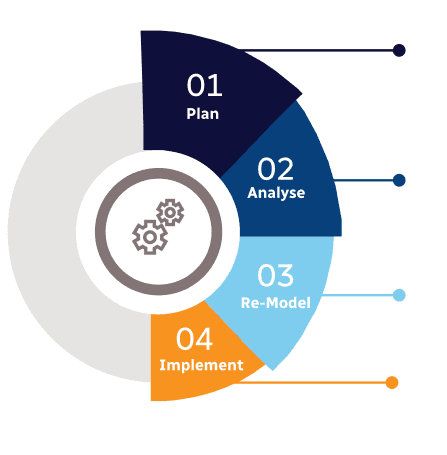
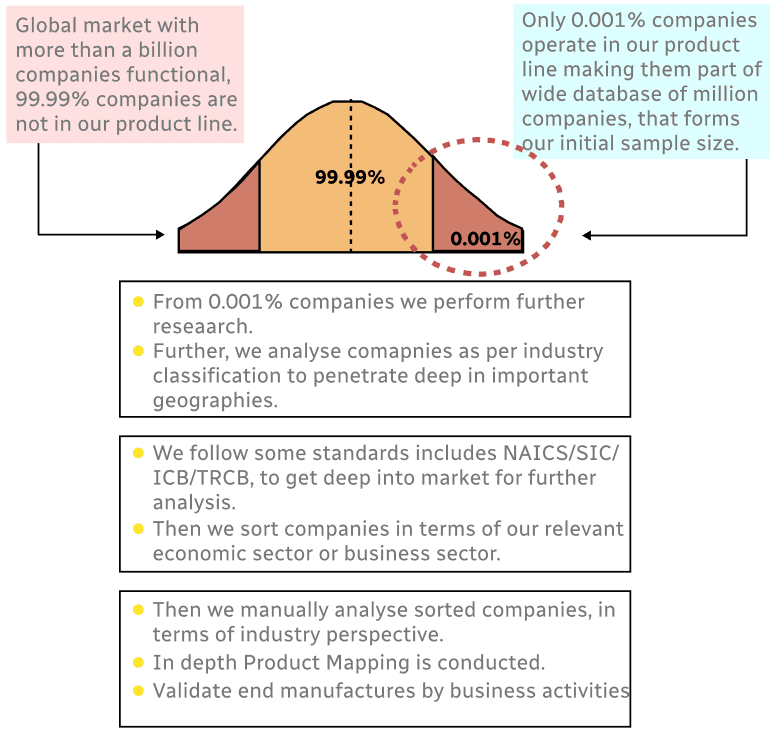
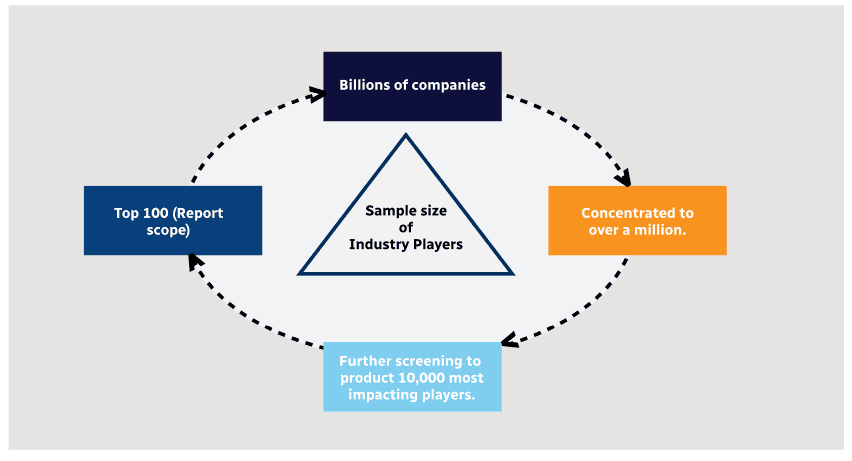
Step 1 - Identification of Relevant Samples Size from Population Database
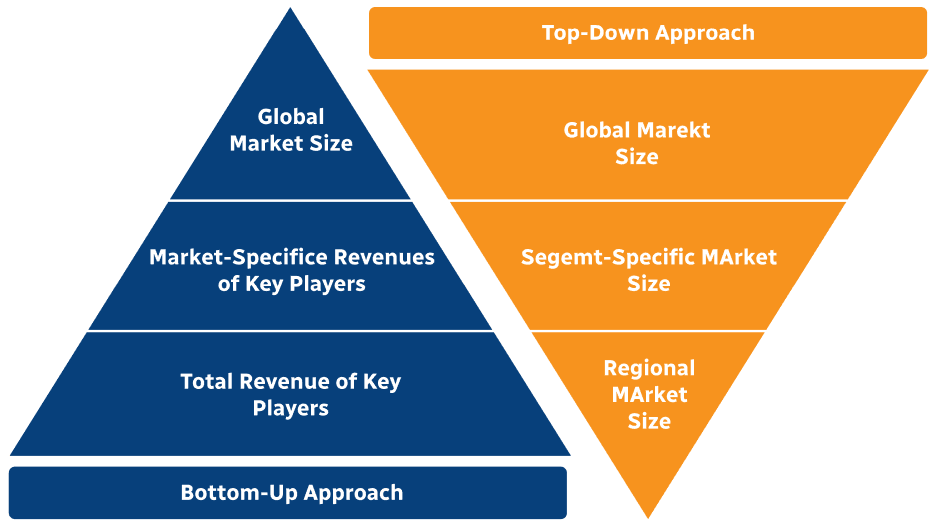
Step 2 - Approaches for Defining Global Market Size (Value, Volume* & Price*)
Note*: In applicable scenarios
Step 3 - Data Sources
Primary Research
- Web Analytics
- Survey Reports
- Research Institute
- Latest Research Reports
- Opinion Leaders
Secondary Research
- Annual Reports
- White Paper
- Latest Press Release
- Industry Association
- Paid Database
- Investor Presentations
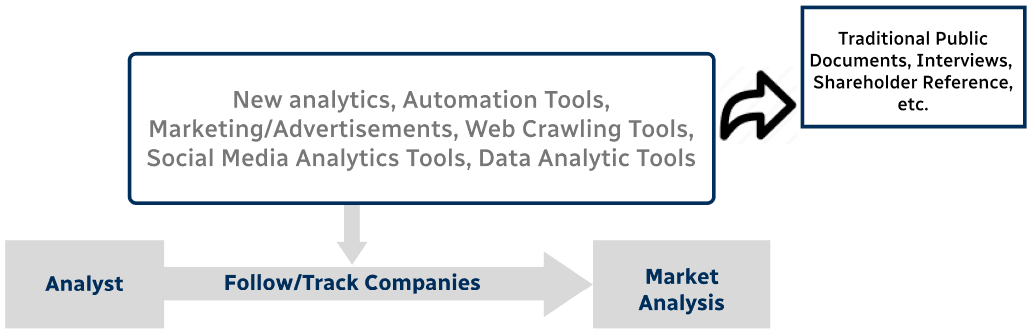
Step 4 - Data Triangulation
Involves using different sources of information in order to increase the validity of a study
These sources are likely to be stakeholders in a program - participants, other researchers, program staff, other community members, and so on.
Then we put all data in single framework & apply various statistical tools to find out the dynamic on the market.
During the analysis stage, feedback from the stakeholder groups would be compared to determine areas of agreement as well as areas of divergence