


Key Insights
The global natural flavoring market is poised for substantial growth, driven by escalating consumer demand for clean-label products and a rising health consciousness that favors natural ingredients over artificial additives. This market is projected to reach a size of $9.64 billion by 2025, with a Compound Annual Growth Rate (CAGR) of 9.39%. The increasing preference for transparency in food and beverage ingredients, coupled with advancements in extraction and processing technologies, is making natural flavorings more accessible and versatile, accelerating their adoption across diverse applications.
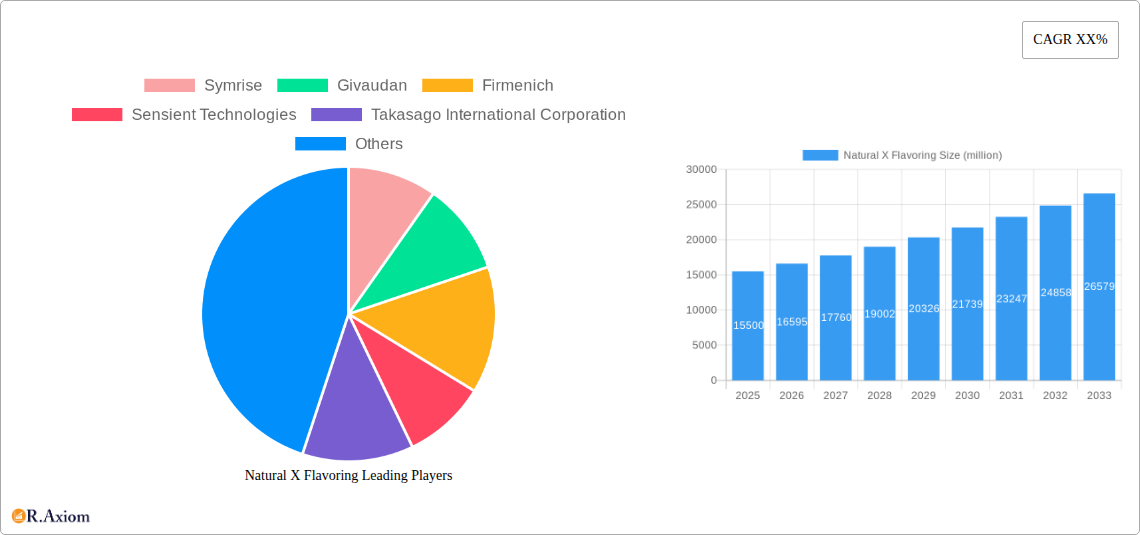
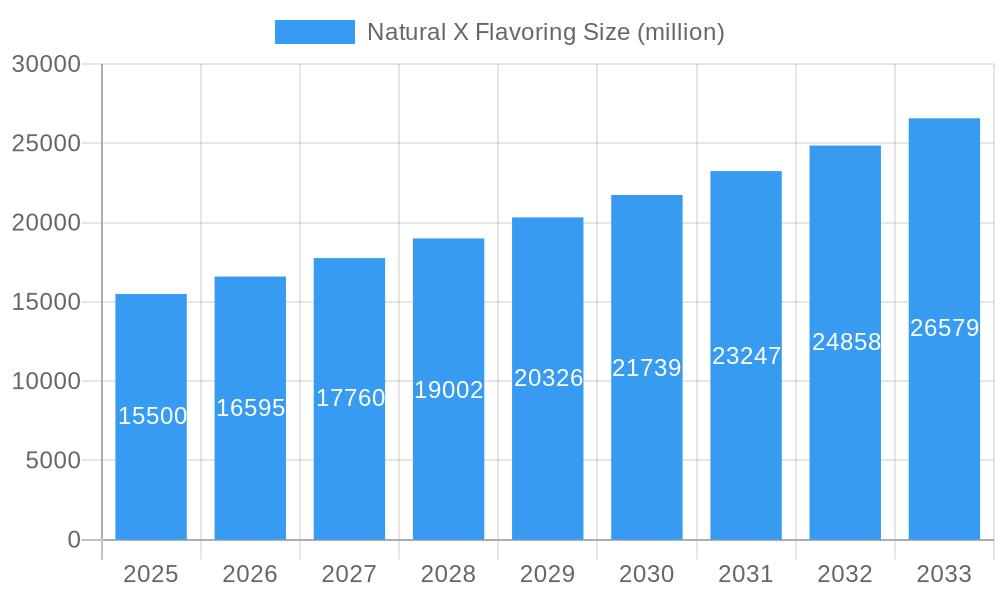
Natural X Flavoring Market Size (In Billion)

Key market drivers include the growing popularity of exotic and botanical flavor profiles, alongside a strong demand for organic and non-GMO certified options. The beverages and confectionery sectors are leading the adoption of natural flavorings, followed by seasonings, dairy, liquor, and canned foods. Natural flavorings are categorized by type, including water essence, oily essence, emulsified flavor, and powder essence, each offering distinct functionalities. Major industry players are focusing on innovation and portfolio expansion to capitalize on market opportunities. The Asia Pacific region, fueled by economic growth and rising disposable incomes in countries like China and India, is expected to be a significant growth engine. Challenges such as higher raw material costs and supply chain complexities require strategic sourcing and management to ensure market stability and sustainability.
Natural X Flavoring Company Market Share
This report provides an in-depth analysis of the natural flavoring market, including its size, growth forecast, and key trends.
Natural X Flavoring Market Concentration & Innovation
The Natural X Flavoring market is characterized by a moderate level of concentration, with key players like Symrise, Givaudan, and Firmenich holding significant market share, estimated in the range of a few hundred million. Innovation remains a primary driver, fueled by increasing consumer demand for clean-label products and the desire for authentic taste experiences. Companies are heavily investing in R&D to develop novel extraction techniques and expand their portfolio of natural flavor compounds. Regulatory frameworks, such as those governing food additives and labeling, play a crucial role in shaping product development and market entry strategies. The threat of product substitutes, particularly synthetic flavors and artificial alternatives, is present but is increasingly countered by the premium perception and health-conscious appeal of natural options. End-user trends are dominated by a growing preference for transparent sourcing and the elimination of artificial ingredients. Mergers and acquisitions (M&A) activities are expected to continue, with estimated deal values reaching hundreds of millions, consolidating market share and expanding technological capabilities.
- Market Share of Top Players: Estimated in the hundreds of millions.
- M&A Deal Values: Projected to reach hundreds of millions.
- Innovation Focus: Clean-label, authentic taste, novel extraction techniques.
- Regulatory Impact: Food additive regulations, labeling standards.
- Competitive Landscape: Moderate concentration, with a strong presence of global flavor houses.
Natural X Flavoring Industry Trends & Insights
The Natural X Flavoring industry is poised for robust growth, driven by a confluence of evolving consumer preferences, technological advancements, and supportive regulatory shifts. The global market is projected to experience a Compound Annual Growth Rate (CAGR) of approximately 7-8% over the forecast period, reaching an estimated market size in the tens of billions by 2033. This expansion is primarily fueled by the escalating demand for natural and organic food and beverage products, where consumers are actively seeking ingredients with transparent sourcing and minimal processing. Technological disruptions are playing a pivotal role, with advancements in biotechnology, fermentation, and precision extraction enabling the efficient and sustainable production of complex natural flavors. These innovations not only enhance the authenticity and intensity of flavors but also address concerns about raw material availability and cost.
Consumer preferences are undergoing a significant transformation, with a marked shift away from artificial ingredients towards natural alternatives. This trend is particularly pronounced in developed markets, where health and wellness consciousness is high. Consumers are increasingly willing to pay a premium for products that align with their dietary choices and ethical considerations. The competitive dynamics within the Natural X Flavoring sector are intensifying, as both established global players and emerging niche manufacturers vie for market share. Key strategies employed include product differentiation, strategic partnerships, and a focus on sustainable sourcing practices. Market penetration is steadily increasing across various food and beverage categories, reflecting the widespread adoption of natural flavors by manufacturers aiming to meet evolving consumer expectations.
The industry is also witnessing a rise in demand for functional flavors that offer additional health benefits, such as immune support or stress reduction, further broadening the application scope for natural flavorings. Furthermore, the development of innovative delivery systems, such as encapsulated natural flavors, is enhancing their stability and performance in diverse food matrices. This continuous innovation cycle, coupled with strong market demand, ensures a dynamic and promising outlook for the Natural X Flavoring sector. The projected market size is expected to reach over ten billion dollars by the end of the forecast period.
Dominant Markets & Segments in Natural X Flavoring
The Natural X Flavoring market exhibits significant regional dominance and segmental strength, driven by a combination of economic policies, consumer demographics, and evolving industry practices.
Dominant Region: North America currently leads the global Natural X Flavoring market, accounting for a substantial market share estimated in the billions. This dominance is attributed to several factors:
- Economic Policies: Favorable regulations supporting the growth of the natural food and beverage sector, including tax incentives and government initiatives promoting sustainable agriculture.
- Consumer Preferences: A highly health-conscious consumer base with a strong demand for clean-label products and a willingness to invest in premium natural ingredients.
- Market Penetration: Widespread adoption of natural flavors across a broad spectrum of food and beverage applications, driven by major food manufacturers and the thriving natural and organic retail segment.
- Innovation Hubs: Presence of leading R&D centers and flavor houses fostering continuous product development and technological advancements.
Dominant Application Segment: The Drinks segment is the largest application area for Natural X Flavoring, with a market share estimated in the billions. The beverage industry's consistent innovation and the vast array of product categories, including juices, carbonated soft drinks, teas, and functional beverages, create an immense demand for diverse and appealing natural flavors.
- Drivers for Drinks Dominance:
- Health & Wellness Trend: Growing consumer preference for natural sweeteners and flavors in beverages, particularly in the context of sugar reduction initiatives.
- Product Diversification: Manufacturers continuously launching new beverage products with unique flavor profiles to capture consumer interest.
- Functional Beverages: The surge in demand for beverages with added health benefits (e.g., probiotics, vitamins) which are often enhanced by natural flavorings.
- Clean Labeling: A significant driver as beverage companies strive to meet consumer demand for products free from artificial colors and flavors.
Dominant Type: Water Essence commands the largest market share within the Natural X Flavoring types, with an estimated value in the billions. This is largely due to its versatility and widespread application in a multitude of liquid-based food and beverage products.
- Drivers for Water Essence Dominance:
- High Solublity and Versatility: Easily dissolves in water-based systems, making it ideal for beverages, dairy products, and many processed foods.
- Cost-Effectiveness: Generally more economical to produce and incorporate compared to other essence types.
- Authentic Taste Profile: Capable of delivering nuanced and authentic flavor profiles that closely mimic natural ingredients.
- Ease of Formulation: Simple to integrate into existing production processes without requiring complex emulsification or stabilization techniques.
The dominance of these segments underscores the current market landscape and provides insights into areas of highest growth potential and strategic importance for industry stakeholders.
Natural X Flavoring Product Developments
Recent product developments in the Natural X Flavoring market are characterized by a strong emphasis on sustainable sourcing, enhanced flavor profiles, and expanded applications. Companies are innovating in areas such as botanical extracts, fermentation-derived flavors, and complex fruit and vegetable essences. These advancements aim to provide manufacturers with more authentic, intense, and clean-label flavor solutions. Key competitive advantages lie in the ability to replicate traditional taste experiences using natural ingredients, cater to evolving consumer demands for plant-based and low-sugar options, and offer functional benefits alongside desirable taste. Technological trends are focused on advanced extraction methods and bio-fermentation to unlock novel flavor compounds and ensure consistent quality and availability.
Report Scope & Segmentation Analysis
This report provides an in-depth analysis of the Natural X Flavoring market, encompassing a comprehensive segmentation based on Application and Type. The study period spans from 2019 to 2033, with a base and estimated year of 2025 and a forecast period from 2025 to 2033.
Application Segments:
- Drinks: This segment is projected to witness robust growth, driven by the increasing demand for natural beverages and functional drinks. Market size is estimated to be in the billions, with a projected CAGR of xx%.
- Candy: The confectionery sector's move towards natural ingredients will fuel growth, with an estimated market size of hundreds of millions and a CAGR of xx%.
- Seasoning: Natural flavorings are gaining traction in savory applications, contributing to a growing market estimated in the hundreds of millions with a CAGR of xx%.
- Dairy Products: The clean-label trend in dairy products like yogurt and cheese is a significant growth driver, with market size in the hundreds of millions and a CAGR of xx%.
- Canned Food: Natural flavors are increasingly used to enhance the taste of canned goods, contributing to a market size in the hundreds of millions and a CAGR of xx%.
- Liquor: Premiumization in the spirits market is driving demand for natural flavorings, with an estimated market size of hundreds of millions and a CAGR of xx%.
Type Segments:
- Water Essence: Expected to maintain its dominant position due to versatility and widespread application in liquid-based products, with market size in the billions and a CAGR of xx%.
- Oily Essence: Growing in applications where oil-based flavors are preferred, contributing to a market size of hundreds of millions with a CAGR of xx%.
- Emulsified Flavor: Essential for creating stable flavor dispersions in various food matrices, with a market size of hundreds of millions and a CAGR of xx%.
- Powder Essence: Increasingly important for dry mixes and convenience foods, with a market size of hundreds of millions and a CAGR of xx%.
Key Drivers of Natural X Flavoring Growth
The Natural X Flavoring market is propelled by several significant growth drivers, fundamentally reshaping its trajectory. The overarching trend of "clean label" consumer demand, with an increasing preference for natural, recognizable ingredients and a desire to avoid artificial additives, is a primary catalyst. This is directly supported by the growing awareness of health and wellness, prompting consumers to seek out natural alternatives perceived as healthier and safer.
Technological advancements in extraction, fermentation, and bio-technology are enabling the development of more sophisticated, authentic, and cost-effective natural flavors, making them more accessible to a wider range of manufacturers. Furthermore, the regulatory landscape in many regions is becoming more stringent regarding artificial ingredients, pushing companies towards natural solutions. For instance, the increasing scrutiny on artificial sweeteners and colorants encourages a shift to natural flavorings.
Economic factors, such as rising disposable incomes in emerging markets, are also contributing to a greater demand for premium food and beverage products that often feature natural flavors. The agricultural sector's focus on sustainable sourcing and the traceability of ingredients further bolsters the appeal of natural X flavorings. The increasing innovation within the food and beverage industry, with manufacturers constantly seeking to differentiate their products through unique and appealing taste profiles, also fuels growth.
Challenges in the Natural X Flavoring Sector
Despite the robust growth prospects, the Natural X Flavoring sector faces several considerable challenges that can impact market expansion and profitability. Volatility in raw material sourcing and pricing remains a significant concern. Factors such as climate change, geopolitical instability, and fluctuating agricultural yields can lead to unpredictable supply and price increases for natural flavor ingredients, impacting cost-effectiveness.
Regulatory hurdles can also pose a challenge. While regulations are pushing towards natural ingredients, the complexity and evolving nature of global food safety and labeling standards require constant vigilance and adaptation from manufacturers. Achieving and maintaining consistent flavor profiles can be more challenging with natural ingredients compared to synthetic ones, due to inherent variations in raw materials.
Higher production costs associated with natural extraction and processing methods can sometimes make natural flavors less competitive than their synthetic counterparts, particularly in price-sensitive market segments. Furthermore, the limited availability of certain natural flavor compounds can restrict product innovation and market reach. Finally, strong competitive pressures from both established flavor houses and new market entrants necessitate continuous innovation and efficient operational strategies.
Emerging Opportunities in Natural X Flavoring
The Natural X Flavoring market is brimming with emerging opportunities that promise significant growth and innovation. The burgeoning demand for plant-based and vegan food alternatives presents a substantial opportunity, as these products often require natural flavorings to replicate traditional taste profiles. The growth of the functional food and beverage sector, which integrates health benefits with taste, opens avenues for natural flavors that complement active ingredients and enhance consumer appeal.
The increasing focus on sustainability and ethical sourcing creates an opportunity for companies that can demonstrate transparent supply chains and environmentally responsible practices, resonating with conscious consumers. Emerging markets in Asia-Pacific and Latin America, with their growing middle class and increasing adoption of Western food trends, offer significant untapped potential for natural flavorings.
Technological advancements in precision fermentation and cultured ingredients are unlocking new possibilities for creating complex and rare natural flavors with greater consistency and reduced environmental impact. Furthermore, the exploration of novel botanical sources and exotic fruit flavors caters to the consumer's desire for unique and adventurous taste experiences. The development of innovative delivery systems, such as encapsulation technologies, can improve the stability and performance of natural flavors in challenging food applications.
Leading Players in the Natural X Flavoring Market
- Symrise
- Givaudan
- Firmenich
- Sensient Technologies
- Takasago International Corporation
- Synergy Flavors
- International Flavors & Fragrances
- Robertet Group
- Bell Flavors & Fragrances
- Blue Pacific Flavors
Key Developments in Natural X Flavoring Industry
- 2024 February: Launch of a new range of plant-based savory flavor enhancers by Symrise, catering to the growing demand for meat-free alternatives.
- 2023 December: Firmenich announces acquisition of a leading natural ingredient supplier, strengthening its portfolio in botanical extracts.
- 2023 October: Givaudan invests heavily in R&D for fermentation-derived natural flavors, aiming to unlock complex aroma compounds.
- 2023 July: Sensient Technologies expands its natural color and flavor offerings for the dairy industry.
- 2023 April: Takasago International Corporation pioneers new extraction techniques for tropical fruit flavors, enhancing authenticity.
- 2023 January: Synergy Flavors introduces a line of natural flavorings designed for low-sugar beverage applications.
- 2022 November: International Flavors & Fragrances (IFF) highlights advancements in sustainable sourcing of natural vanilla and citrus flavors.
- 2022 August: Robertet Group emphasizes its commitment to organic and ethically sourced natural flavor ingredients.
- 2022 May: Bell Flavors & Fragrances launches a new series of natural smoke flavors for savory applications.
- 2022 February: Blue Pacific Flavors announces expansion of its fruit essence portfolio with exotic and underutilized varieties.
Strategic Outlook for Natural X Flavoring Market
The strategic outlook for the Natural X Flavoring market remains exceptionally positive, driven by enduring consumer trends and continuous innovation. The persistent demand for clean-label, natural, and health-conscious products will continue to be the primary growth catalyst. Companies that can effectively leverage sustainable sourcing practices, invest in advanced R&D for novel flavor development, and adapt to evolving regulatory landscapes will be well-positioned for success. Strategic collaborations, mergers, and acquisitions are likely to shape the competitive landscape, consolidating market power and expanding technological capabilities. The expanding reach into emerging markets and the increasing adoption of natural flavors across diverse food and beverage segments present substantial opportunities for revenue growth and market penetration. The focus will increasingly shift towards functional natural flavors that offer added health benefits, further enhancing their value proposition and market appeal.
Natural X Flavoring Segmentation
-
1. Application
- 1.1. Drinks
- 1.2. Candy
- 1.3. Seasoning
- 1.4. Dairy Products
- 1.5. Canned Food
- 1.6. Liquor
-
2. Types
- 2.1. Water Essence
- 2.2. Oily Essence
- 2.3. Emulsified Flavor
- 2.4. Powder Essence
Natural X Flavoring Segmentation By Geography
-
1. North America
- 1.1. United States
- 1.2. Canada
- 1.3. Mexico
-
2. South America
- 2.1. Brazil
- 2.2. Argentina
- 2.3. Rest of South America
-
3. Europe
- 3.1. United Kingdom
- 3.2. Germany
- 3.3. France
- 3.4. Italy
- 3.5. Spain
- 3.6. Russia
- 3.7. Benelux
- 3.8. Nordics
- 3.9. Rest of Europe
-
4. Middle East & Africa
- 4.1. Turkey
- 4.2. Israel
- 4.3. GCC
- 4.4. North Africa
- 4.5. South Africa
- 4.6. Rest of Middle East & Africa
-
5. Asia Pacific
- 5.1. China
- 5.2. India
- 5.3. Japan
- 5.4. South Korea
- 5.5. ASEAN
- 5.6. Oceania
- 5.7. Rest of Asia Pacific
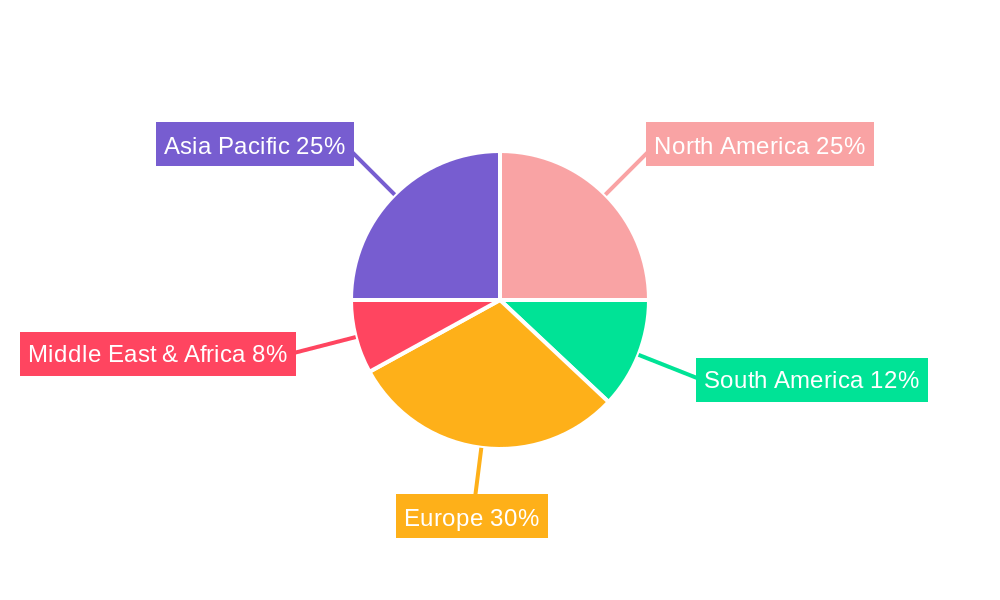
Natural X Flavoring Regional Market Share
Geographic Coverage of Natural X Flavoring
Natural X Flavoring REPORT HIGHLIGHTS
| Aspects | Details |
|---|---|
| Study Period | 2020-2034 |
| Base Year | 2025 |
| Estimated Year | 2026 |
| Forecast Period | 2026-2034 |
| Historical Period | 2020-2025 |
| Growth Rate | CAGR of 9.39% from 2020-2034 |
| Segmentation |
|
Table of Contents
- 1. Introduction
- 1.1. Research Scope
- 1.2. Market Segmentation
- 1.3. Research Methodology
- 1.4. Definitions and Assumptions
- 2. Executive Summary
- 2.1. Introduction
- 3. Market Dynamics
- 3.1. Introduction
- 3.2. Market Drivers
- 3.3. Market Restrains
- 3.4. Market Trends
- 4. Market Factor Analysis
- 4.1. Porters Five Forces
- 4.2. Supply/Value Chain
- 4.3. PESTEL analysis
- 4.4. Market Entropy
- 4.5. Patent/Trademark Analysis
- 5. Global Natural X Flavoring Analysis, Insights and Forecast, 2020-2032
- 5.1. Market Analysis, Insights and Forecast - by Application
- 5.1.1. Drinks
- 5.1.2. Candy
- 5.1.3. Seasoning
- 5.1.4. Dairy Products
- 5.1.5. Canned Food
- 5.1.6. Liquor
- 5.2. Market Analysis, Insights and Forecast - by Types
- 5.2.1. Water Essence
- 5.2.2. Oily Essence
- 5.2.3. Emulsified Flavor
- 5.2.4. Powder Essence
- 5.3. Market Analysis, Insights and Forecast - by Region
- 5.3.1. North America
- 5.3.2. South America
- 5.3.3. Europe
- 5.3.4. Middle East & Africa
- 5.3.5. Asia Pacific
- 5.1. Market Analysis, Insights and Forecast - by Application
- 6. North America Natural X Flavoring Analysis, Insights and Forecast, 2020-2032
- 6.1. Market Analysis, Insights and Forecast - by Application
- 6.1.1. Drinks
- 6.1.2. Candy
- 6.1.3. Seasoning
- 6.1.4. Dairy Products
- 6.1.5. Canned Food
- 6.1.6. Liquor
- 6.2. Market Analysis, Insights and Forecast - by Types
- 6.2.1. Water Essence
- 6.2.2. Oily Essence
- 6.2.3. Emulsified Flavor
- 6.2.4. Powder Essence
- 6.1. Market Analysis, Insights and Forecast - by Application
- 7. South America Natural X Flavoring Analysis, Insights and Forecast, 2020-2032
- 7.1. Market Analysis, Insights and Forecast - by Application
- 7.1.1. Drinks
- 7.1.2. Candy
- 7.1.3. Seasoning
- 7.1.4. Dairy Products
- 7.1.5. Canned Food
- 7.1.6. Liquor
- 7.2. Market Analysis, Insights and Forecast - by Types
- 7.2.1. Water Essence
- 7.2.2. Oily Essence
- 7.2.3. Emulsified Flavor
- 7.2.4. Powder Essence
- 7.1. Market Analysis, Insights and Forecast - by Application
- 8. Europe Natural X Flavoring Analysis, Insights and Forecast, 2020-2032
- 8.1. Market Analysis, Insights and Forecast - by Application
- 8.1.1. Drinks
- 8.1.2. Candy
- 8.1.3. Seasoning
- 8.1.4. Dairy Products
- 8.1.5. Canned Food
- 8.1.6. Liquor
- 8.2. Market Analysis, Insights and Forecast - by Types
- 8.2.1. Water Essence
- 8.2.2. Oily Essence
- 8.2.3. Emulsified Flavor
- 8.2.4. Powder Essence
- 8.1. Market Analysis, Insights and Forecast - by Application
- 9. Middle East & Africa Natural X Flavoring Analysis, Insights and Forecast, 2020-2032
- 9.1. Market Analysis, Insights and Forecast - by Application
- 9.1.1. Drinks
- 9.1.2. Candy
- 9.1.3. Seasoning
- 9.1.4. Dairy Products
- 9.1.5. Canned Food
- 9.1.6. Liquor
- 9.2. Market Analysis, Insights and Forecast - by Types
- 9.2.1. Water Essence
- 9.2.2. Oily Essence
- 9.2.3. Emulsified Flavor
- 9.2.4. Powder Essence
- 9.1. Market Analysis, Insights and Forecast - by Application
- 10. Asia Pacific Natural X Flavoring Analysis, Insights and Forecast, 2020-2032
- 10.1. Market Analysis, Insights and Forecast - by Application
- 10.1.1. Drinks
- 10.1.2. Candy
- 10.1.3. Seasoning
- 10.1.4. Dairy Products
- 10.1.5. Canned Food
- 10.1.6. Liquor
- 10.2. Market Analysis, Insights and Forecast - by Types
- 10.2.1. Water Essence
- 10.2.2. Oily Essence
- 10.2.3. Emulsified Flavor
- 10.2.4. Powder Essence
- 10.1. Market Analysis, Insights and Forecast - by Application
- 11. Competitive Analysis
- 11.1. Global Market Share Analysis 2025
- 11.2. Company Profiles
- 11.2.1 Symrise
- 11.2.1.1. Overview
- 11.2.1.2. Products
- 11.2.1.3. SWOT Analysis
- 11.2.1.4. Recent Developments
- 11.2.1.5. Financials (Based on Availability)
- 11.2.2 Givaudan
- 11.2.2.1. Overview
- 11.2.2.2. Products
- 11.2.2.3. SWOT Analysis
- 11.2.2.4. Recent Developments
- 11.2.2.5. Financials (Based on Availability)
- 11.2.3 Firmenich
- 11.2.3.1. Overview
- 11.2.3.2. Products
- 11.2.3.3. SWOT Analysis
- 11.2.3.4. Recent Developments
- 11.2.3.5. Financials (Based on Availability)
- 11.2.4 Sensient Technologies
- 11.2.4.1. Overview
- 11.2.4.2. Products
- 11.2.4.3. SWOT Analysis
- 11.2.4.4. Recent Developments
- 11.2.4.5. Financials (Based on Availability)
- 11.2.5 Takasago International Corporation
- 11.2.5.1. Overview
- 11.2.5.2. Products
- 11.2.5.3. SWOT Analysis
- 11.2.5.4. Recent Developments
- 11.2.5.5. Financials (Based on Availability)
- 11.2.6 Synergy Flavors
- 11.2.6.1. Overview
- 11.2.6.2. Products
- 11.2.6.3. SWOT Analysis
- 11.2.6.4. Recent Developments
- 11.2.6.5. Financials (Based on Availability)
- 11.2.7 International Flavors & Fragrances
- 11.2.7.1. Overview
- 11.2.7.2. Products
- 11.2.7.3. SWOT Analysis
- 11.2.7.4. Recent Developments
- 11.2.7.5. Financials (Based on Availability)
- 11.2.8 Robertet Group
- 11.2.8.1. Overview
- 11.2.8.2. Products
- 11.2.8.3. SWOT Analysis
- 11.2.8.4. Recent Developments
- 11.2.8.5. Financials (Based on Availability)
- 11.2.9 Bell Flavors & Fragrances
- 11.2.9.1. Overview
- 11.2.9.2. Products
- 11.2.9.3. SWOT Analysis
- 11.2.9.4. Recent Developments
- 11.2.9.5. Financials (Based on Availability)
- 11.2.10 Blue Pacific Flavors
- 11.2.10.1. Overview
- 11.2.10.2. Products
- 11.2.10.3. SWOT Analysis
- 11.2.10.4. Recent Developments
- 11.2.10.5. Financials (Based on Availability)
- 11.2.1 Symrise
List of Figures
- Figure 1: Global Natural X Flavoring Revenue Breakdown (billion, %) by Region 2025 & 2033
- Figure 2: North America Natural X Flavoring Revenue (billion), by Application 2025 & 2033
- Figure 3: North America Natural X Flavoring Revenue Share (%), by Application 2025 & 2033
- Figure 4: North America Natural X Flavoring Revenue (billion), by Types 2025 & 2033
- Figure 5: North America Natural X Flavoring Revenue Share (%), by Types 2025 & 2033
- Figure 6: North America Natural X Flavoring Revenue (billion), by Country 2025 & 2033
- Figure 7: North America Natural X Flavoring Revenue Share (%), by Country 2025 & 2033
- Figure 8: South America Natural X Flavoring Revenue (billion), by Application 2025 & 2033
- Figure 9: South America Natural X Flavoring Revenue Share (%), by Application 2025 & 2033
- Figure 10: South America Natural X Flavoring Revenue (billion), by Types 2025 & 2033
- Figure 11: South America Natural X Flavoring Revenue Share (%), by Types 2025 & 2033
- Figure 12: South America Natural X Flavoring Revenue (billion), by Country 2025 & 2033
- Figure 13: South America Natural X Flavoring Revenue Share (%), by Country 2025 & 2033
- Figure 14: Europe Natural X Flavoring Revenue (billion), by Application 2025 & 2033
- Figure 15: Europe Natural X Flavoring Revenue Share (%), by Application 2025 & 2033
- Figure 16: Europe Natural X Flavoring Revenue (billion), by Types 2025 & 2033
- Figure 17: Europe Natural X Flavoring Revenue Share (%), by Types 2025 & 2033
- Figure 18: Europe Natural X Flavoring Revenue (billion), by Country 2025 & 2033
- Figure 19: Europe Natural X Flavoring Revenue Share (%), by Country 2025 & 2033
- Figure 20: Middle East & Africa Natural X Flavoring Revenue (billion), by Application 2025 & 2033
- Figure 21: Middle East & Africa Natural X Flavoring Revenue Share (%), by Application 2025 & 2033
- Figure 22: Middle East & Africa Natural X Flavoring Revenue (billion), by Types 2025 & 2033
- Figure 23: Middle East & Africa Natural X Flavoring Revenue Share (%), by Types 2025 & 2033
- Figure 24: Middle East & Africa Natural X Flavoring Revenue (billion), by Country 2025 & 2033
- Figure 25: Middle East & Africa Natural X Flavoring Revenue Share (%), by Country 2025 & 2033
- Figure 26: Asia Pacific Natural X Flavoring Revenue (billion), by Application 2025 & 2033
- Figure 27: Asia Pacific Natural X Flavoring Revenue Share (%), by Application 2025 & 2033
- Figure 28: Asia Pacific Natural X Flavoring Revenue (billion), by Types 2025 & 2033
- Figure 29: Asia Pacific Natural X Flavoring Revenue Share (%), by Types 2025 & 2033
- Figure 30: Asia Pacific Natural X Flavoring Revenue (billion), by Country 2025 & 2033
- Figure 31: Asia Pacific Natural X Flavoring Revenue Share (%), by Country 2025 & 2033
List of Tables
- Table 1: Global Natural X Flavoring Revenue billion Forecast, by Application 2020 & 2033
- Table 2: Global Natural X Flavoring Revenue billion Forecast, by Types 2020 & 2033
- Table 3: Global Natural X Flavoring Revenue billion Forecast, by Region 2020 & 2033
- Table 4: Global Natural X Flavoring Revenue billion Forecast, by Application 2020 & 2033
- Table 5: Global Natural X Flavoring Revenue billion Forecast, by Types 2020 & 2033
- Table 6: Global Natural X Flavoring Revenue billion Forecast, by Country 2020 & 2033
- Table 7: United States Natural X Flavoring Revenue (billion) Forecast, by Application 2020 & 2033
- Table 8: Canada Natural X Flavoring Revenue (billion) Forecast, by Application 2020 & 2033
- Table 9: Mexico Natural X Flavoring Revenue (billion) Forecast, by Application 2020 & 2033
- Table 10: Global Natural X Flavoring Revenue billion Forecast, by Application 2020 & 2033
- Table 11: Global Natural X Flavoring Revenue billion Forecast, by Types 2020 & 2033
- Table 12: Global Natural X Flavoring Revenue billion Forecast, by Country 2020 & 2033
- Table 13: Brazil Natural X Flavoring Revenue (billion) Forecast, by Application 2020 & 2033
- Table 14: Argentina Natural X Flavoring Revenue (billion) Forecast, by Application 2020 & 2033
- Table 15: Rest of South America Natural X Flavoring Revenue (billion) Forecast, by Application 2020 & 2033
- Table 16: Global Natural X Flavoring Revenue billion Forecast, by Application 2020 & 2033
- Table 17: Global Natural X Flavoring Revenue billion Forecast, by Types 2020 & 2033
- Table 18: Global Natural X Flavoring Revenue billion Forecast, by Country 2020 & 2033
- Table 19: United Kingdom Natural X Flavoring Revenue (billion) Forecast, by Application 2020 & 2033
- Table 20: Germany Natural X Flavoring Revenue (billion) Forecast, by Application 2020 & 2033
- Table 21: France Natural X Flavoring Revenue (billion) Forecast, by Application 2020 & 2033
- Table 22: Italy Natural X Flavoring Revenue (billion) Forecast, by Application 2020 & 2033
- Table 23: Spain Natural X Flavoring Revenue (billion) Forecast, by Application 2020 & 2033
- Table 24: Russia Natural X Flavoring Revenue (billion) Forecast, by Application 2020 & 2033
- Table 25: Benelux Natural X Flavoring Revenue (billion) Forecast, by Application 2020 & 2033
- Table 26: Nordics Natural X Flavoring Revenue (billion) Forecast, by Application 2020 & 2033
- Table 27: Rest of Europe Natural X Flavoring Revenue (billion) Forecast, by Application 2020 & 2033
- Table 28: Global Natural X Flavoring Revenue billion Forecast, by Application 2020 & 2033
- Table 29: Global Natural X Flavoring Revenue billion Forecast, by Types 2020 & 2033
- Table 30: Global Natural X Flavoring Revenue billion Forecast, by Country 2020 & 2033
- Table 31: Turkey Natural X Flavoring Revenue (billion) Forecast, by Application 2020 & 2033
- Table 32: Israel Natural X Flavoring Revenue (billion) Forecast, by Application 2020 & 2033
- Table 33: GCC Natural X Flavoring Revenue (billion) Forecast, by Application 2020 & 2033
- Table 34: North Africa Natural X Flavoring Revenue (billion) Forecast, by Application 2020 & 2033
- Table 35: South Africa Natural X Flavoring Revenue (billion) Forecast, by Application 2020 & 2033
- Table 36: Rest of Middle East & Africa Natural X Flavoring Revenue (billion) Forecast, by Application 2020 & 2033
- Table 37: Global Natural X Flavoring Revenue billion Forecast, by Application 2020 & 2033
- Table 38: Global Natural X Flavoring Revenue billion Forecast, by Types 2020 & 2033
- Table 39: Global Natural X Flavoring Revenue billion Forecast, by Country 2020 & 2033
- Table 40: China Natural X Flavoring Revenue (billion) Forecast, by Application 2020 & 2033
- Table 41: India Natural X Flavoring Revenue (billion) Forecast, by Application 2020 & 2033
- Table 42: Japan Natural X Flavoring Revenue (billion) Forecast, by Application 2020 & 2033
- Table 43: South Korea Natural X Flavoring Revenue (billion) Forecast, by Application 2020 & 2033
- Table 44: ASEAN Natural X Flavoring Revenue (billion) Forecast, by Application 2020 & 2033
- Table 45: Oceania Natural X Flavoring Revenue (billion) Forecast, by Application 2020 & 2033
- Table 46: Rest of Asia Pacific Natural X Flavoring Revenue (billion) Forecast, by Application 2020 & 2033
Frequently Asked Questions
1. What is the projected Compound Annual Growth Rate (CAGR) of the Natural X Flavoring?
The projected CAGR is approximately 9.39%.
2. Which companies are prominent players in the Natural X Flavoring?
Key companies in the market include Symrise, Givaudan, Firmenich, Sensient Technologies, Takasago International Corporation, Synergy Flavors, International Flavors & Fragrances, Robertet Group, Bell Flavors & Fragrances, Blue Pacific Flavors.
3. What are the main segments of the Natural X Flavoring?
The market segments include Application, Types.
4. Can you provide details about the market size?
The market size is estimated to be USD 9.64 billion as of 2022.
5. What are some drivers contributing to market growth?
N/A
6. What are the notable trends driving market growth?
N/A
7. Are there any restraints impacting market growth?
N/A
8. Can you provide examples of recent developments in the market?
N/A
9. What pricing options are available for accessing the report?
Pricing options include single-user, multi-user, and enterprise licenses priced at USD 4900.00, USD 7350.00, and USD 9800.00 respectively.
10. Is the market size provided in terms of value or volume?
The market size is provided in terms of value, measured in billion.
11. Are there any specific market keywords associated with the report?
Yes, the market keyword associated with the report is "Natural X Flavoring," which aids in identifying and referencing the specific market segment covered.
12. How do I determine which pricing option suits my needs best?
The pricing options vary based on user requirements and access needs. Individual users may opt for single-user licenses, while businesses requiring broader access may choose multi-user or enterprise licenses for cost-effective access to the report.
13. Are there any additional resources or data provided in the Natural X Flavoring report?
While the report offers comprehensive insights, it's advisable to review the specific contents or supplementary materials provided to ascertain if additional resources or data are available.
14. How can I stay updated on further developments or reports in the Natural X Flavoring?
To stay informed about further developments, trends, and reports in the Natural X Flavoring, consider subscribing to industry newsletters, following relevant companies and organizations, or regularly checking reputable industry news sources and publications.
Methodology
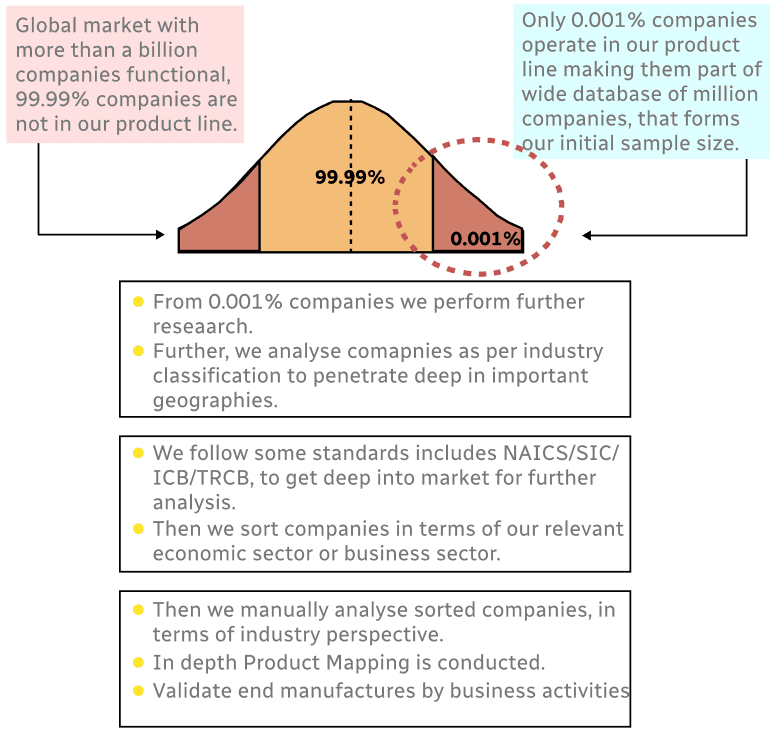
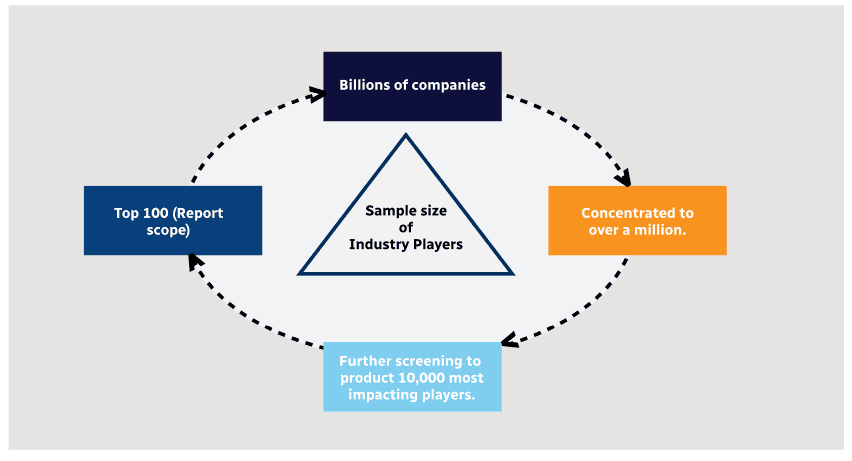
Step 1 - Identification of Relevant Samples Size from Population Database
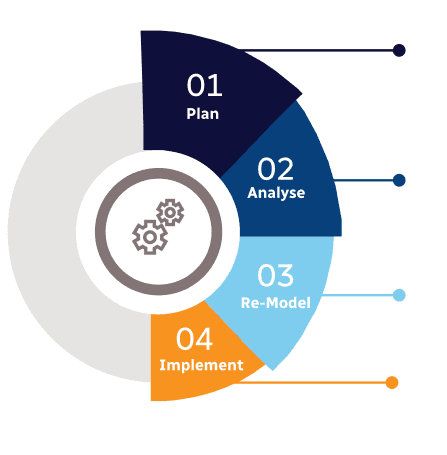
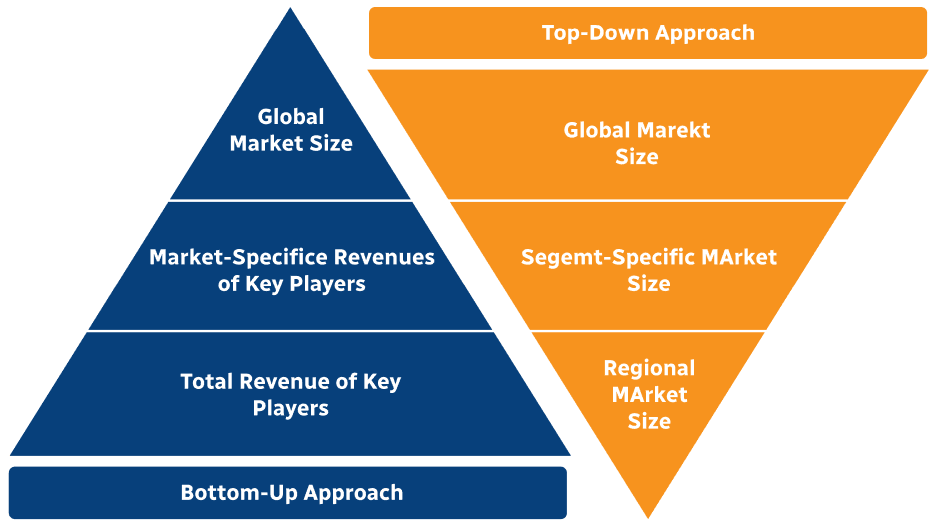
Step 2 - Approaches for Defining Global Market Size (Value, Volume* & Price*)
Note*: In applicable scenarios
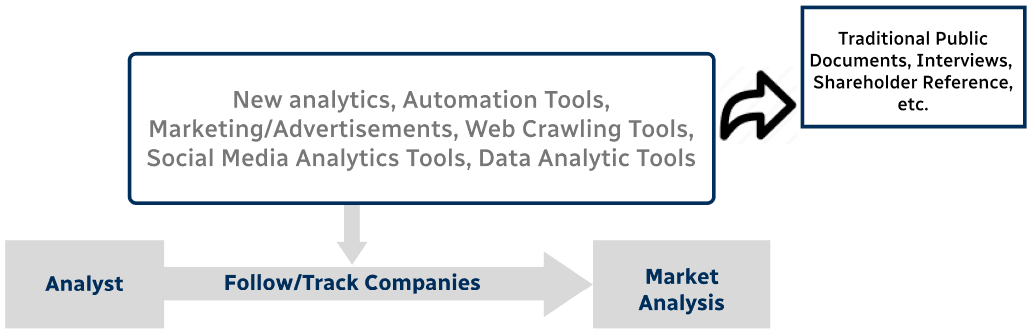
Step 3 - Data Sources
Primary Research
- Web Analytics
- Survey Reports
- Research Institute
- Latest Research Reports
- Opinion Leaders
Secondary Research
- Annual Reports
- White Paper
- Latest Press Release
- Industry Association
- Paid Database
- Investor Presentations
Step 4 - Data Triangulation
Involves using different sources of information in order to increase the validity of a study
These sources are likely to be stakeholders in a program - participants, other researchers, program staff, other community members, and so on.
Then we put all data in single framework & apply various statistical tools to find out the dynamic on the market.
During the analysis stage, feedback from the stakeholder groups would be compared to determine areas of agreement as well as areas of divergence