Key Insights
The global Patient Bedside Terminal market is poised for significant expansion, projected to reach a substantial market size of approximately $2,500 million by 2025, with an estimated Compound Annual Growth Rate (CAGR) of 8.5% during the forecast period of 2025-2033. This robust growth is primarily fueled by the escalating demand for integrated healthcare solutions and the increasing adoption of digital technologies in patient care. Key drivers include the growing need for enhanced patient monitoring, streamlined communication between healthcare providers and patients, and the imperative to improve operational efficiencies within hospitals and clinics. The market is witnessing a strong trend towards developing more sophisticated and user-friendly bedside terminals that offer a comprehensive suite of functionalities, from electronic health record access and medication management to entertainment and telemedicine capabilities. Furthermore, the rising prevalence of chronic diseases and an aging global population are contributing to a sustained increase in hospital admissions, thereby elevating the demand for advanced patient bedside terminals.
The market segmentation reveals a dynamic landscape. In terms of application, hospitals are expected to constitute the largest segment due to the high volume of patient beds and the extensive integration of IT infrastructure. Clinics are also showing considerable growth as they increasingly invest in modernizing their patient care technologies. From a product type perspective, terminals larger than 21.5 inches are likely to dominate the market, reflecting the trend towards larger, more interactive displays that facilitate better user experience for both patients and healthcare professionals. Restraints such as the high initial investment costs and the need for robust data security measures remain considerations, but are being addressed through technological advancements and evolving regulatory frameworks. Companies like Siemens, Advantech, and Barco are at the forefront, driving innovation and capturing market share through their comprehensive product portfolios and strategic partnerships within the healthcare ecosystem. The continuous pursuit of interoperability and the integration of artificial intelligence are expected to further shape the market trajectory in the coming years, ensuring a more connected and efficient healthcare environment.
This in-depth report provides an exhaustive analysis of the global Patient Bedside Terminal market, meticulously examining its historical performance, current landscape, and future trajectory. Spanning a comprehensive study period from 2019 to 2033, with a base year of 2025 and a forecast period from 2025 to 2033, this report offers invaluable insights for stakeholders seeking to understand market concentration, innovation drivers, dominant segments, and emerging opportunities within the healthcare technology sector. The Patient Bedside Terminal market is poised for significant expansion, driven by the increasing adoption of digital health solutions and the growing demand for enhanced patient care and hospital operational efficiency. With an estimated market value in the millions, this report leverages high-traffic keywords such as "patient bedside terminal," "hospital information systems," "healthcare IT solutions," "electronic health records integration," "telemedicine terminals," and "medical device connectivity" to ensure maximum search visibility and industry engagement.

Patient Bedside Terminal Market Concentration & Innovation
The global Patient Bedside Terminal market exhibits a moderate level of concentration, with a significant number of established players and emerging innovators vying for market share. The market is characterized by ongoing innovation, primarily driven by advancements in integrated functionalities, user interface design, and connectivity solutions. Regulatory frameworks, including HIPAA and GDPR, play a crucial role in shaping product development and market entry strategies, emphasizing data security and patient privacy. Product substitutes, such as traditional nurse call systems and general-purpose tablets, are present but increasingly outmatched by the specialized features and integration capabilities of dedicated bedside terminals. End-user trends are heavily influenced by the demand for seamless integration with Electronic Health Records (EHRs), improved patient engagement tools, and enhanced communication channels between patients, caregivers, and medical staff. Merger and acquisition (M&A) activities, while not extensive, are strategically focused on acquiring innovative technologies or expanding market reach. For instance, recent M&A deals in the broader healthcare IT sector have seen valuations in the hundreds of millions, reflecting the strategic importance of interconnected healthcare solutions. The market share of leading players is estimated to be in the range of 5-15 million, with top companies investing millions in R&D.
Patient Bedside Terminal Industry Trends & Insights
The Patient Bedside Terminal industry is experiencing robust growth, driven by several key trends and insights. The escalating need for digitized healthcare workflows and improved patient outcomes is a primary growth driver. Technological disruptions, including the advent of AI-powered patient monitoring, advanced touch-screen interfaces, and enhanced wireless connectivity (Wi-Fi 6, 5G), are transforming the capabilities of bedside terminals. Consumer preferences are shifting towards more intuitive, user-friendly interfaces that empower patients with access to their health information, entertainment, and communication tools. Furthermore, the increasing prevalence of chronic diseases and an aging global population are augmenting the demand for advanced patient care solutions, directly benefiting the bedside terminal market. Competitive dynamics are intensifying, with companies focusing on developing comprehensive solutions that integrate with existing hospital infrastructure and offer a strong return on investment through improved efficiency and reduced operational costs. The market penetration of bedside terminals is steadily increasing, particularly in developed economies, with a projected Compound Annual Growth Rate (CAGR) of approximately 8-12 million in the coming years. Investments in smart hospital initiatives are also contributing significantly to market expansion, with healthcare providers allocating substantial budgets in the tens of millions towards modernizing their infrastructure. The integration of telehealth capabilities within bedside terminals is also emerging as a critical trend, allowing for remote consultations and monitoring, further driving adoption. The focus on infection control and antimicrobial materials is another significant aspect influencing product design and adoption, with millions invested in developing compliant solutions.

Dominant Markets & Segments in Patient Bedside Terminal
The global Patient Bedside Terminal market is witnessing significant dominance from specific regions and segments.
Leading Region: North America currently leads the market, driven by its advanced healthcare infrastructure, substantial investments in healthcare IT, and a strong emphasis on patient-centric care. Government initiatives promoting the adoption of electronic health records and digital health technologies have significantly boosted the market's growth in this region. Countries like the United States and Canada are at the forefront of this adoption, with hospitals and clinics actively upgrading their patient care systems.
Dominant Application Segment: Hospital Hospitals represent the largest and most dominant application segment for patient bedside terminals.
- Drivers of Hospital Dominance:
- High Patient Volume: Hospitals accommodate a vast number of patients, necessitating efficient communication and information management systems at every bedside.
- Complex Workflows: The intricate nature of hospital operations, involving multiple departments, specialists, and care plans, requires integrated solutions for seamless data flow and coordination.
- Technological Adoption: Hospitals are typically early adopters of new healthcare technologies to improve patient safety, clinical efficiency, and patient satisfaction.
- Regulatory Compliance: Stringent regulatory requirements in healthcare necessitate robust systems for data logging, patient identification, and medication management, which bedside terminals facilitate.
- Patient Experience Enhancement: Hospitals are increasingly focusing on improving the overall patient experience, with bedside terminals offering entertainment, communication, and access to personal health information.
Dominant Type Segment: >21.5 Inch Terminals exceeding 21.5 inches are gaining significant traction, especially in advanced healthcare settings.
- Drivers of Dominance for Larger Screens:
- Enhanced Visualization: Larger screens provide a more immersive and clear display for medical imaging, patient data, educational content, and telemedicine consultations.
- Improved User Interface: Ample screen real estate allows for more intuitive and comprehensive user interfaces, facilitating easier navigation for both patients and clinical staff.
- Integration of Features: Larger displays can accommodate a wider array of functionalities, including integrated video conferencing, interactive care plans, and multimedia content.
- Telemedicine Capabilities: For remote patient monitoring and virtual consultations, larger screens are crucial for effective visual communication.
- Accessibility: In some cases, larger font sizes and more spaced-out elements on bigger screens can improve accessibility for elderly patients or those with visual impairments.
While Hospitals and larger screen formats are currently dominant, Clinics are showing strong growth potential due to the increasing decentralization of healthcare and the demand for more personalized patient experiences in outpatient settings. The "Others" application segment, encompassing rehabilitation centers and specialized care facilities, is also expected to contribute to market growth as these institutions adopt advanced technologies. The market size for the dominant segments is estimated to be in the hundreds of millions, with significant investment in R&D for further product refinement.
Patient Bedside Terminal Product Developments
Recent product developments in the Patient Bedside Terminal market focus on enhancing user experience, improving integration capabilities, and expanding functionalities. Innovations include advanced antimicrobial surfaces for infection control, high-resolution displays for clearer medical imaging, and integrated biometric sensors for patient identification and vital sign monitoring. Furthermore, many new terminals offer seamless integration with Electronic Health Records (EHRs), Picture Archiving and Communication Systems (PACS), and various medical devices, providing clinicians with real-time patient data. Competitive advantages are being built around robust security features, intuitive interfaces, and customizable software solutions tailored to specific hospital needs, all contributing to improved patient outcomes and operational efficiency. These developments represent millions in ongoing R&D investment.
Report Scope & Segmentation Analysis
This report segments the Patient Bedside Terminal market across key parameters to provide granular insights.
Application Segments:
- Hospital: This segment is projected to hold the largest market share due to the high volume of patient beds and the demand for integrated healthcare IT solutions. Growth is estimated to be in the hundreds of millions, driven by the need for efficiency and enhanced patient care.
- Clinic: The clinic segment is expected to witness significant growth as healthcare delivery shifts towards outpatient and specialized care settings. Market size is projected to reach tens of millions, fueled by increasing adoption of telemedicine and patient engagement tools.
- Others: This segment, encompassing rehabilitation centers, long-term care facilities, and other specialized healthcare providers, will also contribute to market expansion, with an estimated market value in the tens of millions.
Type Segments:
- ≤21.5 Inch: Terminals in this size range are anticipated to maintain a steady market presence, particularly in budget-conscious healthcare facilities or for specific application needs. Growth is projected in the tens of millions.
- >21.5 Inch: This segment is poised for substantial growth, driven by the demand for advanced features, telemedicine capabilities, and superior user experience in acute care settings. Market size is expected to reach hundreds of millions.
Key Drivers of Patient Bedside Terminal Growth
The Patient Bedside Terminal market is propelled by several key drivers. Technologically, the widespread adoption of digital health initiatives, including Electronic Health Records (EHRs) and the Internet of Medical Things (IoMT), creates a strong demand for interoperable bedside solutions. The increasing focus on patient-centric care, empowering patients with access to their health information and communication tools, further fuels adoption. Economically, rising healthcare expenditures and the need for improved hospital efficiency and reduced operational costs are significant motivators. Regulatory drivers, such as government mandates for digital health records and data security standards, also play a crucial role. For example, the push for interoperability standards like FHIR (Fast Healthcare Interoperability Resources) encourages the development of integrated bedside terminals, with an estimated market impact in the millions.
Challenges in the Patient Bedside Terminal Sector
Despite robust growth, the Patient Bedside Terminal sector faces several challenges. Regulatory hurdles, particularly concerning data privacy and security compliance (e.g., HIPAA, GDPR), can lead to complex and costly product development and deployment. Supply chain issues, amplified by global component shortages and geopolitical factors, can impact manufacturing timelines and costs, leading to millions in potential delays and increased expenses. Competitive pressures from both established players and new entrants necessitate continuous innovation and competitive pricing strategies. Integration complexities with diverse legacy hospital IT systems can also present a significant barrier, requiring substantial investment in customization and interoperability solutions. The initial capital investment for implementing these advanced terminals can also be a restraint for smaller healthcare facilities, impacting market penetration.
Emerging Opportunities in Patient Bedside Terminal
Emerging opportunities in the Patient Bedside Terminal market are abundant. The growing demand for remote patient monitoring and telehealth services presents a significant avenue for growth, with terminals acting as crucial patient-facing interfaces. The expansion of smart hospitals and the integration of AI-powered features, such as predictive analytics and personalized patient engagement, offer further scope for innovation and market penetration. The increasing adoption of bedside terminals in emerging economies, driven by improving healthcare infrastructure and rising disposable incomes, presents vast untapped market potential. Furthermore, the development of specialized bedside terminals for specific patient demographics, such as pediatric or elderly care, offers niche market opportunities. The integration of virtual reality (VR) and augmented reality (AR) for patient education and rehabilitation also represents a promising future trend, with an estimated market opportunity in the millions.
Leading Players in the Patient Bedside Terminal Market
- Advantech
- IBASE Technology
- Contec Group
- Avalue Technology
- Barco
- Onyx Healthcare
- Fujikin
- Siemens
- Teguar
- TCI GmbH
- Alphatronics
- MEDIX-CARE
- ACL GmbH
- ARBOR Technology
- Flytech Technology
- Yarward Electronic
- PDi Communication Systems
- Shenzhen Lachesis Mhealth Technology
- Shenzhen Saintway Technology
Key Developments in Patient Bedside Terminal Industry
- 2023: Launch of new antimicrobial-coated patient bedside terminals to enhance infection control in hospitals.
- 2023: Increased integration of AI-driven patient engagement features and personalized content delivery.
- 2022: Advancements in Wi-Fi 6 and 5G connectivity enabling faster data transfer and seamless remote monitoring.
- 2022: Expansion of telemedicine capabilities within bedside terminals for virtual consultations.
- 2021: Strategic partnerships formed to enhance EHR integration and interoperability.
- 2020: Introduction of enhanced security protocols to comply with evolving data privacy regulations.
- 2019: Growing adoption of larger touchscreen displays (>21.5 Inch) for improved user experience and functionality.
Strategic Outlook for Patient Bedside Terminal Market
- 2023: Launch of new antimicrobial-coated patient bedside terminals to enhance infection control in hospitals.
- 2023: Increased integration of AI-driven patient engagement features and personalized content delivery.
- 2022: Advancements in Wi-Fi 6 and 5G connectivity enabling faster data transfer and seamless remote monitoring.
- 2022: Expansion of telemedicine capabilities within bedside terminals for virtual consultations.
- 2021: Strategic partnerships formed to enhance EHR integration and interoperability.
- 2020: Introduction of enhanced security protocols to comply with evolving data privacy regulations.
- 2019: Growing adoption of larger touchscreen displays (>21.5 Inch) for improved user experience and functionality.
Strategic Outlook for Patient Bedside Terminal Market
The strategic outlook for the Patient Bedside Terminal market is highly positive, driven by the irreversible shift towards digital healthcare and patient empowerment. Future growth will be catalyzed by the continued integration of advanced technologies such as AI, IoT, and 5G, enhancing functionalities like remote monitoring, predictive diagnostics, and personalized patient care. The increasing demand for interoperable solutions that seamlessly connect with existing hospital infrastructure and EHR systems will remain a key focus. Opportunities for expansion in emerging markets, coupled with the development of specialized solutions for niche healthcare segments, will further fuel market growth. Investments in R&D will continue to be crucial for maintaining a competitive edge, with a strong emphasis on user-centric design, cybersecurity, and robust performance. The market is expected to see continued M&A activities as companies seek to consolidate their positions and acquire innovative technologies, with potential deal values in the tens of millions.
Patient Bedside Terminal Segmentation
-
1. Application
- 1.1. Hospital
- 1.2. Clinic
- 1.3. Others
-
2. Types
- 2.1. ≤21.5 Inch
- 2.2. >21.5 Inch
Patient Bedside Terminal Segmentation By Geography
-
1. North America
- 1.1. United States
- 1.2. Canada
- 1.3. Mexico
-
2. South America
- 2.1. Brazil
- 2.2. Argentina
- 2.3. Rest of South America
-
3. Europe
- 3.1. United Kingdom
- 3.2. Germany
- 3.3. France
- 3.4. Italy
- 3.5. Spain
- 3.6. Russia
- 3.7. Benelux
- 3.8. Nordics
- 3.9. Rest of Europe
-
4. Middle East & Africa
- 4.1. Turkey
- 4.2. Israel
- 4.3. GCC
- 4.4. North Africa
- 4.5. South Africa
- 4.6. Rest of Middle East & Africa
-
5. Asia Pacific
- 5.1. China
- 5.2. India
- 5.3. Japan
- 5.4. South Korea
- 5.5. ASEAN
- 5.6. Oceania
- 5.7. Rest of Asia Pacific

Patient Bedside Terminal REPORT HIGHLIGHTS
| Aspects | Details |
|---|---|
| Study Period | 2019-2033 |
| Base Year | 2024 |
| Estimated Year | 2025 |
| Forecast Period | 2025-2033 |
| Historical Period | 2019-2024 |
| Growth Rate | CAGR of XX% from 2019-2033 |
| Segmentation |
|
Table of Contents
- 1. Introduction
- 1.1. Research Scope
- 1.2. Market Segmentation
- 1.3. Research Methodology
- 1.4. Definitions and Assumptions
- 2. Executive Summary
- 2.1. Introduction
- 3. Market Dynamics
- 3.1. Introduction
- 3.2. Market Drivers
- 3.3. Market Restrains
- 3.4. Market Trends
- 4. Market Factor Analysis
- 4.1. Porters Five Forces
- 4.2. Supply/Value Chain
- 4.3. PESTEL analysis
- 4.4. Market Entropy
- 4.5. Patent/Trademark Analysis
- 5. Global Patient Bedside Terminal Analysis, Insights and Forecast, 2019-2031
- 5.1. Market Analysis, Insights and Forecast - by Application
- 5.1.1. Hospital
- 5.1.2. Clinic
- 5.1.3. Others
- 5.2. Market Analysis, Insights and Forecast - by Types
- 5.2.1. ≤21.5 Inch
- 5.2.2. >21.5 Inch
- 5.3. Market Analysis, Insights and Forecast - by Region
- 5.3.1. North America
- 5.3.2. South America
- 5.3.3. Europe
- 5.3.4. Middle East & Africa
- 5.3.5. Asia Pacific
- 5.1. Market Analysis, Insights and Forecast - by Application
- 6. North America Patient Bedside Terminal Analysis, Insights and Forecast, 2019-2031
- 6.1. Market Analysis, Insights and Forecast - by Application
- 6.1.1. Hospital
- 6.1.2. Clinic
- 6.1.3. Others
- 6.2. Market Analysis, Insights and Forecast - by Types
- 6.2.1. ≤21.5 Inch
- 6.2.2. >21.5 Inch
- 6.1. Market Analysis, Insights and Forecast - by Application
- 7. South America Patient Bedside Terminal Analysis, Insights and Forecast, 2019-2031
- 7.1. Market Analysis, Insights and Forecast - by Application
- 7.1.1. Hospital
- 7.1.2. Clinic
- 7.1.3. Others
- 7.2. Market Analysis, Insights and Forecast - by Types
- 7.2.1. ≤21.5 Inch
- 7.2.2. >21.5 Inch
- 7.1. Market Analysis, Insights and Forecast - by Application
- 8. Europe Patient Bedside Terminal Analysis, Insights and Forecast, 2019-2031
- 8.1. Market Analysis, Insights and Forecast - by Application
- 8.1.1. Hospital
- 8.1.2. Clinic
- 8.1.3. Others
- 8.2. Market Analysis, Insights and Forecast - by Types
- 8.2.1. ≤21.5 Inch
- 8.2.2. >21.5 Inch
- 8.1. Market Analysis, Insights and Forecast - by Application
- 9. Middle East & Africa Patient Bedside Terminal Analysis, Insights and Forecast, 2019-2031
- 9.1. Market Analysis, Insights and Forecast - by Application
- 9.1.1. Hospital
- 9.1.2. Clinic
- 9.1.3. Others
- 9.2. Market Analysis, Insights and Forecast - by Types
- 9.2.1. ≤21.5 Inch
- 9.2.2. >21.5 Inch
- 9.1. Market Analysis, Insights and Forecast - by Application
- 10. Asia Pacific Patient Bedside Terminal Analysis, Insights and Forecast, 2019-2031
- 10.1. Market Analysis, Insights and Forecast - by Application
- 10.1.1. Hospital
- 10.1.2. Clinic
- 10.1.3. Others
- 10.2. Market Analysis, Insights and Forecast - by Types
- 10.2.1. ≤21.5 Inch
- 10.2.2. >21.5 Inch
- 10.1. Market Analysis, Insights and Forecast - by Application
- 11. Competitive Analysis
- 11.1. Global Market Share Analysis 2024
- 11.2. Company Profiles
- 11.2.1 Advantech
- 11.2.1.1. Overview
- 11.2.1.2. Products
- 11.2.1.3. SWOT Analysis
- 11.2.1.4. Recent Developments
- 11.2.1.5. Financials (Based on Availability)
- 11.2.2 IBASE Technology
- 11.2.2.1. Overview
- 11.2.2.2. Products
- 11.2.2.3. SWOT Analysis
- 11.2.2.4. Recent Developments
- 11.2.2.5. Financials (Based on Availability)
- 11.2.3 Contec Group
- 11.2.3.1. Overview
- 11.2.3.2. Products
- 11.2.3.3. SWOT Analysis
- 11.2.3.4. Recent Developments
- 11.2.3.5. Financials (Based on Availability)
- 11.2.4 Avalue Technology
- 11.2.4.1. Overview
- 11.2.4.2. Products
- 11.2.4.3. SWOT Analysis
- 11.2.4.4. Recent Developments
- 11.2.4.5. Financials (Based on Availability)
- 11.2.5 Barco
- 11.2.5.1. Overview
- 11.2.5.2. Products
- 11.2.5.3. SWOT Analysis
- 11.2.5.4. Recent Developments
- 11.2.5.5. Financials (Based on Availability)
- 11.2.6 Onyx Healthcare
- 11.2.6.1. Overview
- 11.2.6.2. Products
- 11.2.6.3. SWOT Analysis
- 11.2.6.4. Recent Developments
- 11.2.6.5. Financials (Based on Availability)
- 11.2.7 Fujikin
- 11.2.7.1. Overview
- 11.2.7.2. Products
- 11.2.7.3. SWOT Analysis
- 11.2.7.4. Recent Developments
- 11.2.7.5. Financials (Based on Availability)
- 11.2.8 Siemens
- 11.2.8.1. Overview
- 11.2.8.2. Products
- 11.2.8.3. SWOT Analysis
- 11.2.8.4. Recent Developments
- 11.2.8.5. Financials (Based on Availability)
- 11.2.9 Teguar
- 11.2.9.1. Overview
- 11.2.9.2. Products
- 11.2.9.3. SWOT Analysis
- 11.2.9.4. Recent Developments
- 11.2.9.5. Financials (Based on Availability)
- 11.2.10 TCI GmbH
- 11.2.10.1. Overview
- 11.2.10.2. Products
- 11.2.10.3. SWOT Analysis
- 11.2.10.4. Recent Developments
- 11.2.10.5. Financials (Based on Availability)
- 11.2.11 Alphatronics
- 11.2.11.1. Overview
- 11.2.11.2. Products
- 11.2.11.3. SWOT Analysis
- 11.2.11.4. Recent Developments
- 11.2.11.5. Financials (Based on Availability)
- 11.2.12 MEDIX-CARE
- 11.2.12.1. Overview
- 11.2.12.2. Products
- 11.2.12.3. SWOT Analysis
- 11.2.12.4. Recent Developments
- 11.2.12.5. Financials (Based on Availability)
- 11.2.13 ACL GmbH
- 11.2.13.1. Overview
- 11.2.13.2. Products
- 11.2.13.3. SWOT Analysis
- 11.2.13.4. Recent Developments
- 11.2.13.5. Financials (Based on Availability)
- 11.2.14 ARBOR Technology
- 11.2.14.1. Overview
- 11.2.14.2. Products
- 11.2.14.3. SWOT Analysis
- 11.2.14.4. Recent Developments
- 11.2.14.5. Financials (Based on Availability)
- 11.2.15 Flytech Technology
- 11.2.15.1. Overview
- 11.2.15.2. Products
- 11.2.15.3. SWOT Analysis
- 11.2.15.4. Recent Developments
- 11.2.15.5. Financials (Based on Availability)
- 11.2.16 Yarward Electronic
- 11.2.16.1. Overview
- 11.2.16.2. Products
- 11.2.16.3. SWOT Analysis
- 11.2.16.4. Recent Developments
- 11.2.16.5. Financials (Based on Availability)
- 11.2.17 PDi Communication Systems
- 11.2.17.1. Overview
- 11.2.17.2. Products
- 11.2.17.3. SWOT Analysis
- 11.2.17.4. Recent Developments
- 11.2.17.5. Financials (Based on Availability)
- 11.2.18 Shenzhen Lachesis Mhealth Technology
- 11.2.18.1. Overview
- 11.2.18.2. Products
- 11.2.18.3. SWOT Analysis
- 11.2.18.4. Recent Developments
- 11.2.18.5. Financials (Based on Availability)
- 11.2.19 Shenzhen Saintway Technology
- 11.2.19.1. Overview
- 11.2.19.2. Products
- 11.2.19.3. SWOT Analysis
- 11.2.19.4. Recent Developments
- 11.2.19.5. Financials (Based on Availability)
- 11.2.1 Advantech
List of Figures
- Figure 1: Global Patient Bedside Terminal Revenue Breakdown (million, %) by Region 2024 & 2032
- Figure 2: North America Patient Bedside Terminal Revenue (million), by Application 2024 & 2032
- Figure 3: North America Patient Bedside Terminal Revenue Share (%), by Application 2024 & 2032
- Figure 4: North America Patient Bedside Terminal Revenue (million), by Types 2024 & 2032
- Figure 5: North America Patient Bedside Terminal Revenue Share (%), by Types 2024 & 2032
- Figure 6: North America Patient Bedside Terminal Revenue (million), by Country 2024 & 2032
- Figure 7: North America Patient Bedside Terminal Revenue Share (%), by Country 2024 & 2032
- Figure 8: South America Patient Bedside Terminal Revenue (million), by Application 2024 & 2032
- Figure 9: South America Patient Bedside Terminal Revenue Share (%), by Application 2024 & 2032
- Figure 10: South America Patient Bedside Terminal Revenue (million), by Types 2024 & 2032
- Figure 11: South America Patient Bedside Terminal Revenue Share (%), by Types 2024 & 2032
- Figure 12: South America Patient Bedside Terminal Revenue (million), by Country 2024 & 2032
- Figure 13: South America Patient Bedside Terminal Revenue Share (%), by Country 2024 & 2032
- Figure 14: Europe Patient Bedside Terminal Revenue (million), by Application 2024 & 2032
- Figure 15: Europe Patient Bedside Terminal Revenue Share (%), by Application 2024 & 2032
- Figure 16: Europe Patient Bedside Terminal Revenue (million), by Types 2024 & 2032
- Figure 17: Europe Patient Bedside Terminal Revenue Share (%), by Types 2024 & 2032
- Figure 18: Europe Patient Bedside Terminal Revenue (million), by Country 2024 & 2032
- Figure 19: Europe Patient Bedside Terminal Revenue Share (%), by Country 2024 & 2032
- Figure 20: Middle East & Africa Patient Bedside Terminal Revenue (million), by Application 2024 & 2032
- Figure 21: Middle East & Africa Patient Bedside Terminal Revenue Share (%), by Application 2024 & 2032
- Figure 22: Middle East & Africa Patient Bedside Terminal Revenue (million), by Types 2024 & 2032
- Figure 23: Middle East & Africa Patient Bedside Terminal Revenue Share (%), by Types 2024 & 2032
- Figure 24: Middle East & Africa Patient Bedside Terminal Revenue (million), by Country 2024 & 2032
- Figure 25: Middle East & Africa Patient Bedside Terminal Revenue Share (%), by Country 2024 & 2032
- Figure 26: Asia Pacific Patient Bedside Terminal Revenue (million), by Application 2024 & 2032
- Figure 27: Asia Pacific Patient Bedside Terminal Revenue Share (%), by Application 2024 & 2032
- Figure 28: Asia Pacific Patient Bedside Terminal Revenue (million), by Types 2024 & 2032
- Figure 29: Asia Pacific Patient Bedside Terminal Revenue Share (%), by Types 2024 & 2032
- Figure 30: Asia Pacific Patient Bedside Terminal Revenue (million), by Country 2024 & 2032
- Figure 31: Asia Pacific Patient Bedside Terminal Revenue Share (%), by Country 2024 & 2032
List of Tables
- Table 1: Global Patient Bedside Terminal Revenue million Forecast, by Region 2019 & 2032
- Table 2: Global Patient Bedside Terminal Revenue million Forecast, by Application 2019 & 2032
- Table 3: Global Patient Bedside Terminal Revenue million Forecast, by Types 2019 & 2032
- Table 4: Global Patient Bedside Terminal Revenue million Forecast, by Region 2019 & 2032
- Table 5: Global Patient Bedside Terminal Revenue million Forecast, by Application 2019 & 2032
- Table 6: Global Patient Bedside Terminal Revenue million Forecast, by Types 2019 & 2032
- Table 7: Global Patient Bedside Terminal Revenue million Forecast, by Country 2019 & 2032
- Table 8: United States Patient Bedside Terminal Revenue (million) Forecast, by Application 2019 & 2032
- Table 9: Canada Patient Bedside Terminal Revenue (million) Forecast, by Application 2019 & 2032
- Table 10: Mexico Patient Bedside Terminal Revenue (million) Forecast, by Application 2019 & 2032
- Table 11: Global Patient Bedside Terminal Revenue million Forecast, by Application 2019 & 2032
- Table 12: Global Patient Bedside Terminal Revenue million Forecast, by Types 2019 & 2032
- Table 13: Global Patient Bedside Terminal Revenue million Forecast, by Country 2019 & 2032
- Table 14: Brazil Patient Bedside Terminal Revenue (million) Forecast, by Application 2019 & 2032
- Table 15: Argentina Patient Bedside Terminal Revenue (million) Forecast, by Application 2019 & 2032
- Table 16: Rest of South America Patient Bedside Terminal Revenue (million) Forecast, by Application 2019 & 2032
- Table 17: Global Patient Bedside Terminal Revenue million Forecast, by Application 2019 & 2032
- Table 18: Global Patient Bedside Terminal Revenue million Forecast, by Types 2019 & 2032
- Table 19: Global Patient Bedside Terminal Revenue million Forecast, by Country 2019 & 2032
- Table 20: United Kingdom Patient Bedside Terminal Revenue (million) Forecast, by Application 2019 & 2032
- Table 21: Germany Patient Bedside Terminal Revenue (million) Forecast, by Application 2019 & 2032
- Table 22: France Patient Bedside Terminal Revenue (million) Forecast, by Application 2019 & 2032
- Table 23: Italy Patient Bedside Terminal Revenue (million) Forecast, by Application 2019 & 2032
- Table 24: Spain Patient Bedside Terminal Revenue (million) Forecast, by Application 2019 & 2032
- Table 25: Russia Patient Bedside Terminal Revenue (million) Forecast, by Application 2019 & 2032
- Table 26: Benelux Patient Bedside Terminal Revenue (million) Forecast, by Application 2019 & 2032
- Table 27: Nordics Patient Bedside Terminal Revenue (million) Forecast, by Application 2019 & 2032
- Table 28: Rest of Europe Patient Bedside Terminal Revenue (million) Forecast, by Application 2019 & 2032
- Table 29: Global Patient Bedside Terminal Revenue million Forecast, by Application 2019 & 2032
- Table 30: Global Patient Bedside Terminal Revenue million Forecast, by Types 2019 & 2032
- Table 31: Global Patient Bedside Terminal Revenue million Forecast, by Country 2019 & 2032
- Table 32: Turkey Patient Bedside Terminal Revenue (million) Forecast, by Application 2019 & 2032
- Table 33: Israel Patient Bedside Terminal Revenue (million) Forecast, by Application 2019 & 2032
- Table 34: GCC Patient Bedside Terminal Revenue (million) Forecast, by Application 2019 & 2032
- Table 35: North Africa Patient Bedside Terminal Revenue (million) Forecast, by Application 2019 & 2032
- Table 36: South Africa Patient Bedside Terminal Revenue (million) Forecast, by Application 2019 & 2032
- Table 37: Rest of Middle East & Africa Patient Bedside Terminal Revenue (million) Forecast, by Application 2019 & 2032
- Table 38: Global Patient Bedside Terminal Revenue million Forecast, by Application 2019 & 2032
- Table 39: Global Patient Bedside Terminal Revenue million Forecast, by Types 2019 & 2032
- Table 40: Global Patient Bedside Terminal Revenue million Forecast, by Country 2019 & 2032
- Table 41: China Patient Bedside Terminal Revenue (million) Forecast, by Application 2019 & 2032
- Table 42: India Patient Bedside Terminal Revenue (million) Forecast, by Application 2019 & 2032
- Table 43: Japan Patient Bedside Terminal Revenue (million) Forecast, by Application 2019 & 2032
- Table 44: South Korea Patient Bedside Terminal Revenue (million) Forecast, by Application 2019 & 2032
- Table 45: ASEAN Patient Bedside Terminal Revenue (million) Forecast, by Application 2019 & 2032
- Table 46: Oceania Patient Bedside Terminal Revenue (million) Forecast, by Application 2019 & 2032
- Table 47: Rest of Asia Pacific Patient Bedside Terminal Revenue (million) Forecast, by Application 2019 & 2032
Frequently Asked Questions
1. What is the projected Compound Annual Growth Rate (CAGR) of the Patient Bedside Terminal?
The projected CAGR is approximately XX%.
2. Which companies are prominent players in the Patient Bedside Terminal?
Key companies in the market include Advantech, IBASE Technology, Contec Group, Avalue Technology, Barco, Onyx Healthcare, Fujikin, Siemens, Teguar, TCI GmbH, Alphatronics, MEDIX-CARE, ACL GmbH, ARBOR Technology, Flytech Technology, Yarward Electronic, PDi Communication Systems, Shenzhen Lachesis Mhealth Technology, Shenzhen Saintway Technology.
3. What are the main segments of the Patient Bedside Terminal?
The market segments include Application, Types.
4. Can you provide details about the market size?
The market size is estimated to be USD XXX million as of 2022.
5. What are some drivers contributing to market growth?
N/A
6. What are the notable trends driving market growth?
N/A
7. Are there any restraints impacting market growth?
N/A
8. Can you provide examples of recent developments in the market?
N/A
9. What pricing options are available for accessing the report?
Pricing options include single-user, multi-user, and enterprise licenses priced at USD 2900.00, USD 4350.00, and USD 5800.00 respectively.
10. Is the market size provided in terms of value or volume?
The market size is provided in terms of value, measured in million.
11. Are there any specific market keywords associated with the report?
Yes, the market keyword associated with the report is "Patient Bedside Terminal," which aids in identifying and referencing the specific market segment covered.
12. How do I determine which pricing option suits my needs best?
The pricing options vary based on user requirements and access needs. Individual users may opt for single-user licenses, while businesses requiring broader access may choose multi-user or enterprise licenses for cost-effective access to the report.
13. Are there any additional resources or data provided in the Patient Bedside Terminal report?
While the report offers comprehensive insights, it's advisable to review the specific contents or supplementary materials provided to ascertain if additional resources or data are available.
14. How can I stay updated on further developments or reports in the Patient Bedside Terminal?
To stay informed about further developments, trends, and reports in the Patient Bedside Terminal, consider subscribing to industry newsletters, following relevant companies and organizations, or regularly checking reputable industry news sources and publications.
Methodology
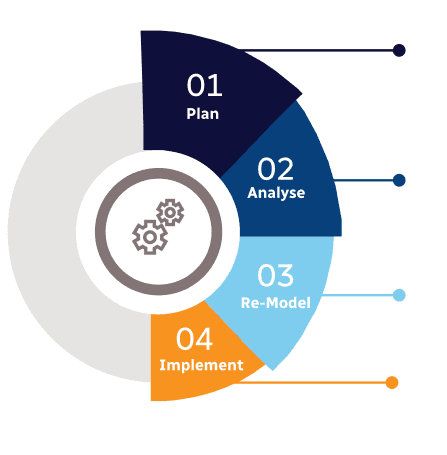
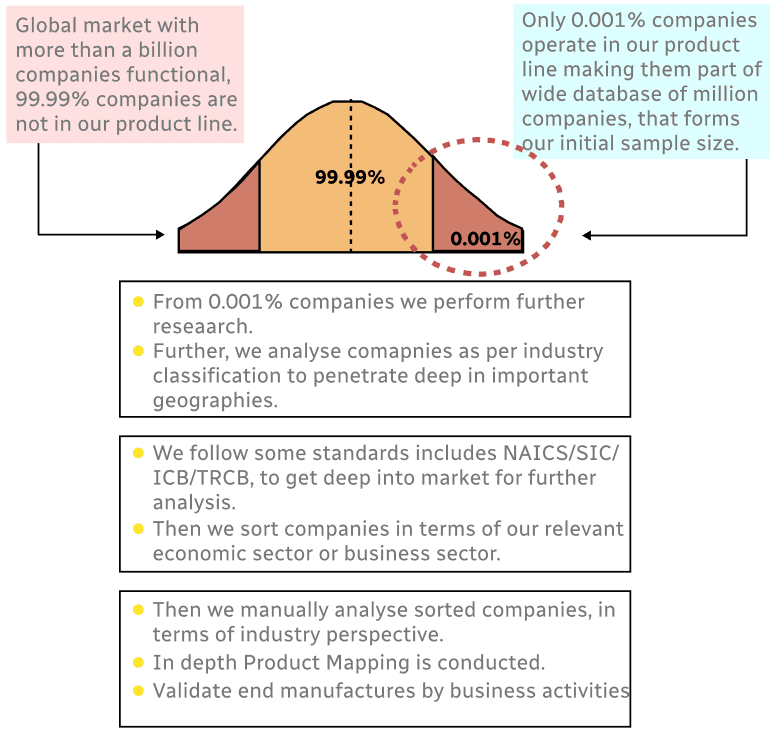
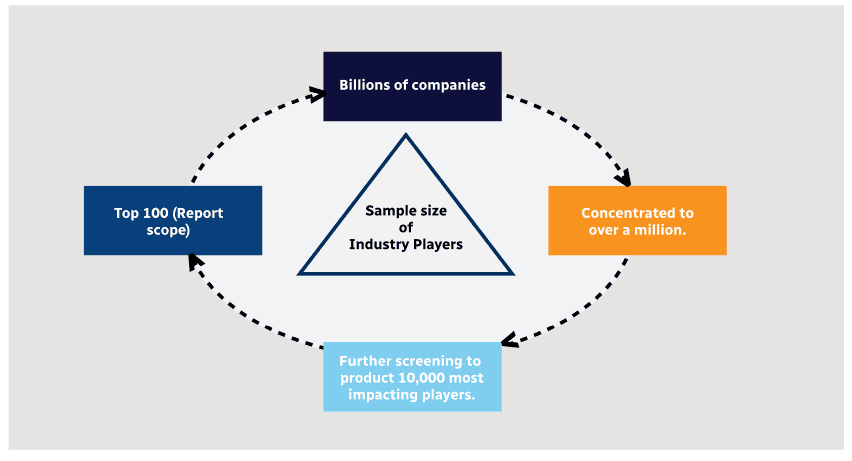
Step 1 - Identification of Relevant Samples Size from Population Database
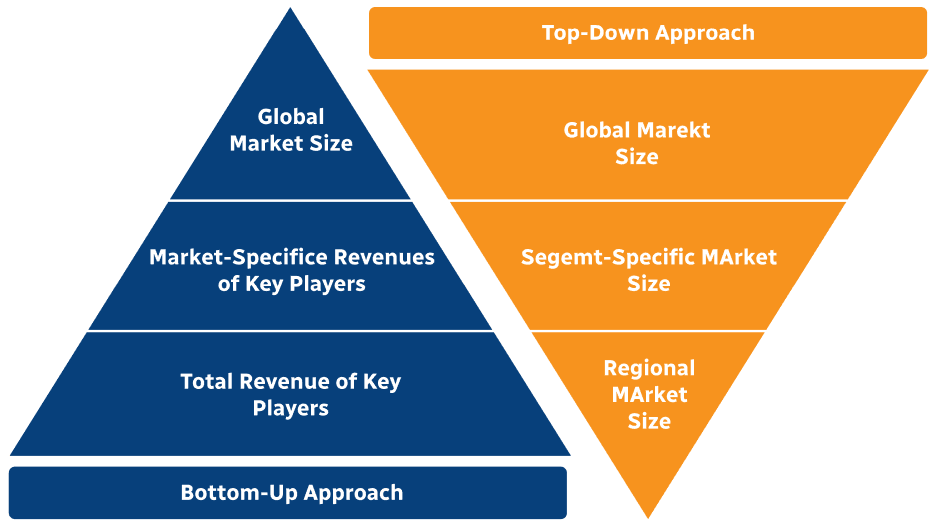
Step 2 - Approaches for Defining Global Market Size (Value, Volume* & Price*)
Note*: In applicable scenarios
Step 3 - Data Sources
Primary Research
- Web Analytics
- Survey Reports
- Research Institute
- Latest Research Reports
- Opinion Leaders
Secondary Research
- Annual Reports
- White Paper
- Latest Press Release
- Industry Association
- Paid Database
- Investor Presentations
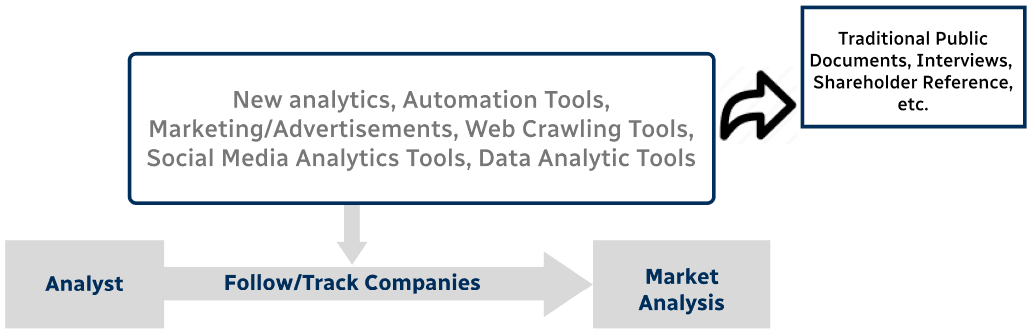
Step 4 - Data Triangulation
Involves using different sources of information in order to increase the validity of a study
These sources are likely to be stakeholders in a program - participants, other researchers, program staff, other community members, and so on.
Then we put all data in single framework & apply various statistical tools to find out the dynamic on the market.
During the analysis stage, feedback from the stakeholder groups would be compared to determine areas of agreement as well as areas of divergence