Key Insights
The solid polymer electrolyte fuel cell (SPEF) market is experiencing robust growth, driven by increasing demand for clean energy solutions and advancements in fuel cell technology. The market, estimated at $5 billion in 2025, is projected to witness a Compound Annual Growth Rate (CAGR) of 15% from 2025 to 2033, reaching approximately $15 billion by 2033. This expansion is fueled by several key factors, including stringent government regulations aimed at reducing carbon emissions, growing adoption of SPEFCs in automotive applications (particularly in electric vehicles and buses), and the increasing use of SPEFCs in stationary power generation for residential and commercial purposes. Technological advancements leading to improved efficiency, durability, and cost-effectiveness of SPEFCs further contribute to the market's upward trajectory. Key players like BASF, Umicore, and Ballard Power Systems are actively engaged in R&D and strategic partnerships to enhance market penetration.
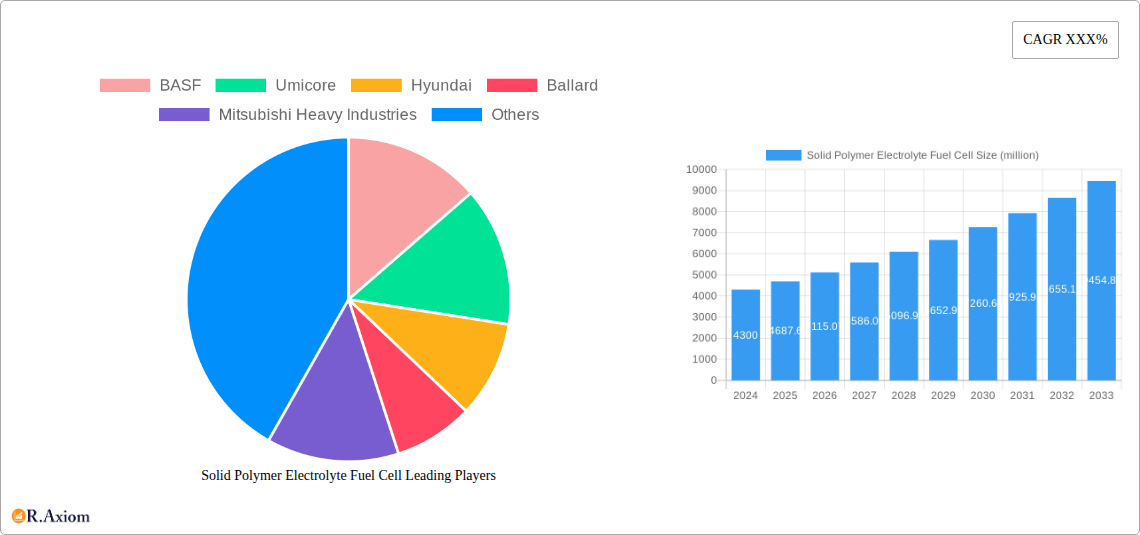
Solid Polymer Electrolyte Fuel Cell Market Size (In Billion)

However, challenges remain. High initial investment costs, limited hydrogen infrastructure, and the need for improved performance at higher temperatures and pressures act as restraints on broader adoption. Market segmentation reveals strong growth in the automotive sector, followed by stationary power generation and portable power applications. Geographical analysis indicates that North America and Europe currently dominate the market, but the Asia-Pacific region is expected to witness significant growth in the coming years due to increasing investments in renewable energy and supportive government policies. Companies are focusing on innovative solutions to overcome these challenges, including the development of more cost-effective materials and improved manufacturing processes. The long-term outlook for the SPEFC market remains optimistic, driven by consistent technological progress and the global push towards sustainable energy solutions.
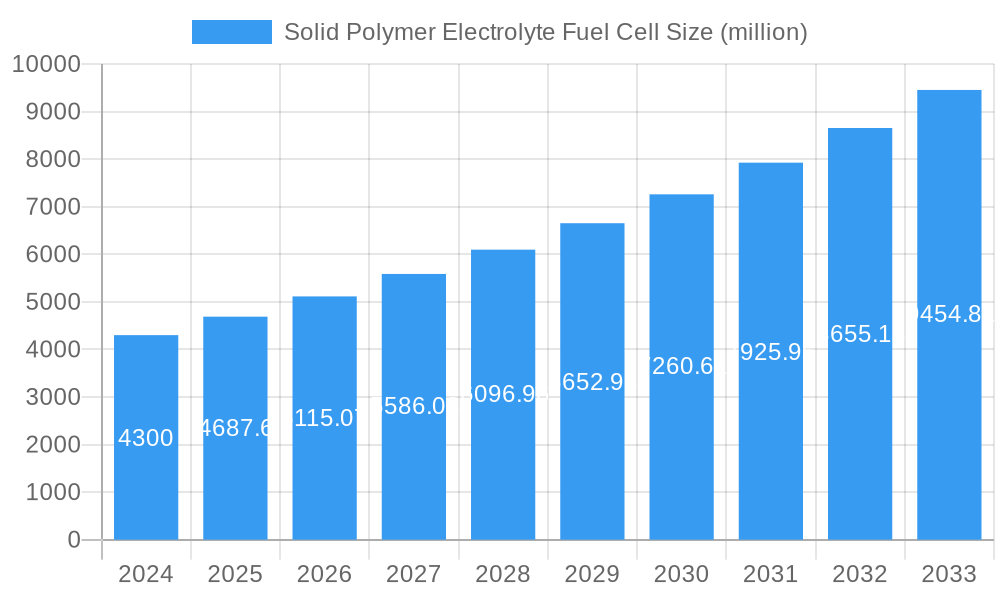
Solid Polymer Electrolyte Fuel Cell Company Market Share
This comprehensive report provides an in-depth analysis of the Solid Polymer Electrolyte Fuel Cell (SPEF) market, offering invaluable insights for industry stakeholders, investors, and researchers. The study period covers 2019-2033, with 2025 serving as the base and estimated year. The report projects robust market growth, driven by technological advancements and increasing demand across various sectors. Market values are expressed in millions.
Solid Polymer Electrolyte Fuel Cell Market Concentration & Innovation
The SPEFC market exhibits moderate concentration, with key players like BASF, Umicore, Hyundai, Ballard, and Mitsubishi Heavy Industries holding significant market share. However, several smaller companies are also contributing to innovation and market growth. The estimated combined market share of the top 5 players in 2025 is approximately 45%. M&A activity within the sector has been relatively modest in recent years, with total deal values in the 2019-2024 period totaling approximately $xx million. Key innovation drivers include advancements in membrane electrode assembly (MEA) technology, improved catalyst efficiency, and development of durable and cost-effective components. Stringent environmental regulations and the rising demand for clean energy are further bolstering the market. Significant product substitutes exist, notably lithium-ion batteries, but SPEFCs offer advantages in terms of higher energy density and faster refueling times. End-user trends point toward increasing adoption in transportation, stationary power generation, and portable power applications.
- Market Share (2025): Top 5 players - 45%; Others - 55%
- M&A Deal Value (2019-2024): ~$xx million
- Key Innovation Drivers: MEA advancements, improved catalyst efficiency, cost reduction strategies.
- Regulatory Framework: Stringent emission norms globally are a significant driver.
Solid Polymer Electrolyte Fuel Cell Industry Trends & Insights
The SPEFC market is projected to experience a Compound Annual Growth Rate (CAGR) of xx% during the forecast period (2025-2033), driven by increasing concerns about climate change and the urgent need for sustainable energy solutions. Market penetration remains relatively low compared to other energy storage technologies, but it is steadily increasing, particularly in niche applications where SPEFCs offer a unique combination of advantages. Technological disruptions, such as advancements in material science and manufacturing processes, are reducing costs and enhancing the performance of SPEFC systems. Consumer preferences are shifting towards cleaner energy sources, creating a favorable environment for SPEFC adoption. The competitive landscape is dynamic, with established players and emerging companies vying for market share through innovation, strategic partnerships, and expansion into new geographic markets. The overall market size is estimated to reach ~$xx million by 2033.
Dominant Markets & Segments in Solid Polymer Electrolyte Fuel Cell
The transportation segment is expected to dominate the SPEFC market during the forecast period, particularly in light- and heavy-duty vehicles. The Asia-Pacific region is poised to emerge as the leading market, driven by strong government support for clean energy initiatives and significant investments in infrastructure development. Europe and North America also represent substantial markets, though at a slightly lower growth trajectory.
Key Drivers in Asia-Pacific:
- Government incentives and subsidies for clean energy technologies.
- Growing adoption of electric and fuel-cell vehicles.
- Rapid development of charging infrastructure.
- Increasing industrialization and energy demands.
Dominance Analysis: Asia-Pacific's dominance stems from a combination of factors, including rapid economic growth, supportive government policies, and a large and growing vehicle market.
Solid Polymer Electrolyte Fuel Cell Product Developments
Recent product developments focus on enhancing durability, reducing costs, and improving performance. Innovations in MEA design, catalyst materials, and flow field structures are leading to more efficient and reliable SPEFC systems. Applications are expanding beyond transportation to include stationary power generation, portable power devices, and even drone propulsion. The competitive advantage lies in developing cost-effective and high-performing systems that meet diverse application requirements.
Report Scope & Segmentation Analysis
The report segments the SPEFC market based on power output (kW), application (transportation, stationary, portable), and geography (North America, Europe, Asia-Pacific, Rest of the World). Each segment presents unique market dynamics and growth trajectories. For example, the transportation segment is projected to witness the highest growth due to increasing demand for electric vehicles. The stationary power generation segment, while slower initially, is poised for substantial growth as it becomes increasingly cost-competitive. Geographic segmentation highlights regional differences in adoption rates, driven by factors such as government policies and infrastructure development.
Key Drivers of Solid Polymer Electrolyte Fuel Cell Growth
Several factors are driving SPEFC market growth: stringent environmental regulations aimed at reducing greenhouse gas emissions, the rising demand for clean and sustainable energy, advancements in SPEFC technology leading to improved efficiency and lower costs, and government support for fuel cell technologies through research funding and incentives. The increasing need for reliable backup power systems in various industries is further boosting market growth.
Challenges in the Solid Polymer Electrolyte Fuel Cell Sector
Despite the promising outlook, the SPEFC sector faces several challenges. High initial capital costs for SPEFC systems remain a barrier to widespread adoption. The complex manufacturing process and the reliance on precious metals like platinum in catalysts contribute to higher production costs. Supply chain disruptions can impact the availability of critical components, affecting the overall cost and time-to-market. Competition from other clean energy technologies, like lithium-ion batteries, also presents a challenge. These factors collectively impact the market penetration rate and overall industry growth.
Emerging Opportunities in Solid Polymer Electrolyte Fuel Cell
Emerging opportunities include the development of high-temperature SPEFCs, which can operate at higher efficiencies, and the exploration of alternative catalyst materials to reduce reliance on platinum. Expanding applications in areas such as drone propulsion, robotics, and marine propulsion offer significant growth potential. Furthermore, integration with smart grids and renewable energy sources could create synergistic opportunities.
Leading Players in the Solid Polymer Electrolyte Fuel Cell Market
- BASF
- Umicore
- Hyundai
- Ballard
- Mitsubishi Heavy Industries
- Robert Bosch
- Toshiba
- Bloom Energy
- Ceres Power
- Plug Power
- Doosan
- Intelligent Energy
- PowerCell
- GenCell
Key Developments in Solid Polymer Electrolyte Fuel Cell Industry
- 2022-Q4: BASF announced a significant investment in expanding its SPEFC MEA production capacity.
- 2023-Q1: Ballard Power Systems launched a new generation of SPEFC stacks with improved durability.
- 2023-Q2: Hyundai unveiled a new fuel-cell electric vehicle with extended range.
- (Further developments can be added here with year and month)
Strategic Outlook for Solid Polymer Electrolyte Fuel Cell Market
The SPEFC market is poised for significant growth over the next decade, driven by technological advancements, supportive government policies, and increasing environmental awareness. While challenges remain, the potential of SPEFCs to address the global need for clean and sustainable energy solutions is immense. The market will likely see increased consolidation, further technological innovation, and expansion into new applications and geographic regions. This presents exciting opportunities for companies involved in research, development, manufacturing, and deployment of SPEFC technologies.
Solid Polymer Electrolyte Fuel Cell Segmentation
-
1. Application
- 1.1. undefined
-
2. Type
- 2.1. undefined
Solid Polymer Electrolyte Fuel Cell Segmentation By Geography
- 1. undefined
- 2. undefined
- 3. undefined
- 4. undefined
- 5. undefined
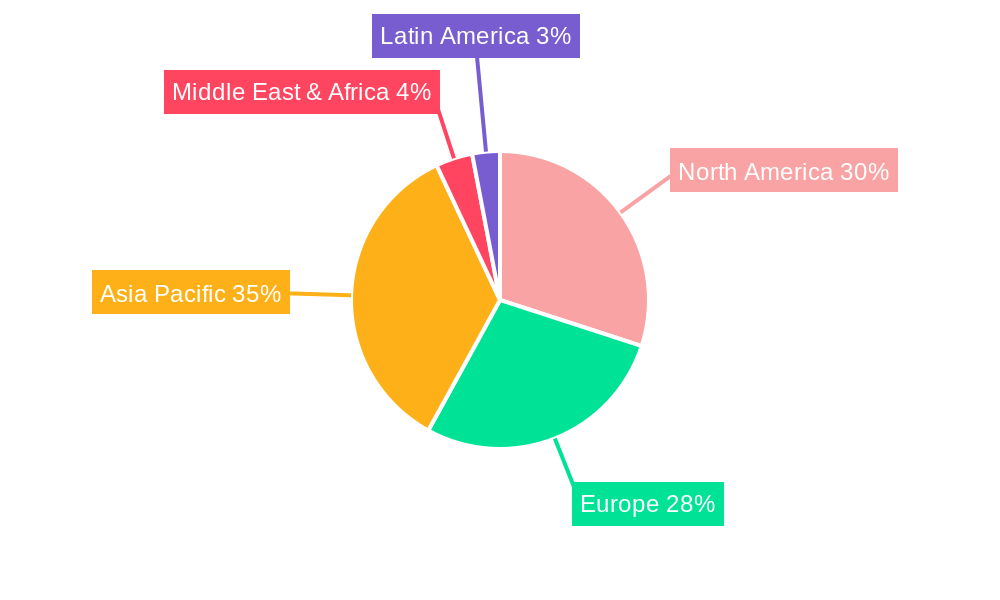
Solid Polymer Electrolyte Fuel Cell Regional Market Share
Geographic Coverage of Solid Polymer Electrolyte Fuel Cell
Solid Polymer Electrolyte Fuel Cell REPORT HIGHLIGHTS
| Aspects | Details |
|---|---|
| Study Period | 2020-2034 |
| Base Year | 2025 |
| Estimated Year | 2026 |
| Forecast Period | 2026-2034 |
| Historical Period | 2020-2025 |
| Growth Rate | CAGR of 31.9% from 2020-2034 |
| Segmentation |
|
Table of Contents
- 1. Introduction
- 1.1. Research Scope
- 1.2. Market Segmentation
- 1.3. Research Methodology
- 1.4. Definitions and Assumptions
- 2. Executive Summary
- 2.1. Introduction
- 3. Market Dynamics
- 3.1. Introduction
- 3.2. Market Drivers
- 3.3. Market Restrains
- 3.4. Market Trends
- 4. Market Factor Analysis
- 4.1. Porters Five Forces
- 4.2. Supply/Value Chain
- 4.3. PESTEL analysis
- 4.4. Market Entropy
- 4.5. Patent/Trademark Analysis
- 5. Global Solid Polymer Electrolyte Fuel Cell Analysis, Insights and Forecast, 2020-2032
- 5.1. Market Analysis, Insights and Forecast - by Application
- 5.1.1.
- 5.2. Market Analysis, Insights and Forecast - by Type
- 5.2.1.
- 5.3. Market Analysis, Insights and Forecast - by Region
- 5.3.1.
- 5.3.2.
- 5.3.3.
- 5.3.4.
- 5.3.5.
- 5.1. Market Analysis, Insights and Forecast - by Application
- 6. undefined Solid Polymer Electrolyte Fuel Cell Analysis, Insights and Forecast, 2020-2032
- 6.1. Market Analysis, Insights and Forecast - by Application
- 6.1.1.
- 6.2. Market Analysis, Insights and Forecast - by Type
- 6.2.1.
- 6.1. Market Analysis, Insights and Forecast - by Application
- 7. undefined Solid Polymer Electrolyte Fuel Cell Analysis, Insights and Forecast, 2020-2032
- 7.1. Market Analysis, Insights and Forecast - by Application
- 7.1.1.
- 7.2. Market Analysis, Insights and Forecast - by Type
- 7.2.1.
- 7.1. Market Analysis, Insights and Forecast - by Application
- 8. undefined Solid Polymer Electrolyte Fuel Cell Analysis, Insights and Forecast, 2020-2032
- 8.1. Market Analysis, Insights and Forecast - by Application
- 8.1.1.
- 8.2. Market Analysis, Insights and Forecast - by Type
- 8.2.1.
- 8.1. Market Analysis, Insights and Forecast - by Application
- 9. undefined Solid Polymer Electrolyte Fuel Cell Analysis, Insights and Forecast, 2020-2032
- 9.1. Market Analysis, Insights and Forecast - by Application
- 9.1.1.
- 9.2. Market Analysis, Insights and Forecast - by Type
- 9.2.1.
- 9.1. Market Analysis, Insights and Forecast - by Application
- 10. undefined Solid Polymer Electrolyte Fuel Cell Analysis, Insights and Forecast, 2020-2032
- 10.1. Market Analysis, Insights and Forecast - by Application
- 10.1.1.
- 10.2. Market Analysis, Insights and Forecast - by Type
- 10.2.1.
- 10.1. Market Analysis, Insights and Forecast - by Application
- 11. Competitive Analysis
- 11.1. Global Market Share Analysis 2025
- 11.2. Company Profiles
- 11.2.1 BASF
- 11.2.1.1. Overview
- 11.2.1.2. Products
- 11.2.1.3. SWOT Analysis
- 11.2.1.4. Recent Developments
- 11.2.1.5. Financials (Based on Availability)
- 11.2.2 Umicore
- 11.2.2.1. Overview
- 11.2.2.2. Products
- 11.2.2.3. SWOT Analysis
- 11.2.2.4. Recent Developments
- 11.2.2.5. Financials (Based on Availability)
- 11.2.3 Hyundai
- 11.2.3.1. Overview
- 11.2.3.2. Products
- 11.2.3.3. SWOT Analysis
- 11.2.3.4. Recent Developments
- 11.2.3.5. Financials (Based on Availability)
- 11.2.4 Ballard
- 11.2.4.1. Overview
- 11.2.4.2. Products
- 11.2.4.3. SWOT Analysis
- 11.2.4.4. Recent Developments
- 11.2.4.5. Financials (Based on Availability)
- 11.2.5 Mitsubishi Heavy Industries
- 11.2.5.1. Overview
- 11.2.5.2. Products
- 11.2.5.3. SWOT Analysis
- 11.2.5.4. Recent Developments
- 11.2.5.5. Financials (Based on Availability)
- 11.2.6 Robert Bosch
- 11.2.6.1. Overview
- 11.2.6.2. Products
- 11.2.6.3. SWOT Analysis
- 11.2.6.4. Recent Developments
- 11.2.6.5. Financials (Based on Availability)
- 11.2.7 Toshiba
- 11.2.7.1. Overview
- 11.2.7.2. Products
- 11.2.7.3. SWOT Analysis
- 11.2.7.4. Recent Developments
- 11.2.7.5. Financials (Based on Availability)
- 11.2.8 Bloom Energy
- 11.2.8.1. Overview
- 11.2.8.2. Products
- 11.2.8.3. SWOT Analysis
- 11.2.8.4. Recent Developments
- 11.2.8.5. Financials (Based on Availability)
- 11.2.9 Ceres Power
- 11.2.9.1. Overview
- 11.2.9.2. Products
- 11.2.9.3. SWOT Analysis
- 11.2.9.4. Recent Developments
- 11.2.9.5. Financials (Based on Availability)
- 11.2.10 Plug Power
- 11.2.10.1. Overview
- 11.2.10.2. Products
- 11.2.10.3. SWOT Analysis
- 11.2.10.4. Recent Developments
- 11.2.10.5. Financials (Based on Availability)
- 11.2.11 Doosan
- 11.2.11.1. Overview
- 11.2.11.2. Products
- 11.2.11.3. SWOT Analysis
- 11.2.11.4. Recent Developments
- 11.2.11.5. Financials (Based on Availability)
- 11.2.12 Intelligent Energy
- 11.2.12.1. Overview
- 11.2.12.2. Products
- 11.2.12.3. SWOT Analysis
- 11.2.12.4. Recent Developments
- 11.2.12.5. Financials (Based on Availability)
- 11.2.13 PowerCell
- 11.2.13.1. Overview
- 11.2.13.2. Products
- 11.2.13.3. SWOT Analysis
- 11.2.13.4. Recent Developments
- 11.2.13.5. Financials (Based on Availability)
- 11.2.14 GenCell
- 11.2.14.1. Overview
- 11.2.14.2. Products
- 11.2.14.3. SWOT Analysis
- 11.2.14.4. Recent Developments
- 11.2.14.5. Financials (Based on Availability)
- 11.2.1 BASF
List of Figures
- Figure 1: Global Solid Polymer Electrolyte Fuel Cell Revenue Breakdown (undefined, %) by Region 2025 & 2033
- Figure 2: undefined Solid Polymer Electrolyte Fuel Cell Revenue (undefined), by Application 2025 & 2033
- Figure 3: undefined Solid Polymer Electrolyte Fuel Cell Revenue Share (%), by Application 2025 & 2033
- Figure 4: undefined Solid Polymer Electrolyte Fuel Cell Revenue (undefined), by Type 2025 & 2033
- Figure 5: undefined Solid Polymer Electrolyte Fuel Cell Revenue Share (%), by Type 2025 & 2033
- Figure 6: undefined Solid Polymer Electrolyte Fuel Cell Revenue (undefined), by Country 2025 & 2033
- Figure 7: undefined Solid Polymer Electrolyte Fuel Cell Revenue Share (%), by Country 2025 & 2033
- Figure 8: undefined Solid Polymer Electrolyte Fuel Cell Revenue (undefined), by Application 2025 & 2033
- Figure 9: undefined Solid Polymer Electrolyte Fuel Cell Revenue Share (%), by Application 2025 & 2033
- Figure 10: undefined Solid Polymer Electrolyte Fuel Cell Revenue (undefined), by Type 2025 & 2033
- Figure 11: undefined Solid Polymer Electrolyte Fuel Cell Revenue Share (%), by Type 2025 & 2033
- Figure 12: undefined Solid Polymer Electrolyte Fuel Cell Revenue (undefined), by Country 2025 & 2033
- Figure 13: undefined Solid Polymer Electrolyte Fuel Cell Revenue Share (%), by Country 2025 & 2033
- Figure 14: undefined Solid Polymer Electrolyte Fuel Cell Revenue (undefined), by Application 2025 & 2033
- Figure 15: undefined Solid Polymer Electrolyte Fuel Cell Revenue Share (%), by Application 2025 & 2033
- Figure 16: undefined Solid Polymer Electrolyte Fuel Cell Revenue (undefined), by Type 2025 & 2033
- Figure 17: undefined Solid Polymer Electrolyte Fuel Cell Revenue Share (%), by Type 2025 & 2033
- Figure 18: undefined Solid Polymer Electrolyte Fuel Cell Revenue (undefined), by Country 2025 & 2033
- Figure 19: undefined Solid Polymer Electrolyte Fuel Cell Revenue Share (%), by Country 2025 & 2033
- Figure 20: undefined Solid Polymer Electrolyte Fuel Cell Revenue (undefined), by Application 2025 & 2033
- Figure 21: undefined Solid Polymer Electrolyte Fuel Cell Revenue Share (%), by Application 2025 & 2033
- Figure 22: undefined Solid Polymer Electrolyte Fuel Cell Revenue (undefined), by Type 2025 & 2033
- Figure 23: undefined Solid Polymer Electrolyte Fuel Cell Revenue Share (%), by Type 2025 & 2033
- Figure 24: undefined Solid Polymer Electrolyte Fuel Cell Revenue (undefined), by Country 2025 & 2033
- Figure 25: undefined Solid Polymer Electrolyte Fuel Cell Revenue Share (%), by Country 2025 & 2033
- Figure 26: undefined Solid Polymer Electrolyte Fuel Cell Revenue (undefined), by Application 2025 & 2033
- Figure 27: undefined Solid Polymer Electrolyte Fuel Cell Revenue Share (%), by Application 2025 & 2033
- Figure 28: undefined Solid Polymer Electrolyte Fuel Cell Revenue (undefined), by Type 2025 & 2033
- Figure 29: undefined Solid Polymer Electrolyte Fuel Cell Revenue Share (%), by Type 2025 & 2033
- Figure 30: undefined Solid Polymer Electrolyte Fuel Cell Revenue (undefined), by Country 2025 & 2033
- Figure 31: undefined Solid Polymer Electrolyte Fuel Cell Revenue Share (%), by Country 2025 & 2033
List of Tables
- Table 1: Global Solid Polymer Electrolyte Fuel Cell Revenue undefined Forecast, by Application 2020 & 2033
- Table 2: Global Solid Polymer Electrolyte Fuel Cell Revenue undefined Forecast, by Type 2020 & 2033
- Table 3: Global Solid Polymer Electrolyte Fuel Cell Revenue undefined Forecast, by Region 2020 & 2033
- Table 4: Global Solid Polymer Electrolyte Fuel Cell Revenue undefined Forecast, by Application 2020 & 2033
- Table 5: Global Solid Polymer Electrolyte Fuel Cell Revenue undefined Forecast, by Type 2020 & 2033
- Table 6: Global Solid Polymer Electrolyte Fuel Cell Revenue undefined Forecast, by Country 2020 & 2033
- Table 7: Global Solid Polymer Electrolyte Fuel Cell Revenue undefined Forecast, by Application 2020 & 2033
- Table 8: Global Solid Polymer Electrolyte Fuel Cell Revenue undefined Forecast, by Type 2020 & 2033
- Table 9: Global Solid Polymer Electrolyte Fuel Cell Revenue undefined Forecast, by Country 2020 & 2033
- Table 10: Global Solid Polymer Electrolyte Fuel Cell Revenue undefined Forecast, by Application 2020 & 2033
- Table 11: Global Solid Polymer Electrolyte Fuel Cell Revenue undefined Forecast, by Type 2020 & 2033
- Table 12: Global Solid Polymer Electrolyte Fuel Cell Revenue undefined Forecast, by Country 2020 & 2033
- Table 13: Global Solid Polymer Electrolyte Fuel Cell Revenue undefined Forecast, by Application 2020 & 2033
- Table 14: Global Solid Polymer Electrolyte Fuel Cell Revenue undefined Forecast, by Type 2020 & 2033
- Table 15: Global Solid Polymer Electrolyte Fuel Cell Revenue undefined Forecast, by Country 2020 & 2033
- Table 16: Global Solid Polymer Electrolyte Fuel Cell Revenue undefined Forecast, by Application 2020 & 2033
- Table 17: Global Solid Polymer Electrolyte Fuel Cell Revenue undefined Forecast, by Type 2020 & 2033
- Table 18: Global Solid Polymer Electrolyte Fuel Cell Revenue undefined Forecast, by Country 2020 & 2033
Frequently Asked Questions
1. What is the projected Compound Annual Growth Rate (CAGR) of the Solid Polymer Electrolyte Fuel Cell?
The projected CAGR is approximately 31.9%.
2. Which companies are prominent players in the Solid Polymer Electrolyte Fuel Cell?
Key companies in the market include BASF, Umicore, Hyundai, Ballard, Mitsubishi Heavy Industries, Robert Bosch, Toshiba, Bloom Energy, Ceres Power, Plug Power, Doosan, Intelligent Energy, PowerCell, GenCell.
3. What are the main segments of the Solid Polymer Electrolyte Fuel Cell?
The market segments include Application, Type.
4. Can you provide details about the market size?
The market size is estimated to be USD XXX N/A as of 2022.
5. What are some drivers contributing to market growth?
N/A
6. What are the notable trends driving market growth?
N/A
7. Are there any restraints impacting market growth?
N/A
8. Can you provide examples of recent developments in the market?
N/A
9. What pricing options are available for accessing the report?
Pricing options include single-user, multi-user, and enterprise licenses priced at USD 2900.00, USD 4350.00, and USD 5800.00 respectively.
10. Is the market size provided in terms of value or volume?
The market size is provided in terms of value, measured in N/A.
11. Are there any specific market keywords associated with the report?
Yes, the market keyword associated with the report is "Solid Polymer Electrolyte Fuel Cell," which aids in identifying and referencing the specific market segment covered.
12. How do I determine which pricing option suits my needs best?
The pricing options vary based on user requirements and access needs. Individual users may opt for single-user licenses, while businesses requiring broader access may choose multi-user or enterprise licenses for cost-effective access to the report.
13. Are there any additional resources or data provided in the Solid Polymer Electrolyte Fuel Cell report?
While the report offers comprehensive insights, it's advisable to review the specific contents or supplementary materials provided to ascertain if additional resources or data are available.
14. How can I stay updated on further developments or reports in the Solid Polymer Electrolyte Fuel Cell?
To stay informed about further developments, trends, and reports in the Solid Polymer Electrolyte Fuel Cell, consider subscribing to industry newsletters, following relevant companies and organizations, or regularly checking reputable industry news sources and publications.
Methodology
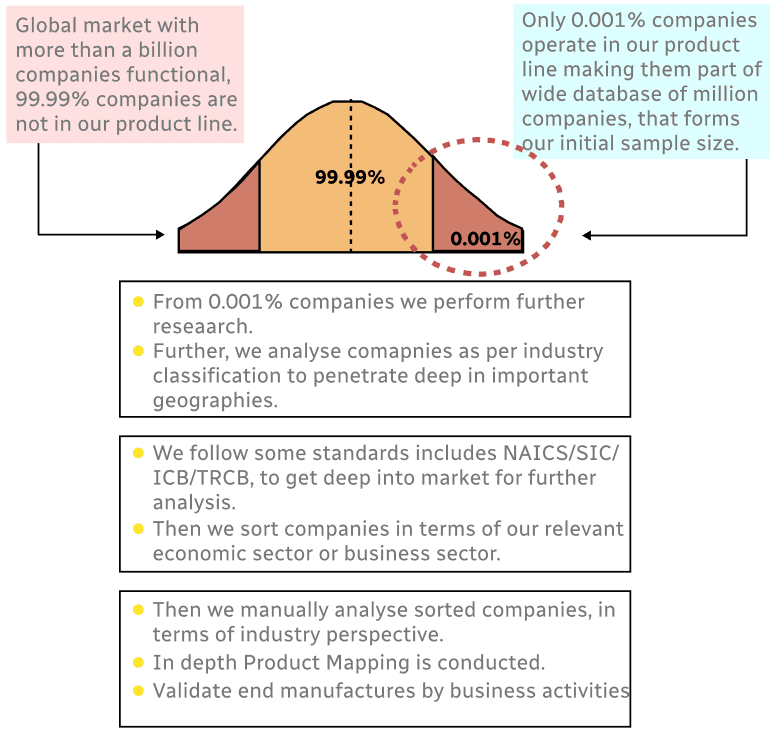
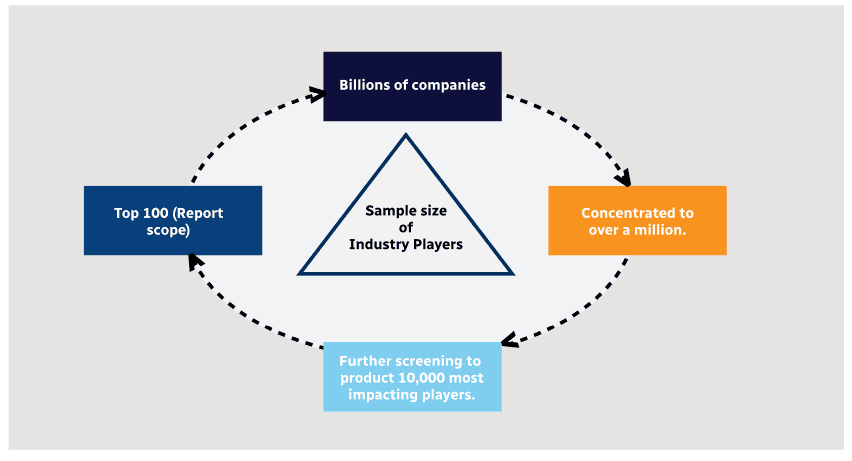
Step 1 - Identification of Relevant Samples Size from Population Database
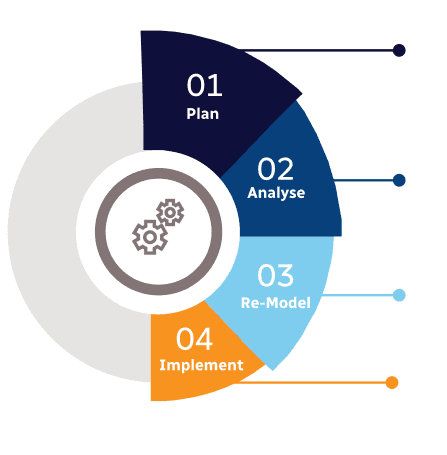
Step 2 - Approaches for Defining Global Market Size (Value, Volume* & Price*)
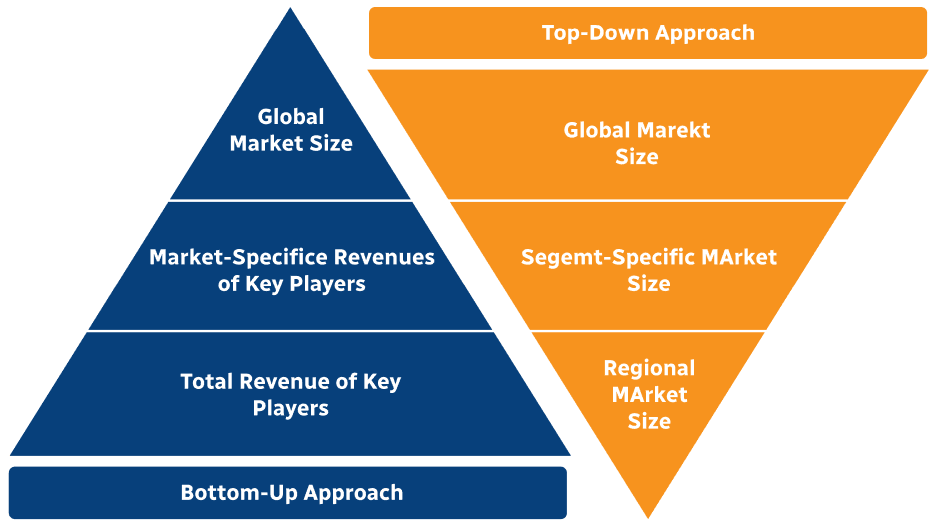
Note*: In applicable scenarios
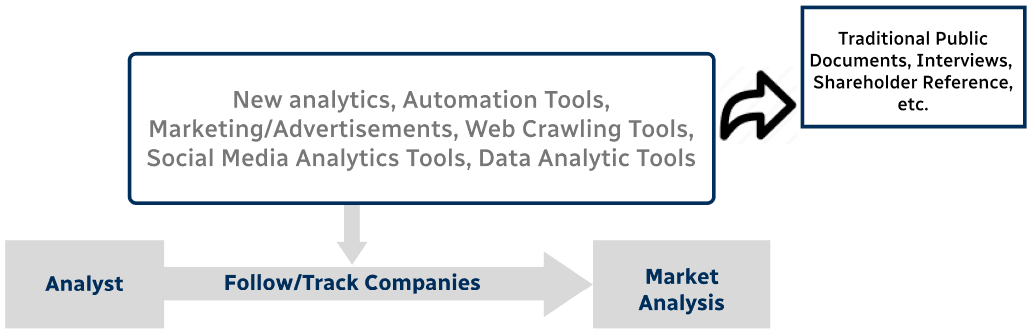
Step 3 - Data Sources
Primary Research
- Web Analytics
- Survey Reports
- Research Institute
- Latest Research Reports
- Opinion Leaders
Secondary Research
- Annual Reports
- White Paper
- Latest Press Release
- Industry Association
- Paid Database
- Investor Presentations
Step 4 - Data Triangulation
Involves using different sources of information in order to increase the validity of a study
These sources are likely to be stakeholders in a program - participants, other researchers, program staff, other community members, and so on.
Then we put all data in single framework & apply various statistical tools to find out the dynamic on the market.
During the analysis stage, feedback from the stakeholder groups would be compared to determine areas of agreement as well as areas of divergence