


Key Insights
The global Student Engagement Software market is poised for substantial growth, driven by the increasing adoption of digital learning solutions and the imperative for educational institutions to foster active student participation. With an estimated market size of $5 billion in 2025, the sector is projected to expand at a robust CAGR of 15% through 2033. This significant expansion is fueled by the evolving pedagogical approaches that emphasize interactive learning, personalized education, and efficient communication channels between educators, students, and parents. The growing need to bridge learning gaps, enhance student retention rates, and provide comprehensive support for diverse learning needs are key catalysts for this market's upward trajectory. Furthermore, the integration of advanced technologies like AI and machine learning into these platforms is enabling more sophisticated analytics and adaptive learning experiences, further solidifying their value proposition for educational bodies worldwide.
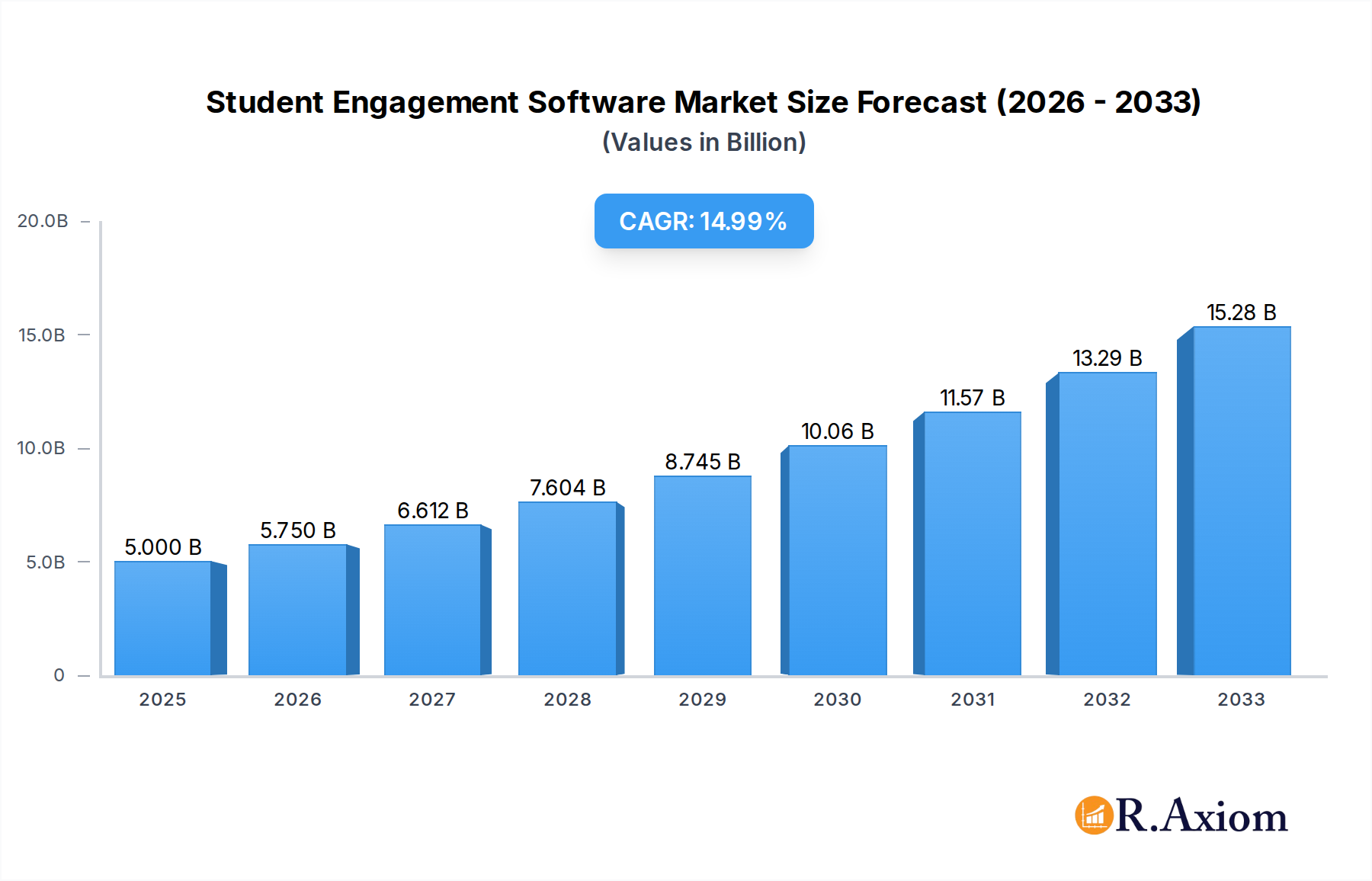
Student Engagement Software Market Size (In Billion)

The market landscape is characterized by a wide array of solutions catering to various educational settings, from K-12 schools to higher education and corporate training. Key applications include facilitating classroom interactions, managing administrative tasks, and providing supplementary learning resources. The market is segmented by pricing tiers, reflecting different feature sets and scalability options, from basic functionalities to premium, comprehensive packages. Leading companies are continuously innovating to offer enhanced features such as gamification, personalized feedback mechanisms, and seamless integration with existing learning management systems. While the market is brimming with opportunity, potential restraints include the initial cost of implementation, the need for adequate teacher training, and concerns around data privacy and security, which are critical considerations for educational institutions. However, the persistent demand for improved educational outcomes and the digital transformation within the education sector are expected to outweigh these challenges, propelling the market forward.
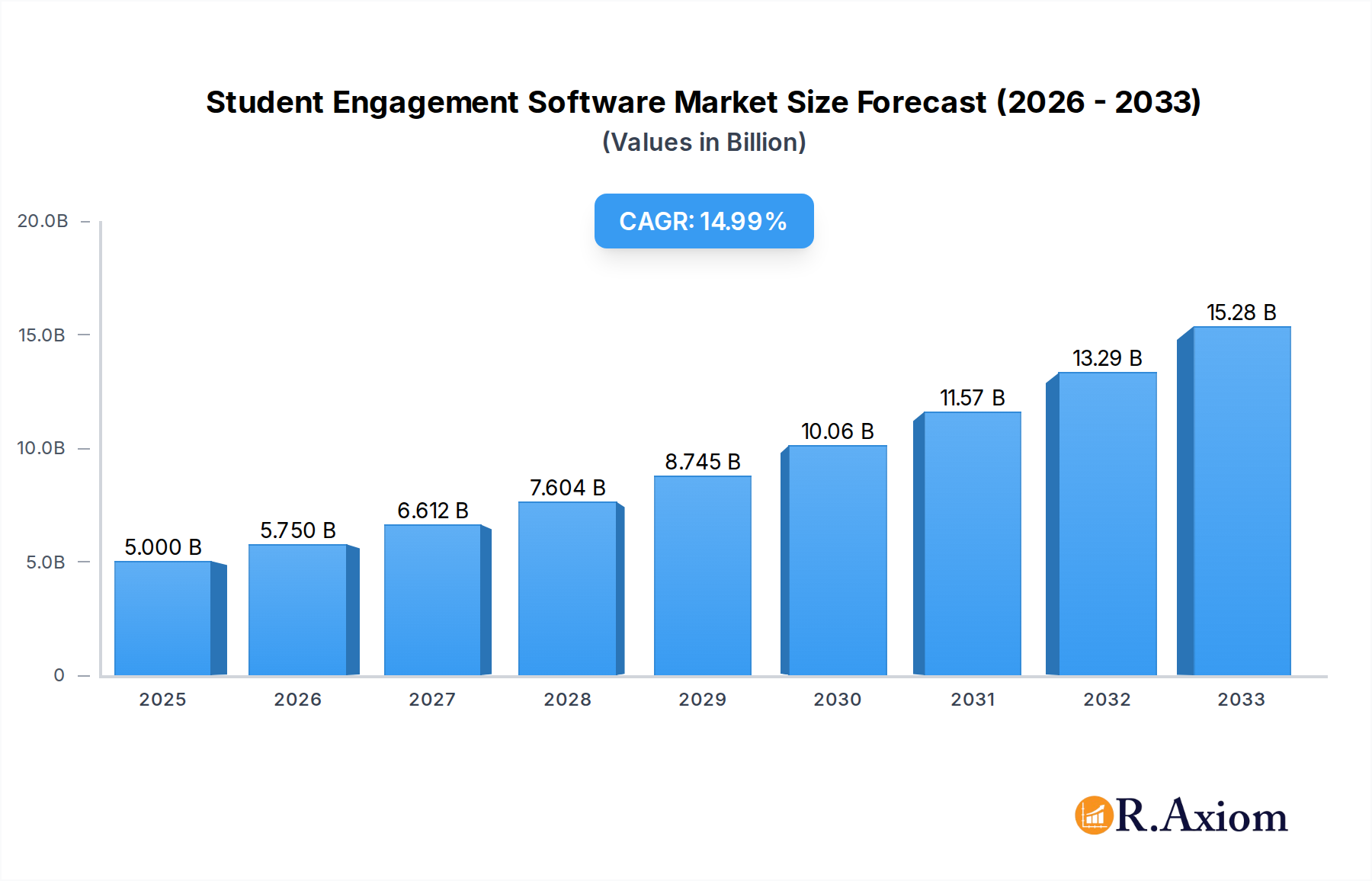
Student Engagement Software Company Market Share
This comprehensive report offers a deep dive into the burgeoning Student Engagement Software Market, a critical sector projected to reach hundreds of billions by 2033. Analyzing the period from 2019 to 2033, with a base year of 2025 and a forecast period from 2025 to 2033, this study provides unparalleled insights into market dynamics, technological advancements, and strategic opportunities within the educational technology landscape. It is an indispensable resource for educators, administrators, edtech providers, investors, and policymakers seeking to understand and capitalize on the transformative power of learning management systems (LMS), virtual learning platforms, and student success tools.
Student Engagement Software Market Concentration & Innovation
The Student Engagement Software Market exhibits a dynamic concentration driven by continuous innovation and increasing adoption across educational institutions and training organizations globally. While fragmented in some segments, a trend towards consolidation is evident, fueled by strategic mergers and acquisitions aimed at expanding product portfolios and market reach. Key innovation drivers include the demand for personalized learning experiences, data analytics for student progress tracking, and the integration of AI-powered features. Regulatory frameworks, particularly those concerning data privacy and accessibility (e.g., GDPR, FERPA), are shaping product development and market entry strategies. Product substitutes, such as traditional teaching methods and less sophisticated digital tools, are diminishing in relevance as the capabilities of advanced student engagement platforms expand. End-user trends point towards a preference for intuitive, mobile-first solutions that foster collaborative learning environments and provide actionable insights for educators. The M&A landscape has seen several significant deals, with total transaction values estimated in the billions, as larger players acquire promising startups to bolster their offerings in areas like adaptive learning and virtual classrooms. For instance, the acquisition of Nearpod by Pembroke Companies for a reported hundred million highlights the ongoing consolidation. Similarly, Schoox's acquisition by Cornerstone OnDemand underscores the drive for comprehensive talent development solutions encompassing both academic and professional training.
Student Engagement Software Industry Trends & Insights
The Student Engagement Software Market is poised for substantial growth, projected to expand at a robust Compound Annual Growth Rate (CAGR) of approximately 15-20% over the forecast period. This upward trajectory is primarily propelled by the increasing integration of digital technologies in education, driven by the imperative to enhance learning outcomes and cater to evolving pedagogical approaches. The widespread adoption of remote and hybrid learning models, accelerated by global events, has underscored the critical need for effective student engagement tools. Market penetration is rapidly increasing, with nearly 60% of educational institutions now utilizing some form of dedicated student engagement software. Technological disruptions are at the forefront of this evolution. Artificial intelligence (AI) and machine learning (ML) are revolutionizing platforms by enabling personalized learning paths, automated feedback mechanisms, and predictive analytics for identifying at-risk students. The Internet of Things (IoT) is also playing a role, facilitating connected learning environments and real-time data capture. Consumer preferences are shifting towards user-friendly, interactive platforms that offer gamification elements, collaborative features, and seamless integration with existing learning management systems. Students increasingly expect engaging content formats, such as interactive videos, simulations, and virtual reality (VR) experiences, that mirror their digital-native expectations. Competitive dynamics are intensifying, with established players like Ellucian and Skyward continuously innovating to maintain market share, while agile startups are disrupting the space with niche solutions focused on specific engagement strategies. The market is also witnessing a growing demand for specialized software catering to different educational levels, from K-12 to higher education and corporate training. The global market size is projected to reach hundreds of billions by 2033, reflecting a significant investment in enhancing the educational experience.
Dominant Markets & Segments in Student Engagement Software
The Student Engagement Software Market is characterized by distinct regional dominance and segment penetration. North America currently leads the market, driven by a strong emphasis on technological integration in education, substantial government funding for edtech initiatives, and a high rate of adoption among K-12 schools and higher education institutions. The United States, in particular, is a powerhouse due to its advanced technological infrastructure and a proactive educational ecosystem that embraces innovation. Economic policies favoring digital transformation in education and robust investment in edtech infrastructure further bolster its position.
In terms of applications, the School segment is the most dominant, accounting for an estimated 70% of the total market share. This is attributable to the widespread implementation of digital learning strategies in K-12 and university settings, aimed at improving student retention, academic performance, and overall learning experience.
The Standard ($59-99/Month) pricing tier represents the largest market segment, capturing approximately 50% of the market. This tier offers a compelling balance of advanced features, scalability, and affordability, making it accessible to a broad range of educational institutions. Key drivers for this segment include the need for comprehensive analytics, communication tools, and content delivery mechanisms without the prohibitive costs often associated with enterprise-level solutions.
Application: School
- Key Drivers: Increasing adoption of blended and online learning models, government mandates for digital literacy, demand for personalized learning, and the need for data-driven insights into student performance. The sheer volume of K-12 and higher education institutions globally fuels this segment's dominance.
Application: Training Institutions
- Key Drivers: Growing need for upskilling and reskilling in the corporate sector, demand for efficient onboarding processes, and the development of specialized training programs for various industries. This segment shows significant growth potential.
Application: Bureau of Education
- Key Drivers: Initiatives to standardize educational practices, improve teacher professional development, and monitor educational outcomes at a regional or national level. While a smaller segment, its influence in shaping policy and adoption is significant.
Application: Other
- Key Drivers: This segment includes non-traditional educational settings like tutoring centers, online course providers, and professional development platforms, all of which are increasingly leveraging engagement software to enhance learner participation and completion rates.
Types: Basic ($39-59/Month)
- Key Drivers: Highly attractive to smaller institutions, startups, and individual educators seeking fundamental engagement tools like basic communication, assignment submission, and grade tracking. Cost-effectiveness is the primary driver.
Types: Standard ($59-99/Month)
- Key Drivers: Offers a comprehensive feature set including advanced analytics, interactive content tools, collaboration features, and integration capabilities, making it the sweet spot for most mid-sized to large educational institutions.
Types: Senior ($99-149/Month)
- Key Drivers: Caters to large universities, enterprises with extensive training needs, and institutions requiring highly customized solutions, robust security features, and advanced AI-driven personalization and support.
Student Engagement Software Product Developments
Product developments in the Student Engagement Software Market are rapidly evolving, focusing on enhancing interactivity, personalization, and data-driven insights. Innovations include AI-powered adaptive learning modules that tailor content to individual student needs, gamification features to boost motivation and participation, and advanced analytics dashboards providing real-time feedback on student progress and engagement levels. The integration of virtual and augmented reality (VR/AR) is emerging as a key differentiator, offering immersive learning experiences. Furthermore, seamless integration with existing Learning Management Systems (LMS) and other educational tools is a critical trend, enhancing user experience and operational efficiency for institutions. These developments are driven by the need for more engaging, effective, and accessible educational solutions.
Report Scope & Segmentation Analysis
This report meticulously segments the Student Engagement Software Market across key parameters to provide granular insights.
Application: School is anticipated to witness a significant CAGR of approximately 18%, driven by widespread adoption in K-12 and higher education settings. The market size within this segment is projected to reach hundreds of billions by 2033.
Application: Training Institutions is expected to grow at a CAGR of around 16%, fueled by the demand for corporate e-learning and professional development.
Application: Bureau of Education, while a smaller segment, is projected for steady growth with a CAGR of 12%, as government bodies focus on improving educational standards and teacher training through digital means.
Application: Other segments, encompassing various niche educational providers, are forecast to expand at a CAGR of 17%.
Types: Basic ($39-59/Month) will likely see consistent growth, particularly among smaller organizations, with a CAGR of 14%.
Types: Standard ($59-99/Month) is projected to be the fastest-growing segment, with an estimated CAGR of 20%, as it strikes an optimal balance for most institutions.
Types: Senior ($99-149/Month) will experience a strong CAGR of 19%, driven by the demand for advanced features and customization from larger enterprises and universities.
Key Drivers of Student Engagement Software Growth
The Student Engagement Software Market is propelled by several interconnected growth drivers. Technologically, the pervasive adoption of AI and ML for personalized learning, adaptive feedback, and predictive analytics is paramount. The increasing demand for blended and hybrid learning models necessitates robust digital tools for maintaining student connection and motivation. Economically, increased government and private investment in educational technology, coupled with the growing recognition of the ROI of effective engagement strategies, fuels market expansion. Regulatory factors, such as data privacy compliance (e.g., FERPA, GDPR), also inadvertently drive the adoption of sophisticated platforms capable of secure data handling and reporting. The shift in pedagogical approaches towards student-centered learning and the need for scalable, accessible educational solutions further solidify these drivers.
Challenges in the Student Engagement Software Sector
Despite robust growth, the Student Engagement Software Sector faces several challenges. Implementation complexity and resistance to change within traditional educational institutions can hinder widespread adoption. Data security and privacy concerns, while also a driver, pose a significant hurdle requiring substantial investment in compliance and secure infrastructure. Interoperability issues between different software systems and existing IT infrastructure can create integration headaches. The cost of advanced solutions, particularly for smaller institutions, remains a barrier. Furthermore, ensuring equitable access to technology and internet connectivity for all students, regardless of socioeconomic background, is a critical ongoing challenge that impacts the effectiveness of digital engagement strategies. The rapid pace of technological change also necessitates continuous updates and training, adding to the operational burden.
Emerging Opportunities in Student Engagement Software
Emerging opportunities in the Student Engagement Software Market are diverse and promising. The growing demand for personalized and adaptive learning experiences, powered by AI and data analytics, presents a significant avenue for innovation. The expansion of gamification and immersive learning technologies, including VR/AR, offers new ways to captivate students and enhance knowledge retention. There's a rising opportunity in developing specialized engagement solutions for niche markets, such as vocational training, lifelong learning, and corporate professional development. Furthermore, the increasing focus on student well-being and mental health creates demand for platforms that can monitor student sentiment and provide early intervention support. The global expansion into emerging economies with rapidly growing education sectors also represents a substantial untapped market.
Leading Players in the Student Engagement Software Market
- Whitestone Technologies
- IClassPro
- Ellucian
- Skyward
- GoGuardian
- Nearpod
- Schoox
- ConexEd
- TeacherZone
- SARS Software Products
- Classcraft Studios
- Top Hat
- Turning Technologies
- Education Revolution
- Signal Vine
- Echo360
- YouBthere
- Level8Creative
- Pearson Education
- BEHCA
- MobileUp Software
- Involvio
- SEAtS Software
Key Developments in Student Engagement Software Industry
- 2023: GoGuardian launched enhanced AI-driven features for personalized learning recommendations and automated student support.
- 2023: Nearpod expanded its interactive content library with a focus on VR-enabled lessons, driving immersive learning experiences.
- 2022: Ellucian announced a significant partnership with a major cloud provider to enhance its higher education engagement platforms with advanced AI capabilities.
- 2022: Skyward acquired a smaller analytics firm to bolster its data-driven student success features, providing deeper insights into academic performance.
- 2021: Top Hat introduced a comprehensive suite of tools for active learning and assessment, integrating synchronous and asynchronous engagement features.
- 2020: The widespread shift to remote learning accelerated the adoption and development of virtual classroom and collaboration tools by multiple vendors, including ConexEd and Echo360.
- 2019: Classcraft Studios expanded its gamified learning platform to include more collaborative project-based learning modules.
Strategic Outlook for Student Engagement Software Market
The strategic outlook for the Student Engagement Software Market is overwhelmingly positive, characterized by sustained innovation and expanding adoption. The market is set to capitalize on the enduring shift towards digital and blended learning environments, driven by the proven efficacy of these tools in improving student outcomes. Key growth catalysts include the continued integration of AI and machine learning for hyper-personalization, the development of more immersive educational experiences through VR/AR, and the growing demand for comprehensive analytics that inform pedagogical strategies and institutional decision-making. Strategic partnerships between edtech providers, educational institutions, and technology giants will further accelerate market penetration. The increasing focus on lifelong learning and corporate training also presents significant untapped potential, suggesting that the market's trajectory will remain upward for the foreseeable future.
Student Engagement Software Segmentation
-
1. Application
- 1.1. School
- 1.2. Training Institutions
- 1.3. Bureau of Education
- 1.4. Other
-
2. Types
- 2.1. Basic($39-59/Month)
- 2.2. Standard($59-99/Month)
- 2.3. Senior($99-149/Month)
Student Engagement Software Segmentation By Geography
-
1. North America
- 1.1. United States
- 1.2. Canada
- 1.3. Mexico
-
2. South America
- 2.1. Brazil
- 2.2. Argentina
- 2.3. Rest of South America
-
3. Europe
- 3.1. United Kingdom
- 3.2. Germany
- 3.3. France
- 3.4. Italy
- 3.5. Spain
- 3.6. Russia
- 3.7. Benelux
- 3.8. Nordics
- 3.9. Rest of Europe
-
4. Middle East & Africa
- 4.1. Turkey
- 4.2. Israel
- 4.3. GCC
- 4.4. North Africa
- 4.5. South Africa
- 4.6. Rest of Middle East & Africa
-
5. Asia Pacific
- 5.1. China
- 5.2. India
- 5.3. Japan
- 5.4. South Korea
- 5.5. ASEAN
- 5.6. Oceania
- 5.7. Rest of Asia Pacific
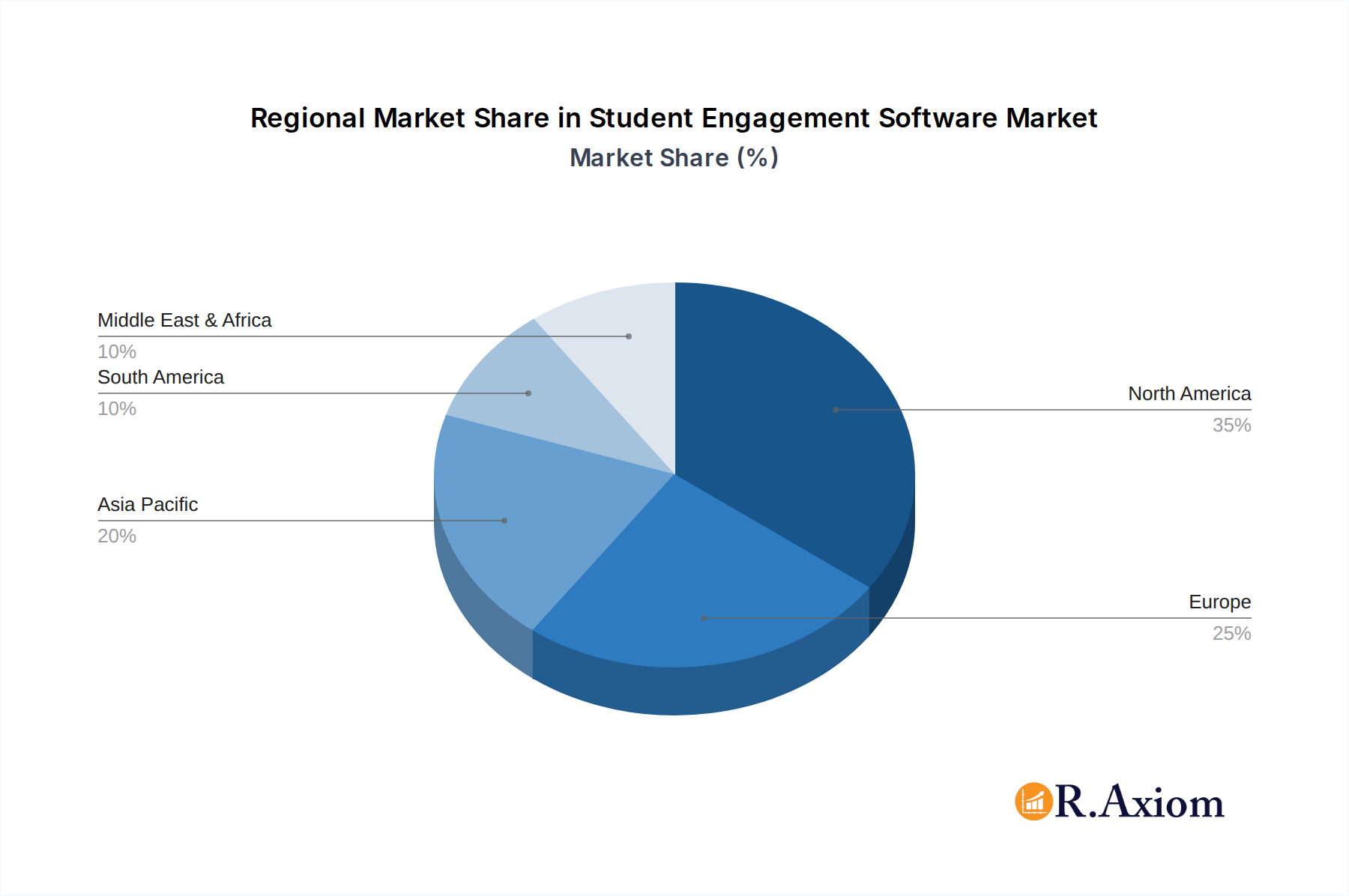
Student Engagement Software Regional Market Share
Geographic Coverage of Student Engagement Software
Student Engagement Software REPORT HIGHLIGHTS
| Aspects | Details |
|---|---|
| Study Period | 2020-2034 |
| Base Year | 2025 |
| Estimated Year | 2026 |
| Forecast Period | 2026-2034 |
| Historical Period | 2020-2025 |
| Growth Rate | CAGR of 15% from 2020-2034 |
| Segmentation |
|
Table of Contents
- 1. Introduction
- 1.1. Research Scope
- 1.2. Market Segmentation
- 1.3. Research Methodology
- 1.4. Definitions and Assumptions
- 2. Executive Summary
- 2.1. Introduction
- 3. Market Dynamics
- 3.1. Introduction
- 3.2. Market Drivers
- 3.3. Market Restrains
- 3.4. Market Trends
- 4. Market Factor Analysis
- 4.1. Porters Five Forces
- 4.2. Supply/Value Chain
- 4.3. PESTEL analysis
- 4.4. Market Entropy
- 4.5. Patent/Trademark Analysis
- 5. Global Student Engagement Software Analysis, Insights and Forecast, 2020-2032
- 5.1. Market Analysis, Insights and Forecast - by Application
- 5.1.1. School
- 5.1.2. Training Institutions
- 5.1.3. Bureau of Education
- 5.1.4. Other
- 5.2. Market Analysis, Insights and Forecast - by Types
- 5.2.1. Basic($39-59/Month)
- 5.2.2. Standard($59-99/Month)
- 5.2.3. Senior($99-149/Month)
- 5.3. Market Analysis, Insights and Forecast - by Region
- 5.3.1. North America
- 5.3.2. South America
- 5.3.3. Europe
- 5.3.4. Middle East & Africa
- 5.3.5. Asia Pacific
- 5.1. Market Analysis, Insights and Forecast - by Application
- 6. North America Student Engagement Software Analysis, Insights and Forecast, 2020-2032
- 6.1. Market Analysis, Insights and Forecast - by Application
- 6.1.1. School
- 6.1.2. Training Institutions
- 6.1.3. Bureau of Education
- 6.1.4. Other
- 6.2. Market Analysis, Insights and Forecast - by Types
- 6.2.1. Basic($39-59/Month)
- 6.2.2. Standard($59-99/Month)
- 6.2.3. Senior($99-149/Month)
- 6.1. Market Analysis, Insights and Forecast - by Application
- 7. South America Student Engagement Software Analysis, Insights and Forecast, 2020-2032
- 7.1. Market Analysis, Insights and Forecast - by Application
- 7.1.1. School
- 7.1.2. Training Institutions
- 7.1.3. Bureau of Education
- 7.1.4. Other
- 7.2. Market Analysis, Insights and Forecast - by Types
- 7.2.1. Basic($39-59/Month)
- 7.2.2. Standard($59-99/Month)
- 7.2.3. Senior($99-149/Month)
- 7.1. Market Analysis, Insights and Forecast - by Application
- 8. Europe Student Engagement Software Analysis, Insights and Forecast, 2020-2032
- 8.1. Market Analysis, Insights and Forecast - by Application
- 8.1.1. School
- 8.1.2. Training Institutions
- 8.1.3. Bureau of Education
- 8.1.4. Other
- 8.2. Market Analysis, Insights and Forecast - by Types
- 8.2.1. Basic($39-59/Month)
- 8.2.2. Standard($59-99/Month)
- 8.2.3. Senior($99-149/Month)
- 8.1. Market Analysis, Insights and Forecast - by Application
- 9. Middle East & Africa Student Engagement Software Analysis, Insights and Forecast, 2020-2032
- 9.1. Market Analysis, Insights and Forecast - by Application
- 9.1.1. School
- 9.1.2. Training Institutions
- 9.1.3. Bureau of Education
- 9.1.4. Other
- 9.2. Market Analysis, Insights and Forecast - by Types
- 9.2.1. Basic($39-59/Month)
- 9.2.2. Standard($59-99/Month)
- 9.2.3. Senior($99-149/Month)
- 9.1. Market Analysis, Insights and Forecast - by Application
- 10. Asia Pacific Student Engagement Software Analysis, Insights and Forecast, 2020-2032
- 10.1. Market Analysis, Insights and Forecast - by Application
- 10.1.1. School
- 10.1.2. Training Institutions
- 10.1.3. Bureau of Education
- 10.1.4. Other
- 10.2. Market Analysis, Insights and Forecast - by Types
- 10.2.1. Basic($39-59/Month)
- 10.2.2. Standard($59-99/Month)
- 10.2.3. Senior($99-149/Month)
- 10.1. Market Analysis, Insights and Forecast - by Application
- 11. Competitive Analysis
- 11.1. Global Market Share Analysis 2025
- 11.2. Company Profiles
- 11.2.1 Whitestone Technologies
- 11.2.1.1. Overview
- 11.2.1.2. Products
- 11.2.1.3. SWOT Analysis
- 11.2.1.4. Recent Developments
- 11.2.1.5. Financials (Based on Availability)
- 11.2.2 IClassPro
- 11.2.2.1. Overview
- 11.2.2.2. Products
- 11.2.2.3. SWOT Analysis
- 11.2.2.4. Recent Developments
- 11.2.2.5. Financials (Based on Availability)
- 11.2.3 Ellucian
- 11.2.3.1. Overview
- 11.2.3.2. Products
- 11.2.3.3. SWOT Analysis
- 11.2.3.4. Recent Developments
- 11.2.3.5. Financials (Based on Availability)
- 11.2.4 Skyward
- 11.2.4.1. Overview
- 11.2.4.2. Products
- 11.2.4.3. SWOT Analysis
- 11.2.4.4. Recent Developments
- 11.2.4.5. Financials (Based on Availability)
- 11.2.5 GoGuardian
- 11.2.5.1. Overview
- 11.2.5.2. Products
- 11.2.5.3. SWOT Analysis
- 11.2.5.4. Recent Developments
- 11.2.5.5. Financials (Based on Availability)
- 11.2.6 Nearpod
- 11.2.6.1. Overview
- 11.2.6.2. Products
- 11.2.6.3. SWOT Analysis
- 11.2.6.4. Recent Developments
- 11.2.6.5. Financials (Based on Availability)
- 11.2.7 Schoox
- 11.2.7.1. Overview
- 11.2.7.2. Products
- 11.2.7.3. SWOT Analysis
- 11.2.7.4. Recent Developments
- 11.2.7.5. Financials (Based on Availability)
- 11.2.8 ConexEd
- 11.2.8.1. Overview
- 11.2.8.2. Products
- 11.2.8.3. SWOT Analysis
- 11.2.8.4. Recent Developments
- 11.2.8.5. Financials (Based on Availability)
- 11.2.9 TeacherZone
- 11.2.9.1. Overview
- 11.2.9.2. Products
- 11.2.9.3. SWOT Analysis
- 11.2.9.4. Recent Developments
- 11.2.9.5. Financials (Based on Availability)
- 11.2.10 SARS Software Products
- 11.2.10.1. Overview
- 11.2.10.2. Products
- 11.2.10.3. SWOT Analysis
- 11.2.10.4. Recent Developments
- 11.2.10.5. Financials (Based on Availability)
- 11.2.11 Classcraft Studios
- 11.2.11.1. Overview
- 11.2.11.2. Products
- 11.2.11.3. SWOT Analysis
- 11.2.11.4. Recent Developments
- 11.2.11.5. Financials (Based on Availability)
- 11.2.12 Top Hat
- 11.2.12.1. Overview
- 11.2.12.2. Products
- 11.2.12.3. SWOT Analysis
- 11.2.12.4. Recent Developments
- 11.2.12.5. Financials (Based on Availability)
- 11.2.13 Turning Technologies
- 11.2.13.1. Overview
- 11.2.13.2. Products
- 11.2.13.3. SWOT Analysis
- 11.2.13.4. Recent Developments
- 11.2.13.5. Financials (Based on Availability)
- 11.2.14 Education Revolution
- 11.2.14.1. Overview
- 11.2.14.2. Products
- 11.2.14.3. SWOT Analysis
- 11.2.14.4. Recent Developments
- 11.2.14.5. Financials (Based on Availability)
- 11.2.15 Signal Vine
- 11.2.15.1. Overview
- 11.2.15.2. Products
- 11.2.15.3. SWOT Analysis
- 11.2.15.4. Recent Developments
- 11.2.15.5. Financials (Based on Availability)
- 11.2.16 Echo360
- 11.2.16.1. Overview
- 11.2.16.2. Products
- 11.2.16.3. SWOT Analysis
- 11.2.16.4. Recent Developments
- 11.2.16.5. Financials (Based on Availability)
- 11.2.17 YouBthere
- 11.2.17.1. Overview
- 11.2.17.2. Products
- 11.2.17.3. SWOT Analysis
- 11.2.17.4. Recent Developments
- 11.2.17.5. Financials (Based on Availability)
- 11.2.18 Level8Creative
- 11.2.18.1. Overview
- 11.2.18.2. Products
- 11.2.18.3. SWOT Analysis
- 11.2.18.4. Recent Developments
- 11.2.18.5. Financials (Based on Availability)
- 11.2.19 Pearson Education
- 11.2.19.1. Overview
- 11.2.19.2. Products
- 11.2.19.3. SWOT Analysis
- 11.2.19.4. Recent Developments
- 11.2.19.5. Financials (Based on Availability)
- 11.2.20 BEHCA
- 11.2.20.1. Overview
- 11.2.20.2. Products
- 11.2.20.3. SWOT Analysis
- 11.2.20.4. Recent Developments
- 11.2.20.5. Financials (Based on Availability)
- 11.2.21 MobileUp Software
- 11.2.21.1. Overview
- 11.2.21.2. Products
- 11.2.21.3. SWOT Analysis
- 11.2.21.4. Recent Developments
- 11.2.21.5. Financials (Based on Availability)
- 11.2.22 Involvio
- 11.2.22.1. Overview
- 11.2.22.2. Products
- 11.2.22.3. SWOT Analysis
- 11.2.22.4. Recent Developments
- 11.2.22.5. Financials (Based on Availability)
- 11.2.23 SEAtS Software
- 11.2.23.1. Overview
- 11.2.23.2. Products
- 11.2.23.3. SWOT Analysis
- 11.2.23.4. Recent Developments
- 11.2.23.5. Financials (Based on Availability)
- 11.2.1 Whitestone Technologies
List of Figures
- Figure 1: Global Student Engagement Software Revenue Breakdown (billion, %) by Region 2025 & 2033
- Figure 2: North America Student Engagement Software Revenue (billion), by Application 2025 & 2033
- Figure 3: North America Student Engagement Software Revenue Share (%), by Application 2025 & 2033
- Figure 4: North America Student Engagement Software Revenue (billion), by Types 2025 & 2033
- Figure 5: North America Student Engagement Software Revenue Share (%), by Types 2025 & 2033
- Figure 6: North America Student Engagement Software Revenue (billion), by Country 2025 & 2033
- Figure 7: North America Student Engagement Software Revenue Share (%), by Country 2025 & 2033
- Figure 8: South America Student Engagement Software Revenue (billion), by Application 2025 & 2033
- Figure 9: South America Student Engagement Software Revenue Share (%), by Application 2025 & 2033
- Figure 10: South America Student Engagement Software Revenue (billion), by Types 2025 & 2033
- Figure 11: South America Student Engagement Software Revenue Share (%), by Types 2025 & 2033
- Figure 12: South America Student Engagement Software Revenue (billion), by Country 2025 & 2033
- Figure 13: South America Student Engagement Software Revenue Share (%), by Country 2025 & 2033
- Figure 14: Europe Student Engagement Software Revenue (billion), by Application 2025 & 2033
- Figure 15: Europe Student Engagement Software Revenue Share (%), by Application 2025 & 2033
- Figure 16: Europe Student Engagement Software Revenue (billion), by Types 2025 & 2033
- Figure 17: Europe Student Engagement Software Revenue Share (%), by Types 2025 & 2033
- Figure 18: Europe Student Engagement Software Revenue (billion), by Country 2025 & 2033
- Figure 19: Europe Student Engagement Software Revenue Share (%), by Country 2025 & 2033
- Figure 20: Middle East & Africa Student Engagement Software Revenue (billion), by Application 2025 & 2033
- Figure 21: Middle East & Africa Student Engagement Software Revenue Share (%), by Application 2025 & 2033
- Figure 22: Middle East & Africa Student Engagement Software Revenue (billion), by Types 2025 & 2033
- Figure 23: Middle East & Africa Student Engagement Software Revenue Share (%), by Types 2025 & 2033
- Figure 24: Middle East & Africa Student Engagement Software Revenue (billion), by Country 2025 & 2033
- Figure 25: Middle East & Africa Student Engagement Software Revenue Share (%), by Country 2025 & 2033
- Figure 26: Asia Pacific Student Engagement Software Revenue (billion), by Application 2025 & 2033
- Figure 27: Asia Pacific Student Engagement Software Revenue Share (%), by Application 2025 & 2033
- Figure 28: Asia Pacific Student Engagement Software Revenue (billion), by Types 2025 & 2033
- Figure 29: Asia Pacific Student Engagement Software Revenue Share (%), by Types 2025 & 2033
- Figure 30: Asia Pacific Student Engagement Software Revenue (billion), by Country 2025 & 2033
- Figure 31: Asia Pacific Student Engagement Software Revenue Share (%), by Country 2025 & 2033
List of Tables
- Table 1: Global Student Engagement Software Revenue billion Forecast, by Application 2020 & 2033
- Table 2: Global Student Engagement Software Revenue billion Forecast, by Types 2020 & 2033
- Table 3: Global Student Engagement Software Revenue billion Forecast, by Region 2020 & 2033
- Table 4: Global Student Engagement Software Revenue billion Forecast, by Application 2020 & 2033
- Table 5: Global Student Engagement Software Revenue billion Forecast, by Types 2020 & 2033
- Table 6: Global Student Engagement Software Revenue billion Forecast, by Country 2020 & 2033
- Table 7: United States Student Engagement Software Revenue (billion) Forecast, by Application 2020 & 2033
- Table 8: Canada Student Engagement Software Revenue (billion) Forecast, by Application 2020 & 2033
- Table 9: Mexico Student Engagement Software Revenue (billion) Forecast, by Application 2020 & 2033
- Table 10: Global Student Engagement Software Revenue billion Forecast, by Application 2020 & 2033
- Table 11: Global Student Engagement Software Revenue billion Forecast, by Types 2020 & 2033
- Table 12: Global Student Engagement Software Revenue billion Forecast, by Country 2020 & 2033
- Table 13: Brazil Student Engagement Software Revenue (billion) Forecast, by Application 2020 & 2033
- Table 14: Argentina Student Engagement Software Revenue (billion) Forecast, by Application 2020 & 2033
- Table 15: Rest of South America Student Engagement Software Revenue (billion) Forecast, by Application 2020 & 2033
- Table 16: Global Student Engagement Software Revenue billion Forecast, by Application 2020 & 2033
- Table 17: Global Student Engagement Software Revenue billion Forecast, by Types 2020 & 2033
- Table 18: Global Student Engagement Software Revenue billion Forecast, by Country 2020 & 2033
- Table 19: United Kingdom Student Engagement Software Revenue (billion) Forecast, by Application 2020 & 2033
- Table 20: Germany Student Engagement Software Revenue (billion) Forecast, by Application 2020 & 2033
- Table 21: France Student Engagement Software Revenue (billion) Forecast, by Application 2020 & 2033
- Table 22: Italy Student Engagement Software Revenue (billion) Forecast, by Application 2020 & 2033
- Table 23: Spain Student Engagement Software Revenue (billion) Forecast, by Application 2020 & 2033
- Table 24: Russia Student Engagement Software Revenue (billion) Forecast, by Application 2020 & 2033
- Table 25: Benelux Student Engagement Software Revenue (billion) Forecast, by Application 2020 & 2033
- Table 26: Nordics Student Engagement Software Revenue (billion) Forecast, by Application 2020 & 2033
- Table 27: Rest of Europe Student Engagement Software Revenue (billion) Forecast, by Application 2020 & 2033
- Table 28: Global Student Engagement Software Revenue billion Forecast, by Application 2020 & 2033
- Table 29: Global Student Engagement Software Revenue billion Forecast, by Types 2020 & 2033
- Table 30: Global Student Engagement Software Revenue billion Forecast, by Country 2020 & 2033
- Table 31: Turkey Student Engagement Software Revenue (billion) Forecast, by Application 2020 & 2033
- Table 32: Israel Student Engagement Software Revenue (billion) Forecast, by Application 2020 & 2033
- Table 33: GCC Student Engagement Software Revenue (billion) Forecast, by Application 2020 & 2033
- Table 34: North Africa Student Engagement Software Revenue (billion) Forecast, by Application 2020 & 2033
- Table 35: South Africa Student Engagement Software Revenue (billion) Forecast, by Application 2020 & 2033
- Table 36: Rest of Middle East & Africa Student Engagement Software Revenue (billion) Forecast, by Application 2020 & 2033
- Table 37: Global Student Engagement Software Revenue billion Forecast, by Application 2020 & 2033
- Table 38: Global Student Engagement Software Revenue billion Forecast, by Types 2020 & 2033
- Table 39: Global Student Engagement Software Revenue billion Forecast, by Country 2020 & 2033
- Table 40: China Student Engagement Software Revenue (billion) Forecast, by Application 2020 & 2033
- Table 41: India Student Engagement Software Revenue (billion) Forecast, by Application 2020 & 2033
- Table 42: Japan Student Engagement Software Revenue (billion) Forecast, by Application 2020 & 2033
- Table 43: South Korea Student Engagement Software Revenue (billion) Forecast, by Application 2020 & 2033
- Table 44: ASEAN Student Engagement Software Revenue (billion) Forecast, by Application 2020 & 2033
- Table 45: Oceania Student Engagement Software Revenue (billion) Forecast, by Application 2020 & 2033
- Table 46: Rest of Asia Pacific Student Engagement Software Revenue (billion) Forecast, by Application 2020 & 2033
Frequently Asked Questions
1. What is the projected Compound Annual Growth Rate (CAGR) of the Student Engagement Software?
The projected CAGR is approximately 15%.
2. Which companies are prominent players in the Student Engagement Software?
Key companies in the market include Whitestone Technologies, IClassPro, Ellucian, Skyward, GoGuardian, Nearpod, Schoox, ConexEd, TeacherZone, SARS Software Products, Classcraft Studios, Top Hat, Turning Technologies, Education Revolution, Signal Vine, Echo360, YouBthere, Level8Creative, Pearson Education, BEHCA, MobileUp Software, Involvio, SEAtS Software.
3. What are the main segments of the Student Engagement Software?
The market segments include Application, Types.
4. Can you provide details about the market size?
The market size is estimated to be USD 5 billion as of 2022.
5. What are some drivers contributing to market growth?
N/A
6. What are the notable trends driving market growth?
N/A
7. Are there any restraints impacting market growth?
N/A
8. Can you provide examples of recent developments in the market?
N/A
9. What pricing options are available for accessing the report?
Pricing options include single-user, multi-user, and enterprise licenses priced at USD 2900.00, USD 4350.00, and USD 5800.00 respectively.
10. Is the market size provided in terms of value or volume?
The market size is provided in terms of value, measured in billion.
11. Are there any specific market keywords associated with the report?
Yes, the market keyword associated with the report is "Student Engagement Software," which aids in identifying and referencing the specific market segment covered.
12. How do I determine which pricing option suits my needs best?
The pricing options vary based on user requirements and access needs. Individual users may opt for single-user licenses, while businesses requiring broader access may choose multi-user or enterprise licenses for cost-effective access to the report.
13. Are there any additional resources or data provided in the Student Engagement Software report?
While the report offers comprehensive insights, it's advisable to review the specific contents or supplementary materials provided to ascertain if additional resources or data are available.
14. How can I stay updated on further developments or reports in the Student Engagement Software?
To stay informed about further developments, trends, and reports in the Student Engagement Software, consider subscribing to industry newsletters, following relevant companies and organizations, or regularly checking reputable industry news sources and publications.
Methodology
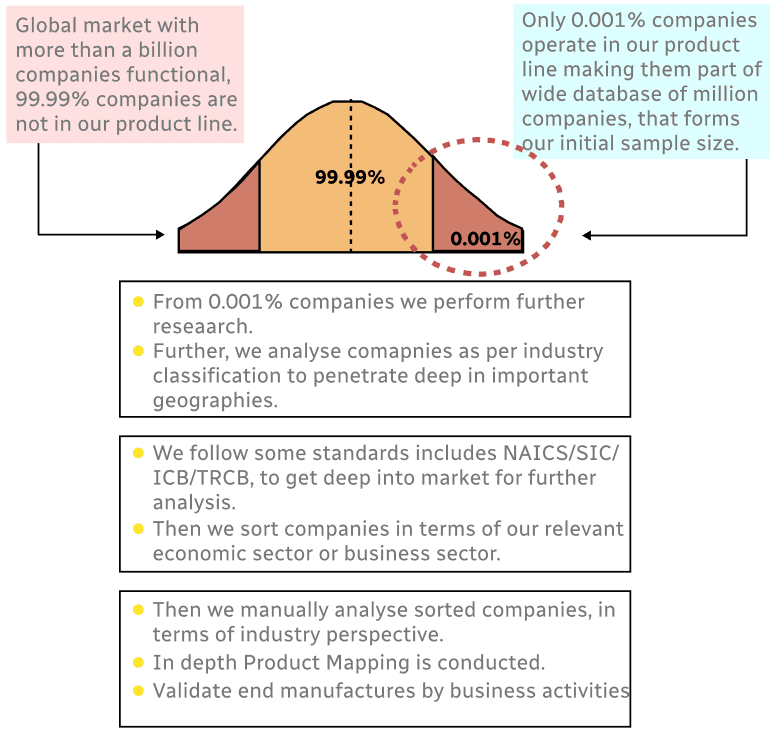
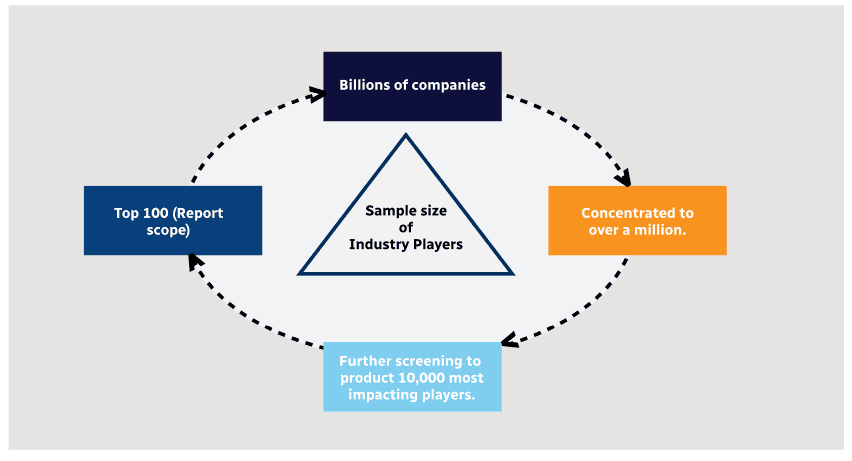
Step 1 - Identification of Relevant Samples Size from Population Database
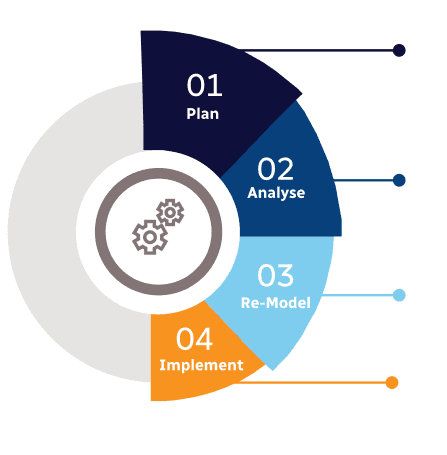
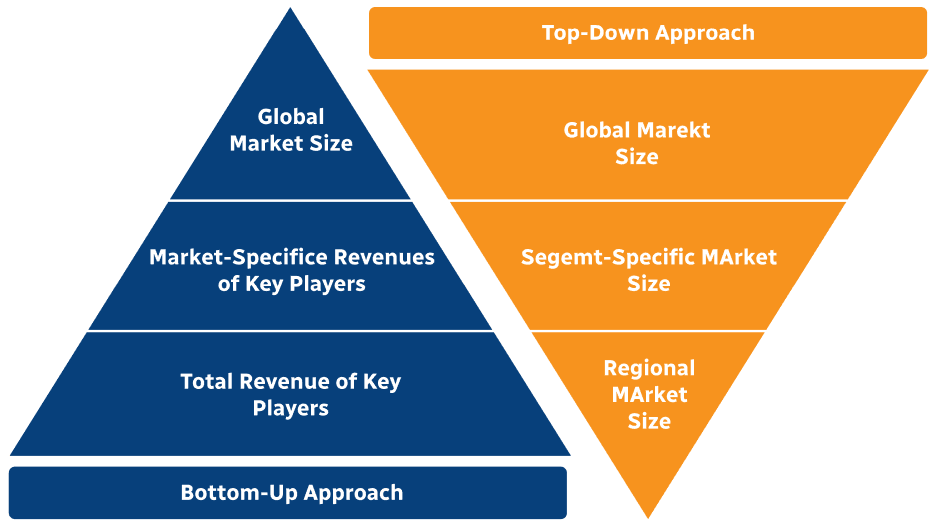
Step 2 - Approaches for Defining Global Market Size (Value, Volume* & Price*)
Note*: In applicable scenarios
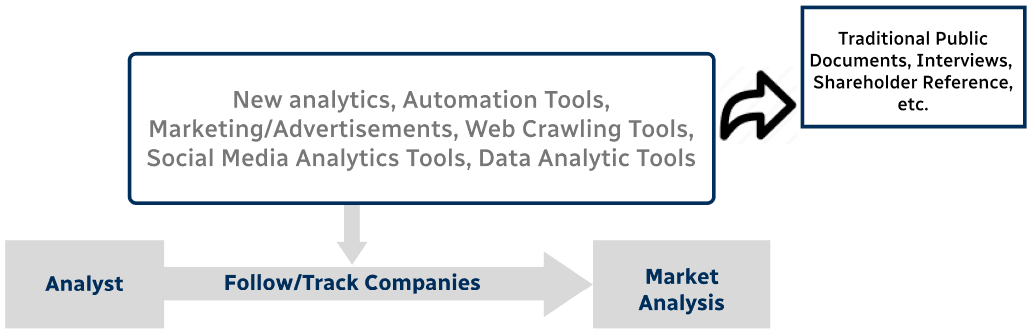
Step 3 - Data Sources
Primary Research
- Web Analytics
- Survey Reports
- Research Institute
- Latest Research Reports
- Opinion Leaders
Secondary Research
- Annual Reports
- White Paper
- Latest Press Release
- Industry Association
- Paid Database
- Investor Presentations
Step 4 - Data Triangulation
Involves using different sources of information in order to increase the validity of a study
These sources are likely to be stakeholders in a program - participants, other researchers, program staff, other community members, and so on.
Then we put all data in single framework & apply various statistical tools to find out the dynamic on the market.
During the analysis stage, feedback from the stakeholder groups would be compared to determine areas of agreement as well as areas of divergence