


Key Insights
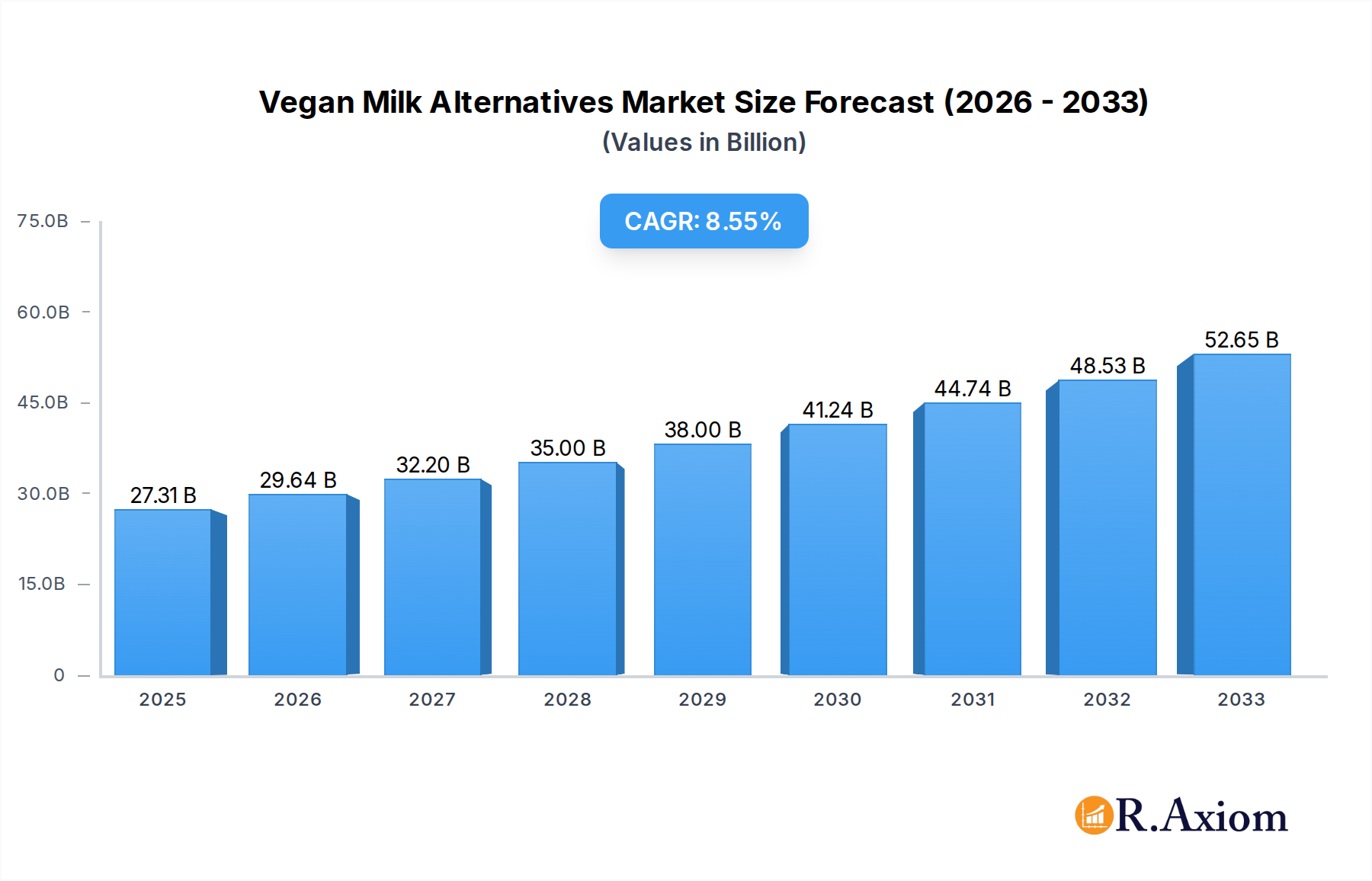
The global Vegan Milk Alternatives market is poised for substantial expansion, projected to reach an estimated $27.31 billion by 2025. This growth is propelled by a robust Compound Annual Growth Rate (CAGR) of 8.63% over the forecast period (2025-2033), signaling a dynamic and evolving industry. This surge is primarily driven by a confluence of factors, including the escalating consumer demand for plant-based diets driven by health consciousness and ethical concerns regarding animal welfare. Furthermore, growing lactose intolerance and dairy allergies are creating a significant market opportunity for vegan milk alternatives as a viable and healthier substitute. The increasing availability of a diverse range of vegan milk options, coupled with innovative product development and wider distribution channels, further fuels market penetration. This burgeoning market is witnessing a significant shift in consumer preferences, with a noticeable inclination towards sustainable and environmentally friendly food choices.
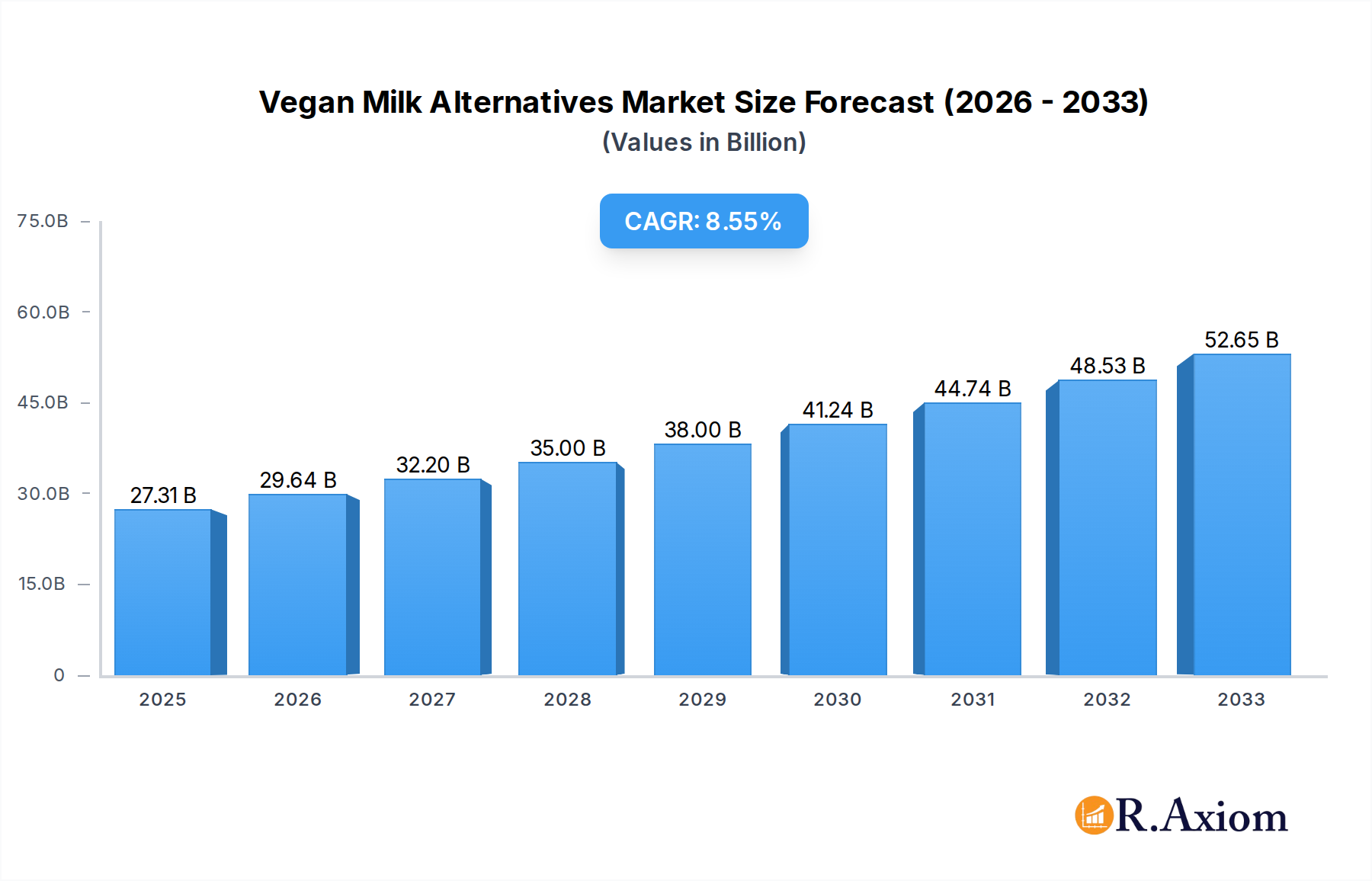
Vegan Milk Alternatives Market Size (In Billion)

The market's segmentation offers a nuanced understanding of its breadth. In terms of applications, Direct Drink segments dominate, reflecting the primary use of these beverages. Confectionery, Bakery, and Ice Cream applications are also exhibiting strong growth as manufacturers increasingly incorporate vegan milk alternatives into their product formulations to cater to a wider consumer base. The "Others" category, encompassing various culinary uses and novel product developments, further demonstrates the versatility of these alternatives. By type, Almond, Soy, and Coconut milk currently hold significant market shares, while Rice and emerging alternatives are gaining traction. Geographically, North America and Europe are leading the market due to well-established vegan trends and high consumer awareness. However, the Asia Pacific region, particularly China and India, is expected to witness the fastest growth, driven by a rising middle class, increasing urbanization, and a growing adoption of Western dietary trends. Key players like Danone, Oatly, and Blue Diamond Growers are actively investing in research and development, strategic partnerships, and expanding their product portfolios to capitalize on these evolving market dynamics.
Vegan Milk Alternatives Company Market Share
This report provides an in-depth analysis of the global vegan milk alternatives market, offering crucial insights for industry stakeholders. Covering the period from 2019 to 2033, with a base year of 2025, this comprehensive study delves into market dynamics, growth drivers, segmentation, competitive landscape, and future opportunities. The vegan milk alternatives market is projected for significant expansion, driven by increasing consumer demand for plant-based products, health consciousness, and environmental sustainability concerns. We forecast a robust CAGR, leading to substantial market value by 2033.
Vegan Milk Alternatives Market Concentration & Innovation
The vegan milk alternatives market exhibits moderate to high concentration, with several large multinational corporations and a growing number of innovative startups vying for market share. Key players like Danone, Blue Diamond Growers, and Oatly hold significant portions of the market. Innovation is a primary driver, fueled by advancements in plant-based protein extraction, flavor profiling, and functional ingredient incorporation. The introduction of novel plant sources beyond traditional soy and almond, such as oat, pea, and rice, continues to expand product portfolios. Regulatory frameworks, while generally supportive of food innovation, are evolving to address labeling and ingredient standards, particularly concerning terms like "milk." Product substitutes from dairy are a constant competitive pressure, but the increasing consumer preference for plant-based options is mitigating this. End-user trends lean towards healthier, more sustainable, and ethically sourced products, directly influencing product development. Mergers and acquisitions (M&A) activities are expected to remain strategic, with companies seeking to expand their product lines, geographical reach, or technological capabilities. For instance, recent M&A deals have seen consolidation of smaller brands or acquisitions by larger food conglomerates looking to tap into the burgeoning plant-based sector, with deal values often reaching billions.
Vegan Milk Alternatives Industry Trends & Insights
The vegan milk alternatives industry is experiencing unprecedented growth, driven by a confluence of powerful market growth drivers. A primary catalyst is the escalating consumer awareness regarding the health benefits associated with plant-based diets, including lower cholesterol, reduced risk of heart disease, and improved digestive health. This awareness is further amplified by growing concerns about the environmental impact of conventional dairy farming, such as greenhouse gas emissions and land/water usage, making vegan milk alternatives a more sustainable choice for a growing segment of the population. Technological disruptions are playing a pivotal role in enhancing the taste, texture, and nutritional profile of plant-based beverages, making them more appealing to a broader consumer base and bridging the gap with dairy milk. Advancements in ingredient processing, such as enzymatic hydrolysis for improved solubility and texture, and the development of novel protein sources, are transforming the product landscape. Consumer preferences are rapidly evolving, with a discernible shift towards premium, functional, and allergen-free options. This includes a demand for milk alternatives fortified with essential vitamins and minerals, as well as those free from common allergens like soy and gluten. The competitive dynamics within the market are intensifying, characterized by aggressive product innovation, strategic marketing campaigns, and price competition. Established dairy giants are also entering the plant-based arena, further intensifying competition and driving market penetration. The global market penetration for vegan milk alternatives is projected to reach xx billion by 2025, with an estimated CAGR of xx% over the forecast period, signifying a substantial upward trajectory.
Dominant Markets & Segments in Vegan Milk Alternatives
The Direct Drink application segment is currently the dominant force in the vegan milk alternatives market, accounting for a substantial portion of global consumption. This dominance is driven by several key factors, including its versatility as a standalone beverage, a base for smoothies, and an ingredient in everyday culinary preparations. Consumers are increasingly opting for direct consumption due to perceived health benefits and the convenience it offers as a dairy-free alternative. The Almond milk segment continues to hold a significant market share within the vegan milk alternatives landscape. Its popularity stems from its mild flavor, low calorie count, and widespread availability. However, the Oat milk segment is rapidly gaining traction and is poised to challenge almond milk for the top spot. Oat milk's creamy texture, neutral taste, and perceived environmental advantages are resonating strongly with consumers, particularly in the foodservice industry. The Soy milk segment, while a long-standing player, is experiencing slower growth compared to newer alternatives, partly due to concerns about allergens and potential hormonal effects among a subset of consumers. Coconut milk, especially in its beverage form, is popular for its rich flavor and creamy texture, finding applications in both direct consumption and culinary uses, particularly in tropical cuisines. The Rice milk segment, while a viable option for those with nut and soy allergies, generally offers a thinner consistency and sweeter taste, limiting its widespread appeal compared to other alternatives. The market's regional dominance is observed in North America and Europe, owing to higher disposable incomes, greater consumer awareness of plant-based diets, and robust distribution networks. Economic policies supporting sustainable agriculture and food innovation further bolster these regions. Infrastructure supporting the production and distribution of plant-based ingredients is well-established, facilitating market penetration.
Vegan Milk Alternatives Product Developments
Product innovation in vegan milk alternatives is characterized by a continuous drive towards improving taste, texture, and nutritional value. Companies are focusing on developing novel blends of plant-based sources to achieve superior sensory experiences and comprehensive nutritional profiles. Innovations include the introduction of protein-rich alternatives derived from peas, hemp, and fava beans, catering to the growing demand for muscle health and satiety. Furthermore, a focus on clean labeling, with fewer artificial ingredients and a commitment to non-GMO and organic sourcing, is a key market trend. Companies are also developing specialized products for specific applications, such as barista-grade oat milk for coffee shops, and unsweetened or low-sugar variants for health-conscious consumers. These advancements aim to enhance product appeal, broaden market reach, and create distinct competitive advantages by offering unique value propositions.
Vegan Milk Alternatives Market Scope & Segmentation Analysis
The vegan milk alternatives market is segmented across various applications and types, offering a diverse range of products to meet specific consumer needs. The Direct Drink segment is projected to maintain its leading position due to its high consumption volume and broad appeal. Confectionery and Bakery applications are experiencing steady growth as manufacturers increasingly incorporate plant-based milk alternatives to cater to vegan and lactose-intolerant consumers. The Ice Cream segment is also witnessing a significant surge in demand for plant-based options. Within product Types, Almond milk, despite facing competition, is expected to retain a substantial market share. Soy milk will continue to be a significant player, particularly in regions where it has established a strong consumer base. Coconut milk is expected to see robust growth, driven by its unique flavor and versatility. Oat milk is predicted to experience the highest growth rate, challenging existing market leaders. The Others category, encompassing rice, pea, hemp, and other emerging plant-based sources, is also poised for expansion as innovation introduces novel alternatives to the market.
Key Drivers of Vegan Milk Alternatives Growth
Several key drivers are propelling the growth of the vegan milk alternatives market. Firstly, the escalating health consciousness among consumers worldwide, coupled with a rising prevalence of lactose intolerance and dairy allergies, is creating a sustained demand for dairy-free alternatives. Secondly, growing environmental concerns, including the significant carbon footprint of traditional dairy farming, are pushing consumers towards more sustainable plant-based options. Thirdly, technological advancements in food processing and ingredient science are leading to improved taste, texture, and nutritional profiles of vegan milk alternatives, making them increasingly competitive with dairy milk. Finally, evolving consumer lifestyles, including the adoption of flexitarian, vegetarian, and vegan diets, are directly contributing to the expansion of this market.
Challenges in the Vegan Milk Alternatives Sector
Despite robust growth, the vegan milk alternatives sector faces several challenges. Price sensitivity remains a significant barrier, as plant-based alternatives are often priced higher than conventional dairy milk, limiting affordability for some consumer segments. Ensuring consistent quality and taste across a wide range of products and brands can be challenging, leading to potential consumer disappointment. Furthermore, the supply chain for some novel plant-based ingredients can be complex and subject to fluctuations, impacting availability and cost. Intense competition from established dairy brands entering the plant-based market and the emergence of new startups can also exert downward pressure on pricing and profit margins. Regulatory hurdles related to labeling and product definitions can also create complexities for manufacturers.
Emerging Opportunities in Vegan Milk Alternatives
Emerging opportunities within the vegan milk alternatives market are vast and diverse. The expansion into developing economies, where awareness and adoption of plant-based diets are on the rise, presents significant untapped potential. Innovations in protein fortification and functional ingredients offer avenues for premiumization and niche market development, catering to specific dietary needs like sports nutrition or gut health. The increasing demand for sustainable and ethically sourced ingredients creates opportunities for brands emphasizing transparency and environmental responsibility in their supply chains. Furthermore, the growing popularity of oat milk and other novel plant sources like pea and hemp indicates a continuous consumer appetite for variety and innovation, paving the way for further diversification of product offerings.
Leading Players in the Vegan Milk Alternatives Market
Earth’s Own Food Company, Blue Diamond Growers, Danone, Oatly, Califia Farms, Organic Valley, Campbell Soup Company, Elmhurst Milked Direct, SunOpta, Ripple Foods, Living Harvest Foods, Panos Brands, Craze Foods, Kikkoman Corporation.
Key Developments in Vegan Milk Alternatives Industry
- 2023: Oatly launched a new line of premium oat milk products with enhanced creaminess and flavor profiles, targeting the foodservice industry.
- 2023: Ripple Foods expanded its pea protein-based milk alternative offerings with new flavored options and larger format packaging.
- 2022: Danone acquired a significant stake in a leading almond milk producer, further consolidating its position in the plant-based beverage market.
- 2022: Califia Farms introduced a new range of cold-brew coffee drinks featuring their plant-based milk bases, capitalizing on the ready-to-drink coffee trend.
- 2021: Blue Diamond Growers invested heavily in research and development to enhance the taste and texture of their almond milk products, focusing on reducing water usage in production.
Strategic Outlook for Vegan Milk Alternatives Market
The strategic outlook for the vegan milk alternatives market remains exceptionally positive, driven by persistent consumer demand for healthier, more sustainable, and ethically produced food options. Key growth catalysts include continuous product innovation, with a focus on enhancing taste, texture, and nutritional completeness, making plant-based options increasingly indistinguishable from dairy. Expanding into new geographic markets, particularly in Asia and Latin America, offers substantial growth potential as consumer awareness and acceptance of plant-based diets rise. Strategic partnerships and collaborations between ingredient suppliers, manufacturers, and retailers will be crucial for optimizing supply chains and distribution networks. Furthermore, the growing emphasis on clean labeling and functional benefits will enable brands to command premium pricing and build stronger consumer loyalty, solidifying the long-term growth trajectory of this dynamic market.
Vegan Milk Alternatives Segmentation
-
1. Application
- 1.1. Direct Drink
- 1.2. Confectionery
- 1.3. Bakery
- 1.4. Ice Cream
- 1.5. Others
-
2. Types
- 2.1. Almond
- 2.2. Soy
- 2.3. Coconut
- 2.4. Rice
- 2.5. Others
Vegan Milk Alternatives Segmentation By Geography
-
1. North America
- 1.1. United States
- 1.2. Canada
- 1.3. Mexico
-
2. South America
- 2.1. Brazil
- 2.2. Argentina
- 2.3. Rest of South America
-
3. Europe
- 3.1. United Kingdom
- 3.2. Germany
- 3.3. France
- 3.4. Italy
- 3.5. Spain
- 3.6. Russia
- 3.7. Benelux
- 3.8. Nordics
- 3.9. Rest of Europe
-
4. Middle East & Africa
- 4.1. Turkey
- 4.2. Israel
- 4.3. GCC
- 4.4. North Africa
- 4.5. South Africa
- 4.6. Rest of Middle East & Africa
-
5. Asia Pacific
- 5.1. China
- 5.2. India
- 5.3. Japan
- 5.4. South Korea
- 5.5. ASEAN
- 5.6. Oceania
- 5.7. Rest of Asia Pacific
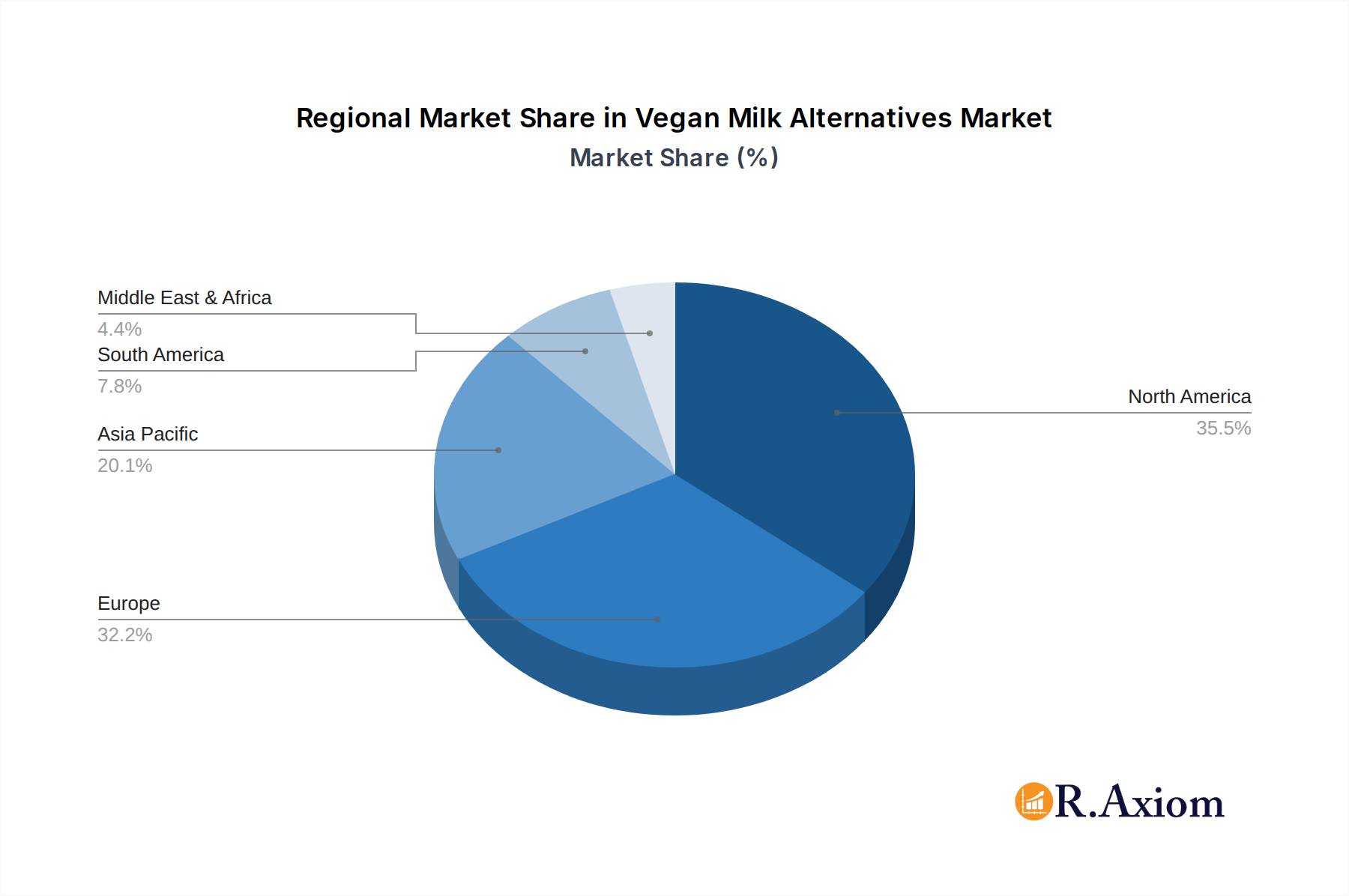
Vegan Milk Alternatives Regional Market Share
Geographic Coverage of Vegan Milk Alternatives
Vegan Milk Alternatives REPORT HIGHLIGHTS
| Aspects | Details |
|---|---|
| Study Period | 2020-2034 |
| Base Year | 2025 |
| Estimated Year | 2026 |
| Forecast Period | 2026-2034 |
| Historical Period | 2020-2025 |
| Growth Rate | CAGR of 8.63% from 2020-2034 |
| Segmentation |
|
Table of Contents
- 1. Introduction
- 1.1. Research Scope
- 1.2. Market Segmentation
- 1.3. Research Methodology
- 1.4. Definitions and Assumptions
- 2. Executive Summary
- 2.1. Introduction
- 3. Market Dynamics
- 3.1. Introduction
- 3.2. Market Drivers
- 3.3. Market Restrains
- 3.4. Market Trends
- 4. Market Factor Analysis
- 4.1. Porters Five Forces
- 4.2. Supply/Value Chain
- 4.3. PESTEL analysis
- 4.4. Market Entropy
- 4.5. Patent/Trademark Analysis
- 5. Global Vegan Milk Alternatives Analysis, Insights and Forecast, 2020-2032
- 5.1. Market Analysis, Insights and Forecast - by Application
- 5.1.1. Direct Drink
- 5.1.2. Confectionery
- 5.1.3. Bakery
- 5.1.4. Ice Cream
- 5.1.5. Others
- 5.2. Market Analysis, Insights and Forecast - by Types
- 5.2.1. Almond
- 5.2.2. Soy
- 5.2.3. Coconut
- 5.2.4. Rice
- 5.2.5. Others
- 5.3. Market Analysis, Insights and Forecast - by Region
- 5.3.1. North America
- 5.3.2. South America
- 5.3.3. Europe
- 5.3.4. Middle East & Africa
- 5.3.5. Asia Pacific
- 5.1. Market Analysis, Insights and Forecast - by Application
- 6. North America Vegan Milk Alternatives Analysis, Insights and Forecast, 2020-2032
- 6.1. Market Analysis, Insights and Forecast - by Application
- 6.1.1. Direct Drink
- 6.1.2. Confectionery
- 6.1.3. Bakery
- 6.1.4. Ice Cream
- 6.1.5. Others
- 6.2. Market Analysis, Insights and Forecast - by Types
- 6.2.1. Almond
- 6.2.2. Soy
- 6.2.3. Coconut
- 6.2.4. Rice
- 6.2.5. Others
- 6.1. Market Analysis, Insights and Forecast - by Application
- 7. South America Vegan Milk Alternatives Analysis, Insights and Forecast, 2020-2032
- 7.1. Market Analysis, Insights and Forecast - by Application
- 7.1.1. Direct Drink
- 7.1.2. Confectionery
- 7.1.3. Bakery
- 7.1.4. Ice Cream
- 7.1.5. Others
- 7.2. Market Analysis, Insights and Forecast - by Types
- 7.2.1. Almond
- 7.2.2. Soy
- 7.2.3. Coconut
- 7.2.4. Rice
- 7.2.5. Others
- 7.1. Market Analysis, Insights and Forecast - by Application
- 8. Europe Vegan Milk Alternatives Analysis, Insights and Forecast, 2020-2032
- 8.1. Market Analysis, Insights and Forecast - by Application
- 8.1.1. Direct Drink
- 8.1.2. Confectionery
- 8.1.3. Bakery
- 8.1.4. Ice Cream
- 8.1.5. Others
- 8.2. Market Analysis, Insights and Forecast - by Types
- 8.2.1. Almond
- 8.2.2. Soy
- 8.2.3. Coconut
- 8.2.4. Rice
- 8.2.5. Others
- 8.1. Market Analysis, Insights and Forecast - by Application
- 9. Middle East & Africa Vegan Milk Alternatives Analysis, Insights and Forecast, 2020-2032
- 9.1. Market Analysis, Insights and Forecast - by Application
- 9.1.1. Direct Drink
- 9.1.2. Confectionery
- 9.1.3. Bakery
- 9.1.4. Ice Cream
- 9.1.5. Others
- 9.2. Market Analysis, Insights and Forecast - by Types
- 9.2.1. Almond
- 9.2.2. Soy
- 9.2.3. Coconut
- 9.2.4. Rice
- 9.2.5. Others
- 9.1. Market Analysis, Insights and Forecast - by Application
- 10. Asia Pacific Vegan Milk Alternatives Analysis, Insights and Forecast, 2020-2032
- 10.1. Market Analysis, Insights and Forecast - by Application
- 10.1.1. Direct Drink
- 10.1.2. Confectionery
- 10.1.3. Bakery
- 10.1.4. Ice Cream
- 10.1.5. Others
- 10.2. Market Analysis, Insights and Forecast - by Types
- 10.2.1. Almond
- 10.2.2. Soy
- 10.2.3. Coconut
- 10.2.4. Rice
- 10.2.5. Others
- 10.1. Market Analysis, Insights and Forecast - by Application
- 11. Competitive Analysis
- 11.1. Global Market Share Analysis 2025
- 11.2. Company Profiles
- 11.2.1 Earth’s Own Food Company
- 11.2.1.1. Overview
- 11.2.1.2. Products
- 11.2.1.3. SWOT Analysis
- 11.2.1.4. Recent Developments
- 11.2.1.5. Financials (Based on Availability)
- 11.2.2 Blue Diamond Growers
- 11.2.2.1. Overview
- 11.2.2.2. Products
- 11.2.2.3. SWOT Analysis
- 11.2.2.4. Recent Developments
- 11.2.2.5. Financials (Based on Availability)
- 11.2.3 Danone
- 11.2.3.1. Overview
- 11.2.3.2. Products
- 11.2.3.3. SWOT Analysis
- 11.2.3.4. Recent Developments
- 11.2.3.5. Financials (Based on Availability)
- 11.2.4 Oatly
- 11.2.4.1. Overview
- 11.2.4.2. Products
- 11.2.4.3. SWOT Analysis
- 11.2.4.4. Recent Developments
- 11.2.4.5. Financials (Based on Availability)
- 11.2.5 Califia Farms
- 11.2.5.1. Overview
- 11.2.5.2. Products
- 11.2.5.3. SWOT Analysis
- 11.2.5.4. Recent Developments
- 11.2.5.5. Financials (Based on Availability)
- 11.2.6 Organic Valley
- 11.2.6.1. Overview
- 11.2.6.2. Products
- 11.2.6.3. SWOT Analysis
- 11.2.6.4. Recent Developments
- 11.2.6.5. Financials (Based on Availability)
- 11.2.7 Campbell Soup Company
- 11.2.7.1. Overview
- 11.2.7.2. Products
- 11.2.7.3. SWOT Analysis
- 11.2.7.4. Recent Developments
- 11.2.7.5. Financials (Based on Availability)
- 11.2.8 Elmhurst Milked Direct
- 11.2.8.1. Overview
- 11.2.8.2. Products
- 11.2.8.3. SWOT Analysis
- 11.2.8.4. Recent Developments
- 11.2.8.5. Financials (Based on Availability)
- 11.2.9 SunOpta
- 11.2.9.1. Overview
- 11.2.9.2. Products
- 11.2.9.3. SWOT Analysis
- 11.2.9.4. Recent Developments
- 11.2.9.5. Financials (Based on Availability)
- 11.2.10 Ripple Foods
- 11.2.10.1. Overview
- 11.2.10.2. Products
- 11.2.10.3. SWOT Analysis
- 11.2.10.4. Recent Developments
- 11.2.10.5. Financials (Based on Availability)
- 11.2.11 Living Harvest Foods
- 11.2.11.1. Overview
- 11.2.11.2. Products
- 11.2.11.3. SWOT Analysis
- 11.2.11.4. Recent Developments
- 11.2.11.5. Financials (Based on Availability)
- 11.2.12 Panos Brands
- 11.2.12.1. Overview
- 11.2.12.2. Products
- 11.2.12.3. SWOT Analysis
- 11.2.12.4. Recent Developments
- 11.2.12.5. Financials (Based on Availability)
- 11.2.13 Craze Foods
- 11.2.13.1. Overview
- 11.2.13.2. Products
- 11.2.13.3. SWOT Analysis
- 11.2.13.4. Recent Developments
- 11.2.13.5. Financials (Based on Availability)
- 11.2.14 Kikkoman Corporation
- 11.2.14.1. Overview
- 11.2.14.2. Products
- 11.2.14.3. SWOT Analysis
- 11.2.14.4. Recent Developments
- 11.2.14.5. Financials (Based on Availability)
- 11.2.1 Earth’s Own Food Company
List of Figures
- Figure 1: Global Vegan Milk Alternatives Revenue Breakdown (billion, %) by Region 2025 & 2033
- Figure 2: Global Vegan Milk Alternatives Volume Breakdown (K, %) by Region 2025 & 2033
- Figure 3: North America Vegan Milk Alternatives Revenue (billion), by Application 2025 & 2033
- Figure 4: North America Vegan Milk Alternatives Volume (K), by Application 2025 & 2033
- Figure 5: North America Vegan Milk Alternatives Revenue Share (%), by Application 2025 & 2033
- Figure 6: North America Vegan Milk Alternatives Volume Share (%), by Application 2025 & 2033
- Figure 7: North America Vegan Milk Alternatives Revenue (billion), by Types 2025 & 2033
- Figure 8: North America Vegan Milk Alternatives Volume (K), by Types 2025 & 2033
- Figure 9: North America Vegan Milk Alternatives Revenue Share (%), by Types 2025 & 2033
- Figure 10: North America Vegan Milk Alternatives Volume Share (%), by Types 2025 & 2033
- Figure 11: North America Vegan Milk Alternatives Revenue (billion), by Country 2025 & 2033
- Figure 12: North America Vegan Milk Alternatives Volume (K), by Country 2025 & 2033
- Figure 13: North America Vegan Milk Alternatives Revenue Share (%), by Country 2025 & 2033
- Figure 14: North America Vegan Milk Alternatives Volume Share (%), by Country 2025 & 2033
- Figure 15: South America Vegan Milk Alternatives Revenue (billion), by Application 2025 & 2033
- Figure 16: South America Vegan Milk Alternatives Volume (K), by Application 2025 & 2033
- Figure 17: South America Vegan Milk Alternatives Revenue Share (%), by Application 2025 & 2033
- Figure 18: South America Vegan Milk Alternatives Volume Share (%), by Application 2025 & 2033
- Figure 19: South America Vegan Milk Alternatives Revenue (billion), by Types 2025 & 2033
- Figure 20: South America Vegan Milk Alternatives Volume (K), by Types 2025 & 2033
- Figure 21: South America Vegan Milk Alternatives Revenue Share (%), by Types 2025 & 2033
- Figure 22: South America Vegan Milk Alternatives Volume Share (%), by Types 2025 & 2033
- Figure 23: South America Vegan Milk Alternatives Revenue (billion), by Country 2025 & 2033
- Figure 24: South America Vegan Milk Alternatives Volume (K), by Country 2025 & 2033
- Figure 25: South America Vegan Milk Alternatives Revenue Share (%), by Country 2025 & 2033
- Figure 26: South America Vegan Milk Alternatives Volume Share (%), by Country 2025 & 2033
- Figure 27: Europe Vegan Milk Alternatives Revenue (billion), by Application 2025 & 2033
- Figure 28: Europe Vegan Milk Alternatives Volume (K), by Application 2025 & 2033
- Figure 29: Europe Vegan Milk Alternatives Revenue Share (%), by Application 2025 & 2033
- Figure 30: Europe Vegan Milk Alternatives Volume Share (%), by Application 2025 & 2033
- Figure 31: Europe Vegan Milk Alternatives Revenue (billion), by Types 2025 & 2033
- Figure 32: Europe Vegan Milk Alternatives Volume (K), by Types 2025 & 2033
- Figure 33: Europe Vegan Milk Alternatives Revenue Share (%), by Types 2025 & 2033
- Figure 34: Europe Vegan Milk Alternatives Volume Share (%), by Types 2025 & 2033
- Figure 35: Europe Vegan Milk Alternatives Revenue (billion), by Country 2025 & 2033
- Figure 36: Europe Vegan Milk Alternatives Volume (K), by Country 2025 & 2033
- Figure 37: Europe Vegan Milk Alternatives Revenue Share (%), by Country 2025 & 2033
- Figure 38: Europe Vegan Milk Alternatives Volume Share (%), by Country 2025 & 2033
- Figure 39: Middle East & Africa Vegan Milk Alternatives Revenue (billion), by Application 2025 & 2033
- Figure 40: Middle East & Africa Vegan Milk Alternatives Volume (K), by Application 2025 & 2033
- Figure 41: Middle East & Africa Vegan Milk Alternatives Revenue Share (%), by Application 2025 & 2033
- Figure 42: Middle East & Africa Vegan Milk Alternatives Volume Share (%), by Application 2025 & 2033
- Figure 43: Middle East & Africa Vegan Milk Alternatives Revenue (billion), by Types 2025 & 2033
- Figure 44: Middle East & Africa Vegan Milk Alternatives Volume (K), by Types 2025 & 2033
- Figure 45: Middle East & Africa Vegan Milk Alternatives Revenue Share (%), by Types 2025 & 2033
- Figure 46: Middle East & Africa Vegan Milk Alternatives Volume Share (%), by Types 2025 & 2033
- Figure 47: Middle East & Africa Vegan Milk Alternatives Revenue (billion), by Country 2025 & 2033
- Figure 48: Middle East & Africa Vegan Milk Alternatives Volume (K), by Country 2025 & 2033
- Figure 49: Middle East & Africa Vegan Milk Alternatives Revenue Share (%), by Country 2025 & 2033
- Figure 50: Middle East & Africa Vegan Milk Alternatives Volume Share (%), by Country 2025 & 2033
- Figure 51: Asia Pacific Vegan Milk Alternatives Revenue (billion), by Application 2025 & 2033
- Figure 52: Asia Pacific Vegan Milk Alternatives Volume (K), by Application 2025 & 2033
- Figure 53: Asia Pacific Vegan Milk Alternatives Revenue Share (%), by Application 2025 & 2033
- Figure 54: Asia Pacific Vegan Milk Alternatives Volume Share (%), by Application 2025 & 2033
- Figure 55: Asia Pacific Vegan Milk Alternatives Revenue (billion), by Types 2025 & 2033
- Figure 56: Asia Pacific Vegan Milk Alternatives Volume (K), by Types 2025 & 2033
- Figure 57: Asia Pacific Vegan Milk Alternatives Revenue Share (%), by Types 2025 & 2033
- Figure 58: Asia Pacific Vegan Milk Alternatives Volume Share (%), by Types 2025 & 2033
- Figure 59: Asia Pacific Vegan Milk Alternatives Revenue (billion), by Country 2025 & 2033
- Figure 60: Asia Pacific Vegan Milk Alternatives Volume (K), by Country 2025 & 2033
- Figure 61: Asia Pacific Vegan Milk Alternatives Revenue Share (%), by Country 2025 & 2033
- Figure 62: Asia Pacific Vegan Milk Alternatives Volume Share (%), by Country 2025 & 2033
List of Tables
- Table 1: Global Vegan Milk Alternatives Revenue billion Forecast, by Application 2020 & 2033
- Table 2: Global Vegan Milk Alternatives Volume K Forecast, by Application 2020 & 2033
- Table 3: Global Vegan Milk Alternatives Revenue billion Forecast, by Types 2020 & 2033
- Table 4: Global Vegan Milk Alternatives Volume K Forecast, by Types 2020 & 2033
- Table 5: Global Vegan Milk Alternatives Revenue billion Forecast, by Region 2020 & 2033
- Table 6: Global Vegan Milk Alternatives Volume K Forecast, by Region 2020 & 2033
- Table 7: Global Vegan Milk Alternatives Revenue billion Forecast, by Application 2020 & 2033
- Table 8: Global Vegan Milk Alternatives Volume K Forecast, by Application 2020 & 2033
- Table 9: Global Vegan Milk Alternatives Revenue billion Forecast, by Types 2020 & 2033
- Table 10: Global Vegan Milk Alternatives Volume K Forecast, by Types 2020 & 2033
- Table 11: Global Vegan Milk Alternatives Revenue billion Forecast, by Country 2020 & 2033
- Table 12: Global Vegan Milk Alternatives Volume K Forecast, by Country 2020 & 2033
- Table 13: United States Vegan Milk Alternatives Revenue (billion) Forecast, by Application 2020 & 2033
- Table 14: United States Vegan Milk Alternatives Volume (K) Forecast, by Application 2020 & 2033
- Table 15: Canada Vegan Milk Alternatives Revenue (billion) Forecast, by Application 2020 & 2033
- Table 16: Canada Vegan Milk Alternatives Volume (K) Forecast, by Application 2020 & 2033
- Table 17: Mexico Vegan Milk Alternatives Revenue (billion) Forecast, by Application 2020 & 2033
- Table 18: Mexico Vegan Milk Alternatives Volume (K) Forecast, by Application 2020 & 2033
- Table 19: Global Vegan Milk Alternatives Revenue billion Forecast, by Application 2020 & 2033
- Table 20: Global Vegan Milk Alternatives Volume K Forecast, by Application 2020 & 2033
- Table 21: Global Vegan Milk Alternatives Revenue billion Forecast, by Types 2020 & 2033
- Table 22: Global Vegan Milk Alternatives Volume K Forecast, by Types 2020 & 2033
- Table 23: Global Vegan Milk Alternatives Revenue billion Forecast, by Country 2020 & 2033
- Table 24: Global Vegan Milk Alternatives Volume K Forecast, by Country 2020 & 2033
- Table 25: Brazil Vegan Milk Alternatives Revenue (billion) Forecast, by Application 2020 & 2033
- Table 26: Brazil Vegan Milk Alternatives Volume (K) Forecast, by Application 2020 & 2033
- Table 27: Argentina Vegan Milk Alternatives Revenue (billion) Forecast, by Application 2020 & 2033
- Table 28: Argentina Vegan Milk Alternatives Volume (K) Forecast, by Application 2020 & 2033
- Table 29: Rest of South America Vegan Milk Alternatives Revenue (billion) Forecast, by Application 2020 & 2033
- Table 30: Rest of South America Vegan Milk Alternatives Volume (K) Forecast, by Application 2020 & 2033
- Table 31: Global Vegan Milk Alternatives Revenue billion Forecast, by Application 2020 & 2033
- Table 32: Global Vegan Milk Alternatives Volume K Forecast, by Application 2020 & 2033
- Table 33: Global Vegan Milk Alternatives Revenue billion Forecast, by Types 2020 & 2033
- Table 34: Global Vegan Milk Alternatives Volume K Forecast, by Types 2020 & 2033
- Table 35: Global Vegan Milk Alternatives Revenue billion Forecast, by Country 2020 & 2033
- Table 36: Global Vegan Milk Alternatives Volume K Forecast, by Country 2020 & 2033
- Table 37: United Kingdom Vegan Milk Alternatives Revenue (billion) Forecast, by Application 2020 & 2033
- Table 38: United Kingdom Vegan Milk Alternatives Volume (K) Forecast, by Application 2020 & 2033
- Table 39: Germany Vegan Milk Alternatives Revenue (billion) Forecast, by Application 2020 & 2033
- Table 40: Germany Vegan Milk Alternatives Volume (K) Forecast, by Application 2020 & 2033
- Table 41: France Vegan Milk Alternatives Revenue (billion) Forecast, by Application 2020 & 2033
- Table 42: France Vegan Milk Alternatives Volume (K) Forecast, by Application 2020 & 2033
- Table 43: Italy Vegan Milk Alternatives Revenue (billion) Forecast, by Application 2020 & 2033
- Table 44: Italy Vegan Milk Alternatives Volume (K) Forecast, by Application 2020 & 2033
- Table 45: Spain Vegan Milk Alternatives Revenue (billion) Forecast, by Application 2020 & 2033
- Table 46: Spain Vegan Milk Alternatives Volume (K) Forecast, by Application 2020 & 2033
- Table 47: Russia Vegan Milk Alternatives Revenue (billion) Forecast, by Application 2020 & 2033
- Table 48: Russia Vegan Milk Alternatives Volume (K) Forecast, by Application 2020 & 2033
- Table 49: Benelux Vegan Milk Alternatives Revenue (billion) Forecast, by Application 2020 & 2033
- Table 50: Benelux Vegan Milk Alternatives Volume (K) Forecast, by Application 2020 & 2033
- Table 51: Nordics Vegan Milk Alternatives Revenue (billion) Forecast, by Application 2020 & 2033
- Table 52: Nordics Vegan Milk Alternatives Volume (K) Forecast, by Application 2020 & 2033
- Table 53: Rest of Europe Vegan Milk Alternatives Revenue (billion) Forecast, by Application 2020 & 2033
- Table 54: Rest of Europe Vegan Milk Alternatives Volume (K) Forecast, by Application 2020 & 2033
- Table 55: Global Vegan Milk Alternatives Revenue billion Forecast, by Application 2020 & 2033
- Table 56: Global Vegan Milk Alternatives Volume K Forecast, by Application 2020 & 2033
- Table 57: Global Vegan Milk Alternatives Revenue billion Forecast, by Types 2020 & 2033
- Table 58: Global Vegan Milk Alternatives Volume K Forecast, by Types 2020 & 2033
- Table 59: Global Vegan Milk Alternatives Revenue billion Forecast, by Country 2020 & 2033
- Table 60: Global Vegan Milk Alternatives Volume K Forecast, by Country 2020 & 2033
- Table 61: Turkey Vegan Milk Alternatives Revenue (billion) Forecast, by Application 2020 & 2033
- Table 62: Turkey Vegan Milk Alternatives Volume (K) Forecast, by Application 2020 & 2033
- Table 63: Israel Vegan Milk Alternatives Revenue (billion) Forecast, by Application 2020 & 2033
- Table 64: Israel Vegan Milk Alternatives Volume (K) Forecast, by Application 2020 & 2033
- Table 65: GCC Vegan Milk Alternatives Revenue (billion) Forecast, by Application 2020 & 2033
- Table 66: GCC Vegan Milk Alternatives Volume (K) Forecast, by Application 2020 & 2033
- Table 67: North Africa Vegan Milk Alternatives Revenue (billion) Forecast, by Application 2020 & 2033
- Table 68: North Africa Vegan Milk Alternatives Volume (K) Forecast, by Application 2020 & 2033
- Table 69: South Africa Vegan Milk Alternatives Revenue (billion) Forecast, by Application 2020 & 2033
- Table 70: South Africa Vegan Milk Alternatives Volume (K) Forecast, by Application 2020 & 2033
- Table 71: Rest of Middle East & Africa Vegan Milk Alternatives Revenue (billion) Forecast, by Application 2020 & 2033
- Table 72: Rest of Middle East & Africa Vegan Milk Alternatives Volume (K) Forecast, by Application 2020 & 2033
- Table 73: Global Vegan Milk Alternatives Revenue billion Forecast, by Application 2020 & 2033
- Table 74: Global Vegan Milk Alternatives Volume K Forecast, by Application 2020 & 2033
- Table 75: Global Vegan Milk Alternatives Revenue billion Forecast, by Types 2020 & 2033
- Table 76: Global Vegan Milk Alternatives Volume K Forecast, by Types 2020 & 2033
- Table 77: Global Vegan Milk Alternatives Revenue billion Forecast, by Country 2020 & 2033
- Table 78: Global Vegan Milk Alternatives Volume K Forecast, by Country 2020 & 2033
- Table 79: China Vegan Milk Alternatives Revenue (billion) Forecast, by Application 2020 & 2033
- Table 80: China Vegan Milk Alternatives Volume (K) Forecast, by Application 2020 & 2033
- Table 81: India Vegan Milk Alternatives Revenue (billion) Forecast, by Application 2020 & 2033
- Table 82: India Vegan Milk Alternatives Volume (K) Forecast, by Application 2020 & 2033
- Table 83: Japan Vegan Milk Alternatives Revenue (billion) Forecast, by Application 2020 & 2033
- Table 84: Japan Vegan Milk Alternatives Volume (K) Forecast, by Application 2020 & 2033
- Table 85: South Korea Vegan Milk Alternatives Revenue (billion) Forecast, by Application 2020 & 2033
- Table 86: South Korea Vegan Milk Alternatives Volume (K) Forecast, by Application 2020 & 2033
- Table 87: ASEAN Vegan Milk Alternatives Revenue (billion) Forecast, by Application 2020 & 2033
- Table 88: ASEAN Vegan Milk Alternatives Volume (K) Forecast, by Application 2020 & 2033
- Table 89: Oceania Vegan Milk Alternatives Revenue (billion) Forecast, by Application 2020 & 2033
- Table 90: Oceania Vegan Milk Alternatives Volume (K) Forecast, by Application 2020 & 2033
- Table 91: Rest of Asia Pacific Vegan Milk Alternatives Revenue (billion) Forecast, by Application 2020 & 2033
- Table 92: Rest of Asia Pacific Vegan Milk Alternatives Volume (K) Forecast, by Application 2020 & 2033
Frequently Asked Questions
1. What is the projected Compound Annual Growth Rate (CAGR) of the Vegan Milk Alternatives?
The projected CAGR is approximately 8.63%.
2. Which companies are prominent players in the Vegan Milk Alternatives?
Key companies in the market include Earth’s Own Food Company, Blue Diamond Growers, Danone, Oatly, Califia Farms, Organic Valley, Campbell Soup Company, Elmhurst Milked Direct, SunOpta, Ripple Foods, Living Harvest Foods, Panos Brands, Craze Foods, Kikkoman Corporation.
3. What are the main segments of the Vegan Milk Alternatives?
The market segments include Application, Types.
4. Can you provide details about the market size?
The market size is estimated to be USD 27.31 billion as of 2022.
5. What are some drivers contributing to market growth?
N/A
6. What are the notable trends driving market growth?
N/A
7. Are there any restraints impacting market growth?
N/A
8. Can you provide examples of recent developments in the market?
N/A
9. What pricing options are available for accessing the report?
Pricing options include single-user, multi-user, and enterprise licenses priced at USD 3350.00, USD 5025.00, and USD 6700.00 respectively.
10. Is the market size provided in terms of value or volume?
The market size is provided in terms of value, measured in billion and volume, measured in K.
11. Are there any specific market keywords associated with the report?
Yes, the market keyword associated with the report is "Vegan Milk Alternatives," which aids in identifying and referencing the specific market segment covered.
12. How do I determine which pricing option suits my needs best?
The pricing options vary based on user requirements and access needs. Individual users may opt for single-user licenses, while businesses requiring broader access may choose multi-user or enterprise licenses for cost-effective access to the report.
13. Are there any additional resources or data provided in the Vegan Milk Alternatives report?
While the report offers comprehensive insights, it's advisable to review the specific contents or supplementary materials provided to ascertain if additional resources or data are available.
14. How can I stay updated on further developments or reports in the Vegan Milk Alternatives?
To stay informed about further developments, trends, and reports in the Vegan Milk Alternatives, consider subscribing to industry newsletters, following relevant companies and organizations, or regularly checking reputable industry news sources and publications.
Methodology
Step 1 - Identification of Relevant Samples Size from Population Database
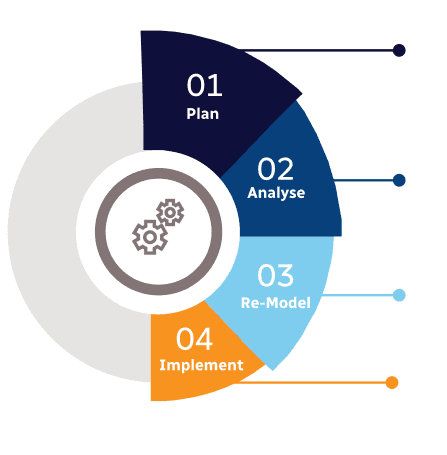
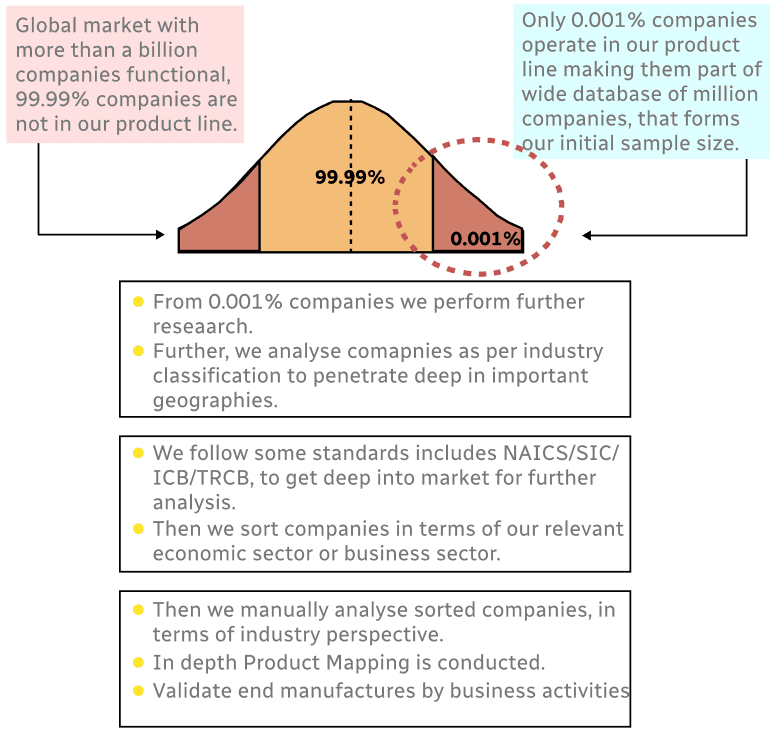
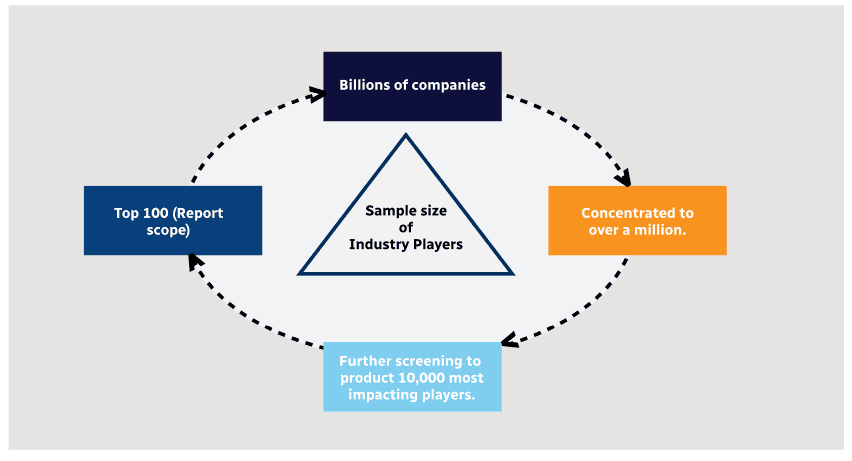
Step 2 - Approaches for Defining Global Market Size (Value, Volume* & Price*)
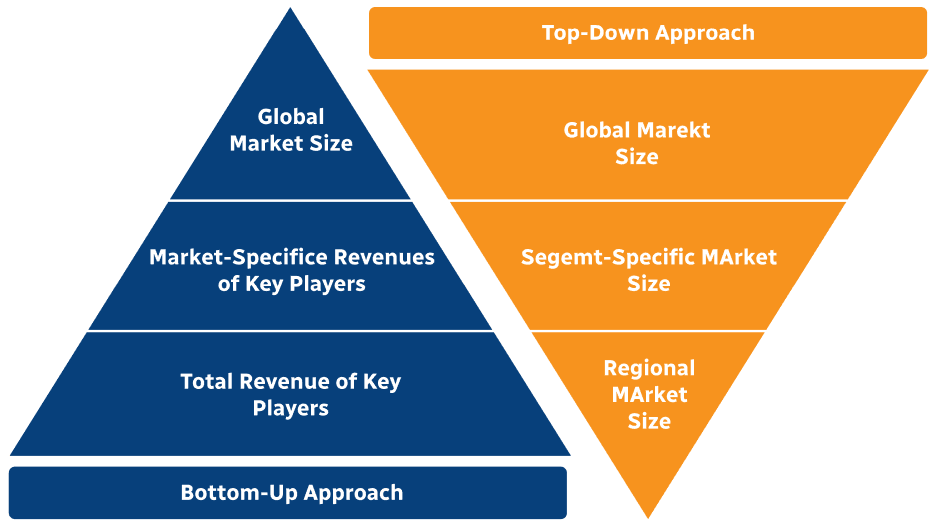
Note*: In applicable scenarios
Step 3 - Data Sources
Primary Research
- Web Analytics
- Survey Reports
- Research Institute
- Latest Research Reports
- Opinion Leaders
Secondary Research
- Annual Reports
- White Paper
- Latest Press Release
- Industry Association
- Paid Database
- Investor Presentations
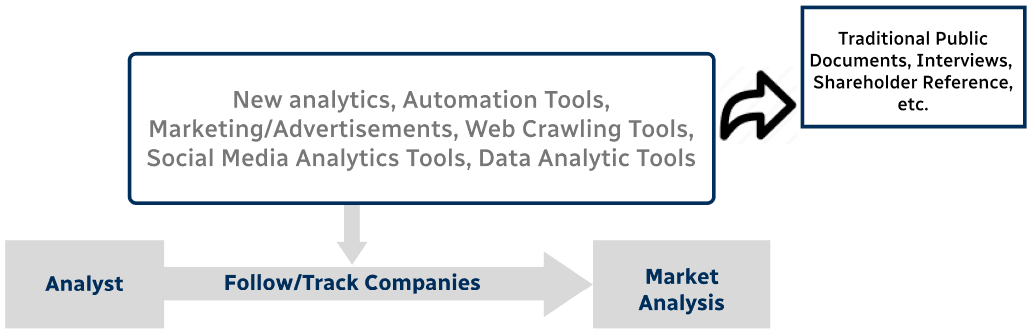
Step 4 - Data Triangulation
Involves using different sources of information in order to increase the validity of a study
These sources are likely to be stakeholders in a program - participants, other researchers, program staff, other community members, and so on.
Then we put all data in single framework & apply various statistical tools to find out the dynamic on the market.
During the analysis stage, feedback from the stakeholder groups would be compared to determine areas of agreement as well as areas of divergence