


Key Insights
The global veterinary oncology market is poised for significant expansion, driven by increasing pet ownership, pet humanization trends, and advancements in cancer treatment. Projections indicate a robust Compound Annual Growth Rate (CAGR) of 11.8%, leading to a projected market size of 810.5 million by 2025. Key growth catalysts include the rising incidence of cancer in companion animals, particularly canines and felines, coupled with a growing demand for sophisticated diagnostic tools and therapies. Veterinary expertise in oncology is also on the rise, contributing to market expansion. Market segmentation highlights opportunities across major cancer types such as lymphoma, mast cell tumors, mammary tumors, and squamous cell carcinomas, as well as in treatment modalities like radiotherapy, surgery, and chemotherapy. North America currently leads the market due to high pet ownership and advanced healthcare infrastructure, while Asia-Pacific and other emerging economies are expected to experience substantial growth with improving veterinary care access.

Veterinary Oncology Market Market Size (In Million)

The competitive arena is characterized by a dynamic mix of established pharmaceutical firms, specialized veterinary oncology providers, and innovative startups. Companies are actively investing in research and development, expanding product portfolios, and pursuing strategic partnerships to solidify their market positions. Despite challenges such as high treatment costs and limited access to advanced therapies in some regions, the market outlook remains optimistic. Continuous innovation in targeted therapies, enhanced diagnostic techniques, and increased pet owner awareness regarding cancer treatment options will propel sustained market growth. The advent of personalized medicine approaches will also play a pivotal role in shaping future market dynamics.

Veterinary Oncology Market Company Market Share
This report delivers a comprehensive analysis of the Veterinary Oncology Market, detailing market size, growth drivers, challenges, opportunities, and the competitive landscape. The study spans from the base year 2025 through the forecast period ending 2033. It provides actionable intelligence for stakeholders, investors, and businesses navigating this evolving market, leveraging extensive research and data analysis for precise predictions and in-depth segmentations.
Veterinary Oncology Market Concentration & Innovation
The Veterinary Oncology market exhibits a moderately consolidated structure, with several key players holding significant market share. The market share distribution is currently estimated to be as follows: Zoetis Inc. holds approximately xx%, followed by Elanco at xx%, and other players like Boehringer Ingelheim International GmbH, and Siemens Healthineers (Varian Medical System Inc) each having xx% share respectively. The remaining xx% is split among other competitors. This consolidation is partly driven by significant investments in R&D and strategic mergers and acquisitions (M&A) activities. M&A activity in the last 5 years has totaled approximately USD xx Million, with notable deals including [mention specific deals if available, otherwise specify “several strategic acquisitions focused on expanding product portfolios and geographic reach.”]. Innovation is a key driver, fueled by advancements in targeted therapies, immunotherapy, and imaging technologies. Regulatory frameworks, such as those governing veterinary drug approvals, play a critical role in shaping market dynamics. The availability of substitute treatments, particularly in less severe cases, creates competitive pressure. End-user trends indicate a growing preference for minimally invasive procedures and personalized medicine.
Veterinary Oncology Market Industry Trends & Insights
The Veterinary Oncology market is experiencing robust growth, driven by several factors. The increasing pet ownership globally, coupled with rising pet humanization and affordability of advanced veterinary care, fuels market expansion. The market is expected to register a Compound Annual Growth Rate (CAGR) of xx% during the forecast period (2025-2033). Technological advancements, including the development of novel targeted therapies and improved diagnostic tools, are significantly impacting market growth. Consumer preferences are shifting towards personalized medicine approaches, leading to a demand for customized treatment plans. The market penetration rate of advanced therapies like immunotherapy is expected to increase from xx% in 2025 to xx% by 2033. Competitive dynamics are characterized by continuous innovation, strategic partnerships, and a focus on expanding product portfolios to meet the growing and diverse needs of companion animal health.
Dominant Markets & Segments in Veterinary Oncology Market
- By Application: Lymphoma cancer currently represents the largest segment within the Veterinary Oncology market, driven by its high incidence rate in dogs and cats. Mast cell cancer and mammary/squamous cell cancers also hold significant market share. The "Other Applications" segment includes various less prevalent cancers.
- By Treatment Type: Chemotherapy remains the dominant treatment type, followed by surgery and radiotherapy. The "Other Treatment Types" segment encompasses emerging therapies like immunotherapy and targeted drug therapies. These are growing significantly due to their effectiveness and lessened side effects compared to traditional methods.
- By Animal Type: Canine oncology dominates the market due to a higher prevalence of cancer in dogs compared to cats. Feline oncology is also a substantial market segment and presents a significant opportunity. "Other Animal Types" includes equine and avian, making a considerably smaller market share.
The North American region currently holds the largest market share due to high pet ownership rates, advanced veterinary infrastructure, and higher disposable incomes. The market within the USA specifically is witnessing exceptional growth fuelled by increased pet insurance coverage and greater acceptance of advanced oncology treatment options. European markets follow, with a significant number of players establishing their presence. Key drivers include robust veterinary infrastructure in several European countries and increasing awareness of pet cancer.
Veterinary Oncology Market Product Developments
Recent product innovations focus on improving treatment efficacy, reducing side effects, and enhancing diagnostic capabilities. This includes the development of targeted therapies, immunotherapies, and advanced imaging technologies tailored for veterinary applications. These innovations are gaining market traction due to their superior effectiveness and improved patient outcomes compared to traditional treatments. The market is witnessing a shift towards personalized medicine, with treatment strategies increasingly tailored to the specific genetic profile of each animal’s cancer. Such advancements are highly competitive and often involve a significant investment from pharmaceutical companies leading to rapid product updates and improvements.
Report Scope & Segmentation Analysis
This report segments the Veterinary Oncology market comprehensively by application (Lymphoma Cancer, Mast Cell Cancer, Mammary and Squamous Cell Cancer, Other Applications), treatment type (Radiotherapy, Surgery, Chemotherapy, Other Treatment Types), and animal type (Canine, Feline, Other Animal Types). Each segment is analyzed in detail, providing growth projections, market size estimations, and a competitive landscape assessment. For example, the Lymphoma Cancer segment is projected to witness significant growth, driven by increasing diagnosis rates and advancements in targeted therapies. The Chemotherapy segment is currently the largest, expected to maintain substantial market share. The Canine segment commands the largest proportion of the market due to higher pet ownership and cancer incidence rates.
Key Drivers of Veterinary Oncology Market Growth
The Veterinary Oncology market is propelled by several key factors: the rising incidence of cancer in companion animals; increased pet ownership and humanization of pets, leading to greater investment in their healthcare; advancements in diagnostic and therapeutic technologies, offering more effective and less invasive treatment options; and the growing availability of pet insurance, making advanced cancer treatments more accessible. Favorable regulatory frameworks encouraging innovation also support this market’s expansion.
Challenges in the Veterinary Oncology Market Sector
Significant challenges facing the Veterinary Oncology market include the high cost of advanced treatments, making them inaccessible to some pet owners; the complexity of cancer diagnosis and treatment in animals; regulatory hurdles and lengthy approval processes for new drugs and therapies; and the limited availability of specialized veterinary oncologists in some regions. These factors can restrict market growth and limit access to life-saving treatments. Supply chain disruptions also impact the availability and cost of critical drugs and medical equipment.
Emerging Opportunities in Veterinary Oncology Market
Emerging opportunities include the growing demand for personalized medicine and targeted therapies; the development of novel diagnostic tools for early cancer detection; the increasing adoption of minimally invasive surgical techniques; and the expansion of veterinary oncology services into emerging markets. Furthermore, the advancement of immunotherapy offers a lucrative avenue of growth for future innovations.
Leading Players in the Veterinary Oncology Market Market
Key Developments in Veterinary Oncology Market Industry
- November 2022: The UW School of Veterinary Medicine received a USD 75,000 grant to provide life-saving cancer care to pets. This initiative underscores the growing focus on improving access to veterinary oncology services.
- May 2022: Jaguar Health launched the Canine Cancer: Take C.H.A.R.G.E. registry, aiming to improve data collection and aid in diagnosis and treatment decisions. This highlights a trend towards data-driven improvements in canine cancer care.
Strategic Outlook for Veterinary Oncology Market Market
The Veterinary Oncology market is poised for substantial growth, driven by technological advancements, increasing pet ownership, and rising awareness of cancer in animals. Continued innovation in targeted therapies, immunotherapies, and diagnostic tools will shape future market dynamics. Expanding access to veterinary oncology services in underserved regions and promoting early cancer detection will play a critical role in market expansion. The focus on personalized medicine and improved treatment outcomes will remain central to the strategic development of this market.
Veterinary Oncology Market Segmentation
-
1. Treatment Type
- 1.1. Radiotherapy
- 1.2. Surgery
- 1.3. Chemotherapy
- 1.4. Other Treatment Types
-
2. Animal Type
- 2.1. Canine
- 2.2. Feline
- 2.3. Other Animal Types
-
3. Application
- 3.1. Lymphoma Cancer
- 3.2. Mast Cell Cancer
- 3.3. Mammary and Squamous Cell Cancer
- 3.4. Other Applications
Veterinary Oncology Market Segmentation By Geography
-
1. North America
- 1.1. United States
- 1.2. Canada
- 1.3. Mexico
-
2. Europe
- 2.1. Germany
- 2.2. United Kingdom
- 2.3. France
- 2.4. Spain
- 2.5. Italy
- 2.6. Rest of Europe
-
3. Asia Pacific
- 3.1. China
- 3.2. Japan
- 3.3. India
- 3.4. Australia
- 3.5. South Korea
- 3.6. Rest of Asia Pacific
-
4. Middle East and Africa
- 4.1. GCC
- 4.2. South Africa
- 4.3. Rest of Middle East and Africa
-
5. South America
- 5.1. Brazil
- 5.2. Argentina
- 5.3. Rest of South America

Veterinary Oncology Market Regional Market Share
Geographic Coverage of Veterinary Oncology Market
Veterinary Oncology Market REPORT HIGHLIGHTS
| Aspects | Details |
|---|---|
| Study Period | 2020-2034 |
| Base Year | 2025 |
| Estimated Year | 2026 |
| Forecast Period | 2026-2034 |
| Historical Period | 2020-2025 |
| Growth Rate | CAGR of 11.8% from 2020-2034 |
| Segmentation |
|
Table of Contents
- 1. Introduction
- 1.1. Research Scope
- 1.2. Market Segmentation
- 1.3. Research Methodology
- 1.4. Definitions and Assumptions
- 2. Executive Summary
- 2.1. Introduction
- 3. Market Dynamics
- 3.1. Introduction
- 3.2. Market Drivers
- 3.2.1. Rising Prevalence of Cancer Cases in Animals; Increasing Investment on Research and Development in the Area of Veterinary Oncology
- 3.3. Market Restrains
- 3.3.1. High Cost of Cancer Treatment and Procedures; Lack of Awareness About Veterinary Diseases Among Owners
- 3.4. Market Trends
- 3.4.1. Canine Animal Type Segment is Expected to Hold a Significant Share in the Market Over the Forecast Period
- 4. Market Factor Analysis
- 4.1. Porters Five Forces
- 4.2. Supply/Value Chain
- 4.3. PESTEL analysis
- 4.4. Market Entropy
- 4.5. Patent/Trademark Analysis
- 5. Global Veterinary Oncology Market Analysis, Insights and Forecast, 2020-2032
- 5.1. Market Analysis, Insights and Forecast - by Treatment Type
- 5.1.1. Radiotherapy
- 5.1.2. Surgery
- 5.1.3. Chemotherapy
- 5.1.4. Other Treatment Types
- 5.2. Market Analysis, Insights and Forecast - by Animal Type
- 5.2.1. Canine
- 5.2.2. Feline
- 5.2.3. Other Animal Types
- 5.3. Market Analysis, Insights and Forecast - by Application
- 5.3.1. Lymphoma Cancer
- 5.3.2. Mast Cell Cancer
- 5.3.3. Mammary and Squamous Cell Cancer
- 5.3.4. Other Applications
- 5.4. Market Analysis, Insights and Forecast - by Region
- 5.4.1. North America
- 5.4.2. Europe
- 5.4.3. Asia Pacific
- 5.4.4. Middle East and Africa
- 5.4.5. South America
- 5.1. Market Analysis, Insights and Forecast - by Treatment Type
- 6. North America Veterinary Oncology Market Analysis, Insights and Forecast, 2020-2032
- 6.1. Market Analysis, Insights and Forecast - by Treatment Type
- 6.1.1. Radiotherapy
- 6.1.2. Surgery
- 6.1.3. Chemotherapy
- 6.1.4. Other Treatment Types
- 6.2. Market Analysis, Insights and Forecast - by Animal Type
- 6.2.1. Canine
- 6.2.2. Feline
- 6.2.3. Other Animal Types
- 6.3. Market Analysis, Insights and Forecast - by Application
- 6.3.1. Lymphoma Cancer
- 6.3.2. Mast Cell Cancer
- 6.3.3. Mammary and Squamous Cell Cancer
- 6.3.4. Other Applications
- 6.1. Market Analysis, Insights and Forecast - by Treatment Type
- 7. Europe Veterinary Oncology Market Analysis, Insights and Forecast, 2020-2032
- 7.1. Market Analysis, Insights and Forecast - by Treatment Type
- 7.1.1. Radiotherapy
- 7.1.2. Surgery
- 7.1.3. Chemotherapy
- 7.1.4. Other Treatment Types
- 7.2. Market Analysis, Insights and Forecast - by Animal Type
- 7.2.1. Canine
- 7.2.2. Feline
- 7.2.3. Other Animal Types
- 7.3. Market Analysis, Insights and Forecast - by Application
- 7.3.1. Lymphoma Cancer
- 7.3.2. Mast Cell Cancer
- 7.3.3. Mammary and Squamous Cell Cancer
- 7.3.4. Other Applications
- 7.1. Market Analysis, Insights and Forecast - by Treatment Type
- 8. Asia Pacific Veterinary Oncology Market Analysis, Insights and Forecast, 2020-2032
- 8.1. Market Analysis, Insights and Forecast - by Treatment Type
- 8.1.1. Radiotherapy
- 8.1.2. Surgery
- 8.1.3. Chemotherapy
- 8.1.4. Other Treatment Types
- 8.2. Market Analysis, Insights and Forecast - by Animal Type
- 8.2.1. Canine
- 8.2.2. Feline
- 8.2.3. Other Animal Types
- 8.3. Market Analysis, Insights and Forecast - by Application
- 8.3.1. Lymphoma Cancer
- 8.3.2. Mast Cell Cancer
- 8.3.3. Mammary and Squamous Cell Cancer
- 8.3.4. Other Applications
- 8.1. Market Analysis, Insights and Forecast - by Treatment Type
- 9. Middle East and Africa Veterinary Oncology Market Analysis, Insights and Forecast, 2020-2032
- 9.1. Market Analysis, Insights and Forecast - by Treatment Type
- 9.1.1. Radiotherapy
- 9.1.2. Surgery
- 9.1.3. Chemotherapy
- 9.1.4. Other Treatment Types
- 9.2. Market Analysis, Insights and Forecast - by Animal Type
- 9.2.1. Canine
- 9.2.2. Feline
- 9.2.3. Other Animal Types
- 9.3. Market Analysis, Insights and Forecast - by Application
- 9.3.1. Lymphoma Cancer
- 9.3.2. Mast Cell Cancer
- 9.3.3. Mammary and Squamous Cell Cancer
- 9.3.4. Other Applications
- 9.1. Market Analysis, Insights and Forecast - by Treatment Type
- 10. South America Veterinary Oncology Market Analysis, Insights and Forecast, 2020-2032
- 10.1. Market Analysis, Insights and Forecast - by Treatment Type
- 10.1.1. Radiotherapy
- 10.1.2. Surgery
- 10.1.3. Chemotherapy
- 10.1.4. Other Treatment Types
- 10.2. Market Analysis, Insights and Forecast - by Animal Type
- 10.2.1. Canine
- 10.2.2. Feline
- 10.2.3. Other Animal Types
- 10.3. Market Analysis, Insights and Forecast - by Application
- 10.3.1. Lymphoma Cancer
- 10.3.2. Mast Cell Cancer
- 10.3.3. Mammary and Squamous Cell Cancer
- 10.3.4. Other Applications
- 10.1. Market Analysis, Insights and Forecast - by Treatment Type
- 11. Competitive Analysis
- 11.1. Global Market Share Analysis 2025
- 11.2. Company Profiles
- 11.2.1 Morphogenesis Inc
- 11.2.1.1. Overview
- 11.2.1.2. Products
- 11.2.1.3. SWOT Analysis
- 11.2.1.4. Recent Developments
- 11.2.1.5. Financials (Based on Availability)
- 11.2.2 Elanco
- 11.2.2.1. Overview
- 11.2.2.2. Products
- 11.2.2.3. SWOT Analysis
- 11.2.2.4. Recent Developments
- 11.2.2.5. Financials (Based on Availability)
- 11.2.3 OHC (One Health Company)
- 11.2.3.1. Overview
- 11.2.3.2. Products
- 11.2.3.3. SWOT Analysis
- 11.2.3.4. Recent Developments
- 11.2.3.5. Financials (Based on Availability)
- 11.2.4 Karyopharm
- 11.2.4.1. Overview
- 11.2.4.2. Products
- 11.2.4.3. SWOT Analysis
- 11.2.4.4. Recent Developments
- 11.2.4.5. Financials (Based on Availability)
- 11.2.5 Siemens Healthineers (Varian Medical System Inc )
- 11.2.5.1. Overview
- 11.2.5.2. Products
- 11.2.5.3. SWOT Analysis
- 11.2.5.4. Recent Developments
- 11.2.5.5. Financials (Based on Availability)
- 11.2.6 Boehringer Ingelheim International GmbH
- 11.2.6.1. Overview
- 11.2.6.2. Products
- 11.2.6.3. SWOT Analysis
- 11.2.6.4. Recent Developments
- 11.2.6.5. Financials (Based on Availability)
- 11.2.7 Accuray Incorporated
- 11.2.7.1. Overview
- 11.2.7.2. Products
- 11.2.7.3. SWOT Analysis
- 11.2.7.4. Recent Developments
- 11.2.7.5. Financials (Based on Availability)
- 11.2.8 Regeneus Ltd
- 11.2.8.1. Overview
- 11.2.8.2. Products
- 11.2.8.3. SWOT Analysis
- 11.2.8.4. Recent Developments
- 11.2.8.5. Financials (Based on Availability)
- 11.2.9 AB Science
- 11.2.9.1. Overview
- 11.2.9.2. Products
- 11.2.9.3. SWOT Analysis
- 11.2.9.4. Recent Developments
- 11.2.9.5. Financials (Based on Availability)
- 11.2.10 Nippon Zenyaku Kogyo Co Ltd (ZENOAQ)
- 11.2.10.1. Overview
- 11.2.10.2. Products
- 11.2.10.3. SWOT Analysis
- 11.2.10.4. Recent Developments
- 11.2.10.5. Financials (Based on Availability)
- 11.2.11 PetCure Oncology
- 11.2.11.1. Overview
- 11.2.11.2. Products
- 11.2.11.3. SWOT Analysis
- 11.2.11.4. Recent Developments
- 11.2.11.5. Financials (Based on Availability)
- 11.2.12 Zoetis Inc
- 11.2.12.1. Overview
- 11.2.12.2. Products
- 11.2.12.3. SWOT Analysis
- 11.2.12.4. Recent Developments
- 11.2.12.5. Financials (Based on Availability)
- 11.2.1 Morphogenesis Inc
List of Figures
- Figure 1: Global Veterinary Oncology Market Revenue Breakdown (million, %) by Region 2025 & 2033
- Figure 2: North America Veterinary Oncology Market Revenue (million), by Treatment Type 2025 & 2033
- Figure 3: North America Veterinary Oncology Market Revenue Share (%), by Treatment Type 2025 & 2033
- Figure 4: North America Veterinary Oncology Market Revenue (million), by Animal Type 2025 & 2033
- Figure 5: North America Veterinary Oncology Market Revenue Share (%), by Animal Type 2025 & 2033
- Figure 6: North America Veterinary Oncology Market Revenue (million), by Application 2025 & 2033
- Figure 7: North America Veterinary Oncology Market Revenue Share (%), by Application 2025 & 2033
- Figure 8: North America Veterinary Oncology Market Revenue (million), by Country 2025 & 2033
- Figure 9: North America Veterinary Oncology Market Revenue Share (%), by Country 2025 & 2033
- Figure 10: Europe Veterinary Oncology Market Revenue (million), by Treatment Type 2025 & 2033
- Figure 11: Europe Veterinary Oncology Market Revenue Share (%), by Treatment Type 2025 & 2033
- Figure 12: Europe Veterinary Oncology Market Revenue (million), by Animal Type 2025 & 2033
- Figure 13: Europe Veterinary Oncology Market Revenue Share (%), by Animal Type 2025 & 2033
- Figure 14: Europe Veterinary Oncology Market Revenue (million), by Application 2025 & 2033
- Figure 15: Europe Veterinary Oncology Market Revenue Share (%), by Application 2025 & 2033
- Figure 16: Europe Veterinary Oncology Market Revenue (million), by Country 2025 & 2033
- Figure 17: Europe Veterinary Oncology Market Revenue Share (%), by Country 2025 & 2033
- Figure 18: Asia Pacific Veterinary Oncology Market Revenue (million), by Treatment Type 2025 & 2033
- Figure 19: Asia Pacific Veterinary Oncology Market Revenue Share (%), by Treatment Type 2025 & 2033
- Figure 20: Asia Pacific Veterinary Oncology Market Revenue (million), by Animal Type 2025 & 2033
- Figure 21: Asia Pacific Veterinary Oncology Market Revenue Share (%), by Animal Type 2025 & 2033
- Figure 22: Asia Pacific Veterinary Oncology Market Revenue (million), by Application 2025 & 2033
- Figure 23: Asia Pacific Veterinary Oncology Market Revenue Share (%), by Application 2025 & 2033
- Figure 24: Asia Pacific Veterinary Oncology Market Revenue (million), by Country 2025 & 2033
- Figure 25: Asia Pacific Veterinary Oncology Market Revenue Share (%), by Country 2025 & 2033
- Figure 26: Middle East and Africa Veterinary Oncology Market Revenue (million), by Treatment Type 2025 & 2033
- Figure 27: Middle East and Africa Veterinary Oncology Market Revenue Share (%), by Treatment Type 2025 & 2033
- Figure 28: Middle East and Africa Veterinary Oncology Market Revenue (million), by Animal Type 2025 & 2033
- Figure 29: Middle East and Africa Veterinary Oncology Market Revenue Share (%), by Animal Type 2025 & 2033
- Figure 30: Middle East and Africa Veterinary Oncology Market Revenue (million), by Application 2025 & 2033
- Figure 31: Middle East and Africa Veterinary Oncology Market Revenue Share (%), by Application 2025 & 2033
- Figure 32: Middle East and Africa Veterinary Oncology Market Revenue (million), by Country 2025 & 2033
- Figure 33: Middle East and Africa Veterinary Oncology Market Revenue Share (%), by Country 2025 & 2033
- Figure 34: South America Veterinary Oncology Market Revenue (million), by Treatment Type 2025 & 2033
- Figure 35: South America Veterinary Oncology Market Revenue Share (%), by Treatment Type 2025 & 2033
- Figure 36: South America Veterinary Oncology Market Revenue (million), by Animal Type 2025 & 2033
- Figure 37: South America Veterinary Oncology Market Revenue Share (%), by Animal Type 2025 & 2033
- Figure 38: South America Veterinary Oncology Market Revenue (million), by Application 2025 & 2033
- Figure 39: South America Veterinary Oncology Market Revenue Share (%), by Application 2025 & 2033
- Figure 40: South America Veterinary Oncology Market Revenue (million), by Country 2025 & 2033
- Figure 41: South America Veterinary Oncology Market Revenue Share (%), by Country 2025 & 2033
List of Tables
- Table 1: Global Veterinary Oncology Market Revenue million Forecast, by Treatment Type 2020 & 2033
- Table 2: Global Veterinary Oncology Market Revenue million Forecast, by Animal Type 2020 & 2033
- Table 3: Global Veterinary Oncology Market Revenue million Forecast, by Application 2020 & 2033
- Table 4: Global Veterinary Oncology Market Revenue million Forecast, by Region 2020 & 2033
- Table 5: Global Veterinary Oncology Market Revenue million Forecast, by Treatment Type 2020 & 2033
- Table 6: Global Veterinary Oncology Market Revenue million Forecast, by Animal Type 2020 & 2033
- Table 7: Global Veterinary Oncology Market Revenue million Forecast, by Application 2020 & 2033
- Table 8: Global Veterinary Oncology Market Revenue million Forecast, by Country 2020 & 2033
- Table 9: United States Veterinary Oncology Market Revenue (million) Forecast, by Application 2020 & 2033
- Table 10: Canada Veterinary Oncology Market Revenue (million) Forecast, by Application 2020 & 2033
- Table 11: Mexico Veterinary Oncology Market Revenue (million) Forecast, by Application 2020 & 2033
- Table 12: Global Veterinary Oncology Market Revenue million Forecast, by Treatment Type 2020 & 2033
- Table 13: Global Veterinary Oncology Market Revenue million Forecast, by Animal Type 2020 & 2033
- Table 14: Global Veterinary Oncology Market Revenue million Forecast, by Application 2020 & 2033
- Table 15: Global Veterinary Oncology Market Revenue million Forecast, by Country 2020 & 2033
- Table 16: Germany Veterinary Oncology Market Revenue (million) Forecast, by Application 2020 & 2033
- Table 17: United Kingdom Veterinary Oncology Market Revenue (million) Forecast, by Application 2020 & 2033
- Table 18: France Veterinary Oncology Market Revenue (million) Forecast, by Application 2020 & 2033
- Table 19: Spain Veterinary Oncology Market Revenue (million) Forecast, by Application 2020 & 2033
- Table 20: Italy Veterinary Oncology Market Revenue (million) Forecast, by Application 2020 & 2033
- Table 21: Rest of Europe Veterinary Oncology Market Revenue (million) Forecast, by Application 2020 & 2033
- Table 22: Global Veterinary Oncology Market Revenue million Forecast, by Treatment Type 2020 & 2033
- Table 23: Global Veterinary Oncology Market Revenue million Forecast, by Animal Type 2020 & 2033
- Table 24: Global Veterinary Oncology Market Revenue million Forecast, by Application 2020 & 2033
- Table 25: Global Veterinary Oncology Market Revenue million Forecast, by Country 2020 & 2033
- Table 26: China Veterinary Oncology Market Revenue (million) Forecast, by Application 2020 & 2033
- Table 27: Japan Veterinary Oncology Market Revenue (million) Forecast, by Application 2020 & 2033
- Table 28: India Veterinary Oncology Market Revenue (million) Forecast, by Application 2020 & 2033
- Table 29: Australia Veterinary Oncology Market Revenue (million) Forecast, by Application 2020 & 2033
- Table 30: South Korea Veterinary Oncology Market Revenue (million) Forecast, by Application 2020 & 2033
- Table 31: Rest of Asia Pacific Veterinary Oncology Market Revenue (million) Forecast, by Application 2020 & 2033
- Table 32: Global Veterinary Oncology Market Revenue million Forecast, by Treatment Type 2020 & 2033
- Table 33: Global Veterinary Oncology Market Revenue million Forecast, by Animal Type 2020 & 2033
- Table 34: Global Veterinary Oncology Market Revenue million Forecast, by Application 2020 & 2033
- Table 35: Global Veterinary Oncology Market Revenue million Forecast, by Country 2020 & 2033
- Table 36: GCC Veterinary Oncology Market Revenue (million) Forecast, by Application 2020 & 2033
- Table 37: South Africa Veterinary Oncology Market Revenue (million) Forecast, by Application 2020 & 2033
- Table 38: Rest of Middle East and Africa Veterinary Oncology Market Revenue (million) Forecast, by Application 2020 & 2033
- Table 39: Global Veterinary Oncology Market Revenue million Forecast, by Treatment Type 2020 & 2033
- Table 40: Global Veterinary Oncology Market Revenue million Forecast, by Animal Type 2020 & 2033
- Table 41: Global Veterinary Oncology Market Revenue million Forecast, by Application 2020 & 2033
- Table 42: Global Veterinary Oncology Market Revenue million Forecast, by Country 2020 & 2033
- Table 43: Brazil Veterinary Oncology Market Revenue (million) Forecast, by Application 2020 & 2033
- Table 44: Argentina Veterinary Oncology Market Revenue (million) Forecast, by Application 2020 & 2033
- Table 45: Rest of South America Veterinary Oncology Market Revenue (million) Forecast, by Application 2020 & 2033
Frequently Asked Questions
1. What is the projected Compound Annual Growth Rate (CAGR) of the Veterinary Oncology Market?
The projected CAGR is approximately 11.8%.
2. Which companies are prominent players in the Veterinary Oncology Market?
Key companies in the market include Morphogenesis Inc, Elanco, OHC (One Health Company), Karyopharm, Siemens Healthineers (Varian Medical System Inc ), Boehringer Ingelheim International GmbH, Accuray Incorporated, Regeneus Ltd, AB Science, Nippon Zenyaku Kogyo Co Ltd (ZENOAQ), PetCure Oncology, Zoetis Inc.
3. What are the main segments of the Veterinary Oncology Market?
The market segments include Treatment Type, Animal Type, Application.
4. Can you provide details about the market size?
The market size is estimated to be USD 810.5 million as of 2022.
5. What are some drivers contributing to market growth?
Rising Prevalence of Cancer Cases in Animals; Increasing Investment on Research and Development in the Area of Veterinary Oncology.
6. What are the notable trends driving market growth?
Canine Animal Type Segment is Expected to Hold a Significant Share in the Market Over the Forecast Period.
7. Are there any restraints impacting market growth?
High Cost of Cancer Treatment and Procedures; Lack of Awareness About Veterinary Diseases Among Owners.
8. Can you provide examples of recent developments in the market?
November 2022: The UW School of Veterinary Medicine received a grant of USD 75,000 to offer life-saving cancer care to pets and their families. The grant will be distributed on a first-come, first-served basis of up to USD 4,000 per client.
9. What pricing options are available for accessing the report?
Pricing options include single-user, multi-user, and enterprise licenses priced at USD 4750, USD 5250, and USD 8750 respectively.
10. Is the market size provided in terms of value or volume?
The market size is provided in terms of value, measured in million.
11. Are there any specific market keywords associated with the report?
Yes, the market keyword associated with the report is "Veterinary Oncology Market," which aids in identifying and referencing the specific market segment covered.
12. How do I determine which pricing option suits my needs best?
The pricing options vary based on user requirements and access needs. Individual users may opt for single-user licenses, while businesses requiring broader access may choose multi-user or enterprise licenses for cost-effective access to the report.
13. Are there any additional resources or data provided in the Veterinary Oncology Market report?
While the report offers comprehensive insights, it's advisable to review the specific contents or supplementary materials provided to ascertain if additional resources or data are available.
14. How can I stay updated on further developments or reports in the Veterinary Oncology Market?
To stay informed about further developments, trends, and reports in the Veterinary Oncology Market, consider subscribing to industry newsletters, following relevant companies and organizations, or regularly checking reputable industry news sources and publications.
Methodology
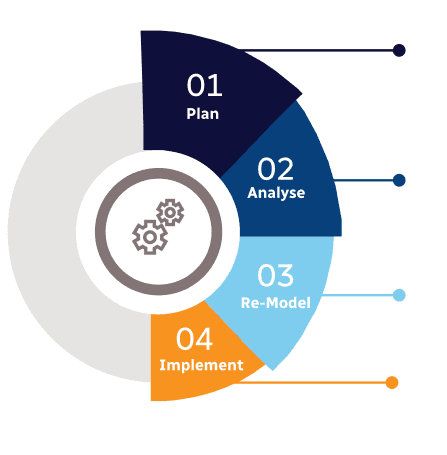
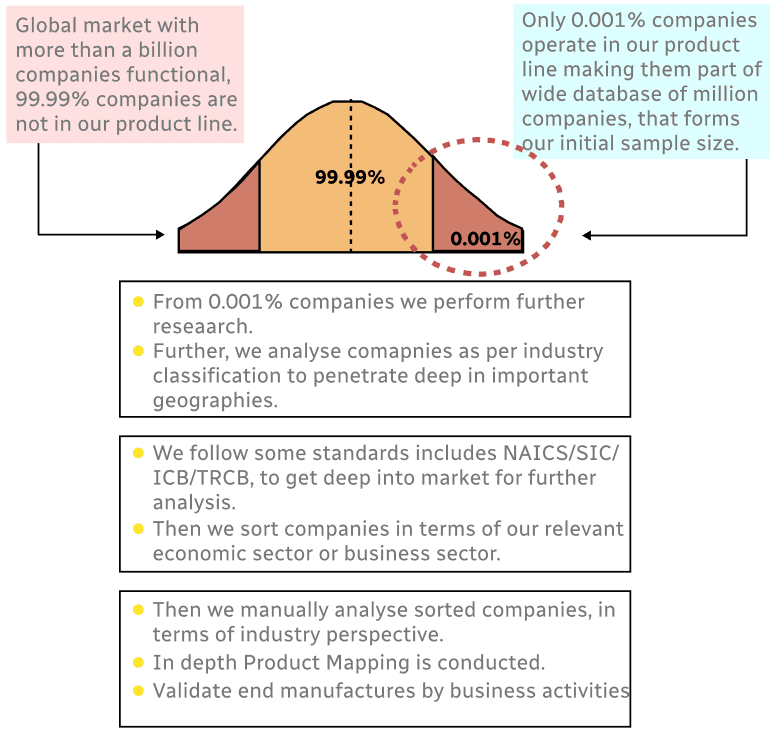
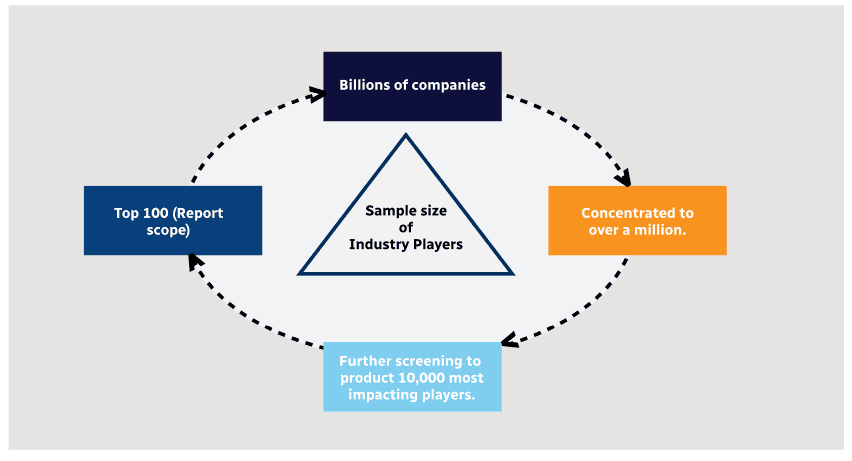
Step 1 - Identification of Relevant Samples Size from Population Database
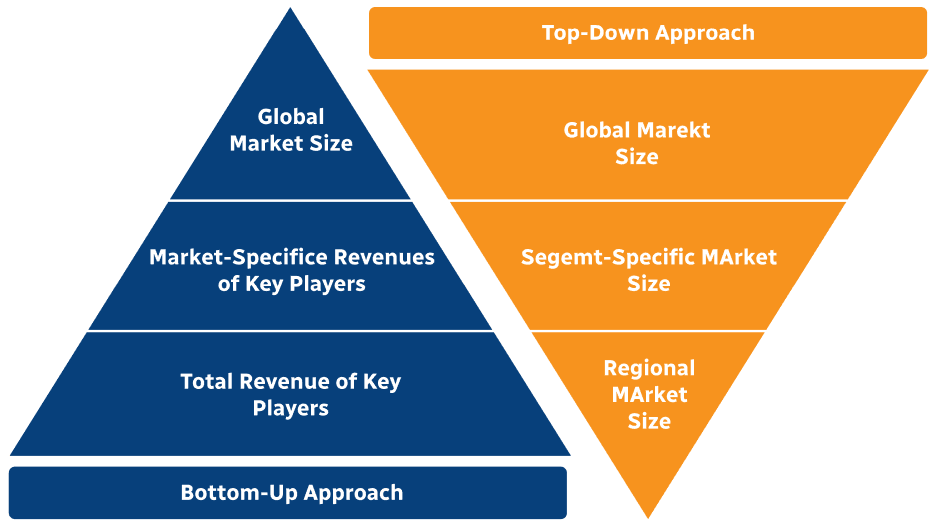
Step 2 - Approaches for Defining Global Market Size (Value, Volume* & Price*)
Note*: In applicable scenarios
Step 3 - Data Sources
Primary Research
- Web Analytics
- Survey Reports
- Research Institute
- Latest Research Reports
- Opinion Leaders
Secondary Research
- Annual Reports
- White Paper
- Latest Press Release
- Industry Association
- Paid Database
- Investor Presentations
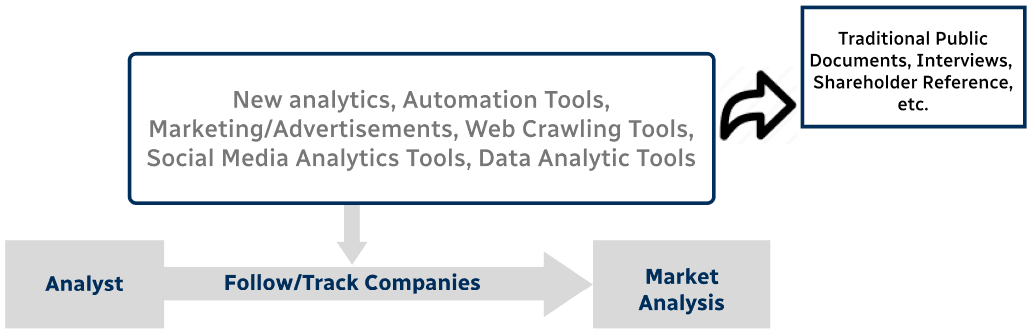
Step 4 - Data Triangulation
Involves using different sources of information in order to increase the validity of a study
These sources are likely to be stakeholders in a program - participants, other researchers, program staff, other community members, and so on.
Then we put all data in single framework & apply various statistical tools to find out the dynamic on the market.
During the analysis stage, feedback from the stakeholder groups would be compared to determine areas of agreement as well as areas of divergence