


Key Insights
The global X-ray machine manufacturing industry is poised for substantial growth, currently valued at approximately USD 17.70 million. This expansion is driven by a projected Compound Annual Growth Rate (CAGR) of 5.69% over the forecast period (2025-2033). The increasing demand for advanced diagnostic imaging solutions across healthcare, transportation, and government sectors forms the bedrock of this market's upward trajectory. Key growth drivers include the escalating prevalence of chronic diseases requiring regular diagnostic imaging, the continuous technological advancements leading to more sophisticated and efficient X-ray systems, and a growing global emphasis on early disease detection and preventative healthcare. The market is witnessing a significant shift towards digital X-ray systems, which offer superior image quality, reduced radiation exposure, and enhanced workflow efficiency compared to their analog counterparts. This technological evolution is further fueled by increasing investments in healthcare infrastructure, particularly in emerging economies.
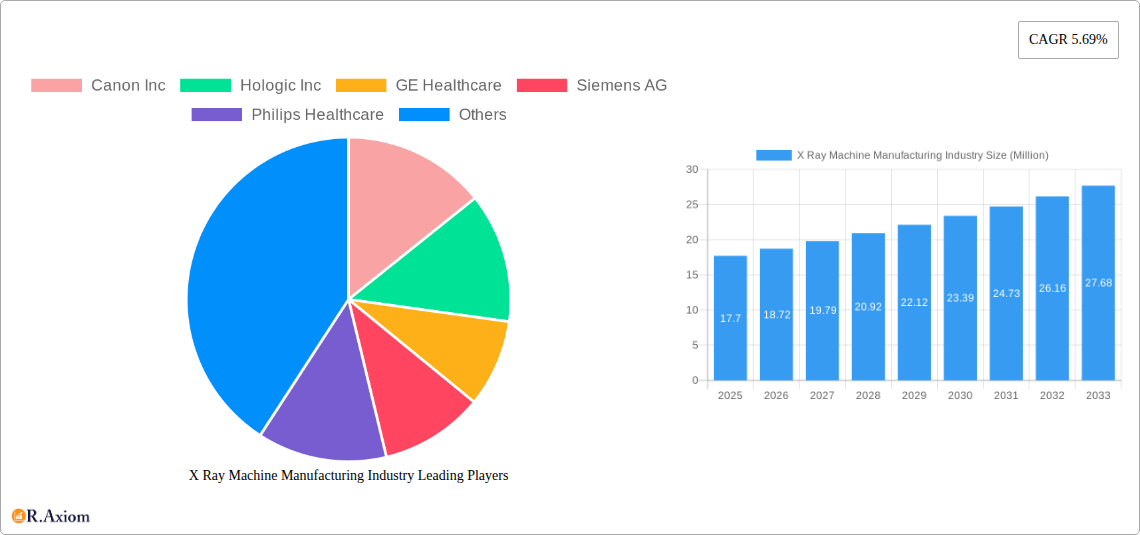
X Ray Machine Manufacturing Industry Market Size (In Million)

The market is segmented by product type into stationary and portable X-ray machines, with both categories demonstrating robust demand. Stationary systems remain vital for established healthcare facilities, while the growing adoption of portable units is transforming emergency care, remote diagnostics, and point-of-care applications. The technology segment is clearly leaning towards digital solutions, eclipsing analog systems in new installations and upgrades. The end-user landscape is dominated by the healthcare sector, which accounts for the largest share due to its indispensable role in diagnosis and treatment monitoring. However, the transportation and logistics industries are increasingly adopting X-ray technology for cargo screening and security, and government agencies utilize it for various inspection and security purposes. Leading global players such as Canon Inc., GE Healthcare, Siemens AG, and Philips Healthcare are at the forefront of innovation, investing heavily in research and development to introduce next-generation X-ray technologies and expand their market reach. Restraints include the high cost of advanced X-ray equipment and stringent regulatory approvals, which can sometimes slow down market penetration, but the overall outlook remains highly positive due to the persistent need for accurate and timely diagnostic imaging.

X Ray Machine Manufacturing Industry Company Market Share
This comprehensive market research report provides an in-depth analysis of the X Ray Machine Manufacturing Industry, covering the historical period from 2019 to 2024 and offering robust forecasts for the period 2025–2033. With a base year of 2025, the study leverages critical insights into market concentration, innovation, key trends, dominant segments, product developments, growth drivers, challenges, and emerging opportunities. The report meticulously analyzes market dynamics across Product Types (Stationary, Portable), Technologies (Analog, Digital), and End-Users (Healthcare, Transportation and Logistics, Government, Other End-users). Global X-ray imaging market size is projected to reach XX Million by 2033, exhibiting a Compound Annual Growth Rate (CAGR) of XX% from 2025 to 2033.
X Ray Machine Manufacturing Industry Market Concentration & Innovation
The global X-ray machine market exhibits a moderate level of concentration, with a few key players dominating the landscape. Major companies like GE Healthcare, Siemens AG, Philips Healthcare, Canon Inc., and Hologic Inc. hold significant market share, estimated to be over XX Million combined in market value. Innovation is a primary driver, fueled by the demand for advanced imaging capabilities and improved patient outcomes. The integration of Artificial Intelligence (AI) and machine learning algorithms for image enhancement and diagnostic assistance is a significant innovation trend. Regulatory frameworks, such as those mandated by the FDA and EMA, play a crucial role in ensuring product safety and efficacy, influencing product development cycles and market entry. While product substitutes like MRI and CT scanners exist, X-ray machines continue to be indispensable due to their affordability, accessibility, and versatility, particularly in emergency care and initial diagnostics. End-user trends indicate a strong preference for digital radiography (DR) systems due to their efficiency and image quality. Mergers and acquisitions (M&A) are strategic moves by larger players to expand their product portfolios and geographical reach. M&A deal values in the medical imaging equipment sector are estimated to be in the range of XX Million to XX Million.
- Market Share Snapshot: Leading companies collectively hold an estimated XX% of the global market share.
- Innovation Focus: AI integration, portable X-ray solutions, and advanced detector technology are key areas of R&D.
- Regulatory Impact: Strict quality control and approval processes by health authorities shape manufacturing standards.
- M&A Activity: Strategic acquisitions are aimed at consolidating market presence and acquiring cutting-edge technologies.
X Ray Machine Manufacturing Industry Industry Trends & Insights
The X-ray device market is experiencing robust growth driven by several interconnected trends. A primary catalyst is the increasing global demand for advanced diagnostic imaging solutions, particularly in emerging economies undergoing rapid healthcare infrastructure development. The healthcare industry's escalating need for early disease detection and treatment monitoring fuels the adoption of sophisticated X-ray systems. Technological advancements, especially the transition from analog to digital radiography (DR), are transforming the industry by offering superior image quality, reduced radiation exposure, and enhanced workflow efficiency. The widespread implementation of Picture Archiving and Communication Systems (PACS) and Electronic Health Records (EHRs) further facilitates the integration of digital X-ray data, improving accessibility and collaboration among healthcare professionals.
The growing prevalence of chronic diseases, an aging global population, and rising healthcare expenditure worldwide are significant market penetration drivers. Furthermore, the increasing demand for point-of-care diagnostics and the development of portable and compact X-ray units are expanding the accessibility of X-ray imaging in remote areas and emergency situations. The medical X-ray market is also witnessing a rise in AI-powered applications that assist in image interpretation, anomaly detection, and workflow optimization, thereby improving diagnostic accuracy and reducing radiologist workload. Competitive dynamics are characterized by intense R&D efforts, strategic partnerships, and a focus on cost-effectiveness. Companies are investing heavily in developing user-friendly interfaces, robust imaging software, and energy-efficient designs. The radiography equipment market is projected to grow at a CAGR of approximately XX% during the forecast period, reflecting its strong market momentum.
- Market Growth Drivers: Aging population, rising chronic disease incidence, increased healthcare spending, and healthcare infrastructure expansion in developing nations.
- Technological Disruptions: Shift to digital radiography (DR), AI-powered image analysis, advancements in detector technology, and development of portable units.
- Consumer Preferences: Demand for higher image resolution, reduced radiation doses, faster scan times, and integrated diagnostic workflows.
- Competitive Dynamics: Intense R&D, strategic collaborations, price competition, and focus on after-sales service and support.
Dominant Markets & Segments in X Ray Machine Manufacturing Industry
The X-ray equipment manufacturing industry is heavily influenced by regional demand, technological adoption rates, and end-user specific requirements. The Healthcare end-user segment unequivocally dominates the market, accounting for an estimated XX% of the total market revenue. This dominance stems from the universal need for diagnostic imaging in medical facilities, from small clinics to large hospitals. Within the healthcare segment, the Stationary X-ray product type commands a significant share, estimated at XX%, owing to its widespread use in diagnostic imaging centers and hospitals where specialized imaging procedures are performed. Digital X-ray technology, representing XX% of the market, is rapidly eclipsing its analog counterpart due to its superior image quality, faster processing times, and reduced radiation exposure.
Geographically, North America and Europe are currently the leading markets, driven by advanced healthcare infrastructure, high disposable incomes, and a strong emphasis on early disease detection and preventive healthcare. The United States alone represents a substantial portion of the global market, with an estimated market share of XX%. Economic policies supporting healthcare advancements, robust research and development activities, and the presence of major X-ray machine manufacturers contribute to this leadership.
However, the Asia-Pacific region is poised for significant growth, projected to exhibit the highest CAGR of XX% during the forecast period. Factors such as rapid healthcare infrastructure development, increasing medical tourism, a growing aging population, and rising disposable incomes are fueling this expansion. Countries like China and India are key contributors to this growth trajectory. The Transportation and Logistics and Government segments, while smaller in comparison to healthcare, are also crucial. The Transportation and Logistics sector utilizes X-ray systems for cargo screening and security, with an estimated market share of XX%. Government sectors, particularly defense and border security agencies, also procure these systems for inspection purposes, contributing XX% to the market.
- Dominant End-User: Healthcare (estimated XX% market share)
- Drivers: Increasing patient volumes, demand for advanced diagnostics, government initiatives for public health.
- Dominant Product Type: Stationary X-ray machines (estimated XX% market share)
- Drivers: Suitability for specialized imaging, higher diagnostic accuracy, integration into hospital workflows.
- Dominant Technology: Digital X-ray (estimated XX% market share)
- Drivers: Superior image quality, reduced radiation dose, faster workflow, digital archiving capabilities.
- Leading Region: North America (estimated XX% market share)
- Drivers: Advanced healthcare infrastructure, high R&D investment, robust regulatory framework.
- Fastest-Growing Region: Asia-Pacific (projected CAGR of XX%)
- Drivers: Growing healthcare expenditure, rapid infrastructure development, rising middle class.
X Ray Machine Manufacturing Industry Product Developments
Recent product developments in the X-ray imaging industry are characterized by a strong focus on enhancing diagnostic capabilities and operational efficiency. The introduction of advanced digital radiography (DR) detectors and AI-powered image processing software by companies like Konica Minolta Healthcare Americas, Inc. is revolutionizing clinical utility by improving image clarity and reducing interpretation time. GE Healthcare's unveiling of the Definium 656 HD fixed X-ray system, designed as a "personal assistant" for radiology departments, exemplifies this trend. This system integrates in-room workflows, motorization, and an Intelligent Workflow Suite to aid technologists with patient positioning and method selection, thereby boosting productivity and reducing physical strain. Radiologists benefit from enhanced image quality and reduced variability due to advanced detectors and AI-driven image processing, leading to more accurate diagnoses and improved patient care.
Report Scope & Segmentation Analysis
This report meticulously segments the X Ray Machine Manufacturing Industry across several key dimensions. The Product Type segmentation includes Stationary X-ray machines, which are prevalent in hospitals and diagnostic centers, and Portable X-ray machines, vital for mobile radiography and emergency care. The Technology segmentation distinguishes between Analog X-ray machines, representing the legacy technology, and Digital X-ray machines (DR and CR), which are gaining dominance due to their advanced features. The End-user segmentation is comprehensive, covering the Healthcare sector, the primary consumer, Transportation and Logistics, utilizing X-ray for security screening, Government agencies for defense and public safety, and Other End-users encompassing research institutions and industrial applications. Each segment is analyzed for its market size, growth projections, and competitive dynamics within the study period of 2019–2033.
- Product Type: Stationary (dominant, projected market size of XX Million by 2033), Portable (growing rapidly, projected market size of XX Million by 2033).
- Technology: Digital (highest growth potential, projected market size of XX Million by 2033), Analog (declining market share).
- End-user: Healthcare (largest segment, projected market size of XX Million by 2033), Transportation and Logistics (steady growth, projected market size of XX Million by 2033), Government (stable demand, projected market size of XX Million by 2033), Other End-users (niche markets, projected market size of XX Million by 2033).
Key Drivers of X Ray Machine Manufacturing Industry Growth
The X-ray manufacturing market is propelled by several compelling factors. The increasing global burden of diseases, particularly chronic conditions like cancer, cardiovascular diseases, and musculoskeletal disorders, necessitates advanced diagnostic tools. The aging global population is another significant driver, as elderly individuals are more prone to various health issues requiring diagnostic imaging. Technological advancements, especially the widespread adoption of digital radiography (DR) systems, are transforming the industry by offering enhanced image quality, reduced radiation exposure, and improved workflow efficiency, leading to a projected market value of XX Million for digital X-ray systems by 2033. Government initiatives aimed at improving healthcare infrastructure and accessibility, particularly in emerging economies, further stimulate demand for X-ray equipment. The growing emphasis on preventive healthcare and early disease detection policies also contributes to the increased adoption of diagnostic imaging technologies.
- Demographic Shifts: An aging global population and rising prevalence of chronic diseases.
- Technological Innovations: Transition to digital X-ray technology, AI integration in imaging analysis.
- Healthcare Expenditure: Increased investment in healthcare infrastructure and services globally.
- Government Policies: Support for public health, R&D funding, and initiatives for universal healthcare access.
Challenges in the X Ray Machine Manufacturing Industry Sector
Despite the robust growth, the X-ray equipment industry faces several hurdles. Stringent regulatory frameworks and lengthy approval processes for new medical devices can impede market entry and product launches, adding to development costs. The high cost of advanced X-ray machines, particularly sophisticated digital systems, can be a barrier to adoption in resource-limited settings and developing countries, impacting overall market penetration. Supply chain disruptions, as witnessed in recent global events, can affect the availability of key components and raw materials, leading to production delays and increased manufacturing costs. Intense competition among established players and emerging manufacturers can lead to price wars and reduced profit margins. Furthermore, the rapid pace of technological innovation requires continuous investment in R&D, posing a challenge for smaller companies to keep pace.
- Regulatory Hurdles: Complex approval processes and compliance requirements.
- High Capital Investment: Significant upfront costs for purchasing advanced X-ray systems.
- Supply Chain Vulnerabilities: Dependence on global supply chains for critical components.
- Technological Obsolescence: Rapid advancements requiring continuous R&D investment.
Emerging Opportunities in X Ray Machine Manufacturing Industry
The X-ray imaging solutions market presents numerous emerging opportunities for growth and innovation. The increasing demand for point-of-care diagnostics and mobile imaging solutions is creating a significant market for portable and handheld X-ray devices, especially in remote areas and emergency medical services. The integration of Artificial Intelligence (AI) and machine learning (ML) into X-ray machines for automated image analysis, anomaly detection, and workflow optimization offers immense potential to improve diagnostic accuracy and efficiency. The growing emphasis on interventional radiology procedures is driving demand for advanced X-ray systems with real-time imaging capabilities. Furthermore, the expanding healthcare infrastructure in emerging economies, coupled with rising disposable incomes, presents a vast untapped market for X-ray equipment. The application of X-ray technology beyond traditional healthcare, such as in industrial inspection and security screening, also represents a growing opportunity.
- Point-of-Care Diagnostics: Development of portable and handheld X-ray devices.
- AI Integration: AI-powered image analysis and workflow automation for enhanced diagnostics.
- Interventional Radiology: Demand for real-time imaging and advanced X-ray systems.
- Emerging Markets: Expansion of healthcare infrastructure and access in developing economies.
Leading Players in the X Ray Machine Manufacturing Industry Market
- Canon Inc
- Hologic Inc
- GE Healthcare
- Siemens AG
- Philips Healthcare
- Hindrays
- Hitachi Medical Corporation
- Vision Medicaid Equipment Private Limited
- Shimadzu Corporation
- Fujifilm Holdings Corporation
Key Developments in X Ray Machine Manufacturing Industry Industry
- November 2022: Konica Minolta Healthcare Americas, Inc. introduced groundbreaking digital radiography (DR) technologies designed to revolutionize the clinical utility of X-rays.
- August 2022: GE Healthcare unveiled its latest fixed X-ray equipment, the Definium 656 HD, featuring in-room workflows, motorization, and the Intelligent Workflow Suite to assist technologists with patient positioning and method selection, thereby enhancing productivity. The system also incorporates advanced detectors and AI-driven image processing for improved image clarity and reduced variability.
Strategic Outlook for X Ray Machine Manufacturing Industry Market
The X-ray machine manufacturing industry is poised for continued expansion, driven by a confluence of technological advancements, growing healthcare needs, and evolving market dynamics. The strategic focus for market players will be on leveraging digital radiography (DR) and AI integration to offer enhanced diagnostic precision and operational efficiency. Investments in developing cost-effective and portable X-ray solutions will be crucial for expanding market reach, particularly in emerging economies and underserved regions. Collaborations with healthcare providers and research institutions will foster innovation and accelerate the adoption of new technologies. The growing demand for interventional radiology and the expansion of non-healthcare applications also present significant growth avenues. Companies that prioritize product innovation, address regulatory requirements effectively, and adapt to changing consumer preferences will be best positioned for sustained success in this dynamic market.
X Ray Machine Manufacturing Industry Segmentation
-
1. Product Type
- 1.1. Stationary
- 1.2. Portable
-
2. Technology
- 2.1. Analog
- 2.2. Digital
-
3. End-user
- 3.1. Healthcare
- 3.2. Transportation and Logistics
- 3.3. Government
- 3.4. Other End-users
X Ray Machine Manufacturing Industry Segmentation By Geography
-
1. North America
- 1.1. United States
- 1.2. Canada
-
2. Europe
- 2.1. United Kingdom
- 2.2. Germany
- 2.3. France
-
3. Asia
- 3.1. China
- 3.2. Japan
- 3.3. India
- 3.4. South Korea
- 4. Latin America
- 5. Middle East and Africa
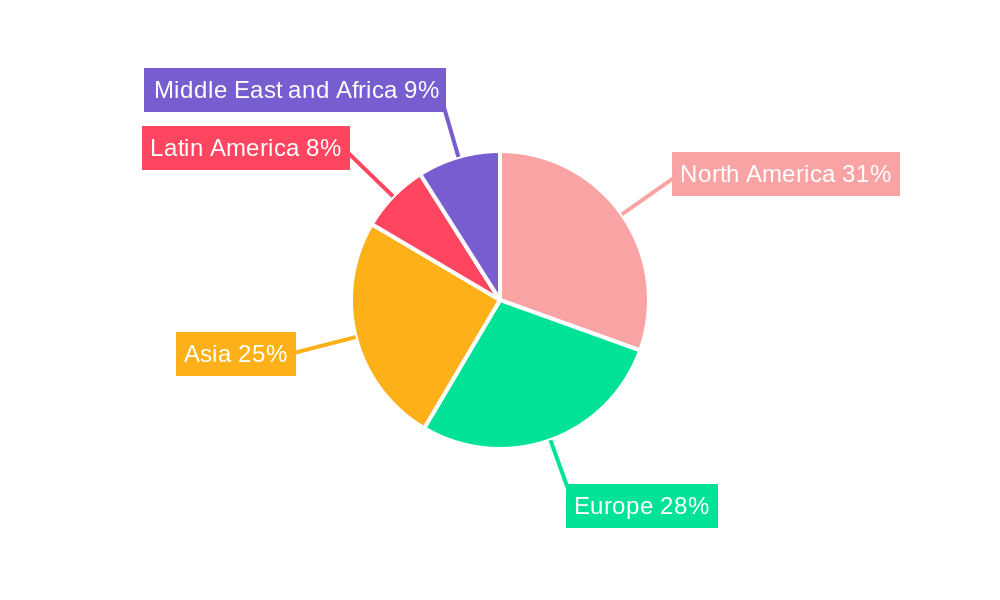
X Ray Machine Manufacturing Industry Regional Market Share
Geographic Coverage of X Ray Machine Manufacturing Industry
X Ray Machine Manufacturing Industry REPORT HIGHLIGHTS
| Aspects | Details |
|---|---|
| Study Period | 2020-2034 |
| Base Year | 2025 |
| Estimated Year | 2026 |
| Forecast Period | 2026-2034 |
| Historical Period | 2020-2025 |
| Growth Rate | CAGR of 5.69% from 2020-2034 |
| Segmentation |
|
Table of Contents
- 1. Introduction
- 1.1. Research Scope
- 1.2. Market Segmentation
- 1.3. Research Methodology
- 1.4. Definitions and Assumptions
- 2. Executive Summary
- 2.1. Introduction
- 3. Market Dynamics
- 3.1. Introduction
- 3.2. Market Drivers
- 3.2.1. Rise in Adoption of Digital X-ray Systems; Government Regulations and Investments to Improve Infrastructure
- 3.3. Market Restrains
- 3.3.1. High Cost of the Equipment
- 3.4. Market Trends
- 3.4.1. Healthcare Sector is Expected to Hold a Significant Market Share
- 4. Market Factor Analysis
- 4.1. Porters Five Forces
- 4.2. Supply/Value Chain
- 4.3. PESTEL analysis
- 4.4. Market Entropy
- 4.5. Patent/Trademark Analysis
- 5. Global X Ray Machine Manufacturing Industry Analysis, Insights and Forecast, 2020-2032
- 5.1. Market Analysis, Insights and Forecast - by Product Type
- 5.1.1. Stationary
- 5.1.2. Portable
- 5.2. Market Analysis, Insights and Forecast - by Technology
- 5.2.1. Analog
- 5.2.2. Digital
- 5.3. Market Analysis, Insights and Forecast - by End-user
- 5.3.1. Healthcare
- 5.3.2. Transportation and Logistics
- 5.3.3. Government
- 5.3.4. Other End-users
- 5.4. Market Analysis, Insights and Forecast - by Region
- 5.4.1. North America
- 5.4.2. Europe
- 5.4.3. Asia
- 5.4.4. Latin America
- 5.4.5. Middle East and Africa
- 5.1. Market Analysis, Insights and Forecast - by Product Type
- 6. North America X Ray Machine Manufacturing Industry Analysis, Insights and Forecast, 2020-2032
- 6.1. Market Analysis, Insights and Forecast - by Product Type
- 6.1.1. Stationary
- 6.1.2. Portable
- 6.2. Market Analysis, Insights and Forecast - by Technology
- 6.2.1. Analog
- 6.2.2. Digital
- 6.3. Market Analysis, Insights and Forecast - by End-user
- 6.3.1. Healthcare
- 6.3.2. Transportation and Logistics
- 6.3.3. Government
- 6.3.4. Other End-users
- 6.1. Market Analysis, Insights and Forecast - by Product Type
- 7. Europe X Ray Machine Manufacturing Industry Analysis, Insights and Forecast, 2020-2032
- 7.1. Market Analysis, Insights and Forecast - by Product Type
- 7.1.1. Stationary
- 7.1.2. Portable
- 7.2. Market Analysis, Insights and Forecast - by Technology
- 7.2.1. Analog
- 7.2.2. Digital
- 7.3. Market Analysis, Insights and Forecast - by End-user
- 7.3.1. Healthcare
- 7.3.2. Transportation and Logistics
- 7.3.3. Government
- 7.3.4. Other End-users
- 7.1. Market Analysis, Insights and Forecast - by Product Type
- 8. Asia X Ray Machine Manufacturing Industry Analysis, Insights and Forecast, 2020-2032
- 8.1. Market Analysis, Insights and Forecast - by Product Type
- 8.1.1. Stationary
- 8.1.2. Portable
- 8.2. Market Analysis, Insights and Forecast - by Technology
- 8.2.1. Analog
- 8.2.2. Digital
- 8.3. Market Analysis, Insights and Forecast - by End-user
- 8.3.1. Healthcare
- 8.3.2. Transportation and Logistics
- 8.3.3. Government
- 8.3.4. Other End-users
- 8.1. Market Analysis, Insights and Forecast - by Product Type
- 9. Latin America X Ray Machine Manufacturing Industry Analysis, Insights and Forecast, 2020-2032
- 9.1. Market Analysis, Insights and Forecast - by Product Type
- 9.1.1. Stationary
- 9.1.2. Portable
- 9.2. Market Analysis, Insights and Forecast - by Technology
- 9.2.1. Analog
- 9.2.2. Digital
- 9.3. Market Analysis, Insights and Forecast - by End-user
- 9.3.1. Healthcare
- 9.3.2. Transportation and Logistics
- 9.3.3. Government
- 9.3.4. Other End-users
- 9.1. Market Analysis, Insights and Forecast - by Product Type
- 10. Middle East and Africa X Ray Machine Manufacturing Industry Analysis, Insights and Forecast, 2020-2032
- 10.1. Market Analysis, Insights and Forecast - by Product Type
- 10.1.1. Stationary
- 10.1.2. Portable
- 10.2. Market Analysis, Insights and Forecast - by Technology
- 10.2.1. Analog
- 10.2.2. Digital
- 10.3. Market Analysis, Insights and Forecast - by End-user
- 10.3.1. Healthcare
- 10.3.2. Transportation and Logistics
- 10.3.3. Government
- 10.3.4. Other End-users
- 10.1. Market Analysis, Insights and Forecast - by Product Type
- 11. Competitive Analysis
- 11.1. Global Market Share Analysis 2025
- 11.2. Company Profiles
- 11.2.1 Canon Inc
- 11.2.1.1. Overview
- 11.2.1.2. Products
- 11.2.1.3. SWOT Analysis
- 11.2.1.4. Recent Developments
- 11.2.1.5. Financials (Based on Availability)
- 11.2.2 Hologic Inc
- 11.2.2.1. Overview
- 11.2.2.2. Products
- 11.2.2.3. SWOT Analysis
- 11.2.2.4. Recent Developments
- 11.2.2.5. Financials (Based on Availability)
- 11.2.3 GE Healthcare
- 11.2.3.1. Overview
- 11.2.3.2. Products
- 11.2.3.3. SWOT Analysis
- 11.2.3.4. Recent Developments
- 11.2.3.5. Financials (Based on Availability)
- 11.2.4 Siemens AG
- 11.2.4.1. Overview
- 11.2.4.2. Products
- 11.2.4.3. SWOT Analysis
- 11.2.4.4. Recent Developments
- 11.2.4.5. Financials (Based on Availability)
- 11.2.5 Philips Healthcare
- 11.2.5.1. Overview
- 11.2.5.2. Products
- 11.2.5.3. SWOT Analysis
- 11.2.5.4. Recent Developments
- 11.2.5.5. Financials (Based on Availability)
- 11.2.6 Hindrays
- 11.2.6.1. Overview
- 11.2.6.2. Products
- 11.2.6.3. SWOT Analysis
- 11.2.6.4. Recent Developments
- 11.2.6.5. Financials (Based on Availability)
- 11.2.7 Hitachi Medical Corporation
- 11.2.7.1. Overview
- 11.2.7.2. Products
- 11.2.7.3. SWOT Analysis
- 11.2.7.4. Recent Developments
- 11.2.7.5. Financials (Based on Availability)
- 11.2.8 Vision Medicaid Equipment Private Limited
- 11.2.8.1. Overview
- 11.2.8.2. Products
- 11.2.8.3. SWOT Analysis
- 11.2.8.4. Recent Developments
- 11.2.8.5. Financials (Based on Availability)
- 11.2.9 Shimadzu Corporation
- 11.2.9.1. Overview
- 11.2.9.2. Products
- 11.2.9.3. SWOT Analysis
- 11.2.9.4. Recent Developments
- 11.2.9.5. Financials (Based on Availability)
- 11.2.10 Fujifilm Holdings Corporation
- 11.2.10.1. Overview
- 11.2.10.2. Products
- 11.2.10.3. SWOT Analysis
- 11.2.10.4. Recent Developments
- 11.2.10.5. Financials (Based on Availability)
- 11.2.1 Canon Inc
List of Figures
- Figure 1: Global X Ray Machine Manufacturing Industry Revenue Breakdown (Million, %) by Region 2025 & 2033
- Figure 2: Global X Ray Machine Manufacturing Industry Volume Breakdown (K Unit, %) by Region 2025 & 2033
- Figure 3: North America X Ray Machine Manufacturing Industry Revenue (Million), by Product Type 2025 & 2033
- Figure 4: North America X Ray Machine Manufacturing Industry Volume (K Unit), by Product Type 2025 & 2033
- Figure 5: North America X Ray Machine Manufacturing Industry Revenue Share (%), by Product Type 2025 & 2033
- Figure 6: North America X Ray Machine Manufacturing Industry Volume Share (%), by Product Type 2025 & 2033
- Figure 7: North America X Ray Machine Manufacturing Industry Revenue (Million), by Technology 2025 & 2033
- Figure 8: North America X Ray Machine Manufacturing Industry Volume (K Unit), by Technology 2025 & 2033
- Figure 9: North America X Ray Machine Manufacturing Industry Revenue Share (%), by Technology 2025 & 2033
- Figure 10: North America X Ray Machine Manufacturing Industry Volume Share (%), by Technology 2025 & 2033
- Figure 11: North America X Ray Machine Manufacturing Industry Revenue (Million), by End-user 2025 & 2033
- Figure 12: North America X Ray Machine Manufacturing Industry Volume (K Unit), by End-user 2025 & 2033
- Figure 13: North America X Ray Machine Manufacturing Industry Revenue Share (%), by End-user 2025 & 2033
- Figure 14: North America X Ray Machine Manufacturing Industry Volume Share (%), by End-user 2025 & 2033
- Figure 15: North America X Ray Machine Manufacturing Industry Revenue (Million), by Country 2025 & 2033
- Figure 16: North America X Ray Machine Manufacturing Industry Volume (K Unit), by Country 2025 & 2033
- Figure 17: North America X Ray Machine Manufacturing Industry Revenue Share (%), by Country 2025 & 2033
- Figure 18: North America X Ray Machine Manufacturing Industry Volume Share (%), by Country 2025 & 2033
- Figure 19: Europe X Ray Machine Manufacturing Industry Revenue (Million), by Product Type 2025 & 2033
- Figure 20: Europe X Ray Machine Manufacturing Industry Volume (K Unit), by Product Type 2025 & 2033
- Figure 21: Europe X Ray Machine Manufacturing Industry Revenue Share (%), by Product Type 2025 & 2033
- Figure 22: Europe X Ray Machine Manufacturing Industry Volume Share (%), by Product Type 2025 & 2033
- Figure 23: Europe X Ray Machine Manufacturing Industry Revenue (Million), by Technology 2025 & 2033
- Figure 24: Europe X Ray Machine Manufacturing Industry Volume (K Unit), by Technology 2025 & 2033
- Figure 25: Europe X Ray Machine Manufacturing Industry Revenue Share (%), by Technology 2025 & 2033
- Figure 26: Europe X Ray Machine Manufacturing Industry Volume Share (%), by Technology 2025 & 2033
- Figure 27: Europe X Ray Machine Manufacturing Industry Revenue (Million), by End-user 2025 & 2033
- Figure 28: Europe X Ray Machine Manufacturing Industry Volume (K Unit), by End-user 2025 & 2033
- Figure 29: Europe X Ray Machine Manufacturing Industry Revenue Share (%), by End-user 2025 & 2033
- Figure 30: Europe X Ray Machine Manufacturing Industry Volume Share (%), by End-user 2025 & 2033
- Figure 31: Europe X Ray Machine Manufacturing Industry Revenue (Million), by Country 2025 & 2033
- Figure 32: Europe X Ray Machine Manufacturing Industry Volume (K Unit), by Country 2025 & 2033
- Figure 33: Europe X Ray Machine Manufacturing Industry Revenue Share (%), by Country 2025 & 2033
- Figure 34: Europe X Ray Machine Manufacturing Industry Volume Share (%), by Country 2025 & 2033
- Figure 35: Asia X Ray Machine Manufacturing Industry Revenue (Million), by Product Type 2025 & 2033
- Figure 36: Asia X Ray Machine Manufacturing Industry Volume (K Unit), by Product Type 2025 & 2033
- Figure 37: Asia X Ray Machine Manufacturing Industry Revenue Share (%), by Product Type 2025 & 2033
- Figure 38: Asia X Ray Machine Manufacturing Industry Volume Share (%), by Product Type 2025 & 2033
- Figure 39: Asia X Ray Machine Manufacturing Industry Revenue (Million), by Technology 2025 & 2033
- Figure 40: Asia X Ray Machine Manufacturing Industry Volume (K Unit), by Technology 2025 & 2033
- Figure 41: Asia X Ray Machine Manufacturing Industry Revenue Share (%), by Technology 2025 & 2033
- Figure 42: Asia X Ray Machine Manufacturing Industry Volume Share (%), by Technology 2025 & 2033
- Figure 43: Asia X Ray Machine Manufacturing Industry Revenue (Million), by End-user 2025 & 2033
- Figure 44: Asia X Ray Machine Manufacturing Industry Volume (K Unit), by End-user 2025 & 2033
- Figure 45: Asia X Ray Machine Manufacturing Industry Revenue Share (%), by End-user 2025 & 2033
- Figure 46: Asia X Ray Machine Manufacturing Industry Volume Share (%), by End-user 2025 & 2033
- Figure 47: Asia X Ray Machine Manufacturing Industry Revenue (Million), by Country 2025 & 2033
- Figure 48: Asia X Ray Machine Manufacturing Industry Volume (K Unit), by Country 2025 & 2033
- Figure 49: Asia X Ray Machine Manufacturing Industry Revenue Share (%), by Country 2025 & 2033
- Figure 50: Asia X Ray Machine Manufacturing Industry Volume Share (%), by Country 2025 & 2033
- Figure 51: Latin America X Ray Machine Manufacturing Industry Revenue (Million), by Product Type 2025 & 2033
- Figure 52: Latin America X Ray Machine Manufacturing Industry Volume (K Unit), by Product Type 2025 & 2033
- Figure 53: Latin America X Ray Machine Manufacturing Industry Revenue Share (%), by Product Type 2025 & 2033
- Figure 54: Latin America X Ray Machine Manufacturing Industry Volume Share (%), by Product Type 2025 & 2033
- Figure 55: Latin America X Ray Machine Manufacturing Industry Revenue (Million), by Technology 2025 & 2033
- Figure 56: Latin America X Ray Machine Manufacturing Industry Volume (K Unit), by Technology 2025 & 2033
- Figure 57: Latin America X Ray Machine Manufacturing Industry Revenue Share (%), by Technology 2025 & 2033
- Figure 58: Latin America X Ray Machine Manufacturing Industry Volume Share (%), by Technology 2025 & 2033
- Figure 59: Latin America X Ray Machine Manufacturing Industry Revenue (Million), by End-user 2025 & 2033
- Figure 60: Latin America X Ray Machine Manufacturing Industry Volume (K Unit), by End-user 2025 & 2033
- Figure 61: Latin America X Ray Machine Manufacturing Industry Revenue Share (%), by End-user 2025 & 2033
- Figure 62: Latin America X Ray Machine Manufacturing Industry Volume Share (%), by End-user 2025 & 2033
- Figure 63: Latin America X Ray Machine Manufacturing Industry Revenue (Million), by Country 2025 & 2033
- Figure 64: Latin America X Ray Machine Manufacturing Industry Volume (K Unit), by Country 2025 & 2033
- Figure 65: Latin America X Ray Machine Manufacturing Industry Revenue Share (%), by Country 2025 & 2033
- Figure 66: Latin America X Ray Machine Manufacturing Industry Volume Share (%), by Country 2025 & 2033
- Figure 67: Middle East and Africa X Ray Machine Manufacturing Industry Revenue (Million), by Product Type 2025 & 2033
- Figure 68: Middle East and Africa X Ray Machine Manufacturing Industry Volume (K Unit), by Product Type 2025 & 2033
- Figure 69: Middle East and Africa X Ray Machine Manufacturing Industry Revenue Share (%), by Product Type 2025 & 2033
- Figure 70: Middle East and Africa X Ray Machine Manufacturing Industry Volume Share (%), by Product Type 2025 & 2033
- Figure 71: Middle East and Africa X Ray Machine Manufacturing Industry Revenue (Million), by Technology 2025 & 2033
- Figure 72: Middle East and Africa X Ray Machine Manufacturing Industry Volume (K Unit), by Technology 2025 & 2033
- Figure 73: Middle East and Africa X Ray Machine Manufacturing Industry Revenue Share (%), by Technology 2025 & 2033
- Figure 74: Middle East and Africa X Ray Machine Manufacturing Industry Volume Share (%), by Technology 2025 & 2033
- Figure 75: Middle East and Africa X Ray Machine Manufacturing Industry Revenue (Million), by End-user 2025 & 2033
- Figure 76: Middle East and Africa X Ray Machine Manufacturing Industry Volume (K Unit), by End-user 2025 & 2033
- Figure 77: Middle East and Africa X Ray Machine Manufacturing Industry Revenue Share (%), by End-user 2025 & 2033
- Figure 78: Middle East and Africa X Ray Machine Manufacturing Industry Volume Share (%), by End-user 2025 & 2033
- Figure 79: Middle East and Africa X Ray Machine Manufacturing Industry Revenue (Million), by Country 2025 & 2033
- Figure 80: Middle East and Africa X Ray Machine Manufacturing Industry Volume (K Unit), by Country 2025 & 2033
- Figure 81: Middle East and Africa X Ray Machine Manufacturing Industry Revenue Share (%), by Country 2025 & 2033
- Figure 82: Middle East and Africa X Ray Machine Manufacturing Industry Volume Share (%), by Country 2025 & 2033
List of Tables
- Table 1: Global X Ray Machine Manufacturing Industry Revenue Million Forecast, by Product Type 2020 & 2033
- Table 2: Global X Ray Machine Manufacturing Industry Volume K Unit Forecast, by Product Type 2020 & 2033
- Table 3: Global X Ray Machine Manufacturing Industry Revenue Million Forecast, by Technology 2020 & 2033
- Table 4: Global X Ray Machine Manufacturing Industry Volume K Unit Forecast, by Technology 2020 & 2033
- Table 5: Global X Ray Machine Manufacturing Industry Revenue Million Forecast, by End-user 2020 & 2033
- Table 6: Global X Ray Machine Manufacturing Industry Volume K Unit Forecast, by End-user 2020 & 2033
- Table 7: Global X Ray Machine Manufacturing Industry Revenue Million Forecast, by Region 2020 & 2033
- Table 8: Global X Ray Machine Manufacturing Industry Volume K Unit Forecast, by Region 2020 & 2033
- Table 9: Global X Ray Machine Manufacturing Industry Revenue Million Forecast, by Product Type 2020 & 2033
- Table 10: Global X Ray Machine Manufacturing Industry Volume K Unit Forecast, by Product Type 2020 & 2033
- Table 11: Global X Ray Machine Manufacturing Industry Revenue Million Forecast, by Technology 2020 & 2033
- Table 12: Global X Ray Machine Manufacturing Industry Volume K Unit Forecast, by Technology 2020 & 2033
- Table 13: Global X Ray Machine Manufacturing Industry Revenue Million Forecast, by End-user 2020 & 2033
- Table 14: Global X Ray Machine Manufacturing Industry Volume K Unit Forecast, by End-user 2020 & 2033
- Table 15: Global X Ray Machine Manufacturing Industry Revenue Million Forecast, by Country 2020 & 2033
- Table 16: Global X Ray Machine Manufacturing Industry Volume K Unit Forecast, by Country 2020 & 2033
- Table 17: United States X Ray Machine Manufacturing Industry Revenue (Million) Forecast, by Application 2020 & 2033
- Table 18: United States X Ray Machine Manufacturing Industry Volume (K Unit) Forecast, by Application 2020 & 2033
- Table 19: Canada X Ray Machine Manufacturing Industry Revenue (Million) Forecast, by Application 2020 & 2033
- Table 20: Canada X Ray Machine Manufacturing Industry Volume (K Unit) Forecast, by Application 2020 & 2033
- Table 21: Global X Ray Machine Manufacturing Industry Revenue Million Forecast, by Product Type 2020 & 2033
- Table 22: Global X Ray Machine Manufacturing Industry Volume K Unit Forecast, by Product Type 2020 & 2033
- Table 23: Global X Ray Machine Manufacturing Industry Revenue Million Forecast, by Technology 2020 & 2033
- Table 24: Global X Ray Machine Manufacturing Industry Volume K Unit Forecast, by Technology 2020 & 2033
- Table 25: Global X Ray Machine Manufacturing Industry Revenue Million Forecast, by End-user 2020 & 2033
- Table 26: Global X Ray Machine Manufacturing Industry Volume K Unit Forecast, by End-user 2020 & 2033
- Table 27: Global X Ray Machine Manufacturing Industry Revenue Million Forecast, by Country 2020 & 2033
- Table 28: Global X Ray Machine Manufacturing Industry Volume K Unit Forecast, by Country 2020 & 2033
- Table 29: United Kingdom X Ray Machine Manufacturing Industry Revenue (Million) Forecast, by Application 2020 & 2033
- Table 30: United Kingdom X Ray Machine Manufacturing Industry Volume (K Unit) Forecast, by Application 2020 & 2033
- Table 31: Germany X Ray Machine Manufacturing Industry Revenue (Million) Forecast, by Application 2020 & 2033
- Table 32: Germany X Ray Machine Manufacturing Industry Volume (K Unit) Forecast, by Application 2020 & 2033
- Table 33: France X Ray Machine Manufacturing Industry Revenue (Million) Forecast, by Application 2020 & 2033
- Table 34: France X Ray Machine Manufacturing Industry Volume (K Unit) Forecast, by Application 2020 & 2033
- Table 35: Global X Ray Machine Manufacturing Industry Revenue Million Forecast, by Product Type 2020 & 2033
- Table 36: Global X Ray Machine Manufacturing Industry Volume K Unit Forecast, by Product Type 2020 & 2033
- Table 37: Global X Ray Machine Manufacturing Industry Revenue Million Forecast, by Technology 2020 & 2033
- Table 38: Global X Ray Machine Manufacturing Industry Volume K Unit Forecast, by Technology 2020 & 2033
- Table 39: Global X Ray Machine Manufacturing Industry Revenue Million Forecast, by End-user 2020 & 2033
- Table 40: Global X Ray Machine Manufacturing Industry Volume K Unit Forecast, by End-user 2020 & 2033
- Table 41: Global X Ray Machine Manufacturing Industry Revenue Million Forecast, by Country 2020 & 2033
- Table 42: Global X Ray Machine Manufacturing Industry Volume K Unit Forecast, by Country 2020 & 2033
- Table 43: China X Ray Machine Manufacturing Industry Revenue (Million) Forecast, by Application 2020 & 2033
- Table 44: China X Ray Machine Manufacturing Industry Volume (K Unit) Forecast, by Application 2020 & 2033
- Table 45: Japan X Ray Machine Manufacturing Industry Revenue (Million) Forecast, by Application 2020 & 2033
- Table 46: Japan X Ray Machine Manufacturing Industry Volume (K Unit) Forecast, by Application 2020 & 2033
- Table 47: India X Ray Machine Manufacturing Industry Revenue (Million) Forecast, by Application 2020 & 2033
- Table 48: India X Ray Machine Manufacturing Industry Volume (K Unit) Forecast, by Application 2020 & 2033
- Table 49: South Korea X Ray Machine Manufacturing Industry Revenue (Million) Forecast, by Application 2020 & 2033
- Table 50: South Korea X Ray Machine Manufacturing Industry Volume (K Unit) Forecast, by Application 2020 & 2033
- Table 51: Global X Ray Machine Manufacturing Industry Revenue Million Forecast, by Product Type 2020 & 2033
- Table 52: Global X Ray Machine Manufacturing Industry Volume K Unit Forecast, by Product Type 2020 & 2033
- Table 53: Global X Ray Machine Manufacturing Industry Revenue Million Forecast, by Technology 2020 & 2033
- Table 54: Global X Ray Machine Manufacturing Industry Volume K Unit Forecast, by Technology 2020 & 2033
- Table 55: Global X Ray Machine Manufacturing Industry Revenue Million Forecast, by End-user 2020 & 2033
- Table 56: Global X Ray Machine Manufacturing Industry Volume K Unit Forecast, by End-user 2020 & 2033
- Table 57: Global X Ray Machine Manufacturing Industry Revenue Million Forecast, by Country 2020 & 2033
- Table 58: Global X Ray Machine Manufacturing Industry Volume K Unit Forecast, by Country 2020 & 2033
- Table 59: Global X Ray Machine Manufacturing Industry Revenue Million Forecast, by Product Type 2020 & 2033
- Table 60: Global X Ray Machine Manufacturing Industry Volume K Unit Forecast, by Product Type 2020 & 2033
- Table 61: Global X Ray Machine Manufacturing Industry Revenue Million Forecast, by Technology 2020 & 2033
- Table 62: Global X Ray Machine Manufacturing Industry Volume K Unit Forecast, by Technology 2020 & 2033
- Table 63: Global X Ray Machine Manufacturing Industry Revenue Million Forecast, by End-user 2020 & 2033
- Table 64: Global X Ray Machine Manufacturing Industry Volume K Unit Forecast, by End-user 2020 & 2033
- Table 65: Global X Ray Machine Manufacturing Industry Revenue Million Forecast, by Country 2020 & 2033
- Table 66: Global X Ray Machine Manufacturing Industry Volume K Unit Forecast, by Country 2020 & 2033
Frequently Asked Questions
1. What is the projected Compound Annual Growth Rate (CAGR) of the X Ray Machine Manufacturing Industry?
The projected CAGR is approximately 5.69%.
2. Which companies are prominent players in the X Ray Machine Manufacturing Industry?
Key companies in the market include Canon Inc, Hologic Inc, GE Healthcare, Siemens AG, Philips Healthcare, Hindrays, Hitachi Medical Corporation, Vision Medicaid Equipment Private Limited, Shimadzu Corporation, Fujifilm Holdings Corporation.
3. What are the main segments of the X Ray Machine Manufacturing Industry?
The market segments include Product Type, Technology, End-user.
4. Can you provide details about the market size?
The market size is estimated to be USD 17.70 Million as of 2022.
5. What are some drivers contributing to market growth?
Rise in Adoption of Digital X-ray Systems; Government Regulations and Investments to Improve Infrastructure.
6. What are the notable trends driving market growth?
Healthcare Sector is Expected to Hold a Significant Market Share.
7. Are there any restraints impacting market growth?
High Cost of the Equipment.
8. Can you provide examples of recent developments in the market?
November 2022: Konica Minolta Healthcare Americas, Inc., a global leader in medical diagnostic imaging and healthcare information technology, introduced groundbreaking digital radiography (DR) technologies designed to revolutionize the clinical utility of X-rays.
9. What pricing options are available for accessing the report?
Pricing options include single-user, multi-user, and enterprise licenses priced at USD 4750, USD 5250, and USD 8750 respectively.
10. Is the market size provided in terms of value or volume?
The market size is provided in terms of value, measured in Million and volume, measured in K Unit.
11. Are there any specific market keywords associated with the report?
Yes, the market keyword associated with the report is "X Ray Machine Manufacturing Industry," which aids in identifying and referencing the specific market segment covered.
12. How do I determine which pricing option suits my needs best?
The pricing options vary based on user requirements and access needs. Individual users may opt for single-user licenses, while businesses requiring broader access may choose multi-user or enterprise licenses for cost-effective access to the report.
13. Are there any additional resources or data provided in the X Ray Machine Manufacturing Industry report?
While the report offers comprehensive insights, it's advisable to review the specific contents or supplementary materials provided to ascertain if additional resources or data are available.
14. How can I stay updated on further developments or reports in the X Ray Machine Manufacturing Industry?
To stay informed about further developments, trends, and reports in the X Ray Machine Manufacturing Industry, consider subscribing to industry newsletters, following relevant companies and organizations, or regularly checking reputable industry news sources and publications.
Methodology
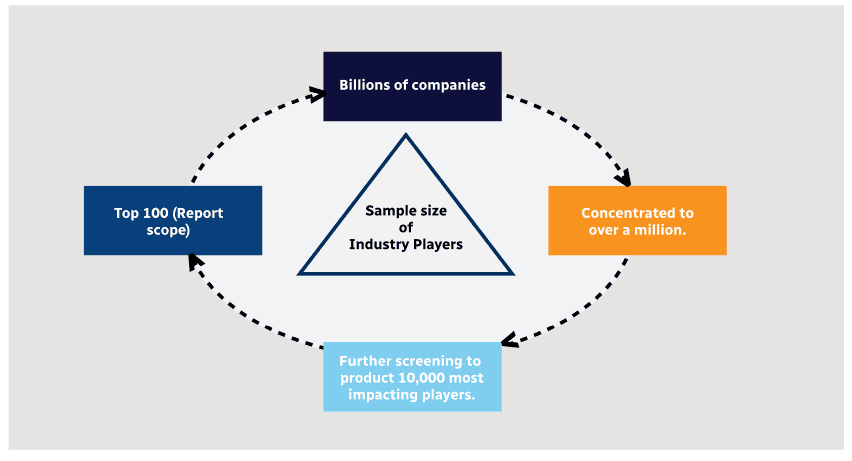
Step 1 - Identification of Relevant Samples Size from Population Database
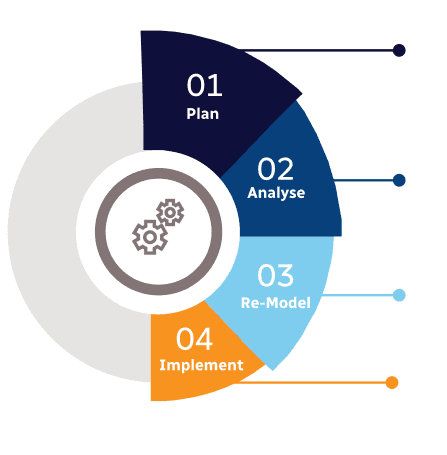
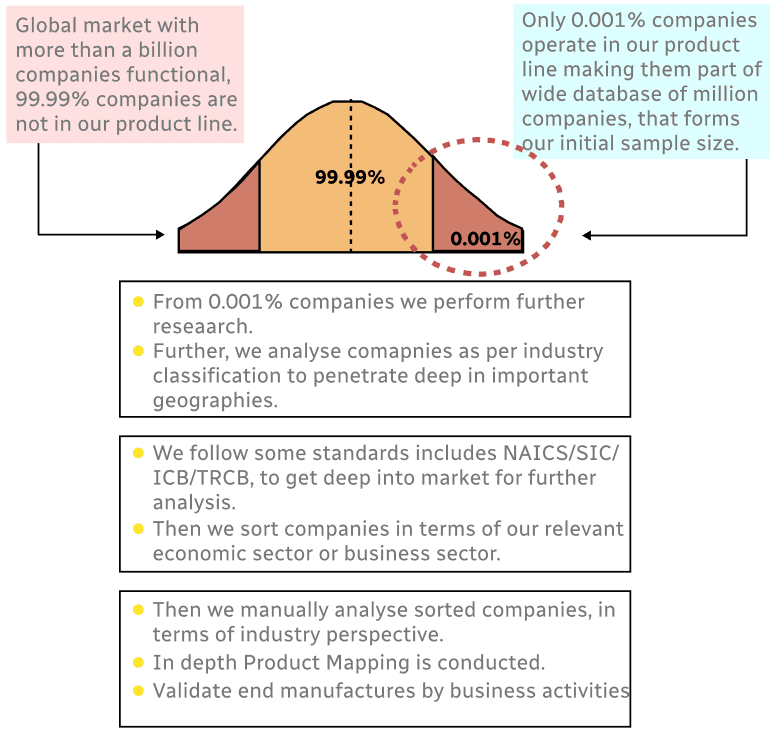
Step 2 - Approaches for Defining Global Market Size (Value, Volume* & Price*)
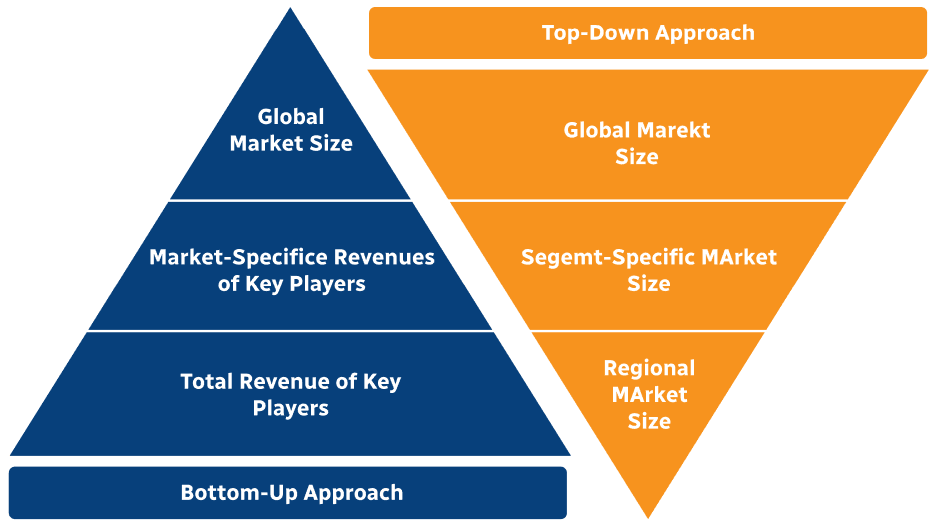
Note*: In applicable scenarios
Step 3 - Data Sources
Primary Research
- Web Analytics
- Survey Reports
- Research Institute
- Latest Research Reports
- Opinion Leaders
Secondary Research
- Annual Reports
- White Paper
- Latest Press Release
- Industry Association
- Paid Database
- Investor Presentations
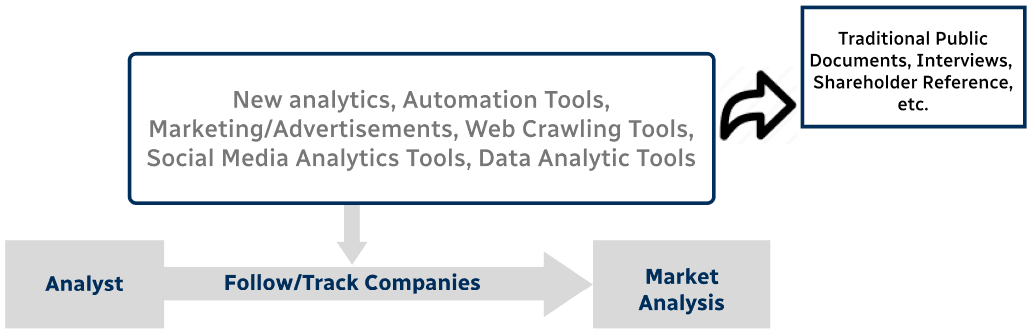
Step 4 - Data Triangulation
Involves using different sources of information in order to increase the validity of a study
These sources are likely to be stakeholders in a program - participants, other researchers, program staff, other community members, and so on.
Then we put all data in single framework & apply various statistical tools to find out the dynamic on the market.
During the analysis stage, feedback from the stakeholder groups would be compared to determine areas of agreement as well as areas of divergence