


Key Insights
The Philippine ceramic tile market, valued at $3.89 billion in 2025, exhibits robust growth potential, projected to expand at a Compound Annual Growth Rate (CAGR) of 6.26% from 2025 to 2033. This growth is fueled by several key factors. The burgeoning construction sector, driven by increasing urbanization and infrastructure development, significantly boosts demand for ceramic tiles in both new constructions and renovation projects. Rising disposable incomes and a preference for aesthetically pleasing and durable flooring and wall solutions within the residential sector further contribute to market expansion. The preference for glazed and scratch-resistant tiles reflects a consumer focus on quality and longevity. While specific data on segmental breakdowns is limited, it is reasonable to assume that the residential segment currently holds the largest market share, followed by the commercial construction sector. Competition within the market is intense, with both domestic and international players vying for market share, creating a dynamic environment characterized by innovation in product design and technology.
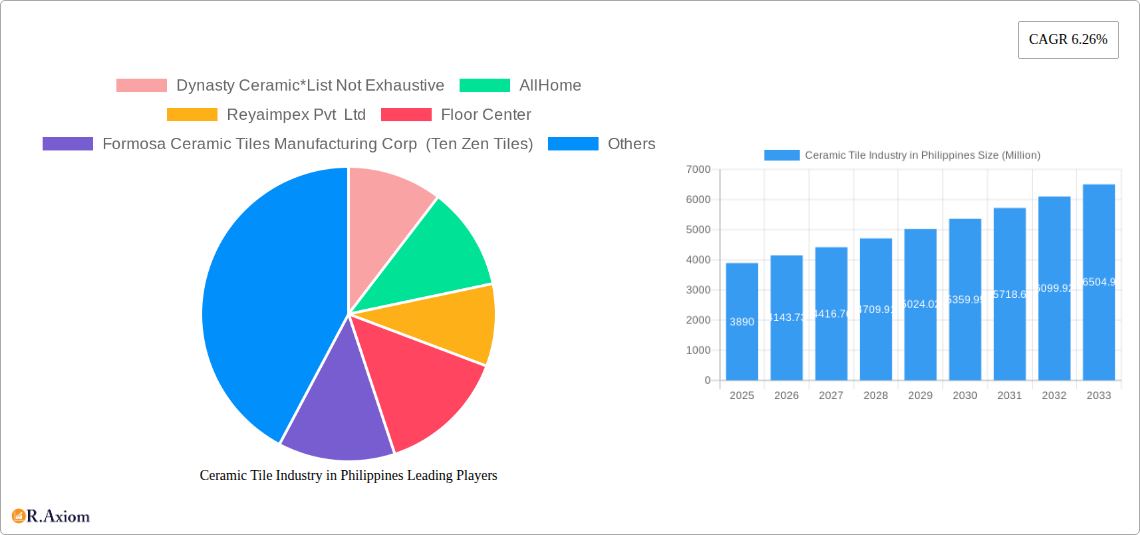
Ceramic Tile Industry in Philippines Market Size (In Billion)

However, the market faces certain challenges. Fluctuations in raw material prices, particularly those linked to energy and transportation costs, pose a significant risk to manufacturers’ profitability. Furthermore, the market's susceptibility to economic downturns needs to be considered, as construction activity can be significantly impacted by economic volatility. Successfully navigating this requires robust supply chain management, strategic pricing strategies, and a strong focus on innovation to differentiate product offerings and meet evolving consumer preferences. Key players like Dynasty Ceramic, AllHome, and Taicera are well-positioned to capitalize on these market dynamics, leveraging their established brand presence and distribution networks to maintain their competitiveness. The continuous expansion of the middle class and government investments in infrastructure will likely continue to drive market expansion over the forecast period.

Ceramic Tile Industry in Philippines Company Market Share
This in-depth report provides a comprehensive analysis of the Philippine ceramic tile industry, covering market size, segmentation, competitive landscape, and future growth prospects. The report utilizes data from the historical period (2019-2024), with a focus on the base year 2025 and a forecast period extending to 2033. The study offers actionable insights for industry stakeholders, including manufacturers, distributors, retailers, and investors. This report is invaluable for understanding the dynamics of this growing market and identifying key opportunities for success.
Ceramic Tile Industry in Philippines Market Concentration & Innovation
The Philippine ceramic tile market exhibits a moderately concentrated structure, with several major players commanding significant market share. While precise market share figures for each company are proprietary and require further investigation, leading players like Mariwasa Siam Ceramics Inc., Taicera, and Dynasty Ceramic hold substantial positions. The market is characterized by both established players and emerging competitors, leading to a dynamic competitive landscape.
Innovation Drivers: Innovation in the industry is primarily driven by:
- Technological advancements: The introduction of new manufacturing techniques, resulting in improved product quality, durability, and aesthetics. This includes the rise of digital printing for customized designs and the development of scratch-resistant and eco-friendly tiles.
- Consumer demand: Growing consumer preference for aesthetically pleasing and functional tiles drives innovation in product design, size, and finish.
- Government regulations: Environmental regulations are increasingly impacting the industry, pushing manufacturers to adopt more sustainable production methods and materials.
Regulatory Framework: The Philippine government's policies concerning construction and infrastructure projects significantly influence market demand. Regulations related to building codes, environmental standards, and import/export duties also shape the industry landscape.
Product Substitutes: The ceramic tile industry faces competition from alternative flooring materials such as vinyl, wood, and laminate. However, ceramic tiles maintain a strong competitive advantage due to their durability, ease of maintenance, and aesthetic versatility.
End-User Trends: The increasing preference for modern and stylish homes, coupled with rising disposable incomes, is boosting demand for high-quality ceramic tiles, particularly in the residential segment.
M&A Activities: While specific M&A deal values are not publicly available for the Philippines ceramic tile market (xx Million), there have been instances of consolidation and strategic partnerships among smaller players aiming to enhance market share and competitiveness. These activities are expected to increase in the coming years.
Ceramic Tile Industry in Philippines Industry Trends & Insights
The Philippine ceramic tile market is experiencing robust growth, driven by several key factors. The construction industry's expansion, fueled by both residential and commercial development projects, significantly boosts demand for tiles. The increasing urbanization and rising disposable incomes further contribute to this growth. The market exhibited a Compound Annual Growth Rate (CAGR) of approximately 7.5% during the historical period (2019-2024) and is projected to maintain a CAGR of around 8.2% during the forecast period (2025-2033).
Technological disruptions, particularly in digital printing and advanced surface treatment technologies, are revolutionizing the industry, enabling greater customization, intricate detailing, and enhanced product performance such as improved durability and slip resistance. Consumer preferences are decisively shifting towards larger format tiles for a more seamless and contemporary look, innovative designs that mimic natural materials like wood and stone, and a growing demand for eco-friendly and sustainable tile options. The competitive dynamics are marked by intense competition among a mix of established domestic manufacturers and agile international players, leading to strategic pricing and a strong emphasis on product differentiation to capture market share. The penetration of high-end and specialized tiles continues to grow, reflecting the increasing purchasing power and discerning tastes of Filipino consumers. Furthermore, supportive government initiatives promoting infrastructure development, affordable housing projects, and urban renewal significantly influence and bolster the overall market growth.
Dominant Markets & Segments in Ceramic Tile Industry in Philippines
Dominant Segment Analysis:
- By Construction Type: New construction accounts for the largest segment, driven by ongoing infrastructure projects and residential development. Replacement and renovation also represent a significant segment, fueled by homeowners' upgrading preferences.
- By End-User: Residential applications constitute the largest share, reflecting the growth of the housing market. However, the commercial construction sector also demonstrates strong demand, particularly in shopping malls, hotels, and offices.
- By Product: Porcelain tiles are increasingly popular due to their durability and aesthetic appeal, holding a larger market share compared to glazed tiles. Scratch-free tiles cater to a niche but growing segment of high-end applications. Other products, including mosaics and decorative tiles, are also gaining traction.
- By Application: Floor tiles represent the dominant segment by application, driven by their functional and aesthetic role in various settings. Wall tiles cater to both residential and commercial needs, while other tiles, such as exterior tiles, hold a smaller but significant segment.
Key Drivers of Segment Dominance:
- Economic factors: Government investments in infrastructure and rising disposable incomes fuel demand across all segments, especially in new construction and residential end-uses.
- Infrastructure development: Large-scale infrastructure projects, such as road constructions and commercial complexes, significantly contribute to the growth of the construction segment.
- Urbanization: The continuous migration from rural to urban areas fuels the demand for housing, consequently driving growth in the residential sector.
- Government policies: Supportive government policies promoting homeownership and infrastructure projects contribute to the overall growth of the market.
Ceramic Tile Industry in Philippines Product Developments
The Philippine ceramic tile industry is at the forefront of significant product innovations, with a primary focus on elevating aesthetics, enhancing functionality, and championing sustainability. Manufacturers are actively incorporating cutting-edge technologies like advanced digital printing and high-definition inkjet printing to create highly customized, intricate, and photorealistic designs that offer unparalleled visual appeal. There's a pronounced emphasis on developing tiles with superior scratch-resistant, stain-resistant, and water-repellent properties, alongside a growing portfolio of eco-friendly tile options made from recycled materials and sustainable manufacturing processes, directly addressing the evolving needs of environmentally conscious consumers and building regulations. These advancements cater to a diverse range of applications, from residential interiors to high-traffic commercial spaces and exterior facades, significantly enhancing the versatility, durability, and competitive edge of ceramic tiles in the dynamic Philippine market.
Report Scope & Segmentation Analysis
This report provides a comprehensive and in-depth analysis of the Philippine ceramic tile market, meticulously segmented to offer clear insights into its various facets:
By Construction Type: New Construction, Replacement and Renovation. Growth projections indicate substantial expansion in both segments, driven by ongoing national infrastructure developments, a surge in urban residential and commercial building projects, and a rising trend in home renovation and interior upgrades. The competitive landscape features a dynamic interplay between established industry leaders and emerging new entrants, all competing vigorously on price, quality, design innovation, and customer service.
By End-User: Residential, Commercial & Institutional. The residential segment continues to be the dominant force, propelled by expanding homeownership rates, a growing middle class, and a strong consumer preference for aesthetically pleasing, durable, and easy-to-maintain flooring and wall solutions. The commercial and institutional segment shows consistent and significant growth, primarily driven by large-scale infrastructure projects, hospitality developments, educational facilities, and healthcare institutions. Competitive dynamics within these segments are nuanced, with specific manufacturers strategically catering to the unique demands and specifications of each sector.
By Product: Glazed Ceramic, Porcelain, Vitrified, Specialty Tiles (e.g., Anti-Bacterial, Slip-Resistant). Porcelain tiles represent the fastest-growing product category, highly sought after for their exceptional durability, low water absorption, and superior aesthetic versatility. The market for vitrified tiles, offering enhanced strength, is also expanding rapidly. Furthermore, the demand for specialty tiles, including anti-bacterial and high-slip-resistance options, is gaining traction, particularly in healthcare and public spaces. The competitive landscape is diverse and innovative, with many manufacturers specializing in distinct product lines to capture niche market segments.
By Application: Floor Tiles, Wall Tiles, Exterior Tiles, Specialty Applications. Floor tiles continue to hold the largest market share, a testament to their essential role in both residential and commercial spaces. Wall tiles follow closely, driven by decorative trends and functional requirements in kitchens and bathrooms. Exterior tiles are experiencing steady growth due to increased focus on outdoor living spaces and building facades. Specialty applications, catering to niche markets like industrial flooring or decorative accents, are also seeing moderate but consistent growth. Competitive pressures vary across applications, influenced by the demand for specialized designs, finishes, and performance characteristics.
Key Drivers of Ceramic Tile Industry in Philippines Growth
The growth of the Philippine ceramic tile industry is primarily driven by:
- Rapid urbanization and population growth: Increasing urban population leads to higher demand for housing and infrastructure development.
- Government initiatives promoting infrastructure development: Significant investments in infrastructure projects create substantial demand for construction materials, including ceramic tiles.
- Rising disposable incomes and improved living standards: Increased purchasing power enhances the demand for higher-quality and aesthetically superior tiles.
- Technological advancements in tile manufacturing: Innovations in design, durability, and sustainability improve the appeal of ceramic tiles over alternatives.
Challenges in the Ceramic Tile Industry in Philippines Sector
The Philippine ceramic tile industry, despite its robust growth, navigates several significant challenges:
- Fluctuations in raw material prices: Volatility in the cost of key raw materials, such as high-quality clay, feldspar, and quartz, can profoundly impact production costs and overall profitability. This unpredictability has historically led to an estimated 5-7% erosion of potential profits in certain periods due to supply chain disruptions and global commodity price shifts.
- Intense competition and pricing pressures: A dense ecosystem of domestic manufacturers, complemented by a steady influx of imported tiles, creates a highly competitive environment. This necessitates aggressive pricing strategies and continuous investment in differentiation, often putting pressure on profit margins.
- Economic downturns and demand volatility: Broader economic instability, including inflation and reduced consumer confidence, can directly impact construction activity and discretionary spending, subsequently reducing the demand for ceramic tiles.
- Logistical complexities and import duties: For imported tiles, logistical challenges and varying import duties can affect cost-competitiveness and lead times.
- Sustainability and environmental regulations: Increasing awareness and stringent environmental regulations require manufacturers to invest in more sustainable production methods and materials, which can add to operational costs in the short term.
Emerging Opportunities in Ceramic Tile Industry in Philippines
Emerging opportunities for the Philippine ceramic tile industry include:
- Growing demand for eco-friendly and sustainable tiles: The increasing awareness of environmental concerns presents a significant opportunity for manufacturers to offer sustainable and recycled content tiles.
- Expansion into new market segments: The industry can explore opportunities in specialized sectors such as hospitality and healthcare, focusing on high-quality and customized tiles.
- Development of innovative designs and technologies: Continuously innovating in product design and manufacturing techniques, incorporating digital printing and large format tiles, can provide a significant competitive edge.
Leading Players in the Ceramic Tile Industry in Philippines Market
- Dynasty Ceramic
- AllHome
- Reyaimpex Pvt Ltd
- Floor Center
- Formosa Ceramic Tiles Manufacturing Corp (Ten Zen Tiles)
- Niro Ceramic Philippines Inc
- Galleria Ceramica
- La Europa Ceramica
- Eurotiles Industrial Corp
- White Horse Ceramic
- Machuca Tile
- TILE Center
- Taicera
- MOZZAICO BGC
- Mariwasa Siam Ceramics Inc
Key Developments in Ceramic Tile Industry in Philippines Industry
- March 2023: Mariwasa Siam Ceramics Inc. showcased its latest innovative home solutions at WORLDBEX, marking a return to in-person events after the pandemic and announcing its expansion into decorative surfaces and bath sets.
- September 2022: Wilcon Depot opened its 80th store, demonstrating the growth of the home improvement retail sector and increased access to ceramic tiles across the Philippines.
Strategic Outlook for Ceramic Tile Industry in Philippines Market
The Philippine ceramic tile market presents substantial and promising growth potential, significantly propelled by ongoing urbanization trends, continuous government-led infrastructure development, and a robust increase in consumer spending power. The industry's future success will hinge on a strategic focus on continuous innovation in product design and functionality, a steadfast commitment to sustainability, and the cultivation of strong strategic partnerships across the value chain, including suppliers, distributors, and developers. Manufacturers who demonstrate agility in adapting to rapidly evolving consumer preferences, embrace advanced manufacturing and digital technologies, and prioritize eco-friendly solutions will be exceptionally well-positioned to capture increased market share and drive sustained future growth. The long-term outlook for the Philippine ceramic tile industry remains overwhelmingly positive, with abundant opportunities for expansion across diverse market segments, evolving applications, and emerging geographical regions within the country.
Ceramic Tile Industry in Philippines Segmentation
-
1. Product
- 1.1. Glazed
- 1.2. Porcelain
- 1.3. Scratch Free
- 1.4. Other Products
-
2. Application
- 2.1. Floor Tiles
- 2.2. Wall Tiles
- 2.3. Other Tiles
-
3. Construction Type
- 3.1. New Construction
- 3.2. Replacement and Renovation
-
4. End-User
- 4.1. Residential
- 4.2. Construction
Ceramic Tile Industry in Philippines Segmentation By Geography
-
1. North America
- 1.1. United States
- 1.2. Canada
- 1.3. Mexico
-
2. South America
- 2.1. Brazil
- 2.2. Argentina
- 2.3. Rest of South America
-
3. Europe
- 3.1. United Kingdom
- 3.2. Germany
- 3.3. France
- 3.4. Italy
- 3.5. Spain
- 3.6. Russia
- 3.7. Benelux
- 3.8. Nordics
- 3.9. Rest of Europe
-
4. Middle East & Africa
- 4.1. Turkey
- 4.2. Israel
- 4.3. GCC
- 4.4. North Africa
- 4.5. South Africa
- 4.6. Rest of Middle East & Africa
-
5. Asia Pacific
- 5.1. China
- 5.2. India
- 5.3. Japan
- 5.4. South Korea
- 5.5. ASEAN
- 5.6. Oceania
- 5.7. Rest of Asia Pacific
Ceramic Tile Industry in Philippines Regional Market Share
Geographic Coverage of Ceramic Tile Industry in Philippines
Ceramic Tile Industry in Philippines REPORT HIGHLIGHTS
| Aspects | Details |
|---|---|
| Study Period | 2020-2034 |
| Base Year | 2025 |
| Estimated Year | 2026 |
| Forecast Period | 2026-2034 |
| Historical Period | 2020-2025 |
| Growth Rate | CAGR of 6.26% from 2020-2034 |
| Segmentation |
|
Table of Contents
- 1. Introduction
- 1.1. Research Scope
- 1.2. Market Segmentation
- 1.3. Research Methodology
- 1.4. Definitions and Assumptions
- 2. Executive Summary
- 2.1. Introduction
- 3. Market Dynamics
- 3.1. Introduction
- 3.2. Market Drivers
- 3.2.1. Growth In Construction Sector; Growth In Real Estate Market
- 3.3. Market Restrains
- 3.3.1. Volatile Raw Material Prices; Availability of Substitutes
- 3.4. Market Trends
- 3.4.1. Growth of Construction Sector to Drive Demand for Ceramic Tiles
- 4. Market Factor Analysis
- 4.1. Porters Five Forces
- 4.2. Supply/Value Chain
- 4.3. PESTEL analysis
- 4.4. Market Entropy
- 4.5. Patent/Trademark Analysis
- 5. Global Ceramic Tile Industry in Philippines Analysis, Insights and Forecast, 2020-2032
- 5.1. Market Analysis, Insights and Forecast - by Product
- 5.1.1. Glazed
- 5.1.2. Porcelain
- 5.1.3. Scratch Free
- 5.1.4. Other Products
- 5.2. Market Analysis, Insights and Forecast - by Application
- 5.2.1. Floor Tiles
- 5.2.2. Wall Tiles
- 5.2.3. Other Tiles
- 5.3. Market Analysis, Insights and Forecast - by Construction Type
- 5.3.1. New Construction
- 5.3.2. Replacement and Renovation
- 5.4. Market Analysis, Insights and Forecast - by End-User
- 5.4.1. Residential
- 5.4.2. Construction
- 5.5. Market Analysis, Insights and Forecast - by Region
- 5.5.1. North America
- 5.5.2. South America
- 5.5.3. Europe
- 5.5.4. Middle East & Africa
- 5.5.5. Asia Pacific
- 5.1. Market Analysis, Insights and Forecast - by Product
- 6. North America Ceramic Tile Industry in Philippines Analysis, Insights and Forecast, 2020-2032
- 6.1. Market Analysis, Insights and Forecast - by Product
- 6.1.1. Glazed
- 6.1.2. Porcelain
- 6.1.3. Scratch Free
- 6.1.4. Other Products
- 6.2. Market Analysis, Insights and Forecast - by Application
- 6.2.1. Floor Tiles
- 6.2.2. Wall Tiles
- 6.2.3. Other Tiles
- 6.3. Market Analysis, Insights and Forecast - by Construction Type
- 6.3.1. New Construction
- 6.3.2. Replacement and Renovation
- 6.4. Market Analysis, Insights and Forecast - by End-User
- 6.4.1. Residential
- 6.4.2. Construction
- 6.1. Market Analysis, Insights and Forecast - by Product
- 7. South America Ceramic Tile Industry in Philippines Analysis, Insights and Forecast, 2020-2032
- 7.1. Market Analysis, Insights and Forecast - by Product
- 7.1.1. Glazed
- 7.1.2. Porcelain
- 7.1.3. Scratch Free
- 7.1.4. Other Products
- 7.2. Market Analysis, Insights and Forecast - by Application
- 7.2.1. Floor Tiles
- 7.2.2. Wall Tiles
- 7.2.3. Other Tiles
- 7.3. Market Analysis, Insights and Forecast - by Construction Type
- 7.3.1. New Construction
- 7.3.2. Replacement and Renovation
- 7.4. Market Analysis, Insights and Forecast - by End-User
- 7.4.1. Residential
- 7.4.2. Construction
- 7.1. Market Analysis, Insights and Forecast - by Product
- 8. Europe Ceramic Tile Industry in Philippines Analysis, Insights and Forecast, 2020-2032
- 8.1. Market Analysis, Insights and Forecast - by Product
- 8.1.1. Glazed
- 8.1.2. Porcelain
- 8.1.3. Scratch Free
- 8.1.4. Other Products
- 8.2. Market Analysis, Insights and Forecast - by Application
- 8.2.1. Floor Tiles
- 8.2.2. Wall Tiles
- 8.2.3. Other Tiles
- 8.3. Market Analysis, Insights and Forecast - by Construction Type
- 8.3.1. New Construction
- 8.3.2. Replacement and Renovation
- 8.4. Market Analysis, Insights and Forecast - by End-User
- 8.4.1. Residential
- 8.4.2. Construction
- 8.1. Market Analysis, Insights and Forecast - by Product
- 9. Middle East & Africa Ceramic Tile Industry in Philippines Analysis, Insights and Forecast, 2020-2032
- 9.1. Market Analysis, Insights and Forecast - by Product
- 9.1.1. Glazed
- 9.1.2. Porcelain
- 9.1.3. Scratch Free
- 9.1.4. Other Products
- 9.2. Market Analysis, Insights and Forecast - by Application
- 9.2.1. Floor Tiles
- 9.2.2. Wall Tiles
- 9.2.3. Other Tiles
- 9.3. Market Analysis, Insights and Forecast - by Construction Type
- 9.3.1. New Construction
- 9.3.2. Replacement and Renovation
- 9.4. Market Analysis, Insights and Forecast - by End-User
- 9.4.1. Residential
- 9.4.2. Construction
- 9.1. Market Analysis, Insights and Forecast - by Product
- 10. Asia Pacific Ceramic Tile Industry in Philippines Analysis, Insights and Forecast, 2020-2032
- 10.1. Market Analysis, Insights and Forecast - by Product
- 10.1.1. Glazed
- 10.1.2. Porcelain
- 10.1.3. Scratch Free
- 10.1.4. Other Products
- 10.2. Market Analysis, Insights and Forecast - by Application
- 10.2.1. Floor Tiles
- 10.2.2. Wall Tiles
- 10.2.3. Other Tiles
- 10.3. Market Analysis, Insights and Forecast - by Construction Type
- 10.3.1. New Construction
- 10.3.2. Replacement and Renovation
- 10.4. Market Analysis, Insights and Forecast - by End-User
- 10.4.1. Residential
- 10.4.2. Construction
- 10.1. Market Analysis, Insights and Forecast - by Product
- 11. Competitive Analysis
- 11.1. Global Market Share Analysis 2025
- 11.2. Company Profiles
- 11.2.1 Dynasty Ceramic*List Not Exhaustive
- 11.2.1.1. Overview
- 11.2.1.2. Products
- 11.2.1.3. SWOT Analysis
- 11.2.1.4. Recent Developments
- 11.2.1.5. Financials (Based on Availability)
- 11.2.2 AllHome
- 11.2.2.1. Overview
- 11.2.2.2. Products
- 11.2.2.3. SWOT Analysis
- 11.2.2.4. Recent Developments
- 11.2.2.5. Financials (Based on Availability)
- 11.2.3 Reyaimpex Pvt Ltd
- 11.2.3.1. Overview
- 11.2.3.2. Products
- 11.2.3.3. SWOT Analysis
- 11.2.3.4. Recent Developments
- 11.2.3.5. Financials (Based on Availability)
- 11.2.4 Floor Center
- 11.2.4.1. Overview
- 11.2.4.2. Products
- 11.2.4.3. SWOT Analysis
- 11.2.4.4. Recent Developments
- 11.2.4.5. Financials (Based on Availability)
- 11.2.5 Formosa Ceramic Tiles Manufacturing Corp (Ten Zen Tiles)
- 11.2.5.1. Overview
- 11.2.5.2. Products
- 11.2.5.3. SWOT Analysis
- 11.2.5.4. Recent Developments
- 11.2.5.5. Financials (Based on Availability)
- 11.2.6 Niro Ceramic Philippines Inc
- 11.2.6.1. Overview
- 11.2.6.2. Products
- 11.2.6.3. SWOT Analysis
- 11.2.6.4. Recent Developments
- 11.2.6.5. Financials (Based on Availability)
- 11.2.7 Galleria Ceramica
- 11.2.7.1. Overview
- 11.2.7.2. Products
- 11.2.7.3. SWOT Analysis
- 11.2.7.4. Recent Developments
- 11.2.7.5. Financials (Based on Availability)
- 11.2.8 La Europa Ceramica
- 11.2.8.1. Overview
- 11.2.8.2. Products
- 11.2.8.3. SWOT Analysis
- 11.2.8.4. Recent Developments
- 11.2.8.5. Financials (Based on Availability)
- 11.2.9 Eurotiles Industrial Corp
- 11.2.9.1. Overview
- 11.2.9.2. Products
- 11.2.9.3. SWOT Analysis
- 11.2.9.4. Recent Developments
- 11.2.9.5. Financials (Based on Availability)
- 11.2.10 White Horse Ceramic
- 11.2.10.1. Overview
- 11.2.10.2. Products
- 11.2.10.3. SWOT Analysis
- 11.2.10.4. Recent Developments
- 11.2.10.5. Financials (Based on Availability)
- 11.2.11 Machuca Tile
- 11.2.11.1. Overview
- 11.2.11.2. Products
- 11.2.11.3. SWOT Analysis
- 11.2.11.4. Recent Developments
- 11.2.11.5. Financials (Based on Availability)
- 11.2.12 TILE Center
- 11.2.12.1. Overview
- 11.2.12.2. Products
- 11.2.12.3. SWOT Analysis
- 11.2.12.4. Recent Developments
- 11.2.12.5. Financials (Based on Availability)
- 11.2.13 Taicera
- 11.2.13.1. Overview
- 11.2.13.2. Products
- 11.2.13.3. SWOT Analysis
- 11.2.13.4. Recent Developments
- 11.2.13.5. Financials (Based on Availability)
- 11.2.14 MOZZAICO BGC
- 11.2.14.1. Overview
- 11.2.14.2. Products
- 11.2.14.3. SWOT Analysis
- 11.2.14.4. Recent Developments
- 11.2.14.5. Financials (Based on Availability)
- 11.2.15 Mariwasa Siam Ceramics Inc
- 11.2.15.1. Overview
- 11.2.15.2. Products
- 11.2.15.3. SWOT Analysis
- 11.2.15.4. Recent Developments
- 11.2.15.5. Financials (Based on Availability)
- 11.2.1 Dynasty Ceramic*List Not Exhaustive
List of Figures
- Figure 1: Global Ceramic Tile Industry in Philippines Revenue Breakdown (Million, %) by Region 2025 & 2033
- Figure 2: North America Ceramic Tile Industry in Philippines Revenue (Million), by Product 2025 & 2033
- Figure 3: North America Ceramic Tile Industry in Philippines Revenue Share (%), by Product 2025 & 2033
- Figure 4: North America Ceramic Tile Industry in Philippines Revenue (Million), by Application 2025 & 2033
- Figure 5: North America Ceramic Tile Industry in Philippines Revenue Share (%), by Application 2025 & 2033
- Figure 6: North America Ceramic Tile Industry in Philippines Revenue (Million), by Construction Type 2025 & 2033
- Figure 7: North America Ceramic Tile Industry in Philippines Revenue Share (%), by Construction Type 2025 & 2033
- Figure 8: North America Ceramic Tile Industry in Philippines Revenue (Million), by End-User 2025 & 2033
- Figure 9: North America Ceramic Tile Industry in Philippines Revenue Share (%), by End-User 2025 & 2033
- Figure 10: North America Ceramic Tile Industry in Philippines Revenue (Million), by Country 2025 & 2033
- Figure 11: North America Ceramic Tile Industry in Philippines Revenue Share (%), by Country 2025 & 2033
- Figure 12: South America Ceramic Tile Industry in Philippines Revenue (Million), by Product 2025 & 2033
- Figure 13: South America Ceramic Tile Industry in Philippines Revenue Share (%), by Product 2025 & 2033
- Figure 14: South America Ceramic Tile Industry in Philippines Revenue (Million), by Application 2025 & 2033
- Figure 15: South America Ceramic Tile Industry in Philippines Revenue Share (%), by Application 2025 & 2033
- Figure 16: South America Ceramic Tile Industry in Philippines Revenue (Million), by Construction Type 2025 & 2033
- Figure 17: South America Ceramic Tile Industry in Philippines Revenue Share (%), by Construction Type 2025 & 2033
- Figure 18: South America Ceramic Tile Industry in Philippines Revenue (Million), by End-User 2025 & 2033
- Figure 19: South America Ceramic Tile Industry in Philippines Revenue Share (%), by End-User 2025 & 2033
- Figure 20: South America Ceramic Tile Industry in Philippines Revenue (Million), by Country 2025 & 2033
- Figure 21: South America Ceramic Tile Industry in Philippines Revenue Share (%), by Country 2025 & 2033
- Figure 22: Europe Ceramic Tile Industry in Philippines Revenue (Million), by Product 2025 & 2033
- Figure 23: Europe Ceramic Tile Industry in Philippines Revenue Share (%), by Product 2025 & 2033
- Figure 24: Europe Ceramic Tile Industry in Philippines Revenue (Million), by Application 2025 & 2033
- Figure 25: Europe Ceramic Tile Industry in Philippines Revenue Share (%), by Application 2025 & 2033
- Figure 26: Europe Ceramic Tile Industry in Philippines Revenue (Million), by Construction Type 2025 & 2033
- Figure 27: Europe Ceramic Tile Industry in Philippines Revenue Share (%), by Construction Type 2025 & 2033
- Figure 28: Europe Ceramic Tile Industry in Philippines Revenue (Million), by End-User 2025 & 2033
- Figure 29: Europe Ceramic Tile Industry in Philippines Revenue Share (%), by End-User 2025 & 2033
- Figure 30: Europe Ceramic Tile Industry in Philippines Revenue (Million), by Country 2025 & 2033
- Figure 31: Europe Ceramic Tile Industry in Philippines Revenue Share (%), by Country 2025 & 2033
- Figure 32: Middle East & Africa Ceramic Tile Industry in Philippines Revenue (Million), by Product 2025 & 2033
- Figure 33: Middle East & Africa Ceramic Tile Industry in Philippines Revenue Share (%), by Product 2025 & 2033
- Figure 34: Middle East & Africa Ceramic Tile Industry in Philippines Revenue (Million), by Application 2025 & 2033
- Figure 35: Middle East & Africa Ceramic Tile Industry in Philippines Revenue Share (%), by Application 2025 & 2033
- Figure 36: Middle East & Africa Ceramic Tile Industry in Philippines Revenue (Million), by Construction Type 2025 & 2033
- Figure 37: Middle East & Africa Ceramic Tile Industry in Philippines Revenue Share (%), by Construction Type 2025 & 2033
- Figure 38: Middle East & Africa Ceramic Tile Industry in Philippines Revenue (Million), by End-User 2025 & 2033
- Figure 39: Middle East & Africa Ceramic Tile Industry in Philippines Revenue Share (%), by End-User 2025 & 2033
- Figure 40: Middle East & Africa Ceramic Tile Industry in Philippines Revenue (Million), by Country 2025 & 2033
- Figure 41: Middle East & Africa Ceramic Tile Industry in Philippines Revenue Share (%), by Country 2025 & 2033
- Figure 42: Asia Pacific Ceramic Tile Industry in Philippines Revenue (Million), by Product 2025 & 2033
- Figure 43: Asia Pacific Ceramic Tile Industry in Philippines Revenue Share (%), by Product 2025 & 2033
- Figure 44: Asia Pacific Ceramic Tile Industry in Philippines Revenue (Million), by Application 2025 & 2033
- Figure 45: Asia Pacific Ceramic Tile Industry in Philippines Revenue Share (%), by Application 2025 & 2033
- Figure 46: Asia Pacific Ceramic Tile Industry in Philippines Revenue (Million), by Construction Type 2025 & 2033
- Figure 47: Asia Pacific Ceramic Tile Industry in Philippines Revenue Share (%), by Construction Type 2025 & 2033
- Figure 48: Asia Pacific Ceramic Tile Industry in Philippines Revenue (Million), by End-User 2025 & 2033
- Figure 49: Asia Pacific Ceramic Tile Industry in Philippines Revenue Share (%), by End-User 2025 & 2033
- Figure 50: Asia Pacific Ceramic Tile Industry in Philippines Revenue (Million), by Country 2025 & 2033
- Figure 51: Asia Pacific Ceramic Tile Industry in Philippines Revenue Share (%), by Country 2025 & 2033
List of Tables
- Table 1: Global Ceramic Tile Industry in Philippines Revenue Million Forecast, by Product 2020 & 2033
- Table 2: Global Ceramic Tile Industry in Philippines Revenue Million Forecast, by Application 2020 & 2033
- Table 3: Global Ceramic Tile Industry in Philippines Revenue Million Forecast, by Construction Type 2020 & 2033
- Table 4: Global Ceramic Tile Industry in Philippines Revenue Million Forecast, by End-User 2020 & 2033
- Table 5: Global Ceramic Tile Industry in Philippines Revenue Million Forecast, by Region 2020 & 2033
- Table 6: Global Ceramic Tile Industry in Philippines Revenue Million Forecast, by Product 2020 & 2033
- Table 7: Global Ceramic Tile Industry in Philippines Revenue Million Forecast, by Application 2020 & 2033
- Table 8: Global Ceramic Tile Industry in Philippines Revenue Million Forecast, by Construction Type 2020 & 2033
- Table 9: Global Ceramic Tile Industry in Philippines Revenue Million Forecast, by End-User 2020 & 2033
- Table 10: Global Ceramic Tile Industry in Philippines Revenue Million Forecast, by Country 2020 & 2033
- Table 11: United States Ceramic Tile Industry in Philippines Revenue (Million) Forecast, by Application 2020 & 2033
- Table 12: Canada Ceramic Tile Industry in Philippines Revenue (Million) Forecast, by Application 2020 & 2033
- Table 13: Mexico Ceramic Tile Industry in Philippines Revenue (Million) Forecast, by Application 2020 & 2033
- Table 14: Global Ceramic Tile Industry in Philippines Revenue Million Forecast, by Product 2020 & 2033
- Table 15: Global Ceramic Tile Industry in Philippines Revenue Million Forecast, by Application 2020 & 2033
- Table 16: Global Ceramic Tile Industry in Philippines Revenue Million Forecast, by Construction Type 2020 & 2033
- Table 17: Global Ceramic Tile Industry in Philippines Revenue Million Forecast, by End-User 2020 & 2033
- Table 18: Global Ceramic Tile Industry in Philippines Revenue Million Forecast, by Country 2020 & 2033
- Table 19: Brazil Ceramic Tile Industry in Philippines Revenue (Million) Forecast, by Application 2020 & 2033
- Table 20: Argentina Ceramic Tile Industry in Philippines Revenue (Million) Forecast, by Application 2020 & 2033
- Table 21: Rest of South America Ceramic Tile Industry in Philippines Revenue (Million) Forecast, by Application 2020 & 2033
- Table 22: Global Ceramic Tile Industry in Philippines Revenue Million Forecast, by Product 2020 & 2033
- Table 23: Global Ceramic Tile Industry in Philippines Revenue Million Forecast, by Application 2020 & 2033
- Table 24: Global Ceramic Tile Industry in Philippines Revenue Million Forecast, by Construction Type 2020 & 2033
- Table 25: Global Ceramic Tile Industry in Philippines Revenue Million Forecast, by End-User 2020 & 2033
- Table 26: Global Ceramic Tile Industry in Philippines Revenue Million Forecast, by Country 2020 & 2033
- Table 27: United Kingdom Ceramic Tile Industry in Philippines Revenue (Million) Forecast, by Application 2020 & 2033
- Table 28: Germany Ceramic Tile Industry in Philippines Revenue (Million) Forecast, by Application 2020 & 2033
- Table 29: France Ceramic Tile Industry in Philippines Revenue (Million) Forecast, by Application 2020 & 2033
- Table 30: Italy Ceramic Tile Industry in Philippines Revenue (Million) Forecast, by Application 2020 & 2033
- Table 31: Spain Ceramic Tile Industry in Philippines Revenue (Million) Forecast, by Application 2020 & 2033
- Table 32: Russia Ceramic Tile Industry in Philippines Revenue (Million) Forecast, by Application 2020 & 2033
- Table 33: Benelux Ceramic Tile Industry in Philippines Revenue (Million) Forecast, by Application 2020 & 2033
- Table 34: Nordics Ceramic Tile Industry in Philippines Revenue (Million) Forecast, by Application 2020 & 2033
- Table 35: Rest of Europe Ceramic Tile Industry in Philippines Revenue (Million) Forecast, by Application 2020 & 2033
- Table 36: Global Ceramic Tile Industry in Philippines Revenue Million Forecast, by Product 2020 & 2033
- Table 37: Global Ceramic Tile Industry in Philippines Revenue Million Forecast, by Application 2020 & 2033
- Table 38: Global Ceramic Tile Industry in Philippines Revenue Million Forecast, by Construction Type 2020 & 2033
- Table 39: Global Ceramic Tile Industry in Philippines Revenue Million Forecast, by End-User 2020 & 2033
- Table 40: Global Ceramic Tile Industry in Philippines Revenue Million Forecast, by Country 2020 & 2033
- Table 41: Turkey Ceramic Tile Industry in Philippines Revenue (Million) Forecast, by Application 2020 & 2033
- Table 42: Israel Ceramic Tile Industry in Philippines Revenue (Million) Forecast, by Application 2020 & 2033
- Table 43: GCC Ceramic Tile Industry in Philippines Revenue (Million) Forecast, by Application 2020 & 2033
- Table 44: North Africa Ceramic Tile Industry in Philippines Revenue (Million) Forecast, by Application 2020 & 2033
- Table 45: South Africa Ceramic Tile Industry in Philippines Revenue (Million) Forecast, by Application 2020 & 2033
- Table 46: Rest of Middle East & Africa Ceramic Tile Industry in Philippines Revenue (Million) Forecast, by Application 2020 & 2033
- Table 47: Global Ceramic Tile Industry in Philippines Revenue Million Forecast, by Product 2020 & 2033
- Table 48: Global Ceramic Tile Industry in Philippines Revenue Million Forecast, by Application 2020 & 2033
- Table 49: Global Ceramic Tile Industry in Philippines Revenue Million Forecast, by Construction Type 2020 & 2033
- Table 50: Global Ceramic Tile Industry in Philippines Revenue Million Forecast, by End-User 2020 & 2033
- Table 51: Global Ceramic Tile Industry in Philippines Revenue Million Forecast, by Country 2020 & 2033
- Table 52: China Ceramic Tile Industry in Philippines Revenue (Million) Forecast, by Application 2020 & 2033
- Table 53: India Ceramic Tile Industry in Philippines Revenue (Million) Forecast, by Application 2020 & 2033
- Table 54: Japan Ceramic Tile Industry in Philippines Revenue (Million) Forecast, by Application 2020 & 2033
- Table 55: South Korea Ceramic Tile Industry in Philippines Revenue (Million) Forecast, by Application 2020 & 2033
- Table 56: ASEAN Ceramic Tile Industry in Philippines Revenue (Million) Forecast, by Application 2020 & 2033
- Table 57: Oceania Ceramic Tile Industry in Philippines Revenue (Million) Forecast, by Application 2020 & 2033
- Table 58: Rest of Asia Pacific Ceramic Tile Industry in Philippines Revenue (Million) Forecast, by Application 2020 & 2033
Frequently Asked Questions
1. What is the projected Compound Annual Growth Rate (CAGR) of the Ceramic Tile Industry in Philippines?
The projected CAGR is approximately 6.26%.
2. Which companies are prominent players in the Ceramic Tile Industry in Philippines?
Key companies in the market include Dynasty Ceramic*List Not Exhaustive, AllHome, Reyaimpex Pvt Ltd, Floor Center, Formosa Ceramic Tiles Manufacturing Corp (Ten Zen Tiles), Niro Ceramic Philippines Inc, Galleria Ceramica, La Europa Ceramica, Eurotiles Industrial Corp, White Horse Ceramic, Machuca Tile, TILE Center, Taicera, MOZZAICO BGC, Mariwasa Siam Ceramics Inc.
3. What are the main segments of the Ceramic Tile Industry in Philippines?
The market segments include Product, Application, Construction Type, End-User.
4. Can you provide details about the market size?
The market size is estimated to be USD 3.89 Million as of 2022.
5. What are some drivers contributing to market growth?
Growth In Construction Sector; Growth In Real Estate Market.
6. What are the notable trends driving market growth?
Growth of Construction Sector to Drive Demand for Ceramic Tiles.
7. Are there any restraints impacting market growth?
Volatile Raw Material Prices; Availability of Substitutes.
8. Can you provide examples of recent developments in the market?
March 2023: After two long years of working around the online space due to the pandemic, Mariwasa, the pioneer in the Philippine ceramic tile industry, returned to a face-to-face setup for the 26th edition of WORLDBEX at the World Trade Center, Pasay City, where they featured their latest innovative home solutions. Mariwasa will be transformed from the manufacturer and seller of tiles to offering a variety of decorative surfaces and bath sets, which are provided by DSB.
9. What pricing options are available for accessing the report?
Pricing options include single-user, multi-user, and enterprise licenses priced at USD 3800, USD 4500, and USD 5800 respectively.
10. Is the market size provided in terms of value or volume?
The market size is provided in terms of value, measured in Million.
11. Are there any specific market keywords associated with the report?
Yes, the market keyword associated with the report is "Ceramic Tile Industry in Philippines," which aids in identifying and referencing the specific market segment covered.
12. How do I determine which pricing option suits my needs best?
The pricing options vary based on user requirements and access needs. Individual users may opt for single-user licenses, while businesses requiring broader access may choose multi-user or enterprise licenses for cost-effective access to the report.
13. Are there any additional resources or data provided in the Ceramic Tile Industry in Philippines report?
While the report offers comprehensive insights, it's advisable to review the specific contents or supplementary materials provided to ascertain if additional resources or data are available.
14. How can I stay updated on further developments or reports in the Ceramic Tile Industry in Philippines?
To stay informed about further developments, trends, and reports in the Ceramic Tile Industry in Philippines, consider subscribing to industry newsletters, following relevant companies and organizations, or regularly checking reputable industry news sources and publications.
Methodology
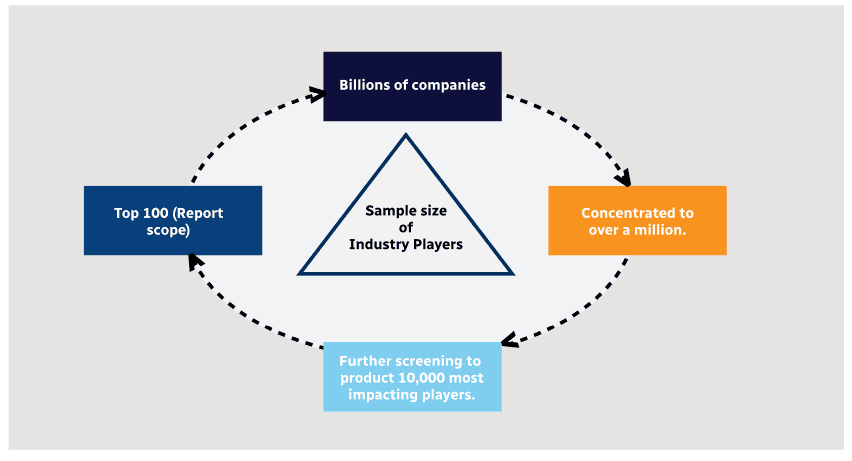
Step 1 - Identification of Relevant Samples Size from Population Database
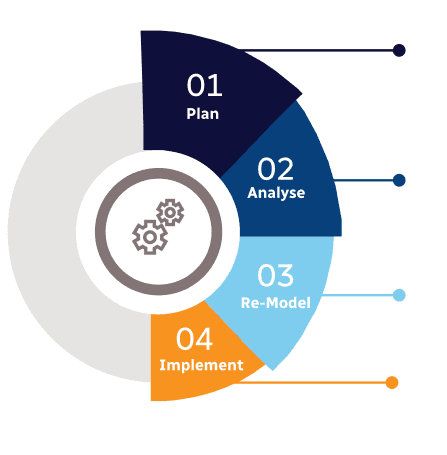
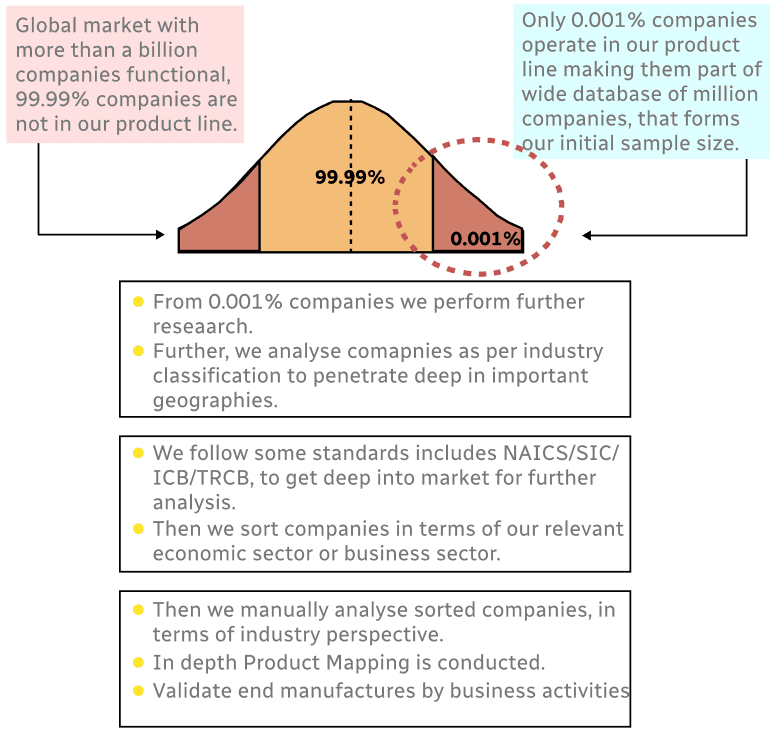
Step 2 - Approaches for Defining Global Market Size (Value, Volume* & Price*)
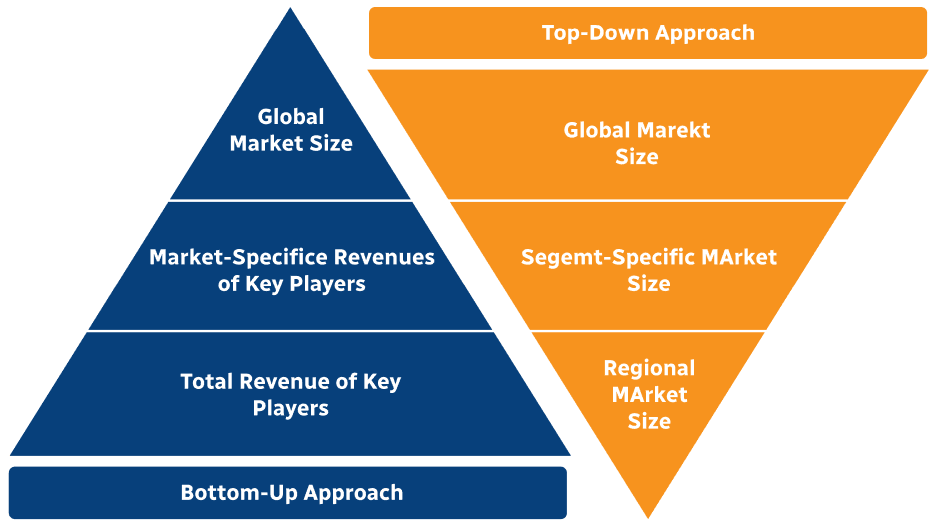
Note*: In applicable scenarios
Step 3 - Data Sources
Primary Research
- Web Analytics
- Survey Reports
- Research Institute
- Latest Research Reports
- Opinion Leaders
Secondary Research
- Annual Reports
- White Paper
- Latest Press Release
- Industry Association
- Paid Database
- Investor Presentations
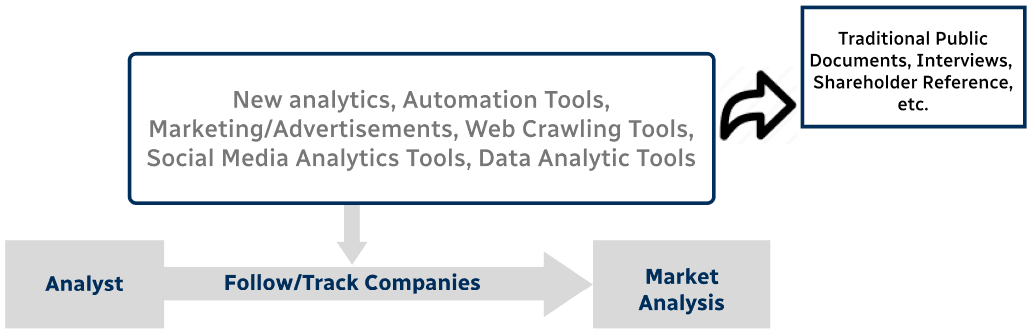
Step 4 - Data Triangulation
Involves using different sources of information in order to increase the validity of a study
These sources are likely to be stakeholders in a program - participants, other researchers, program staff, other community members, and so on.
Then we put all data in single framework & apply various statistical tools to find out the dynamic on the market.
During the analysis stage, feedback from the stakeholder groups would be compared to determine areas of agreement as well as areas of divergence