


Key Insights
The global Glass Fiber Electronic Cloth market is poised for substantial growth, driven by the escalating demand from key sectors like consumer electronics, automotive, and aerospace. With an estimated market size of approximately $5,800 million in 2025, the market is projected to expand at a Compound Annual Growth Rate (CAGR) of roughly 7.5% through 2033. This robust growth is underpinned by the increasing adoption of advanced materials in high-performance applications. Consumer electronics, particularly smartphones, tablets, and wearable devices, continue to be a major consumer, benefiting from the dielectric properties and mechanical strength of glass fiber electronic cloth. The automotive industry's shift towards electric vehicles (EVs) and advanced driver-assistance systems (ADAS) further fuels demand, as these technologies require sophisticated electronic components that rely on such specialized fabrics. Additionally, the aerospace and defense sectors are consistently integrating these materials for their lightweight and durable characteristics, contributing significantly to market expansion.
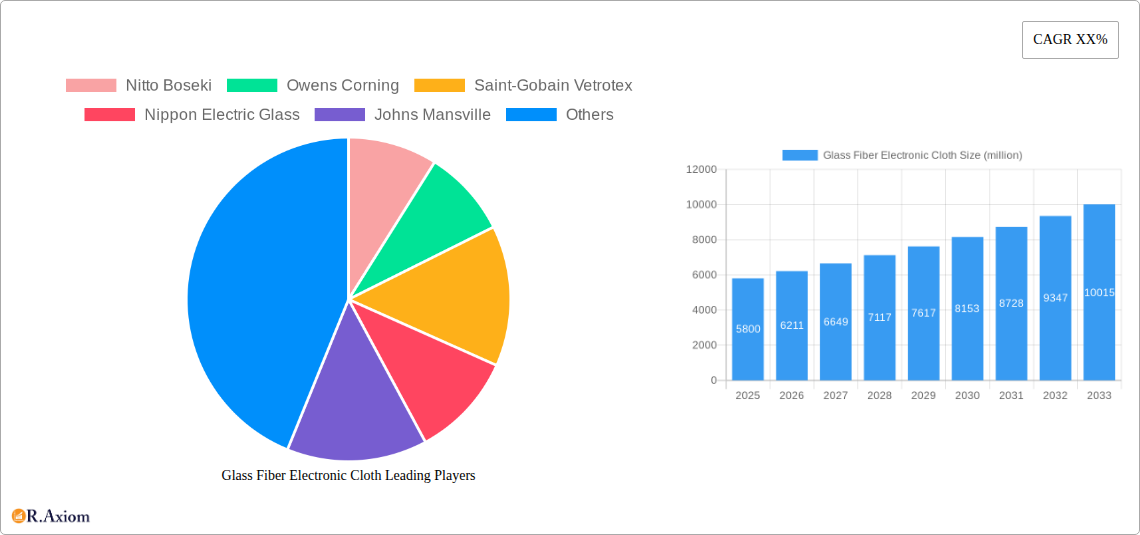
Glass Fiber Electronic Cloth Market Size (In Billion)

The market's trajectory is also shaped by technological advancements and evolving industry standards. Innovations in manufacturing processes are leading to the development of thinner and more specialized glass fiber electronic cloths, catering to miniaturization trends in electronics and demanding performance requirements in aerospace. Emerging applications in areas like renewable energy infrastructure and advanced medical devices are also creating new avenues for growth. However, the market faces certain restraints, including the volatility in raw material prices and the availability of alternative materials, which can pose challenges to sustained growth. Despite these hurdles, the inherent advantages of glass fiber electronic cloth in terms of electrical insulation, thermal stability, and mechanical reinforcement ensure its continued relevance and a positive outlook for the foreseeable future. Asia Pacific is expected to dominate the market, driven by its strong manufacturing base and burgeoning electronics industry, followed by North America and Europe.
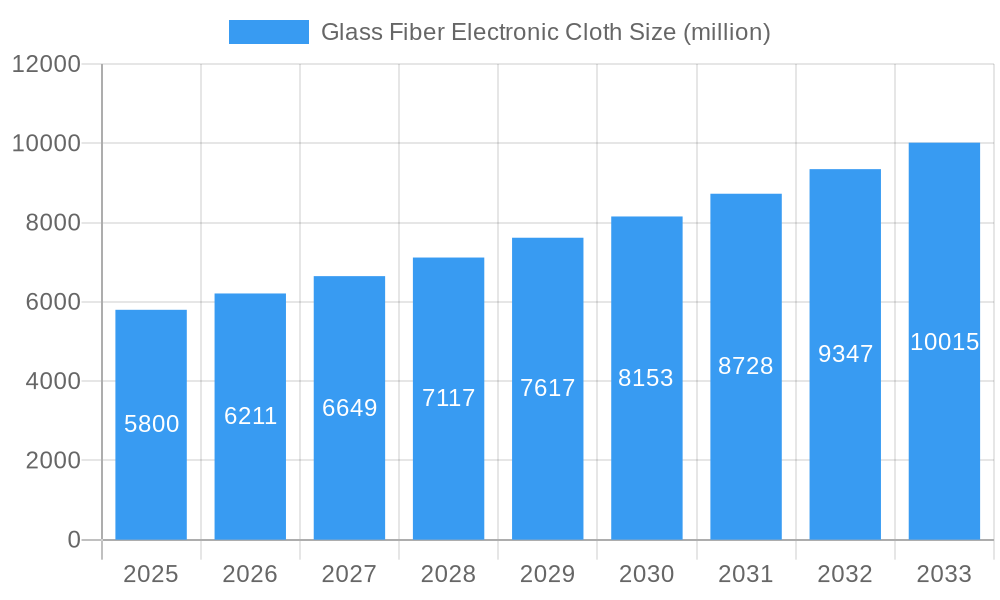
Glass Fiber Electronic Cloth Company Market Share
This in-depth market research report provides a granular analysis of the global Glass Fiber Electronic Cloth market, a critical component in advanced electronic manufacturing. Covering the historical period of 2019–2024, base year 2025, estimated year 2025, and a robust forecast period of 2025–2033, this report offers invaluable insights for industry stakeholders, manufacturers, suppliers, and investors. We delve into market concentration, innovation drivers, regulatory landscapes, evolving end-user trends, and strategic M&A activities. The report explores prevailing industry trends, technological disruptions, shifting consumer preferences, and intricate competitive dynamics, supported by detailed segmentation analysis across applications and product types. Furthermore, we identify key growth drivers, persistent challenges, and emerging opportunities within this dynamic sector, alongside a comprehensive overview of leading players and pivotal industry developments.
Glass Fiber Electronic Cloth Market Concentration & Innovation
The global Glass Fiber Electronic Cloth market exhibits a moderate to high concentration, driven by the capital-intensive nature of production and the need for specialized technical expertise. Leading players like Nitto Boseki, Owens Corning, and Saint-Gobain Vetrotex command significant market share, estimated to be in the range of 50-60% collectively. Innovation is a primary catalyst, fueled by the relentless demand for high-performance materials in the consumer electronics, automotive industry, defense and military, and aerospace sectors. Research and development efforts are focused on enhancing dielectric properties, thermal resistance, mechanical strength, and reducing material thickness for miniaturization. Regulatory frameworks, primarily concerning environmental impact and product safety standards, are becoming increasingly stringent, influencing manufacturing processes and material formulations. Product substitutes, such as advanced polymers and other composite materials, present a competitive challenge, necessitating continuous innovation to maintain market relevance. End-user trends, particularly the surge in 5G technology adoption and the growth of electric vehicles (EVs), are creating substantial demand for advanced thin fiberglass cloth and ultra-thin fiberglass cloth. Merger and acquisition (M&A) activities are observed, with recent deals valued in the range of 50-200 million dollars, aimed at consolidating market position, acquiring new technologies, and expanding geographical reach.
Glass Fiber Electronic Cloth Industry Trends & Insights
The Glass Fiber Electronic Cloth industry is poised for significant expansion, driven by a confluence of technological advancements and escalating demand across diverse end-use industries. The Compound Annual Growth Rate (CAGR) for the market is projected to be in the range of 7-9% over the forecast period, reflecting robust growth momentum. Technological disruptions, such as the development of novel weaving techniques and enhanced resin impregnation processes, are leading to the creation of glass fiber electronic cloth with superior electrical insulation properties and mechanical resilience. The increasing adoption of flexible printed circuit boards (PCBs) in compact electronic devices is a major driver, pushing demand for lightweight and thin materials. Consumer preferences are evolving towards more durable, high-performance, and energy-efficient electronic devices, which directly translates into a higher demand for advanced glass fiber electronic cloth substrates. The competitive landscape is characterized by intense innovation, strategic partnerships, and a focus on cost optimization to gain market penetration. Furthermore, the growing trend of electrification in the automotive industry, with a surge in demand for EVs, is a substantial market penetration driver, requiring sophisticated and reliable electronic components. The aerospace sector's continuous quest for lighter and stronger materials for avionics also contributes significantly to market growth. The defense and military applications, demanding robust and reliable electronic systems in harsh environments, further bolster the market. The ongoing miniaturization trend in all electronic devices necessitates thinner and more efficient dielectric materials, directly benefiting the thin fiberglass cloth and ultra-thin fiberglass cloth segments. The development of advanced composite materials with embedded functionalities is another key trend shaping the industry's future. The market penetration of specialized glass fiber electronic cloth in niche applications is expected to rise as technological capabilities advance.
Dominant Markets & Segments in Glass Fiber Electronic Cloth
The consumer electronics segment stands out as the dominant force within the Glass Fiber Electronic Cloth market, driven by the sheer volume of production and the insatiable global demand for smartphones, laptops, tablets, and wearable devices. Within this segment, North America and Asia Pacific are the leading regions, with countries like China, South Korea, and the United States spearheading consumption due to their established manufacturing bases and high consumer spending on electronics. The automotive industry is emerging as a significant growth driver, propelled by the rapid adoption of electric vehicles (EVs) and the increasing integration of advanced electronic systems for autonomous driving and infotainment. This growth is further supported by favorable government policies and subsidies promoting EV adoption globally.
Application Dominance:
- Consumer Electronics: This segment represents the largest market share, estimated to be over 40% of the total market value. Key drivers include the continuous innovation in consumer devices, the growing adoption of smart home technology, and the proliferation of portable electronics. Economic policies supporting the growth of the electronics manufacturing sector in key Asian economies are crucial.
- Automotive Industry: This segment is witnessing the fastest growth, with an estimated CAGR of over 9%. The increasing complexity of automotive electronics, including advanced driver-assistance systems (ADAS) and infotainment systems, is a major catalyst. Government mandates for emission reductions and the push towards electrification are significant drivers.
- Aerospace: This sector demands high-performance materials due to stringent safety and reliability requirements. The ongoing advancements in aircraft design and the growing air travel industry contribute to steady demand. Investments in defense spending also play a role.
- Defense and Military: Critical for the development of advanced communication systems, radar, and electronic warfare capabilities. Consistent government investment in defense modernization programs fuels this segment.
- Others: This category encompasses a wide range of niche applications, including industrial electronics, medical devices, and telecommunications infrastructure, all contributing to market diversification.
Types Dominance:
- Thin Fiberglass Cloth (36-100µm): This type currently holds the largest market share, estimated to be around 55-60%, due to its widespread use in conventional PCBs for consumer electronics and automotive applications. The continuous demand for thinner and more efficient electronic components sustains its dominance.
- Ultra-thin Fiberglass Cloth (Below 36µm): This segment is experiencing the most rapid growth, with a projected CAGR of over 10%. Its application in high-density interconnect (HDI) boards and flexible PCBs for advanced smartphones, wearables, and 5G infrastructure is driving its expansion. Technological advancements in weaving and processing are crucial for its growth.
- Thick Fiberglass Cloth (More than 100µm): While having a smaller market share, this type remains essential for applications requiring greater mechanical strength and insulation, such as in certain industrial power electronics and heavier-duty automotive components.
Glass Fiber Electronic Cloth Product Developments
Product innovations in Glass Fiber Electronic Cloth are primarily focused on enhancing dielectric performance, thermal stability, and mechanical robustness. Manufacturers are developing thinner, yet stronger, cloth variants to cater to the miniaturization trend in electronics. Advanced impregnation techniques are being employed to create composites with improved signal integrity and reduced signal loss, critical for high-frequency applications like 5G. The competitive advantage lies in offering materials that meet stringent industry standards for reliability and performance in demanding environments.
Report Scope & Segmentation Analysis
This report encompasses a comprehensive segmentation of the Glass Fiber Electronic Cloth market. The Application segments analyzed include Consumer Electronics, the Automotive Industry, Defense and Military, Aerospace, and Others. Each of these segments is projected to exhibit varied growth rates, with Automotive Industry and Aerospace expected to showcase robust expansion. The Types segmentation focuses on Thick Fiberglass Cloth (More than 100µm), Thin Fiberglass Cloth (36-100µm), and Ultra-thin Fiberglass Cloth (Below 36µm). The Ultra-thin Fiberglass Cloth segment is anticipated to lead in terms of growth trajectory, driven by its essential role in next-generation electronic devices. Market size estimations and competitive dynamics are detailed for each segment.
Key Drivers of Glass Fiber Electronic Cloth Growth
The growth of the Glass Fiber Electronic Cloth market is propelled by several interconnected factors. Technological advancements in electronics manufacturing, particularly the relentless pursuit of miniaturization and higher performance, are paramount. The increasing integration of electronics in the automotive industry, with a strong emphasis on electric vehicles and autonomous driving, serves as a significant economic driver. Furthermore, substantial government investments in defense and aerospace sectors, demanding cutting-edge electronic materials, provide a crucial regulatory and strategic impetus. The growing adoption of 5G technology worldwide, requiring high-frequency and high-speed data transmission capabilities, also fuels the demand for specialized glass fiber electronic cloth. The expanding market for wearable devices and the Internet of Things (IoT) further contributes to this growth.
Challenges in the Glass Fiber Electronic Cloth Sector
Despite its promising growth, the Glass Fiber Electronic Cloth sector faces several challenges. Fluctuations in raw material prices, particularly for high-quality glass fibers and resins, can impact manufacturing costs and profitability. Stringent environmental regulations regarding production processes and waste disposal necessitate significant investments in sustainable practices. Supply chain disruptions, exacerbated by geopolitical factors and global logistics complexities, can lead to production delays and increased lead times. Intense competition from alternative materials and established players also presents a significant hurdle, requiring continuous innovation and cost-efficiency to maintain market share. The capital-intensive nature of advanced manufacturing facilities also poses a barrier to entry for new players.
Emerging Opportunities in Glass Fiber Electronic Cloth
Emerging opportunities within the Glass Fiber Electronic Cloth market are abundant and diverse. The burgeoning demand for advanced materials in the burgeoning electric vehicle market, particularly for battery management systems and power electronics, presents a significant avenue for growth. The ongoing expansion of 5G infrastructure globally, requiring high-performance substrates for base stations and mobile devices, offers substantial potential. The increasing adoption of flexible electronics and wearable technology is creating a niche for ultra-thin and highly conformable glass fiber electronic cloth. Furthermore, advancements in composite materials for specialized applications in aerospace, defense, and medical devices represent untapped market segments with high-value potential. The development of sustainable and recyclable glass fiber electronic cloth solutions also aligns with global environmental trends and presents a competitive advantage.
Leading Players in the Glass Fiber Electronic Cloth Market
- Nitto Boseki
- Owens Corning
- Saint-Gobain Vetrotex
- Nippon Electric Glass
- Johns Mansville
- China Jushi
- Kingboard Holdings
- Fulltech Fiber Glass
- Grace Fabric Technology
- Nan Ya Plastics
- Taishan Fiberglass
- Chongqing Polycomp International
- Guangyuan New Material
Key Developments in Glass Fiber Electronic Cloth Industry
- 2023 Q4: Owens Corning announced significant investment in expanding its advanced materials production capacity to meet growing demand from the electronics sector.
- 2024 Q1: Saint-Gobain Vetrotex launched a new line of ultra-thin fiberglass cloth with enhanced dielectric properties for high-frequency applications.
- 2024 Q2: Nitto Boseki unveiled innovative resin impregnation technologies for glass fiber electronic cloth, improving thermal management in electronic devices.
- 2024 Q3: China Jushi expanded its global distribution network to better serve emerging markets in Asia Pacific and Europe.
- 2024 Q4: Nippon Electric Glass reported record sales driven by demand from the automotive and consumer electronics sectors.
Strategic Outlook for Glass Fiber Electronic Cloth Market
The strategic outlook for the Glass Fiber Electronic Cloth market remains exceptionally positive. The continued integration of advanced electronics across nearly all industrial sectors, coupled with an unwavering demand for higher performance, lighter weight, and greater reliability, will continue to fuel market expansion. Key growth catalysts include the accelerated adoption of electric vehicles, the global rollout of 5G networks, and the ongoing miniaturization trend in consumer electronics. Strategic investments in research and development focused on enhanced material properties, sustainable manufacturing processes, and cost optimization will be crucial for market leaders to maintain their competitive edge. The market is expected to witness continued consolidation through strategic partnerships and acquisitions as companies seek to broaden their technological capabilities and market reach, ensuring robust long-term growth potential.
Glass Fiber Electronic Cloth Segmentation
-
1. Application
- 1.1. Consumer Electronics
- 1.2. Automotive Industry
- 1.3. Defense and Military
- 1.4. Aerospace
- 1.5. Others
-
2. Types
- 2.1. Thick Fiberglass Cloth(More than 100µm)
- 2.2. Thin Fiberglass Cloth(36-100µm)
- 2.3. Ultra-thin Fiberglass Cloth(Below 36µm)
Glass Fiber Electronic Cloth Segmentation By Geography
-
1. North America
- 1.1. United States
- 1.2. Canada
- 1.3. Mexico
-
2. South America
- 2.1. Brazil
- 2.2. Argentina
- 2.3. Rest of South America
-
3. Europe
- 3.1. United Kingdom
- 3.2. Germany
- 3.3. France
- 3.4. Italy
- 3.5. Spain
- 3.6. Russia
- 3.7. Benelux
- 3.8. Nordics
- 3.9. Rest of Europe
-
4. Middle East & Africa
- 4.1. Turkey
- 4.2. Israel
- 4.3. GCC
- 4.4. North Africa
- 4.5. South Africa
- 4.6. Rest of Middle East & Africa
-
5. Asia Pacific
- 5.1. China
- 5.2. India
- 5.3. Japan
- 5.4. South Korea
- 5.5. ASEAN
- 5.6. Oceania
- 5.7. Rest of Asia Pacific
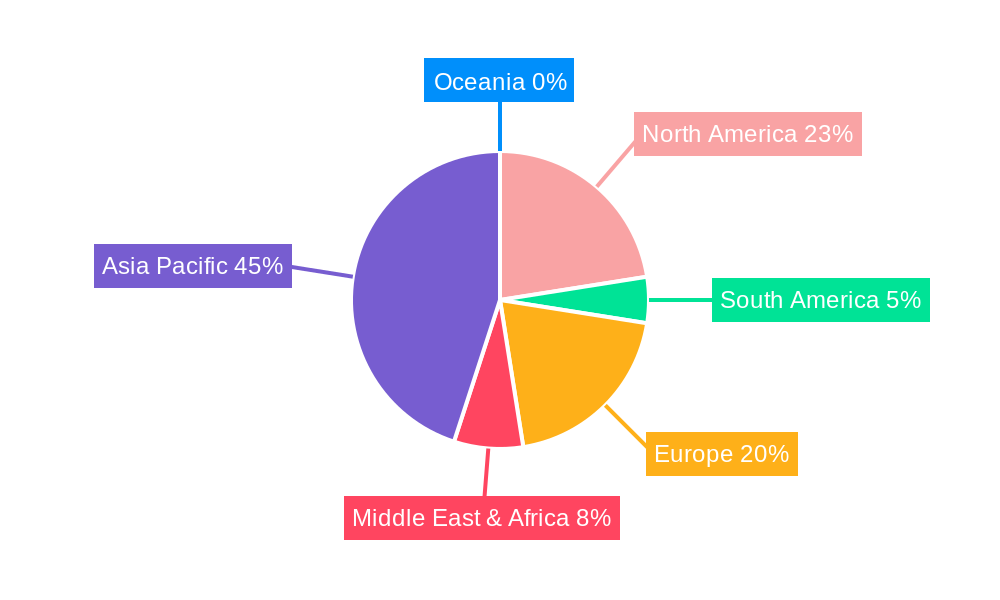
Glass Fiber Electronic Cloth Regional Market Share
Geographic Coverage of Glass Fiber Electronic Cloth
Glass Fiber Electronic Cloth REPORT HIGHLIGHTS
| Aspects | Details |
|---|---|
| Study Period | 2020-2034 |
| Base Year | 2025 |
| Estimated Year | 2026 |
| Forecast Period | 2026-2034 |
| Historical Period | 2020-2025 |
| Growth Rate | CAGR of XX% from 2020-2034 |
| Segmentation |
|
Table of Contents
- 1. Introduction
- 1.1. Research Scope
- 1.2. Market Segmentation
- 1.3. Research Methodology
- 1.4. Definitions and Assumptions
- 2. Executive Summary
- 2.1. Introduction
- 3. Market Dynamics
- 3.1. Introduction
- 3.2. Market Drivers
- 3.3. Market Restrains
- 3.4. Market Trends
- 4. Market Factor Analysis
- 4.1. Porters Five Forces
- 4.2. Supply/Value Chain
- 4.3. PESTEL analysis
- 4.4. Market Entropy
- 4.5. Patent/Trademark Analysis
- 5. Global Glass Fiber Electronic Cloth Analysis, Insights and Forecast, 2020-2032
- 5.1. Market Analysis, Insights and Forecast - by Application
- 5.1.1. Consumer Electronics
- 5.1.2. Automotive Industry
- 5.1.3. Defense and Military
- 5.1.4. Aerospace
- 5.1.5. Others
- 5.2. Market Analysis, Insights and Forecast - by Types
- 5.2.1. Thick Fiberglass Cloth(More than 100µm)
- 5.2.2. Thin Fiberglass Cloth(36-100µm)
- 5.2.3. Ultra-thin Fiberglass Cloth(Below 36µm)
- 5.3. Market Analysis, Insights and Forecast - by Region
- 5.3.1. North America
- 5.3.2. South America
- 5.3.3. Europe
- 5.3.4. Middle East & Africa
- 5.3.5. Asia Pacific
- 5.1. Market Analysis, Insights and Forecast - by Application
- 6. North America Glass Fiber Electronic Cloth Analysis, Insights and Forecast, 2020-2032
- 6.1. Market Analysis, Insights and Forecast - by Application
- 6.1.1. Consumer Electronics
- 6.1.2. Automotive Industry
- 6.1.3. Defense and Military
- 6.1.4. Aerospace
- 6.1.5. Others
- 6.2. Market Analysis, Insights and Forecast - by Types
- 6.2.1. Thick Fiberglass Cloth(More than 100µm)
- 6.2.2. Thin Fiberglass Cloth(36-100µm)
- 6.2.3. Ultra-thin Fiberglass Cloth(Below 36µm)
- 6.1. Market Analysis, Insights and Forecast - by Application
- 7. South America Glass Fiber Electronic Cloth Analysis, Insights and Forecast, 2020-2032
- 7.1. Market Analysis, Insights and Forecast - by Application
- 7.1.1. Consumer Electronics
- 7.1.2. Automotive Industry
- 7.1.3. Defense and Military
- 7.1.4. Aerospace
- 7.1.5. Others
- 7.2. Market Analysis, Insights and Forecast - by Types
- 7.2.1. Thick Fiberglass Cloth(More than 100µm)
- 7.2.2. Thin Fiberglass Cloth(36-100µm)
- 7.2.3. Ultra-thin Fiberglass Cloth(Below 36µm)
- 7.1. Market Analysis, Insights and Forecast - by Application
- 8. Europe Glass Fiber Electronic Cloth Analysis, Insights and Forecast, 2020-2032
- 8.1. Market Analysis, Insights and Forecast - by Application
- 8.1.1. Consumer Electronics
- 8.1.2. Automotive Industry
- 8.1.3. Defense and Military
- 8.1.4. Aerospace
- 8.1.5. Others
- 8.2. Market Analysis, Insights and Forecast - by Types
- 8.2.1. Thick Fiberglass Cloth(More than 100µm)
- 8.2.2. Thin Fiberglass Cloth(36-100µm)
- 8.2.3. Ultra-thin Fiberglass Cloth(Below 36µm)
- 8.1. Market Analysis, Insights and Forecast - by Application
- 9. Middle East & Africa Glass Fiber Electronic Cloth Analysis, Insights and Forecast, 2020-2032
- 9.1. Market Analysis, Insights and Forecast - by Application
- 9.1.1. Consumer Electronics
- 9.1.2. Automotive Industry
- 9.1.3. Defense and Military
- 9.1.4. Aerospace
- 9.1.5. Others
- 9.2. Market Analysis, Insights and Forecast - by Types
- 9.2.1. Thick Fiberglass Cloth(More than 100µm)
- 9.2.2. Thin Fiberglass Cloth(36-100µm)
- 9.2.3. Ultra-thin Fiberglass Cloth(Below 36µm)
- 9.1. Market Analysis, Insights and Forecast - by Application
- 10. Asia Pacific Glass Fiber Electronic Cloth Analysis, Insights and Forecast, 2020-2032
- 10.1. Market Analysis, Insights and Forecast - by Application
- 10.1.1. Consumer Electronics
- 10.1.2. Automotive Industry
- 10.1.3. Defense and Military
- 10.1.4. Aerospace
- 10.1.5. Others
- 10.2. Market Analysis, Insights and Forecast - by Types
- 10.2.1. Thick Fiberglass Cloth(More than 100µm)
- 10.2.2. Thin Fiberglass Cloth(36-100µm)
- 10.2.3. Ultra-thin Fiberglass Cloth(Below 36µm)
- 10.1. Market Analysis, Insights and Forecast - by Application
- 11. Competitive Analysis
- 11.1. Global Market Share Analysis 2025
- 11.2. Company Profiles
- 11.2.1 Nitto Boseki
- 11.2.1.1. Overview
- 11.2.1.2. Products
- 11.2.1.3. SWOT Analysis
- 11.2.1.4. Recent Developments
- 11.2.1.5. Financials (Based on Availability)
- 11.2.2 Owens Corning
- 11.2.2.1. Overview
- 11.2.2.2. Products
- 11.2.2.3. SWOT Analysis
- 11.2.2.4. Recent Developments
- 11.2.2.5. Financials (Based on Availability)
- 11.2.3 Saint-Gobain Vetrotex
- 11.2.3.1. Overview
- 11.2.3.2. Products
- 11.2.3.3. SWOT Analysis
- 11.2.3.4. Recent Developments
- 11.2.3.5. Financials (Based on Availability)
- 11.2.4 Nippon Electric Glass
- 11.2.4.1. Overview
- 11.2.4.2. Products
- 11.2.4.3. SWOT Analysis
- 11.2.4.4. Recent Developments
- 11.2.4.5. Financials (Based on Availability)
- 11.2.5 Johns Mansville
- 11.2.5.1. Overview
- 11.2.5.2. Products
- 11.2.5.3. SWOT Analysis
- 11.2.5.4. Recent Developments
- 11.2.5.5. Financials (Based on Availability)
- 11.2.6 China Jushi
- 11.2.6.1. Overview
- 11.2.6.2. Products
- 11.2.6.3. SWOT Analysis
- 11.2.6.4. Recent Developments
- 11.2.6.5. Financials (Based on Availability)
- 11.2.7 Kingboard Holdings
- 11.2.7.1. Overview
- 11.2.7.2. Products
- 11.2.7.3. SWOT Analysis
- 11.2.7.4. Recent Developments
- 11.2.7.5. Financials (Based on Availability)
- 11.2.8 Fulltech Fiber Glass
- 11.2.8.1. Overview
- 11.2.8.2. Products
- 11.2.8.3. SWOT Analysis
- 11.2.8.4. Recent Developments
- 11.2.8.5. Financials (Based on Availability)
- 11.2.9 Grace Fabric Technology
- 11.2.9.1. Overview
- 11.2.9.2. Products
- 11.2.9.3. SWOT Analysis
- 11.2.9.4. Recent Developments
- 11.2.9.5. Financials (Based on Availability)
- 11.2.10 Nan Ya Plastics
- 11.2.10.1. Overview
- 11.2.10.2. Products
- 11.2.10.3. SWOT Analysis
- 11.2.10.4. Recent Developments
- 11.2.10.5. Financials (Based on Availability)
- 11.2.11 Taishan Fiberglass
- 11.2.11.1. Overview
- 11.2.11.2. Products
- 11.2.11.3. SWOT Analysis
- 11.2.11.4. Recent Developments
- 11.2.11.5. Financials (Based on Availability)
- 11.2.12 Chongqing Polycomp International
- 11.2.12.1. Overview
- 11.2.12.2. Products
- 11.2.12.3. SWOT Analysis
- 11.2.12.4. Recent Developments
- 11.2.12.5. Financials (Based on Availability)
- 11.2.13 Guangyuan New Material
- 11.2.13.1. Overview
- 11.2.13.2. Products
- 11.2.13.3. SWOT Analysis
- 11.2.13.4. Recent Developments
- 11.2.13.5. Financials (Based on Availability)
- 11.2.1 Nitto Boseki
List of Figures
- Figure 1: Global Glass Fiber Electronic Cloth Revenue Breakdown (million, %) by Region 2025 & 2033
- Figure 2: North America Glass Fiber Electronic Cloth Revenue (million), by Application 2025 & 2033
- Figure 3: North America Glass Fiber Electronic Cloth Revenue Share (%), by Application 2025 & 2033
- Figure 4: North America Glass Fiber Electronic Cloth Revenue (million), by Types 2025 & 2033
- Figure 5: North America Glass Fiber Electronic Cloth Revenue Share (%), by Types 2025 & 2033
- Figure 6: North America Glass Fiber Electronic Cloth Revenue (million), by Country 2025 & 2033
- Figure 7: North America Glass Fiber Electronic Cloth Revenue Share (%), by Country 2025 & 2033
- Figure 8: South America Glass Fiber Electronic Cloth Revenue (million), by Application 2025 & 2033
- Figure 9: South America Glass Fiber Electronic Cloth Revenue Share (%), by Application 2025 & 2033
- Figure 10: South America Glass Fiber Electronic Cloth Revenue (million), by Types 2025 & 2033
- Figure 11: South America Glass Fiber Electronic Cloth Revenue Share (%), by Types 2025 & 2033
- Figure 12: South America Glass Fiber Electronic Cloth Revenue (million), by Country 2025 & 2033
- Figure 13: South America Glass Fiber Electronic Cloth Revenue Share (%), by Country 2025 & 2033
- Figure 14: Europe Glass Fiber Electronic Cloth Revenue (million), by Application 2025 & 2033
- Figure 15: Europe Glass Fiber Electronic Cloth Revenue Share (%), by Application 2025 & 2033
- Figure 16: Europe Glass Fiber Electronic Cloth Revenue (million), by Types 2025 & 2033
- Figure 17: Europe Glass Fiber Electronic Cloth Revenue Share (%), by Types 2025 & 2033
- Figure 18: Europe Glass Fiber Electronic Cloth Revenue (million), by Country 2025 & 2033
- Figure 19: Europe Glass Fiber Electronic Cloth Revenue Share (%), by Country 2025 & 2033
- Figure 20: Middle East & Africa Glass Fiber Electronic Cloth Revenue (million), by Application 2025 & 2033
- Figure 21: Middle East & Africa Glass Fiber Electronic Cloth Revenue Share (%), by Application 2025 & 2033
- Figure 22: Middle East & Africa Glass Fiber Electronic Cloth Revenue (million), by Types 2025 & 2033
- Figure 23: Middle East & Africa Glass Fiber Electronic Cloth Revenue Share (%), by Types 2025 & 2033
- Figure 24: Middle East & Africa Glass Fiber Electronic Cloth Revenue (million), by Country 2025 & 2033
- Figure 25: Middle East & Africa Glass Fiber Electronic Cloth Revenue Share (%), by Country 2025 & 2033
- Figure 26: Asia Pacific Glass Fiber Electronic Cloth Revenue (million), by Application 2025 & 2033
- Figure 27: Asia Pacific Glass Fiber Electronic Cloth Revenue Share (%), by Application 2025 & 2033
- Figure 28: Asia Pacific Glass Fiber Electronic Cloth Revenue (million), by Types 2025 & 2033
- Figure 29: Asia Pacific Glass Fiber Electronic Cloth Revenue Share (%), by Types 2025 & 2033
- Figure 30: Asia Pacific Glass Fiber Electronic Cloth Revenue (million), by Country 2025 & 2033
- Figure 31: Asia Pacific Glass Fiber Electronic Cloth Revenue Share (%), by Country 2025 & 2033
List of Tables
- Table 1: Global Glass Fiber Electronic Cloth Revenue million Forecast, by Application 2020 & 2033
- Table 2: Global Glass Fiber Electronic Cloth Revenue million Forecast, by Types 2020 & 2033
- Table 3: Global Glass Fiber Electronic Cloth Revenue million Forecast, by Region 2020 & 2033
- Table 4: Global Glass Fiber Electronic Cloth Revenue million Forecast, by Application 2020 & 2033
- Table 5: Global Glass Fiber Electronic Cloth Revenue million Forecast, by Types 2020 & 2033
- Table 6: Global Glass Fiber Electronic Cloth Revenue million Forecast, by Country 2020 & 2033
- Table 7: United States Glass Fiber Electronic Cloth Revenue (million) Forecast, by Application 2020 & 2033
- Table 8: Canada Glass Fiber Electronic Cloth Revenue (million) Forecast, by Application 2020 & 2033
- Table 9: Mexico Glass Fiber Electronic Cloth Revenue (million) Forecast, by Application 2020 & 2033
- Table 10: Global Glass Fiber Electronic Cloth Revenue million Forecast, by Application 2020 & 2033
- Table 11: Global Glass Fiber Electronic Cloth Revenue million Forecast, by Types 2020 & 2033
- Table 12: Global Glass Fiber Electronic Cloth Revenue million Forecast, by Country 2020 & 2033
- Table 13: Brazil Glass Fiber Electronic Cloth Revenue (million) Forecast, by Application 2020 & 2033
- Table 14: Argentina Glass Fiber Electronic Cloth Revenue (million) Forecast, by Application 2020 & 2033
- Table 15: Rest of South America Glass Fiber Electronic Cloth Revenue (million) Forecast, by Application 2020 & 2033
- Table 16: Global Glass Fiber Electronic Cloth Revenue million Forecast, by Application 2020 & 2033
- Table 17: Global Glass Fiber Electronic Cloth Revenue million Forecast, by Types 2020 & 2033
- Table 18: Global Glass Fiber Electronic Cloth Revenue million Forecast, by Country 2020 & 2033
- Table 19: United Kingdom Glass Fiber Electronic Cloth Revenue (million) Forecast, by Application 2020 & 2033
- Table 20: Germany Glass Fiber Electronic Cloth Revenue (million) Forecast, by Application 2020 & 2033
- Table 21: France Glass Fiber Electronic Cloth Revenue (million) Forecast, by Application 2020 & 2033
- Table 22: Italy Glass Fiber Electronic Cloth Revenue (million) Forecast, by Application 2020 & 2033
- Table 23: Spain Glass Fiber Electronic Cloth Revenue (million) Forecast, by Application 2020 & 2033
- Table 24: Russia Glass Fiber Electronic Cloth Revenue (million) Forecast, by Application 2020 & 2033
- Table 25: Benelux Glass Fiber Electronic Cloth Revenue (million) Forecast, by Application 2020 & 2033
- Table 26: Nordics Glass Fiber Electronic Cloth Revenue (million) Forecast, by Application 2020 & 2033
- Table 27: Rest of Europe Glass Fiber Electronic Cloth Revenue (million) Forecast, by Application 2020 & 2033
- Table 28: Global Glass Fiber Electronic Cloth Revenue million Forecast, by Application 2020 & 2033
- Table 29: Global Glass Fiber Electronic Cloth Revenue million Forecast, by Types 2020 & 2033
- Table 30: Global Glass Fiber Electronic Cloth Revenue million Forecast, by Country 2020 & 2033
- Table 31: Turkey Glass Fiber Electronic Cloth Revenue (million) Forecast, by Application 2020 & 2033
- Table 32: Israel Glass Fiber Electronic Cloth Revenue (million) Forecast, by Application 2020 & 2033
- Table 33: GCC Glass Fiber Electronic Cloth Revenue (million) Forecast, by Application 2020 & 2033
- Table 34: North Africa Glass Fiber Electronic Cloth Revenue (million) Forecast, by Application 2020 & 2033
- Table 35: South Africa Glass Fiber Electronic Cloth Revenue (million) Forecast, by Application 2020 & 2033
- Table 36: Rest of Middle East & Africa Glass Fiber Electronic Cloth Revenue (million) Forecast, by Application 2020 & 2033
- Table 37: Global Glass Fiber Electronic Cloth Revenue million Forecast, by Application 2020 & 2033
- Table 38: Global Glass Fiber Electronic Cloth Revenue million Forecast, by Types 2020 & 2033
- Table 39: Global Glass Fiber Electronic Cloth Revenue million Forecast, by Country 2020 & 2033
- Table 40: China Glass Fiber Electronic Cloth Revenue (million) Forecast, by Application 2020 & 2033
- Table 41: India Glass Fiber Electronic Cloth Revenue (million) Forecast, by Application 2020 & 2033
- Table 42: Japan Glass Fiber Electronic Cloth Revenue (million) Forecast, by Application 2020 & 2033
- Table 43: South Korea Glass Fiber Electronic Cloth Revenue (million) Forecast, by Application 2020 & 2033
- Table 44: ASEAN Glass Fiber Electronic Cloth Revenue (million) Forecast, by Application 2020 & 2033
- Table 45: Oceania Glass Fiber Electronic Cloth Revenue (million) Forecast, by Application 2020 & 2033
- Table 46: Rest of Asia Pacific Glass Fiber Electronic Cloth Revenue (million) Forecast, by Application 2020 & 2033
Frequently Asked Questions
1. What is the projected Compound Annual Growth Rate (CAGR) of the Glass Fiber Electronic Cloth?
The projected CAGR is approximately XX%.
2. Which companies are prominent players in the Glass Fiber Electronic Cloth?
Key companies in the market include Nitto Boseki, Owens Corning, Saint-Gobain Vetrotex, Nippon Electric Glass, Johns Mansville, China Jushi, Kingboard Holdings, Fulltech Fiber Glass, Grace Fabric Technology, Nan Ya Plastics, Taishan Fiberglass, Chongqing Polycomp International, Guangyuan New Material.
3. What are the main segments of the Glass Fiber Electronic Cloth?
The market segments include Application, Types.
4. Can you provide details about the market size?
The market size is estimated to be USD XXX million as of 2022.
5. What are some drivers contributing to market growth?
N/A
6. What are the notable trends driving market growth?
N/A
7. Are there any restraints impacting market growth?
N/A
8. Can you provide examples of recent developments in the market?
N/A
9. What pricing options are available for accessing the report?
Pricing options include single-user, multi-user, and enterprise licenses priced at USD 4900.00, USD 7350.00, and USD 9800.00 respectively.
10. Is the market size provided in terms of value or volume?
The market size is provided in terms of value, measured in million.
11. Are there any specific market keywords associated with the report?
Yes, the market keyword associated with the report is "Glass Fiber Electronic Cloth," which aids in identifying and referencing the specific market segment covered.
12. How do I determine which pricing option suits my needs best?
The pricing options vary based on user requirements and access needs. Individual users may opt for single-user licenses, while businesses requiring broader access may choose multi-user or enterprise licenses for cost-effective access to the report.
13. Are there any additional resources or data provided in the Glass Fiber Electronic Cloth report?
While the report offers comprehensive insights, it's advisable to review the specific contents or supplementary materials provided to ascertain if additional resources or data are available.
14. How can I stay updated on further developments or reports in the Glass Fiber Electronic Cloth?
To stay informed about further developments, trends, and reports in the Glass Fiber Electronic Cloth, consider subscribing to industry newsletters, following relevant companies and organizations, or regularly checking reputable industry news sources and publications.
Methodology
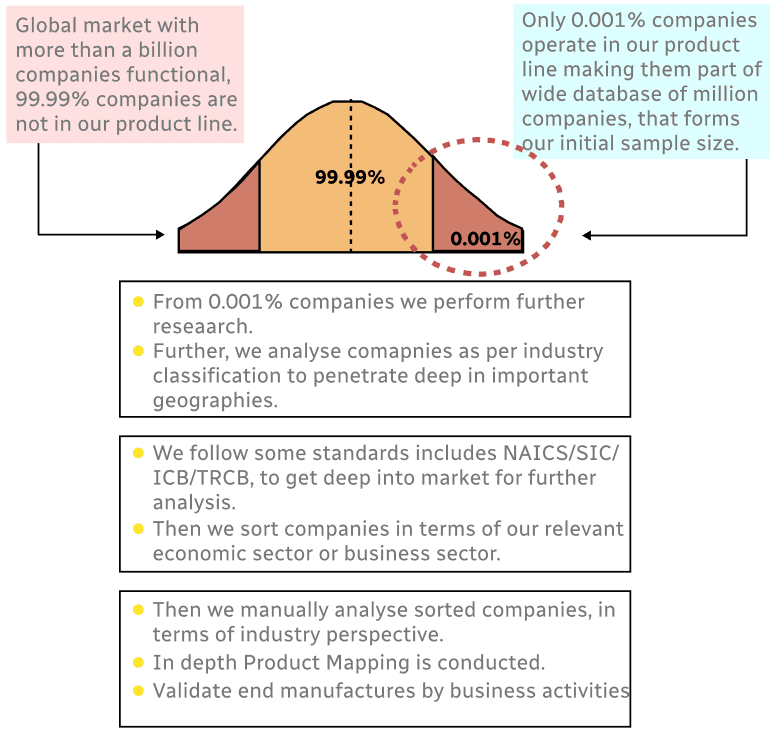
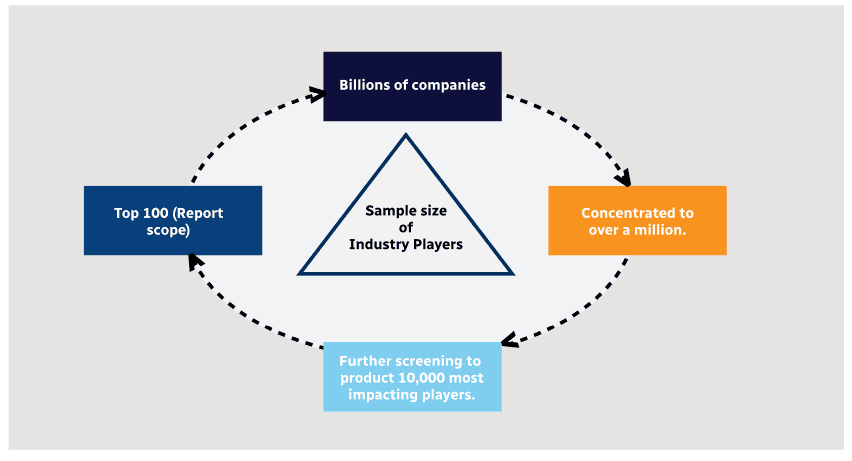
Step 1 - Identification of Relevant Samples Size from Population Database
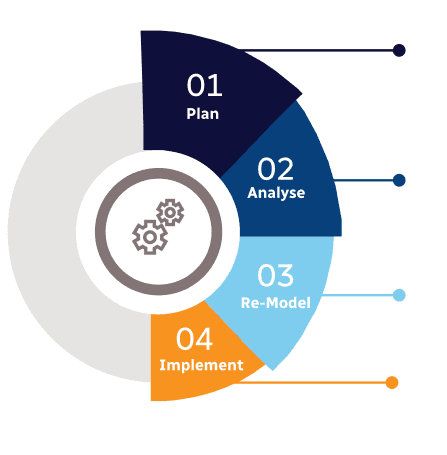
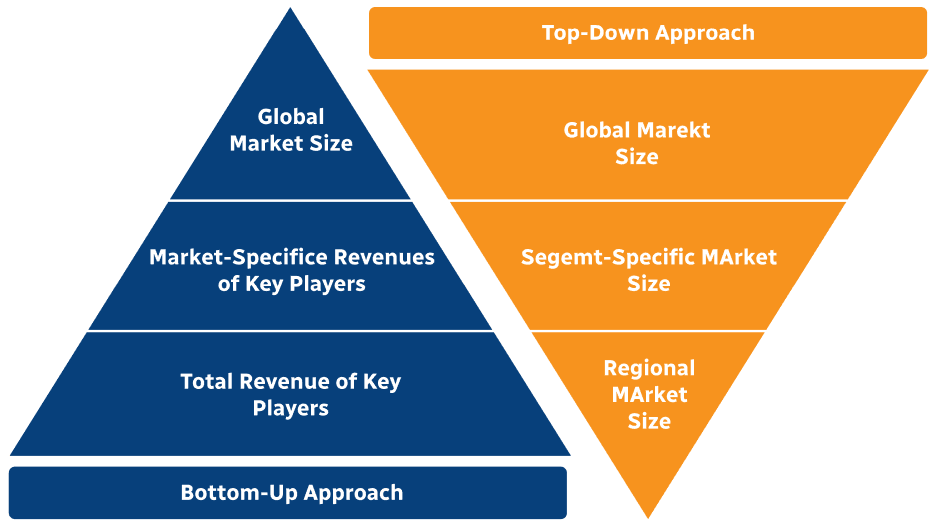
Step 2 - Approaches for Defining Global Market Size (Value, Volume* & Price*)
Note*: In applicable scenarios
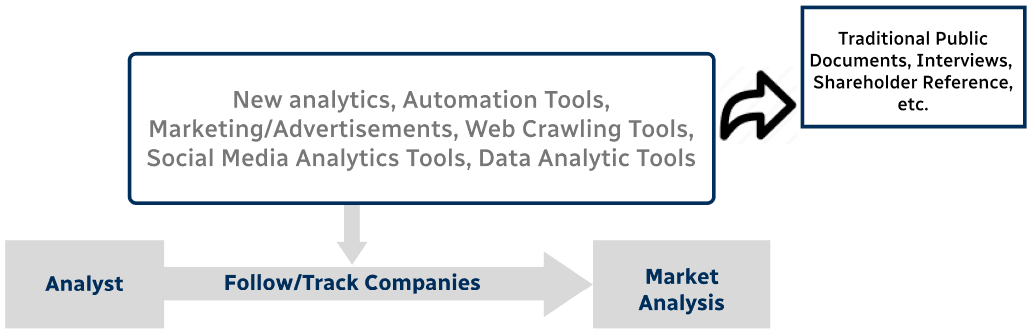
Step 3 - Data Sources
Primary Research
- Web Analytics
- Survey Reports
- Research Institute
- Latest Research Reports
- Opinion Leaders
Secondary Research
- Annual Reports
- White Paper
- Latest Press Release
- Industry Association
- Paid Database
- Investor Presentations
Step 4 - Data Triangulation
Involves using different sources of information in order to increase the validity of a study
These sources are likely to be stakeholders in a program - participants, other researchers, program staff, other community members, and so on.
Then we put all data in single framework & apply various statistical tools to find out the dynamic on the market.
During the analysis stage, feedback from the stakeholder groups would be compared to determine areas of agreement as well as areas of divergence