


Key Insights
The global Harmonic Analyzer market is poised for robust growth, projected to reach an estimated $3,500 million in 2024 with a compelling Compound Annual Growth Rate (CAGR) of 7.15% through 2033. This expansion is primarily fueled by the increasing demand for high-quality power in critical applications, the proliferation of non-linear loads such as variable frequency drives and LED lighting, and the growing emphasis on energy efficiency and grid stability. The electronics sector is a significant driver, with harmonic analyzers playing a crucial role in testing and validation of electronic components and systems. Furthermore, the energy sector's continuous need for power quality monitoring and compliance with stringent regulations further bolsters market demand. Emerging economies are also contributing to this growth trajectory, driven by industrialization and the expansion of electrical infrastructure.
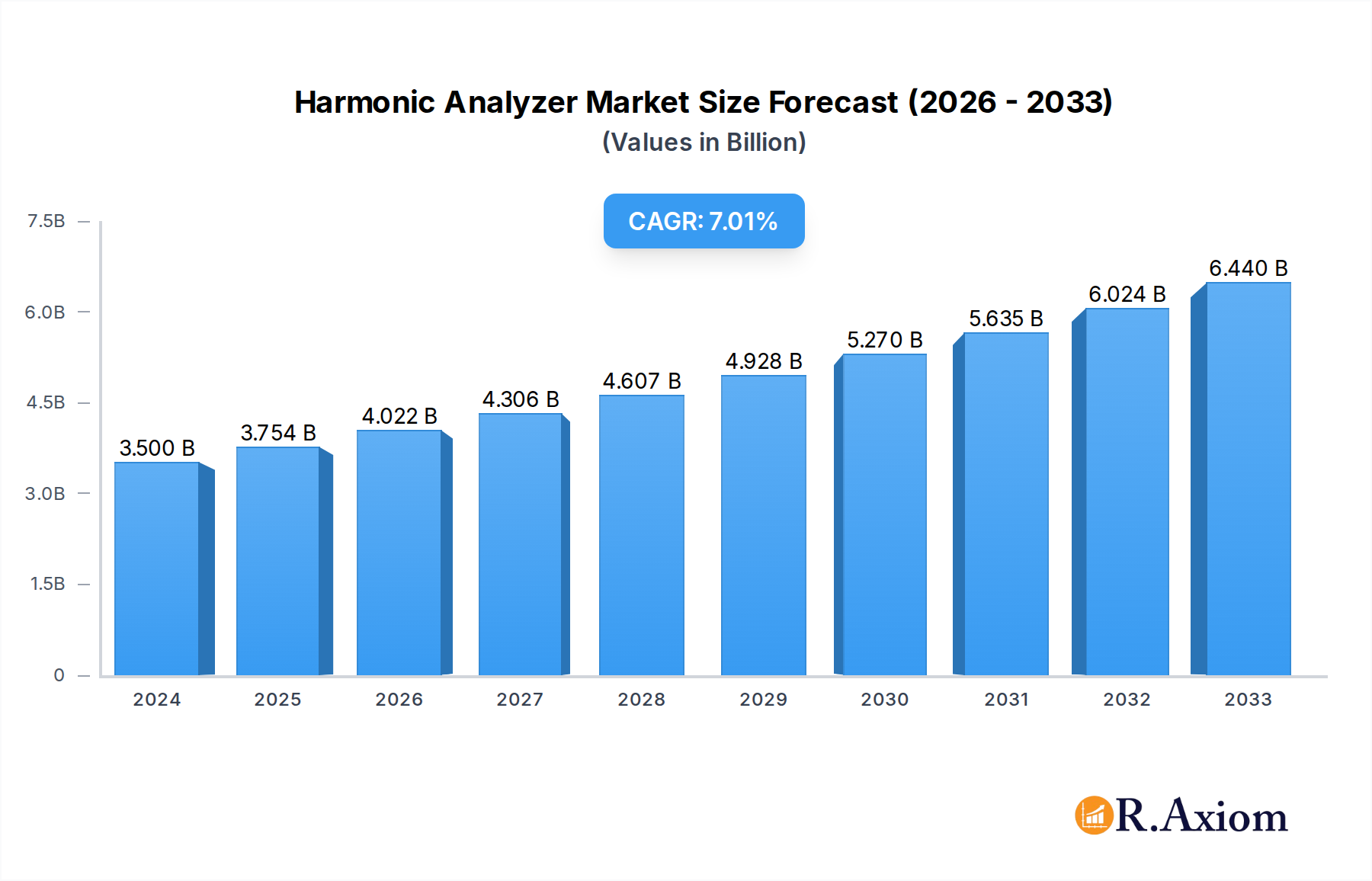
Harmonic Analyzer Market Size (In Billion)

The market is segmented by application into Energy, Electronics, and Other, with the Electronics segment expected to lead in revenue generation due to its extensive use in product development and quality assurance. By type, both Table-top and Hand-held harmonic analyzers cater to diverse user needs, from laboratory setups to on-site field measurements. Key industry players like Siemens, Tektronix, and Rohde & Schwarz are at the forefront of innovation, developing advanced features and sophisticated analytical capabilities. Restraints, such as the high initial cost of some sophisticated devices and the need for skilled personnel for operation and interpretation, are being mitigated by the development of more user-friendly interfaces and the increasing availability of cloud-based analytical services. Geographical trends indicate a strong market presence in North America and Europe, with Asia Pacific emerging as a high-growth region due to rapid industrial expansion and smart grid initiatives.

Harmonic Analyzer Company Market Share
Harmonic Analyzer Market Concentration & Innovation
The harmonic analyzer market exhibits a moderate to high concentration, driven by a blend of established global players and specialized regional manufacturers. Key innovators like Siemens, Tektronix, and Rohde & Schwarz are at the forefront, investing significantly in research and development to enhance measurement accuracy, portability, and data analysis capabilities. Regulatory frameworks, particularly those concerning power quality standards and electromagnetic compatibility (EMC) in sectors like Energy, play a crucial role in shaping innovation pathways. The demand for compact, user-friendly harmonic analyzers for applications in the Energy and Electron segments is a significant driver. Product substitutes, while limited for high-precision harmonic analysis, include broader power quality meters and oscilloscopes with harmonic analysis functions, creating a competitive landscape. End-user trends are leaning towards integrated solutions and cloud-based data management for improved efficiency and predictive maintenance. Mergers and acquisitions (M&A) activities, with M&A deal values potentially reaching millions of dollars, are strategically employed by larger entities to acquire advanced technologies and expand market reach. Market share for leading companies can range from millions to tens of millions of dollars annually, with significant growth anticipated.
Harmonic Analyzer Industry Trends & Insights
The harmonic analyzer industry is poised for substantial growth, propelled by an increasing global focus on power quality, energy efficiency, and the proliferation of non-linear loads across diverse industrial and commercial applications. The compound annual growth rate (CAGR) for the harmonic analyzer market is projected to be between 5% and 8% over the forecast period of 2025–2033. Technological disruptions are a primary catalyst, with advancements in digital signal processing (DSP), miniaturization, and wireless connectivity enabling the development of more sophisticated and user-friendly harmonic analyzers. These devices are crucial for identifying and mitigating harmonic distortion, which can lead to equipment malfunction, increased energy losses, and reduced system reliability. Consumer preferences are shifting towards portable, handheld harmonic analyzers for on-site troubleshooting and data logging, alongside robust table-top units for laboratory and specialized industrial applications. Market penetration for advanced harmonic analysis solutions is steadily increasing, particularly in the Energy sector, where renewable energy integration and smart grid initiatives necessitate precise power quality monitoring. Competitive dynamics are characterized by intense innovation, with companies like Metrix, Keithley Instruments, and Kikusui Electronics vying for market share through product differentiation and superior performance. The growing adoption of electric vehicles (EVs) and the expansion of industrial automation also contribute significantly to market expansion, as these technologies often introduce harmonic distortion requiring careful management.
Dominant Markets & Segments in Harmonic Analyzer
The Energy sector is the dominant application segment within the global harmonic analyzer market, driven by the critical need for stable and reliable power grids, the integration of renewable energy sources, and the stringent regulations surrounding power quality. Countries with significant investments in power infrastructure, such as the United States, China, and Germany, are key contributors to this dominance. Economic policies promoting energy efficiency and the development of smart grids are major drivers, necessitating advanced harmonic analysis to ensure grid stability and prevent costly equipment failures.
- Key Drivers in the Energy Sector:
- Stringent Power Quality Regulations: Mandates from regulatory bodies globally require utilities and industrial facilities to maintain harmonic distortion levels within specified limits, driving demand for accurate harmonic measurement tools.
- Integration of Renewable Energy Sources: The intermittent nature of solar and wind power, coupled with their associated inverters, often introduces harmonics into the grid, requiring continuous monitoring.
- Smart Grid Initiatives: The development and deployment of smart grids demand sophisticated power quality monitoring to ensure seamless communication and efficient energy distribution.
- Industrial Growth and Automation: Increased automation in manufacturing and process industries leads to a higher concentration of non-linear loads, exacerbating harmonic issues.
Within the Type segmentation, table-top harmonic analyzers are expected to maintain a significant market share due to their comprehensive features, higher accuracy, and suitability for laboratory testing and permanent installations. However, hand-held harmonic analyzers are witnessing rapid growth due to their portability, ease of use, and cost-effectiveness for field service, troubleshooting, and routine inspections.
Dominance Analysis of Table-Top Analyzers:
- Table-top units offer advanced functionalities such as detailed waveform analysis, spectrum analysis, and long-term data logging, making them indispensable for R&D and critical infrastructure monitoring.
- Their robust build and comprehensive connectivity options cater to demanding industrial environments.
Growth Drivers for Hand-Held Analyzers:
- The increasing need for on-site diagnostics and maintenance in remote or dispersed locations fuels the demand for portable solutions.
- Technological advancements have made these devices more powerful and user-friendly, broadening their appeal.
The Electron segment also presents a substantial market, fueled by the growing demand for electronic components and the need to ensure their reliable operation by monitoring harmonic distortion in power supplies and electronic circuits.
Harmonic Analyzer Product Developments
The harmonic analyzer market is witnessing a surge in product developments focused on enhanced accuracy, miniaturization, and user-friendly interfaces. Innovations include portable, battery-powered devices with wireless connectivity for remote data access and analysis. Advanced algorithms for real-time harmonic detection and mitigation recommendations are becoming standard. Competitive advantages are being carved out through superior measurement resolution, broader frequency response, and integrated data logging capabilities, catering to the evolving needs of the Energy, Electron, and other specialized industrial segments.
Report Scope & Segmentation Analysis
This report provides a comprehensive analysis of the harmonic analyzer market, segmented by Application, Type, and Region. The Application segment includes Energy, Electron, and Other industries. The Type segment encompasses Table-top and Hand-held harmonic analyzers. Growth projections, market sizes, and competitive dynamics are detailed for each sub-segment. The Energy segment is anticipated to lead in market share and growth, while the Hand-held type is expected to experience the highest CAGR.
Key Drivers of Harmonic Analyzer Growth
The growth of the harmonic analyzer market is primarily driven by increasing awareness and regulatory emphasis on power quality and energy efficiency across industries. The expansion of renewable energy sources, which often introduce harmonics into the grid, necessitates advanced monitoring solutions. Furthermore, the proliferation of non-linear loads in industrial automation and the growing adoption of electric vehicles are key technological drivers. Economic factors, such as investments in grid modernization and smart city initiatives, further propel market expansion.
Challenges in the Harmonic Analyzer Sector
Despite robust growth, the harmonic analyzer sector faces several challenges. Regulatory hurdles, while driving adoption, can also create complexities in compliance for manufacturers. Supply chain issues for specialized components can impact production timelines and costs. Intense competitive pressures among established players and emerging manufacturers can lead to price erosion. The initial high cost of advanced harmonic analyzers may also pose a barrier for smaller enterprises, impacting market penetration in certain segments.
Emerging Opportunities in Harmonic Analyzer
Emerging opportunities in the harmonic analyzer market lie in the development of AI-powered predictive maintenance solutions that leverage harmonic data to anticipate equipment failures. The expansion of the Internet of Things (IoT) in industrial settings presents opportunities for integrated harmonic monitoring systems. Furthermore, growing demand in emerging economies for reliable power infrastructure and the increasing adoption of electric vehicles in these regions offer significant untapped market potential for advanced harmonic analysis tools.
Leading Players in the Harmonic Analyzer Market
- Siemens
- Metrix
- Keithley Instruments
- Kikusui Electronics
- Tektronix
- Rohde & Schwarz
- Audio Precision
- Contrel Elettronica
- TES Electrical Electronic Corp.
Key Developments in Harmonic Analyzer Industry
- January 2024: Tektronix launched a new series of portable power analyzers with enhanced harmonic analysis capabilities, targeting the Energy sector.
- November 2023: Siemens announced a strategic partnership with a major utility provider to deploy advanced harmonic monitoring solutions across their grid infrastructure.
- July 2023: Rohde & Schwarz expanded its portfolio with a new generation of high-precision harmonic analyzers designed for automotive applications.
- March 2023: Metrix introduced a compact, handheld harmonic analyzer with cloud connectivity, aiming to serve field service technicians.
- September 2022: Keithley Instruments acquired a specialized software company to integrate advanced harmonic analysis algorithms into its existing product line.
Strategic Outlook for Harmonic Analyzer Market
The strategic outlook for the harmonic analyzer market remains highly positive, fueled by ongoing technological advancements and an increasing global emphasis on power quality and energy efficiency. Future growth will likely be driven by the demand for integrated, intelligent solutions that offer not only measurement but also comprehensive data analytics and predictive capabilities. Expansion into developing economies and the continuous evolution of renewable energy and electric mobility sectors will present significant market opportunities for key players.
Harmonic Analyzer Segmentation
-
1. Application
- 1.1. Energy
- 1.2. Electron
- 1.3. Other
-
2. Type
- 2.1. Table-top
- 2.2. Hand-held
Harmonic Analyzer Segmentation By Geography
-
1. North America
- 1.1. United States
- 1.2. Canada
- 1.3. Mexico
-
2. South America
- 2.1. Brazil
- 2.2. Argentina
- 2.3. Rest of South America
-
3. Europe
- 3.1. United Kingdom
- 3.2. Germany
- 3.3. France
- 3.4. Italy
- 3.5. Spain
- 3.6. Russia
- 3.7. Benelux
- 3.8. Nordics
- 3.9. Rest of Europe
-
4. Middle East & Africa
- 4.1. Turkey
- 4.2. Israel
- 4.3. GCC
- 4.4. North Africa
- 4.5. South Africa
- 4.6. Rest of Middle East & Africa
-
5. Asia Pacific
- 5.1. China
- 5.2. India
- 5.3. Japan
- 5.4. South Korea
- 5.5. ASEAN
- 5.6. Oceania
- 5.7. Rest of Asia Pacific
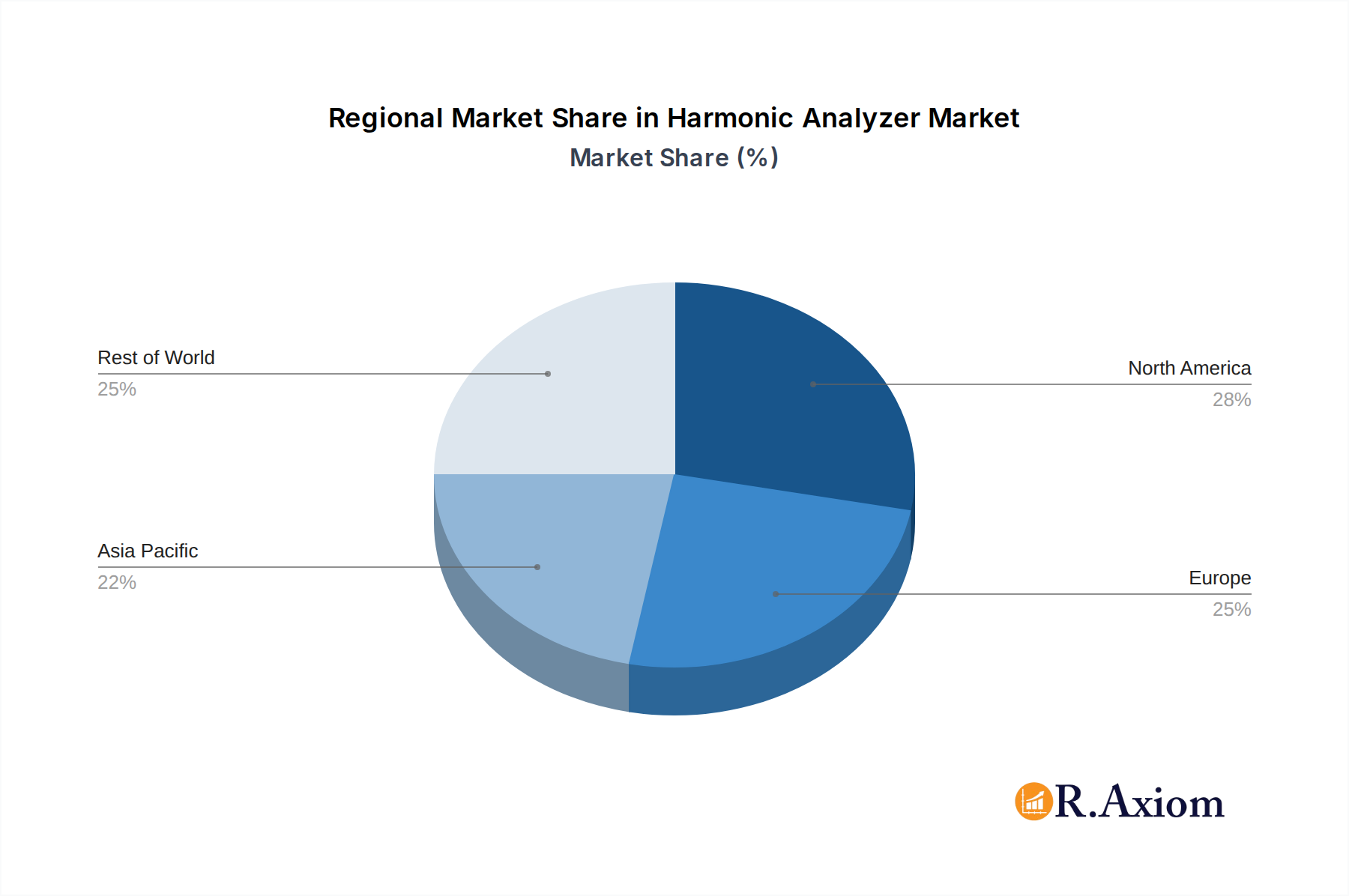
Harmonic Analyzer Regional Market Share
Geographic Coverage of Harmonic Analyzer
Harmonic Analyzer REPORT HIGHLIGHTS
| Aspects | Details |
|---|---|
| Study Period | 2020-2034 |
| Base Year | 2025 |
| Estimated Year | 2026 |
| Forecast Period | 2026-2034 |
| Historical Period | 2020-2025 |
| Growth Rate | CAGR of 7.15% from 2020-2034 |
| Segmentation |
|
Table of Contents
- 1. Introduction
- 1.1. Research Scope
- 1.2. Market Segmentation
- 1.3. Research Methodology
- 1.4. Definitions and Assumptions
- 2. Executive Summary
- 2.1. Introduction
- 3. Market Dynamics
- 3.1. Introduction
- 3.2. Market Drivers
- 3.3. Market Restrains
- 3.4. Market Trends
- 4. Market Factor Analysis
- 4.1. Porters Five Forces
- 4.2. Supply/Value Chain
- 4.3. PESTEL analysis
- 4.4. Market Entropy
- 4.5. Patent/Trademark Analysis
- 5. Global Harmonic Analyzer Analysis, Insights and Forecast, 2020-2032
- 5.1. Market Analysis, Insights and Forecast - by Application
- 5.1.1. Energy
- 5.1.2. Electron
- 5.1.3. Other
- 5.2. Market Analysis, Insights and Forecast - by Type
- 5.2.1. Table-top
- 5.2.2. Hand-held
- 5.3. Market Analysis, Insights and Forecast - by Region
- 5.3.1. North America
- 5.3.2. South America
- 5.3.3. Europe
- 5.3.4. Middle East & Africa
- 5.3.5. Asia Pacific
- 5.1. Market Analysis, Insights and Forecast - by Application
- 6. North America Harmonic Analyzer Analysis, Insights and Forecast, 2020-2032
- 6.1. Market Analysis, Insights and Forecast - by Application
- 6.1.1. Energy
- 6.1.2. Electron
- 6.1.3. Other
- 6.2. Market Analysis, Insights and Forecast - by Type
- 6.2.1. Table-top
- 6.2.2. Hand-held
- 6.1. Market Analysis, Insights and Forecast - by Application
- 7. South America Harmonic Analyzer Analysis, Insights and Forecast, 2020-2032
- 7.1. Market Analysis, Insights and Forecast - by Application
- 7.1.1. Energy
- 7.1.2. Electron
- 7.1.3. Other
- 7.2. Market Analysis, Insights and Forecast - by Type
- 7.2.1. Table-top
- 7.2.2. Hand-held
- 7.1. Market Analysis, Insights and Forecast - by Application
- 8. Europe Harmonic Analyzer Analysis, Insights and Forecast, 2020-2032
- 8.1. Market Analysis, Insights and Forecast - by Application
- 8.1.1. Energy
- 8.1.2. Electron
- 8.1.3. Other
- 8.2. Market Analysis, Insights and Forecast - by Type
- 8.2.1. Table-top
- 8.2.2. Hand-held
- 8.1. Market Analysis, Insights and Forecast - by Application
- 9. Middle East & Africa Harmonic Analyzer Analysis, Insights and Forecast, 2020-2032
- 9.1. Market Analysis, Insights and Forecast - by Application
- 9.1.1. Energy
- 9.1.2. Electron
- 9.1.3. Other
- 9.2. Market Analysis, Insights and Forecast - by Type
- 9.2.1. Table-top
- 9.2.2. Hand-held
- 9.1. Market Analysis, Insights and Forecast - by Application
- 10. Asia Pacific Harmonic Analyzer Analysis, Insights and Forecast, 2020-2032
- 10.1. Market Analysis, Insights and Forecast - by Application
- 10.1.1. Energy
- 10.1.2. Electron
- 10.1.3. Other
- 10.2. Market Analysis, Insights and Forecast - by Type
- 10.2.1. Table-top
- 10.2.2. Hand-held
- 10.1. Market Analysis, Insights and Forecast - by Application
- 11. Competitive Analysis
- 11.1. Global Market Share Analysis 2025
- 11.2. Company Profiles
- 11.2.1 Siemens
- 11.2.1.1. Overview
- 11.2.1.2. Products
- 11.2.1.3. SWOT Analysis
- 11.2.1.4. Recent Developments
- 11.2.1.5. Financials (Based on Availability)
- 11.2.2 Metrix
- 11.2.2.1. Overview
- 11.2.2.2. Products
- 11.2.2.3. SWOT Analysis
- 11.2.2.4. Recent Developments
- 11.2.2.5. Financials (Based on Availability)
- 11.2.3 Keithley Instruments
- 11.2.3.1. Overview
- 11.2.3.2. Products
- 11.2.3.3. SWOT Analysis
- 11.2.3.4. Recent Developments
- 11.2.3.5. Financials (Based on Availability)
- 11.2.4 Kikusui Electronics
- 11.2.4.1. Overview
- 11.2.4.2. Products
- 11.2.4.3. SWOT Analysis
- 11.2.4.4. Recent Developments
- 11.2.4.5. Financials (Based on Availability)
- 11.2.5 Tektronix
- 11.2.5.1. Overview
- 11.2.5.2. Products
- 11.2.5.3. SWOT Analysis
- 11.2.5.4. Recent Developments
- 11.2.5.5. Financials (Based on Availability)
- 11.2.6 Rohde & Schwarz
- 11.2.6.1. Overview
- 11.2.6.2. Products
- 11.2.6.3. SWOT Analysis
- 11.2.6.4. Recent Developments
- 11.2.6.5. Financials (Based on Availability)
- 11.2.7 Audio Precision
- 11.2.7.1. Overview
- 11.2.7.2. Products
- 11.2.7.3. SWOT Analysis
- 11.2.7.4. Recent Developments
- 11.2.7.5. Financials (Based on Availability)
- 11.2.8 Contrel Elettronica
- 11.2.8.1. Overview
- 11.2.8.2. Products
- 11.2.8.3. SWOT Analysis
- 11.2.8.4. Recent Developments
- 11.2.8.5. Financials (Based on Availability)
- 11.2.9 TES Electrical Electronic Corp.
- 11.2.9.1. Overview
- 11.2.9.2. Products
- 11.2.9.3. SWOT Analysis
- 11.2.9.4. Recent Developments
- 11.2.9.5. Financials (Based on Availability)
- 11.2.1 Siemens
List of Figures
- Figure 1: Global Harmonic Analyzer Revenue Breakdown (undefined, %) by Region 2025 & 2033
- Figure 2: North America Harmonic Analyzer Revenue (undefined), by Application 2025 & 2033
- Figure 3: North America Harmonic Analyzer Revenue Share (%), by Application 2025 & 2033
- Figure 4: North America Harmonic Analyzer Revenue (undefined), by Type 2025 & 2033
- Figure 5: North America Harmonic Analyzer Revenue Share (%), by Type 2025 & 2033
- Figure 6: North America Harmonic Analyzer Revenue (undefined), by Country 2025 & 2033
- Figure 7: North America Harmonic Analyzer Revenue Share (%), by Country 2025 & 2033
- Figure 8: South America Harmonic Analyzer Revenue (undefined), by Application 2025 & 2033
- Figure 9: South America Harmonic Analyzer Revenue Share (%), by Application 2025 & 2033
- Figure 10: South America Harmonic Analyzer Revenue (undefined), by Type 2025 & 2033
- Figure 11: South America Harmonic Analyzer Revenue Share (%), by Type 2025 & 2033
- Figure 12: South America Harmonic Analyzer Revenue (undefined), by Country 2025 & 2033
- Figure 13: South America Harmonic Analyzer Revenue Share (%), by Country 2025 & 2033
- Figure 14: Europe Harmonic Analyzer Revenue (undefined), by Application 2025 & 2033
- Figure 15: Europe Harmonic Analyzer Revenue Share (%), by Application 2025 & 2033
- Figure 16: Europe Harmonic Analyzer Revenue (undefined), by Type 2025 & 2033
- Figure 17: Europe Harmonic Analyzer Revenue Share (%), by Type 2025 & 2033
- Figure 18: Europe Harmonic Analyzer Revenue (undefined), by Country 2025 & 2033
- Figure 19: Europe Harmonic Analyzer Revenue Share (%), by Country 2025 & 2033
- Figure 20: Middle East & Africa Harmonic Analyzer Revenue (undefined), by Application 2025 & 2033
- Figure 21: Middle East & Africa Harmonic Analyzer Revenue Share (%), by Application 2025 & 2033
- Figure 22: Middle East & Africa Harmonic Analyzer Revenue (undefined), by Type 2025 & 2033
- Figure 23: Middle East & Africa Harmonic Analyzer Revenue Share (%), by Type 2025 & 2033
- Figure 24: Middle East & Africa Harmonic Analyzer Revenue (undefined), by Country 2025 & 2033
- Figure 25: Middle East & Africa Harmonic Analyzer Revenue Share (%), by Country 2025 & 2033
- Figure 26: Asia Pacific Harmonic Analyzer Revenue (undefined), by Application 2025 & 2033
- Figure 27: Asia Pacific Harmonic Analyzer Revenue Share (%), by Application 2025 & 2033
- Figure 28: Asia Pacific Harmonic Analyzer Revenue (undefined), by Type 2025 & 2033
- Figure 29: Asia Pacific Harmonic Analyzer Revenue Share (%), by Type 2025 & 2033
- Figure 30: Asia Pacific Harmonic Analyzer Revenue (undefined), by Country 2025 & 2033
- Figure 31: Asia Pacific Harmonic Analyzer Revenue Share (%), by Country 2025 & 2033
List of Tables
- Table 1: Global Harmonic Analyzer Revenue undefined Forecast, by Application 2020 & 2033
- Table 2: Global Harmonic Analyzer Revenue undefined Forecast, by Type 2020 & 2033
- Table 3: Global Harmonic Analyzer Revenue undefined Forecast, by Region 2020 & 2033
- Table 4: Global Harmonic Analyzer Revenue undefined Forecast, by Application 2020 & 2033
- Table 5: Global Harmonic Analyzer Revenue undefined Forecast, by Type 2020 & 2033
- Table 6: Global Harmonic Analyzer Revenue undefined Forecast, by Country 2020 & 2033
- Table 7: United States Harmonic Analyzer Revenue (undefined) Forecast, by Application 2020 & 2033
- Table 8: Canada Harmonic Analyzer Revenue (undefined) Forecast, by Application 2020 & 2033
- Table 9: Mexico Harmonic Analyzer Revenue (undefined) Forecast, by Application 2020 & 2033
- Table 10: Global Harmonic Analyzer Revenue undefined Forecast, by Application 2020 & 2033
- Table 11: Global Harmonic Analyzer Revenue undefined Forecast, by Type 2020 & 2033
- Table 12: Global Harmonic Analyzer Revenue undefined Forecast, by Country 2020 & 2033
- Table 13: Brazil Harmonic Analyzer Revenue (undefined) Forecast, by Application 2020 & 2033
- Table 14: Argentina Harmonic Analyzer Revenue (undefined) Forecast, by Application 2020 & 2033
- Table 15: Rest of South America Harmonic Analyzer Revenue (undefined) Forecast, by Application 2020 & 2033
- Table 16: Global Harmonic Analyzer Revenue undefined Forecast, by Application 2020 & 2033
- Table 17: Global Harmonic Analyzer Revenue undefined Forecast, by Type 2020 & 2033
- Table 18: Global Harmonic Analyzer Revenue undefined Forecast, by Country 2020 & 2033
- Table 19: United Kingdom Harmonic Analyzer Revenue (undefined) Forecast, by Application 2020 & 2033
- Table 20: Germany Harmonic Analyzer Revenue (undefined) Forecast, by Application 2020 & 2033
- Table 21: France Harmonic Analyzer Revenue (undefined) Forecast, by Application 2020 & 2033
- Table 22: Italy Harmonic Analyzer Revenue (undefined) Forecast, by Application 2020 & 2033
- Table 23: Spain Harmonic Analyzer Revenue (undefined) Forecast, by Application 2020 & 2033
- Table 24: Russia Harmonic Analyzer Revenue (undefined) Forecast, by Application 2020 & 2033
- Table 25: Benelux Harmonic Analyzer Revenue (undefined) Forecast, by Application 2020 & 2033
- Table 26: Nordics Harmonic Analyzer Revenue (undefined) Forecast, by Application 2020 & 2033
- Table 27: Rest of Europe Harmonic Analyzer Revenue (undefined) Forecast, by Application 2020 & 2033
- Table 28: Global Harmonic Analyzer Revenue undefined Forecast, by Application 2020 & 2033
- Table 29: Global Harmonic Analyzer Revenue undefined Forecast, by Type 2020 & 2033
- Table 30: Global Harmonic Analyzer Revenue undefined Forecast, by Country 2020 & 2033
- Table 31: Turkey Harmonic Analyzer Revenue (undefined) Forecast, by Application 2020 & 2033
- Table 32: Israel Harmonic Analyzer Revenue (undefined) Forecast, by Application 2020 & 2033
- Table 33: GCC Harmonic Analyzer Revenue (undefined) Forecast, by Application 2020 & 2033
- Table 34: North Africa Harmonic Analyzer Revenue (undefined) Forecast, by Application 2020 & 2033
- Table 35: South Africa Harmonic Analyzer Revenue (undefined) Forecast, by Application 2020 & 2033
- Table 36: Rest of Middle East & Africa Harmonic Analyzer Revenue (undefined) Forecast, by Application 2020 & 2033
- Table 37: Global Harmonic Analyzer Revenue undefined Forecast, by Application 2020 & 2033
- Table 38: Global Harmonic Analyzer Revenue undefined Forecast, by Type 2020 & 2033
- Table 39: Global Harmonic Analyzer Revenue undefined Forecast, by Country 2020 & 2033
- Table 40: China Harmonic Analyzer Revenue (undefined) Forecast, by Application 2020 & 2033
- Table 41: India Harmonic Analyzer Revenue (undefined) Forecast, by Application 2020 & 2033
- Table 42: Japan Harmonic Analyzer Revenue (undefined) Forecast, by Application 2020 & 2033
- Table 43: South Korea Harmonic Analyzer Revenue (undefined) Forecast, by Application 2020 & 2033
- Table 44: ASEAN Harmonic Analyzer Revenue (undefined) Forecast, by Application 2020 & 2033
- Table 45: Oceania Harmonic Analyzer Revenue (undefined) Forecast, by Application 2020 & 2033
- Table 46: Rest of Asia Pacific Harmonic Analyzer Revenue (undefined) Forecast, by Application 2020 & 2033
Frequently Asked Questions
1. What is the projected Compound Annual Growth Rate (CAGR) of the Harmonic Analyzer?
The projected CAGR is approximately 7.15%.
2. Which companies are prominent players in the Harmonic Analyzer?
Key companies in the market include Siemens, Metrix, Keithley Instruments, Kikusui Electronics, Tektronix, Rohde & Schwarz, Audio Precision, Contrel Elettronica, TES Electrical Electronic Corp..
3. What are the main segments of the Harmonic Analyzer?
The market segments include Application, Type.
4. Can you provide details about the market size?
The market size is estimated to be USD XXX N/A as of 2022.
5. What are some drivers contributing to market growth?
N/A
6. What are the notable trends driving market growth?
N/A
7. Are there any restraints impacting market growth?
N/A
8. Can you provide examples of recent developments in the market?
N/A
9. What pricing options are available for accessing the report?
Pricing options include single-user, multi-user, and enterprise licenses priced at USD 4250.00, USD 6375.00, and USD 8500.00 respectively.
10. Is the market size provided in terms of value or volume?
The market size is provided in terms of value, measured in N/A.
11. Are there any specific market keywords associated with the report?
Yes, the market keyword associated with the report is "Harmonic Analyzer," which aids in identifying and referencing the specific market segment covered.
12. How do I determine which pricing option suits my needs best?
The pricing options vary based on user requirements and access needs. Individual users may opt for single-user licenses, while businesses requiring broader access may choose multi-user or enterprise licenses for cost-effective access to the report.
13. Are there any additional resources or data provided in the Harmonic Analyzer report?
While the report offers comprehensive insights, it's advisable to review the specific contents or supplementary materials provided to ascertain if additional resources or data are available.
14. How can I stay updated on further developments or reports in the Harmonic Analyzer?
To stay informed about further developments, trends, and reports in the Harmonic Analyzer, consider subscribing to industry newsletters, following relevant companies and organizations, or regularly checking reputable industry news sources and publications.
Methodology
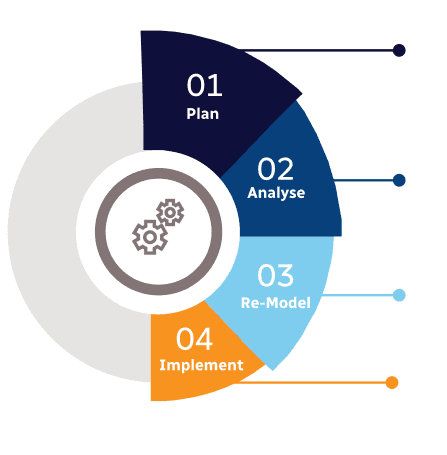
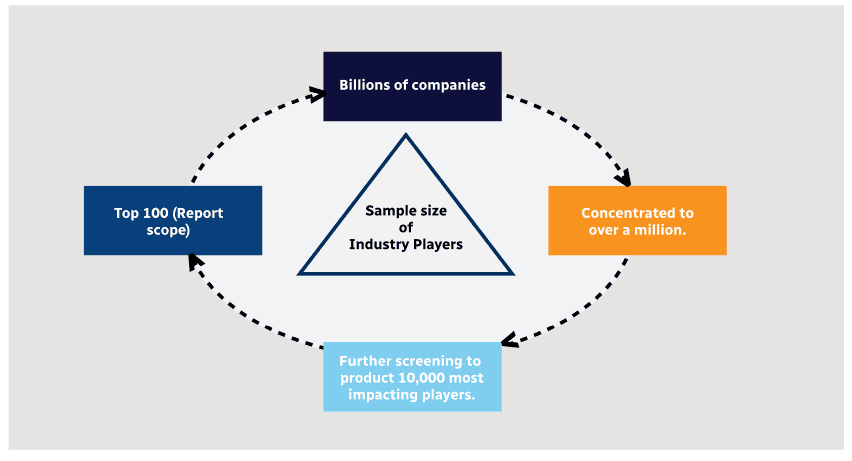
Step 1 - Identification of Relevant Samples Size from Population Database
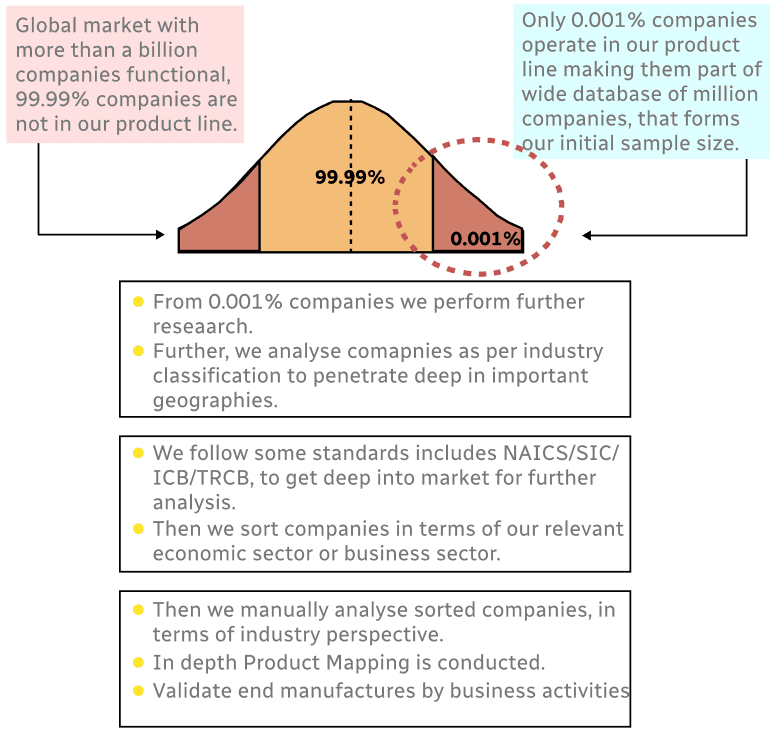
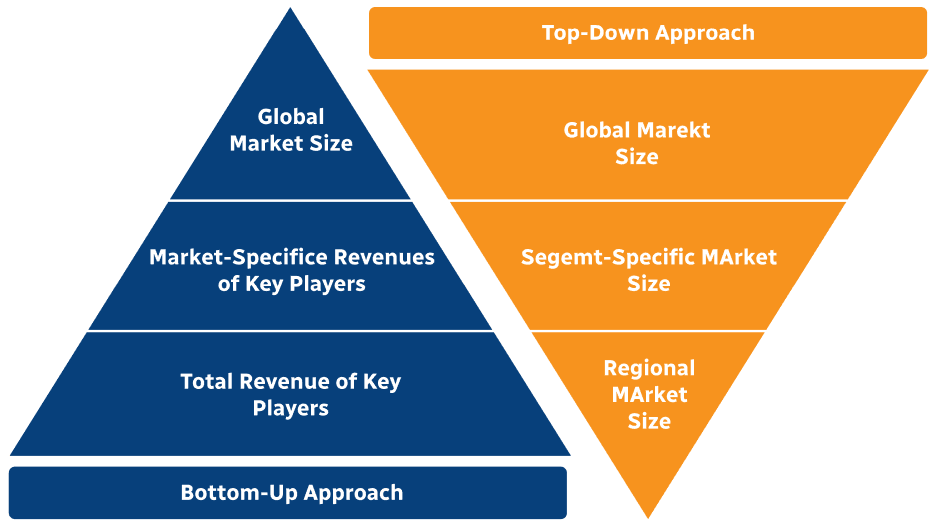
Step 2 - Approaches for Defining Global Market Size (Value, Volume* & Price*)
Note*: In applicable scenarios
Step 3 - Data Sources
Primary Research
- Web Analytics
- Survey Reports
- Research Institute
- Latest Research Reports
- Opinion Leaders
Secondary Research
- Annual Reports
- White Paper
- Latest Press Release
- Industry Association
- Paid Database
- Investor Presentations
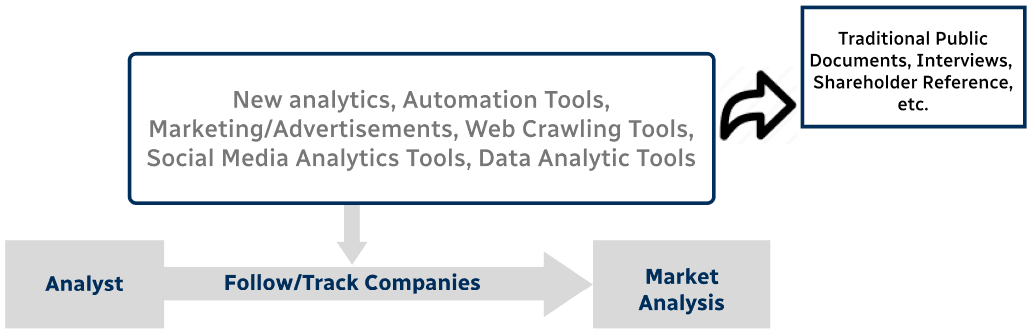
Step 4 - Data Triangulation
Involves using different sources of information in order to increase the validity of a study
These sources are likely to be stakeholders in a program - participants, other researchers, program staff, other community members, and so on.
Then we put all data in single framework & apply various statistical tools to find out the dynamic on the market.
During the analysis stage, feedback from the stakeholder groups would be compared to determine areas of agreement as well as areas of divergence