


Key Insights
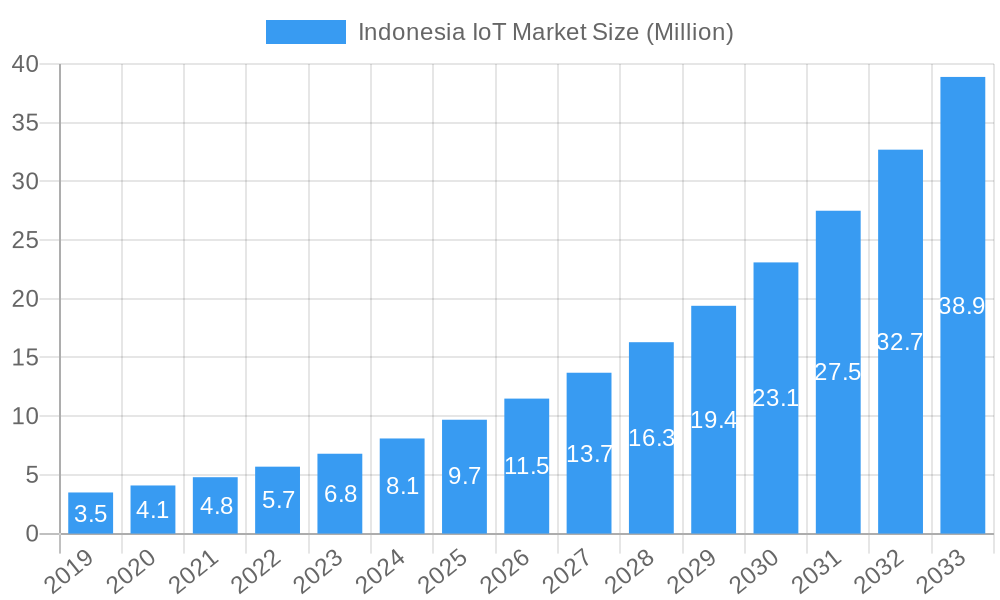
The Indonesian Internet of Things (IoT) market is poised for substantial growth, projected to reach $11.33 million by 2025, with an impressive Compound Annual Growth Rate (CAGR) of 15.21% during the forecast period of 2025-2033. This rapid expansion is fueled by a confluence of strategic drivers, including the escalating adoption of IoT solutions across key sectors like Automotive IoT, Consumer IoT, Healthcare IoT, Industrial IoT, and Smart Cities. The Indonesian government's increasing focus on digital transformation initiatives, coupled with the growing penetration of smart devices and connectivity infrastructure, further underpins this robust market trajectory. Businesses are recognizing the immense potential of IoT in enhancing operational efficiency, optimizing resource management, and creating innovative customer experiences.
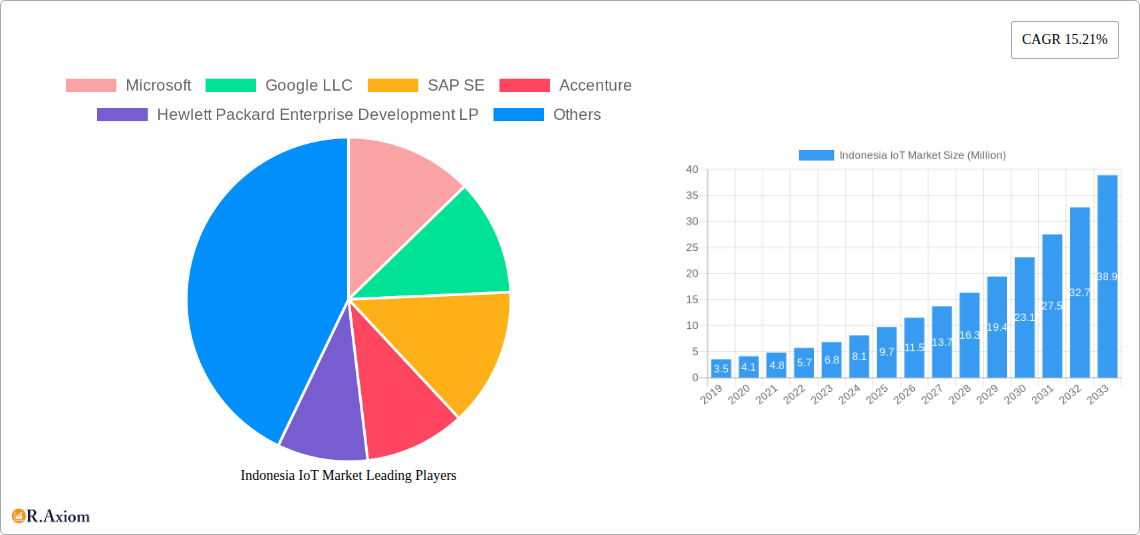
Indonesia IoT Market Market Size (In Million)

Key trends shaping the Indonesian IoT landscape include the proliferation of 5G networks, which will enable faster data transmission and more sophisticated IoT applications, and the rising demand for cloud-based IoT platforms and analytics services that facilitate seamless data management and insightful decision-making. The integration of Artificial Intelligence (AI) and Machine Learning (ML) with IoT devices is also gaining momentum, leading to the development of intelligent systems capable of predictive maintenance, automated processes, and personalized services. While the market benefits from these positive drivers and trends, potential restraints such as cybersecurity concerns, data privacy issues, and the need for skilled talent in IoT development and management will require strategic attention from stakeholders to ensure sustained and secure market evolution.
Indonesia IoT Market Company Market Share
This comprehensive report provides an in-depth analysis of the Indonesia Internet of Things (IoT) market, exploring its current landscape, future projections, and key growth drivers. Delve into the burgeoning opportunities within this dynamic sector, driven by increasing digital adoption, government initiatives, and a growing demand for connected solutions across various industries. The study period spans from 2019 to 2033, with the base year and estimated year set at 2025, and a forecast period from 2025 to 2033. The historical period covers 2019 to 2024.
Indonesia IoT Market Market Concentration & Innovation
The Indonesian IoT market is characterized by a moderate level of concentration, with a mix of large global technology giants and emerging local players vying for market share. Innovation is a key differentiator, fueled by advancements in AI, 5G connectivity, and cloud computing, enabling the development of sophisticated IoT solutions. Regulatory frameworks are evolving to support IoT adoption, fostering a more conducive environment for businesses. While direct product substitutes are limited in the core IoT infrastructure, alternative connectivity solutions and data analytics platforms can influence adoption rates. End-user trends are leaning towards greater integration of IoT for enhanced efficiency, productivity, and customer experience. Mergers and acquisitions (M&A) activity is present, though not at a highly aggressive pace, indicating a maturing market where strategic partnerships and smaller acquisitions are more common. For instance, the acquisition of IoT platform providers or specialized application developers by larger system integrators is a notable trend, with deal values ranging from a few million to tens of millions of dollars. The market share of leading players in specific segments is estimated to be between 10% and 25%, reflecting the competitive yet fragmented nature of the market.
Indonesia IoT Market Industry Trends & Insights
The Indonesia IoT market is experiencing robust growth, propelled by a confluence of technological advancements, evolving consumer preferences, and supportive government policies aimed at fostering a digital economy. The market penetration of IoT devices and solutions is steadily increasing across diverse sectors, driven by the inherent benefits of data-driven decision-making, operational efficiency, and improved service delivery. Technological disruptions, particularly the widespread adoption of 5G networks, are a significant growth catalyst, enabling higher bandwidth, lower latency, and the seamless connectivity of a greater number of devices, thereby unlocking new possibilities for real-time data analytics and control. The increasing affordability and accessibility of smart devices, coupled with a rising disposable income among Indonesian consumers, are fueling the demand for Consumer IoT solutions such as smart home appliances, wearables, and personal health monitors. Industrially, the adoption of Industrial IoT (IIoT) is revolutionizing manufacturing, logistics, and energy sectors through predictive maintenance, automated processes, and optimized resource management. This surge in demand translates into a projected Compound Annual Growth Rate (CAGR) of approximately 20% to 25% over the forecast period. Furthermore, the burgeoning smart cities initiative, championed by the Indonesian government, is creating substantial opportunities for IoT integration in areas like traffic management, public safety, and utility monitoring, further enhancing the market's growth trajectory. The competitive landscape is dynamic, with both established global players and agile local startups actively innovating and expanding their offerings to cater to the unique needs of the Indonesian market. This competitive fervor ensures continuous development of advanced IoT solutions that are both cost-effective and tailored to local requirements. The market is projected to reach a valuation of USD 5,000 Million to USD 8,000 Million by 2033.
Dominant Markets & Segments in Indonesia IoT Market
The Indonesian IoT market exhibits dominance across several key segments, driven by specific industry needs and technological advancements.
Type:
- Services: The Services segment is projected to hold the largest market share, estimated at around 40% to 45% of the total market value. This dominance is attributed to the increasing need for consulting, integration, deployment, and ongoing maintenance of complex IoT solutions. Companies are increasingly outsourcing these functions to specialized service providers.
- Key Drivers: Growing demand for end-to-end IoT solutions, need for expertise in data analytics and cybersecurity, and the complexity of integrating diverse IoT platforms.
- Software: The Software segment follows closely, accounting for an estimated 30% to 35% of the market. This includes IoT platforms, analytics software, AI/ML tools for data processing, and application development.
- Key Drivers: Proliferation of data generated by IoT devices, need for sophisticated analytics for business insights, and the development of specialized IoT applications for various industries.
- Hardware: The Hardware segment, encompassing sensors, connectivity modules, gateways, and end devices, represents the remaining 20% to 25% of the market. While its share might be smaller, it forms the foundational layer for all IoT deployments.
- Key Drivers: Increasing adoption of smart devices in consumer and industrial sectors, advancements in sensor technology, and declining hardware costs.
Application:
- Industrial IoT (IIoT): IIoT is a significant contributor, driven by the robust manufacturing and industrial sectors in Indonesia. It is estimated to capture 30% to 35% of the application market share.
- Key Drivers: Need for operational efficiency, predictive maintenance, supply chain optimization, and automation in manufacturing and heavy industries.
- Consumer IoT: This segment is rapidly expanding due to increasing disposable incomes and the growing popularity of smart home devices, wearables, and connected entertainment. It is projected to hold 25% to 30% of the application market share.
- Key Drivers: Growing middle class, demand for convenience and smart living, and the proliferation of affordable smart consumer electronics.
- Smart Cities: Government initiatives and urban development projects are propelling the Smart Cities segment, which is estimated to command 15% to 20% of the market.
- Key Drivers: Government focus on improving urban infrastructure, public safety, traffic management, and environmental sustainability through technology.
- Automotive IoT: Connected car technology and fleet management solutions are driving growth in this segment, estimated at 10% to 15%.
- Key Drivers: Increasing vehicle connectivity, demand for telematics, advanced driver-assistance systems (ADAS), and improved fleet management efficiency.
- Healthcare IoT: Telemedicine, remote patient monitoring, and smart hospital solutions are contributing to the growth of this segment, estimated at 5% to 10%.
- Key Drivers: Need for improved healthcare accessibility, remote patient care, and efficient hospital management.
- Others: This category includes applications in agriculture, retail, and energy, collectively estimated at 5% to 10%.
Indonesia IoT Market Product Developments
The Indonesian IoT market is witnessing a surge in product developments focused on enhancing connectivity, intelligence, and user experience. Innovations are driven by the integration of Artificial Intelligence (AI) and Machine Learning (ML) into IoT platforms and devices, enabling more sophisticated data analysis and predictive capabilities. Companies are focusing on developing robust and scalable IoT solutions that cater to specific industry needs, such as smart manufacturing, intelligent transportation, and personalized healthcare. The emphasis is on creating interoperable systems that can seamlessly integrate with existing infrastructure, offering a competitive advantage through enhanced functionality, cost-effectiveness, and improved security. The development of advanced AI-powered voice assistants and intuitive user interfaces is also a key trend, making IoT solutions more accessible and user-friendly.
Report Scope & Segmentation Analysis
This report offers a granular analysis of the Indonesia IoT market, segmented by Type and Application. The Type segmentation includes Hardware, Software, and Services. Hardware encompasses sensors, actuators, and connected devices, forming the foundational layer. Software covers IoT platforms, analytics, and AI/ML tools, crucial for data interpretation and actionable insights. Services include consulting, integration, deployment, and managed services, vital for successful IoT implementation.
The Application segmentation delves into Automotive IoT, Consumer IoT, Healthcare IoT, Industrial IoT, Smart Cities, and Others. Automotive IoT focuses on connected vehicles and fleet management. Consumer IoT addresses smart homes, wearables, and personal devices. Healthcare IoT covers remote patient monitoring and smart medical devices. Industrial IoT targets manufacturing, logistics, and energy sectors. Smart Cities encompasses urban infrastructure and public services. Others includes diverse applications like agriculture and retail. Each segment is analyzed for market size, growth projections, and competitive dynamics, providing a holistic view of the market's potential and strategic focus areas. The market size for Hardware is estimated at USD 1,000 Million to USD 2,000 Million, Software at USD 1,500 Million to USD 2,800 Million, and Services at USD 2,000 Million to USD 3,200 Million by 2033.
Key Drivers of Indonesia IoT Market Growth
Several key factors are propelling the growth of the Indonesia IoT market.
- Government Initiatives: The Indonesian government's strong focus on digital transformation and the development of a smart economy, including initiatives like "Making Indonesia 4.0," creates a favorable ecosystem for IoT adoption.
- Increasing Internet Penetration and Smartphone Usage: Widespread internet access and a rapidly growing smartphone user base are fundamental enablers for IoT deployments, particularly in consumer and enterprise applications.
- Economic Growth and Industrialization: Indonesia's expanding economy and its focus on industrial development, especially in manufacturing and logistics, are driving demand for IIoT solutions to enhance efficiency and productivity.
- Technological Advancements: The availability of advanced technologies like 5G, AI, cloud computing, and edge computing makes sophisticated IoT solutions more feasible and cost-effective.
- Growing Demand for Smart Solutions: Consumers and businesses are increasingly seeking smart, connected solutions that offer convenience, improved decision-making, and enhanced operational performance.
Challenges in the Indonesia IoT Market Sector
Despite its promising growth, the Indonesia IoT market faces several challenges that could impede its full potential.
- Cybersecurity Concerns: The increasing number of connected devices and the sensitive nature of data collected raise significant cybersecurity risks, requiring robust security measures and protocols.
- Lack of Skilled Workforce: A shortage of skilled professionals in IoT development, data analytics, and cybersecurity can hinder the effective implementation and management of IoT solutions.
- Interoperability and Standardization Issues: The absence of universal standards can lead to interoperability challenges between different IoT devices and platforms, complicating integration efforts.
- High Initial Investment Costs: While costs are declining, the initial investment for implementing comprehensive IoT solutions can still be a barrier for some small and medium-sized enterprises (SMEs).
- Regulatory Clarity and Enforcement: While regulations are evolving, there is a continuous need for clearer guidelines and consistent enforcement, particularly concerning data privacy and ownership. The market is estimated to face a talent gap impacting approximately 15% to 20% of potential project completions.
Emerging Opportunities in Indonesia IoT Market
The Indonesian IoT market presents a wealth of emerging opportunities for stakeholders.
- Smart Agriculture: Leveraging IoT for precision farming, crop monitoring, and livestock management can significantly boost agricultural productivity and sustainability in Indonesia's vast agricultural sector.
- Digital Health Expansion: The increasing demand for remote patient monitoring, telemedicine, and smart healthcare devices presents a substantial growth avenue, especially in reaching underserved populations.
- Energy Management Solutions: IoT-enabled smart grids, energy monitoring, and efficiency solutions offer significant potential to optimize energy consumption and promote renewable energy integration.
- Retail Technology Integration: From inventory management to personalized customer experiences, IoT solutions are poised to transform the retail landscape in Indonesia.
- Data Analytics and AI Services: As the volume of IoT data grows, there will be an escalating demand for advanced analytics, AI-driven insights, and machine learning services to derive maximum value. The market is poised to see a growth of 10% to 15% in these specialized service areas.
Leading Players in the Indonesia IoT Market Market
- Microsoft
- Google LLC
- SAP SE
- Accenture
- Hewlett Packard Enterprise Development LP
- Amazon Web Services Inc
- Fujitsu
- Toshiba IT-Services Corporation
- Oracle
- Intel Corporation
Key Developments in Indonesia IoT Market Industry
- September 2023: SDMC, an over-the-top solution provider, developed a Smart Home IoT Solution built on Google Cloud for Advan, an electronics company in Indonesia. SDMC uses Google Cloud Vertex AI's platform to develop HomeBrain, a comprehensive large language model (LLM) for smart homes. SDMC leverages Google's text-to-speech (TTS) and speech-to-text technology (STT) to create an AI voice assistant tool that can run on multiple devices. SDMC also upgraded its smart home IoT management platform, XHome, which features voice control, active learning, and service capabilities that give users precise decision-making abilities while enhancing efficiency.
- March 2023: FunP Innovation Group, a Taiwanese conglomerate specializing in digital advertising and technology, secured USD 3.12 million in funding from Ennoconn Corporation to develop innovative retail and cloud solutions in Indonesia. Ennoconn's AIoT, cloud computing, and marketing technology develop pioneering retail solutions for Indonesia, helping the company to increase its footprint in one of the fastest-growing markets in the world.
Strategic Outlook for Indonesia IoT Market Market
The strategic outlook for the Indonesia IoT market is exceptionally bright, driven by a sustained wave of digital transformation and increasing government support. The ongoing expansion of 5G infrastructure, coupled with declining hardware costs and growing consumer and enterprise acceptance, will continue to fuel market growth. Key growth catalysts include the deeper integration of AI and machine learning for enhanced data analytics, the development of specialized IoT solutions for emerging sectors like smart agriculture and digital health, and strategic partnerships between global tech giants and local enterprises. The smart cities initiative and the push for industrial automation (Industry 4.0) will remain significant drivers, creating substantial opportunities for IoT service providers and technology vendors. The market is poised for a period of accelerated innovation and adoption, solidifying Indonesia's position as a key player in the regional IoT landscape. The market is projected to grow at a CAGR of 20% to 25% from 2025 to 2033.
Indonesia IoT Market Segmentation
-
1. Type
- 1.1. Hardware
- 1.2. Software
- 1.3. Services
-
2. Application
- 2.1. Automotive IoT
- 2.2. Consumer IoT
- 2.3. Healthcare IoT
- 2.4. Industrial IoT
- 2.5. Smart Cities
- 2.6. Others
Indonesia IoT Market Segmentation By Geography
- 1. Indonesia
Indonesia IoT Market Regional Market Share
Geographic Coverage of Indonesia IoT Market
Indonesia IoT Market REPORT HIGHLIGHTS
| Aspects | Details |
|---|---|
| Study Period | 2020-2034 |
| Base Year | 2025 |
| Estimated Year | 2026 |
| Forecast Period | 2026-2034 |
| Historical Period | 2020-2025 |
| Growth Rate | CAGR of 15.21% from 2020-2034 |
| Segmentation |
|
Table of Contents
- 1. Introduction
- 1.1. Research Scope
- 1.2. Market Segmentation
- 1.3. Research Methodology
- 1.4. Definitions and Assumptions
- 2. Executive Summary
- 2.1. Introduction
- 3. Market Dynamics
- 3.1. Introduction
- 3.2. Market Drivers
- 3.2.1. Growing smart city initiatives in the country; Digital transformation in industries
- 3.3. Market Restrains
- 3.3.1. Security and privacy issues
- 3.4. Market Trends
- 3.4.1. Software segment to hold a significant market share
- 4. Market Factor Analysis
- 4.1. Porters Five Forces
- 4.2. Supply/Value Chain
- 4.3. PESTEL analysis
- 4.4. Market Entropy
- 4.5. Patent/Trademark Analysis
- 5. Indonesia IoT Market Analysis, Insights and Forecast, 2020-2032
- 5.1. Market Analysis, Insights and Forecast - by Type
- 5.1.1. Hardware
- 5.1.2. Software
- 5.1.3. Services
- 5.2. Market Analysis, Insights and Forecast - by Application
- 5.2.1. Automotive IoT
- 5.2.2. Consumer IoT
- 5.2.3. Healthcare IoT
- 5.2.4. Industrial IoT
- 5.2.5. Smart Cities
- 5.2.6. Others
- 5.3. Market Analysis, Insights and Forecast - by Region
- 5.3.1. Indonesia
- 5.1. Market Analysis, Insights and Forecast - by Type
- 6. Competitive Analysis
- 6.1. Market Share Analysis 2025
- 6.2. Company Profiles
- 6.2.1 Microsoft
- 6.2.1.1. Overview
- 6.2.1.2. Products
- 6.2.1.3. SWOT Analysis
- 6.2.1.4. Recent Developments
- 6.2.1.5. Financials (Based on Availability)
- 6.2.2 Google LLC
- 6.2.2.1. Overview
- 6.2.2.2. Products
- 6.2.2.3. SWOT Analysis
- 6.2.2.4. Recent Developments
- 6.2.2.5. Financials (Based on Availability)
- 6.2.3 SAP SE
- 6.2.3.1. Overview
- 6.2.3.2. Products
- 6.2.3.3. SWOT Analysis
- 6.2.3.4. Recent Developments
- 6.2.3.5. Financials (Based on Availability)
- 6.2.4 Accenture
- 6.2.4.1. Overview
- 6.2.4.2. Products
- 6.2.4.3. SWOT Analysis
- 6.2.4.4. Recent Developments
- 6.2.4.5. Financials (Based on Availability)
- 6.2.5 Hewlett Packard Enterprise Development LP
- 6.2.5.1. Overview
- 6.2.5.2. Products
- 6.2.5.3. SWOT Analysis
- 6.2.5.4. Recent Developments
- 6.2.5.5. Financials (Based on Availability)
- 6.2.6 Amazon Web Services Inc
- 6.2.6.1. Overview
- 6.2.6.2. Products
- 6.2.6.3. SWOT Analysis
- 6.2.6.4. Recent Developments
- 6.2.6.5. Financials (Based on Availability)
- 6.2.7 Fujitsu
- 6.2.7.1. Overview
- 6.2.7.2. Products
- 6.2.7.3. SWOT Analysis
- 6.2.7.4. Recent Developments
- 6.2.7.5. Financials (Based on Availability)
- 6.2.8 Toshiba IT-Services Corporation
- 6.2.8.1. Overview
- 6.2.8.2. Products
- 6.2.8.3. SWOT Analysis
- 6.2.8.4. Recent Developments
- 6.2.8.5. Financials (Based on Availability)
- 6.2.9 Oracle
- 6.2.9.1. Overview
- 6.2.9.2. Products
- 6.2.9.3. SWOT Analysis
- 6.2.9.4. Recent Developments
- 6.2.9.5. Financials (Based on Availability)
- 6.2.10 Intel Corporation
- 6.2.10.1. Overview
- 6.2.10.2. Products
- 6.2.10.3. SWOT Analysis
- 6.2.10.4. Recent Developments
- 6.2.10.5. Financials (Based on Availability)
- 6.2.1 Microsoft
List of Figures
- Figure 1: Indonesia IoT Market Revenue Breakdown (Million, %) by Product 2025 & 2033
- Figure 2: Indonesia IoT Market Share (%) by Company 2025
List of Tables
- Table 1: Indonesia IoT Market Revenue Million Forecast, by Type 2020 & 2033
- Table 2: Indonesia IoT Market Volume K Unit Forecast, by Type 2020 & 2033
- Table 3: Indonesia IoT Market Revenue Million Forecast, by Application 2020 & 2033
- Table 4: Indonesia IoT Market Volume K Unit Forecast, by Application 2020 & 2033
- Table 5: Indonesia IoT Market Revenue Million Forecast, by Region 2020 & 2033
- Table 6: Indonesia IoT Market Volume K Unit Forecast, by Region 2020 & 2033
- Table 7: Indonesia IoT Market Revenue Million Forecast, by Type 2020 & 2033
- Table 8: Indonesia IoT Market Volume K Unit Forecast, by Type 2020 & 2033
- Table 9: Indonesia IoT Market Revenue Million Forecast, by Application 2020 & 2033
- Table 10: Indonesia IoT Market Volume K Unit Forecast, by Application 2020 & 2033
- Table 11: Indonesia IoT Market Revenue Million Forecast, by Country 2020 & 2033
- Table 12: Indonesia IoT Market Volume K Unit Forecast, by Country 2020 & 2033
Frequently Asked Questions
1. What is the projected Compound Annual Growth Rate (CAGR) of the Indonesia IoT Market?
The projected CAGR is approximately 15.21%.
2. Which companies are prominent players in the Indonesia IoT Market?
Key companies in the market include Microsoft, Google LLC, SAP SE, Accenture, Hewlett Packard Enterprise Development LP, Amazon Web Services Inc, Fujitsu, Toshiba IT-Services Corporation, Oracle, Intel Corporation.
3. What are the main segments of the Indonesia IoT Market?
The market segments include Type, Application.
4. Can you provide details about the market size?
The market size is estimated to be USD 11.33 Million as of 2022.
5. What are some drivers contributing to market growth?
Growing smart city initiatives in the country; Digital transformation in industries.
6. What are the notable trends driving market growth?
Software segment to hold a significant market share.
7. Are there any restraints impacting market growth?
Security and privacy issues.
8. Can you provide examples of recent developments in the market?
September 2023: SDMC, an over-the-top solution provider, developed a Smart Home IoT Solution built on Google Cloud for Advan, an electronics company in Indonesia. SDMC uses Google Cloud Vertex AI's platform to develop HomeBrain, a comprehensive large language model (LLM) for smart homes. SDMC leverages Google's text-to-speech (TTS) and speech-to-text technology (STT) to create an AI voice assistant tool that can run on multiple devices. SDMC also upgraded its smart home IoT management platform, XHome, which features voice control, active learning, and service capabilities that give users precise decision-making abilities while enhancing efficiency.
9. What pricing options are available for accessing the report?
Pricing options include single-user, multi-user, and enterprise licenses priced at USD 3800, USD 4500, and USD 5800 respectively.
10. Is the market size provided in terms of value or volume?
The market size is provided in terms of value, measured in Million and volume, measured in K Unit.
11. Are there any specific market keywords associated with the report?
Yes, the market keyword associated with the report is "Indonesia IoT Market," which aids in identifying and referencing the specific market segment covered.
12. How do I determine which pricing option suits my needs best?
The pricing options vary based on user requirements and access needs. Individual users may opt for single-user licenses, while businesses requiring broader access may choose multi-user or enterprise licenses for cost-effective access to the report.
13. Are there any additional resources or data provided in the Indonesia IoT Market report?
While the report offers comprehensive insights, it's advisable to review the specific contents or supplementary materials provided to ascertain if additional resources or data are available.
14. How can I stay updated on further developments or reports in the Indonesia IoT Market?
To stay informed about further developments, trends, and reports in the Indonesia IoT Market, consider subscribing to industry newsletters, following relevant companies and organizations, or regularly checking reputable industry news sources and publications.
Methodology
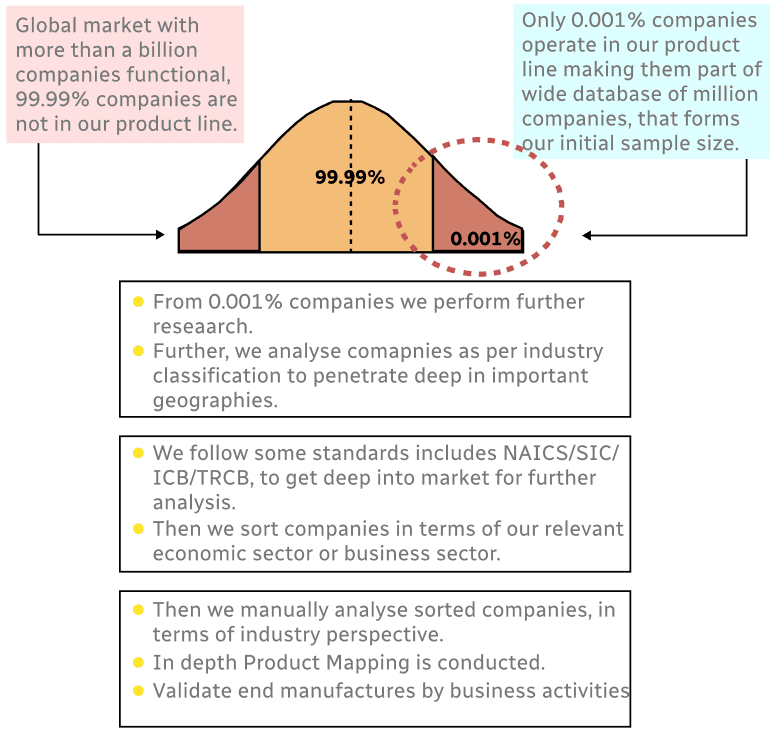
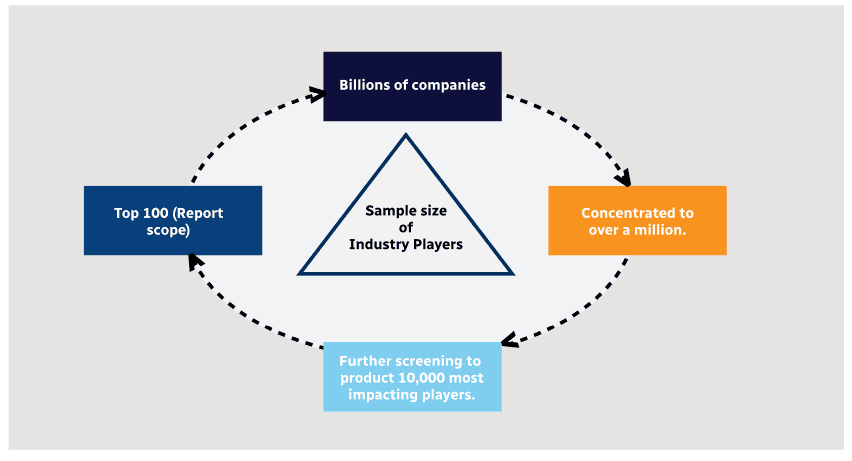
Step 1 - Identification of Relevant Samples Size from Population Database
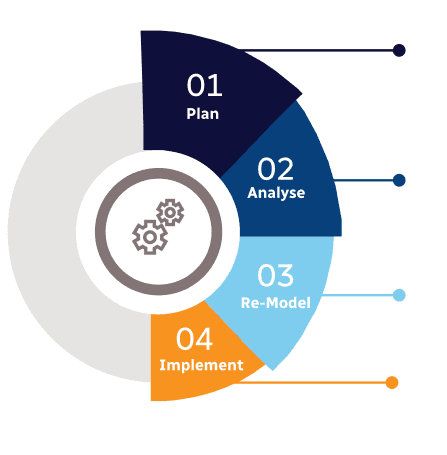
Step 2 - Approaches for Defining Global Market Size (Value, Volume* & Price*)
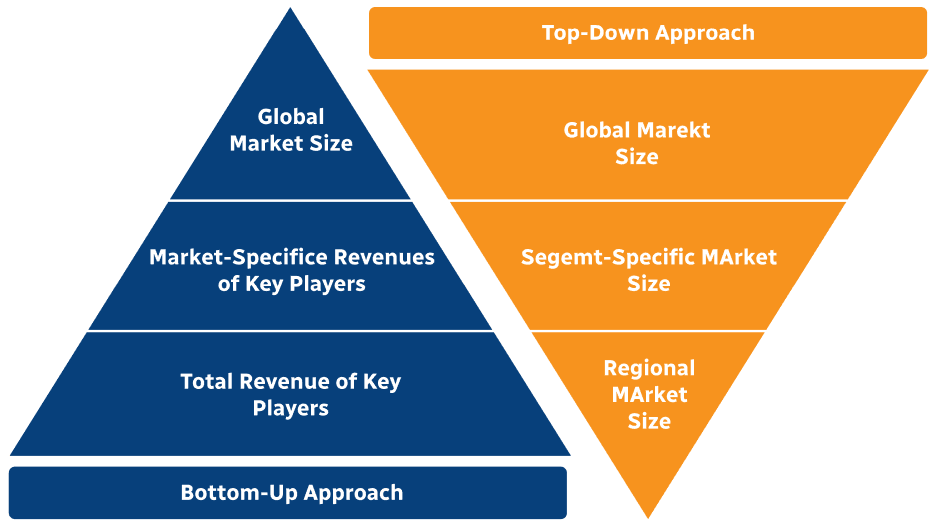
Note*: In applicable scenarios
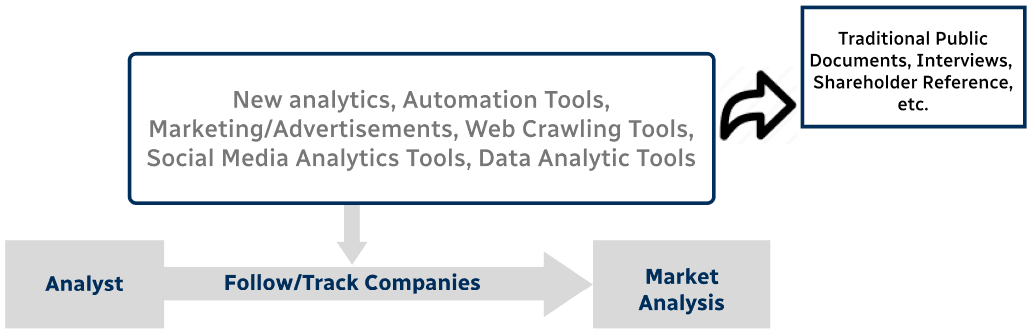
Step 3 - Data Sources
Primary Research
- Web Analytics
- Survey Reports
- Research Institute
- Latest Research Reports
- Opinion Leaders
Secondary Research
- Annual Reports
- White Paper
- Latest Press Release
- Industry Association
- Paid Database
- Investor Presentations
Step 4 - Data Triangulation
Involves using different sources of information in order to increase the validity of a study
These sources are likely to be stakeholders in a program - participants, other researchers, program staff, other community members, and so on.
Then we put all data in single framework & apply various statistical tools to find out the dynamic on the market.
During the analysis stage, feedback from the stakeholder groups would be compared to determine areas of agreement as well as areas of divergence