


Key Insights
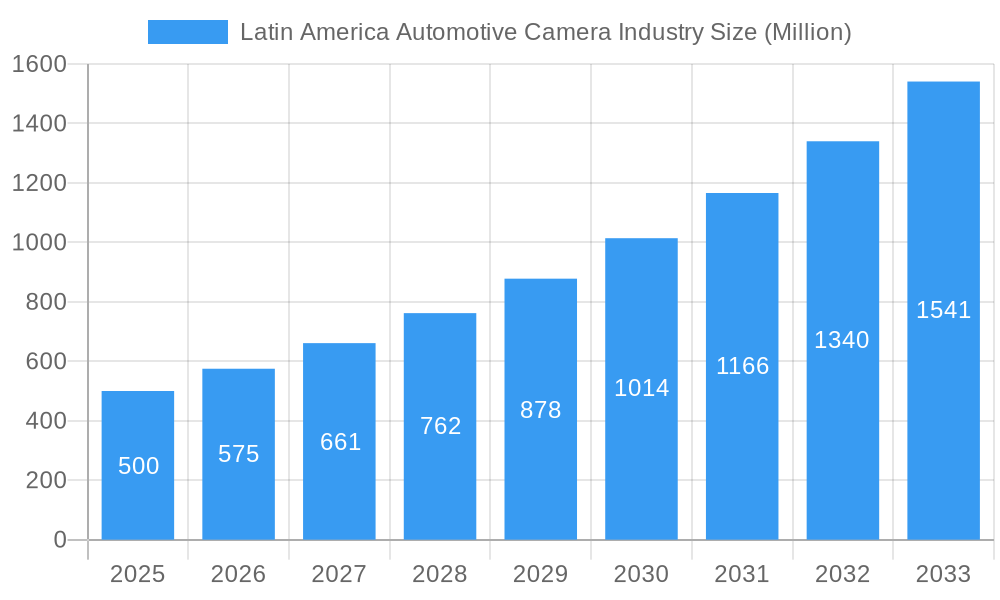
The Latin American automotive camera market is poised for significant expansion, propelled by the widespread adoption of Advanced Driver-Assistance Systems (ADAS) and escalating demand for advanced safety features across passenger and commercial vehicles. The market, valued at 597.6 million in the base year 2024, is projected to grow at a Compound Annual Growth Rate (CAGR) of 6.7% through 2033. Key growth drivers include increased vehicle affordability in emerging economies like Brazil and Mexico, leading to higher sales volumes and, consequently, greater demand for automotive cameras. Furthermore, stringent government regulations mandating safety systems such as rearview cameras and parking assist are accelerating market penetration. Technological innovations in camera quality, field of view, and functionality also contribute to this upward trajectory. Brazil, Mexico, and Argentina are the leading markets in the region.

Latin America Automotive Camera Industry Market Size (In Million)

Market segmentation indicates a strong preference for sensing cameras over viewing cameras, driven by the integration of ADAS technologies. Within applications, ADAS is experiencing the most rapid growth, aligning with the global shift towards autonomous driving. While passenger vehicles currently dominate, the commercial vehicle segment is expected to see substantial growth, fueled by fleet management's emphasis on safety and security. Leading industry players, including Magna International, Bosch, and Continental, are actively pursuing R&D and strategic collaborations. Challenges such as the initial cost of advanced camera systems and the requirement for robust data infrastructure in developing regions persist. Nevertheless, the long-term outlook for the Latin American automotive camera market remains highly optimistic, presenting considerable opportunities.
Latin America Automotive Camera Industry Company Market Share
This report offers a comprehensive analysis of the Latin American automotive camera industry, detailing market size, growth catalysts, key participants, and future trends. The study covers the period from 2019 to 2033, with 2024 as the base and estimated year. Utilizing extensive data and insights, the report provides actionable strategies for stakeholders. The market is segmented by application (ADAS, Parking), vehicle type (Passenger Vehicle, Commercial Vehicle), and camera type (Viewing Camera, Sensing Camera).
Latin America Automotive Camera Industry Market Concentration & Innovation
The Latin America automotive camera market exhibits a moderately concentrated landscape, with key players such as Magna International Inc, Robert Bosch Gmbh, Gentex Corporation, Continental AG, Autoliv Inc, Valeo SA, Hella KGaA Hueck & Co, Garmin Ltd, and Panasonic Corporation holding significant market share. The combined market share of the top five players in 2024 was approximately 60%, indicating moderate competition. Innovation is driven by advancements in ADAS technologies, increasing demand for safety features, and stricter government regulations. The market has witnessed several M&A activities in the recent past, with total deal values exceeding $xx Million between 2020 and 2024.
- Market Share Concentration: Top 5 players hold ~60% in 2024.
- Innovation Drivers: ADAS advancements, safety regulations, consumer demand.
- M&A Activity: Total deal value exceeding $xx Million (2020-2024).
- Regulatory Framework: Stringent safety standards are driving adoption.
- Product Substitutes: Limited direct substitutes exist; competition is primarily among different camera types and features.
- End-User Trends: Increasing preference for high-tech safety features in vehicles.
Latin America Automotive Camera Industry Industry Trends & Insights
The Latin America automotive camera market is experiencing robust growth, fueled by the increasing adoption of ADAS, rising vehicle production, and improving road infrastructure in key regions. The market registered a CAGR of xx% during the historical period (2019-2024) and is projected to maintain a CAGR of xx% during the forecast period (2025-2033). This growth is attributed to several factors, including increasing consumer awareness regarding vehicle safety, government mandates for advanced safety features, and technological advancements leading to more affordable and sophisticated camera systems. Market penetration of automotive cameras is steadily increasing, with significant growth observed in passenger vehicles. Competitive dynamics are characterized by intense rivalry amongst established players and the emergence of new entrants offering innovative solutions.
Dominant Markets & Segments in Latin America Automotive Camera Industry
The passenger vehicle segment dominates the market, accounting for xx% of the total revenue in 2024, driven by the expanding middle class and increasing car ownership. Within applications, ADAS is the fastest-growing segment, projected to exceed xx Million by 2033. Brazil and Mexico emerge as the leading markets, exhibiting robust growth in both passenger and commercial vehicle segments.
- Leading Region/Country: Brazil and Mexico
- Key Drivers (Brazil): Growing automotive production, government initiatives supporting ADAS, expanding middle class.
- Key Drivers (Mexico): Increased automotive exports, investments in infrastructure, rising demand for safety features.
- Dominant Segment (Application): Advanced Driver Assistance Systems (ADAS)
- Dominant Segment (Vehicle Type): Passenger Vehicles
- Dominant Segment (Camera Type): Viewing Cameras
Latin America Automotive Camera Industry Product Developments
Recent product innovations focus on higher resolution, improved low-light performance, and enhanced functionalities such as object detection and lane departure warnings. The integration of AI and machine learning is also gaining traction, enabling more sophisticated features and improved accuracy. These advancements are driving market growth by enhancing safety and convenience for consumers, aligning with market preferences for advanced vehicle technology.
Report Scope & Segmentation Analysis
This report segments the Latin America automotive camera market by application (ADAS and Parking), vehicle type (Passenger and Commercial), and camera type (Viewing and Sensing). Each segment's market size, growth projections, and competitive dynamics are analyzed. The ADAS segment is expected to witness the highest growth due to increasing demand for advanced safety features. Passenger vehicles constitute a larger market share compared to commercial vehicles, while viewing cameras currently hold a larger share than sensing cameras, although the sensing camera market is expanding rapidly.
Key Drivers of Latin America Automotive Camera Industry Growth
Several factors drive market growth, including government regulations mandating safety features (e.g., ADAS adoption), technological advancements making cameras more affordable and efficient, increasing consumer preference for enhanced vehicle safety and convenience, and rising vehicle production numbers across the region.
Challenges in the Latin America Automotive Camera Industry Sector
Challenges include supply chain disruptions impacting component availability, fluctuating currency exchange rates affecting pricing and profitability, and high initial investment costs for advanced technology hindering adoption in certain segments. The competitive landscape and varying regulatory standards across countries also pose challenges.
Emerging Opportunities in Latin America Automotive Camera Industry
Opportunities exist in expanding into untapped market segments (e.g., commercial vehicles in smaller markets), developing cost-effective camera systems for budget-conscious consumers, and incorporating advanced AI and machine learning functionalities. Growth in the autonomous vehicle market also presents significant opportunities for growth.
Leading Players in the Latin America Automotive Camera Industry Market
- Magna International Inc
- Robert Bosch Gmbh
- Gentex Corporation
- Continental AG
- Autoliv Inc
- Valeo SA
- Hella KGaA Hueck & Co
- Garmin Ltd
- Panasonic Corporation
Key Developments in Latin America Automotive Camera Industry Industry
- Q3 2023: Magna International Inc. announced a new partnership to develop advanced camera systems for Latin American automakers.
- Q1 2024: Bosch launched a new generation of low-light cameras targeted at the budget vehicle segment in Mexico.
- Q2 2024: Valeo acquired a smaller Latin American camera manufacturer, expanding its regional market presence. (Further details on these and other developments, including specific dates and impacts, will be available in the full report).
Strategic Outlook for Latin America Automotive Camera Industry Market
The Latin America automotive camera market is poised for continued growth, driven by strong regional economic expansion, rising safety concerns, and technological advancements. Strategic investments in R&D, expansion into new markets, and collaborations with automakers will be crucial for success in this dynamic sector. Focus on cost-effective solutions and innovative technologies will be key to capturing market share.
Latin America Automotive Camera Industry Segmentation
-
1. Vehicle Type
- 1.1. Passenger Vehicle
- 1.2. Commercial Vehicle
-
2. Type
- 2.1. Viewing Camera
- 2.2. Sensing Camera
-
3. Application
- 3.1. Advanced Driver Assistance Systems
- 3.2. Parking
-
4. Geography
- 4.1. Brazil
- 4.2. Mexico
- 4.3. Argentina
- 4.4. Rest of Latin America
Latin America Automotive Camera Industry Segmentation By Geography
- 1. Brazil
- 2. Mexico
- 3. Argentina
- 4. Rest of Latin America
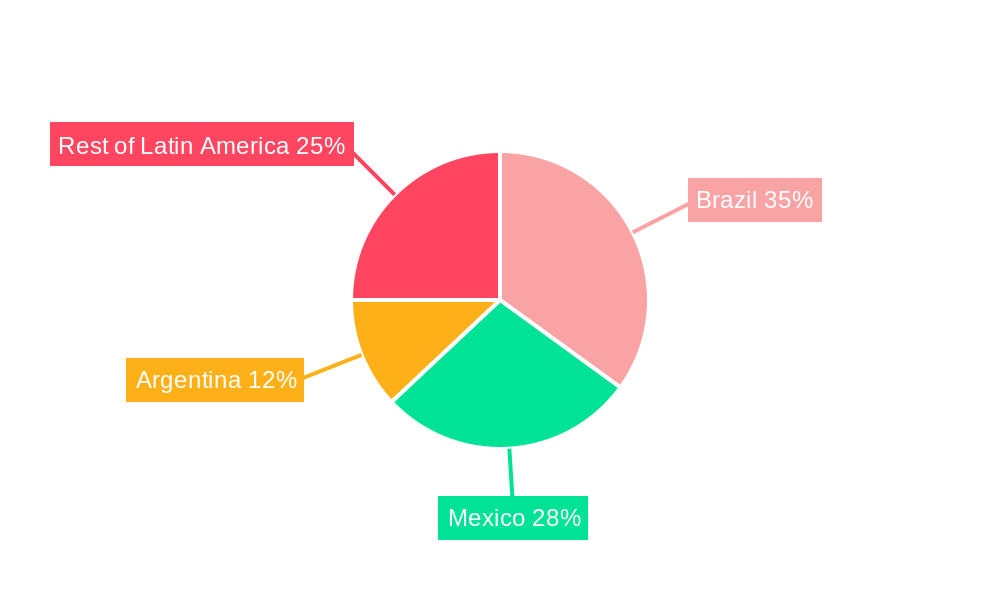
Latin America Automotive Camera Industry Regional Market Share
Geographic Coverage of Latin America Automotive Camera Industry
Latin America Automotive Camera Industry REPORT HIGHLIGHTS
| Aspects | Details |
|---|---|
| Study Period | 2020-2034 |
| Base Year | 2025 |
| Estimated Year | 2026 |
| Forecast Period | 2026-2034 |
| Historical Period | 2020-2025 |
| Growth Rate | CAGR of 6.7% from 2020-2034 |
| Segmentation |
|
Table of Contents
- 1. Introduction
- 1.1. Research Scope
- 1.2. Market Segmentation
- 1.3. Research Methodology
- 1.4. Definitions and Assumptions
- 2. Executive Summary
- 2.1. Introduction
- 3. Market Dynamics
- 3.1. Introduction
- 3.2. Market Drivers
- 3.2.1. Surge in Awareness About the Benefits of Leasing; Shift in Trends Towards Rental
- 3.3. Market Restrains
- 3.3.1. Labor Shortage may obstruct the market growth; The economic downturn in the equipment leasing sector will impede market expansion
- 3.4. Market Trends
- 3.4.1. Sensing Camera to Witness the Fastest Growth
- 4. Market Factor Analysis
- 4.1. Porters Five Forces
- 4.2. Supply/Value Chain
- 4.3. PESTEL analysis
- 4.4. Market Entropy
- 4.5. Patent/Trademark Analysis
- 5. Latin America Automotive Camera Industry Analysis, Insights and Forecast, 2020-2032
- 5.1. Market Analysis, Insights and Forecast - by Vehicle Type
- 5.1.1. Passenger Vehicle
- 5.1.2. Commercial Vehicle
- 5.2. Market Analysis, Insights and Forecast - by Type
- 5.2.1. Viewing Camera
- 5.2.2. Sensing Camera
- 5.3. Market Analysis, Insights and Forecast - by Application
- 5.3.1. Advanced Driver Assistance Systems
- 5.3.2. Parking
- 5.4. Market Analysis, Insights and Forecast - by Geography
- 5.4.1. Brazil
- 5.4.2. Mexico
- 5.4.3. Argentina
- 5.4.4. Rest of Latin America
- 5.5. Market Analysis, Insights and Forecast - by Region
- 5.5.1. Brazil
- 5.5.2. Mexico
- 5.5.3. Argentina
- 5.5.4. Rest of Latin America
- 5.1. Market Analysis, Insights and Forecast - by Vehicle Type
- 6. Brazil Latin America Automotive Camera Industry Analysis, Insights and Forecast, 2020-2032
- 6.1. Market Analysis, Insights and Forecast - by Vehicle Type
- 6.1.1. Passenger Vehicle
- 6.1.2. Commercial Vehicle
- 6.2. Market Analysis, Insights and Forecast - by Type
- 6.2.1. Viewing Camera
- 6.2.2. Sensing Camera
- 6.3. Market Analysis, Insights and Forecast - by Application
- 6.3.1. Advanced Driver Assistance Systems
- 6.3.2. Parking
- 6.4. Market Analysis, Insights and Forecast - by Geography
- 6.4.1. Brazil
- 6.4.2. Mexico
- 6.4.3. Argentina
- 6.4.4. Rest of Latin America
- 6.1. Market Analysis, Insights and Forecast - by Vehicle Type
- 7. Mexico Latin America Automotive Camera Industry Analysis, Insights and Forecast, 2020-2032
- 7.1. Market Analysis, Insights and Forecast - by Vehicle Type
- 7.1.1. Passenger Vehicle
- 7.1.2. Commercial Vehicle
- 7.2. Market Analysis, Insights and Forecast - by Type
- 7.2.1. Viewing Camera
- 7.2.2. Sensing Camera
- 7.3. Market Analysis, Insights and Forecast - by Application
- 7.3.1. Advanced Driver Assistance Systems
- 7.3.2. Parking
- 7.4. Market Analysis, Insights and Forecast - by Geography
- 7.4.1. Brazil
- 7.4.2. Mexico
- 7.4.3. Argentina
- 7.4.4. Rest of Latin America
- 7.1. Market Analysis, Insights and Forecast - by Vehicle Type
- 8. Argentina Latin America Automotive Camera Industry Analysis, Insights and Forecast, 2020-2032
- 8.1. Market Analysis, Insights and Forecast - by Vehicle Type
- 8.1.1. Passenger Vehicle
- 8.1.2. Commercial Vehicle
- 8.2. Market Analysis, Insights and Forecast - by Type
- 8.2.1. Viewing Camera
- 8.2.2. Sensing Camera
- 8.3. Market Analysis, Insights and Forecast - by Application
- 8.3.1. Advanced Driver Assistance Systems
- 8.3.2. Parking
- 8.4. Market Analysis, Insights and Forecast - by Geography
- 8.4.1. Brazil
- 8.4.2. Mexico
- 8.4.3. Argentina
- 8.4.4. Rest of Latin America
- 8.1. Market Analysis, Insights and Forecast - by Vehicle Type
- 9. Rest of Latin America Latin America Automotive Camera Industry Analysis, Insights and Forecast, 2020-2032
- 9.1. Market Analysis, Insights and Forecast - by Vehicle Type
- 9.1.1. Passenger Vehicle
- 9.1.2. Commercial Vehicle
- 9.2. Market Analysis, Insights and Forecast - by Type
- 9.2.1. Viewing Camera
- 9.2.2. Sensing Camera
- 9.3. Market Analysis, Insights and Forecast - by Application
- 9.3.1. Advanced Driver Assistance Systems
- 9.3.2. Parking
- 9.4. Market Analysis, Insights and Forecast - by Geography
- 9.4.1. Brazil
- 9.4.2. Mexico
- 9.4.3. Argentina
- 9.4.4. Rest of Latin America
- 9.1. Market Analysis, Insights and Forecast - by Vehicle Type
- 10. Competitive Analysis
- 10.1. Market Share Analysis 2025
- 10.2. Company Profiles
- 10.2.1 Magna International Inc
- 10.2.1.1. Overview
- 10.2.1.2. Products
- 10.2.1.3. SWOT Analysis
- 10.2.1.4. Recent Developments
- 10.2.1.5. Financials (Based on Availability)
- 10.2.2 Robert Bosch Gmbh
- 10.2.2.1. Overview
- 10.2.2.2. Products
- 10.2.2.3. SWOT Analysis
- 10.2.2.4. Recent Developments
- 10.2.2.5. Financials (Based on Availability)
- 10.2.3 Gentex Corporation
- 10.2.3.1. Overview
- 10.2.3.2. Products
- 10.2.3.3. SWOT Analysis
- 10.2.3.4. Recent Developments
- 10.2.3.5. Financials (Based on Availability)
- 10.2.4 Continental AG
- 10.2.4.1. Overview
- 10.2.4.2. Products
- 10.2.4.3. SWOT Analysis
- 10.2.4.4. Recent Developments
- 10.2.4.5. Financials (Based on Availability)
- 10.2.5 Autoliv Inc
- 10.2.5.1. Overview
- 10.2.5.2. Products
- 10.2.5.3. SWOT Analysis
- 10.2.5.4. Recent Developments
- 10.2.5.5. Financials (Based on Availability)
- 10.2.6 Valeo SA
- 10.2.6.1. Overview
- 10.2.6.2. Products
- 10.2.6.3. SWOT Analysis
- 10.2.6.4. Recent Developments
- 10.2.6.5. Financials (Based on Availability)
- 10.2.7 Hella KGaA Hueck & Co
- 10.2.7.1. Overview
- 10.2.7.2. Products
- 10.2.7.3. SWOT Analysis
- 10.2.7.4. Recent Developments
- 10.2.7.5. Financials (Based on Availability)
- 10.2.8 Garmin Lt
- 10.2.8.1. Overview
- 10.2.8.2. Products
- 10.2.8.3. SWOT Analysis
- 10.2.8.4. Recent Developments
- 10.2.8.5. Financials (Based on Availability)
- 10.2.9 Panasonic Corporation
- 10.2.9.1. Overview
- 10.2.9.2. Products
- 10.2.9.3. SWOT Analysis
- 10.2.9.4. Recent Developments
- 10.2.9.5. Financials (Based on Availability)
- 10.2.1 Magna International Inc
List of Figures
- Figure 1: Latin America Automotive Camera Industry Revenue Breakdown (million, %) by Product 2025 & 2033
- Figure 2: Latin America Automotive Camera Industry Share (%) by Company 2025
List of Tables
- Table 1: Latin America Automotive Camera Industry Revenue million Forecast, by Vehicle Type 2020 & 2033
- Table 2: Latin America Automotive Camera Industry Revenue million Forecast, by Type 2020 & 2033
- Table 3: Latin America Automotive Camera Industry Revenue million Forecast, by Application 2020 & 2033
- Table 4: Latin America Automotive Camera Industry Revenue million Forecast, by Geography 2020 & 2033
- Table 5: Latin America Automotive Camera Industry Revenue million Forecast, by Region 2020 & 2033
- Table 6: Latin America Automotive Camera Industry Revenue million Forecast, by Vehicle Type 2020 & 2033
- Table 7: Latin America Automotive Camera Industry Revenue million Forecast, by Type 2020 & 2033
- Table 8: Latin America Automotive Camera Industry Revenue million Forecast, by Application 2020 & 2033
- Table 9: Latin America Automotive Camera Industry Revenue million Forecast, by Geography 2020 & 2033
- Table 10: Latin America Automotive Camera Industry Revenue million Forecast, by Country 2020 & 2033
- Table 11: Latin America Automotive Camera Industry Revenue million Forecast, by Vehicle Type 2020 & 2033
- Table 12: Latin America Automotive Camera Industry Revenue million Forecast, by Type 2020 & 2033
- Table 13: Latin America Automotive Camera Industry Revenue million Forecast, by Application 2020 & 2033
- Table 14: Latin America Automotive Camera Industry Revenue million Forecast, by Geography 2020 & 2033
- Table 15: Latin America Automotive Camera Industry Revenue million Forecast, by Country 2020 & 2033
- Table 16: Latin America Automotive Camera Industry Revenue million Forecast, by Vehicle Type 2020 & 2033
- Table 17: Latin America Automotive Camera Industry Revenue million Forecast, by Type 2020 & 2033
- Table 18: Latin America Automotive Camera Industry Revenue million Forecast, by Application 2020 & 2033
- Table 19: Latin America Automotive Camera Industry Revenue million Forecast, by Geography 2020 & 2033
- Table 20: Latin America Automotive Camera Industry Revenue million Forecast, by Country 2020 & 2033
- Table 21: Latin America Automotive Camera Industry Revenue million Forecast, by Vehicle Type 2020 & 2033
- Table 22: Latin America Automotive Camera Industry Revenue million Forecast, by Type 2020 & 2033
- Table 23: Latin America Automotive Camera Industry Revenue million Forecast, by Application 2020 & 2033
- Table 24: Latin America Automotive Camera Industry Revenue million Forecast, by Geography 2020 & 2033
- Table 25: Latin America Automotive Camera Industry Revenue million Forecast, by Country 2020 & 2033
Frequently Asked Questions
1. What is the projected Compound Annual Growth Rate (CAGR) of the Latin America Automotive Camera Industry?
The projected CAGR is approximately 6.7%.
2. Which companies are prominent players in the Latin America Automotive Camera Industry?
Key companies in the market include Magna International Inc, Robert Bosch Gmbh, Gentex Corporation, Continental AG, Autoliv Inc, Valeo SA, Hella KGaA Hueck & Co, Garmin Lt, Panasonic Corporation.
3. What are the main segments of the Latin America Automotive Camera Industry?
The market segments include Vehicle Type, Type, Application, Geography.
4. Can you provide details about the market size?
The market size is estimated to be USD 597.6 million as of 2022.
5. What are some drivers contributing to market growth?
Surge in Awareness About the Benefits of Leasing; Shift in Trends Towards Rental.
6. What are the notable trends driving market growth?
Sensing Camera to Witness the Fastest Growth.
7. Are there any restraints impacting market growth?
Labor Shortage may obstruct the market growth; The economic downturn in the equipment leasing sector will impede market expansion.
8. Can you provide examples of recent developments in the market?
N/A
9. What pricing options are available for accessing the report?
Pricing options include single-user, multi-user, and enterprise licenses priced at USD 4750, USD 5250, and USD 8750 respectively.
10. Is the market size provided in terms of value or volume?
The market size is provided in terms of value, measured in million.
11. Are there any specific market keywords associated with the report?
Yes, the market keyword associated with the report is "Latin America Automotive Camera Industry," which aids in identifying and referencing the specific market segment covered.
12. How do I determine which pricing option suits my needs best?
The pricing options vary based on user requirements and access needs. Individual users may opt for single-user licenses, while businesses requiring broader access may choose multi-user or enterprise licenses for cost-effective access to the report.
13. Are there any additional resources or data provided in the Latin America Automotive Camera Industry report?
While the report offers comprehensive insights, it's advisable to review the specific contents or supplementary materials provided to ascertain if additional resources or data are available.
14. How can I stay updated on further developments or reports in the Latin America Automotive Camera Industry?
To stay informed about further developments, trends, and reports in the Latin America Automotive Camera Industry, consider subscribing to industry newsletters, following relevant companies and organizations, or regularly checking reputable industry news sources and publications.
Methodology
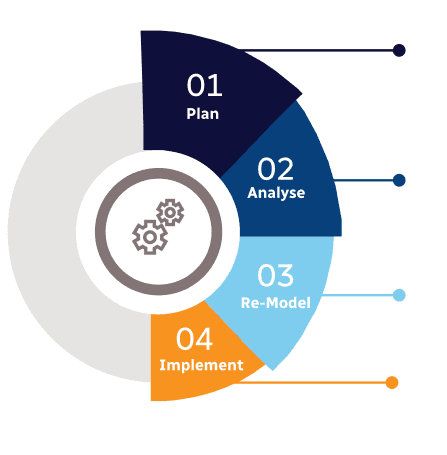
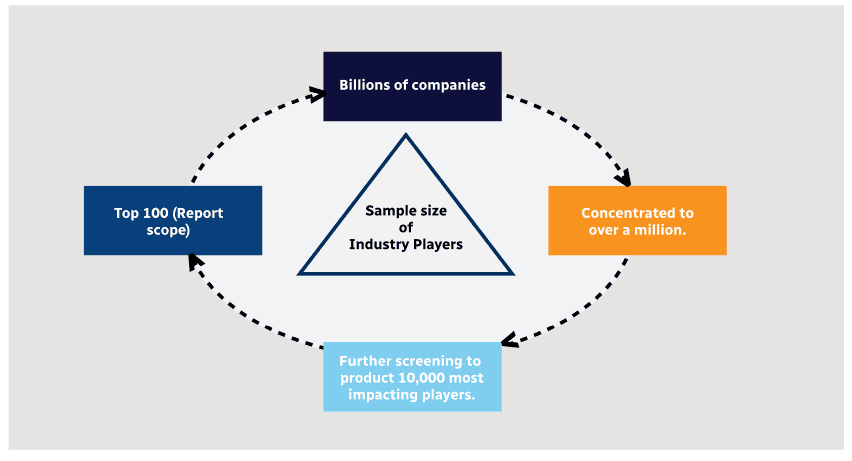
Step 1 - Identification of Relevant Samples Size from Population Database
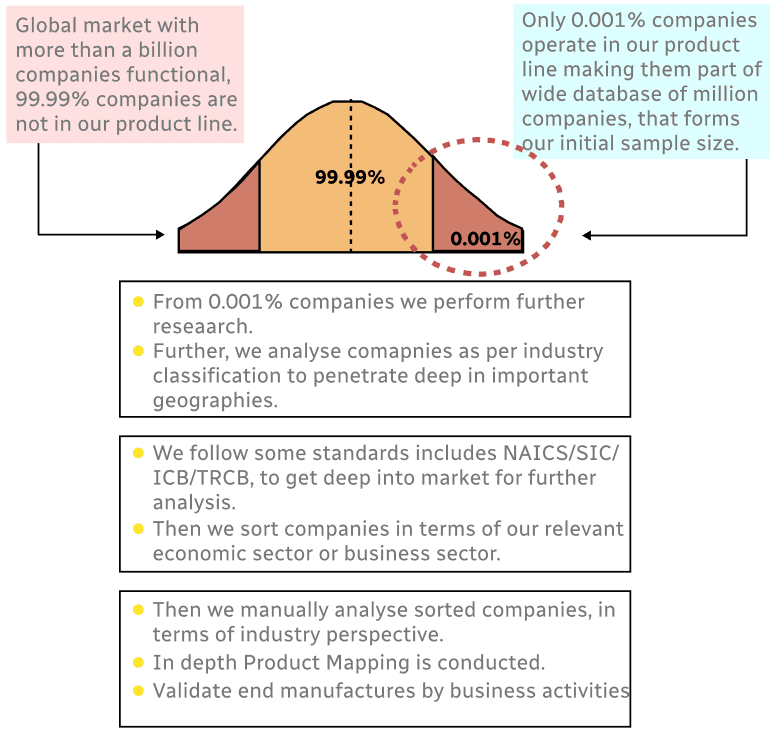
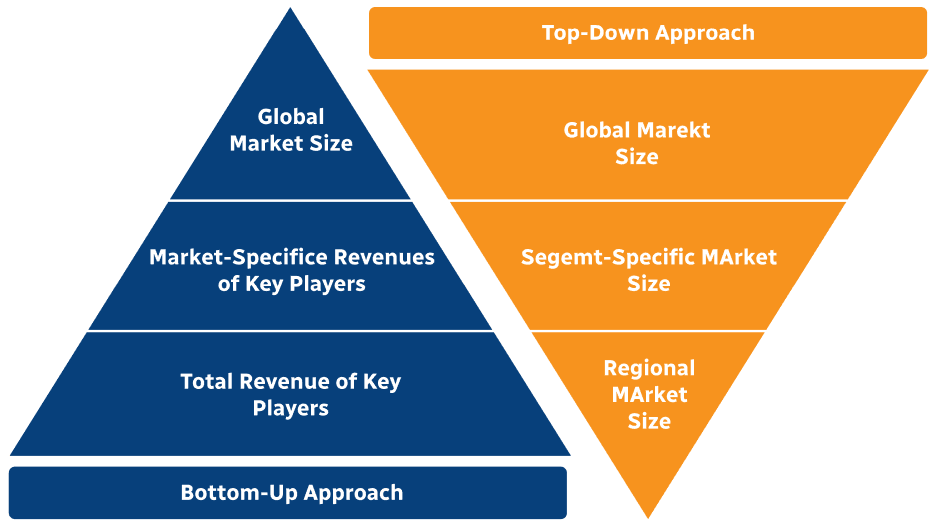
Step 2 - Approaches for Defining Global Market Size (Value, Volume* & Price*)
Note*: In applicable scenarios
Step 3 - Data Sources
Primary Research
- Web Analytics
- Survey Reports
- Research Institute
- Latest Research Reports
- Opinion Leaders
Secondary Research
- Annual Reports
- White Paper
- Latest Press Release
- Industry Association
- Paid Database
- Investor Presentations
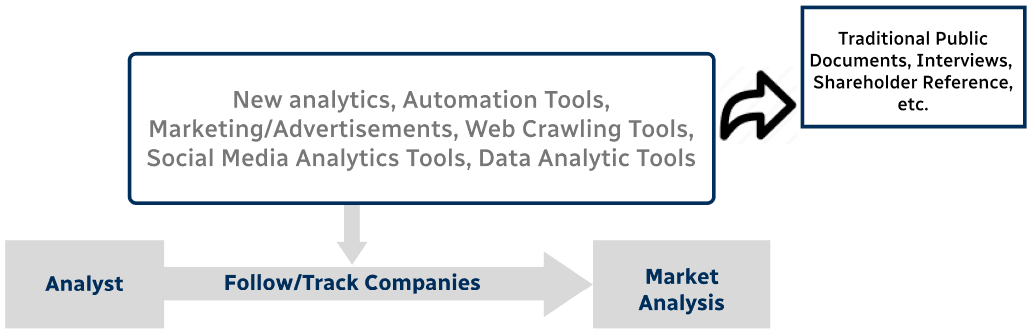
Step 4 - Data Triangulation
Involves using different sources of information in order to increase the validity of a study
These sources are likely to be stakeholders in a program - participants, other researchers, program staff, other community members, and so on.
Then we put all data in single framework & apply various statistical tools to find out the dynamic on the market.
During the analysis stage, feedback from the stakeholder groups would be compared to determine areas of agreement as well as areas of divergence