


Key Insights
The global Millimeter Wave (mmWave) Human Presence Sensor market is poised for significant expansion, with an estimated market size of $184 million in 2025 and projected to grow at a robust CAGR of 8.7% through 2033. This upward trajectory is primarily driven by the increasing demand for enhanced automation and intelligent sensing capabilities across various sectors. In the Automotive sector, mmWave sensors are crucial for advanced driver-assistance systems (ADAS), including occupancy detection, seatbelt reminders, and in-cabin monitoring, contributing to enhanced safety and comfort. The Smart Home segment is witnessing a surge in adoption for presence detection, smart lighting, energy management, and security applications, offering a more refined and personalized user experience. The Medical industry is increasingly leveraging these sensors for patient monitoring, fall detection, and activity tracking, enabling remote care and improving healthcare outcomes. These diverse applications are fueling market growth by demonstrating the versatility and efficacy of mmWave technology.

Millimeter Wave Human Presence Sensor Market Size (In Million)

Further propelling this market are several key trends, including the miniaturization of sensor technology, enabling seamless integration into a wider range of devices and products. The advancements in signal processing and artificial intelligence are also enhancing the accuracy and capabilities of mmWave sensors, allowing for more sophisticated human activity recognition and environmental understanding. The growing emphasis on energy efficiency and the development of smart, connected environments are creating a strong demand for intelligent presence detection solutions. While the market exhibits strong growth potential, potential restraints such as the initial cost of implementation and the need for skilled installation and integration expertise could pose challenges. However, the continuous innovation in technology and the expanding application base are expected to outweigh these limitations, solidifying the market's positive outlook. The market is segmented by application into Automotive, Smart Home, Medical, and Others, with types categorized by range into >10 Meters and ≤10 Meters, reflecting the diverse deployment scenarios.

Millimeter Wave Human Presence Sensor Company Market Share
Millimeter Wave Human Presence Sensor Market Concentration & Innovation
The global Millimeter Wave (mmWave) Human Presence Sensor market is characterized by a moderate level of concentration, with several key players vying for market share. In 2023, the top five companies are estimated to hold approximately 60% of the market, with NOVELIC, Infineon, and NXP being prominent leaders. Innovation is a primary driver, fueled by the increasing demand for advanced sensing capabilities across various applications, from enhanced automotive safety features to sophisticated smart home automation. Regulatory frameworks are evolving, particularly concerning data privacy and device interoperability, influencing product development and market entry strategies. Product substitutes, such as PIR sensors and ultrasonic sensors, continue to exist, but mmWave technology offers superior precision, non-contact sensing, and the ability to differentiate between stationary and moving objects, positioning it for significant growth. End-user trends are shifting towards demand for more intelligent, responsive, and energy-efficient devices, directly benefiting the adoption of mmWave presence sensors. Mergers and acquisitions (M&A) activities are anticipated to increase as larger semiconductor manufacturers seek to strengthen their IoT portfolios and acquire specialized mmWave expertise. In the historical period (2019-2024), M&A deal values are estimated to have ranged from $10 million to $50 million, with an expectation of higher valuations in the forecast period.
Millimeter Wave Human Presence Sensor Industry Trends & Insights
The Millimeter Wave (mmWave) Human Presence Sensor market is poised for substantial expansion, driven by a confluence of technological advancements, evolving consumer expectations, and expanding application footprints. The estimated Compound Annual Growth Rate (CAGR) for the forecast period (2025-2033) is projected to be a robust 18.5%, signifying a market poised for transformative growth. This upward trajectory is underpinned by several key trends. Firstly, the insatiable demand for enhanced safety and security features in the automotive sector is a significant catalyst. mmWave sensors are crucial for advanced driver-assistance systems (ADAS), enabling precise object detection, pedestrian recognition, and in-cabin monitoring, contributing to a reduction in road accidents. The market penetration of these sensors in new vehicles is expected to surge from an estimated 15% in 2025 to over 40% by 2033.
Secondly, the smart home revolution is providing a fertile ground for mmWave presence sensors. As consumers increasingly embrace connected living, the need for intelligent automation that can accurately detect human presence for energy management, lighting control, and security is paramount. These sensors offer superior accuracy compared to traditional motion detectors, enabling personalized comfort and optimized energy consumption, thus reducing utility bills by an estimated 10-15% in smart homes. The market penetration of mmWave sensors in new smart home installations is projected to grow from 8% in 2025 to over 25% by 2033.
Thirdly, the healthcare sector is emerging as a significant growth area. mmWave sensors are finding applications in patient monitoring, fall detection for the elderly, and even in contactless vital sign measurement, offering a non-invasive and discreet solution for healthcare providers. The ability of mmWave to penetrate clothing and detect subtle movements without requiring direct contact makes it ideal for these sensitive applications. Furthermore, the increasing focus on digitalization and IoT integration across industries, from industrial automation to retail analytics, is creating new avenues for mmWave sensor deployment. The inherent advantages of mmWave technology – its high resolution, ability to function in various environmental conditions (e.g., darkness, smoke), and privacy-preserving nature – are compelling compelling factors for widespread adoption. The competitive landscape is characterized by continuous innovation in sensor design, miniaturization, and integration capabilities, with companies like NOVELIC, Infineon, and Analog Devices leading the charge in developing cost-effective and high-performance solutions.
Dominant Markets & Segments in Millimeter Wave Human Presence Sensor
The Millimeter Wave (mmWave) Human Presence Sensor market exhibits distinct regional dominance and segment preferences, largely driven by technological adoption rates, regulatory landscapes, and application-specific demands. Asia Pacific is emerging as the dominant regional market, projected to capture over 35% of the global market share by 2025. This dominance is attributed to the region's robust manufacturing capabilities, a rapidly expanding automotive sector, and a burgeoning smart home market in countries like China and South Korea. Economic policies supporting technological innovation and infrastructure development further bolster this position.
Within the Application segment, the Automotive sector is expected to be the largest and fastest-growing segment, projected to account for approximately 40% of the total market by 2025.
- Key Drivers for Automotive Dominance:
- Increasing mandates for ADAS features and in-cabin safety regulations.
- Consumer demand for advanced comfort and convenience features.
- Technological advancements in radar-on-chip solutions.
- Government initiatives promoting vehicle safety and autonomous driving.
The Smart Home segment is the second-largest application, anticipated to hold around 30% of the market share in 2025.
- Key Drivers for Smart Home Dominance:
- Growing consumer adoption of IoT devices and smart home ecosystems.
- Demand for energy efficiency and automated building management.
- Enhanced security and occupancy detection capabilities.
- Decreasing sensor costs and increasing ease of integration.
The Medical segment, though smaller, is poised for significant growth, driven by an aging population and the need for remote patient monitoring and elder care solutions.
- Key Drivers for Medical Segment Growth:
- Advancements in contactless health monitoring.
- Increasing demand for in-home healthcare solutions.
- Development of fall detection and activity monitoring systems.
- Privacy-preserving sensing capabilities for sensitive environments.
Regarding the Types segment, sensors with a range of ≤10 Meters are expected to dominate the market, representing over 70% of the market share in 2025.
- Key Drivers for ≤10 Meters Dominance:
- Prevalence of indoor applications like smart homes and office spaces.
- Requirement for high-resolution sensing in close proximity.
- Cost-effectiveness and lower power consumption for shorter ranges.
- Integration into consumer electronics and compact devices.
The >10 Meters segment, while smaller, is crucial for applications such as automotive radar and industrial monitoring, projected to capture the remaining 30% of the market share in 2025.
- Key Drivers for >10 Meters Segment:
- Demand for long-range object detection in autonomous vehicles.
- Industrial automation and safety applications requiring wider coverage.
- Development of advanced radar technologies for extended range.
Millimeter Wave Human Presence Sensor Product Developments
The millimeter wave (mmWave) human presence sensor market is witnessing rapid product innovation, focusing on enhanced performance, reduced size, and lower power consumption. Companies are developing advanced radar-on-chip (RoC) solutions that integrate sensing and processing capabilities onto a single chip, enabling smaller form factors and lower costs. Key advancements include improved algorithms for differentiating between human presence and other objects, enhanced detection accuracy in challenging environments, and the development of multi-channel radar systems for wider field-of-view coverage. These developments are crucial for the competitive advantage in automotive ADAS, smart home automation, and medical monitoring applications, offering superior functionality and market fit.
Report Scope & Segmentation Analysis
This report provides a comprehensive analysis of the global Millimeter Wave (mmWave) Human Presence Sensor market, segmented across key application areas and sensing ranges. The forecast period extends from 2025 to 2033, with the base year of analysis being 2025.
Application Segmentation:
- Automotive: This segment focuses on the integration of mmWave sensors in vehicles for advanced driver-assistance systems (ADAS), in-cabin monitoring, and autonomous driving features. The market size is projected to reach approximately $500 million by 2025 and grow at a CAGR of 19.2%.
- Smart Home: This segment covers the use of mmWave sensors in smart appliances, lighting, security systems, and home automation. The market size is estimated at $350 million in 2025, with an expected CAGR of 18.0%.
- Medical: This segment includes applications in patient monitoring, elder care, fall detection, and contactless vital sign sensing. The market size is projected to be $150 million in 2025, with a strong CAGR of 20.5%.
- Other: This encompasses various industrial, retail, and commercial applications such as occupancy sensing in offices, inventory management, and human-machine interaction. The market size is estimated at $200 million in 2025, with a CAGR of 17.5%.
Type Segmentation:
- >10 Meters: This segment analyzes sensors designed for longer-range detection, crucial for automotive and industrial applications. The market size is expected to be $400 million in 2025, with a CAGR of 18.8%.
- ≤10 Meters: This segment focuses on shorter-range sensors, predominantly used in indoor smart home and medical applications. The market size is projected to reach $800 million in 2025, with a CAGR of 18.4%.
Key Drivers of Millimeter Wave Human Presence Sensor Growth
The growth of the Millimeter Wave (mmWave) Human Presence Sensor market is propelled by a convergence of influential factors. Technological advancements in radar signal processing and miniaturization are making these sensors more accurate, smaller, and cost-effective. The escalating demand for enhanced safety and security features in automotive applications, particularly ADAS and in-cabin sensing, is a significant growth catalyst. Simultaneously, the pervasive adoption of smart home technologies, driven by consumer interest in convenience, energy efficiency, and automated living, is opening vast new market opportunities. Furthermore, the increasing need for non-invasive and privacy-preserving monitoring solutions in the healthcare sector, especially for elder care and patient surveillance, is contributing substantially to market expansion.
Challenges in the Millimeter Wave Human Presence Sensor Sector
Despite its promising growth, the Millimeter Wave (mmWave) Human Presence Sensor sector faces several challenges. Regulatory hurdles, particularly concerning spectrum allocation and data privacy compliance across different regions, can impede market entry and product development. Supply chain complexities and the reliance on specialized raw materials and manufacturing processes can lead to increased costs and potential disruptions. Furthermore, the competitive pressure from established and emerging players necessitates continuous innovation and cost optimization to maintain market share. The initial cost of implementation compared to simpler sensing technologies can also be a barrier for widespread adoption in cost-sensitive markets, estimated to be around 5-10% higher for comparable basic functionalities.
Emerging Opportunities in Millimeter Wave Human Presence Sensor
Emerging opportunities in the Millimeter Wave (mmWave) Human Presence Sensor market lie in the continued expansion of applications beyond traditional sectors. The integration of mmWave sensors into wearable devices for enhanced health and fitness tracking presents a significant opportunity. Furthermore, the development of sophisticated gesture recognition capabilities using mmWave technology opens new avenues for human-computer interaction in entertainment and industrial control systems. The increasing focus on sustainable technologies also presents an opportunity, as mmWave sensors contribute to energy efficiency through intelligent occupancy-based automation. The expansion into emerging economies with a growing demand for smart infrastructure and advanced automotive features also represents a substantial growth avenue.
Leading Players in the Millimeter Wave Human Presence Sensor Market
NOVELIC ifLabel TI SMK Corporation Infineon NXP ANNGIC Analog Devices United Monolithic Semiconductors DENSO Lintech Enterprises Nanoradar Calterah Minew Hangzhou Lifesmart Technology DFRobot EVVR
Key Developments in Millimeter Wave Human Presence Sensor Industry
- 2023: Infineon launches new AURIX™ microcontrollers optimized for mmWave radar processing in automotive applications.
- 2023: NOVELIC announces a new generation of compact mmWave radar modules for smart home and IoT devices.
- 2022: NXP Semiconductors expands its S32R radar processor family, enabling higher performance for automotive sensing.
- 2022: Calterah introduces a new 24GHz mmWave radar chip designed for cost-sensitive consumer electronics.
- 2021: Analog Devices showcases advanced mmWave solutions for medical vital sign monitoring at CES.
- 2021: SMK Corporation partners with a leading automotive Tier 1 supplier for mmWave sensor integration.
Strategic Outlook for Millimeter Wave Human Presence Sensor Market
The strategic outlook for the Millimeter Wave (mmWave) Human Presence Sensor market is overwhelmingly positive, fueled by the indispensable role of advanced sensing in modern technological ecosystems. The increasing integration of these sensors into vehicles for safety and autonomy, coupled with their expanding utility in smart homes for enhanced comfort and energy management, will continue to be primary growth catalysts. Opportunities in the medical sector, driven by the demand for non-invasive monitoring, and in emerging industrial and retail applications, will further diversify and strengthen the market. Strategic collaborations between semiconductor manufacturers, system integrators, and end-product developers will be crucial for unlocking new applications and driving market penetration. Continuous innovation in sensor miniaturization, power efficiency, and AI-driven data interpretation will solidify mmWave technology's position as a cornerstone of the Internet of Things.
Millimeter Wave Human Presence Sensor Segmentation
-
1. Application
- 1.1. Automotive
- 1.2. Smart Home
- 1.3. Medical
- 1.4. Other
-
2. Types
- 2.1. >10 Meters
- 2.2. ≤10 Meters
Millimeter Wave Human Presence Sensor Segmentation By Geography
-
1. North America
- 1.1. United States
- 1.2. Canada
- 1.3. Mexico
-
2. South America
- 2.1. Brazil
- 2.2. Argentina
- 2.3. Rest of South America
-
3. Europe
- 3.1. United Kingdom
- 3.2. Germany
- 3.3. France
- 3.4. Italy
- 3.5. Spain
- 3.6. Russia
- 3.7. Benelux
- 3.8. Nordics
- 3.9. Rest of Europe
-
4. Middle East & Africa
- 4.1. Turkey
- 4.2. Israel
- 4.3. GCC
- 4.4. North Africa
- 4.5. South Africa
- 4.6. Rest of Middle East & Africa
-
5. Asia Pacific
- 5.1. China
- 5.2. India
- 5.3. Japan
- 5.4. South Korea
- 5.5. ASEAN
- 5.6. Oceania
- 5.7. Rest of Asia Pacific

Millimeter Wave Human Presence Sensor Regional Market Share
Geographic Coverage of Millimeter Wave Human Presence Sensor
Millimeter Wave Human Presence Sensor REPORT HIGHLIGHTS
| Aspects | Details |
|---|---|
| Study Period | 2020-2034 |
| Base Year | 2025 |
| Estimated Year | 2026 |
| Forecast Period | 2026-2034 |
| Historical Period | 2020-2025 |
| Growth Rate | CAGR of 8.7% from 2020-2034 |
| Segmentation |
|
Table of Contents
- 1. Introduction
- 1.1. Research Scope
- 1.2. Market Segmentation
- 1.3. Research Methodology
- 1.4. Definitions and Assumptions
- 2. Executive Summary
- 2.1. Introduction
- 3. Market Dynamics
- 3.1. Introduction
- 3.2. Market Drivers
- 3.3. Market Restrains
- 3.4. Market Trends
- 4. Market Factor Analysis
- 4.1. Porters Five Forces
- 4.2. Supply/Value Chain
- 4.3. PESTEL analysis
- 4.4. Market Entropy
- 4.5. Patent/Trademark Analysis
- 5. Global Millimeter Wave Human Presence Sensor Analysis, Insights and Forecast, 2020-2032
- 5.1. Market Analysis, Insights and Forecast - by Application
- 5.1.1. Automotive
- 5.1.2. Smart Home
- 5.1.3. Medical
- 5.1.4. Other
- 5.2. Market Analysis, Insights and Forecast - by Types
- 5.2.1. >10 Meters
- 5.2.2. ≤10 Meters
- 5.3. Market Analysis, Insights and Forecast - by Region
- 5.3.1. North America
- 5.3.2. South America
- 5.3.3. Europe
- 5.3.4. Middle East & Africa
- 5.3.5. Asia Pacific
- 5.1. Market Analysis, Insights and Forecast - by Application
- 6. North America Millimeter Wave Human Presence Sensor Analysis, Insights and Forecast, 2020-2032
- 6.1. Market Analysis, Insights and Forecast - by Application
- 6.1.1. Automotive
- 6.1.2. Smart Home
- 6.1.3. Medical
- 6.1.4. Other
- 6.2. Market Analysis, Insights and Forecast - by Types
- 6.2.1. >10 Meters
- 6.2.2. ≤10 Meters
- 6.1. Market Analysis, Insights and Forecast - by Application
- 7. South America Millimeter Wave Human Presence Sensor Analysis, Insights and Forecast, 2020-2032
- 7.1. Market Analysis, Insights and Forecast - by Application
- 7.1.1. Automotive
- 7.1.2. Smart Home
- 7.1.3. Medical
- 7.1.4. Other
- 7.2. Market Analysis, Insights and Forecast - by Types
- 7.2.1. >10 Meters
- 7.2.2. ≤10 Meters
- 7.1. Market Analysis, Insights and Forecast - by Application
- 8. Europe Millimeter Wave Human Presence Sensor Analysis, Insights and Forecast, 2020-2032
- 8.1. Market Analysis, Insights and Forecast - by Application
- 8.1.1. Automotive
- 8.1.2. Smart Home
- 8.1.3. Medical
- 8.1.4. Other
- 8.2. Market Analysis, Insights and Forecast - by Types
- 8.2.1. >10 Meters
- 8.2.2. ≤10 Meters
- 8.1. Market Analysis, Insights and Forecast - by Application
- 9. Middle East & Africa Millimeter Wave Human Presence Sensor Analysis, Insights and Forecast, 2020-2032
- 9.1. Market Analysis, Insights and Forecast - by Application
- 9.1.1. Automotive
- 9.1.2. Smart Home
- 9.1.3. Medical
- 9.1.4. Other
- 9.2. Market Analysis, Insights and Forecast - by Types
- 9.2.1. >10 Meters
- 9.2.2. ≤10 Meters
- 9.1. Market Analysis, Insights and Forecast - by Application
- 10. Asia Pacific Millimeter Wave Human Presence Sensor Analysis, Insights and Forecast, 2020-2032
- 10.1. Market Analysis, Insights and Forecast - by Application
- 10.1.1. Automotive
- 10.1.2. Smart Home
- 10.1.3. Medical
- 10.1.4. Other
- 10.2. Market Analysis, Insights and Forecast - by Types
- 10.2.1. >10 Meters
- 10.2.2. ≤10 Meters
- 10.1. Market Analysis, Insights and Forecast - by Application
- 11. Competitive Analysis
- 11.1. Global Market Share Analysis 2025
- 11.2. Company Profiles
- 11.2.1 NOVELIC
- 11.2.1.1. Overview
- 11.2.1.2. Products
- 11.2.1.3. SWOT Analysis
- 11.2.1.4. Recent Developments
- 11.2.1.5. Financials (Based on Availability)
- 11.2.2 ifLabel
- 11.2.2.1. Overview
- 11.2.2.2. Products
- 11.2.2.3. SWOT Analysis
- 11.2.2.4. Recent Developments
- 11.2.2.5. Financials (Based on Availability)
- 11.2.3 TI
- 11.2.3.1. Overview
- 11.2.3.2. Products
- 11.2.3.3. SWOT Analysis
- 11.2.3.4. Recent Developments
- 11.2.3.5. Financials (Based on Availability)
- 11.2.4 SMK Corporation
- 11.2.4.1. Overview
- 11.2.4.2. Products
- 11.2.4.3. SWOT Analysis
- 11.2.4.4. Recent Developments
- 11.2.4.5. Financials (Based on Availability)
- 11.2.5 Infineon
- 11.2.5.1. Overview
- 11.2.5.2. Products
- 11.2.5.3. SWOT Analysis
- 11.2.5.4. Recent Developments
- 11.2.5.5. Financials (Based on Availability)
- 11.2.6 NXP
- 11.2.6.1. Overview
- 11.2.6.2. Products
- 11.2.6.3. SWOT Analysis
- 11.2.6.4. Recent Developments
- 11.2.6.5. Financials (Based on Availability)
- 11.2.7 ANNGIC
- 11.2.7.1. Overview
- 11.2.7.2. Products
- 11.2.7.3. SWOT Analysis
- 11.2.7.4. Recent Developments
- 11.2.7.5. Financials (Based on Availability)
- 11.2.8 Analog Devices
- 11.2.8.1. Overview
- 11.2.8.2. Products
- 11.2.8.3. SWOT Analysis
- 11.2.8.4. Recent Developments
- 11.2.8.5. Financials (Based on Availability)
- 11.2.9 United Monolithic Semiconductors
- 11.2.9.1. Overview
- 11.2.9.2. Products
- 11.2.9.3. SWOT Analysis
- 11.2.9.4. Recent Developments
- 11.2.9.5. Financials (Based on Availability)
- 11.2.10 DENSO
- 11.2.10.1. Overview
- 11.2.10.2. Products
- 11.2.10.3. SWOT Analysis
- 11.2.10.4. Recent Developments
- 11.2.10.5. Financials (Based on Availability)
- 11.2.11 Lintech Enterprises
- 11.2.11.1. Overview
- 11.2.11.2. Products
- 11.2.11.3. SWOT Analysis
- 11.2.11.4. Recent Developments
- 11.2.11.5. Financials (Based on Availability)
- 11.2.12 Nanoradar
- 11.2.12.1. Overview
- 11.2.12.2. Products
- 11.2.12.3. SWOT Analysis
- 11.2.12.4. Recent Developments
- 11.2.12.5. Financials (Based on Availability)
- 11.2.13 Calterah
- 11.2.13.1. Overview
- 11.2.13.2. Products
- 11.2.13.3. SWOT Analysis
- 11.2.13.4. Recent Developments
- 11.2.13.5. Financials (Based on Availability)
- 11.2.14 Minew
- 11.2.14.1. Overview
- 11.2.14.2. Products
- 11.2.14.3. SWOT Analysis
- 11.2.14.4. Recent Developments
- 11.2.14.5. Financials (Based on Availability)
- 11.2.15 Hangzhou Lifesmart Technology
- 11.2.15.1. Overview
- 11.2.15.2. Products
- 11.2.15.3. SWOT Analysis
- 11.2.15.4. Recent Developments
- 11.2.15.5. Financials (Based on Availability)
- 11.2.16 DFRobot
- 11.2.16.1. Overview
- 11.2.16.2. Products
- 11.2.16.3. SWOT Analysis
- 11.2.16.4. Recent Developments
- 11.2.16.5. Financials (Based on Availability)
- 11.2.17 EVVR
- 11.2.17.1. Overview
- 11.2.17.2. Products
- 11.2.17.3. SWOT Analysis
- 11.2.17.4. Recent Developments
- 11.2.17.5. Financials (Based on Availability)
- 11.2.1 NOVELIC
List of Figures
- Figure 1: Global Millimeter Wave Human Presence Sensor Revenue Breakdown (million, %) by Region 2025 & 2033
- Figure 2: Global Millimeter Wave Human Presence Sensor Volume Breakdown (K, %) by Region 2025 & 2033
- Figure 3: North America Millimeter Wave Human Presence Sensor Revenue (million), by Application 2025 & 2033
- Figure 4: North America Millimeter Wave Human Presence Sensor Volume (K), by Application 2025 & 2033
- Figure 5: North America Millimeter Wave Human Presence Sensor Revenue Share (%), by Application 2025 & 2033
- Figure 6: North America Millimeter Wave Human Presence Sensor Volume Share (%), by Application 2025 & 2033
- Figure 7: North America Millimeter Wave Human Presence Sensor Revenue (million), by Types 2025 & 2033
- Figure 8: North America Millimeter Wave Human Presence Sensor Volume (K), by Types 2025 & 2033
- Figure 9: North America Millimeter Wave Human Presence Sensor Revenue Share (%), by Types 2025 & 2033
- Figure 10: North America Millimeter Wave Human Presence Sensor Volume Share (%), by Types 2025 & 2033
- Figure 11: North America Millimeter Wave Human Presence Sensor Revenue (million), by Country 2025 & 2033
- Figure 12: North America Millimeter Wave Human Presence Sensor Volume (K), by Country 2025 & 2033
- Figure 13: North America Millimeter Wave Human Presence Sensor Revenue Share (%), by Country 2025 & 2033
- Figure 14: North America Millimeter Wave Human Presence Sensor Volume Share (%), by Country 2025 & 2033
- Figure 15: South America Millimeter Wave Human Presence Sensor Revenue (million), by Application 2025 & 2033
- Figure 16: South America Millimeter Wave Human Presence Sensor Volume (K), by Application 2025 & 2033
- Figure 17: South America Millimeter Wave Human Presence Sensor Revenue Share (%), by Application 2025 & 2033
- Figure 18: South America Millimeter Wave Human Presence Sensor Volume Share (%), by Application 2025 & 2033
- Figure 19: South America Millimeter Wave Human Presence Sensor Revenue (million), by Types 2025 & 2033
- Figure 20: South America Millimeter Wave Human Presence Sensor Volume (K), by Types 2025 & 2033
- Figure 21: South America Millimeter Wave Human Presence Sensor Revenue Share (%), by Types 2025 & 2033
- Figure 22: South America Millimeter Wave Human Presence Sensor Volume Share (%), by Types 2025 & 2033
- Figure 23: South America Millimeter Wave Human Presence Sensor Revenue (million), by Country 2025 & 2033
- Figure 24: South America Millimeter Wave Human Presence Sensor Volume (K), by Country 2025 & 2033
- Figure 25: South America Millimeter Wave Human Presence Sensor Revenue Share (%), by Country 2025 & 2033
- Figure 26: South America Millimeter Wave Human Presence Sensor Volume Share (%), by Country 2025 & 2033
- Figure 27: Europe Millimeter Wave Human Presence Sensor Revenue (million), by Application 2025 & 2033
- Figure 28: Europe Millimeter Wave Human Presence Sensor Volume (K), by Application 2025 & 2033
- Figure 29: Europe Millimeter Wave Human Presence Sensor Revenue Share (%), by Application 2025 & 2033
- Figure 30: Europe Millimeter Wave Human Presence Sensor Volume Share (%), by Application 2025 & 2033
- Figure 31: Europe Millimeter Wave Human Presence Sensor Revenue (million), by Types 2025 & 2033
- Figure 32: Europe Millimeter Wave Human Presence Sensor Volume (K), by Types 2025 & 2033
- Figure 33: Europe Millimeter Wave Human Presence Sensor Revenue Share (%), by Types 2025 & 2033
- Figure 34: Europe Millimeter Wave Human Presence Sensor Volume Share (%), by Types 2025 & 2033
- Figure 35: Europe Millimeter Wave Human Presence Sensor Revenue (million), by Country 2025 & 2033
- Figure 36: Europe Millimeter Wave Human Presence Sensor Volume (K), by Country 2025 & 2033
- Figure 37: Europe Millimeter Wave Human Presence Sensor Revenue Share (%), by Country 2025 & 2033
- Figure 38: Europe Millimeter Wave Human Presence Sensor Volume Share (%), by Country 2025 & 2033
- Figure 39: Middle East & Africa Millimeter Wave Human Presence Sensor Revenue (million), by Application 2025 & 2033
- Figure 40: Middle East & Africa Millimeter Wave Human Presence Sensor Volume (K), by Application 2025 & 2033
- Figure 41: Middle East & Africa Millimeter Wave Human Presence Sensor Revenue Share (%), by Application 2025 & 2033
- Figure 42: Middle East & Africa Millimeter Wave Human Presence Sensor Volume Share (%), by Application 2025 & 2033
- Figure 43: Middle East & Africa Millimeter Wave Human Presence Sensor Revenue (million), by Types 2025 & 2033
- Figure 44: Middle East & Africa Millimeter Wave Human Presence Sensor Volume (K), by Types 2025 & 2033
- Figure 45: Middle East & Africa Millimeter Wave Human Presence Sensor Revenue Share (%), by Types 2025 & 2033
- Figure 46: Middle East & Africa Millimeter Wave Human Presence Sensor Volume Share (%), by Types 2025 & 2033
- Figure 47: Middle East & Africa Millimeter Wave Human Presence Sensor Revenue (million), by Country 2025 & 2033
- Figure 48: Middle East & Africa Millimeter Wave Human Presence Sensor Volume (K), by Country 2025 & 2033
- Figure 49: Middle East & Africa Millimeter Wave Human Presence Sensor Revenue Share (%), by Country 2025 & 2033
- Figure 50: Middle East & Africa Millimeter Wave Human Presence Sensor Volume Share (%), by Country 2025 & 2033
- Figure 51: Asia Pacific Millimeter Wave Human Presence Sensor Revenue (million), by Application 2025 & 2033
- Figure 52: Asia Pacific Millimeter Wave Human Presence Sensor Volume (K), by Application 2025 & 2033
- Figure 53: Asia Pacific Millimeter Wave Human Presence Sensor Revenue Share (%), by Application 2025 & 2033
- Figure 54: Asia Pacific Millimeter Wave Human Presence Sensor Volume Share (%), by Application 2025 & 2033
- Figure 55: Asia Pacific Millimeter Wave Human Presence Sensor Revenue (million), by Types 2025 & 2033
- Figure 56: Asia Pacific Millimeter Wave Human Presence Sensor Volume (K), by Types 2025 & 2033
- Figure 57: Asia Pacific Millimeter Wave Human Presence Sensor Revenue Share (%), by Types 2025 & 2033
- Figure 58: Asia Pacific Millimeter Wave Human Presence Sensor Volume Share (%), by Types 2025 & 2033
- Figure 59: Asia Pacific Millimeter Wave Human Presence Sensor Revenue (million), by Country 2025 & 2033
- Figure 60: Asia Pacific Millimeter Wave Human Presence Sensor Volume (K), by Country 2025 & 2033
- Figure 61: Asia Pacific Millimeter Wave Human Presence Sensor Revenue Share (%), by Country 2025 & 2033
- Figure 62: Asia Pacific Millimeter Wave Human Presence Sensor Volume Share (%), by Country 2025 & 2033
List of Tables
- Table 1: Global Millimeter Wave Human Presence Sensor Revenue million Forecast, by Application 2020 & 2033
- Table 2: Global Millimeter Wave Human Presence Sensor Volume K Forecast, by Application 2020 & 2033
- Table 3: Global Millimeter Wave Human Presence Sensor Revenue million Forecast, by Types 2020 & 2033
- Table 4: Global Millimeter Wave Human Presence Sensor Volume K Forecast, by Types 2020 & 2033
- Table 5: Global Millimeter Wave Human Presence Sensor Revenue million Forecast, by Region 2020 & 2033
- Table 6: Global Millimeter Wave Human Presence Sensor Volume K Forecast, by Region 2020 & 2033
- Table 7: Global Millimeter Wave Human Presence Sensor Revenue million Forecast, by Application 2020 & 2033
- Table 8: Global Millimeter Wave Human Presence Sensor Volume K Forecast, by Application 2020 & 2033
- Table 9: Global Millimeter Wave Human Presence Sensor Revenue million Forecast, by Types 2020 & 2033
- Table 10: Global Millimeter Wave Human Presence Sensor Volume K Forecast, by Types 2020 & 2033
- Table 11: Global Millimeter Wave Human Presence Sensor Revenue million Forecast, by Country 2020 & 2033
- Table 12: Global Millimeter Wave Human Presence Sensor Volume K Forecast, by Country 2020 & 2033
- Table 13: United States Millimeter Wave Human Presence Sensor Revenue (million) Forecast, by Application 2020 & 2033
- Table 14: United States Millimeter Wave Human Presence Sensor Volume (K) Forecast, by Application 2020 & 2033
- Table 15: Canada Millimeter Wave Human Presence Sensor Revenue (million) Forecast, by Application 2020 & 2033
- Table 16: Canada Millimeter Wave Human Presence Sensor Volume (K) Forecast, by Application 2020 & 2033
- Table 17: Mexico Millimeter Wave Human Presence Sensor Revenue (million) Forecast, by Application 2020 & 2033
- Table 18: Mexico Millimeter Wave Human Presence Sensor Volume (K) Forecast, by Application 2020 & 2033
- Table 19: Global Millimeter Wave Human Presence Sensor Revenue million Forecast, by Application 2020 & 2033
- Table 20: Global Millimeter Wave Human Presence Sensor Volume K Forecast, by Application 2020 & 2033
- Table 21: Global Millimeter Wave Human Presence Sensor Revenue million Forecast, by Types 2020 & 2033
- Table 22: Global Millimeter Wave Human Presence Sensor Volume K Forecast, by Types 2020 & 2033
- Table 23: Global Millimeter Wave Human Presence Sensor Revenue million Forecast, by Country 2020 & 2033
- Table 24: Global Millimeter Wave Human Presence Sensor Volume K Forecast, by Country 2020 & 2033
- Table 25: Brazil Millimeter Wave Human Presence Sensor Revenue (million) Forecast, by Application 2020 & 2033
- Table 26: Brazil Millimeter Wave Human Presence Sensor Volume (K) Forecast, by Application 2020 & 2033
- Table 27: Argentina Millimeter Wave Human Presence Sensor Revenue (million) Forecast, by Application 2020 & 2033
- Table 28: Argentina Millimeter Wave Human Presence Sensor Volume (K) Forecast, by Application 2020 & 2033
- Table 29: Rest of South America Millimeter Wave Human Presence Sensor Revenue (million) Forecast, by Application 2020 & 2033
- Table 30: Rest of South America Millimeter Wave Human Presence Sensor Volume (K) Forecast, by Application 2020 & 2033
- Table 31: Global Millimeter Wave Human Presence Sensor Revenue million Forecast, by Application 2020 & 2033
- Table 32: Global Millimeter Wave Human Presence Sensor Volume K Forecast, by Application 2020 & 2033
- Table 33: Global Millimeter Wave Human Presence Sensor Revenue million Forecast, by Types 2020 & 2033
- Table 34: Global Millimeter Wave Human Presence Sensor Volume K Forecast, by Types 2020 & 2033
- Table 35: Global Millimeter Wave Human Presence Sensor Revenue million Forecast, by Country 2020 & 2033
- Table 36: Global Millimeter Wave Human Presence Sensor Volume K Forecast, by Country 2020 & 2033
- Table 37: United Kingdom Millimeter Wave Human Presence Sensor Revenue (million) Forecast, by Application 2020 & 2033
- Table 38: United Kingdom Millimeter Wave Human Presence Sensor Volume (K) Forecast, by Application 2020 & 2033
- Table 39: Germany Millimeter Wave Human Presence Sensor Revenue (million) Forecast, by Application 2020 & 2033
- Table 40: Germany Millimeter Wave Human Presence Sensor Volume (K) Forecast, by Application 2020 & 2033
- Table 41: France Millimeter Wave Human Presence Sensor Revenue (million) Forecast, by Application 2020 & 2033
- Table 42: France Millimeter Wave Human Presence Sensor Volume (K) Forecast, by Application 2020 & 2033
- Table 43: Italy Millimeter Wave Human Presence Sensor Revenue (million) Forecast, by Application 2020 & 2033
- Table 44: Italy Millimeter Wave Human Presence Sensor Volume (K) Forecast, by Application 2020 & 2033
- Table 45: Spain Millimeter Wave Human Presence Sensor Revenue (million) Forecast, by Application 2020 & 2033
- Table 46: Spain Millimeter Wave Human Presence Sensor Volume (K) Forecast, by Application 2020 & 2033
- Table 47: Russia Millimeter Wave Human Presence Sensor Revenue (million) Forecast, by Application 2020 & 2033
- Table 48: Russia Millimeter Wave Human Presence Sensor Volume (K) Forecast, by Application 2020 & 2033
- Table 49: Benelux Millimeter Wave Human Presence Sensor Revenue (million) Forecast, by Application 2020 & 2033
- Table 50: Benelux Millimeter Wave Human Presence Sensor Volume (K) Forecast, by Application 2020 & 2033
- Table 51: Nordics Millimeter Wave Human Presence Sensor Revenue (million) Forecast, by Application 2020 & 2033
- Table 52: Nordics Millimeter Wave Human Presence Sensor Volume (K) Forecast, by Application 2020 & 2033
- Table 53: Rest of Europe Millimeter Wave Human Presence Sensor Revenue (million) Forecast, by Application 2020 & 2033
- Table 54: Rest of Europe Millimeter Wave Human Presence Sensor Volume (K) Forecast, by Application 2020 & 2033
- Table 55: Global Millimeter Wave Human Presence Sensor Revenue million Forecast, by Application 2020 & 2033
- Table 56: Global Millimeter Wave Human Presence Sensor Volume K Forecast, by Application 2020 & 2033
- Table 57: Global Millimeter Wave Human Presence Sensor Revenue million Forecast, by Types 2020 & 2033
- Table 58: Global Millimeter Wave Human Presence Sensor Volume K Forecast, by Types 2020 & 2033
- Table 59: Global Millimeter Wave Human Presence Sensor Revenue million Forecast, by Country 2020 & 2033
- Table 60: Global Millimeter Wave Human Presence Sensor Volume K Forecast, by Country 2020 & 2033
- Table 61: Turkey Millimeter Wave Human Presence Sensor Revenue (million) Forecast, by Application 2020 & 2033
- Table 62: Turkey Millimeter Wave Human Presence Sensor Volume (K) Forecast, by Application 2020 & 2033
- Table 63: Israel Millimeter Wave Human Presence Sensor Revenue (million) Forecast, by Application 2020 & 2033
- Table 64: Israel Millimeter Wave Human Presence Sensor Volume (K) Forecast, by Application 2020 & 2033
- Table 65: GCC Millimeter Wave Human Presence Sensor Revenue (million) Forecast, by Application 2020 & 2033
- Table 66: GCC Millimeter Wave Human Presence Sensor Volume (K) Forecast, by Application 2020 & 2033
- Table 67: North Africa Millimeter Wave Human Presence Sensor Revenue (million) Forecast, by Application 2020 & 2033
- Table 68: North Africa Millimeter Wave Human Presence Sensor Volume (K) Forecast, by Application 2020 & 2033
- Table 69: South Africa Millimeter Wave Human Presence Sensor Revenue (million) Forecast, by Application 2020 & 2033
- Table 70: South Africa Millimeter Wave Human Presence Sensor Volume (K) Forecast, by Application 2020 & 2033
- Table 71: Rest of Middle East & Africa Millimeter Wave Human Presence Sensor Revenue (million) Forecast, by Application 2020 & 2033
- Table 72: Rest of Middle East & Africa Millimeter Wave Human Presence Sensor Volume (K) Forecast, by Application 2020 & 2033
- Table 73: Global Millimeter Wave Human Presence Sensor Revenue million Forecast, by Application 2020 & 2033
- Table 74: Global Millimeter Wave Human Presence Sensor Volume K Forecast, by Application 2020 & 2033
- Table 75: Global Millimeter Wave Human Presence Sensor Revenue million Forecast, by Types 2020 & 2033
- Table 76: Global Millimeter Wave Human Presence Sensor Volume K Forecast, by Types 2020 & 2033
- Table 77: Global Millimeter Wave Human Presence Sensor Revenue million Forecast, by Country 2020 & 2033
- Table 78: Global Millimeter Wave Human Presence Sensor Volume K Forecast, by Country 2020 & 2033
- Table 79: China Millimeter Wave Human Presence Sensor Revenue (million) Forecast, by Application 2020 & 2033
- Table 80: China Millimeter Wave Human Presence Sensor Volume (K) Forecast, by Application 2020 & 2033
- Table 81: India Millimeter Wave Human Presence Sensor Revenue (million) Forecast, by Application 2020 & 2033
- Table 82: India Millimeter Wave Human Presence Sensor Volume (K) Forecast, by Application 2020 & 2033
- Table 83: Japan Millimeter Wave Human Presence Sensor Revenue (million) Forecast, by Application 2020 & 2033
- Table 84: Japan Millimeter Wave Human Presence Sensor Volume (K) Forecast, by Application 2020 & 2033
- Table 85: South Korea Millimeter Wave Human Presence Sensor Revenue (million) Forecast, by Application 2020 & 2033
- Table 86: South Korea Millimeter Wave Human Presence Sensor Volume (K) Forecast, by Application 2020 & 2033
- Table 87: ASEAN Millimeter Wave Human Presence Sensor Revenue (million) Forecast, by Application 2020 & 2033
- Table 88: ASEAN Millimeter Wave Human Presence Sensor Volume (K) Forecast, by Application 2020 & 2033
- Table 89: Oceania Millimeter Wave Human Presence Sensor Revenue (million) Forecast, by Application 2020 & 2033
- Table 90: Oceania Millimeter Wave Human Presence Sensor Volume (K) Forecast, by Application 2020 & 2033
- Table 91: Rest of Asia Pacific Millimeter Wave Human Presence Sensor Revenue (million) Forecast, by Application 2020 & 2033
- Table 92: Rest of Asia Pacific Millimeter Wave Human Presence Sensor Volume (K) Forecast, by Application 2020 & 2033
Frequently Asked Questions
1. What is the projected Compound Annual Growth Rate (CAGR) of the Millimeter Wave Human Presence Sensor?
The projected CAGR is approximately 8.7%.
2. Which companies are prominent players in the Millimeter Wave Human Presence Sensor?
Key companies in the market include NOVELIC, ifLabel, TI, SMK Corporation, Infineon, NXP, ANNGIC, Analog Devices, United Monolithic Semiconductors, DENSO, Lintech Enterprises, Nanoradar, Calterah, Minew, Hangzhou Lifesmart Technology, DFRobot, EVVR.
3. What are the main segments of the Millimeter Wave Human Presence Sensor?
The market segments include Application, Types.
4. Can you provide details about the market size?
The market size is estimated to be USD 184 million as of 2022.
5. What are some drivers contributing to market growth?
N/A
6. What are the notable trends driving market growth?
N/A
7. Are there any restraints impacting market growth?
N/A
8. Can you provide examples of recent developments in the market?
N/A
9. What pricing options are available for accessing the report?
Pricing options include single-user, multi-user, and enterprise licenses priced at USD 3950.00, USD 5925.00, and USD 7900.00 respectively.
10. Is the market size provided in terms of value or volume?
The market size is provided in terms of value, measured in million and volume, measured in K.
11. Are there any specific market keywords associated with the report?
Yes, the market keyword associated with the report is "Millimeter Wave Human Presence Sensor," which aids in identifying and referencing the specific market segment covered.
12. How do I determine which pricing option suits my needs best?
The pricing options vary based on user requirements and access needs. Individual users may opt for single-user licenses, while businesses requiring broader access may choose multi-user or enterprise licenses for cost-effective access to the report.
13. Are there any additional resources or data provided in the Millimeter Wave Human Presence Sensor report?
While the report offers comprehensive insights, it's advisable to review the specific contents or supplementary materials provided to ascertain if additional resources or data are available.
14. How can I stay updated on further developments or reports in the Millimeter Wave Human Presence Sensor?
To stay informed about further developments, trends, and reports in the Millimeter Wave Human Presence Sensor, consider subscribing to industry newsletters, following relevant companies and organizations, or regularly checking reputable industry news sources and publications.
Methodology
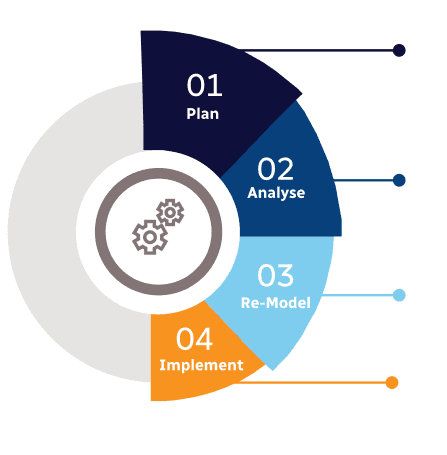
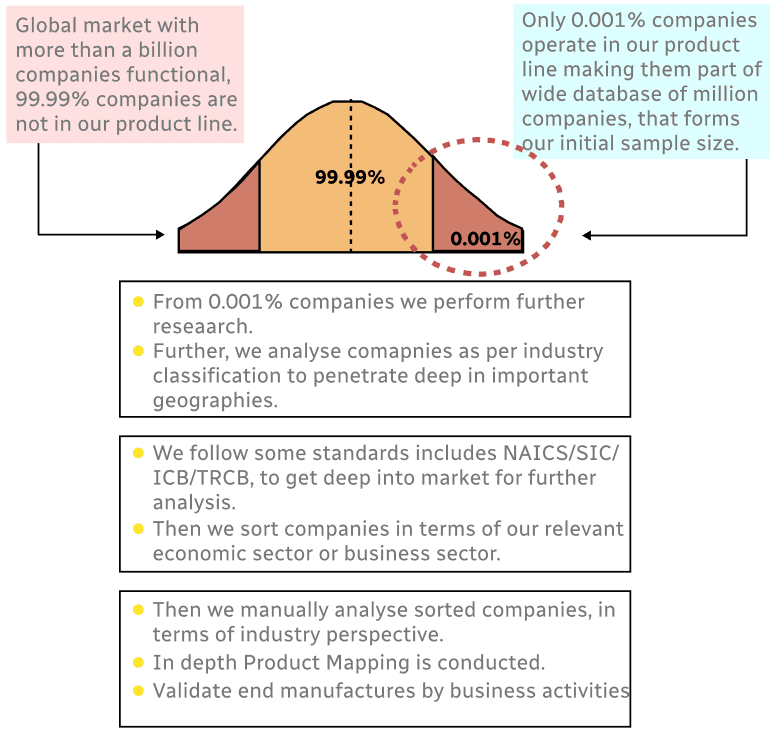
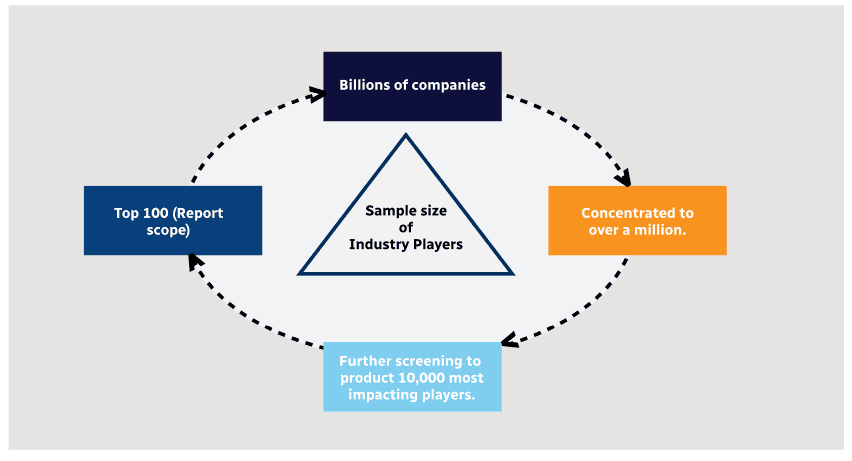
Step 1 - Identification of Relevant Samples Size from Population Database
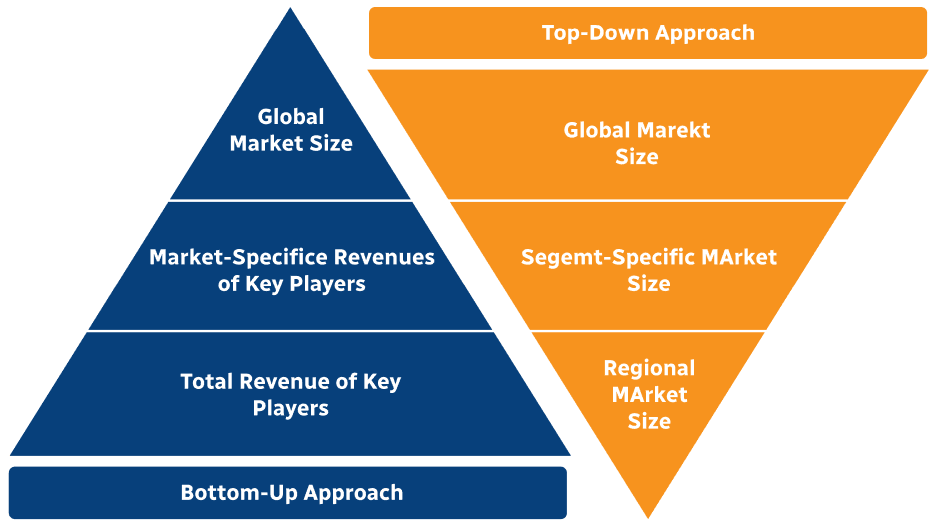
Step 2 - Approaches for Defining Global Market Size (Value, Volume* & Price*)
Note*: In applicable scenarios
Step 3 - Data Sources
Primary Research
- Web Analytics
- Survey Reports
- Research Institute
- Latest Research Reports
- Opinion Leaders
Secondary Research
- Annual Reports
- White Paper
- Latest Press Release
- Industry Association
- Paid Database
- Investor Presentations
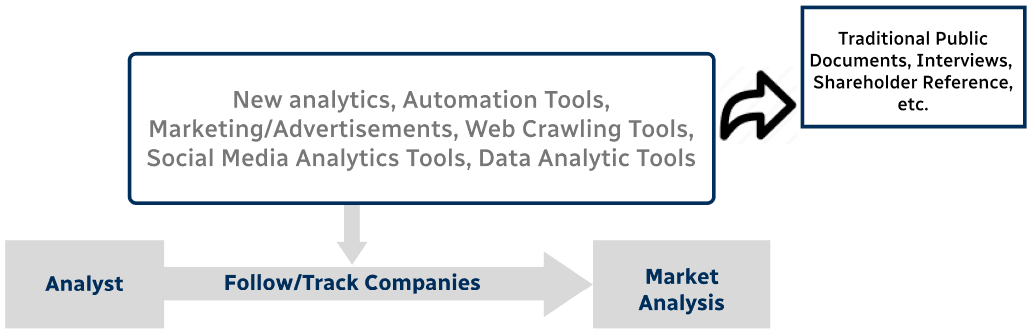
Step 4 - Data Triangulation
Involves using different sources of information in order to increase the validity of a study
These sources are likely to be stakeholders in a program - participants, other researchers, program staff, other community members, and so on.
Then we put all data in single framework & apply various statistical tools to find out the dynamic on the market.
During the analysis stage, feedback from the stakeholder groups would be compared to determine areas of agreement as well as areas of divergence