


Key Insights
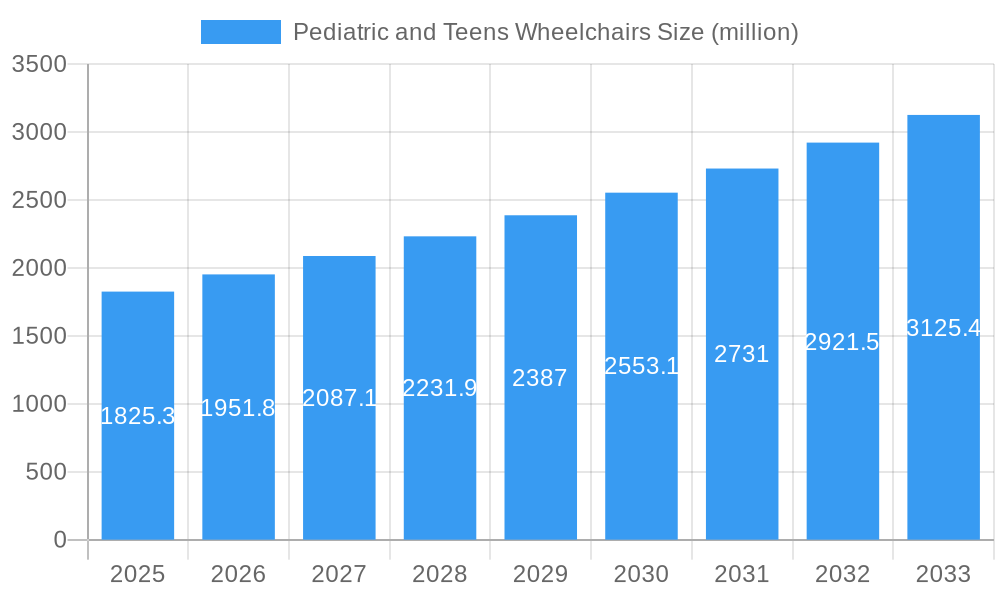
The global Pediatric and Teens Wheelchairs market is poised for robust expansion, projected to reach a substantial market size of $1825.3 million by 2025, with a compelling Compound Annual Growth Rate (CAGR) of 6.8% anticipated between 2025 and 2033. This growth is fueled by a confluence of factors, primarily driven by the increasing prevalence of congenital disorders, neurological conditions, and mobility-impairing injuries among children and adolescents. Furthermore, growing parental awareness regarding the importance of mobility aids for child development and independence, coupled with supportive government initiatives and insurance coverage for assistive devices, significantly bolsters market demand. The market is segmented into Electric Wheelchairs and Manual Wheelchairs, with electric variants gaining traction due to advancements in technology offering greater autonomy and user-friendliness. Applications span across hospitals, schools, homes, and other specialized care settings, reflecting the diverse needs of young users.
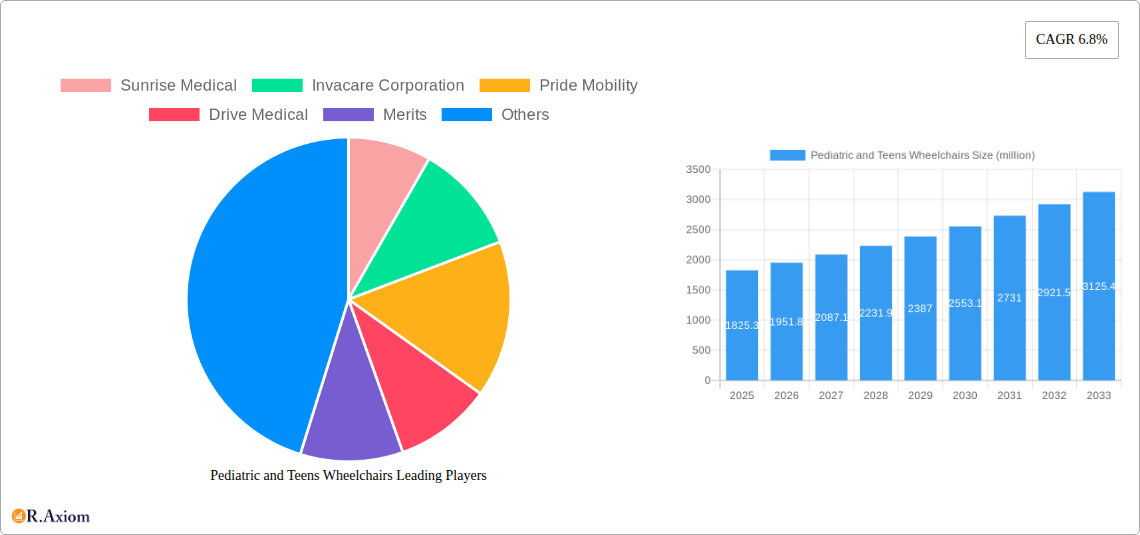
Pediatric and Teens Wheelchairs Market Size (In Billion)

The market landscape is characterized by key players like Sunrise Medical, Invacare Corporation, and Pride Mobility, who are actively engaged in product innovation, focusing on lightweight, customizable, and technologically advanced wheelchairs designed for the specific ergonomic and developmental needs of pediatric and teen users. Emerging trends include the integration of smart technologies, such as GPS tracking and powered seating functions, to enhance safety and functionality. While the market exhibits strong growth potential, certain restraints, such as the high cost of advanced electric models and the need for specialized maintenance and training, may pose challenges. However, strategic collaborations, mergers, and acquisitions are expected to drive market consolidation and expand accessibility. Geographically, North America and Europe currently lead the market due to established healthcare infrastructure and high disposable incomes, but the Asia Pacific region is witnessing rapid growth driven by increasing healthcare expenditure and a burgeoning pediatric population.
Pediatric and Teens Wheelchairs Company Market Share
Pediatric and Teens Wheelchairs Market Concentration & Innovation
The pediatric and teens wheelchairs market exhibits a moderate level of concentration, with key players like Sunrise Medical, Invacare Corporation, Pride Mobility, Drive Medical, Merits, Karma Mobility, Numotion, Eloflex, Permobil Corp, Ottobock UK, Etac, and Vermeiren Group holding significant market shares. The total market size is estimated to be approximately $2,500 million in 2025. Innovation is a crucial differentiator, driven by advancements in materials science for lighter and more durable frames, improved ergonomic designs for enhanced comfort and support for growing children and adolescents, and the integration of smart technologies such as powered seating options and advanced control systems for electric wheelchairs. Regulatory frameworks, including standards set by bodies like the FDA and CE marking, play a vital role in ensuring product safety and efficacy, influencing research and development priorities. The threat of product substitutes, such as adaptive strollers and mobility aids, is present but generally less significant for individuals requiring sustained, personalized mobility solutions. End-user trends lean towards customizable solutions that can adapt to a child's changing needs, emphasizing lightweight designs for ease of transport and aesthetically pleasing options to promote user acceptance and independence. Mergers and acquisitions (M&A) activity is observed, with an estimated $150 million in M&A deal values in the historical period (2019-2024), reflecting strategic consolidation and expansion efforts by larger companies to broaden their product portfolios and geographical reach.
Pediatric and Teens Wheelchairs Industry Trends & Insights
The pediatric and teens wheelchairs industry is poised for robust growth, driven by a confluence of factors that are reshaping the landscape of pediatric mobility solutions. The estimated market CAGR for the forecast period 2025-2033 is projected at 6.5%, indicating a healthy expansion trajectory. This growth is primarily fueled by the increasing prevalence of childhood disabilities and chronic conditions necessitating mobility assistance, coupled with a rising awareness and adoption of advanced assistive technologies. Technological disruptions are playing a pivotal role, with ongoing innovations in electric wheelchair technology leading to enhanced maneuverability, longer battery life, and sophisticated control interfaces, making them more accessible and user-friendly for teenagers. Lightweight materials, such as advanced aluminum alloys and carbon fiber composites, are becoming more commonplace, reducing the physical burden for caregivers and increasing independence for young users. Furthermore, the integration of IoT capabilities and sensor technology is emerging, paving the way for wheelchairs that can provide real-time data on usage, user posture, and environmental factors, aiding in personalized care and proactive maintenance. Consumer preferences are shifting towards customized and aesthetically appealing solutions. Parents and young users are increasingly seeking wheelchairs that not only offer superior functionality but also reflect personal style, moving away from purely utilitarian designs towards more modern and fashionable aesthetics. This trend is driving manufacturers to offer a wider range of colors, upholstery options, and accessory choices. Competitive dynamics are intensifying, with established players continuously innovating and smaller, agile companies focusing on niche markets and specialized designs. The market penetration of advanced pediatric wheelchairs is gradually increasing as healthcare reimbursements evolve and awareness campaigns highlight the benefits of early intervention and appropriate mobility support. The report analyzes these trends across the study period of 2019–2033, with a strong focus on the base year of 2025 and the estimated year of 2025, providing deep insights into the market's evolution and future trajectory.
Dominant Markets & Segments in Pediatric and Teens Wheelchairs
The pediatric and teens wheelchairs market demonstrates distinct regional dominance and segment preferences, shaped by economic conditions, healthcare infrastructure, and policy initiatives.
Dominant Region and Country Analysis
The North American region, particularly the United States, currently represents the largest market share for pediatric and teens wheelchairs. This dominance is attributed to several key drivers:
- Favorable Reimbursement Policies: Robust government and private insurance coverage for assistive devices, including wheelchairs, significantly enhances accessibility and affordability for families. The Medicare and Medicaid programs in the US play a crucial role in this regard, often covering a substantial portion of the cost of specialized wheelchairs.
- High Prevalence of Childhood Disabilities: North America reports a relatively high incidence of congenital disorders, neurological conditions, and acquired injuries that lead to mobility impairments in children and adolescents, thus driving demand.
- Advanced Healthcare Infrastructure: The presence of specialized pediatric rehabilitation centers, skilled therapists, and well-established distribution networks ensures that children and teens have access to appropriate assessments and mobility solutions.
- Technological Adoption: A strong inclination towards adopting new technologies, including advanced powered wheelchairs and custom mobility solutions, further fuels market growth in this region.
While North America leads, Europe, particularly Western European countries like Germany, the UK, and France, also holds a significant market share, supported by comprehensive social welfare systems and a growing aging population with assistive device needs. Asia-Pacific is an emerging and rapidly growing market, driven by increasing disposable incomes, improving healthcare infrastructure, and rising awareness of disability rights.
Dominant Segment Analysis
Within the pediatric and teens wheelchairs market, the segmentation by Application and Type reveals distinct patterns of demand:
Application Segments:
- Home: The Home segment is the largest and fastest-growing application area. This is driven by the increasing desire for children and teens to maintain independence and participate actively in daily life within their own environments. Home use necessitates lightweight, maneuverable, and comfortable wheelchairs that can navigate various indoor terrains and facilitate participation in household activities. The trend towards deinstitutionalization and community-based care further amplifies demand for home-use mobility solutions.
- School: The School segment is also a critical area of focus. Schools are increasingly equipped to accommodate students with mobility challenges, with a growing emphasis on inclusive education. This segment demands durable, easily maneuverable wheelchairs that can navigate school hallways, classrooms, and outdoor play areas. Features such as adjustable seating for different classroom activities and compatibility with school transportation are highly valued.
- Hospital: While hospitals are significant purchasers of wheelchairs for temporary use and rehabilitation, the long-term demand for personal pediatric and teen wheelchairs primarily originates from home and school environments. However, hospitals remain crucial for diagnosis, assessment, and the initial prescription of mobility devices.
- Other: This segment encompasses specialized settings like rehabilitation centers, therapy clinics, and recreational facilities. The demand here is for specialized wheelchairs designed for therapeutic interventions, sports, or specific activities, often requiring unique customization.
Type Segments:
- Electric Wheelchairs: Electric Wheelchairs constitute a rapidly expanding segment. For teenagers, electric wheelchairs offer greater independence and the ability to cover longer distances with less physical exertion. Advances in battery technology, motor efficiency, and sophisticated control systems (e.g., joystick controls, sip-and-puff systems) are making these options increasingly viable and desirable. The ability to customize speed, seating positions, and add powered accessories further enhances their appeal.
- Manual Wheelchairs: Manual Wheelchairs continue to hold a substantial market share, particularly for younger children or those with sufficient upper body strength. Their advantages include affordability, simplicity, and ease of transport. Innovations in lightweight materials and ergonomic designs are making manual wheelchairs more user-friendly and comfortable. The segment also includes pediatric-specific manual wheelchairs designed for optimal posture and support.
The interplay between these segments and regions dictates the strategic focus for manufacturers and distributors in the pediatric and teens wheelchairs market.
Pediatric and Teens Wheelchairs Product Developments
Product developments in the pediatric and teens wheelchairs market are heavily focused on enhancing user independence, comfort, and customization. Innovations include ultra-lightweight materials like carbon fiber composites for improved portability and maneuverability, advanced power-assist systems for manual wheelchairs, and sophisticated ergonomic seating solutions that adapt to a growing child's anatomy. Smart technology integration is a growing trend, with some electric wheelchairs offering app-based controls, GPS tracking, and even posture monitoring systems. Furthermore, manufacturers are emphasizing aesthetic appeal, offering a wider range of colors and customizable designs to cater to the preferences of teenagers, thereby promoting greater user acceptance and self-esteem. These developments aim to provide tailored mobility solutions that meet the evolving physical and psychological needs of young users.
Report Scope & Segmentation Analysis
This comprehensive report delves into the global pediatric and teens wheelchairs market, providing an in-depth analysis across key segmentation parameters to offer actionable insights. The study period spans from 2019 to 2033, with the base year and estimated year both set as 2025. The forecast period is from 2025 to 2033, building upon historical data from 2019 to 2024.
- Application Segments: The market is segmented by application, including Hospital, School, Home, and Other. Each segment is analyzed for its specific demand drivers, growth projections, and competitive landscape. The Home segment is expected to exhibit the highest growth due to increasing emphasis on independent living.
- Type Segments: Further segmentation is based on wheelchair type: Electric Wheelchairs and Manual Wheelchairs. Detailed analysis will cover market share, technological advancements, and consumer preferences for each type. The Electric Wheelchairs segment is projected to witness accelerated growth due to technological innovations and the demand for greater autonomy.
Key Drivers of Pediatric and Teens Wheelchairs Growth
The pediatric and teens wheelchairs market is propelled by several significant growth drivers. Technologically, advancements in lightweight materials, battery efficiency for electric models, and user-friendly control interfaces are enhancing product functionality and appeal. Economically, increasing healthcare spending, favorable insurance reimbursements for assistive devices, and rising disposable incomes in emerging economies contribute to market expansion. Regulatory drivers, such as mandates for inclusive education and accessibility standards, are also fostering demand. Furthermore, the growing awareness among parents and caregivers about the benefits of early mobility intervention and the positive impact on a child's development and social integration are crucial factors.
Challenges in the Pediatric and Teens Wheelchairs Sector
Despite robust growth potential, the pediatric and teens wheelchairs sector faces several challenges. High manufacturing costs associated with specialized and customizable designs can lead to premium pricing, posing affordability barriers for some families. Navigating complex and varying reimbursement policies across different regions can be a significant hurdle for market penetration. Supply chain disruptions and the availability of skilled labor for manufacturing and servicing specialized equipment can also impact product availability and delivery times. Moreover, the rapid pace of technological obsolescence necessitates continuous investment in research and development to remain competitive, posing a challenge for smaller players.
Emerging Opportunities in Pediatric and Teens Wheelchairs
Emerging opportunities in the pediatric and teens wheelchairs market lie in the development of smart and connected mobility solutions, such as wheelchairs with integrated health monitoring and tele-rehabilitation capabilities. The growing demand for aesthetically appealing and customizable wheelchairs presents a significant opportunity for brands that can cater to the fashion-conscious teenage demographic. Expansion into underserved emerging markets with improving healthcare infrastructure and rising awareness of disability rights offers substantial growth potential. Furthermore, the development of ultra-lightweight and highly portable wheelchairs designed for active lifestyles, including sports and recreational activities, represents another promising avenue for innovation and market penetration.
Leading Players in the Pediatric and Teens Wheelchairs Market
Sunrise Medical Invacare Corporation Pride Mobility Drive Medical Merits Karma Mobility Numotion Eloflex Permobil Corp Ottobock UK Etac Vermeiren Group Nanjing Jin Bai He Medical Apparatus Co.,Ltd.
Key Developments in Pediatric and Teens Wheelchairs Industry
- 2023: Launch of new lightweight carbon fiber pediatric wheelchairs by Sunrise Medical, enhancing portability for caregivers.
- 2022: Invacare Corporation announces strategic partnership with a technology firm to integrate advanced control systems in their electric pediatric wheelchair range.
- 2021: Pride Mobility introduces a new line of customizable electric wheelchairs with enhanced aesthetic options for teenagers.
- 2020: Drive Medical expands its distribution network in emerging markets to improve accessibility of pediatric mobility solutions.
- 2019: Merits receives regulatory approval for a novel modular seating system for pediatric wheelchairs, offering superior customization.
Strategic Outlook for Pediatric and Teens Wheelchairs Market
The strategic outlook for the pediatric and teens wheelchairs market is highly optimistic, driven by ongoing technological innovation and an increasing focus on user-centric design. The trend towards personalized mobility solutions, where wheelchairs are not only functional but also stylish and adaptable to individual needs, will continue to shape product development. Manufacturers are expected to invest further in smart technologies, advanced materials, and ergonomic designs to enhance independence and quality of life for young users. Strategic collaborations, targeted acquisitions, and expansion into high-growth geographical regions will be key strategies for market players seeking to capitalize on the evolving demands and opportunities within this dynamic sector.
Pediatric and Teens Wheelchairs Segmentation
-
1. Application
- 1.1. Hospital
- 1.2. School
- 1.3. Home
- 1.4. Other
-
2. Types
- 2.1. Electric Wheelchairs
- 2.2. Manual Wheelchairs
Pediatric and Teens Wheelchairs Segmentation By Geography
-
1. North America
- 1.1. United States
- 1.2. Canada
- 1.3. Mexico
-
2. South America
- 2.1. Brazil
- 2.2. Argentina
- 2.3. Rest of South America
-
3. Europe
- 3.1. United Kingdom
- 3.2. Germany
- 3.3. France
- 3.4. Italy
- 3.5. Spain
- 3.6. Russia
- 3.7. Benelux
- 3.8. Nordics
- 3.9. Rest of Europe
-
4. Middle East & Africa
- 4.1. Turkey
- 4.2. Israel
- 4.3. GCC
- 4.4. North Africa
- 4.5. South Africa
- 4.6. Rest of Middle East & Africa
-
5. Asia Pacific
- 5.1. China
- 5.2. India
- 5.3. Japan
- 5.4. South Korea
- 5.5. ASEAN
- 5.6. Oceania
- 5.7. Rest of Asia Pacific
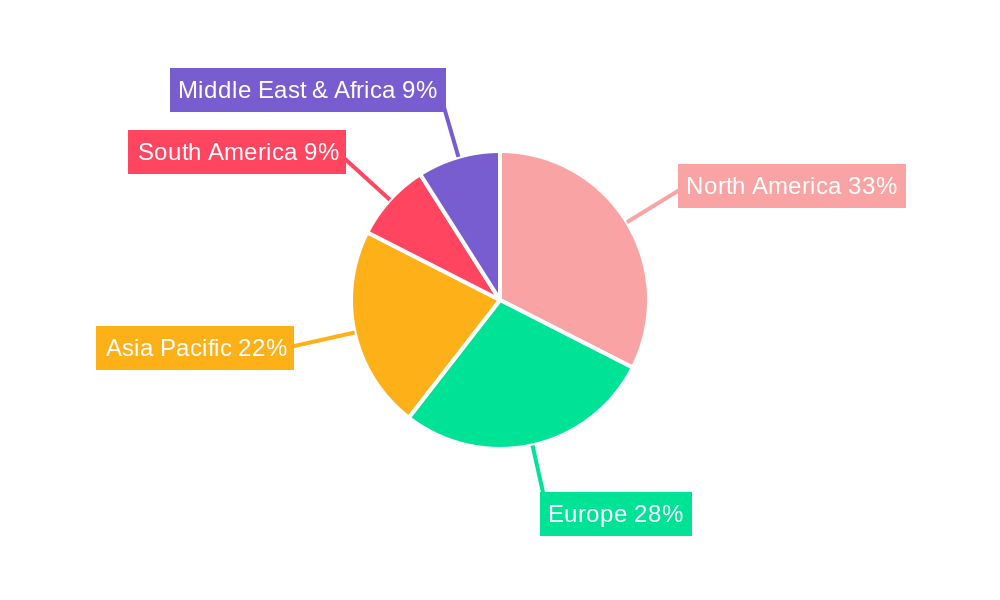
Pediatric and Teens Wheelchairs Regional Market Share
Geographic Coverage of Pediatric and Teens Wheelchairs
Pediatric and Teens Wheelchairs REPORT HIGHLIGHTS
| Aspects | Details |
|---|---|
| Study Period | 2020-2034 |
| Base Year | 2025 |
| Estimated Year | 2026 |
| Forecast Period | 2026-2034 |
| Historical Period | 2020-2025 |
| Growth Rate | CAGR of 6.8% from 2020-2034 |
| Segmentation |
|
Table of Contents
- 1. Introduction
- 1.1. Research Scope
- 1.2. Market Segmentation
- 1.3. Research Methodology
- 1.4. Definitions and Assumptions
- 2. Executive Summary
- 2.1. Introduction
- 3. Market Dynamics
- 3.1. Introduction
- 3.2. Market Drivers
- 3.3. Market Restrains
- 3.4. Market Trends
- 4. Market Factor Analysis
- 4.1. Porters Five Forces
- 4.2. Supply/Value Chain
- 4.3. PESTEL analysis
- 4.4. Market Entropy
- 4.5. Patent/Trademark Analysis
- 5. Global Pediatric and Teens Wheelchairs Analysis, Insights and Forecast, 2020-2032
- 5.1. Market Analysis, Insights and Forecast - by Application
- 5.1.1. Hospital
- 5.1.2. School
- 5.1.3. Home
- 5.1.4. Other
- 5.2. Market Analysis, Insights and Forecast - by Types
- 5.2.1. Electric Wheelchairs
- 5.2.2. Manual Wheelchairs
- 5.3. Market Analysis, Insights and Forecast - by Region
- 5.3.1. North America
- 5.3.2. South America
- 5.3.3. Europe
- 5.3.4. Middle East & Africa
- 5.3.5. Asia Pacific
- 5.1. Market Analysis, Insights and Forecast - by Application
- 6. North America Pediatric and Teens Wheelchairs Analysis, Insights and Forecast, 2020-2032
- 6.1. Market Analysis, Insights and Forecast - by Application
- 6.1.1. Hospital
- 6.1.2. School
- 6.1.3. Home
- 6.1.4. Other
- 6.2. Market Analysis, Insights and Forecast - by Types
- 6.2.1. Electric Wheelchairs
- 6.2.2. Manual Wheelchairs
- 6.1. Market Analysis, Insights and Forecast - by Application
- 7. South America Pediatric and Teens Wheelchairs Analysis, Insights and Forecast, 2020-2032
- 7.1. Market Analysis, Insights and Forecast - by Application
- 7.1.1. Hospital
- 7.1.2. School
- 7.1.3. Home
- 7.1.4. Other
- 7.2. Market Analysis, Insights and Forecast - by Types
- 7.2.1. Electric Wheelchairs
- 7.2.2. Manual Wheelchairs
- 7.1. Market Analysis, Insights and Forecast - by Application
- 8. Europe Pediatric and Teens Wheelchairs Analysis, Insights and Forecast, 2020-2032
- 8.1. Market Analysis, Insights and Forecast - by Application
- 8.1.1. Hospital
- 8.1.2. School
- 8.1.3. Home
- 8.1.4. Other
- 8.2. Market Analysis, Insights and Forecast - by Types
- 8.2.1. Electric Wheelchairs
- 8.2.2. Manual Wheelchairs
- 8.1. Market Analysis, Insights and Forecast - by Application
- 9. Middle East & Africa Pediatric and Teens Wheelchairs Analysis, Insights and Forecast, 2020-2032
- 9.1. Market Analysis, Insights and Forecast - by Application
- 9.1.1. Hospital
- 9.1.2. School
- 9.1.3. Home
- 9.1.4. Other
- 9.2. Market Analysis, Insights and Forecast - by Types
- 9.2.1. Electric Wheelchairs
- 9.2.2. Manual Wheelchairs
- 9.1. Market Analysis, Insights and Forecast - by Application
- 10. Asia Pacific Pediatric and Teens Wheelchairs Analysis, Insights and Forecast, 2020-2032
- 10.1. Market Analysis, Insights and Forecast - by Application
- 10.1.1. Hospital
- 10.1.2. School
- 10.1.3. Home
- 10.1.4. Other
- 10.2. Market Analysis, Insights and Forecast - by Types
- 10.2.1. Electric Wheelchairs
- 10.2.2. Manual Wheelchairs
- 10.1. Market Analysis, Insights and Forecast - by Application
- 11. Competitive Analysis
- 11.1. Global Market Share Analysis 2025
- 11.2. Company Profiles
- 11.2.1 Sunrise Medical
- 11.2.1.1. Overview
- 11.2.1.2. Products
- 11.2.1.3. SWOT Analysis
- 11.2.1.4. Recent Developments
- 11.2.1.5. Financials (Based on Availability)
- 11.2.2 Invacare Corporation
- 11.2.2.1. Overview
- 11.2.2.2. Products
- 11.2.2.3. SWOT Analysis
- 11.2.2.4. Recent Developments
- 11.2.2.5. Financials (Based on Availability)
- 11.2.3 Pride Mobility
- 11.2.3.1. Overview
- 11.2.3.2. Products
- 11.2.3.3. SWOT Analysis
- 11.2.3.4. Recent Developments
- 11.2.3.5. Financials (Based on Availability)
- 11.2.4 Drive Medical
- 11.2.4.1. Overview
- 11.2.4.2. Products
- 11.2.4.3. SWOT Analysis
- 11.2.4.4. Recent Developments
- 11.2.4.5. Financials (Based on Availability)
- 11.2.5 Merits
- 11.2.5.1. Overview
- 11.2.5.2. Products
- 11.2.5.3. SWOT Analysis
- 11.2.5.4. Recent Developments
- 11.2.5.5. Financials (Based on Availability)
- 11.2.6 Karma Mobility
- 11.2.6.1. Overview
- 11.2.6.2. Products
- 11.2.6.3. SWOT Analysis
- 11.2.6.4. Recent Developments
- 11.2.6.5. Financials (Based on Availability)
- 11.2.7 Numotion
- 11.2.7.1. Overview
- 11.2.7.2. Products
- 11.2.7.3. SWOT Analysis
- 11.2.7.4. Recent Developments
- 11.2.7.5. Financials (Based on Availability)
- 11.2.8 Eloflex
- 11.2.8.1. Overview
- 11.2.8.2. Products
- 11.2.8.3. SWOT Analysis
- 11.2.8.4. Recent Developments
- 11.2.8.5. Financials (Based on Availability)
- 11.2.9 Permobil Corp
- 11.2.9.1. Overview
- 11.2.9.2. Products
- 11.2.9.3. SWOT Analysis
- 11.2.9.4. Recent Developments
- 11.2.9.5. Financials (Based on Availability)
- 11.2.10 Ottobock UK
- 11.2.10.1. Overview
- 11.2.10.2. Products
- 11.2.10.3. SWOT Analysis
- 11.2.10.4. Recent Developments
- 11.2.10.5. Financials (Based on Availability)
- 11.2.11 Etac
- 11.2.11.1. Overview
- 11.2.11.2. Products
- 11.2.11.3. SWOT Analysis
- 11.2.11.4. Recent Developments
- 11.2.11.5. Financials (Based on Availability)
- 11.2.12 Vermeiren Group
- 11.2.12.1. Overview
- 11.2.12.2. Products
- 11.2.12.3. SWOT Analysis
- 11.2.12.4. Recent Developments
- 11.2.12.5. Financials (Based on Availability)
- 11.2.13 Nanjing Jin Bai He Medical Apparatus Co.
- 11.2.13.1. Overview
- 11.2.13.2. Products
- 11.2.13.3. SWOT Analysis
- 11.2.13.4. Recent Developments
- 11.2.13.5. Financials (Based on Availability)
- 11.2.14 Ltd.
- 11.2.14.1. Overview
- 11.2.14.2. Products
- 11.2.14.3. SWOT Analysis
- 11.2.14.4. Recent Developments
- 11.2.14.5. Financials (Based on Availability)
- 11.2.1 Sunrise Medical
List of Figures
- Figure 1: Global Pediatric and Teens Wheelchairs Revenue Breakdown (million, %) by Region 2025 & 2033
- Figure 2: North America Pediatric and Teens Wheelchairs Revenue (million), by Application 2025 & 2033
- Figure 3: North America Pediatric and Teens Wheelchairs Revenue Share (%), by Application 2025 & 2033
- Figure 4: North America Pediatric and Teens Wheelchairs Revenue (million), by Types 2025 & 2033
- Figure 5: North America Pediatric and Teens Wheelchairs Revenue Share (%), by Types 2025 & 2033
- Figure 6: North America Pediatric and Teens Wheelchairs Revenue (million), by Country 2025 & 2033
- Figure 7: North America Pediatric and Teens Wheelchairs Revenue Share (%), by Country 2025 & 2033
- Figure 8: South America Pediatric and Teens Wheelchairs Revenue (million), by Application 2025 & 2033
- Figure 9: South America Pediatric and Teens Wheelchairs Revenue Share (%), by Application 2025 & 2033
- Figure 10: South America Pediatric and Teens Wheelchairs Revenue (million), by Types 2025 & 2033
- Figure 11: South America Pediatric and Teens Wheelchairs Revenue Share (%), by Types 2025 & 2033
- Figure 12: South America Pediatric and Teens Wheelchairs Revenue (million), by Country 2025 & 2033
- Figure 13: South America Pediatric and Teens Wheelchairs Revenue Share (%), by Country 2025 & 2033
- Figure 14: Europe Pediatric and Teens Wheelchairs Revenue (million), by Application 2025 & 2033
- Figure 15: Europe Pediatric and Teens Wheelchairs Revenue Share (%), by Application 2025 & 2033
- Figure 16: Europe Pediatric and Teens Wheelchairs Revenue (million), by Types 2025 & 2033
- Figure 17: Europe Pediatric and Teens Wheelchairs Revenue Share (%), by Types 2025 & 2033
- Figure 18: Europe Pediatric and Teens Wheelchairs Revenue (million), by Country 2025 & 2033
- Figure 19: Europe Pediatric and Teens Wheelchairs Revenue Share (%), by Country 2025 & 2033
- Figure 20: Middle East & Africa Pediatric and Teens Wheelchairs Revenue (million), by Application 2025 & 2033
- Figure 21: Middle East & Africa Pediatric and Teens Wheelchairs Revenue Share (%), by Application 2025 & 2033
- Figure 22: Middle East & Africa Pediatric and Teens Wheelchairs Revenue (million), by Types 2025 & 2033
- Figure 23: Middle East & Africa Pediatric and Teens Wheelchairs Revenue Share (%), by Types 2025 & 2033
- Figure 24: Middle East & Africa Pediatric and Teens Wheelchairs Revenue (million), by Country 2025 & 2033
- Figure 25: Middle East & Africa Pediatric and Teens Wheelchairs Revenue Share (%), by Country 2025 & 2033
- Figure 26: Asia Pacific Pediatric and Teens Wheelchairs Revenue (million), by Application 2025 & 2033
- Figure 27: Asia Pacific Pediatric and Teens Wheelchairs Revenue Share (%), by Application 2025 & 2033
- Figure 28: Asia Pacific Pediatric and Teens Wheelchairs Revenue (million), by Types 2025 & 2033
- Figure 29: Asia Pacific Pediatric and Teens Wheelchairs Revenue Share (%), by Types 2025 & 2033
- Figure 30: Asia Pacific Pediatric and Teens Wheelchairs Revenue (million), by Country 2025 & 2033
- Figure 31: Asia Pacific Pediatric and Teens Wheelchairs Revenue Share (%), by Country 2025 & 2033
List of Tables
- Table 1: Global Pediatric and Teens Wheelchairs Revenue million Forecast, by Application 2020 & 2033
- Table 2: Global Pediatric and Teens Wheelchairs Revenue million Forecast, by Types 2020 & 2033
- Table 3: Global Pediatric and Teens Wheelchairs Revenue million Forecast, by Region 2020 & 2033
- Table 4: Global Pediatric and Teens Wheelchairs Revenue million Forecast, by Application 2020 & 2033
- Table 5: Global Pediatric and Teens Wheelchairs Revenue million Forecast, by Types 2020 & 2033
- Table 6: Global Pediatric and Teens Wheelchairs Revenue million Forecast, by Country 2020 & 2033
- Table 7: United States Pediatric and Teens Wheelchairs Revenue (million) Forecast, by Application 2020 & 2033
- Table 8: Canada Pediatric and Teens Wheelchairs Revenue (million) Forecast, by Application 2020 & 2033
- Table 9: Mexico Pediatric and Teens Wheelchairs Revenue (million) Forecast, by Application 2020 & 2033
- Table 10: Global Pediatric and Teens Wheelchairs Revenue million Forecast, by Application 2020 & 2033
- Table 11: Global Pediatric and Teens Wheelchairs Revenue million Forecast, by Types 2020 & 2033
- Table 12: Global Pediatric and Teens Wheelchairs Revenue million Forecast, by Country 2020 & 2033
- Table 13: Brazil Pediatric and Teens Wheelchairs Revenue (million) Forecast, by Application 2020 & 2033
- Table 14: Argentina Pediatric and Teens Wheelchairs Revenue (million) Forecast, by Application 2020 & 2033
- Table 15: Rest of South America Pediatric and Teens Wheelchairs Revenue (million) Forecast, by Application 2020 & 2033
- Table 16: Global Pediatric and Teens Wheelchairs Revenue million Forecast, by Application 2020 & 2033
- Table 17: Global Pediatric and Teens Wheelchairs Revenue million Forecast, by Types 2020 & 2033
- Table 18: Global Pediatric and Teens Wheelchairs Revenue million Forecast, by Country 2020 & 2033
- Table 19: United Kingdom Pediatric and Teens Wheelchairs Revenue (million) Forecast, by Application 2020 & 2033
- Table 20: Germany Pediatric and Teens Wheelchairs Revenue (million) Forecast, by Application 2020 & 2033
- Table 21: France Pediatric and Teens Wheelchairs Revenue (million) Forecast, by Application 2020 & 2033
- Table 22: Italy Pediatric and Teens Wheelchairs Revenue (million) Forecast, by Application 2020 & 2033
- Table 23: Spain Pediatric and Teens Wheelchairs Revenue (million) Forecast, by Application 2020 & 2033
- Table 24: Russia Pediatric and Teens Wheelchairs Revenue (million) Forecast, by Application 2020 & 2033
- Table 25: Benelux Pediatric and Teens Wheelchairs Revenue (million) Forecast, by Application 2020 & 2033
- Table 26: Nordics Pediatric and Teens Wheelchairs Revenue (million) Forecast, by Application 2020 & 2033
- Table 27: Rest of Europe Pediatric and Teens Wheelchairs Revenue (million) Forecast, by Application 2020 & 2033
- Table 28: Global Pediatric and Teens Wheelchairs Revenue million Forecast, by Application 2020 & 2033
- Table 29: Global Pediatric and Teens Wheelchairs Revenue million Forecast, by Types 2020 & 2033
- Table 30: Global Pediatric and Teens Wheelchairs Revenue million Forecast, by Country 2020 & 2033
- Table 31: Turkey Pediatric and Teens Wheelchairs Revenue (million) Forecast, by Application 2020 & 2033
- Table 32: Israel Pediatric and Teens Wheelchairs Revenue (million) Forecast, by Application 2020 & 2033
- Table 33: GCC Pediatric and Teens Wheelchairs Revenue (million) Forecast, by Application 2020 & 2033
- Table 34: North Africa Pediatric and Teens Wheelchairs Revenue (million) Forecast, by Application 2020 & 2033
- Table 35: South Africa Pediatric and Teens Wheelchairs Revenue (million) Forecast, by Application 2020 & 2033
- Table 36: Rest of Middle East & Africa Pediatric and Teens Wheelchairs Revenue (million) Forecast, by Application 2020 & 2033
- Table 37: Global Pediatric and Teens Wheelchairs Revenue million Forecast, by Application 2020 & 2033
- Table 38: Global Pediatric and Teens Wheelchairs Revenue million Forecast, by Types 2020 & 2033
- Table 39: Global Pediatric and Teens Wheelchairs Revenue million Forecast, by Country 2020 & 2033
- Table 40: China Pediatric and Teens Wheelchairs Revenue (million) Forecast, by Application 2020 & 2033
- Table 41: India Pediatric and Teens Wheelchairs Revenue (million) Forecast, by Application 2020 & 2033
- Table 42: Japan Pediatric and Teens Wheelchairs Revenue (million) Forecast, by Application 2020 & 2033
- Table 43: South Korea Pediatric and Teens Wheelchairs Revenue (million) Forecast, by Application 2020 & 2033
- Table 44: ASEAN Pediatric and Teens Wheelchairs Revenue (million) Forecast, by Application 2020 & 2033
- Table 45: Oceania Pediatric and Teens Wheelchairs Revenue (million) Forecast, by Application 2020 & 2033
- Table 46: Rest of Asia Pacific Pediatric and Teens Wheelchairs Revenue (million) Forecast, by Application 2020 & 2033
Frequently Asked Questions
1. What is the projected Compound Annual Growth Rate (CAGR) of the Pediatric and Teens Wheelchairs?
The projected CAGR is approximately 6.8%.
2. Which companies are prominent players in the Pediatric and Teens Wheelchairs?
Key companies in the market include Sunrise Medical, Invacare Corporation, Pride Mobility, Drive Medical, Merits, Karma Mobility, Numotion, Eloflex, Permobil Corp, Ottobock UK, Etac, Vermeiren Group, Nanjing Jin Bai He Medical Apparatus Co., Ltd..
3. What are the main segments of the Pediatric and Teens Wheelchairs?
The market segments include Application, Types.
4. Can you provide details about the market size?
The market size is estimated to be USD 1825.3 million as of 2022.
5. What are some drivers contributing to market growth?
N/A
6. What are the notable trends driving market growth?
N/A
7. Are there any restraints impacting market growth?
N/A
8. Can you provide examples of recent developments in the market?
N/A
9. What pricing options are available for accessing the report?
Pricing options include single-user, multi-user, and enterprise licenses priced at USD 2900.00, USD 4350.00, and USD 5800.00 respectively.
10. Is the market size provided in terms of value or volume?
The market size is provided in terms of value, measured in million.
11. Are there any specific market keywords associated with the report?
Yes, the market keyword associated with the report is "Pediatric and Teens Wheelchairs," which aids in identifying and referencing the specific market segment covered.
12. How do I determine which pricing option suits my needs best?
The pricing options vary based on user requirements and access needs. Individual users may opt for single-user licenses, while businesses requiring broader access may choose multi-user or enterprise licenses for cost-effective access to the report.
13. Are there any additional resources or data provided in the Pediatric and Teens Wheelchairs report?
While the report offers comprehensive insights, it's advisable to review the specific contents or supplementary materials provided to ascertain if additional resources or data are available.
14. How can I stay updated on further developments or reports in the Pediatric and Teens Wheelchairs?
To stay informed about further developments, trends, and reports in the Pediatric and Teens Wheelchairs, consider subscribing to industry newsletters, following relevant companies and organizations, or regularly checking reputable industry news sources and publications.
Methodology
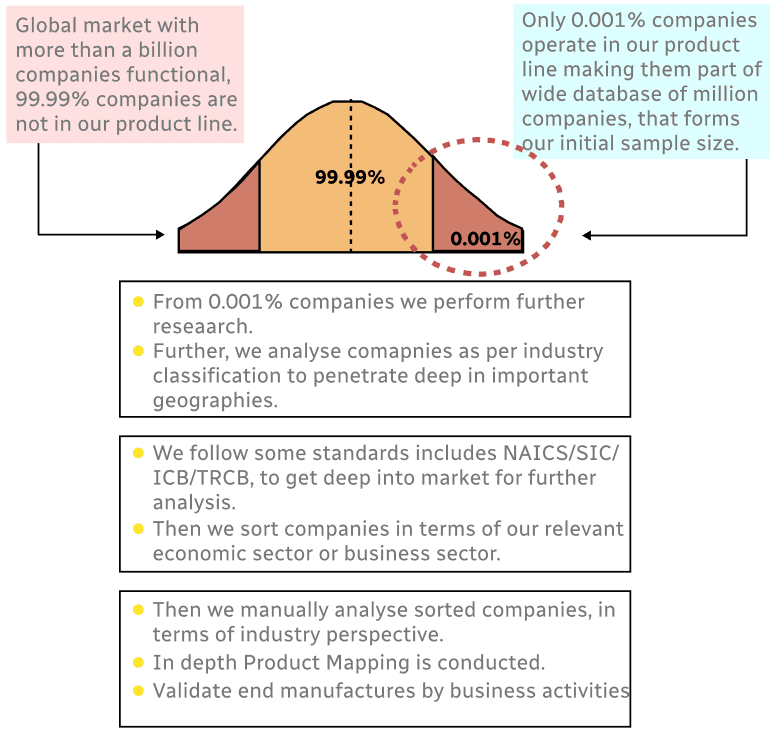
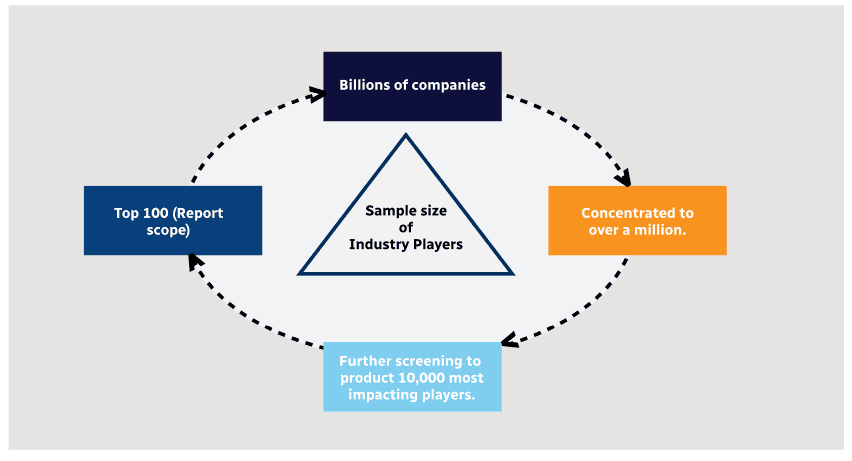
Step 1 - Identification of Relevant Samples Size from Population Database
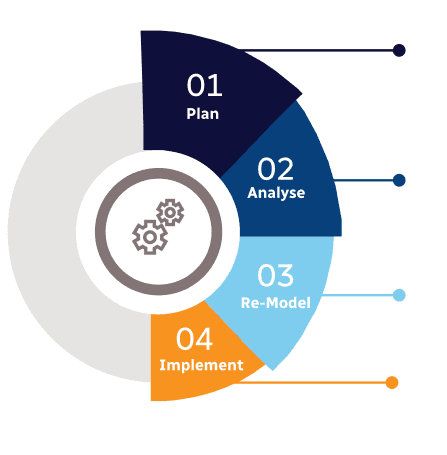
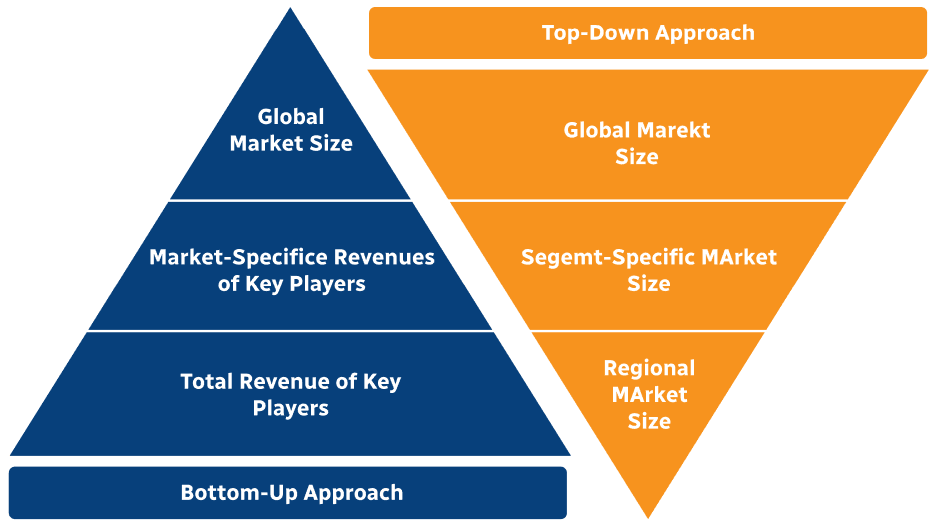
Step 2 - Approaches for Defining Global Market Size (Value, Volume* & Price*)
Note*: In applicable scenarios
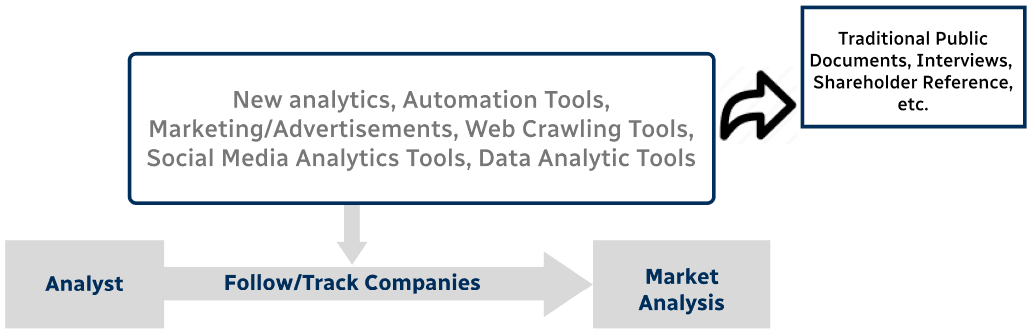
Step 3 - Data Sources
Primary Research
- Web Analytics
- Survey Reports
- Research Institute
- Latest Research Reports
- Opinion Leaders
Secondary Research
- Annual Reports
- White Paper
- Latest Press Release
- Industry Association
- Paid Database
- Investor Presentations
Step 4 - Data Triangulation
Involves using different sources of information in order to increase the validity of a study
These sources are likely to be stakeholders in a program - participants, other researchers, program staff, other community members, and so on.
Then we put all data in single framework & apply various statistical tools to find out the dynamic on the market.
During the analysis stage, feedback from the stakeholder groups would be compared to determine areas of agreement as well as areas of divergence