


Key Insights
The global Remote Integration Solutions Market is experiencing robust expansion, projected to reach approximately USD 14.4 billion in 2023, driven by a remarkable Compound Annual Growth Rate (CAGR) of 30%. This significant growth is fueled by a confluence of factors, most notably the increasing demand for cost-effective and flexible broadcasting and production workflows. The need to reduce operational expenses, coupled with the growing adoption of IP-based infrastructure, are primary catalysts propelling the market forward. Furthermore, the continuous evolution of media consumption habits, with audiences demanding more dynamic and high-quality content across multiple platforms, necessitates advanced remote integration capabilities. This trend is particularly evident in the sports and broadcast industries, where live event coverage and rapid content turnaround are paramount. The government sector is also increasingly leveraging these solutions for secure and efficient communication and operational management.

Remote Integration Solutions Market Market Size (In Billion)

The market is segmented across various applications, including Sports, Broadcast, Government, and Healthcare, with each segment exhibiting unique growth drivers. The widespread adoption by Large Enterprises and Small and Medium-sized Enterprises (SMEs) highlights the scalability and accessibility of these solutions. Key product categories such as Transmitters, Switches, Decoders, and Accessories are witnessing substantial innovation and demand, supporting the seamless integration of remote production environments. While the market shows immense promise, certain restraints, such as the initial capital investment for implementing IP infrastructure and the need for specialized technical expertise, could pose challenges. However, ongoing technological advancements and the increasing availability of cloud-based solutions are actively mitigating these concerns, paving the way for sustained market dominance and innovation.

Remote Integration Solutions Market Company Market Share
This in-depth report provides a thorough analysis of the global Remote Integration Solutions Market, offering strategic insights and actionable intelligence for industry stakeholders. The study covers the historical period from 2019 to 2024, the base year of 2025, and projects growth through 2033. With an estimated market size expected to reach hundreds of billions by the forecast period, the Remote Integration Solutions market is poised for substantial expansion. We examine key market dynamics, including drivers, challenges, opportunities, and the competitive landscape, segmented by application, enterprise size, and product type.
Remote Integration Solutions Market Market Concentration & Innovation
The Remote Integration Solutions Market exhibits a moderate to high level of market concentration, with a mix of established technology giants and specialized solution providers vying for market share. Innovation is a critical driver, fueled by the relentless demand for greater bandwidth, lower latency, and enhanced interoperability in broadcast, sports, and government sectors. Regulatory frameworks, particularly those mandating IP-based workflows and data security, are shaping market entry and product development. Product substitutes, though present, are increasingly being phased out as organizations transition to more robust and flexible remote integration solutions. End-user trends are strongly leaning towards cloud-based architectures, Software-Defined Networking (SDN), and AI-powered automation, enabling more efficient and cost-effective operations. Mergers and Acquisitions (M&A) activity is notable, with significant deal values in the tens of billions as larger players acquire niche technologies and customer bases to consolidate their market positions. Key players like IBM Corporation and Microsoft Corporation are actively involved in strategic acquisitions to expand their cloud and integration portfolios.
Remote Integration Solutions Market Industry Trends & Insights
The global Remote Integration Solutions market is experiencing robust growth, projected to expand at a compound annual growth rate (CAGR) of XX% over the forecast period. This surge is primarily propelled by the escalating demand for high-quality, real-time content delivery across diverse platforms and the increasing adoption of remote production workflows, particularly in the sports and broadcast industries. The ongoing digital transformation across various sectors, including government and healthcare, is further augmenting market penetration, as organizations seek seamless connectivity and efficient data exchange. Technological disruptions, such as the widespread adoption of 5G, advanced cloud computing infrastructure, and the evolution of IP-based protocols like ST2110, are fundamentally reshaping how media content is produced, managed, and distributed, thereby creating new avenues for remote integration solutions. Consumer preferences are increasingly geared towards immersive experiences and on-demand content, compelling content creators to invest in flexible and scalable remote integration capabilities. The competitive dynamics within the market are intensifying, characterized by strategic partnerships, product innovation, and a focus on delivering end-to-end solutions. Companies are investing heavily in research and development to enhance the capabilities of their offerings, including advancements in low-latency streaming, robust data security, and AI-driven automation for broadcast operations. The market penetration of these solutions is expected to reach significant levels, driven by the demonstrable cost savings and operational efficiencies they offer.
Dominant Markets & Segments in Remote Integration Solutions Market
The Sports application segment is a dominant force within the Remote Integration Solutions Market, driven by the immense global viewership and the increasing need for live, high-definition broadcasting from multiple venues simultaneously. The inherent logistical complexities and cost pressures associated with traditional on-site production make remote integration solutions indispensable for modern sports broadcasting.
- Sports: The demand for real-time, multi-camera coverage of live events, coupled with the desire for enhanced viewer engagement through interactive elements and replays, fuels significant investment in remote integration. Economic policies supporting media infrastructure development and the availability of high-speed internet connectivity in major sporting hubs are key drivers.
- Broadcast: This segment is a cornerstone of the remote integration market, encompassing news, entertainment, and live event production. The push towards IP-based workflows and the need for operational agility and cost reduction are primary motivators. Regulatory mandates encouraging the adoption of advanced broadcast technologies also contribute to market growth.
- Government: Remote integration solutions are increasingly being adopted by government agencies for secure communication, disaster management, remote surveillance, and public broadcasting. The need for resilient and secure data transmission for critical operations makes these solutions vital. Government initiatives promoting digital transformation and public safety infrastructure development are key economic policies.
- Healthcare: The healthcare sector is witnessing growing adoption of remote integration solutions for telemedicine, remote patient monitoring, and efficient sharing of medical imaging and data. Regulatory frameworks supporting digital health initiatives and the increasing demand for accessible healthcare services are significant drivers.
Large Enterprises represent the largest segment by enterprise size, owing to their substantial infrastructure investments and the scale of their operations. These organizations often require complex, enterprise-grade solutions capable of integrating a vast array of existing systems and supporting high-volume data flows.
- Large Enterprise: These entities benefit from economies of scale, enabling them to invest in comprehensive remote integration platforms. The need for centralized control, advanced security features, and robust support for mission-critical applications drives their adoption. The availability of substantial IT budgets and a clear understanding of the ROI associated with such technologies are key.
- SME (Small and Medium-sized Enterprises): While traditionally slower to adopt, SMEs are increasingly recognizing the benefits of remote integration solutions, particularly with the rise of cloud-based and subscription models. These solutions offer cost-effective ways to enhance operational efficiency, improve collaboration, and access advanced technologies without significant upfront capital expenditure.
In terms of products, Transmitters and Receivers are fundamental components of any remote integration setup, facilitating the seamless transfer of audio and video signals. Switches and Decoders play crucial roles in managing and processing these signals, ensuring compatibility and optimal delivery.
Remote Integration Solutions Market Product Developments
Product development in the Remote Integration Solutions market is characterized by a focus on enhanced interoperability, reduced latency, and greater flexibility. Companies are innovating to deliver solutions that seamlessly integrate with existing IP-based infrastructures, supporting standards like ST2110 for broadcast applications. The trend towards miniaturization and modularity is evident, with compact, high-density solutions catering to a wider range of deployment scenarios. Competitive advantages are being derived from AI-powered features for automation, improved bandwidth efficiency, and robust security protocols, enabling users to manage complex remote productions with greater ease and reliability.
Report Scope & Segmentation Analysis
This report segments the Remote Integration Solutions Market across key dimensions to provide a granular understanding of market dynamics.
Application Segments:
- Sports: This segment is anticipated to witness substantial growth, driven by the increasing demand for live event broadcasting and the adoption of remote production workflows. Market sizes are projected to reach tens of billions by the forecast period.
- Broadcast: A mature yet continuously evolving segment, broadcast applications are crucial for news, entertainment, and live programming. This segment is expected to maintain consistent growth, fueled by technological advancements and the transition to IP.
- Government: Government adoption of remote integration solutions is on an upward trajectory, supporting critical infrastructure, public safety, and secure communication needs. Growth projections are significant, driven by ongoing digitalization initiatives.
- Healthcare: The healthcare sector is emerging as a key growth area, with telemedicine and remote patient monitoring driving demand for reliable and secure integration solutions. This segment offers considerable future potential.
Type Segments:
- Large Enterprise: This segment will continue to dominate the market in terms of value, reflecting the significant investments made by large organizations in comprehensive integration solutions.
- SME: The SME segment is expected to experience higher growth rates as cloud-based and cost-effective solutions become more accessible, enabling smaller businesses to leverage advanced integration capabilities.
Product Segments:
- Transmitters & Receivers: These foundational products will continue to see steady demand, driven by the expansion of remote production capabilities.
- Switches & Decoders: Essential for signal management and processing, these products will also experience consistent growth, with innovations focusing on higher throughput and lower latency.
- Accessories: This category encompasses a range of complementary products that enhance the functionality and deployment of remote integration systems, showing a positive growth trend.
Key Drivers of Remote Integration Solutions Market Growth
The Remote Integration Solutions Market is propelled by several key factors. The escalating demand for high-quality, real-time content across sports, broadcast, and other sectors is a primary driver. The ongoing digital transformation across industries necessitates seamless data exchange and interconnected systems, fueling the adoption of integration solutions. Technological advancements, particularly the widespread deployment of 5G networks and the maturation of cloud computing, enable more robust and efficient remote operations. Furthermore, the pursuit of operational efficiency and cost reduction by organizations incentivizes the move towards scalable and flexible remote integration architectures. The increasing need for disaster recovery and business continuity solutions also contributes to market expansion.
Challenges in the Remote Integration Solutions Market Sector
Despite its strong growth trajectory, the Remote Integration Solutions Market faces several challenges. The complexity of integrating diverse legacy systems with modern IP-based infrastructure can be a significant hurdle for many organizations. Cybersecurity threats and the need for robust data protection remain paramount concerns, requiring continuous investment in security measures. High upfront costs associated with advanced solutions can also be a barrier for smaller enterprises, although this is being mitigated by the rise of subscription models. Furthermore, the evolving nature of technological standards and the potential for vendor lock-in can create uncertainty and require careful strategic planning from buyers. The availability of skilled IT professionals capable of implementing and managing complex integration solutions can also be a constraint.
Emerging Opportunities in Remote Integration Solutions Market
Emerging opportunities in the Remote Integration Solutions Market are abundant. The burgeoning growth of the metaverse and virtual reality experiences presents new avenues for immersive content creation and distribution, requiring sophisticated integration solutions. The increasing adoption of AI and machine learning in media production offers opportunities for automated workflows and enhanced content analysis. The expansion of IoT devices and the need to integrate data from these diverse sources create a significant market for scalable integration platforms. Furthermore, the growing demand for personalized content and targeted advertising necessitates more dynamic and responsive integration capabilities. Emerging markets with developing digital infrastructures also present significant untapped potential for remote integration solutions.
Leading Players in the Remote Integration Solutions Market Market
- VidOvation
- Net Insight AB
- Calrec Audio Ltd
- Adeptia Inc
- IBM Corporation
- Accelerated Media Technologies Inc
- Grass Valley
- Omega Design Corporation
- Microsoft Corporation
- Pliant Technologies
- Studio Technologies Inc
- Oracle Corporation
- Salesforce
- Nevion
Key Developments in Remote Integration Solutions Market Industry
- May 2023: Following the successful launch of its Argo audio mixing control platform at IBC 2022, Calrec introduced the ImPulse1 IP audio processing and routing engine. ImPulse1 represents a more compact yet equally potent ST2110 version of the well-established ImPulse, providing a cost-effective solution for industry professionals. This compact 1U system offers the option of a secondary core for redundancy and introduces a new 128-input channel DSP pack, catering to entry-level pricing requirements. Calrec's commitment to transitioning to IP technology is now more accessible to a wider range of customers, offering versatile options to accommodate various budget constraints.
- May 2023: The Disability Trust, a non-profit organization, embraced Boomi's Integration Platform as a Service (iPaaS) to seamlessly connect a diverse array of legacy and modern applications. By leveraging Boomi for integration, The Disability Trust has significantly enhanced operational efficiency and elevated data accuracy across its operations.
Strategic Outlook for Remote Integration Solutions Market Market
The strategic outlook for the Remote Integration Solutions Market is highly positive, driven by an irreversible trend towards decentralized and IP-centric operations. Future growth will be catalyzed by the continued evolution of cloud-native architectures, enabling greater scalability and flexibility for all enterprise sizes. The integration of AI and machine learning into these solutions will unlock new levels of automation and intelligent content management, further enhancing operational efficiency. As network infrastructure continues to advance, particularly with the widespread adoption of 5G, the market will witness a surge in real-time, high-bandwidth applications. Emerging markets and niche sectors like immersive entertainment and advanced healthcare services represent significant untapped potential, promising substantial expansion opportunities for providers who can offer innovative, secure, and cost-effective remote integration solutions.
Remote Integration Solutions Market Segmentation
-
1. Application
- 1.1. Sports
- 1.2. Broadcast
- 1.3. Government
- 1.4. Healthcare
-
2. Type
- 2.1. Large Enterprise
- 2.2. SME
-
3. Products
- 3.1. Transmitters
- 3.2. Switches
- 3.3. Decoders
- 3.4. Accessories
- 3.5. Receivers
Remote Integration Solutions Market Segmentation By Geography
- 1. North America
- 2. Europe
- 3. Asia
- 4. Latin America
- 5. Middle East and Africa

Remote Integration Solutions Market Regional Market Share
Geographic Coverage of Remote Integration Solutions Market
Remote Integration Solutions Market REPORT HIGHLIGHTS
| Aspects | Details |
|---|---|
| Study Period | 2020-2034 |
| Base Year | 2025 |
| Estimated Year | 2026 |
| Forecast Period | 2026-2034 |
| Historical Period | 2020-2025 |
| Growth Rate | CAGR of 30% from 2020-2034 |
| Segmentation |
|
Table of Contents
- 1. Introduction
- 1.1. Research Scope
- 1.2. Market Segmentation
- 1.3. Research Methodology
- 1.4. Definitions and Assumptions
- 2. Executive Summary
- 2.1. Introduction
- 3. Market Dynamics
- 3.1. Introduction
- 3.2. Market Drivers
- 3.2.1. Rapid implementation of big data and analytics integration services; Surge in need for live streaming of sporting events by sports fans is anticipated to fuel the need for remote integration solutions
- 3.3. Market Restrains
- 3.3.1. High cost of bandwidth to connect differing broadcasting locations
- 3.4. Market Trends
- 3.4.1. Large enterprise segment is expected to hold major share of the market
- 4. Market Factor Analysis
- 4.1. Porters Five Forces
- 4.2. Supply/Value Chain
- 4.3. PESTEL analysis
- 4.4. Market Entropy
- 4.5. Patent/Trademark Analysis
- 5. Global Remote Integration Solutions Market Analysis, Insights and Forecast, 2020-2032
- 5.1. Market Analysis, Insights and Forecast - by Application
- 5.1.1. Sports
- 5.1.2. Broadcast
- 5.1.3. Government
- 5.1.4. Healthcare
- 5.2. Market Analysis, Insights and Forecast - by Type
- 5.2.1. Large Enterprise
- 5.2.2. SME
- 5.3. Market Analysis, Insights and Forecast - by Products
- 5.3.1. Transmitters
- 5.3.2. Switches
- 5.3.3. Decoders
- 5.3.4. Accessories
- 5.3.5. Receivers
- 5.4. Market Analysis, Insights and Forecast - by Region
- 5.4.1. North America
- 5.4.2. Europe
- 5.4.3. Asia
- 5.4.4. Latin America
- 5.4.5. Middle East and Africa
- 5.1. Market Analysis, Insights and Forecast - by Application
- 6. North America Remote Integration Solutions Market Analysis, Insights and Forecast, 2020-2032
- 6.1. Market Analysis, Insights and Forecast - by Application
- 6.1.1. Sports
- 6.1.2. Broadcast
- 6.1.3. Government
- 6.1.4. Healthcare
- 6.2. Market Analysis, Insights and Forecast - by Type
- 6.2.1. Large Enterprise
- 6.2.2. SME
- 6.3. Market Analysis, Insights and Forecast - by Products
- 6.3.1. Transmitters
- 6.3.2. Switches
- 6.3.3. Decoders
- 6.3.4. Accessories
- 6.3.5. Receivers
- 6.1. Market Analysis, Insights and Forecast - by Application
- 7. Europe Remote Integration Solutions Market Analysis, Insights and Forecast, 2020-2032
- 7.1. Market Analysis, Insights and Forecast - by Application
- 7.1.1. Sports
- 7.1.2. Broadcast
- 7.1.3. Government
- 7.1.4. Healthcare
- 7.2. Market Analysis, Insights and Forecast - by Type
- 7.2.1. Large Enterprise
- 7.2.2. SME
- 7.3. Market Analysis, Insights and Forecast - by Products
- 7.3.1. Transmitters
- 7.3.2. Switches
- 7.3.3. Decoders
- 7.3.4. Accessories
- 7.3.5. Receivers
- 7.1. Market Analysis, Insights and Forecast - by Application
- 8. Asia Remote Integration Solutions Market Analysis, Insights and Forecast, 2020-2032
- 8.1. Market Analysis, Insights and Forecast - by Application
- 8.1.1. Sports
- 8.1.2. Broadcast
- 8.1.3. Government
- 8.1.4. Healthcare
- 8.2. Market Analysis, Insights and Forecast - by Type
- 8.2.1. Large Enterprise
- 8.2.2. SME
- 8.3. Market Analysis, Insights and Forecast - by Products
- 8.3.1. Transmitters
- 8.3.2. Switches
- 8.3.3. Decoders
- 8.3.4. Accessories
- 8.3.5. Receivers
- 8.1. Market Analysis, Insights and Forecast - by Application
- 9. Latin America Remote Integration Solutions Market Analysis, Insights and Forecast, 2020-2032
- 9.1. Market Analysis, Insights and Forecast - by Application
- 9.1.1. Sports
- 9.1.2. Broadcast
- 9.1.3. Government
- 9.1.4. Healthcare
- 9.2. Market Analysis, Insights and Forecast - by Type
- 9.2.1. Large Enterprise
- 9.2.2. SME
- 9.3. Market Analysis, Insights and Forecast - by Products
- 9.3.1. Transmitters
- 9.3.2. Switches
- 9.3.3. Decoders
- 9.3.4. Accessories
- 9.3.5. Receivers
- 9.1. Market Analysis, Insights and Forecast - by Application
- 10. Middle East and Africa Remote Integration Solutions Market Analysis, Insights and Forecast, 2020-2032
- 10.1. Market Analysis, Insights and Forecast - by Application
- 10.1.1. Sports
- 10.1.2. Broadcast
- 10.1.3. Government
- 10.1.4. Healthcare
- 10.2. Market Analysis, Insights and Forecast - by Type
- 10.2.1. Large Enterprise
- 10.2.2. SME
- 10.3. Market Analysis, Insights and Forecast - by Products
- 10.3.1. Transmitters
- 10.3.2. Switches
- 10.3.3. Decoders
- 10.3.4. Accessories
- 10.3.5. Receivers
- 10.1. Market Analysis, Insights and Forecast - by Application
- 11. Competitive Analysis
- 11.1. Global Market Share Analysis 2025
- 11.2. Company Profiles
- 11.2.1 VidOvation
- 11.2.1.1. Overview
- 11.2.1.2. Products
- 11.2.1.3. SWOT Analysis
- 11.2.1.4. Recent Developments
- 11.2.1.5. Financials (Based on Availability)
- 11.2.2 Net Insight AB
- 11.2.2.1. Overview
- 11.2.2.2. Products
- 11.2.2.3. SWOT Analysis
- 11.2.2.4. Recent Developments
- 11.2.2.5. Financials (Based on Availability)
- 11.2.3 Calrec Audio Ltd
- 11.2.3.1. Overview
- 11.2.3.2. Products
- 11.2.3.3. SWOT Analysis
- 11.2.3.4. Recent Developments
- 11.2.3.5. Financials (Based on Availability)
- 11.2.4 Adeptia Inc
- 11.2.4.1. Overview
- 11.2.4.2. Products
- 11.2.4.3. SWOT Analysis
- 11.2.4.4. Recent Developments
- 11.2.4.5. Financials (Based on Availability)
- 11.2.5 IBM Corporation
- 11.2.5.1. Overview
- 11.2.5.2. Products
- 11.2.5.3. SWOT Analysis
- 11.2.5.4. Recent Developments
- 11.2.5.5. Financials (Based on Availability)
- 11.2.6 Accelerated Media Technologies Inc
- 11.2.6.1. Overview
- 11.2.6.2. Products
- 11.2.6.3. SWOT Analysis
- 11.2.6.4. Recent Developments
- 11.2.6.5. Financials (Based on Availability)
- 11.2.7 Grass Valley
- 11.2.7.1. Overview
- 11.2.7.2. Products
- 11.2.7.3. SWOT Analysis
- 11.2.7.4. Recent Developments
- 11.2.7.5. Financials (Based on Availability)
- 11.2.8 Omega Design Corporation
- 11.2.8.1. Overview
- 11.2.8.2. Products
- 11.2.8.3. SWOT Analysis
- 11.2.8.4. Recent Developments
- 11.2.8.5. Financials (Based on Availability)
- 11.2.9 Microsoft Corporation
- 11.2.9.1. Overview
- 11.2.9.2. Products
- 11.2.9.3. SWOT Analysis
- 11.2.9.4. Recent Developments
- 11.2.9.5. Financials (Based on Availability)
- 11.2.10 Pliant Technologies
- 11.2.10.1. Overview
- 11.2.10.2. Products
- 11.2.10.3. SWOT Analysis
- 11.2.10.4. Recent Developments
- 11.2.10.5. Financials (Based on Availability)
- 11.2.11 Studio Technologies Inc
- 11.2.11.1. Overview
- 11.2.11.2. Products
- 11.2.11.3. SWOT Analysis
- 11.2.11.4. Recent Developments
- 11.2.11.5. Financials (Based on Availability)
- 11.2.12 Oracle Corporation
- 11.2.12.1. Overview
- 11.2.12.2. Products
- 11.2.12.3. SWOT Analysis
- 11.2.12.4. Recent Developments
- 11.2.12.5. Financials (Based on Availability)
- 11.2.13 Salesforce
- 11.2.13.1. Overview
- 11.2.13.2. Products
- 11.2.13.3. SWOT Analysis
- 11.2.13.4. Recent Developments
- 11.2.13.5. Financials (Based on Availability)
- 11.2.14 Nevion
- 11.2.14.1. Overview
- 11.2.14.2. Products
- 11.2.14.3. SWOT Analysis
- 11.2.14.4. Recent Developments
- 11.2.14.5. Financials (Based on Availability)
- 11.2.1 VidOvation
List of Figures
- Figure 1: Global Remote Integration Solutions Market Revenue Breakdown (undefined, %) by Region 2025 & 2033
- Figure 2: Global Remote Integration Solutions Market Volume Breakdown (K Unit, %) by Region 2025 & 2033
- Figure 3: North America Remote Integration Solutions Market Revenue (undefined), by Application 2025 & 2033
- Figure 4: North America Remote Integration Solutions Market Volume (K Unit), by Application 2025 & 2033
- Figure 5: North America Remote Integration Solutions Market Revenue Share (%), by Application 2025 & 2033
- Figure 6: North America Remote Integration Solutions Market Volume Share (%), by Application 2025 & 2033
- Figure 7: North America Remote Integration Solutions Market Revenue (undefined), by Type 2025 & 2033
- Figure 8: North America Remote Integration Solutions Market Volume (K Unit), by Type 2025 & 2033
- Figure 9: North America Remote Integration Solutions Market Revenue Share (%), by Type 2025 & 2033
- Figure 10: North America Remote Integration Solutions Market Volume Share (%), by Type 2025 & 2033
- Figure 11: North America Remote Integration Solutions Market Revenue (undefined), by Products 2025 & 2033
- Figure 12: North America Remote Integration Solutions Market Volume (K Unit), by Products 2025 & 2033
- Figure 13: North America Remote Integration Solutions Market Revenue Share (%), by Products 2025 & 2033
- Figure 14: North America Remote Integration Solutions Market Volume Share (%), by Products 2025 & 2033
- Figure 15: North America Remote Integration Solutions Market Revenue (undefined), by Country 2025 & 2033
- Figure 16: North America Remote Integration Solutions Market Volume (K Unit), by Country 2025 & 2033
- Figure 17: North America Remote Integration Solutions Market Revenue Share (%), by Country 2025 & 2033
- Figure 18: North America Remote Integration Solutions Market Volume Share (%), by Country 2025 & 2033
- Figure 19: Europe Remote Integration Solutions Market Revenue (undefined), by Application 2025 & 2033
- Figure 20: Europe Remote Integration Solutions Market Volume (K Unit), by Application 2025 & 2033
- Figure 21: Europe Remote Integration Solutions Market Revenue Share (%), by Application 2025 & 2033
- Figure 22: Europe Remote Integration Solutions Market Volume Share (%), by Application 2025 & 2033
- Figure 23: Europe Remote Integration Solutions Market Revenue (undefined), by Type 2025 & 2033
- Figure 24: Europe Remote Integration Solutions Market Volume (K Unit), by Type 2025 & 2033
- Figure 25: Europe Remote Integration Solutions Market Revenue Share (%), by Type 2025 & 2033
- Figure 26: Europe Remote Integration Solutions Market Volume Share (%), by Type 2025 & 2033
- Figure 27: Europe Remote Integration Solutions Market Revenue (undefined), by Products 2025 & 2033
- Figure 28: Europe Remote Integration Solutions Market Volume (K Unit), by Products 2025 & 2033
- Figure 29: Europe Remote Integration Solutions Market Revenue Share (%), by Products 2025 & 2033
- Figure 30: Europe Remote Integration Solutions Market Volume Share (%), by Products 2025 & 2033
- Figure 31: Europe Remote Integration Solutions Market Revenue (undefined), by Country 2025 & 2033
- Figure 32: Europe Remote Integration Solutions Market Volume (K Unit), by Country 2025 & 2033
- Figure 33: Europe Remote Integration Solutions Market Revenue Share (%), by Country 2025 & 2033
- Figure 34: Europe Remote Integration Solutions Market Volume Share (%), by Country 2025 & 2033
- Figure 35: Asia Remote Integration Solutions Market Revenue (undefined), by Application 2025 & 2033
- Figure 36: Asia Remote Integration Solutions Market Volume (K Unit), by Application 2025 & 2033
- Figure 37: Asia Remote Integration Solutions Market Revenue Share (%), by Application 2025 & 2033
- Figure 38: Asia Remote Integration Solutions Market Volume Share (%), by Application 2025 & 2033
- Figure 39: Asia Remote Integration Solutions Market Revenue (undefined), by Type 2025 & 2033
- Figure 40: Asia Remote Integration Solutions Market Volume (K Unit), by Type 2025 & 2033
- Figure 41: Asia Remote Integration Solutions Market Revenue Share (%), by Type 2025 & 2033
- Figure 42: Asia Remote Integration Solutions Market Volume Share (%), by Type 2025 & 2033
- Figure 43: Asia Remote Integration Solutions Market Revenue (undefined), by Products 2025 & 2033
- Figure 44: Asia Remote Integration Solutions Market Volume (K Unit), by Products 2025 & 2033
- Figure 45: Asia Remote Integration Solutions Market Revenue Share (%), by Products 2025 & 2033
- Figure 46: Asia Remote Integration Solutions Market Volume Share (%), by Products 2025 & 2033
- Figure 47: Asia Remote Integration Solutions Market Revenue (undefined), by Country 2025 & 2033
- Figure 48: Asia Remote Integration Solutions Market Volume (K Unit), by Country 2025 & 2033
- Figure 49: Asia Remote Integration Solutions Market Revenue Share (%), by Country 2025 & 2033
- Figure 50: Asia Remote Integration Solutions Market Volume Share (%), by Country 2025 & 2033
- Figure 51: Latin America Remote Integration Solutions Market Revenue (undefined), by Application 2025 & 2033
- Figure 52: Latin America Remote Integration Solutions Market Volume (K Unit), by Application 2025 & 2033
- Figure 53: Latin America Remote Integration Solutions Market Revenue Share (%), by Application 2025 & 2033
- Figure 54: Latin America Remote Integration Solutions Market Volume Share (%), by Application 2025 & 2033
- Figure 55: Latin America Remote Integration Solutions Market Revenue (undefined), by Type 2025 & 2033
- Figure 56: Latin America Remote Integration Solutions Market Volume (K Unit), by Type 2025 & 2033
- Figure 57: Latin America Remote Integration Solutions Market Revenue Share (%), by Type 2025 & 2033
- Figure 58: Latin America Remote Integration Solutions Market Volume Share (%), by Type 2025 & 2033
- Figure 59: Latin America Remote Integration Solutions Market Revenue (undefined), by Products 2025 & 2033
- Figure 60: Latin America Remote Integration Solutions Market Volume (K Unit), by Products 2025 & 2033
- Figure 61: Latin America Remote Integration Solutions Market Revenue Share (%), by Products 2025 & 2033
- Figure 62: Latin America Remote Integration Solutions Market Volume Share (%), by Products 2025 & 2033
- Figure 63: Latin America Remote Integration Solutions Market Revenue (undefined), by Country 2025 & 2033
- Figure 64: Latin America Remote Integration Solutions Market Volume (K Unit), by Country 2025 & 2033
- Figure 65: Latin America Remote Integration Solutions Market Revenue Share (%), by Country 2025 & 2033
- Figure 66: Latin America Remote Integration Solutions Market Volume Share (%), by Country 2025 & 2033
- Figure 67: Middle East and Africa Remote Integration Solutions Market Revenue (undefined), by Application 2025 & 2033
- Figure 68: Middle East and Africa Remote Integration Solutions Market Volume (K Unit), by Application 2025 & 2033
- Figure 69: Middle East and Africa Remote Integration Solutions Market Revenue Share (%), by Application 2025 & 2033
- Figure 70: Middle East and Africa Remote Integration Solutions Market Volume Share (%), by Application 2025 & 2033
- Figure 71: Middle East and Africa Remote Integration Solutions Market Revenue (undefined), by Type 2025 & 2033
- Figure 72: Middle East and Africa Remote Integration Solutions Market Volume (K Unit), by Type 2025 & 2033
- Figure 73: Middle East and Africa Remote Integration Solutions Market Revenue Share (%), by Type 2025 & 2033
- Figure 74: Middle East and Africa Remote Integration Solutions Market Volume Share (%), by Type 2025 & 2033
- Figure 75: Middle East and Africa Remote Integration Solutions Market Revenue (undefined), by Products 2025 & 2033
- Figure 76: Middle East and Africa Remote Integration Solutions Market Volume (K Unit), by Products 2025 & 2033
- Figure 77: Middle East and Africa Remote Integration Solutions Market Revenue Share (%), by Products 2025 & 2033
- Figure 78: Middle East and Africa Remote Integration Solutions Market Volume Share (%), by Products 2025 & 2033
- Figure 79: Middle East and Africa Remote Integration Solutions Market Revenue (undefined), by Country 2025 & 2033
- Figure 80: Middle East and Africa Remote Integration Solutions Market Volume (K Unit), by Country 2025 & 2033
- Figure 81: Middle East and Africa Remote Integration Solutions Market Revenue Share (%), by Country 2025 & 2033
- Figure 82: Middle East and Africa Remote Integration Solutions Market Volume Share (%), by Country 2025 & 2033
List of Tables
- Table 1: Global Remote Integration Solutions Market Revenue undefined Forecast, by Application 2020 & 2033
- Table 2: Global Remote Integration Solutions Market Volume K Unit Forecast, by Application 2020 & 2033
- Table 3: Global Remote Integration Solutions Market Revenue undefined Forecast, by Type 2020 & 2033
- Table 4: Global Remote Integration Solutions Market Volume K Unit Forecast, by Type 2020 & 2033
- Table 5: Global Remote Integration Solutions Market Revenue undefined Forecast, by Products 2020 & 2033
- Table 6: Global Remote Integration Solutions Market Volume K Unit Forecast, by Products 2020 & 2033
- Table 7: Global Remote Integration Solutions Market Revenue undefined Forecast, by Region 2020 & 2033
- Table 8: Global Remote Integration Solutions Market Volume K Unit Forecast, by Region 2020 & 2033
- Table 9: Global Remote Integration Solutions Market Revenue undefined Forecast, by Application 2020 & 2033
- Table 10: Global Remote Integration Solutions Market Volume K Unit Forecast, by Application 2020 & 2033
- Table 11: Global Remote Integration Solutions Market Revenue undefined Forecast, by Type 2020 & 2033
- Table 12: Global Remote Integration Solutions Market Volume K Unit Forecast, by Type 2020 & 2033
- Table 13: Global Remote Integration Solutions Market Revenue undefined Forecast, by Products 2020 & 2033
- Table 14: Global Remote Integration Solutions Market Volume K Unit Forecast, by Products 2020 & 2033
- Table 15: Global Remote Integration Solutions Market Revenue undefined Forecast, by Country 2020 & 2033
- Table 16: Global Remote Integration Solutions Market Volume K Unit Forecast, by Country 2020 & 2033
- Table 17: Global Remote Integration Solutions Market Revenue undefined Forecast, by Application 2020 & 2033
- Table 18: Global Remote Integration Solutions Market Volume K Unit Forecast, by Application 2020 & 2033
- Table 19: Global Remote Integration Solutions Market Revenue undefined Forecast, by Type 2020 & 2033
- Table 20: Global Remote Integration Solutions Market Volume K Unit Forecast, by Type 2020 & 2033
- Table 21: Global Remote Integration Solutions Market Revenue undefined Forecast, by Products 2020 & 2033
- Table 22: Global Remote Integration Solutions Market Volume K Unit Forecast, by Products 2020 & 2033
- Table 23: Global Remote Integration Solutions Market Revenue undefined Forecast, by Country 2020 & 2033
- Table 24: Global Remote Integration Solutions Market Volume K Unit Forecast, by Country 2020 & 2033
- Table 25: Global Remote Integration Solutions Market Revenue undefined Forecast, by Application 2020 & 2033
- Table 26: Global Remote Integration Solutions Market Volume K Unit Forecast, by Application 2020 & 2033
- Table 27: Global Remote Integration Solutions Market Revenue undefined Forecast, by Type 2020 & 2033
- Table 28: Global Remote Integration Solutions Market Volume K Unit Forecast, by Type 2020 & 2033
- Table 29: Global Remote Integration Solutions Market Revenue undefined Forecast, by Products 2020 & 2033
- Table 30: Global Remote Integration Solutions Market Volume K Unit Forecast, by Products 2020 & 2033
- Table 31: Global Remote Integration Solutions Market Revenue undefined Forecast, by Country 2020 & 2033
- Table 32: Global Remote Integration Solutions Market Volume K Unit Forecast, by Country 2020 & 2033
- Table 33: Global Remote Integration Solutions Market Revenue undefined Forecast, by Application 2020 & 2033
- Table 34: Global Remote Integration Solutions Market Volume K Unit Forecast, by Application 2020 & 2033
- Table 35: Global Remote Integration Solutions Market Revenue undefined Forecast, by Type 2020 & 2033
- Table 36: Global Remote Integration Solutions Market Volume K Unit Forecast, by Type 2020 & 2033
- Table 37: Global Remote Integration Solutions Market Revenue undefined Forecast, by Products 2020 & 2033
- Table 38: Global Remote Integration Solutions Market Volume K Unit Forecast, by Products 2020 & 2033
- Table 39: Global Remote Integration Solutions Market Revenue undefined Forecast, by Country 2020 & 2033
- Table 40: Global Remote Integration Solutions Market Volume K Unit Forecast, by Country 2020 & 2033
- Table 41: Global Remote Integration Solutions Market Revenue undefined Forecast, by Application 2020 & 2033
- Table 42: Global Remote Integration Solutions Market Volume K Unit Forecast, by Application 2020 & 2033
- Table 43: Global Remote Integration Solutions Market Revenue undefined Forecast, by Type 2020 & 2033
- Table 44: Global Remote Integration Solutions Market Volume K Unit Forecast, by Type 2020 & 2033
- Table 45: Global Remote Integration Solutions Market Revenue undefined Forecast, by Products 2020 & 2033
- Table 46: Global Remote Integration Solutions Market Volume K Unit Forecast, by Products 2020 & 2033
- Table 47: Global Remote Integration Solutions Market Revenue undefined Forecast, by Country 2020 & 2033
- Table 48: Global Remote Integration Solutions Market Volume K Unit Forecast, by Country 2020 & 2033
Frequently Asked Questions
1. What is the projected Compound Annual Growth Rate (CAGR) of the Remote Integration Solutions Market?
The projected CAGR is approximately 30%.
2. Which companies are prominent players in the Remote Integration Solutions Market?
Key companies in the market include VidOvation, Net Insight AB, Calrec Audio Ltd, Adeptia Inc, IBM Corporation, Accelerated Media Technologies Inc, Grass Valley, Omega Design Corporation, Microsoft Corporation, Pliant Technologies, Studio Technologies Inc , Oracle Corporation, Salesforce, Nevion.
3. What are the main segments of the Remote Integration Solutions Market?
The market segments include Application, Type, Products.
4. Can you provide details about the market size?
The market size is estimated to be USD XXX N/A as of 2022.
5. What are some drivers contributing to market growth?
Rapid implementation of big data and analytics integration services; Surge in need for live streaming of sporting events by sports fans is anticipated to fuel the need for remote integration solutions.
6. What are the notable trends driving market growth?
Large enterprise segment is expected to hold major share of the market.
7. Are there any restraints impacting market growth?
High cost of bandwidth to connect differing broadcasting locations.
8. Can you provide examples of recent developments in the market?
May 2023: Following the successful launch of its Argo audio mixing control platform at IBC 2022, Calrec introduced the ImPulse1 IP audio processing and routing engine. ImPulse1 represents a more compact yet equally potent ST2110 version of the well-established ImPulse, providing a cost-effective solution for industry professionals. This compact 1U system offers the option of a secondary core for redundancy and introduces a new 128-input channel DSP pack, catering to entry-level pricing requirements. Calrec's commitment to transitioning to IP technology is now more accessible to a wider range of customers, offering versatile options to accommodate various budget constraints.
9. What pricing options are available for accessing the report?
Pricing options include single-user, multi-user, and enterprise licenses priced at USD 4750, USD 5250, and USD 8750 respectively.
10. Is the market size provided in terms of value or volume?
The market size is provided in terms of value, measured in N/A and volume, measured in K Unit.
11. Are there any specific market keywords associated with the report?
Yes, the market keyword associated with the report is "Remote Integration Solutions Market," which aids in identifying and referencing the specific market segment covered.
12. How do I determine which pricing option suits my needs best?
The pricing options vary based on user requirements and access needs. Individual users may opt for single-user licenses, while businesses requiring broader access may choose multi-user or enterprise licenses for cost-effective access to the report.
13. Are there any additional resources or data provided in the Remote Integration Solutions Market report?
While the report offers comprehensive insights, it's advisable to review the specific contents or supplementary materials provided to ascertain if additional resources or data are available.
14. How can I stay updated on further developments or reports in the Remote Integration Solutions Market?
To stay informed about further developments, trends, and reports in the Remote Integration Solutions Market, consider subscribing to industry newsletters, following relevant companies and organizations, or regularly checking reputable industry news sources and publications.
Methodology
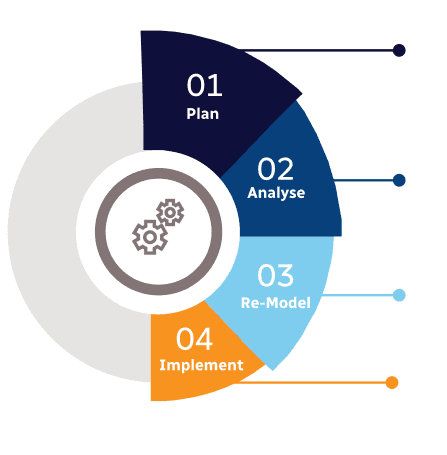
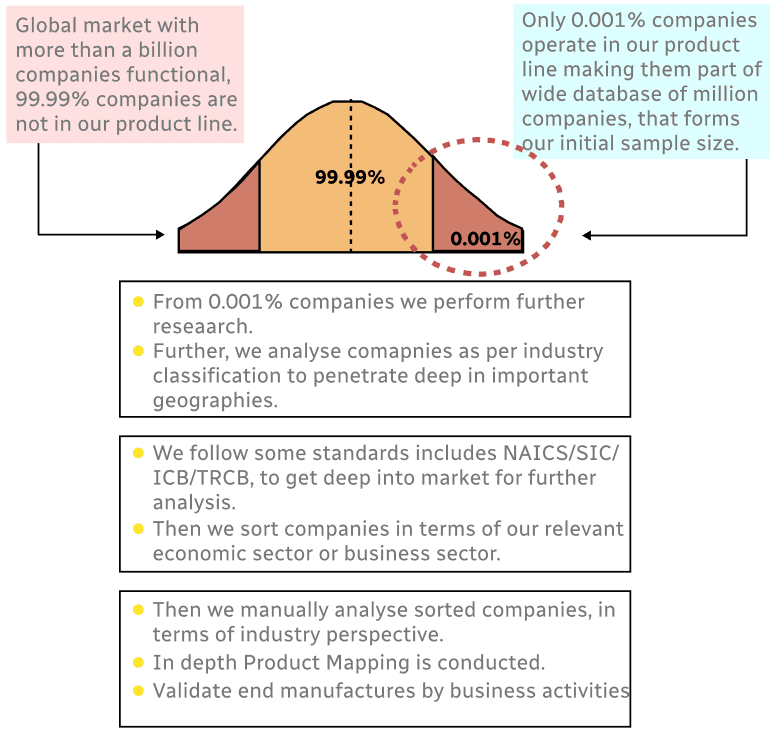
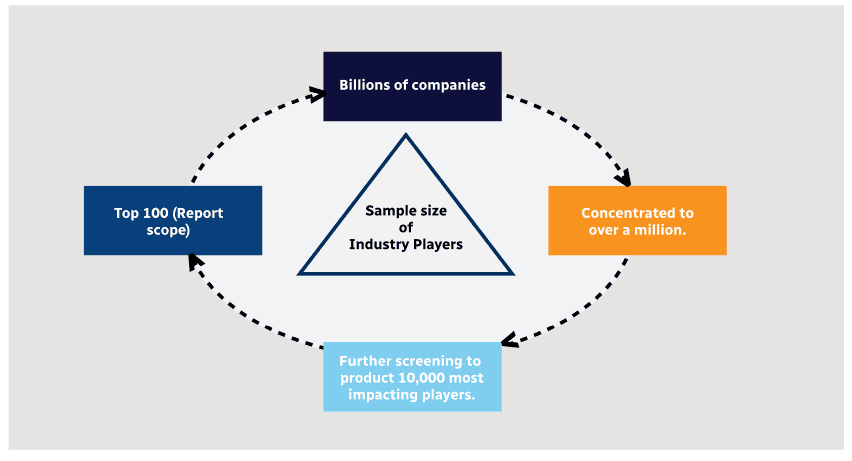
Step 1 - Identification of Relevant Samples Size from Population Database
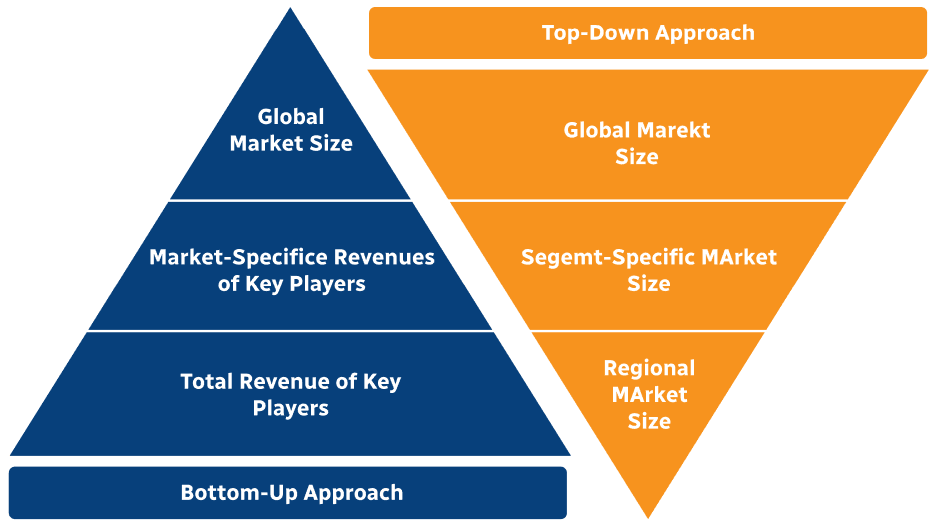
Step 2 - Approaches for Defining Global Market Size (Value, Volume* & Price*)
Note*: In applicable scenarios
Step 3 - Data Sources
Primary Research
- Web Analytics
- Survey Reports
- Research Institute
- Latest Research Reports
- Opinion Leaders
Secondary Research
- Annual Reports
- White Paper
- Latest Press Release
- Industry Association
- Paid Database
- Investor Presentations
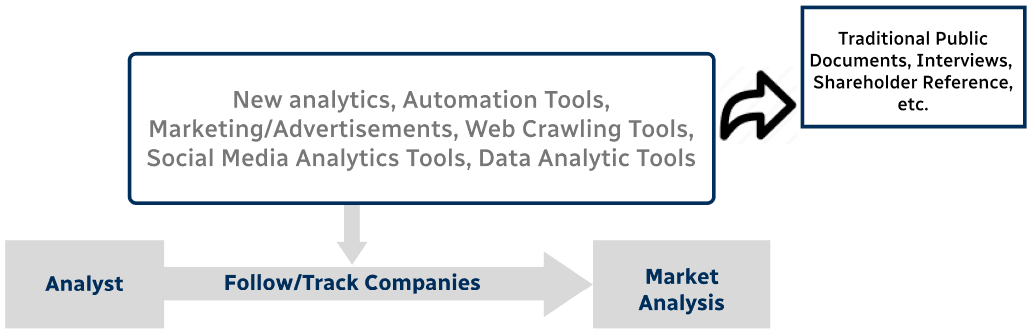
Step 4 - Data Triangulation
Involves using different sources of information in order to increase the validity of a study
These sources are likely to be stakeholders in a program - participants, other researchers, program staff, other community members, and so on.
Then we put all data in single framework & apply various statistical tools to find out the dynamic on the market.
During the analysis stage, feedback from the stakeholder groups would be compared to determine areas of agreement as well as areas of divergence