


Key Insights
The Reusable Packaging Management Service market is poised for significant expansion, projected to reach $133.72 billion in 2025. This robust growth is driven by a confluence of factors including the escalating environmental consciousness among consumers and businesses, stringent government regulations promoting sustainability, and the inherent cost-efficiency of reusable packaging solutions over their single-use counterparts. The logistics and supply chain sectors, in particular, are embracing these services to optimize operational efficiency, reduce waste, and enhance brand reputation. Companies are increasingly recognizing that effective reusable packaging management translates to substantial savings in material costs, reduced disposal fees, and improved inventory control. Furthermore, advancements in tracking and management technologies, such as RFID and IoT, are enhancing the visibility and accountability of reusable assets throughout the supply chain, further fueling market adoption. The demand for these services is anticipated to witness a compound annual growth rate (CAGR) of 5.7% from 2025 to 2033, indicating sustained and strong market momentum.

Reusable Packaging Management Service Market Size (In Billion)

The market is segmented across various applications, with Transportation & Logistics, Consumer Goods, and Manufacturing expected to be leading contributors. The shift towards cloud-based management solutions is also a prominent trend, offering greater scalability, accessibility, and data analytics capabilities compared to on-premise systems. Key players in this dynamic market are focusing on developing integrated solutions that encompass the entire lifecycle of reusable packaging, from design and deployment to collection, cleaning, and redistribution. The increasing focus on circular economy principles is further bolstering the demand for comprehensive reusable packaging management services. While the market presents significant opportunities, potential restraints could include the initial capital investment required for reusable assets and the complexities of establishing efficient reverse logistics networks. However, the long-term economic and environmental benefits are compelling enough to overcome these challenges, positioning the Reusable Packaging Management Service market for continued and substantial growth.

Reusable Packaging Management Service Company Market Share
This in-depth report provides a comprehensive analysis of the global Reusable Packaging Management Service market, offering critical insights for stakeholders across the supply chain. Covering the historical period from 2019 to 2024, the base year of 2025, and an extensive forecast period extending to 2033, this report delves into market dynamics, growth drivers, emerging trends, and competitive landscapes. We examine the market concentration, innovation drivers, regulatory frameworks, product substitutes, end-user trends, and M&A activities, providing actionable intelligence for strategic decision-making. The report also highlights industry trends, technological disruptions, consumer preferences, and competitive dynamics, alongside dominant markets and segments. With a focus on product developments, growth catalysts, challenges, and emerging opportunities, this report equips businesses with the knowledge to navigate and capitalize on the evolving reusable packaging management landscape.
Reusable Packaging Management Service Market Concentration & Innovation
The global Reusable Packaging Management Service market is characterized by moderate concentration, with a growing number of specialized providers enhancing service offerings. Innovation is a key differentiator, driven by the increasing demand for sustainable supply chain solutions and circular economy principles. Companies are investing in advanced tracking technologies, data analytics, and smart packaging solutions to optimize asset utilization and minimize waste. Regulatory frameworks, particularly those promoting waste reduction and extended producer responsibility, are further incentivizing the adoption of reusable packaging systems. Product substitutes, primarily single-use packaging, are gradually being displaced by the economic and environmental advantages of reusable alternatives. End-user trends are shifting towards a preference for traceable and efficient logistics, with companies actively seeking service providers that can demonstrate robust reusable packaging management capabilities. Mergers and acquisitions (M&A) activity is on the rise, with strategic consolidations aimed at expanding service portfolios and geographical reach. Recent M&A deal values are estimated to be in the range of $100 billion to $500 billion, reflecting the growing strategic importance of this sector. Market share for leading providers is estimated to range from 5% to 15%.
Reusable Packaging Management Service Industry Trends & Insights
The Reusable Packaging Management Service market is experiencing robust growth, projected to expand at a Compound Annual Growth Rate (CAGR) of approximately 12% during the forecast period. This upward trajectory is fueled by a confluence of factors, including escalating environmental consciousness among consumers and businesses, stringent government regulations promoting sustainable practices, and the inherent economic benefits of reusable packaging solutions. The increasing adoption of circular economy models across various industries further propels the demand for efficient reusable packaging management. Technological advancements are at the forefront of this evolution. The integration of the Internet of Things (IoT) for real-time tracking and monitoring of reusable assets, coupled with sophisticated data analytics platforms, is revolutionizing how companies manage their reusable packaging fleets. This enables enhanced inventory control, optimized logistics, reduced loss rates, and improved asset utilization. Cloud-based solutions are gaining significant traction due to their scalability, flexibility, and accessibility, allowing businesses of all sizes to implement and manage their reusable packaging programs effectively.
Consumer preferences are a potent force shaping the industry. There is a discernible shift towards brands that demonstrate a commitment to sustainability, and reusable packaging is a tangible manifestation of this commitment. Businesses are increasingly recognizing that by adopting sustainable packaging practices, they can enhance their brand image, attract environmentally conscious customers, and gain a competitive edge. The competitive dynamics within the market are intensifying, with established logistics providers and specialized reusable packaging management companies vying for market share. Partnerships and collaborations are becoming strategic imperatives, as companies seek to leverage each other's expertise and infrastructure to offer comprehensive end-to-end solutions. The market penetration of reusable packaging management services, while still nascent in some sectors, is steadily increasing as the tangible benefits become more apparent. Initial market penetration is estimated at 15%, with projections to reach 45% by 2033. The total addressable market is estimated to be worth $2 trillion by 2033.
Dominant Markets & Segments in Reusable Packaging Management Service
The Transportation & Logistics segment is currently the dominant force in the Reusable Packaging Management Service market, driven by the inherent need for efficient and trackable movement of goods across extensive supply chains. The sheer volume of goods transported daily necessitates robust systems for managing reusable containers, pallets, and totes, minimizing transit times and reducing loss. Economic policies encouraging supply chain efficiency and investment in logistics infrastructure further bolster this segment's dominance.
- Key Drivers in Transportation & Logistics:
- Increased E-commerce Growth: The surge in online retail necessitates more efficient and trackable last-mile delivery, where reusable packaging plays a crucial role.
- Globalization of Supply Chains: International trade demands standardized and reliable packaging solutions that can withstand multiple transit cycles.
- Cost Savings: Optimized reusable packaging cycles reduce the recurring costs associated with single-use packaging, a significant factor in logistics operations.
- Regulatory Compliance: Mandates for waste reduction and a circular economy are particularly impactful on high-volume logistics operations.
Within the Types of services, Cloud Based solutions are rapidly overtaking On Premise systems due to their inherent scalability, lower upfront costs, and ease of integration with existing enterprise resource planning (ERP) systems. The ability to access real-time data and manage operations remotely is a significant advantage for distributed logistics networks.
- Dominance of Cloud-Based Solutions:
- Scalability and Flexibility: Cloud platforms can easily adapt to fluctuating business needs, accommodating growth or seasonal demands.
- Cost-Effectiveness: Eliminates the need for significant capital investment in on-premise hardware and maintenance.
- Real-time Data and Analytics: Enables immediate insights into asset location, condition, and utilization, facilitating proactive management.
- Enhanced Collaboration: Facilitates seamless data sharing and collaboration among different stakeholders in the supply chain.
Geographically, North America and Europe currently lead the market, owing to well-established logistics networks, strong regulatory push for sustainability, and high adoption rates of advanced technologies. The Manufacturing and Consumer Goods segments are also significant contributors, driven by the need to optimize inbound and outbound logistics, reduce operational costs, and meet consumer demand for eco-friendly products. The Food & Beverage sector is rapidly expanding its adoption of reusable packaging management for hygiene and traceability. The Automotive sector is increasingly integrating reusable packaging for component logistics to enhance supply chain efficiency and reduce waste. The Others segment, encompassing sectors like healthcare and retail, is also showing promising growth as the benefits of reusable packaging management become more widely recognized. The estimated market size for the Transportation & Logistics segment is $300 billion by 2025, growing to $800 billion by 2033. The Cloud-Based solutions segment is projected to reach $250 billion by 2025, expanding to $700 billion by 2033.
Reusable Packaging Management Service Product Developments
Product developments in the Reusable Packaging Management Service sector are heavily focused on enhancing visibility, automation, and sustainability. Innovations include the integration of advanced IoT sensors for real-time tracking of container location, temperature, and shock, along with RFID and QR code technologies for seamless identification and data capture. AI-powered analytics are being deployed to predict optimal routes, forecast demand for reusable assets, and identify potential inefficiencies. Smart bins and automated sorting systems are emerging to streamline reverse logistics and cleaning processes. The competitive advantage lies in offering end-to-end solutions that not only manage the movement of reusable packaging but also ensure its integrity, hygiene, and timely return, thereby reducing operational costs and environmental impact for clients. Technological trends are pushing towards greater integration with existing supply chain management software and the development of user-friendly dashboards for enhanced control and decision-making. The estimated market size for product developments is valued at $50 billion.
Report Scope & Segmentation Analysis
This report meticulously analyzes the Reusable Packaging Management Service market across key application segments: Transportation & Logistics, Consumer Goods, Manufacturing, Food & Beverage, Automotive, and Others. Within each application, we examine the dominance and growth projections, considering their unique supply chain requirements and adoption rates of reusable packaging solutions. The market is also segmented by deployment types: Cloud Based and On Premise. For each segment, we detail its current market size, projected growth rates, and the competitive dynamics at play.
- Transportation & Logistics: This segment, estimated at $300 billion in 2025 and projected to reach $800 billion by 2033, is characterized by high volume and the critical need for asset visibility and control.
- Consumer Goods: Expected to grow from $150 billion in 2025 to $400 billion by 2033, this segment is driven by brand sustainability initiatives and consumer demand.
- Manufacturing: Currently valued at $120 billion in 2025 and projected to reach $320 billion by 2033, this segment focuses on optimizing inbound and outbound supply chains.
- Food & Beverage: Growing from $100 billion in 2025 to $280 billion by 2033, this sector emphasizes hygiene, traceability, and regulatory compliance.
- Automotive: Projected to expand from $80 billion in 2025 to $220 billion by 2033, driven by efficiency gains in component logistics.
- Others: This diverse segment, expected to grow from $50 billion in 2025 to $150 billion by 2033, encompasses various industries adopting reusable packaging.
The Cloud Based deployment model, estimated at $250 billion in 2025 and projected to reach $700 billion by 2033, offers scalability and flexibility, leading its dominance over the On Premise model, which is expected to grow from $100 billion in 2025 to $250 billion by 2033, catering to organizations with specific data security or integration needs.
Key Drivers of Reusable Packaging Management Service Growth
The growth of the Reusable Packaging Management Service market is propelled by several key drivers. Environmental consciousness is a paramount factor, with increasing pressure from consumers, regulators, and investors for sustainable business practices. This leads to a strong demand for services that facilitate waste reduction and promote a circular economy. Cost savings are another significant driver; while initial investments may be required, reusable packaging systems ultimately reduce operational expenses by minimizing the recurring costs of disposable packaging and improving asset utilization. Technological advancements, such as IoT, AI, and data analytics, enable more efficient tracking, management, and optimization of reusable assets, making these services more attractive and effective. Regulatory frameworks that promote waste reduction, extended producer responsibility, and carbon footprint reduction are creating a favorable environment for the adoption of reusable packaging solutions. The growth of e-commerce necessitates more efficient and sustainable logistics, further boosting the demand for these services. The total estimated market value driven by these factors is $1.5 trillion.
Challenges in the Reusable Packaging Management Service Sector
Despite the strong growth potential, the Reusable Packaging Management Service sector faces several challenges. High initial investment costs for reusable packaging assets and the necessary infrastructure can be a barrier for some businesses, particularly small and medium-sized enterprises. Logistical complexities in managing the reverse flow of packaging, including collection, cleaning, and redistribution, require robust planning and execution. Lack of standardization across industries and regions can hinder interoperability and create inefficiencies. Resistance to change from established practices and the perceived complexities of transitioning to reusable systems can also be a restraint. Supply chain disruptions, such as those experienced globally, can impact the availability and timely delivery of reusable assets. The estimated impact of these challenges on market growth is a reduction of 10% to 15%.
Emerging Opportunities in Reusable Packaging Management Service
Emerging opportunities within the Reusable Packaging Management Service market are diverse and promising. The increasing focus on circular economy models is creating demand for integrated services that encompass the entire lifecycle of reusable packaging. The expansion of e-commerce and last-mile delivery presents significant opportunities for specialized reusable packaging solutions designed for efficient urban logistics. The development of smart packaging technologies integrated with advanced analytics offers opportunities for predictive maintenance, optimized inventory management, and enhanced traceability. Growing sustainability mandates in emerging economies present untapped markets for reusable packaging services. Furthermore, the demand for specialized reusable packaging for sensitive goods, such as pharmaceuticals and high-value electronics, is creating niche market opportunities. The projected market potential from these opportunities is estimated at $500 billion.
Leading Players in the Reusable Packaging Management Service Market
- Alpega
- INFORM
- OPTEL
- SAP
- PackIQ
- Comepack GmbH
- ORBIS Corporation
- Wave Reaction
- TracLogik
- Penske
- GEFCO
- RELOGISTICS SERVICES
- LOGSOL
- Lowry Solutions
Key Developments in Reusable Packaging Management Service Industry
- 2023: OPTEL Group launched a comprehensive suite of IoT solutions for enhanced traceability and sustainability in packaging.
- 2022: SAP introduced new modules within its S/4HANA system to support circular economy principles, including reusable packaging management.
- 2022: ORBIS Corporation expanded its range of reusable plastic containers, focusing on specific industry needs in food and beverage and automotive.
- 2021: Alpega acquired a leading logistics software provider, strengthening its offering in supply chain visibility and optimization for reusable assets.
- 2021: PackIQ partnered with a major CPG company to implement a closed-loop reusable packaging system for consumer goods.
- 2020: INFORM GmbH launched an AI-powered platform for optimizing reusable packaging fleet management and predictive maintenance.
- 2019: Comepack GmbH introduced innovative collapsible reusable containers to maximize storage and transport efficiency.
Strategic Outlook for Reusable Packaging Management Service Market
The strategic outlook for the Reusable Packaging Management Service market is exceptionally positive, driven by an undeniable global shift towards sustainability and operational efficiency. Future growth catalysts will largely stem from continued technological innovation, enabling more sophisticated asset tracking, predictive analytics, and automated processes. The increasing adoption of circular economy principles across industries will further solidify the demand for end-to-end reusable packaging solutions. Companies that focus on providing integrated services, from packaging design and deployment to collection, cleaning, and data management, will be best positioned for success. Furthermore, strategic partnerships and collaborations will be crucial for expanding market reach and offering comprehensive solutions. The growing consumer and regulatory pressure for eco-friendly practices will continue to be a significant market expansion driver, creating a robust and sustainable growth trajectory for the reusable packaging management sector. The estimated future market potential is $2 trillion.
Reusable Packaging Management Service Segmentation
-
1. Application
- 1.1. Transportation & Logistics
- 1.2. Consumer Goods
- 1.3. Manufacturing
- 1.4. Food & Beverage
- 1.5. Automotive
- 1.6. Others
-
2. Types
- 2.1. Cloud Based
- 2.2. On Premise
Reusable Packaging Management Service Segmentation By Geography
-
1. North America
- 1.1. United States
- 1.2. Canada
- 1.3. Mexico
-
2. South America
- 2.1. Brazil
- 2.2. Argentina
- 2.3. Rest of South America
-
3. Europe
- 3.1. United Kingdom
- 3.2. Germany
- 3.3. France
- 3.4. Italy
- 3.5. Spain
- 3.6. Russia
- 3.7. Benelux
- 3.8. Nordics
- 3.9. Rest of Europe
-
4. Middle East & Africa
- 4.1. Turkey
- 4.2. Israel
- 4.3. GCC
- 4.4. North Africa
- 4.5. South Africa
- 4.6. Rest of Middle East & Africa
-
5. Asia Pacific
- 5.1. China
- 5.2. India
- 5.3. Japan
- 5.4. South Korea
- 5.5. ASEAN
- 5.6. Oceania
- 5.7. Rest of Asia Pacific

Reusable Packaging Management Service Regional Market Share
Geographic Coverage of Reusable Packaging Management Service
Reusable Packaging Management Service REPORT HIGHLIGHTS
| Aspects | Details |
|---|---|
| Study Period | 2020-2034 |
| Base Year | 2025 |
| Estimated Year | 2026 |
| Forecast Period | 2026-2034 |
| Historical Period | 2020-2025 |
| Growth Rate | CAGR of 5.7% from 2020-2034 |
| Segmentation |
|
Table of Contents
- 1. Introduction
- 1.1. Research Scope
- 1.2. Market Segmentation
- 1.3. Research Methodology
- 1.4. Definitions and Assumptions
- 2. Executive Summary
- 2.1. Introduction
- 3. Market Dynamics
- 3.1. Introduction
- 3.2. Market Drivers
- 3.3. Market Restrains
- 3.4. Market Trends
- 4. Market Factor Analysis
- 4.1. Porters Five Forces
- 4.2. Supply/Value Chain
- 4.3. PESTEL analysis
- 4.4. Market Entropy
- 4.5. Patent/Trademark Analysis
- 5. Global Reusable Packaging Management Service Analysis, Insights and Forecast, 2020-2032
- 5.1. Market Analysis, Insights and Forecast - by Application
- 5.1.1. Transportation & Logistics
- 5.1.2. Consumer Goods
- 5.1.3. Manufacturing
- 5.1.4. Food & Beverage
- 5.1.5. Automotive
- 5.1.6. Others
- 5.2. Market Analysis, Insights and Forecast - by Types
- 5.2.1. Cloud Based
- 5.2.2. On Premise
- 5.3. Market Analysis, Insights and Forecast - by Region
- 5.3.1. North America
- 5.3.2. South America
- 5.3.3. Europe
- 5.3.4. Middle East & Africa
- 5.3.5. Asia Pacific
- 5.1. Market Analysis, Insights and Forecast - by Application
- 6. North America Reusable Packaging Management Service Analysis, Insights and Forecast, 2020-2032
- 6.1. Market Analysis, Insights and Forecast - by Application
- 6.1.1. Transportation & Logistics
- 6.1.2. Consumer Goods
- 6.1.3. Manufacturing
- 6.1.4. Food & Beverage
- 6.1.5. Automotive
- 6.1.6. Others
- 6.2. Market Analysis, Insights and Forecast - by Types
- 6.2.1. Cloud Based
- 6.2.2. On Premise
- 6.1. Market Analysis, Insights and Forecast - by Application
- 7. South America Reusable Packaging Management Service Analysis, Insights and Forecast, 2020-2032
- 7.1. Market Analysis, Insights and Forecast - by Application
- 7.1.1. Transportation & Logistics
- 7.1.2. Consumer Goods
- 7.1.3. Manufacturing
- 7.1.4. Food & Beverage
- 7.1.5. Automotive
- 7.1.6. Others
- 7.2. Market Analysis, Insights and Forecast - by Types
- 7.2.1. Cloud Based
- 7.2.2. On Premise
- 7.1. Market Analysis, Insights and Forecast - by Application
- 8. Europe Reusable Packaging Management Service Analysis, Insights and Forecast, 2020-2032
- 8.1. Market Analysis, Insights and Forecast - by Application
- 8.1.1. Transportation & Logistics
- 8.1.2. Consumer Goods
- 8.1.3. Manufacturing
- 8.1.4. Food & Beverage
- 8.1.5. Automotive
- 8.1.6. Others
- 8.2. Market Analysis, Insights and Forecast - by Types
- 8.2.1. Cloud Based
- 8.2.2. On Premise
- 8.1. Market Analysis, Insights and Forecast - by Application
- 9. Middle East & Africa Reusable Packaging Management Service Analysis, Insights and Forecast, 2020-2032
- 9.1. Market Analysis, Insights and Forecast - by Application
- 9.1.1. Transportation & Logistics
- 9.1.2. Consumer Goods
- 9.1.3. Manufacturing
- 9.1.4. Food & Beverage
- 9.1.5. Automotive
- 9.1.6. Others
- 9.2. Market Analysis, Insights and Forecast - by Types
- 9.2.1. Cloud Based
- 9.2.2. On Premise
- 9.1. Market Analysis, Insights and Forecast - by Application
- 10. Asia Pacific Reusable Packaging Management Service Analysis, Insights and Forecast, 2020-2032
- 10.1. Market Analysis, Insights and Forecast - by Application
- 10.1.1. Transportation & Logistics
- 10.1.2. Consumer Goods
- 10.1.3. Manufacturing
- 10.1.4. Food & Beverage
- 10.1.5. Automotive
- 10.1.6. Others
- 10.2. Market Analysis, Insights and Forecast - by Types
- 10.2.1. Cloud Based
- 10.2.2. On Premise
- 10.1. Market Analysis, Insights and Forecast - by Application
- 11. Competitive Analysis
- 11.1. Global Market Share Analysis 2025
- 11.2. Company Profiles
- 11.2.1 Alpega
- 11.2.1.1. Overview
- 11.2.1.2. Products
- 11.2.1.3. SWOT Analysis
- 11.2.1.4. Recent Developments
- 11.2.1.5. Financials (Based on Availability)
- 11.2.2 INFORM
- 11.2.2.1. Overview
- 11.2.2.2. Products
- 11.2.2.3. SWOT Analysis
- 11.2.2.4. Recent Developments
- 11.2.2.5. Financials (Based on Availability)
- 11.2.3 OPTEL
- 11.2.3.1. Overview
- 11.2.3.2. Products
- 11.2.3.3. SWOT Analysis
- 11.2.3.4. Recent Developments
- 11.2.3.5. Financials (Based on Availability)
- 11.2.4 SAP
- 11.2.4.1. Overview
- 11.2.4.2. Products
- 11.2.4.3. SWOT Analysis
- 11.2.4.4. Recent Developments
- 11.2.4.5. Financials (Based on Availability)
- 11.2.5 PackIQ
- 11.2.5.1. Overview
- 11.2.5.2. Products
- 11.2.5.3. SWOT Analysis
- 11.2.5.4. Recent Developments
- 11.2.5.5. Financials (Based on Availability)
- 11.2.6 Comepack GmbH
- 11.2.6.1. Overview
- 11.2.6.2. Products
- 11.2.6.3. SWOT Analysis
- 11.2.6.4. Recent Developments
- 11.2.6.5. Financials (Based on Availability)
- 11.2.7 ORBIS Corporation
- 11.2.7.1. Overview
- 11.2.7.2. Products
- 11.2.7.3. SWOT Analysis
- 11.2.7.4. Recent Developments
- 11.2.7.5. Financials (Based on Availability)
- 11.2.8 Wave Reaction
- 11.2.8.1. Overview
- 11.2.8.2. Products
- 11.2.8.3. SWOT Analysis
- 11.2.8.4. Recent Developments
- 11.2.8.5. Financials (Based on Availability)
- 11.2.9 TracLogik
- 11.2.9.1. Overview
- 11.2.9.2. Products
- 11.2.9.3. SWOT Analysis
- 11.2.9.4. Recent Developments
- 11.2.9.5. Financials (Based on Availability)
- 11.2.10 Penske
- 11.2.10.1. Overview
- 11.2.10.2. Products
- 11.2.10.3. SWOT Analysis
- 11.2.10.4. Recent Developments
- 11.2.10.5. Financials (Based on Availability)
- 11.2.11 GEFCO
- 11.2.11.1. Overview
- 11.2.11.2. Products
- 11.2.11.3. SWOT Analysis
- 11.2.11.4. Recent Developments
- 11.2.11.5. Financials (Based on Availability)
- 11.2.12 RELOGISTICS SERVICES
- 11.2.12.1. Overview
- 11.2.12.2. Products
- 11.2.12.3. SWOT Analysis
- 11.2.12.4. Recent Developments
- 11.2.12.5. Financials (Based on Availability)
- 11.2.13 LOGSOL
- 11.2.13.1. Overview
- 11.2.13.2. Products
- 11.2.13.3. SWOT Analysis
- 11.2.13.4. Recent Developments
- 11.2.13.5. Financials (Based on Availability)
- 11.2.14 Lowry Solutions
- 11.2.14.1. Overview
- 11.2.14.2. Products
- 11.2.14.3. SWOT Analysis
- 11.2.14.4. Recent Developments
- 11.2.14.5. Financials (Based on Availability)
- 11.2.1 Alpega
List of Figures
- Figure 1: Global Reusable Packaging Management Service Revenue Breakdown (undefined, %) by Region 2025 & 2033
- Figure 2: North America Reusable Packaging Management Service Revenue (undefined), by Application 2025 & 2033
- Figure 3: North America Reusable Packaging Management Service Revenue Share (%), by Application 2025 & 2033
- Figure 4: North America Reusable Packaging Management Service Revenue (undefined), by Types 2025 & 2033
- Figure 5: North America Reusable Packaging Management Service Revenue Share (%), by Types 2025 & 2033
- Figure 6: North America Reusable Packaging Management Service Revenue (undefined), by Country 2025 & 2033
- Figure 7: North America Reusable Packaging Management Service Revenue Share (%), by Country 2025 & 2033
- Figure 8: South America Reusable Packaging Management Service Revenue (undefined), by Application 2025 & 2033
- Figure 9: South America Reusable Packaging Management Service Revenue Share (%), by Application 2025 & 2033
- Figure 10: South America Reusable Packaging Management Service Revenue (undefined), by Types 2025 & 2033
- Figure 11: South America Reusable Packaging Management Service Revenue Share (%), by Types 2025 & 2033
- Figure 12: South America Reusable Packaging Management Service Revenue (undefined), by Country 2025 & 2033
- Figure 13: South America Reusable Packaging Management Service Revenue Share (%), by Country 2025 & 2033
- Figure 14: Europe Reusable Packaging Management Service Revenue (undefined), by Application 2025 & 2033
- Figure 15: Europe Reusable Packaging Management Service Revenue Share (%), by Application 2025 & 2033
- Figure 16: Europe Reusable Packaging Management Service Revenue (undefined), by Types 2025 & 2033
- Figure 17: Europe Reusable Packaging Management Service Revenue Share (%), by Types 2025 & 2033
- Figure 18: Europe Reusable Packaging Management Service Revenue (undefined), by Country 2025 & 2033
- Figure 19: Europe Reusable Packaging Management Service Revenue Share (%), by Country 2025 & 2033
- Figure 20: Middle East & Africa Reusable Packaging Management Service Revenue (undefined), by Application 2025 & 2033
- Figure 21: Middle East & Africa Reusable Packaging Management Service Revenue Share (%), by Application 2025 & 2033
- Figure 22: Middle East & Africa Reusable Packaging Management Service Revenue (undefined), by Types 2025 & 2033
- Figure 23: Middle East & Africa Reusable Packaging Management Service Revenue Share (%), by Types 2025 & 2033
- Figure 24: Middle East & Africa Reusable Packaging Management Service Revenue (undefined), by Country 2025 & 2033
- Figure 25: Middle East & Africa Reusable Packaging Management Service Revenue Share (%), by Country 2025 & 2033
- Figure 26: Asia Pacific Reusable Packaging Management Service Revenue (undefined), by Application 2025 & 2033
- Figure 27: Asia Pacific Reusable Packaging Management Service Revenue Share (%), by Application 2025 & 2033
- Figure 28: Asia Pacific Reusable Packaging Management Service Revenue (undefined), by Types 2025 & 2033
- Figure 29: Asia Pacific Reusable Packaging Management Service Revenue Share (%), by Types 2025 & 2033
- Figure 30: Asia Pacific Reusable Packaging Management Service Revenue (undefined), by Country 2025 & 2033
- Figure 31: Asia Pacific Reusable Packaging Management Service Revenue Share (%), by Country 2025 & 2033
List of Tables
- Table 1: Global Reusable Packaging Management Service Revenue undefined Forecast, by Application 2020 & 2033
- Table 2: Global Reusable Packaging Management Service Revenue undefined Forecast, by Types 2020 & 2033
- Table 3: Global Reusable Packaging Management Service Revenue undefined Forecast, by Region 2020 & 2033
- Table 4: Global Reusable Packaging Management Service Revenue undefined Forecast, by Application 2020 & 2033
- Table 5: Global Reusable Packaging Management Service Revenue undefined Forecast, by Types 2020 & 2033
- Table 6: Global Reusable Packaging Management Service Revenue undefined Forecast, by Country 2020 & 2033
- Table 7: United States Reusable Packaging Management Service Revenue (undefined) Forecast, by Application 2020 & 2033
- Table 8: Canada Reusable Packaging Management Service Revenue (undefined) Forecast, by Application 2020 & 2033
- Table 9: Mexico Reusable Packaging Management Service Revenue (undefined) Forecast, by Application 2020 & 2033
- Table 10: Global Reusable Packaging Management Service Revenue undefined Forecast, by Application 2020 & 2033
- Table 11: Global Reusable Packaging Management Service Revenue undefined Forecast, by Types 2020 & 2033
- Table 12: Global Reusable Packaging Management Service Revenue undefined Forecast, by Country 2020 & 2033
- Table 13: Brazil Reusable Packaging Management Service Revenue (undefined) Forecast, by Application 2020 & 2033
- Table 14: Argentina Reusable Packaging Management Service Revenue (undefined) Forecast, by Application 2020 & 2033
- Table 15: Rest of South America Reusable Packaging Management Service Revenue (undefined) Forecast, by Application 2020 & 2033
- Table 16: Global Reusable Packaging Management Service Revenue undefined Forecast, by Application 2020 & 2033
- Table 17: Global Reusable Packaging Management Service Revenue undefined Forecast, by Types 2020 & 2033
- Table 18: Global Reusable Packaging Management Service Revenue undefined Forecast, by Country 2020 & 2033
- Table 19: United Kingdom Reusable Packaging Management Service Revenue (undefined) Forecast, by Application 2020 & 2033
- Table 20: Germany Reusable Packaging Management Service Revenue (undefined) Forecast, by Application 2020 & 2033
- Table 21: France Reusable Packaging Management Service Revenue (undefined) Forecast, by Application 2020 & 2033
- Table 22: Italy Reusable Packaging Management Service Revenue (undefined) Forecast, by Application 2020 & 2033
- Table 23: Spain Reusable Packaging Management Service Revenue (undefined) Forecast, by Application 2020 & 2033
- Table 24: Russia Reusable Packaging Management Service Revenue (undefined) Forecast, by Application 2020 & 2033
- Table 25: Benelux Reusable Packaging Management Service Revenue (undefined) Forecast, by Application 2020 & 2033
- Table 26: Nordics Reusable Packaging Management Service Revenue (undefined) Forecast, by Application 2020 & 2033
- Table 27: Rest of Europe Reusable Packaging Management Service Revenue (undefined) Forecast, by Application 2020 & 2033
- Table 28: Global Reusable Packaging Management Service Revenue undefined Forecast, by Application 2020 & 2033
- Table 29: Global Reusable Packaging Management Service Revenue undefined Forecast, by Types 2020 & 2033
- Table 30: Global Reusable Packaging Management Service Revenue undefined Forecast, by Country 2020 & 2033
- Table 31: Turkey Reusable Packaging Management Service Revenue (undefined) Forecast, by Application 2020 & 2033
- Table 32: Israel Reusable Packaging Management Service Revenue (undefined) Forecast, by Application 2020 & 2033
- Table 33: GCC Reusable Packaging Management Service Revenue (undefined) Forecast, by Application 2020 & 2033
- Table 34: North Africa Reusable Packaging Management Service Revenue (undefined) Forecast, by Application 2020 & 2033
- Table 35: South Africa Reusable Packaging Management Service Revenue (undefined) Forecast, by Application 2020 & 2033
- Table 36: Rest of Middle East & Africa Reusable Packaging Management Service Revenue (undefined) Forecast, by Application 2020 & 2033
- Table 37: Global Reusable Packaging Management Service Revenue undefined Forecast, by Application 2020 & 2033
- Table 38: Global Reusable Packaging Management Service Revenue undefined Forecast, by Types 2020 & 2033
- Table 39: Global Reusable Packaging Management Service Revenue undefined Forecast, by Country 2020 & 2033
- Table 40: China Reusable Packaging Management Service Revenue (undefined) Forecast, by Application 2020 & 2033
- Table 41: India Reusable Packaging Management Service Revenue (undefined) Forecast, by Application 2020 & 2033
- Table 42: Japan Reusable Packaging Management Service Revenue (undefined) Forecast, by Application 2020 & 2033
- Table 43: South Korea Reusable Packaging Management Service Revenue (undefined) Forecast, by Application 2020 & 2033
- Table 44: ASEAN Reusable Packaging Management Service Revenue (undefined) Forecast, by Application 2020 & 2033
- Table 45: Oceania Reusable Packaging Management Service Revenue (undefined) Forecast, by Application 2020 & 2033
- Table 46: Rest of Asia Pacific Reusable Packaging Management Service Revenue (undefined) Forecast, by Application 2020 & 2033
Frequently Asked Questions
1. What is the projected Compound Annual Growth Rate (CAGR) of the Reusable Packaging Management Service?
The projected CAGR is approximately 5.7%.
2. Which companies are prominent players in the Reusable Packaging Management Service?
Key companies in the market include Alpega, INFORM, OPTEL, SAP, PackIQ, Comepack GmbH, ORBIS Corporation, Wave Reaction, TracLogik, Penske, GEFCO, RELOGISTICS SERVICES, LOGSOL, Lowry Solutions.
3. What are the main segments of the Reusable Packaging Management Service?
The market segments include Application, Types.
4. Can you provide details about the market size?
The market size is estimated to be USD XXX N/A as of 2022.
5. What are some drivers contributing to market growth?
N/A
6. What are the notable trends driving market growth?
N/A
7. Are there any restraints impacting market growth?
N/A
8. Can you provide examples of recent developments in the market?
N/A
9. What pricing options are available for accessing the report?
Pricing options include single-user, multi-user, and enterprise licenses priced at USD 2900.00, USD 4350.00, and USD 5800.00 respectively.
10. Is the market size provided in terms of value or volume?
The market size is provided in terms of value, measured in N/A.
11. Are there any specific market keywords associated with the report?
Yes, the market keyword associated with the report is "Reusable Packaging Management Service," which aids in identifying and referencing the specific market segment covered.
12. How do I determine which pricing option suits my needs best?
The pricing options vary based on user requirements and access needs. Individual users may opt for single-user licenses, while businesses requiring broader access may choose multi-user or enterprise licenses for cost-effective access to the report.
13. Are there any additional resources or data provided in the Reusable Packaging Management Service report?
While the report offers comprehensive insights, it's advisable to review the specific contents or supplementary materials provided to ascertain if additional resources or data are available.
14. How can I stay updated on further developments or reports in the Reusable Packaging Management Service?
To stay informed about further developments, trends, and reports in the Reusable Packaging Management Service, consider subscribing to industry newsletters, following relevant companies and organizations, or regularly checking reputable industry news sources and publications.
Methodology
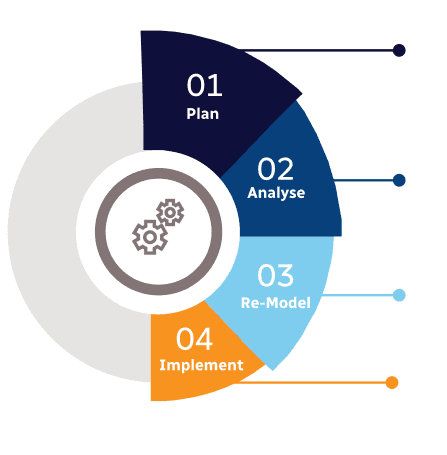
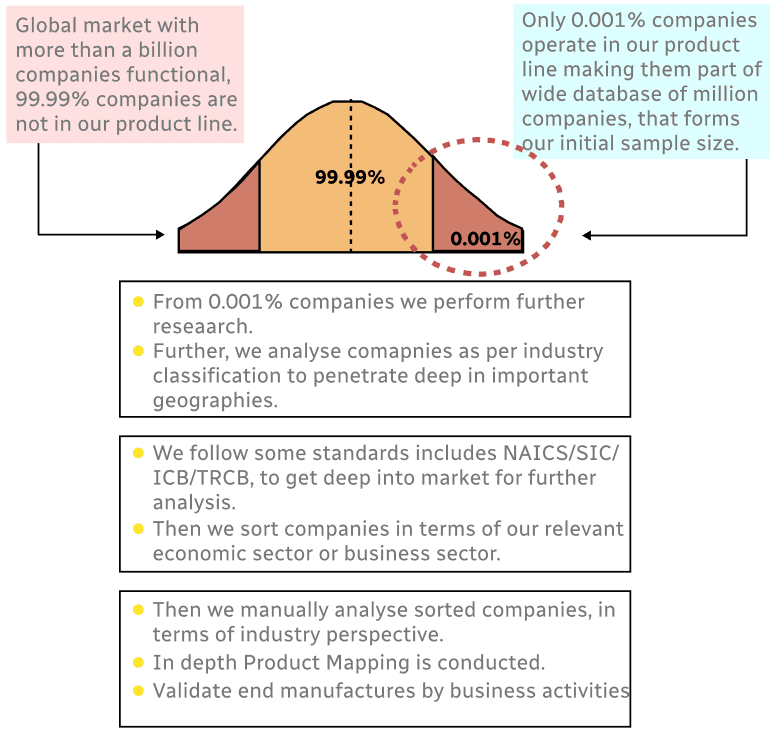
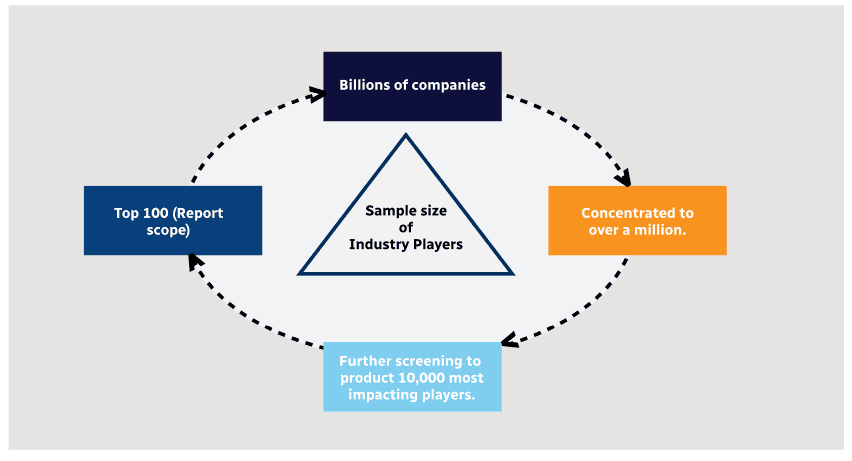
Step 1 - Identification of Relevant Samples Size from Population Database
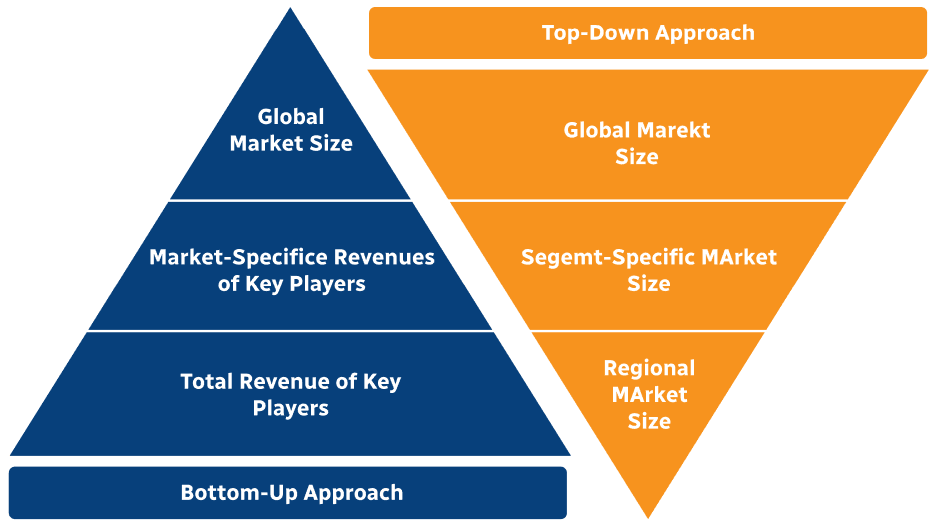
Step 2 - Approaches for Defining Global Market Size (Value, Volume* & Price*)
Note*: In applicable scenarios
Step 3 - Data Sources
Primary Research
- Web Analytics
- Survey Reports
- Research Institute
- Latest Research Reports
- Opinion Leaders
Secondary Research
- Annual Reports
- White Paper
- Latest Press Release
- Industry Association
- Paid Database
- Investor Presentations
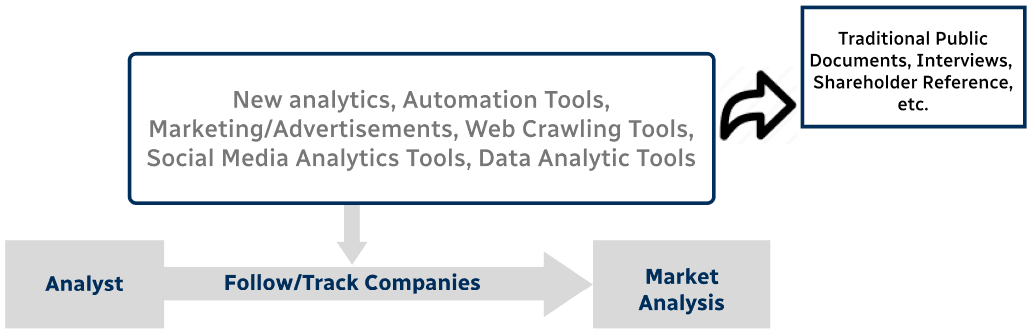
Step 4 - Data Triangulation
Involves using different sources of information in order to increase the validity of a study
These sources are likely to be stakeholders in a program - participants, other researchers, program staff, other community members, and so on.
Then we put all data in single framework & apply various statistical tools to find out the dynamic on the market.
During the analysis stage, feedback from the stakeholder groups would be compared to determine areas of agreement as well as areas of divergence