


Key Insights
The Separately Excited Motor Market is poised for steady growth, projected to reach approximately $1,500 million by the end of 2025 and expand significantly to an estimated $2,100 million by 2033. This growth is underpinned by a compound annual growth rate (CAGR) of 2.20% over the forecast period. The market's expansion is primarily propelled by escalating demand from the Industrial Automation sector, driven by advancements in robotics, automated manufacturing processes, and the increasing adoption of smart technologies. Furthermore, the burgeoning renewable energy industry, particularly in solar and wind power generation, necessitates reliable and efficient motor solutions for tracking systems and power conversion. The transportation segment also contributes to this growth, with electric vehicles (EVs) and other electrified transit systems increasingly integrating these motors for propulsion and auxiliary functions. These drivers collectively signal a robust future for separately excited motors as industries continue to prioritize efficiency, performance, and sustainability.

Separately Excited Motor Market Market Size (In Billion)

Key trends shaping the Separately Excited Motor Market include the integration of advanced control systems for enhanced precision and energy efficiency, alongside the development of more compact and lightweight motor designs to meet the evolving needs of portable and space-constrained applications. The increasing focus on energy conservation and the push for electrification across various sectors are significant tailwinds. However, the market faces some restraints, including the higher initial cost of certain high-performance separately excited motors compared to some alternatives, and the complexity of maintenance for some advanced models. The market is segmented by motor type, with DC Brushless Motors and DC Brush Motors holding significant shares due to their established applications and versatility, while Synchronous Motors are gaining traction in high-power industrial applications. Geographically, North America and Europe currently lead, but the Asia Pacific region is expected to witness the fastest growth, fueled by rapid industrialization and a growing focus on renewable energy investments.
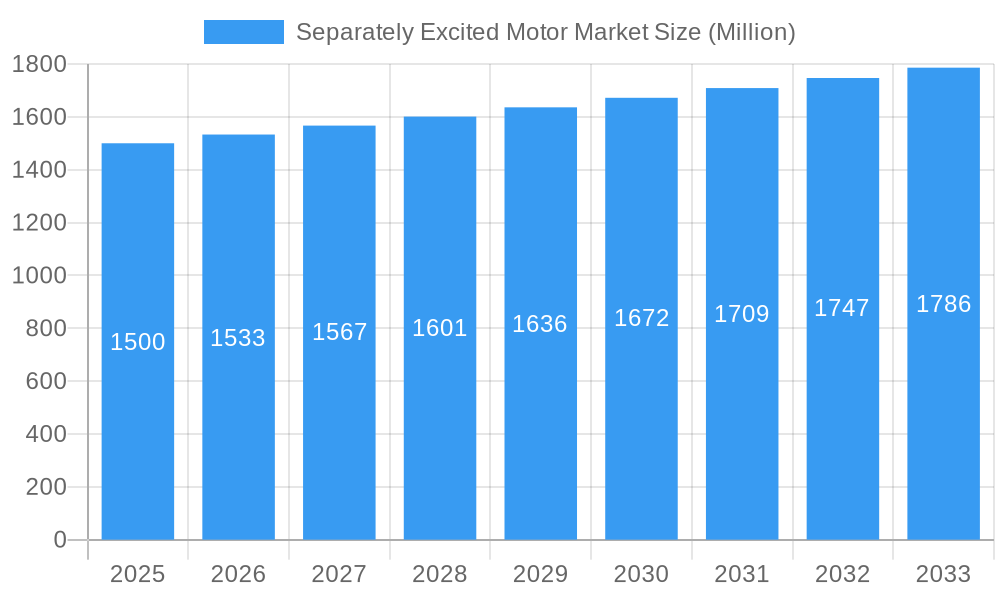
Separately Excited Motor Market Company Market Share
This comprehensive market research report provides an exhaustive analysis of the global Separately Excited Motor Market, offering critical insights for industry stakeholders. Covering the historical period from 2019 to 2024 and projecting growth through 2033, with a base year of 2025, this report delivers actionable intelligence on market trends, drivers, challenges, and opportunities. The global Separately Excited Motor Market is segmented by motor type (DC Brush Motors, DC Brushless Motors, Stepper Motors, Synchronous Motors) and end-user industry (Industrial Automation, Renewable Energy, Transportation).
Separately Excited Motor Market Market Concentration & Innovation
The Separately Excited Motor Market exhibits a moderate level of market concentration, with a few key players holding significant market share, particularly in specialized applications. Innovation is a primary driver, fueled by advancements in motor efficiency, control systems, and material science. Regulatory frameworks, particularly concerning energy efficiency and environmental impact, are increasingly shaping product development and market entry. Product substitutes, such as integrated motor solutions or alternative propulsion systems, pose a competitive threat in certain applications. End-user trends are leaning towards higher efficiency, lower maintenance, and smart, connected motor solutions. Mergers and acquisitions (M&A) activities are strategic in nature, aimed at consolidating market presence, acquiring new technologies, or expanding geographical reach. For instance, M&A deal values in this sector can range from tens of millions to hundreds of millions of dollars, depending on the strategic importance and technological prowess of the acquired entity. Key innovation areas include the development of advanced control algorithms for optimized performance and the integration of IoT capabilities for predictive maintenance and remote monitoring.
Separately Excited Motor Market Industry Trends & Insights
The Separately Excited Motor Market is poised for significant growth, driven by an increasing demand for high-performance and energy-efficient electric motors across various industrial and emerging sectors. The Compound Annual Growth Rate (CAGR) is projected to be robust, reflecting the escalating adoption of these motors in applications requiring precise speed and torque control. Market penetration is deepening as industries transition away from less efficient or less controllable motor technologies. Technological disruptions, such as the miniaturization of components, the development of advanced power electronics, and the integration of artificial intelligence for motor control, are reshaping the competitive landscape. Consumer preferences are increasingly focused on reliability, durability, and a lower total cost of ownership, encouraging manufacturers to invest in premium, long-lasting solutions. Competitive dynamics are characterized by a blend of established players and agile innovators, with a constant drive to enhance motor performance, reduce energy consumption, and expand application versatility. The ongoing electrification of transportation, coupled with the growing adoption of renewable energy sources that often require sophisticated motor control, are major tailwinds for the market. Furthermore, the Industrial Automation sector's demand for precise and adaptable motion control solutions continues to be a cornerstone of market expansion, pushing the boundaries of motor technology.
Dominant Markets & Segments in Separately Excited Motor Market
The Industrial Automation segment is a dominant force within the Separately Excited Motor Market. This dominance is propelled by the relentless pursuit of efficiency, precision, and automation in manufacturing processes worldwide. Key drivers for this segment include:
- Economic Policies: Government initiatives promoting industrial modernization and smart manufacturing directly fuel demand for advanced motor solutions.
- Infrastructure Development: Investments in new factories, production lines, and automated systems require a substantial number of high-performance motors.
- Technological Advancements: The integration of robotics, advanced control systems, and the Internet of Things (IoT) in industrial settings necessitates motors capable of precise and responsive operation.
Within Industrial Automation, DC Brushless Motors and Stepper Motors are particularly prominent due to their superior control capabilities, high torque density, and energy efficiency. These motors are crucial for applications such as robotic arms, conveyor systems, CNC machines, and automated assembly lines.
The Renewable Energy sector is another significant growth engine. The expansion of solar and wind power generation necessitates reliable and efficient motor systems for tracking mechanisms, inverters, and power conversion. The growing global commitment to decarbonization and the increasing adoption of renewable energy sources are critical factors driving this segment's importance.
The Transportation sector is witnessing a rapid transformation with the rise of electric vehicles (EVs). Separately excited motors, particularly DC Brushless Motors, are integral to EV powertrains, offering the high efficiency, power, and precise control required for optimal performance and range. Government incentives for EV adoption and stricter emission regulations are accelerating this trend.
Geographically, North America and Europe currently lead in market share due to their mature industrial bases, strong emphasis on technological innovation, and proactive adoption of renewable energy and electric mobility. However, the Asia-Pacific region is emerging as a powerhouse, driven by rapid industrialization, increasing investments in manufacturing, and a burgeoning EV market, especially in countries like China and India. The country-specific dominance within these regions often correlates with manufacturing output, investment in sustainable technologies, and supportive regulatory environments.
Separately Excited Motor Market Product Developments
Product development in the Separately Excited Motor Market is characterized by a focus on enhancing energy efficiency, improving control precision, and increasing power density. Innovations include the integration of advanced magnetic materials, optimized winding techniques, and sophisticated control algorithms to minimize energy loss and maximize performance. The development of miniaturized and modular motor designs caters to space-constrained applications, while the incorporation of IoT capabilities enables remote monitoring, predictive maintenance, and seamless integration into smart factory ecosystems. These advancements provide a competitive edge by meeting the evolving demands for sustainable, reliable, and intelligent motor solutions.
Separately Excited Motor Market Scope & Segmentation Analysis
The Separately Excited Motor Market is meticulously segmented to provide granular insights. The Type segmentation includes DC Brush Motors, DC Brushless Motors, Stepper Motors, and Synchronous Motors, each catering to distinct application requirements based on control, efficiency, and power needs. The End-User Industry segmentation encompasses Industrial Automation, Renewable Energy, and Transportation, reflecting the diverse applications and growth trajectories of these sectors. Growth projections and market sizes for each segment vary based on the specific adoption rates and technological advancements within their respective domains. Competitive dynamics within each segment are shaped by the specialized demands and innovation cycles unique to that application area.
Key Drivers of Separately Excited Motor Market Growth
The growth of the Separately Excited Motor Market is underpinned by several key factors. The increasing demand for energy-efficient solutions across all industries, driven by rising energy costs and environmental regulations, is paramount. Technological advancements in motor design, materials, and control systems enable higher performance and reduced operational expenses. The rapid growth of the electric vehicle market, coupled with supportive government policies promoting electrification, significantly boosts demand for DC Brushless Motors. Furthermore, the expansion of automation in manufacturing and the growing adoption of renewable energy sources for power generation are critical growth catalysts.
Challenges in the Separately Excited Motor Market Sector
Despite robust growth prospects, the Separately Excited Motor Market faces several challenges. Intense price competition from manufacturers, particularly in high-volume segments, can impact profit margins. The complexity of advanced motor control systems and the need for skilled labor for installation and maintenance can be a barrier for some end-users. Fluctuations in raw material prices, such as rare earth metals used in some motor types, can affect production costs. Moreover, stringent regulations regarding motor efficiency and electromagnetic compatibility (EMC) require continuous investment in research and development to ensure compliance. Supply chain disruptions, as witnessed in recent years, can also pose a significant challenge to timely production and delivery.
Emerging Opportunities in Separately Excited Motor Market
Emerging opportunities abound in the Separately Excited Motor Market. The increasing trend towards Industry 4.0 and smart factories presents a significant opportunity for intelligent and connected motor solutions with integrated IoT capabilities for predictive maintenance and performance optimization. The burgeoning sector of electric mobility, beyond passenger cars to include commercial vehicles, buses, and heavy-duty equipment, offers substantial growth potential. Furthermore, the continued expansion of renewable energy infrastructure, including offshore wind farms and advanced solar installations, will drive demand for specialized and robust motor systems. The development of novel motor topologies and advanced control strategies for niche applications, such as aerospace and advanced robotics, also represents lucrative avenues for innovation and market expansion.
Leading Players in the Separately Excited Motor Market Market
- D&D Motor Systems Inc
- Impulse Drives And Motors
- Sogears
- Fuan Liyuan Electric Motor Co Ltd
- Apparatus Repair & Engineering Inc
Key Developments in Separately Excited Motor Market Industry
- October 2021: Researchers in Iraq proposed a computational speed controller for Separately Excited DC Motors (SEDCMs) utilizing a three-layer neural network. This innovation aims to enhance speed control in high-power applications like aircraft and ship traction by predicting motor speed and adjusting armature terminal voltage, outperforming conventional controllers.
Strategic Outlook for Separately Excited Motor Market Market
The strategic outlook for the Separately Excited Motor Market is highly optimistic, driven by megatrends such as electrification, automation, and sustainability. The increasing demand for energy efficiency and precise motion control across diverse industries will continue to fuel market expansion. Strategic investments in research and development, focusing on enhancing motor performance, integrating smart technologies, and developing sustainable manufacturing processes, will be crucial for maintaining a competitive edge. Collaborations between motor manufacturers, control system providers, and end-users will foster innovation and tailor solutions to meet specific application needs. The growing global emphasis on reducing carbon footprints and embracing green technologies positions the Separately Excited Motor Market for sustained and significant growth in the coming years.
Separately Excited Motor Market Segmentation
-
1. Type
- 1.1. DC Brush Motors
- 1.2. DC Brushless Motors
- 1.3. Stepper Motors
- 1.4. Synchronous Motors
-
2. End-User Industry
- 2.1. Industrial Automation
- 2.2. Renewable Energy
- 2.3. Transportation
Separately Excited Motor Market Segmentation By Geography
- 1. North America
- 2. Europe
- 3. Asia Pacific
- 4. Latin America
- 5. Middle East
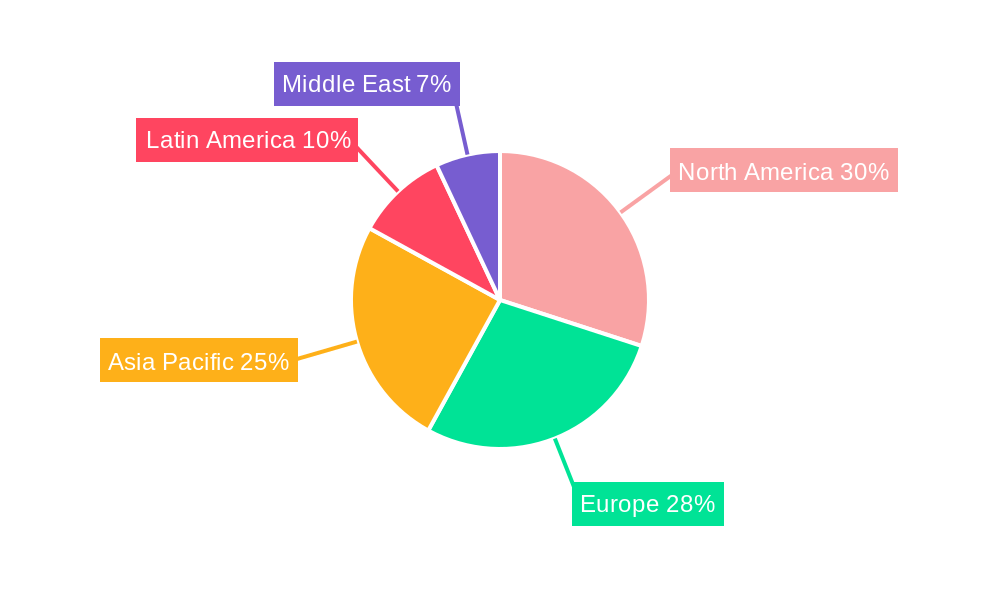
Separately Excited Motor Market Regional Market Share
Geographic Coverage of Separately Excited Motor Market
Separately Excited Motor Market REPORT HIGHLIGHTS
| Aspects | Details |
|---|---|
| Study Period | 2020-2034 |
| Base Year | 2025 |
| Estimated Year | 2026 |
| Forecast Period | 2026-2034 |
| Historical Period | 2020-2025 |
| Growth Rate | CAGR of 6% from 2020-2034 |
| Segmentation |
|
Table of Contents
- 1. Introduction
- 1.1. Research Scope
- 1.2. Market Segmentation
- 1.3. Research Methodology
- 1.4. Definitions and Assumptions
- 2. Executive Summary
- 2.1. Introduction
- 3. Market Dynamics
- 3.1. Introduction
- 3.2. Market Drivers
- 3.2.1. Growth in Automotive Vehicle Sales; Increasing Demand of Paper in Packaging Industry
- 3.3. Market Restrains
- 3.3.1. Higher Cost Due to Requirement of Seperate Excitation Source
- 3.4. Market Trends
- 3.4.1. Automobile Application to Grow Significantly
- 4. Market Factor Analysis
- 4.1. Porters Five Forces
- 4.2. Supply/Value Chain
- 4.3. PESTEL analysis
- 4.4. Market Entropy
- 4.5. Patent/Trademark Analysis
- 5. Global Separately Excited Motor Market Analysis, Insights and Forecast, 2020-2032
- 5.1. Market Analysis, Insights and Forecast - by Type
- 5.1.1. DC Brush Motors
- 5.1.2. DC Brushless Motors
- 5.1.3. Stepper Motors
- 5.1.4. Synchronous Motors
- 5.2. Market Analysis, Insights and Forecast - by End-User Industry
- 5.2.1. Industrial Automation
- 5.2.2. Renewable Energy
- 5.2.3. Transportation
- 5.3. Market Analysis, Insights and Forecast - by Region
- 5.3.1. North America
- 5.3.2. Europe
- 5.3.3. Asia Pacific
- 5.3.4. Latin America
- 5.3.5. Middle East
- 5.1. Market Analysis, Insights and Forecast - by Type
- 6. North America Separately Excited Motor Market Analysis, Insights and Forecast, 2020-2032
- 6.1. Market Analysis, Insights and Forecast - by Type
- 6.1.1. DC Brush Motors
- 6.1.2. DC Brushless Motors
- 6.1.3. Stepper Motors
- 6.1.4. Synchronous Motors
- 6.2. Market Analysis, Insights and Forecast - by End-User Industry
- 6.2.1. Industrial Automation
- 6.2.2. Renewable Energy
- 6.2.3. Transportation
- 6.1. Market Analysis, Insights and Forecast - by Type
- 7. Europe Separately Excited Motor Market Analysis, Insights and Forecast, 2020-2032
- 7.1. Market Analysis, Insights and Forecast - by Type
- 7.1.1. DC Brush Motors
- 7.1.2. DC Brushless Motors
- 7.1.3. Stepper Motors
- 7.1.4. Synchronous Motors
- 7.2. Market Analysis, Insights and Forecast - by End-User Industry
- 7.2.1. Industrial Automation
- 7.2.2. Renewable Energy
- 7.2.3. Transportation
- 7.1. Market Analysis, Insights and Forecast - by Type
- 8. Asia Pacific Separately Excited Motor Market Analysis, Insights and Forecast, 2020-2032
- 8.1. Market Analysis, Insights and Forecast - by Type
- 8.1.1. DC Brush Motors
- 8.1.2. DC Brushless Motors
- 8.1.3. Stepper Motors
- 8.1.4. Synchronous Motors
- 8.2. Market Analysis, Insights and Forecast - by End-User Industry
- 8.2.1. Industrial Automation
- 8.2.2. Renewable Energy
- 8.2.3. Transportation
- 8.1. Market Analysis, Insights and Forecast - by Type
- 9. Latin America Separately Excited Motor Market Analysis, Insights and Forecast, 2020-2032
- 9.1. Market Analysis, Insights and Forecast - by Type
- 9.1.1. DC Brush Motors
- 9.1.2. DC Brushless Motors
- 9.1.3. Stepper Motors
- 9.1.4. Synchronous Motors
- 9.2. Market Analysis, Insights and Forecast - by End-User Industry
- 9.2.1. Industrial Automation
- 9.2.2. Renewable Energy
- 9.2.3. Transportation
- 9.1. Market Analysis, Insights and Forecast - by Type
- 10. Middle East Separately Excited Motor Market Analysis, Insights and Forecast, 2020-2032
- 10.1. Market Analysis, Insights and Forecast - by Type
- 10.1.1. DC Brush Motors
- 10.1.2. DC Brushless Motors
- 10.1.3. Stepper Motors
- 10.1.4. Synchronous Motors
- 10.2. Market Analysis, Insights and Forecast - by End-User Industry
- 10.2.1. Industrial Automation
- 10.2.2. Renewable Energy
- 10.2.3. Transportation
- 10.1. Market Analysis, Insights and Forecast - by Type
- 11. Competitive Analysis
- 11.1. Global Market Share Analysis 2025
- 11.2. Company Profiles
- 11.2.1 D&D Motor Systems Inc
- 11.2.1.1. Overview
- 11.2.1.2. Products
- 11.2.1.3. SWOT Analysis
- 11.2.1.4. Recent Developments
- 11.2.1.5. Financials (Based on Availability)
- 11.2.2 Impulse Drives And Motors
- 11.2.2.1. Overview
- 11.2.2.2. Products
- 11.2.2.3. SWOT Analysis
- 11.2.2.4. Recent Developments
- 11.2.2.5. Financials (Based on Availability)
- 11.2.3 Sogears
- 11.2.3.1. Overview
- 11.2.3.2. Products
- 11.2.3.3. SWOT Analysis
- 11.2.3.4. Recent Developments
- 11.2.3.5. Financials (Based on Availability)
- 11.2.4 Fuan Liyuan Electric Motor Co Ltd
- 11.2.4.1. Overview
- 11.2.4.2. Products
- 11.2.4.3. SWOT Analysis
- 11.2.4.4. Recent Developments
- 11.2.4.5. Financials (Based on Availability)
- 11.2.5 Apparatus Repair & Engineering Inc
- 11.2.5.1. Overview
- 11.2.5.2. Products
- 11.2.5.3. SWOT Analysis
- 11.2.5.4. Recent Developments
- 11.2.5.5. Financials (Based on Availability)
- 11.2.1 D&D Motor Systems Inc
List of Figures
- Figure 1: Global Separately Excited Motor Market Revenue Breakdown (undefined, %) by Region 2025 & 2033
- Figure 2: Global Separately Excited Motor Market Volume Breakdown (K Unit, %) by Region 2025 & 2033
- Figure 3: North America Separately Excited Motor Market Revenue (undefined), by Type 2025 & 2033
- Figure 4: North America Separately Excited Motor Market Volume (K Unit), by Type 2025 & 2033
- Figure 5: North America Separately Excited Motor Market Revenue Share (%), by Type 2025 & 2033
- Figure 6: North America Separately Excited Motor Market Volume Share (%), by Type 2025 & 2033
- Figure 7: North America Separately Excited Motor Market Revenue (undefined), by End-User Industry 2025 & 2033
- Figure 8: North America Separately Excited Motor Market Volume (K Unit), by End-User Industry 2025 & 2033
- Figure 9: North America Separately Excited Motor Market Revenue Share (%), by End-User Industry 2025 & 2033
- Figure 10: North America Separately Excited Motor Market Volume Share (%), by End-User Industry 2025 & 2033
- Figure 11: North America Separately Excited Motor Market Revenue (undefined), by Country 2025 & 2033
- Figure 12: North America Separately Excited Motor Market Volume (K Unit), by Country 2025 & 2033
- Figure 13: North America Separately Excited Motor Market Revenue Share (%), by Country 2025 & 2033
- Figure 14: North America Separately Excited Motor Market Volume Share (%), by Country 2025 & 2033
- Figure 15: Europe Separately Excited Motor Market Revenue (undefined), by Type 2025 & 2033
- Figure 16: Europe Separately Excited Motor Market Volume (K Unit), by Type 2025 & 2033
- Figure 17: Europe Separately Excited Motor Market Revenue Share (%), by Type 2025 & 2033
- Figure 18: Europe Separately Excited Motor Market Volume Share (%), by Type 2025 & 2033
- Figure 19: Europe Separately Excited Motor Market Revenue (undefined), by End-User Industry 2025 & 2033
- Figure 20: Europe Separately Excited Motor Market Volume (K Unit), by End-User Industry 2025 & 2033
- Figure 21: Europe Separately Excited Motor Market Revenue Share (%), by End-User Industry 2025 & 2033
- Figure 22: Europe Separately Excited Motor Market Volume Share (%), by End-User Industry 2025 & 2033
- Figure 23: Europe Separately Excited Motor Market Revenue (undefined), by Country 2025 & 2033
- Figure 24: Europe Separately Excited Motor Market Volume (K Unit), by Country 2025 & 2033
- Figure 25: Europe Separately Excited Motor Market Revenue Share (%), by Country 2025 & 2033
- Figure 26: Europe Separately Excited Motor Market Volume Share (%), by Country 2025 & 2033
- Figure 27: Asia Pacific Separately Excited Motor Market Revenue (undefined), by Type 2025 & 2033
- Figure 28: Asia Pacific Separately Excited Motor Market Volume (K Unit), by Type 2025 & 2033
- Figure 29: Asia Pacific Separately Excited Motor Market Revenue Share (%), by Type 2025 & 2033
- Figure 30: Asia Pacific Separately Excited Motor Market Volume Share (%), by Type 2025 & 2033
- Figure 31: Asia Pacific Separately Excited Motor Market Revenue (undefined), by End-User Industry 2025 & 2033
- Figure 32: Asia Pacific Separately Excited Motor Market Volume (K Unit), by End-User Industry 2025 & 2033
- Figure 33: Asia Pacific Separately Excited Motor Market Revenue Share (%), by End-User Industry 2025 & 2033
- Figure 34: Asia Pacific Separately Excited Motor Market Volume Share (%), by End-User Industry 2025 & 2033
- Figure 35: Asia Pacific Separately Excited Motor Market Revenue (undefined), by Country 2025 & 2033
- Figure 36: Asia Pacific Separately Excited Motor Market Volume (K Unit), by Country 2025 & 2033
- Figure 37: Asia Pacific Separately Excited Motor Market Revenue Share (%), by Country 2025 & 2033
- Figure 38: Asia Pacific Separately Excited Motor Market Volume Share (%), by Country 2025 & 2033
- Figure 39: Latin America Separately Excited Motor Market Revenue (undefined), by Type 2025 & 2033
- Figure 40: Latin America Separately Excited Motor Market Volume (K Unit), by Type 2025 & 2033
- Figure 41: Latin America Separately Excited Motor Market Revenue Share (%), by Type 2025 & 2033
- Figure 42: Latin America Separately Excited Motor Market Volume Share (%), by Type 2025 & 2033
- Figure 43: Latin America Separately Excited Motor Market Revenue (undefined), by End-User Industry 2025 & 2033
- Figure 44: Latin America Separately Excited Motor Market Volume (K Unit), by End-User Industry 2025 & 2033
- Figure 45: Latin America Separately Excited Motor Market Revenue Share (%), by End-User Industry 2025 & 2033
- Figure 46: Latin America Separately Excited Motor Market Volume Share (%), by End-User Industry 2025 & 2033
- Figure 47: Latin America Separately Excited Motor Market Revenue (undefined), by Country 2025 & 2033
- Figure 48: Latin America Separately Excited Motor Market Volume (K Unit), by Country 2025 & 2033
- Figure 49: Latin America Separately Excited Motor Market Revenue Share (%), by Country 2025 & 2033
- Figure 50: Latin America Separately Excited Motor Market Volume Share (%), by Country 2025 & 2033
- Figure 51: Middle East Separately Excited Motor Market Revenue (undefined), by Type 2025 & 2033
- Figure 52: Middle East Separately Excited Motor Market Volume (K Unit), by Type 2025 & 2033
- Figure 53: Middle East Separately Excited Motor Market Revenue Share (%), by Type 2025 & 2033
- Figure 54: Middle East Separately Excited Motor Market Volume Share (%), by Type 2025 & 2033
- Figure 55: Middle East Separately Excited Motor Market Revenue (undefined), by End-User Industry 2025 & 2033
- Figure 56: Middle East Separately Excited Motor Market Volume (K Unit), by End-User Industry 2025 & 2033
- Figure 57: Middle East Separately Excited Motor Market Revenue Share (%), by End-User Industry 2025 & 2033
- Figure 58: Middle East Separately Excited Motor Market Volume Share (%), by End-User Industry 2025 & 2033
- Figure 59: Middle East Separately Excited Motor Market Revenue (undefined), by Country 2025 & 2033
- Figure 60: Middle East Separately Excited Motor Market Volume (K Unit), by Country 2025 & 2033
- Figure 61: Middle East Separately Excited Motor Market Revenue Share (%), by Country 2025 & 2033
- Figure 62: Middle East Separately Excited Motor Market Volume Share (%), by Country 2025 & 2033
List of Tables
- Table 1: Global Separately Excited Motor Market Revenue undefined Forecast, by Type 2020 & 2033
- Table 2: Global Separately Excited Motor Market Volume K Unit Forecast, by Type 2020 & 2033
- Table 3: Global Separately Excited Motor Market Revenue undefined Forecast, by End-User Industry 2020 & 2033
- Table 4: Global Separately Excited Motor Market Volume K Unit Forecast, by End-User Industry 2020 & 2033
- Table 5: Global Separately Excited Motor Market Revenue undefined Forecast, by Region 2020 & 2033
- Table 6: Global Separately Excited Motor Market Volume K Unit Forecast, by Region 2020 & 2033
- Table 7: Global Separately Excited Motor Market Revenue undefined Forecast, by Type 2020 & 2033
- Table 8: Global Separately Excited Motor Market Volume K Unit Forecast, by Type 2020 & 2033
- Table 9: Global Separately Excited Motor Market Revenue undefined Forecast, by End-User Industry 2020 & 2033
- Table 10: Global Separately Excited Motor Market Volume K Unit Forecast, by End-User Industry 2020 & 2033
- Table 11: Global Separately Excited Motor Market Revenue undefined Forecast, by Country 2020 & 2033
- Table 12: Global Separately Excited Motor Market Volume K Unit Forecast, by Country 2020 & 2033
- Table 13: Global Separately Excited Motor Market Revenue undefined Forecast, by Type 2020 & 2033
- Table 14: Global Separately Excited Motor Market Volume K Unit Forecast, by Type 2020 & 2033
- Table 15: Global Separately Excited Motor Market Revenue undefined Forecast, by End-User Industry 2020 & 2033
- Table 16: Global Separately Excited Motor Market Volume K Unit Forecast, by End-User Industry 2020 & 2033
- Table 17: Global Separately Excited Motor Market Revenue undefined Forecast, by Country 2020 & 2033
- Table 18: Global Separately Excited Motor Market Volume K Unit Forecast, by Country 2020 & 2033
- Table 19: Global Separately Excited Motor Market Revenue undefined Forecast, by Type 2020 & 2033
- Table 20: Global Separately Excited Motor Market Volume K Unit Forecast, by Type 2020 & 2033
- Table 21: Global Separately Excited Motor Market Revenue undefined Forecast, by End-User Industry 2020 & 2033
- Table 22: Global Separately Excited Motor Market Volume K Unit Forecast, by End-User Industry 2020 & 2033
- Table 23: Global Separately Excited Motor Market Revenue undefined Forecast, by Country 2020 & 2033
- Table 24: Global Separately Excited Motor Market Volume K Unit Forecast, by Country 2020 & 2033
- Table 25: Global Separately Excited Motor Market Revenue undefined Forecast, by Type 2020 & 2033
- Table 26: Global Separately Excited Motor Market Volume K Unit Forecast, by Type 2020 & 2033
- Table 27: Global Separately Excited Motor Market Revenue undefined Forecast, by End-User Industry 2020 & 2033
- Table 28: Global Separately Excited Motor Market Volume K Unit Forecast, by End-User Industry 2020 & 2033
- Table 29: Global Separately Excited Motor Market Revenue undefined Forecast, by Country 2020 & 2033
- Table 30: Global Separately Excited Motor Market Volume K Unit Forecast, by Country 2020 & 2033
- Table 31: Global Separately Excited Motor Market Revenue undefined Forecast, by Type 2020 & 2033
- Table 32: Global Separately Excited Motor Market Volume K Unit Forecast, by Type 2020 & 2033
- Table 33: Global Separately Excited Motor Market Revenue undefined Forecast, by End-User Industry 2020 & 2033
- Table 34: Global Separately Excited Motor Market Volume K Unit Forecast, by End-User Industry 2020 & 2033
- Table 35: Global Separately Excited Motor Market Revenue undefined Forecast, by Country 2020 & 2033
- Table 36: Global Separately Excited Motor Market Volume K Unit Forecast, by Country 2020 & 2033
Frequently Asked Questions
1. What is the projected Compound Annual Growth Rate (CAGR) of the Separately Excited Motor Market?
The projected CAGR is approximately 6%.
2. Which companies are prominent players in the Separately Excited Motor Market?
Key companies in the market include D&D Motor Systems Inc , Impulse Drives And Motors, Sogears, Fuan Liyuan Electric Motor Co Ltd, Apparatus Repair & Engineering Inc.
3. What are the main segments of the Separately Excited Motor Market?
The market segments include Type , End-User Industry.
4. Can you provide details about the market size?
The market size is estimated to be USD XXX N/A as of 2022.
5. What are some drivers contributing to market growth?
Growth in Automotive Vehicle Sales; Increasing Demand of Paper in Packaging Industry.
6. What are the notable trends driving market growth?
Automobile Application to Grow Significantly.
7. Are there any restraints impacting market growth?
Higher Cost Due to Requirement of Seperate Excitation Source.
8. Can you provide examples of recent developments in the market?
.October 2021 - SEDCMs (Separately excited DC motor) are utilized by high power applications such as aircrafts and ships traction. Speed control is more likely required to maintain the performance of the motor in different load scenarios. Iraq researcher proposed computational speed controller which uses neural network to predict speed and then to produce the reference voltage in order to update the armature terminal voltage. In this study have been assumed a three layers neural network to implement the control on speed of motor and the model is outperformed over the conventional controller models.
9. What pricing options are available for accessing the report?
Pricing options include single-user, multi-user, and enterprise licenses priced at USD 4750, USD 5250, and USD 8750 respectively.
10. Is the market size provided in terms of value or volume?
The market size is provided in terms of value, measured in N/A and volume, measured in K Unit.
11. Are there any specific market keywords associated with the report?
Yes, the market keyword associated with the report is "Separately Excited Motor Market," which aids in identifying and referencing the specific market segment covered.
12. How do I determine which pricing option suits my needs best?
The pricing options vary based on user requirements and access needs. Individual users may opt for single-user licenses, while businesses requiring broader access may choose multi-user or enterprise licenses for cost-effective access to the report.
13. Are there any additional resources or data provided in the Separately Excited Motor Market report?
While the report offers comprehensive insights, it's advisable to review the specific contents or supplementary materials provided to ascertain if additional resources or data are available.
14. How can I stay updated on further developments or reports in the Separately Excited Motor Market?
To stay informed about further developments, trends, and reports in the Separately Excited Motor Market, consider subscribing to industry newsletters, following relevant companies and organizations, or regularly checking reputable industry news sources and publications.
Methodology
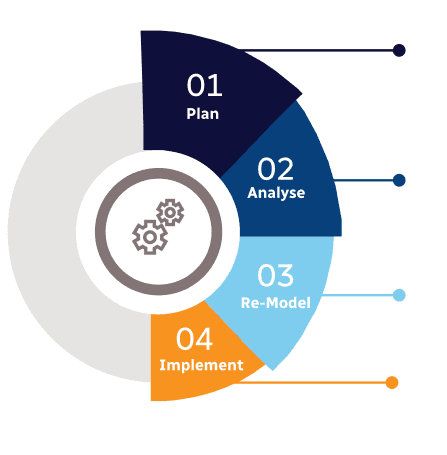
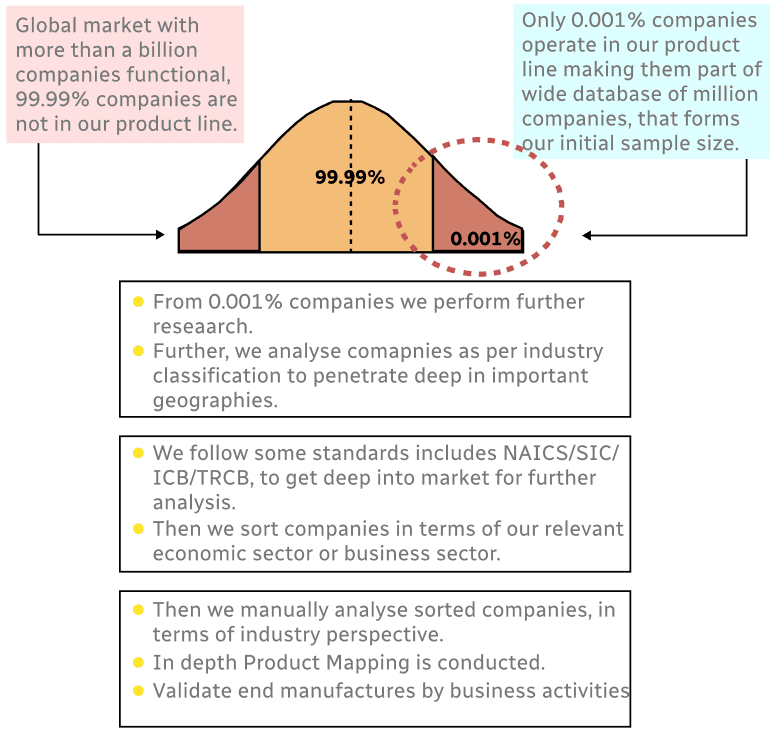
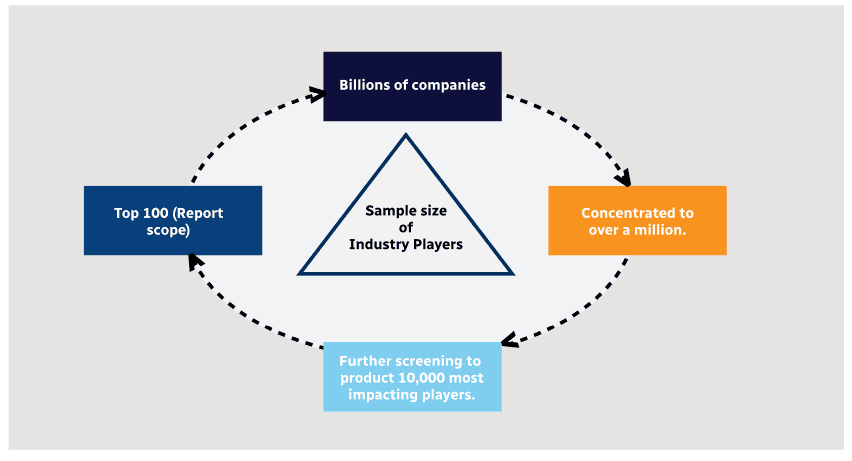
Step 1 - Identification of Relevant Samples Size from Population Database
Step 2 - Approaches for Defining Global Market Size (Value, Volume* & Price*)
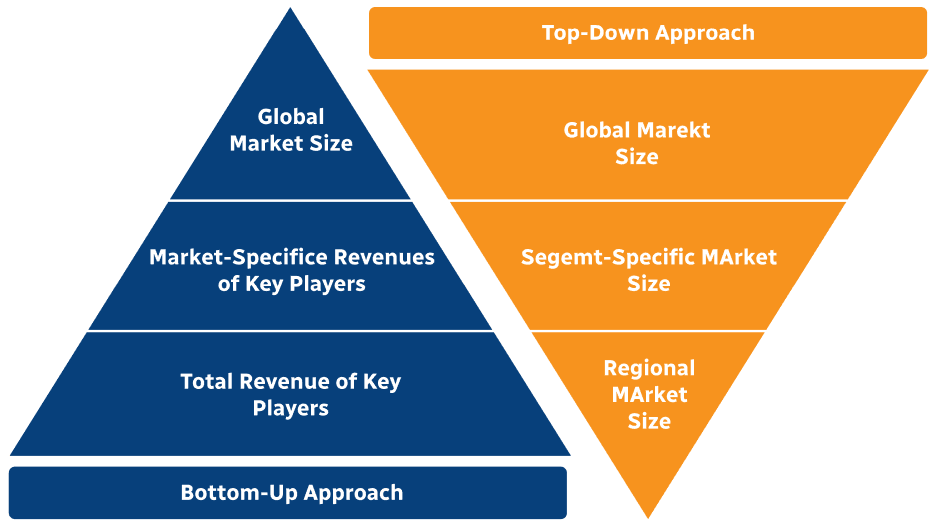
Note*: In applicable scenarios
Step 3 - Data Sources
Primary Research
- Web Analytics
- Survey Reports
- Research Institute
- Latest Research Reports
- Opinion Leaders
Secondary Research
- Annual Reports
- White Paper
- Latest Press Release
- Industry Association
- Paid Database
- Investor Presentations
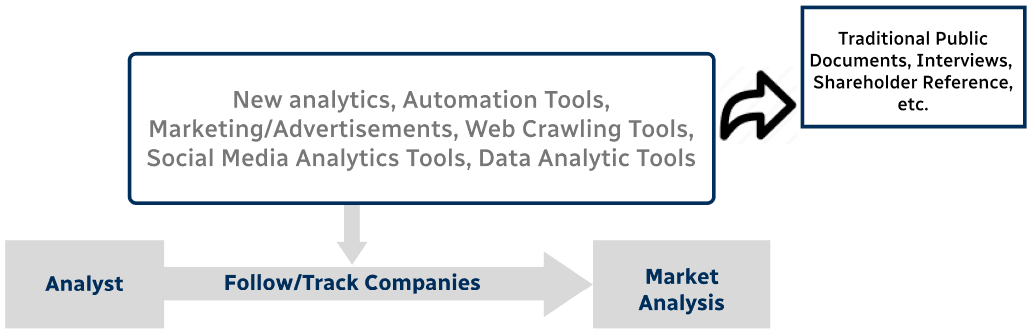
Step 4 - Data Triangulation
Involves using different sources of information in order to increase the validity of a study
These sources are likely to be stakeholders in a program - participants, other researchers, program staff, other community members, and so on.
Then we put all data in single framework & apply various statistical tools to find out the dynamic on the market.
During the analysis stage, feedback from the stakeholder groups would be compared to determine areas of agreement as well as areas of divergence