


Key Insights
The global skin sensors market is poised for substantial expansion, with an estimated market size of $14.66 billion in 2025. This growth is fueled by an impressive compound annual growth rate (CAGR) of 12.57%, indicating a robust trajectory for innovation and adoption in the coming years. The escalating demand for advanced healthcare monitoring, coupled with the burgeoning cosmetic industry's embrace of technology for personalized beauty solutions, are primary drivers. Furthermore, the increasing prevalence of chronic diseases necessitates continuous, non-invasive patient monitoring, a need that skin sensors are exceptionally well-positioned to meet. Technological advancements, particularly in miniaturization and the development of more sensitive and durable sensor materials, are continuously enhancing the capabilities and applications of these devices. The market is also benefiting from growing consumer awareness regarding skin health and a desire for proactive wellness management, further accelerating adoption.
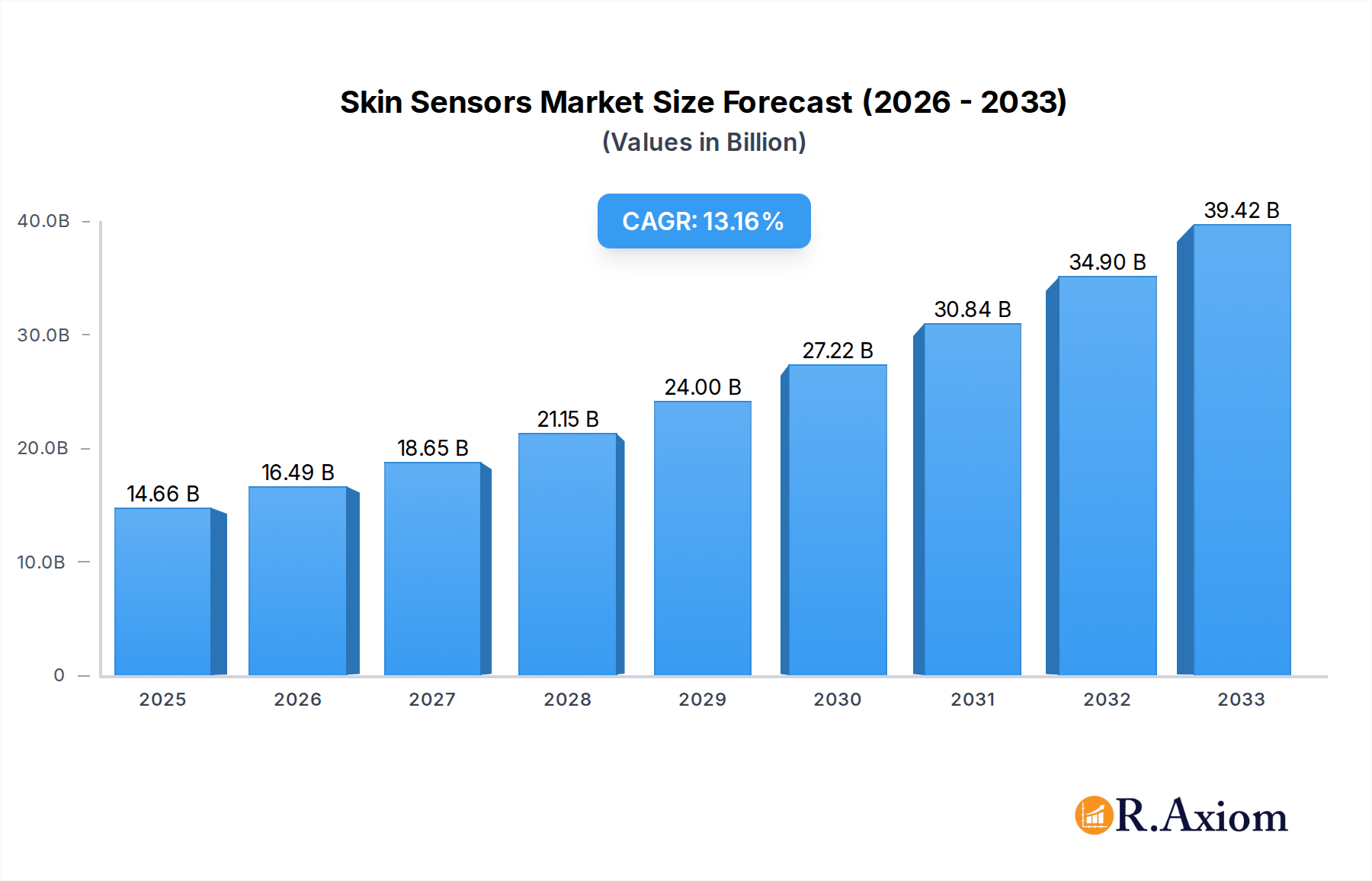
Skin Sensors Market Size (In Billion)

The market is segmented into key application areas, with the medical sector leading in adoption due to its critical role in diagnostics, remote patient monitoring, and therapeutic interventions. The cosmetic sector is rapidly gaining traction, offering consumers data-driven insights for skincare routines and anti-aging solutions. Disposable and reusable types of skin sensors cater to diverse user needs and cost considerations, from single-use diagnostic patches to long-term wearable health trackers. Geographically, North America and Europe currently dominate the market, driven by advanced healthcare infrastructure and high disposable incomes. However, the Asia Pacific region is anticipated to witness the fastest growth, propelled by increasing healthcare investments, a large population, and a rising adoption of smart wearable technology. Emerging economies are also contributing significantly to market expansion as awareness and affordability of skin sensor technologies improve.

Skin Sensors Company Market Share
Skin Sensors Market Concentration & Innovation
The global Skin Sensors market is characterized by a moderate concentration, with key players like Miravex, ADInstruments, Moritex, Courage + Khazaka Electronic, Xsensio, Epicore Biosystems, and Truer Medical leading innovation and market penetration. The study period spans from 2019 to 2033, with a base and estimated year of 2025, and a forecast period from 2025 to 2033. Historical data from 2019-2024 provides crucial context. Innovation in skin sensors is primarily driven by advancements in materials science, miniaturization of electronics, and the integration of artificial intelligence and machine learning for data analysis. Regulatory frameworks, particularly in the medical application segment, are becoming more stringent, impacting product development cycles and requiring significant investment in validation and compliance.
- Market Share Dynamics: While precise market share figures are proprietary, the leading companies collectively hold an estimated xx% of the global market. Miravex and ADInstruments are recognized for their significant contributions to diagnostic and research-grade skin sensors, while Xsensio and Epicore Biosystems are at the forefront of microfluidic and wearable sensor technologies.
- Mergers & Acquisitions (M&A): The market has witnessed several strategic M&A activities, with deal values estimated to be in the hundreds of billions of dollars. These acquisitions are primarily aimed at consolidating market share, acquiring innovative technologies, and expanding product portfolios. For instance, hypothetical acquisitions of smaller, specialized sensor startups by larger players are anticipated to shape future market dynamics.
- Product Substitutes: While direct substitutes are limited, advancements in non-invasive diagnostic techniques in healthcare and sophisticated imaging technologies for cosmetic assessments present indirect competition. The unique real-time, continuous monitoring capabilities of skin sensors remain their key differentiator.
- End-User Trends: End-user demand is increasingly shifting towards personalized health monitoring, proactive wellness management, and targeted cosmetic treatments. The desire for non-invasive, convenient, and data-rich solutions is a significant driver.
Skin Sensors Industry Trends & Insights
The global Skin Sensors market is poised for substantial growth, driven by an escalating demand for advanced diagnostic tools, personalized healthcare solutions, and innovative cosmetic applications. Throughout the study period (2019–2033), with a base and estimated year of 2025 and a forecast period from 2025–2033, the industry has witnessed a Compound Annual Growth Rate (CAGR) of approximately xx% from the historical period (2019–2024) to the forecast period. This robust growth trajectory is underpinned by several critical factors.
Technological disruptions are fundamentally reshaping the skin sensor landscape. The convergence of flexible electronics, microfluidics, advanced nanomaterials, and sophisticated data analytics, including AI and machine learning, is enabling the development of highly sensitive, miniaturized, and multi-functional skin sensors. These sensors are capable of real-time monitoring of a wide array of physiological parameters such as glucose levels, hydration, pH, lactate, and even specific biomarkers indicative of various health conditions. This continuous monitoring capability offers unparalleled advantages over traditional intermittent testing methods, enabling earlier disease detection, more precise treatment efficacy evaluation, and enhanced performance monitoring for athletes and individuals in demanding professions.
Consumer preferences are increasingly aligning with the benefits offered by skin sensors. There is a growing awareness and demand for personalized health and wellness solutions. Individuals are actively seeking ways to monitor their health proactively, track fitness progress, and understand their skin's condition for optimized care. Wearable skin sensors, in particular, cater to this trend by offering discreet, non-invasive, and user-friendly interfaces that seamlessly integrate into daily life. The burgeoning field of telemedicine and remote patient monitoring further amplifies this trend, as healthcare providers leverage skin sensor data to manage chronic conditions, monitor post-operative recovery, and provide timely interventions, thereby reducing healthcare costs and improving patient outcomes.
The competitive dynamics within the skin sensor industry are characterized by intense innovation and strategic collaborations. Established players like Miravex, ADInstruments, Moritex, Courage + Khazaka Electronic, Xsensio, Epicore Biosystems, and Truer Medical are continuously investing in research and development to maintain their competitive edge. They are focused on enhancing sensor accuracy, expanding the range of detectable analytes, improving biocompatibility, and reducing manufacturing costs. Furthermore, the market is witnessing a rise in partnerships between sensor manufacturers, device developers, and healthcare institutions to expedite product development, clinical validation, and market penetration. The entry of new startups with novel technologies also fuels competition and innovation, pushing the boundaries of what is achievable with skin-based sensing. The market penetration of skin sensors is expected to significantly increase, moving from niche applications to mainstream consumer and healthcare markets, as affordability and accessibility improve and regulatory approvals expand.
Dominant Markets & Segments in Skin Sensors
The global Skin Sensors market exhibits distinct regional dominance and segment preferences, driven by varying healthcare infrastructures, technological adoption rates, regulatory environments, and consumer demands. North America, particularly the United States, is a leading region due to its robust healthcare spending, early adoption of advanced medical technologies, and a significant emphasis on personalized medicine and wearable health devices. The presence of leading research institutions and a strong venture capital ecosystem further propels innovation and market growth in this region.
The Medical application segment is poised to dominate the skin sensor market, projected to capture an estimated xx% of the market value by 2033. This dominance is fueled by the increasing prevalence of chronic diseases, the growing demand for continuous and remote patient monitoring, and the development of advanced diagnostic and therapeutic solutions.
- Key Drivers for Medical Dominance:
- Chronic Disease Management: The aging global population and the rise in lifestyle-related diseases like diabetes, cardiovascular conditions, and respiratory ailments necessitate continuous monitoring, for which skin sensors are ideally suited.
- Remote Patient Monitoring (RPM): Telemedicine's expansion, accelerated by global health events, has created a significant demand for wearable sensors that can transmit real-time patient data to healthcare providers, enabling timely interventions and reducing hospitalizations.
- Personalized Medicine: Skin sensors facilitate hyper-personalized treatment plans by providing granular data on individual physiological responses to therapies and lifestyle interventions.
- Post-Operative Care: Monitoring wound healing, vital signs, and recovery progress non-invasively after surgery is crucial for preventing complications and optimizing patient recovery.
- Drug Discovery and Clinical Trials: Skin sensors offer a non-invasive and objective method for collecting physiological data during clinical trials, enhancing the efficiency and accuracy of research.
Within the Types segmentation, the Disposable Type of skin sensors is expected to witness higher growth and gain significant market share, estimated at xx% by 2033. This is attributed to their convenience, hygiene benefits, and suitability for single-use applications, particularly in the medical and point-of-care testing sectors.
- Key Drivers for Disposable Type Dominance:
- Hygiene and Infection Control: In medical settings, disposable sensors minimize the risk of cross-contamination, making them indispensable for patient safety.
- Ease of Use and Convenience: For patients, especially those managing chronic conditions at home, disposable sensors eliminate the need for cleaning and sterilization, offering unparalleled convenience.
- Reduced Maintenance Costs: While the per-unit cost might be higher, the absence of cleaning and recalibration requirements can lead to lower overall operational costs for healthcare facilities.
- Targeted Applications: Many novel applications, such as rapid diagnostic tests and continuous glucose monitoring for specific patient populations, lend themselves to disposable designs.
The Cosmetic application segment is also a substantial contributor, driven by the growing consumer interest in personalized skincare, anti-aging treatments, and beauty-tech. The demand for devices that can measure skin hydration, sebum levels, pH, and the efficacy of cosmetic products is on the rise. Countries with advanced beauty markets, such as South Korea, Japan, and parts of Europe, exhibit strong adoption of these technologies.
The Reusable Type of skin sensors, while perhaps growing at a slower pace than disposable ones, holds significant value in research, professional settings, and for long-term, multi-user applications. Their initial higher cost is offset by their longevity and reusability.
- Key Drivers for Reusable Type Importance:
- Research and Development: Academic institutions and R&D departments in pharmaceutical and biotechnology companies extensively use reusable sensors for long-term physiological monitoring and experimentation.
- Professional Sports and Fitness: Athletes and trainers utilize reusable sensors for performance optimization, recovery tracking, and injury prevention, where continuous use is paramount.
- Durable Consumer Devices: Smartwatches and fitness trackers that incorporate skin-sensing capabilities often use reusable sensor components.
- Cost-Effectiveness for Long-Term Use: For individuals or institutions that require continuous monitoring over extended periods, reusable sensors can prove more economical than repeatedly purchasing disposables.
"Other" applications, including industrial monitoring, environmental sensing, and advanced materials research, represent a nascent but rapidly expanding segment. As sensor technology becomes more robust and cost-effective, its application in diverse fields is expected to grow. The Asia-Pacific region, particularly China and India, is emerging as a significant market due to its expanding healthcare infrastructure, growing disposable incomes, and increasing adoption of wearable technology. Government initiatives promoting digital health and smart city projects are also contributing to market expansion.
Skin Sensors Product Developments
Product development in the skin sensors market is characterized by a relentless pursuit of miniaturization, enhanced sensitivity, multi-analyte detection capabilities, and improved biocompatibility. Innovations are focusing on the integration of advanced materials, such as graphene and organic semiconductors, for superior electrical properties and flexibility. Companies are developing smart patches and wearable devices that can continuously monitor a broader spectrum of biomarkers, including glucose, lactate, cortisol, and electrolytes, in real-time. The application of AI and machine learning algorithms to process the rich data generated by these sensors is a key trend, enabling personalized insights for healthcare, fitness, and cosmetic purposes. These advancements are leading to more accurate diagnostics, proactive health management, and targeted therapeutic interventions, offering significant competitive advantages to products that can provide actionable, data-driven information.
Report Scope & Segmentation Analysis
This report provides a comprehensive analysis of the global Skin Sensors market, covering its multifaceted segmentation. The market is segmented by Application into Medical, Cosmetic, and Other categories. The Medical segment, driven by diagnostic and monitoring needs, is projected to experience robust growth due to increasing healthcare expenditure and the demand for remote patient monitoring solutions. The Cosmetic segment is fueled by the rising consumer interest in personalized skincare and beauty-tech, with significant potential in anti-aging and skin health assessment. The Other segment encompasses emerging applications in industrial monitoring and specialized research.
Further segmentation is based on Type, distinguishing between Disposable Type and Reusable Type skin sensors. The Disposable Type is anticipated to dominate in terms of growth, driven by hygiene requirements in medical settings and the convenience offered for consumer-grade wearables and point-of-care diagnostics. The Reusable Type will continue to be crucial for research, professional athletes, and long-term monitoring solutions where durability and cost-effectiveness over time are paramount. The report details market sizes, growth projections, and competitive dynamics within each of these segments.
Key Drivers of Skin Sensors Growth
The growth of the Skin Sensors market is propelled by a confluence of powerful drivers, primarily stemming from technological advancements, evolving consumer needs, and supportive regulatory environments.
- Technological Advancements: The miniaturization of electronics, progress in flexible and stretchable electronics, development of novel nanomaterials (e.g., graphene, conductive polymers), and sophisticated biosensing techniques are enabling the creation of more sensitive, accurate, and multi-functional skin sensors. This includes improvements in analyte detection capabilities for biomarkers like glucose, lactate, and cortisol.
- Increasing Demand for Personalized Healthcare & Wellness: A growing global awareness of health and wellness, coupled with a desire for proactive disease management and personalized treatment plans, is driving the adoption of wearable skin sensors for continuous health monitoring, fitness tracking, and early disease detection.
- Rising Prevalence of Chronic Diseases: The escalating incidence of chronic conditions such as diabetes, cardiovascular diseases, and respiratory disorders necessitates continuous patient monitoring, making skin sensors an indispensable tool for managing these conditions and improving patient outcomes.
- Growth of Telemedicine and Remote Patient Monitoring (RPM): The widespread adoption of telemedicine services has created a substantial market for skin sensors that can reliably transmit patient data remotely, enabling healthcare providers to offer timely interventions and reduce hospitalizations.
- Technological Integration and Data Analytics: The integration of AI and machine learning with skin sensor data allows for advanced data interpretation, personalized insights, and predictive analytics, enhancing the value proposition for end-users.
Challenges in the Skin Sensors Sector
Despite the promising growth prospects, the Skin Sensors market faces several significant challenges that could impede its full potential.
- Regulatory Hurdles and Approval Processes: Obtaining regulatory approval for medical-grade skin sensors can be a lengthy, complex, and expensive process. Stringent validation requirements for accuracy, safety, and efficacy, especially for in-vivo applications, can slow down market entry for new products.
- Data Accuracy and Reliability Concerns: Ensuring consistent and reliable data output from skin sensors in diverse environmental conditions and across different individuals remains a technical challenge. Factors like skin perspiration, temperature variations, and movement artifact can affect sensor performance.
- High Development and Manufacturing Costs: The research, development, and manufacturing of advanced skin sensors, particularly those involving sophisticated microfluidics, nanotechnology, and biocompatible materials, can incur substantial costs, impacting affordability for some segments.
- Consumer Adoption and Education: While interest is growing, educating the general public about the benefits and proper use of skin sensors, especially for complex health monitoring, is crucial for wider adoption and to overcome any potential skepticism or misuse.
- Data Security and Privacy: As skin sensors collect sensitive personal health information, ensuring robust data security and privacy protocols is paramount to building and maintaining consumer trust and complying with data protection regulations.
Emerging Opportunities in Skin Sensors
The Skin Sensors market is rife with emerging opportunities driven by technological innovation and evolving market demands.
- Integration with Smart Home and IoT Ecosystems: Opportunities exist in integrating skin sensors with smart home devices and broader Internet of Things (IoT) ecosystems to create holistic wellness monitoring and smart living environments.
- Expansion into New Therapeutic Areas: Beyond glucose monitoring, there is significant potential for developing skin sensors to monitor other therapeutic areas, such as pain management, wound healing progression, and the efficacy of topical drug delivery systems.
- Advanced Material Innovations: Continued research into novel biocompatible, conductive, and self-healing materials for sensor fabrication can lead to more durable, comfortable, and high-performance devices.
- Personalized Cosmetics and Skincare Formulation: The cosmetic industry presents a vast opportunity for skin sensors to guide personalized product recommendations, optimize skincare routines, and validate the efficacy of cosmetic treatments in real-time.
- Point-of-Care Diagnostics Expansion: Developing low-cost, user-friendly, disposable skin sensors for rapid point-of-care diagnostics for infectious diseases, allergens, and other biomarkers can revolutionize primary healthcare access.
Leading Players in the Skin Sensors Market
- Miravex
- ADInstruments
- Moritex
- Courage + Khazaka Electronic
- Xsensio
- Epicore Biosystems
- Truer Medical
Key Developments in Skin Sensors Industry
- 2024: Miravex announces a breakthrough in continuous, non-invasive sweat monitoring for hydration and electrolyte balance, targeting elite athletes.
- 2023: ADInstruments launches a new line of research-grade wearable skin sensors for comprehensive physiological data acquisition in pre-clinical studies.
- 2023: Xsensio unveils a novel microfluidic-based wearable patch capable of detecting multiple biomarkers in interstitial fluid for personalized health monitoring.
- 2022: Epicore Biosystems receives FDA clearance for its wearable skin sensor designed for continuous monitoring of vital signs in critical care settings.
- 2022: Courage + Khazaka Electronic introduces an advanced spectrophotometer integrated with skin sensors for detailed skin analysis in dermatological applications.
- 2021: Truer Medical receives CE Mark approval for its disposable skin sensor platform for early detection of sepsis in hospital environments.
- 2021: Moritex develops a miniaturized optical sensor for skin moisture and oil content measurement, targeting the beauty-tech market.
Strategic Outlook for Skin Sensors Market
The strategic outlook for the Skin Sensors market is exceptionally positive, driven by a persistent demand for personalized health solutions and rapid technological advancements. The convergence of biosensing, microfluidics, and data analytics will continue to fuel innovation, leading to more sophisticated and user-friendly devices. Key growth catalysts include the increasing integration of these sensors into mainstream healthcare ecosystems for chronic disease management and remote patient monitoring, as well as their expanding role in the booming beauty-tech and wearable consumer electronics sectors. Companies that focus on developing highly accurate, multi-analyte sensors, ensuring robust data security, and navigating the evolving regulatory landscape will be best positioned to capitalize on the substantial future market potential and emerging opportunities. Strategic partnerships and acquisitions will likely continue to shape the competitive landscape, consolidating expertise and accelerating market penetration.
Skin Sensors Segmentation
-
1. Application
- 1.1. Medical
- 1.2. Cosmetic
- 1.3. Other
-
2. Types
- 2.1. Disposable Type
- 2.2. Reusable Type
Skin Sensors Segmentation By Geography
-
1. North America
- 1.1. United States
- 1.2. Canada
- 1.3. Mexico
-
2. South America
- 2.1. Brazil
- 2.2. Argentina
- 2.3. Rest of South America
-
3. Europe
- 3.1. United Kingdom
- 3.2. Germany
- 3.3. France
- 3.4. Italy
- 3.5. Spain
- 3.6. Russia
- 3.7. Benelux
- 3.8. Nordics
- 3.9. Rest of Europe
-
4. Middle East & Africa
- 4.1. Turkey
- 4.2. Israel
- 4.3. GCC
- 4.4. North Africa
- 4.5. South Africa
- 4.6. Rest of Middle East & Africa
-
5. Asia Pacific
- 5.1. China
- 5.2. India
- 5.3. Japan
- 5.4. South Korea
- 5.5. ASEAN
- 5.6. Oceania
- 5.7. Rest of Asia Pacific
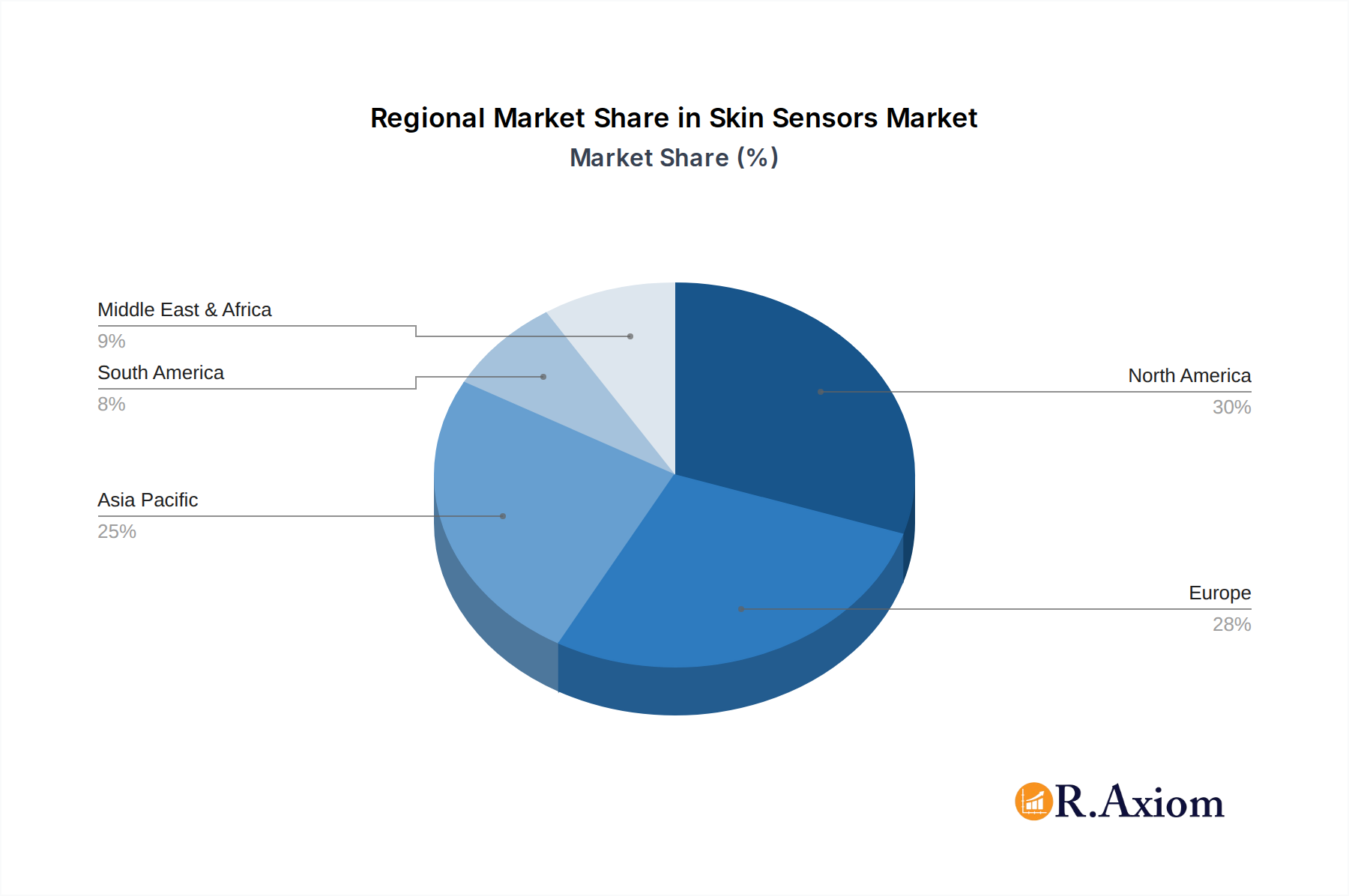
Skin Sensors Regional Market Share
Geographic Coverage of Skin Sensors
Skin Sensors REPORT HIGHLIGHTS
| Aspects | Details |
|---|---|
| Study Period | 2020-2034 |
| Base Year | 2025 |
| Estimated Year | 2026 |
| Forecast Period | 2026-2034 |
| Historical Period | 2020-2025 |
| Growth Rate | CAGR of 12.57% from 2020-2034 |
| Segmentation |
|
Table of Contents
- 1. Introduction
- 1.1. Research Scope
- 1.2. Market Segmentation
- 1.3. Research Methodology
- 1.4. Definitions and Assumptions
- 2. Executive Summary
- 2.1. Introduction
- 3. Market Dynamics
- 3.1. Introduction
- 3.2. Market Drivers
- 3.3. Market Restrains
- 3.4. Market Trends
- 4. Market Factor Analysis
- 4.1. Porters Five Forces
- 4.2. Supply/Value Chain
- 4.3. PESTEL analysis
- 4.4. Market Entropy
- 4.5. Patent/Trademark Analysis
- 5. Global Skin Sensors Analysis, Insights and Forecast, 2020-2032
- 5.1. Market Analysis, Insights and Forecast - by Application
- 5.1.1. Medical
- 5.1.2. Cosmetic
- 5.1.3. Other
- 5.2. Market Analysis, Insights and Forecast - by Types
- 5.2.1. Disposable Type
- 5.2.2. Reusable Type
- 5.3. Market Analysis, Insights and Forecast - by Region
- 5.3.1. North America
- 5.3.2. South America
- 5.3.3. Europe
- 5.3.4. Middle East & Africa
- 5.3.5. Asia Pacific
- 5.1. Market Analysis, Insights and Forecast - by Application
- 6. North America Skin Sensors Analysis, Insights and Forecast, 2020-2032
- 6.1. Market Analysis, Insights and Forecast - by Application
- 6.1.1. Medical
- 6.1.2. Cosmetic
- 6.1.3. Other
- 6.2. Market Analysis, Insights and Forecast - by Types
- 6.2.1. Disposable Type
- 6.2.2. Reusable Type
- 6.1. Market Analysis, Insights and Forecast - by Application
- 7. South America Skin Sensors Analysis, Insights and Forecast, 2020-2032
- 7.1. Market Analysis, Insights and Forecast - by Application
- 7.1.1. Medical
- 7.1.2. Cosmetic
- 7.1.3. Other
- 7.2. Market Analysis, Insights and Forecast - by Types
- 7.2.1. Disposable Type
- 7.2.2. Reusable Type
- 7.1. Market Analysis, Insights and Forecast - by Application
- 8. Europe Skin Sensors Analysis, Insights and Forecast, 2020-2032
- 8.1. Market Analysis, Insights and Forecast - by Application
- 8.1.1. Medical
- 8.1.2. Cosmetic
- 8.1.3. Other
- 8.2. Market Analysis, Insights and Forecast - by Types
- 8.2.1. Disposable Type
- 8.2.2. Reusable Type
- 8.1. Market Analysis, Insights and Forecast - by Application
- 9. Middle East & Africa Skin Sensors Analysis, Insights and Forecast, 2020-2032
- 9.1. Market Analysis, Insights and Forecast - by Application
- 9.1.1. Medical
- 9.1.2. Cosmetic
- 9.1.3. Other
- 9.2. Market Analysis, Insights and Forecast - by Types
- 9.2.1. Disposable Type
- 9.2.2. Reusable Type
- 9.1. Market Analysis, Insights and Forecast - by Application
- 10. Asia Pacific Skin Sensors Analysis, Insights and Forecast, 2020-2032
- 10.1. Market Analysis, Insights and Forecast - by Application
- 10.1.1. Medical
- 10.1.2. Cosmetic
- 10.1.3. Other
- 10.2. Market Analysis, Insights and Forecast - by Types
- 10.2.1. Disposable Type
- 10.2.2. Reusable Type
- 10.1. Market Analysis, Insights and Forecast - by Application
- 11. Competitive Analysis
- 11.1. Global Market Share Analysis 2025
- 11.2. Company Profiles
- 11.2.1 Miravex
- 11.2.1.1. Overview
- 11.2.1.2. Products
- 11.2.1.3. SWOT Analysis
- 11.2.1.4. Recent Developments
- 11.2.1.5. Financials (Based on Availability)
- 11.2.2 ADInstruments
- 11.2.2.1. Overview
- 11.2.2.2. Products
- 11.2.2.3. SWOT Analysis
- 11.2.2.4. Recent Developments
- 11.2.2.5. Financials (Based on Availability)
- 11.2.3 Moritex
- 11.2.3.1. Overview
- 11.2.3.2. Products
- 11.2.3.3. SWOT Analysis
- 11.2.3.4. Recent Developments
- 11.2.3.5. Financials (Based on Availability)
- 11.2.4 Courage + Khazaka Electronic
- 11.2.4.1. Overview
- 11.2.4.2. Products
- 11.2.4.3. SWOT Analysis
- 11.2.4.4. Recent Developments
- 11.2.4.5. Financials (Based on Availability)
- 11.2.5 Xsensio
- 11.2.5.1. Overview
- 11.2.5.2. Products
- 11.2.5.3. SWOT Analysis
- 11.2.5.4. Recent Developments
- 11.2.5.5. Financials (Based on Availability)
- 11.2.6 Epicore Biosystems
- 11.2.6.1. Overview
- 11.2.6.2. Products
- 11.2.6.3. SWOT Analysis
- 11.2.6.4. Recent Developments
- 11.2.6.5. Financials (Based on Availability)
- 11.2.7 Truer Medical
- 11.2.7.1. Overview
- 11.2.7.2. Products
- 11.2.7.3. SWOT Analysis
- 11.2.7.4. Recent Developments
- 11.2.7.5. Financials (Based on Availability)
- 11.2.1 Miravex
List of Figures
- Figure 1: Global Skin Sensors Revenue Breakdown (undefined, %) by Region 2025 & 2033
- Figure 2: North America Skin Sensors Revenue (undefined), by Application 2025 & 2033
- Figure 3: North America Skin Sensors Revenue Share (%), by Application 2025 & 2033
- Figure 4: North America Skin Sensors Revenue (undefined), by Types 2025 & 2033
- Figure 5: North America Skin Sensors Revenue Share (%), by Types 2025 & 2033
- Figure 6: North America Skin Sensors Revenue (undefined), by Country 2025 & 2033
- Figure 7: North America Skin Sensors Revenue Share (%), by Country 2025 & 2033
- Figure 8: South America Skin Sensors Revenue (undefined), by Application 2025 & 2033
- Figure 9: South America Skin Sensors Revenue Share (%), by Application 2025 & 2033
- Figure 10: South America Skin Sensors Revenue (undefined), by Types 2025 & 2033
- Figure 11: South America Skin Sensors Revenue Share (%), by Types 2025 & 2033
- Figure 12: South America Skin Sensors Revenue (undefined), by Country 2025 & 2033
- Figure 13: South America Skin Sensors Revenue Share (%), by Country 2025 & 2033
- Figure 14: Europe Skin Sensors Revenue (undefined), by Application 2025 & 2033
- Figure 15: Europe Skin Sensors Revenue Share (%), by Application 2025 & 2033
- Figure 16: Europe Skin Sensors Revenue (undefined), by Types 2025 & 2033
- Figure 17: Europe Skin Sensors Revenue Share (%), by Types 2025 & 2033
- Figure 18: Europe Skin Sensors Revenue (undefined), by Country 2025 & 2033
- Figure 19: Europe Skin Sensors Revenue Share (%), by Country 2025 & 2033
- Figure 20: Middle East & Africa Skin Sensors Revenue (undefined), by Application 2025 & 2033
- Figure 21: Middle East & Africa Skin Sensors Revenue Share (%), by Application 2025 & 2033
- Figure 22: Middle East & Africa Skin Sensors Revenue (undefined), by Types 2025 & 2033
- Figure 23: Middle East & Africa Skin Sensors Revenue Share (%), by Types 2025 & 2033
- Figure 24: Middle East & Africa Skin Sensors Revenue (undefined), by Country 2025 & 2033
- Figure 25: Middle East & Africa Skin Sensors Revenue Share (%), by Country 2025 & 2033
- Figure 26: Asia Pacific Skin Sensors Revenue (undefined), by Application 2025 & 2033
- Figure 27: Asia Pacific Skin Sensors Revenue Share (%), by Application 2025 & 2033
- Figure 28: Asia Pacific Skin Sensors Revenue (undefined), by Types 2025 & 2033
- Figure 29: Asia Pacific Skin Sensors Revenue Share (%), by Types 2025 & 2033
- Figure 30: Asia Pacific Skin Sensors Revenue (undefined), by Country 2025 & 2033
- Figure 31: Asia Pacific Skin Sensors Revenue Share (%), by Country 2025 & 2033
List of Tables
- Table 1: Global Skin Sensors Revenue undefined Forecast, by Application 2020 & 2033
- Table 2: Global Skin Sensors Revenue undefined Forecast, by Types 2020 & 2033
- Table 3: Global Skin Sensors Revenue undefined Forecast, by Region 2020 & 2033
- Table 4: Global Skin Sensors Revenue undefined Forecast, by Application 2020 & 2033
- Table 5: Global Skin Sensors Revenue undefined Forecast, by Types 2020 & 2033
- Table 6: Global Skin Sensors Revenue undefined Forecast, by Country 2020 & 2033
- Table 7: United States Skin Sensors Revenue (undefined) Forecast, by Application 2020 & 2033
- Table 8: Canada Skin Sensors Revenue (undefined) Forecast, by Application 2020 & 2033
- Table 9: Mexico Skin Sensors Revenue (undefined) Forecast, by Application 2020 & 2033
- Table 10: Global Skin Sensors Revenue undefined Forecast, by Application 2020 & 2033
- Table 11: Global Skin Sensors Revenue undefined Forecast, by Types 2020 & 2033
- Table 12: Global Skin Sensors Revenue undefined Forecast, by Country 2020 & 2033
- Table 13: Brazil Skin Sensors Revenue (undefined) Forecast, by Application 2020 & 2033
- Table 14: Argentina Skin Sensors Revenue (undefined) Forecast, by Application 2020 & 2033
- Table 15: Rest of South America Skin Sensors Revenue (undefined) Forecast, by Application 2020 & 2033
- Table 16: Global Skin Sensors Revenue undefined Forecast, by Application 2020 & 2033
- Table 17: Global Skin Sensors Revenue undefined Forecast, by Types 2020 & 2033
- Table 18: Global Skin Sensors Revenue undefined Forecast, by Country 2020 & 2033
- Table 19: United Kingdom Skin Sensors Revenue (undefined) Forecast, by Application 2020 & 2033
- Table 20: Germany Skin Sensors Revenue (undefined) Forecast, by Application 2020 & 2033
- Table 21: France Skin Sensors Revenue (undefined) Forecast, by Application 2020 & 2033
- Table 22: Italy Skin Sensors Revenue (undefined) Forecast, by Application 2020 & 2033
- Table 23: Spain Skin Sensors Revenue (undefined) Forecast, by Application 2020 & 2033
- Table 24: Russia Skin Sensors Revenue (undefined) Forecast, by Application 2020 & 2033
- Table 25: Benelux Skin Sensors Revenue (undefined) Forecast, by Application 2020 & 2033
- Table 26: Nordics Skin Sensors Revenue (undefined) Forecast, by Application 2020 & 2033
- Table 27: Rest of Europe Skin Sensors Revenue (undefined) Forecast, by Application 2020 & 2033
- Table 28: Global Skin Sensors Revenue undefined Forecast, by Application 2020 & 2033
- Table 29: Global Skin Sensors Revenue undefined Forecast, by Types 2020 & 2033
- Table 30: Global Skin Sensors Revenue undefined Forecast, by Country 2020 & 2033
- Table 31: Turkey Skin Sensors Revenue (undefined) Forecast, by Application 2020 & 2033
- Table 32: Israel Skin Sensors Revenue (undefined) Forecast, by Application 2020 & 2033
- Table 33: GCC Skin Sensors Revenue (undefined) Forecast, by Application 2020 & 2033
- Table 34: North Africa Skin Sensors Revenue (undefined) Forecast, by Application 2020 & 2033
- Table 35: South Africa Skin Sensors Revenue (undefined) Forecast, by Application 2020 & 2033
- Table 36: Rest of Middle East & Africa Skin Sensors Revenue (undefined) Forecast, by Application 2020 & 2033
- Table 37: Global Skin Sensors Revenue undefined Forecast, by Application 2020 & 2033
- Table 38: Global Skin Sensors Revenue undefined Forecast, by Types 2020 & 2033
- Table 39: Global Skin Sensors Revenue undefined Forecast, by Country 2020 & 2033
- Table 40: China Skin Sensors Revenue (undefined) Forecast, by Application 2020 & 2033
- Table 41: India Skin Sensors Revenue (undefined) Forecast, by Application 2020 & 2033
- Table 42: Japan Skin Sensors Revenue (undefined) Forecast, by Application 2020 & 2033
- Table 43: South Korea Skin Sensors Revenue (undefined) Forecast, by Application 2020 & 2033
- Table 44: ASEAN Skin Sensors Revenue (undefined) Forecast, by Application 2020 & 2033
- Table 45: Oceania Skin Sensors Revenue (undefined) Forecast, by Application 2020 & 2033
- Table 46: Rest of Asia Pacific Skin Sensors Revenue (undefined) Forecast, by Application 2020 & 2033
Frequently Asked Questions
1. What is the projected Compound Annual Growth Rate (CAGR) of the Skin Sensors?
The projected CAGR is approximately 12.57%.
2. Which companies are prominent players in the Skin Sensors?
Key companies in the market include Miravex, ADInstruments, Moritex, Courage + Khazaka Electronic, Xsensio, Epicore Biosystems, Truer Medical.
3. What are the main segments of the Skin Sensors?
The market segments include Application, Types.
4. Can you provide details about the market size?
The market size is estimated to be USD XXX N/A as of 2022.
5. What are some drivers contributing to market growth?
N/A
6. What are the notable trends driving market growth?
N/A
7. Are there any restraints impacting market growth?
N/A
8. Can you provide examples of recent developments in the market?
N/A
9. What pricing options are available for accessing the report?
Pricing options include single-user, multi-user, and enterprise licenses priced at USD 2900.00, USD 4350.00, and USD 5800.00 respectively.
10. Is the market size provided in terms of value or volume?
The market size is provided in terms of value, measured in N/A.
11. Are there any specific market keywords associated with the report?
Yes, the market keyword associated with the report is "Skin Sensors," which aids in identifying and referencing the specific market segment covered.
12. How do I determine which pricing option suits my needs best?
The pricing options vary based on user requirements and access needs. Individual users may opt for single-user licenses, while businesses requiring broader access may choose multi-user or enterprise licenses for cost-effective access to the report.
13. Are there any additional resources or data provided in the Skin Sensors report?
While the report offers comprehensive insights, it's advisable to review the specific contents or supplementary materials provided to ascertain if additional resources or data are available.
14. How can I stay updated on further developments or reports in the Skin Sensors?
To stay informed about further developments, trends, and reports in the Skin Sensors, consider subscribing to industry newsletters, following relevant companies and organizations, or regularly checking reputable industry news sources and publications.
Methodology
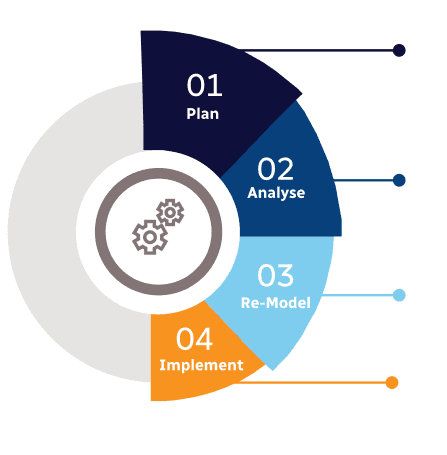
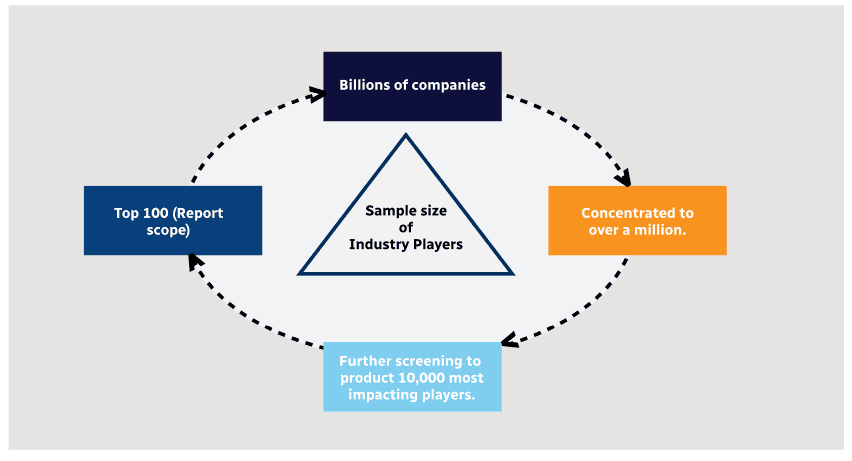
Step 1 - Identification of Relevant Samples Size from Population Database
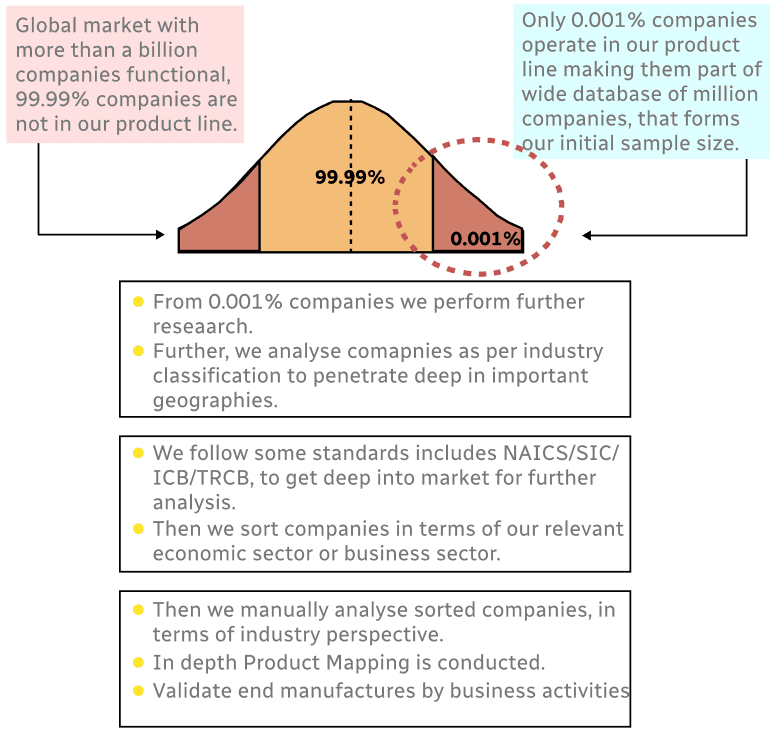
Step 2 - Approaches for Defining Global Market Size (Value, Volume* & Price*)
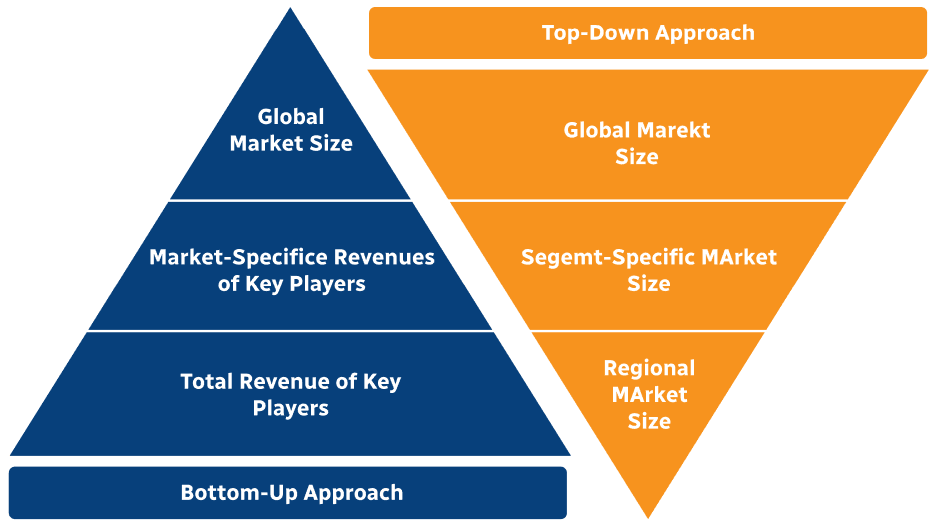
Note*: In applicable scenarios
Step 3 - Data Sources
Primary Research
- Web Analytics
- Survey Reports
- Research Institute
- Latest Research Reports
- Opinion Leaders
Secondary Research
- Annual Reports
- White Paper
- Latest Press Release
- Industry Association
- Paid Database
- Investor Presentations
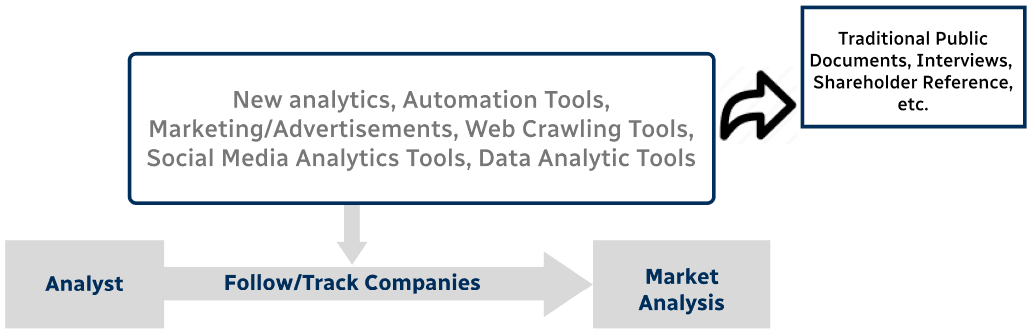
Step 4 - Data Triangulation
Involves using different sources of information in order to increase the validity of a study
These sources are likely to be stakeholders in a program - participants, other researchers, program staff, other community members, and so on.
Then we put all data in single framework & apply various statistical tools to find out the dynamic on the market.
During the analysis stage, feedback from the stakeholder groups would be compared to determine areas of agreement as well as areas of divergence