


Key Insights
The global Agriculture Secondary Macronutrient market is poised for robust growth, with a projected market size of $38.2 billion in 2024 and an anticipated Compound Annual Growth Rate (CAGR) of 3.73% during the forecast period of 2025-2033. This expansion is primarily driven by the increasing global demand for food, necessitating enhanced crop yields and quality to feed a growing population. Farmers are increasingly recognizing the critical role of secondary macronutrients – calcium, magnesium, and sulfur – in plant health, contributing to improved photosynthesis, enzyme activation, and nutrient uptake. The growing adoption of precision agriculture and advanced farming techniques further fuels this demand, as these methods enable more targeted and efficient application of essential plant nutrients, optimizing soil fertility and crop productivity.

Agriculture Secondary Macronutrient Market Size (In Billion)

The market's trajectory is further shaped by several key trends, including the rising popularity of bio-fertilizers and organic farming practices, which often incorporate naturally derived secondary macronutrients. Furthermore, the growing awareness among farmers regarding the detrimental effects of nutrient deficiencies on crop yields and the economic implications of reduced harvest quality are compelling them to invest more in balanced fertilization strategies. While the market exhibits strong growth potential, certain restraints, such as fluctuating raw material prices and the initial cost of advanced nutrient application technologies, could pose challenges. However, these are expected to be mitigated by advancements in production processes, increasing economies of scale, and supportive government initiatives promoting sustainable agriculture. The market is segmented across various applications like Cereals and Grains, Oilseeds and Pulses, and Fruits and Vegetables, with Calcium, Magnesium, and Sulfur representing key nutrient types.

Agriculture Secondary Macronutrient Company Market Share
This in-depth report provides a granular analysis of the global Agriculture Secondary Macronutrient market, projecting significant growth and outlining key trends that will shape the industry from 2019 to 2033. With a base year of 2025, the study delves into market concentration, innovation drivers, segment dominance, product developments, and strategic outlooks, offering actionable insights for stakeholders. The global market size for agriculture secondary macronutrients is projected to reach billions in the forecast period, driven by increasing demand for enhanced crop yields and improved soil health.
Agriculture Secondary Macronutrient Market Concentration & Innovation
The Agriculture Secondary Macronutrient market exhibits a moderate to high level of concentration, with a few dominant players holding significant market share. Nutrien and Yara International are consistently recognized as leaders, followed closely by Mosaic Company and Koch Industries. The market is characterized by continuous innovation, driven by the need for more efficient nutrient delivery systems and sustainable agricultural practices. Key innovation drivers include the development of slow-release and enhanced-efficiency fertilizers, micronutrient-enriched secondary macronutrient products, and precision agriculture technologies that optimize nutrient application. Regulatory frameworks, primarily focused on environmental protection and food safety, play a crucial role in shaping product development and market entry. While direct product substitutes for essential secondary macronutrients like calcium, magnesium, and sulfur are limited in their direct efficacy, the broader category of crop nutrition solutions, including organic amendments and biostimulants, presents indirect competitive pressures. End-user trends are leaning towards integrated nutrient management plans and a greater emphasis on soil health, moving beyond solely yield enhancement. Mergers and Acquisitions (M&A) activities are a significant factor in market consolidation and expansion. For instance, M&A deal values are estimated to be in the billions, with strategic acquisitions aimed at expanding product portfolios, geographic reach, and technological capabilities. The market is expected to see further consolidation as companies seek to leverage economies of scale and integrate upstream and downstream operations.
Agriculture Secondary Macronutrient Industry Trends & Insights
The global Agriculture Secondary Macronutrient market is poised for robust expansion, projected to grow at a Compound Annual Growth Rate (CAGR) of over xx% during the forecast period. This growth is primarily fueled by the escalating global demand for food to feed a burgeoning population, necessitating increased agricultural productivity. As arable land becomes scarcer, farmers are increasingly reliant on advanced crop nutrition solutions to maximize yields from existing land. Secondary macronutrients, such as Calcium, Magnesium, and Sulfur, are critical for plant growth, playing vital roles in photosynthesis, enzyme activation, and protein synthesis. Deficiencies in these nutrients can lead to significant yield losses and reduced crop quality. The increasing adoption of precision agriculture techniques further propels market growth. These technologies enable farmers to apply fertilizers more accurately, based on specific crop needs and soil conditions, thereby optimizing nutrient uptake and minimizing waste. This not only enhances efficiency but also contributes to environmental sustainability. Consumer preferences are also shifting towards higher quality produce with improved nutritional content, which is directly linked to optimal plant nutrition. The awareness regarding the detrimental effects of soil degradation and nutrient depletion is growing among farmers, pushing them towards adopting scientifically formulated secondary macronutrient fertilizers. Technological disruptions, including the development of novel formulations like chelated micronutrients and bioavailable nutrient carriers, are enhancing the efficacy and uptake of secondary macronutrients, further stimulating market penetration. Furthermore, government initiatives promoting sustainable agriculture and food security are creating a favorable environment for market expansion. The competitive landscape is dynamic, with established players continually investing in research and development to introduce innovative products and solutions. The market penetration of specialized secondary macronutrient products is expected to increase significantly as their benefits become more widely recognized and accessible. The overall market is projected to be valued in billions by the end of the forecast period, underscoring its importance in modern agriculture.
Dominant Markets & Segments in Agriculture Secondary Macronutrient
The Cereals and Grains segment is a dominant force within the Agriculture Secondary Macronutrient market, driven by its status as a staple food across the globe and the sheer scale of its cultivation. Countries with large agricultural economies and significant cereal production, such as China, India, the United States, and Brazil, represent the leading regional markets. The widespread cultivation of crops like wheat, rice, corn, and barley necessitates substantial application of secondary macronutrients to ensure optimal yields and grain quality.
Key drivers for the dominance of the Cereals and Grains segment include:
- Global Food Security Mandates: Governments worldwide prioritize the production of cereals and grains to ensure food security, leading to increased investment in agricultural inputs, including secondary macronutrients.
- Economic Policies Supporting Agriculture: Favorable agricultural policies, including subsidies and research grants, encourage the adoption of advanced farming practices and nutrient management in cereal production.
- Infrastructure Development: Robust agricultural infrastructure, encompassing irrigation systems, storage facilities, and transportation networks, facilitates the widespread availability and application of fertilizers for cereal crops.
- Technological Advancements in Crop Husbandry: Continuous improvements in seed varieties, pest control, and farming techniques for cereals necessitate complementary nutrient management strategies, including the application of secondary macronutrients.
In terms of nutrient types, Sulfur is witnessing particularly strong growth within the Cereals and Grains segment. Sulfur is a crucial component of amino acids and proteins, directly impacting grain protein content and overall yield. Its role in enhancing nitrogen use efficiency further bolsters its importance. The demand for Magnesium and Calcium also remains consistently high, as these nutrients are fundamental for photosynthesis and cell wall structure, respectively, both critical for healthy cereal development. The Fruits and Vegetables segment, while smaller in overall volume compared to cereals, exhibits a higher value per unit due to the specialized needs of these crops and their higher market price. The demand for enhanced quality, shelf-life, and disease resistance in fruits and vegetables drives the adoption of premium secondary macronutrient solutions. Oilseeds and Pulses also represent a significant segment, with increasing global demand for edible oils and plant-based protein sources. The cultivation of soybeans, groundnuts, and lentils benefits greatly from balanced secondary macronutrient application for improved oil content and protein synthesis. The "Others" segment, encompassing a variety of niche crops and horticultural applications, also contributes to market diversification.
Agriculture Secondary Macronutrient Product Developments
Product innovations in the Agriculture Secondary Macronutrient market are focusing on enhancing nutrient availability and uptake, alongside promoting sustainable agricultural practices. Companies are developing advanced formulations such as water-soluble powders, granular compounds, and liquid fertilizers that offer superior solubility and ease of application. The integration of secondary macronutrients with micronutrients and biostimulants is a key trend, creating comprehensive crop nutrition solutions that address multiple plant health aspects. These integrated products offer competitive advantages by providing synergistic benefits, improving plant resilience, and boosting overall crop performance. The emphasis is on developing products that are efficient, environmentally friendly, and tailored to specific crop requirements and soil conditions.
Report Scope & Segmentation Analysis
This report meticulously segments the Agriculture Secondary Macronutrient market across crucial dimensions to provide a holistic view. The Application segmentation includes Cereals and Grains, Oilseeds and Pulses, Fruits and Vegetables, and Others, allowing for analysis of sector-specific demand and growth drivers. The Types segmentation covers Calcium, Magnesium, Sulfur, and Others, detailing the market share and growth projections for each essential secondary macronutrient. Growth projections for each segment indicate substantial market size increases, with Calcium, Magnesium, and Sulfur expected to collectively contribute billions to the global market. Competitive dynamics within each segment are analyzed, highlighting the key players and their strategies for market penetration and expansion.
Key Drivers of Agriculture Secondary Macronutrient Growth
The Agriculture Secondary Macronutrient market is propelled by a confluence of powerful drivers. The ever-increasing global population, projected to exceed billions by 2033, directly translates to a heightened demand for food production, necessitating enhanced crop yields. This creates a fundamental need for efficient nutrient management. Technological advancements in agriculture, including precision farming and the development of novel fertilizer formulations like slow-release and water-soluble options, are making secondary macronutrients more accessible and effective. Economic factors such as rising disposable incomes in developing nations are leading to greater demand for higher-quality food produce, which in turn drives the need for premium crop nutrition. Regulatory frameworks that promote sustainable agriculture and soil health also play a vital role, encouraging the adoption of balanced fertilization practices. Furthermore, the growing awareness among farmers about the critical role of secondary macronutrients in preventing yield losses and improving crop resilience is a significant market accelerator.
Challenges in the Agriculture Secondary Macronutrient Sector
Despite the strong growth trajectory, the Agriculture Secondary Macronutrient sector faces several challenges. Stringent environmental regulations regarding fertilizer usage, particularly concerning nutrient runoff and water pollution, can impose limitations on application rates and product formulations. Fluctuations in raw material prices, influenced by geopolitical factors and supply chain disruptions, can impact production costs and market competitiveness. The high initial investment required for adopting advanced fertilization technologies and specialized secondary macronutrient products can be a barrier for smallholder farmers in certain regions. Furthermore, intense competition from established players and the emergence of new market entrants, coupled with price sensitivity in some agricultural markets, exerts constant pressure on profit margins. Supply chain inefficiencies in certain regions can also hinder timely and cost-effective delivery of essential nutrients.
Emerging Opportunities in Agriculture Secondary Macronutrient
The Agriculture Secondary Macronutrient market is brimming with emerging opportunities. The increasing global focus on sustainable agriculture and organic farming practices presents a significant avenue for the development and promotion of bio-available and naturally derived secondary macronutrient sources. The expansion of precision agriculture technologies, including sensor-based nutrient management, offers opportunities for customized and targeted application of secondary macronutrients, leading to improved efficiency and reduced environmental impact. Emerging economies with developing agricultural sectors represent a vast untapped market for secondary macronutrient products as they seek to boost food production and improve crop quality. Furthermore, innovations in nanotechnology and controlled-release fertilizer technologies promise to enhance nutrient delivery and uptake, creating new product categories and market segments. The growing demand for fortified foods also indirectly boosts the market for secondary macronutrients that contribute to the nutritional profile of crops.
Leading Players in the Agriculture Secondary Macronutrient Market
- Nutrien
- Yara International
- Mosaic Company
- Koch Industries
- Coromandel International
- Nufarm
- Haifa Group
- Deepak Fertilizers and Petrochemicals
- Kugler Company
- Impact Fertilizers
- Van Iperen International
Key Developments in Agriculture Secondary Macronutrient Industry
- 2023/04: Launch of new slow-release formulations of magnesium sulfate, enhancing nutrient availability for extended periods.
- 2023/01: Strategic partnership announced between two major players to develop integrated crop nutrition solutions for arid regions.
- 2022/11: Significant investment in research and development for bio-based calcium fertilizers to cater to the organic farming segment.
- 2022/07: Acquisition of a specialty fertilizer company, expanding market reach in the fruits and vegetables sector.
- 2021/09: Introduction of a novel sulfur-coated urea product with improved nitrogen and sulfur synergy.
- 2021/03: Expansion of production capacity for calcium nitrate to meet the growing demand in Southeast Asia.
- 2020/12: Development of a digital platform for precision nutrient management, integrating secondary macronutrient recommendations.
- 2020/05: Focus on enhancing the production of water-soluble magnesium and calcium fertilizers for fertigation applications.
- 2019/08: Increased emphasis on the role of sulfur in enhancing disease resistance in crops like oilseeds.
Strategic Outlook for Agriculture Secondary Macronutrient Market
The strategic outlook for the Agriculture Secondary Macronutrient market is overwhelmingly positive, driven by sustainable demand for increased agricultural productivity and enhanced crop quality. Future growth catalysts will largely stem from continued innovation in product development, with a strong emphasis on environmentally friendly and highly efficient formulations. Precision agriculture and digital farming solutions will play an increasingly integral role, enabling optimized nutrient application and fostering a more sustainable approach. Expansion into emerging markets with growing agricultural sectors presents significant opportunities for market leaders. Companies that can effectively address the evolving needs of farmers for comprehensive crop nutrition, while also adhering to stringent environmental regulations, will be well-positioned for long-term success. Investment in research and development, strategic partnerships, and targeted acquisitions will remain crucial for maintaining competitive advantage in this dynamic and essential industry. The projected market value is expected to reach billions, underscoring the critical importance of secondary macronutrients in global food security and agricultural sustainability.
Agriculture Secondary Macronutrient Segmentation
-
1. Application
- 1.1. Cereals and Grains
- 1.2. Oilseeds and Pulses
- 1.3. Fruits and Vegetables
- 1.4. Others
-
2. Types
- 2.1. Calcium
- 2.2. Magnesium
- 2.3. Sulfur
- 2.4. Others
Agriculture Secondary Macronutrient Segmentation By Geography
-
1. North America
- 1.1. United States
- 1.2. Canada
- 1.3. Mexico
-
2. South America
- 2.1. Brazil
- 2.2. Argentina
- 2.3. Rest of South America
-
3. Europe
- 3.1. United Kingdom
- 3.2. Germany
- 3.3. France
- 3.4. Italy
- 3.5. Spain
- 3.6. Russia
- 3.7. Benelux
- 3.8. Nordics
- 3.9. Rest of Europe
-
4. Middle East & Africa
- 4.1. Turkey
- 4.2. Israel
- 4.3. GCC
- 4.4. North Africa
- 4.5. South Africa
- 4.6. Rest of Middle East & Africa
-
5. Asia Pacific
- 5.1. China
- 5.2. India
- 5.3. Japan
- 5.4. South Korea
- 5.5. ASEAN
- 5.6. Oceania
- 5.7. Rest of Asia Pacific

Agriculture Secondary Macronutrient Regional Market Share
Geographic Coverage of Agriculture Secondary Macronutrient
Agriculture Secondary Macronutrient REPORT HIGHLIGHTS
| Aspects | Details |
|---|---|
| Study Period | 2020-2034 |
| Base Year | 2025 |
| Estimated Year | 2026 |
| Forecast Period | 2026-2034 |
| Historical Period | 2020-2025 |
| Growth Rate | CAGR of 3.73% from 2020-2034 |
| Segmentation |
|
Table of Contents
- 1. Introduction
- 1.1. Research Scope
- 1.2. Market Segmentation
- 1.3. Research Methodology
- 1.4. Definitions and Assumptions
- 2. Executive Summary
- 2.1. Introduction
- 3. Market Dynamics
- 3.1. Introduction
- 3.2. Market Drivers
- 3.3. Market Restrains
- 3.4. Market Trends
- 4. Market Factor Analysis
- 4.1. Porters Five Forces
- 4.2. Supply/Value Chain
- 4.3. PESTEL analysis
- 4.4. Market Entropy
- 4.5. Patent/Trademark Analysis
- 5. Global Agriculture Secondary Macronutrient Analysis, Insights and Forecast, 2020-2032
- 5.1. Market Analysis, Insights and Forecast - by Application
- 5.1.1. Cereals and Grains
- 5.1.2. Oilseeds and Pulses
- 5.1.3. Fruits and Vegetables
- 5.1.4. Others
- 5.2. Market Analysis, Insights and Forecast - by Types
- 5.2.1. Calcium
- 5.2.2. Magnesium
- 5.2.3. Sulfur
- 5.2.4. Others
- 5.3. Market Analysis, Insights and Forecast - by Region
- 5.3.1. North America
- 5.3.2. South America
- 5.3.3. Europe
- 5.3.4. Middle East & Africa
- 5.3.5. Asia Pacific
- 5.1. Market Analysis, Insights and Forecast - by Application
- 6. North America Agriculture Secondary Macronutrient Analysis, Insights and Forecast, 2020-2032
- 6.1. Market Analysis, Insights and Forecast - by Application
- 6.1.1. Cereals and Grains
- 6.1.2. Oilseeds and Pulses
- 6.1.3. Fruits and Vegetables
- 6.1.4. Others
- 6.2. Market Analysis, Insights and Forecast - by Types
- 6.2.1. Calcium
- 6.2.2. Magnesium
- 6.2.3. Sulfur
- 6.2.4. Others
- 6.1. Market Analysis, Insights and Forecast - by Application
- 7. South America Agriculture Secondary Macronutrient Analysis, Insights and Forecast, 2020-2032
- 7.1. Market Analysis, Insights and Forecast - by Application
- 7.1.1. Cereals and Grains
- 7.1.2. Oilseeds and Pulses
- 7.1.3. Fruits and Vegetables
- 7.1.4. Others
- 7.2. Market Analysis, Insights and Forecast - by Types
- 7.2.1. Calcium
- 7.2.2. Magnesium
- 7.2.3. Sulfur
- 7.2.4. Others
- 7.1. Market Analysis, Insights and Forecast - by Application
- 8. Europe Agriculture Secondary Macronutrient Analysis, Insights and Forecast, 2020-2032
- 8.1. Market Analysis, Insights and Forecast - by Application
- 8.1.1. Cereals and Grains
- 8.1.2. Oilseeds and Pulses
- 8.1.3. Fruits and Vegetables
- 8.1.4. Others
- 8.2. Market Analysis, Insights and Forecast - by Types
- 8.2.1. Calcium
- 8.2.2. Magnesium
- 8.2.3. Sulfur
- 8.2.4. Others
- 8.1. Market Analysis, Insights and Forecast - by Application
- 9. Middle East & Africa Agriculture Secondary Macronutrient Analysis, Insights and Forecast, 2020-2032
- 9.1. Market Analysis, Insights and Forecast - by Application
- 9.1.1. Cereals and Grains
- 9.1.2. Oilseeds and Pulses
- 9.1.3. Fruits and Vegetables
- 9.1.4. Others
- 9.2. Market Analysis, Insights and Forecast - by Types
- 9.2.1. Calcium
- 9.2.2. Magnesium
- 9.2.3. Sulfur
- 9.2.4. Others
- 9.1. Market Analysis, Insights and Forecast - by Application
- 10. Asia Pacific Agriculture Secondary Macronutrient Analysis, Insights and Forecast, 2020-2032
- 10.1. Market Analysis, Insights and Forecast - by Application
- 10.1.1. Cereals and Grains
- 10.1.2. Oilseeds and Pulses
- 10.1.3. Fruits and Vegetables
- 10.1.4. Others
- 10.2. Market Analysis, Insights and Forecast - by Types
- 10.2.1. Calcium
- 10.2.2. Magnesium
- 10.2.3. Sulfur
- 10.2.4. Others
- 10.1. Market Analysis, Insights and Forecast - by Application
- 11. Competitive Analysis
- 11.1. Global Market Share Analysis 2025
- 11.2. Company Profiles
- 11.2.1 Nutrien
- 11.2.1.1. Overview
- 11.2.1.2. Products
- 11.2.1.3. SWOT Analysis
- 11.2.1.4. Recent Developments
- 11.2.1.5. Financials (Based on Availability)
- 11.2.2 Yara International
- 11.2.2.1. Overview
- 11.2.2.2. Products
- 11.2.2.3. SWOT Analysis
- 11.2.2.4. Recent Developments
- 11.2.2.5. Financials (Based on Availability)
- 11.2.3 Mosaic Company
- 11.2.3.1. Overview
- 11.2.3.2. Products
- 11.2.3.3. SWOT Analysis
- 11.2.3.4. Recent Developments
- 11.2.3.5. Financials (Based on Availability)
- 11.2.4 Koch Industries
- 11.2.4.1. Overview
- 11.2.4.2. Products
- 11.2.4.3. SWOT Analysis
- 11.2.4.4. Recent Developments
- 11.2.4.5. Financials (Based on Availability)
- 11.2.5 Coromandel International
- 11.2.5.1. Overview
- 11.2.5.2. Products
- 11.2.5.3. SWOT Analysis
- 11.2.5.4. Recent Developments
- 11.2.5.5. Financials (Based on Availability)
- 11.2.6 Nufarm
- 11.2.6.1. Overview
- 11.2.6.2. Products
- 11.2.6.3. SWOT Analysis
- 11.2.6.4. Recent Developments
- 11.2.6.5. Financials (Based on Availability)
- 11.2.7 Haifa Group
- 11.2.7.1. Overview
- 11.2.7.2. Products
- 11.2.7.3. SWOT Analysis
- 11.2.7.4. Recent Developments
- 11.2.7.5. Financials (Based on Availability)
- 11.2.8 Deepak Fertilizers and Petrochemicals
- 11.2.8.1. Overview
- 11.2.8.2. Products
- 11.2.8.3. SWOT Analysis
- 11.2.8.4. Recent Developments
- 11.2.8.5. Financials (Based on Availability)
- 11.2.9 Kugler Company
- 11.2.9.1. Overview
- 11.2.9.2. Products
- 11.2.9.3. SWOT Analysis
- 11.2.9.4. Recent Developments
- 11.2.9.5. Financials (Based on Availability)
- 11.2.10 Impact Fertilizers
- 11.2.10.1. Overview
- 11.2.10.2. Products
- 11.2.10.3. SWOT Analysis
- 11.2.10.4. Recent Developments
- 11.2.10.5. Financials (Based on Availability)
- 11.2.11 Van Iperen International
- 11.2.11.1. Overview
- 11.2.11.2. Products
- 11.2.11.3. SWOT Analysis
- 11.2.11.4. Recent Developments
- 11.2.11.5. Financials (Based on Availability)
- 11.2.1 Nutrien
List of Figures
- Figure 1: Global Agriculture Secondary Macronutrient Revenue Breakdown (billion, %) by Region 2025 & 2033
- Figure 2: Global Agriculture Secondary Macronutrient Volume Breakdown (K, %) by Region 2025 & 2033
- Figure 3: North America Agriculture Secondary Macronutrient Revenue (billion), by Application 2025 & 2033
- Figure 4: North America Agriculture Secondary Macronutrient Volume (K), by Application 2025 & 2033
- Figure 5: North America Agriculture Secondary Macronutrient Revenue Share (%), by Application 2025 & 2033
- Figure 6: North America Agriculture Secondary Macronutrient Volume Share (%), by Application 2025 & 2033
- Figure 7: North America Agriculture Secondary Macronutrient Revenue (billion), by Types 2025 & 2033
- Figure 8: North America Agriculture Secondary Macronutrient Volume (K), by Types 2025 & 2033
- Figure 9: North America Agriculture Secondary Macronutrient Revenue Share (%), by Types 2025 & 2033
- Figure 10: North America Agriculture Secondary Macronutrient Volume Share (%), by Types 2025 & 2033
- Figure 11: North America Agriculture Secondary Macronutrient Revenue (billion), by Country 2025 & 2033
- Figure 12: North America Agriculture Secondary Macronutrient Volume (K), by Country 2025 & 2033
- Figure 13: North America Agriculture Secondary Macronutrient Revenue Share (%), by Country 2025 & 2033
- Figure 14: North America Agriculture Secondary Macronutrient Volume Share (%), by Country 2025 & 2033
- Figure 15: South America Agriculture Secondary Macronutrient Revenue (billion), by Application 2025 & 2033
- Figure 16: South America Agriculture Secondary Macronutrient Volume (K), by Application 2025 & 2033
- Figure 17: South America Agriculture Secondary Macronutrient Revenue Share (%), by Application 2025 & 2033
- Figure 18: South America Agriculture Secondary Macronutrient Volume Share (%), by Application 2025 & 2033
- Figure 19: South America Agriculture Secondary Macronutrient Revenue (billion), by Types 2025 & 2033
- Figure 20: South America Agriculture Secondary Macronutrient Volume (K), by Types 2025 & 2033
- Figure 21: South America Agriculture Secondary Macronutrient Revenue Share (%), by Types 2025 & 2033
- Figure 22: South America Agriculture Secondary Macronutrient Volume Share (%), by Types 2025 & 2033
- Figure 23: South America Agriculture Secondary Macronutrient Revenue (billion), by Country 2025 & 2033
- Figure 24: South America Agriculture Secondary Macronutrient Volume (K), by Country 2025 & 2033
- Figure 25: South America Agriculture Secondary Macronutrient Revenue Share (%), by Country 2025 & 2033
- Figure 26: South America Agriculture Secondary Macronutrient Volume Share (%), by Country 2025 & 2033
- Figure 27: Europe Agriculture Secondary Macronutrient Revenue (billion), by Application 2025 & 2033
- Figure 28: Europe Agriculture Secondary Macronutrient Volume (K), by Application 2025 & 2033
- Figure 29: Europe Agriculture Secondary Macronutrient Revenue Share (%), by Application 2025 & 2033
- Figure 30: Europe Agriculture Secondary Macronutrient Volume Share (%), by Application 2025 & 2033
- Figure 31: Europe Agriculture Secondary Macronutrient Revenue (billion), by Types 2025 & 2033
- Figure 32: Europe Agriculture Secondary Macronutrient Volume (K), by Types 2025 & 2033
- Figure 33: Europe Agriculture Secondary Macronutrient Revenue Share (%), by Types 2025 & 2033
- Figure 34: Europe Agriculture Secondary Macronutrient Volume Share (%), by Types 2025 & 2033
- Figure 35: Europe Agriculture Secondary Macronutrient Revenue (billion), by Country 2025 & 2033
- Figure 36: Europe Agriculture Secondary Macronutrient Volume (K), by Country 2025 & 2033
- Figure 37: Europe Agriculture Secondary Macronutrient Revenue Share (%), by Country 2025 & 2033
- Figure 38: Europe Agriculture Secondary Macronutrient Volume Share (%), by Country 2025 & 2033
- Figure 39: Middle East & Africa Agriculture Secondary Macronutrient Revenue (billion), by Application 2025 & 2033
- Figure 40: Middle East & Africa Agriculture Secondary Macronutrient Volume (K), by Application 2025 & 2033
- Figure 41: Middle East & Africa Agriculture Secondary Macronutrient Revenue Share (%), by Application 2025 & 2033
- Figure 42: Middle East & Africa Agriculture Secondary Macronutrient Volume Share (%), by Application 2025 & 2033
- Figure 43: Middle East & Africa Agriculture Secondary Macronutrient Revenue (billion), by Types 2025 & 2033
- Figure 44: Middle East & Africa Agriculture Secondary Macronutrient Volume (K), by Types 2025 & 2033
- Figure 45: Middle East & Africa Agriculture Secondary Macronutrient Revenue Share (%), by Types 2025 & 2033
- Figure 46: Middle East & Africa Agriculture Secondary Macronutrient Volume Share (%), by Types 2025 & 2033
- Figure 47: Middle East & Africa Agriculture Secondary Macronutrient Revenue (billion), by Country 2025 & 2033
- Figure 48: Middle East & Africa Agriculture Secondary Macronutrient Volume (K), by Country 2025 & 2033
- Figure 49: Middle East & Africa Agriculture Secondary Macronutrient Revenue Share (%), by Country 2025 & 2033
- Figure 50: Middle East & Africa Agriculture Secondary Macronutrient Volume Share (%), by Country 2025 & 2033
- Figure 51: Asia Pacific Agriculture Secondary Macronutrient Revenue (billion), by Application 2025 & 2033
- Figure 52: Asia Pacific Agriculture Secondary Macronutrient Volume (K), by Application 2025 & 2033
- Figure 53: Asia Pacific Agriculture Secondary Macronutrient Revenue Share (%), by Application 2025 & 2033
- Figure 54: Asia Pacific Agriculture Secondary Macronutrient Volume Share (%), by Application 2025 & 2033
- Figure 55: Asia Pacific Agriculture Secondary Macronutrient Revenue (billion), by Types 2025 & 2033
- Figure 56: Asia Pacific Agriculture Secondary Macronutrient Volume (K), by Types 2025 & 2033
- Figure 57: Asia Pacific Agriculture Secondary Macronutrient Revenue Share (%), by Types 2025 & 2033
- Figure 58: Asia Pacific Agriculture Secondary Macronutrient Volume Share (%), by Types 2025 & 2033
- Figure 59: Asia Pacific Agriculture Secondary Macronutrient Revenue (billion), by Country 2025 & 2033
- Figure 60: Asia Pacific Agriculture Secondary Macronutrient Volume (K), by Country 2025 & 2033
- Figure 61: Asia Pacific Agriculture Secondary Macronutrient Revenue Share (%), by Country 2025 & 2033
- Figure 62: Asia Pacific Agriculture Secondary Macronutrient Volume Share (%), by Country 2025 & 2033
List of Tables
- Table 1: Global Agriculture Secondary Macronutrient Revenue billion Forecast, by Application 2020 & 2033
- Table 2: Global Agriculture Secondary Macronutrient Volume K Forecast, by Application 2020 & 2033
- Table 3: Global Agriculture Secondary Macronutrient Revenue billion Forecast, by Types 2020 & 2033
- Table 4: Global Agriculture Secondary Macronutrient Volume K Forecast, by Types 2020 & 2033
- Table 5: Global Agriculture Secondary Macronutrient Revenue billion Forecast, by Region 2020 & 2033
- Table 6: Global Agriculture Secondary Macronutrient Volume K Forecast, by Region 2020 & 2033
- Table 7: Global Agriculture Secondary Macronutrient Revenue billion Forecast, by Application 2020 & 2033
- Table 8: Global Agriculture Secondary Macronutrient Volume K Forecast, by Application 2020 & 2033
- Table 9: Global Agriculture Secondary Macronutrient Revenue billion Forecast, by Types 2020 & 2033
- Table 10: Global Agriculture Secondary Macronutrient Volume K Forecast, by Types 2020 & 2033
- Table 11: Global Agriculture Secondary Macronutrient Revenue billion Forecast, by Country 2020 & 2033
- Table 12: Global Agriculture Secondary Macronutrient Volume K Forecast, by Country 2020 & 2033
- Table 13: United States Agriculture Secondary Macronutrient Revenue (billion) Forecast, by Application 2020 & 2033
- Table 14: United States Agriculture Secondary Macronutrient Volume (K) Forecast, by Application 2020 & 2033
- Table 15: Canada Agriculture Secondary Macronutrient Revenue (billion) Forecast, by Application 2020 & 2033
- Table 16: Canada Agriculture Secondary Macronutrient Volume (K) Forecast, by Application 2020 & 2033
- Table 17: Mexico Agriculture Secondary Macronutrient Revenue (billion) Forecast, by Application 2020 & 2033
- Table 18: Mexico Agriculture Secondary Macronutrient Volume (K) Forecast, by Application 2020 & 2033
- Table 19: Global Agriculture Secondary Macronutrient Revenue billion Forecast, by Application 2020 & 2033
- Table 20: Global Agriculture Secondary Macronutrient Volume K Forecast, by Application 2020 & 2033
- Table 21: Global Agriculture Secondary Macronutrient Revenue billion Forecast, by Types 2020 & 2033
- Table 22: Global Agriculture Secondary Macronutrient Volume K Forecast, by Types 2020 & 2033
- Table 23: Global Agriculture Secondary Macronutrient Revenue billion Forecast, by Country 2020 & 2033
- Table 24: Global Agriculture Secondary Macronutrient Volume K Forecast, by Country 2020 & 2033
- Table 25: Brazil Agriculture Secondary Macronutrient Revenue (billion) Forecast, by Application 2020 & 2033
- Table 26: Brazil Agriculture Secondary Macronutrient Volume (K) Forecast, by Application 2020 & 2033
- Table 27: Argentina Agriculture Secondary Macronutrient Revenue (billion) Forecast, by Application 2020 & 2033
- Table 28: Argentina Agriculture Secondary Macronutrient Volume (K) Forecast, by Application 2020 & 2033
- Table 29: Rest of South America Agriculture Secondary Macronutrient Revenue (billion) Forecast, by Application 2020 & 2033
- Table 30: Rest of South America Agriculture Secondary Macronutrient Volume (K) Forecast, by Application 2020 & 2033
- Table 31: Global Agriculture Secondary Macronutrient Revenue billion Forecast, by Application 2020 & 2033
- Table 32: Global Agriculture Secondary Macronutrient Volume K Forecast, by Application 2020 & 2033
- Table 33: Global Agriculture Secondary Macronutrient Revenue billion Forecast, by Types 2020 & 2033
- Table 34: Global Agriculture Secondary Macronutrient Volume K Forecast, by Types 2020 & 2033
- Table 35: Global Agriculture Secondary Macronutrient Revenue billion Forecast, by Country 2020 & 2033
- Table 36: Global Agriculture Secondary Macronutrient Volume K Forecast, by Country 2020 & 2033
- Table 37: United Kingdom Agriculture Secondary Macronutrient Revenue (billion) Forecast, by Application 2020 & 2033
- Table 38: United Kingdom Agriculture Secondary Macronutrient Volume (K) Forecast, by Application 2020 & 2033
- Table 39: Germany Agriculture Secondary Macronutrient Revenue (billion) Forecast, by Application 2020 & 2033
- Table 40: Germany Agriculture Secondary Macronutrient Volume (K) Forecast, by Application 2020 & 2033
- Table 41: France Agriculture Secondary Macronutrient Revenue (billion) Forecast, by Application 2020 & 2033
- Table 42: France Agriculture Secondary Macronutrient Volume (K) Forecast, by Application 2020 & 2033
- Table 43: Italy Agriculture Secondary Macronutrient Revenue (billion) Forecast, by Application 2020 & 2033
- Table 44: Italy Agriculture Secondary Macronutrient Volume (K) Forecast, by Application 2020 & 2033
- Table 45: Spain Agriculture Secondary Macronutrient Revenue (billion) Forecast, by Application 2020 & 2033
- Table 46: Spain Agriculture Secondary Macronutrient Volume (K) Forecast, by Application 2020 & 2033
- Table 47: Russia Agriculture Secondary Macronutrient Revenue (billion) Forecast, by Application 2020 & 2033
- Table 48: Russia Agriculture Secondary Macronutrient Volume (K) Forecast, by Application 2020 & 2033
- Table 49: Benelux Agriculture Secondary Macronutrient Revenue (billion) Forecast, by Application 2020 & 2033
- Table 50: Benelux Agriculture Secondary Macronutrient Volume (K) Forecast, by Application 2020 & 2033
- Table 51: Nordics Agriculture Secondary Macronutrient Revenue (billion) Forecast, by Application 2020 & 2033
- Table 52: Nordics Agriculture Secondary Macronutrient Volume (K) Forecast, by Application 2020 & 2033
- Table 53: Rest of Europe Agriculture Secondary Macronutrient Revenue (billion) Forecast, by Application 2020 & 2033
- Table 54: Rest of Europe Agriculture Secondary Macronutrient Volume (K) Forecast, by Application 2020 & 2033
- Table 55: Global Agriculture Secondary Macronutrient Revenue billion Forecast, by Application 2020 & 2033
- Table 56: Global Agriculture Secondary Macronutrient Volume K Forecast, by Application 2020 & 2033
- Table 57: Global Agriculture Secondary Macronutrient Revenue billion Forecast, by Types 2020 & 2033
- Table 58: Global Agriculture Secondary Macronutrient Volume K Forecast, by Types 2020 & 2033
- Table 59: Global Agriculture Secondary Macronutrient Revenue billion Forecast, by Country 2020 & 2033
- Table 60: Global Agriculture Secondary Macronutrient Volume K Forecast, by Country 2020 & 2033
- Table 61: Turkey Agriculture Secondary Macronutrient Revenue (billion) Forecast, by Application 2020 & 2033
- Table 62: Turkey Agriculture Secondary Macronutrient Volume (K) Forecast, by Application 2020 & 2033
- Table 63: Israel Agriculture Secondary Macronutrient Revenue (billion) Forecast, by Application 2020 & 2033
- Table 64: Israel Agriculture Secondary Macronutrient Volume (K) Forecast, by Application 2020 & 2033
- Table 65: GCC Agriculture Secondary Macronutrient Revenue (billion) Forecast, by Application 2020 & 2033
- Table 66: GCC Agriculture Secondary Macronutrient Volume (K) Forecast, by Application 2020 & 2033
- Table 67: North Africa Agriculture Secondary Macronutrient Revenue (billion) Forecast, by Application 2020 & 2033
- Table 68: North Africa Agriculture Secondary Macronutrient Volume (K) Forecast, by Application 2020 & 2033
- Table 69: South Africa Agriculture Secondary Macronutrient Revenue (billion) Forecast, by Application 2020 & 2033
- Table 70: South Africa Agriculture Secondary Macronutrient Volume (K) Forecast, by Application 2020 & 2033
- Table 71: Rest of Middle East & Africa Agriculture Secondary Macronutrient Revenue (billion) Forecast, by Application 2020 & 2033
- Table 72: Rest of Middle East & Africa Agriculture Secondary Macronutrient Volume (K) Forecast, by Application 2020 & 2033
- Table 73: Global Agriculture Secondary Macronutrient Revenue billion Forecast, by Application 2020 & 2033
- Table 74: Global Agriculture Secondary Macronutrient Volume K Forecast, by Application 2020 & 2033
- Table 75: Global Agriculture Secondary Macronutrient Revenue billion Forecast, by Types 2020 & 2033
- Table 76: Global Agriculture Secondary Macronutrient Volume K Forecast, by Types 2020 & 2033
- Table 77: Global Agriculture Secondary Macronutrient Revenue billion Forecast, by Country 2020 & 2033
- Table 78: Global Agriculture Secondary Macronutrient Volume K Forecast, by Country 2020 & 2033
- Table 79: China Agriculture Secondary Macronutrient Revenue (billion) Forecast, by Application 2020 & 2033
- Table 80: China Agriculture Secondary Macronutrient Volume (K) Forecast, by Application 2020 & 2033
- Table 81: India Agriculture Secondary Macronutrient Revenue (billion) Forecast, by Application 2020 & 2033
- Table 82: India Agriculture Secondary Macronutrient Volume (K) Forecast, by Application 2020 & 2033
- Table 83: Japan Agriculture Secondary Macronutrient Revenue (billion) Forecast, by Application 2020 & 2033
- Table 84: Japan Agriculture Secondary Macronutrient Volume (K) Forecast, by Application 2020 & 2033
- Table 85: South Korea Agriculture Secondary Macronutrient Revenue (billion) Forecast, by Application 2020 & 2033
- Table 86: South Korea Agriculture Secondary Macronutrient Volume (K) Forecast, by Application 2020 & 2033
- Table 87: ASEAN Agriculture Secondary Macronutrient Revenue (billion) Forecast, by Application 2020 & 2033
- Table 88: ASEAN Agriculture Secondary Macronutrient Volume (K) Forecast, by Application 2020 & 2033
- Table 89: Oceania Agriculture Secondary Macronutrient Revenue (billion) Forecast, by Application 2020 & 2033
- Table 90: Oceania Agriculture Secondary Macronutrient Volume (K) Forecast, by Application 2020 & 2033
- Table 91: Rest of Asia Pacific Agriculture Secondary Macronutrient Revenue (billion) Forecast, by Application 2020 & 2033
- Table 92: Rest of Asia Pacific Agriculture Secondary Macronutrient Volume (K) Forecast, by Application 2020 & 2033
Frequently Asked Questions
1. What is the projected Compound Annual Growth Rate (CAGR) of the Agriculture Secondary Macronutrient?
The projected CAGR is approximately 3.73%.
2. Which companies are prominent players in the Agriculture Secondary Macronutrient?
Key companies in the market include Nutrien, Yara International, Mosaic Company, Koch Industries, Coromandel International, Nufarm, Haifa Group, Deepak Fertilizers and Petrochemicals, Kugler Company, Impact Fertilizers, Van Iperen International.
3. What are the main segments of the Agriculture Secondary Macronutrient?
The market segments include Application, Types.
4. Can you provide details about the market size?
The market size is estimated to be USD 38.2 billion as of 2022.
5. What are some drivers contributing to market growth?
N/A
6. What are the notable trends driving market growth?
N/A
7. Are there any restraints impacting market growth?
N/A
8. Can you provide examples of recent developments in the market?
N/A
9. What pricing options are available for accessing the report?
Pricing options include single-user, multi-user, and enterprise licenses priced at USD 3350.00, USD 5025.00, and USD 6700.00 respectively.
10. Is the market size provided in terms of value or volume?
The market size is provided in terms of value, measured in billion and volume, measured in K.
11. Are there any specific market keywords associated with the report?
Yes, the market keyword associated with the report is "Agriculture Secondary Macronutrient," which aids in identifying and referencing the specific market segment covered.
12. How do I determine which pricing option suits my needs best?
The pricing options vary based on user requirements and access needs. Individual users may opt for single-user licenses, while businesses requiring broader access may choose multi-user or enterprise licenses for cost-effective access to the report.
13. Are there any additional resources or data provided in the Agriculture Secondary Macronutrient report?
While the report offers comprehensive insights, it's advisable to review the specific contents or supplementary materials provided to ascertain if additional resources or data are available.
14. How can I stay updated on further developments or reports in the Agriculture Secondary Macronutrient?
To stay informed about further developments, trends, and reports in the Agriculture Secondary Macronutrient, consider subscribing to industry newsletters, following relevant companies and organizations, or regularly checking reputable industry news sources and publications.
Methodology
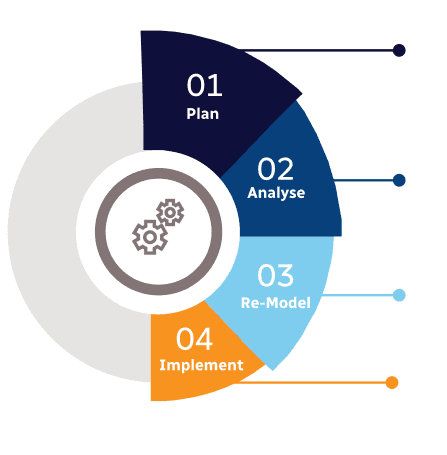
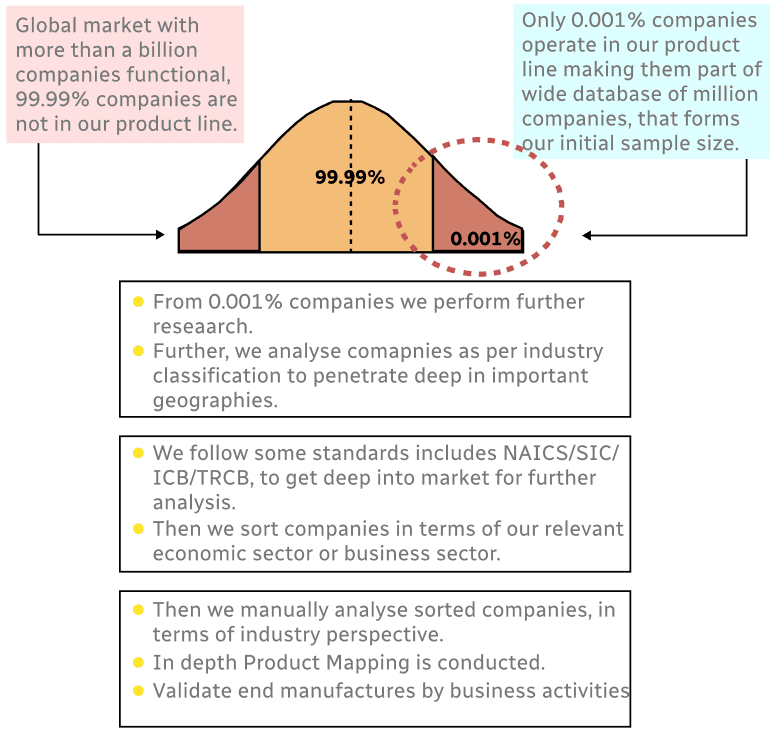
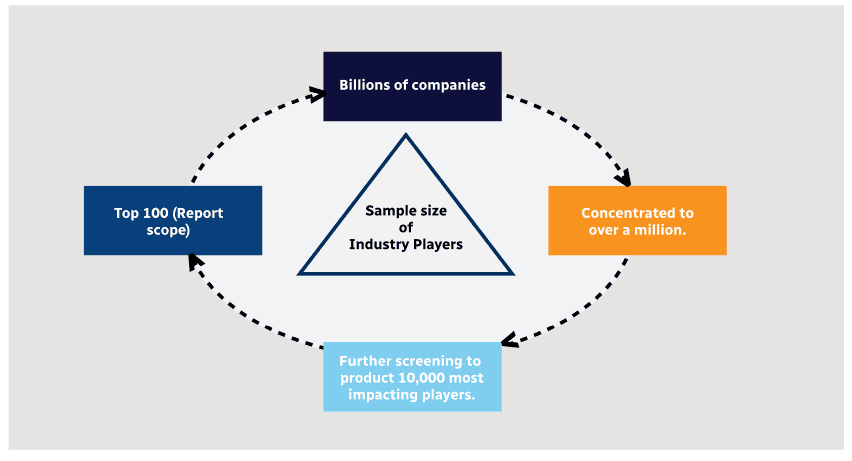
Step 1 - Identification of Relevant Samples Size from Population Database
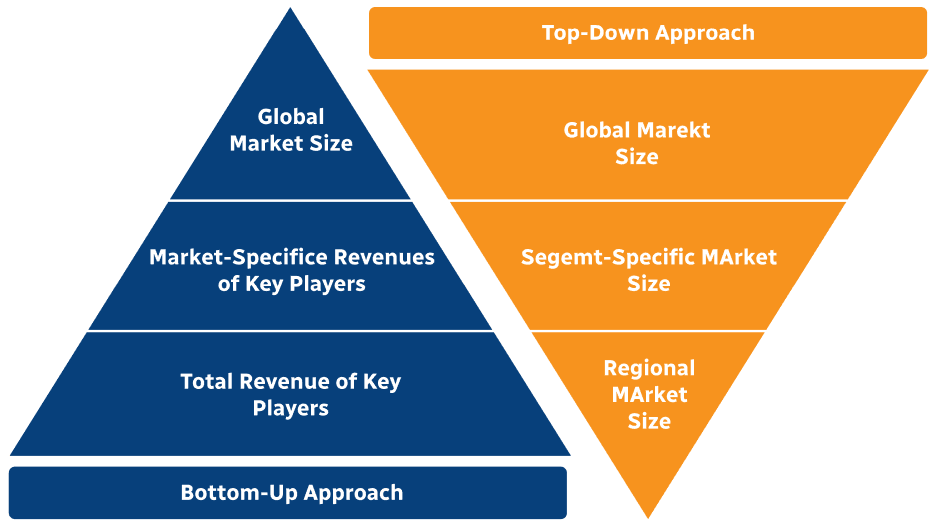
Step 2 - Approaches for Defining Global Market Size (Value, Volume* & Price*)
Note*: In applicable scenarios
Step 3 - Data Sources
Primary Research
- Web Analytics
- Survey Reports
- Research Institute
- Latest Research Reports
- Opinion Leaders
Secondary Research
- Annual Reports
- White Paper
- Latest Press Release
- Industry Association
- Paid Database
- Investor Presentations
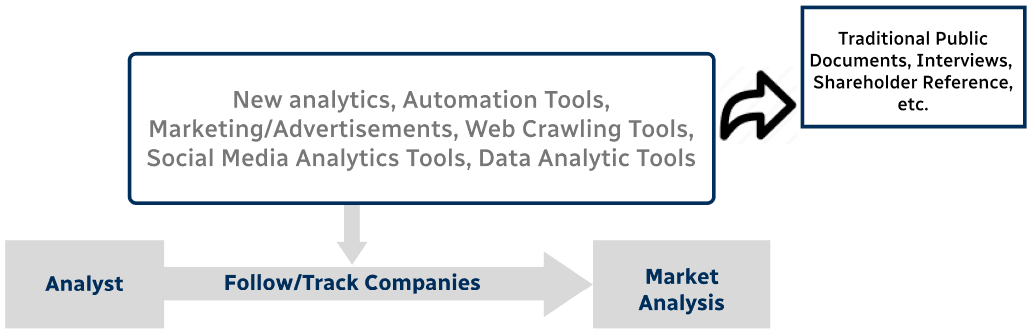
Step 4 - Data Triangulation
Involves using different sources of information in order to increase the validity of a study
These sources are likely to be stakeholders in a program - participants, other researchers, program staff, other community members, and so on.
Then we put all data in single framework & apply various statistical tools to find out the dynamic on the market.
During the analysis stage, feedback from the stakeholder groups would be compared to determine areas of agreement as well as areas of divergence