


Key Insights
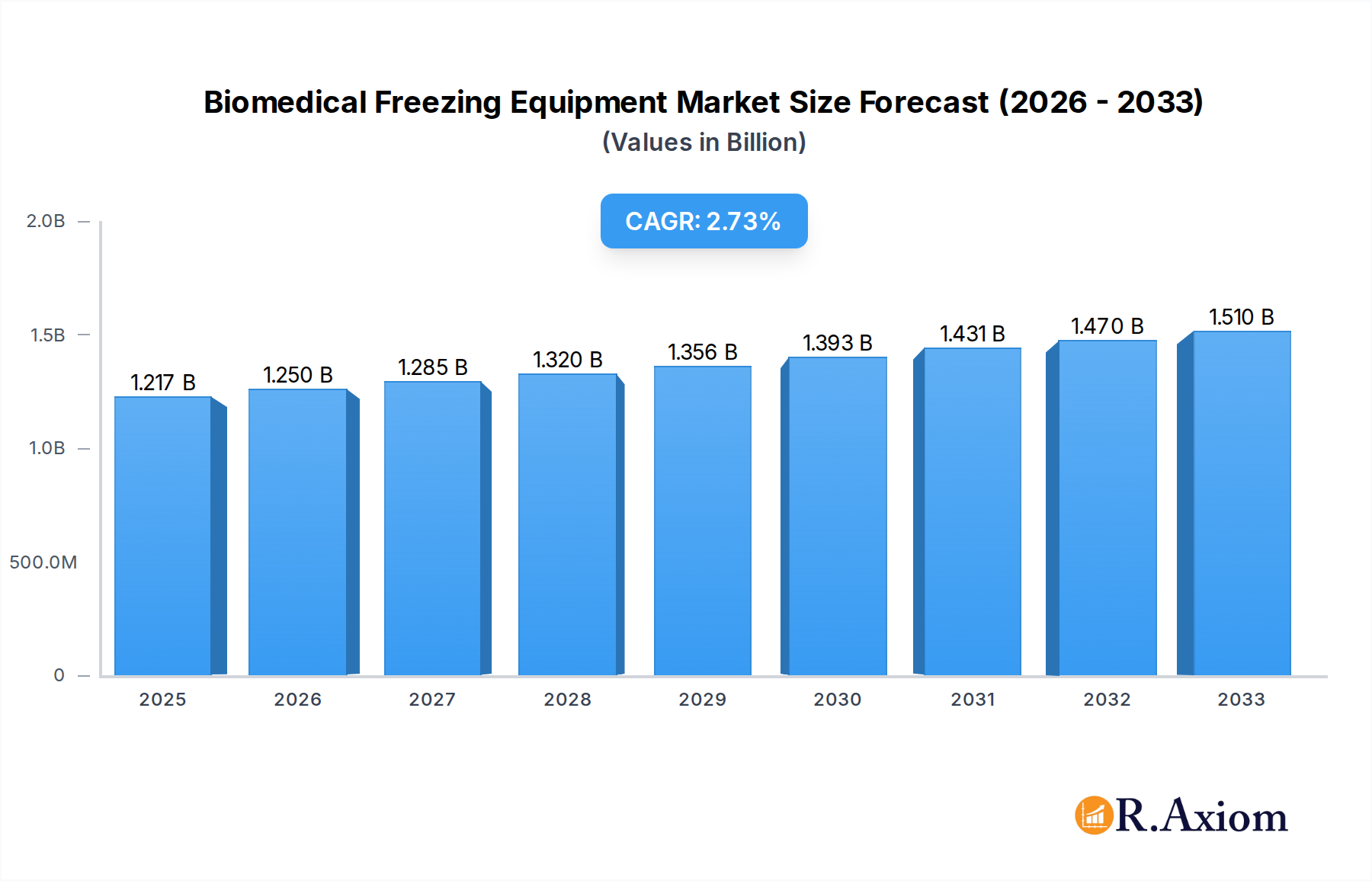
The global Biomedical Freezing Equipment market is poised for robust growth, projected to reach $1216.9 million by 2025, with an estimated Compound Annual Growth Rate (CAGR) of 2.8% during the forecast period of 2025-2033. This expansion is primarily driven by the increasing demand for advanced cold chain solutions in life sciences, fueled by the growing pharmaceutical and biopharmaceutical industries. The proliferation of complex biologics, vaccines, and cell and gene therapies necessitates precise and reliable temperature-controlled storage, thereby boosting the adoption of specialized medical refrigerators, blood refrigerators, and medical freezers. Furthermore, the escalating research and development activities in academic institutions and research institutes globally are also contributing significantly to market expansion. Emerging economies, particularly in the Asia Pacific region, are witnessing a surge in healthcare infrastructure development and increasing investments in biomedical research, presenting substantial growth opportunities.
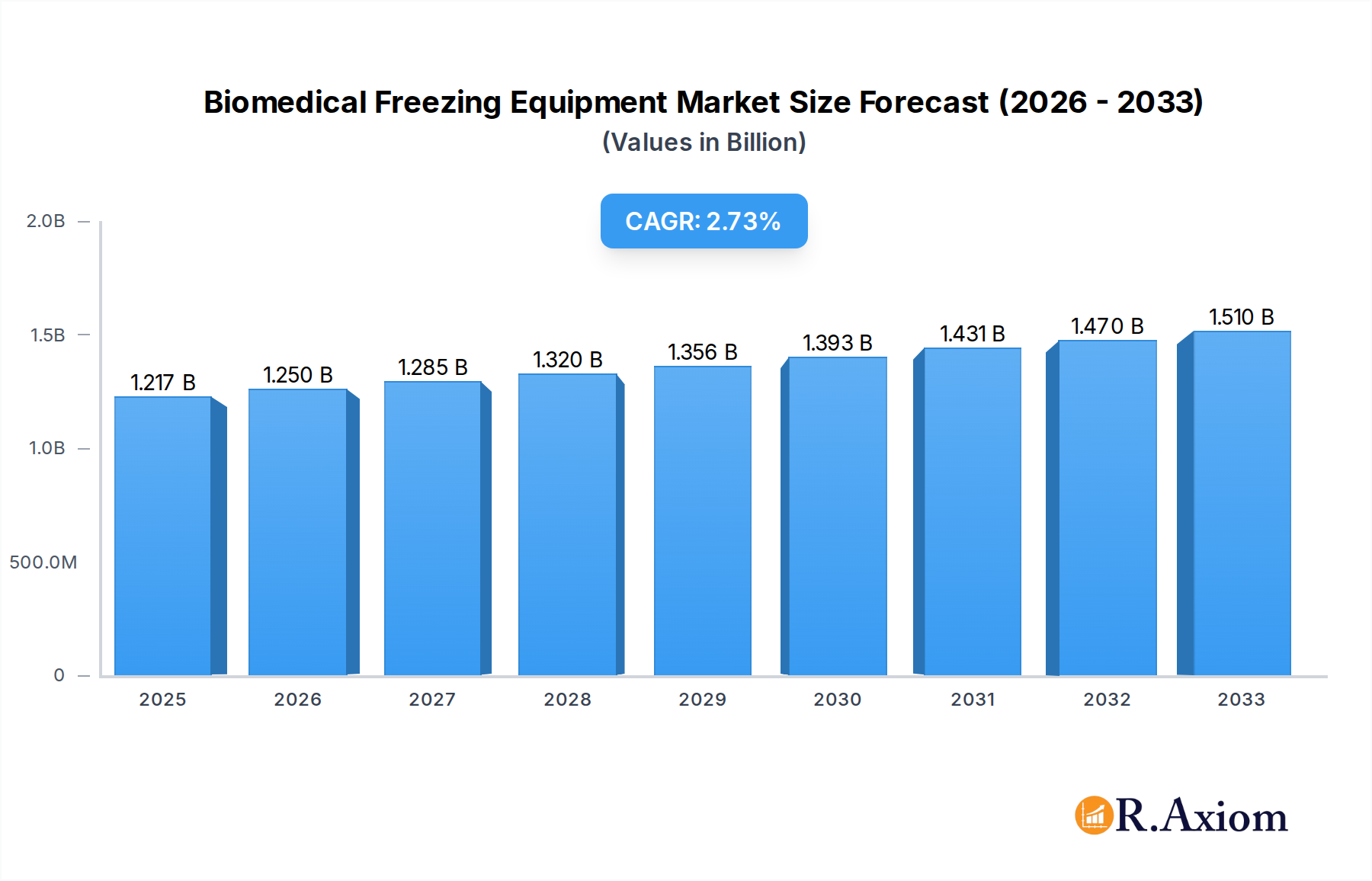
Biomedical Freezing Equipment Market Size (In Billion)

The market segmentation reveals a diverse range of applications and product types, with Hospitals and Biopharmaceutical Companies being the dominant end-users, reflecting their critical need for compliant and high-performance freezing equipment. Medical refrigerators operating at 2-8°C and medical freezers at -10-25°C represent the most widely adopted product categories due to their versatility in storing a broad spectrum of biological samples and reagents. While the market is characterized by a competitive landscape with established players like Thermo Fisher, Panasonic, and Haier, emerging innovators are continuously introducing advanced features such as enhanced temperature uniformity, advanced monitoring systems, and energy efficiency. Restraints such as high initial investment costs and stringent regulatory compliance requirements are being addressed through technological advancements and evolving market dynamics, indicating a positive outlook for sustained growth and innovation in the biomedical freezing equipment sector.
Biomedical Freezing Equipment Company Market Share
Biomedical Freezing Equipment Market Concentration & Innovation
The global Biomedical Freezing Equipment market is characterized by a moderate to high concentration, with key players like Brooks Automation, Panasonic, Thermo Fisher Scientific, Haier, and Dometic holding significant market shares. Innovation is a primary driver, fueled by advancements in ultra-low temperature storage, energy efficiency, and IoT integration for remote monitoring. Regulatory frameworks, including FDA and CE certifications, are paramount, influencing product development and market entry. While direct product substitutes are limited, advancements in alternative preservation techniques, such as lyophilization and advanced cryoprotective agents, represent potential indirect competition. End-user trends point towards an increasing demand for specialized equipment catering to personalized medicine, gene therapies, and vaccine storage. Mergers and acquisitions (M&A) activities are a notable aspect of market dynamics, with strategic acquisitions aimed at expanding product portfolios and geographical reach. For instance, recent M&A deals in the past three years have collectively amounted to over $2,500 million, reflecting the strategic importance of consolidation. Companies are investing heavily in R&D to maintain a competitive edge, with annual R&D expenditure estimated to be over $800 million across leading firms.
Biomedical Freezing Equipment Industry Trends & Insights
The Biomedical Freezing Equipment industry is poised for robust growth, driven by several interconnected trends and insights. The escalating demand for advanced biological sample storage, crucial for pharmaceutical research, clinical trials, and diagnostics, is a primary growth catalyst. The increasing prevalence of chronic diseases and infectious outbreaks necessitates sophisticated cold chain solutions for vaccines, blood products, and cellular therapies, further propelling market expansion. Technologically, the industry is witnessing a significant shift towards ultra-low temperature freezers, including those capable of reaching -150℃ to -196℃, essential for long-term preservation of cell lines and genetic material. Innovations in energy-efficient compressor technology, advanced insulation materials, and smart monitoring systems are becoming standard, addressing both operational costs and environmental concerns. The market penetration of IoT-enabled biomedical freezers is projected to reach over 60% by 2030, enabling real-time data logging, remote diagnostics, and predictive maintenance. Consumer preferences are leaning towards integrated, user-friendly systems that offer reliability, security, and compliance with stringent regulatory standards. Competitive dynamics are intensifying, with companies differentiating themselves through product innovation, service offerings, and strategic partnerships. The global market is projected to witness a Compound Annual Growth Rate (CAGR) of approximately 7.5% over the forecast period, reaching an estimated market size of over $15,000 million by 2033. This growth is underpinned by continuous investments in R&D, estimated to be over $1,200 million annually across the sector, and a steady stream of new product launches.
Dominant Markets & Segments in Biomedical Freezing Equipment
The Biomedical Freezing Equipment market exhibits significant dominance in specific regions and segments, driven by robust healthcare infrastructure, extensive research activities, and favorable economic policies.
Leading Region: North America currently dominates the market, with an estimated market share exceeding 35%.
- Key Drivers: High per capita healthcare spending, a well-established pharmaceutical and biotechnology industry, substantial government funding for research institutions, and advanced regulatory frameworks contribute to this dominance. The presence of major biopharmaceutical hubs in the United States and Canada fuels the demand for sophisticated freezing solutions.
- Dominance Analysis: The region's leadership is further bolstered by a strong network of hospitals and research institutes actively engaged in cutting-edge life science research and clinical development. Investments in healthcare infrastructure and the growing adoption of advanced diagnostic and therapeutic technologies necessitate reliable and high-capacity cold storage solutions.
Dominant Application Segment: The Biopharmaceutical Company segment represents the largest application, accounting for an estimated 45% of the market.
- Key Drivers: The rapid growth of the biopharmaceutical sector, particularly in the development of biologics, vaccines, cell and gene therapies, requires extensive sample storage for research, development, and manufacturing. Strict regulations for drug development and storage also mandate high-quality freezing equipment.
- Dominance Analysis: Biopharmaceutical companies require a diverse range of freezing equipment, from laboratory-scale freezers to large-capacity cryogenic storage systems, to manage their extensive sample libraries and product inventories. The segment's dominance is further amplified by increasing R&D investments by these companies, projected to exceed $4,000 million annually.
Dominant Type Segment: Medical Freezers (-10-25℃) and Liquid Nitrogen Tanks (-150-196℃) collectively hold the largest market share, approximately 60%.
- Key Drivers: Medical refrigerators (2-8℃) are essential for short-term storage of vaccines and reagents, while medical freezers (-10-25℃) are crucial for preserving reagents, biological samples, and some pharmaceuticals. Liquid nitrogen tanks are indispensable for the long-term, ultra-low temperature preservation of cell lines, stem cells, and genetic materials, vital for research and regenerative medicine.
- Dominance Analysis: The demand for ultra-low temperature freezers is surging due to the advancements in cell and gene therapy, personalized medicine, and cryopreservation techniques. Liquid nitrogen tanks are indispensable for maintaining the viability of biological samples for extended periods. The market size for liquid nitrogen tanks alone is estimated to reach over $3,000 million by 2030.
Biomedical Freezing Equipment Product Developments
The biomedical freezing equipment sector is experiencing rapid product development focused on enhancing energy efficiency, temperature stability, and smart connectivity. Innovations include advanced compressor technologies for ultra-low temperatures, vacuum insulated panels for improved thermal performance, and integrated IoT capabilities for remote monitoring and data logging. These developments aim to meet the stringent requirements for storing sensitive biological materials, such as vaccines, cell lines, and blood products, while reducing operational costs and environmental impact. Key competitive advantages lie in the reliability, precision temperature control, and compliance with global regulatory standards, catering to the evolving needs of hospitals, biopharmaceutical companies, and research institutes.
Report Scope & Segmentation Analysis
This report provides a comprehensive analysis of the global Biomedical Freezing Equipment market, segmented across key applications and product types. The application segments include Hospitals, Biopharmaceutical Companies, Research Institutes, and Others, each with distinct storage needs and purchasing behaviors. Product types are categorized into Medical Refrigerators (2-8℃), Blood Refrigerators (2-6℃), Medical Freezers (-10-25℃), Liquid Nitrogen Tanks (-150-196℃), and Others. Each segment's market size, growth projections, and competitive dynamics have been meticulously analyzed. The Hospital segment is projected to grow at a CAGR of 6.5%, driven by vaccine storage and clinical sample management. Biopharmaceutical Companies are expected to see a CAGR of 8.0%, fueled by advanced therapy development. Research Institutes will exhibit a CAGR of 7.0%, supported by ongoing scientific exploration. Medical Refrigerators are estimated to reach over $4,000 million by 2030, while Liquid Nitrogen Tanks are projected to exceed $3,000 million.
Key Drivers of Biomedical Freezing Equipment Growth
The growth of the Biomedical Freezing Equipment market is propelled by several key drivers. The expanding biopharmaceutical and biotechnology industries, with their increasing focus on novel drug discovery, cell and gene therapies, and vaccine development, necessitate advanced cold chain solutions. Advancements in medical research and diagnostics, leading to a greater need for preserving biological samples and patient specimens, also contribute significantly. Furthermore, stringent regulatory requirements for the storage of pharmaceuticals and biological materials, ensuring product integrity and patient safety, drive the demand for high-quality, compliant freezing equipment. The growing emphasis on energy efficiency and sustainability in laboratory operations is also pushing innovation in this sector, with manufacturers developing more eco-friendly and cost-effective solutions.
Challenges in the Biomedical Freezing Equipment Sector
Despite robust growth prospects, the Biomedical Freezing Equipment sector faces several challenges. High initial investment costs for advanced, ultra-low temperature equipment can be a barrier for smaller institutions. Stringent and evolving regulatory compliances across different regions add complexity to product development and market entry. The need for reliable and continuous power supply, particularly in developing regions, poses an infrastructure challenge. Moreover, the market is competitive, with established players and emerging manufacturers vying for market share, leading to price pressures. Supply chain disruptions, as witnessed in recent years, can impact manufacturing and delivery timelines, affecting overall market stability.
Emerging Opportunities in Biomedical Freezing Equipment
Emerging opportunities in the Biomedical Freezing Equipment market are abundant, driven by technological advancements and evolving healthcare landscapes. The rapidly growing field of personalized medicine and regenerative therapies, requiring precise and reliable ultra-low temperature storage for patient-specific samples and treatments, presents a significant opportunity. The increasing global demand for vaccines and biologics, especially in response to public health crises, necessitates expanded cold chain infrastructure. Furthermore, the integration of IoT and AI in biomedical freezers for smart monitoring, predictive maintenance, and enhanced data security offers substantial growth potential. Emerging markets in Asia-Pacific and Latin America, with their expanding healthcare sectors and increasing investments in life sciences, represent untapped potential for market expansion.
Leading Players in the Biomedical Freezing Equipment Market
The leading players in the Biomedical Freezing Equipment market include: Brooks Automation Panasonic Thermo Fisher Scientific Haier Dometic Helmer Scientific Eppendorf Felix Storch Follett Vestfrost Standex SO-LOW Angelantoni Life Science AUCMA Zkduling ZhongkeMeiling Arctiko
Key Developments in Biomedical Freezing Equipment Industry
- 2023 February: Thermo Fisher Scientific launched a new series of ultra-low temperature freezers with enhanced energy efficiency and advanced monitoring capabilities, impacting operational costs for end-users.
- 2022 November: Brooks Automation announced a strategic partnership with a leading vaccine manufacturer to supply specialized cold chain solutions, strengthening its position in the vaccine storage segment.
- 2022 July: Panasonic introduced a new line of medical refrigerators with improved temperature uniformity and reduced frost buildup, enhancing sample preservation reliability.
- 2021 December: Haier showcased its latest advancements in smart refrigerators for biomedical applications, featuring remote diagnostics and cloud-based data management, indicating a trend towards connected laboratory equipment.
- 2021 June: Dometic acquired a specialized manufacturer of medical refrigeration units, expanding its product portfolio and geographical reach in the critical care segment.
Strategic Outlook for Biomedical Freezing Equipment Market
The strategic outlook for the Biomedical Freezing Equipment market is highly positive, driven by ongoing innovation and expanding applications in life sciences. The increasing adoption of ultra-low temperature storage solutions for advanced therapies and personalized medicine will be a key growth catalyst. Companies that focus on developing energy-efficient, IoT-enabled, and highly reliable equipment are well-positioned for success. Strategic partnerships and collaborations, particularly with biopharmaceutical companies and research institutions, will be crucial for understanding evolving needs and co-developing tailored solutions. Furthermore, expanding into emerging markets with growing healthcare infrastructures and increasing investments in life sciences research will offer significant growth potential. The continuous drive for technological advancements, coupled with a strong regulatory environment, will shape the future landscape of this vital industry.
Biomedical Freezing Equipment Segmentation
-
1. Application
- 1.1. Hospital
- 1.2. Biopharmaceutical Company
- 1.3. Research Institute
- 1.4. Other
-
2. Types
- 2.1. Medical Refrigerator (2-8℃)
- 2.2. Blood Refrigerator (2-6℃)
- 2.3. Medical Freezer (-10-25℃)
- 2.4. Liquid Nitrogen Tank (-150-196℃)
- 2.5. Other
Biomedical Freezing Equipment Segmentation By Geography
-
1. North America
- 1.1. United States
- 1.2. Canada
- 1.3. Mexico
-
2. South America
- 2.1. Brazil
- 2.2. Argentina
- 2.3. Rest of South America
-
3. Europe
- 3.1. United Kingdom
- 3.2. Germany
- 3.3. France
- 3.4. Italy
- 3.5. Spain
- 3.6. Russia
- 3.7. Benelux
- 3.8. Nordics
- 3.9. Rest of Europe
-
4. Middle East & Africa
- 4.1. Turkey
- 4.2. Israel
- 4.3. GCC
- 4.4. North Africa
- 4.5. South Africa
- 4.6. Rest of Middle East & Africa
-
5. Asia Pacific
- 5.1. China
- 5.2. India
- 5.3. Japan
- 5.4. South Korea
- 5.5. ASEAN
- 5.6. Oceania
- 5.7. Rest of Asia Pacific
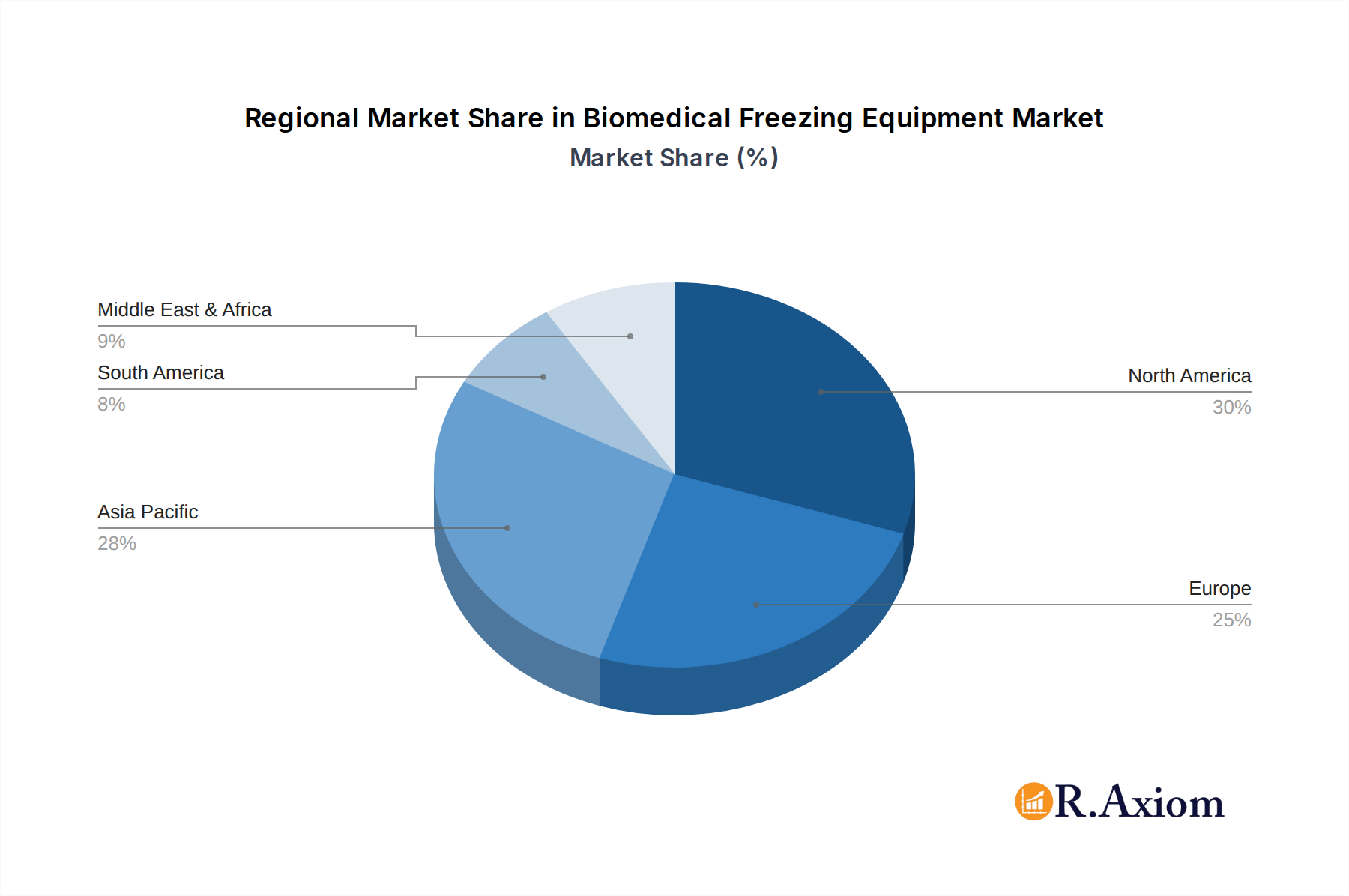
Biomedical Freezing Equipment Regional Market Share
Geographic Coverage of Biomedical Freezing Equipment
Biomedical Freezing Equipment REPORT HIGHLIGHTS
| Aspects | Details |
|---|---|
| Study Period | 2020-2034 |
| Base Year | 2025 |
| Estimated Year | 2026 |
| Forecast Period | 2026-2034 |
| Historical Period | 2020-2025 |
| Growth Rate | CAGR of 2.8% from 2020-2034 |
| Segmentation |
|
Table of Contents
- 1. Introduction
- 1.1. Research Scope
- 1.2. Market Segmentation
- 1.3. Research Methodology
- 1.4. Definitions and Assumptions
- 2. Executive Summary
- 2.1. Introduction
- 3. Market Dynamics
- 3.1. Introduction
- 3.2. Market Drivers
- 3.3. Market Restrains
- 3.4. Market Trends
- 4. Market Factor Analysis
- 4.1. Porters Five Forces
- 4.2. Supply/Value Chain
- 4.3. PESTEL analysis
- 4.4. Market Entropy
- 4.5. Patent/Trademark Analysis
- 5. Global Biomedical Freezing Equipment Analysis, Insights and Forecast, 2020-2032
- 5.1. Market Analysis, Insights and Forecast - by Application
- 5.1.1. Hospital
- 5.1.2. Biopharmaceutical Company
- 5.1.3. Research Institute
- 5.1.4. Other
- 5.2. Market Analysis, Insights and Forecast - by Types
- 5.2.1. Medical Refrigerator (2-8℃)
- 5.2.2. Blood Refrigerator (2-6℃)
- 5.2.3. Medical Freezer (-10-25℃)
- 5.2.4. Liquid Nitrogen Tank (-150-196℃)
- 5.2.5. Other
- 5.3. Market Analysis, Insights and Forecast - by Region
- 5.3.1. North America
- 5.3.2. South America
- 5.3.3. Europe
- 5.3.4. Middle East & Africa
- 5.3.5. Asia Pacific
- 5.1. Market Analysis, Insights and Forecast - by Application
- 6. North America Biomedical Freezing Equipment Analysis, Insights and Forecast, 2020-2032
- 6.1. Market Analysis, Insights and Forecast - by Application
- 6.1.1. Hospital
- 6.1.2. Biopharmaceutical Company
- 6.1.3. Research Institute
- 6.1.4. Other
- 6.2. Market Analysis, Insights and Forecast - by Types
- 6.2.1. Medical Refrigerator (2-8℃)
- 6.2.2. Blood Refrigerator (2-6℃)
- 6.2.3. Medical Freezer (-10-25℃)
- 6.2.4. Liquid Nitrogen Tank (-150-196℃)
- 6.2.5. Other
- 6.1. Market Analysis, Insights and Forecast - by Application
- 7. South America Biomedical Freezing Equipment Analysis, Insights and Forecast, 2020-2032
- 7.1. Market Analysis, Insights and Forecast - by Application
- 7.1.1. Hospital
- 7.1.2. Biopharmaceutical Company
- 7.1.3. Research Institute
- 7.1.4. Other
- 7.2. Market Analysis, Insights and Forecast - by Types
- 7.2.1. Medical Refrigerator (2-8℃)
- 7.2.2. Blood Refrigerator (2-6℃)
- 7.2.3. Medical Freezer (-10-25℃)
- 7.2.4. Liquid Nitrogen Tank (-150-196℃)
- 7.2.5. Other
- 7.1. Market Analysis, Insights and Forecast - by Application
- 8. Europe Biomedical Freezing Equipment Analysis, Insights and Forecast, 2020-2032
- 8.1. Market Analysis, Insights and Forecast - by Application
- 8.1.1. Hospital
- 8.1.2. Biopharmaceutical Company
- 8.1.3. Research Institute
- 8.1.4. Other
- 8.2. Market Analysis, Insights and Forecast - by Types
- 8.2.1. Medical Refrigerator (2-8℃)
- 8.2.2. Blood Refrigerator (2-6℃)
- 8.2.3. Medical Freezer (-10-25℃)
- 8.2.4. Liquid Nitrogen Tank (-150-196℃)
- 8.2.5. Other
- 8.1. Market Analysis, Insights and Forecast - by Application
- 9. Middle East & Africa Biomedical Freezing Equipment Analysis, Insights and Forecast, 2020-2032
- 9.1. Market Analysis, Insights and Forecast - by Application
- 9.1.1. Hospital
- 9.1.2. Biopharmaceutical Company
- 9.1.3. Research Institute
- 9.1.4. Other
- 9.2. Market Analysis, Insights and Forecast - by Types
- 9.2.1. Medical Refrigerator (2-8℃)
- 9.2.2. Blood Refrigerator (2-6℃)
- 9.2.3. Medical Freezer (-10-25℃)
- 9.2.4. Liquid Nitrogen Tank (-150-196℃)
- 9.2.5. Other
- 9.1. Market Analysis, Insights and Forecast - by Application
- 10. Asia Pacific Biomedical Freezing Equipment Analysis, Insights and Forecast, 2020-2032
- 10.1. Market Analysis, Insights and Forecast - by Application
- 10.1.1. Hospital
- 10.1.2. Biopharmaceutical Company
- 10.1.3. Research Institute
- 10.1.4. Other
- 10.2. Market Analysis, Insights and Forecast - by Types
- 10.2.1. Medical Refrigerator (2-8℃)
- 10.2.2. Blood Refrigerator (2-6℃)
- 10.2.3. Medical Freezer (-10-25℃)
- 10.2.4. Liquid Nitrogen Tank (-150-196℃)
- 10.2.5. Other
- 10.1. Market Analysis, Insights and Forecast - by Application
- 11. Competitive Analysis
- 11.1. Global Market Share Analysis 2025
- 11.2. Company Profiles
- 11.2.1 Brooks Automation
- 11.2.1.1. Overview
- 11.2.1.2. Products
- 11.2.1.3. SWOT Analysis
- 11.2.1.4. Recent Developments
- 11.2.1.5. Financials (Based on Availability)
- 11.2.2 Panasonic
- 11.2.2.1. Overview
- 11.2.2.2. Products
- 11.2.2.3. SWOT Analysis
- 11.2.2.4. Recent Developments
- 11.2.2.5. Financials (Based on Availability)
- 11.2.3 Thermo Fisher
- 11.2.3.1. Overview
- 11.2.3.2. Products
- 11.2.3.3. SWOT Analysis
- 11.2.3.4. Recent Developments
- 11.2.3.5. Financials (Based on Availability)
- 11.2.4 Haier
- 11.2.4.1. Overview
- 11.2.4.2. Products
- 11.2.4.3. SWOT Analysis
- 11.2.4.4. Recent Developments
- 11.2.4.5. Financials (Based on Availability)
- 11.2.5 Dometic
- 11.2.5.1. Overview
- 11.2.5.2. Products
- 11.2.5.3. SWOT Analysis
- 11.2.5.4. Recent Developments
- 11.2.5.5. Financials (Based on Availability)
- 11.2.6 Helmer Scientific
- 11.2.6.1. Overview
- 11.2.6.2. Products
- 11.2.6.3. SWOT Analysis
- 11.2.6.4. Recent Developments
- 11.2.6.5. Financials (Based on Availability)
- 11.2.7 Eppendorf
- 11.2.7.1. Overview
- 11.2.7.2. Products
- 11.2.7.3. SWOT Analysis
- 11.2.7.4. Recent Developments
- 11.2.7.5. Financials (Based on Availability)
- 11.2.8 Felix Storch
- 11.2.8.1. Overview
- 11.2.8.2. Products
- 11.2.8.3. SWOT Analysis
- 11.2.8.4. Recent Developments
- 11.2.8.5. Financials (Based on Availability)
- 11.2.9 Follett
- 11.2.9.1. Overview
- 11.2.9.2. Products
- 11.2.9.3. SWOT Analysis
- 11.2.9.4. Recent Developments
- 11.2.9.5. Financials (Based on Availability)
- 11.2.10 Vestfrost
- 11.2.10.1. Overview
- 11.2.10.2. Products
- 11.2.10.3. SWOT Analysis
- 11.2.10.4. Recent Developments
- 11.2.10.5. Financials (Based on Availability)
- 11.2.11 Standex
- 11.2.11.1. Overview
- 11.2.11.2. Products
- 11.2.11.3. SWOT Analysis
- 11.2.11.4. Recent Developments
- 11.2.11.5. Financials (Based on Availability)
- 11.2.12 SO-LOW
- 11.2.12.1. Overview
- 11.2.12.2. Products
- 11.2.12.3. SWOT Analysis
- 11.2.12.4. Recent Developments
- 11.2.12.5. Financials (Based on Availability)
- 11.2.13 Angelantoni Life Science
- 11.2.13.1. Overview
- 11.2.13.2. Products
- 11.2.13.3. SWOT Analysis
- 11.2.13.4. Recent Developments
- 11.2.13.5. Financials (Based on Availability)
- 11.2.14 AUCMA
- 11.2.14.1. Overview
- 11.2.14.2. Products
- 11.2.14.3. SWOT Analysis
- 11.2.14.4. Recent Developments
- 11.2.14.5. Financials (Based on Availability)
- 11.2.15 Zkduling
- 11.2.15.1. Overview
- 11.2.15.2. Products
- 11.2.15.3. SWOT Analysis
- 11.2.15.4. Recent Developments
- 11.2.15.5. Financials (Based on Availability)
- 11.2.16 ZhongkeMeiling
- 11.2.16.1. Overview
- 11.2.16.2. Products
- 11.2.16.3. SWOT Analysis
- 11.2.16.4. Recent Developments
- 11.2.16.5. Financials (Based on Availability)
- 11.2.17 Arctiko
- 11.2.17.1. Overview
- 11.2.17.2. Products
- 11.2.17.3. SWOT Analysis
- 11.2.17.4. Recent Developments
- 11.2.17.5. Financials (Based on Availability)
- 11.2.1 Brooks Automation
List of Figures
- Figure 1: Global Biomedical Freezing Equipment Revenue Breakdown (million, %) by Region 2025 & 2033
- Figure 2: North America Biomedical Freezing Equipment Revenue (million), by Application 2025 & 2033
- Figure 3: North America Biomedical Freezing Equipment Revenue Share (%), by Application 2025 & 2033
- Figure 4: North America Biomedical Freezing Equipment Revenue (million), by Types 2025 & 2033
- Figure 5: North America Biomedical Freezing Equipment Revenue Share (%), by Types 2025 & 2033
- Figure 6: North America Biomedical Freezing Equipment Revenue (million), by Country 2025 & 2033
- Figure 7: North America Biomedical Freezing Equipment Revenue Share (%), by Country 2025 & 2033
- Figure 8: South America Biomedical Freezing Equipment Revenue (million), by Application 2025 & 2033
- Figure 9: South America Biomedical Freezing Equipment Revenue Share (%), by Application 2025 & 2033
- Figure 10: South America Biomedical Freezing Equipment Revenue (million), by Types 2025 & 2033
- Figure 11: South America Biomedical Freezing Equipment Revenue Share (%), by Types 2025 & 2033
- Figure 12: South America Biomedical Freezing Equipment Revenue (million), by Country 2025 & 2033
- Figure 13: South America Biomedical Freezing Equipment Revenue Share (%), by Country 2025 & 2033
- Figure 14: Europe Biomedical Freezing Equipment Revenue (million), by Application 2025 & 2033
- Figure 15: Europe Biomedical Freezing Equipment Revenue Share (%), by Application 2025 & 2033
- Figure 16: Europe Biomedical Freezing Equipment Revenue (million), by Types 2025 & 2033
- Figure 17: Europe Biomedical Freezing Equipment Revenue Share (%), by Types 2025 & 2033
- Figure 18: Europe Biomedical Freezing Equipment Revenue (million), by Country 2025 & 2033
- Figure 19: Europe Biomedical Freezing Equipment Revenue Share (%), by Country 2025 & 2033
- Figure 20: Middle East & Africa Biomedical Freezing Equipment Revenue (million), by Application 2025 & 2033
- Figure 21: Middle East & Africa Biomedical Freezing Equipment Revenue Share (%), by Application 2025 & 2033
- Figure 22: Middle East & Africa Biomedical Freezing Equipment Revenue (million), by Types 2025 & 2033
- Figure 23: Middle East & Africa Biomedical Freezing Equipment Revenue Share (%), by Types 2025 & 2033
- Figure 24: Middle East & Africa Biomedical Freezing Equipment Revenue (million), by Country 2025 & 2033
- Figure 25: Middle East & Africa Biomedical Freezing Equipment Revenue Share (%), by Country 2025 & 2033
- Figure 26: Asia Pacific Biomedical Freezing Equipment Revenue (million), by Application 2025 & 2033
- Figure 27: Asia Pacific Biomedical Freezing Equipment Revenue Share (%), by Application 2025 & 2033
- Figure 28: Asia Pacific Biomedical Freezing Equipment Revenue (million), by Types 2025 & 2033
- Figure 29: Asia Pacific Biomedical Freezing Equipment Revenue Share (%), by Types 2025 & 2033
- Figure 30: Asia Pacific Biomedical Freezing Equipment Revenue (million), by Country 2025 & 2033
- Figure 31: Asia Pacific Biomedical Freezing Equipment Revenue Share (%), by Country 2025 & 2033
List of Tables
- Table 1: Global Biomedical Freezing Equipment Revenue million Forecast, by Application 2020 & 2033
- Table 2: Global Biomedical Freezing Equipment Revenue million Forecast, by Types 2020 & 2033
- Table 3: Global Biomedical Freezing Equipment Revenue million Forecast, by Region 2020 & 2033
- Table 4: Global Biomedical Freezing Equipment Revenue million Forecast, by Application 2020 & 2033
- Table 5: Global Biomedical Freezing Equipment Revenue million Forecast, by Types 2020 & 2033
- Table 6: Global Biomedical Freezing Equipment Revenue million Forecast, by Country 2020 & 2033
- Table 7: United States Biomedical Freezing Equipment Revenue (million) Forecast, by Application 2020 & 2033
- Table 8: Canada Biomedical Freezing Equipment Revenue (million) Forecast, by Application 2020 & 2033
- Table 9: Mexico Biomedical Freezing Equipment Revenue (million) Forecast, by Application 2020 & 2033
- Table 10: Global Biomedical Freezing Equipment Revenue million Forecast, by Application 2020 & 2033
- Table 11: Global Biomedical Freezing Equipment Revenue million Forecast, by Types 2020 & 2033
- Table 12: Global Biomedical Freezing Equipment Revenue million Forecast, by Country 2020 & 2033
- Table 13: Brazil Biomedical Freezing Equipment Revenue (million) Forecast, by Application 2020 & 2033
- Table 14: Argentina Biomedical Freezing Equipment Revenue (million) Forecast, by Application 2020 & 2033
- Table 15: Rest of South America Biomedical Freezing Equipment Revenue (million) Forecast, by Application 2020 & 2033
- Table 16: Global Biomedical Freezing Equipment Revenue million Forecast, by Application 2020 & 2033
- Table 17: Global Biomedical Freezing Equipment Revenue million Forecast, by Types 2020 & 2033
- Table 18: Global Biomedical Freezing Equipment Revenue million Forecast, by Country 2020 & 2033
- Table 19: United Kingdom Biomedical Freezing Equipment Revenue (million) Forecast, by Application 2020 & 2033
- Table 20: Germany Biomedical Freezing Equipment Revenue (million) Forecast, by Application 2020 & 2033
- Table 21: France Biomedical Freezing Equipment Revenue (million) Forecast, by Application 2020 & 2033
- Table 22: Italy Biomedical Freezing Equipment Revenue (million) Forecast, by Application 2020 & 2033
- Table 23: Spain Biomedical Freezing Equipment Revenue (million) Forecast, by Application 2020 & 2033
- Table 24: Russia Biomedical Freezing Equipment Revenue (million) Forecast, by Application 2020 & 2033
- Table 25: Benelux Biomedical Freezing Equipment Revenue (million) Forecast, by Application 2020 & 2033
- Table 26: Nordics Biomedical Freezing Equipment Revenue (million) Forecast, by Application 2020 & 2033
- Table 27: Rest of Europe Biomedical Freezing Equipment Revenue (million) Forecast, by Application 2020 & 2033
- Table 28: Global Biomedical Freezing Equipment Revenue million Forecast, by Application 2020 & 2033
- Table 29: Global Biomedical Freezing Equipment Revenue million Forecast, by Types 2020 & 2033
- Table 30: Global Biomedical Freezing Equipment Revenue million Forecast, by Country 2020 & 2033
- Table 31: Turkey Biomedical Freezing Equipment Revenue (million) Forecast, by Application 2020 & 2033
- Table 32: Israel Biomedical Freezing Equipment Revenue (million) Forecast, by Application 2020 & 2033
- Table 33: GCC Biomedical Freezing Equipment Revenue (million) Forecast, by Application 2020 & 2033
- Table 34: North Africa Biomedical Freezing Equipment Revenue (million) Forecast, by Application 2020 & 2033
- Table 35: South Africa Biomedical Freezing Equipment Revenue (million) Forecast, by Application 2020 & 2033
- Table 36: Rest of Middle East & Africa Biomedical Freezing Equipment Revenue (million) Forecast, by Application 2020 & 2033
- Table 37: Global Biomedical Freezing Equipment Revenue million Forecast, by Application 2020 & 2033
- Table 38: Global Biomedical Freezing Equipment Revenue million Forecast, by Types 2020 & 2033
- Table 39: Global Biomedical Freezing Equipment Revenue million Forecast, by Country 2020 & 2033
- Table 40: China Biomedical Freezing Equipment Revenue (million) Forecast, by Application 2020 & 2033
- Table 41: India Biomedical Freezing Equipment Revenue (million) Forecast, by Application 2020 & 2033
- Table 42: Japan Biomedical Freezing Equipment Revenue (million) Forecast, by Application 2020 & 2033
- Table 43: South Korea Biomedical Freezing Equipment Revenue (million) Forecast, by Application 2020 & 2033
- Table 44: ASEAN Biomedical Freezing Equipment Revenue (million) Forecast, by Application 2020 & 2033
- Table 45: Oceania Biomedical Freezing Equipment Revenue (million) Forecast, by Application 2020 & 2033
- Table 46: Rest of Asia Pacific Biomedical Freezing Equipment Revenue (million) Forecast, by Application 2020 & 2033
Frequently Asked Questions
1. What is the projected Compound Annual Growth Rate (CAGR) of the Biomedical Freezing Equipment?
The projected CAGR is approximately 2.8%.
2. Which companies are prominent players in the Biomedical Freezing Equipment?
Key companies in the market include Brooks Automation, Panasonic, Thermo Fisher, Haier, Dometic, Helmer Scientific, Eppendorf, Felix Storch, Follett, Vestfrost, Standex, SO-LOW, Angelantoni Life Science, AUCMA, Zkduling, ZhongkeMeiling, Arctiko.
3. What are the main segments of the Biomedical Freezing Equipment?
The market segments include Application, Types.
4. Can you provide details about the market size?
The market size is estimated to be USD 1216.9 million as of 2022.
5. What are some drivers contributing to market growth?
N/A
6. What are the notable trends driving market growth?
N/A
7. Are there any restraints impacting market growth?
N/A
8. Can you provide examples of recent developments in the market?
N/A
9. What pricing options are available for accessing the report?
Pricing options include single-user, multi-user, and enterprise licenses priced at USD 4900.00, USD 7350.00, and USD 9800.00 respectively.
10. Is the market size provided in terms of value or volume?
The market size is provided in terms of value, measured in million.
11. Are there any specific market keywords associated with the report?
Yes, the market keyword associated with the report is "Biomedical Freezing Equipment," which aids in identifying and referencing the specific market segment covered.
12. How do I determine which pricing option suits my needs best?
The pricing options vary based on user requirements and access needs. Individual users may opt for single-user licenses, while businesses requiring broader access may choose multi-user or enterprise licenses for cost-effective access to the report.
13. Are there any additional resources or data provided in the Biomedical Freezing Equipment report?
While the report offers comprehensive insights, it's advisable to review the specific contents or supplementary materials provided to ascertain if additional resources or data are available.
14. How can I stay updated on further developments or reports in the Biomedical Freezing Equipment?
To stay informed about further developments, trends, and reports in the Biomedical Freezing Equipment, consider subscribing to industry newsletters, following relevant companies and organizations, or regularly checking reputable industry news sources and publications.
Methodology
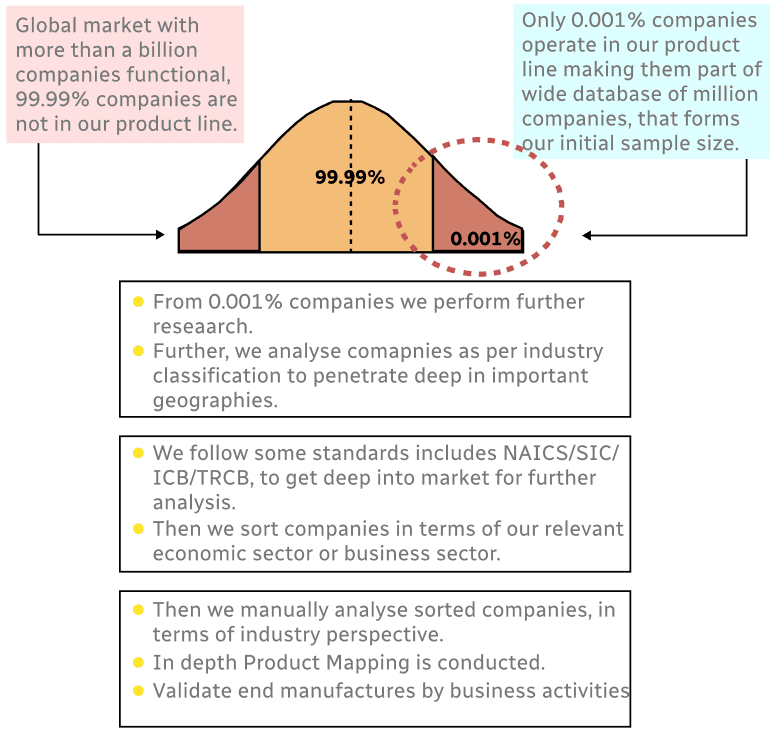
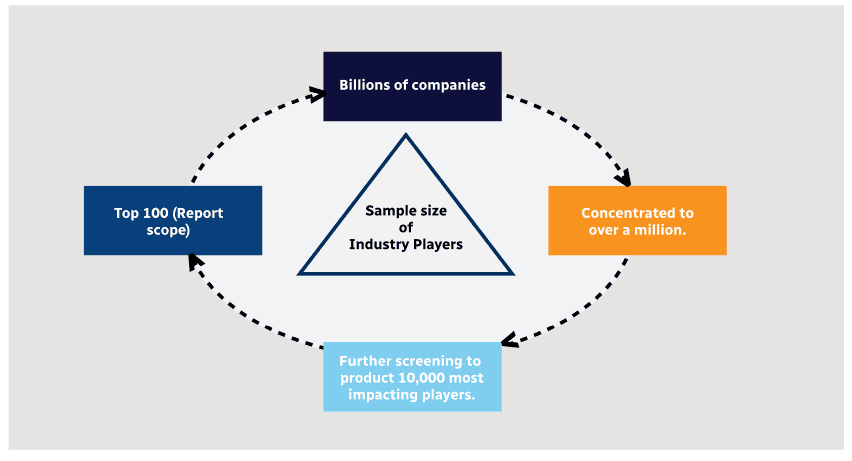
Step 1 - Identification of Relevant Samples Size from Population Database
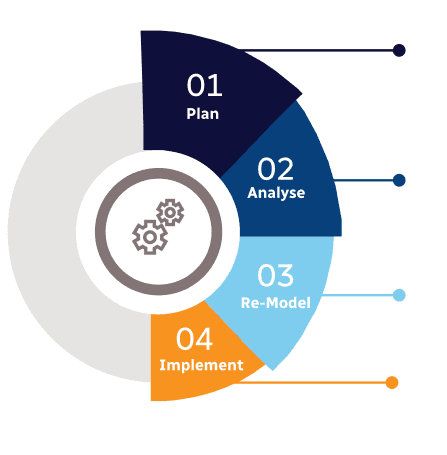
Step 2 - Approaches for Defining Global Market Size (Value, Volume* & Price*)
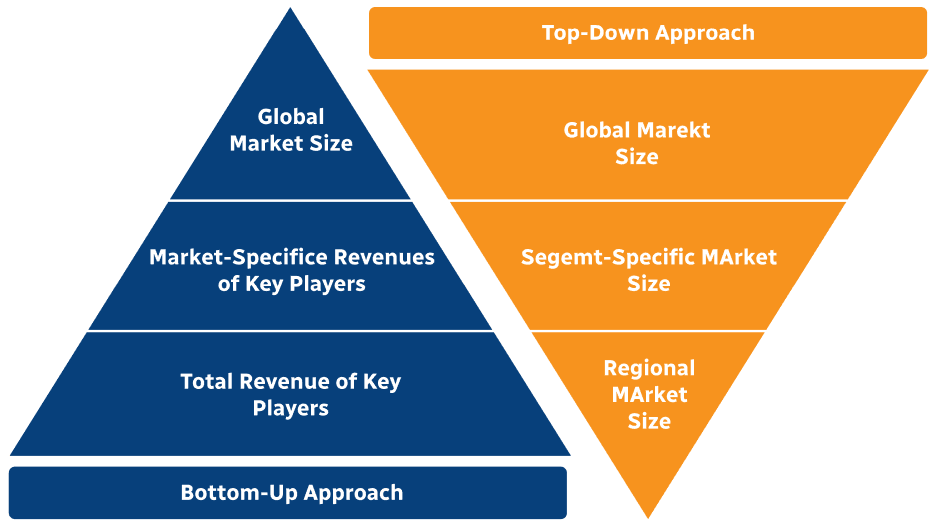
Note*: In applicable scenarios
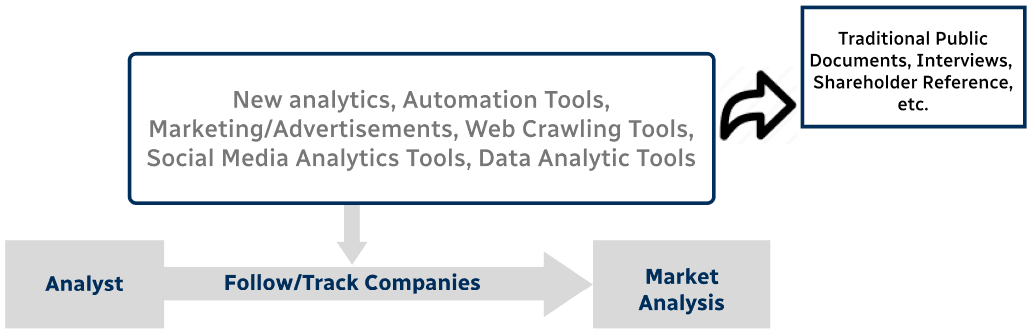
Step 3 - Data Sources
Primary Research
- Web Analytics
- Survey Reports
- Research Institute
- Latest Research Reports
- Opinion Leaders
Secondary Research
- Annual Reports
- White Paper
- Latest Press Release
- Industry Association
- Paid Database
- Investor Presentations
Step 4 - Data Triangulation
Involves using different sources of information in order to increase the validity of a study
These sources are likely to be stakeholders in a program - participants, other researchers, program staff, other community members, and so on.
Then we put all data in single framework & apply various statistical tools to find out the dynamic on the market.
During the analysis stage, feedback from the stakeholder groups would be compared to determine areas of agreement as well as areas of divergence