


Key Insights
The global Breast Reconstruction market is poised for steady growth, with a projected market size of $1483 million by 2025, expanding at a Compound Annual Growth Rate (CAGR) of 2.8% through 2033. This sustained expansion is driven by an increasing awareness and acceptance of reconstructive procedures following mastectomy, coupled with advancements in implant technology and surgical techniques. The growing prevalence of breast cancer globally contributes significantly to the demand for breast reconstruction, offering women a path to restoring their physical appearance and self-esteem. Furthermore, the rising trend of aesthetic augmentation procedures, even outside of reconstructive necessity, also fuels market growth. Key applications for breast reconstruction include hospitals, beauty centers, and other specialized clinics, reflecting the diverse settings where these procedures are performed. The market is segmented by type, with Inframammary, Peri-Areolar, and Trans-Axillary approaches being prominent, each offering distinct benefits for patients and surgeons.
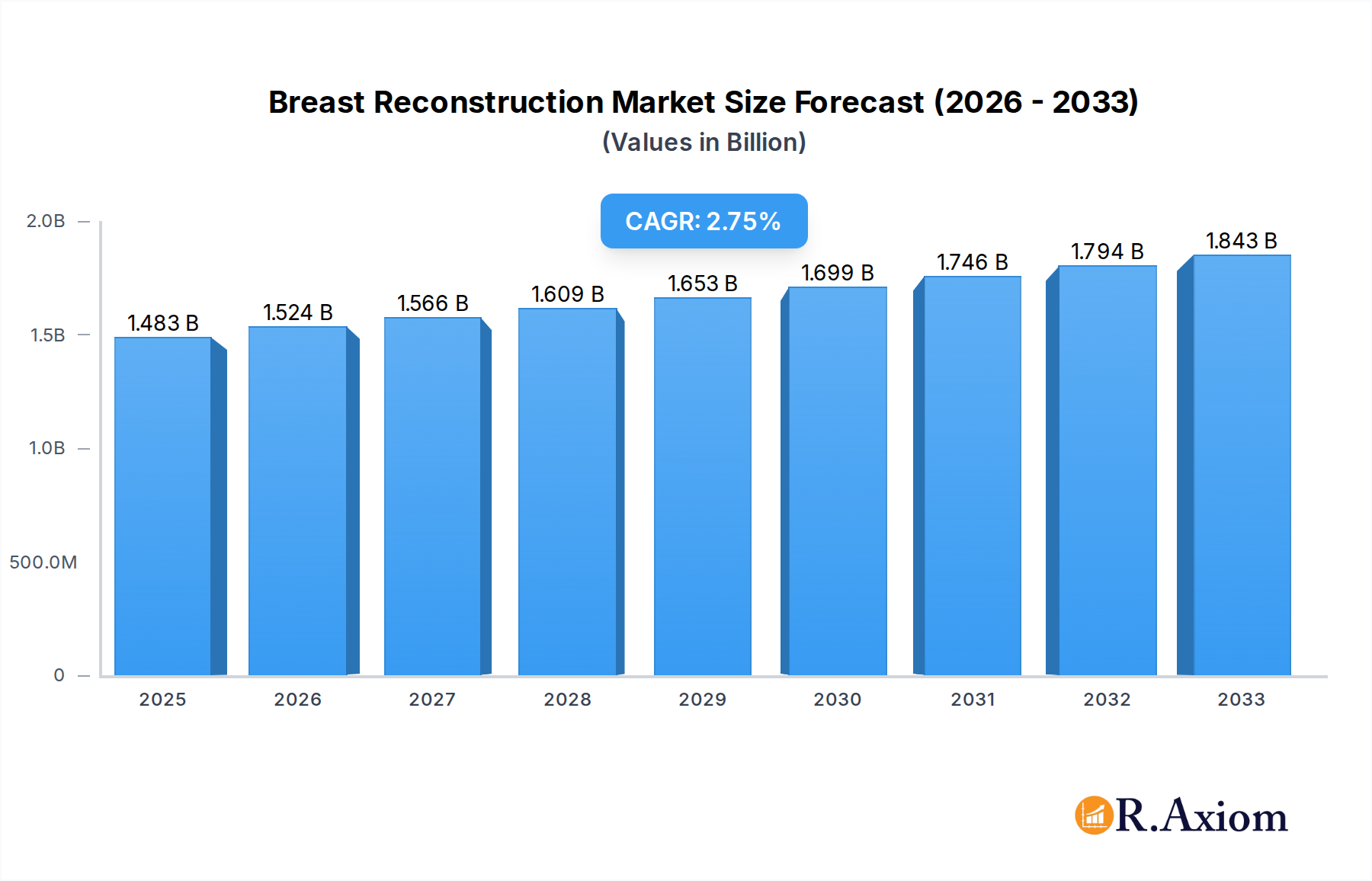
Breast Reconstruction Market Size (In Billion)

Several factors are expected to propel the Breast Reconstruction market forward. Innovations in implant materials, such as the development of more biocompatible and natural-feeling silicone implants and the increasing popularity of expander implants, are enhancing patient outcomes and satisfaction. The growing adoption of minimally invasive surgical techniques is also contributing to shorter recovery times and reduced patient discomfort, thereby boosting procedural volumes. Key players like Mentor Worldwide, Sientra, GC Aesthetics, and Establishment Labs are actively engaged in research and development to introduce novel products and expand their market reach. Geographically, North America and Europe currently dominate the market due to high healthcare expenditure, advanced medical infrastructure, and a strong emphasis on patient well-being. However, the Asia Pacific region is anticipated to witness significant growth driven by increasing disposable incomes, rising healthcare awareness, and a growing number of skilled surgeons. The market is characterized by a competitive landscape with strategic collaborations and product launches aimed at capturing market share.

Breast Reconstruction Company Market Share
This comprehensive report offers an in-depth analysis of the global Breast Reconstruction market, providing critical insights for industry stakeholders. Covering the period from 2019 to 2033, with a base and estimated year of 2025, this report delves into market dynamics, key trends, dominant segments, and future opportunities. The market is segmented by application into Hospitals, Beauty Centers, and Others, and by type into Inframammary, Peri-Areolar, Trans-Axillary, and Transumbilical approaches.
Breast Reconstruction Market Concentration & Innovation
The Breast Reconstruction market exhibits a moderate to high level of concentration, with key players like Mentor Worldwide, Sientra, GC Aesthetics, POLYTECH Health & Aesthetics, Hansbiomed, Ideal Implant, Establishment Labs, Groupe Sebbin, and Guangzhou Wanhe Plastic Materials holding significant market shares. Innovation is a primary driver, propelled by advancements in implant materials, surgical techniques, and patient-specific solutions, leading to enhanced safety and aesthetic outcomes. Regulatory frameworks, particularly those from the FDA and EMA, play a crucial role in shaping product development and market entry. The threat of product substitutes, such as less invasive cosmetic procedures or non-implant reconstruction methods, is present but limited by the specific needs addressed by traditional breast reconstruction. End-user trends are increasingly focused on personalized care, natural-looking results, and minimally invasive procedures. Merger and acquisition (M&A) activities, valued at approximately 800 million, indicate consolidation efforts and strategic expansions within the industry, aiming to leverage complementary technologies and expand market reach.
Breast Reconstruction Industry Trends & Insights
The Breast Reconstruction industry is experiencing robust growth, driven by a confluence of factors including increasing awareness of reconstructive options post-mastectomy, rising breast cancer incidence rates globally, and significant advancements in surgical technologies. The Compound Annual Growth Rate (CAGR) is projected to be approximately 7.5%, indicating a healthy expansion trajectory. Market penetration is steadily increasing, particularly in developed economies, as more women opt for breast reconstruction to restore self-esteem and body image. Technological disruptions are at the forefront, with the development of highly cohesive silicone implants, bio-engineered tissues, and sophisticated 3D imaging for precise surgical planning revolutionizing the field. Consumer preferences are shifting towards natural-looking outcomes, patient comfort, and shorter recovery times, pushing manufacturers and surgeons to innovate accordingly. Competitive dynamics are intensifying, with companies focusing on product differentiation, strategic partnerships, and expanding their global footprint to capture market share. The integration of artificial intelligence in surgical planning and the development of patient-specific implants are emerging trends that will further shape the competitive landscape. The market size is estimated to reach over 15,000 million by the end of the forecast period, fueled by these evolving trends and increasing demand.
Dominant Markets & Segments in Breast Reconstruction
The Breast Reconstruction market's dominance is significantly influenced by regional economic policies, healthcare infrastructure, and patient demographics. North America currently holds the largest market share, driven by high breast cancer prevalence, advanced healthcare facilities, and a greater willingness among patients to undergo reconstructive surgery. The United States, in particular, is a leading market due to robust insurance coverage for reconstructive procedures and widespread adoption of cutting-edge technologies.
Application: Hospitals
- Hospitals are the primary application segment, accounting for over 90% of the market share, due to the complexity and medical necessity of breast reconstruction procedures, which require specialized surgical teams and sterile environments.
- Key drivers include extensive hospital networks, availability of skilled surgeons, and integrated post-operative care facilities.
- Economic policies supporting healthcare access and government funding for cancer treatment infrastructure further bolster this segment's dominance.
Type: Inframammary
- The Inframammary approach, which involves placing implants below the pectoralis muscle, is the most prevalent surgical technique, accounting for an estimated 60% of all breast reconstruction surgeries.
- This technique offers excellent aesthetic results and is favored for its ability to create a natural-looking breast mound.
- Advancements in implant design and surgical tools have further enhanced the outcomes and patient satisfaction associated with the inframammary approach.
Type: Peri-Areolar
- The Peri-Areolar approach, often used in conjunction with nipple-sparing mastectomies, is gaining traction due to its minimal scarring and natural appearance. While a smaller segment than inframammary, its market share is projected to grow.
- Technological improvements in endoscopic techniques and smaller incision devices are contributing to its increasing popularity.
Type: Trans-Axillary & Transumbilical
- These minimally invasive approaches, accessing the chest cavity through the armpit or navel respectively, are niche but growing segments. They appeal to patients seeking reduced scarring and faster recovery.
- Their market penetration is expected to rise as surgical expertise and instrumentation for these techniques improve.
Breast Reconstruction Product Developments
Recent product developments in Breast Reconstruction focus on enhancing patient safety, aesthetic outcomes, and surgical precision. Innovations include next-generation cohesive gel implants with improved tear resistance and natural feel, bio-absorbable scaffolds for tissue engineering, and advanced 3D printing technologies for creating patient-specific surgical guides and implants. These developments offer competitive advantages by addressing unmet patient needs, reducing complication rates, and enabling more personalized reconstructive solutions, leading to greater patient satisfaction and a stronger market position for pioneering companies.
Report Scope & Segmentation Analysis
This report meticulously analyzes the Breast Reconstruction market across key segmentation parameters. The Application segmentation includes Hospitals, which dominate due to the medical nature of the procedures; Beauty Centers, representing a smaller, often aesthetic-driven segment; and Others, encompassing smaller clinics or specialized centers. The Type segmentation delves into surgical approaches: Inframammary, the most common, offering natural results; Peri-Areolar, known for minimal scarring; Trans-Axillary, a minimally invasive option; and Transumbilical, another scarless approach. Market size for Hospitals is estimated at 14,500 million, with a projected CAGR of 7.2%. Beauty Centers are valued at 300 million, with a CAGR of 5.8%. Inframammary reconstruction commands a market size of 8,700 million with a 7.0% CAGR, while Peri-Areolar is valued at 3,000 million with a 7.8% CAGR. Trans-Axillary and Transumbilical segments are valued at 1,500 million and 1,500 million respectively, with CAGRs of 8.5% and 9.0% respectively.
Key Drivers of Breast Reconstruction Growth
Several key drivers are propelling the growth of the Breast Reconstruction market. Technologically, advancements in implant materials, such as highly cohesive silicone gels, and innovative surgical techniques, including minimally invasive approaches and personalized implant design, are enhancing outcomes and patient satisfaction. Economically, rising disposable incomes and increasing healthcare expenditure globally are making these procedures more accessible. Regulatory frameworks, while stringent, are also fostering innovation by setting higher standards for safety and efficacy. Furthermore, the growing global incidence of breast cancer, coupled with increased awareness and acceptance of reconstructive surgery post-mastectomy, represents a significant demand driver.
Challenges in the Breast Reconstruction Sector
The Breast Reconstruction sector faces several challenges that could impede its growth trajectory. Stringent regulatory hurdles and the complex approval processes for new devices and materials can significantly slow down market entry and innovation. Supply chain disruptions, particularly for specialized materials and components, can impact manufacturing and availability. Intense competition among established players and emerging entrants can lead to price pressures and necessitate substantial R&D investments. Additionally, patient-specific concerns regarding implant safety, potential complications, and long-term outcomes, though decreasing with technological advancements, remain a factor influencing market adoption. The estimated impact of these challenges on overall market growth is approximately 5-7%.
Emerging Opportunities in Breast Reconstruction
Emerging opportunities in the Breast Reconstruction market are centered around several key areas. The increasing demand for personalized and natural-looking results is driving innovation in patient-specific implants and bio-engineered tissue solutions. Expansion into emerging economies with growing healthcare infrastructure and increasing awareness of reconstructive options presents significant untapped market potential. The integration of AI and advanced imaging technologies for improved surgical planning and simulation offers opportunities for enhanced precision and reduced patient risk. Furthermore, the development of less invasive techniques and faster recovery protocols will cater to a growing patient preference for minimal disruption to their lives.
Leading Players in the Breast Reconstruction Market
- Mentor Worldwide
- Sientra
- GC Aesthetics
- POLYTECH Health & Aesthetics
- Hansbiomed
- Ideal Implant
- Establishment Labs
- Groupe Sebbin
- Guangzhou Wanhe Plastic Materials
Key Developments in Breast Reconstruction Industry
- 2023 October: Sientra launched a new generation of high-strength silicone implants, enhancing patient safety and aesthetic outcomes.
- 2023 June: Mentor Worldwide introduced advanced 3D imaging software for precise pre-operative planning, improving surgical accuracy.
- 2022 December: Establishment Labs received expanded FDA approval for its Motiva Ergonomix® implants, broadening their application in reconstructive surgery.
- 2022 July: GC Aesthetics announced a strategic partnership with a leading European research institution to develop next-generation biomaterials.
- 2021 November: POLYTECH Health & Aesthetics acquired a key competitor, strengthening its market position in the European region.
- 2020 September: Hansbiomed introduced a novel tissue expander with enhanced patient comfort features.
Strategic Outlook for Breast Reconstruction Market
The strategic outlook for the Breast Reconstruction market remains highly optimistic, driven by sustained demand from increasing breast cancer rates and a growing acceptance of reconstructive procedures. Future growth will be catalyzed by continuous technological innovation, particularly in personalized medicine and minimally invasive techniques, leading to improved patient outcomes and satisfaction. Expansion into underserved geographic regions and strategic collaborations among key players will further fuel market penetration. The focus on patient-centric solutions and the development of advanced, safer implant technologies will ensure a robust and expanding market for breast reconstruction in the coming years.
Breast Reconstruction Segmentation
-
1. Application
- 1.1. Hospitals
- 1.2. Beauty Center
- 1.3. Others
-
2. Type
- 2.1. Inframammary
- 2.2. Peri-Areolar
- 2.3. Trans-Axillary
- 2.4. Transumbilical
Breast Reconstruction Segmentation By Geography
-
1. North America
- 1.1. United States
- 1.2. Canada
- 1.3. Mexico
-
2. South America
- 2.1. Brazil
- 2.2. Argentina
- 2.3. Rest of South America
-
3. Europe
- 3.1. United Kingdom
- 3.2. Germany
- 3.3. France
- 3.4. Italy
- 3.5. Spain
- 3.6. Russia
- 3.7. Benelux
- 3.8. Nordics
- 3.9. Rest of Europe
-
4. Middle East & Africa
- 4.1. Turkey
- 4.2. Israel
- 4.3. GCC
- 4.4. North Africa
- 4.5. South Africa
- 4.6. Rest of Middle East & Africa
-
5. Asia Pacific
- 5.1. China
- 5.2. India
- 5.3. Japan
- 5.4. South Korea
- 5.5. ASEAN
- 5.6. Oceania
- 5.7. Rest of Asia Pacific
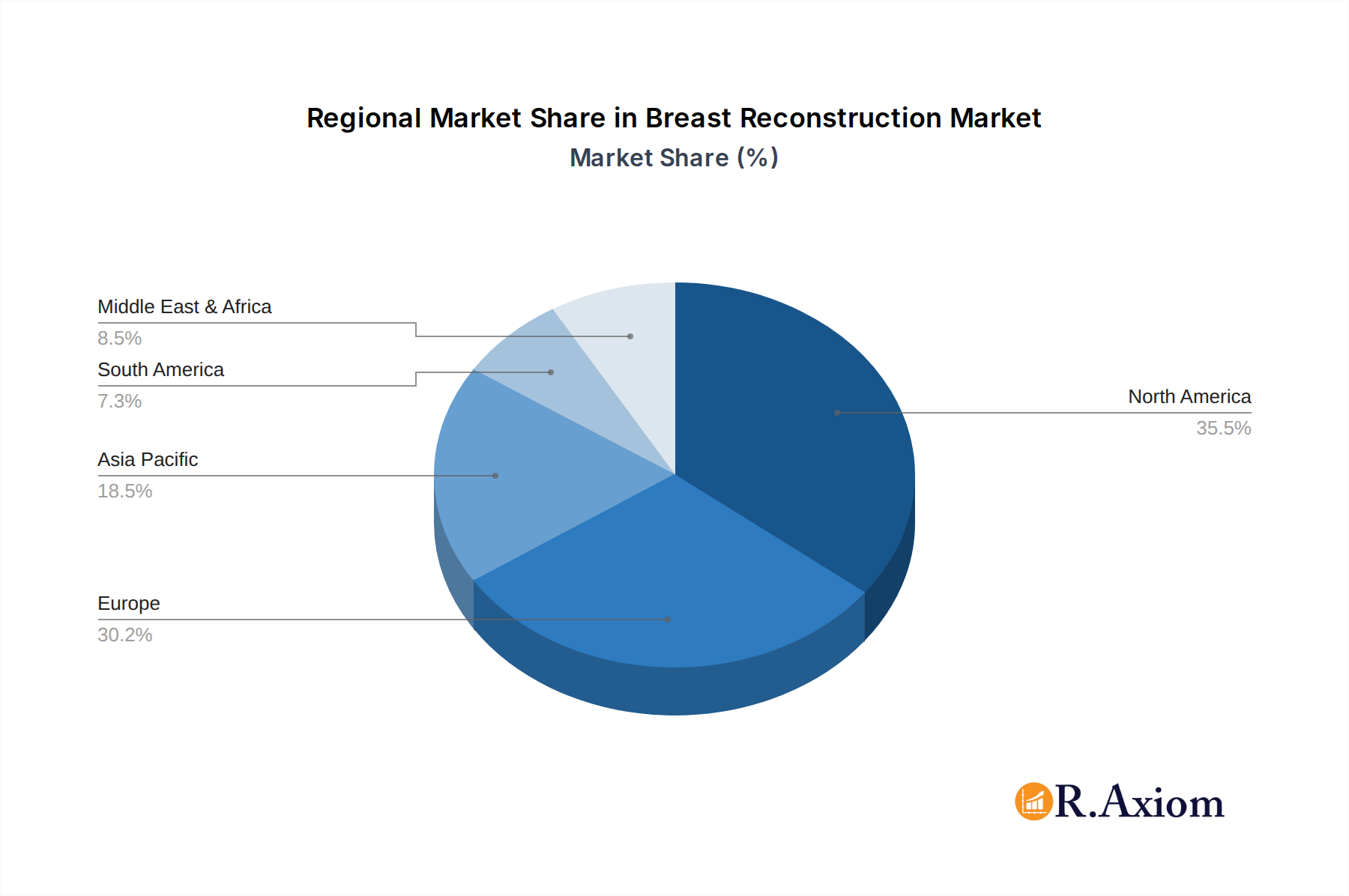
Breast Reconstruction Regional Market Share
Geographic Coverage of Breast Reconstruction
Breast Reconstruction REPORT HIGHLIGHTS
| Aspects | Details |
|---|---|
| Study Period | 2020-2034 |
| Base Year | 2025 |
| Estimated Year | 2026 |
| Forecast Period | 2026-2034 |
| Historical Period | 2020-2025 |
| Growth Rate | CAGR of 2.8% from 2020-2034 |
| Segmentation |
|
Table of Contents
- 1. Introduction
- 1.1. Research Scope
- 1.2. Market Segmentation
- 1.3. Research Methodology
- 1.4. Definitions and Assumptions
- 2. Executive Summary
- 2.1. Introduction
- 3. Market Dynamics
- 3.1. Introduction
- 3.2. Market Drivers
- 3.3. Market Restrains
- 3.4. Market Trends
- 4. Market Factor Analysis
- 4.1. Porters Five Forces
- 4.2. Supply/Value Chain
- 4.3. PESTEL analysis
- 4.4. Market Entropy
- 4.5. Patent/Trademark Analysis
- 5. Global Breast Reconstruction Analysis, Insights and Forecast, 2020-2032
- 5.1. Market Analysis, Insights and Forecast - by Application
- 5.1.1. Hospitals
- 5.1.2. Beauty Center
- 5.1.3. Others
- 5.2. Market Analysis, Insights and Forecast - by Type
- 5.2.1. Inframammary
- 5.2.2. Peri-Areolar
- 5.2.3. Trans-Axillary
- 5.2.4. Transumbilical
- 5.3. Market Analysis, Insights and Forecast - by Region
- 5.3.1. North America
- 5.3.2. South America
- 5.3.3. Europe
- 5.3.4. Middle East & Africa
- 5.3.5. Asia Pacific
- 5.1. Market Analysis, Insights and Forecast - by Application
- 6. North America Breast Reconstruction Analysis, Insights and Forecast, 2020-2032
- 6.1. Market Analysis, Insights and Forecast - by Application
- 6.1.1. Hospitals
- 6.1.2. Beauty Center
- 6.1.3. Others
- 6.2. Market Analysis, Insights and Forecast - by Type
- 6.2.1. Inframammary
- 6.2.2. Peri-Areolar
- 6.2.3. Trans-Axillary
- 6.2.4. Transumbilical
- 6.1. Market Analysis, Insights and Forecast - by Application
- 7. South America Breast Reconstruction Analysis, Insights and Forecast, 2020-2032
- 7.1. Market Analysis, Insights and Forecast - by Application
- 7.1.1. Hospitals
- 7.1.2. Beauty Center
- 7.1.3. Others
- 7.2. Market Analysis, Insights and Forecast - by Type
- 7.2.1. Inframammary
- 7.2.2. Peri-Areolar
- 7.2.3. Trans-Axillary
- 7.2.4. Transumbilical
- 7.1. Market Analysis, Insights and Forecast - by Application
- 8. Europe Breast Reconstruction Analysis, Insights and Forecast, 2020-2032
- 8.1. Market Analysis, Insights and Forecast - by Application
- 8.1.1. Hospitals
- 8.1.2. Beauty Center
- 8.1.3. Others
- 8.2. Market Analysis, Insights and Forecast - by Type
- 8.2.1. Inframammary
- 8.2.2. Peri-Areolar
- 8.2.3. Trans-Axillary
- 8.2.4. Transumbilical
- 8.1. Market Analysis, Insights and Forecast - by Application
- 9. Middle East & Africa Breast Reconstruction Analysis, Insights and Forecast, 2020-2032
- 9.1. Market Analysis, Insights and Forecast - by Application
- 9.1.1. Hospitals
- 9.1.2. Beauty Center
- 9.1.3. Others
- 9.2. Market Analysis, Insights and Forecast - by Type
- 9.2.1. Inframammary
- 9.2.2. Peri-Areolar
- 9.2.3. Trans-Axillary
- 9.2.4. Transumbilical
- 9.1. Market Analysis, Insights and Forecast - by Application
- 10. Asia Pacific Breast Reconstruction Analysis, Insights and Forecast, 2020-2032
- 10.1. Market Analysis, Insights and Forecast - by Application
- 10.1.1. Hospitals
- 10.1.2. Beauty Center
- 10.1.3. Others
- 10.2. Market Analysis, Insights and Forecast - by Type
- 10.2.1. Inframammary
- 10.2.2. Peri-Areolar
- 10.2.3. Trans-Axillary
- 10.2.4. Transumbilical
- 10.1. Market Analysis, Insights and Forecast - by Application
- 11. Competitive Analysis
- 11.1. Global Market Share Analysis 2025
- 11.2. Company Profiles
- 11.2.1 Mentor Worldwide
- 11.2.1.1. Overview
- 11.2.1.2. Products
- 11.2.1.3. SWOT Analysis
- 11.2.1.4. Recent Developments
- 11.2.1.5. Financials (Based on Availability)
- 11.2.2 Sientra
- 11.2.2.1. Overview
- 11.2.2.2. Products
- 11.2.2.3. SWOT Analysis
- 11.2.2.4. Recent Developments
- 11.2.2.5. Financials (Based on Availability)
- 11.2.3 GC Aesthetics
- 11.2.3.1. Overview
- 11.2.3.2. Products
- 11.2.3.3. SWOT Analysis
- 11.2.3.4. Recent Developments
- 11.2.3.5. Financials (Based on Availability)
- 11.2.4 POLYTECH Health & Aesthetics
- 11.2.4.1. Overview
- 11.2.4.2. Products
- 11.2.4.3. SWOT Analysis
- 11.2.4.4. Recent Developments
- 11.2.4.5. Financials (Based on Availability)
- 11.2.5 Hansbiomed
- 11.2.5.1. Overview
- 11.2.5.2. Products
- 11.2.5.3. SWOT Analysis
- 11.2.5.4. Recent Developments
- 11.2.5.5. Financials (Based on Availability)
- 11.2.6 Ideal Implant
- 11.2.6.1. Overview
- 11.2.6.2. Products
- 11.2.6.3. SWOT Analysis
- 11.2.6.4. Recent Developments
- 11.2.6.5. Financials (Based on Availability)
- 11.2.7 Establishment Labs
- 11.2.7.1. Overview
- 11.2.7.2. Products
- 11.2.7.3. SWOT Analysis
- 11.2.7.4. Recent Developments
- 11.2.7.5. Financials (Based on Availability)
- 11.2.8 Groupe Sebbin
- 11.2.8.1. Overview
- 11.2.8.2. Products
- 11.2.8.3. SWOT Analysis
- 11.2.8.4. Recent Developments
- 11.2.8.5. Financials (Based on Availability)
- 11.2.9 Guangzhou Wanhe Plastic Materials
- 11.2.9.1. Overview
- 11.2.9.2. Products
- 11.2.9.3. SWOT Analysis
- 11.2.9.4. Recent Developments
- 11.2.9.5. Financials (Based on Availability)
- 11.2.1 Mentor Worldwide
List of Figures
- Figure 1: Global Breast Reconstruction Revenue Breakdown (million, %) by Region 2025 & 2033
- Figure 2: North America Breast Reconstruction Revenue (million), by Application 2025 & 2033
- Figure 3: North America Breast Reconstruction Revenue Share (%), by Application 2025 & 2033
- Figure 4: North America Breast Reconstruction Revenue (million), by Type 2025 & 2033
- Figure 5: North America Breast Reconstruction Revenue Share (%), by Type 2025 & 2033
- Figure 6: North America Breast Reconstruction Revenue (million), by Country 2025 & 2033
- Figure 7: North America Breast Reconstruction Revenue Share (%), by Country 2025 & 2033
- Figure 8: South America Breast Reconstruction Revenue (million), by Application 2025 & 2033
- Figure 9: South America Breast Reconstruction Revenue Share (%), by Application 2025 & 2033
- Figure 10: South America Breast Reconstruction Revenue (million), by Type 2025 & 2033
- Figure 11: South America Breast Reconstruction Revenue Share (%), by Type 2025 & 2033
- Figure 12: South America Breast Reconstruction Revenue (million), by Country 2025 & 2033
- Figure 13: South America Breast Reconstruction Revenue Share (%), by Country 2025 & 2033
- Figure 14: Europe Breast Reconstruction Revenue (million), by Application 2025 & 2033
- Figure 15: Europe Breast Reconstruction Revenue Share (%), by Application 2025 & 2033
- Figure 16: Europe Breast Reconstruction Revenue (million), by Type 2025 & 2033
- Figure 17: Europe Breast Reconstruction Revenue Share (%), by Type 2025 & 2033
- Figure 18: Europe Breast Reconstruction Revenue (million), by Country 2025 & 2033
- Figure 19: Europe Breast Reconstruction Revenue Share (%), by Country 2025 & 2033
- Figure 20: Middle East & Africa Breast Reconstruction Revenue (million), by Application 2025 & 2033
- Figure 21: Middle East & Africa Breast Reconstruction Revenue Share (%), by Application 2025 & 2033
- Figure 22: Middle East & Africa Breast Reconstruction Revenue (million), by Type 2025 & 2033
- Figure 23: Middle East & Africa Breast Reconstruction Revenue Share (%), by Type 2025 & 2033
- Figure 24: Middle East & Africa Breast Reconstruction Revenue (million), by Country 2025 & 2033
- Figure 25: Middle East & Africa Breast Reconstruction Revenue Share (%), by Country 2025 & 2033
- Figure 26: Asia Pacific Breast Reconstruction Revenue (million), by Application 2025 & 2033
- Figure 27: Asia Pacific Breast Reconstruction Revenue Share (%), by Application 2025 & 2033
- Figure 28: Asia Pacific Breast Reconstruction Revenue (million), by Type 2025 & 2033
- Figure 29: Asia Pacific Breast Reconstruction Revenue Share (%), by Type 2025 & 2033
- Figure 30: Asia Pacific Breast Reconstruction Revenue (million), by Country 2025 & 2033
- Figure 31: Asia Pacific Breast Reconstruction Revenue Share (%), by Country 2025 & 2033
List of Tables
- Table 1: Global Breast Reconstruction Revenue million Forecast, by Application 2020 & 2033
- Table 2: Global Breast Reconstruction Revenue million Forecast, by Type 2020 & 2033
- Table 3: Global Breast Reconstruction Revenue million Forecast, by Region 2020 & 2033
- Table 4: Global Breast Reconstruction Revenue million Forecast, by Application 2020 & 2033
- Table 5: Global Breast Reconstruction Revenue million Forecast, by Type 2020 & 2033
- Table 6: Global Breast Reconstruction Revenue million Forecast, by Country 2020 & 2033
- Table 7: United States Breast Reconstruction Revenue (million) Forecast, by Application 2020 & 2033
- Table 8: Canada Breast Reconstruction Revenue (million) Forecast, by Application 2020 & 2033
- Table 9: Mexico Breast Reconstruction Revenue (million) Forecast, by Application 2020 & 2033
- Table 10: Global Breast Reconstruction Revenue million Forecast, by Application 2020 & 2033
- Table 11: Global Breast Reconstruction Revenue million Forecast, by Type 2020 & 2033
- Table 12: Global Breast Reconstruction Revenue million Forecast, by Country 2020 & 2033
- Table 13: Brazil Breast Reconstruction Revenue (million) Forecast, by Application 2020 & 2033
- Table 14: Argentina Breast Reconstruction Revenue (million) Forecast, by Application 2020 & 2033
- Table 15: Rest of South America Breast Reconstruction Revenue (million) Forecast, by Application 2020 & 2033
- Table 16: Global Breast Reconstruction Revenue million Forecast, by Application 2020 & 2033
- Table 17: Global Breast Reconstruction Revenue million Forecast, by Type 2020 & 2033
- Table 18: Global Breast Reconstruction Revenue million Forecast, by Country 2020 & 2033
- Table 19: United Kingdom Breast Reconstruction Revenue (million) Forecast, by Application 2020 & 2033
- Table 20: Germany Breast Reconstruction Revenue (million) Forecast, by Application 2020 & 2033
- Table 21: France Breast Reconstruction Revenue (million) Forecast, by Application 2020 & 2033
- Table 22: Italy Breast Reconstruction Revenue (million) Forecast, by Application 2020 & 2033
- Table 23: Spain Breast Reconstruction Revenue (million) Forecast, by Application 2020 & 2033
- Table 24: Russia Breast Reconstruction Revenue (million) Forecast, by Application 2020 & 2033
- Table 25: Benelux Breast Reconstruction Revenue (million) Forecast, by Application 2020 & 2033
- Table 26: Nordics Breast Reconstruction Revenue (million) Forecast, by Application 2020 & 2033
- Table 27: Rest of Europe Breast Reconstruction Revenue (million) Forecast, by Application 2020 & 2033
- Table 28: Global Breast Reconstruction Revenue million Forecast, by Application 2020 & 2033
- Table 29: Global Breast Reconstruction Revenue million Forecast, by Type 2020 & 2033
- Table 30: Global Breast Reconstruction Revenue million Forecast, by Country 2020 & 2033
- Table 31: Turkey Breast Reconstruction Revenue (million) Forecast, by Application 2020 & 2033
- Table 32: Israel Breast Reconstruction Revenue (million) Forecast, by Application 2020 & 2033
- Table 33: GCC Breast Reconstruction Revenue (million) Forecast, by Application 2020 & 2033
- Table 34: North Africa Breast Reconstruction Revenue (million) Forecast, by Application 2020 & 2033
- Table 35: South Africa Breast Reconstruction Revenue (million) Forecast, by Application 2020 & 2033
- Table 36: Rest of Middle East & Africa Breast Reconstruction Revenue (million) Forecast, by Application 2020 & 2033
- Table 37: Global Breast Reconstruction Revenue million Forecast, by Application 2020 & 2033
- Table 38: Global Breast Reconstruction Revenue million Forecast, by Type 2020 & 2033
- Table 39: Global Breast Reconstruction Revenue million Forecast, by Country 2020 & 2033
- Table 40: China Breast Reconstruction Revenue (million) Forecast, by Application 2020 & 2033
- Table 41: India Breast Reconstruction Revenue (million) Forecast, by Application 2020 & 2033
- Table 42: Japan Breast Reconstruction Revenue (million) Forecast, by Application 2020 & 2033
- Table 43: South Korea Breast Reconstruction Revenue (million) Forecast, by Application 2020 & 2033
- Table 44: ASEAN Breast Reconstruction Revenue (million) Forecast, by Application 2020 & 2033
- Table 45: Oceania Breast Reconstruction Revenue (million) Forecast, by Application 2020 & 2033
- Table 46: Rest of Asia Pacific Breast Reconstruction Revenue (million) Forecast, by Application 2020 & 2033
Frequently Asked Questions
1. What is the projected Compound Annual Growth Rate (CAGR) of the Breast Reconstruction?
The projected CAGR is approximately 2.8%.
2. Which companies are prominent players in the Breast Reconstruction?
Key companies in the market include Mentor Worldwide, Sientra, GC Aesthetics, POLYTECH Health & Aesthetics, Hansbiomed, Ideal Implant, Establishment Labs, Groupe Sebbin, Guangzhou Wanhe Plastic Materials.
3. What are the main segments of the Breast Reconstruction?
The market segments include Application, Type.
4. Can you provide details about the market size?
The market size is estimated to be USD 1483 million as of 2022.
5. What are some drivers contributing to market growth?
N/A
6. What are the notable trends driving market growth?
N/A
7. Are there any restraints impacting market growth?
N/A
8. Can you provide examples of recent developments in the market?
N/A
9. What pricing options are available for accessing the report?
Pricing options include single-user, multi-user, and enterprise licenses priced at USD 3950.00, USD 5925.00, and USD 7900.00 respectively.
10. Is the market size provided in terms of value or volume?
The market size is provided in terms of value, measured in million.
11. Are there any specific market keywords associated with the report?
Yes, the market keyword associated with the report is "Breast Reconstruction," which aids in identifying and referencing the specific market segment covered.
12. How do I determine which pricing option suits my needs best?
The pricing options vary based on user requirements and access needs. Individual users may opt for single-user licenses, while businesses requiring broader access may choose multi-user or enterprise licenses for cost-effective access to the report.
13. Are there any additional resources or data provided in the Breast Reconstruction report?
While the report offers comprehensive insights, it's advisable to review the specific contents or supplementary materials provided to ascertain if additional resources or data are available.
14. How can I stay updated on further developments or reports in the Breast Reconstruction?
To stay informed about further developments, trends, and reports in the Breast Reconstruction, consider subscribing to industry newsletters, following relevant companies and organizations, or regularly checking reputable industry news sources and publications.
Methodology
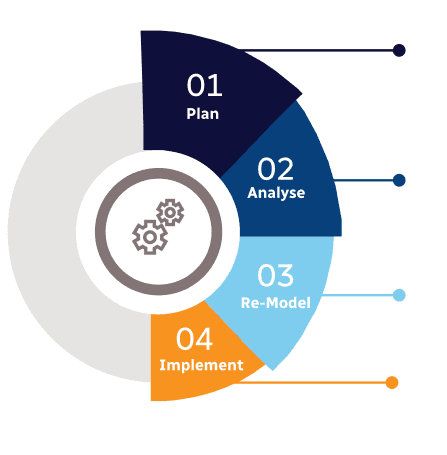
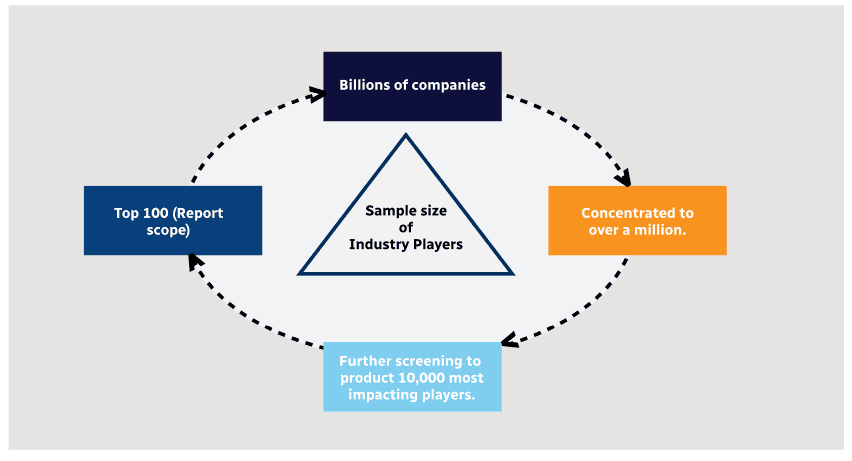
Step 1 - Identification of Relevant Samples Size from Population Database
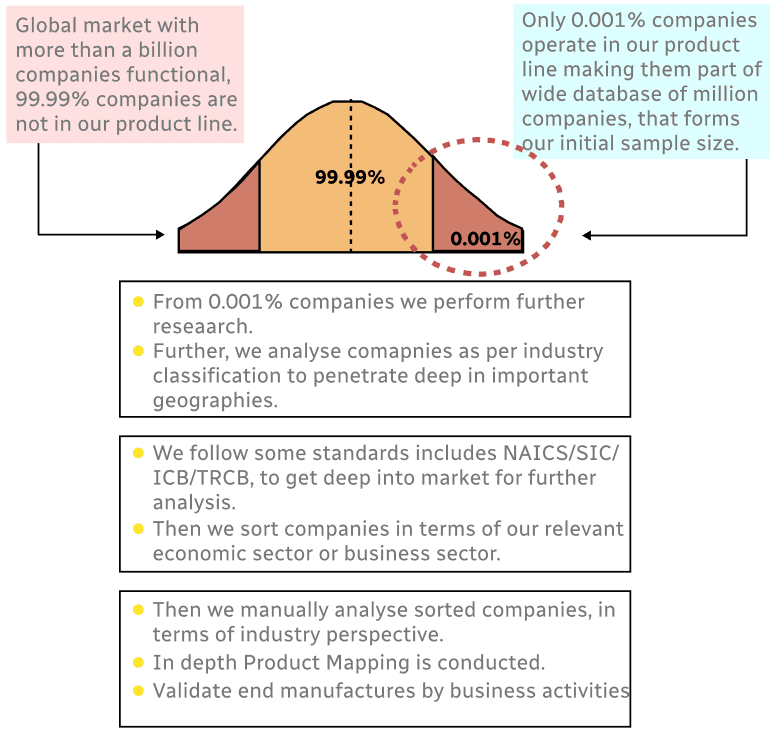
Step 2 - Approaches for Defining Global Market Size (Value, Volume* & Price*)
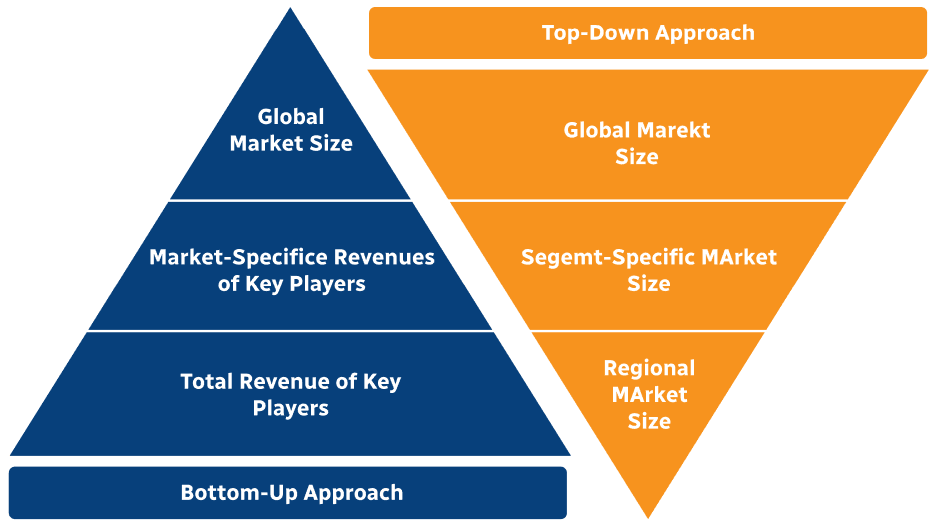
Note*: In applicable scenarios
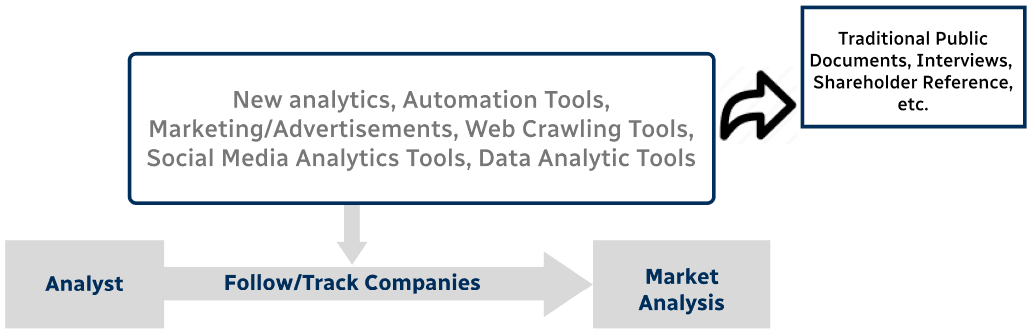
Step 3 - Data Sources
Primary Research
- Web Analytics
- Survey Reports
- Research Institute
- Latest Research Reports
- Opinion Leaders
Secondary Research
- Annual Reports
- White Paper
- Latest Press Release
- Industry Association
- Paid Database
- Investor Presentations
Step 4 - Data Triangulation
Involves using different sources of information in order to increase the validity of a study
These sources are likely to be stakeholders in a program - participants, other researchers, program staff, other community members, and so on.
Then we put all data in single framework & apply various statistical tools to find out the dynamic on the market.
During the analysis stage, feedback from the stakeholder groups would be compared to determine areas of agreement as well as areas of divergence