Key Insights
The European cancer biological therapy market, valued at €58.32 billion in 2025, is projected to experience robust growth, driven by a rising prevalence of cancer, an aging population, and advancements in immunotherapy and targeted therapies. The market's Compound Annual Growth Rate (CAGR) of 5.38% from 2025 to 2033 indicates a significant expansion. Key treatment segments include chemotherapy, immunotherapy (biologic therapy), targeted therapy, and hormonal therapy, catering to diverse cancer types such as blood cancers, breast cancer, prostate cancer, gastrointestinal cancers, and lung cancers. Hospitals, specialty clinics, and cancer centers are the primary end-users of these therapies. Leading pharmaceutical companies like Bayer, Novartis, Amgen, Merck, Roche, AstraZeneca, Pfizer, Johnson & Johnson, Bristol Myers Squibb, and GlaxoSmithKline are key players, continuously investing in research and development to expand their product portfolios and market presence. The growth is further fueled by increased government funding for cancer research and improved healthcare infrastructure across the European region. Germany, France, Italy, the United Kingdom, and other major European nations are expected to contribute significantly to market expansion, driven by high cancer incidence rates and greater access to advanced therapies in these countries.
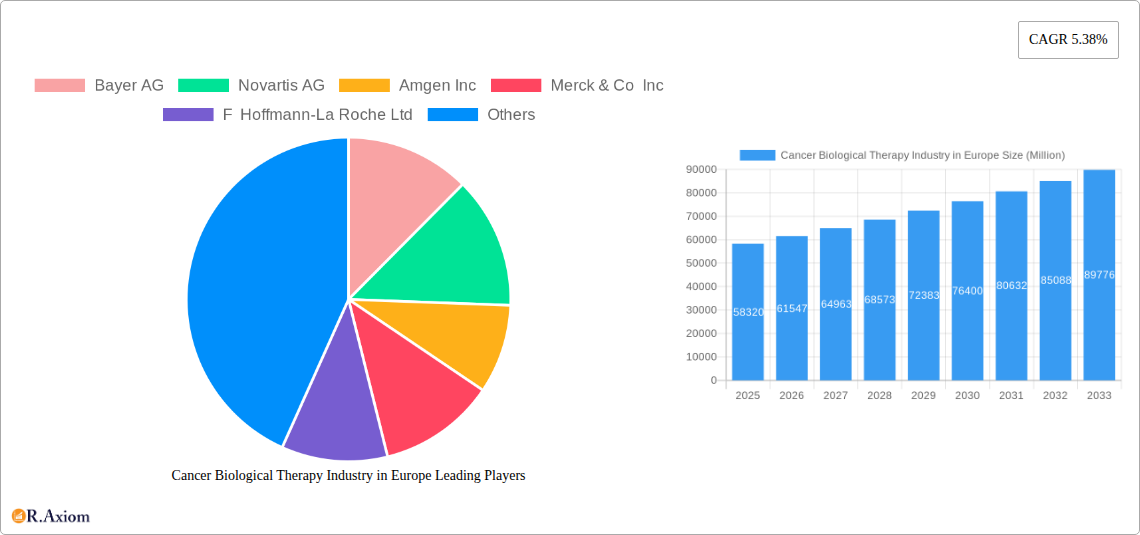
Cancer Biological Therapy Industry in Europe Market Size (In Billion)

The market's growth, however, might face some challenges. High treatment costs can limit accessibility, particularly in countries with less developed healthcare systems. Furthermore, the development and approval of new therapies are lengthy and expensive processes, potentially slowing market penetration of innovative treatments. Regulatory hurdles and varying reimbursement policies across different European countries also pose complexities for market players. Despite these challenges, the long-term outlook remains positive, fueled by ongoing scientific breakthroughs, increased awareness about cancer prevention and early detection, and a continuous surge in demand for effective cancer therapies. The market segmentation analysis reveals significant growth opportunities in specific cancer types and treatment modalities, necessitating a targeted approach by market players to maximize their reach and market share within this lucrative sector.
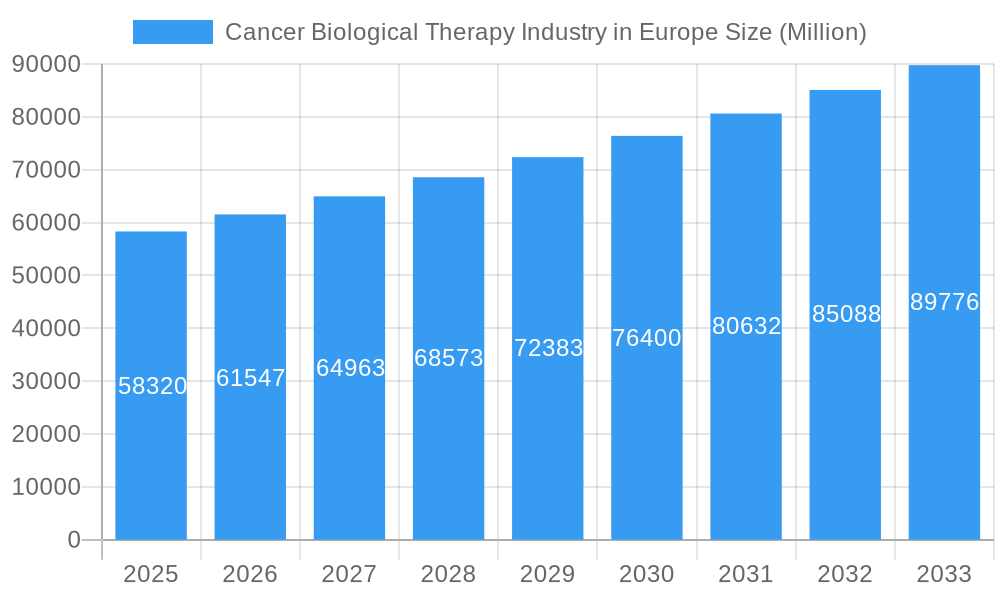
Cancer Biological Therapy Industry in Europe Company Market Share
This in-depth report provides a comprehensive analysis of the Cancer Biological Therapy industry in Europe, covering market size, segmentation, key players, growth drivers, challenges, and future outlook. The report uses data from the historical period (2019-2024), base year (2025), and estimated year (2025) to forecast market trends through 2033. It's an invaluable resource for industry stakeholders, investors, and researchers seeking actionable insights into this dynamic market.
Cancer Biological Therapy Industry in Europe Market Concentration & Innovation
The European cancer biological therapy market is characterized by high concentration amongst a few multinational pharmaceutical giants, with significant variations in market share across different treatment modalities and cancer types. Key players such as Bayer AG, Novartis AG, Amgen Inc, Merck & Co Inc, F Hoffmann-La Roche Ltd, AstraZeneca PLC, Pfizer Inc, Johnson & Johnson, Bristol-Myers Squibb Company, and GlaxoSmithKline PLC dominate the market, collectively holding an estimated xx% market share in 2025. This high concentration reflects significant investment in R&D, robust clinical trial pipelines, and established distribution networks.
Market innovation is driven by advancements in immunotherapy, targeted therapies, and the development of personalized medicine approaches. Stringent regulatory frameworks, including those of the European Medicines Agency (EMA), play a crucial role in ensuring the safety and efficacy of new therapies. The market also faces competitive pressures from biosimilar entrants and emerging innovative therapies. Mergers and acquisitions (M&A) activity has been significant, reflecting the consolidation trends within the industry. Recent notable deals include:
- May 2022: Boehringer Ingelheim's acquisition of Northern Biologics (estimated deal value: xx Million).
- June 2021: Genetech's collaboration with Nykode (Vaccibody) to develop novel DNA-based cancer vaccines (estimated deal value: xx Million).
Further analysis of M&A activity reveals an increasing focus on acquiring smaller biotech companies with promising assets in the immunotherapeutic space. This is a key driver of both market consolidation and innovation.
Cancer Biological Therapy Industry in Europe Industry Trends & Insights
The European cancer biological therapy market is experiencing robust growth, driven by increasing cancer incidence, rising prevalence of specific cancer types (e.g., lung, breast, and prostate cancers), an aging population, and increased healthcare expenditure. The market is projected to exhibit a Compound Annual Growth Rate (CAGR) of xx% during the forecast period (2025-2033), reaching a market value of xx Million by 2033. Market penetration of advanced therapies like immunotherapy and targeted therapy is steadily increasing, although challenges related to accessibility and affordability persist.
Technological advancements, including the development of CAR T-cell therapy, bispecific antibodies, and next-generation sequencing for personalized medicine, are significantly shaping the market landscape. These innovations are enabling more precise and effective treatment strategies, leading to improved patient outcomes and market expansion. However, high treatment costs, regulatory hurdles, and the need for specialized healthcare infrastructure pose significant challenges. The market is also influenced by evolving consumer preferences, with increasing patient advocacy for personalized treatment plans and access to innovative therapies. Intense competition among established pharmaceutical companies and emerging biotech firms is driving innovation and influencing pricing strategies.
Dominant Markets & Segments in Cancer Biological Therapy Industry in Europe
Within the European cancer biological therapy market, several segments stand out in terms of dominance:
Leading Region: Germany consistently leads the European market due to factors such as high healthcare expenditure, a robust pharmaceutical industry, and advanced healthcare infrastructure.
Leading Country: Germany is also the leading country in terms of market size and adoption of innovative therapies.
Leading Treatment Segment: Immunotherapy (Biologic Therapy) is the fastest-growing segment, fuelled by the success of checkpoint inhibitors and other innovative immunotherapies.
Leading Cancer Type Segment: Blood cancers, particularly leukemia and lymphoma, represent a significant market share, owing to the effectiveness of targeted and immunotherapies.
Leading End-User Segment: Hospitals and specialty clinics constitute the largest end-user segment, given their established infrastructure and expertise in administering complex cancer therapies.
Key Drivers for Dominance:
- Germany: Strong government funding for healthcare research and development, coupled with a well-established healthcare system, drives the dominance of this market.
- Immunotherapy: High efficacy rates and improved patient outcomes compared to traditional chemotherapy contribute to its rapid growth.
- Blood Cancers: The higher success rates of targeted and immunotherapies in treating blood cancers compared to solid tumors increase their market share.
- Hospitals & Specialty Clinics: These facilities have the necessary infrastructure, trained personnel, and resources to effectively administer and monitor advanced cancer biological therapies.
Cancer Biological Therapy Industry in Europe Product Developments
Recent product innovations in the European cancer biological therapy market reflect a focus on improving efficacy, reducing toxicity, and personalizing treatment approaches. The development of novel antibody-drug conjugates (ADCs), next-generation sequencing for biomarker identification, and improved targeted therapies are transforming treatment paradigms. These advancements aim to improve patient outcomes while addressing existing limitations of traditional therapies. Companies are actively developing companion diagnostics to select patients most likely to benefit from specific therapies. This personalization trend, along with the development of less toxic agents, increases the market appeal of these new treatment modalities.
Report Scope & Segmentation Analysis
This report comprehensively segments the European cancer biological therapy market across several key parameters:
Treatment: Chemotherapy, Target Therapy, Immunotherapy (Biologic Therapy), Hormonal Therapy, Other Treatment Types (Each segment features detailed growth projections, market size estimations, and competitive landscape analysis).
Cancer Type: Blood Cancer, Breast Cancer, Prostate Cancer, Gastrointestinal Cancer, Gynecologic Cancer, Respiratory/Lung Cancer, Other Cancer Types (Each segment has individual growth projections and market size estimations for 2025-2033).
End User: Hospitals, Specialty Clinics, Cancer and Radiation Therapy Centers (Each segment includes detailed competitive dynamics and growth projections).
Key Drivers of Cancer Biological Therapy Industry in Europe Growth
The growth of the European cancer biological therapy market is propelled by several key drivers:
- Technological advancements: The development of novel therapies like CAR T-cell therapy, bispecific antibodies, and improved targeted therapies is a major growth driver.
- Increased cancer incidence: The rising prevalence of various cancer types fuels the demand for effective treatment options.
- Favorable regulatory environment: The supportive regulatory landscape in Europe facilitates the approval and market entry of innovative therapies.
- Rising healthcare expenditure: Increased investment in healthcare infrastructure and research & development supports the growth of the market.
Challenges in the Cancer Biological Therapy Industry in Europe Sector
The European cancer biological therapy market faces several challenges:
- High treatment costs: The cost-effectiveness of advanced therapies like immunotherapy remains a major concern, impacting accessibility.
- Regulatory hurdles: The stringent regulatory approval processes can delay market entry for new therapies.
- Supply chain complexities: Disruptions in the global supply chain can affect the availability of essential medicines.
- Intense competition: The high concentration of major players leads to intense competition, impacting pricing and profitability.
Emerging Opportunities in Cancer Biological Therapy Industry in Europe
Several promising opportunities exist within the European cancer biological therapy market:
- Personalized medicine: Tailoring therapies to individual patient profiles based on genetic and molecular characteristics is a growing trend.
- Expansion into underserved markets: Reaching patients in regions with limited access to advanced therapies presents a significant opportunity.
- Development of combination therapies: Combining different biological therapies to enhance efficacy and overcome resistance is a key area of focus.
- Focus on early diagnosis and prevention: Investing in early detection programs and preventive measures can reduce the overall cancer burden and the subsequent need for therapies.
Leading Players in the Cancer Biological Therapy Industry in Europe Market
- Bayer AG
- Novartis AG
- Amgen Inc
- Merck & Co Inc
- F Hoffmann-La Roche Ltd
- AstraZeneca PLC
- Pfizer Inc
- Johnson & Johnson
- Bristol-Myers Squibb Company
- GlaxoSmithKline PLC
Key Developments in Cancer Biological Therapy Industry in Europe Industry
- May 2022: Boehringer Ingelheim acquired Northern Biologics, expanding its cancer immunology portfolio.
- June 2021: Genetech collaborated with Nykode (Vaccibody) to develop novel DNA-based cancer vaccines.
Strategic Outlook for Cancer Biological Therapy Industry in Europe Market
The future of the European cancer biological therapy market is bright, driven by continuous innovation in drug development, increased investment in research and development, and the growing adoption of personalized medicine approaches. Further market expansion is anticipated, particularly in immunotherapy and targeted therapies, leading to improved patient outcomes and a significant increase in market value. However, addressing the challenges related to affordability, accessibility, and regulatory hurdles is crucial for achieving sustainable market growth.
Cancer Biological Therapy Industry in Europe Segmentation
-
1. Treatment
- 1.1. Chemotherapy
- 1.2. Target Therapy
- 1.3. Immunotherapy (Biologic Therapy)
- 1.4. Hormonal Therapy
- 1.5. Other Treatment Types
-
2. Cancer Type
- 2.1. Blood Cancer
- 2.2. Breast Cancer
- 2.3. Prostate Cancer
- 2.4. Gastrointestinal Cancer
- 2.5. Gynecologic Cancer
- 2.6. Respiratory/Lung Cancer
- 2.7. Other Cancer Types
-
3. End User
- 3.1. Hospitals
- 3.2. Specilty Clinics
- 3.3. Cancer and Radiation Therapy Centers
Cancer Biological Therapy Industry in Europe Segmentation By Geography
- 1. Germany
- 2. United Kingdom
- 3. France
- 4. Italy
- 5. Spain
- 6. Rest of Europe
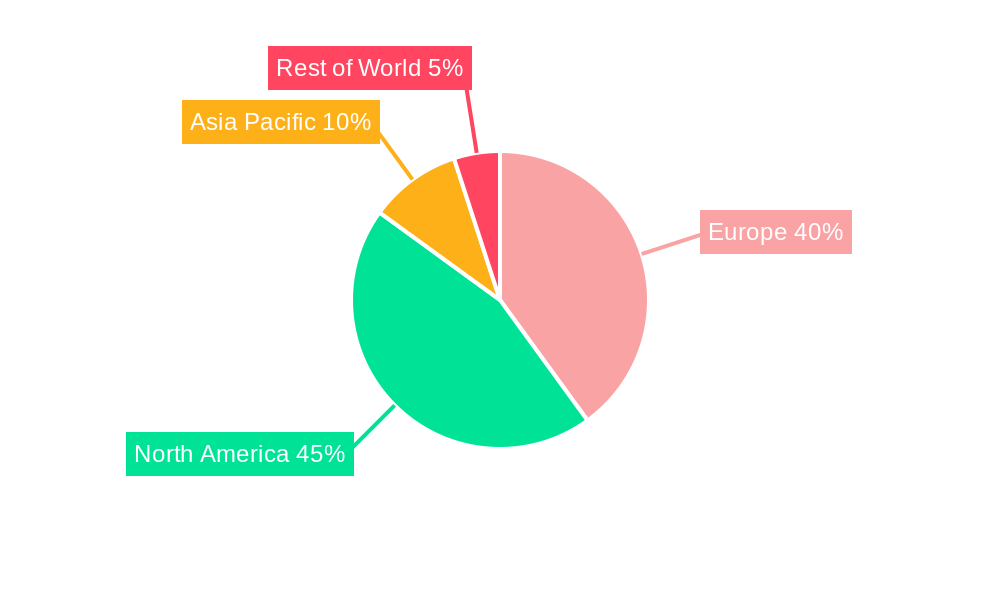
Cancer Biological Therapy Industry in Europe Regional Market Share
Geographic Coverage of Cancer Biological Therapy Industry in Europe
Cancer Biological Therapy Industry in Europe REPORT HIGHLIGHTS
| Aspects | Details |
|---|---|
| Study Period | 2020-2034 |
| Base Year | 2025 |
| Estimated Year | 2026 |
| Forecast Period | 2026-2034 |
| Historical Period | 2020-2025 |
| Growth Rate | CAGR of 5.38% from 2020-2034 |
| Segmentation |
|
Table of Contents
- 1. Introduction
- 1.1. Research Scope
- 1.2. Market Segmentation
- 1.3. Research Methodology
- 1.4. Definitions and Assumptions
- 2. Executive Summary
- 2.1. Introduction
- 3. Market Dynamics
- 3.1. Introduction
- 3.2. Market Drivers
- 3.2.1. Rising Prevalence of Cancer in Europe; Strong R&D Initiatives from Key Players
- 3.3. Market Restrains
- 3.3.1. Inequality in Access of Cancer Therapy across Europe; High Cost of Cancer Therapies
- 3.4. Market Trends
- 3.4.1. Target Therapy is Expected to Witness Significant Growth over the Forecast Period (2022-2027)
- 4. Market Factor Analysis
- 4.1. Porters Five Forces
- 4.2. Supply/Value Chain
- 4.3. PESTEL analysis
- 4.4. Market Entropy
- 4.5. Patent/Trademark Analysis
- 5. Cancer Biological Therapy Industry in Europe Analysis, Insights and Forecast, 2020-2032
- 5.1. Market Analysis, Insights and Forecast - by Treatment
- 5.1.1. Chemotherapy
- 5.1.2. Target Therapy
- 5.1.3. Immunotherapy (Biologic Therapy)
- 5.1.4. Hormonal Therapy
- 5.1.5. Other Treatment Types
- 5.2. Market Analysis, Insights and Forecast - by Cancer Type
- 5.2.1. Blood Cancer
- 5.2.2. Breast Cancer
- 5.2.3. Prostate Cancer
- 5.2.4. Gastrointestinal Cancer
- 5.2.5. Gynecologic Cancer
- 5.2.6. Respiratory/Lung Cancer
- 5.2.7. Other Cancer Types
- 5.3. Market Analysis, Insights and Forecast - by End User
- 5.3.1. Hospitals
- 5.3.2. Specilty Clinics
- 5.3.3. Cancer and Radiation Therapy Centers
- 5.4. Market Analysis, Insights and Forecast - by Region
- 5.4.1. Germany
- 5.4.2. United Kingdom
- 5.4.3. France
- 5.4.4. Italy
- 5.4.5. Spain
- 5.4.6. Rest of Europe
- 5.1. Market Analysis, Insights and Forecast - by Treatment
- 6. Germany Cancer Biological Therapy Industry in Europe Analysis, Insights and Forecast, 2020-2032
- 6.1. Market Analysis, Insights and Forecast - by Treatment
- 6.1.1. Chemotherapy
- 6.1.2. Target Therapy
- 6.1.3. Immunotherapy (Biologic Therapy)
- 6.1.4. Hormonal Therapy
- 6.1.5. Other Treatment Types
- 6.2. Market Analysis, Insights and Forecast - by Cancer Type
- 6.2.1. Blood Cancer
- 6.2.2. Breast Cancer
- 6.2.3. Prostate Cancer
- 6.2.4. Gastrointestinal Cancer
- 6.2.5. Gynecologic Cancer
- 6.2.6. Respiratory/Lung Cancer
- 6.2.7. Other Cancer Types
- 6.3. Market Analysis, Insights and Forecast - by End User
- 6.3.1. Hospitals
- 6.3.2. Specilty Clinics
- 6.3.3. Cancer and Radiation Therapy Centers
- 6.1. Market Analysis, Insights and Forecast - by Treatment
- 7. United Kingdom Cancer Biological Therapy Industry in Europe Analysis, Insights and Forecast, 2020-2032
- 7.1. Market Analysis, Insights and Forecast - by Treatment
- 7.1.1. Chemotherapy
- 7.1.2. Target Therapy
- 7.1.3. Immunotherapy (Biologic Therapy)
- 7.1.4. Hormonal Therapy
- 7.1.5. Other Treatment Types
- 7.2. Market Analysis, Insights and Forecast - by Cancer Type
- 7.2.1. Blood Cancer
- 7.2.2. Breast Cancer
- 7.2.3. Prostate Cancer
- 7.2.4. Gastrointestinal Cancer
- 7.2.5. Gynecologic Cancer
- 7.2.6. Respiratory/Lung Cancer
- 7.2.7. Other Cancer Types
- 7.3. Market Analysis, Insights and Forecast - by End User
- 7.3.1. Hospitals
- 7.3.2. Specilty Clinics
- 7.3.3. Cancer and Radiation Therapy Centers
- 7.1. Market Analysis, Insights and Forecast - by Treatment
- 8. France Cancer Biological Therapy Industry in Europe Analysis, Insights and Forecast, 2020-2032
- 8.1. Market Analysis, Insights and Forecast - by Treatment
- 8.1.1. Chemotherapy
- 8.1.2. Target Therapy
- 8.1.3. Immunotherapy (Biologic Therapy)
- 8.1.4. Hormonal Therapy
- 8.1.5. Other Treatment Types
- 8.2. Market Analysis, Insights and Forecast - by Cancer Type
- 8.2.1. Blood Cancer
- 8.2.2. Breast Cancer
- 8.2.3. Prostate Cancer
- 8.2.4. Gastrointestinal Cancer
- 8.2.5. Gynecologic Cancer
- 8.2.6. Respiratory/Lung Cancer
- 8.2.7. Other Cancer Types
- 8.3. Market Analysis, Insights and Forecast - by End User
- 8.3.1. Hospitals
- 8.3.2. Specilty Clinics
- 8.3.3. Cancer and Radiation Therapy Centers
- 8.1. Market Analysis, Insights and Forecast - by Treatment
- 9. Italy Cancer Biological Therapy Industry in Europe Analysis, Insights and Forecast, 2020-2032
- 9.1. Market Analysis, Insights and Forecast - by Treatment
- 9.1.1. Chemotherapy
- 9.1.2. Target Therapy
- 9.1.3. Immunotherapy (Biologic Therapy)
- 9.1.4. Hormonal Therapy
- 9.1.5. Other Treatment Types
- 9.2. Market Analysis, Insights and Forecast - by Cancer Type
- 9.2.1. Blood Cancer
- 9.2.2. Breast Cancer
- 9.2.3. Prostate Cancer
- 9.2.4. Gastrointestinal Cancer
- 9.2.5. Gynecologic Cancer
- 9.2.6. Respiratory/Lung Cancer
- 9.2.7. Other Cancer Types
- 9.3. Market Analysis, Insights and Forecast - by End User
- 9.3.1. Hospitals
- 9.3.2. Specilty Clinics
- 9.3.3. Cancer and Radiation Therapy Centers
- 9.1. Market Analysis, Insights and Forecast - by Treatment
- 10. Spain Cancer Biological Therapy Industry in Europe Analysis, Insights and Forecast, 2020-2032
- 10.1. Market Analysis, Insights and Forecast - by Treatment
- 10.1.1. Chemotherapy
- 10.1.2. Target Therapy
- 10.1.3. Immunotherapy (Biologic Therapy)
- 10.1.4. Hormonal Therapy
- 10.1.5. Other Treatment Types
- 10.2. Market Analysis, Insights and Forecast - by Cancer Type
- 10.2.1. Blood Cancer
- 10.2.2. Breast Cancer
- 10.2.3. Prostate Cancer
- 10.2.4. Gastrointestinal Cancer
- 10.2.5. Gynecologic Cancer
- 10.2.6. Respiratory/Lung Cancer
- 10.2.7. Other Cancer Types
- 10.3. Market Analysis, Insights and Forecast - by End User
- 10.3.1. Hospitals
- 10.3.2. Specilty Clinics
- 10.3.3. Cancer and Radiation Therapy Centers
- 10.1. Market Analysis, Insights and Forecast - by Treatment
- 11. Rest of Europe Cancer Biological Therapy Industry in Europe Analysis, Insights and Forecast, 2020-2032
- 11.1. Market Analysis, Insights and Forecast - by Treatment
- 11.1.1. Chemotherapy
- 11.1.2. Target Therapy
- 11.1.3. Immunotherapy (Biologic Therapy)
- 11.1.4. Hormonal Therapy
- 11.1.5. Other Treatment Types
- 11.2. Market Analysis, Insights and Forecast - by Cancer Type
- 11.2.1. Blood Cancer
- 11.2.2. Breast Cancer
- 11.2.3. Prostate Cancer
- 11.2.4. Gastrointestinal Cancer
- 11.2.5. Gynecologic Cancer
- 11.2.6. Respiratory/Lung Cancer
- 11.2.7. Other Cancer Types
- 11.3. Market Analysis, Insights and Forecast - by End User
- 11.3.1. Hospitals
- 11.3.2. Specilty Clinics
- 11.3.3. Cancer and Radiation Therapy Centers
- 11.1. Market Analysis, Insights and Forecast - by Treatment
- 12. Competitive Analysis
- 12.1. Market Share Analysis 2025
- 12.2. Company Profiles
- 12.2.1 Bayer AG
- 12.2.1.1. Overview
- 12.2.1.2. Products
- 12.2.1.3. SWOT Analysis
- 12.2.1.4. Recent Developments
- 12.2.1.5. Financials (Based on Availability)
- 12.2.2 Novartis AG
- 12.2.2.1. Overview
- 12.2.2.2. Products
- 12.2.2.3. SWOT Analysis
- 12.2.2.4. Recent Developments
- 12.2.2.5. Financials (Based on Availability)
- 12.2.3 Amgen Inc
- 12.2.3.1. Overview
- 12.2.3.2. Products
- 12.2.3.3. SWOT Analysis
- 12.2.3.4. Recent Developments
- 12.2.3.5. Financials (Based on Availability)
- 12.2.4 Merck & Co Inc
- 12.2.4.1. Overview
- 12.2.4.2. Products
- 12.2.4.3. SWOT Analysis
- 12.2.4.4. Recent Developments
- 12.2.4.5. Financials (Based on Availability)
- 12.2.5 F Hoffmann-La Roche Ltd
- 12.2.5.1. Overview
- 12.2.5.2. Products
- 12.2.5.3. SWOT Analysis
- 12.2.5.4. Recent Developments
- 12.2.5.5. Financials (Based on Availability)
- 12.2.6 AstraZeneca PLC
- 12.2.6.1. Overview
- 12.2.6.2. Products
- 12.2.6.3. SWOT Analysis
- 12.2.6.4. Recent Developments
- 12.2.6.5. Financials (Based on Availability)
- 12.2.7 Pfizer Inc
- 12.2.7.1. Overview
- 12.2.7.2. Products
- 12.2.7.3. SWOT Analysis
- 12.2.7.4. Recent Developments
- 12.2.7.5. Financials (Based on Availability)
- 12.2.8 Johnson & Johnson
- 12.2.8.1. Overview
- 12.2.8.2. Products
- 12.2.8.3. SWOT Analysis
- 12.2.8.4. Recent Developments
- 12.2.8.5. Financials (Based on Availability)
- 12.2.9 Bristol-Myers Squibb Company
- 12.2.9.1. Overview
- 12.2.9.2. Products
- 12.2.9.3. SWOT Analysis
- 12.2.9.4. Recent Developments
- 12.2.9.5. Financials (Based on Availability)
- 12.2.10 GlaxoSmithKline PLC
- 12.2.10.1. Overview
- 12.2.10.2. Products
- 12.2.10.3. SWOT Analysis
- 12.2.10.4. Recent Developments
- 12.2.10.5. Financials (Based on Availability)
- 12.2.1 Bayer AG
List of Figures
- Figure 1: Cancer Biological Therapy Industry in Europe Revenue Breakdown (Million, %) by Product 2025 & 2033
- Figure 2: Cancer Biological Therapy Industry in Europe Share (%) by Company 2025
List of Tables
- Table 1: Cancer Biological Therapy Industry in Europe Revenue Million Forecast, by Treatment 2020 & 2033
- Table 2: Cancer Biological Therapy Industry in Europe Volume K Unit Forecast, by Treatment 2020 & 2033
- Table 3: Cancer Biological Therapy Industry in Europe Revenue Million Forecast, by Cancer Type 2020 & 2033
- Table 4: Cancer Biological Therapy Industry in Europe Volume K Unit Forecast, by Cancer Type 2020 & 2033
- Table 5: Cancer Biological Therapy Industry in Europe Revenue Million Forecast, by End User 2020 & 2033
- Table 6: Cancer Biological Therapy Industry in Europe Volume K Unit Forecast, by End User 2020 & 2033
- Table 7: Cancer Biological Therapy Industry in Europe Revenue Million Forecast, by Region 2020 & 2033
- Table 8: Cancer Biological Therapy Industry in Europe Volume K Unit Forecast, by Region 2020 & 2033
- Table 9: Cancer Biological Therapy Industry in Europe Revenue Million Forecast, by Treatment 2020 & 2033
- Table 10: Cancer Biological Therapy Industry in Europe Volume K Unit Forecast, by Treatment 2020 & 2033
- Table 11: Cancer Biological Therapy Industry in Europe Revenue Million Forecast, by Cancer Type 2020 & 2033
- Table 12: Cancer Biological Therapy Industry in Europe Volume K Unit Forecast, by Cancer Type 2020 & 2033
- Table 13: Cancer Biological Therapy Industry in Europe Revenue Million Forecast, by End User 2020 & 2033
- Table 14: Cancer Biological Therapy Industry in Europe Volume K Unit Forecast, by End User 2020 & 2033
- Table 15: Cancer Biological Therapy Industry in Europe Revenue Million Forecast, by Country 2020 & 2033
- Table 16: Cancer Biological Therapy Industry in Europe Volume K Unit Forecast, by Country 2020 & 2033
- Table 17: Cancer Biological Therapy Industry in Europe Revenue Million Forecast, by Treatment 2020 & 2033
- Table 18: Cancer Biological Therapy Industry in Europe Volume K Unit Forecast, by Treatment 2020 & 2033
- Table 19: Cancer Biological Therapy Industry in Europe Revenue Million Forecast, by Cancer Type 2020 & 2033
- Table 20: Cancer Biological Therapy Industry in Europe Volume K Unit Forecast, by Cancer Type 2020 & 2033
- Table 21: Cancer Biological Therapy Industry in Europe Revenue Million Forecast, by End User 2020 & 2033
- Table 22: Cancer Biological Therapy Industry in Europe Volume K Unit Forecast, by End User 2020 & 2033
- Table 23: Cancer Biological Therapy Industry in Europe Revenue Million Forecast, by Country 2020 & 2033
- Table 24: Cancer Biological Therapy Industry in Europe Volume K Unit Forecast, by Country 2020 & 2033
- Table 25: Cancer Biological Therapy Industry in Europe Revenue Million Forecast, by Treatment 2020 & 2033
- Table 26: Cancer Biological Therapy Industry in Europe Volume K Unit Forecast, by Treatment 2020 & 2033
- Table 27: Cancer Biological Therapy Industry in Europe Revenue Million Forecast, by Cancer Type 2020 & 2033
- Table 28: Cancer Biological Therapy Industry in Europe Volume K Unit Forecast, by Cancer Type 2020 & 2033
- Table 29: Cancer Biological Therapy Industry in Europe Revenue Million Forecast, by End User 2020 & 2033
- Table 30: Cancer Biological Therapy Industry in Europe Volume K Unit Forecast, by End User 2020 & 2033
- Table 31: Cancer Biological Therapy Industry in Europe Revenue Million Forecast, by Country 2020 & 2033
- Table 32: Cancer Biological Therapy Industry in Europe Volume K Unit Forecast, by Country 2020 & 2033
- Table 33: Cancer Biological Therapy Industry in Europe Revenue Million Forecast, by Treatment 2020 & 2033
- Table 34: Cancer Biological Therapy Industry in Europe Volume K Unit Forecast, by Treatment 2020 & 2033
- Table 35: Cancer Biological Therapy Industry in Europe Revenue Million Forecast, by Cancer Type 2020 & 2033
- Table 36: Cancer Biological Therapy Industry in Europe Volume K Unit Forecast, by Cancer Type 2020 & 2033
- Table 37: Cancer Biological Therapy Industry in Europe Revenue Million Forecast, by End User 2020 & 2033
- Table 38: Cancer Biological Therapy Industry in Europe Volume K Unit Forecast, by End User 2020 & 2033
- Table 39: Cancer Biological Therapy Industry in Europe Revenue Million Forecast, by Country 2020 & 2033
- Table 40: Cancer Biological Therapy Industry in Europe Volume K Unit Forecast, by Country 2020 & 2033
- Table 41: Cancer Biological Therapy Industry in Europe Revenue Million Forecast, by Treatment 2020 & 2033
- Table 42: Cancer Biological Therapy Industry in Europe Volume K Unit Forecast, by Treatment 2020 & 2033
- Table 43: Cancer Biological Therapy Industry in Europe Revenue Million Forecast, by Cancer Type 2020 & 2033
- Table 44: Cancer Biological Therapy Industry in Europe Volume K Unit Forecast, by Cancer Type 2020 & 2033
- Table 45: Cancer Biological Therapy Industry in Europe Revenue Million Forecast, by End User 2020 & 2033
- Table 46: Cancer Biological Therapy Industry in Europe Volume K Unit Forecast, by End User 2020 & 2033
- Table 47: Cancer Biological Therapy Industry in Europe Revenue Million Forecast, by Country 2020 & 2033
- Table 48: Cancer Biological Therapy Industry in Europe Volume K Unit Forecast, by Country 2020 & 2033
- Table 49: Cancer Biological Therapy Industry in Europe Revenue Million Forecast, by Treatment 2020 & 2033
- Table 50: Cancer Biological Therapy Industry in Europe Volume K Unit Forecast, by Treatment 2020 & 2033
- Table 51: Cancer Biological Therapy Industry in Europe Revenue Million Forecast, by Cancer Type 2020 & 2033
- Table 52: Cancer Biological Therapy Industry in Europe Volume K Unit Forecast, by Cancer Type 2020 & 2033
- Table 53: Cancer Biological Therapy Industry in Europe Revenue Million Forecast, by End User 2020 & 2033
- Table 54: Cancer Biological Therapy Industry in Europe Volume K Unit Forecast, by End User 2020 & 2033
- Table 55: Cancer Biological Therapy Industry in Europe Revenue Million Forecast, by Country 2020 & 2033
- Table 56: Cancer Biological Therapy Industry in Europe Volume K Unit Forecast, by Country 2020 & 2033
Frequently Asked Questions
1. What is the projected Compound Annual Growth Rate (CAGR) of the Cancer Biological Therapy Industry in Europe?
The projected CAGR is approximately 5.38%.
2. Which companies are prominent players in the Cancer Biological Therapy Industry in Europe?
Key companies in the market include Bayer AG, Novartis AG, Amgen Inc, Merck & Co Inc, F Hoffmann-La Roche Ltd, AstraZeneca PLC, Pfizer Inc , Johnson & Johnson, Bristol-Myers Squibb Company, GlaxoSmithKline PLC.
3. What are the main segments of the Cancer Biological Therapy Industry in Europe?
The market segments include Treatment, Cancer Type, End User.
4. Can you provide details about the market size?
The market size is estimated to be USD 58.32 Million as of 2022.
5. What are some drivers contributing to market growth?
Rising Prevalence of Cancer in Europe; Strong R&D Initiatives from Key Players.
6. What are the notable trends driving market growth?
Target Therapy is Expected to Witness Significant Growth over the Forecast Period (2022-2027).
7. Are there any restraints impacting market growth?
Inequality in Access of Cancer Therapy across Europe; High Cost of Cancer Therapies.
8. Can you provide examples of recent developments in the market?
In May 2022 Boehringer Ingelheim acquired Northern Biologics, a wholly owned subsidiary of Northern LP. This acquisition has assisted the company to add two complementary assets to its existing cancer immunology portfolio including cancer vaccines, oncolytic viruses, T-cell engagers, and myeloid cell modulators.
9. What pricing options are available for accessing the report?
Pricing options include single-user, multi-user, and enterprise licenses priced at USD 4750, USD 5250, and USD 8750 respectively.
10. Is the market size provided in terms of value or volume?
The market size is provided in terms of value, measured in Million and volume, measured in K Unit.
11. Are there any specific market keywords associated with the report?
Yes, the market keyword associated with the report is "Cancer Biological Therapy Industry in Europe," which aids in identifying and referencing the specific market segment covered.
12. How do I determine which pricing option suits my needs best?
The pricing options vary based on user requirements and access needs. Individual users may opt for single-user licenses, while businesses requiring broader access may choose multi-user or enterprise licenses for cost-effective access to the report.
13. Are there any additional resources or data provided in the Cancer Biological Therapy Industry in Europe report?
While the report offers comprehensive insights, it's advisable to review the specific contents or supplementary materials provided to ascertain if additional resources or data are available.
14. How can I stay updated on further developments or reports in the Cancer Biological Therapy Industry in Europe?
To stay informed about further developments, trends, and reports in the Cancer Biological Therapy Industry in Europe, consider subscribing to industry newsletters, following relevant companies and organizations, or regularly checking reputable industry news sources and publications.
Methodology
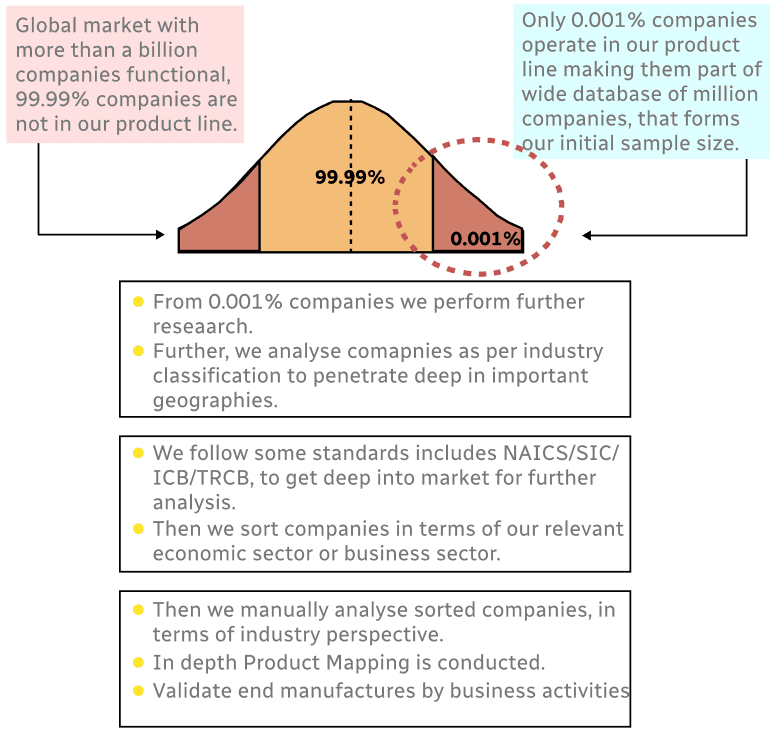
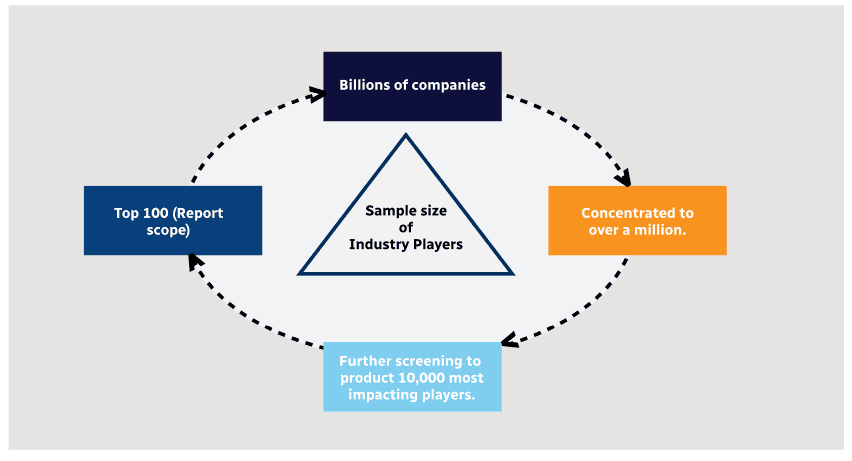
Step 1 - Identification of Relevant Samples Size from Population Database
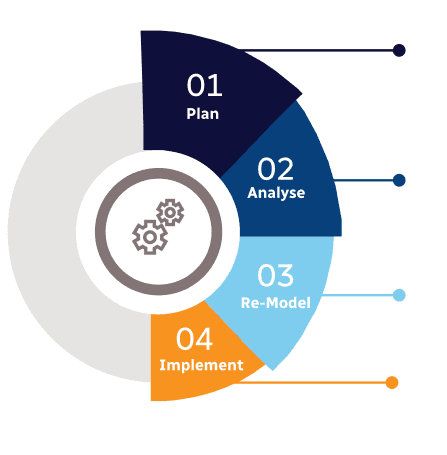
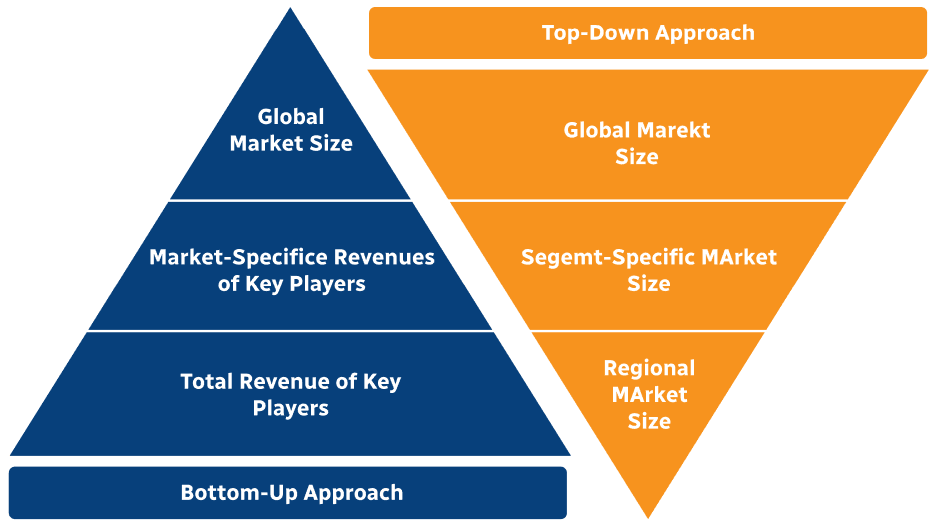
Step 2 - Approaches for Defining Global Market Size (Value, Volume* & Price*)
Note*: In applicable scenarios
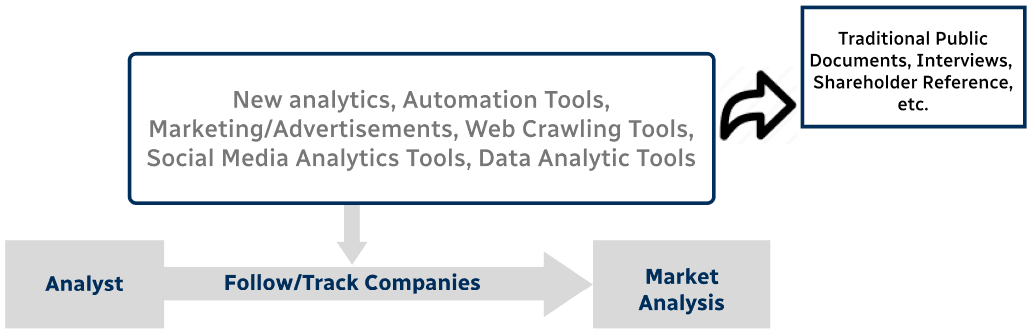
Step 3 - Data Sources
Primary Research
- Web Analytics
- Survey Reports
- Research Institute
- Latest Research Reports
- Opinion Leaders
Secondary Research
- Annual Reports
- White Paper
- Latest Press Release
- Industry Association
- Paid Database
- Investor Presentations
Step 4 - Data Triangulation
Involves using different sources of information in order to increase the validity of a study
These sources are likely to be stakeholders in a program - participants, other researchers, program staff, other community members, and so on.
Then we put all data in single framework & apply various statistical tools to find out the dynamic on the market.
During the analysis stage, feedback from the stakeholder groups would be compared to determine areas of agreement as well as areas of divergence