


Key Insights
The global fine arts logistics market, valued at $3,609.6 million in 2025, is projected to experience robust growth, driven by a compound annual growth rate (CAGR) of 4.6% from 2025 to 2033. This expansion is fueled by several key factors. The increasing globalization of the art market, with more frequent international exhibitions and auctions, necessitates specialized logistics solutions capable of handling valuable and fragile artworks. Furthermore, the rising wealth in emerging economies is contributing to a surge in art collecting and investment, boosting demand for secure and reliable transportation and storage services. Technological advancements, such as improved tracking systems and climate-controlled transportation, also play a significant role in enhancing the efficiency and safety of fine arts logistics. Growth is further supported by the increasing awareness and adoption of sustainable practices within the industry, with companies focusing on reducing their carbon footprint through eco-friendly transportation and packaging solutions.
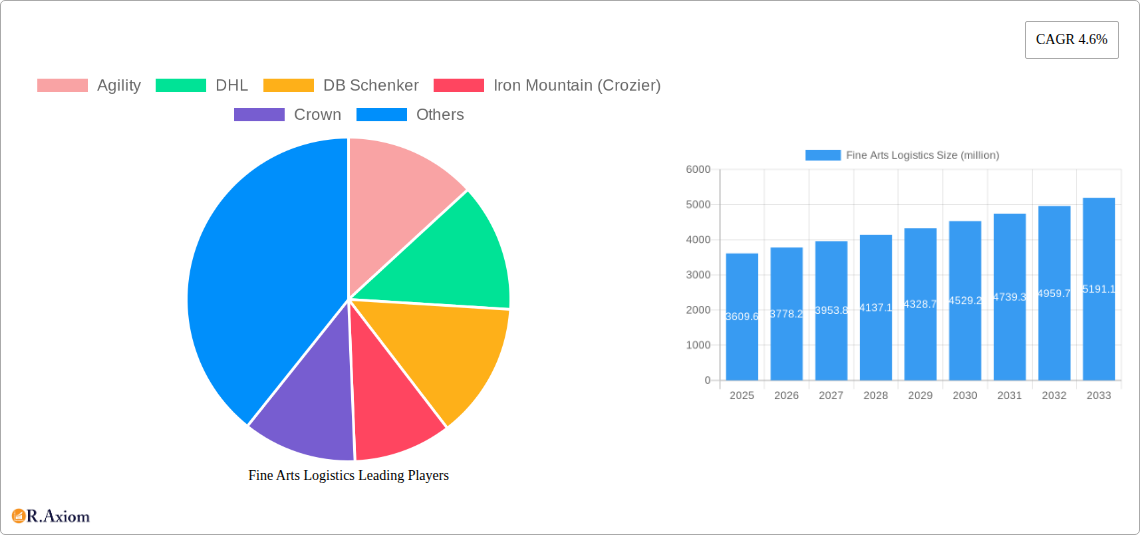
Fine Arts Logistics Market Size (In Billion)

However, the market faces challenges. Fluctuations in global economic conditions can impact art market activity and investment, potentially slowing down growth. Geopolitical instability and trade restrictions can also disrupt the smooth flow of art shipments. Insurance costs, given the high value of the goods being transported, represent a significant expense for both shippers and logistics providers. Competition among established players and new entrants in the market is fierce, requiring providers to continuously innovate and differentiate their services to maintain a competitive edge. The market will need to address these concerns to maintain the projected growth trajectory, focusing on adaptable solutions and strong risk management strategies. Key players such as Agility, DHL, DB Schenker, and Iron Mountain (Crozier) are well-positioned to capitalize on the opportunities presented by this growing market.
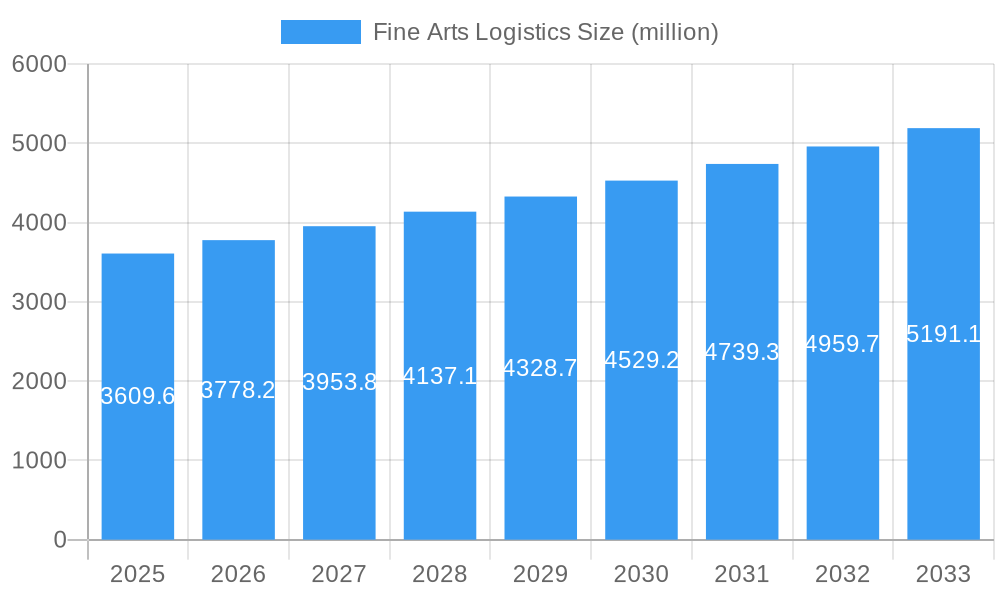
Fine Arts Logistics Company Market Share
Fine Arts Logistics Market: A Comprehensive Report (2019-2033)
This comprehensive report provides an in-depth analysis of the global Fine Arts Logistics market, offering invaluable insights for stakeholders across the industry. Covering the period from 2019 to 2033, with a base year of 2025 and a forecast period of 2025-2033, this report meticulously examines market trends, competitive dynamics, and future growth potential. The study encompasses a detailed examination of key players such as Agility, DHL, DB Schenker, Iron Mountain (Crozier), Crown, MTAB, Freight Systems, Aetna, Fine Art Logistics, Atelier 4, Grace, Helu-Trans, U.S. Art, Yamato, Katolec, Mithals, Sinotrans, Deppon, Globaliner, and Michelle, providing a holistic view of the market landscape. With a focus on actionable insights and quantifiable data, this report is an essential resource for businesses seeking to navigate the complexities of this specialized market and capitalize on emerging opportunities. The total market value in 2025 is estimated to be $xx million, projected to reach $xx million by 2033.
Fine Arts Logistics Market Concentration & Innovation
The Fine Arts Logistics market exhibits a moderately concentrated structure, with a few major players commanding significant market share. Agility, DHL, and DB Schenker, for instance, collectively hold an estimated xx% market share in 2025, reflecting their extensive global networks and specialized handling capabilities. However, the market also features numerous smaller, specialized firms catering to niche segments. Innovation is a key driver, with companies investing heavily in technological advancements such as real-time tracking systems, climate-controlled transportation, and advanced risk management tools. Regulatory frameworks, particularly concerning the international movement of art, significantly impact market dynamics. The existence of product substitutes, such as digital reproductions, poses a challenge, but the demand for authentic artworks continues to drive market growth. End-user trends, including the growing interest in art collecting and museum expansion, are fueling market expansion. M&A activity in the sector has been moderate, with recent deals valued at approximately $xx million in total, primarily focused on expanding geographic reach and service capabilities.
- Market Share (2025):
- Top 3 Players: xx%
- Other Major Players: xx%
- Smaller Specialized Firms: xx%
- M&A Deal Value (2019-2024): $xx million
Fine Arts Logistics Industry Trends & Insights
The Fine Arts Logistics market is experiencing robust growth, driven by several key factors. The Compound Annual Growth Rate (CAGR) from 2025 to 2033 is projected at xx%, indicating significant expansion. Increased disposable incomes in emerging economies, coupled with a rising appreciation for art, have fueled demand. Technological advancements, such as blockchain technology for provenance verification and AI-powered risk assessment, are revolutionizing operations. Consumer preferences are shifting towards more sustainable and ethical logistics solutions, driving adoption of eco-friendly practices. The competitive landscape is characterized by intense rivalry, with players constantly striving to offer differentiated services and advanced technology. Market penetration of specialized logistics services remains relatively low, creating ample opportunities for expansion.
Dominant Markets & Segments in Fine Arts Logistics
The North American market currently dominates the Fine Arts Logistics sector, accounting for an estimated xx% of global revenue in 2025. This dominance is driven by a robust art market, extensive museum networks, and a developed infrastructure for art transportation.
- Key Drivers of North American Dominance:
- Strong art market with high collector density
- Developed infrastructure (roads, airports, secure storage facilities)
- Established regulatory framework and customs procedures
- High concentration of major auction houses and galleries
The European market holds the second-largest share, fueled by established art centers like London, Paris, and Rome. Strong government support for cultural institutions and a rich history of art collecting underpin its significant market presence. Asia is also showing strong growth potential, particularly in China and Southeast Asia.
Fine Arts Logistics Product Developments
Recent product innovations in Fine Arts Logistics primarily revolve around technology. Real-time tracking systems with environmental sensors ensure art is transported safely and under ideal conditions. Enhanced insurance solutions and risk mitigation strategies minimize losses and damages during transit. These advancements directly address the challenges of securing high-value artwork, providing competitive advantages for logistics providers who invest in them. The market is increasingly favoring tailored, high-value, white-glove services that meet individual client needs.
Report Scope & Segmentation Analysis
This report segments the Fine Arts Logistics market based on several key criteria. By geography, the report covers North America, Europe, Asia-Pacific, and the Rest of the World. By service type, the report analyzes segments like transportation, storage, insurance, and specialized handling. Segmentation by art type distinguishes between paintings, sculptures, antiques, and others. Each segment is analyzed for its growth trajectory and competitive landscape. Each segment reveals distinct dynamics; for instance, the transportation segment demonstrates the highest growth while specialized handling is characterized by higher margins. The market size and growth projections for each segment are presented in detail throughout the report.
Key Drivers of Fine Arts Logistics Growth
Several factors are propelling the growth of the Fine Arts Logistics market. Firstly, the increasing affluence of individuals and institutions coupled with burgeoning interest in art collecting is driving increased demand for high-quality logistics solutions. Secondly, technological advancements such as sophisticated tracking systems and climate-controlled transport are improving efficiency and security. Thirdly, the expansion of global art fairs and auction houses fuels the cross-border movement of artworks, thus driving demand for reliable logistics services.
Challenges in the Fine Arts Logistics Sector
The Fine Arts Logistics sector faces several challenges. Stringent regulatory requirements for cross-border transport create complexities and increase operational costs. Supply chain disruptions, particularly due to geopolitical instability and natural disasters, can severely impact timely delivery. Furthermore, the intense competition among logistics providers necessitates constant investment in technology and infrastructure to maintain a competitive edge. The estimated annual loss from damage or theft ranges in the $xx million, highlighting the challenges in security.
Emerging Opportunities in Fine Arts Logistics
Significant opportunities exist within the Fine Arts Logistics market. The increasing adoption of digital technologies presents chances to improve efficiency and transparency through blockchain technology for provenance and real-time condition monitoring. Expansion into emerging markets with growing art scenes creates considerable potential. The growing demand for sustainable logistics solutions creates an opportunity for firms offering environmentally friendly services. Moreover, specialized services catered to niche art segments (e.g., ancient artifacts) offer high-margin possibilities.
Leading Players in the Fine Arts Logistics Market
- Agility
- DHL
- DB Schenker
- Iron Mountain (Crozier)
- Crown
- MTAB
- Freight Systems
- Aetna
- Fine Art Logistics
- Atelier 4
- Grace
- Helu-Trans
- U.S. Art
- Yamato
- Katolec
- Mithals
- Sinotrans
- Deppon
- Globaliner
- Michelle
Key Developments in Fine Arts Logistics Industry
- 2022 Q4: DHL launched a new temperature-controlled transportation service for sensitive artworks.
- 2023 Q1: DB Schenker partnered with a blockchain technology provider to enhance provenance verification.
- 2023 Q2: A merger between two smaller Fine Arts Logistics firms consolidated market share.
- 2024 Q3: Several key players invested in advanced AI-powered risk management systems. (Further specific details would be included in the full report).
Strategic Outlook for Fine Arts Logistics Market
The Fine Arts Logistics market presents a promising future, fueled by a growing art market, technological advancements, and increasing cross-border trade. The projected CAGR of xx% underscores the significant potential for growth. Strategic opportunities lie in adopting digital technologies, expanding into emerging markets, and offering specialized, high-value services. Companies that invest in sustainable and secure practices will be better positioned to capitalize on long-term market growth.
Fine Arts Logistics Segmentation
-
1. Application
- 1.1. Art Dealers and Galleries
- 1.2. Auction Houses
- 1.3. Museum and Art Fair
- 1.4. Other
-
2. Types
- 2.1. Transportation
- 2.2. Packaging
- 2.3. Storage
- 2.4. Other
Fine Arts Logistics Segmentation By Geography
-
1. North America
- 1.1. United States
- 1.2. Canada
- 1.3. Mexico
-
2. South America
- 2.1. Brazil
- 2.2. Argentina
- 2.3. Rest of South America
-
3. Europe
- 3.1. United Kingdom
- 3.2. Germany
- 3.3. France
- 3.4. Italy
- 3.5. Spain
- 3.6. Russia
- 3.7. Benelux
- 3.8. Nordics
- 3.9. Rest of Europe
-
4. Middle East & Africa
- 4.1. Turkey
- 4.2. Israel
- 4.3. GCC
- 4.4. North Africa
- 4.5. South Africa
- 4.6. Rest of Middle East & Africa
-
5. Asia Pacific
- 5.1. China
- 5.2. India
- 5.3. Japan
- 5.4. South Korea
- 5.5. ASEAN
- 5.6. Oceania
- 5.7. Rest of Asia Pacific
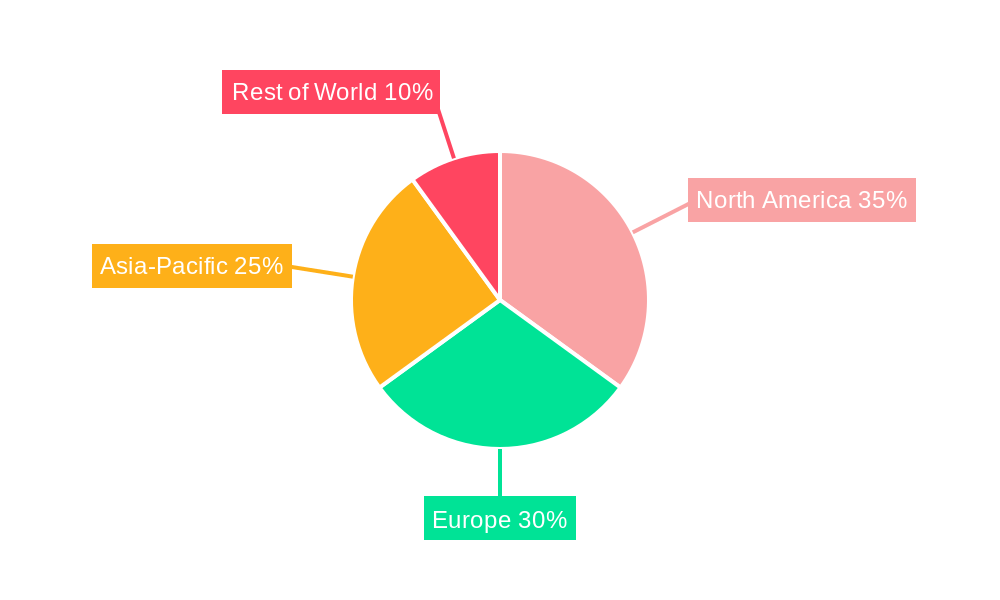
Fine Arts Logistics Regional Market Share
Geographic Coverage of Fine Arts Logistics
Fine Arts Logistics REPORT HIGHLIGHTS
| Aspects | Details |
|---|---|
| Study Period | 2020-2034 |
| Base Year | 2025 |
| Estimated Year | 2026 |
| Forecast Period | 2026-2034 |
| Historical Period | 2020-2025 |
| Growth Rate | CAGR of 4.6% from 2020-2034 |
| Segmentation |
|
Table of Contents
- 1. Introduction
- 1.1. Research Scope
- 1.2. Market Segmentation
- 1.3. Research Methodology
- 1.4. Definitions and Assumptions
- 2. Executive Summary
- 2.1. Introduction
- 3. Market Dynamics
- 3.1. Introduction
- 3.2. Market Drivers
- 3.3. Market Restrains
- 3.4. Market Trends
- 4. Market Factor Analysis
- 4.1. Porters Five Forces
- 4.2. Supply/Value Chain
- 4.3. PESTEL analysis
- 4.4. Market Entropy
- 4.5. Patent/Trademark Analysis
- 5. Global Fine Arts Logistics Analysis, Insights and Forecast, 2020-2032
- 5.1. Market Analysis, Insights and Forecast - by Application
- 5.1.1. Art Dealers and Galleries
- 5.1.2. Auction Houses
- 5.1.3. Museum and Art Fair
- 5.1.4. Other
- 5.2. Market Analysis, Insights and Forecast - by Types
- 5.2.1. Transportation
- 5.2.2. Packaging
- 5.2.3. Storage
- 5.2.4. Other
- 5.3. Market Analysis, Insights and Forecast - by Region
- 5.3.1. North America
- 5.3.2. South America
- 5.3.3. Europe
- 5.3.4. Middle East & Africa
- 5.3.5. Asia Pacific
- 5.1. Market Analysis, Insights and Forecast - by Application
- 6. North America Fine Arts Logistics Analysis, Insights and Forecast, 2020-2032
- 6.1. Market Analysis, Insights and Forecast - by Application
- 6.1.1. Art Dealers and Galleries
- 6.1.2. Auction Houses
- 6.1.3. Museum and Art Fair
- 6.1.4. Other
- 6.2. Market Analysis, Insights and Forecast - by Types
- 6.2.1. Transportation
- 6.2.2. Packaging
- 6.2.3. Storage
- 6.2.4. Other
- 6.1. Market Analysis, Insights and Forecast - by Application
- 7. South America Fine Arts Logistics Analysis, Insights and Forecast, 2020-2032
- 7.1. Market Analysis, Insights and Forecast - by Application
- 7.1.1. Art Dealers and Galleries
- 7.1.2. Auction Houses
- 7.1.3. Museum and Art Fair
- 7.1.4. Other
- 7.2. Market Analysis, Insights and Forecast - by Types
- 7.2.1. Transportation
- 7.2.2. Packaging
- 7.2.3. Storage
- 7.2.4. Other
- 7.1. Market Analysis, Insights and Forecast - by Application
- 8. Europe Fine Arts Logistics Analysis, Insights and Forecast, 2020-2032
- 8.1. Market Analysis, Insights and Forecast - by Application
- 8.1.1. Art Dealers and Galleries
- 8.1.2. Auction Houses
- 8.1.3. Museum and Art Fair
- 8.1.4. Other
- 8.2. Market Analysis, Insights and Forecast - by Types
- 8.2.1. Transportation
- 8.2.2. Packaging
- 8.2.3. Storage
- 8.2.4. Other
- 8.1. Market Analysis, Insights and Forecast - by Application
- 9. Middle East & Africa Fine Arts Logistics Analysis, Insights and Forecast, 2020-2032
- 9.1. Market Analysis, Insights and Forecast - by Application
- 9.1.1. Art Dealers and Galleries
- 9.1.2. Auction Houses
- 9.1.3. Museum and Art Fair
- 9.1.4. Other
- 9.2. Market Analysis, Insights and Forecast - by Types
- 9.2.1. Transportation
- 9.2.2. Packaging
- 9.2.3. Storage
- 9.2.4. Other
- 9.1. Market Analysis, Insights and Forecast - by Application
- 10. Asia Pacific Fine Arts Logistics Analysis, Insights and Forecast, 2020-2032
- 10.1. Market Analysis, Insights and Forecast - by Application
- 10.1.1. Art Dealers and Galleries
- 10.1.2. Auction Houses
- 10.1.3. Museum and Art Fair
- 10.1.4. Other
- 10.2. Market Analysis, Insights and Forecast - by Types
- 10.2.1. Transportation
- 10.2.2. Packaging
- 10.2.3. Storage
- 10.2.4. Other
- 10.1. Market Analysis, Insights and Forecast - by Application
- 11. Competitive Analysis
- 11.1. Global Market Share Analysis 2025
- 11.2. Company Profiles
- 11.2.1 Agility
- 11.2.1.1. Overview
- 11.2.1.2. Products
- 11.2.1.3. SWOT Analysis
- 11.2.1.4. Recent Developments
- 11.2.1.5. Financials (Based on Availability)
- 11.2.2 DHL
- 11.2.2.1. Overview
- 11.2.2.2. Products
- 11.2.2.3. SWOT Analysis
- 11.2.2.4. Recent Developments
- 11.2.2.5. Financials (Based on Availability)
- 11.2.3 DB Schenker
- 11.2.3.1. Overview
- 11.2.3.2. Products
- 11.2.3.3. SWOT Analysis
- 11.2.3.4. Recent Developments
- 11.2.3.5. Financials (Based on Availability)
- 11.2.4 Iron Mountain (Crozier)
- 11.2.4.1. Overview
- 11.2.4.2. Products
- 11.2.4.3. SWOT Analysis
- 11.2.4.4. Recent Developments
- 11.2.4.5. Financials (Based on Availability)
- 11.2.5 Crown
- 11.2.5.1. Overview
- 11.2.5.2. Products
- 11.2.5.3. SWOT Analysis
- 11.2.5.4. Recent Developments
- 11.2.5.5. Financials (Based on Availability)
- 11.2.6 MTAB
- 11.2.6.1. Overview
- 11.2.6.2. Products
- 11.2.6.3. SWOT Analysis
- 11.2.6.4. Recent Developments
- 11.2.6.5. Financials (Based on Availability)
- 11.2.7 Freight Systems
- 11.2.7.1. Overview
- 11.2.7.2. Products
- 11.2.7.3. SWOT Analysis
- 11.2.7.4. Recent Developments
- 11.2.7.5. Financials (Based on Availability)
- 11.2.8 Aetna
- 11.2.8.1. Overview
- 11.2.8.2. Products
- 11.2.8.3. SWOT Analysis
- 11.2.8.4. Recent Developments
- 11.2.8.5. Financials (Based on Availability)
- 11.2.9 Fine Art Logistics
- 11.2.9.1. Overview
- 11.2.9.2. Products
- 11.2.9.3. SWOT Analysis
- 11.2.9.4. Recent Developments
- 11.2.9.5. Financials (Based on Availability)
- 11.2.10 Atelier 4
- 11.2.10.1. Overview
- 11.2.10.2. Products
- 11.2.10.3. SWOT Analysis
- 11.2.10.4. Recent Developments
- 11.2.10.5. Financials (Based on Availability)
- 11.2.11 Grace
- 11.2.11.1. Overview
- 11.2.11.2. Products
- 11.2.11.3. SWOT Analysis
- 11.2.11.4. Recent Developments
- 11.2.11.5. Financials (Based on Availability)
- 11.2.12 Helu-Trans
- 11.2.12.1. Overview
- 11.2.12.2. Products
- 11.2.12.3. SWOT Analysis
- 11.2.12.4. Recent Developments
- 11.2.12.5. Financials (Based on Availability)
- 11.2.13 U.S.Art
- 11.2.13.1. Overview
- 11.2.13.2. Products
- 11.2.13.3. SWOT Analysis
- 11.2.13.4. Recent Developments
- 11.2.13.5. Financials (Based on Availability)
- 11.2.14 Yamato
- 11.2.14.1. Overview
- 11.2.14.2. Products
- 11.2.14.3. SWOT Analysis
- 11.2.14.4. Recent Developments
- 11.2.14.5. Financials (Based on Availability)
- 11.2.15 Katolec
- 11.2.15.1. Overview
- 11.2.15.2. Products
- 11.2.15.3. SWOT Analysis
- 11.2.15.4. Recent Developments
- 11.2.15.5. Financials (Based on Availability)
- 11.2.16 Mithals
- 11.2.16.1. Overview
- 11.2.16.2. Products
- 11.2.16.3. SWOT Analysis
- 11.2.16.4. Recent Developments
- 11.2.16.5. Financials (Based on Availability)
- 11.2.17 Sinotrans
- 11.2.17.1. Overview
- 11.2.17.2. Products
- 11.2.17.3. SWOT Analysis
- 11.2.17.4. Recent Developments
- 11.2.17.5. Financials (Based on Availability)
- 11.2.18 Deppon
- 11.2.18.1. Overview
- 11.2.18.2. Products
- 11.2.18.3. SWOT Analysis
- 11.2.18.4. Recent Developments
- 11.2.18.5. Financials (Based on Availability)
- 11.2.19 Globaliner
- 11.2.19.1. Overview
- 11.2.19.2. Products
- 11.2.19.3. SWOT Analysis
- 11.2.19.4. Recent Developments
- 11.2.19.5. Financials (Based on Availability)
- 11.2.20 Michelle
- 11.2.20.1. Overview
- 11.2.20.2. Products
- 11.2.20.3. SWOT Analysis
- 11.2.20.4. Recent Developments
- 11.2.20.5. Financials (Based on Availability)
- 11.2.1 Agility
List of Figures
- Figure 1: Global Fine Arts Logistics Revenue Breakdown (million, %) by Region 2025 & 2033
- Figure 2: North America Fine Arts Logistics Revenue (million), by Application 2025 & 2033
- Figure 3: North America Fine Arts Logistics Revenue Share (%), by Application 2025 & 2033
- Figure 4: North America Fine Arts Logistics Revenue (million), by Types 2025 & 2033
- Figure 5: North America Fine Arts Logistics Revenue Share (%), by Types 2025 & 2033
- Figure 6: North America Fine Arts Logistics Revenue (million), by Country 2025 & 2033
- Figure 7: North America Fine Arts Logistics Revenue Share (%), by Country 2025 & 2033
- Figure 8: South America Fine Arts Logistics Revenue (million), by Application 2025 & 2033
- Figure 9: South America Fine Arts Logistics Revenue Share (%), by Application 2025 & 2033
- Figure 10: South America Fine Arts Logistics Revenue (million), by Types 2025 & 2033
- Figure 11: South America Fine Arts Logistics Revenue Share (%), by Types 2025 & 2033
- Figure 12: South America Fine Arts Logistics Revenue (million), by Country 2025 & 2033
- Figure 13: South America Fine Arts Logistics Revenue Share (%), by Country 2025 & 2033
- Figure 14: Europe Fine Arts Logistics Revenue (million), by Application 2025 & 2033
- Figure 15: Europe Fine Arts Logistics Revenue Share (%), by Application 2025 & 2033
- Figure 16: Europe Fine Arts Logistics Revenue (million), by Types 2025 & 2033
- Figure 17: Europe Fine Arts Logistics Revenue Share (%), by Types 2025 & 2033
- Figure 18: Europe Fine Arts Logistics Revenue (million), by Country 2025 & 2033
- Figure 19: Europe Fine Arts Logistics Revenue Share (%), by Country 2025 & 2033
- Figure 20: Middle East & Africa Fine Arts Logistics Revenue (million), by Application 2025 & 2033
- Figure 21: Middle East & Africa Fine Arts Logistics Revenue Share (%), by Application 2025 & 2033
- Figure 22: Middle East & Africa Fine Arts Logistics Revenue (million), by Types 2025 & 2033
- Figure 23: Middle East & Africa Fine Arts Logistics Revenue Share (%), by Types 2025 & 2033
- Figure 24: Middle East & Africa Fine Arts Logistics Revenue (million), by Country 2025 & 2033
- Figure 25: Middle East & Africa Fine Arts Logistics Revenue Share (%), by Country 2025 & 2033
- Figure 26: Asia Pacific Fine Arts Logistics Revenue (million), by Application 2025 & 2033
- Figure 27: Asia Pacific Fine Arts Logistics Revenue Share (%), by Application 2025 & 2033
- Figure 28: Asia Pacific Fine Arts Logistics Revenue (million), by Types 2025 & 2033
- Figure 29: Asia Pacific Fine Arts Logistics Revenue Share (%), by Types 2025 & 2033
- Figure 30: Asia Pacific Fine Arts Logistics Revenue (million), by Country 2025 & 2033
- Figure 31: Asia Pacific Fine Arts Logistics Revenue Share (%), by Country 2025 & 2033
List of Tables
- Table 1: Global Fine Arts Logistics Revenue million Forecast, by Application 2020 & 2033
- Table 2: Global Fine Arts Logistics Revenue million Forecast, by Types 2020 & 2033
- Table 3: Global Fine Arts Logistics Revenue million Forecast, by Region 2020 & 2033
- Table 4: Global Fine Arts Logistics Revenue million Forecast, by Application 2020 & 2033
- Table 5: Global Fine Arts Logistics Revenue million Forecast, by Types 2020 & 2033
- Table 6: Global Fine Arts Logistics Revenue million Forecast, by Country 2020 & 2033
- Table 7: United States Fine Arts Logistics Revenue (million) Forecast, by Application 2020 & 2033
- Table 8: Canada Fine Arts Logistics Revenue (million) Forecast, by Application 2020 & 2033
- Table 9: Mexico Fine Arts Logistics Revenue (million) Forecast, by Application 2020 & 2033
- Table 10: Global Fine Arts Logistics Revenue million Forecast, by Application 2020 & 2033
- Table 11: Global Fine Arts Logistics Revenue million Forecast, by Types 2020 & 2033
- Table 12: Global Fine Arts Logistics Revenue million Forecast, by Country 2020 & 2033
- Table 13: Brazil Fine Arts Logistics Revenue (million) Forecast, by Application 2020 & 2033
- Table 14: Argentina Fine Arts Logistics Revenue (million) Forecast, by Application 2020 & 2033
- Table 15: Rest of South America Fine Arts Logistics Revenue (million) Forecast, by Application 2020 & 2033
- Table 16: Global Fine Arts Logistics Revenue million Forecast, by Application 2020 & 2033
- Table 17: Global Fine Arts Logistics Revenue million Forecast, by Types 2020 & 2033
- Table 18: Global Fine Arts Logistics Revenue million Forecast, by Country 2020 & 2033
- Table 19: United Kingdom Fine Arts Logistics Revenue (million) Forecast, by Application 2020 & 2033
- Table 20: Germany Fine Arts Logistics Revenue (million) Forecast, by Application 2020 & 2033
- Table 21: France Fine Arts Logistics Revenue (million) Forecast, by Application 2020 & 2033
- Table 22: Italy Fine Arts Logistics Revenue (million) Forecast, by Application 2020 & 2033
- Table 23: Spain Fine Arts Logistics Revenue (million) Forecast, by Application 2020 & 2033
- Table 24: Russia Fine Arts Logistics Revenue (million) Forecast, by Application 2020 & 2033
- Table 25: Benelux Fine Arts Logistics Revenue (million) Forecast, by Application 2020 & 2033
- Table 26: Nordics Fine Arts Logistics Revenue (million) Forecast, by Application 2020 & 2033
- Table 27: Rest of Europe Fine Arts Logistics Revenue (million) Forecast, by Application 2020 & 2033
- Table 28: Global Fine Arts Logistics Revenue million Forecast, by Application 2020 & 2033
- Table 29: Global Fine Arts Logistics Revenue million Forecast, by Types 2020 & 2033
- Table 30: Global Fine Arts Logistics Revenue million Forecast, by Country 2020 & 2033
- Table 31: Turkey Fine Arts Logistics Revenue (million) Forecast, by Application 2020 & 2033
- Table 32: Israel Fine Arts Logistics Revenue (million) Forecast, by Application 2020 & 2033
- Table 33: GCC Fine Arts Logistics Revenue (million) Forecast, by Application 2020 & 2033
- Table 34: North Africa Fine Arts Logistics Revenue (million) Forecast, by Application 2020 & 2033
- Table 35: South Africa Fine Arts Logistics Revenue (million) Forecast, by Application 2020 & 2033
- Table 36: Rest of Middle East & Africa Fine Arts Logistics Revenue (million) Forecast, by Application 2020 & 2033
- Table 37: Global Fine Arts Logistics Revenue million Forecast, by Application 2020 & 2033
- Table 38: Global Fine Arts Logistics Revenue million Forecast, by Types 2020 & 2033
- Table 39: Global Fine Arts Logistics Revenue million Forecast, by Country 2020 & 2033
- Table 40: China Fine Arts Logistics Revenue (million) Forecast, by Application 2020 & 2033
- Table 41: India Fine Arts Logistics Revenue (million) Forecast, by Application 2020 & 2033
- Table 42: Japan Fine Arts Logistics Revenue (million) Forecast, by Application 2020 & 2033
- Table 43: South Korea Fine Arts Logistics Revenue (million) Forecast, by Application 2020 & 2033
- Table 44: ASEAN Fine Arts Logistics Revenue (million) Forecast, by Application 2020 & 2033
- Table 45: Oceania Fine Arts Logistics Revenue (million) Forecast, by Application 2020 & 2033
- Table 46: Rest of Asia Pacific Fine Arts Logistics Revenue (million) Forecast, by Application 2020 & 2033
Frequently Asked Questions
1. What is the projected Compound Annual Growth Rate (CAGR) of the Fine Arts Logistics?
The projected CAGR is approximately 4.6%.
2. Which companies are prominent players in the Fine Arts Logistics?
Key companies in the market include Agility, DHL, DB Schenker, Iron Mountain (Crozier), Crown, MTAB, Freight Systems, Aetna, Fine Art Logistics, Atelier 4, Grace, Helu-Trans, U.S.Art, Yamato, Katolec, Mithals, Sinotrans, Deppon, Globaliner, Michelle.
3. What are the main segments of the Fine Arts Logistics?
The market segments include Application, Types.
4. Can you provide details about the market size?
The market size is estimated to be USD 3609.6 million as of 2022.
5. What are some drivers contributing to market growth?
N/A
6. What are the notable trends driving market growth?
N/A
7. Are there any restraints impacting market growth?
N/A
8. Can you provide examples of recent developments in the market?
N/A
9. What pricing options are available for accessing the report?
Pricing options include single-user, multi-user, and enterprise licenses priced at USD 5900.00, USD 8850.00, and USD 11800.00 respectively.
10. Is the market size provided in terms of value or volume?
The market size is provided in terms of value, measured in million.
11. Are there any specific market keywords associated with the report?
Yes, the market keyword associated with the report is "Fine Arts Logistics," which aids in identifying and referencing the specific market segment covered.
12. How do I determine which pricing option suits my needs best?
The pricing options vary based on user requirements and access needs. Individual users may opt for single-user licenses, while businesses requiring broader access may choose multi-user or enterprise licenses for cost-effective access to the report.
13. Are there any additional resources or data provided in the Fine Arts Logistics report?
While the report offers comprehensive insights, it's advisable to review the specific contents or supplementary materials provided to ascertain if additional resources or data are available.
14. How can I stay updated on further developments or reports in the Fine Arts Logistics?
To stay informed about further developments, trends, and reports in the Fine Arts Logistics, consider subscribing to industry newsletters, following relevant companies and organizations, or regularly checking reputable industry news sources and publications.
Methodology
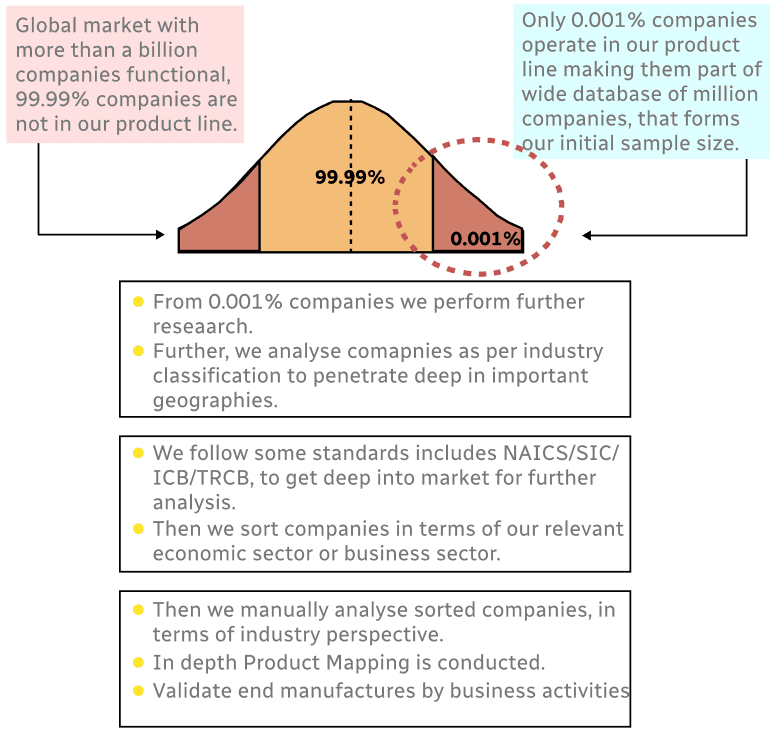
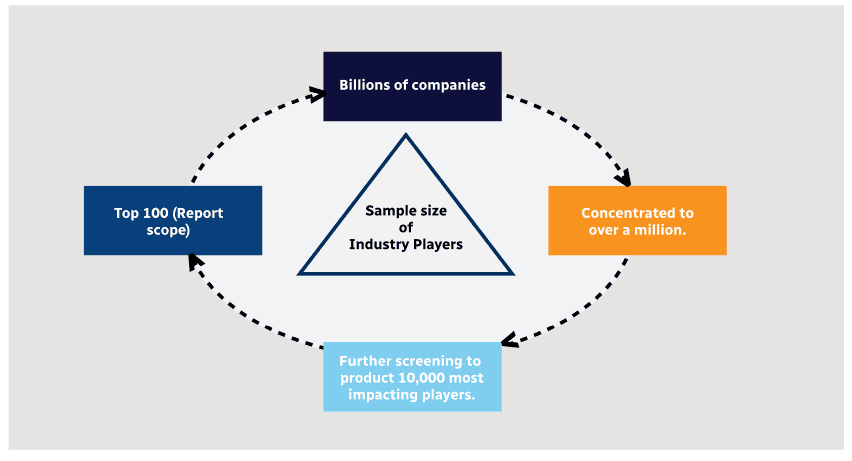
Step 1 - Identification of Relevant Samples Size from Population Database
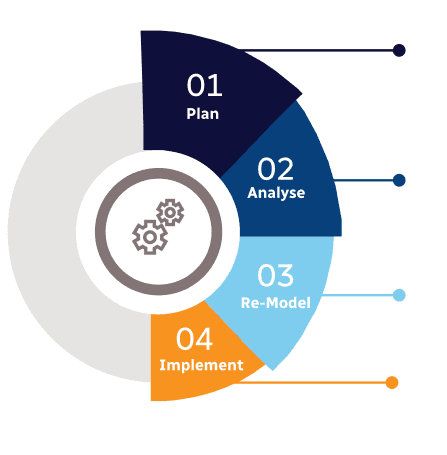
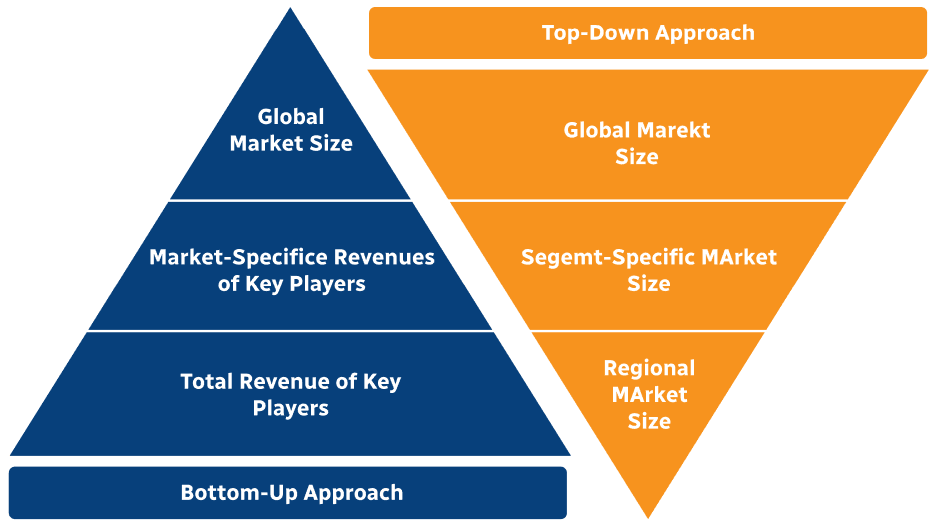
Step 2 - Approaches for Defining Global Market Size (Value, Volume* & Price*)
Note*: In applicable scenarios
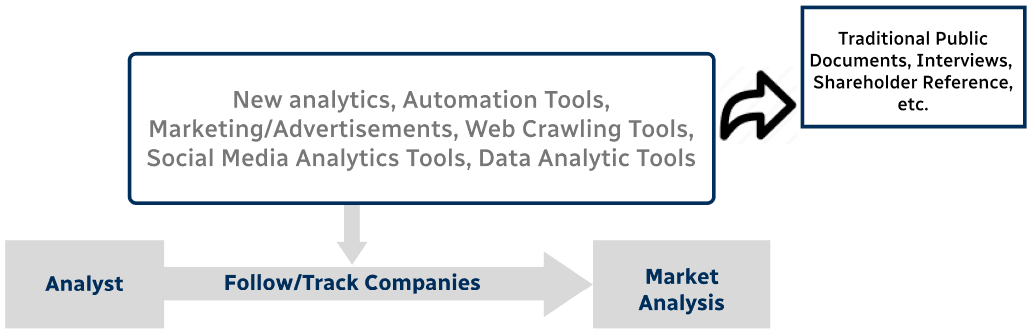
Step 3 - Data Sources
Primary Research
- Web Analytics
- Survey Reports
- Research Institute
- Latest Research Reports
- Opinion Leaders
Secondary Research
- Annual Reports
- White Paper
- Latest Press Release
- Industry Association
- Paid Database
- Investor Presentations
Step 4 - Data Triangulation
Involves using different sources of information in order to increase the validity of a study
These sources are likely to be stakeholders in a program - participants, other researchers, program staff, other community members, and so on.
Then we put all data in single framework & apply various statistical tools to find out the dynamic on the market.
During the analysis stage, feedback from the stakeholder groups would be compared to determine areas of agreement as well as areas of divergence