


Key Insights
The global Medical Waste Management Solutions market is projected to reach an estimated USD 50,000 million in 2025, exhibiting a robust Compound Annual Growth Rate (CAGR) of 9.5% from 2025 to 2033. This significant expansion is fueled by a confluence of factors, including the escalating global healthcare expenditure, the increasing prevalence of infectious diseases, and a growing awareness regarding the critical need for proper disposal of medical byproducts. Stricter regulatory frameworks worldwide, mandating safe and environmentally sound waste handling practices, further bolster market demand. The surge in diagnostic testing and the burgeoning biotechnology sector are also contributing to a higher volume of specialized medical waste requiring advanced management solutions. Hospitals and clinics represent the largest application segment, driven by the sheer volume of waste generated in patient care settings. Laboratories and research centers follow, with their unique requirements for handling hazardous and radioactive materials. The market's trajectory is also influenced by technological advancements in waste treatment, such as autoclaving, incineration, and chemical disinfection, which offer more efficient and eco-friendly disposal methods.
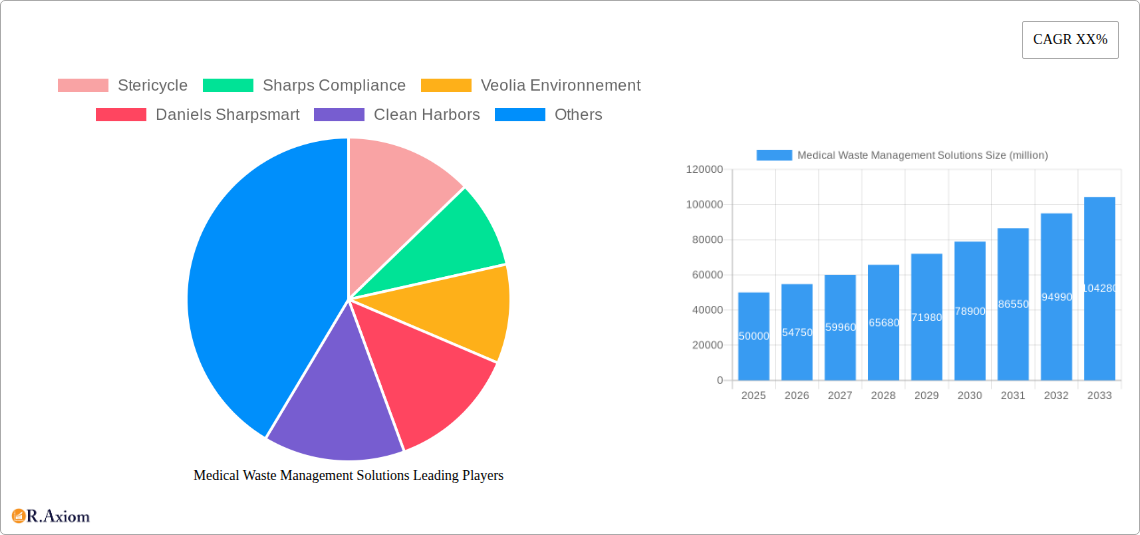
Medical Waste Management Solutions Market Size (In Billion)

The market, while experiencing substantial growth, faces certain restraints. The high initial investment required for sophisticated waste management infrastructure and the operational costs associated with specialized disposal can pose challenges for smaller healthcare facilities. Furthermore, the availability of informal or less regulated waste disposal methods in certain regions can hinder the adoption of formal solutions. Despite these hurdles, the long-term outlook remains exceptionally positive. Key trends shaping the market include the increasing adoption of waste segregation at the source, the development of smart waste management systems leveraging IoT for real-time tracking and monitoring, and a growing emphasis on waste-to-energy solutions to convert medical waste into a usable resource. North America currently dominates the market, attributed to its advanced healthcare infrastructure and stringent regulatory environment. However, the Asia Pacific region is anticipated to witness the fastest growth, propelled by rapid urbanization, expanding healthcare access, and increasing government focus on public health and environmental safety. Key players like Stericycle, Veolia Environnement, and Clean Harbors are actively involved in strategic collaborations and acquisitions to expand their geographical reach and service portfolios.
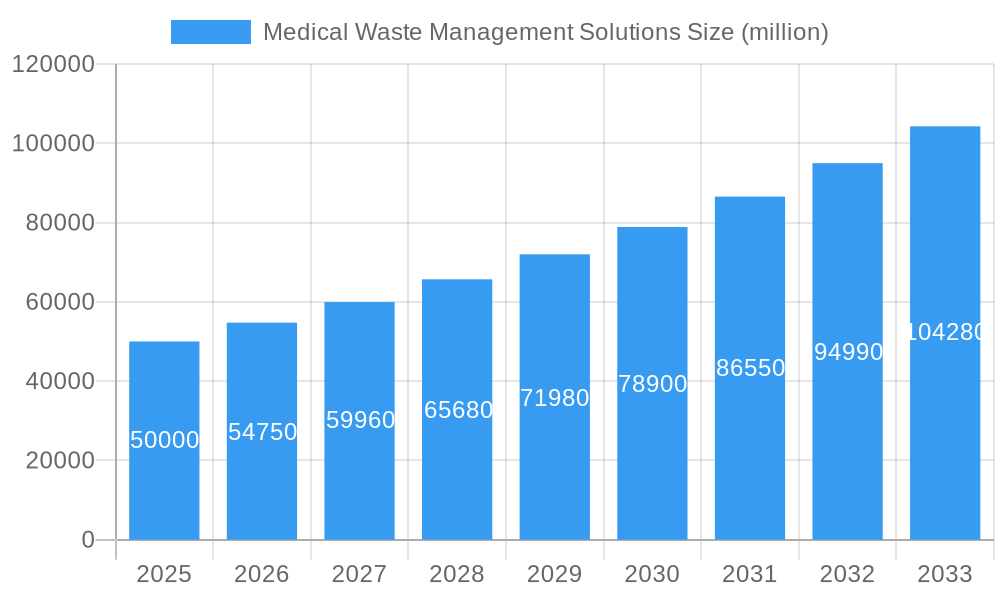
Medical Waste Management Solutions Company Market Share
Medical Waste Management Solutions Market Concentration & Innovation
The medical waste management solutions market exhibits a dynamic concentration landscape, driven by continuous innovation and evolving regulatory frameworks. Key players such as Stericycle, Sharps Compliance, Veolia Environnement, Daniels Sharpsmart, Clean Harbors, MedWaste Management, ATI, Republic Services, Waste Management, Medical Waste Management, Excel Medical Waste, Cyntox, Triumvirate, BioMedical Waste Solutions, and UMI are actively shaping this sector. Market concentration is influenced by strategic mergers and acquisitions, with an estimated M&A deal value exceeding $5,000 million in the historical period, indicating significant consolidation. Innovation is primarily fueled by the increasing volume and complexity of medical waste, particularly infectious and hazardous waste generated by hospitals & clinics and laboratories and research centers. The development of advanced disposal technologies, such as plasma gasification and autoclaving, alongside robust compliance solutions, are critical differentiators. Regulatory frameworks, such as stringent EPA guidelines and international waste management protocols, play a pivotal role in shaping market strategies and encouraging investment in compliant and sustainable solutions. The threat of product substitutes, while present in the form of less advanced disposal methods, is increasingly mitigated by the demand for high-efficiency and environmentally sound waste management. End-user trends lean towards outsourcing waste management to specialized providers, driven by cost-effectiveness and a focus on core healthcare operations.
Medical Waste Management Solutions Industry Trends & Insights
The medical waste management solutions industry is poised for significant growth, propelled by a confluence of factors that are reshaping its trajectory. The projected Compound Annual Growth Rate (CAGR) for the forecast period (2025–2033) is estimated at xx%, underscoring a robust expansion phase. This growth is intrinsically linked to the escalating global healthcare expenditure, which directly correlates with an increased generation of medical waste across all its types: infectious waste, hazardous waste, radioactive waste, and general waste. Technological disruptions are at the forefront of this evolution, with advancements in waste treatment and disposal technologies offering more efficient, safe, and environmentally friendly alternatives to traditional methods. For instance, the integration of AI-powered route optimization for waste collection and the development of on-site waste treatment systems are gaining traction, particularly within large healthcare facilities and laboratories and research centers.
Consumer preferences are increasingly aligning with sustainability and compliance. Healthcare providers are actively seeking waste management partners who can demonstrate a commitment to environmental responsibility, resource recovery, and adherence to ever-tightening regulations. This has led to a growing demand for comprehensive waste management solutions that encompass not just disposal but also segregation, transportation, and documentation, especially for hazardous and infectious waste. The market penetration of advanced medical waste management solutions is steadily increasing as awareness and regulatory pressures intensify.
Competitive dynamics are characterized by intense rivalry among established players and emerging innovators. Companies are differentiating themselves through specialized service offerings, technological prowess, and a strong focus on regulatory compliance. The expanding needs of sectors like nursing homes, alongside the continuous innovation within hospitals & clinics and laboratories and research centers, present substantial market opportunities. The industry is witnessing a shift towards integrated service models, where providers offer a holistic approach to waste management, thereby building stronger customer relationships and capturing greater market share. The estimated market size for medical waste management solutions is expected to reach over $50,000 million by 2025, with substantial growth anticipated in the coming years.
Dominant Markets & Segments in Medical Waste Management Solutions
The medical waste management solutions market is characterized by distinct regional dominance and segment leadership, driven by a complex interplay of economic policies, infrastructure development, and healthcare sector growth.
Leading Region and Country: North America, particularly the United States, currently leads the medical waste management solutions market, largely due to its well-established healthcare infrastructure, stringent regulatory environment, and high per capita healthcare spending. The presence of major industry players like Stericycle, Republic Services, and Waste Management further solidifies its dominant position. Government initiatives focused on environmental protection and public health, coupled with significant investments in healthcare facilities, create a fertile ground for advanced medical waste management solutions. Economic policies that favor the outsourcing of non-core functions, such as waste management, also contribute to this regional dominance.
Dominant Segments:
Application: Hospitals & Clinics: This segment represents the largest and most significant contributor to the medical waste management market. The sheer volume of patients, complex medical procedures, and the inherent generation of various waste types, including infectious and hazardous waste, make hospitals and clinics the primary demand generators. Robust regulatory oversight and the critical need for compliant disposal of biohazardous materials underscore the importance of specialized waste management services in this sector. The market size for this segment alone is projected to exceed $30,000 million by 2025.
Types: Infectious Waste: Infectious waste, stemming from the disposal of contaminated materials such as bandages, swabs, and bodily fluids, constitutes the most critical and regulated waste stream. The imperative to prevent the spread of diseases and maintain public safety places a high premium on effective management of infectious waste. Technological advancements in sterilization and disposal methods, such as autoclaving and incineration, are crucial for this segment. The market share for infectious waste management is substantial, driven by ongoing healthcare activities and the constant threat of infectious disease outbreaks.
Types: Hazardous Waste: Hazardous waste, encompassing chemical, pharmaceutical, and radioactive materials, presents unique disposal challenges and requires specialized handling and treatment. Strict regulations govern the management of hazardous waste to prevent environmental contamination and health risks. Laboratories and research centers are significant generators of this waste type, alongside pharmaceutical manufacturing facilities. The market size for hazardous waste management is considerable, driven by the increasing complexity of medical treatments and research activities.
Application: Laboratories and Research Centers: These facilities are crucial drivers of the hazardous and radioactive waste segments. The advanced research and development activities undertaken in these centers often involve the use and disposal of potent chemicals, radioactive isotopes, and other hazardous materials. The stringent regulatory compliance required for these waste streams necessitates specialized waste management expertise. The growing global investment in life sciences and biotechnology research is fueling the demand for sophisticated medical waste management solutions in this segment.
Application: Nursing Homes: While generally generating less complex waste compared to hospitals, nursing homes still produce significant amounts of infectious and general waste. The aging population globally translates to an increasing number of individuals requiring long-term care, thereby expanding the market for medical waste management in this sector. Cost-effective and compliant solutions are particularly sought after by nursing homes.
Types: Radioactive Waste: Though a smaller segment compared to infectious and hazardous waste, radioactive waste management is critical for facilities utilizing nuclear medicine or undergoing radiopharmaceutical therapies. The highly specialized nature of its disposal and the stringent safety protocols required make this a niche but vital area within medical waste management.
Medical Waste Management Solutions Product Developments
Product development in medical waste management solutions is intensely focused on enhancing safety, efficiency, and environmental sustainability. Innovations include advanced sterilization technologies like microwave disinfection and thermal destruction, reducing reliance on traditional incineration. Automated waste segregation systems and smart tracking solutions improve compliance and reduce manual handling risks. The development of biodegradable and reusable waste containers addresses environmental concerns, while mobile treatment units offer decentralized disposal capabilities, particularly beneficial for remote locations or during public health emergencies. These product developments aim to provide cost-effective, compliant, and eco-friendly solutions for diverse healthcare settings, enhancing the competitive advantage of providers.
Report Scope & Segmentation Analysis
This comprehensive report delves into the global Medical Waste Management Solutions market, meticulously analyzing its various facets. The market is segmented based on Application, including Hospitals & Clinics, Laboratories and Research Centers, Nursing Homes, and Others. Further segmentation is provided by Waste Type, encompassing Infectious Waste, Hazardous Waste, Radioactive Waste, and General Waste. The study encompasses the historical period (2019–2024), base year (2025), and projects growth through a forecast period (2025–2033). For instance, the Hospitals & Clinics segment is expected to witness a market size exceeding $35,000 million by 2025, with a projected CAGR of xx% during the forecast period, driven by increasing patient volumes and stringent disposal regulations. Similarly, the Infectious Waste segment is anticipated to maintain its significant market share, driven by the constant need for pathogen containment and prevention. The competitive dynamics within each segment are thoroughly examined.
Key Drivers of Medical Waste Management Solutions Growth
The growth of the medical waste management solutions market is primarily propelled by a confluence of critical factors. Foremost among these are the increasing global healthcare expenditure and the consequent rise in the generation of diverse medical waste streams, particularly infectious and hazardous waste. Stringent regulatory frameworks and government mandates worldwide, aimed at protecting public health and the environment, necessitate sophisticated and compliant waste disposal methods. Technological advancements in treatment and disposal technologies, such as innovations in autoclaving, incineration, and plasma gasification, offer more efficient and sustainable solutions. Furthermore, a growing emphasis on environmental sustainability and corporate social responsibility is compelling healthcare facilities to adopt eco-friendly waste management practices. The increasing prevalence of chronic diseases and the aging global population also contribute to a sustained demand for healthcare services, thereby driving medical waste generation.
Challenges in the Medical Waste Management Solutions Sector
Despite robust growth, the medical waste management solutions sector faces significant challenges. Evolving and increasingly stringent regulatory landscapes require continuous adaptation and investment in compliance technologies, posing a significant burden for smaller players. The high capital investment required for advanced treatment technologies and specialized disposal infrastructure can be a barrier to entry and expansion. Supply chain disruptions and the fluctuating costs of fuel and raw materials can impact operational efficiency and profitability for waste transportation and processing. Public perception and potential community opposition to waste treatment facilities can also create hurdles for new development. Moreover, the presence of informal or unregulated waste handlers can lead to improper disposal practices, undermining the efforts of compliant companies and posing public health risks.
Emerging Opportunities in Medical Waste Management Solutions
The medical waste management solutions market is ripe with emerging opportunities. The rapid growth of healthcare infrastructure in developing economies presents a significant untapped market for sophisticated waste management services. The increasing adoption of telemedicine and remote patient monitoring may lead to new waste streams and disposal requirements that innovative companies can address. The development and wider implementation of waste-to-energy technologies within medical waste treatment offer sustainable revenue streams and reduce landfill dependency. Furthermore, the growing demand for specialized management of pharmaceutical waste and sharps disposal creates niche market opportunities. Companies that can offer integrated, technology-driven, and environmentally conscious solutions are well-positioned to capitalize on these emerging trends, fostering greater market penetration and innovation.
Leading Players in the Medical Waste Management Solutions Market
- Stericycle
- Sharps Compliance
- Veolia Environnement
- Daniels Sharpsmart
- Clean Harbors
- MedWaste Management
- ATI
- Republic Services
- Waste Management
- Medical Waste Management
- Excel Medical Waste
- Cyntox
- Triumvirate
- BioMedical Waste Solutions
- UMI
Key Developments in Medical Waste Management Solutions Industry
- 2023/05: Stericycle announces a strategic partnership to expand its sharps disposal services in the Midwest region, enhancing accessibility and compliance for healthcare providers.
- 2023/08: Veolia Environnement acquires a regional waste management company, strengthening its presence and service offerings in the European medical waste sector.
- 2024/01: Sharps Compliance launches a new digital platform for tracking and managing medical waste, improving transparency and audit readiness for clients.
- 2024/03: Daniels Sharpsmart introduces an innovative, reusable sharps container system aimed at reducing plastic waste and improving user safety.
- 2024/06: Clean Harbors invests in new hazardous waste treatment technology, expanding its capacity to handle complex pharmaceutical and chemical waste streams.
Strategic Outlook for Medical Waste Management Solutions Market
The strategic outlook for the medical waste management solutions market is overwhelmingly positive, driven by sustained demand and continuous innovation. Key growth catalysts include the persistent increase in global healthcare needs, the unwavering enforcement of stringent environmental and health regulations, and the ongoing technological evolution in waste treatment and disposal. Companies that focus on developing integrated service models, offering comprehensive solutions from segregation to final disposal, will gain a significant competitive edge. Furthermore, strategic investments in sustainable technologies, such as waste-to-energy and advanced recycling methods, will not only address environmental concerns but also unlock new revenue streams. The market presents substantial opportunities for expansion through geographical diversification, particularly in emerging economies, and through targeted acquisitions that enhance service portfolios and market reach. A commitment to digitalization and data analytics will be crucial for optimizing operations, ensuring compliance, and delivering enhanced value to clients.
Medical Waste Management Solutions Segmentation
-
1. Application
- 1.1. Hospitals & Clinics
- 1.2. Laboratories and Research Centers
- 1.3. Nursing Homes
- 1.4. Others
-
2. Types
- 2.1. Infectious Waste
- 2.2. Hazardous Waste
- 2.3. Radioactive Waste
- 2.4. General Waste
Medical Waste Management Solutions Segmentation By Geography
-
1. North America
- 1.1. United States
- 1.2. Canada
- 1.3. Mexico
-
2. South America
- 2.1. Brazil
- 2.2. Argentina
- 2.3. Rest of South America
-
3. Europe
- 3.1. United Kingdom
- 3.2. Germany
- 3.3. France
- 3.4. Italy
- 3.5. Spain
- 3.6. Russia
- 3.7. Benelux
- 3.8. Nordics
- 3.9. Rest of Europe
-
4. Middle East & Africa
- 4.1. Turkey
- 4.2. Israel
- 4.3. GCC
- 4.4. North Africa
- 4.5. South Africa
- 4.6. Rest of Middle East & Africa
-
5. Asia Pacific
- 5.1. China
- 5.2. India
- 5.3. Japan
- 5.4. South Korea
- 5.5. ASEAN
- 5.6. Oceania
- 5.7. Rest of Asia Pacific
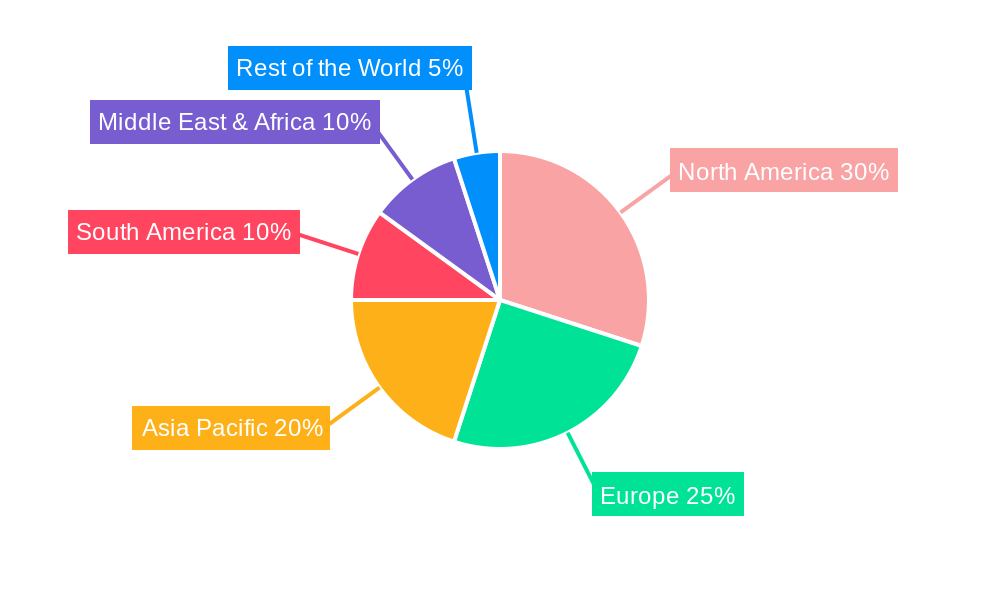
Medical Waste Management Solutions Regional Market Share
Geographic Coverage of Medical Waste Management Solutions
Medical Waste Management Solutions REPORT HIGHLIGHTS
| Aspects | Details |
|---|---|
| Study Period | 2020-2034 |
| Base Year | 2025 |
| Estimated Year | 2026 |
| Forecast Period | 2026-2034 |
| Historical Period | 2020-2025 |
| Growth Rate | CAGR of 6% from 2020-2034 |
| Segmentation |
|
Table of Contents
- 1. Introduction
- 1.1. Research Scope
- 1.2. Market Segmentation
- 1.3. Research Methodology
- 1.4. Definitions and Assumptions
- 2. Executive Summary
- 2.1. Introduction
- 3. Market Dynamics
- 3.1. Introduction
- 3.2. Market Drivers
- 3.3. Market Restrains
- 3.4. Market Trends
- 4. Market Factor Analysis
- 4.1. Porters Five Forces
- 4.2. Supply/Value Chain
- 4.3. PESTEL analysis
- 4.4. Market Entropy
- 4.5. Patent/Trademark Analysis
- 5. Global Medical Waste Management Solutions Analysis, Insights and Forecast, 2020-2032
- 5.1. Market Analysis, Insights and Forecast - by Application
- 5.1.1. Hospitals & Clinics
- 5.1.2. Laboratories and Research Centers
- 5.1.3. Nursing Homes
- 5.1.4. Others
- 5.2. Market Analysis, Insights and Forecast - by Types
- 5.2.1. Infectious Waste
- 5.2.2. Hazardous Waste
- 5.2.3. Radioactive Waste
- 5.2.4. General Waste
- 5.3. Market Analysis, Insights and Forecast - by Region
- 5.3.1. North America
- 5.3.2. South America
- 5.3.3. Europe
- 5.3.4. Middle East & Africa
- 5.3.5. Asia Pacific
- 5.1. Market Analysis, Insights and Forecast - by Application
- 6. North America Medical Waste Management Solutions Analysis, Insights and Forecast, 2020-2032
- 6.1. Market Analysis, Insights and Forecast - by Application
- 6.1.1. Hospitals & Clinics
- 6.1.2. Laboratories and Research Centers
- 6.1.3. Nursing Homes
- 6.1.4. Others
- 6.2. Market Analysis, Insights and Forecast - by Types
- 6.2.1. Infectious Waste
- 6.2.2. Hazardous Waste
- 6.2.3. Radioactive Waste
- 6.2.4. General Waste
- 6.1. Market Analysis, Insights and Forecast - by Application
- 7. South America Medical Waste Management Solutions Analysis, Insights and Forecast, 2020-2032
- 7.1. Market Analysis, Insights and Forecast - by Application
- 7.1.1. Hospitals & Clinics
- 7.1.2. Laboratories and Research Centers
- 7.1.3. Nursing Homes
- 7.1.4. Others
- 7.2. Market Analysis, Insights and Forecast - by Types
- 7.2.1. Infectious Waste
- 7.2.2. Hazardous Waste
- 7.2.3. Radioactive Waste
- 7.2.4. General Waste
- 7.1. Market Analysis, Insights and Forecast - by Application
- 8. Europe Medical Waste Management Solutions Analysis, Insights and Forecast, 2020-2032
- 8.1. Market Analysis, Insights and Forecast - by Application
- 8.1.1. Hospitals & Clinics
- 8.1.2. Laboratories and Research Centers
- 8.1.3. Nursing Homes
- 8.1.4. Others
- 8.2. Market Analysis, Insights and Forecast - by Types
- 8.2.1. Infectious Waste
- 8.2.2. Hazardous Waste
- 8.2.3. Radioactive Waste
- 8.2.4. General Waste
- 8.1. Market Analysis, Insights and Forecast - by Application
- 9. Middle East & Africa Medical Waste Management Solutions Analysis, Insights and Forecast, 2020-2032
- 9.1. Market Analysis, Insights and Forecast - by Application
- 9.1.1. Hospitals & Clinics
- 9.1.2. Laboratories and Research Centers
- 9.1.3. Nursing Homes
- 9.1.4. Others
- 9.2. Market Analysis, Insights and Forecast - by Types
- 9.2.1. Infectious Waste
- 9.2.2. Hazardous Waste
- 9.2.3. Radioactive Waste
- 9.2.4. General Waste
- 9.1. Market Analysis, Insights and Forecast - by Application
- 10. Asia Pacific Medical Waste Management Solutions Analysis, Insights and Forecast, 2020-2032
- 10.1. Market Analysis, Insights and Forecast - by Application
- 10.1.1. Hospitals & Clinics
- 10.1.2. Laboratories and Research Centers
- 10.1.3. Nursing Homes
- 10.1.4. Others
- 10.2. Market Analysis, Insights and Forecast - by Types
- 10.2.1. Infectious Waste
- 10.2.2. Hazardous Waste
- 10.2.3. Radioactive Waste
- 10.2.4. General Waste
- 10.1. Market Analysis, Insights and Forecast - by Application
- 11. Competitive Analysis
- 11.1. Global Market Share Analysis 2025
- 11.2. Company Profiles
- 11.2.1 Stericycle
- 11.2.1.1. Overview
- 11.2.1.2. Products
- 11.2.1.3. SWOT Analysis
- 11.2.1.4. Recent Developments
- 11.2.1.5. Financials (Based on Availability)
- 11.2.2 Sharps Compliance
- 11.2.2.1. Overview
- 11.2.2.2. Products
- 11.2.2.3. SWOT Analysis
- 11.2.2.4. Recent Developments
- 11.2.2.5. Financials (Based on Availability)
- 11.2.3 Veolia Environnement
- 11.2.3.1. Overview
- 11.2.3.2. Products
- 11.2.3.3. SWOT Analysis
- 11.2.3.4. Recent Developments
- 11.2.3.5. Financials (Based on Availability)
- 11.2.4 Daniels Sharpsmart
- 11.2.4.1. Overview
- 11.2.4.2. Products
- 11.2.4.3. SWOT Analysis
- 11.2.4.4. Recent Developments
- 11.2.4.5. Financials (Based on Availability)
- 11.2.5 Clean Harbors
- 11.2.5.1. Overview
- 11.2.5.2. Products
- 11.2.5.3. SWOT Analysis
- 11.2.5.4. Recent Developments
- 11.2.5.5. Financials (Based on Availability)
- 11.2.6 MedWaste Management
- 11.2.6.1. Overview
- 11.2.6.2. Products
- 11.2.6.3. SWOT Analysis
- 11.2.6.4. Recent Developments
- 11.2.6.5. Financials (Based on Availability)
- 11.2.7 ATI
- 11.2.7.1. Overview
- 11.2.7.2. Products
- 11.2.7.3. SWOT Analysis
- 11.2.7.4. Recent Developments
- 11.2.7.5. Financials (Based on Availability)
- 11.2.8 Republic Services
- 11.2.8.1. Overview
- 11.2.8.2. Products
- 11.2.8.3. SWOT Analysis
- 11.2.8.4. Recent Developments
- 11.2.8.5. Financials (Based on Availability)
- 11.2.9 Waste Management
- 11.2.9.1. Overview
- 11.2.9.2. Products
- 11.2.9.3. SWOT Analysis
- 11.2.9.4. Recent Developments
- 11.2.9.5. Financials (Based on Availability)
- 11.2.10 Medical Waste Management
- 11.2.10.1. Overview
- 11.2.10.2. Products
- 11.2.10.3. SWOT Analysis
- 11.2.10.4. Recent Developments
- 11.2.10.5. Financials (Based on Availability)
- 11.2.11 Excel Medical Waste
- 11.2.11.1. Overview
- 11.2.11.2. Products
- 11.2.11.3. SWOT Analysis
- 11.2.11.4. Recent Developments
- 11.2.11.5. Financials (Based on Availability)
- 11.2.12 Cyntox
- 11.2.12.1. Overview
- 11.2.12.2. Products
- 11.2.12.3. SWOT Analysis
- 11.2.12.4. Recent Developments
- 11.2.12.5. Financials (Based on Availability)
- 11.2.13 Triumvirate
- 11.2.13.1. Overview
- 11.2.13.2. Products
- 11.2.13.3. SWOT Analysis
- 11.2.13.4. Recent Developments
- 11.2.13.5. Financials (Based on Availability)
- 11.2.14 BioMedical Waste Solutions
- 11.2.14.1. Overview
- 11.2.14.2. Products
- 11.2.14.3. SWOT Analysis
- 11.2.14.4. Recent Developments
- 11.2.14.5. Financials (Based on Availability)
- 11.2.15 UMI
- 11.2.15.1. Overview
- 11.2.15.2. Products
- 11.2.15.3. SWOT Analysis
- 11.2.15.4. Recent Developments
- 11.2.15.5. Financials (Based on Availability)
- 11.2.1 Stericycle
List of Figures
- Figure 1: Global Medical Waste Management Solutions Revenue Breakdown (undefined, %) by Region 2025 & 2033
- Figure 2: North America Medical Waste Management Solutions Revenue (undefined), by Application 2025 & 2033
- Figure 3: North America Medical Waste Management Solutions Revenue Share (%), by Application 2025 & 2033
- Figure 4: North America Medical Waste Management Solutions Revenue (undefined), by Types 2025 & 2033
- Figure 5: North America Medical Waste Management Solutions Revenue Share (%), by Types 2025 & 2033
- Figure 6: North America Medical Waste Management Solutions Revenue (undefined), by Country 2025 & 2033
- Figure 7: North America Medical Waste Management Solutions Revenue Share (%), by Country 2025 & 2033
- Figure 8: South America Medical Waste Management Solutions Revenue (undefined), by Application 2025 & 2033
- Figure 9: South America Medical Waste Management Solutions Revenue Share (%), by Application 2025 & 2033
- Figure 10: South America Medical Waste Management Solutions Revenue (undefined), by Types 2025 & 2033
- Figure 11: South America Medical Waste Management Solutions Revenue Share (%), by Types 2025 & 2033
- Figure 12: South America Medical Waste Management Solutions Revenue (undefined), by Country 2025 & 2033
- Figure 13: South America Medical Waste Management Solutions Revenue Share (%), by Country 2025 & 2033
- Figure 14: Europe Medical Waste Management Solutions Revenue (undefined), by Application 2025 & 2033
- Figure 15: Europe Medical Waste Management Solutions Revenue Share (%), by Application 2025 & 2033
- Figure 16: Europe Medical Waste Management Solutions Revenue (undefined), by Types 2025 & 2033
- Figure 17: Europe Medical Waste Management Solutions Revenue Share (%), by Types 2025 & 2033
- Figure 18: Europe Medical Waste Management Solutions Revenue (undefined), by Country 2025 & 2033
- Figure 19: Europe Medical Waste Management Solutions Revenue Share (%), by Country 2025 & 2033
- Figure 20: Middle East & Africa Medical Waste Management Solutions Revenue (undefined), by Application 2025 & 2033
- Figure 21: Middle East & Africa Medical Waste Management Solutions Revenue Share (%), by Application 2025 & 2033
- Figure 22: Middle East & Africa Medical Waste Management Solutions Revenue (undefined), by Types 2025 & 2033
- Figure 23: Middle East & Africa Medical Waste Management Solutions Revenue Share (%), by Types 2025 & 2033
- Figure 24: Middle East & Africa Medical Waste Management Solutions Revenue (undefined), by Country 2025 & 2033
- Figure 25: Middle East & Africa Medical Waste Management Solutions Revenue Share (%), by Country 2025 & 2033
- Figure 26: Asia Pacific Medical Waste Management Solutions Revenue (undefined), by Application 2025 & 2033
- Figure 27: Asia Pacific Medical Waste Management Solutions Revenue Share (%), by Application 2025 & 2033
- Figure 28: Asia Pacific Medical Waste Management Solutions Revenue (undefined), by Types 2025 & 2033
- Figure 29: Asia Pacific Medical Waste Management Solutions Revenue Share (%), by Types 2025 & 2033
- Figure 30: Asia Pacific Medical Waste Management Solutions Revenue (undefined), by Country 2025 & 2033
- Figure 31: Asia Pacific Medical Waste Management Solutions Revenue Share (%), by Country 2025 & 2033
List of Tables
- Table 1: Global Medical Waste Management Solutions Revenue undefined Forecast, by Application 2020 & 2033
- Table 2: Global Medical Waste Management Solutions Revenue undefined Forecast, by Types 2020 & 2033
- Table 3: Global Medical Waste Management Solutions Revenue undefined Forecast, by Region 2020 & 2033
- Table 4: Global Medical Waste Management Solutions Revenue undefined Forecast, by Application 2020 & 2033
- Table 5: Global Medical Waste Management Solutions Revenue undefined Forecast, by Types 2020 & 2033
- Table 6: Global Medical Waste Management Solutions Revenue undefined Forecast, by Country 2020 & 2033
- Table 7: United States Medical Waste Management Solutions Revenue (undefined) Forecast, by Application 2020 & 2033
- Table 8: Canada Medical Waste Management Solutions Revenue (undefined) Forecast, by Application 2020 & 2033
- Table 9: Mexico Medical Waste Management Solutions Revenue (undefined) Forecast, by Application 2020 & 2033
- Table 10: Global Medical Waste Management Solutions Revenue undefined Forecast, by Application 2020 & 2033
- Table 11: Global Medical Waste Management Solutions Revenue undefined Forecast, by Types 2020 & 2033
- Table 12: Global Medical Waste Management Solutions Revenue undefined Forecast, by Country 2020 & 2033
- Table 13: Brazil Medical Waste Management Solutions Revenue (undefined) Forecast, by Application 2020 & 2033
- Table 14: Argentina Medical Waste Management Solutions Revenue (undefined) Forecast, by Application 2020 & 2033
- Table 15: Rest of South America Medical Waste Management Solutions Revenue (undefined) Forecast, by Application 2020 & 2033
- Table 16: Global Medical Waste Management Solutions Revenue undefined Forecast, by Application 2020 & 2033
- Table 17: Global Medical Waste Management Solutions Revenue undefined Forecast, by Types 2020 & 2033
- Table 18: Global Medical Waste Management Solutions Revenue undefined Forecast, by Country 2020 & 2033
- Table 19: United Kingdom Medical Waste Management Solutions Revenue (undefined) Forecast, by Application 2020 & 2033
- Table 20: Germany Medical Waste Management Solutions Revenue (undefined) Forecast, by Application 2020 & 2033
- Table 21: France Medical Waste Management Solutions Revenue (undefined) Forecast, by Application 2020 & 2033
- Table 22: Italy Medical Waste Management Solutions Revenue (undefined) Forecast, by Application 2020 & 2033
- Table 23: Spain Medical Waste Management Solutions Revenue (undefined) Forecast, by Application 2020 & 2033
- Table 24: Russia Medical Waste Management Solutions Revenue (undefined) Forecast, by Application 2020 & 2033
- Table 25: Benelux Medical Waste Management Solutions Revenue (undefined) Forecast, by Application 2020 & 2033
- Table 26: Nordics Medical Waste Management Solutions Revenue (undefined) Forecast, by Application 2020 & 2033
- Table 27: Rest of Europe Medical Waste Management Solutions Revenue (undefined) Forecast, by Application 2020 & 2033
- Table 28: Global Medical Waste Management Solutions Revenue undefined Forecast, by Application 2020 & 2033
- Table 29: Global Medical Waste Management Solutions Revenue undefined Forecast, by Types 2020 & 2033
- Table 30: Global Medical Waste Management Solutions Revenue undefined Forecast, by Country 2020 & 2033
- Table 31: Turkey Medical Waste Management Solutions Revenue (undefined) Forecast, by Application 2020 & 2033
- Table 32: Israel Medical Waste Management Solutions Revenue (undefined) Forecast, by Application 2020 & 2033
- Table 33: GCC Medical Waste Management Solutions Revenue (undefined) Forecast, by Application 2020 & 2033
- Table 34: North Africa Medical Waste Management Solutions Revenue (undefined) Forecast, by Application 2020 & 2033
- Table 35: South Africa Medical Waste Management Solutions Revenue (undefined) Forecast, by Application 2020 & 2033
- Table 36: Rest of Middle East & Africa Medical Waste Management Solutions Revenue (undefined) Forecast, by Application 2020 & 2033
- Table 37: Global Medical Waste Management Solutions Revenue undefined Forecast, by Application 2020 & 2033
- Table 38: Global Medical Waste Management Solutions Revenue undefined Forecast, by Types 2020 & 2033
- Table 39: Global Medical Waste Management Solutions Revenue undefined Forecast, by Country 2020 & 2033
- Table 40: China Medical Waste Management Solutions Revenue (undefined) Forecast, by Application 2020 & 2033
- Table 41: India Medical Waste Management Solutions Revenue (undefined) Forecast, by Application 2020 & 2033
- Table 42: Japan Medical Waste Management Solutions Revenue (undefined) Forecast, by Application 2020 & 2033
- Table 43: South Korea Medical Waste Management Solutions Revenue (undefined) Forecast, by Application 2020 & 2033
- Table 44: ASEAN Medical Waste Management Solutions Revenue (undefined) Forecast, by Application 2020 & 2033
- Table 45: Oceania Medical Waste Management Solutions Revenue (undefined) Forecast, by Application 2020 & 2033
- Table 46: Rest of Asia Pacific Medical Waste Management Solutions Revenue (undefined) Forecast, by Application 2020 & 2033
Frequently Asked Questions
1. What is the projected Compound Annual Growth Rate (CAGR) of the Medical Waste Management Solutions?
The projected CAGR is approximately 6%.
2. Which companies are prominent players in the Medical Waste Management Solutions?
Key companies in the market include Stericycle, Sharps Compliance, Veolia Environnement, Daniels Sharpsmart, Clean Harbors, MedWaste Management, ATI, Republic Services, Waste Management, Medical Waste Management, Excel Medical Waste, Cyntox, Triumvirate, BioMedical Waste Solutions, UMI.
3. What are the main segments of the Medical Waste Management Solutions?
The market segments include Application, Types.
4. Can you provide details about the market size?
The market size is estimated to be USD XXX N/A as of 2022.
5. What are some drivers contributing to market growth?
N/A
6. What are the notable trends driving market growth?
N/A
7. Are there any restraints impacting market growth?
N/A
8. Can you provide examples of recent developments in the market?
N/A
9. What pricing options are available for accessing the report?
Pricing options include single-user, multi-user, and enterprise licenses priced at USD 4900.00, USD 7350.00, and USD 9800.00 respectively.
10. Is the market size provided in terms of value or volume?
The market size is provided in terms of value, measured in N/A.
11. Are there any specific market keywords associated with the report?
Yes, the market keyword associated with the report is "Medical Waste Management Solutions," which aids in identifying and referencing the specific market segment covered.
12. How do I determine which pricing option suits my needs best?
The pricing options vary based on user requirements and access needs. Individual users may opt for single-user licenses, while businesses requiring broader access may choose multi-user or enterprise licenses for cost-effective access to the report.
13. Are there any additional resources or data provided in the Medical Waste Management Solutions report?
While the report offers comprehensive insights, it's advisable to review the specific contents or supplementary materials provided to ascertain if additional resources or data are available.
14. How can I stay updated on further developments or reports in the Medical Waste Management Solutions?
To stay informed about further developments, trends, and reports in the Medical Waste Management Solutions, consider subscribing to industry newsletters, following relevant companies and organizations, or regularly checking reputable industry news sources and publications.
Methodology
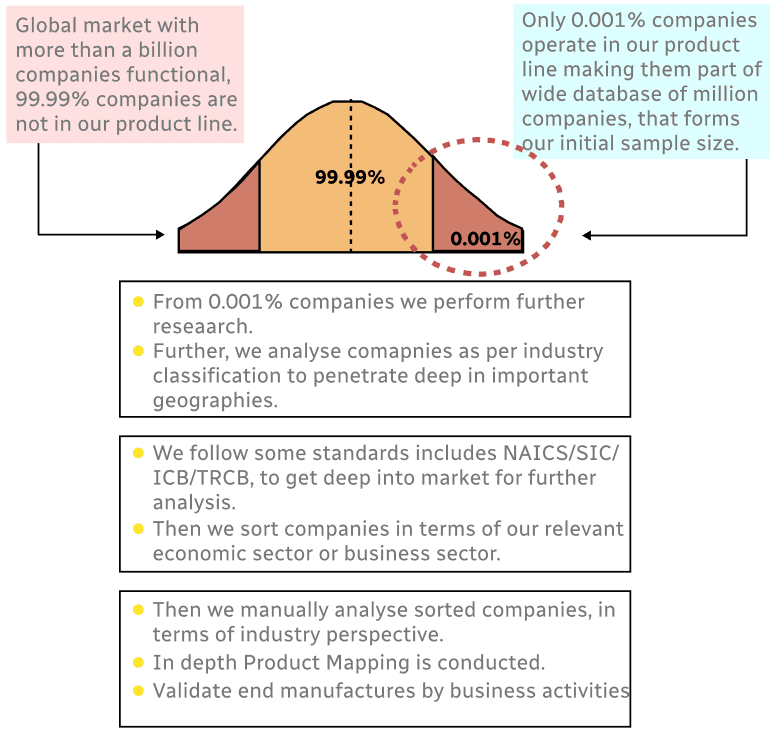
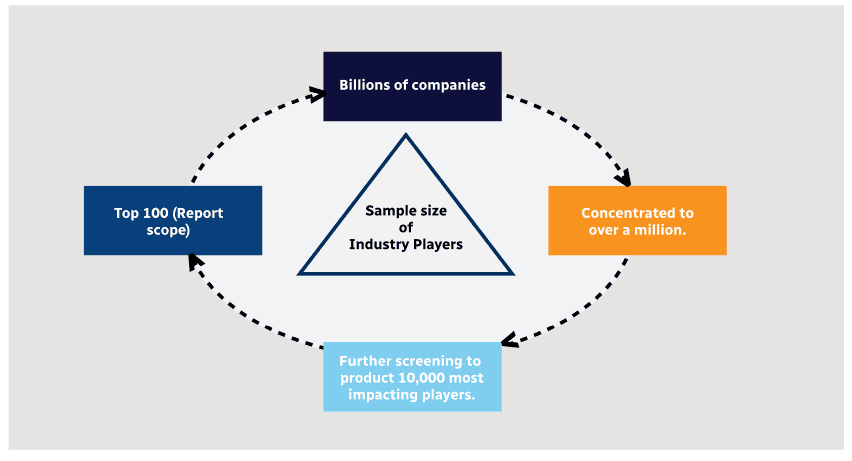
Step 1 - Identification of Relevant Samples Size from Population Database
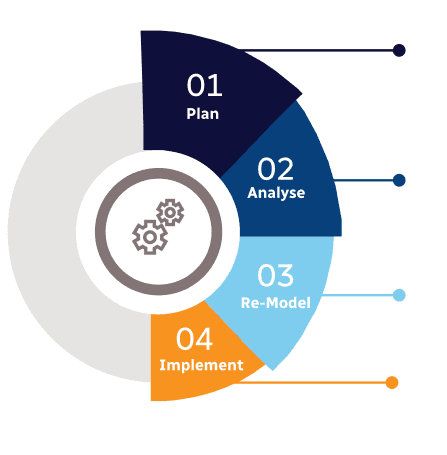
Step 2 - Approaches for Defining Global Market Size (Value, Volume* & Price*)
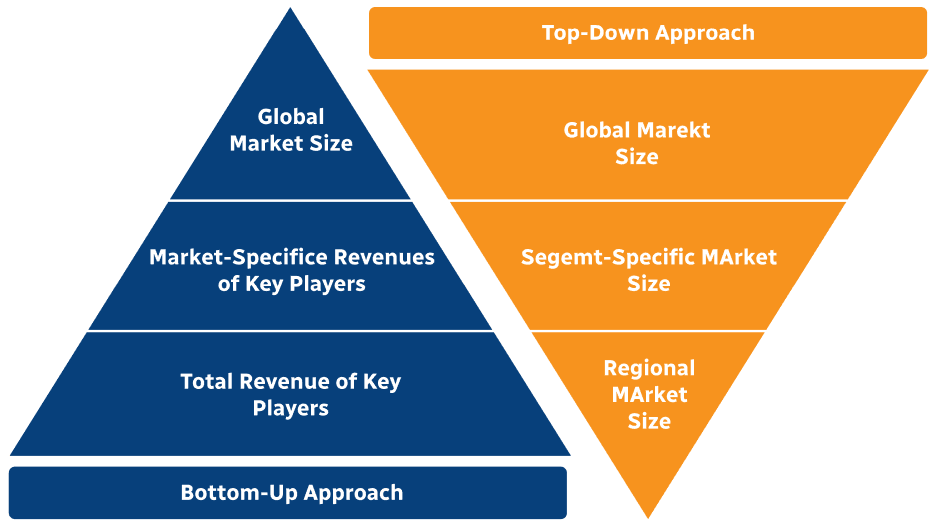
Note*: In applicable scenarios
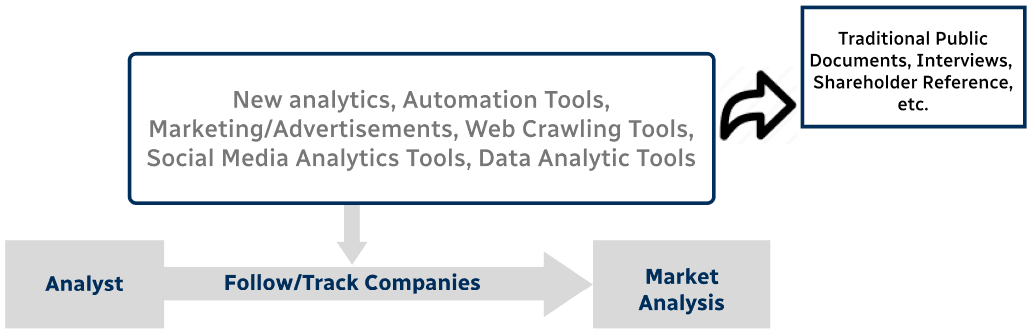
Step 3 - Data Sources
Primary Research
- Web Analytics
- Survey Reports
- Research Institute
- Latest Research Reports
- Opinion Leaders
Secondary Research
- Annual Reports
- White Paper
- Latest Press Release
- Industry Association
- Paid Database
- Investor Presentations
Step 4 - Data Triangulation
Involves using different sources of information in order to increase the validity of a study
These sources are likely to be stakeholders in a program - participants, other researchers, program staff, other community members, and so on.
Then we put all data in single framework & apply various statistical tools to find out the dynamic on the market.
During the analysis stage, feedback from the stakeholder groups would be compared to determine areas of agreement as well as areas of divergence