


Key Insights
The global Nuclear Fuels market is forecast for significant expansion, projected to reach $38.89 billion by 2025, growing at a CAGR of 3.2%. This growth is propelled by increasing global demand for sustainable and dependable energy solutions, driven by climate change mitigation efforts and emission reduction targets. Government investments in nuclear power as a stable baseload energy source are fostering sustained nuclear fuel demand. Innovations in nuclear reactor technologies, including advanced reactor designs and the emergence of Small Modular Reactors (SMRs), are anticipated to further stimulate market growth. The Nuclear Power Plants segment is expected to lead, driven by direct fuel consumption for electricity generation.
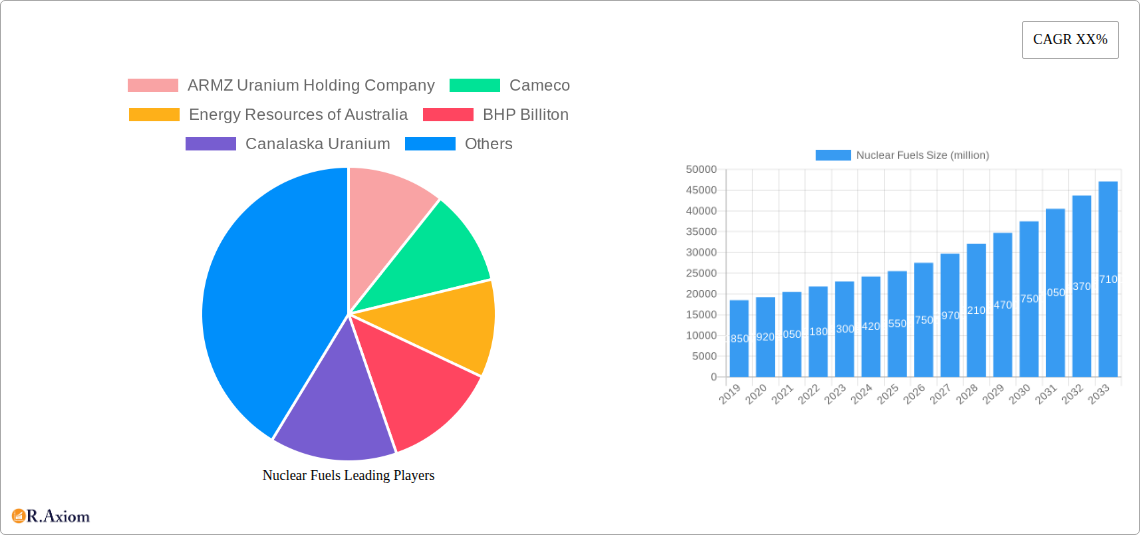
Nuclear Fuels Market Size (In Billion)

Key market drivers include energy security imperatives and technological advancements. However, challenges such as stringent regulations for nuclear material management and waste disposal, alongside public perception and safety considerations, are present. Geopolitical dynamics and supply chain vulnerabilities also pose risks. Nonetheless, advancements in fuel enrichment and fabrication, coupled with increased uranium exploration in stable regions, are expected to counteract these challenges. The market is segmented into Uranium Fuel and Mixed Oxide (MOX) Fuel, with Uranium Fuel dominating due to its prevalent usage. Leading companies, including China National Nuclear Corporation, KazAtomProm, and Cameco, are pivotal in shaping this dynamic market through innovation and supply chain assurance.
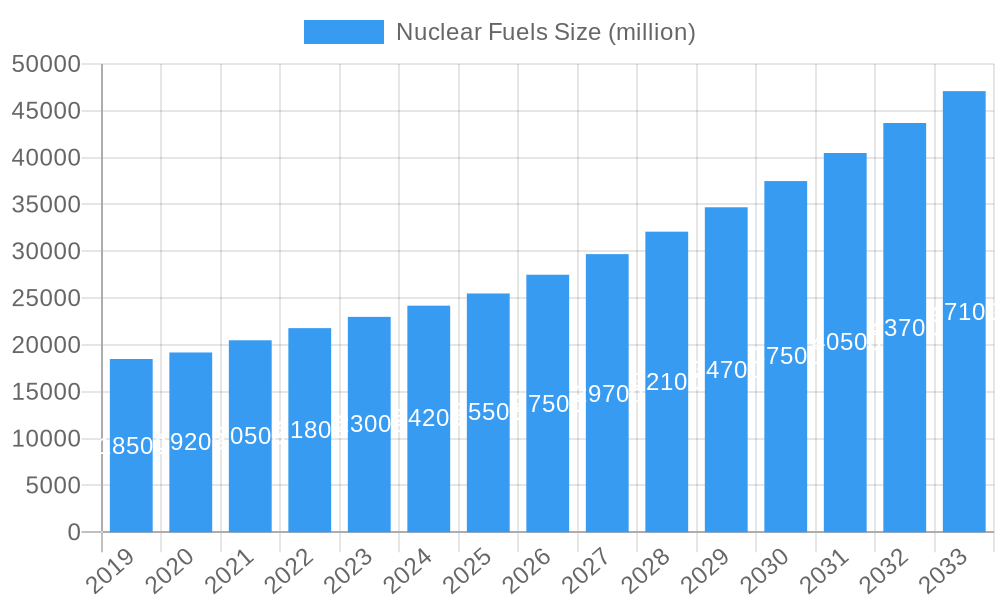
Nuclear Fuels Company Market Share
Nuclear Fuels Market Concentration & Innovation
The global nuclear fuels market exhibits a moderate level of concentration, with a few dominant players controlling a significant portion of the production and supply chain. Key companies like KazAtomProm, Cameco, and China National Nuclear Corporation are at the forefront, leveraging their extensive uranium reserves and advanced processing capabilities. Innovation within the sector is primarily driven by the pursuit of enhanced fuel efficiency, safety, and waste management solutions for nuclear power plants. Regulatory frameworks, such as those set by the International Atomic Energy Agency (IAEA) and national atomic energy commissions, play a crucial role in shaping market dynamics, dictating safety standards and fuel specifications for nuclear research labs and reactors. Product substitutes, while limited for primary nuclear reactor applications, are indirectly influenced by the development of alternative energy sources and advancements in non-nuclear technologies. End-user trends are increasingly focused on the long-term sustainability and cost-effectiveness of nuclear energy, driving demand for reliable and high-quality uranium fuel. Mergers and acquisition (M&A) activities, while not as frequent as in some other industries, are strategic moves by major players to consolidate resources, secure supply chains, and expand their market reach. Recent M&A deal values have focused on acquiring exploration rights, processing facilities, and stakes in existing mining operations, aiming to maintain competitive advantage.
Nuclear Fuels Industry Trends & Insights
The nuclear fuels industry is poised for significant growth, projected to expand at a Compound Annual Growth Rate (CAGR) of approximately 4.5% over the forecast period of 2025–2033. This upward trajectory is underpinned by a confluence of factors, including the global imperative to decarbonize energy grids and meet rising electricity demands. Nuclear power, as a low-carbon baseload energy source, is regaining favor in many nations seeking to achieve climate targets. Technological advancements are playing a pivotal role, with ongoing research and development focused on improving fuel designs for enhanced safety, efficiency, and waste reduction. This includes innovations in fuel enrichment processes and the development of advanced reactor technologies that can utilize a wider range of fuel types. Consumer preferences are evolving, with a growing public acceptance of nuclear energy as a reliable and environmentally responsible option, especially in regions experiencing energy security concerns. The competitive dynamics within the market are characterized by strategic partnerships, vertical integration, and a keen focus on supply chain security. Companies are investing heavily in uranium exploration and extraction to ensure long-term fuel availability for existing and new nuclear power plants. Market penetration is expected to deepen as more countries reconsider or expand their nuclear energy programs, particularly in Asia and Eastern Europe. The resurgence of interest in small modular reactors (SMRs) also presents a substantial growth avenue, promising to increase accessibility and reduce upfront investment for nuclear power generation. Furthermore, the industry is witnessing a steady demand for high-purity uranium fuel, essential for the optimal performance and safety of nuclear reactors worldwide. The commitment to nuclear non-proliferation and robust safety protocols continues to shape operational standards and market trust.
Dominant Markets & Segments in Nuclear Fuels
The Nuclear Power Plants segment is overwhelmingly the dominant market within the nuclear fuels industry, driven by the substantial energy requirements of global electricity generation.
- Economic Policies: Favorable government policies supporting nuclear energy, including subsidies, tax incentives, and long-term power purchase agreements, are crucial for the expansion of nuclear power plants. Countries like China and India are actively investing in new nuclear capacity, significantly boosting demand for nuclear fuels.
- Infrastructure Development: The construction and operational needs of a large fleet of nuclear reactors necessitate a consistent and reliable supply of nuclear fuels. The ongoing development of new reactor builds and life extensions for existing facilities directly translates to sustained demand.
The Uranium Fuel type dominates the market due to its widespread use as the primary fuel source for most commercial nuclear reactors.
- Energy Security: Nations relying on uranium fuel for their nuclear power programs prioritize secure and stable domestic or allied supply chains, reinforcing the demand for uranium.
- Cost-Effectiveness: Despite initial capital investments, uranium fuel offers a cost-effective and high-energy-density solution for baseload power generation compared to many other energy sources over its lifecycle.
Geographically, Asia-Pacific is emerging as the leading region in nuclear fuel consumption and production growth.
- Rapid Industrialization and Energy Demand: Countries like China and India are experiencing unprecedented industrial growth and urbanization, leading to a surge in electricity demand that nuclear power is well-positioned to meet.
- Government Initiatives: Ambitious government plans to expand nuclear energy portfolios to achieve energy independence and reduce carbon emissions are the primary catalysts for growth in this region. China, for instance, has an extensive pipeline of new nuclear power plant constructions, positioning it as a dominant force in the nuclear fuels market.
Nuclear Fuels Product Developments
Product development in the nuclear fuels sector is focused on enhancing the efficiency, safety, and sustainability of nuclear energy. Innovations in uranium fuel include the development of accident-tolerant fuels (ATFs) that can withstand higher temperatures and radiation levels, improving reactor safety margins. Mixed Oxide (MOX) fuel, utilizing reprocessed plutonium and uranium, is gaining traction for its role in managing existing spent nuclear fuel and its application in certain reactor designs. These advancements offer competitive advantages by reducing waste, improving fuel burn-up, and extending the operational life of nuclear facilities, aligning with industry trends towards cleaner and more secure energy solutions.
Report Scope & Segmentation Analysis
This report analyzes the global nuclear fuels market segmented by application and type.
Application:
- Nuclear Power Plants: This segment is expected to witness robust growth driven by increasing global electricity demand and a renewed focus on carbon-free energy sources. Projected market size is estimated at over ten million dollars in 2025, with a CAGR of xx% during the forecast period. Competitive dynamics involve ensuring reliable supply chains and meeting stringent regulatory requirements.
- Nuclear Research Labs: This segment, while smaller, remains crucial for R&D and specialized applications. Its growth is tied to advancements in nuclear science and technology. Expected market size is in the range of several million dollars, with steady growth projected.
- Others: This encompasses niche applications such as medical isotopes and industrial uses. Growth drivers are diverse and depend on specific technological breakthroughs and market adoption. Market size is estimated in the low millions, with potential for dynamic fluctuations.
Types:
- Uranium Fuel: This remains the predominant fuel type, with consistent demand from operational nuclear power plants. The market size is in the tens of millions of dollars, with stable growth anticipated. Key players focus on exploration, extraction, and enrichment.
- Mixed Oxide (MOX) Fuel: MOX fuel utilization is growing as a solution for spent fuel management and for specific reactor types. Projected market size is in the low millions, with potential for accelerated growth as reprocessing technologies advance.
- Others: This category includes specialized fuel forms and emerging fuel types. Market size is currently minimal but holds potential for future expansion based on innovation.
Key Drivers of Nuclear Fuels Growth
The growth of the nuclear fuels market is primarily propelled by several interconnected factors. Foremost is the global shift towards decarbonization and climate change mitigation, where nuclear power is recognized as a vital low-carbon energy source capable of providing baseload power. This is complemented by increasing global electricity demand, driven by population growth and industrialization, particularly in emerging economies. Government support and policy frameworks that encourage nuclear energy development, coupled with investments in new nuclear power plants and life extensions of existing ones, are significant catalysts. Furthermore, advancements in nuclear reactor technology, including the development of Small Modular Reactors (SMRs), are creating new market opportunities and increasing the feasibility of nuclear power deployment.
Challenges in the Nuclear Fuels Sector
Despite its growth potential, the nuclear fuels sector faces significant challenges. Stringent regulatory hurdles and licensing processes for new nuclear facilities and fuel production can lead to lengthy delays and increased costs. Public perception and concerns regarding nuclear safety and waste disposal remain persistent barriers, often necessitating extensive public engagement and robust safety demonstration. Supply chain complexities and geopolitical risks associated with uranium mining and enrichment can impact availability and price volatility. Moreover, high upfront capital costs for nuclear power plant construction and the long lead times involved present financial challenges for investors.
Emerging Opportunities in Nuclear Fuels
Emerging opportunities in the nuclear fuels sector are diverse and promising. The development and deployment of Small Modular Reactors (SMRs) represent a significant growth avenue, offering potentially lower costs, faster deployment, and increased flexibility for power generation in various applications. Innovations in advanced fuel cycles, including fast reactors and closed fuel cycles, present opportunities for more efficient fuel utilization and reduced waste volumes. The reprocessing of spent nuclear fuel to produce MOX fuel also offers a pathway to resource optimization and waste management. Furthermore, exploration for new uranium deposits in stable geopolitical regions and advancements in extraction technologies can secure long-term fuel supply.
Leading Players in the Nuclear Fuels Market
- ARMZ Uranium Holding Company
- Cameco
- Energy Resources of Australia
- BHP Billiton
- Canalaska Uranium
- KazAtomProm
- Berkeley Energia
- Globex Mining Enterprises
- International Montoro Resources
- China National Nuclear Corporation
- Japan Oil, Gas and Metals National Corporation
- China General Nuclear Power
- Denison Mines
- Eagle Plains Resources
- Azimut Exploration
- Bannerman Resources
- Forsys Metals
- Rio Tinto
- NMMC
- Paladin Energy
- Urenco
- Vattenfall
- Anglo-Canadian Mining Corp
- Orano
Key Developments in Nuclear Fuels Industry
- 2023: KazAtomProm announces strategic investments in new uranium exploration and production projects to secure future supply.
- 2023: China continues its aggressive expansion of nuclear power, with several new reactors commencing operations, boosting demand for domestically sourced and imported uranium.
- 2022: Cameco and Orano announce a new partnership to collaborate on uranium exploration and enrichment technologies.
- 2022: The International Atomic Energy Agency (IAEA) releases updated guidelines for nuclear fuel cycle safety, influencing industry standards.
- 2021: Several companies, including Denison Mines and Bannerman Resources, report significant progress in uranium resource exploration and development in North America and Africa.
- 2020: China General Nuclear Power Group (CGN) announces plans to accelerate the development of its SMR program, signaling future demand for specialized fuel types.
Strategic Outlook for Nuclear Fuels Market
The strategic outlook for the nuclear fuels market is one of robust and sustained growth, driven by the indispensable role nuclear energy plays in achieving global climate goals and meeting rising energy demands. The increasing acceptance and deployment of nuclear power, coupled with ongoing technological advancements, are creating a favorable environment for market expansion. Strategic focus will be on securing reliable and ethical uranium supply chains, investing in advanced fuel technologies, and collaborating with governments to navigate regulatory landscapes. The development of SMRs and advanced reactor designs will unlock new market segments and further diversify demand, positioning the nuclear fuels sector for a significant and impactful future.
Nuclear Fuels Segmentation
-
1. Application
- 1.1. Nuclear Power Plants
- 1.2. Nuclear Research Labs
- 1.3. Others
-
2. Types
- 2.1. Mixed Oxide (MOX) Fuel
- 2.2. Uranium Fuel
- 2.3. Others
Nuclear Fuels Segmentation By Geography
-
1. North America
- 1.1. United States
- 1.2. Canada
- 1.3. Mexico
-
2. South America
- 2.1. Brazil
- 2.2. Argentina
- 2.3. Rest of South America
-
3. Europe
- 3.1. United Kingdom
- 3.2. Germany
- 3.3. France
- 3.4. Italy
- 3.5. Spain
- 3.6. Russia
- 3.7. Benelux
- 3.8. Nordics
- 3.9. Rest of Europe
-
4. Middle East & Africa
- 4.1. Turkey
- 4.2. Israel
- 4.3. GCC
- 4.4. North Africa
- 4.5. South Africa
- 4.6. Rest of Middle East & Africa
-
5. Asia Pacific
- 5.1. China
- 5.2. India
- 5.3. Japan
- 5.4. South Korea
- 5.5. ASEAN
- 5.6. Oceania
- 5.7. Rest of Asia Pacific
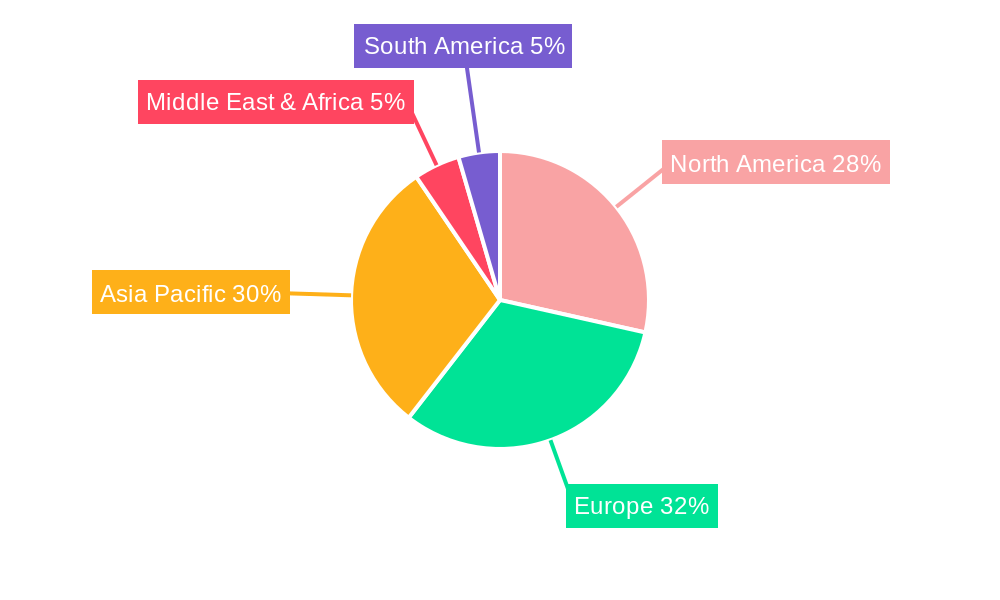
Nuclear Fuels Regional Market Share
Geographic Coverage of Nuclear Fuels
Nuclear Fuels REPORT HIGHLIGHTS
| Aspects | Details |
|---|---|
| Study Period | 2020-2034 |
| Base Year | 2025 |
| Estimated Year | 2026 |
| Forecast Period | 2026-2034 |
| Historical Period | 2020-2025 |
| Growth Rate | CAGR of 3.2% from 2020-2034 |
| Segmentation |
|
Table of Contents
- 1. Introduction
- 1.1. Research Scope
- 1.2. Market Segmentation
- 1.3. Research Methodology
- 1.4. Definitions and Assumptions
- 2. Executive Summary
- 2.1. Introduction
- 3. Market Dynamics
- 3.1. Introduction
- 3.2. Market Drivers
- 3.3. Market Restrains
- 3.4. Market Trends
- 4. Market Factor Analysis
- 4.1. Porters Five Forces
- 4.2. Supply/Value Chain
- 4.3. PESTEL analysis
- 4.4. Market Entropy
- 4.5. Patent/Trademark Analysis
- 5. Global Nuclear Fuels Analysis, Insights and Forecast, 2020-2032
- 5.1. Market Analysis, Insights and Forecast - by Application
- 5.1.1. Nuclear Power Plants
- 5.1.2. Nuclear Research Labs
- 5.1.3. Others
- 5.2. Market Analysis, Insights and Forecast - by Types
- 5.2.1. Mixed Oxide (MOX) Fuel
- 5.2.2. Uranium Fuel
- 5.2.3. Others
- 5.3. Market Analysis, Insights and Forecast - by Region
- 5.3.1. North America
- 5.3.2. South America
- 5.3.3. Europe
- 5.3.4. Middle East & Africa
- 5.3.5. Asia Pacific
- 5.1. Market Analysis, Insights and Forecast - by Application
- 6. North America Nuclear Fuels Analysis, Insights and Forecast, 2020-2032
- 6.1. Market Analysis, Insights and Forecast - by Application
- 6.1.1. Nuclear Power Plants
- 6.1.2. Nuclear Research Labs
- 6.1.3. Others
- 6.2. Market Analysis, Insights and Forecast - by Types
- 6.2.1. Mixed Oxide (MOX) Fuel
- 6.2.2. Uranium Fuel
- 6.2.3. Others
- 6.1. Market Analysis, Insights and Forecast - by Application
- 7. South America Nuclear Fuels Analysis, Insights and Forecast, 2020-2032
- 7.1. Market Analysis, Insights and Forecast - by Application
- 7.1.1. Nuclear Power Plants
- 7.1.2. Nuclear Research Labs
- 7.1.3. Others
- 7.2. Market Analysis, Insights and Forecast - by Types
- 7.2.1. Mixed Oxide (MOX) Fuel
- 7.2.2. Uranium Fuel
- 7.2.3. Others
- 7.1. Market Analysis, Insights and Forecast - by Application
- 8. Europe Nuclear Fuels Analysis, Insights and Forecast, 2020-2032
- 8.1. Market Analysis, Insights and Forecast - by Application
- 8.1.1. Nuclear Power Plants
- 8.1.2. Nuclear Research Labs
- 8.1.3. Others
- 8.2. Market Analysis, Insights and Forecast - by Types
- 8.2.1. Mixed Oxide (MOX) Fuel
- 8.2.2. Uranium Fuel
- 8.2.3. Others
- 8.1. Market Analysis, Insights and Forecast - by Application
- 9. Middle East & Africa Nuclear Fuels Analysis, Insights and Forecast, 2020-2032
- 9.1. Market Analysis, Insights and Forecast - by Application
- 9.1.1. Nuclear Power Plants
- 9.1.2. Nuclear Research Labs
- 9.1.3. Others
- 9.2. Market Analysis, Insights and Forecast - by Types
- 9.2.1. Mixed Oxide (MOX) Fuel
- 9.2.2. Uranium Fuel
- 9.2.3. Others
- 9.1. Market Analysis, Insights and Forecast - by Application
- 10. Asia Pacific Nuclear Fuels Analysis, Insights and Forecast, 2020-2032
- 10.1. Market Analysis, Insights and Forecast - by Application
- 10.1.1. Nuclear Power Plants
- 10.1.2. Nuclear Research Labs
- 10.1.3. Others
- 10.2. Market Analysis, Insights and Forecast - by Types
- 10.2.1. Mixed Oxide (MOX) Fuel
- 10.2.2. Uranium Fuel
- 10.2.3. Others
- 10.1. Market Analysis, Insights and Forecast - by Application
- 11. Competitive Analysis
- 11.1. Global Market Share Analysis 2025
- 11.2. Company Profiles
- 11.2.1 ARMZ Uranium Holding Company
- 11.2.1.1. Overview
- 11.2.1.2. Products
- 11.2.1.3. SWOT Analysis
- 11.2.1.4. Recent Developments
- 11.2.1.5. Financials (Based on Availability)
- 11.2.2 Cameco
- 11.2.2.1. Overview
- 11.2.2.2. Products
- 11.2.2.3. SWOT Analysis
- 11.2.2.4. Recent Developments
- 11.2.2.5. Financials (Based on Availability)
- 11.2.3 Energy Resources of Australia
- 11.2.3.1. Overview
- 11.2.3.2. Products
- 11.2.3.3. SWOT Analysis
- 11.2.3.4. Recent Developments
- 11.2.3.5. Financials (Based on Availability)
- 11.2.4 BHP Billiton
- 11.2.4.1. Overview
- 11.2.4.2. Products
- 11.2.4.3. SWOT Analysis
- 11.2.4.4. Recent Developments
- 11.2.4.5. Financials (Based on Availability)
- 11.2.5 Canalaska Uranium
- 11.2.5.1. Overview
- 11.2.5.2. Products
- 11.2.5.3. SWOT Analysis
- 11.2.5.4. Recent Developments
- 11.2.5.5. Financials (Based on Availability)
- 11.2.6 KazAtomProm
- 11.2.6.1. Overview
- 11.2.6.2. Products
- 11.2.6.3. SWOT Analysis
- 11.2.6.4. Recent Developments
- 11.2.6.5. Financials (Based on Availability)
- 11.2.7 Berkeley Energia
- 11.2.7.1. Overview
- 11.2.7.2. Products
- 11.2.7.3. SWOT Analysis
- 11.2.7.4. Recent Developments
- 11.2.7.5. Financials (Based on Availability)
- 11.2.8 Globex Mining Enterprises
- 11.2.8.1. Overview
- 11.2.8.2. Products
- 11.2.8.3. SWOT Analysis
- 11.2.8.4. Recent Developments
- 11.2.8.5. Financials (Based on Availability)
- 11.2.9 International Montoro Resources
- 11.2.9.1. Overview
- 11.2.9.2. Products
- 11.2.9.3. SWOT Analysis
- 11.2.9.4. Recent Developments
- 11.2.9.5. Financials (Based on Availability)
- 11.2.10 China National Nuclear Corporation
- 11.2.10.1. Overview
- 11.2.10.2. Products
- 11.2.10.3. SWOT Analysis
- 11.2.10.4. Recent Developments
- 11.2.10.5. Financials (Based on Availability)
- 11.2.11 Japan
- 11.2.11.1. Overview
- 11.2.11.2. Products
- 11.2.11.3. SWOT Analysis
- 11.2.11.4. Recent Developments
- 11.2.11.5. Financials (Based on Availability)
- 11.2.12 Oil
- 11.2.12.1. Overview
- 11.2.12.2. Products
- 11.2.12.3. SWOT Analysis
- 11.2.12.4. Recent Developments
- 11.2.12.5. Financials (Based on Availability)
- 11.2.13 Gas and Metals National Corporation
- 11.2.13.1. Overview
- 11.2.13.2. Products
- 11.2.13.3. SWOT Analysis
- 11.2.13.4. Recent Developments
- 11.2.13.5. Financials (Based on Availability)
- 11.2.14 China General Nuclear Power
- 11.2.14.1. Overview
- 11.2.14.2. Products
- 11.2.14.3. SWOT Analysis
- 11.2.14.4. Recent Developments
- 11.2.14.5. Financials (Based on Availability)
- 11.2.15 Denison Mines
- 11.2.15.1. Overview
- 11.2.15.2. Products
- 11.2.15.3. SWOT Analysis
- 11.2.15.4. Recent Developments
- 11.2.15.5. Financials (Based on Availability)
- 11.2.16 Eagle Plains Resources
- 11.2.16.1. Overview
- 11.2.16.2. Products
- 11.2.16.3. SWOT Analysis
- 11.2.16.4. Recent Developments
- 11.2.16.5. Financials (Based on Availability)
- 11.2.17 Azimut Exploration
- 11.2.17.1. Overview
- 11.2.17.2. Products
- 11.2.17.3. SWOT Analysis
- 11.2.17.4. Recent Developments
- 11.2.17.5. Financials (Based on Availability)
- 11.2.18 Bannerman Resources
- 11.2.18.1. Overview
- 11.2.18.2. Products
- 11.2.18.3. SWOT Analysis
- 11.2.18.4. Recent Developments
- 11.2.18.5. Financials (Based on Availability)
- 11.2.19 Forsys Metals
- 11.2.19.1. Overview
- 11.2.19.2. Products
- 11.2.19.3. SWOT Analysis
- 11.2.19.4. Recent Developments
- 11.2.19.5. Financials (Based on Availability)
- 11.2.20 Rio Tinto
- 11.2.20.1. Overview
- 11.2.20.2. Products
- 11.2.20.3. SWOT Analysis
- 11.2.20.4. Recent Developments
- 11.2.20.5. Financials (Based on Availability)
- 11.2.21 NMMC
- 11.2.21.1. Overview
- 11.2.21.2. Products
- 11.2.21.3. SWOT Analysis
- 11.2.21.4. Recent Developments
- 11.2.21.5. Financials (Based on Availability)
- 11.2.22 Paladin Energy
- 11.2.22.1. Overview
- 11.2.22.2. Products
- 11.2.22.3. SWOT Analysis
- 11.2.22.4. Recent Developments
- 11.2.22.5. Financials (Based on Availability)
- 11.2.23 Urenco
- 11.2.23.1. Overview
- 11.2.23.2. Products
- 11.2.23.3. SWOT Analysis
- 11.2.23.4. Recent Developments
- 11.2.23.5. Financials (Based on Availability)
- 11.2.24 Vattenfall
- 11.2.24.1. Overview
- 11.2.24.2. Products
- 11.2.24.3. SWOT Analysis
- 11.2.24.4. Recent Developments
- 11.2.24.5. Financials (Based on Availability)
- 11.2.25 Anglo-Canadian Mining Corp
- 11.2.25.1. Overview
- 11.2.25.2. Products
- 11.2.25.3. SWOT Analysis
- 11.2.25.4. Recent Developments
- 11.2.25.5. Financials (Based on Availability)
- 11.2.26 Orano
- 11.2.26.1. Overview
- 11.2.26.2. Products
- 11.2.26.3. SWOT Analysis
- 11.2.26.4. Recent Developments
- 11.2.26.5. Financials (Based on Availability)
- 11.2.1 ARMZ Uranium Holding Company
List of Figures
- Figure 1: Global Nuclear Fuels Revenue Breakdown (billion, %) by Region 2025 & 2033
- Figure 2: North America Nuclear Fuels Revenue (billion), by Application 2025 & 2033
- Figure 3: North America Nuclear Fuels Revenue Share (%), by Application 2025 & 2033
- Figure 4: North America Nuclear Fuels Revenue (billion), by Types 2025 & 2033
- Figure 5: North America Nuclear Fuels Revenue Share (%), by Types 2025 & 2033
- Figure 6: North America Nuclear Fuels Revenue (billion), by Country 2025 & 2033
- Figure 7: North America Nuclear Fuels Revenue Share (%), by Country 2025 & 2033
- Figure 8: South America Nuclear Fuels Revenue (billion), by Application 2025 & 2033
- Figure 9: South America Nuclear Fuels Revenue Share (%), by Application 2025 & 2033
- Figure 10: South America Nuclear Fuels Revenue (billion), by Types 2025 & 2033
- Figure 11: South America Nuclear Fuels Revenue Share (%), by Types 2025 & 2033
- Figure 12: South America Nuclear Fuels Revenue (billion), by Country 2025 & 2033
- Figure 13: South America Nuclear Fuels Revenue Share (%), by Country 2025 & 2033
- Figure 14: Europe Nuclear Fuels Revenue (billion), by Application 2025 & 2033
- Figure 15: Europe Nuclear Fuels Revenue Share (%), by Application 2025 & 2033
- Figure 16: Europe Nuclear Fuels Revenue (billion), by Types 2025 & 2033
- Figure 17: Europe Nuclear Fuels Revenue Share (%), by Types 2025 & 2033
- Figure 18: Europe Nuclear Fuels Revenue (billion), by Country 2025 & 2033
- Figure 19: Europe Nuclear Fuels Revenue Share (%), by Country 2025 & 2033
- Figure 20: Middle East & Africa Nuclear Fuels Revenue (billion), by Application 2025 & 2033
- Figure 21: Middle East & Africa Nuclear Fuels Revenue Share (%), by Application 2025 & 2033
- Figure 22: Middle East & Africa Nuclear Fuels Revenue (billion), by Types 2025 & 2033
- Figure 23: Middle East & Africa Nuclear Fuels Revenue Share (%), by Types 2025 & 2033
- Figure 24: Middle East & Africa Nuclear Fuels Revenue (billion), by Country 2025 & 2033
- Figure 25: Middle East & Africa Nuclear Fuels Revenue Share (%), by Country 2025 & 2033
- Figure 26: Asia Pacific Nuclear Fuels Revenue (billion), by Application 2025 & 2033
- Figure 27: Asia Pacific Nuclear Fuels Revenue Share (%), by Application 2025 & 2033
- Figure 28: Asia Pacific Nuclear Fuels Revenue (billion), by Types 2025 & 2033
- Figure 29: Asia Pacific Nuclear Fuels Revenue Share (%), by Types 2025 & 2033
- Figure 30: Asia Pacific Nuclear Fuels Revenue (billion), by Country 2025 & 2033
- Figure 31: Asia Pacific Nuclear Fuels Revenue Share (%), by Country 2025 & 2033
List of Tables
- Table 1: Global Nuclear Fuels Revenue billion Forecast, by Application 2020 & 2033
- Table 2: Global Nuclear Fuels Revenue billion Forecast, by Types 2020 & 2033
- Table 3: Global Nuclear Fuels Revenue billion Forecast, by Region 2020 & 2033
- Table 4: Global Nuclear Fuels Revenue billion Forecast, by Application 2020 & 2033
- Table 5: Global Nuclear Fuels Revenue billion Forecast, by Types 2020 & 2033
- Table 6: Global Nuclear Fuels Revenue billion Forecast, by Country 2020 & 2033
- Table 7: United States Nuclear Fuels Revenue (billion) Forecast, by Application 2020 & 2033
- Table 8: Canada Nuclear Fuels Revenue (billion) Forecast, by Application 2020 & 2033
- Table 9: Mexico Nuclear Fuels Revenue (billion) Forecast, by Application 2020 & 2033
- Table 10: Global Nuclear Fuels Revenue billion Forecast, by Application 2020 & 2033
- Table 11: Global Nuclear Fuels Revenue billion Forecast, by Types 2020 & 2033
- Table 12: Global Nuclear Fuels Revenue billion Forecast, by Country 2020 & 2033
- Table 13: Brazil Nuclear Fuels Revenue (billion) Forecast, by Application 2020 & 2033
- Table 14: Argentina Nuclear Fuels Revenue (billion) Forecast, by Application 2020 & 2033
- Table 15: Rest of South America Nuclear Fuels Revenue (billion) Forecast, by Application 2020 & 2033
- Table 16: Global Nuclear Fuels Revenue billion Forecast, by Application 2020 & 2033
- Table 17: Global Nuclear Fuels Revenue billion Forecast, by Types 2020 & 2033
- Table 18: Global Nuclear Fuels Revenue billion Forecast, by Country 2020 & 2033
- Table 19: United Kingdom Nuclear Fuels Revenue (billion) Forecast, by Application 2020 & 2033
- Table 20: Germany Nuclear Fuels Revenue (billion) Forecast, by Application 2020 & 2033
- Table 21: France Nuclear Fuels Revenue (billion) Forecast, by Application 2020 & 2033
- Table 22: Italy Nuclear Fuels Revenue (billion) Forecast, by Application 2020 & 2033
- Table 23: Spain Nuclear Fuels Revenue (billion) Forecast, by Application 2020 & 2033
- Table 24: Russia Nuclear Fuels Revenue (billion) Forecast, by Application 2020 & 2033
- Table 25: Benelux Nuclear Fuels Revenue (billion) Forecast, by Application 2020 & 2033
- Table 26: Nordics Nuclear Fuels Revenue (billion) Forecast, by Application 2020 & 2033
- Table 27: Rest of Europe Nuclear Fuels Revenue (billion) Forecast, by Application 2020 & 2033
- Table 28: Global Nuclear Fuels Revenue billion Forecast, by Application 2020 & 2033
- Table 29: Global Nuclear Fuels Revenue billion Forecast, by Types 2020 & 2033
- Table 30: Global Nuclear Fuels Revenue billion Forecast, by Country 2020 & 2033
- Table 31: Turkey Nuclear Fuels Revenue (billion) Forecast, by Application 2020 & 2033
- Table 32: Israel Nuclear Fuels Revenue (billion) Forecast, by Application 2020 & 2033
- Table 33: GCC Nuclear Fuels Revenue (billion) Forecast, by Application 2020 & 2033
- Table 34: North Africa Nuclear Fuels Revenue (billion) Forecast, by Application 2020 & 2033
- Table 35: South Africa Nuclear Fuels Revenue (billion) Forecast, by Application 2020 & 2033
- Table 36: Rest of Middle East & Africa Nuclear Fuels Revenue (billion) Forecast, by Application 2020 & 2033
- Table 37: Global Nuclear Fuels Revenue billion Forecast, by Application 2020 & 2033
- Table 38: Global Nuclear Fuels Revenue billion Forecast, by Types 2020 & 2033
- Table 39: Global Nuclear Fuels Revenue billion Forecast, by Country 2020 & 2033
- Table 40: China Nuclear Fuels Revenue (billion) Forecast, by Application 2020 & 2033
- Table 41: India Nuclear Fuels Revenue (billion) Forecast, by Application 2020 & 2033
- Table 42: Japan Nuclear Fuels Revenue (billion) Forecast, by Application 2020 & 2033
- Table 43: South Korea Nuclear Fuels Revenue (billion) Forecast, by Application 2020 & 2033
- Table 44: ASEAN Nuclear Fuels Revenue (billion) Forecast, by Application 2020 & 2033
- Table 45: Oceania Nuclear Fuels Revenue (billion) Forecast, by Application 2020 & 2033
- Table 46: Rest of Asia Pacific Nuclear Fuels Revenue (billion) Forecast, by Application 2020 & 2033
Frequently Asked Questions
1. What is the projected Compound Annual Growth Rate (CAGR) of the Nuclear Fuels?
The projected CAGR is approximately 3.2%.
2. Which companies are prominent players in the Nuclear Fuels?
Key companies in the market include ARMZ Uranium Holding Company, Cameco, Energy Resources of Australia, BHP Billiton, Canalaska Uranium, KazAtomProm, Berkeley Energia, Globex Mining Enterprises, International Montoro Resources, China National Nuclear Corporation, Japan, Oil, Gas and Metals National Corporation, China General Nuclear Power, Denison Mines, Eagle Plains Resources, Azimut Exploration, Bannerman Resources, Forsys Metals, Rio Tinto, NMMC, Paladin Energy, Urenco, Vattenfall, Anglo-Canadian Mining Corp, Orano.
3. What are the main segments of the Nuclear Fuels?
The market segments include Application, Types.
4. Can you provide details about the market size?
The market size is estimated to be USD 38.89 billion as of 2022.
5. What are some drivers contributing to market growth?
N/A
6. What are the notable trends driving market growth?
N/A
7. Are there any restraints impacting market growth?
N/A
8. Can you provide examples of recent developments in the market?
N/A
9. What pricing options are available for accessing the report?
Pricing options include single-user, multi-user, and enterprise licenses priced at USD 2900.00, USD 4350.00, and USD 5800.00 respectively.
10. Is the market size provided in terms of value or volume?
The market size is provided in terms of value, measured in billion.
11. Are there any specific market keywords associated with the report?
Yes, the market keyword associated with the report is "Nuclear Fuels," which aids in identifying and referencing the specific market segment covered.
12. How do I determine which pricing option suits my needs best?
The pricing options vary based on user requirements and access needs. Individual users may opt for single-user licenses, while businesses requiring broader access may choose multi-user or enterprise licenses for cost-effective access to the report.
13. Are there any additional resources or data provided in the Nuclear Fuels report?
While the report offers comprehensive insights, it's advisable to review the specific contents or supplementary materials provided to ascertain if additional resources or data are available.
14. How can I stay updated on further developments or reports in the Nuclear Fuels?
To stay informed about further developments, trends, and reports in the Nuclear Fuels, consider subscribing to industry newsletters, following relevant companies and organizations, or regularly checking reputable industry news sources and publications.
Methodology
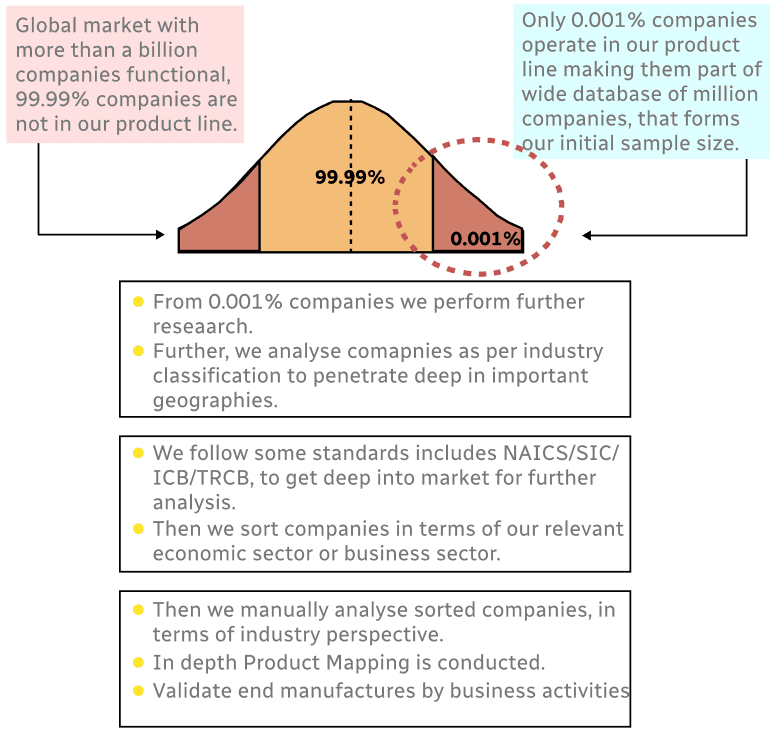
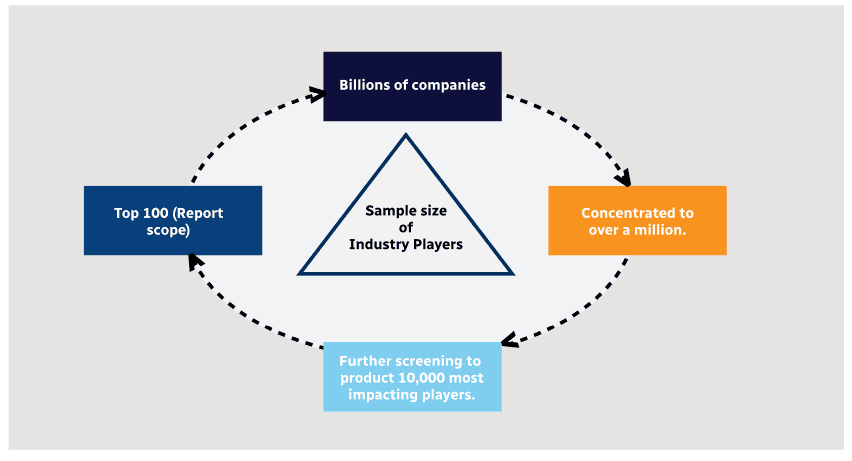
Step 1 - Identification of Relevant Samples Size from Population Database
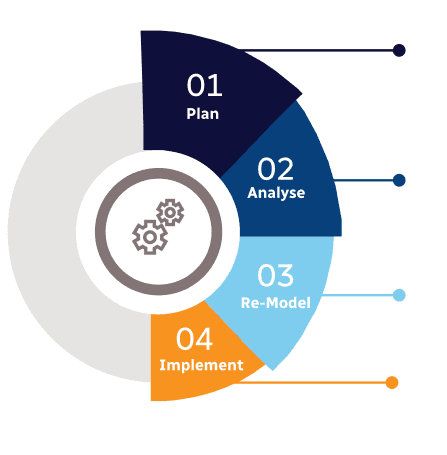
Step 2 - Approaches for Defining Global Market Size (Value, Volume* & Price*)
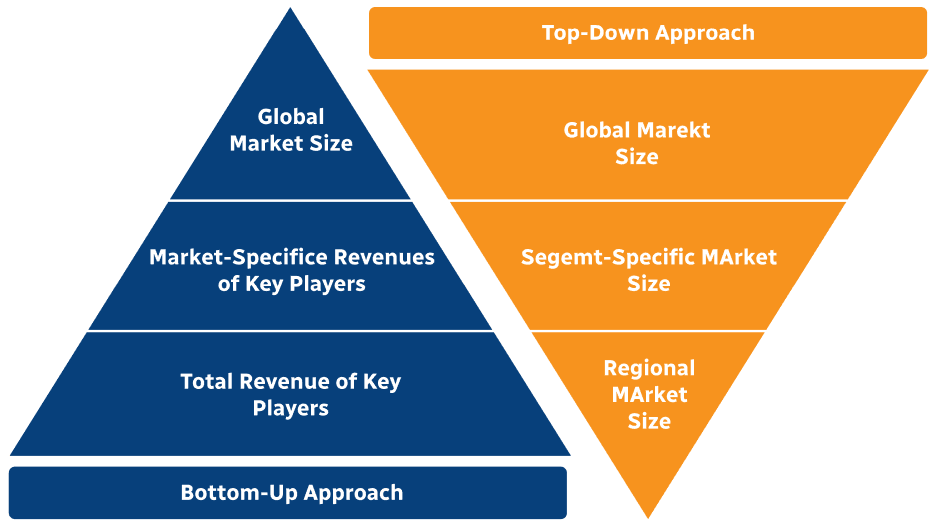
Note*: In applicable scenarios
Step 3 - Data Sources
Primary Research
- Web Analytics
- Survey Reports
- Research Institute
- Latest Research Reports
- Opinion Leaders
Secondary Research
- Annual Reports
- White Paper
- Latest Press Release
- Industry Association
- Paid Database
- Investor Presentations
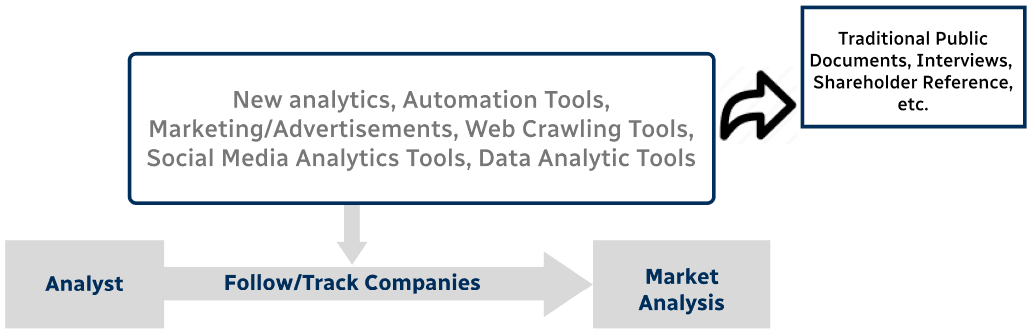
Step 4 - Data Triangulation
Involves using different sources of information in order to increase the validity of a study
These sources are likely to be stakeholders in a program - participants, other researchers, program staff, other community members, and so on.
Then we put all data in single framework & apply various statistical tools to find out the dynamic on the market.
During the analysis stage, feedback from the stakeholder groups would be compared to determine areas of agreement as well as areas of divergence