


Key Insights
The global wearable device quartz crystal unit market is experiencing robust growth, driven by the increasing popularity of smartwatches, fitness trackers, and other wearable technologies. The market's expansion is fueled by several factors, including the miniaturization of electronic components, advancements in low-power consumption technologies, and the rising demand for accurate timekeeping in wearable devices. We estimate the market size in 2025 to be approximately $800 million, considering the prevalent growth rates in related sectors and the substantial increase in wearable device shipments. A Compound Annual Growth Rate (CAGR) of 8% is projected from 2025 to 2033, indicating continued expansion. This growth is further propelled by the integration of advanced features like health monitoring, contactless payments, and augmented reality functionalities in wearable devices, all of which necessitate precise timing provided by quartz crystal units. Key players like Seiko Epson, Murata Manufacturing, and Texas Instruments are leading this market, constantly innovating to improve the performance and miniaturization of their products.
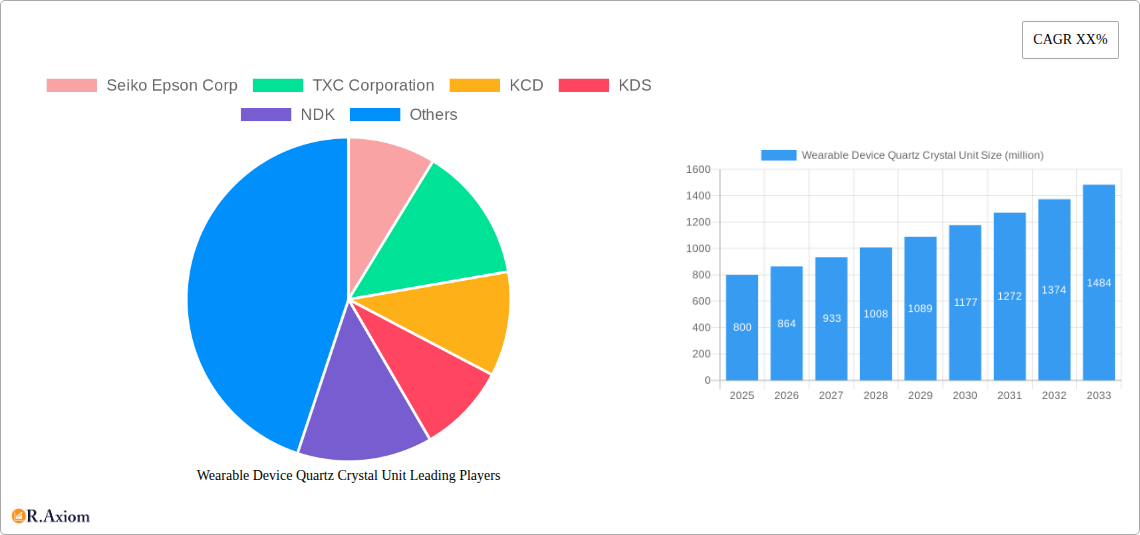
Wearable Device Quartz Crystal Unit Market Size (In Million)

The market segmentation is primarily driven by device type (smartwatches, fitness trackers, hearables), crystal type (temperature-compensated crystal oscillators - TCXO, voltage-controlled crystal oscillators - VCXO), and application (timekeeping, frequency control). While challenges like stringent quality control and increasing material costs exist, the overall positive outlook remains strong. Technological advancements in quartz crystal unit manufacturing, combined with the continuous expansion of the wearable device market, are poised to ensure sustained growth in the forecast period. Regional variations in growth rates are anticipated, with regions like North America and Asia-Pacific showing particularly strong adoption rates of wearable technologies.
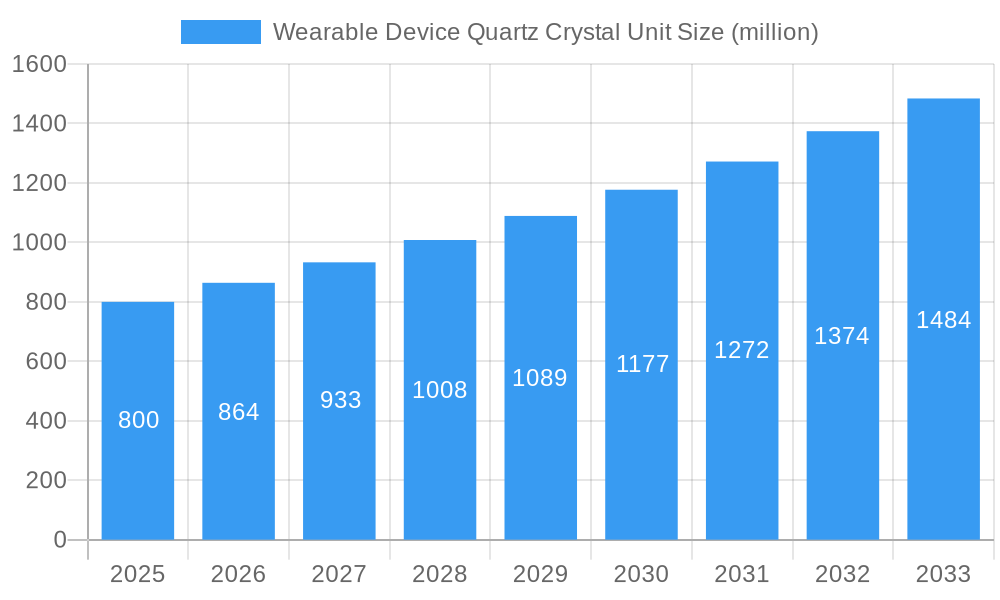
Wearable Device Quartz Crystal Unit Company Market Share
This comprehensive report provides an in-depth analysis of the global wearable device quartz crystal unit market, offering invaluable insights for industry stakeholders, investors, and market entrants. The study covers the period 2019-2033, with a focus on the forecast period 2025-2033, using 2025 as the base and estimated year. The report analyzes market size, growth drivers, challenges, opportunities, competitive landscape, and key trends, providing actionable intelligence for strategic decision-making. Millions are used for all values.
Wearable Device Quartz Crystal Unit Market Concentration & Innovation
The wearable device quartz crystal unit market exhibits a moderately concentrated landscape, with key players like Seiko Epson Corp, Murata Manufacturing, and TXC Corporation holding significant market share. In 2025, the top five players are estimated to collectively control xx% of the market, indicating a relatively oligopolistic structure. However, the presence of numerous smaller players, particularly in regions like Asia, adds to the market's dynamism.
Innovation Drivers:
- Miniaturization and power efficiency demands from the wearables sector are driving innovation in quartz crystal unit technology.
- The integration of advanced features such as improved frequency stability and temperature compensation enhances the market appeal.
- The development of MEMS-based resonators presents a potential disruptive force, offering smaller form factors and potentially lower costs.
Regulatory Frameworks: Compliance with international standards like RoHS and REACH influences material selection and manufacturing processes.
Product Substitutes: MEMS resonators and alternative timing devices pose a threat, although quartz crystals remain dominant due to cost-effectiveness and mature technology.
M&A Activities: The past five years have witnessed xx million in M&A deals within the sector, primarily focused on expanding production capacity and acquiring specialized technologies. For example, in 2023, a deal valued at approximately xx million saw a major player acquire a smaller company specializing in high-precision quartz crystals.
End-User Trends: The increasing adoption of smartwatches, fitness trackers, and hearables fuels market growth, driving demand for smaller, more power-efficient quartz crystal units.
Wearable Device Quartz Crystal Unit Industry Trends & Insights
The wearable device quartz crystal unit market is experiencing robust growth, driven by a confluence of factors. The market exhibited a CAGR of xx% during the historical period (2019-2024) and is projected to maintain a CAGR of xx% during the forecast period (2025-2033), reaching a market value of xx million by 2033. This growth is primarily fueled by the explosive expansion of the wearables market, particularly in emerging economies. Market penetration within the wearables sector is steadily increasing, with an estimated xx% of wearable devices currently incorporating quartz crystal units.
Technological disruptions such as the rise of MEMS resonators present both opportunities and challenges. While MEMS offer potential advantages, the entrenched position of quartz crystals based on cost-effectiveness, reliability, and established supply chains ensures continued market dominance in the near future. Consumer preferences for advanced functionalities in wearables necessitate increasingly sophisticated quartz crystal units with enhanced accuracy and power management capabilities. This leads to a shift toward higher-value components and a growing market for premium-grade quartz crystal units.
The competitive landscape is characterized by intense competition among established players and the emergence of new entrants, particularly from Asian countries. Differentiation strategies focus on technological advancements, cost optimization, and enhanced customer service.
Dominant Markets & Segments in Wearable Device Quartz Crystal Unit
The Asia-Pacific region holds a dominant position in the global wearable device quartz crystal unit market, accounting for xx% of the total market share in 2025. This dominance stems from a combination of factors:
- High Concentration of Manufacturing: Significant portions of the global supply chain for wearable devices and their components are located within the region.
- Rapidly Expanding Wearable Market: Significant growth in wearable device adoption in countries like China and India fuels demand for quartz crystal units.
- Government Support for the Electronics Industry: Supportive policies and investments in technological development contribute to the region's dominance.
Country-level analysis: China stands out as the largest market within the Asia-Pacific region due to its substantial manufacturing base and huge consumer market. Other key countries in the Asia-Pacific region include Japan, South Korea, and Taiwan.
While the Asia-Pacific region is dominant, the North American and European markets are also experiencing significant growth, albeit at a slower pace, due to a rising adoption rate of smart wearables across these regions. The market segmentation analysis will be conducted on different factors, like the frequency, type, and applications of wearable quartz crystals.
Wearable Device Quartz Crystal Unit Product Developments
Recent product innovations focus on miniaturization, improved frequency stability, and lower power consumption. Manufacturers are actively developing quartz crystal units with smaller package sizes to accommodate the increasingly compact designs of wearable devices. Advances in materials science and manufacturing processes enable higher frequency accuracy and temperature stability, enhancing the performance of wearable electronics. The market fit for these innovative products is strong, driven by the increasing demand for advanced features and performance in wearable devices.
Report Scope & Segmentation Analysis
The report segments the market based on several key parameters:
By Type: This includes various types of quartz crystal units based on frequency range (e.g., low frequency, high frequency), crystal cut (e.g., AT-cut, SC-cut), and packaging. Each segment exhibits different growth dynamics, with high-frequency quartz crystals showing faster growth due to their application in advanced wearable devices.
By Application: Key applications include smartwatches, fitness trackers, hearables, and other wearable health monitors. The smartwatch segment is projected to be the largest revenue generator in 2025, reflecting the significant market share of smartwatches in the overall wearable sector.
By Region: The report covers major regions including North America, Europe, Asia-Pacific, and the rest of the world.
Key Drivers of Wearable Device Quartz Crystal Unit Growth
- Technological Advancements: The continuous development of smaller, more efficient, and accurate quartz crystal units directly supports the miniaturization and performance enhancements in wearable electronics.
- Increasing Adoption of Wearable Devices: The burgeoning demand for smartwatches, fitness trackers, and other wearables is the primary driver of market growth, increasing the need for quartz crystal units as essential components.
- Government Initiatives and Funding: Various governments actively promote the development of the electronics sector and support the adoption of wearable technology.
Challenges in the Wearable Device Quartz Crystal Unit Sector
Supply chain disruptions and raw material price fluctuations pose significant challenges to the market. The dependence on specific materials like quartz crystals can lead to price volatility and potential shortages impacting production capacity and pricing. Intense competition among existing players results in pricing pressures and margins reductions for market participants. Furthermore, stringent regulatory compliance requirements in various regions impose additional costs and complexities on manufacturers.
Emerging Opportunities in Wearable Device Quartz Crystal Unit
The growing demand for advanced features in wearables presents opportunities for manufacturers to develop high-performance, customized quartz crystal units. The integration of sensor technology directly into quartz crystal units could create new functionalities and market segments. Expansion into emerging markets, particularly in developing countries, offers significant growth potential.
Leading Players in the Wearable Device Quartz Crystal Unit Market
- Seiko Epson Corp
- TXC Corporation
- KCD
- KDS
- NDK
- Microchip
- TKD Science
- Hosonic Electronic
- Murata Manufacturing
- Micro Crystal
- Harmony
- Failong Crystal Technologies
- Siward Crystal Technology
- River Eletec Corporation
- ZheJiang East Crystal
- Guoxin Micro
- Rakon Limited
- NSK (JenJaan Quartek Corporation)
- Abracon
Key Developments in Wearable Device Quartz Crystal Unit Industry
- 2022 Q4: Murata Manufacturing announced a new line of high-precision quartz crystal units optimized for next-generation smartwatches.
- 2023 Q1: Seiko Epson Corp invested xx million in expanding its quartz crystal unit production capacity.
- 2024 Q2: A significant merger between two smaller players in the Asian market resulted in increased market consolidation.
Strategic Outlook for Wearable Device Quartz Crystal Unit Market
The wearable device quartz crystal unit market is poised for sustained growth, driven by ongoing innovation, expanding wearable adoption, and the emergence of new applications. Strategic investments in research and development, focus on miniaturization and efficiency gains, and the exploration of new markets will be crucial for success in the coming years. The market's future depends on both the continued evolution of wearable devices and the ongoing quest for more cost-effective and advanced timekeeping components.
Wearable Device Quartz Crystal Unit Segmentation
-
1. Application
- 1.1. Smartwatches
- 1.2. Fitness Trackers
- 1.3. VR Headsets
- 1.4. Others
-
2. Types
- 2.1. Crystal Units
- 2.2. Crystal Oscillators
Wearable Device Quartz Crystal Unit Segmentation By Geography
-
1. North America
- 1.1. United States
- 1.2. Canada
- 1.3. Mexico
-
2. South America
- 2.1. Brazil
- 2.2. Argentina
- 2.3. Rest of South America
-
3. Europe
- 3.1. United Kingdom
- 3.2. Germany
- 3.3. France
- 3.4. Italy
- 3.5. Spain
- 3.6. Russia
- 3.7. Benelux
- 3.8. Nordics
- 3.9. Rest of Europe
-
4. Middle East & Africa
- 4.1. Turkey
- 4.2. Israel
- 4.3. GCC
- 4.4. North Africa
- 4.5. South Africa
- 4.6. Rest of Middle East & Africa
-
5. Asia Pacific
- 5.1. China
- 5.2. India
- 5.3. Japan
- 5.4. South Korea
- 5.5. ASEAN
- 5.6. Oceania
- 5.7. Rest of Asia Pacific
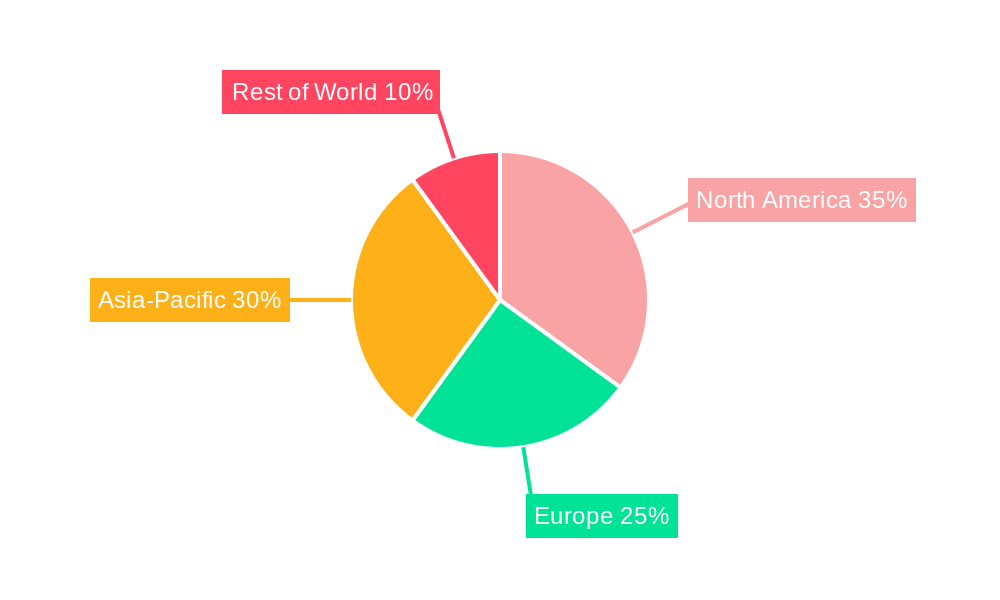
Wearable Device Quartz Crystal Unit Regional Market Share
Geographic Coverage of Wearable Device Quartz Crystal Unit
Wearable Device Quartz Crystal Unit REPORT HIGHLIGHTS
| Aspects | Details |
|---|---|
| Study Period | 2020-2034 |
| Base Year | 2025 |
| Estimated Year | 2026 |
| Forecast Period | 2026-2034 |
| Historical Period | 2020-2025 |
| Growth Rate | CAGR of XX% from 2020-2034 |
| Segmentation |
|
Table of Contents
- 1. Introduction
- 1.1. Research Scope
- 1.2. Market Segmentation
- 1.3. Research Methodology
- 1.4. Definitions and Assumptions
- 2. Executive Summary
- 2.1. Introduction
- 3. Market Dynamics
- 3.1. Introduction
- 3.2. Market Drivers
- 3.3. Market Restrains
- 3.4. Market Trends
- 4. Market Factor Analysis
- 4.1. Porters Five Forces
- 4.2. Supply/Value Chain
- 4.3. PESTEL analysis
- 4.4. Market Entropy
- 4.5. Patent/Trademark Analysis
- 5. Global Wearable Device Quartz Crystal Unit Analysis, Insights and Forecast, 2020-2032
- 5.1. Market Analysis, Insights and Forecast - by Application
- 5.1.1. Smartwatches
- 5.1.2. Fitness Trackers
- 5.1.3. VR Headsets
- 5.1.4. Others
- 5.2. Market Analysis, Insights and Forecast - by Types
- 5.2.1. Crystal Units
- 5.2.2. Crystal Oscillators
- 5.3. Market Analysis, Insights and Forecast - by Region
- 5.3.1. North America
- 5.3.2. South America
- 5.3.3. Europe
- 5.3.4. Middle East & Africa
- 5.3.5. Asia Pacific
- 5.1. Market Analysis, Insights and Forecast - by Application
- 6. North America Wearable Device Quartz Crystal Unit Analysis, Insights and Forecast, 2020-2032
- 6.1. Market Analysis, Insights and Forecast - by Application
- 6.1.1. Smartwatches
- 6.1.2. Fitness Trackers
- 6.1.3. VR Headsets
- 6.1.4. Others
- 6.2. Market Analysis, Insights and Forecast - by Types
- 6.2.1. Crystal Units
- 6.2.2. Crystal Oscillators
- 6.1. Market Analysis, Insights and Forecast - by Application
- 7. South America Wearable Device Quartz Crystal Unit Analysis, Insights and Forecast, 2020-2032
- 7.1. Market Analysis, Insights and Forecast - by Application
- 7.1.1. Smartwatches
- 7.1.2. Fitness Trackers
- 7.1.3. VR Headsets
- 7.1.4. Others
- 7.2. Market Analysis, Insights and Forecast - by Types
- 7.2.1. Crystal Units
- 7.2.2. Crystal Oscillators
- 7.1. Market Analysis, Insights and Forecast - by Application
- 8. Europe Wearable Device Quartz Crystal Unit Analysis, Insights and Forecast, 2020-2032
- 8.1. Market Analysis, Insights and Forecast - by Application
- 8.1.1. Smartwatches
- 8.1.2. Fitness Trackers
- 8.1.3. VR Headsets
- 8.1.4. Others
- 8.2. Market Analysis, Insights and Forecast - by Types
- 8.2.1. Crystal Units
- 8.2.2. Crystal Oscillators
- 8.1. Market Analysis, Insights and Forecast - by Application
- 9. Middle East & Africa Wearable Device Quartz Crystal Unit Analysis, Insights and Forecast, 2020-2032
- 9.1. Market Analysis, Insights and Forecast - by Application
- 9.1.1. Smartwatches
- 9.1.2. Fitness Trackers
- 9.1.3. VR Headsets
- 9.1.4. Others
- 9.2. Market Analysis, Insights and Forecast - by Types
- 9.2.1. Crystal Units
- 9.2.2. Crystal Oscillators
- 9.1. Market Analysis, Insights and Forecast - by Application
- 10. Asia Pacific Wearable Device Quartz Crystal Unit Analysis, Insights and Forecast, 2020-2032
- 10.1. Market Analysis, Insights and Forecast - by Application
- 10.1.1. Smartwatches
- 10.1.2. Fitness Trackers
- 10.1.3. VR Headsets
- 10.1.4. Others
- 10.2. Market Analysis, Insights and Forecast - by Types
- 10.2.1. Crystal Units
- 10.2.2. Crystal Oscillators
- 10.1. Market Analysis, Insights and Forecast - by Application
- 11. Competitive Analysis
- 11.1. Global Market Share Analysis 2025
- 11.2. Company Profiles
- 11.2.1 Seiko Epson Corp
- 11.2.1.1. Overview
- 11.2.1.2. Products
- 11.2.1.3. SWOT Analysis
- 11.2.1.4. Recent Developments
- 11.2.1.5. Financials (Based on Availability)
- 11.2.2 TXC Corporation
- 11.2.2.1. Overview
- 11.2.2.2. Products
- 11.2.2.3. SWOT Analysis
- 11.2.2.4. Recent Developments
- 11.2.2.5. Financials (Based on Availability)
- 11.2.3 KCD
- 11.2.3.1. Overview
- 11.2.3.2. Products
- 11.2.3.3. SWOT Analysis
- 11.2.3.4. Recent Developments
- 11.2.3.5. Financials (Based on Availability)
- 11.2.4 KDS
- 11.2.4.1. Overview
- 11.2.4.2. Products
- 11.2.4.3. SWOT Analysis
- 11.2.4.4. Recent Developments
- 11.2.4.5. Financials (Based on Availability)
- 11.2.5 NDK
- 11.2.5.1. Overview
- 11.2.5.2. Products
- 11.2.5.3. SWOT Analysis
- 11.2.5.4. Recent Developments
- 11.2.5.5. Financials (Based on Availability)
- 11.2.6 Microchip
- 11.2.6.1. Overview
- 11.2.6.2. Products
- 11.2.6.3. SWOT Analysis
- 11.2.6.4. Recent Developments
- 11.2.6.5. Financials (Based on Availability)
- 11.2.7 TKD Science
- 11.2.7.1. Overview
- 11.2.7.2. Products
- 11.2.7.3. SWOT Analysis
- 11.2.7.4. Recent Developments
- 11.2.7.5. Financials (Based on Availability)
- 11.2.8 Hosonic Electronic
- 11.2.8.1. Overview
- 11.2.8.2. Products
- 11.2.8.3. SWOT Analysis
- 11.2.8.4. Recent Developments
- 11.2.8.5. Financials (Based on Availability)
- 11.2.9 Murata Manufacturing
- 11.2.9.1. Overview
- 11.2.9.2. Products
- 11.2.9.3. SWOT Analysis
- 11.2.9.4. Recent Developments
- 11.2.9.5. Financials (Based on Availability)
- 11.2.10 Micro Crystal
- 11.2.10.1. Overview
- 11.2.10.2. Products
- 11.2.10.3. SWOT Analysis
- 11.2.10.4. Recent Developments
- 11.2.10.5. Financials (Based on Availability)
- 11.2.11 Harmony
- 11.2.11.1. Overview
- 11.2.11.2. Products
- 11.2.11.3. SWOT Analysis
- 11.2.11.4. Recent Developments
- 11.2.11.5. Financials (Based on Availability)
- 11.2.12 Failong Crystal Technologies
- 11.2.12.1. Overview
- 11.2.12.2. Products
- 11.2.12.3. SWOT Analysis
- 11.2.12.4. Recent Developments
- 11.2.12.5. Financials (Based on Availability)
- 11.2.13 Siward Crystal Technology
- 11.2.13.1. Overview
- 11.2.13.2. Products
- 11.2.13.3. SWOT Analysis
- 11.2.13.4. Recent Developments
- 11.2.13.5. Financials (Based on Availability)
- 11.2.14 River Eletec Corporation
- 11.2.14.1. Overview
- 11.2.14.2. Products
- 11.2.14.3. SWOT Analysis
- 11.2.14.4. Recent Developments
- 11.2.14.5. Financials (Based on Availability)
- 11.2.15 ZheJiang East Crystal
- 11.2.15.1. Overview
- 11.2.15.2. Products
- 11.2.15.3. SWOT Analysis
- 11.2.15.4. Recent Developments
- 11.2.15.5. Financials (Based on Availability)
- 11.2.16 Guoxin Micro
- 11.2.16.1. Overview
- 11.2.16.2. Products
- 11.2.16.3. SWOT Analysis
- 11.2.16.4. Recent Developments
- 11.2.16.5. Financials (Based on Availability)
- 11.2.17 Rakon Limited
- 11.2.17.1. Overview
- 11.2.17.2. Products
- 11.2.17.3. SWOT Analysis
- 11.2.17.4. Recent Developments
- 11.2.17.5. Financials (Based on Availability)
- 11.2.18 NSK (JenJaan Quartek Corporation)
- 11.2.18.1. Overview
- 11.2.18.2. Products
- 11.2.18.3. SWOT Analysis
- 11.2.18.4. Recent Developments
- 11.2.18.5. Financials (Based on Availability)
- 11.2.19 Abracon
- 11.2.19.1. Overview
- 11.2.19.2. Products
- 11.2.19.3. SWOT Analysis
- 11.2.19.4. Recent Developments
- 11.2.19.5. Financials (Based on Availability)
- 11.2.1 Seiko Epson Corp
List of Figures
- Figure 1: Global Wearable Device Quartz Crystal Unit Revenue Breakdown (million, %) by Region 2025 & 2033
- Figure 2: North America Wearable Device Quartz Crystal Unit Revenue (million), by Application 2025 & 2033
- Figure 3: North America Wearable Device Quartz Crystal Unit Revenue Share (%), by Application 2025 & 2033
- Figure 4: North America Wearable Device Quartz Crystal Unit Revenue (million), by Types 2025 & 2033
- Figure 5: North America Wearable Device Quartz Crystal Unit Revenue Share (%), by Types 2025 & 2033
- Figure 6: North America Wearable Device Quartz Crystal Unit Revenue (million), by Country 2025 & 2033
- Figure 7: North America Wearable Device Quartz Crystal Unit Revenue Share (%), by Country 2025 & 2033
- Figure 8: South America Wearable Device Quartz Crystal Unit Revenue (million), by Application 2025 & 2033
- Figure 9: South America Wearable Device Quartz Crystal Unit Revenue Share (%), by Application 2025 & 2033
- Figure 10: South America Wearable Device Quartz Crystal Unit Revenue (million), by Types 2025 & 2033
- Figure 11: South America Wearable Device Quartz Crystal Unit Revenue Share (%), by Types 2025 & 2033
- Figure 12: South America Wearable Device Quartz Crystal Unit Revenue (million), by Country 2025 & 2033
- Figure 13: South America Wearable Device Quartz Crystal Unit Revenue Share (%), by Country 2025 & 2033
- Figure 14: Europe Wearable Device Quartz Crystal Unit Revenue (million), by Application 2025 & 2033
- Figure 15: Europe Wearable Device Quartz Crystal Unit Revenue Share (%), by Application 2025 & 2033
- Figure 16: Europe Wearable Device Quartz Crystal Unit Revenue (million), by Types 2025 & 2033
- Figure 17: Europe Wearable Device Quartz Crystal Unit Revenue Share (%), by Types 2025 & 2033
- Figure 18: Europe Wearable Device Quartz Crystal Unit Revenue (million), by Country 2025 & 2033
- Figure 19: Europe Wearable Device Quartz Crystal Unit Revenue Share (%), by Country 2025 & 2033
- Figure 20: Middle East & Africa Wearable Device Quartz Crystal Unit Revenue (million), by Application 2025 & 2033
- Figure 21: Middle East & Africa Wearable Device Quartz Crystal Unit Revenue Share (%), by Application 2025 & 2033
- Figure 22: Middle East & Africa Wearable Device Quartz Crystal Unit Revenue (million), by Types 2025 & 2033
- Figure 23: Middle East & Africa Wearable Device Quartz Crystal Unit Revenue Share (%), by Types 2025 & 2033
- Figure 24: Middle East & Africa Wearable Device Quartz Crystal Unit Revenue (million), by Country 2025 & 2033
- Figure 25: Middle East & Africa Wearable Device Quartz Crystal Unit Revenue Share (%), by Country 2025 & 2033
- Figure 26: Asia Pacific Wearable Device Quartz Crystal Unit Revenue (million), by Application 2025 & 2033
- Figure 27: Asia Pacific Wearable Device Quartz Crystal Unit Revenue Share (%), by Application 2025 & 2033
- Figure 28: Asia Pacific Wearable Device Quartz Crystal Unit Revenue (million), by Types 2025 & 2033
- Figure 29: Asia Pacific Wearable Device Quartz Crystal Unit Revenue Share (%), by Types 2025 & 2033
- Figure 30: Asia Pacific Wearable Device Quartz Crystal Unit Revenue (million), by Country 2025 & 2033
- Figure 31: Asia Pacific Wearable Device Quartz Crystal Unit Revenue Share (%), by Country 2025 & 2033
List of Tables
- Table 1: Global Wearable Device Quartz Crystal Unit Revenue million Forecast, by Application 2020 & 2033
- Table 2: Global Wearable Device Quartz Crystal Unit Revenue million Forecast, by Types 2020 & 2033
- Table 3: Global Wearable Device Quartz Crystal Unit Revenue million Forecast, by Region 2020 & 2033
- Table 4: Global Wearable Device Quartz Crystal Unit Revenue million Forecast, by Application 2020 & 2033
- Table 5: Global Wearable Device Quartz Crystal Unit Revenue million Forecast, by Types 2020 & 2033
- Table 6: Global Wearable Device Quartz Crystal Unit Revenue million Forecast, by Country 2020 & 2033
- Table 7: United States Wearable Device Quartz Crystal Unit Revenue (million) Forecast, by Application 2020 & 2033
- Table 8: Canada Wearable Device Quartz Crystal Unit Revenue (million) Forecast, by Application 2020 & 2033
- Table 9: Mexico Wearable Device Quartz Crystal Unit Revenue (million) Forecast, by Application 2020 & 2033
- Table 10: Global Wearable Device Quartz Crystal Unit Revenue million Forecast, by Application 2020 & 2033
- Table 11: Global Wearable Device Quartz Crystal Unit Revenue million Forecast, by Types 2020 & 2033
- Table 12: Global Wearable Device Quartz Crystal Unit Revenue million Forecast, by Country 2020 & 2033
- Table 13: Brazil Wearable Device Quartz Crystal Unit Revenue (million) Forecast, by Application 2020 & 2033
- Table 14: Argentina Wearable Device Quartz Crystal Unit Revenue (million) Forecast, by Application 2020 & 2033
- Table 15: Rest of South America Wearable Device Quartz Crystal Unit Revenue (million) Forecast, by Application 2020 & 2033
- Table 16: Global Wearable Device Quartz Crystal Unit Revenue million Forecast, by Application 2020 & 2033
- Table 17: Global Wearable Device Quartz Crystal Unit Revenue million Forecast, by Types 2020 & 2033
- Table 18: Global Wearable Device Quartz Crystal Unit Revenue million Forecast, by Country 2020 & 2033
- Table 19: United Kingdom Wearable Device Quartz Crystal Unit Revenue (million) Forecast, by Application 2020 & 2033
- Table 20: Germany Wearable Device Quartz Crystal Unit Revenue (million) Forecast, by Application 2020 & 2033
- Table 21: France Wearable Device Quartz Crystal Unit Revenue (million) Forecast, by Application 2020 & 2033
- Table 22: Italy Wearable Device Quartz Crystal Unit Revenue (million) Forecast, by Application 2020 & 2033
- Table 23: Spain Wearable Device Quartz Crystal Unit Revenue (million) Forecast, by Application 2020 & 2033
- Table 24: Russia Wearable Device Quartz Crystal Unit Revenue (million) Forecast, by Application 2020 & 2033
- Table 25: Benelux Wearable Device Quartz Crystal Unit Revenue (million) Forecast, by Application 2020 & 2033
- Table 26: Nordics Wearable Device Quartz Crystal Unit Revenue (million) Forecast, by Application 2020 & 2033
- Table 27: Rest of Europe Wearable Device Quartz Crystal Unit Revenue (million) Forecast, by Application 2020 & 2033
- Table 28: Global Wearable Device Quartz Crystal Unit Revenue million Forecast, by Application 2020 & 2033
- Table 29: Global Wearable Device Quartz Crystal Unit Revenue million Forecast, by Types 2020 & 2033
- Table 30: Global Wearable Device Quartz Crystal Unit Revenue million Forecast, by Country 2020 & 2033
- Table 31: Turkey Wearable Device Quartz Crystal Unit Revenue (million) Forecast, by Application 2020 & 2033
- Table 32: Israel Wearable Device Quartz Crystal Unit Revenue (million) Forecast, by Application 2020 & 2033
- Table 33: GCC Wearable Device Quartz Crystal Unit Revenue (million) Forecast, by Application 2020 & 2033
- Table 34: North Africa Wearable Device Quartz Crystal Unit Revenue (million) Forecast, by Application 2020 & 2033
- Table 35: South Africa Wearable Device Quartz Crystal Unit Revenue (million) Forecast, by Application 2020 & 2033
- Table 36: Rest of Middle East & Africa Wearable Device Quartz Crystal Unit Revenue (million) Forecast, by Application 2020 & 2033
- Table 37: Global Wearable Device Quartz Crystal Unit Revenue million Forecast, by Application 2020 & 2033
- Table 38: Global Wearable Device Quartz Crystal Unit Revenue million Forecast, by Types 2020 & 2033
- Table 39: Global Wearable Device Quartz Crystal Unit Revenue million Forecast, by Country 2020 & 2033
- Table 40: China Wearable Device Quartz Crystal Unit Revenue (million) Forecast, by Application 2020 & 2033
- Table 41: India Wearable Device Quartz Crystal Unit Revenue (million) Forecast, by Application 2020 & 2033
- Table 42: Japan Wearable Device Quartz Crystal Unit Revenue (million) Forecast, by Application 2020 & 2033
- Table 43: South Korea Wearable Device Quartz Crystal Unit Revenue (million) Forecast, by Application 2020 & 2033
- Table 44: ASEAN Wearable Device Quartz Crystal Unit Revenue (million) Forecast, by Application 2020 & 2033
- Table 45: Oceania Wearable Device Quartz Crystal Unit Revenue (million) Forecast, by Application 2020 & 2033
- Table 46: Rest of Asia Pacific Wearable Device Quartz Crystal Unit Revenue (million) Forecast, by Application 2020 & 2033
Frequently Asked Questions
1. What is the projected Compound Annual Growth Rate (CAGR) of the Wearable Device Quartz Crystal Unit?
The projected CAGR is approximately XX%.
2. Which companies are prominent players in the Wearable Device Quartz Crystal Unit?
Key companies in the market include Seiko Epson Corp, TXC Corporation, KCD, KDS, NDK, Microchip, TKD Science, Hosonic Electronic, Murata Manufacturing, Micro Crystal, Harmony, Failong Crystal Technologies, Siward Crystal Technology, River Eletec Corporation, ZheJiang East Crystal, Guoxin Micro, Rakon Limited, NSK (JenJaan Quartek Corporation), Abracon.
3. What are the main segments of the Wearable Device Quartz Crystal Unit?
The market segments include Application, Types.
4. Can you provide details about the market size?
The market size is estimated to be USD XXX million as of 2022.
5. What are some drivers contributing to market growth?
N/A
6. What are the notable trends driving market growth?
N/A
7. Are there any restraints impacting market growth?
N/A
8. Can you provide examples of recent developments in the market?
N/A
9. What pricing options are available for accessing the report?
Pricing options include single-user, multi-user, and enterprise licenses priced at USD 2900.00, USD 4350.00, and USD 5800.00 respectively.
10. Is the market size provided in terms of value or volume?
The market size is provided in terms of value, measured in million.
11. Are there any specific market keywords associated with the report?
Yes, the market keyword associated with the report is "Wearable Device Quartz Crystal Unit," which aids in identifying and referencing the specific market segment covered.
12. How do I determine which pricing option suits my needs best?
The pricing options vary based on user requirements and access needs. Individual users may opt for single-user licenses, while businesses requiring broader access may choose multi-user or enterprise licenses for cost-effective access to the report.
13. Are there any additional resources or data provided in the Wearable Device Quartz Crystal Unit report?
While the report offers comprehensive insights, it's advisable to review the specific contents or supplementary materials provided to ascertain if additional resources or data are available.
14. How can I stay updated on further developments or reports in the Wearable Device Quartz Crystal Unit?
To stay informed about further developments, trends, and reports in the Wearable Device Quartz Crystal Unit, consider subscribing to industry newsletters, following relevant companies and organizations, or regularly checking reputable industry news sources and publications.
Methodology
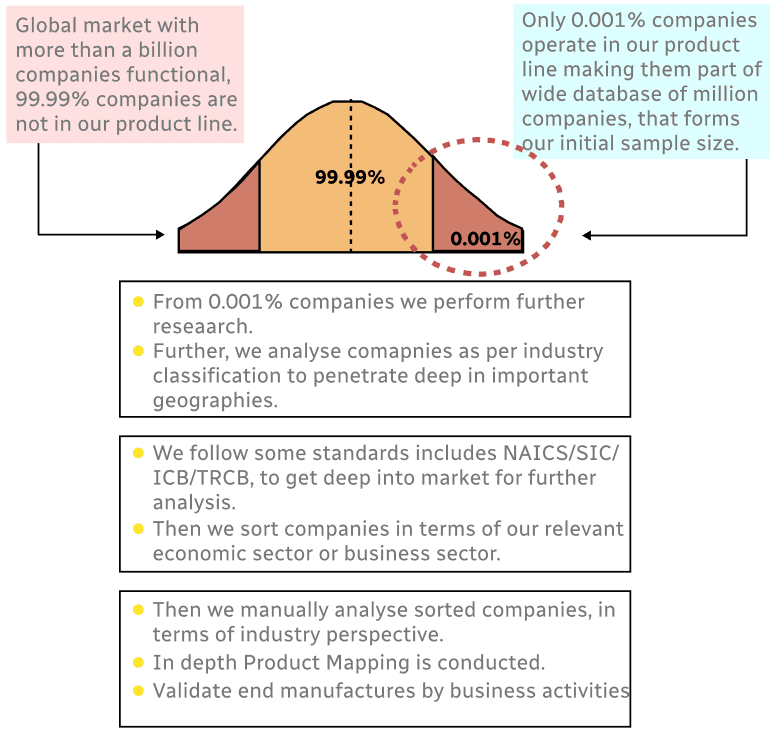
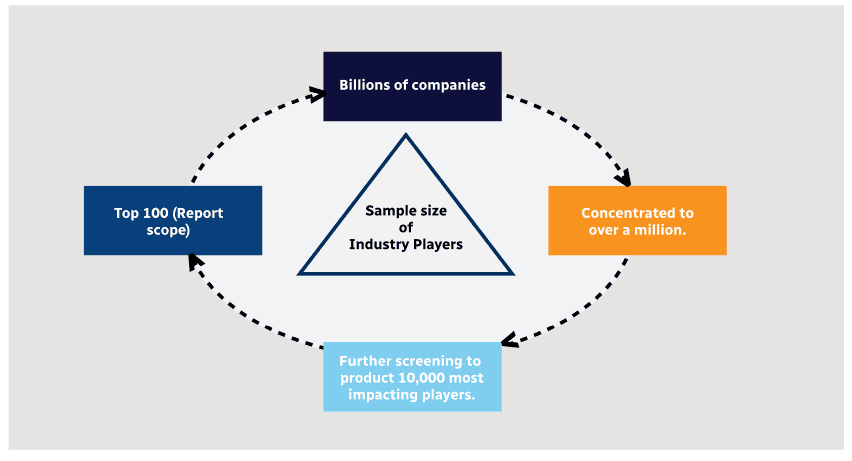
Step 1 - Identification of Relevant Samples Size from Population Database
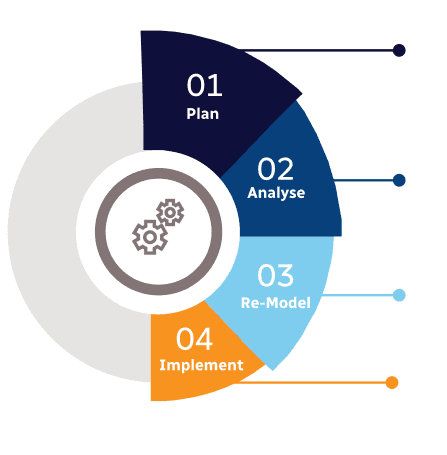
Step 2 - Approaches for Defining Global Market Size (Value, Volume* & Price*)
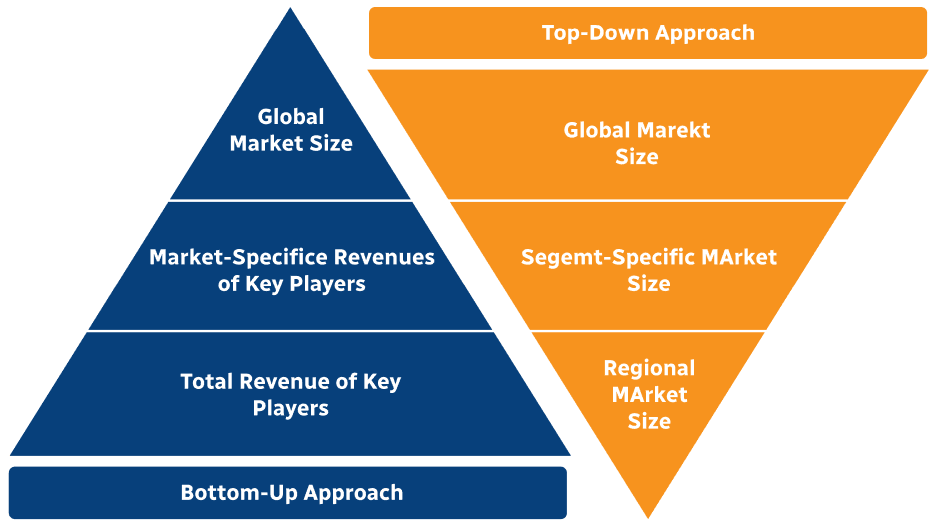
Note*: In applicable scenarios
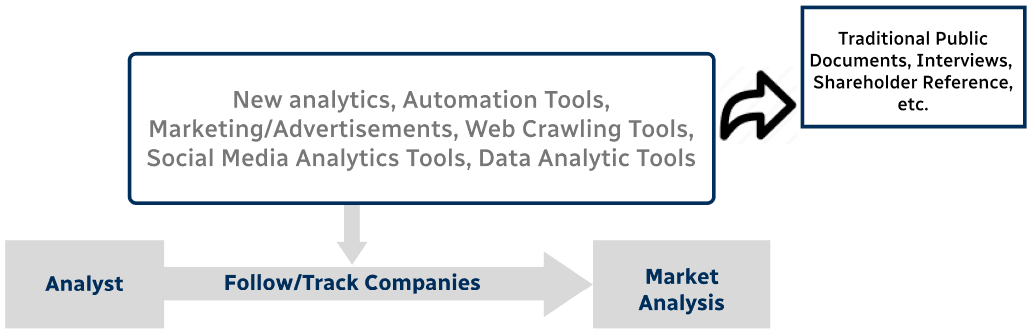
Step 3 - Data Sources
Primary Research
- Web Analytics
- Survey Reports
- Research Institute
- Latest Research Reports
- Opinion Leaders
Secondary Research
- Annual Reports
- White Paper
- Latest Press Release
- Industry Association
- Paid Database
- Investor Presentations
Step 4 - Data Triangulation
Involves using different sources of information in order to increase the validity of a study
These sources are likely to be stakeholders in a program - participants, other researchers, program staff, other community members, and so on.
Then we put all data in single framework & apply various statistical tools to find out the dynamic on the market.
During the analysis stage, feedback from the stakeholder groups would be compared to determine areas of agreement as well as areas of divergence