


Key Insights
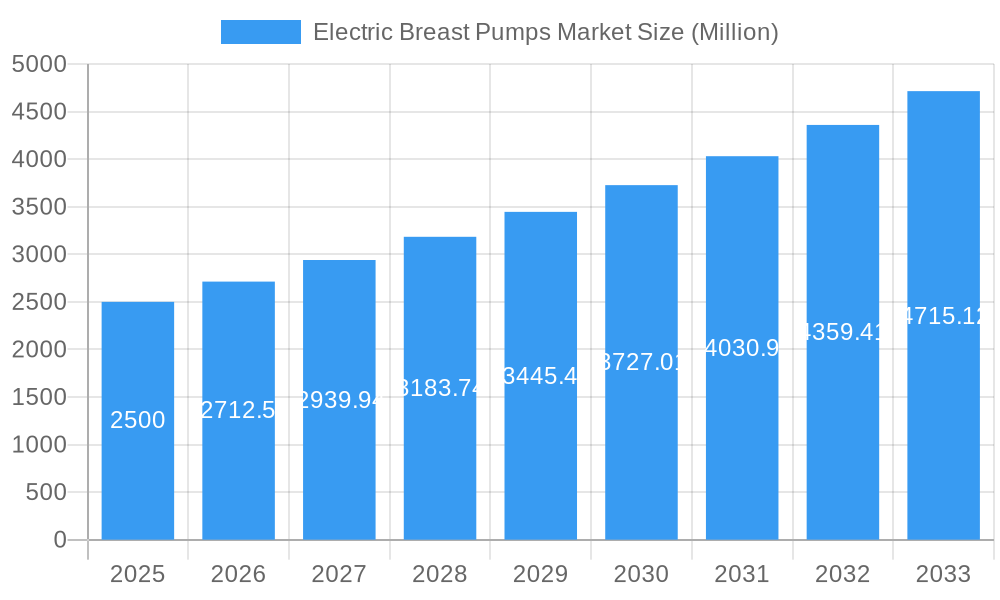
The global Electric Breast Pumps Market is poised for significant expansion, projected to reach $1.64 billion by 2025. This growth trajectory is underpinned by a robust Compound Annual Growth Rate (CAGR) of 7.55% from the base year 2025. Key market catalysts include escalating awareness of breastfeeding's benefits for infant health, a rising global birth rate, and increasing disposable incomes in emerging economies. Technological innovation is also a major driver, with manufacturers focusing on developing quieter, more efficient, portable, and smart breast pumps. A cultural shift towards empowered motherhood further fuels demand.
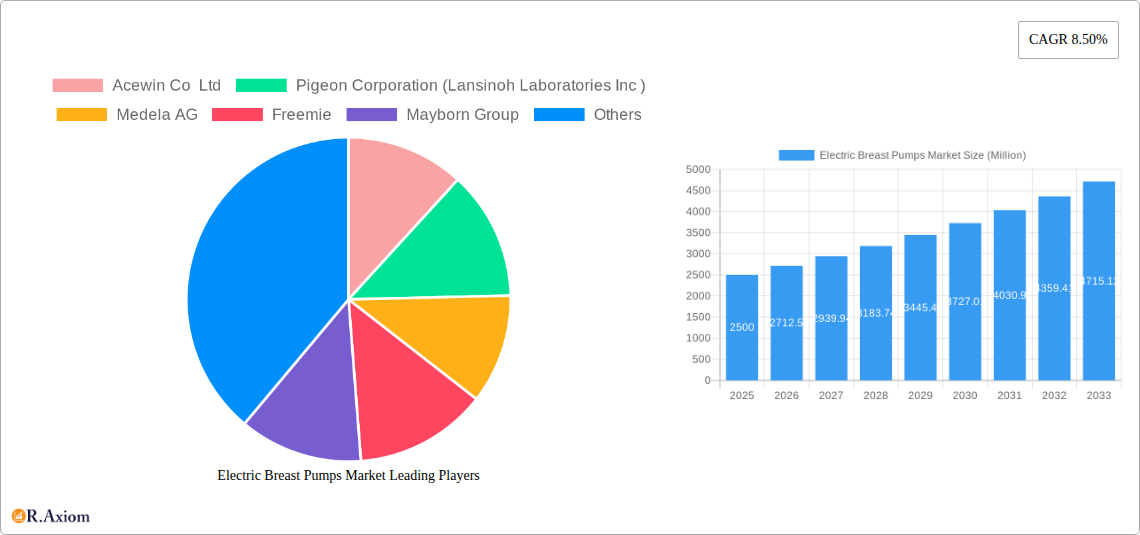
Electric Breast Pumps Market Market Size (In Billion)

The market is segmented by product type, with closed systems gaining popularity due to enhanced hygiene. Electric breast pumps, offering superior convenience and efficiency over manual alternatives, dominate the technology segment, catering to modern maternal lifestyles. While personal use represents the primary application, hospital-grade pumps also maintain a notable presence. Geographically, North America and Europe lead, driven by high incomes and advanced healthcare. However, the Asia Pacific region is expected to exhibit substantial growth, fueled by its large population, urbanization, and a rising middle class investing in advanced infant care. Challenges such as the initial cost of premium devices and regional awareness gaps are present, but the overall market outlook is exceptionally positive.
Electric Breast Pumps Market Company Market Share
This comprehensive report offers an in-depth analysis of the Electric Breast Pumps Market, covering historical data, current trends, and future projections. Utilizing targeted keywords and detailed segmentation, it provides actionable insights for manufacturers, suppliers, investors, and consumers. The analysis spans the period from 2019 to 2033, with 2025 serving as the base year.
Electric Breast Pumps Market Market Concentration & Innovation
The Electric Breast Pumps market is characterized by a moderate level of market concentration, with a few key players holding significant market share. Innovation remains a primary driver, fueled by advancements in technology aimed at enhancing user convenience, efficiency, and hygiene. Regulatory frameworks, such as those established by the FDA and European regulatory bodies, play a crucial role in ensuring product safety and efficacy, influencing product development and market entry strategies. Product substitutes, including manual breast pumps and traditional breastfeeding methods, exist, but the convenience and efficiency of electric breast pumps continue to drive their adoption. End-user trends, particularly the increasing focus on work-life balance and the desire for maintaining breastfeeding continuity, significantly shape product demand. Mergers and acquisitions (M&A) activity within the sector, while not as prolific as in some other medical device markets, indicates strategic consolidation and an effort to expand product portfolios and market reach. Recent M&A deal values are estimated to be in the range of tens to hundreds of million dollars, reflecting strategic investments in innovative companies and established brands.
- Key Innovation Drivers:
- Smart connectivity and app integration for tracking and personalized pumping schedules.
- Quieter operation for discreet pumping in various environments.
- Improved comfort and suction patterns mimicking natural feeding.
- Enhanced portability and battery life for on-the-go convenience.
- Closed-system designs for enhanced hygiene and infection prevention.
- Regulatory Impact:
- Stringent quality control and testing requirements for medical devices.
- Certifications like CE marking and FDA approval as prerequisites for market access.
- Focus on biocompatible materials and safe electrical components.
- End-User Trends:
- Growing awareness of the benefits of breastfeeding for infant health.
- Demand from working mothers seeking to balance career and breastfeeding.
- Increased adoption by single parents and caregivers.
Electric Breast Pumps Market Industry Trends & Insights
The Electric Breast Pumps market is experiencing robust growth, driven by a confluence of factors including rising global birth rates, an increasing number of working mothers, and growing awareness regarding the health benefits of breastfeeding. The market is projected to witness a Compound Annual Growth Rate (CAGR) of approximately 5.5% from 2025 to 2033, reaching an estimated market size of over $5,000 million by 2033. Technological disruptions are continually reshaping the landscape, with manufacturers focusing on developing smarter, more efficient, and user-friendly devices. This includes advancements in motor technology for quieter operation, improved suction mechanisms for better milk expression, and the integration of digital features such as smartphone connectivity for tracking pumping sessions, milk volume, and personalized settings. Consumer preferences are increasingly leaning towards portable, lightweight, and discreet breast pumps that can be easily used at home, at work, or while traveling. The competitive dynamics are intensifying, with established players investing heavily in research and development to maintain their market edge, while new entrants are focusing on niche segments and innovative product designs. The market penetration of electric breast pumps is steadily increasing, particularly in developed economies, as more women recognize their value in supporting breastfeeding journeys. The shift towards closed-system breast pumps is a significant trend, offering superior hygiene and reducing the risk of contamination, which is a key concern for many mothers. Furthermore, the growing emphasis on maternal and infant health, coupled with supportive government initiatives promoting breastfeeding, is further bolstering market demand. The increasing availability of electric breast pumps through online retail channels and direct-to-consumer models is also expanding market access and driving sales volume.
Dominant Markets & Segments in Electric Breast Pumps Market
The global Electric Breast Pumps market is segmented across various product types, technologies, and applications, each exhibiting distinct growth patterns and market dominance.
Dominant Regions & Countries:
- North America currently holds a dominant share in the electric breast pumps market, driven by high disposable incomes, a significant proportion of working mothers, and a strong awareness of infant health and nutrition. The United States, in particular, represents a key market due to its advanced healthcare infrastructure and a culture that supports and encourages breastfeeding.
- Europe follows closely, with countries like Germany, the UK, and France exhibiting substantial market penetration. Favorable government policies supporting parental leave and breastfeeding initiatives contribute to the robust demand in this region.
- Asia Pacific is emerging as a high-growth region, propelled by increasing urbanization, rising disposable incomes, and a growing awareness of maternal and child health. Countries like China and India are expected to witness significant market expansion due to their large populations and improving healthcare access.
Product Segmentation:
- Closed System Breast Pump: This segment dominates the market, accounting for over 70% of the market share. The inherent hygienic benefits, preventing milk from entering the pump mechanism and thus reducing the risk of contamination, make it the preferred choice for many consumers. This translates to higher sales volumes and continued innovation in this sub-segment.
- Key Drivers for Closed System Dominance:
- Enhanced hygiene and infection prevention.
- Reduced cleaning and maintenance requirements.
- Preferred by healthcare professionals and recommended by lactation consultants.
- Key Drivers for Closed System Dominance:
- Open System Breast Pump: While still a significant segment, open-system breast pumps are gradually losing market share to their closed-system counterparts due to hygiene concerns. However, they remain a cost-effective option for some consumers.
Technology Segmentation:
- Electric Breast Pump: This technology is the bedrock of the market, encompassing both battery-powered and mains-powered devices. The convenience and efficiency offered by electric pumps far outweigh manual alternatives, making them the overwhelmingly dominant technology. The market size for electric breast pumps is projected to reach over $5,000 million by 2033.
- Key Drivers for Electric Breast Pump Dominance:
- Efficiency and speed of milk expression.
- Reduced physical effort compared to manual pumps.
- Ability to pump larger volumes of milk.
- Key Drivers for Electric Breast Pump Dominance:
- Battery Powered Breast Pump: This sub-segment is experiencing rapid growth due to its portability and convenience, allowing mothers to pump anywhere, anytime. The increasing sophistication of battery technology further fuels this trend.
- Manual Breast Pump: This segment is steadily declining as consumers opt for the convenience and efficiency of electric models. However, it continues to hold a niche for occasional use or as a backup option.
Application Segmentation:
- Personal Use: This is the largest application segment, driven by home use among mothers who are returning to work or need to express milk for various reasons. The convenience and portability of personal electric breast pumps make them ideal for everyday use.
- Key Drivers for Personal Use Dominance:
- Increasing number of working mothers.
- Desire to provide breast milk to infants when separated.
- Growing adoption of smart and portable devices.
- Key Drivers for Personal Use Dominance:
- Hospital Grade: These high-performance breast pumps are designed for intensive use in clinical settings, such as hospitals and neonatal intensive care units (NICUs). While a smaller segment in terms of unit sales, they represent a significant portion of the market value due to their higher price points and advanced features.
- Key Drivers for Hospital Grade Significance:
- Designed for frequent and heavy use.
- Advanced suction patterns and customization options.
- Essential for supporting premature infants and mothers with specific medical needs.
- Key Drivers for Hospital Grade Significance:
Electric Breast Pumps Market Product Developments
Recent product developments in the electric breast pumps market are focused on enhancing user experience through innovative technologies. Companies are integrating smart features like app connectivity for personalized pumping schedules and data tracking. Improvements in motor efficiency contribute to quieter operation, enhancing discretion. Furthermore, advancements in ergonomics and suction patterns aim to mimic natural breastfeeding more closely, improving comfort and milk yield. The trend towards closed-system designs continues, prioritizing hygiene and ease of cleaning. Battery-powered models are seeing increased sophistication in battery life and charging capabilities, making them more practical for on-the-go use. These developments collectively aim to address the evolving needs of mothers, balancing convenience, efficacy, and infant well-being.
Report Scope & Segmentation Analysis
This report meticulously analyzes the Electric Breast Pumps market, providing granular insights across key segments. The segmentation includes:
- Product: Open System Breast Pump and Closed System Breast Pump. The Closed System Breast Pump segment is expected to dominate, with a projected market size of over $3,500 million by 2033, driven by hygiene concerns.
- Technology: Manual Breast Pump, Battery Powered Breast Pump, and Electric Breast Pump. The Electric Breast Pump segment is the largest, projected to exceed $5,000 million by 2033, with a significant sub-segment of Battery Powered Breast Pumps showing robust growth.
- Application: Personal Use and Hospital Grade. The Personal Use segment is expected to lead, with a market size exceeding $4,000 million by 2033, reflecting the growing demand from individual consumers.
Key Drivers of Electric Breast Pumps Market Growth
The growth of the Electric Breast Pumps market is propelled by several key drivers:
- Increasing Number of Working Mothers: Globally, more women are participating in the workforce, leading to a higher demand for breast pumps to ensure continued breastfeeding.
- Growing Awareness of Breastfeeding Benefits: Enhanced understanding of the health benefits of breast milk for infants, such as improved immunity and cognitive development, is a significant motivator for using breast pumps.
- Technological Advancements: Innovations in motor technology, portability, battery life, and smart connectivity are making breast pumps more convenient and efficient, driving adoption.
- Supportive Government Initiatives and Policies: Many governments worldwide are promoting breastfeeding through public health campaigns and offering incentives or policies that support breastfeeding mothers, indirectly boosting the breast pump market. For instance, initiatives like paid parental leave indirectly support the use of breast pumps for working mothers.
Challenges in the Electric Breast Pumps Market Sector
Despite its growth, the Electric Breast Pumps market faces certain challenges:
- High Cost of Advanced Models: Premium electric breast pumps, especially those with advanced features or hospital-grade capabilities, can be expensive, posing a barrier for some consumers.
- Competition from Traditional Breastfeeding: While electric breast pumps offer convenience, direct breastfeeding remains the most natural and cost-effective method, posing a constant alternative.
- Hygiene and Maintenance Concerns: Ensuring proper cleaning and maintenance of breast pumps is crucial to prevent contamination and infections. This can be a deterrent for some users if not properly educated or if the design is cumbersome.
- Regulatory Hurdles in Emerging Markets: Navigating diverse and sometimes stringent regulatory approval processes in different countries can be a challenge for manufacturers looking to expand into new geographical regions. The average time for regulatory approval can range from 6 months to over a year for new devices.
Emerging Opportunities in Electric Breast Pumps Market
The Electric Breast Pumps market is ripe with emerging opportunities:
- Expansion in Emerging Economies: As disposable incomes rise and awareness about infant health grows in developing nations across Asia, Africa, and Latin America, there is significant potential for market expansion.
- Development of Smart and Connected Pumps: Integration with wearable technology, advanced data analytics for personalized pumping, and AI-driven recommendations represent a significant future growth avenue.
- Focus on Sustainability and Eco-Friendly Products: With increasing consumer consciousness about environmental impact, the development of energy-efficient pumps and sustainable materials could capture a niche market.
- Subscription-Based Models and Rental Services: Offering breast pumps through subscription or rental services can make them more accessible to a wider demographic, particularly for short-term needs.
Leading Players in the Electric Breast Pumps Market Market
- Acewin Co Ltd
- Pigeon Corporation (Lansinoh Laboratories Inc )
- Medela AG
- Freemie
- Mayborn Group
- Bailey Medical
- Ameda AG
- Linco Baby Merchandise Works Co Ltd
- Hygeia
- Koninklijke Philips NV
- Willow Innovations Inc
- Ardo Medical AG
- Albert Hohlkorper GmbH & Co Kg
Key Developments in Electric Breast Pumps Market Industry
- April 2022: Ardo Medical, Inc., launched the Ardo Alyssa breast pump, featuring 250 mmHG double pumping capabilities. This hospital-grade breast pump includes advanced NICU capabilities, enhancing its appeal for clinical settings and mothers with specific medical needs.
- October 2021: Medela announced the launch of the Swing Maxi, a double electric breast pump designed for portability and freedom. This closed-system solution incorporates a USB charging port and a built-in battery offering 1.5 hours of operation, catering to the demand for convenient on-the-go pumping.
Strategic Outlook for Electric Breast Pumps Market Market
The strategic outlook for the Electric Breast Pumps market is exceptionally positive, driven by sustained demand from working mothers and a growing global emphasis on breastfeeding's health advantages. Future growth will be fueled by continuous innovation in smart technology, aiming for greater personalization, connectivity, and user convenience. Companies that focus on developing quieter, more comfortable, and highly portable devices will likely capture significant market share. Furthermore, strategic expansion into emerging economies, coupled with partnerships with healthcare providers and lactation consultants, will be crucial for market penetration. The increasing demand for closed-system, hygienic solutions and the potential for novel business models like subscription services present further avenues for growth and profitability. The market is projected to expand considerably, with a strategic focus on addressing evolving consumer needs and technological advancements.
Electric Breast Pumps Market Segmentation
-
1. Product
- 1.1. Open System Breast Pump
- 1.2. Closed System Breast Pump
-
2. Technology
- 2.1. Manual Breast Pump
- 2.2. Battery Powered Breast Pump
- 2.3. Electric Breast Pump
-
3. Application
- 3.1. Personal Use
- 3.2. Hospital Grade
Electric Breast Pumps Market Segmentation By Geography
-
1. North America
- 1.1. United States
- 1.2. Canada
- 1.3. Mexico
-
2. Europe
- 2.1. Germany
- 2.2. United Kingdom
- 2.3. France
- 2.4. Italy
- 2.5. Spain
- 2.6. Rest of Europe
-
3. Asia Pacific
- 3.1. China
- 3.2. Japan
- 3.3. India
- 3.4. Australia
- 3.5. South Korea
- 3.6. Rest of Asia Pacific
-
4. Middle East and Africa
- 4.1. GCC
- 4.2. South Africa
- 4.3. Rest of Middle East and Africa
-
5. South America
- 5.1. Brazil
- 5.2. Argentina
- 5.3. Rest of South America
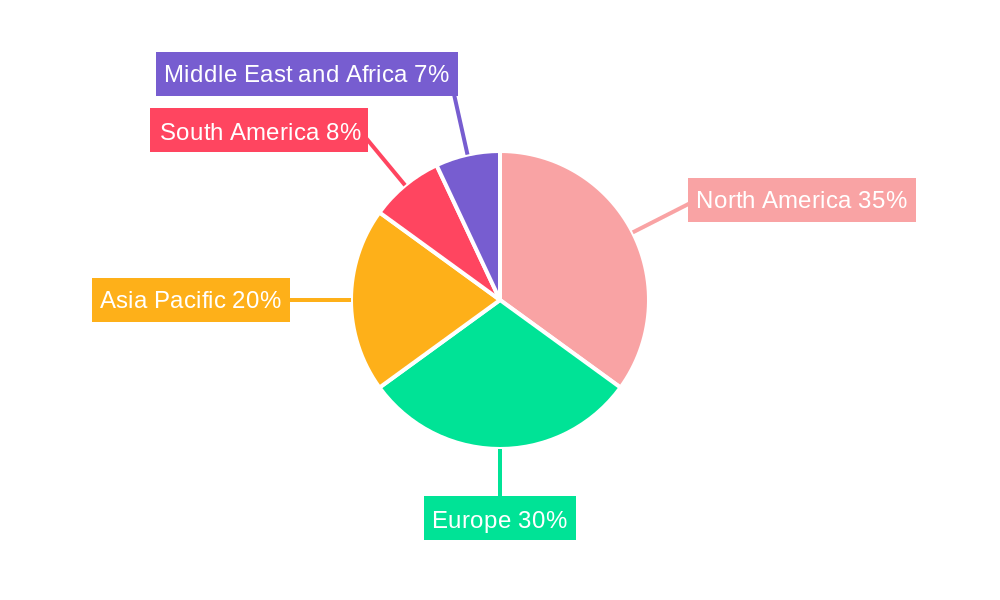
Electric Breast Pumps Market Regional Market Share
Geographic Coverage of Electric Breast Pumps Market
Electric Breast Pumps Market REPORT HIGHLIGHTS
| Aspects | Details |
|---|---|
| Study Period | 2020-2034 |
| Base Year | 2025 |
| Estimated Year | 2026 |
| Forecast Period | 2026-2034 |
| Historical Period | 2020-2025 |
| Growth Rate | CAGR of 7.55% from 2020-2034 |
| Segmentation |
|
Table of Contents
- 1. Introduction
- 1.1. Research Scope
- 1.2. Market Segmentation
- 1.3. Research Methodology
- 1.4. Definitions and Assumptions
- 2. Executive Summary
- 2.1. Introduction
- 3. Market Dynamics
- 3.1. Introduction
- 3.2. Market Drivers
- 3.2.1. Increasing Global Women Employment Rates; Improving Healthcare Infrastructure in Emerging Economies; Government Initiatives in Support of Employed Mothers
- 3.3. Market Restrains
- 3.3.1. High Prices of Breast Pumps
- 3.4. Market Trends
- 3.4.1. The Closed System Breast Pumps Segment is Expected to Hold a Significant Market Share Over the Forecast Period
- 4. Market Factor Analysis
- 4.1. Porters Five Forces
- 4.2. Supply/Value Chain
- 4.3. PESTEL analysis
- 4.4. Market Entropy
- 4.5. Patent/Trademark Analysis
- 5. Global Electric Breast Pumps Market Analysis, Insights and Forecast, 2020-2032
- 5.1. Market Analysis, Insights and Forecast - by Product
- 5.1.1. Open System Breast Pump
- 5.1.2. Closed System Breast Pump
- 5.2. Market Analysis, Insights and Forecast - by Technology
- 5.2.1. Manual Breast Pump
- 5.2.2. Battery Powered Breast Pump
- 5.2.3. Electric Breast Pump
- 5.3. Market Analysis, Insights and Forecast - by Application
- 5.3.1. Personal Use
- 5.3.2. Hospital Grade
- 5.4. Market Analysis, Insights and Forecast - by Region
- 5.4.1. North America
- 5.4.2. Europe
- 5.4.3. Asia Pacific
- 5.4.4. Middle East and Africa
- 5.4.5. South America
- 5.1. Market Analysis, Insights and Forecast - by Product
- 6. North America Electric Breast Pumps Market Analysis, Insights and Forecast, 2020-2032
- 6.1. Market Analysis, Insights and Forecast - by Product
- 6.1.1. Open System Breast Pump
- 6.1.2. Closed System Breast Pump
- 6.2. Market Analysis, Insights and Forecast - by Technology
- 6.2.1. Manual Breast Pump
- 6.2.2. Battery Powered Breast Pump
- 6.2.3. Electric Breast Pump
- 6.3. Market Analysis, Insights and Forecast - by Application
- 6.3.1. Personal Use
- 6.3.2. Hospital Grade
- 6.1. Market Analysis, Insights and Forecast - by Product
- 7. Europe Electric Breast Pumps Market Analysis, Insights and Forecast, 2020-2032
- 7.1. Market Analysis, Insights and Forecast - by Product
- 7.1.1. Open System Breast Pump
- 7.1.2. Closed System Breast Pump
- 7.2. Market Analysis, Insights and Forecast - by Technology
- 7.2.1. Manual Breast Pump
- 7.2.2. Battery Powered Breast Pump
- 7.2.3. Electric Breast Pump
- 7.3. Market Analysis, Insights and Forecast - by Application
- 7.3.1. Personal Use
- 7.3.2. Hospital Grade
- 7.1. Market Analysis, Insights and Forecast - by Product
- 8. Asia Pacific Electric Breast Pumps Market Analysis, Insights and Forecast, 2020-2032
- 8.1. Market Analysis, Insights and Forecast - by Product
- 8.1.1. Open System Breast Pump
- 8.1.2. Closed System Breast Pump
- 8.2. Market Analysis, Insights and Forecast - by Technology
- 8.2.1. Manual Breast Pump
- 8.2.2. Battery Powered Breast Pump
- 8.2.3. Electric Breast Pump
- 8.3. Market Analysis, Insights and Forecast - by Application
- 8.3.1. Personal Use
- 8.3.2. Hospital Grade
- 8.1. Market Analysis, Insights and Forecast - by Product
- 9. Middle East and Africa Electric Breast Pumps Market Analysis, Insights and Forecast, 2020-2032
- 9.1. Market Analysis, Insights and Forecast - by Product
- 9.1.1. Open System Breast Pump
- 9.1.2. Closed System Breast Pump
- 9.2. Market Analysis, Insights and Forecast - by Technology
- 9.2.1. Manual Breast Pump
- 9.2.2. Battery Powered Breast Pump
- 9.2.3. Electric Breast Pump
- 9.3. Market Analysis, Insights and Forecast - by Application
- 9.3.1. Personal Use
- 9.3.2. Hospital Grade
- 9.1. Market Analysis, Insights and Forecast - by Product
- 10. South America Electric Breast Pumps Market Analysis, Insights and Forecast, 2020-2032
- 10.1. Market Analysis, Insights and Forecast - by Product
- 10.1.1. Open System Breast Pump
- 10.1.2. Closed System Breast Pump
- 10.2. Market Analysis, Insights and Forecast - by Technology
- 10.2.1. Manual Breast Pump
- 10.2.2. Battery Powered Breast Pump
- 10.2.3. Electric Breast Pump
- 10.3. Market Analysis, Insights and Forecast - by Application
- 10.3.1. Personal Use
- 10.3.2. Hospital Grade
- 10.1. Market Analysis, Insights and Forecast - by Product
- 11. Competitive Analysis
- 11.1. Global Market Share Analysis 2025
- 11.2. Company Profiles
- 11.2.1 Acewin Co Ltd
- 11.2.1.1. Overview
- 11.2.1.2. Products
- 11.2.1.3. SWOT Analysis
- 11.2.1.4. Recent Developments
- 11.2.1.5. Financials (Based on Availability)
- 11.2.2 Pigeon Corporation (Lansinoh Laboratories Inc )
- 11.2.2.1. Overview
- 11.2.2.2. Products
- 11.2.2.3. SWOT Analysis
- 11.2.2.4. Recent Developments
- 11.2.2.5. Financials (Based on Availability)
- 11.2.3 Medela AG
- 11.2.3.1. Overview
- 11.2.3.2. Products
- 11.2.3.3. SWOT Analysis
- 11.2.3.4. Recent Developments
- 11.2.3.5. Financials (Based on Availability)
- 11.2.4 Freemie
- 11.2.4.1. Overview
- 11.2.4.2. Products
- 11.2.4.3. SWOT Analysis
- 11.2.4.4. Recent Developments
- 11.2.4.5. Financials (Based on Availability)
- 11.2.5 Mayborn Group
- 11.2.5.1. Overview
- 11.2.5.2. Products
- 11.2.5.3. SWOT Analysis
- 11.2.5.4. Recent Developments
- 11.2.5.5. Financials (Based on Availability)
- 11.2.6 Bailey Medical
- 11.2.6.1. Overview
- 11.2.6.2. Products
- 11.2.6.3. SWOT Analysis
- 11.2.6.4. Recent Developments
- 11.2.6.5. Financials (Based on Availability)
- 11.2.7 Ameda AG
- 11.2.7.1. Overview
- 11.2.7.2. Products
- 11.2.7.3. SWOT Analysis
- 11.2.7.4. Recent Developments
- 11.2.7.5. Financials (Based on Availability)
- 11.2.8 Linco Baby Merchandise Works Co Ltd
- 11.2.8.1. Overview
- 11.2.8.2. Products
- 11.2.8.3. SWOT Analysis
- 11.2.8.4. Recent Developments
- 11.2.8.5. Financials (Based on Availability)
- 11.2.9 Hygeia
- 11.2.9.1. Overview
- 11.2.9.2. Products
- 11.2.9.3. SWOT Analysis
- 11.2.9.4. Recent Developments
- 11.2.9.5. Financials (Based on Availability)
- 11.2.10 Koninklijke Philips NV
- 11.2.10.1. Overview
- 11.2.10.2. Products
- 11.2.10.3. SWOT Analysis
- 11.2.10.4. Recent Developments
- 11.2.10.5. Financials (Based on Availability)
- 11.2.11 Willow Innovations Inc
- 11.2.11.1. Overview
- 11.2.11.2. Products
- 11.2.11.3. SWOT Analysis
- 11.2.11.4. Recent Developments
- 11.2.11.5. Financials (Based on Availability)
- 11.2.12 Ardo Medical AG
- 11.2.12.1. Overview
- 11.2.12.2. Products
- 11.2.12.3. SWOT Analysis
- 11.2.12.4. Recent Developments
- 11.2.12.5. Financials (Based on Availability)
- 11.2.13 Albert Hohlkorper GmbH & Co Kg
- 11.2.13.1. Overview
- 11.2.13.2. Products
- 11.2.13.3. SWOT Analysis
- 11.2.13.4. Recent Developments
- 11.2.13.5. Financials (Based on Availability)
- 11.2.1 Acewin Co Ltd
List of Figures
- Figure 1: Global Electric Breast Pumps Market Revenue Breakdown (billion, %) by Region 2025 & 2033
- Figure 2: Global Electric Breast Pumps Market Volume Breakdown (K Unit, %) by Region 2025 & 2033
- Figure 3: North America Electric Breast Pumps Market Revenue (billion), by Product 2025 & 2033
- Figure 4: North America Electric Breast Pumps Market Volume (K Unit), by Product 2025 & 2033
- Figure 5: North America Electric Breast Pumps Market Revenue Share (%), by Product 2025 & 2033
- Figure 6: North America Electric Breast Pumps Market Volume Share (%), by Product 2025 & 2033
- Figure 7: North America Electric Breast Pumps Market Revenue (billion), by Technology 2025 & 2033
- Figure 8: North America Electric Breast Pumps Market Volume (K Unit), by Technology 2025 & 2033
- Figure 9: North America Electric Breast Pumps Market Revenue Share (%), by Technology 2025 & 2033
- Figure 10: North America Electric Breast Pumps Market Volume Share (%), by Technology 2025 & 2033
- Figure 11: North America Electric Breast Pumps Market Revenue (billion), by Application 2025 & 2033
- Figure 12: North America Electric Breast Pumps Market Volume (K Unit), by Application 2025 & 2033
- Figure 13: North America Electric Breast Pumps Market Revenue Share (%), by Application 2025 & 2033
- Figure 14: North America Electric Breast Pumps Market Volume Share (%), by Application 2025 & 2033
- Figure 15: North America Electric Breast Pumps Market Revenue (billion), by Country 2025 & 2033
- Figure 16: North America Electric Breast Pumps Market Volume (K Unit), by Country 2025 & 2033
- Figure 17: North America Electric Breast Pumps Market Revenue Share (%), by Country 2025 & 2033
- Figure 18: North America Electric Breast Pumps Market Volume Share (%), by Country 2025 & 2033
- Figure 19: Europe Electric Breast Pumps Market Revenue (billion), by Product 2025 & 2033
- Figure 20: Europe Electric Breast Pumps Market Volume (K Unit), by Product 2025 & 2033
- Figure 21: Europe Electric Breast Pumps Market Revenue Share (%), by Product 2025 & 2033
- Figure 22: Europe Electric Breast Pumps Market Volume Share (%), by Product 2025 & 2033
- Figure 23: Europe Electric Breast Pumps Market Revenue (billion), by Technology 2025 & 2033
- Figure 24: Europe Electric Breast Pumps Market Volume (K Unit), by Technology 2025 & 2033
- Figure 25: Europe Electric Breast Pumps Market Revenue Share (%), by Technology 2025 & 2033
- Figure 26: Europe Electric Breast Pumps Market Volume Share (%), by Technology 2025 & 2033
- Figure 27: Europe Electric Breast Pumps Market Revenue (billion), by Application 2025 & 2033
- Figure 28: Europe Electric Breast Pumps Market Volume (K Unit), by Application 2025 & 2033
- Figure 29: Europe Electric Breast Pumps Market Revenue Share (%), by Application 2025 & 2033
- Figure 30: Europe Electric Breast Pumps Market Volume Share (%), by Application 2025 & 2033
- Figure 31: Europe Electric Breast Pumps Market Revenue (billion), by Country 2025 & 2033
- Figure 32: Europe Electric Breast Pumps Market Volume (K Unit), by Country 2025 & 2033
- Figure 33: Europe Electric Breast Pumps Market Revenue Share (%), by Country 2025 & 2033
- Figure 34: Europe Electric Breast Pumps Market Volume Share (%), by Country 2025 & 2033
- Figure 35: Asia Pacific Electric Breast Pumps Market Revenue (billion), by Product 2025 & 2033
- Figure 36: Asia Pacific Electric Breast Pumps Market Volume (K Unit), by Product 2025 & 2033
- Figure 37: Asia Pacific Electric Breast Pumps Market Revenue Share (%), by Product 2025 & 2033
- Figure 38: Asia Pacific Electric Breast Pumps Market Volume Share (%), by Product 2025 & 2033
- Figure 39: Asia Pacific Electric Breast Pumps Market Revenue (billion), by Technology 2025 & 2033
- Figure 40: Asia Pacific Electric Breast Pumps Market Volume (K Unit), by Technology 2025 & 2033
- Figure 41: Asia Pacific Electric Breast Pumps Market Revenue Share (%), by Technology 2025 & 2033
- Figure 42: Asia Pacific Electric Breast Pumps Market Volume Share (%), by Technology 2025 & 2033
- Figure 43: Asia Pacific Electric Breast Pumps Market Revenue (billion), by Application 2025 & 2033
- Figure 44: Asia Pacific Electric Breast Pumps Market Volume (K Unit), by Application 2025 & 2033
- Figure 45: Asia Pacific Electric Breast Pumps Market Revenue Share (%), by Application 2025 & 2033
- Figure 46: Asia Pacific Electric Breast Pumps Market Volume Share (%), by Application 2025 & 2033
- Figure 47: Asia Pacific Electric Breast Pumps Market Revenue (billion), by Country 2025 & 2033
- Figure 48: Asia Pacific Electric Breast Pumps Market Volume (K Unit), by Country 2025 & 2033
- Figure 49: Asia Pacific Electric Breast Pumps Market Revenue Share (%), by Country 2025 & 2033
- Figure 50: Asia Pacific Electric Breast Pumps Market Volume Share (%), by Country 2025 & 2033
- Figure 51: Middle East and Africa Electric Breast Pumps Market Revenue (billion), by Product 2025 & 2033
- Figure 52: Middle East and Africa Electric Breast Pumps Market Volume (K Unit), by Product 2025 & 2033
- Figure 53: Middle East and Africa Electric Breast Pumps Market Revenue Share (%), by Product 2025 & 2033
- Figure 54: Middle East and Africa Electric Breast Pumps Market Volume Share (%), by Product 2025 & 2033
- Figure 55: Middle East and Africa Electric Breast Pumps Market Revenue (billion), by Technology 2025 & 2033
- Figure 56: Middle East and Africa Electric Breast Pumps Market Volume (K Unit), by Technology 2025 & 2033
- Figure 57: Middle East and Africa Electric Breast Pumps Market Revenue Share (%), by Technology 2025 & 2033
- Figure 58: Middle East and Africa Electric Breast Pumps Market Volume Share (%), by Technology 2025 & 2033
- Figure 59: Middle East and Africa Electric Breast Pumps Market Revenue (billion), by Application 2025 & 2033
- Figure 60: Middle East and Africa Electric Breast Pumps Market Volume (K Unit), by Application 2025 & 2033
- Figure 61: Middle East and Africa Electric Breast Pumps Market Revenue Share (%), by Application 2025 & 2033
- Figure 62: Middle East and Africa Electric Breast Pumps Market Volume Share (%), by Application 2025 & 2033
- Figure 63: Middle East and Africa Electric Breast Pumps Market Revenue (billion), by Country 2025 & 2033
- Figure 64: Middle East and Africa Electric Breast Pumps Market Volume (K Unit), by Country 2025 & 2033
- Figure 65: Middle East and Africa Electric Breast Pumps Market Revenue Share (%), by Country 2025 & 2033
- Figure 66: Middle East and Africa Electric Breast Pumps Market Volume Share (%), by Country 2025 & 2033
- Figure 67: South America Electric Breast Pumps Market Revenue (billion), by Product 2025 & 2033
- Figure 68: South America Electric Breast Pumps Market Volume (K Unit), by Product 2025 & 2033
- Figure 69: South America Electric Breast Pumps Market Revenue Share (%), by Product 2025 & 2033
- Figure 70: South America Electric Breast Pumps Market Volume Share (%), by Product 2025 & 2033
- Figure 71: South America Electric Breast Pumps Market Revenue (billion), by Technology 2025 & 2033
- Figure 72: South America Electric Breast Pumps Market Volume (K Unit), by Technology 2025 & 2033
- Figure 73: South America Electric Breast Pumps Market Revenue Share (%), by Technology 2025 & 2033
- Figure 74: South America Electric Breast Pumps Market Volume Share (%), by Technology 2025 & 2033
- Figure 75: South America Electric Breast Pumps Market Revenue (billion), by Application 2025 & 2033
- Figure 76: South America Electric Breast Pumps Market Volume (K Unit), by Application 2025 & 2033
- Figure 77: South America Electric Breast Pumps Market Revenue Share (%), by Application 2025 & 2033
- Figure 78: South America Electric Breast Pumps Market Volume Share (%), by Application 2025 & 2033
- Figure 79: South America Electric Breast Pumps Market Revenue (billion), by Country 2025 & 2033
- Figure 80: South America Electric Breast Pumps Market Volume (K Unit), by Country 2025 & 2033
- Figure 81: South America Electric Breast Pumps Market Revenue Share (%), by Country 2025 & 2033
- Figure 82: South America Electric Breast Pumps Market Volume Share (%), by Country 2025 & 2033
List of Tables
- Table 1: Global Electric Breast Pumps Market Revenue billion Forecast, by Product 2020 & 2033
- Table 2: Global Electric Breast Pumps Market Volume K Unit Forecast, by Product 2020 & 2033
- Table 3: Global Electric Breast Pumps Market Revenue billion Forecast, by Technology 2020 & 2033
- Table 4: Global Electric Breast Pumps Market Volume K Unit Forecast, by Technology 2020 & 2033
- Table 5: Global Electric Breast Pumps Market Revenue billion Forecast, by Application 2020 & 2033
- Table 6: Global Electric Breast Pumps Market Volume K Unit Forecast, by Application 2020 & 2033
- Table 7: Global Electric Breast Pumps Market Revenue billion Forecast, by Region 2020 & 2033
- Table 8: Global Electric Breast Pumps Market Volume K Unit Forecast, by Region 2020 & 2033
- Table 9: Global Electric Breast Pumps Market Revenue billion Forecast, by Product 2020 & 2033
- Table 10: Global Electric Breast Pumps Market Volume K Unit Forecast, by Product 2020 & 2033
- Table 11: Global Electric Breast Pumps Market Revenue billion Forecast, by Technology 2020 & 2033
- Table 12: Global Electric Breast Pumps Market Volume K Unit Forecast, by Technology 2020 & 2033
- Table 13: Global Electric Breast Pumps Market Revenue billion Forecast, by Application 2020 & 2033
- Table 14: Global Electric Breast Pumps Market Volume K Unit Forecast, by Application 2020 & 2033
- Table 15: Global Electric Breast Pumps Market Revenue billion Forecast, by Country 2020 & 2033
- Table 16: Global Electric Breast Pumps Market Volume K Unit Forecast, by Country 2020 & 2033
- Table 17: United States Electric Breast Pumps Market Revenue (billion) Forecast, by Application 2020 & 2033
- Table 18: United States Electric Breast Pumps Market Volume (K Unit) Forecast, by Application 2020 & 2033
- Table 19: Canada Electric Breast Pumps Market Revenue (billion) Forecast, by Application 2020 & 2033
- Table 20: Canada Electric Breast Pumps Market Volume (K Unit) Forecast, by Application 2020 & 2033
- Table 21: Mexico Electric Breast Pumps Market Revenue (billion) Forecast, by Application 2020 & 2033
- Table 22: Mexico Electric Breast Pumps Market Volume (K Unit) Forecast, by Application 2020 & 2033
- Table 23: Global Electric Breast Pumps Market Revenue billion Forecast, by Product 2020 & 2033
- Table 24: Global Electric Breast Pumps Market Volume K Unit Forecast, by Product 2020 & 2033
- Table 25: Global Electric Breast Pumps Market Revenue billion Forecast, by Technology 2020 & 2033
- Table 26: Global Electric Breast Pumps Market Volume K Unit Forecast, by Technology 2020 & 2033
- Table 27: Global Electric Breast Pumps Market Revenue billion Forecast, by Application 2020 & 2033
- Table 28: Global Electric Breast Pumps Market Volume K Unit Forecast, by Application 2020 & 2033
- Table 29: Global Electric Breast Pumps Market Revenue billion Forecast, by Country 2020 & 2033
- Table 30: Global Electric Breast Pumps Market Volume K Unit Forecast, by Country 2020 & 2033
- Table 31: Germany Electric Breast Pumps Market Revenue (billion) Forecast, by Application 2020 & 2033
- Table 32: Germany Electric Breast Pumps Market Volume (K Unit) Forecast, by Application 2020 & 2033
- Table 33: United Kingdom Electric Breast Pumps Market Revenue (billion) Forecast, by Application 2020 & 2033
- Table 34: United Kingdom Electric Breast Pumps Market Volume (K Unit) Forecast, by Application 2020 & 2033
- Table 35: France Electric Breast Pumps Market Revenue (billion) Forecast, by Application 2020 & 2033
- Table 36: France Electric Breast Pumps Market Volume (K Unit) Forecast, by Application 2020 & 2033
- Table 37: Italy Electric Breast Pumps Market Revenue (billion) Forecast, by Application 2020 & 2033
- Table 38: Italy Electric Breast Pumps Market Volume (K Unit) Forecast, by Application 2020 & 2033
- Table 39: Spain Electric Breast Pumps Market Revenue (billion) Forecast, by Application 2020 & 2033
- Table 40: Spain Electric Breast Pumps Market Volume (K Unit) Forecast, by Application 2020 & 2033
- Table 41: Rest of Europe Electric Breast Pumps Market Revenue (billion) Forecast, by Application 2020 & 2033
- Table 42: Rest of Europe Electric Breast Pumps Market Volume (K Unit) Forecast, by Application 2020 & 2033
- Table 43: Global Electric Breast Pumps Market Revenue billion Forecast, by Product 2020 & 2033
- Table 44: Global Electric Breast Pumps Market Volume K Unit Forecast, by Product 2020 & 2033
- Table 45: Global Electric Breast Pumps Market Revenue billion Forecast, by Technology 2020 & 2033
- Table 46: Global Electric Breast Pumps Market Volume K Unit Forecast, by Technology 2020 & 2033
- Table 47: Global Electric Breast Pumps Market Revenue billion Forecast, by Application 2020 & 2033
- Table 48: Global Electric Breast Pumps Market Volume K Unit Forecast, by Application 2020 & 2033
- Table 49: Global Electric Breast Pumps Market Revenue billion Forecast, by Country 2020 & 2033
- Table 50: Global Electric Breast Pumps Market Volume K Unit Forecast, by Country 2020 & 2033
- Table 51: China Electric Breast Pumps Market Revenue (billion) Forecast, by Application 2020 & 2033
- Table 52: China Electric Breast Pumps Market Volume (K Unit) Forecast, by Application 2020 & 2033
- Table 53: Japan Electric Breast Pumps Market Revenue (billion) Forecast, by Application 2020 & 2033
- Table 54: Japan Electric Breast Pumps Market Volume (K Unit) Forecast, by Application 2020 & 2033
- Table 55: India Electric Breast Pumps Market Revenue (billion) Forecast, by Application 2020 & 2033
- Table 56: India Electric Breast Pumps Market Volume (K Unit) Forecast, by Application 2020 & 2033
- Table 57: Australia Electric Breast Pumps Market Revenue (billion) Forecast, by Application 2020 & 2033
- Table 58: Australia Electric Breast Pumps Market Volume (K Unit) Forecast, by Application 2020 & 2033
- Table 59: South Korea Electric Breast Pumps Market Revenue (billion) Forecast, by Application 2020 & 2033
- Table 60: South Korea Electric Breast Pumps Market Volume (K Unit) Forecast, by Application 2020 & 2033
- Table 61: Rest of Asia Pacific Electric Breast Pumps Market Revenue (billion) Forecast, by Application 2020 & 2033
- Table 62: Rest of Asia Pacific Electric Breast Pumps Market Volume (K Unit) Forecast, by Application 2020 & 2033
- Table 63: Global Electric Breast Pumps Market Revenue billion Forecast, by Product 2020 & 2033
- Table 64: Global Electric Breast Pumps Market Volume K Unit Forecast, by Product 2020 & 2033
- Table 65: Global Electric Breast Pumps Market Revenue billion Forecast, by Technology 2020 & 2033
- Table 66: Global Electric Breast Pumps Market Volume K Unit Forecast, by Technology 2020 & 2033
- Table 67: Global Electric Breast Pumps Market Revenue billion Forecast, by Application 2020 & 2033
- Table 68: Global Electric Breast Pumps Market Volume K Unit Forecast, by Application 2020 & 2033
- Table 69: Global Electric Breast Pumps Market Revenue billion Forecast, by Country 2020 & 2033
- Table 70: Global Electric Breast Pumps Market Volume K Unit Forecast, by Country 2020 & 2033
- Table 71: GCC Electric Breast Pumps Market Revenue (billion) Forecast, by Application 2020 & 2033
- Table 72: GCC Electric Breast Pumps Market Volume (K Unit) Forecast, by Application 2020 & 2033
- Table 73: South Africa Electric Breast Pumps Market Revenue (billion) Forecast, by Application 2020 & 2033
- Table 74: South Africa Electric Breast Pumps Market Volume (K Unit) Forecast, by Application 2020 & 2033
- Table 75: Rest of Middle East and Africa Electric Breast Pumps Market Revenue (billion) Forecast, by Application 2020 & 2033
- Table 76: Rest of Middle East and Africa Electric Breast Pumps Market Volume (K Unit) Forecast, by Application 2020 & 2033
- Table 77: Global Electric Breast Pumps Market Revenue billion Forecast, by Product 2020 & 2033
- Table 78: Global Electric Breast Pumps Market Volume K Unit Forecast, by Product 2020 & 2033
- Table 79: Global Electric Breast Pumps Market Revenue billion Forecast, by Technology 2020 & 2033
- Table 80: Global Electric Breast Pumps Market Volume K Unit Forecast, by Technology 2020 & 2033
- Table 81: Global Electric Breast Pumps Market Revenue billion Forecast, by Application 2020 & 2033
- Table 82: Global Electric Breast Pumps Market Volume K Unit Forecast, by Application 2020 & 2033
- Table 83: Global Electric Breast Pumps Market Revenue billion Forecast, by Country 2020 & 2033
- Table 84: Global Electric Breast Pumps Market Volume K Unit Forecast, by Country 2020 & 2033
- Table 85: Brazil Electric Breast Pumps Market Revenue (billion) Forecast, by Application 2020 & 2033
- Table 86: Brazil Electric Breast Pumps Market Volume (K Unit) Forecast, by Application 2020 & 2033
- Table 87: Argentina Electric Breast Pumps Market Revenue (billion) Forecast, by Application 2020 & 2033
- Table 88: Argentina Electric Breast Pumps Market Volume (K Unit) Forecast, by Application 2020 & 2033
- Table 89: Rest of South America Electric Breast Pumps Market Revenue (billion) Forecast, by Application 2020 & 2033
- Table 90: Rest of South America Electric Breast Pumps Market Volume (K Unit) Forecast, by Application 2020 & 2033
Frequently Asked Questions
1. What is the projected Compound Annual Growth Rate (CAGR) of the Electric Breast Pumps Market?
The projected CAGR is approximately 7.55%.
2. Which companies are prominent players in the Electric Breast Pumps Market?
Key companies in the market include Acewin Co Ltd, Pigeon Corporation (Lansinoh Laboratories Inc ), Medela AG, Freemie, Mayborn Group, Bailey Medical, Ameda AG, Linco Baby Merchandise Works Co Ltd, Hygeia, Koninklijke Philips NV, Willow Innovations Inc, Ardo Medical AG, Albert Hohlkorper GmbH & Co Kg.
3. What are the main segments of the Electric Breast Pumps Market?
The market segments include Product, Technology, Application.
4. Can you provide details about the market size?
The market size is estimated to be USD 1.64 billion as of 2022.
5. What are some drivers contributing to market growth?
Increasing Global Women Employment Rates; Improving Healthcare Infrastructure in Emerging Economies; Government Initiatives in Support of Employed Mothers.
6. What are the notable trends driving market growth?
The Closed System Breast Pumps Segment is Expected to Hold a Significant Market Share Over the Forecast Period.
7. Are there any restraints impacting market growth?
High Prices of Breast Pumps.
8. Can you provide examples of recent developments in the market?
In April 2022, Ardo Medical, Inc., announced the launch of the Ardo Alyssa breast pump with 250 mmHG double pumping. It is a hospital-grade breast pump with NICU capabilities.
9. What pricing options are available for accessing the report?
Pricing options include single-user, multi-user, and enterprise licenses priced at USD 4750, USD 5250, and USD 8750 respectively.
10. Is the market size provided in terms of value or volume?
The market size is provided in terms of value, measured in billion and volume, measured in K Unit.
11. Are there any specific market keywords associated with the report?
Yes, the market keyword associated with the report is "Electric Breast Pumps Market," which aids in identifying and referencing the specific market segment covered.
12. How do I determine which pricing option suits my needs best?
The pricing options vary based on user requirements and access needs. Individual users may opt for single-user licenses, while businesses requiring broader access may choose multi-user or enterprise licenses for cost-effective access to the report.
13. Are there any additional resources or data provided in the Electric Breast Pumps Market report?
While the report offers comprehensive insights, it's advisable to review the specific contents or supplementary materials provided to ascertain if additional resources or data are available.
14. How can I stay updated on further developments or reports in the Electric Breast Pumps Market?
To stay informed about further developments, trends, and reports in the Electric Breast Pumps Market, consider subscribing to industry newsletters, following relevant companies and organizations, or regularly checking reputable industry news sources and publications.
Methodology
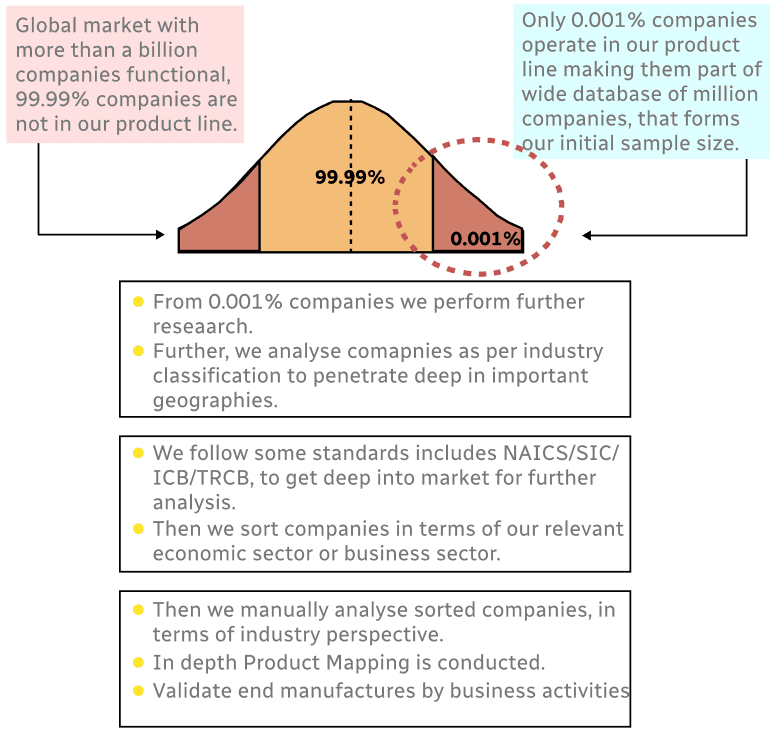
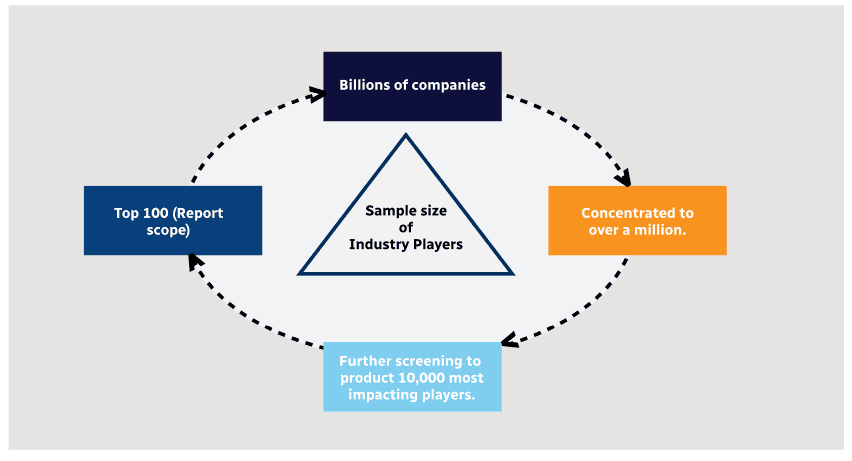
Step 1 - Identification of Relevant Samples Size from Population Database
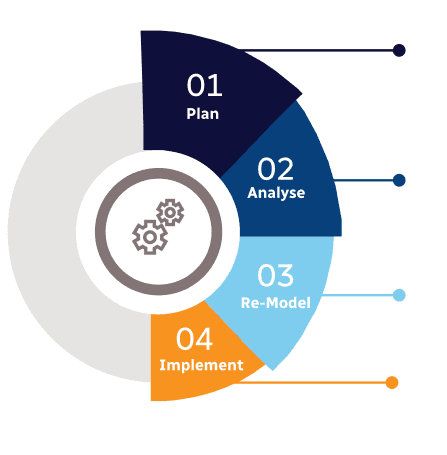
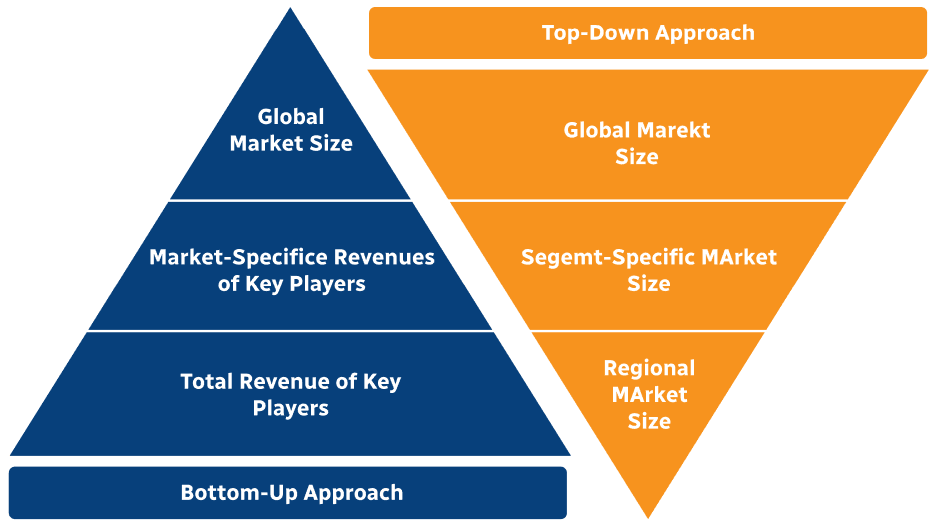
Step 2 - Approaches for Defining Global Market Size (Value, Volume* & Price*)
Note*: In applicable scenarios
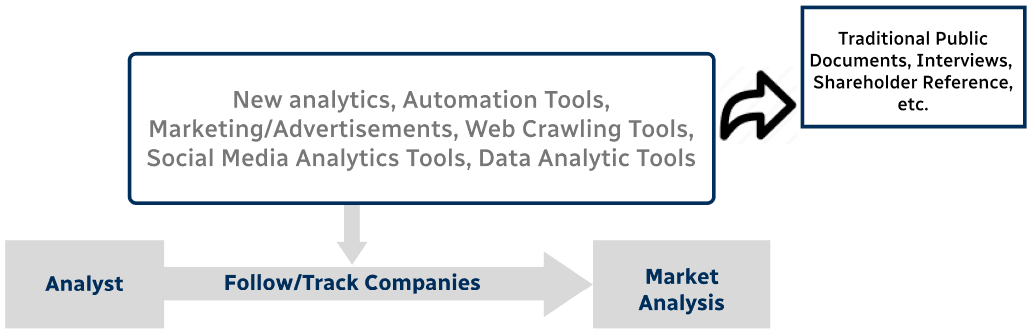
Step 3 - Data Sources
Primary Research
- Web Analytics
- Survey Reports
- Research Institute
- Latest Research Reports
- Opinion Leaders
Secondary Research
- Annual Reports
- White Paper
- Latest Press Release
- Industry Association
- Paid Database
- Investor Presentations
Step 4 - Data Triangulation
Involves using different sources of information in order to increase the validity of a study
These sources are likely to be stakeholders in a program - participants, other researchers, program staff, other community members, and so on.
Then we put all data in single framework & apply various statistical tools to find out the dynamic on the market.
During the analysis stage, feedback from the stakeholder groups would be compared to determine areas of agreement as well as areas of divergence