


Key Insights
The Indian spinal fusion devices market is poised for substantial growth, projected to reach USD 9.5 billion by 2025, driven by an estimated 4% CAGR. This robust expansion is fueled by a confluence of factors, including the increasing prevalence of spinal deformities, degenerative spinal conditions, and an aging population in India. Advancements in medical technology, leading to the development of innovative and less invasive spinal fusion devices, are further augmenting market penetration. The growing demand for minimally invasive spine surgery (MISS) techniques, which offer faster recovery times and reduced patient discomfort, is a significant trend that manufacturers are actively addressing with specialized product lines. Furthermore, rising healthcare expenditure and greater awareness among the populace regarding spinal health are contributing to the increased adoption of spinal fusion procedures.

India Spinal Fusion Devices Industry Market Size (In Billion)

The market is segmented into key product types such as Cervical Fusion Devices, Thoracic Fusion Devices, and Lumbar Fusion Devices, catering to a wide spectrum of spinal pathologies. Similarly, the surgical approach segment highlights the shift towards Minimally Invasive Spine Surgery alongside traditional Open Spine Surgery. Leading global players like Medtronic PLC and Globus Medical Inc., alongside emerging domestic manufacturers, are intensifying their focus on the Indian market, driving competition and innovation. While the market demonstrates a strong upward trajectory, potential restraints could include the high cost of advanced spinal fusion devices, limited access to specialized surgical expertise in certain rural areas, and stringent regulatory approvals for new medical devices. However, the overarching positive market dynamics, coupled with government initiatives to improve healthcare infrastructure, are expected to overcome these challenges, solidifying India's position as a key growth market for spinal fusion devices.

India Spinal Fusion Devices Industry Company Market Share
This comprehensive report delves into the dynamic India Spinal Fusion Devices Industry, offering in-depth analysis and actionable insights for stakeholders. Covering the period from 2019 to 2033, with a base year of 2025, this study provides a detailed examination of market concentration, key trends, dominant segments, product developments, growth drivers, challenges, emerging opportunities, leading players, and strategic outlook. The report leverages high-traffic keywords to ensure maximum visibility and engagement within the medical device and healthcare sectors.
India Spinal Fusion Devices Industry Market Concentration & Innovation
The India Spinal Fusion Devices Industry is characterized by a moderate level of market concentration, with a few dominant global players alongside a growing number of domestic manufacturers. Innovation remains a critical driver, fueled by advancements in biomaterials, implant design, and surgical techniques. Regulatory frameworks, overseen by bodies like the Central Drugs Standard Control Organisation (CDSCO), are evolving to ensure product safety and efficacy, while also aiming to foster indigenous innovation. Product substitutes, though limited in the primary fusion space, include alternative treatments like non-surgical interventions and less invasive procedures that indirectly impact the market. End-user trends are leaning towards less invasive surgical options and biologics to enhance fusion rates. Mergers and acquisitions (M&A) activity, while not extensively documented with public deal values in the Indian context, plays a role in consolidating market share and acquiring innovative technologies. For instance, the acquisition of a smaller domestic player by a larger corporation could signify a strategic move to expand product portfolios or market reach. The market share of leading players is estimated to be in the tens of billions, with M&A deal values ranging from millions to billions, impacting the competitive landscape.
India Spinal Fusion Devices Industry Industry Trends & Insights
The India Spinal Fusion Devices Industry is poised for significant expansion, driven by a confluence of factors including a burgeoning geriatric population, increasing prevalence of spinal disorders, rising disposable incomes, and growing awareness of advanced surgical treatment options. The market is projected to witness a Compound Annual Growth Rate (CAGR) of approximately 7.5% to 9.0% during the forecast period (2025-2033). Technological disruptions are at the forefront, with the adoption of 3D-printed implants, patient-specific instrumentation, and advanced navigation systems revolutionizing surgical precision and patient outcomes. These innovations contribute to shorter hospital stays and faster recovery times, enhancing patient satisfaction and driving market penetration. Consumer preferences are increasingly shifting towards minimally invasive spine surgery (MIS) techniques, which offer reduced morbidity and faster recovery compared to traditional open surgeries. This trend is directly boosting the demand for specialized MIS spinal fusion devices. Competitive dynamics are intensifying, with global giants like Medtronic PLC, Globus Medical Inc., and DePuy Synthes Companies (Johnson and Johnson) competing alongside emerging Indian manufacturers like S H Pitkar Orthotools Pvt Ltd and Matrix Meditec Pvt Ltd. This competition fosters innovation and price competitiveness, ultimately benefiting patients and healthcare providers. The overall market penetration of advanced spinal fusion devices is steadily increasing, driven by greater accessibility and affordability of these treatments across urban and semi-urban centers.
Dominant Markets & Segments in India Spinal Fusion Devices Industry
The Lumbar Fusion Device segment stands as the dominant force within the India Spinal Fusion Devices Industry, accounting for an estimated 45% to 55% of the total market revenue. This dominance is primarily attributed to the high prevalence of degenerative disc disease, spinal stenosis, and spondylolisthesis in the lumbar region, conditions that frequently necessitate spinal fusion. Economic policies in India, such as the 'Make in India' initiative, are actively encouraging domestic manufacturing and reducing import dependency, thereby potentially lowering costs and increasing accessibility of lumbar fusion devices. Infrastructure development in the healthcare sector, including the establishment of advanced spine surgery centers and training programs, further supports the growth of this segment.
Within surgical approaches, Open Spine Surgery currently holds a larger market share due to its established nature and the availability of experienced surgeons. However, Minimally Invasive Spine Surgery (MIS) is experiencing a significantly higher growth rate, projected to capture a substantial market share in the coming years. This surge is driven by patient preference for reduced pain, smaller incisions, shorter recovery periods, and fewer complications associated with MIS procedures. Technological advancements in MIS instruments and imaging techniques are crucial drivers for this segment's expansion.
Geographically, the Western and Southern regions of India are leading the market, owing to a higher concentration of specialized healthcare facilities, greater disposable income, and a more proactive adoption of advanced medical technologies. Cities like Mumbai, Delhi, Bengaluru, and Chennai are key hubs for spinal fusion surgeries and the consumption of spinal fusion devices. Government initiatives aimed at improving healthcare access in rural areas are also expected to contribute to market growth in Tier 2 and Tier 3 cities.
India Spinal Fusion Devices Industry Product Developments
Product developments in the India Spinal Fusion Devices Industry are characterized by a relentless pursuit of enhanced biocompatibility, mechanical strength, and ease of use. Innovations in interbody fusion devices, including porous titanium implants and PEEK (Polyether ether ketone) materials, are gaining traction for their osteoconductive properties and ability to promote bony fusion. The development of modular and expandable cage systems offers greater surgical flexibility and caters to a wider range of patient anatomies. Competitive advantages are being carved out through the introduction of implants designed for faster and more predictable fusion, as well as systems that reduce surgical time and radiation exposure. Technological trends are heavily influenced by the growing demand for patient-specific solutions and biomechanically superior implants.
Report Scope & Segmentation Analysis
This report provides an in-depth segmentation of the India Spinal Fusion Devices Industry across key categories.
Type: The market is segmented into Cervical Fusion Device, Thoracic Fusion Device, and Lumbar Fusion Device. The Lumbar Fusion Device segment is projected to hold the largest market share due to the high prevalence of lumbar spine pathologies, with a projected market size in the billions. The Cervical Fusion Device segment is also witnessing steady growth, driven by an increasing incidence of degenerative cervical conditions. The Thoracic Fusion Device segment, while smaller, is expanding with advancements in treating complex thoracic deformities.
Surgery: The industry is further segmented by surgical approach into Open Spine Surgery and Minimally Invasive Spine Surgery. While Open Spine Surgery currently dominates in terms of volume, Minimally Invasive Spine Surgery is expected to exhibit a higher growth rate, with its market share projected to increase significantly. Growth projections for MIS are in the high single digits, reflecting a strong shift in surgical preference.
Key Drivers of India Spinal Fusion Devices Industry Growth
The growth of the India Spinal Fusion Devices Industry is propelled by several key factors. Technological advancements, such as the development of innovative implant materials and surgical navigation systems, are enhancing surgical outcomes and patient recovery. The increasing prevalence of spinal deformities and degenerative conditions, fueled by an aging population and sedentary lifestyles, creates a consistent demand for fusion procedures. Rising healthcare expenditure and disposable incomes are making advanced treatments more accessible to a larger population segment. Furthermore, supportive government initiatives aimed at promoting medical device manufacturing and improving healthcare infrastructure are playing a crucial role in market expansion.
Challenges in the India Spinal Fusion Devices Industry Sector
Despite the robust growth potential, the India Spinal Fusion Devices Industry faces several challenges. Stringent regulatory approvals and pricing controls can sometimes hinder the timely introduction of new technologies and impact profitability. High import duties on certain raw materials and finished products can increase manufacturing costs. Limited access to advanced surgical training and infrastructure in remote areas can restrict market penetration. Intense competition from both domestic and international players exerts downward pressure on prices. Supply chain complexities and the need for a skilled workforce also present significant operational hurdles.
Emerging Opportunities in India Spinal Fusion Devices Industry
The India Spinal Fusion Devices Industry is ripe with emerging opportunities. The growing adoption of biologics and regenerative medicine in conjunction with fusion devices presents a significant avenue for growth. The increasing demand for robotic-assisted spine surgery and AI-driven surgical planning tools signifies a technological frontier. Expansion into Tier 2 and Tier 3 cities, coupled with increased health insurance penetration, will unlock new patient populations. Furthermore, the government's focus on promoting local manufacturing and R&D creates opportunities for indigenous innovation and cost-effective solutions.
Leading Players in the India Spinal Fusion Devices Industry Market
- Globus Medical Inc.
- Medtronic PLC
- DePuy Synthes Companies (Johnson and Johnson)
- Zimmer Biomet Holdings Inc
- S H Pitkar Orthotools Pvt Ltd
- Matrix Meditec Pvt Ltd
Key Developments in India Spinal Fusion Devices Industry Industry
- 2023: Launch of advanced 3D-printed titanium lumbar cages by a leading global player, offering improved osseointegration and structural integrity.
- 2022: Government introduces revised medical device regulations aiming to streamline approval processes and encourage local manufacturing.
- 2021: Increased investment in research and development of biodegradable fusion devices by several Indian companies.
- 2020: Significant growth in the adoption of minimally invasive spine surgery techniques, leading to higher demand for specialized instrumentation.
- 2019: Major global players expand their distribution networks to reach a wider segment of the Indian market.
Strategic Outlook for India Spinal Fusion Devices Industry Market
The strategic outlook for the India Spinal Fusion Devices Industry is exceptionally positive. The market is poised for sustained growth driven by demographic shifts, increasing healthcare access, and continuous technological innovation. Key growth catalysts include the wider adoption of minimally invasive techniques, the integration of advanced imaging and navigation systems, and the development of personalized implant solutions. Strategic collaborations between global manufacturers and local Indian companies, along with focused R&D on cost-effective and superior fusion technologies, will be crucial for long-term success. The expanding healthcare infrastructure and government support for the 'Make in India' initiative will further bolster the industry's trajectory towards becoming a significant global player.
India Spinal Fusion Devices Industry Segmentation
-
1. Type
- 1.1. Cervical Fusion Device
- 1.2. Thoracic Fusion Device
- 1.3. Lumbar Fusion Device
-
2. Surgery
- 2.1. Open Spine Surgery
- 2.2. Minimally Invasive Spine Surgery
India Spinal Fusion Devices Industry Segmentation By Geography
- 1. India

India Spinal Fusion Devices Industry Regional Market Share
Geographic Coverage of India Spinal Fusion Devices Industry
India Spinal Fusion Devices Industry REPORT HIGHLIGHTS
| Aspects | Details |
|---|---|
| Study Period | 2020-2034 |
| Base Year | 2025 |
| Estimated Year | 2026 |
| Forecast Period | 2026-2034 |
| Historical Period | 2020-2025 |
| Growth Rate | CAGR of 4% from 2020-2034 |
| Segmentation |
|
Table of Contents
- 1. Introduction
- 1.1. Research Scope
- 1.2. Market Segmentation
- 1.3. Research Methodology
- 1.4. Definitions and Assumptions
- 2. Executive Summary
- 2.1. Introduction
- 3. Market Dynamics
- 3.1. Introduction
- 3.2. Market Drivers
- 3.2.1. ; Growing Aging Population in India; Rising Incidences and Prevalence of Spinal Problems; Rising Medical Tourism
- 3.3. Market Restrains
- 3.3.1. ; Stringent Regulatory Issues; Reimbursement Issues
- 3.4. Market Trends
- 3.4.1. Minimally Invasive Spine Surgery is Expected to Register a Healthy Growth Rate
- 4. Market Factor Analysis
- 4.1. Porters Five Forces
- 4.2. Supply/Value Chain
- 4.3. PESTEL analysis
- 4.4. Market Entropy
- 4.5. Patent/Trademark Analysis
- 5. India Spinal Fusion Devices Industry Analysis, Insights and Forecast, 2020-2032
- 5.1. Market Analysis, Insights and Forecast - by Type
- 5.1.1. Cervical Fusion Device
- 5.1.2. Thoracic Fusion Device
- 5.1.3. Lumbar Fusion Device
- 5.2. Market Analysis, Insights and Forecast - by Surgery
- 5.2.1. Open Spine Surgery
- 5.2.2. Minimally Invasive Spine Surgery
- 5.3. Market Analysis, Insights and Forecast - by Region
- 5.3.1. India
- 5.1. Market Analysis, Insights and Forecast - by Type
- 6. Competitive Analysis
- 6.1. Market Share Analysis 2025
- 6.2. Company Profiles
- 6.2.1 Globus Medical Inc
- 6.2.1.1. Overview
- 6.2.1.2. Products
- 6.2.1.3. SWOT Analysis
- 6.2.1.4. Recent Developments
- 6.2.1.5. Financials (Based on Availability)
- 6.2.2 Medtronic PLC
- 6.2.2.1. Overview
- 6.2.2.2. Products
- 6.2.2.3. SWOT Analysis
- 6.2.2.4. Recent Developments
- 6.2.2.5. Financials (Based on Availability)
- 6.2.3 DePuy Synthes Companies (Johnson and Johnson)
- 6.2.3.1. Overview
- 6.2.3.2. Products
- 6.2.3.3. SWOT Analysis
- 6.2.3.4. Recent Developments
- 6.2.3.5. Financials (Based on Availability)
- 6.2.4 Zimmer Biomet Holdings Inc *List Not Exhaustive
- 6.2.4.1. Overview
- 6.2.4.2. Products
- 6.2.4.3. SWOT Analysis
- 6.2.4.4. Recent Developments
- 6.2.4.5. Financials (Based on Availability)
- 6.2.5 S H Pitkar Orthotools Pvt Ltd
- 6.2.5.1. Overview
- 6.2.5.2. Products
- 6.2.5.3. SWOT Analysis
- 6.2.5.4. Recent Developments
- 6.2.5.5. Financials (Based on Availability)
- 6.2.6 Matrix Meditec Pvt Ltd
- 6.2.6.1. Overview
- 6.2.6.2. Products
- 6.2.6.3. SWOT Analysis
- 6.2.6.4. Recent Developments
- 6.2.6.5. Financials (Based on Availability)
- 6.2.1 Globus Medical Inc
List of Figures
- Figure 1: India Spinal Fusion Devices Industry Revenue Breakdown (billion, %) by Product 2025 & 2033
- Figure 2: India Spinal Fusion Devices Industry Share (%) by Company 2025
List of Tables
- Table 1: India Spinal Fusion Devices Industry Revenue billion Forecast, by Type 2020 & 2033
- Table 2: India Spinal Fusion Devices Industry Volume K Units Forecast, by Type 2020 & 2033
- Table 3: India Spinal Fusion Devices Industry Revenue billion Forecast, by Surgery 2020 & 2033
- Table 4: India Spinal Fusion Devices Industry Volume K Units Forecast, by Surgery 2020 & 2033
- Table 5: India Spinal Fusion Devices Industry Revenue billion Forecast, by Region 2020 & 2033
- Table 6: India Spinal Fusion Devices Industry Volume K Units Forecast, by Region 2020 & 2033
- Table 7: India Spinal Fusion Devices Industry Revenue billion Forecast, by Type 2020 & 2033
- Table 8: India Spinal Fusion Devices Industry Volume K Units Forecast, by Type 2020 & 2033
- Table 9: India Spinal Fusion Devices Industry Revenue billion Forecast, by Surgery 2020 & 2033
- Table 10: India Spinal Fusion Devices Industry Volume K Units Forecast, by Surgery 2020 & 2033
- Table 11: India Spinal Fusion Devices Industry Revenue billion Forecast, by Country 2020 & 2033
- Table 12: India Spinal Fusion Devices Industry Volume K Units Forecast, by Country 2020 & 2033
Frequently Asked Questions
1. What is the projected Compound Annual Growth Rate (CAGR) of the India Spinal Fusion Devices Industry?
The projected CAGR is approximately 4%.
2. Which companies are prominent players in the India Spinal Fusion Devices Industry?
Key companies in the market include Globus Medical Inc, Medtronic PLC, DePuy Synthes Companies (Johnson and Johnson), Zimmer Biomet Holdings Inc *List Not Exhaustive, S H Pitkar Orthotools Pvt Ltd, Matrix Meditec Pvt Ltd.
3. What are the main segments of the India Spinal Fusion Devices Industry?
The market segments include Type, Surgery.
4. Can you provide details about the market size?
The market size is estimated to be USD 9.5 billion as of 2022.
5. What are some drivers contributing to market growth?
; Growing Aging Population in India; Rising Incidences and Prevalence of Spinal Problems; Rising Medical Tourism.
6. What are the notable trends driving market growth?
Minimally Invasive Spine Surgery is Expected to Register a Healthy Growth Rate.
7. Are there any restraints impacting market growth?
; Stringent Regulatory Issues; Reimbursement Issues.
8. Can you provide examples of recent developments in the market?
N/A
9. What pricing options are available for accessing the report?
Pricing options include single-user, multi-user, and enterprise licenses priced at USD 3800, USD 4500, and USD 5800 respectively.
10. Is the market size provided in terms of value or volume?
The market size is provided in terms of value, measured in billion and volume, measured in K Units.
11. Are there any specific market keywords associated with the report?
Yes, the market keyword associated with the report is "India Spinal Fusion Devices Industry," which aids in identifying and referencing the specific market segment covered.
12. How do I determine which pricing option suits my needs best?
The pricing options vary based on user requirements and access needs. Individual users may opt for single-user licenses, while businesses requiring broader access may choose multi-user or enterprise licenses for cost-effective access to the report.
13. Are there any additional resources or data provided in the India Spinal Fusion Devices Industry report?
While the report offers comprehensive insights, it's advisable to review the specific contents or supplementary materials provided to ascertain if additional resources or data are available.
14. How can I stay updated on further developments or reports in the India Spinal Fusion Devices Industry?
To stay informed about further developments, trends, and reports in the India Spinal Fusion Devices Industry, consider subscribing to industry newsletters, following relevant companies and organizations, or regularly checking reputable industry news sources and publications.
Methodology
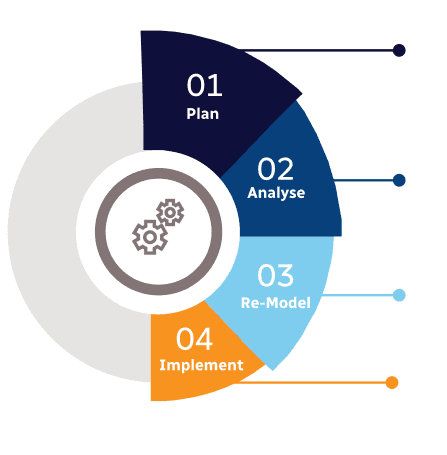
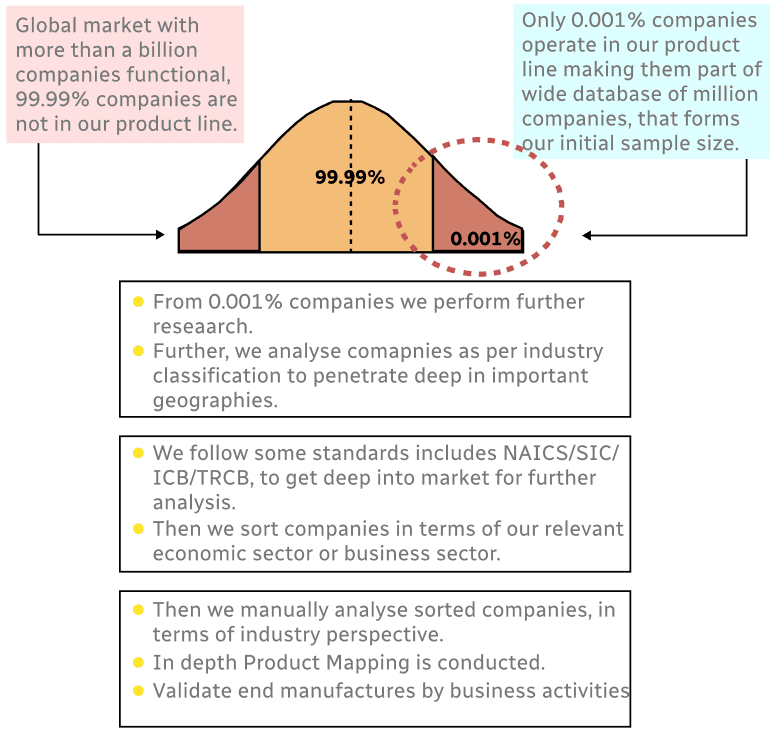
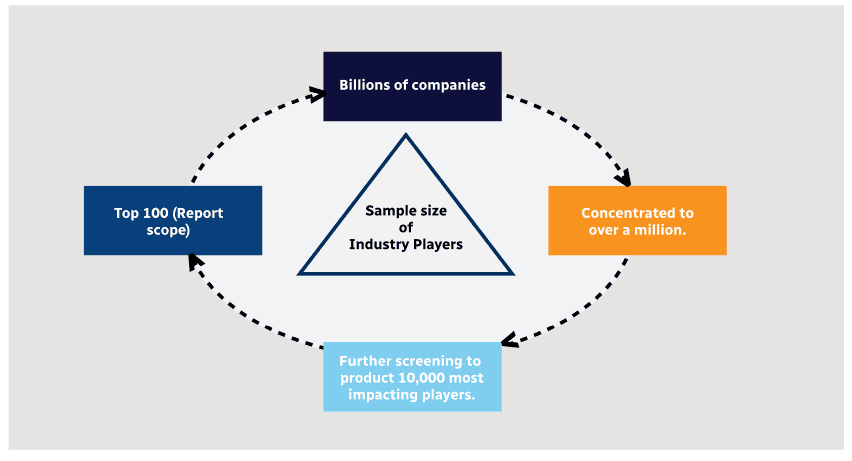
Step 1 - Identification of Relevant Samples Size from Population Database
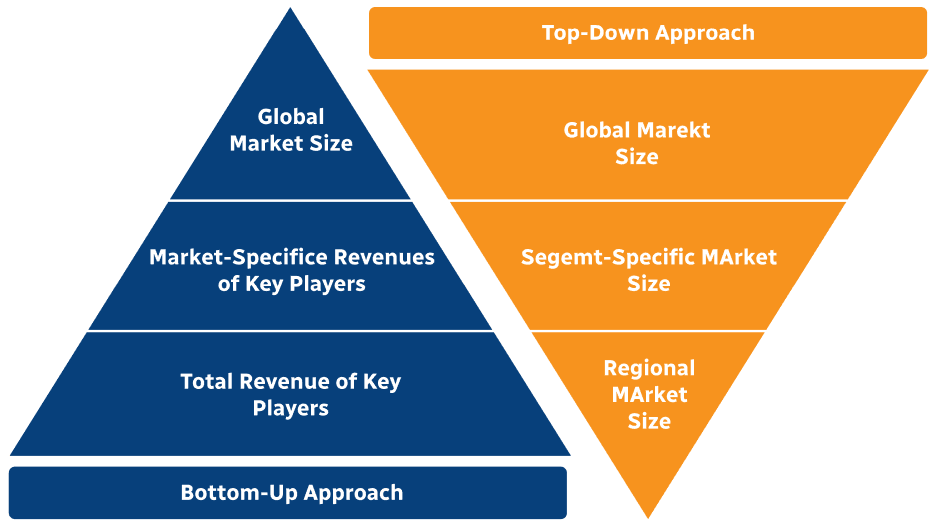
Step 2 - Approaches for Defining Global Market Size (Value, Volume* & Price*)
Note*: In applicable scenarios
Step 3 - Data Sources
Primary Research
- Web Analytics
- Survey Reports
- Research Institute
- Latest Research Reports
- Opinion Leaders
Secondary Research
- Annual Reports
- White Paper
- Latest Press Release
- Industry Association
- Paid Database
- Investor Presentations
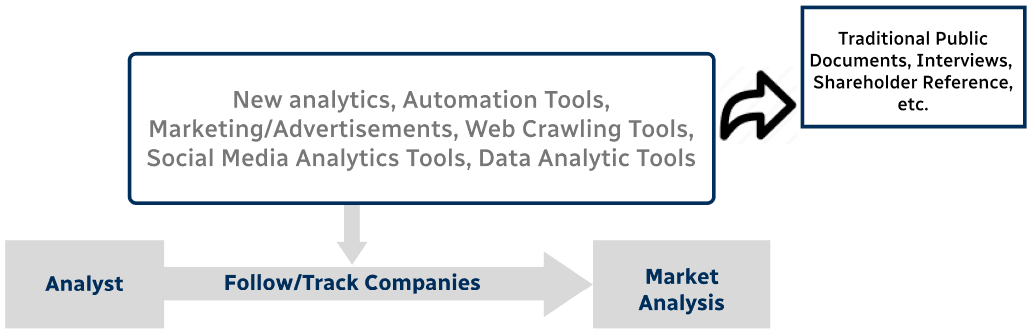
Step 4 - Data Triangulation
Involves using different sources of information in order to increase the validity of a study
These sources are likely to be stakeholders in a program - participants, other researchers, program staff, other community members, and so on.
Then we put all data in single framework & apply various statistical tools to find out the dynamic on the market.
During the analysis stage, feedback from the stakeholder groups would be compared to determine areas of agreement as well as areas of divergence