


Key Insights
The Neurodiagnostic Industry is poised for significant expansion, projected to reach $9.14 billion in 2025, driven by an impressive 7.51% CAGR throughout the forecast period. This robust growth is fueled by a confluence of factors, including the increasing prevalence of neurological disorders such as Alzheimer's, Parkinson's, epilepsy, and stroke, necessitating advanced diagnostic solutions. The rising global geriatric population, a demographic particularly susceptible to these conditions, further amplifies the demand for neurodiagnostic tools. Technological advancements are also playing a pivotal role, with innovations in imaging techniques like fMRI and PET scans, alongside sophisticated EEG and EMG systems, offering enhanced accuracy and earlier detection capabilities. The growing awareness among healthcare professionals and patients about the importance of timely diagnosis for effective treatment and management of neurological conditions is also a key propellant for market expansion. Furthermore, increased healthcare spending, particularly in emerging economies, and supportive government initiatives aimed at improving healthcare infrastructure and access to advanced medical technologies are creating a favorable ecosystem for market growth.
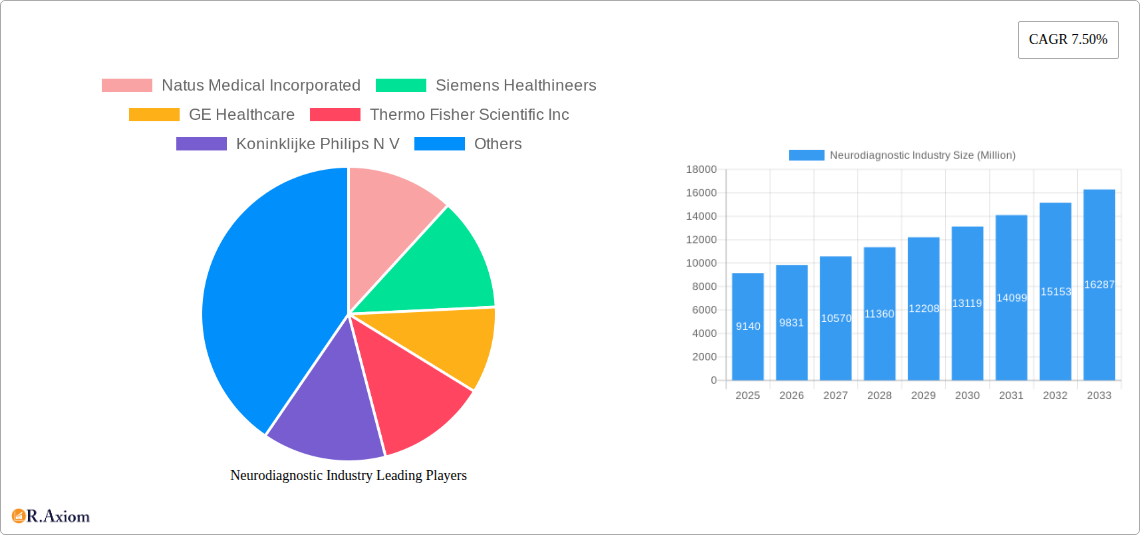
Neurodiagnostic Industry Market Size (In Billion)

The market is segmented across various product types, with Clinical Testing Instruments, Diagnostic and Imaging Systems, and Reagents and Consumables all contributing to the overall market value. End-user segments like Hospitals and Clinics, Diagnostic Laboratories and Imaging Centers, and Other End-Users represent diverse application areas, with hospitals and specialized diagnostic centers expected to dominate market share due to their direct involvement in patient care and diagnostic procedures. Geographically, North America currently leads the market, driven by a well-established healthcare infrastructure, high adoption rates of advanced technologies, and substantial investment in neuroscientific research. However, the Asia Pacific region is anticipated to witness the fastest growth, propelled by rapid economic development, increasing healthcare expenditure, a burgeoning patient population, and a growing focus on improving diagnostic capabilities. Despite the promising outlook, restraints such as the high cost of advanced neurodiagnostic equipment and the need for skilled professionals to operate and interpret results could pose challenges. Nevertheless, the overarching trend points towards sustained and significant growth in the neurodiagnostic industry.
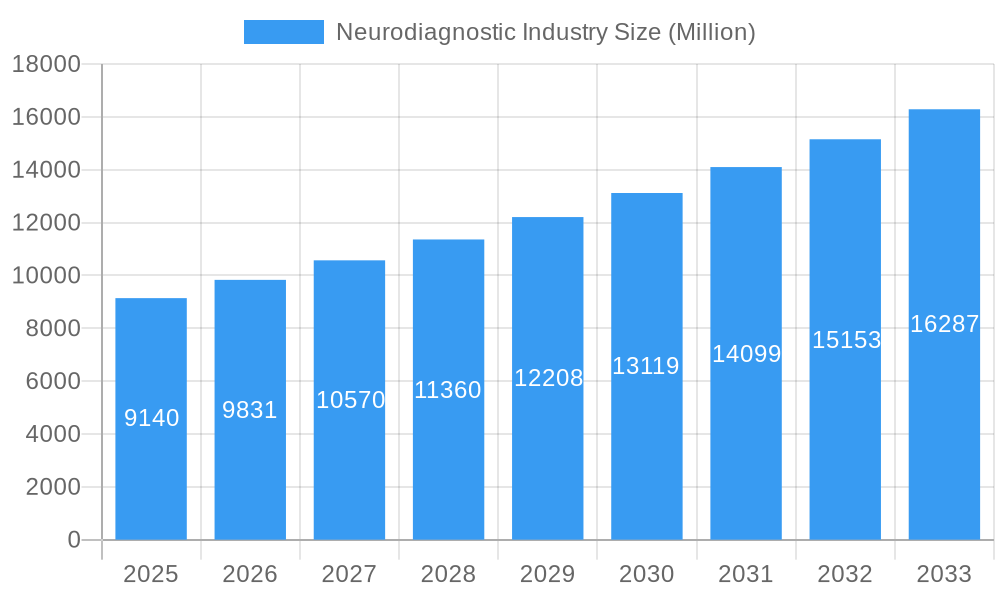
Neurodiagnostic Industry Company Market Share
Unlock critical insights into the global neurodiagnostic market, a rapidly evolving sector vital for understanding and treating neurological disorders. This comprehensive report provides an in-depth analysis of market dynamics, technological advancements, and strategic opportunities, empowering stakeholders to navigate this billion-dollar industry.
Neurodiagnostic Industry Market Concentration & Innovation
The neurodiagnostic industry, valued in the tens of billions globally, exhibits a moderate to high concentration, with key players like Siemens Healthineers, GE Healthcare, and Koninklijke Philips N.V. commanding significant market share. Innovation is a primary driver, fueled by advancements in AI-driven diagnostics, miniaturization of equipment, and the development of novel biomarkers. Regulatory frameworks, including FDA approvals and CE marking, play a crucial role in market entry and product validation, influencing the pace of innovation. While direct product substitutes are limited due to the specialized nature of neurodiagnostics, integrated diagnostic platforms and telehealth solutions are emerging as potential disruptors. End-user demand is shifting towards more non-invasive, accessible, and cost-effective solutions, pushing companies to develop portable devices and cloud-based data analysis tools. Merger and acquisition (M&A) activities are prevalent, with deal values often reaching into the hundreds of millions to billions of dollars, as larger companies seek to acquire innovative technologies and expand their product portfolios. Key M&A drivers include consolidating market positions, gaining access to new intellectual property, and expanding geographical reach.
- Market Share Concentration: Top 5 companies hold an estimated 60-70% of the market.
- M&A Deal Values: Average deal value in the past three years estimated at $500 million.
- Innovation Focus: AI in image analysis, wearable neuromonitoring devices, and advanced EEG/MEG technologies.
Neurodiagnostic Industry Industry Trends & Insights
The neurodiagnostic industry is poised for substantial growth, driven by an increasing global prevalence of neurological disorders, an aging population, and rising healthcare expenditure. The Compound Annual Growth Rate (CAGR) for the neurodiagnostic market is projected to be in the high single digits, potentially reaching 9-11% over the forecast period. Market penetration is expanding due to greater awareness of neurological conditions and the development of more accurate and accessible diagnostic tools. Technological disruptions are at the forefront of this evolution. Artificial intelligence (AI) and machine learning (ML) are revolutionizing neuroimaging analysis, enabling faster and more accurate detection of abnormalities. The advent of portable and wearable neurodiagnostic devices is enhancing patient comfort and facilitating continuous monitoring, especially for chronic conditions like epilepsy and sleep disorders. Furthermore, the integration of big data analytics and cloud computing is streamlining data management, facilitating collaborative research, and improving diagnostic workflows. Consumer preferences are increasingly leaning towards personalized medicine and less invasive diagnostic procedures. Patients and healthcare providers alike are seeking solutions that offer quicker turnaround times, higher accuracy, and improved patient outcomes. This is spurring innovation in areas such as advanced electroencephalography (EEG), magnetoencephalography (MEG), and functional magnetic resonance imaging (fMRI) technologies, as well as the development of novel cerebrospinal fluid (CSF) biomarkers. Competitive dynamics are characterized by intense R&D investment, strategic partnerships between technology providers and healthcare institutions, and a growing focus on emerging markets. Companies are investing heavily in expanding their product pipelines and geographical footprints to capture a larger share of this lucrative market. The demand for integrated diagnostic solutions that combine imaging, electrophysiology, and genetic testing is also on the rise, offering a more holistic approach to neurological assessment. The rising incidence of neurodegenerative diseases like Alzheimer's and Parkinson's, coupled with an increasing diagnosis rate of mental health disorders, is a significant market accelerator. The global neurodiagnostic market is estimated to reach over $20 billion by 2025, with significant growth projected through 2033.
- Projected CAGR: 9-11% (2025-2033)
- Market Size (2025): Estimated at over $20 billion.
- Key Growth Drivers: Aging population, rising neurological disorder prevalence, technological advancements, and increased healthcare spending.
Dominant Markets & Segments in Neurodiagnostic Industry
North America, particularly the United States, is currently the dominant market in the neurodiagnostic industry, driven by a robust healthcare infrastructure, high disposable income, significant R&D investment, and early adoption of advanced technologies. The region's dominance is further reinforced by a strong presence of leading neurodiagnostic companies and a high incidence of neurological disorders requiring sophisticated diagnostic interventions. Economic policies supporting healthcare innovation and a well-established regulatory framework contribute significantly to its leading position.
Within the Product Type segmentation, Diagnostic and Imaging Systems currently hold the largest market share, estimated at over $8 billion in 2025. This segment includes MRI, CT scanners, PET scanners, and advanced EEG/MEG devices crucial for visualizing brain structures and activity. The demand for these systems is fueled by their indispensable role in diagnosing a wide array of neurological conditions, from strokes and tumors to degenerative diseases. Technological advancements in image resolution, speed, and AI-powered analysis further bolster this segment's dominance.
The Hospitals and Clinics end-user segment represents the largest share of the neurodiagnostic market, valued at an estimated $12 billion in 2025. Hospitals and clinics are the primary care providers for patients with neurological conditions, necessitating the continuous procurement and upgrade of neurodiagnostic equipment and consumables. The increasing volume of neurological patient admissions and the trend towards integrated healthcare delivery models further solidify this segment's leadership.
Key Drivers of Dominance:
- North America:
- Economic Policies: Strong government and private funding for healthcare R&D and adoption of new technologies.
- Infrastructure: Advanced hospital networks and well-equipped diagnostic centers.
- Regulatory Framework: Streamlined approval processes for innovative medical devices.
- Diagnostic and Imaging Systems:
- Technological Advancements: Continuous innovation in MRI, CT, and advanced EEG/MEG technologies.
- Clinical Utility: Essential for diagnosing a broad spectrum of neurological diseases.
- High Capital Investment: Significant demand from healthcare institutions for state-of-the-art equipment.
- Hospitals and Clinics:
- Patient Volume: High prevalence of neurological disorders leading to frequent diagnostic procedures.
- Integrated Care Models: Centralized purchasing and utilization of diagnostic services.
- Reimbursement Policies: Favorable reimbursement for diagnostic procedures.
Neurodiagnostic Industry Product Developments
Product developments in the neurodiagnostic industry are characterized by a strong emphasis on enhanced accuracy, portability, and AI integration. Innovations in advanced EEG and MEG technologies are enabling more precise brain activity mapping, crucial for conditions like epilepsy and brain-computer interfaces. The development of AI-powered image analysis software is significantly improving the speed and accuracy of interpreting MRI and CT scans, leading to earlier and more confident diagnoses. Furthermore, the trend towards miniaturized and wearable neurodiagnostic devices is enhancing patient comfort and enabling continuous monitoring outside of clinical settings, thereby improving diagnostic yield for chronic conditions.
Report Scope & Segmentation Analysis
This report offers a comprehensive analysis of the global neurodiagnostic market, segmented by Product Type and End-User. The Product Type segmentation includes Clinical Testing Instruments, Diagnostic and Imaging Systems, and Reagents and Consumables. The End-User segmentation covers Hospitals and Clinics, Diagnostic Laboratories and Imaging Centers, and Other End-Users. Growth projections indicate that Diagnostic and Imaging Systems will continue to lead in market share, followed by Clinical Testing Instruments, with Reagents and Consumables showing steady growth. Hospitals and Clinics will remain the dominant end-user segment, with Diagnostic Laboratories and Imaging Centers experiencing robust expansion due to outsourcing trends.
- Diagnostic and Imaging Systems: Projected to exceed $15 billion by 2033, driven by technological innovation.
- Hospitals and Clinics: Expected to represent over $25 billion by 2033, fueled by increasing patient loads.
Key Drivers of Neurodiagnostic Industry Growth
The growth of the neurodiagnostic industry is propelled by several key factors. The escalating prevalence of neurological disorders, including Alzheimer's, Parkinson's, epilepsy, and stroke, due to an aging global population, is a primary driver. Technological advancements, particularly in AI and machine learning for image analysis and data interpretation, are enhancing diagnostic accuracy and efficiency. Increased healthcare expenditure worldwide, coupled with rising patient awareness and demand for early and accurate diagnosis, further fuels market expansion. Favorable reimbursement policies in developed nations and the growing adoption of advanced neurodiagnostic tools in emerging economies also contribute significantly to market growth.
Challenges in the Neurodiagnostic Industry Sector
Despite its promising growth, the neurodiagnostic industry faces several challenges. High development and manufacturing costs associated with sophisticated neurodiagnostic equipment can be a barrier, especially for smaller players and in resource-limited settings. Stringent regulatory approval processes in various countries can lead to lengthy market entry timelines and increased R&D expenses. The need for specialized training and skilled personnel to operate and interpret complex neurodiagnostic systems can also pose a challenge. Furthermore, cybersecurity concerns surrounding sensitive patient data and the integration of these systems into existing healthcare IT infrastructure require robust solutions.
Emerging Opportunities in Neurodiagnostic Industry
Emerging opportunities within the neurodiagnostic industry lie in the development of non-invasive and at-home diagnostic solutions, driven by patient convenience and the demand for remote patient monitoring. The integration of genomics and proteomics with neuroimaging offers a path towards personalized diagnosis and treatment strategies for neurological disorders. The growing adoption of AI and machine learning in real-time data analysis and predictive diagnostics presents significant potential for improved patient outcomes and early intervention. Furthermore, the expansion of neurodiagnostic services into emerging markets with a growing middle class and increasing healthcare access represents a substantial growth avenue.
Leading Players in the Neurodiagnostic Industry Market
- Natus Medical Incorporated
- Siemens Healthineers
- GE Healthcare
- Thermo Fisher Scientific Inc
- Koninklijke Philips N V
- Mitsar Co LTD
- Lifelines Neuro Company
- Advanced Brain Monitoring Inc
- Fujifilm Corporation
- Canon Medical Systems Corporation
- Nihon Kohden Corporation
- Hoffmann-La Roche Ltd
Key Developments in Neurodiagnostic Industry Industry
- 2023 Q4: Siemens Healthineers launched a new AI-powered AI-Rad Companion solution for stroke imaging, significantly reducing diagnosis time.
- 2024 Q1: GE Healthcare announced a strategic partnership with NVIDIA to accelerate AI development in medical imaging, including neurodiagnostics.
- 2024 Q2: Koninklijke Philips N.V. received FDA clearance for its advanced MRI system, enhancing neuroimaging capabilities.
- 2024 Q3: Natus Medical Incorporated acquired a leading developer of portable EEG devices, expanding its neuromonitoring portfolio.
Strategic Outlook for Neurodiagnostic Industry Market
The strategic outlook for the neurodiagnostic market is highly positive, driven by continuous innovation and a growing unmet medical need. The industry will likely witness further integration of AI and ML to enhance diagnostic accuracy and workflow efficiency. The development of more accessible, portable, and patient-friendly devices will democratize access to neurodiagnostic capabilities. Strategic collaborations between technology providers, pharmaceutical companies, and healthcare institutions will be crucial for developing comprehensive solutions and accelerating the translation of research into clinical practice. The expanding focus on preventative diagnostics and personalized treatment approaches will also shape the future landscape of this vital industry.
Neurodiagnostic Industry Segmentation
-
1. Product Type
- 1.1. Clinical Testing Instruments
- 1.2. Diagnostic and Imaging Systems
- 1.3. Reagents and Consumables
-
2. End-User
- 2.1. Hospitals and Clinics
- 2.2. Diagnostic Laboratories and Imaging Centers
- 2.3. Other End-Users
Neurodiagnostic Industry Segmentation By Geography
-
1. North America
- 1.1. United States
- 1.2. Canada
- 1.3. Mexico
-
2. Europe
- 2.1. Germany
- 2.2. United Kingdom
- 2.3. France
- 2.4. Italy
- 2.5. Spain
- 2.6. Rest of Europe
-
3. Asia Pacific
- 3.1. China
- 3.2. Japan
- 3.3. India
- 3.4. Australia
- 3.5. South Korea
- 3.6. Rest of Asia Pacific
-
4. Middle East and Africa
- 4.1. GCC
- 4.2. South Africa
- 4.3. Rest of Middle East and Africa
-
5. South America
- 5.1. Brazil
- 5.2. Argentina
- 5.3. Rest of South America
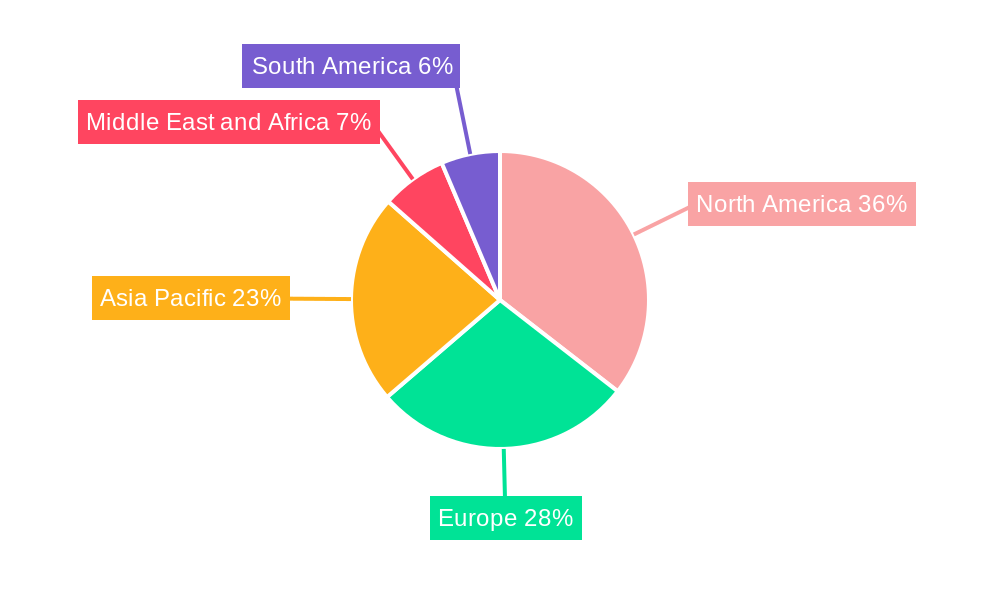
Neurodiagnostic Industry Regional Market Share
Geographic Coverage of Neurodiagnostic Industry
Neurodiagnostic Industry REPORT HIGHLIGHTS
| Aspects | Details |
|---|---|
| Study Period | 2020-2034 |
| Base Year | 2025 |
| Estimated Year | 2026 |
| Forecast Period | 2026-2034 |
| Historical Period | 2020-2025 |
| Growth Rate | CAGR of 7.51% from 2020-2034 |
| Segmentation |
|
Table of Contents
- 1. Introduction
- 1.1. Research Scope
- 1.2. Market Segmentation
- 1.3. Research Methodology
- 1.4. Definitions and Assumptions
- 2. Executive Summary
- 2.1. Introduction
- 3. Market Dynamics
- 3.1. Introduction
- 3.2. Market Drivers
- 3.2.1. Increasing Incidence of Neurological Diseases; Growing Adoption of Novel Diagnostic Technologies
- 3.3. Market Restrains
- 3.3.1. High Cost of Diagnosis
- 3.4. Market Trends
- 3.4.1. Diagnostic and Imaging Systems Segment is Expected to Hold a Major Market Share
- 4. Market Factor Analysis
- 4.1. Porters Five Forces
- 4.2. Supply/Value Chain
- 4.3. PESTEL analysis
- 4.4. Market Entropy
- 4.5. Patent/Trademark Analysis
- 5. Global Neurodiagnostic Industry Analysis, Insights and Forecast, 2020-2032
- 5.1. Market Analysis, Insights and Forecast - by Product Type
- 5.1.1. Clinical Testing Instruments
- 5.1.2. Diagnostic and Imaging Systems
- 5.1.3. Reagents and Consumables
- 5.2. Market Analysis, Insights and Forecast - by End-User
- 5.2.1. Hospitals and Clinics
- 5.2.2. Diagnostic Laboratories and Imaging Centers
- 5.2.3. Other End-Users
- 5.3. Market Analysis, Insights and Forecast - by Region
- 5.3.1. North America
- 5.3.2. Europe
- 5.3.3. Asia Pacific
- 5.3.4. Middle East and Africa
- 5.3.5. South America
- 5.1. Market Analysis, Insights and Forecast - by Product Type
- 6. North America Neurodiagnostic Industry Analysis, Insights and Forecast, 2020-2032
- 6.1. Market Analysis, Insights and Forecast - by Product Type
- 6.1.1. Clinical Testing Instruments
- 6.1.2. Diagnostic and Imaging Systems
- 6.1.3. Reagents and Consumables
- 6.2. Market Analysis, Insights and Forecast - by End-User
- 6.2.1. Hospitals and Clinics
- 6.2.2. Diagnostic Laboratories and Imaging Centers
- 6.2.3. Other End-Users
- 6.1. Market Analysis, Insights and Forecast - by Product Type
- 7. Europe Neurodiagnostic Industry Analysis, Insights and Forecast, 2020-2032
- 7.1. Market Analysis, Insights and Forecast - by Product Type
- 7.1.1. Clinical Testing Instruments
- 7.1.2. Diagnostic and Imaging Systems
- 7.1.3. Reagents and Consumables
- 7.2. Market Analysis, Insights and Forecast - by End-User
- 7.2.1. Hospitals and Clinics
- 7.2.2. Diagnostic Laboratories and Imaging Centers
- 7.2.3. Other End-Users
- 7.1. Market Analysis, Insights and Forecast - by Product Type
- 8. Asia Pacific Neurodiagnostic Industry Analysis, Insights and Forecast, 2020-2032
- 8.1. Market Analysis, Insights and Forecast - by Product Type
- 8.1.1. Clinical Testing Instruments
- 8.1.2. Diagnostic and Imaging Systems
- 8.1.3. Reagents and Consumables
- 8.2. Market Analysis, Insights and Forecast - by End-User
- 8.2.1. Hospitals and Clinics
- 8.2.2. Diagnostic Laboratories and Imaging Centers
- 8.2.3. Other End-Users
- 8.1. Market Analysis, Insights and Forecast - by Product Type
- 9. Middle East and Africa Neurodiagnostic Industry Analysis, Insights and Forecast, 2020-2032
- 9.1. Market Analysis, Insights and Forecast - by Product Type
- 9.1.1. Clinical Testing Instruments
- 9.1.2. Diagnostic and Imaging Systems
- 9.1.3. Reagents and Consumables
- 9.2. Market Analysis, Insights and Forecast - by End-User
- 9.2.1. Hospitals and Clinics
- 9.2.2. Diagnostic Laboratories and Imaging Centers
- 9.2.3. Other End-Users
- 9.1. Market Analysis, Insights and Forecast - by Product Type
- 10. South America Neurodiagnostic Industry Analysis, Insights and Forecast, 2020-2032
- 10.1. Market Analysis, Insights and Forecast - by Product Type
- 10.1.1. Clinical Testing Instruments
- 10.1.2. Diagnostic and Imaging Systems
- 10.1.3. Reagents and Consumables
- 10.2. Market Analysis, Insights and Forecast - by End-User
- 10.2.1. Hospitals and Clinics
- 10.2.2. Diagnostic Laboratories and Imaging Centers
- 10.2.3. Other End-Users
- 10.1. Market Analysis, Insights and Forecast - by Product Type
- 11. Competitive Analysis
- 11.1. Global Market Share Analysis 2025
- 11.2. Company Profiles
- 11.2.1 Natus Medical Incorporated
- 11.2.1.1. Overview
- 11.2.1.2. Products
- 11.2.1.3. SWOT Analysis
- 11.2.1.4. Recent Developments
- 11.2.1.5. Financials (Based on Availability)
- 11.2.2 Siemens Healthineers
- 11.2.2.1. Overview
- 11.2.2.2. Products
- 11.2.2.3. SWOT Analysis
- 11.2.2.4. Recent Developments
- 11.2.2.5. Financials (Based on Availability)
- 11.2.3 GE Healthcare
- 11.2.3.1. Overview
- 11.2.3.2. Products
- 11.2.3.3. SWOT Analysis
- 11.2.3.4. Recent Developments
- 11.2.3.5. Financials (Based on Availability)
- 11.2.4 Thermo Fisher Scientific Inc
- 11.2.4.1. Overview
- 11.2.4.2. Products
- 11.2.4.3. SWOT Analysis
- 11.2.4.4. Recent Developments
- 11.2.4.5. Financials (Based on Availability)
- 11.2.5 Koninklijke Philips N V
- 11.2.5.1. Overview
- 11.2.5.2. Products
- 11.2.5.3. SWOT Analysis
- 11.2.5.4. Recent Developments
- 11.2.5.5. Financials (Based on Availability)
- 11.2.6 Mitsar Co LTD
- 11.2.6.1. Overview
- 11.2.6.2. Products
- 11.2.6.3. SWOT Analysis
- 11.2.6.4. Recent Developments
- 11.2.6.5. Financials (Based on Availability)
- 11.2.7 Lifelines Neuro Company
- 11.2.7.1. Overview
- 11.2.7.2. Products
- 11.2.7.3. SWOT Analysis
- 11.2.7.4. Recent Developments
- 11.2.7.5. Financials (Based on Availability)
- 11.2.8 Advanced Brain Monitoring Inc
- 11.2.8.1. Overview
- 11.2.8.2. Products
- 11.2.8.3. SWOT Analysis
- 11.2.8.4. Recent Developments
- 11.2.8.5. Financials (Based on Availability)
- 11.2.9 Fujifilm Corporation
- 11.2.9.1. Overview
- 11.2.9.2. Products
- 11.2.9.3. SWOT Analysis
- 11.2.9.4. Recent Developments
- 11.2.9.5. Financials (Based on Availability)
- 11.2.10 Canon Medical Systems Corporation
- 11.2.10.1. Overview
- 11.2.10.2. Products
- 11.2.10.3. SWOT Analysis
- 11.2.10.4. Recent Developments
- 11.2.10.5. Financials (Based on Availability)
- 11.2.11 Nihon Kohden Corporation
- 11.2.11.1. Overview
- 11.2.11.2. Products
- 11.2.11.3. SWOT Analysis
- 11.2.11.4. Recent Developments
- 11.2.11.5. Financials (Based on Availability)
- 11.2.12 Hoffmann-La Roche Ltd
- 11.2.12.1. Overview
- 11.2.12.2. Products
- 11.2.12.3. SWOT Analysis
- 11.2.12.4. Recent Developments
- 11.2.12.5. Financials (Based on Availability)
- 11.2.1 Natus Medical Incorporated
List of Figures
- Figure 1: Global Neurodiagnostic Industry Revenue Breakdown (undefined, %) by Region 2025 & 2033
- Figure 2: North America Neurodiagnostic Industry Revenue (undefined), by Product Type 2025 & 2033
- Figure 3: North America Neurodiagnostic Industry Revenue Share (%), by Product Type 2025 & 2033
- Figure 4: North America Neurodiagnostic Industry Revenue (undefined), by End-User 2025 & 2033
- Figure 5: North America Neurodiagnostic Industry Revenue Share (%), by End-User 2025 & 2033
- Figure 6: North America Neurodiagnostic Industry Revenue (undefined), by Country 2025 & 2033
- Figure 7: North America Neurodiagnostic Industry Revenue Share (%), by Country 2025 & 2033
- Figure 8: Europe Neurodiagnostic Industry Revenue (undefined), by Product Type 2025 & 2033
- Figure 9: Europe Neurodiagnostic Industry Revenue Share (%), by Product Type 2025 & 2033
- Figure 10: Europe Neurodiagnostic Industry Revenue (undefined), by End-User 2025 & 2033
- Figure 11: Europe Neurodiagnostic Industry Revenue Share (%), by End-User 2025 & 2033
- Figure 12: Europe Neurodiagnostic Industry Revenue (undefined), by Country 2025 & 2033
- Figure 13: Europe Neurodiagnostic Industry Revenue Share (%), by Country 2025 & 2033
- Figure 14: Asia Pacific Neurodiagnostic Industry Revenue (undefined), by Product Type 2025 & 2033
- Figure 15: Asia Pacific Neurodiagnostic Industry Revenue Share (%), by Product Type 2025 & 2033
- Figure 16: Asia Pacific Neurodiagnostic Industry Revenue (undefined), by End-User 2025 & 2033
- Figure 17: Asia Pacific Neurodiagnostic Industry Revenue Share (%), by End-User 2025 & 2033
- Figure 18: Asia Pacific Neurodiagnostic Industry Revenue (undefined), by Country 2025 & 2033
- Figure 19: Asia Pacific Neurodiagnostic Industry Revenue Share (%), by Country 2025 & 2033
- Figure 20: Middle East and Africa Neurodiagnostic Industry Revenue (undefined), by Product Type 2025 & 2033
- Figure 21: Middle East and Africa Neurodiagnostic Industry Revenue Share (%), by Product Type 2025 & 2033
- Figure 22: Middle East and Africa Neurodiagnostic Industry Revenue (undefined), by End-User 2025 & 2033
- Figure 23: Middle East and Africa Neurodiagnostic Industry Revenue Share (%), by End-User 2025 & 2033
- Figure 24: Middle East and Africa Neurodiagnostic Industry Revenue (undefined), by Country 2025 & 2033
- Figure 25: Middle East and Africa Neurodiagnostic Industry Revenue Share (%), by Country 2025 & 2033
- Figure 26: South America Neurodiagnostic Industry Revenue (undefined), by Product Type 2025 & 2033
- Figure 27: South America Neurodiagnostic Industry Revenue Share (%), by Product Type 2025 & 2033
- Figure 28: South America Neurodiagnostic Industry Revenue (undefined), by End-User 2025 & 2033
- Figure 29: South America Neurodiagnostic Industry Revenue Share (%), by End-User 2025 & 2033
- Figure 30: South America Neurodiagnostic Industry Revenue (undefined), by Country 2025 & 2033
- Figure 31: South America Neurodiagnostic Industry Revenue Share (%), by Country 2025 & 2033
List of Tables
- Table 1: Global Neurodiagnostic Industry Revenue undefined Forecast, by Product Type 2020 & 2033
- Table 2: Global Neurodiagnostic Industry Revenue undefined Forecast, by End-User 2020 & 2033
- Table 3: Global Neurodiagnostic Industry Revenue undefined Forecast, by Region 2020 & 2033
- Table 4: Global Neurodiagnostic Industry Revenue undefined Forecast, by Product Type 2020 & 2033
- Table 5: Global Neurodiagnostic Industry Revenue undefined Forecast, by End-User 2020 & 2033
- Table 6: Global Neurodiagnostic Industry Revenue undefined Forecast, by Country 2020 & 2033
- Table 7: United States Neurodiagnostic Industry Revenue (undefined) Forecast, by Application 2020 & 2033
- Table 8: Canada Neurodiagnostic Industry Revenue (undefined) Forecast, by Application 2020 & 2033
- Table 9: Mexico Neurodiagnostic Industry Revenue (undefined) Forecast, by Application 2020 & 2033
- Table 10: Global Neurodiagnostic Industry Revenue undefined Forecast, by Product Type 2020 & 2033
- Table 11: Global Neurodiagnostic Industry Revenue undefined Forecast, by End-User 2020 & 2033
- Table 12: Global Neurodiagnostic Industry Revenue undefined Forecast, by Country 2020 & 2033
- Table 13: Germany Neurodiagnostic Industry Revenue (undefined) Forecast, by Application 2020 & 2033
- Table 14: United Kingdom Neurodiagnostic Industry Revenue (undefined) Forecast, by Application 2020 & 2033
- Table 15: France Neurodiagnostic Industry Revenue (undefined) Forecast, by Application 2020 & 2033
- Table 16: Italy Neurodiagnostic Industry Revenue (undefined) Forecast, by Application 2020 & 2033
- Table 17: Spain Neurodiagnostic Industry Revenue (undefined) Forecast, by Application 2020 & 2033
- Table 18: Rest of Europe Neurodiagnostic Industry Revenue (undefined) Forecast, by Application 2020 & 2033
- Table 19: Global Neurodiagnostic Industry Revenue undefined Forecast, by Product Type 2020 & 2033
- Table 20: Global Neurodiagnostic Industry Revenue undefined Forecast, by End-User 2020 & 2033
- Table 21: Global Neurodiagnostic Industry Revenue undefined Forecast, by Country 2020 & 2033
- Table 22: China Neurodiagnostic Industry Revenue (undefined) Forecast, by Application 2020 & 2033
- Table 23: Japan Neurodiagnostic Industry Revenue (undefined) Forecast, by Application 2020 & 2033
- Table 24: India Neurodiagnostic Industry Revenue (undefined) Forecast, by Application 2020 & 2033
- Table 25: Australia Neurodiagnostic Industry Revenue (undefined) Forecast, by Application 2020 & 2033
- Table 26: South Korea Neurodiagnostic Industry Revenue (undefined) Forecast, by Application 2020 & 2033
- Table 27: Rest of Asia Pacific Neurodiagnostic Industry Revenue (undefined) Forecast, by Application 2020 & 2033
- Table 28: Global Neurodiagnostic Industry Revenue undefined Forecast, by Product Type 2020 & 2033
- Table 29: Global Neurodiagnostic Industry Revenue undefined Forecast, by End-User 2020 & 2033
- Table 30: Global Neurodiagnostic Industry Revenue undefined Forecast, by Country 2020 & 2033
- Table 31: GCC Neurodiagnostic Industry Revenue (undefined) Forecast, by Application 2020 & 2033
- Table 32: South Africa Neurodiagnostic Industry Revenue (undefined) Forecast, by Application 2020 & 2033
- Table 33: Rest of Middle East and Africa Neurodiagnostic Industry Revenue (undefined) Forecast, by Application 2020 & 2033
- Table 34: Global Neurodiagnostic Industry Revenue undefined Forecast, by Product Type 2020 & 2033
- Table 35: Global Neurodiagnostic Industry Revenue undefined Forecast, by End-User 2020 & 2033
- Table 36: Global Neurodiagnostic Industry Revenue undefined Forecast, by Country 2020 & 2033
- Table 37: Brazil Neurodiagnostic Industry Revenue (undefined) Forecast, by Application 2020 & 2033
- Table 38: Argentina Neurodiagnostic Industry Revenue (undefined) Forecast, by Application 2020 & 2033
- Table 39: Rest of South America Neurodiagnostic Industry Revenue (undefined) Forecast, by Application 2020 & 2033
Frequently Asked Questions
1. What is the projected Compound Annual Growth Rate (CAGR) of the Neurodiagnostic Industry?
The projected CAGR is approximately 7.51%.
2. Which companies are prominent players in the Neurodiagnostic Industry?
Key companies in the market include Natus Medical Incorporated, Siemens Healthineers, GE Healthcare, Thermo Fisher Scientific Inc, Koninklijke Philips N V, Mitsar Co LTD, Lifelines Neuro Company, Advanced Brain Monitoring Inc, Fujifilm Corporation, Canon Medical Systems Corporation, Nihon Kohden Corporation, Hoffmann-La Roche Ltd.
3. What are the main segments of the Neurodiagnostic Industry?
The market segments include Product Type, End-User.
4. Can you provide details about the market size?
The market size is estimated to be USD XXX N/A as of 2022.
5. What are some drivers contributing to market growth?
Increasing Incidence of Neurological Diseases; Growing Adoption of Novel Diagnostic Technologies.
6. What are the notable trends driving market growth?
Diagnostic and Imaging Systems Segment is Expected to Hold a Major Market Share.
7. Are there any restraints impacting market growth?
High Cost of Diagnosis.
8. Can you provide examples of recent developments in the market?
N/A
9. What pricing options are available for accessing the report?
Pricing options include single-user, multi-user, and enterprise licenses priced at USD 4750, USD 5250, and USD 8750 respectively.
10. Is the market size provided in terms of value or volume?
The market size is provided in terms of value, measured in N/A.
11. Are there any specific market keywords associated with the report?
Yes, the market keyword associated with the report is "Neurodiagnostic Industry," which aids in identifying and referencing the specific market segment covered.
12. How do I determine which pricing option suits my needs best?
The pricing options vary based on user requirements and access needs. Individual users may opt for single-user licenses, while businesses requiring broader access may choose multi-user or enterprise licenses for cost-effective access to the report.
13. Are there any additional resources or data provided in the Neurodiagnostic Industry report?
While the report offers comprehensive insights, it's advisable to review the specific contents or supplementary materials provided to ascertain if additional resources or data are available.
14. How can I stay updated on further developments or reports in the Neurodiagnostic Industry?
To stay informed about further developments, trends, and reports in the Neurodiagnostic Industry, consider subscribing to industry newsletters, following relevant companies and organizations, or regularly checking reputable industry news sources and publications.
Methodology
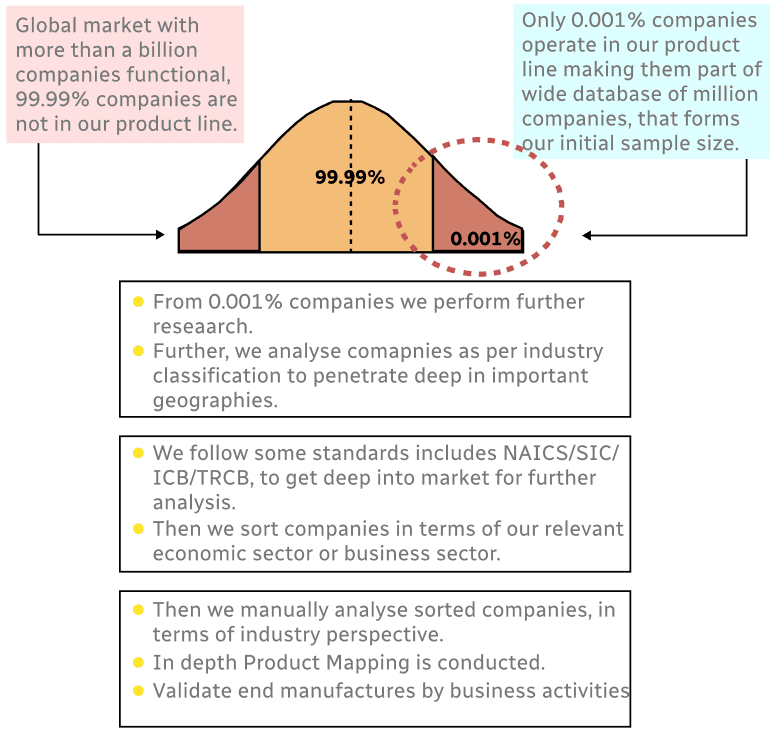
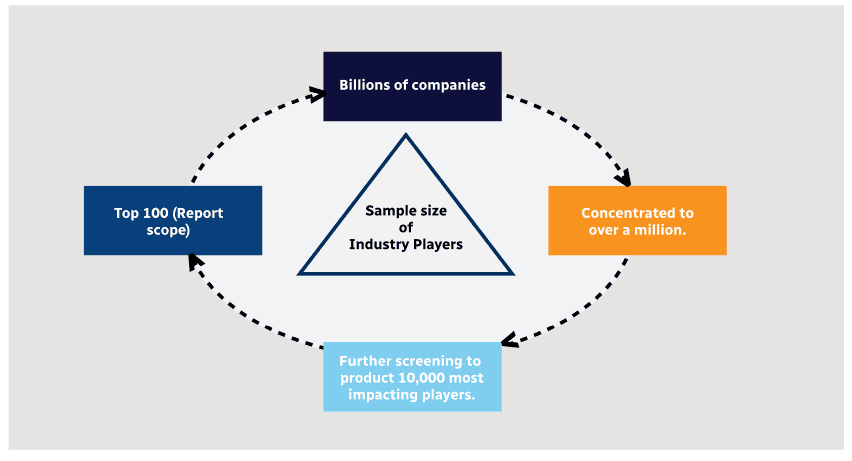
Step 1 - Identification of Relevant Samples Size from Population Database
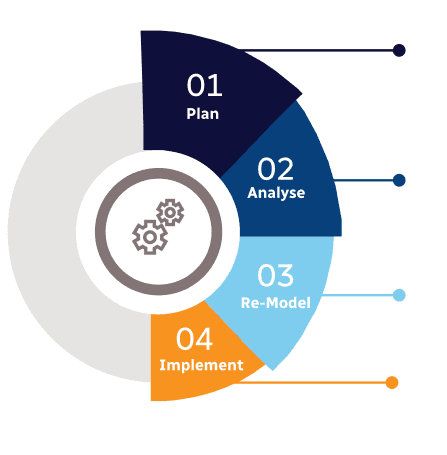
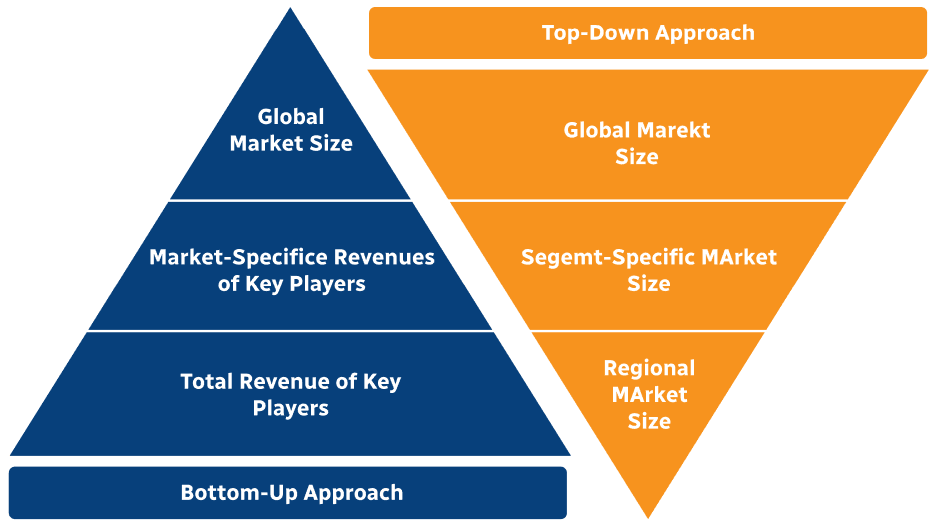
Step 2 - Approaches for Defining Global Market Size (Value, Volume* & Price*)
Note*: In applicable scenarios
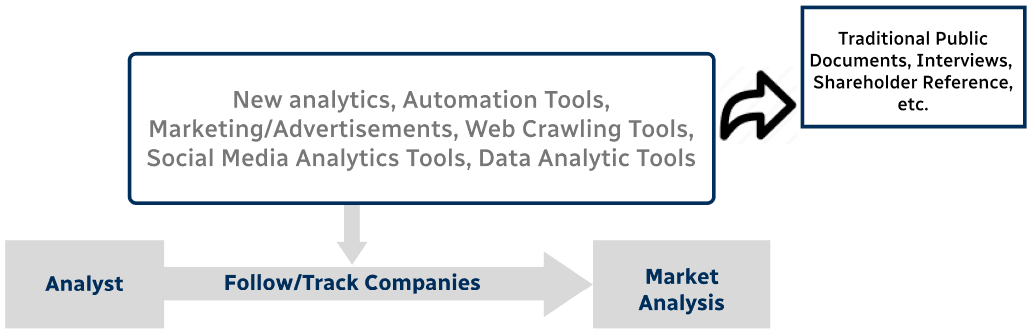
Step 3 - Data Sources
Primary Research
- Web Analytics
- Survey Reports
- Research Institute
- Latest Research Reports
- Opinion Leaders
Secondary Research
- Annual Reports
- White Paper
- Latest Press Release
- Industry Association
- Paid Database
- Investor Presentations
Step 4 - Data Triangulation
Involves using different sources of information in order to increase the validity of a study
These sources are likely to be stakeholders in a program - participants, other researchers, program staff, other community members, and so on.
Then we put all data in single framework & apply various statistical tools to find out the dynamic on the market.
During the analysis stage, feedback from the stakeholder groups would be compared to determine areas of agreement as well as areas of divergence