


Key Insights
The global soft cheese powder market is poised for robust expansion, projected to reach $821 million by 2025, driven by a compelling CAGR of 7.7% over the forecast period of 2025-2033. This growth trajectory is significantly influenced by the increasing demand for convenience foods and the versatile applications of cheese powders across various food industries. Key drivers include the burgeoning snack and convenience food sector, where cheese powders enhance flavor profiles and extend shelf life. The rising popularity of innovative food formulations, such as ready-to-eat meals, soups, and sauces, further fuels market demand. Furthermore, the evolving consumer preference for authentic and enhanced taste experiences in baked goods like biscuits is a substantial contributor. The market's expansion is also supported by advancements in processing technologies that improve the quality and shelf stability of cheese powders, making them a preferred ingredient for manufacturers.

Soft Cheese Powder Market Size (In Million)

The market segmentation by application reveals a strong emphasis on biscuits and snacks, which are expected to remain dominant segments due to widespread consumer appeal and continuous product innovation. However, significant growth potential is also anticipated in the soups and sauces categories, where cheese powders offer a convenient way to impart rich, cheesy flavors. Types such as Cheddar Cheese Powder, American Cheese Powder, and Mozzarella Cheese Powder are expected to witness steady demand, catering to diverse culinary preferences. Geographically, North America and Europe currently lead the market, owing to established food processing industries and high consumer spending on processed foods. The Asia Pacific region, however, is emerging as a high-growth area, driven by rapid urbanization, increasing disposable incomes, and a growing adoption of Westernized food trends. Despite the positive outlook, potential restraints include volatility in dairy prices and stringent regulatory compliances in certain regions, which manufacturers need to navigate strategically.

Soft Cheese Powder Company Market Share
Comprehensive Report on the Global Soft Cheese Powder Market: 2019-2033
This in-depth market research report provides an exhaustive analysis of the global Soft Cheese Powder market, covering historical trends, current dynamics, and future projections. Spanning the Study Period: 2019–2033, with a Base Year: 2025 and Forecast Period: 2025–2033, this report offers critical insights for industry stakeholders, including manufacturers, suppliers, ingredient providers, and end-users. The report meticulously examines market concentration, innovation, regulatory landscapes, consumer preferences, technological advancements, and competitive strategies, painting a clear picture of the market's trajectory and potential. With a focus on actionable intelligence, this report will empower businesses to make informed strategic decisions, capitalize on emerging opportunities, and navigate the challenges within the dynamic soft cheese powder industry.
Soft Cheese Powder Market Concentration & Innovation
The global soft cheese powder market exhibits a moderate to high level of concentration, with a significant portion of the market share held by a few established multinational corporations and key regional players. Innovation remains a critical differentiator, driven by the demand for enhanced flavor profiles, improved functionality (such as meltability and texture), and extended shelf life in various food applications. Key innovation drivers include advancements in drying technologies, such as spray drying and freeze-drying, which preserve the delicate characteristics of soft cheeses. Regulatory frameworks, particularly concerning food safety standards and ingredient labeling, play a crucial role in shaping product development and market entry. The threat of product substitutes, such as natural soft cheeses or alternative flavoring agents, necessitates continuous product improvement and value proposition enhancement. End-user trends are increasingly favoring convenience, clean label ingredients, and customized flavor solutions, pushing manufacturers to develop innovative soft cheese powder formulations that cater to these evolving demands. Mergers and acquisitions (M&A) activities are notable, with larger players acquiring smaller, specialized companies to expand their product portfolios, geographical reach, and technological capabilities. Recent M&A deal values have been in the range of tens to hundreds of millions of dollars, reflecting strategic consolidation within the sector.
Soft Cheese Powder Industry Trends & Insights
The soft cheese powder industry is poised for sustained growth, projected to experience a Compound Annual Growth Rate (CAGR) of approximately 5.7% over the forecast period. This expansion is primarily fueled by the burgeoning global processed food industry, where soft cheese powders serve as versatile and convenient ingredients. The increasing demand for convenience foods, ready-to-eat meals, and a wide array of snacks continues to be a major market growth driver. Consumers' evolving palates and growing interest in diverse culinary experiences also contribute significantly, as soft cheese powders offer an easy way to impart desirable cheesy flavors to various dishes. Technological disruptions, particularly in encapsulation and flavor-release technologies, are enabling the development of soft cheese powders with superior sensory attributes and performance characteristics. These advancements are crucial in addressing challenges related to flavor degradation and uniformity during food processing. Consumer preferences are leaning towards clean label products, driving a demand for soft cheese powders made from natural ingredients with minimal additives. The competitive dynamics are characterized by intense product innovation, strategic partnerships, and a focus on cost-effectiveness. Market penetration is steadily increasing across both developed and emerging economies, as manufacturers actively promote the versatility and cost-efficiency of soft cheese powders compared to their natural counterparts. The market penetration for key applications like snacks and sauces is estimated to be over 70% in developed regions.
Dominant Markets & Segments in Soft Cheese Powder
The Snacks segment, under Application, stands out as a dominant force in the global soft cheese powder market. The insatiable consumer appetite for savory snacks, including chips, crackers, extruded snacks, and cheese puffs, directly translates into substantial demand for cheese powders as key flavoring agents. The ease of application, cost-effectiveness, and the ability to deliver consistent, intense cheese flavors make soft cheese powders indispensable for snack manufacturers. Furthermore, the Cheddar Cheese Powder type is experiencing exceptional demand, owing to its universally popular and robust flavor profile, making it a staple ingredient in numerous snack formulations.
Key Drivers for Snack Segment Dominance:
- Consumer Preference for Savory Flavors: A global shift towards more savory and umami-rich flavor profiles in snacks.
- Convenience Food Boom: The widespread adoption of ready-to-eat and portable snack options.
- Cost-Effectiveness: Soft cheese powders offer a more economical flavoring solution compared to using natural cheese in large-scale snack production.
- Flavor Versatility: The ability of cheddar cheese powder to be blended or modified to create a wide range of nuanced cheesy flavors.
- Extended Shelf Life: Powdered forms enhance the shelf life of finished snack products.
In terms of geographical dominance, North America leads the market, driven by its mature and highly developed food processing industry and a strong consumer culture centered around snacks and convenience foods. The region's robust economic policies, advanced infrastructure for food manufacturing and distribution, and high disposable incomes contribute significantly to this leadership. The United States, in particular, is a major consumer and producer of snack foods, creating a substantial and consistent demand for soft cheese powders.
Soft Cheese Powder Product Developments
Recent product developments in the soft cheese powder market focus on enhancing natural flavor profiles, improving solubility, and creating specialized powders for niche applications. Innovations in spray-drying and agglomeration techniques are yielding powders with superior texture, consistency, and ease of dispersion, crucial for applications in biscuits and sauces. Companies are investing in research to create clean-label, all-natural soft cheese powders with reduced sodium content and enhanced nutritional profiles. The competitive advantage lies in offering tailored solutions that meet specific processing requirements and deliver authentic cheese taste, catering to the growing demand for high-quality, convenient food ingredients.
Report Scope & Segmentation Analysis
This report segments the global soft cheese powder market based on Application and Type. The Application segment includes Biscuits, Snacks, Soups, Sauces, and Others. The Type segment comprises Cheddar Cheese Powder, American Cheese Powder, and Mozzarella Cheese Powder.
- Application Segments: The Snacks segment is projected to dominate, with an estimated market size of over $1.5 billion in 2025, driven by its widespread use in savory snack production and an expected CAGR of 6.2%. Sauces and Soups represent significant growth areas, with market sizes estimated at over $0.7 billion and $0.5 billion respectively, driven by increasing demand for convenient meal solutions.
- Type Segments: Cheddar Cheese Powder is expected to hold the largest market share, valued at over $1.8 billion in 2025, due to its versatile flavor and broad appeal. American Cheese Powder and Mozzarella Cheese Powder also represent substantial markets, with projected market sizes of over $0.9 billion and $0.6 billion respectively, catering to specific product formulations and consumer preferences.
Key Drivers of Soft Cheese Powder Growth
The growth of the soft cheese powder market is propelled by several interconnected factors. The expanding global processed food industry, fueled by increasing urbanization and changing lifestyles, significantly drives demand. The convenience factor associated with soft cheese powders, offering ease of use and longer shelf life in food manufacturing, is a major economic driver. Technological advancements in drying and encapsulation technologies are improving product quality and functionality, further boosting adoption. Furthermore, a growing consumer preference for cheese-flavored products across various food categories, from snacks to ready meals, creates sustained market pull. Regulatory support for standardized food ingredients and the trend towards clean-label solutions are also important growth catalysts.
Challenges in the Soft Cheese Powder Sector
Despite the promising growth, the soft cheese powder sector faces several challenges. Fluctuations in raw milk prices and availability can impact production costs and supply chain stability. Stringent regulatory requirements in different regions regarding food additives, allergens, and labeling can pose barriers to market entry and product development. Intense competition from other flavoring agents and natural cheese alternatives necessitates continuous innovation and cost optimization. Moreover, consumer perception and the demand for "natural" and "minimally processed" ingredients can sometimes create a preference away from powdered products, requiring manufacturers to emphasize the quality and sourcing of their ingredients. Supply chain disruptions, as experienced during global events, can also pose significant challenges to timely delivery and cost management.
Emerging Opportunities in Soft Cheese Powder
Emerging opportunities in the soft cheese powder market lie in the development of specialized functional powders, such as low-fat or reduced-sodium variants, catering to the health-conscious consumer segment. The growing demand for plant-based alternatives also presents an opportunity for the development of dairy-free cheese powders. The expansion into emerging economies, particularly in Asia and Latin America, where the processed food market is rapidly growing, offers significant untapped potential. Furthermore, advancements in flavor encapsulation technology allow for the creation of innovative and exotic cheese flavors, opening new avenues in product development for confectionery and premium food products. Leveraging e-commerce platforms for direct-to-consumer sales of specialty cheese powders also presents a growing opportunity.
Leading Players in the Soft Cheese Powder Market
- Lactosan
- Kerry
- WILD Flavors
- Lácteos La Cristina
- NZMP
- Kraft Heinz Ingredients
- DairiConcepts
- Primo Cheese
- Glanbia Foods
- Indesso
- Commercial Creamery
- All American Foods
- Vika BV
- LAND O’LAKES
- Ballantyne
- e Lactalis
- Kanegrade
- Blue Grass Dairy
- Grozette
- Dairy Farmers of America
- IBT InterBioTech
- Rogue Creamery
- Schwarzwaldmilch Dairy Ingredients
- Food Source International
- Hoosier Hill Farm
- Aarkay
- Chilchota
Key Developments in Soft Cheese Powder Industry
- 2023 May: Kerry Group launches a new range of premium cheese powders with enhanced meltability for bakery applications.
- 2023 January: NZMP announces expansion of its cheese powder production facility to meet growing global demand.
- 2022 September: DairiConcepts introduces innovative low-sodium cheddar cheese powder targeting health-conscious consumers.
- 2022 March: Kraft Heinz Ingredients acquires a specialized flavor company to bolster its cheese powder portfolio.
- 2021 November: Lactosan develops a novel spray-drying technique to improve the shelf-life and flavor retention of its soft cheese powders.
- 2020 July: WILD Flavors introduces plant-based cheese flavor powders to cater to the vegan and flexitarian markets.
- 2019 December: Dairy Farmers of America invests in advanced processing technology to increase efficiency in cheese powder production.
Strategic Outlook for Soft Cheese Powder Market
The strategic outlook for the soft cheese powder market remains robust, driven by sustained demand from the global food processing sector. Key growth catalysts include continuous innovation in product development, focusing on enhanced flavors, functionalities, and health-conscious attributes. Strategic expansion into emerging markets, coupled with the exploration of new application areas like plant-based foods and personalized nutrition, will be crucial for future success. Companies that can effectively leverage technological advancements, maintain cost competitiveness, and adapt to evolving consumer preferences for natural and clean-label ingredients are well-positioned for long-term growth and market leadership in this dynamic industry.
Soft Cheese Powder Segmentation
-
1. Application
- 1.1. Biscuits
- 1.2. Snacks
- 1.3. Soups
- 1.4. Sauces
- 1.5. Others
-
2. Type
- 2.1. Cheddar Cheese Powder
- 2.2. American Cheese Powder
- 2.3. Mozzarella Cheese Powder
Soft Cheese Powder Segmentation By Geography
-
1. North America
- 1.1. United States
- 1.2. Canada
- 1.3. Mexico
-
2. South America
- 2.1. Brazil
- 2.2. Argentina
- 2.3. Rest of South America
-
3. Europe
- 3.1. United Kingdom
- 3.2. Germany
- 3.3. France
- 3.4. Italy
- 3.5. Spain
- 3.6. Russia
- 3.7. Benelux
- 3.8. Nordics
- 3.9. Rest of Europe
-
4. Middle East & Africa
- 4.1. Turkey
- 4.2. Israel
- 4.3. GCC
- 4.4. North Africa
- 4.5. South Africa
- 4.6. Rest of Middle East & Africa
-
5. Asia Pacific
- 5.1. China
- 5.2. India
- 5.3. Japan
- 5.4. South Korea
- 5.5. ASEAN
- 5.6. Oceania
- 5.7. Rest of Asia Pacific

Soft Cheese Powder Regional Market Share
Geographic Coverage of Soft Cheese Powder
Soft Cheese Powder REPORT HIGHLIGHTS
| Aspects | Details |
|---|---|
| Study Period | 2020-2034 |
| Base Year | 2025 |
| Estimated Year | 2026 |
| Forecast Period | 2026-2034 |
| Historical Period | 2020-2025 |
| Growth Rate | CAGR of 7.7% from 2020-2034 |
| Segmentation |
|
Table of Contents
- 1. Introduction
- 1.1. Research Scope
- 1.2. Market Segmentation
- 1.3. Research Methodology
- 1.4. Definitions and Assumptions
- 2. Executive Summary
- 2.1. Introduction
- 3. Market Dynamics
- 3.1. Introduction
- 3.2. Market Drivers
- 3.3. Market Restrains
- 3.4. Market Trends
- 4. Market Factor Analysis
- 4.1. Porters Five Forces
- 4.2. Supply/Value Chain
- 4.3. PESTEL analysis
- 4.4. Market Entropy
- 4.5. Patent/Trademark Analysis
- 5. Global Soft Cheese Powder Analysis, Insights and Forecast, 2020-2032
- 5.1. Market Analysis, Insights and Forecast - by Application
- 5.1.1. Biscuits
- 5.1.2. Snacks
- 5.1.3. Soups
- 5.1.4. Sauces
- 5.1.5. Others
- 5.2. Market Analysis, Insights and Forecast - by Type
- 5.2.1. Cheddar Cheese Powder
- 5.2.2. American Cheese Powder
- 5.2.3. Mozzarella Cheese Powder
- 5.3. Market Analysis, Insights and Forecast - by Region
- 5.3.1. North America
- 5.3.2. South America
- 5.3.3. Europe
- 5.3.4. Middle East & Africa
- 5.3.5. Asia Pacific
- 5.1. Market Analysis, Insights and Forecast - by Application
- 6. North America Soft Cheese Powder Analysis, Insights and Forecast, 2020-2032
- 6.1. Market Analysis, Insights and Forecast - by Application
- 6.1.1. Biscuits
- 6.1.2. Snacks
- 6.1.3. Soups
- 6.1.4. Sauces
- 6.1.5. Others
- 6.2. Market Analysis, Insights and Forecast - by Type
- 6.2.1. Cheddar Cheese Powder
- 6.2.2. American Cheese Powder
- 6.2.3. Mozzarella Cheese Powder
- 6.1. Market Analysis, Insights and Forecast - by Application
- 7. South America Soft Cheese Powder Analysis, Insights and Forecast, 2020-2032
- 7.1. Market Analysis, Insights and Forecast - by Application
- 7.1.1. Biscuits
- 7.1.2. Snacks
- 7.1.3. Soups
- 7.1.4. Sauces
- 7.1.5. Others
- 7.2. Market Analysis, Insights and Forecast - by Type
- 7.2.1. Cheddar Cheese Powder
- 7.2.2. American Cheese Powder
- 7.2.3. Mozzarella Cheese Powder
- 7.1. Market Analysis, Insights and Forecast - by Application
- 8. Europe Soft Cheese Powder Analysis, Insights and Forecast, 2020-2032
- 8.1. Market Analysis, Insights and Forecast - by Application
- 8.1.1. Biscuits
- 8.1.2. Snacks
- 8.1.3. Soups
- 8.1.4. Sauces
- 8.1.5. Others
- 8.2. Market Analysis, Insights and Forecast - by Type
- 8.2.1. Cheddar Cheese Powder
- 8.2.2. American Cheese Powder
- 8.2.3. Mozzarella Cheese Powder
- 8.1. Market Analysis, Insights and Forecast - by Application
- 9. Middle East & Africa Soft Cheese Powder Analysis, Insights and Forecast, 2020-2032
- 9.1. Market Analysis, Insights and Forecast - by Application
- 9.1.1. Biscuits
- 9.1.2. Snacks
- 9.1.3. Soups
- 9.1.4. Sauces
- 9.1.5. Others
- 9.2. Market Analysis, Insights and Forecast - by Type
- 9.2.1. Cheddar Cheese Powder
- 9.2.2. American Cheese Powder
- 9.2.3. Mozzarella Cheese Powder
- 9.1. Market Analysis, Insights and Forecast - by Application
- 10. Asia Pacific Soft Cheese Powder Analysis, Insights and Forecast, 2020-2032
- 10.1. Market Analysis, Insights and Forecast - by Application
- 10.1.1. Biscuits
- 10.1.2. Snacks
- 10.1.3. Soups
- 10.1.4. Sauces
- 10.1.5. Others
- 10.2. Market Analysis, Insights and Forecast - by Type
- 10.2.1. Cheddar Cheese Powder
- 10.2.2. American Cheese Powder
- 10.2.3. Mozzarella Cheese Powder
- 10.1. Market Analysis, Insights and Forecast - by Application
- 11. Competitive Analysis
- 11.1. Global Market Share Analysis 2025
- 11.2. Company Profiles
- 11.2.1 Lactosan
- 11.2.1.1. Overview
- 11.2.1.2. Products
- 11.2.1.3. SWOT Analysis
- 11.2.1.4. Recent Developments
- 11.2.1.5. Financials (Based on Availability)
- 11.2.2 Kerry
- 11.2.2.1. Overview
- 11.2.2.2. Products
- 11.2.2.3. SWOT Analysis
- 11.2.2.4. Recent Developments
- 11.2.2.5. Financials (Based on Availability)
- 11.2.3 WILD Flavors
- 11.2.3.1. Overview
- 11.2.3.2. Products
- 11.2.3.3. SWOT Analysis
- 11.2.3.4. Recent Developments
- 11.2.3.5. Financials (Based on Availability)
- 11.2.4 Lácteos La Cristina
- 11.2.4.1. Overview
- 11.2.4.2. Products
- 11.2.4.3. SWOT Analysis
- 11.2.4.4. Recent Developments
- 11.2.4.5. Financials (Based on Availability)
- 11.2.5 NZMP
- 11.2.5.1. Overview
- 11.2.5.2. Products
- 11.2.5.3. SWOT Analysis
- 11.2.5.4. Recent Developments
- 11.2.5.5. Financials (Based on Availability)
- 11.2.6 Kraft Heinz Ingredients
- 11.2.6.1. Overview
- 11.2.6.2. Products
- 11.2.6.3. SWOT Analysis
- 11.2.6.4. Recent Developments
- 11.2.6.5. Financials (Based on Availability)
- 11.2.7 DairiConcepts
- 11.2.7.1. Overview
- 11.2.7.2. Products
- 11.2.7.3. SWOT Analysis
- 11.2.7.4. Recent Developments
- 11.2.7.5. Financials (Based on Availability)
- 11.2.8 Primo Cheese
- 11.2.8.1. Overview
- 11.2.8.2. Products
- 11.2.8.3. SWOT Analysis
- 11.2.8.4. Recent Developments
- 11.2.8.5. Financials (Based on Availability)
- 11.2.9 Glanbia Foods
- 11.2.9.1. Overview
- 11.2.9.2. Products
- 11.2.9.3. SWOT Analysis
- 11.2.9.4. Recent Developments
- 11.2.9.5. Financials (Based on Availability)
- 11.2.10 Indesso
- 11.2.10.1. Overview
- 11.2.10.2. Products
- 11.2.10.3. SWOT Analysis
- 11.2.10.4. Recent Developments
- 11.2.10.5. Financials (Based on Availability)
- 11.2.11 Commercial Creamery
- 11.2.11.1. Overview
- 11.2.11.2. Products
- 11.2.11.3. SWOT Analysis
- 11.2.11.4. Recent Developments
- 11.2.11.5. Financials (Based on Availability)
- 11.2.12 All American Foods
- 11.2.12.1. Overview
- 11.2.12.2. Products
- 11.2.12.3. SWOT Analysis
- 11.2.12.4. Recent Developments
- 11.2.12.5. Financials (Based on Availability)
- 11.2.13 Vika BV
- 11.2.13.1. Overview
- 11.2.13.2. Products
- 11.2.13.3. SWOT Analysis
- 11.2.13.4. Recent Developments
- 11.2.13.5. Financials (Based on Availability)
- 11.2.14 LAND O’LAKES
- 11.2.14.1. Overview
- 11.2.14.2. Products
- 11.2.14.3. SWOT Analysis
- 11.2.14.4. Recent Developments
- 11.2.14.5. Financials (Based on Availability)
- 11.2.15 Ballantyne
- 11.2.15.1. Overview
- 11.2.15.2. Products
- 11.2.15.3. SWOT Analysis
- 11.2.15.4. Recent Developments
- 11.2.15.5. Financials (Based on Availability)
- 11.2.16 e Lactalis
- 11.2.16.1. Overview
- 11.2.16.2. Products
- 11.2.16.3. SWOT Analysis
- 11.2.16.4. Recent Developments
- 11.2.16.5. Financials (Based on Availability)
- 11.2.17 Kanegrade
- 11.2.17.1. Overview
- 11.2.17.2. Products
- 11.2.17.3. SWOT Analysis
- 11.2.17.4. Recent Developments
- 11.2.17.5. Financials (Based on Availability)
- 11.2.18 Blue Grass Dairy
- 11.2.18.1. Overview
- 11.2.18.2. Products
- 11.2.18.3. SWOT Analysis
- 11.2.18.4. Recent Developments
- 11.2.18.5. Financials (Based on Availability)
- 11.2.19 Grozette
- 11.2.19.1. Overview
- 11.2.19.2. Products
- 11.2.19.3. SWOT Analysis
- 11.2.19.4. Recent Developments
- 11.2.19.5. Financials (Based on Availability)
- 11.2.20 Dairy Farmers of America
- 11.2.20.1. Overview
- 11.2.20.2. Products
- 11.2.20.3. SWOT Analysis
- 11.2.20.4. Recent Developments
- 11.2.20.5. Financials (Based on Availability)
- 11.2.21 IBT InterBioTech
- 11.2.21.1. Overview
- 11.2.21.2. Products
- 11.2.21.3. SWOT Analysis
- 11.2.21.4. Recent Developments
- 11.2.21.5. Financials (Based on Availability)
- 11.2.22 Rogue Creamery
- 11.2.22.1. Overview
- 11.2.22.2. Products
- 11.2.22.3. SWOT Analysis
- 11.2.22.4. Recent Developments
- 11.2.22.5. Financials (Based on Availability)
- 11.2.23 Schwarzwaldmilch Dairy Ingredients
- 11.2.23.1. Overview
- 11.2.23.2. Products
- 11.2.23.3. SWOT Analysis
- 11.2.23.4. Recent Developments
- 11.2.23.5. Financials (Based on Availability)
- 11.2.24 Food Source International
- 11.2.24.1. Overview
- 11.2.24.2. Products
- 11.2.24.3. SWOT Analysis
- 11.2.24.4. Recent Developments
- 11.2.24.5. Financials (Based on Availability)
- 11.2.25 Hoosier Hill Farm
- 11.2.25.1. Overview
- 11.2.25.2. Products
- 11.2.25.3. SWOT Analysis
- 11.2.25.4. Recent Developments
- 11.2.25.5. Financials (Based on Availability)
- 11.2.26 Aarkay
- 11.2.26.1. Overview
- 11.2.26.2. Products
- 11.2.26.3. SWOT Analysis
- 11.2.26.4. Recent Developments
- 11.2.26.5. Financials (Based on Availability)
- 11.2.27 Chilchota
- 11.2.27.1. Overview
- 11.2.27.2. Products
- 11.2.27.3. SWOT Analysis
- 11.2.27.4. Recent Developments
- 11.2.27.5. Financials (Based on Availability)
- 11.2.1 Lactosan
List of Figures
- Figure 1: Global Soft Cheese Powder Revenue Breakdown (million, %) by Region 2025 & 2033
- Figure 2: North America Soft Cheese Powder Revenue (million), by Application 2025 & 2033
- Figure 3: North America Soft Cheese Powder Revenue Share (%), by Application 2025 & 2033
- Figure 4: North America Soft Cheese Powder Revenue (million), by Type 2025 & 2033
- Figure 5: North America Soft Cheese Powder Revenue Share (%), by Type 2025 & 2033
- Figure 6: North America Soft Cheese Powder Revenue (million), by Country 2025 & 2033
- Figure 7: North America Soft Cheese Powder Revenue Share (%), by Country 2025 & 2033
- Figure 8: South America Soft Cheese Powder Revenue (million), by Application 2025 & 2033
- Figure 9: South America Soft Cheese Powder Revenue Share (%), by Application 2025 & 2033
- Figure 10: South America Soft Cheese Powder Revenue (million), by Type 2025 & 2033
- Figure 11: South America Soft Cheese Powder Revenue Share (%), by Type 2025 & 2033
- Figure 12: South America Soft Cheese Powder Revenue (million), by Country 2025 & 2033
- Figure 13: South America Soft Cheese Powder Revenue Share (%), by Country 2025 & 2033
- Figure 14: Europe Soft Cheese Powder Revenue (million), by Application 2025 & 2033
- Figure 15: Europe Soft Cheese Powder Revenue Share (%), by Application 2025 & 2033
- Figure 16: Europe Soft Cheese Powder Revenue (million), by Type 2025 & 2033
- Figure 17: Europe Soft Cheese Powder Revenue Share (%), by Type 2025 & 2033
- Figure 18: Europe Soft Cheese Powder Revenue (million), by Country 2025 & 2033
- Figure 19: Europe Soft Cheese Powder Revenue Share (%), by Country 2025 & 2033
- Figure 20: Middle East & Africa Soft Cheese Powder Revenue (million), by Application 2025 & 2033
- Figure 21: Middle East & Africa Soft Cheese Powder Revenue Share (%), by Application 2025 & 2033
- Figure 22: Middle East & Africa Soft Cheese Powder Revenue (million), by Type 2025 & 2033
- Figure 23: Middle East & Africa Soft Cheese Powder Revenue Share (%), by Type 2025 & 2033
- Figure 24: Middle East & Africa Soft Cheese Powder Revenue (million), by Country 2025 & 2033
- Figure 25: Middle East & Africa Soft Cheese Powder Revenue Share (%), by Country 2025 & 2033
- Figure 26: Asia Pacific Soft Cheese Powder Revenue (million), by Application 2025 & 2033
- Figure 27: Asia Pacific Soft Cheese Powder Revenue Share (%), by Application 2025 & 2033
- Figure 28: Asia Pacific Soft Cheese Powder Revenue (million), by Type 2025 & 2033
- Figure 29: Asia Pacific Soft Cheese Powder Revenue Share (%), by Type 2025 & 2033
- Figure 30: Asia Pacific Soft Cheese Powder Revenue (million), by Country 2025 & 2033
- Figure 31: Asia Pacific Soft Cheese Powder Revenue Share (%), by Country 2025 & 2033
List of Tables
- Table 1: Global Soft Cheese Powder Revenue million Forecast, by Application 2020 & 2033
- Table 2: Global Soft Cheese Powder Revenue million Forecast, by Type 2020 & 2033
- Table 3: Global Soft Cheese Powder Revenue million Forecast, by Region 2020 & 2033
- Table 4: Global Soft Cheese Powder Revenue million Forecast, by Application 2020 & 2033
- Table 5: Global Soft Cheese Powder Revenue million Forecast, by Type 2020 & 2033
- Table 6: Global Soft Cheese Powder Revenue million Forecast, by Country 2020 & 2033
- Table 7: United States Soft Cheese Powder Revenue (million) Forecast, by Application 2020 & 2033
- Table 8: Canada Soft Cheese Powder Revenue (million) Forecast, by Application 2020 & 2033
- Table 9: Mexico Soft Cheese Powder Revenue (million) Forecast, by Application 2020 & 2033
- Table 10: Global Soft Cheese Powder Revenue million Forecast, by Application 2020 & 2033
- Table 11: Global Soft Cheese Powder Revenue million Forecast, by Type 2020 & 2033
- Table 12: Global Soft Cheese Powder Revenue million Forecast, by Country 2020 & 2033
- Table 13: Brazil Soft Cheese Powder Revenue (million) Forecast, by Application 2020 & 2033
- Table 14: Argentina Soft Cheese Powder Revenue (million) Forecast, by Application 2020 & 2033
- Table 15: Rest of South America Soft Cheese Powder Revenue (million) Forecast, by Application 2020 & 2033
- Table 16: Global Soft Cheese Powder Revenue million Forecast, by Application 2020 & 2033
- Table 17: Global Soft Cheese Powder Revenue million Forecast, by Type 2020 & 2033
- Table 18: Global Soft Cheese Powder Revenue million Forecast, by Country 2020 & 2033
- Table 19: United Kingdom Soft Cheese Powder Revenue (million) Forecast, by Application 2020 & 2033
- Table 20: Germany Soft Cheese Powder Revenue (million) Forecast, by Application 2020 & 2033
- Table 21: France Soft Cheese Powder Revenue (million) Forecast, by Application 2020 & 2033
- Table 22: Italy Soft Cheese Powder Revenue (million) Forecast, by Application 2020 & 2033
- Table 23: Spain Soft Cheese Powder Revenue (million) Forecast, by Application 2020 & 2033
- Table 24: Russia Soft Cheese Powder Revenue (million) Forecast, by Application 2020 & 2033
- Table 25: Benelux Soft Cheese Powder Revenue (million) Forecast, by Application 2020 & 2033
- Table 26: Nordics Soft Cheese Powder Revenue (million) Forecast, by Application 2020 & 2033
- Table 27: Rest of Europe Soft Cheese Powder Revenue (million) Forecast, by Application 2020 & 2033
- Table 28: Global Soft Cheese Powder Revenue million Forecast, by Application 2020 & 2033
- Table 29: Global Soft Cheese Powder Revenue million Forecast, by Type 2020 & 2033
- Table 30: Global Soft Cheese Powder Revenue million Forecast, by Country 2020 & 2033
- Table 31: Turkey Soft Cheese Powder Revenue (million) Forecast, by Application 2020 & 2033
- Table 32: Israel Soft Cheese Powder Revenue (million) Forecast, by Application 2020 & 2033
- Table 33: GCC Soft Cheese Powder Revenue (million) Forecast, by Application 2020 & 2033
- Table 34: North Africa Soft Cheese Powder Revenue (million) Forecast, by Application 2020 & 2033
- Table 35: South Africa Soft Cheese Powder Revenue (million) Forecast, by Application 2020 & 2033
- Table 36: Rest of Middle East & Africa Soft Cheese Powder Revenue (million) Forecast, by Application 2020 & 2033
- Table 37: Global Soft Cheese Powder Revenue million Forecast, by Application 2020 & 2033
- Table 38: Global Soft Cheese Powder Revenue million Forecast, by Type 2020 & 2033
- Table 39: Global Soft Cheese Powder Revenue million Forecast, by Country 2020 & 2033
- Table 40: China Soft Cheese Powder Revenue (million) Forecast, by Application 2020 & 2033
- Table 41: India Soft Cheese Powder Revenue (million) Forecast, by Application 2020 & 2033
- Table 42: Japan Soft Cheese Powder Revenue (million) Forecast, by Application 2020 & 2033
- Table 43: South Korea Soft Cheese Powder Revenue (million) Forecast, by Application 2020 & 2033
- Table 44: ASEAN Soft Cheese Powder Revenue (million) Forecast, by Application 2020 & 2033
- Table 45: Oceania Soft Cheese Powder Revenue (million) Forecast, by Application 2020 & 2033
- Table 46: Rest of Asia Pacific Soft Cheese Powder Revenue (million) Forecast, by Application 2020 & 2033
Frequently Asked Questions
1. What is the projected Compound Annual Growth Rate (CAGR) of the Soft Cheese Powder?
The projected CAGR is approximately 7.7%.
2. Which companies are prominent players in the Soft Cheese Powder?
Key companies in the market include Lactosan, Kerry, WILD Flavors, Lácteos La Cristina, NZMP, Kraft Heinz Ingredients, DairiConcepts, Primo Cheese, Glanbia Foods, Indesso, Commercial Creamery, All American Foods, Vika BV, LAND O’LAKES, Ballantyne, e Lactalis, Kanegrade, Blue Grass Dairy, Grozette, Dairy Farmers of America, IBT InterBioTech, Rogue Creamery, Schwarzwaldmilch Dairy Ingredients, Food Source International, Hoosier Hill Farm, Aarkay, Chilchota.
3. What are the main segments of the Soft Cheese Powder?
The market segments include Application, Type.
4. Can you provide details about the market size?
The market size is estimated to be USD 821 million as of 2022.
5. What are some drivers contributing to market growth?
N/A
6. What are the notable trends driving market growth?
N/A
7. Are there any restraints impacting market growth?
N/A
8. Can you provide examples of recent developments in the market?
N/A
9. What pricing options are available for accessing the report?
Pricing options include single-user, multi-user, and enterprise licenses priced at USD 4900.00, USD 7350.00, and USD 9800.00 respectively.
10. Is the market size provided in terms of value or volume?
The market size is provided in terms of value, measured in million.
11. Are there any specific market keywords associated with the report?
Yes, the market keyword associated with the report is "Soft Cheese Powder," which aids in identifying and referencing the specific market segment covered.
12. How do I determine which pricing option suits my needs best?
The pricing options vary based on user requirements and access needs. Individual users may opt for single-user licenses, while businesses requiring broader access may choose multi-user or enterprise licenses for cost-effective access to the report.
13. Are there any additional resources or data provided in the Soft Cheese Powder report?
While the report offers comprehensive insights, it's advisable to review the specific contents or supplementary materials provided to ascertain if additional resources or data are available.
14. How can I stay updated on further developments or reports in the Soft Cheese Powder?
To stay informed about further developments, trends, and reports in the Soft Cheese Powder, consider subscribing to industry newsletters, following relevant companies and organizations, or regularly checking reputable industry news sources and publications.
Methodology
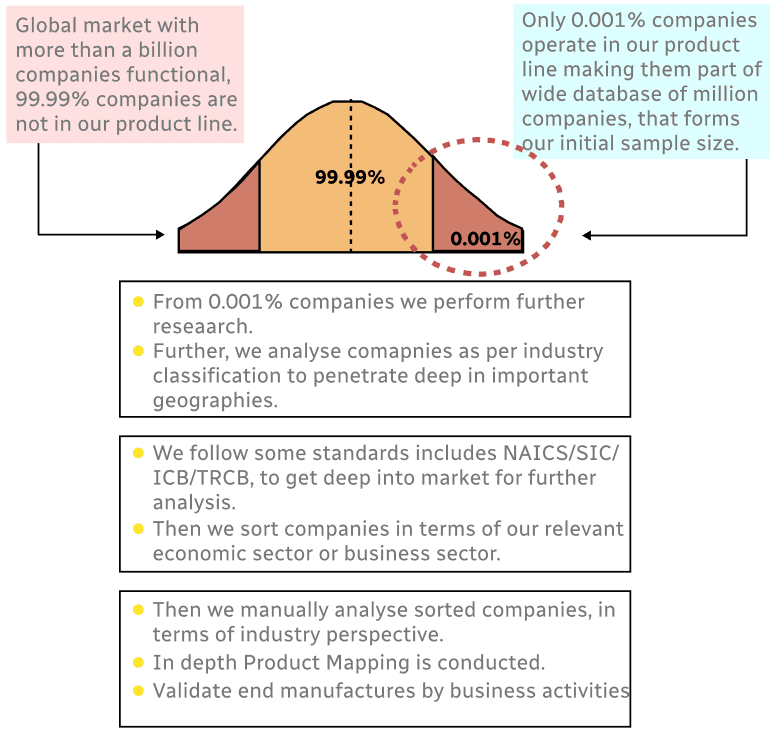
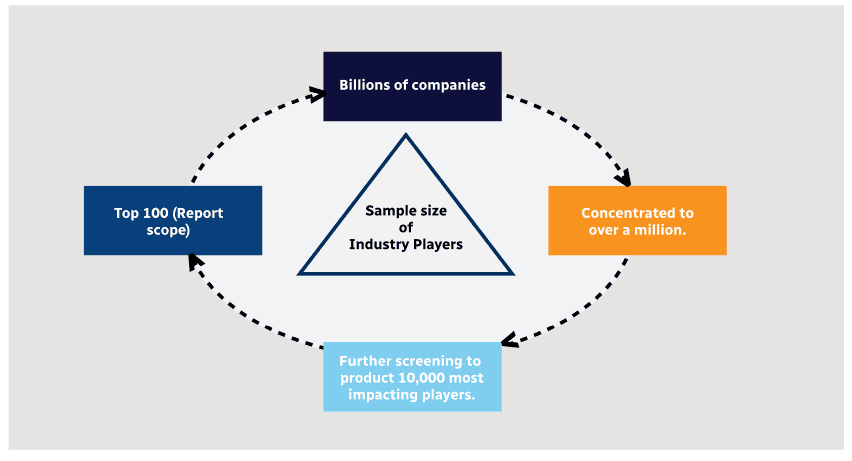
Step 1 - Identification of Relevant Samples Size from Population Database
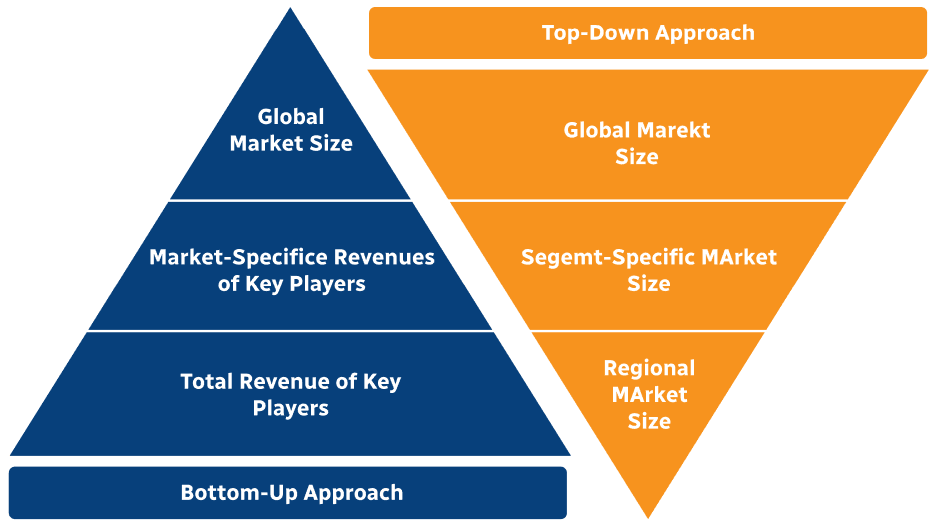
Step 2 - Approaches for Defining Global Market Size (Value, Volume* & Price*)
Note*: In applicable scenarios
Step 3 - Data Sources
Primary Research
- Web Analytics
- Survey Reports
- Research Institute
- Latest Research Reports
- Opinion Leaders
Secondary Research
- Annual Reports
- White Paper
- Latest Press Release
- Industry Association
- Paid Database
- Investor Presentations
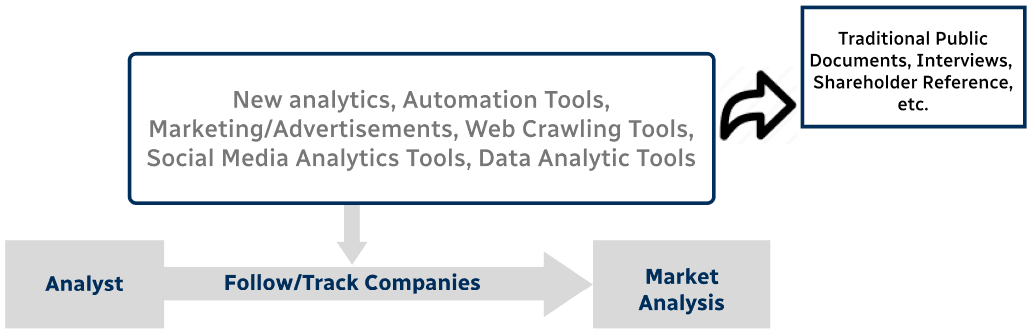
Step 4 - Data Triangulation
Involves using different sources of information in order to increase the validity of a study
These sources are likely to be stakeholders in a program - participants, other researchers, program staff, other community members, and so on.
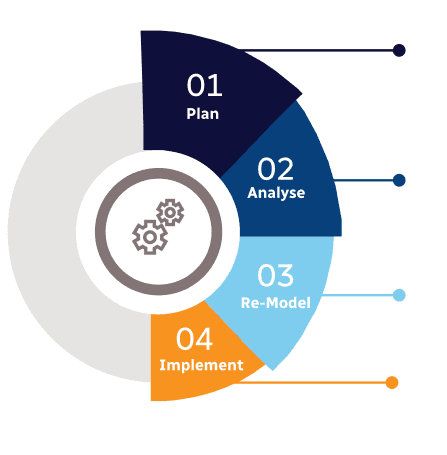
Then we put all data in single framework & apply various statistical tools to find out the dynamic on the market.
During the analysis stage, feedback from the stakeholder groups would be compared to determine areas of agreement as well as areas of divergence