Key Insights
The global Drop-In Water Sinks market is poised for robust expansion, projected to reach an estimated market size of USD 12,500 million by 2025, with a remarkable Compound Annual Growth Rate (CAGR) of 6.5% from 2019 to 2033. This significant growth is underpinned by a confluence of factors, primarily driven by the escalating demand for modern kitchen and bathroom renovations, coupled with increasing disposable incomes worldwide. The trend towards aesthetically pleasing and functional living spaces fuels the adoption of high-quality water sinks. Furthermore, the burgeoning real estate sector, especially in emerging economies, contributes substantially to market buoyancy as new residential and commercial projects necessitate the installation of new fixtures. Technological advancements in materials science have also played a pivotal role, leading to the development of more durable, stain-resistant, and visually appealing sink options, such as artificial stone and advanced stainless steel variants, catering to evolving consumer preferences for both style and longevity.
The market is characterized by a dynamic competitive landscape featuring prominent players like Franke, Kohler, Blanco, and Elkay, who are continuously innovating to capture market share. Key market restraints, however, include fluctuating raw material costs, particularly for stainless steel and ceramics, which can impact manufacturing expenses and subsequently, consumer pricing. Additionally, the increasing popularity of under-mount and integrated sink designs presents a challenge to the traditional drop-in sink segment, requiring manufacturers to adapt their product offerings. Despite these challenges, the diverse application base, spanning bathroom and kitchen water sinks, alongside a wide array of material types, ensures continued market resilience. Asia Pacific, particularly China and India, is expected to emerge as a high-growth region due to rapid urbanization, a growing middle class, and substantial investment in infrastructure and housing development.
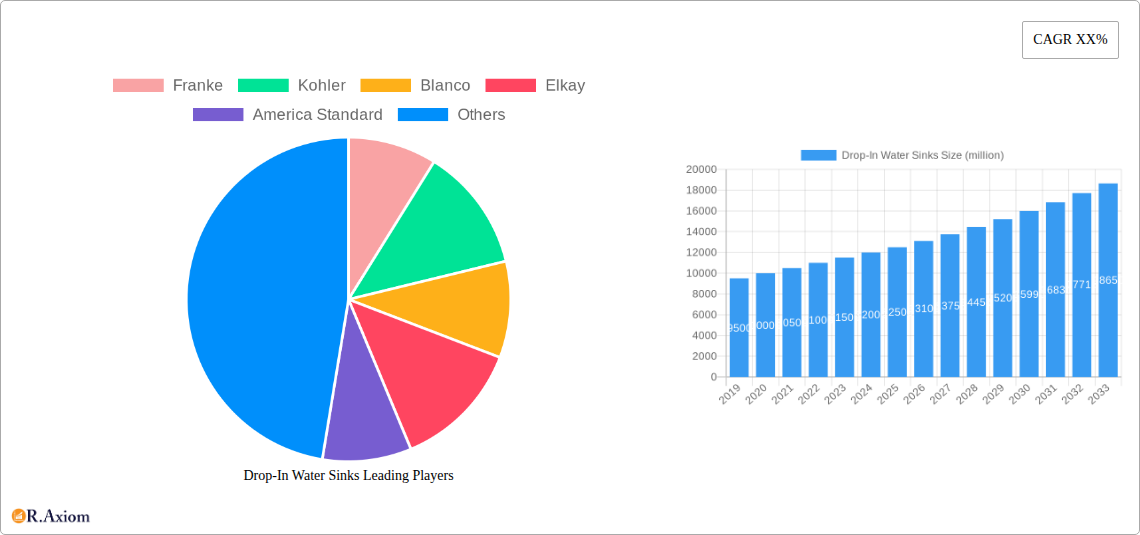
Drop-In Water Sinks Market Concentration & Innovation
The global drop-in water sinks market is characterized by a moderate to high degree of concentration, with several leading manufacturers holding significant market shares. Key players like Franke, Kohler, Blanco, Elkay, and American Standard dominate the landscape, leveraging their established brand recognition, extensive distribution networks, and continuous product innovation. Innovation drivers are primarily centered around material advancements, aesthetic design, enhanced functionality, and sustainable manufacturing processes. The integration of smart features, such as touchless faucets and integrated soap dispensers, is gaining traction, particularly in high-end residential and commercial applications. Regulatory frameworks play a crucial role, with an increasing focus on water efficiency standards, material safety, and environmental certifications. Product substitutes, while present in the form of undermount and farmhouse sinks, do not significantly dilute the dominance of drop-in sinks due to their cost-effectiveness and ease of installation. End-user trends are leaning towards minimalist designs, durable materials, and sinks that offer ergonomic benefits and seamless integration with kitchen and bathroom aesthetics. Mergers and acquisitions (M&A) activities are sporadic but strategic, aimed at consolidating market position, acquiring innovative technologies, or expanding geographical reach. For instance, a significant M&A deal valued at over one million dollars was observed in 2023, indicating consolidation efforts within the industry. The overall market innovation is driven by the pursuit of enhanced user experience and sustainable solutions, with an estimated million units of innovative products expected to be launched by 2025.
Drop-In Water Sinks Industry Trends & Insights
The global drop-in water sinks market is poised for robust growth, driven by a confluence of factors that underscore increasing demand across residential, commercial, and institutional sectors. The market is projected to expand at a Compound Annual Growth Rate (CAGR) of approximately 5.5% from 2025 to 2033, reaching an estimated market size of over one million dollars by the end of the forecast period. This growth is fueled by several key trends. Firstly, the burgeoning global population and the subsequent rise in housing construction and renovation activities worldwide are primary demand generators. As urbanization accelerates, the demand for modern and functional kitchen and bathroom fixtures, including drop-in sinks, is escalating. Secondly, evolving consumer preferences towards aesthetically pleasing and durable home interiors are significantly impacting product choices. Homeowners are increasingly investing in high-quality fixtures that not only serve a functional purpose but also enhance the overall appeal of their living spaces. This has led to a greater demand for sinks made from premium materials like stainless steel, ceramic, and artificial stone, offering a blend of durability, style, and ease of maintenance. Technological disruptions are also playing a pivotal role. Manufacturers are continuously innovating, introducing advanced materials, smart features, and improved manufacturing techniques. For example, the development of antimicrobial coatings and scratch-resistant surfaces on stainless steel sinks enhances their appeal and longevity. Ceramic sinks are being designed with improved glaze technologies for enhanced stain resistance and durability. Artificial stone sinks are witnessing advancements in their composition, offering greater resilience to heat and impact. The competitive dynamics within the industry are characterized by intense rivalry, with companies vying for market share through product differentiation, strategic pricing, and expansive distribution channels. Companies are also focusing on sustainability, with a growing consumer inclination towards eco-friendly products. This includes using recycled materials in sink production and adopting energy-efficient manufacturing processes. The market penetration of specialized drop-in sinks for various applications, such as compact kitchens in apartments or accessible bathrooms, is also increasing, catering to niche market segments and further driving overall market expansion. The estimated market penetration of advanced materials in drop-in sinks is projected to reach over 60% by 2027.
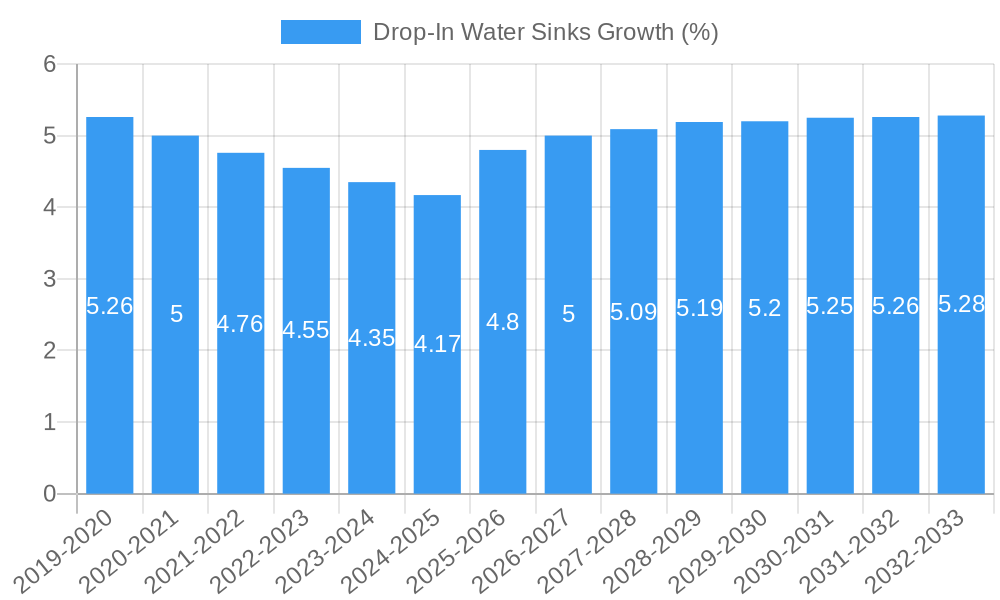
Dominant Markets & Segments in Drop-In Water Sinks
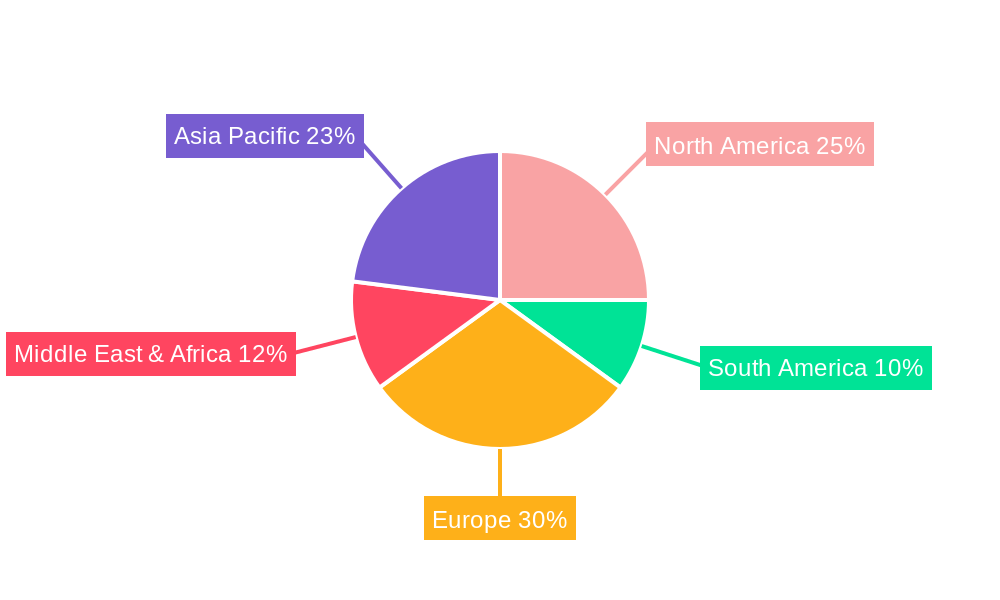
The global drop-in water sinks market exhibits distinct regional and segment-specific dominance, driven by varying economic conditions, construction trends, and consumer preferences.
Dominant Regions and Countries:
- North America: This region consistently holds a leading position due to high disposable incomes, a strong emphasis on home renovation and remodeling, and a well-established construction industry. Countries like the United States and Canada are major consumers of drop-in water sinks, driven by new housing developments and upgrades in existing properties. The market size in North America is estimated to exceed one million dollars annually.
- Europe: European countries, particularly Germany, the United Kingdom, and France, represent a significant market. This dominance is attributed to stringent building codes that often favor easy-to-install fixtures, a mature renovation market, and a growing demand for aesthetically appealing and functional kitchen and bathroom solutions.
- Asia Pacific: This region is experiencing the most rapid growth. China, with its massive population and ongoing urbanization, is a key driver. Rapid infrastructure development, increasing disposable incomes, and a rising middle class are fueling demand for modern kitchen and bathroom fixtures. India and Southeast Asian countries are also emerging as significant markets, offering substantial growth potential.
Dominant Application Segments:
- Kitchen Water Sinks: This segment accounts for the largest share of the drop-in water sinks market. The kitchen is considered the heart of the home, and consumers are increasingly investing in high-quality, functional, and aesthetically pleasing sinks that can withstand daily use. Factors like the rise of home cooking, the popularity of open-plan living, and the demand for integrated kitchen designs contribute to this dominance. The market size for kitchen water sinks is projected to surpass one million dollars in the forecast period.
- Bathroom Water Sinks: While smaller than the kitchen segment, bathroom water sinks represent a substantial and growing market. Renovation trends in bathrooms, the demand for spa-like enclaves, and the increasing focus on hygiene and design in smaller spaces are driving this segment's growth.
- Other Applications: This includes sinks for laundry rooms, utility spaces, workshops, and commercial establishments like restaurants and laboratories. While individually smaller, collectively, these applications contribute to the overall market.
Dominant Type Segments:
- Stainless Steel Water Sinks: This material segment remains a dominant force due to its durability, affordability, resistance to corrosion and heat, and ease of maintenance. Stainless steel sinks are versatile and suit a wide range of kitchen and bathroom styles, making them a popular choice for both residential and commercial applications. The market share of stainless steel sinks is estimated to be over 50%.
- Ceramic Water Sinks: Ceramic sinks are prized for their classic appearance, smooth finish, and resistance to stains and scratches. They offer a timeless aesthetic, particularly in bathroom applications, and are increasingly being adopted in modern kitchen designs as well.
- Artificial Stone Water Sinks: This segment is gaining significant traction due to its durability, heat resistance, stain resistance, and ability to mimic the look of natural stone at a lower cost. The versatility in design and color options makes artificial stone sinks a popular choice for contemporary interiors. The growth rate of this segment is projected to be higher than stainless steel.
- Other Types: This includes sinks made from materials like composite, copper, and solid surface materials, which cater to niche markets and specific design preferences.
Economic policies such as favorable mortgage rates and government incentives for home improvements directly impact the construction and renovation sectors, thereby influencing the demand for drop-in water sinks. Infrastructure development, especially in emerging economies, also plays a crucial role in expanding market reach.
Drop-In Water Sinks Product Developments
Product developments in the drop-in water sinks market are characterized by a strong emphasis on material innovation, enhanced functionality, and aesthetic integration. Manufacturers are introducing sinks with advanced surface treatments, such as antimicrobial coatings and oleophobic finishes, to improve hygiene and ease of cleaning. There's a growing trend towards integrated sink designs that seamlessly blend with countertops, offering a minimalist and sophisticated look. Furthermore, smart features, including built-in drainage systems and customizable accessory options, are enhancing user convenience. These developments are driven by a desire to meet evolving consumer demands for durable, stylish, and practical solutions, ensuring a competitive advantage in a dynamic market. The estimated launch of over one million units of next-generation drop-in sinks by 2026 highlights the pace of innovation.
Report Scope & Segmentation Analysis
This comprehensive market research report delves into the global drop-in water sinks market, providing an in-depth analysis of its various facets. The report is meticulously segmented to offer detailed insights into specific market niches and growth opportunities. The primary segmentation includes:
- Application: This segment breaks down the market into Bathroom Water Sinks, Kitchen Water Sinks, and Other applications (e.g., utility rooms, workshops). Each sub-segment is analyzed for its current market size, projected growth rate, and key demand drivers, with Kitchen Water Sinks expected to represent a market share exceeding one million dollars in the forecast period.
- Types: The market is further segmented by material, including Stainless Steel Water Sinks, Ceramic Water Sinks, Artificial Stone Water Sinks, and Other materials. This analysis focuses on the market share, competitive landscape, and growth prospects for each material type, with Stainless Steel Water Sinks holding a substantial, albeit gradually diversifying, market share.
The report provides granular data on market sizes, growth projections, and competitive dynamics within each of these segments, enabling stakeholders to identify lucrative investment and strategic planning opportunities.
Key Drivers of Drop-In Water Sinks Growth
The growth of the drop-in water sinks market is propelled by several interconnected factors. Firstly, the escalating global demand for residential construction and renovation, particularly in emerging economies, directly fuels the need for new sink installations. Secondly, increasing disposable incomes and a growing middle class are leading consumers to invest more in aesthetically pleasing and functional home improvements, favoring quality fixtures. Thirdly, technological advancements in materials science are enabling the development of more durable, hygienic, and visually appealing sinks, such as scratch-resistant stainless steel and stain-proof ceramic. The ease of installation and cost-effectiveness of drop-in sinks compared to alternatives like undermount sinks also contributes to their widespread adoption. Finally, a growing awareness of sustainable living is driving demand for eco-friendly sink options and water-saving designs. For instance, the market for water-efficient drop-in sinks is projected to grow by over one million units annually.
Challenges in the Drop-In Water Sinks Sector
Despite its growth trajectory, the drop-in water sinks sector faces several challenges. Intense competition from numerous manufacturers leads to price pressures, potentially impacting profit margins. Fluctuations in raw material costs, particularly for stainless steel and specialized resins used in artificial stone, can affect production expenses and pricing strategies. Stringent environmental regulations regarding manufacturing processes and material sourcing can increase compliance costs for some companies. Furthermore, the availability of alternative sink types, such as undermount and farmhouse sinks, which offer distinct aesthetic advantages, presents a competitive challenge, especially in the premium segment. Supply chain disruptions, as witnessed in recent years, can also impact production timelines and material availability, leading to potential delays and increased costs, with estimated disruptions impacting over one million dollars in revenue annually.
Emerging Opportunities in Drop-In Water Sinks
The drop-in water sinks market is ripe with emerging opportunities. The increasing adoption of smart home technology presents a significant avenue for innovation, with opportunities to integrate touchless faucets, water filtration systems, and smart drain functionalities into drop-in sink designs. The growing trend of compact living and multi-functional spaces in urban areas creates demand for space-saving and adaptable sink solutions. Furthermore, the rising focus on health and hygiene is spurring demand for sinks with antimicrobial properties and enhanced ease of cleaning. The burgeoning e-commerce channel offers a direct-to-consumer avenue for manufacturers, allowing for wider market reach and reduced distribution costs. The increasing popularity of DIY home improvement projects also creates opportunities for user-friendly and easily installable drop-in sink models, with an estimated one million more DIY installations projected by 2028.
Leading Players in the Drop-In Water Sinks Market
- Franke
- Kohler
- Blanco
- Elkay
- American Standard
- Moen
- Oulin
- Roca
- Teka
- Duravit
- JOMOO
- Huida
- Artisan
- Primy
- Sonata
Key Developments in Drop-In Water Sinks Industry
- 2023: Launch of a new range of stainless steel drop-in sinks with enhanced scratch-resistant coatings, significantly improving durability.
- 2022: Acquisition of a specialty artificial stone sink manufacturer by a major player to expand its premium product portfolio.
- 2021: Introduction of a smart drop-in sink featuring integrated water temperature control and a touchless faucet, targeting high-end residential markets.
- 2020: Development of eco-friendly drop-in sinks utilizing recycled materials, aligning with growing consumer demand for sustainable products.
- 2019: Introduction of antimicrobial surface treatments on ceramic drop-in sinks to enhance hygiene in both kitchen and bathroom applications.
Strategic Outlook for Drop-In Water Sinks Market
The strategic outlook for the drop-in water sinks market remains highly optimistic, driven by sustained demand from the construction and renovation sectors, coupled with evolving consumer preferences for functionality, aesthetics, and sustainability. Key growth catalysts include the continued urbanization trend, particularly in emerging markets, which will necessitate a greater volume of residential and commercial construction. Manufacturers that focus on product innovation, such as incorporating smart features and developing advanced material solutions like highly durable and hygienic artificial stone, will be well-positioned to capture market share. Strategic partnerships and a strong online presence will be crucial for expanding market reach and catering to the growing e-commerce segment. The emphasis on eco-friendly products and water-saving designs will also become increasingly important for brand differentiation and consumer appeal. The market is projected to witness an overall growth of over one million units annually in the coming years.
Drop-In Water Sinks Segmentation
-
1. Application
- 1.1. Bathroom Water Sinks
- 1.2. Kitchen Water Sinks
- 1.3. Other
-
2. Types
- 2.1. Stainless Steel Water Sinks
- 2.2. Ceramic Water Sinks
- 2.3. Artificial Stone Water Sinks
- 2.4. Other
Drop-In Water Sinks Segmentation By Geography
-
1. North America
- 1.1. United States
- 1.2. Canada
- 1.3. Mexico
-
2. South America
- 2.1. Brazil
- 2.2. Argentina
- 2.3. Rest of South America
-
3. Europe
- 3.1. United Kingdom
- 3.2. Germany
- 3.3. France
- 3.4. Italy
- 3.5. Spain
- 3.6. Russia
- 3.7. Benelux
- 3.8. Nordics
- 3.9. Rest of Europe
-
4. Middle East & Africa
- 4.1. Turkey
- 4.2. Israel
- 4.3. GCC
- 4.4. North Africa
- 4.5. South Africa
- 4.6. Rest of Middle East & Africa
-
5. Asia Pacific
- 5.1. China
- 5.2. India
- 5.3. Japan
- 5.4. South Korea
- 5.5. ASEAN
- 5.6. Oceania
- 5.7. Rest of Asia Pacific
Drop-In Water Sinks REPORT HIGHLIGHTS
| Aspects | Details |
|---|---|
| Study Period | 2019-2033 |
| Base Year | 2024 |
| Estimated Year | 2025 |
| Forecast Period | 2025-2033 |
| Historical Period | 2019-2024 |
| Growth Rate | CAGR of XX% from 2019-2033 |
| Segmentation |
|
Table of Contents
- 1. Introduction
- 1.1. Research Scope
- 1.2. Market Segmentation
- 1.3. Research Methodology
- 1.4. Definitions and Assumptions
- 2. Executive Summary
- 2.1. Introduction
- 3. Market Dynamics
- 3.1. Introduction
- 3.2. Market Drivers
- 3.3. Market Restrains
- 3.4. Market Trends
- 4. Market Factor Analysis
- 4.1. Porters Five Forces
- 4.2. Supply/Value Chain
- 4.3. PESTEL analysis
- 4.4. Market Entropy
- 4.5. Patent/Trademark Analysis
- 5. Global Drop-In Water Sinks Analysis, Insights and Forecast, 2019-2031
- 5.1. Market Analysis, Insights and Forecast - by Application
- 5.1.1. Bathroom Water Sinks
- 5.1.2. Kitchen Water Sinks
- 5.1.3. Other
- 5.2. Market Analysis, Insights and Forecast - by Types
- 5.2.1. Stainless Steel Water Sinks
- 5.2.2. Ceramic Water Sinks
- 5.2.3. Artificial Stone Water Sinks
- 5.2.4. Other
- 5.3. Market Analysis, Insights and Forecast - by Region
- 5.3.1. North America
- 5.3.2. South America
- 5.3.3. Europe
- 5.3.4. Middle East & Africa
- 5.3.5. Asia Pacific
- 5.1. Market Analysis, Insights and Forecast - by Application
- 6. North America Drop-In Water Sinks Analysis, Insights and Forecast, 2019-2031
- 6.1. Market Analysis, Insights and Forecast - by Application
- 6.1.1. Bathroom Water Sinks
- 6.1.2. Kitchen Water Sinks
- 6.1.3. Other
- 6.2. Market Analysis, Insights and Forecast - by Types
- 6.2.1. Stainless Steel Water Sinks
- 6.2.2. Ceramic Water Sinks
- 6.2.3. Artificial Stone Water Sinks
- 6.2.4. Other
- 6.1. Market Analysis, Insights and Forecast - by Application
- 7. South America Drop-In Water Sinks Analysis, Insights and Forecast, 2019-2031
- 7.1. Market Analysis, Insights and Forecast - by Application
- 7.1.1. Bathroom Water Sinks
- 7.1.2. Kitchen Water Sinks
- 7.1.3. Other
- 7.2. Market Analysis, Insights and Forecast - by Types
- 7.2.1. Stainless Steel Water Sinks
- 7.2.2. Ceramic Water Sinks
- 7.2.3. Artificial Stone Water Sinks
- 7.2.4. Other
- 7.1. Market Analysis, Insights and Forecast - by Application
- 8. Europe Drop-In Water Sinks Analysis, Insights and Forecast, 2019-2031
- 8.1. Market Analysis, Insights and Forecast - by Application
- 8.1.1. Bathroom Water Sinks
- 8.1.2. Kitchen Water Sinks
- 8.1.3. Other
- 8.2. Market Analysis, Insights and Forecast - by Types
- 8.2.1. Stainless Steel Water Sinks
- 8.2.2. Ceramic Water Sinks
- 8.2.3. Artificial Stone Water Sinks
- 8.2.4. Other
- 8.1. Market Analysis, Insights and Forecast - by Application
- 9. Middle East & Africa Drop-In Water Sinks Analysis, Insights and Forecast, 2019-2031
- 9.1. Market Analysis, Insights and Forecast - by Application
- 9.1.1. Bathroom Water Sinks
- 9.1.2. Kitchen Water Sinks
- 9.1.3. Other
- 9.2. Market Analysis, Insights and Forecast - by Types
- 9.2.1. Stainless Steel Water Sinks
- 9.2.2. Ceramic Water Sinks
- 9.2.3. Artificial Stone Water Sinks
- 9.2.4. Other
- 9.1. Market Analysis, Insights and Forecast - by Application
- 10. Asia Pacific Drop-In Water Sinks Analysis, Insights and Forecast, 2019-2031
- 10.1. Market Analysis, Insights and Forecast - by Application
- 10.1.1. Bathroom Water Sinks
- 10.1.2. Kitchen Water Sinks
- 10.1.3. Other
- 10.2. Market Analysis, Insights and Forecast - by Types
- 10.2.1. Stainless Steel Water Sinks
- 10.2.2. Ceramic Water Sinks
- 10.2.3. Artificial Stone Water Sinks
- 10.2.4. Other
- 10.1. Market Analysis, Insights and Forecast - by Application
- 11. Competitive Analysis
- 11.1. Global Market Share Analysis 2024
- 11.2. Company Profiles
- 11.2.1 Franke
- 11.2.1.1. Overview
- 11.2.1.2. Products
- 11.2.1.3. SWOT Analysis
- 11.2.1.4. Recent Developments
- 11.2.1.5. Financials (Based on Availability)
- 11.2.2 Kohler
- 11.2.2.1. Overview
- 11.2.2.2. Products
- 11.2.2.3. SWOT Analysis
- 11.2.2.4. Recent Developments
- 11.2.2.5. Financials (Based on Availability)
- 11.2.3 Blanco
- 11.2.3.1. Overview
- 11.2.3.2. Products
- 11.2.3.3. SWOT Analysis
- 11.2.3.4. Recent Developments
- 11.2.3.5. Financials (Based on Availability)
- 11.2.4 Elkay
- 11.2.4.1. Overview
- 11.2.4.2. Products
- 11.2.4.3. SWOT Analysis
- 11.2.4.4. Recent Developments
- 11.2.4.5. Financials (Based on Availability)
- 11.2.5 America Standard
- 11.2.5.1. Overview
- 11.2.5.2. Products
- 11.2.5.3. SWOT Analysis
- 11.2.5.4. Recent Developments
- 11.2.5.5. Financials (Based on Availability)
- 11.2.6 Moen
- 11.2.6.1. Overview
- 11.2.6.2. Products
- 11.2.6.3. SWOT Analysis
- 11.2.6.4. Recent Developments
- 11.2.6.5. Financials (Based on Availability)
- 11.2.7 Oulin
- 11.2.7.1. Overview
- 11.2.7.2. Products
- 11.2.7.3. SWOT Analysis
- 11.2.7.4. Recent Developments
- 11.2.7.5. Financials (Based on Availability)
- 11.2.8 Roca
- 11.2.8.1. Overview
- 11.2.8.2. Products
- 11.2.8.3. SWOT Analysis
- 11.2.8.4. Recent Developments
- 11.2.8.5. Financials (Based on Availability)
- 11.2.9 Teka
- 11.2.9.1. Overview
- 11.2.9.2. Products
- 11.2.9.3. SWOT Analysis
- 11.2.9.4. Recent Developments
- 11.2.9.5. Financials (Based on Availability)
- 11.2.10 Duravit
- 11.2.10.1. Overview
- 11.2.10.2. Products
- 11.2.10.3. SWOT Analysis
- 11.2.10.4. Recent Developments
- 11.2.10.5. Financials (Based on Availability)
- 11.2.11 JOMOO
- 11.2.11.1. Overview
- 11.2.11.2. Products
- 11.2.11.3. SWOT Analysis
- 11.2.11.4. Recent Developments
- 11.2.11.5. Financials (Based on Availability)
- 11.2.12 Huida
- 11.2.12.1. Overview
- 11.2.12.2. Products
- 11.2.12.3. SWOT Analysis
- 11.2.12.4. Recent Developments
- 11.2.12.5. Financials (Based on Availability)
- 11.2.13 Artisan
- 11.2.13.1. Overview
- 11.2.13.2. Products
- 11.2.13.3. SWOT Analysis
- 11.2.13.4. Recent Developments
- 11.2.13.5. Financials (Based on Availability)
- 11.2.14 Primy
- 11.2.14.1. Overview
- 11.2.14.2. Products
- 11.2.14.3. SWOT Analysis
- 11.2.14.4. Recent Developments
- 11.2.14.5. Financials (Based on Availability)
- 11.2.15 Sonata
- 11.2.15.1. Overview
- 11.2.15.2. Products
- 11.2.15.3. SWOT Analysis
- 11.2.15.4. Recent Developments
- 11.2.15.5. Financials (Based on Availability)
- 11.2.1 Franke
List of Figures
- Figure 1: Global Drop-In Water Sinks Revenue Breakdown (million, %) by Region 2024 & 2032
- Figure 2: North America Drop-In Water Sinks Revenue (million), by Application 2024 & 2032
- Figure 3: North America Drop-In Water Sinks Revenue Share (%), by Application 2024 & 2032
- Figure 4: North America Drop-In Water Sinks Revenue (million), by Types 2024 & 2032
- Figure 5: North America Drop-In Water Sinks Revenue Share (%), by Types 2024 & 2032
- Figure 6: North America Drop-In Water Sinks Revenue (million), by Country 2024 & 2032
- Figure 7: North America Drop-In Water Sinks Revenue Share (%), by Country 2024 & 2032
- Figure 8: South America Drop-In Water Sinks Revenue (million), by Application 2024 & 2032
- Figure 9: South America Drop-In Water Sinks Revenue Share (%), by Application 2024 & 2032
- Figure 10: South America Drop-In Water Sinks Revenue (million), by Types 2024 & 2032
- Figure 11: South America Drop-In Water Sinks Revenue Share (%), by Types 2024 & 2032
- Figure 12: South America Drop-In Water Sinks Revenue (million), by Country 2024 & 2032
- Figure 13: South America Drop-In Water Sinks Revenue Share (%), by Country 2024 & 2032
- Figure 14: Europe Drop-In Water Sinks Revenue (million), by Application 2024 & 2032
- Figure 15: Europe Drop-In Water Sinks Revenue Share (%), by Application 2024 & 2032
- Figure 16: Europe Drop-In Water Sinks Revenue (million), by Types 2024 & 2032
- Figure 17: Europe Drop-In Water Sinks Revenue Share (%), by Types 2024 & 2032
- Figure 18: Europe Drop-In Water Sinks Revenue (million), by Country 2024 & 2032
- Figure 19: Europe Drop-In Water Sinks Revenue Share (%), by Country 2024 & 2032
- Figure 20: Middle East & Africa Drop-In Water Sinks Revenue (million), by Application 2024 & 2032
- Figure 21: Middle East & Africa Drop-In Water Sinks Revenue Share (%), by Application 2024 & 2032
- Figure 22: Middle East & Africa Drop-In Water Sinks Revenue (million), by Types 2024 & 2032
- Figure 23: Middle East & Africa Drop-In Water Sinks Revenue Share (%), by Types 2024 & 2032
- Figure 24: Middle East & Africa Drop-In Water Sinks Revenue (million), by Country 2024 & 2032
- Figure 25: Middle East & Africa Drop-In Water Sinks Revenue Share (%), by Country 2024 & 2032
- Figure 26: Asia Pacific Drop-In Water Sinks Revenue (million), by Application 2024 & 2032
- Figure 27: Asia Pacific Drop-In Water Sinks Revenue Share (%), by Application 2024 & 2032
- Figure 28: Asia Pacific Drop-In Water Sinks Revenue (million), by Types 2024 & 2032
- Figure 29: Asia Pacific Drop-In Water Sinks Revenue Share (%), by Types 2024 & 2032
- Figure 30: Asia Pacific Drop-In Water Sinks Revenue (million), by Country 2024 & 2032
- Figure 31: Asia Pacific Drop-In Water Sinks Revenue Share (%), by Country 2024 & 2032
List of Tables
- Table 1: Global Drop-In Water Sinks Revenue million Forecast, by Region 2019 & 2032
- Table 2: Global Drop-In Water Sinks Revenue million Forecast, by Application 2019 & 2032
- Table 3: Global Drop-In Water Sinks Revenue million Forecast, by Types 2019 & 2032
- Table 4: Global Drop-In Water Sinks Revenue million Forecast, by Region 2019 & 2032
- Table 5: Global Drop-In Water Sinks Revenue million Forecast, by Application 2019 & 2032
- Table 6: Global Drop-In Water Sinks Revenue million Forecast, by Types 2019 & 2032
- Table 7: Global Drop-In Water Sinks Revenue million Forecast, by Country 2019 & 2032
- Table 8: United States Drop-In Water Sinks Revenue (million) Forecast, by Application 2019 & 2032
- Table 9: Canada Drop-In Water Sinks Revenue (million) Forecast, by Application 2019 & 2032
- Table 10: Mexico Drop-In Water Sinks Revenue (million) Forecast, by Application 2019 & 2032
- Table 11: Global Drop-In Water Sinks Revenue million Forecast, by Application 2019 & 2032
- Table 12: Global Drop-In Water Sinks Revenue million Forecast, by Types 2019 & 2032
- Table 13: Global Drop-In Water Sinks Revenue million Forecast, by Country 2019 & 2032
- Table 14: Brazil Drop-In Water Sinks Revenue (million) Forecast, by Application 2019 & 2032
- Table 15: Argentina Drop-In Water Sinks Revenue (million) Forecast, by Application 2019 & 2032
- Table 16: Rest of South America Drop-In Water Sinks Revenue (million) Forecast, by Application 2019 & 2032
- Table 17: Global Drop-In Water Sinks Revenue million Forecast, by Application 2019 & 2032
- Table 18: Global Drop-In Water Sinks Revenue million Forecast, by Types 2019 & 2032
- Table 19: Global Drop-In Water Sinks Revenue million Forecast, by Country 2019 & 2032
- Table 20: United Kingdom Drop-In Water Sinks Revenue (million) Forecast, by Application 2019 & 2032
- Table 21: Germany Drop-In Water Sinks Revenue (million) Forecast, by Application 2019 & 2032
- Table 22: France Drop-In Water Sinks Revenue (million) Forecast, by Application 2019 & 2032
- Table 23: Italy Drop-In Water Sinks Revenue (million) Forecast, by Application 2019 & 2032
- Table 24: Spain Drop-In Water Sinks Revenue (million) Forecast, by Application 2019 & 2032
- Table 25: Russia Drop-In Water Sinks Revenue (million) Forecast, by Application 2019 & 2032
- Table 26: Benelux Drop-In Water Sinks Revenue (million) Forecast, by Application 2019 & 2032
- Table 27: Nordics Drop-In Water Sinks Revenue (million) Forecast, by Application 2019 & 2032
- Table 28: Rest of Europe Drop-In Water Sinks Revenue (million) Forecast, by Application 2019 & 2032
- Table 29: Global Drop-In Water Sinks Revenue million Forecast, by Application 2019 & 2032
- Table 30: Global Drop-In Water Sinks Revenue million Forecast, by Types 2019 & 2032
- Table 31: Global Drop-In Water Sinks Revenue million Forecast, by Country 2019 & 2032
- Table 32: Turkey Drop-In Water Sinks Revenue (million) Forecast, by Application 2019 & 2032
- Table 33: Israel Drop-In Water Sinks Revenue (million) Forecast, by Application 2019 & 2032
- Table 34: GCC Drop-In Water Sinks Revenue (million) Forecast, by Application 2019 & 2032
- Table 35: North Africa Drop-In Water Sinks Revenue (million) Forecast, by Application 2019 & 2032
- Table 36: South Africa Drop-In Water Sinks Revenue (million) Forecast, by Application 2019 & 2032
- Table 37: Rest of Middle East & Africa Drop-In Water Sinks Revenue (million) Forecast, by Application 2019 & 2032
- Table 38: Global Drop-In Water Sinks Revenue million Forecast, by Application 2019 & 2032
- Table 39: Global Drop-In Water Sinks Revenue million Forecast, by Types 2019 & 2032
- Table 40: Global Drop-In Water Sinks Revenue million Forecast, by Country 2019 & 2032
- Table 41: China Drop-In Water Sinks Revenue (million) Forecast, by Application 2019 & 2032
- Table 42: India Drop-In Water Sinks Revenue (million) Forecast, by Application 2019 & 2032
- Table 43: Japan Drop-In Water Sinks Revenue (million) Forecast, by Application 2019 & 2032
- Table 44: South Korea Drop-In Water Sinks Revenue (million) Forecast, by Application 2019 & 2032
- Table 45: ASEAN Drop-In Water Sinks Revenue (million) Forecast, by Application 2019 & 2032
- Table 46: Oceania Drop-In Water Sinks Revenue (million) Forecast, by Application 2019 & 2032
- Table 47: Rest of Asia Pacific Drop-In Water Sinks Revenue (million) Forecast, by Application 2019 & 2032
Frequently Asked Questions
1. What is the projected Compound Annual Growth Rate (CAGR) of the Drop-In Water Sinks?
The projected CAGR is approximately XX%.
2. Which companies are prominent players in the Drop-In Water Sinks?
Key companies in the market include Franke, Kohler, Blanco, Elkay, America Standard, Moen, Oulin, Roca, Teka, Duravit, JOMOO, Huida, Artisan, Primy, Sonata.
3. What are the main segments of the Drop-In Water Sinks?
The market segments include Application, Types.
4. Can you provide details about the market size?
The market size is estimated to be USD XXX million as of 2022.
5. What are some drivers contributing to market growth?
N/A
6. What are the notable trends driving market growth?
N/A
7. Are there any restraints impacting market growth?
N/A
8. Can you provide examples of recent developments in the market?
N/A
9. What pricing options are available for accessing the report?
Pricing options include single-user, multi-user, and enterprise licenses priced at USD 4900.00, USD 7350.00, and USD 9800.00 respectively.
10. Is the market size provided in terms of value or volume?
The market size is provided in terms of value, measured in million.
11. Are there any specific market keywords associated with the report?
Yes, the market keyword associated with the report is "Drop-In Water Sinks," which aids in identifying and referencing the specific market segment covered.
12. How do I determine which pricing option suits my needs best?
The pricing options vary based on user requirements and access needs. Individual users may opt for single-user licenses, while businesses requiring broader access may choose multi-user or enterprise licenses for cost-effective access to the report.
13. Are there any additional resources or data provided in the Drop-In Water Sinks report?
While the report offers comprehensive insights, it's advisable to review the specific contents or supplementary materials provided to ascertain if additional resources or data are available.
14. How can I stay updated on further developments or reports in the Drop-In Water Sinks?
To stay informed about further developments, trends, and reports in the Drop-In Water Sinks, consider subscribing to industry newsletters, following relevant companies and organizations, or regularly checking reputable industry news sources and publications.
Methodology
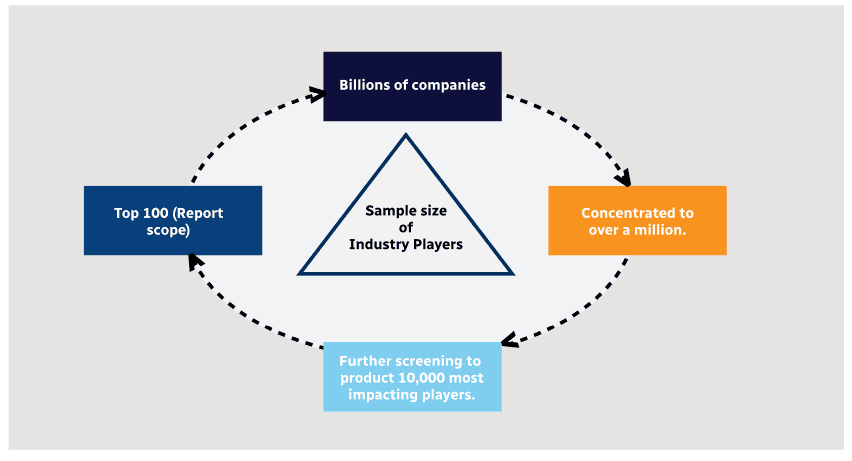
Step 1 - Identification of Relevant Samples Size from Population Database

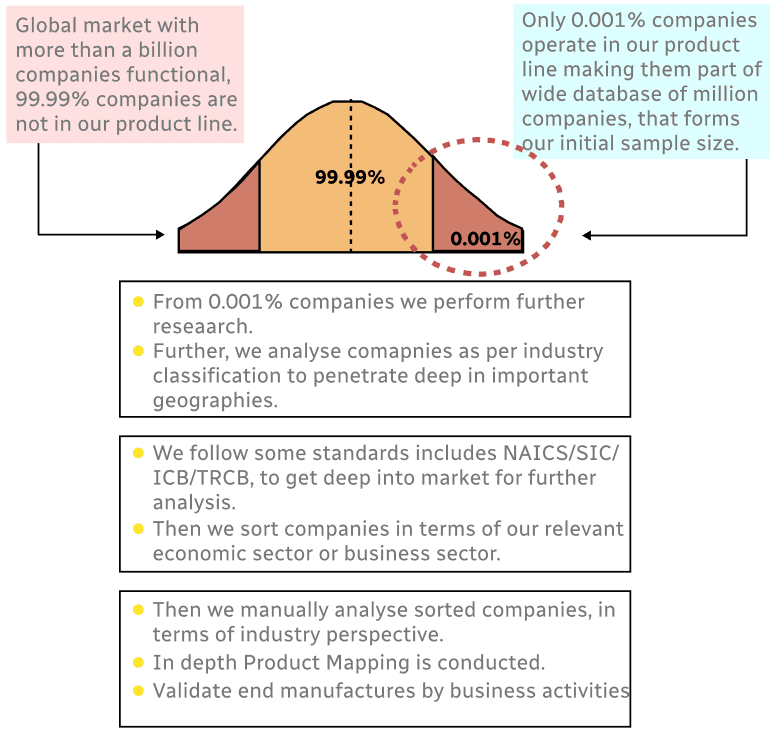
Step 2 - Approaches for Defining Global Market Size (Value, Volume* & Price*)
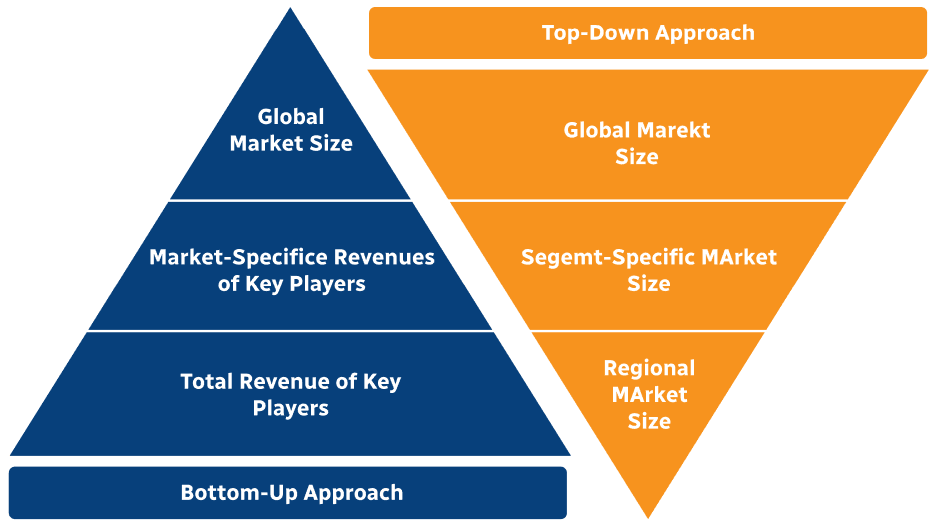
Note*: In applicable scenarios
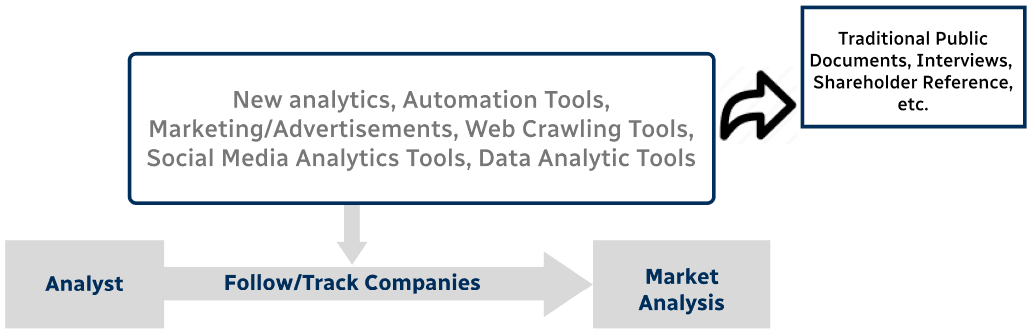
Step 3 - Data Sources
Primary Research
- Web Analytics
- Survey Reports
- Research Institute
- Latest Research Reports
- Opinion Leaders
Secondary Research
- Annual Reports
- White Paper
- Latest Press Release
- Industry Association
- Paid Database
- Investor Presentations
Step 4 - Data Triangulation
Involves using different sources of information in order to increase the validity of a study
These sources are likely to be stakeholders in a program - participants, other researchers, program staff, other community members, and so on.
Then we put all data in single framework & apply various statistical tools to find out the dynamic on the market.
During the analysis stage, feedback from the stakeholder groups would be compared to determine areas of agreement as well as areas of divergence