Key Insights
The automotive chip market, valued at $89.40 billion in 2025, is projected to experience robust growth, exhibiting a Compound Annual Growth Rate (CAGR) of 10.68% from 2025 to 2033. This expansion is driven by several key factors. The increasing adoption of advanced driver-assistance systems (ADAS), such as lane departure warnings, adaptive cruise control, and automated emergency braking, necessitates sophisticated and numerous chips. The parallel rise of electric vehicles (EVs) further fuels demand, as these vehicles require significantly more semiconductor content than traditional internal combustion engine (ICE) vehicles, particularly in areas like battery management systems and power inverters. Furthermore, the ongoing trend toward connected cars, enabling features like infotainment systems and over-the-air updates, contributes significantly to the market's growth trajectory. Connectivity features demand powerful processors and communication chips, pushing the need for more complex and high-performance solutions.
However, the market faces certain challenges. Supply chain disruptions, particularly the persistent impact of the global chip shortage, remain a significant restraint on growth. The industry is working to mitigate these issues through diversification of sourcing and increased investments in manufacturing capacity. Fluctuations in raw material prices and geopolitical uncertainties also pose risks to the industry's stability. Despite these obstacles, the long-term outlook for the automotive chip market remains positive, driven by the inevitable technological advancements in automotive technology, further strengthening the demand for specialized and high-performance semiconductors. Key players such as STMicroelectronics, Infineon, and NXP Semiconductors are actively engaged in research and development to meet the evolving needs of the automotive industry, strengthening their market positions and driving further innovation within the sector.
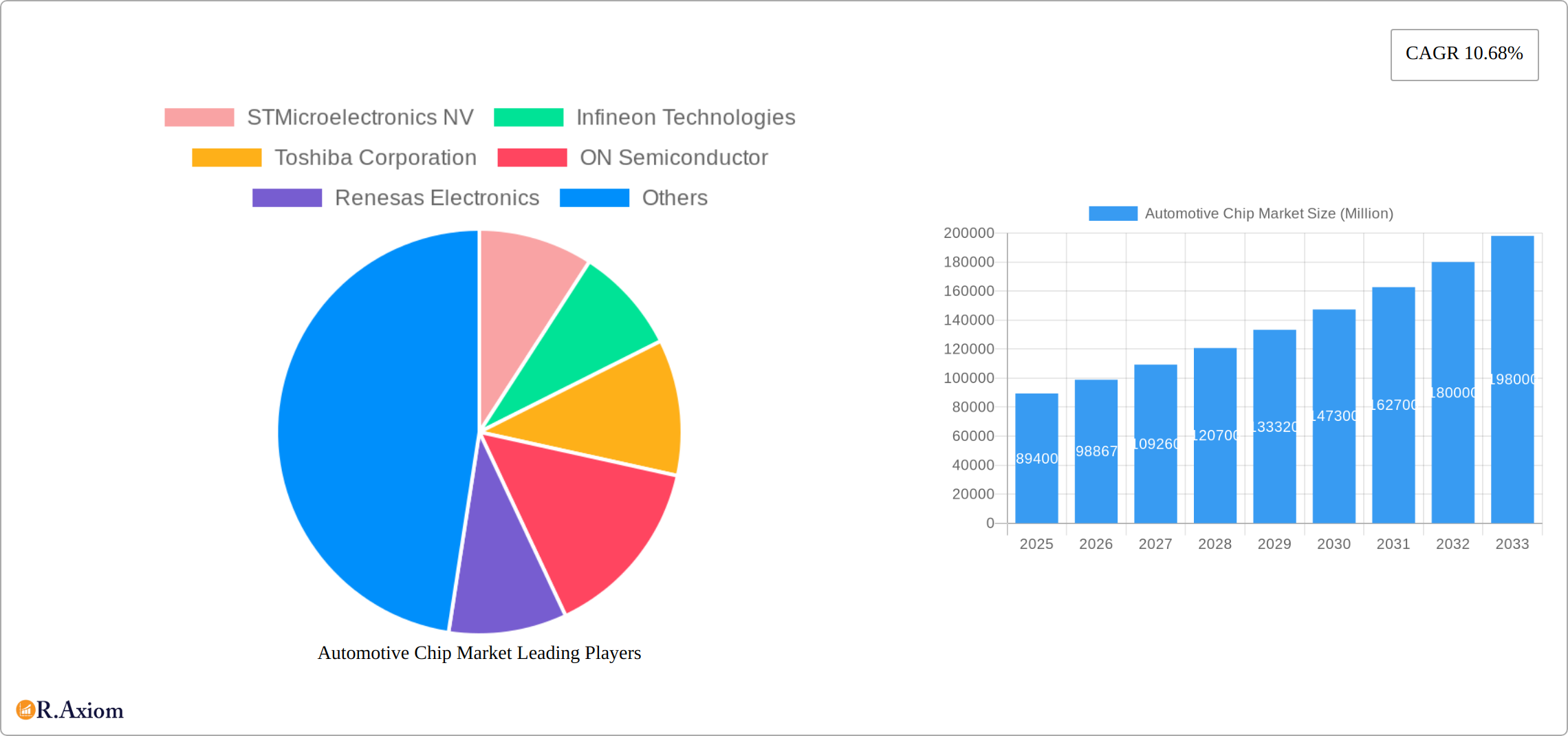
Automotive Chip Market: A Comprehensive Report (2019-2033)
This detailed report provides a comprehensive analysis of the Automotive Chip Market, covering the period from 2019 to 2033. It offers actionable insights into market dynamics, key players, technological advancements, and future growth prospects. The report is essential for industry stakeholders, investors, and anyone seeking a deep understanding of this rapidly evolving sector. The market is projected to reach xx Million by 2033, exhibiting a robust CAGR of xx% during the forecast period (2025-2033).
Automotive Chip Market Concentration & Innovation
The automotive chip market exhibits a moderately concentrated landscape, with a handful of major players holding significant market share. However, the industry is characterized by intense competition and continuous innovation. Leading players include STMicroelectronics NV, Infineon Technologies, Toshiba Corporation, ON Semiconductor, Renesas Electronics, Robert Bosch GmbH, NXP Semiconductors, Texas Instruments Incorporated, Analog Devices Inc, Micron Technology, Rohm Co Ltd, Intel Corporation, Vishay Intertechnology, Nexperia, Mitsubishi Electric, Wolfspeed Inc, Semikron Danfoss, Littlefuse Inc, Alpha and Omega Semiconductor Limited, and Microchip Technology Incorporated. The market share of the top 5 players is estimated at xx%, with the remaining share distributed among numerous smaller companies and niche players.
- Market Concentration: The Herfindahl-Hirschman Index (HHI) for the automotive chip market is estimated at xx, indicating a moderately concentrated market.
- Innovation Drivers: The relentless demand for enhanced vehicle safety, autonomous driving capabilities, and improved fuel efficiency is a major driver of innovation. This is further fueled by the increasing adoption of advanced driver-assistance systems (ADAS) and electric vehicles (EVs).
- Regulatory Frameworks: Stringent safety and emissions regulations globally are shaping the industry landscape, necessitating the development of more sophisticated and reliable automotive chips.
- Product Substitutes: Currently, there are limited direct substitutes for specialized automotive chips. However, the development of alternative technologies, like software-defined vehicles, could potentially impact the market in the long term.
- End-User Trends: The shift towards electric and autonomous vehicles is a major trend driving growth in specific chip segments, such as power management and sensor chips.
- M&A Activities: The automotive chip market has witnessed several mergers and acquisitions in recent years, driven by the need for enhanced technological capabilities and broader market reach. The total value of M&A deals in the past five years is estimated at xx Million.
Automotive Chip Market Industry Trends & Insights
The automotive chip market is experiencing significant growth, driven by several factors. The increasing demand for advanced driver-assistance systems (ADAS) and the rapid adoption of electric vehicles (EVs) are key growth catalysts. The global market size was valued at xx Million in 2024 and is projected to reach xx Million by 2033, exhibiting a compound annual growth rate (CAGR) of xx%.
Technological disruptions, such as the rise of artificial intelligence (AI) and the Internet of Things (IoT), are reshaping the automotive landscape, driving demand for more sophisticated and interconnected chips. Consumer preferences are also shifting towards vehicles with advanced features and improved safety, further fueling market growth. Competitive dynamics are intense, with established players and new entrants vying for market share through innovation and strategic partnerships. Market penetration of advanced chips in new vehicles is rapidly increasing, currently estimated at xx% and predicted to reach xx% by 2033.
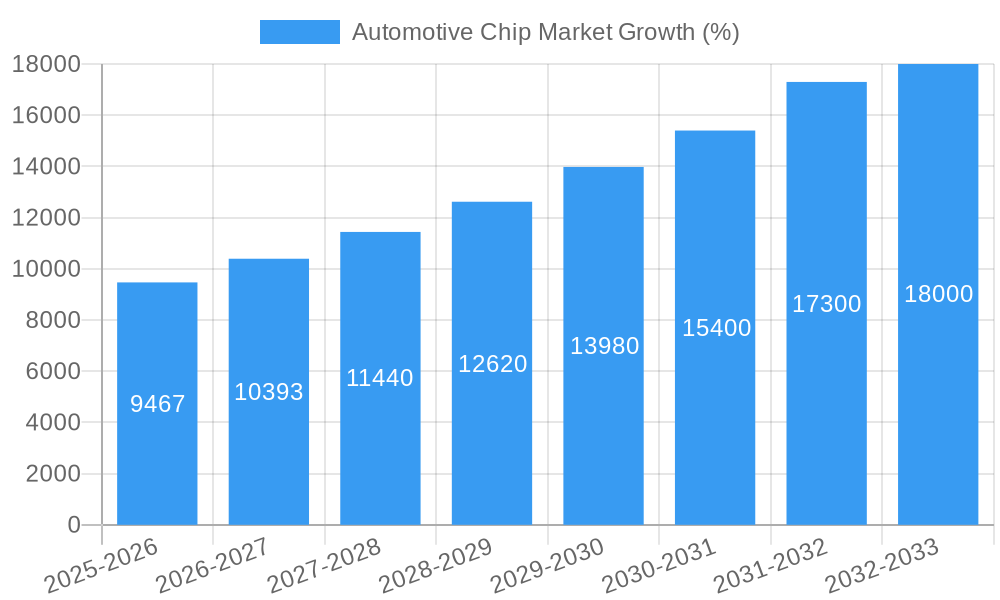
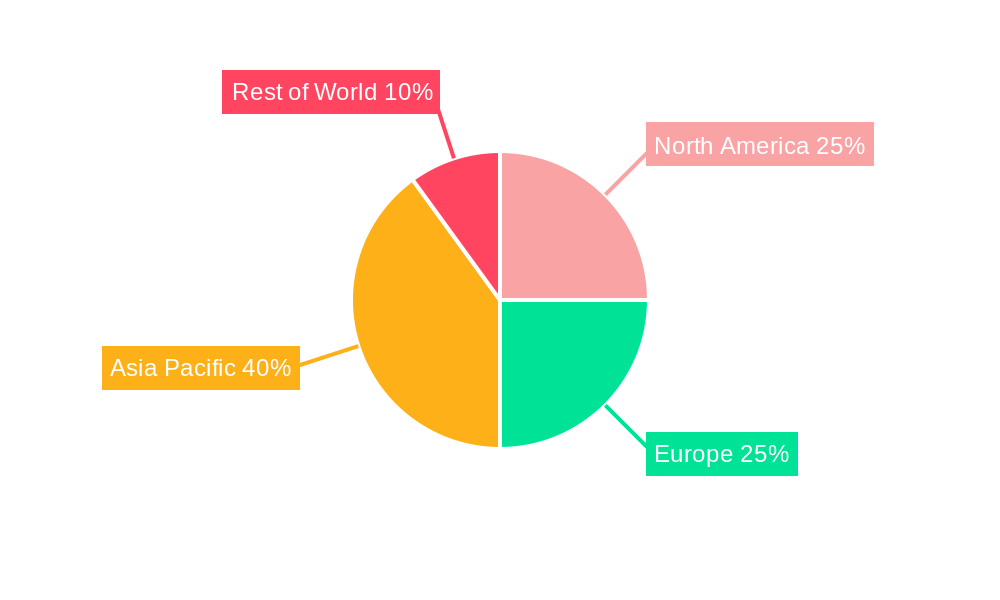
Dominant Markets & Segments in Automotive Chip Market
The Asia-Pacific region currently dominates the automotive chip market, driven by strong automotive production in countries like China, Japan, and South Korea. The region’s robust economic growth, supportive government policies, and expanding automotive infrastructure are key drivers.
- Key Drivers in Asia-Pacific:
- Rapid growth of the automotive industry.
- Increasing government investments in infrastructure development.
- Favorable economic policies supporting the automotive sector.
- High demand for technologically advanced vehicles.
The dominance of Asia-Pacific is expected to continue throughout the forecast period. However, other regions, such as North America and Europe, are also experiencing significant growth, driven by increasing vehicle production and the adoption of advanced automotive technologies. Within the segment breakdown, microcontrollers and memory chips currently hold the largest market share, driven by the increasing complexity of automotive electronics.
Automotive Chip Market Product Developments
The automotive chip market is experiencing a surge in innovation, driven by the increasing demand for safer, more efficient, and connected vehicles. Recent product developments heavily emphasize enhanced safety, efficiency, and connectivity features. Manufacturers are introducing cutting-edge sensor chips, high-performance microcontrollers (MCUs), and sophisticated power management integrated circuits (PMICs) specifically designed for electric vehicles (EVs) and advanced driver-assistance systems (ADAS). These advancements deliver superior performance, reduced power consumption, and improved functional safety, leading to better market fit and a competitive edge. Key technological trends include the seamless integration of artificial intelligence (AI) and machine learning (ML) capabilities into automotive chips, enabling the development of sophisticated features such as driver monitoring systems, advanced autonomous driving functionalities, and improved in-vehicle infotainment systems. The shift towards software-defined vehicles further fuels the demand for adaptable and programmable chip solutions.
Report Scope & Segmentation Analysis
This report segments the automotive chip market based on several key factors:
By Chip Type: Microcontrollers, Memory chips, Power management ICs, Sensors, Analog ICs, and others. Each segment exhibits different growth trajectories and competitive dynamics; for instance, the sensor segment is predicted to experience higher growth due to the increasing demand for ADAS.
By Vehicle Type: Passenger cars, Commercial vehicles, and Electric Vehicles. The electric vehicle segment demonstrates the fastest growth rate, driven by global decarbonization efforts.
By Application: Engine management systems, infotainment systems, ADAS, body electronics, and powertrain systems. The demand for chips in ADAS applications is anticipated to grow significantly during the forecast period.
By Region: North America, Europe, Asia Pacific, Middle East & Africa, and South America. Growth projections vary across regions, primarily influenced by economic conditions and government policies.
Key Drivers of Automotive Chip Market Growth
Several factors are driving the growth of the automotive chip market:
Technological advancements: The development of advanced chip technologies, such as AI, machine learning, and 5G connectivity, is enabling more sophisticated features in vehicles, leading to higher demand.
Increasing adoption of EVs and ADAS: The global shift towards electric and autonomous vehicles is creating a surge in demand for specialized automotive chips.
Stringent government regulations: Governments worldwide are implementing stricter safety and emissions regulations, driving innovation and demand for advanced automotive chips. For example, the increasing number of regulations regarding autonomous driving necessitates the development of high-performance, reliable sensor and processing chips.
Challenges in the Automotive Chip Market Sector
The automotive chip market faces several challenges:
Supply chain disruptions: The global semiconductor shortage has significantly impacted the automotive industry, leading to production delays and increased costs.
High R&D costs: Developing advanced automotive chips requires significant investment in research and development, posing a barrier to entry for smaller companies.
Intense competition: The automotive chip market is highly competitive, with numerous established players and new entrants vying for market share. This leads to pressure on pricing and profitability. The competitive landscape is further aggravated by the increasing dominance of a few major players.
Emerging Opportunities in Automotive Chip Market
The automotive chip market presents several promising opportunities:
Growth of the EV market: The continuous expansion of the electric vehicle market provides significant growth opportunities for manufacturers of power management and battery management chips.
Development of advanced ADAS features: The increasing demand for autonomous driving capabilities and sophisticated ADAS features presents opportunities for manufacturers of sensor chips and high-performance microcontrollers.
Expansion into new markets: Developing economies are witnessing a rise in vehicle ownership, creating new market opportunities for automotive chip suppliers.
Leading Players in the Automotive Chip Market
- STMicroelectronics NV
- Infineon Technologies
- Toshiba Corporation
- ON Semiconductor
- Renesas Electronics
- Robert Bosch GmbH
- NXP Semiconductors
- Texas Instruments Incorporated
- Analog Devices Inc
- Micron Technology
- Rohm Co Ltd
- Intel Corporation
- Vishay Intertechnology
- Nexperia
- Mitsubishi Electric
- Wolfspeed Inc
- Semikron Danfoss
- Littlefuse Inc
- Alpha and Omega Semiconductor Limited
- Microchip Technology Incorporated
Key Developments in Automotive Chip Market Industry
January 2024: Texas Instruments (TI) significantly advanced automotive safety and intelligence with the unveiling of several key semiconductors. The AWR2544 77GHz millimeter-wave radar sensor chip, designed for sophisticated satellite radar architectures, notably enhances sensor fusion and decision-making capabilities within ADAS, thereby boosting autonomy levels. Furthermore, TI introduced software-programmable driver chips: the DRV3946-Q1 (integrated contactor driver) and DRV3901-Q1 (integrated squib driver for pyro fuses), incorporating built-in diagnostics and functional safety features crucial for robust battery management and powertrain systems. These innovative products were prominently showcased at CES 2024, highlighting TI's commitment to the automotive sector.
January 2024: AMD broadened its automotive portfolio with the launch of the Versal AI Edge XA adaptive system-on-chip (SoC) and the Ryzen Embedded V2000A processor. These offerings are poised to significantly enhance capabilities across diverse automotive applications, including infotainment systems, advanced driver safety features, and autonomous driving services, emphasizing AMD's growing presence in the automotive chip market.
[Add other significant recent developments here with dates and concise descriptions. Include details about new chip architectures, improved processing power, increased integration, and any significant partnerships or acquisitions.]
Strategic Outlook for Automotive Chip Market
The automotive chip market is on a trajectory of substantial growth, propelled by several key factors. Technological advancements, the accelerating adoption of electric vehicles (EVs) and advanced driver-assistance systems (ADAS), and supportive government policies worldwide are all contributing to this positive outlook. The future potential of the market rests heavily on the development and widespread deployment of highly integrated, AI-powered chips capable of supporting fully autonomous driving capabilities. Significant opportunities exist for companies that can effectively navigate supply chain complexities, develop cutting-edge, innovative products, and cultivate robust partnerships with major automakers. The market's future is bright, with continued innovation shaping the next generation of safer, more efficient, and seamlessly connected vehicles. Addressing cybersecurity concerns and ensuring functional safety will be critical aspects of future development.
Automotive Chip Market Segmentation
-
1. Components
- 1.1. Microprocessor and Microcontroller
- 1.2. Integrated Circuits
- 1.3. Discrete Power Devices
- 1.4. Sensors
- 1.5. Memory Devices
- 1.6. Other Components
-
2. Vehicle Type
- 2.1. Passenger Vehicles
- 2.2. Commercial Vehicles
-
3. Application
- 3.1. Powertrain and Chassis
- 3.2. Safety and Security
- 3.3. Body Electronics
- 3.4. Telematics and Infotainment Systems
- 3.5. Others
Automotive Chip Market Segmentation By Geography
- 1. North America
- 2. Europe
- 3. Asia
- 4. Australia and New Zealand
- 5. Latin America
- 6. Middle East and Africa
Automotive Chip Market REPORT HIGHLIGHTS
| Aspects | Details |
|---|---|
| Study Period | 2019-2033 |
| Base Year | 2024 |
| Estimated Year | 2025 |
| Forecast Period | 2025-2033 |
| Historical Period | 2019-2024 |
| Growth Rate | CAGR of 10.68% from 2019-2033 |
| Segmentation |
|
Table of Contents
- 1. Introduction
- 1.1. Research Scope
- 1.2. Market Segmentation
- 1.3. Research Methodology
- 1.4. Definitions and Assumptions
- 2. Executive Summary
- 2.1. Introduction
- 3. Market Dynamics
- 3.1. Introduction
- 3.2. Market Drivers
- 3.2.1. Increasing Electrification in Vehicles Due to Rise in Vehicle Emission Restrictions; Development of Highly Autonomous Vehicles to Increase Safety
- 3.3. Market Restrains
- 3.3.1. Increasing Electrification in Vehicles Due to Rise in Vehicle Emission Restrictions; Development of Highly Autonomous Vehicles to Increase Safety
- 3.4. Market Trends
- 3.4.1. Passenger Vehicles Segment is Expected to Hold Significant Market Share
- 4. Market Factor Analysis
- 4.1. Porters Five Forces
- 4.2. Supply/Value Chain
- 4.3. PESTEL analysis
- 4.4. Market Entropy
- 4.5. Patent/Trademark Analysis
- 5. Global Automotive Chip Market Analysis, Insights and Forecast, 2019-2031
- 5.1. Market Analysis, Insights and Forecast - by Components
- 5.1.1. Microprocessor and Microcontroller
- 5.1.2. Integrated Circuits
- 5.1.3. Discrete Power Devices
- 5.1.4. Sensors
- 5.1.5. Memory Devices
- 5.1.6. Other Components
- 5.2. Market Analysis, Insights and Forecast - by Vehicle Type
- 5.2.1. Passenger Vehicles
- 5.2.2. Commercial Vehicles
- 5.3. Market Analysis, Insights and Forecast - by Application
- 5.3.1. Powertrain and Chassis
- 5.3.2. Safety and Security
- 5.3.3. Body Electronics
- 5.3.4. Telematics and Infotainment Systems
- 5.3.5. Others
- 5.4. Market Analysis, Insights and Forecast - by Region
- 5.4.1. North America
- 5.4.2. Europe
- 5.4.3. Asia
- 5.4.4. Australia and New Zealand
- 5.4.5. Latin America
- 5.4.6. Middle East and Africa
- 5.1. Market Analysis, Insights and Forecast - by Components
- 6. North America Automotive Chip Market Analysis, Insights and Forecast, 2019-2031
- 6.1. Market Analysis, Insights and Forecast - by Components
- 6.1.1. Microprocessor and Microcontroller
- 6.1.2. Integrated Circuits
- 6.1.3. Discrete Power Devices
- 6.1.4. Sensors
- 6.1.5. Memory Devices
- 6.1.6. Other Components
- 6.2. Market Analysis, Insights and Forecast - by Vehicle Type
- 6.2.1. Passenger Vehicles
- 6.2.2. Commercial Vehicles
- 6.3. Market Analysis, Insights and Forecast - by Application
- 6.3.1. Powertrain and Chassis
- 6.3.2. Safety and Security
- 6.3.3. Body Electronics
- 6.3.4. Telematics and Infotainment Systems
- 6.3.5. Others
- 6.1. Market Analysis, Insights and Forecast - by Components
- 7. Europe Automotive Chip Market Analysis, Insights and Forecast, 2019-2031
- 7.1. Market Analysis, Insights and Forecast - by Components
- 7.1.1. Microprocessor and Microcontroller
- 7.1.2. Integrated Circuits
- 7.1.3. Discrete Power Devices
- 7.1.4. Sensors
- 7.1.5. Memory Devices
- 7.1.6. Other Components
- 7.2. Market Analysis, Insights and Forecast - by Vehicle Type
- 7.2.1. Passenger Vehicles
- 7.2.2. Commercial Vehicles
- 7.3. Market Analysis, Insights and Forecast - by Application
- 7.3.1. Powertrain and Chassis
- 7.3.2. Safety and Security
- 7.3.3. Body Electronics
- 7.3.4. Telematics and Infotainment Systems
- 7.3.5. Others
- 7.1. Market Analysis, Insights and Forecast - by Components
- 8. Asia Automotive Chip Market Analysis, Insights and Forecast, 2019-2031
- 8.1. Market Analysis, Insights and Forecast - by Components
- 8.1.1. Microprocessor and Microcontroller
- 8.1.2. Integrated Circuits
- 8.1.3. Discrete Power Devices
- 8.1.4. Sensors
- 8.1.5. Memory Devices
- 8.1.6. Other Components
- 8.2. Market Analysis, Insights and Forecast - by Vehicle Type
- 8.2.1. Passenger Vehicles
- 8.2.2. Commercial Vehicles
- 8.3. Market Analysis, Insights and Forecast - by Application
- 8.3.1. Powertrain and Chassis
- 8.3.2. Safety and Security
- 8.3.3. Body Electronics
- 8.3.4. Telematics and Infotainment Systems
- 8.3.5. Others
- 8.1. Market Analysis, Insights and Forecast - by Components
- 9. Australia and New Zealand Automotive Chip Market Analysis, Insights and Forecast, 2019-2031
- 9.1. Market Analysis, Insights and Forecast - by Components
- 9.1.1. Microprocessor and Microcontroller
- 9.1.2. Integrated Circuits
- 9.1.3. Discrete Power Devices
- 9.1.4. Sensors
- 9.1.5. Memory Devices
- 9.1.6. Other Components
- 9.2. Market Analysis, Insights and Forecast - by Vehicle Type
- 9.2.1. Passenger Vehicles
- 9.2.2. Commercial Vehicles
- 9.3. Market Analysis, Insights and Forecast - by Application
- 9.3.1. Powertrain and Chassis
- 9.3.2. Safety and Security
- 9.3.3. Body Electronics
- 9.3.4. Telematics and Infotainment Systems
- 9.3.5. Others
- 9.1. Market Analysis, Insights and Forecast - by Components
- 10. Latin America Automotive Chip Market Analysis, Insights and Forecast, 2019-2031
- 10.1. Market Analysis, Insights and Forecast - by Components
- 10.1.1. Microprocessor and Microcontroller
- 10.1.2. Integrated Circuits
- 10.1.3. Discrete Power Devices
- 10.1.4. Sensors
- 10.1.5. Memory Devices
- 10.1.6. Other Components
- 10.2. Market Analysis, Insights and Forecast - by Vehicle Type
- 10.2.1. Passenger Vehicles
- 10.2.2. Commercial Vehicles
- 10.3. Market Analysis, Insights and Forecast - by Application
- 10.3.1. Powertrain and Chassis
- 10.3.2. Safety and Security
- 10.3.3. Body Electronics
- 10.3.4. Telematics and Infotainment Systems
- 10.3.5. Others
- 10.1. Market Analysis, Insights and Forecast - by Components
- 11. Middle East and Africa Automotive Chip Market Analysis, Insights and Forecast, 2019-2031
- 11.1. Market Analysis, Insights and Forecast - by Components
- 11.1.1. Microprocessor and Microcontroller
- 11.1.2. Integrated Circuits
- 11.1.3. Discrete Power Devices
- 11.1.4. Sensors
- 11.1.5. Memory Devices
- 11.1.6. Other Components
- 11.2. Market Analysis, Insights and Forecast - by Vehicle Type
- 11.2.1. Passenger Vehicles
- 11.2.2. Commercial Vehicles
- 11.3. Market Analysis, Insights and Forecast - by Application
- 11.3.1. Powertrain and Chassis
- 11.3.2. Safety and Security
- 11.3.3. Body Electronics
- 11.3.4. Telematics and Infotainment Systems
- 11.3.5. Others
- 11.1. Market Analysis, Insights and Forecast - by Components
- 12. Competitive Analysis
- 12.1. Global Market Share Analysis 2024
- 12.2. Company Profiles
- 12.2.1 STMicroelectronics NV
- 12.2.1.1. Overview
- 12.2.1.2. Products
- 12.2.1.3. SWOT Analysis
- 12.2.1.4. Recent Developments
- 12.2.1.5. Financials (Based on Availability)
- 12.2.2 Infineon Technologies
- 12.2.2.1. Overview
- 12.2.2.2. Products
- 12.2.2.3. SWOT Analysis
- 12.2.2.4. Recent Developments
- 12.2.2.5. Financials (Based on Availability)
- 12.2.3 Toshiba Corporation
- 12.2.3.1. Overview
- 12.2.3.2. Products
- 12.2.3.3. SWOT Analysis
- 12.2.3.4. Recent Developments
- 12.2.3.5. Financials (Based on Availability)
- 12.2.4 ON Semiconductor
- 12.2.4.1. Overview
- 12.2.4.2. Products
- 12.2.4.3. SWOT Analysis
- 12.2.4.4. Recent Developments
- 12.2.4.5. Financials (Based on Availability)
- 12.2.5 Renesas Electronics
- 12.2.5.1. Overview
- 12.2.5.2. Products
- 12.2.5.3. SWOT Analysis
- 12.2.5.4. Recent Developments
- 12.2.5.5. Financials (Based on Availability)
- 12.2.6 Robert Bosch GmbH
- 12.2.6.1. Overview
- 12.2.6.2. Products
- 12.2.6.3. SWOT Analysis
- 12.2.6.4. Recent Developments
- 12.2.6.5. Financials (Based on Availability)
- 12.2.7 NXP Semiconductors
- 12.2.7.1. Overview
- 12.2.7.2. Products
- 12.2.7.3. SWOT Analysis
- 12.2.7.4. Recent Developments
- 12.2.7.5. Financials (Based on Availability)
- 12.2.8 Texas Instruments Incorporated
- 12.2.8.1. Overview
- 12.2.8.2. Products
- 12.2.8.3. SWOT Analysis
- 12.2.8.4. Recent Developments
- 12.2.8.5. Financials (Based on Availability)
- 12.2.9 Analog Devices Inc
- 12.2.9.1. Overview
- 12.2.9.2. Products
- 12.2.9.3. SWOT Analysis
- 12.2.9.4. Recent Developments
- 12.2.9.5. Financials (Based on Availability)
- 12.2.10 Micron Technology
- 12.2.10.1. Overview
- 12.2.10.2. Products
- 12.2.10.3. SWOT Analysis
- 12.2.10.4. Recent Developments
- 12.2.10.5. Financials (Based on Availability)
- 12.2.11 Rohm Co Ltd
- 12.2.11.1. Overview
- 12.2.11.2. Products
- 12.2.11.3. SWOT Analysis
- 12.2.11.4. Recent Developments
- 12.2.11.5. Financials (Based on Availability)
- 12.2.12 Intel Corporation
- 12.2.12.1. Overview
- 12.2.12.2. Products
- 12.2.12.3. SWOT Analysis
- 12.2.12.4. Recent Developments
- 12.2.12.5. Financials (Based on Availability)
- 12.2.13 Vishay Intertechnology
- 12.2.13.1. Overview
- 12.2.13.2. Products
- 12.2.13.3. SWOT Analysis
- 12.2.13.4. Recent Developments
- 12.2.13.5. Financials (Based on Availability)
- 12.2.14 Nexperia
- 12.2.14.1. Overview
- 12.2.14.2. Products
- 12.2.14.3. SWOT Analysis
- 12.2.14.4. Recent Developments
- 12.2.14.5. Financials (Based on Availability)
- 12.2.15 Mitsubishi Electric
- 12.2.15.1. Overview
- 12.2.15.2. Products
- 12.2.15.3. SWOT Analysis
- 12.2.15.4. Recent Developments
- 12.2.15.5. Financials (Based on Availability)
- 12.2.16 Wolfspeed Inc
- 12.2.16.1. Overview
- 12.2.16.2. Products
- 12.2.16.3. SWOT Analysis
- 12.2.16.4. Recent Developments
- 12.2.16.5. Financials (Based on Availability)
- 12.2.17 Semikron Danfoss
- 12.2.17.1. Overview
- 12.2.17.2. Products
- 12.2.17.3. SWOT Analysis
- 12.2.17.4. Recent Developments
- 12.2.17.5. Financials (Based on Availability)
- 12.2.18 Littlefuse Inc
- 12.2.18.1. Overview
- 12.2.18.2. Products
- 12.2.18.3. SWOT Analysis
- 12.2.18.4. Recent Developments
- 12.2.18.5. Financials (Based on Availability)
- 12.2.19 Alpha and Omega Semiconductor Limited
- 12.2.19.1. Overview
- 12.2.19.2. Products
- 12.2.19.3. SWOT Analysis
- 12.2.19.4. Recent Developments
- 12.2.19.5. Financials (Based on Availability)
- 12.2.20 Microchip Technology Incorporated*List Not Exhaustive
- 12.2.20.1. Overview
- 12.2.20.2. Products
- 12.2.20.3. SWOT Analysis
- 12.2.20.4. Recent Developments
- 12.2.20.5. Financials (Based on Availability)
- 12.2.1 STMicroelectronics NV
List of Figures
- Figure 1: Global Automotive Chip Market Revenue Breakdown (Million, %) by Region 2024 & 2032
- Figure 2: Global Automotive Chip Market Volume Breakdown (Billion, %) by Region 2024 & 2032
- Figure 3: North America Automotive Chip Market Revenue (Million), by Components 2024 & 2032
- Figure 4: North America Automotive Chip Market Volume (Billion), by Components 2024 & 2032
- Figure 5: North America Automotive Chip Market Revenue Share (%), by Components 2024 & 2032
- Figure 6: North America Automotive Chip Market Volume Share (%), by Components 2024 & 2032
- Figure 7: North America Automotive Chip Market Revenue (Million), by Vehicle Type 2024 & 2032
- Figure 8: North America Automotive Chip Market Volume (Billion), by Vehicle Type 2024 & 2032
- Figure 9: North America Automotive Chip Market Revenue Share (%), by Vehicle Type 2024 & 2032
- Figure 10: North America Automotive Chip Market Volume Share (%), by Vehicle Type 2024 & 2032
- Figure 11: North America Automotive Chip Market Revenue (Million), by Application 2024 & 2032
- Figure 12: North America Automotive Chip Market Volume (Billion), by Application 2024 & 2032
- Figure 13: North America Automotive Chip Market Revenue Share (%), by Application 2024 & 2032
- Figure 14: North America Automotive Chip Market Volume Share (%), by Application 2024 & 2032
- Figure 15: North America Automotive Chip Market Revenue (Million), by Country 2024 & 2032
- Figure 16: North America Automotive Chip Market Volume (Billion), by Country 2024 & 2032
- Figure 17: North America Automotive Chip Market Revenue Share (%), by Country 2024 & 2032
- Figure 18: North America Automotive Chip Market Volume Share (%), by Country 2024 & 2032
- Figure 19: Europe Automotive Chip Market Revenue (Million), by Components 2024 & 2032
- Figure 20: Europe Automotive Chip Market Volume (Billion), by Components 2024 & 2032
- Figure 21: Europe Automotive Chip Market Revenue Share (%), by Components 2024 & 2032
- Figure 22: Europe Automotive Chip Market Volume Share (%), by Components 2024 & 2032
- Figure 23: Europe Automotive Chip Market Revenue (Million), by Vehicle Type 2024 & 2032
- Figure 24: Europe Automotive Chip Market Volume (Billion), by Vehicle Type 2024 & 2032
- Figure 25: Europe Automotive Chip Market Revenue Share (%), by Vehicle Type 2024 & 2032
- Figure 26: Europe Automotive Chip Market Volume Share (%), by Vehicle Type 2024 & 2032
- Figure 27: Europe Automotive Chip Market Revenue (Million), by Application 2024 & 2032
- Figure 28: Europe Automotive Chip Market Volume (Billion), by Application 2024 & 2032
- Figure 29: Europe Automotive Chip Market Revenue Share (%), by Application 2024 & 2032
- Figure 30: Europe Automotive Chip Market Volume Share (%), by Application 2024 & 2032
- Figure 31: Europe Automotive Chip Market Revenue (Million), by Country 2024 & 2032
- Figure 32: Europe Automotive Chip Market Volume (Billion), by Country 2024 & 2032
- Figure 33: Europe Automotive Chip Market Revenue Share (%), by Country 2024 & 2032
- Figure 34: Europe Automotive Chip Market Volume Share (%), by Country 2024 & 2032
- Figure 35: Asia Automotive Chip Market Revenue (Million), by Components 2024 & 2032
- Figure 36: Asia Automotive Chip Market Volume (Billion), by Components 2024 & 2032
- Figure 37: Asia Automotive Chip Market Revenue Share (%), by Components 2024 & 2032
- Figure 38: Asia Automotive Chip Market Volume Share (%), by Components 2024 & 2032
- Figure 39: Asia Automotive Chip Market Revenue (Million), by Vehicle Type 2024 & 2032
- Figure 40: Asia Automotive Chip Market Volume (Billion), by Vehicle Type 2024 & 2032
- Figure 41: Asia Automotive Chip Market Revenue Share (%), by Vehicle Type 2024 & 2032
- Figure 42: Asia Automotive Chip Market Volume Share (%), by Vehicle Type 2024 & 2032
- Figure 43: Asia Automotive Chip Market Revenue (Million), by Application 2024 & 2032
- Figure 44: Asia Automotive Chip Market Volume (Billion), by Application 2024 & 2032
- Figure 45: Asia Automotive Chip Market Revenue Share (%), by Application 2024 & 2032
- Figure 46: Asia Automotive Chip Market Volume Share (%), by Application 2024 & 2032
- Figure 47: Asia Automotive Chip Market Revenue (Million), by Country 2024 & 2032
- Figure 48: Asia Automotive Chip Market Volume (Billion), by Country 2024 & 2032
- Figure 49: Asia Automotive Chip Market Revenue Share (%), by Country 2024 & 2032
- Figure 50: Asia Automotive Chip Market Volume Share (%), by Country 2024 & 2032
- Figure 51: Australia and New Zealand Automotive Chip Market Revenue (Million), by Components 2024 & 2032
- Figure 52: Australia and New Zealand Automotive Chip Market Volume (Billion), by Components 2024 & 2032
- Figure 53: Australia and New Zealand Automotive Chip Market Revenue Share (%), by Components 2024 & 2032
- Figure 54: Australia and New Zealand Automotive Chip Market Volume Share (%), by Components 2024 & 2032
- Figure 55: Australia and New Zealand Automotive Chip Market Revenue (Million), by Vehicle Type 2024 & 2032
- Figure 56: Australia and New Zealand Automotive Chip Market Volume (Billion), by Vehicle Type 2024 & 2032
- Figure 57: Australia and New Zealand Automotive Chip Market Revenue Share (%), by Vehicle Type 2024 & 2032
- Figure 58: Australia and New Zealand Automotive Chip Market Volume Share (%), by Vehicle Type 2024 & 2032
- Figure 59: Australia and New Zealand Automotive Chip Market Revenue (Million), by Application 2024 & 2032
- Figure 60: Australia and New Zealand Automotive Chip Market Volume (Billion), by Application 2024 & 2032
- Figure 61: Australia and New Zealand Automotive Chip Market Revenue Share (%), by Application 2024 & 2032
- Figure 62: Australia and New Zealand Automotive Chip Market Volume Share (%), by Application 2024 & 2032
- Figure 63: Australia and New Zealand Automotive Chip Market Revenue (Million), by Country 2024 & 2032
- Figure 64: Australia and New Zealand Automotive Chip Market Volume (Billion), by Country 2024 & 2032
- Figure 65: Australia and New Zealand Automotive Chip Market Revenue Share (%), by Country 2024 & 2032
- Figure 66: Australia and New Zealand Automotive Chip Market Volume Share (%), by Country 2024 & 2032
- Figure 67: Latin America Automotive Chip Market Revenue (Million), by Components 2024 & 2032
- Figure 68: Latin America Automotive Chip Market Volume (Billion), by Components 2024 & 2032
- Figure 69: Latin America Automotive Chip Market Revenue Share (%), by Components 2024 & 2032
- Figure 70: Latin America Automotive Chip Market Volume Share (%), by Components 2024 & 2032
- Figure 71: Latin America Automotive Chip Market Revenue (Million), by Vehicle Type 2024 & 2032
- Figure 72: Latin America Automotive Chip Market Volume (Billion), by Vehicle Type 2024 & 2032
- Figure 73: Latin America Automotive Chip Market Revenue Share (%), by Vehicle Type 2024 & 2032
- Figure 74: Latin America Automotive Chip Market Volume Share (%), by Vehicle Type 2024 & 2032
- Figure 75: Latin America Automotive Chip Market Revenue (Million), by Application 2024 & 2032
- Figure 76: Latin America Automotive Chip Market Volume (Billion), by Application 2024 & 2032
- Figure 77: Latin America Automotive Chip Market Revenue Share (%), by Application 2024 & 2032
- Figure 78: Latin America Automotive Chip Market Volume Share (%), by Application 2024 & 2032
- Figure 79: Latin America Automotive Chip Market Revenue (Million), by Country 2024 & 2032
- Figure 80: Latin America Automotive Chip Market Volume (Billion), by Country 2024 & 2032
- Figure 81: Latin America Automotive Chip Market Revenue Share (%), by Country 2024 & 2032
- Figure 82: Latin America Automotive Chip Market Volume Share (%), by Country 2024 & 2032
- Figure 83: Middle East and Africa Automotive Chip Market Revenue (Million), by Components 2024 & 2032
- Figure 84: Middle East and Africa Automotive Chip Market Volume (Billion), by Components 2024 & 2032
- Figure 85: Middle East and Africa Automotive Chip Market Revenue Share (%), by Components 2024 & 2032
- Figure 86: Middle East and Africa Automotive Chip Market Volume Share (%), by Components 2024 & 2032
- Figure 87: Middle East and Africa Automotive Chip Market Revenue (Million), by Vehicle Type 2024 & 2032
- Figure 88: Middle East and Africa Automotive Chip Market Volume (Billion), by Vehicle Type 2024 & 2032
- Figure 89: Middle East and Africa Automotive Chip Market Revenue Share (%), by Vehicle Type 2024 & 2032
- Figure 90: Middle East and Africa Automotive Chip Market Volume Share (%), by Vehicle Type 2024 & 2032
- Figure 91: Middle East and Africa Automotive Chip Market Revenue (Million), by Application 2024 & 2032
- Figure 92: Middle East and Africa Automotive Chip Market Volume (Billion), by Application 2024 & 2032
- Figure 93: Middle East and Africa Automotive Chip Market Revenue Share (%), by Application 2024 & 2032
- Figure 94: Middle East and Africa Automotive Chip Market Volume Share (%), by Application 2024 & 2032
- Figure 95: Middle East and Africa Automotive Chip Market Revenue (Million), by Country 2024 & 2032
- Figure 96: Middle East and Africa Automotive Chip Market Volume (Billion), by Country 2024 & 2032
- Figure 97: Middle East and Africa Automotive Chip Market Revenue Share (%), by Country 2024 & 2032
- Figure 98: Middle East and Africa Automotive Chip Market Volume Share (%), by Country 2024 & 2032
List of Tables
- Table 1: Global Automotive Chip Market Revenue Million Forecast, by Region 2019 & 2032
- Table 2: Global Automotive Chip Market Volume Billion Forecast, by Region 2019 & 2032
- Table 3: Global Automotive Chip Market Revenue Million Forecast, by Components 2019 & 2032
- Table 4: Global Automotive Chip Market Volume Billion Forecast, by Components 2019 & 2032
- Table 5: Global Automotive Chip Market Revenue Million Forecast, by Vehicle Type 2019 & 2032
- Table 6: Global Automotive Chip Market Volume Billion Forecast, by Vehicle Type 2019 & 2032
- Table 7: Global Automotive Chip Market Revenue Million Forecast, by Application 2019 & 2032
- Table 8: Global Automotive Chip Market Volume Billion Forecast, by Application 2019 & 2032
- Table 9: Global Automotive Chip Market Revenue Million Forecast, by Region 2019 & 2032
- Table 10: Global Automotive Chip Market Volume Billion Forecast, by Region 2019 & 2032
- Table 11: Global Automotive Chip Market Revenue Million Forecast, by Components 2019 & 2032
- Table 12: Global Automotive Chip Market Volume Billion Forecast, by Components 2019 & 2032
- Table 13: Global Automotive Chip Market Revenue Million Forecast, by Vehicle Type 2019 & 2032
- Table 14: Global Automotive Chip Market Volume Billion Forecast, by Vehicle Type 2019 & 2032
- Table 15: Global Automotive Chip Market Revenue Million Forecast, by Application 2019 & 2032
- Table 16: Global Automotive Chip Market Volume Billion Forecast, by Application 2019 & 2032
- Table 17: Global Automotive Chip Market Revenue Million Forecast, by Country 2019 & 2032
- Table 18: Global Automotive Chip Market Volume Billion Forecast, by Country 2019 & 2032
- Table 19: Global Automotive Chip Market Revenue Million Forecast, by Components 2019 & 2032
- Table 20: Global Automotive Chip Market Volume Billion Forecast, by Components 2019 & 2032
- Table 21: Global Automotive Chip Market Revenue Million Forecast, by Vehicle Type 2019 & 2032
- Table 22: Global Automotive Chip Market Volume Billion Forecast, by Vehicle Type 2019 & 2032
- Table 23: Global Automotive Chip Market Revenue Million Forecast, by Application 2019 & 2032
- Table 24: Global Automotive Chip Market Volume Billion Forecast, by Application 2019 & 2032
- Table 25: Global Automotive Chip Market Revenue Million Forecast, by Country 2019 & 2032
- Table 26: Global Automotive Chip Market Volume Billion Forecast, by Country 2019 & 2032
- Table 27: Global Automotive Chip Market Revenue Million Forecast, by Components 2019 & 2032
- Table 28: Global Automotive Chip Market Volume Billion Forecast, by Components 2019 & 2032
- Table 29: Global Automotive Chip Market Revenue Million Forecast, by Vehicle Type 2019 & 2032
- Table 30: Global Automotive Chip Market Volume Billion Forecast, by Vehicle Type 2019 & 2032
- Table 31: Global Automotive Chip Market Revenue Million Forecast, by Application 2019 & 2032
- Table 32: Global Automotive Chip Market Volume Billion Forecast, by Application 2019 & 2032
- Table 33: Global Automotive Chip Market Revenue Million Forecast, by Country 2019 & 2032
- Table 34: Global Automotive Chip Market Volume Billion Forecast, by Country 2019 & 2032
- Table 35: Global Automotive Chip Market Revenue Million Forecast, by Components 2019 & 2032
- Table 36: Global Automotive Chip Market Volume Billion Forecast, by Components 2019 & 2032
- Table 37: Global Automotive Chip Market Revenue Million Forecast, by Vehicle Type 2019 & 2032
- Table 38: Global Automotive Chip Market Volume Billion Forecast, by Vehicle Type 2019 & 2032
- Table 39: Global Automotive Chip Market Revenue Million Forecast, by Application 2019 & 2032
- Table 40: Global Automotive Chip Market Volume Billion Forecast, by Application 2019 & 2032
- Table 41: Global Automotive Chip Market Revenue Million Forecast, by Country 2019 & 2032
- Table 42: Global Automotive Chip Market Volume Billion Forecast, by Country 2019 & 2032
- Table 43: Global Automotive Chip Market Revenue Million Forecast, by Components 2019 & 2032
- Table 44: Global Automotive Chip Market Volume Billion Forecast, by Components 2019 & 2032
- Table 45: Global Automotive Chip Market Revenue Million Forecast, by Vehicle Type 2019 & 2032
- Table 46: Global Automotive Chip Market Volume Billion Forecast, by Vehicle Type 2019 & 2032
- Table 47: Global Automotive Chip Market Revenue Million Forecast, by Application 2019 & 2032
- Table 48: Global Automotive Chip Market Volume Billion Forecast, by Application 2019 & 2032
- Table 49: Global Automotive Chip Market Revenue Million Forecast, by Country 2019 & 2032
- Table 50: Global Automotive Chip Market Volume Billion Forecast, by Country 2019 & 2032
- Table 51: Global Automotive Chip Market Revenue Million Forecast, by Components 2019 & 2032
- Table 52: Global Automotive Chip Market Volume Billion Forecast, by Components 2019 & 2032
- Table 53: Global Automotive Chip Market Revenue Million Forecast, by Vehicle Type 2019 & 2032
- Table 54: Global Automotive Chip Market Volume Billion Forecast, by Vehicle Type 2019 & 2032
- Table 55: Global Automotive Chip Market Revenue Million Forecast, by Application 2019 & 2032
- Table 56: Global Automotive Chip Market Volume Billion Forecast, by Application 2019 & 2032
- Table 57: Global Automotive Chip Market Revenue Million Forecast, by Country 2019 & 2032
- Table 58: Global Automotive Chip Market Volume Billion Forecast, by Country 2019 & 2032
Frequently Asked Questions
1. What is the projected Compound Annual Growth Rate (CAGR) of the Automotive Chip Market?
The projected CAGR is approximately 10.68%.
2. Which companies are prominent players in the Automotive Chip Market?
Key companies in the market include STMicroelectronics NV, Infineon Technologies, Toshiba Corporation, ON Semiconductor, Renesas Electronics, Robert Bosch GmbH, NXP Semiconductors, Texas Instruments Incorporated, Analog Devices Inc, Micron Technology, Rohm Co Ltd, Intel Corporation, Vishay Intertechnology, Nexperia, Mitsubishi Electric, Wolfspeed Inc, Semikron Danfoss, Littlefuse Inc, Alpha and Omega Semiconductor Limited, Microchip Technology Incorporated*List Not Exhaustive.
3. What are the main segments of the Automotive Chip Market?
The market segments include Components, Vehicle Type, Application.
4. Can you provide details about the market size?
The market size is estimated to be USD 89.40 Million as of 2022.
5. What are some drivers contributing to market growth?
Increasing Electrification in Vehicles Due to Rise in Vehicle Emission Restrictions; Development of Highly Autonomous Vehicles to Increase Safety.
6. What are the notable trends driving market growth?
Passenger Vehicles Segment is Expected to Hold Significant Market Share.
7. Are there any restraints impacting market growth?
Increasing Electrification in Vehicles Due to Rise in Vehicle Emission Restrictions; Development of Highly Autonomous Vehicles to Increase Safety.
8. Can you provide examples of recent developments in the market?
January 2024 - Texas Instruments unveiled advanced semiconductors to enhance automotive safety and intelligence. The AWR2544 77GHz millimetre-wave radar sensor chip is tailored for satellite radar architectures. This innovation boosts sensor fusion and decision-making in Advanced Driver-Assistance Systems (ADAS), paving the way for elevated autonomy. Additionally, TI rolled out software-programmable driver chips: the DRV3946-Q1, an integrated contactor driver, and the DRV3901-Q1, an integrated squib driver for pyro fuses. Both chips have built-in diagnostics and uphold functional safety for battery management and powertrain systems. TI showcased these products at the 2024 Consumer Electronics Show (CES).
9. What pricing options are available for accessing the report?
Pricing options include single-user, multi-user, and enterprise licenses priced at USD 4750, USD 5250, and USD 8750 respectively.
10. Is the market size provided in terms of value or volume?
The market size is provided in terms of value, measured in Million and volume, measured in Billion.
11. Are there any specific market keywords associated with the report?
Yes, the market keyword associated with the report is "Automotive Chip Market," which aids in identifying and referencing the specific market segment covered.
12. How do I determine which pricing option suits my needs best?
The pricing options vary based on user requirements and access needs. Individual users may opt for single-user licenses, while businesses requiring broader access may choose multi-user or enterprise licenses for cost-effective access to the report.
13. Are there any additional resources or data provided in the Automotive Chip Market report?
While the report offers comprehensive insights, it's advisable to review the specific contents or supplementary materials provided to ascertain if additional resources or data are available.
14. How can I stay updated on further developments or reports in the Automotive Chip Market?
To stay informed about further developments, trends, and reports in the Automotive Chip Market, consider subscribing to industry newsletters, following relevant companies and organizations, or regularly checking reputable industry news sources and publications.
Methodology
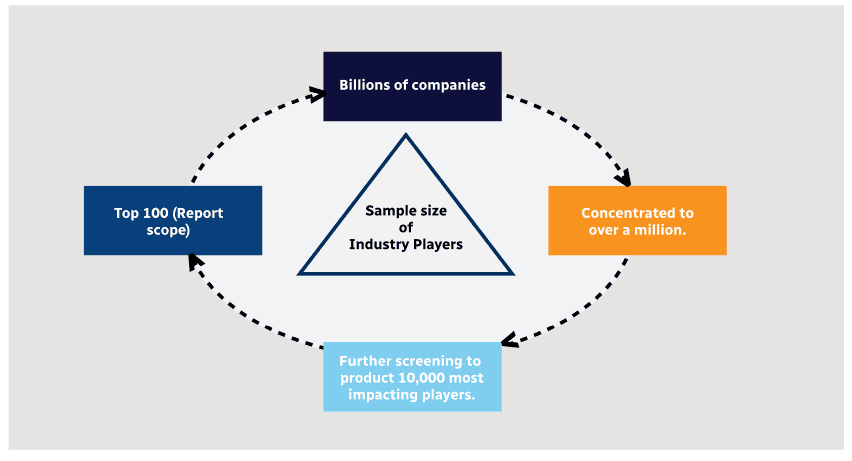
Step 1 - Identification of Relevant Samples Size from Population Database

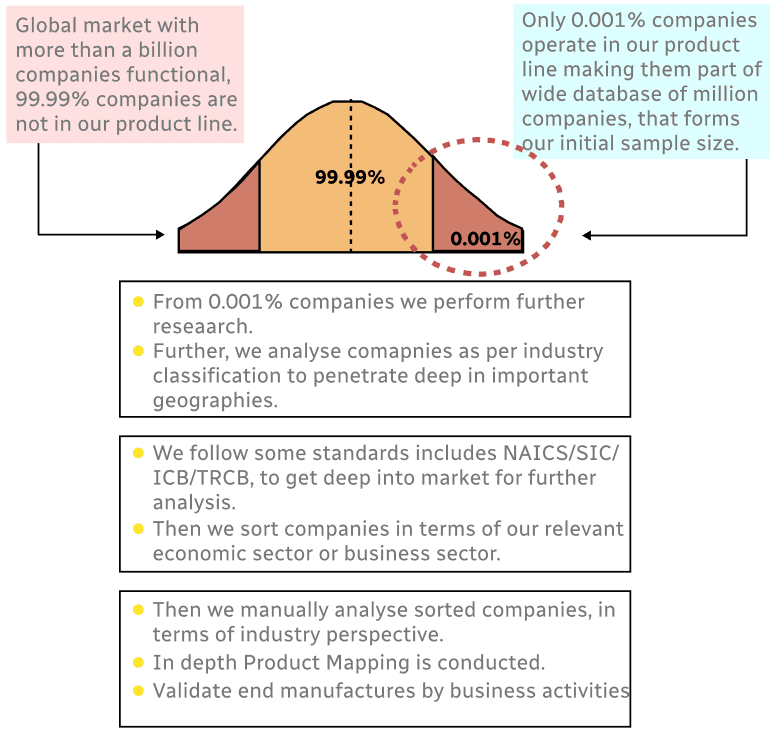
Step 2 - Approaches for Defining Global Market Size (Value, Volume* & Price*)
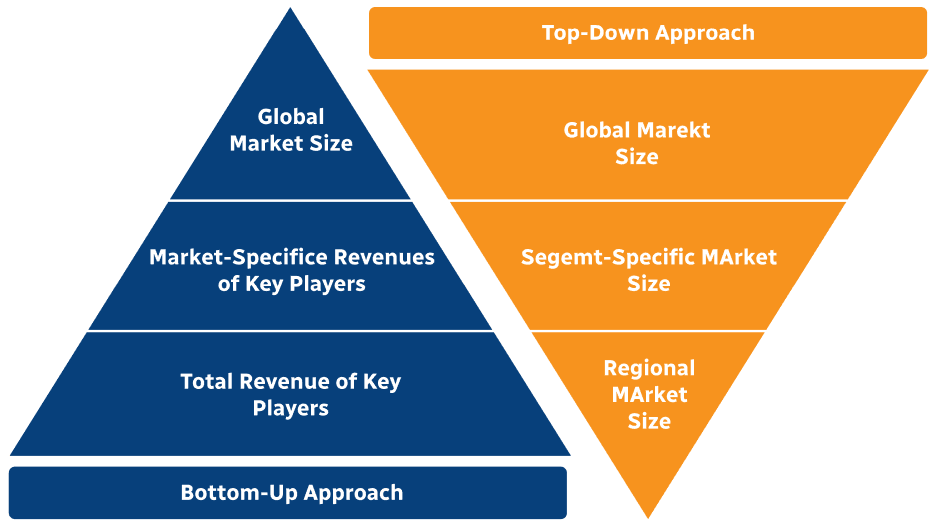
Note*: In applicable scenarios
Step 3 - Data Sources
Primary Research
- Web Analytics
- Survey Reports
- Research Institute
- Latest Research Reports
- Opinion Leaders
Secondary Research
- Annual Reports
- White Paper
- Latest Press Release
- Industry Association
- Paid Database
- Investor Presentations
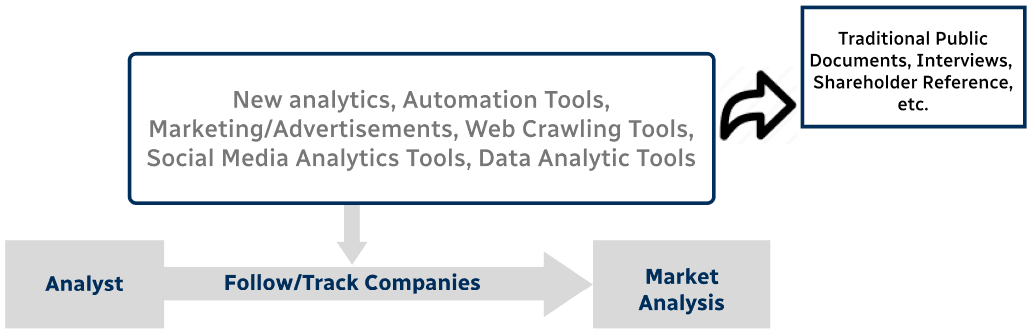
Step 4 - Data Triangulation
Involves using different sources of information in order to increase the validity of a study
These sources are likely to be stakeholders in a program - participants, other researchers, program staff, other community members, and so on.
Then we put all data in single framework & apply various statistical tools to find out the dynamic on the market.
During the analysis stage, feedback from the stakeholder groups would be compared to determine areas of agreement as well as areas of divergence