Key Insights
The global Compact Benchtop Hematology Analyzers market is poised for significant expansion, projected to reach an estimated $1.5 billion by 2025 and grow at a robust Compound Annual Growth Rate (CAGR) of 7.2% through 2033. This dynamic growth is fueled by the increasing prevalence of hematological disorders, the escalating demand for rapid and accurate diagnostic solutions in point-of-care settings, and advancements in technology leading to more affordable and user-friendly analyzers. Hospitals and laboratories are the primary consumers, leveraging these compact devices for routine blood cell counts and differential analyses. The 5-part differential analyzers are expected to dominate the market due to their enhanced diagnostic capabilities. Emerging economies, particularly in the Asia Pacific region, are showing substantial growth potential driven by improving healthcare infrastructure and increasing awareness.
Key market players like Sysmex Corporation, Beckman Coulter, and Abbott Laboratories are at the forefront of innovation, introducing sophisticated yet compact analyzers that cater to the evolving needs of healthcare providers. The market is characterized by intense competition, with companies focusing on product development, strategic collaborations, and market penetration in underserved regions. While the market demonstrates strong growth, potential restraints include high initial investment costs for some advanced models and the need for skilled personnel to operate and maintain these sophisticated instruments. However, the overarching trend towards decentralized healthcare and the growing emphasis on early disease detection are expected to outweigh these challenges, ensuring a positive trajectory for the Compact Benchtop Hematology Analyzers market in the coming years.
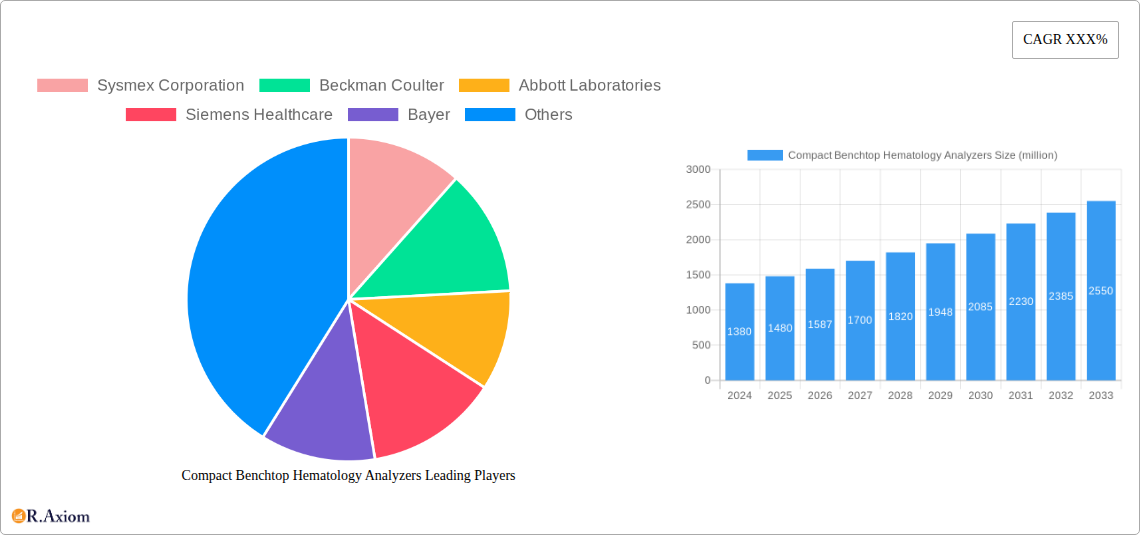
Compact Benchtop Hematology Analyzers Market Concentration & Innovation
The compact benchtop hematology analyzers market exhibits a moderate to high concentration, with key players like Sysmex Corporation, Beckman Coulter, Abbott Laboratories, and Siemens Healthcare dominating a significant portion of the global market share, estimated to be over sixty percent. Innovation is a critical differentiator, driven by the continuous pursuit of enhanced accuracy, speed, and user-friendliness. Advancements in reagents, software algorithms, and miniaturization technologies are at the forefront of product development. Regulatory frameworks, such as FDA approvals and CE marking, play a pivotal role in market entry and product validation, ensuring patient safety and diagnostic reliability. Product substitutes, including larger automated analyzers for high-throughput labs and point-of-care testing devices for immediate bedside diagnostics, present competition, though compact benchtop analyzers carve a niche for their balance of performance and space efficiency. End-user trends favor integrated solutions with advanced data management capabilities and remote monitoring options. Mergers and acquisitions (M&A) activities, with estimated deal values ranging from ten million to five hundred million dollars, are strategically employed by larger entities to acquire innovative technologies or expand their geographical reach and product portfolios.
Compact Benchtop Hematology Analyzers Industry Trends & Insights
The global compact benchtop hematology analyzers market is projected for robust growth, driven by a compound annual growth rate (CAGR) of approximately six percent. This expansion is fueled by several interconnected trends. Firstly, the increasing prevalence of blood-related disorders, including anemia, leukemia, and lymphoma, necessitates sophisticated diagnostic tools, thereby elevating the demand for hematology analyzers. The growing emphasis on early disease detection and preventive healthcare further bolsters market penetration, especially in emerging economies where access to advanced medical diagnostics is rapidly improving.
Technological disruptions are a significant force shaping the industry. Miniaturization and automation are key trends, leading to the development of more compact and user-friendly analyzers suitable for smaller clinics and laboratories. The integration of artificial intelligence (AI) and machine learning (ML) for advanced data analysis and interpretation is an emerging area, promising to enhance diagnostic accuracy and efficiency. Furthermore, improvements in reagent stability and reduced sample volume requirements are making these analyzers more cost-effective and convenient for end-users.
Consumer preferences are shifting towards solutions that offer a seamless workflow, intuitive interfaces, and reliable performance. Healthcare providers are increasingly looking for analyzers that can provide accurate results quickly, enabling faster treatment decisions and improved patient outcomes. The demand for connectivity and interoperability with laboratory information systems (LIS) is also on the rise, facilitating efficient data management and reporting.
Competitive dynamics are characterized by intense R&D efforts, strategic partnerships, and product differentiation. Major players are investing heavily in developing next-generation analyzers that offer a wider range of parameters, improved sensitivity, and enhanced throughput. The market is also witnessing the emergence of new players, particularly from Asia, offering competitive pricing and innovative solutions. Supply chain resilience and efficient distribution networks are becoming increasingly crucial for sustained market presence and growth. The overall market penetration is estimated to reach over sixty percent in developed regions by the end of the forecast period, with significant growth potential in underserved markets.
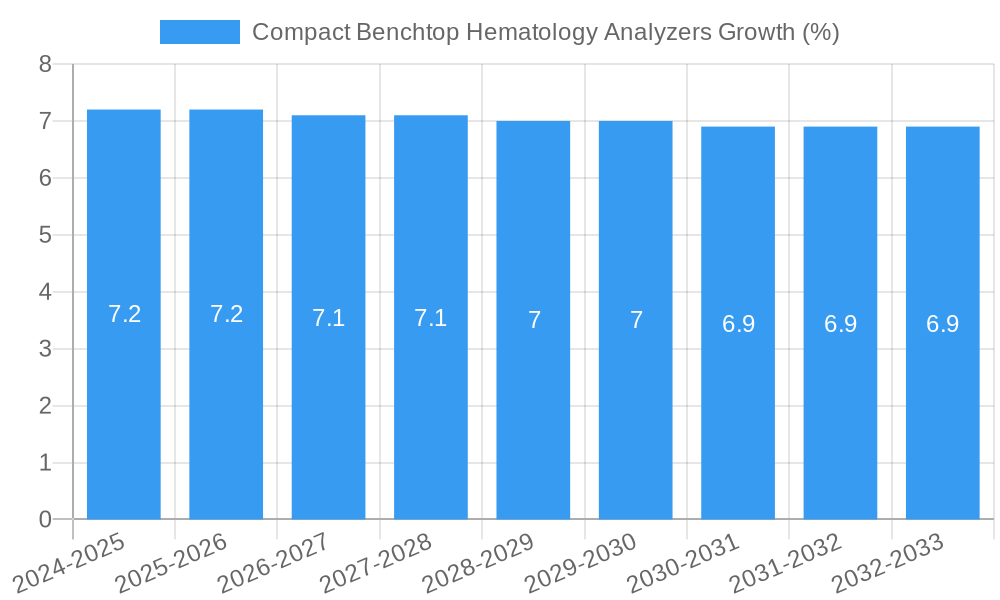
Dominant Markets & Segments in Compact Benchtop Hematology Analyzers
The Hospital segment is the dominant application, accounting for an estimated sixty-five percent of the compact benchtop hematology analyzers market. This dominance is driven by several factors. Hospitals, especially those in urban and semi-urban areas, require reliable and efficient diagnostic tools for their patient populations. The continuous influx of patients, coupled with the need for rapid diagnosis and treatment initiation, makes these analyzers indispensable. Economic policies promoting healthcare infrastructure development and increased government spending on public health initiatives further fuel demand in hospital settings. Moreover, the increasing complexity of medical cases handled by hospitals necessitates advanced diagnostic capabilities, which compact benchtop hematology analyzers provide.
Within the 5-part differential type, the market holds a commanding share, estimated at seventy percent of the total market. The ability of 5-part differential analyzers to provide a more comprehensive blood cell count, including the identification and quantification of five distinct white blood cell populations (neutrophils, lymphocytes, monocytes, eosinophils, and basophils), is crucial for accurate diagnosis and monitoring of a wide range of hematological and inflammatory conditions. This level of detail is often required for critical care decisions and specialized diagnostics.
The Laboratory segment also represents a significant market, estimated at twenty-five percent, driven by independent diagnostic laboratories and reference labs that serve multiple healthcare providers. These labs benefit from the space-saving design and cost-effectiveness of compact benchtop analyzers, allowing them to offer a broad spectrum of hematology testing services without requiring massive capital investment in larger, high-throughput systems. Regulatory frameworks mandating quality control and accreditation for laboratories further underscore the importance of reliable and standardized diagnostic equipment.
Emerging economies, particularly in Asia-Pacific and Latin America, are poised for significant growth, driven by increasing healthcare expenditure, a growing middle class, and a rising awareness of diagnostic accuracy. Infrastructure development in these regions is supporting the establishment of new healthcare facilities and laboratories, creating substantial opportunities for compact benchtop hematology analyzers.
Compact Benchtop Hematology Analyzers Product Developments
Product developments in compact benchtop hematology analyzers are characterized by enhanced analytical capabilities, improved user interfaces, and greater connectivity. Innovations focus on increasing the number of analyzed parameters, improving the accuracy of leukocyte differentiation, and reducing sample volume requirements to as low as twenty microliters. Companies like Sysmex Corporation are leading with advanced impedance and flow cytometry technologies for precise cell counting and classification. Abbott Laboratories and Beckman Coulter are focusing on user-friendly software with intuitive navigation and data management features, facilitating seamless integration with laboratory information systems. The competitive advantage lies in offering robust, reliable, and cost-effective solutions tailored for small to medium-sized laboratories and clinics.
Report Scope & Segmentation Analysis
This report provides a comprehensive analysis of the global compact benchtop hematology analyzers market. The market is segmented by Application into Hospital (projected market size of eight hundred million dollars by 2025), Laboratory (projected market size of three hundred million dollars by 2025), and Others (including veterinary clinics and research institutions, projected market size of fifty million dollars by 2025). By Type, the segmentation includes 3-part (projected market size of four hundred million dollars by 2025), 5-part (projected market size of six hundred million dollars by 2025), and Others (including specialized analyzers, projected market size of ten million dollars by 2025). Growth projections for each segment are meticulously detailed, highlighting competitive dynamics and market sizes.
Key Drivers of Compact Benchtop Hematology Analyzers Growth
Several key drivers are propelling the growth of the compact benchtop hematology analyzers market. Technological advancements, including miniaturization and automation, are making these analyzers more accessible and user-friendly. The increasing prevalence of hematological disorders globally necessitates accurate and timely diagnostic tools. Growing healthcare expenditure in both developed and emerging economies is enabling wider adoption of advanced medical equipment. Furthermore, favorable regulatory environments that encourage the development and adoption of diagnostic technologies play a crucial role. The demand for cost-effective solutions in resource-constrained settings also contributes significantly to market expansion.
Challenges in the Compact Benchtop Hematology Analyzers Sector
Despite the promising growth trajectory, the compact benchtop hematology analyzers sector faces several challenges. Intense competition among established players and emerging manufacturers leads to price pressures and the need for continuous innovation to maintain market share. Stringent regulatory hurdles for product approval in different regions can lead to extended time-to-market and increased development costs. Supply chain disruptions, as experienced in recent years, can impact the availability of essential components and finished products. Furthermore, the high initial investment cost for some advanced models, coupled with the need for skilled personnel to operate and maintain them, can be a barrier for smaller healthcare facilities. The availability of reagent consumables and their cost also present a recurring expenditure that needs careful consideration by end-users.
Emerging Opportunities in Compact Benchtop Hematology Analyzers
Emerging opportunities in the compact benchtop hematology analyzers market are ripe for exploitation. The untapped potential in emerging economies in Asia, Africa, and Latin America, where healthcare infrastructure is rapidly developing, presents a significant growth avenue. The development of point-of-care (POC) hematology analyzers that offer rapid results at the patient's bedside is another burgeoning area, driven by the demand for immediate diagnostic insights in emergency settings and remote locations. The integration of AI and machine learning for advanced data analysis and predictive diagnostics opens up new possibilities for enhanced disease management. Furthermore, strategic partnerships and collaborations between technology providers and healthcare institutions can accelerate product development and market penetration, creating a win-win scenario.
Leading Players in the Compact Benchtop Hematology Analyzers Market
- Sysmex Corporation
- Beckman Coulter
- Abbott Laboratories
- Siemens Healthcare
- HORIBA ABX SAS
- Boule Diagnostics AB
- Mindray
- Sinnowa
- Hui Zhikang
- Jinan Hanfang
- Sinothinker
- Bio-Rad Laboratories
- Nihon Kohden
- Abaxis
- Biota
- Bayer
Key Developments in Compact Benchtop Hematology Analyzers Industry
- 2023: Launch of new 5-part differential analyzer by Mindray, featuring advanced flagging capabilities and improved user interface.
- 2022: Sysmex Corporation acquires a significant stake in a reagent technology company, strengthening its consumables portfolio.
- 2021: Beckman Coulter introduces a compact hematology analyzer with enhanced connectivity options for seamless LIS integration.
- 2020: Abbott Laboratories receives FDA clearance for its novel hematology analyzer, focusing on improved diagnostic accuracy for critical parameters.
- 2019: HORIBA ABX SAS expands its product line with a new compact analyzer designed for point-of-care applications.
Strategic Outlook for Compact Benchtop Hematology Analyzers Market
The strategic outlook for the compact benchtop hematology analyzers market remains highly optimistic, driven by sustained demand for accurate and accessible hematological diagnostics. Future growth catalysts include the continued advancement of miniaturization and automation technologies, leading to more powerful yet compact devices. The increasing adoption of AI and machine learning in diagnostic instrumentation promises to unlock new levels of diagnostic insight and efficiency. Emerging economies will continue to be a significant focus, with tailored solutions and competitive pricing strategies being key to market penetration. Furthermore, a strong emphasis on building robust supply chains and fostering strategic alliances will be crucial for navigating market complexities and capitalizing on emerging opportunities, ensuring continued innovation and market leadership.
Compact Benchtop Hematology Analyzers Segmentation
-
1. Application
- 1.1. Hospital
- 1.2. Laboratory
- 1.3. Others
-
2. Type
- 2.1. 3-part
- 2.2. 5-part
- 2.3. Others
Compact Benchtop Hematology Analyzers Segmentation By Geography
-
1. North America
- 1.1. United States
- 1.2. Canada
- 1.3. Mexico
-
2. South America
- 2.1. Brazil
- 2.2. Argentina
- 2.3. Rest of South America
-
3. Europe
- 3.1. United Kingdom
- 3.2. Germany
- 3.3. France
- 3.4. Italy
- 3.5. Spain
- 3.6. Russia
- 3.7. Benelux
- 3.8. Nordics
- 3.9. Rest of Europe
-
4. Middle East & Africa
- 4.1. Turkey
- 4.2. Israel
- 4.3. GCC
- 4.4. North Africa
- 4.5. South Africa
- 4.6. Rest of Middle East & Africa
-
5. Asia Pacific
- 5.1. China
- 5.2. India
- 5.3. Japan
- 5.4. South Korea
- 5.5. ASEAN
- 5.6. Oceania
- 5.7. Rest of Asia Pacific
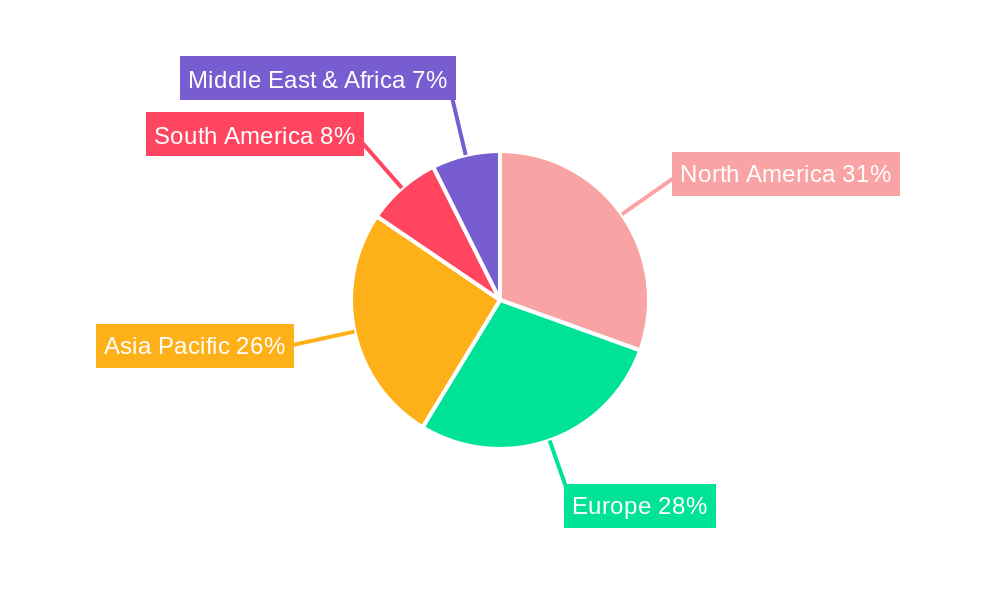
Compact Benchtop Hematology Analyzers REPORT HIGHLIGHTS
| Aspects | Details |
|---|---|
| Study Period | 2019-2033 |
| Base Year | 2024 |
| Estimated Year | 2025 |
| Forecast Period | 2025-2033 |
| Historical Period | 2019-2024 |
| Growth Rate | CAGR of XXX% from 2019-2033 |
| Segmentation |
|
Table of Contents
- 1. Introduction
- 1.1. Research Scope
- 1.2. Market Segmentation
- 1.3. Research Methodology
- 1.4. Definitions and Assumptions
- 2. Executive Summary
- 2.1. Introduction
- 3. Market Dynamics
- 3.1. Introduction
- 3.2. Market Drivers
- 3.3. Market Restrains
- 3.4. Market Trends
- 4. Market Factor Analysis
- 4.1. Porters Five Forces
- 4.2. Supply/Value Chain
- 4.3. PESTEL analysis
- 4.4. Market Entropy
- 4.5. Patent/Trademark Analysis
- 5. Global Compact Benchtop Hematology Analyzers Analysis, Insights and Forecast, 2019-2031
- 5.1. Market Analysis, Insights and Forecast - by Application
- 5.1.1. Hospital
- 5.1.2. Laboratory
- 5.1.3. Others
- 5.2. Market Analysis, Insights and Forecast - by Type
- 5.2.1. 3-part
- 5.2.2. 5-part
- 5.2.3. Others
- 5.3. Market Analysis, Insights and Forecast - by Region
- 5.3.1. North America
- 5.3.2. South America
- 5.3.3. Europe
- 5.3.4. Middle East & Africa
- 5.3.5. Asia Pacific
- 5.1. Market Analysis, Insights and Forecast - by Application
- 6. North America Compact Benchtop Hematology Analyzers Analysis, Insights and Forecast, 2019-2031
- 6.1. Market Analysis, Insights and Forecast - by Application
- 6.1.1. Hospital
- 6.1.2. Laboratory
- 6.1.3. Others
- 6.2. Market Analysis, Insights and Forecast - by Type
- 6.2.1. 3-part
- 6.2.2. 5-part
- 6.2.3. Others
- 6.1. Market Analysis, Insights and Forecast - by Application
- 7. South America Compact Benchtop Hematology Analyzers Analysis, Insights and Forecast, 2019-2031
- 7.1. Market Analysis, Insights and Forecast - by Application
- 7.1.1. Hospital
- 7.1.2. Laboratory
- 7.1.3. Others
- 7.2. Market Analysis, Insights and Forecast - by Type
- 7.2.1. 3-part
- 7.2.2. 5-part
- 7.2.3. Others
- 7.1. Market Analysis, Insights and Forecast - by Application
- 8. Europe Compact Benchtop Hematology Analyzers Analysis, Insights and Forecast, 2019-2031
- 8.1. Market Analysis, Insights and Forecast - by Application
- 8.1.1. Hospital
- 8.1.2. Laboratory
- 8.1.3. Others
- 8.2. Market Analysis, Insights and Forecast - by Type
- 8.2.1. 3-part
- 8.2.2. 5-part
- 8.2.3. Others
- 8.1. Market Analysis, Insights and Forecast - by Application
- 9. Middle East & Africa Compact Benchtop Hematology Analyzers Analysis, Insights and Forecast, 2019-2031
- 9.1. Market Analysis, Insights and Forecast - by Application
- 9.1.1. Hospital
- 9.1.2. Laboratory
- 9.1.3. Others
- 9.2. Market Analysis, Insights and Forecast - by Type
- 9.2.1. 3-part
- 9.2.2. 5-part
- 9.2.3. Others
- 9.1. Market Analysis, Insights and Forecast - by Application
- 10. Asia Pacific Compact Benchtop Hematology Analyzers Analysis, Insights and Forecast, 2019-2031
- 10.1. Market Analysis, Insights and Forecast - by Application
- 10.1.1. Hospital
- 10.1.2. Laboratory
- 10.1.3. Others
- 10.2. Market Analysis, Insights and Forecast - by Type
- 10.2.1. 3-part
- 10.2.2. 5-part
- 10.2.3. Others
- 10.1. Market Analysis, Insights and Forecast - by Application
- 11. Competitive Analysis
- 11.1. Global Market Share Analysis 2024
- 11.2. Company Profiles
- 11.2.1 Sysmex Corporation
- 11.2.1.1. Overview
- 11.2.1.2. Products
- 11.2.1.3. SWOT Analysis
- 11.2.1.4. Recent Developments
- 11.2.1.5. Financials (Based on Availability)
- 11.2.2 Beckman Coulter
- 11.2.2.1. Overview
- 11.2.2.2. Products
- 11.2.2.3. SWOT Analysis
- 11.2.2.4. Recent Developments
- 11.2.2.5. Financials (Based on Availability)
- 11.2.3 Abbott Laboratories
- 11.2.3.1. Overview
- 11.2.3.2. Products
- 11.2.3.3. SWOT Analysis
- 11.2.3.4. Recent Developments
- 11.2.3.5. Financials (Based on Availability)
- 11.2.4 Siemens Healthcare
- 11.2.4.1. Overview
- 11.2.4.2. Products
- 11.2.4.3. SWOT Analysis
- 11.2.4.4. Recent Developments
- 11.2.4.5. Financials (Based on Availability)
- 11.2.5 Bayer
- 11.2.5.1. Overview
- 11.2.5.2. Products
- 11.2.5.3. SWOT Analysis
- 11.2.5.4. Recent Developments
- 11.2.5.5. Financials (Based on Availability)
- 11.2.6 HORIBA ABX SAS
- 11.2.6.1. Overview
- 11.2.6.2. Products
- 11.2.6.3. SWOT Analysis
- 11.2.6.4. Recent Developments
- 11.2.6.5. Financials (Based on Availability)
- 11.2.7 Boule Diagnostics AB
- 11.2.7.1. Overview
- 11.2.7.2. Products
- 11.2.7.3. SWOT Analysis
- 11.2.7.4. Recent Developments
- 11.2.7.5. Financials (Based on Availability)
- 11.2.8 Mindray
- 11.2.8.1. Overview
- 11.2.8.2. Products
- 11.2.8.3. SWOT Analysis
- 11.2.8.4. Recent Developments
- 11.2.8.5. Financials (Based on Availability)
- 11.2.9 Sinnowa
- 11.2.9.1. Overview
- 11.2.9.2. Products
- 11.2.9.3. SWOT Analysis
- 11.2.9.4. Recent Developments
- 11.2.9.5. Financials (Based on Availability)
- 11.2.10 Hui Zhikang
- 11.2.10.1. Overview
- 11.2.10.2. Products
- 11.2.10.3. SWOT Analysis
- 11.2.10.4. Recent Developments
- 11.2.10.5. Financials (Based on Availability)
- 11.2.11 Jinan Hanfang
- 11.2.11.1. Overview
- 11.2.11.2. Products
- 11.2.11.3. SWOT Analysis
- 11.2.11.4. Recent Developments
- 11.2.11.5. Financials (Based on Availability)
- 11.2.12 Sinothinker
- 11.2.12.1. Overview
- 11.2.12.2. Products
- 11.2.12.3. SWOT Analysis
- 11.2.12.4. Recent Developments
- 11.2.12.5. Financials (Based on Availability)
- 11.2.13 Bio-Rad Laboratories
- 11.2.13.1. Overview
- 11.2.13.2. Products
- 11.2.13.3. SWOT Analysis
- 11.2.13.4. Recent Developments
- 11.2.13.5. Financials (Based on Availability)
- 11.2.14 Nihon Kohden
- 11.2.14.1. Overview
- 11.2.14.2. Products
- 11.2.14.3. SWOT Analysis
- 11.2.14.4. Recent Developments
- 11.2.14.5. Financials (Based on Availability)
- 11.2.15 Abaxis
- 11.2.15.1. Overview
- 11.2.15.2. Products
- 11.2.15.3. SWOT Analysis
- 11.2.15.4. Recent Developments
- 11.2.15.5. Financials (Based on Availability)
- 11.2.16 Biota
- 11.2.16.1. Overview
- 11.2.16.2. Products
- 11.2.16.3. SWOT Analysis
- 11.2.16.4. Recent Developments
- 11.2.16.5. Financials (Based on Availability)
- 11.2.1 Sysmex Corporation
List of Figures
- Figure 1: Global Compact Benchtop Hematology Analyzers Revenue Breakdown (million, %) by Region 2024 & 2032
- Figure 2: North America Compact Benchtop Hematology Analyzers Revenue (million), by Application 2024 & 2032
- Figure 3: North America Compact Benchtop Hematology Analyzers Revenue Share (%), by Application 2024 & 2032
- Figure 4: North America Compact Benchtop Hematology Analyzers Revenue (million), by Type 2024 & 2032
- Figure 5: North America Compact Benchtop Hematology Analyzers Revenue Share (%), by Type 2024 & 2032
- Figure 6: North America Compact Benchtop Hematology Analyzers Revenue (million), by Country 2024 & 2032
- Figure 7: North America Compact Benchtop Hematology Analyzers Revenue Share (%), by Country 2024 & 2032
- Figure 8: South America Compact Benchtop Hematology Analyzers Revenue (million), by Application 2024 & 2032
- Figure 9: South America Compact Benchtop Hematology Analyzers Revenue Share (%), by Application 2024 & 2032
- Figure 10: South America Compact Benchtop Hematology Analyzers Revenue (million), by Type 2024 & 2032
- Figure 11: South America Compact Benchtop Hematology Analyzers Revenue Share (%), by Type 2024 & 2032
- Figure 12: South America Compact Benchtop Hematology Analyzers Revenue (million), by Country 2024 & 2032
- Figure 13: South America Compact Benchtop Hematology Analyzers Revenue Share (%), by Country 2024 & 2032
- Figure 14: Europe Compact Benchtop Hematology Analyzers Revenue (million), by Application 2024 & 2032
- Figure 15: Europe Compact Benchtop Hematology Analyzers Revenue Share (%), by Application 2024 & 2032
- Figure 16: Europe Compact Benchtop Hematology Analyzers Revenue (million), by Type 2024 & 2032
- Figure 17: Europe Compact Benchtop Hematology Analyzers Revenue Share (%), by Type 2024 & 2032
- Figure 18: Europe Compact Benchtop Hematology Analyzers Revenue (million), by Country 2024 & 2032
- Figure 19: Europe Compact Benchtop Hematology Analyzers Revenue Share (%), by Country 2024 & 2032
- Figure 20: Middle East & Africa Compact Benchtop Hematology Analyzers Revenue (million), by Application 2024 & 2032
- Figure 21: Middle East & Africa Compact Benchtop Hematology Analyzers Revenue Share (%), by Application 2024 & 2032
- Figure 22: Middle East & Africa Compact Benchtop Hematology Analyzers Revenue (million), by Type 2024 & 2032
- Figure 23: Middle East & Africa Compact Benchtop Hematology Analyzers Revenue Share (%), by Type 2024 & 2032
- Figure 24: Middle East & Africa Compact Benchtop Hematology Analyzers Revenue (million), by Country 2024 & 2032
- Figure 25: Middle East & Africa Compact Benchtop Hematology Analyzers Revenue Share (%), by Country 2024 & 2032
- Figure 26: Asia Pacific Compact Benchtop Hematology Analyzers Revenue (million), by Application 2024 & 2032
- Figure 27: Asia Pacific Compact Benchtop Hematology Analyzers Revenue Share (%), by Application 2024 & 2032
- Figure 28: Asia Pacific Compact Benchtop Hematology Analyzers Revenue (million), by Type 2024 & 2032
- Figure 29: Asia Pacific Compact Benchtop Hematology Analyzers Revenue Share (%), by Type 2024 & 2032
- Figure 30: Asia Pacific Compact Benchtop Hematology Analyzers Revenue (million), by Country 2024 & 2032
- Figure 31: Asia Pacific Compact Benchtop Hematology Analyzers Revenue Share (%), by Country 2024 & 2032
List of Tables
- Table 1: Global Compact Benchtop Hematology Analyzers Revenue million Forecast, by Region 2019 & 2032
- Table 2: Global Compact Benchtop Hematology Analyzers Revenue million Forecast, by Application 2019 & 2032
- Table 3: Global Compact Benchtop Hematology Analyzers Revenue million Forecast, by Type 2019 & 2032
- Table 4: Global Compact Benchtop Hematology Analyzers Revenue million Forecast, by Region 2019 & 2032
- Table 5: Global Compact Benchtop Hematology Analyzers Revenue million Forecast, by Application 2019 & 2032
- Table 6: Global Compact Benchtop Hematology Analyzers Revenue million Forecast, by Type 2019 & 2032
- Table 7: Global Compact Benchtop Hematology Analyzers Revenue million Forecast, by Country 2019 & 2032
- Table 8: United States Compact Benchtop Hematology Analyzers Revenue (million) Forecast, by Application 2019 & 2032
- Table 9: Canada Compact Benchtop Hematology Analyzers Revenue (million) Forecast, by Application 2019 & 2032
- Table 10: Mexico Compact Benchtop Hematology Analyzers Revenue (million) Forecast, by Application 2019 & 2032
- Table 11: Global Compact Benchtop Hematology Analyzers Revenue million Forecast, by Application 2019 & 2032
- Table 12: Global Compact Benchtop Hematology Analyzers Revenue million Forecast, by Type 2019 & 2032
- Table 13: Global Compact Benchtop Hematology Analyzers Revenue million Forecast, by Country 2019 & 2032
- Table 14: Brazil Compact Benchtop Hematology Analyzers Revenue (million) Forecast, by Application 2019 & 2032
- Table 15: Argentina Compact Benchtop Hematology Analyzers Revenue (million) Forecast, by Application 2019 & 2032
- Table 16: Rest of South America Compact Benchtop Hematology Analyzers Revenue (million) Forecast, by Application 2019 & 2032
- Table 17: Global Compact Benchtop Hematology Analyzers Revenue million Forecast, by Application 2019 & 2032
- Table 18: Global Compact Benchtop Hematology Analyzers Revenue million Forecast, by Type 2019 & 2032
- Table 19: Global Compact Benchtop Hematology Analyzers Revenue million Forecast, by Country 2019 & 2032
- Table 20: United Kingdom Compact Benchtop Hematology Analyzers Revenue (million) Forecast, by Application 2019 & 2032
- Table 21: Germany Compact Benchtop Hematology Analyzers Revenue (million) Forecast, by Application 2019 & 2032
- Table 22: France Compact Benchtop Hematology Analyzers Revenue (million) Forecast, by Application 2019 & 2032
- Table 23: Italy Compact Benchtop Hematology Analyzers Revenue (million) Forecast, by Application 2019 & 2032
- Table 24: Spain Compact Benchtop Hematology Analyzers Revenue (million) Forecast, by Application 2019 & 2032
- Table 25: Russia Compact Benchtop Hematology Analyzers Revenue (million) Forecast, by Application 2019 & 2032
- Table 26: Benelux Compact Benchtop Hematology Analyzers Revenue (million) Forecast, by Application 2019 & 2032
- Table 27: Nordics Compact Benchtop Hematology Analyzers Revenue (million) Forecast, by Application 2019 & 2032
- Table 28: Rest of Europe Compact Benchtop Hematology Analyzers Revenue (million) Forecast, by Application 2019 & 2032
- Table 29: Global Compact Benchtop Hematology Analyzers Revenue million Forecast, by Application 2019 & 2032
- Table 30: Global Compact Benchtop Hematology Analyzers Revenue million Forecast, by Type 2019 & 2032
- Table 31: Global Compact Benchtop Hematology Analyzers Revenue million Forecast, by Country 2019 & 2032
- Table 32: Turkey Compact Benchtop Hematology Analyzers Revenue (million) Forecast, by Application 2019 & 2032
- Table 33: Israel Compact Benchtop Hematology Analyzers Revenue (million) Forecast, by Application 2019 & 2032
- Table 34: GCC Compact Benchtop Hematology Analyzers Revenue (million) Forecast, by Application 2019 & 2032
- Table 35: North Africa Compact Benchtop Hematology Analyzers Revenue (million) Forecast, by Application 2019 & 2032
- Table 36: South Africa Compact Benchtop Hematology Analyzers Revenue (million) Forecast, by Application 2019 & 2032
- Table 37: Rest of Middle East & Africa Compact Benchtop Hematology Analyzers Revenue (million) Forecast, by Application 2019 & 2032
- Table 38: Global Compact Benchtop Hematology Analyzers Revenue million Forecast, by Application 2019 & 2032
- Table 39: Global Compact Benchtop Hematology Analyzers Revenue million Forecast, by Type 2019 & 2032
- Table 40: Global Compact Benchtop Hematology Analyzers Revenue million Forecast, by Country 2019 & 2032
- Table 41: China Compact Benchtop Hematology Analyzers Revenue (million) Forecast, by Application 2019 & 2032
- Table 42: India Compact Benchtop Hematology Analyzers Revenue (million) Forecast, by Application 2019 & 2032
- Table 43: Japan Compact Benchtop Hematology Analyzers Revenue (million) Forecast, by Application 2019 & 2032
- Table 44: South Korea Compact Benchtop Hematology Analyzers Revenue (million) Forecast, by Application 2019 & 2032
- Table 45: ASEAN Compact Benchtop Hematology Analyzers Revenue (million) Forecast, by Application 2019 & 2032
- Table 46: Oceania Compact Benchtop Hematology Analyzers Revenue (million) Forecast, by Application 2019 & 2032
- Table 47: Rest of Asia Pacific Compact Benchtop Hematology Analyzers Revenue (million) Forecast, by Application 2019 & 2032
Frequently Asked Questions
1. What is the projected Compound Annual Growth Rate (CAGR) of the Compact Benchtop Hematology Analyzers?
The projected CAGR is approximately XXX%.
2. Which companies are prominent players in the Compact Benchtop Hematology Analyzers?
Key companies in the market include Sysmex Corporation, Beckman Coulter, Abbott Laboratories, Siemens Healthcare, Bayer, HORIBA ABX SAS, Boule Diagnostics AB, Mindray, Sinnowa, Hui Zhikang, Jinan Hanfang, Sinothinker, Bio-Rad Laboratories, Nihon Kohden, Abaxis, Biota.
3. What are the main segments of the Compact Benchtop Hematology Analyzers?
The market segments include Application, Type.
4. Can you provide details about the market size?
The market size is estimated to be USD XXX million as of 2022.
5. What are some drivers contributing to market growth?
N/A
6. What are the notable trends driving market growth?
N/A
7. Are there any restraints impacting market growth?
N/A
8. Can you provide examples of recent developments in the market?
N/A
9. What pricing options are available for accessing the report?
Pricing options include single-user, multi-user, and enterprise licenses priced at USD 2900.00, USD 4350.00, and USD 5800.00 respectively.
10. Is the market size provided in terms of value or volume?
The market size is provided in terms of value, measured in million.
11. Are there any specific market keywords associated with the report?
Yes, the market keyword associated with the report is "Compact Benchtop Hematology Analyzers," which aids in identifying and referencing the specific market segment covered.
12. How do I determine which pricing option suits my needs best?
The pricing options vary based on user requirements and access needs. Individual users may opt for single-user licenses, while businesses requiring broader access may choose multi-user or enterprise licenses for cost-effective access to the report.
13. Are there any additional resources or data provided in the Compact Benchtop Hematology Analyzers report?
While the report offers comprehensive insights, it's advisable to review the specific contents or supplementary materials provided to ascertain if additional resources or data are available.
14. How can I stay updated on further developments or reports in the Compact Benchtop Hematology Analyzers?
To stay informed about further developments, trends, and reports in the Compact Benchtop Hematology Analyzers, consider subscribing to industry newsletters, following relevant companies and organizations, or regularly checking reputable industry news sources and publications.
Methodology
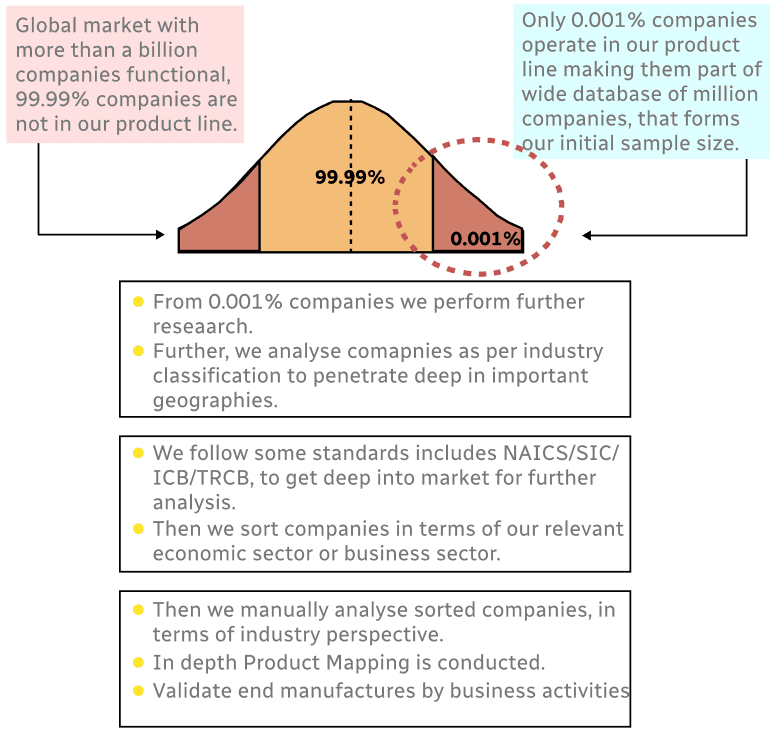
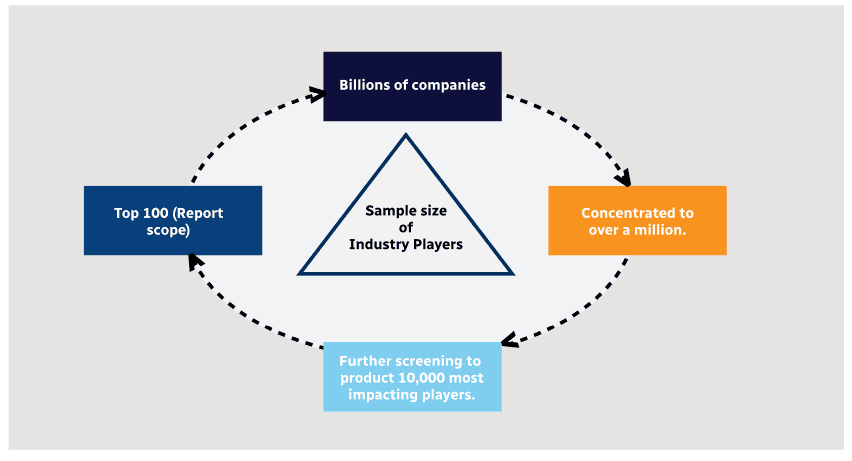
Step 1 - Identification of Relevant Samples Size from Population Database
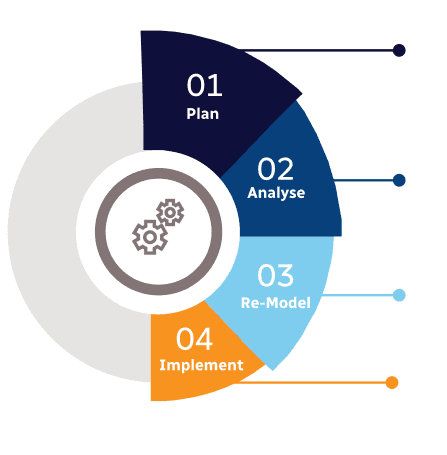
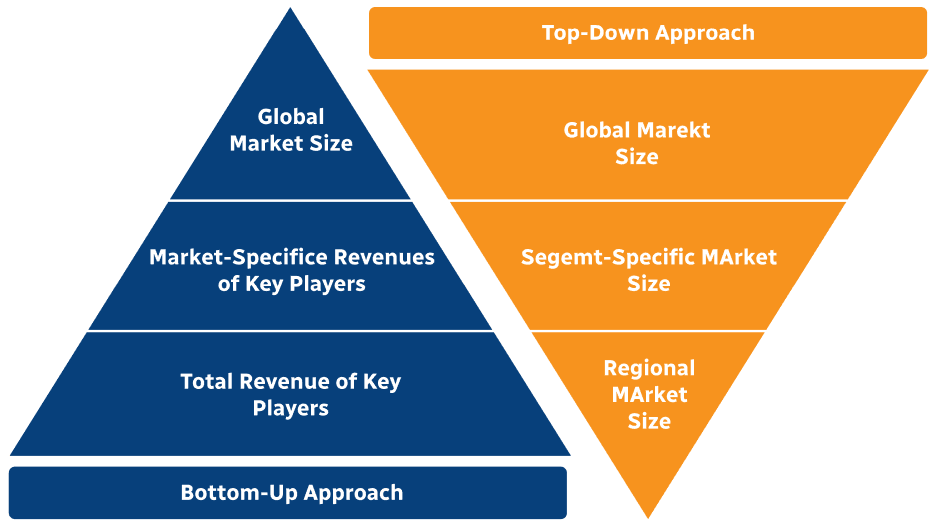
Step 2 - Approaches for Defining Global Market Size (Value, Volume* & Price*)
Note*: In applicable scenarios
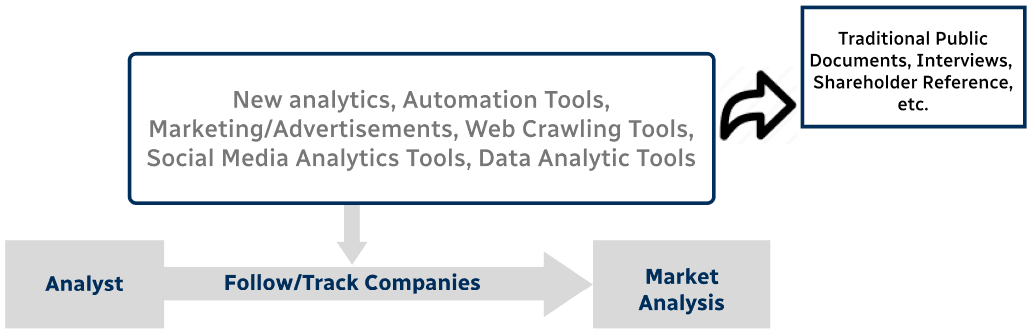
Step 3 - Data Sources
Primary Research
- Web Analytics
- Survey Reports
- Research Institute
- Latest Research Reports
- Opinion Leaders
Secondary Research
- Annual Reports
- White Paper
- Latest Press Release
- Industry Association
- Paid Database
- Investor Presentations
Step 4 - Data Triangulation
Involves using different sources of information in order to increase the validity of a study
These sources are likely to be stakeholders in a program - participants, other researchers, program staff, other community members, and so on.
Then we put all data in single framework & apply various statistical tools to find out the dynamic on the market.
During the analysis stage, feedback from the stakeholder groups would be compared to determine areas of agreement as well as areas of divergence