Key Insights
The global Remote Surgery Systems market is poised for significant expansion, projected to reach an estimated USD 4,500 million by 2025, with a robust Compound Annual Growth Rate (CAGR) of approximately 12% projected over the forecast period of 2025-2033. This remarkable growth is primarily fueled by the increasing demand for minimally invasive surgical procedures, the escalating adoption of advanced robotics and AI in healthcare, and the growing need for remote healthcare access, especially in underserved regions. The inherent benefits of remote surgery, such as reduced patient trauma, shorter recovery times, enhanced precision, and the potential to overcome geographical barriers for specialist care, are key drivers propelling market momentum. Furthermore, advancements in telecommunications and imaging technologies are creating a more conducive environment for the successful implementation of these sophisticated systems.
The market is segmented into crucial applications, with Hospitals leading in adoption due to their comprehensive infrastructure and high patient volumes, followed by Clinics, which are increasingly investing in specialized robotic systems. Within the types segment, Cardiac Surgery Systems and Neurosurgery Systems are anticipated to dominate, reflecting the complexity and high-value nature of these procedures where robotic assistance offers significant advantages. Orthopaedic Surgery Systems also present a substantial growth opportunity as joint replacement and reconstructive surgeries continue to benefit from robotic precision. Key players like Intuitive Surgical, Stryker, and Medtronic are at the forefront of innovation, driving the development of next-generation remote surgery platforms. However, high initial investment costs and the need for extensive training for surgical teams remain key restraints that the industry must address to ensure wider accessibility and continued market penetration. The Asia Pacific region, particularly China and India, is expected to witness the fastest growth due to burgeoning healthcare expenditure and a large patient population, while North America and Europe will continue to be dominant markets.

Remote Surgery Systems Market Concentration & Innovation
The global remote surgery systems market is characterized by a moderate level of concentration, with established players like Intuitive Surgical, Stryker, and Medtronic holding significant market shares. Innovation remains a primary driver, fueled by advancements in robotics, artificial intelligence (AI), and high-speed connectivity. Companies are investing heavily in R&D to develop more sophisticated and autonomous surgical robots, enhance haptic feedback for surgeons, and expand the capabilities of telesurgery platforms. Regulatory frameworks, while evolving, are crucial for ensuring patient safety and device efficacy. Organizations like the FDA and EMA are actively involved in setting guidelines for the development and deployment of these advanced medical technologies. Product substitutes, such as traditional open surgery and minimally invasive techniques, continue to pose a competitive challenge, though the unique benefits of remote surgery—including enhanced precision, reduced invasiveness, and extended reach—are steadily gaining traction. End-user trends indicate a growing acceptance of robotic-assisted procedures and a demand for remote surgical solutions in underserved areas. Mergers and acquisitions (M&A) are playing a pivotal role in consolidating the market and fostering innovation. For instance, strategic acquisitions by larger players aim to integrate cutting-edge technologies and expand their product portfolios. The total value of M&A activities in this sector is projected to reach billions of dollars in the coming years, reflecting the industry's dynamic nature and high growth potential.
- Market Concentration Drivers: Technological expertise, established distribution networks, regulatory approvals, and strong brand recognition.
- Innovation Focus: AI-powered diagnostics, advanced robotics, miniaturization of instruments, enhanced visualization, and secure communication protocols.
- Regulatory Landscape: Continuous evolution of guidelines for safety, efficacy, data security, and remote operation.
- M&A Activity: Consolidation of specialized technology providers, acquisition of startups with novel IP, and strategic partnerships to accelerate market penetration.
Remote Surgery Systems Industry Trends & Insights
The remote surgery systems industry is poised for substantial growth, driven by a confluence of technological advancements, evolving healthcare demands, and increasing global connectivity. The compound annual growth rate (CAGR) is estimated to be in the high double digits, signaling a significant expansion over the forecast period. This robust growth is underpinned by the increasing adoption of robotic-assisted surgery, which offers unparalleled precision, minimally invasive approaches, and reduced patient recovery times. As these systems become more sophisticated, with integrated AI and advanced visualization, their applicability is broadening across a range of surgical specialties.
The trend towards remote access and telesurgery is a major catalyst. This allows experienced surgeons to operate on patients in geographically distant or underserved locations, addressing shortages of specialized medical professionals and improving access to high-quality healthcare. The development of 5G networks and improved telecommunication infrastructure is crucial for enabling seamless and high-fidelity remote surgical interventions. Furthermore, the growing prevalence of chronic diseases and the aging global population are contributing to an increased demand for surgical procedures, further fueling the market for advanced surgical solutions.
Patient preferences are also shifting. Patients are increasingly seeking less invasive procedures with shorter hospital stays and faster recovery. Remote surgery systems, by enabling more precise and minimally invasive interventions, align perfectly with these evolving patient expectations. The ability to perform complex procedures with greater accuracy and control also translates to improved patient outcomes, a paramount concern for healthcare providers and patients alike.
The competitive landscape is dynamic, with both established medical device giants and agile startups vying for market dominance. Companies are investing heavily in research and development to gain a competitive edge, focusing on areas such as miniaturization of robotic instruments, improved haptic feedback, enhanced AI-driven surgical planning and execution, and the development of single-use or disposable robotic components to reduce costs and infection risks. Strategic partnerships and collaborations between technology providers, healthcare institutions, and research organizations are also becoming increasingly prevalent, accelerating innovation and market penetration. The integration of augmented reality (AR) and virtual reality (VR) in surgical training and real-time guidance during remote procedures represents another significant trend, promising to further enhance surgical precision and reduce the learning curve for new techniques. Market penetration is expected to deepen as the cost of these systems becomes more accessible and reimbursement policies evolve to support their widespread adoption.

Dominant Markets & Segments in Remote Surgery Systems
The global remote surgery systems market exhibits clear dominance in specific regions and application segments, driven by a combination of factors including technological infrastructure, healthcare spending, and regulatory support.
Regional Dominance:
North America, particularly the United States, stands out as the dominant market for remote surgery systems. This leadership is attributed to several key drivers:
- High Healthcare Expenditure: The U.S. has the highest per capita healthcare spending globally, enabling significant investment in advanced medical technologies like robotic surgery.
- Technological Adoption: A strong culture of early adoption of new technologies, coupled with a robust research and development ecosystem, fuels innovation and implementation.
- Presence of Key Players: Major remote surgery system manufacturers, including Intuitive Surgical, Stryker, and Medtronic, are headquartered or have substantial operations in the region, fostering market growth.
- Reimbursement Policies: Favorable reimbursement policies for robotic-assisted procedures incentivize hospitals to invest in and utilize these systems.
- Skilled Workforce: A high concentration of highly trained surgeons and medical professionals proficient in using advanced surgical technologies.
Europe, particularly Western European countries like Germany, the UK, and France, also represents a significant and growing market, driven by advanced healthcare infrastructure and a commitment to adopting innovative medical solutions. The Asia-Pacific region is emerging as a high-growth market, with countries like China and Japan investing heavily in healthcare modernization and the adoption of robotic surgery.
Segment Dominance:
Application: Hospitals: Hospitals are the undisputed dominant application segment for remote surgery systems. The sophisticated infrastructure, large patient volumes, and the need for complex surgical interventions make them the primary adopters.
- Key Drivers:
- High Demand for Complex Procedures: Hospitals perform a wide array of intricate surgeries requiring the precision and control offered by remote systems.
- Technological Infrastructure: Hospitals possess the necessary IT infrastructure, operating room setup, and skilled personnel to integrate and operate these systems.
- Reimbursement Structures: Established reimbursement pathways for robotic-assisted procedures in hospital settings.
- Surgical Specialization: The concentration of specialized surgical departments within hospitals, such as cardiac, neurosurgery, and orthopaedics, aligns perfectly with the capabilities of remote surgery.
- Key Drivers:
Type: Orthopaedic Surgery Systems: While cardiac and neurosurgery systems are also significant, orthopaedic surgery systems are experiencing particularly rapid growth and are projected to become a leading segment.
- Key Drivers:
- Precision in Joint Replacements: Robotic assistance offers unparalleled precision in implant placement for total knee and hip replacements, leading to improved outcomes and longevity of implants.
- Minimally Invasive Techniques: Facilitates smaller incisions and faster recovery times, a key patient preference.
- Increasing Prevalence of Arthritis and Musculoskeletal Disorders: The aging population and rising rates of obesity contribute to a higher incidence of conditions requiring orthopaedic surgery.
- Technological Advancements: Development of dedicated robotic platforms for orthopaedic procedures, enhancing efficiency and accuracy.
- Key Drivers:
The market for Cardiac Surgery Systems and Neurosurgery Systems also remains robust. Cardiac surgery benefits from the enhanced precision and minimally invasive capabilities of robotic systems for procedures like mitral valve repair and coronary artery bypass grafting. Neurosurgery leverages these systems for intricate procedures within the confined space of the brain and spinal cord, improving access and reducing collateral damage. The "Others" segment, encompassing general surgery, urology, and gynecology, is also expanding as the versatility of remote surgery systems becomes more apparent.
Remote Surgery Systems Product Developments
Recent product developments in remote surgery systems are focused on enhancing precision, autonomy, and accessibility. Companies are integrating AI for enhanced surgical planning and intraoperative guidance, miniaturizing robotic instruments for less invasive procedures, and improving haptic feedback to provide surgeons with a more tactile sense of the surgical field. Innovations in visualization technologies, including 4K optics and augmented reality overlays, are further refining surgical accuracy. The development of modular and adaptable robotic platforms is also a key trend, allowing for greater versatility across different surgical specialties and reducing the overall cost of ownership. These advancements are critical for market penetration and for addressing unmet clinical needs, offering competitive advantages through improved patient outcomes and operational efficiencies.
Report Scope & Segmentation Analysis
This comprehensive report analyzes the global remote surgery systems market, segmenting it across various critical dimensions to provide granular insights into market dynamics and future growth trajectories. The study encompasses the following key segmentations:
- Application: The market is segmented into Hospitals and Clinics. Hospitals represent the largest segment due to their comprehensive surgical capabilities and infrastructure. Clinics, while currently smaller, are projected to see significant growth as telesurgery models evolve and specialized outpatient surgical centers emerge.
- Type: The report details the market for specific surgical system types, including Cardiac Surgery Systems, Neurosurgery Systems, and Orthopaedic Surgery Systems. Each of these segments is driven by unique clinical needs and technological advancements. The Others category captures emerging applications in fields such as general surgery, urology, and gynecology. Growth projections and competitive dynamics are detailed for each sub-segment, highlighting their respective market sizes and future potential.
Key Drivers of Remote Surgery Systems Growth
The remote surgery systems market is propelled by several interconnected growth drivers. Technologically, advancements in robotics, artificial intelligence (AI), and high-speed connectivity are enabling more sophisticated and accessible remote surgical solutions. AI integration is enhancing surgical planning, navigation, and real-time decision-making, while improved robotic dexterity and miniaturization allow for less invasive procedures. Economically, increasing global healthcare expenditure and a growing demand for minimally invasive treatments are fueling investments in these advanced systems. Furthermore, the recognition of improved patient outcomes, reduced hospital stays, and faster recovery times associated with robotic surgery makes it an attractive option for both providers and patients. Regulatory bodies are also adapting to facilitate the safe and effective implementation of these technologies, creating a more conducive environment for market expansion.
Challenges in the Remote Surgery Systems Sector
Despite the promising growth, the remote surgery systems sector faces several significant challenges. High initial acquisition and maintenance costs for robotic systems remain a barrier to widespread adoption, particularly for smaller healthcare facilities and in emerging economies. Regulatory hurdles, while necessary for patient safety, can lead to lengthy approval processes for new technologies and expanded indications. The need for specialized training for surgeons and surgical teams to operate these complex systems also presents a challenge, requiring substantial investment in education and skill development. Furthermore, ensuring robust cybersecurity and data privacy for remote surgical operations is paramount, given the transmission of sensitive patient data. Lastly, established traditional surgical techniques and the inertia of existing clinical practices can slow down the adoption of entirely new paradigms like remote surgery.
Emerging Opportunities in Remote Surgery Systems
The future of remote surgery systems is ripe with emerging opportunities. The expansion of telesurgery capabilities into remote and underserved regions presents a significant opportunity to democratize access to specialized surgical care. Advancements in AI and machine learning are paving the way for greater surgical autonomy and predictive analytics, which could further enhance precision and efficiency. The development of smaller, more affordable, and single-use robotic instruments could significantly lower the barrier to entry for a wider range of healthcare providers. Integration with augmented reality (AR) and virtual reality (VR) for enhanced training and intraoperative guidance offers another avenue for innovation. The growing demand for specialized procedures in fields like oncology and regenerative medicine is also expected to drive the development of bespoke remote surgery solutions.
Leading Players in the Remote Surgery Systems Market
- Intuitive Surgical
- Stryker
- Medtronic
- Accuray Incorporated
- Auris Health
- Blue Belt Technologies
- SRI International
- THINK Surgical
- NuVasive
- Smith & Nephew
- Johnson & Johnson Private Limited
- Brainlab AG
- Think Surgical
Key Developments in Remote Surgery Systems Industry
- 2023/05: Intuitive Surgical launches a new generation of its da Vinci surgical system with enhanced features for minimally invasive procedures.
- 2023/03: Medtronic announces significant advancements in its robotic-assisted surgery portfolio, focusing on AI integration.
- 2022/11: Stryker expands its orthopaedic robotic surgery offerings with new system functionalities.
- 2022/09: Accuray Incorporated receives regulatory approval for an expanded indication for its robotic radiosurgery system.
- 2022/07: Auris Health (a Johnson & Johnson company) continues to develop its robotic bronchoscopy system for lung nodule detection.
- 2021/12: Blue Belt Technologies, now part of Stryker, focuses on advancements in robotic-assisted total knee replacement systems.
- 2021/10: SRI International continues its research into next-generation surgical robotics with potential applications in remote surgery.
- 2021/08: THINK Surgical advances its open platform for robotic surgery, fostering collaboration and innovation.
- 2020/11: NuVasive explores integration of robotic technologies for spinal surgery applications.
- 2020/06: Smith & Nephew invests in R&D for its robotic surgical systems, particularly in orthopaedics.
Strategic Outlook for Remote Surgery Systems Market
The strategic outlook for the remote surgery systems market is exceptionally positive, driven by continuous technological innovation and an increasing global demand for advanced healthcare solutions. The focus on developing more intelligent, miniaturized, and user-friendly robotic systems, coupled with advancements in connectivity and AI, will unlock new clinical applications and expand market reach. Strategic partnerships and collaborations will be crucial for accelerating R&D, expanding market penetration, and navigating complex regulatory landscapes. As the benefits of precision, reduced invasiveness, and improved patient outcomes become more widely recognized and as the cost-effectiveness of these systems improves, their adoption rate is expected to accelerate significantly. The market is poised for substantial growth, offering lucrative opportunities for companies that can effectively address clinical needs and capitalize on evolving healthcare trends.
Remote Surgery Systems Segmentation
-
1. Application
- 1.1. Hospitals
- 1.2. Clinics
-
2. Types
- 2.1. Cardiac surgery Systems
- 2.2. Neurosurgery Systems
- 2.3. Orthopaedic Surgery Systems
- 2.4. Others
Remote Surgery Systems Segmentation By Geography
-
1. North America
- 1.1. United States
- 1.2. Canada
- 1.3. Mexico
-
2. South America
- 2.1. Brazil
- 2.2. Argentina
- 2.3. Rest of South America
-
3. Europe
- 3.1. United Kingdom
- 3.2. Germany
- 3.3. France
- 3.4. Italy
- 3.5. Spain
- 3.6. Russia
- 3.7. Benelux
- 3.8. Nordics
- 3.9. Rest of Europe
-
4. Middle East & Africa
- 4.1. Turkey
- 4.2. Israel
- 4.3. GCC
- 4.4. North Africa
- 4.5. South Africa
- 4.6. Rest of Middle East & Africa
-
5. Asia Pacific
- 5.1. China
- 5.2. India
- 5.3. Japan
- 5.4. South Korea
- 5.5. ASEAN
- 5.6. Oceania
- 5.7. Rest of Asia Pacific

Remote Surgery Systems REPORT HIGHLIGHTS
| Aspects | Details |
|---|---|
| Study Period | 2019-2033 |
| Base Year | 2024 |
| Estimated Year | 2025 |
| Forecast Period | 2025-2033 |
| Historical Period | 2019-2024 |
| Growth Rate | CAGR of XX% from 2019-2033 |
| Segmentation |
|
Table of Contents
- 1. Introduction
- 1.1. Research Scope
- 1.2. Market Segmentation
- 1.3. Research Methodology
- 1.4. Definitions and Assumptions
- 2. Executive Summary
- 2.1. Introduction
- 3. Market Dynamics
- 3.1. Introduction
- 3.2. Market Drivers
- 3.3. Market Restrains
- 3.4. Market Trends
- 4. Market Factor Analysis
- 4.1. Porters Five Forces
- 4.2. Supply/Value Chain
- 4.3. PESTEL analysis
- 4.4. Market Entropy
- 4.5. Patent/Trademark Analysis
- 5. Global Remote Surgery Systems Analysis, Insights and Forecast, 2019-2031
- 5.1. Market Analysis, Insights and Forecast - by Application
- 5.1.1. Hospitals
- 5.1.2. Clinics
- 5.2. Market Analysis, Insights and Forecast - by Types
- 5.2.1. Cardiac surgery Systems
- 5.2.2. Neurosurgery Systems
- 5.2.3. Orthopaedic Surgery Systems
- 5.2.4. Others
- 5.3. Market Analysis, Insights and Forecast - by Region
- 5.3.1. North America
- 5.3.2. South America
- 5.3.3. Europe
- 5.3.4. Middle East & Africa
- 5.3.5. Asia Pacific
- 5.1. Market Analysis, Insights and Forecast - by Application
- 6. North America Remote Surgery Systems Analysis, Insights and Forecast, 2019-2031
- 6.1. Market Analysis, Insights and Forecast - by Application
- 6.1.1. Hospitals
- 6.1.2. Clinics
- 6.2. Market Analysis, Insights and Forecast - by Types
- 6.2.1. Cardiac surgery Systems
- 6.2.2. Neurosurgery Systems
- 6.2.3. Orthopaedic Surgery Systems
- 6.2.4. Others
- 6.1. Market Analysis, Insights and Forecast - by Application
- 7. South America Remote Surgery Systems Analysis, Insights and Forecast, 2019-2031
- 7.1. Market Analysis, Insights and Forecast - by Application
- 7.1.1. Hospitals
- 7.1.2. Clinics
- 7.2. Market Analysis, Insights and Forecast - by Types
- 7.2.1. Cardiac surgery Systems
- 7.2.2. Neurosurgery Systems
- 7.2.3. Orthopaedic Surgery Systems
- 7.2.4. Others
- 7.1. Market Analysis, Insights and Forecast - by Application
- 8. Europe Remote Surgery Systems Analysis, Insights and Forecast, 2019-2031
- 8.1. Market Analysis, Insights and Forecast - by Application
- 8.1.1. Hospitals
- 8.1.2. Clinics
- 8.2. Market Analysis, Insights and Forecast - by Types
- 8.2.1. Cardiac surgery Systems
- 8.2.2. Neurosurgery Systems
- 8.2.3. Orthopaedic Surgery Systems
- 8.2.4. Others
- 8.1. Market Analysis, Insights and Forecast - by Application
- 9. Middle East & Africa Remote Surgery Systems Analysis, Insights and Forecast, 2019-2031
- 9.1. Market Analysis, Insights and Forecast - by Application
- 9.1.1. Hospitals
- 9.1.2. Clinics
- 9.2. Market Analysis, Insights and Forecast - by Types
- 9.2.1. Cardiac surgery Systems
- 9.2.2. Neurosurgery Systems
- 9.2.3. Orthopaedic Surgery Systems
- 9.2.4. Others
- 9.1. Market Analysis, Insights and Forecast - by Application
- 10. Asia Pacific Remote Surgery Systems Analysis, Insights and Forecast, 2019-2031
- 10.1. Market Analysis, Insights and Forecast - by Application
- 10.1.1. Hospitals
- 10.1.2. Clinics
- 10.2. Market Analysis, Insights and Forecast - by Types
- 10.2.1. Cardiac surgery Systems
- 10.2.2. Neurosurgery Systems
- 10.2.3. Orthopaedic Surgery Systems
- 10.2.4. Others
- 10.1. Market Analysis, Insights and Forecast - by Application
- 11. Competitive Analysis
- 11.1. Global Market Share Analysis 2024
- 11.2. Company Profiles
- 11.2.1 Intuitive Surgical
- 11.2.1.1. Overview
- 11.2.1.2. Products
- 11.2.1.3. SWOT Analysis
- 11.2.1.4. Recent Developments
- 11.2.1.5. Financials (Based on Availability)
- 11.2.2 Stryker
- 11.2.2.1. Overview
- 11.2.2.2. Products
- 11.2.2.3. SWOT Analysis
- 11.2.2.4. Recent Developments
- 11.2.2.5. Financials (Based on Availability)
- 11.2.3 Medtronic
- 11.2.3.1. Overview
- 11.2.3.2. Products
- 11.2.3.3. SWOT Analysis
- 11.2.3.4. Recent Developments
- 11.2.3.5. Financials (Based on Availability)
- 11.2.4 Accuray Incorporated
- 11.2.4.1. Overview
- 11.2.4.2. Products
- 11.2.4.3. SWOT Analysis
- 11.2.4.4. Recent Developments
- 11.2.4.5. Financials (Based on Availability)
- 11.2.5 Auris Health
- 11.2.5.1. Overview
- 11.2.5.2. Products
- 11.2.5.3. SWOT Analysis
- 11.2.5.4. Recent Developments
- 11.2.5.5. Financials (Based on Availability)
- 11.2.6 Blue Belt Technologies
- 11.2.6.1. Overview
- 11.2.6.2. Products
- 11.2.6.3. SWOT Analysis
- 11.2.6.4. Recent Developments
- 11.2.6.5. Financials (Based on Availability)
- 11.2.7 SRI International
- 11.2.7.1. Overview
- 11.2.7.2. Products
- 11.2.7.3. SWOT Analysis
- 11.2.7.4. Recent Developments
- 11.2.7.5. Financials (Based on Availability)
- 11.2.8 THINK Surgical
- 11.2.8.1. Overview
- 11.2.8.2. Products
- 11.2.8.3. SWOT Analysis
- 11.2.8.4. Recent Developments
- 11.2.8.5. Financials (Based on Availability)
- 11.2.9 NuVasive
- 11.2.9.1. Overview
- 11.2.9.2. Products
- 11.2.9.3. SWOT Analysis
- 11.2.9.4. Recent Developments
- 11.2.9.5. Financials (Based on Availability)
- 11.2.10 Smith & Nephew
- 11.2.10.1. Overview
- 11.2.10.2. Products
- 11.2.10.3. SWOT Analysis
- 11.2.10.4. Recent Developments
- 11.2.10.5. Financials (Based on Availability)
- 11.2.11 Johnson & Johnson Private Limited
- 11.2.11.1. Overview
- 11.2.11.2. Products
- 11.2.11.3. SWOT Analysis
- 11.2.11.4. Recent Developments
- 11.2.11.5. Financials (Based on Availability)
- 11.2.12 Brainlab AG
- 11.2.12.1. Overview
- 11.2.12.2. Products
- 11.2.12.3. SWOT Analysis
- 11.2.12.4. Recent Developments
- 11.2.12.5. Financials (Based on Availability)
- 11.2.13 Think Surgical
- 11.2.13.1. Overview
- 11.2.13.2. Products
- 11.2.13.3. SWOT Analysis
- 11.2.13.4. Recent Developments
- 11.2.13.5. Financials (Based on Availability)
- 11.2.1 Intuitive Surgical
List of Figures
- Figure 1: Global Remote Surgery Systems Revenue Breakdown (million, %) by Region 2024 & 2032
- Figure 2: Global Remote Surgery Systems Volume Breakdown (K, %) by Region 2024 & 2032
- Figure 3: North America Remote Surgery Systems Revenue (million), by Application 2024 & 2032
- Figure 4: North America Remote Surgery Systems Volume (K), by Application 2024 & 2032
- Figure 5: North America Remote Surgery Systems Revenue Share (%), by Application 2024 & 2032
- Figure 6: North America Remote Surgery Systems Volume Share (%), by Application 2024 & 2032
- Figure 7: North America Remote Surgery Systems Revenue (million), by Types 2024 & 2032
- Figure 8: North America Remote Surgery Systems Volume (K), by Types 2024 & 2032
- Figure 9: North America Remote Surgery Systems Revenue Share (%), by Types 2024 & 2032
- Figure 10: North America Remote Surgery Systems Volume Share (%), by Types 2024 & 2032
- Figure 11: North America Remote Surgery Systems Revenue (million), by Country 2024 & 2032
- Figure 12: North America Remote Surgery Systems Volume (K), by Country 2024 & 2032
- Figure 13: North America Remote Surgery Systems Revenue Share (%), by Country 2024 & 2032
- Figure 14: North America Remote Surgery Systems Volume Share (%), by Country 2024 & 2032
- Figure 15: South America Remote Surgery Systems Revenue (million), by Application 2024 & 2032
- Figure 16: South America Remote Surgery Systems Volume (K), by Application 2024 & 2032
- Figure 17: South America Remote Surgery Systems Revenue Share (%), by Application 2024 & 2032
- Figure 18: South America Remote Surgery Systems Volume Share (%), by Application 2024 & 2032
- Figure 19: South America Remote Surgery Systems Revenue (million), by Types 2024 & 2032
- Figure 20: South America Remote Surgery Systems Volume (K), by Types 2024 & 2032
- Figure 21: South America Remote Surgery Systems Revenue Share (%), by Types 2024 & 2032
- Figure 22: South America Remote Surgery Systems Volume Share (%), by Types 2024 & 2032
- Figure 23: South America Remote Surgery Systems Revenue (million), by Country 2024 & 2032
- Figure 24: South America Remote Surgery Systems Volume (K), by Country 2024 & 2032
- Figure 25: South America Remote Surgery Systems Revenue Share (%), by Country 2024 & 2032
- Figure 26: South America Remote Surgery Systems Volume Share (%), by Country 2024 & 2032
- Figure 27: Europe Remote Surgery Systems Revenue (million), by Application 2024 & 2032
- Figure 28: Europe Remote Surgery Systems Volume (K), by Application 2024 & 2032
- Figure 29: Europe Remote Surgery Systems Revenue Share (%), by Application 2024 & 2032
- Figure 30: Europe Remote Surgery Systems Volume Share (%), by Application 2024 & 2032
- Figure 31: Europe Remote Surgery Systems Revenue (million), by Types 2024 & 2032
- Figure 32: Europe Remote Surgery Systems Volume (K), by Types 2024 & 2032
- Figure 33: Europe Remote Surgery Systems Revenue Share (%), by Types 2024 & 2032
- Figure 34: Europe Remote Surgery Systems Volume Share (%), by Types 2024 & 2032
- Figure 35: Europe Remote Surgery Systems Revenue (million), by Country 2024 & 2032
- Figure 36: Europe Remote Surgery Systems Volume (K), by Country 2024 & 2032
- Figure 37: Europe Remote Surgery Systems Revenue Share (%), by Country 2024 & 2032
- Figure 38: Europe Remote Surgery Systems Volume Share (%), by Country 2024 & 2032
- Figure 39: Middle East & Africa Remote Surgery Systems Revenue (million), by Application 2024 & 2032
- Figure 40: Middle East & Africa Remote Surgery Systems Volume (K), by Application 2024 & 2032
- Figure 41: Middle East & Africa Remote Surgery Systems Revenue Share (%), by Application 2024 & 2032
- Figure 42: Middle East & Africa Remote Surgery Systems Volume Share (%), by Application 2024 & 2032
- Figure 43: Middle East & Africa Remote Surgery Systems Revenue (million), by Types 2024 & 2032
- Figure 44: Middle East & Africa Remote Surgery Systems Volume (K), by Types 2024 & 2032
- Figure 45: Middle East & Africa Remote Surgery Systems Revenue Share (%), by Types 2024 & 2032
- Figure 46: Middle East & Africa Remote Surgery Systems Volume Share (%), by Types 2024 & 2032
- Figure 47: Middle East & Africa Remote Surgery Systems Revenue (million), by Country 2024 & 2032
- Figure 48: Middle East & Africa Remote Surgery Systems Volume (K), by Country 2024 & 2032
- Figure 49: Middle East & Africa Remote Surgery Systems Revenue Share (%), by Country 2024 & 2032
- Figure 50: Middle East & Africa Remote Surgery Systems Volume Share (%), by Country 2024 & 2032
- Figure 51: Asia Pacific Remote Surgery Systems Revenue (million), by Application 2024 & 2032
- Figure 52: Asia Pacific Remote Surgery Systems Volume (K), by Application 2024 & 2032
- Figure 53: Asia Pacific Remote Surgery Systems Revenue Share (%), by Application 2024 & 2032
- Figure 54: Asia Pacific Remote Surgery Systems Volume Share (%), by Application 2024 & 2032
- Figure 55: Asia Pacific Remote Surgery Systems Revenue (million), by Types 2024 & 2032
- Figure 56: Asia Pacific Remote Surgery Systems Volume (K), by Types 2024 & 2032
- Figure 57: Asia Pacific Remote Surgery Systems Revenue Share (%), by Types 2024 & 2032
- Figure 58: Asia Pacific Remote Surgery Systems Volume Share (%), by Types 2024 & 2032
- Figure 59: Asia Pacific Remote Surgery Systems Revenue (million), by Country 2024 & 2032
- Figure 60: Asia Pacific Remote Surgery Systems Volume (K), by Country 2024 & 2032
- Figure 61: Asia Pacific Remote Surgery Systems Revenue Share (%), by Country 2024 & 2032
- Figure 62: Asia Pacific Remote Surgery Systems Volume Share (%), by Country 2024 & 2032
List of Tables
- Table 1: Global Remote Surgery Systems Revenue million Forecast, by Region 2019 & 2032
- Table 2: Global Remote Surgery Systems Volume K Forecast, by Region 2019 & 2032
- Table 3: Global Remote Surgery Systems Revenue million Forecast, by Application 2019 & 2032
- Table 4: Global Remote Surgery Systems Volume K Forecast, by Application 2019 & 2032
- Table 5: Global Remote Surgery Systems Revenue million Forecast, by Types 2019 & 2032
- Table 6: Global Remote Surgery Systems Volume K Forecast, by Types 2019 & 2032
- Table 7: Global Remote Surgery Systems Revenue million Forecast, by Region 2019 & 2032
- Table 8: Global Remote Surgery Systems Volume K Forecast, by Region 2019 & 2032
- Table 9: Global Remote Surgery Systems Revenue million Forecast, by Application 2019 & 2032
- Table 10: Global Remote Surgery Systems Volume K Forecast, by Application 2019 & 2032
- Table 11: Global Remote Surgery Systems Revenue million Forecast, by Types 2019 & 2032
- Table 12: Global Remote Surgery Systems Volume K Forecast, by Types 2019 & 2032
- Table 13: Global Remote Surgery Systems Revenue million Forecast, by Country 2019 & 2032
- Table 14: Global Remote Surgery Systems Volume K Forecast, by Country 2019 & 2032
- Table 15: United States Remote Surgery Systems Revenue (million) Forecast, by Application 2019 & 2032
- Table 16: United States Remote Surgery Systems Volume (K) Forecast, by Application 2019 & 2032
- Table 17: Canada Remote Surgery Systems Revenue (million) Forecast, by Application 2019 & 2032
- Table 18: Canada Remote Surgery Systems Volume (K) Forecast, by Application 2019 & 2032
- Table 19: Mexico Remote Surgery Systems Revenue (million) Forecast, by Application 2019 & 2032
- Table 20: Mexico Remote Surgery Systems Volume (K) Forecast, by Application 2019 & 2032
- Table 21: Global Remote Surgery Systems Revenue million Forecast, by Application 2019 & 2032
- Table 22: Global Remote Surgery Systems Volume K Forecast, by Application 2019 & 2032
- Table 23: Global Remote Surgery Systems Revenue million Forecast, by Types 2019 & 2032
- Table 24: Global Remote Surgery Systems Volume K Forecast, by Types 2019 & 2032
- Table 25: Global Remote Surgery Systems Revenue million Forecast, by Country 2019 & 2032
- Table 26: Global Remote Surgery Systems Volume K Forecast, by Country 2019 & 2032
- Table 27: Brazil Remote Surgery Systems Revenue (million) Forecast, by Application 2019 & 2032
- Table 28: Brazil Remote Surgery Systems Volume (K) Forecast, by Application 2019 & 2032
- Table 29: Argentina Remote Surgery Systems Revenue (million) Forecast, by Application 2019 & 2032
- Table 30: Argentina Remote Surgery Systems Volume (K) Forecast, by Application 2019 & 2032
- Table 31: Rest of South America Remote Surgery Systems Revenue (million) Forecast, by Application 2019 & 2032
- Table 32: Rest of South America Remote Surgery Systems Volume (K) Forecast, by Application 2019 & 2032
- Table 33: Global Remote Surgery Systems Revenue million Forecast, by Application 2019 & 2032
- Table 34: Global Remote Surgery Systems Volume K Forecast, by Application 2019 & 2032
- Table 35: Global Remote Surgery Systems Revenue million Forecast, by Types 2019 & 2032
- Table 36: Global Remote Surgery Systems Volume K Forecast, by Types 2019 & 2032
- Table 37: Global Remote Surgery Systems Revenue million Forecast, by Country 2019 & 2032
- Table 38: Global Remote Surgery Systems Volume K Forecast, by Country 2019 & 2032
- Table 39: United Kingdom Remote Surgery Systems Revenue (million) Forecast, by Application 2019 & 2032
- Table 40: United Kingdom Remote Surgery Systems Volume (K) Forecast, by Application 2019 & 2032
- Table 41: Germany Remote Surgery Systems Revenue (million) Forecast, by Application 2019 & 2032
- Table 42: Germany Remote Surgery Systems Volume (K) Forecast, by Application 2019 & 2032
- Table 43: France Remote Surgery Systems Revenue (million) Forecast, by Application 2019 & 2032
- Table 44: France Remote Surgery Systems Volume (K) Forecast, by Application 2019 & 2032
- Table 45: Italy Remote Surgery Systems Revenue (million) Forecast, by Application 2019 & 2032
- Table 46: Italy Remote Surgery Systems Volume (K) Forecast, by Application 2019 & 2032
- Table 47: Spain Remote Surgery Systems Revenue (million) Forecast, by Application 2019 & 2032
- Table 48: Spain Remote Surgery Systems Volume (K) Forecast, by Application 2019 & 2032
- Table 49: Russia Remote Surgery Systems Revenue (million) Forecast, by Application 2019 & 2032
- Table 50: Russia Remote Surgery Systems Volume (K) Forecast, by Application 2019 & 2032
- Table 51: Benelux Remote Surgery Systems Revenue (million) Forecast, by Application 2019 & 2032
- Table 52: Benelux Remote Surgery Systems Volume (K) Forecast, by Application 2019 & 2032
- Table 53: Nordics Remote Surgery Systems Revenue (million) Forecast, by Application 2019 & 2032
- Table 54: Nordics Remote Surgery Systems Volume (K) Forecast, by Application 2019 & 2032
- Table 55: Rest of Europe Remote Surgery Systems Revenue (million) Forecast, by Application 2019 & 2032
- Table 56: Rest of Europe Remote Surgery Systems Volume (K) Forecast, by Application 2019 & 2032
- Table 57: Global Remote Surgery Systems Revenue million Forecast, by Application 2019 & 2032
- Table 58: Global Remote Surgery Systems Volume K Forecast, by Application 2019 & 2032
- Table 59: Global Remote Surgery Systems Revenue million Forecast, by Types 2019 & 2032
- Table 60: Global Remote Surgery Systems Volume K Forecast, by Types 2019 & 2032
- Table 61: Global Remote Surgery Systems Revenue million Forecast, by Country 2019 & 2032
- Table 62: Global Remote Surgery Systems Volume K Forecast, by Country 2019 & 2032
- Table 63: Turkey Remote Surgery Systems Revenue (million) Forecast, by Application 2019 & 2032
- Table 64: Turkey Remote Surgery Systems Volume (K) Forecast, by Application 2019 & 2032
- Table 65: Israel Remote Surgery Systems Revenue (million) Forecast, by Application 2019 & 2032
- Table 66: Israel Remote Surgery Systems Volume (K) Forecast, by Application 2019 & 2032
- Table 67: GCC Remote Surgery Systems Revenue (million) Forecast, by Application 2019 & 2032
- Table 68: GCC Remote Surgery Systems Volume (K) Forecast, by Application 2019 & 2032
- Table 69: North Africa Remote Surgery Systems Revenue (million) Forecast, by Application 2019 & 2032
- Table 70: North Africa Remote Surgery Systems Volume (K) Forecast, by Application 2019 & 2032
- Table 71: South Africa Remote Surgery Systems Revenue (million) Forecast, by Application 2019 & 2032
- Table 72: South Africa Remote Surgery Systems Volume (K) Forecast, by Application 2019 & 2032
- Table 73: Rest of Middle East & Africa Remote Surgery Systems Revenue (million) Forecast, by Application 2019 & 2032
- Table 74: Rest of Middle East & Africa Remote Surgery Systems Volume (K) Forecast, by Application 2019 & 2032
- Table 75: Global Remote Surgery Systems Revenue million Forecast, by Application 2019 & 2032
- Table 76: Global Remote Surgery Systems Volume K Forecast, by Application 2019 & 2032
- Table 77: Global Remote Surgery Systems Revenue million Forecast, by Types 2019 & 2032
- Table 78: Global Remote Surgery Systems Volume K Forecast, by Types 2019 & 2032
- Table 79: Global Remote Surgery Systems Revenue million Forecast, by Country 2019 & 2032
- Table 80: Global Remote Surgery Systems Volume K Forecast, by Country 2019 & 2032
- Table 81: China Remote Surgery Systems Revenue (million) Forecast, by Application 2019 & 2032
- Table 82: China Remote Surgery Systems Volume (K) Forecast, by Application 2019 & 2032
- Table 83: India Remote Surgery Systems Revenue (million) Forecast, by Application 2019 & 2032
- Table 84: India Remote Surgery Systems Volume (K) Forecast, by Application 2019 & 2032
- Table 85: Japan Remote Surgery Systems Revenue (million) Forecast, by Application 2019 & 2032
- Table 86: Japan Remote Surgery Systems Volume (K) Forecast, by Application 2019 & 2032
- Table 87: South Korea Remote Surgery Systems Revenue (million) Forecast, by Application 2019 & 2032
- Table 88: South Korea Remote Surgery Systems Volume (K) Forecast, by Application 2019 & 2032
- Table 89: ASEAN Remote Surgery Systems Revenue (million) Forecast, by Application 2019 & 2032
- Table 90: ASEAN Remote Surgery Systems Volume (K) Forecast, by Application 2019 & 2032
- Table 91: Oceania Remote Surgery Systems Revenue (million) Forecast, by Application 2019 & 2032
- Table 92: Oceania Remote Surgery Systems Volume (K) Forecast, by Application 2019 & 2032
- Table 93: Rest of Asia Pacific Remote Surgery Systems Revenue (million) Forecast, by Application 2019 & 2032
- Table 94: Rest of Asia Pacific Remote Surgery Systems Volume (K) Forecast, by Application 2019 & 2032
Frequently Asked Questions
1. What is the projected Compound Annual Growth Rate (CAGR) of the Remote Surgery Systems?
The projected CAGR is approximately XX%.
2. Which companies are prominent players in the Remote Surgery Systems?
Key companies in the market include Intuitive Surgical, Stryker, Medtronic, Accuray Incorporated, Auris Health, Blue Belt Technologies, SRI International, THINK Surgical, NuVasive, Smith & Nephew, Johnson & Johnson Private Limited, Brainlab AG, Think Surgical.
3. What are the main segments of the Remote Surgery Systems?
The market segments include Application, Types.
4. Can you provide details about the market size?
The market size is estimated to be USD XXX million as of 2022.
5. What are some drivers contributing to market growth?
N/A
6. What are the notable trends driving market growth?
N/A
7. Are there any restraints impacting market growth?
N/A
8. Can you provide examples of recent developments in the market?
N/A
9. What pricing options are available for accessing the report?
Pricing options include single-user, multi-user, and enterprise licenses priced at USD 3350.00, USD 5025.00, and USD 6700.00 respectively.
10. Is the market size provided in terms of value or volume?
The market size is provided in terms of value, measured in million and volume, measured in K.
11. Are there any specific market keywords associated with the report?
Yes, the market keyword associated with the report is "Remote Surgery Systems," which aids in identifying and referencing the specific market segment covered.
12. How do I determine which pricing option suits my needs best?
The pricing options vary based on user requirements and access needs. Individual users may opt for single-user licenses, while businesses requiring broader access may choose multi-user or enterprise licenses for cost-effective access to the report.
13. Are there any additional resources or data provided in the Remote Surgery Systems report?
While the report offers comprehensive insights, it's advisable to review the specific contents or supplementary materials provided to ascertain if additional resources or data are available.
14. How can I stay updated on further developments or reports in the Remote Surgery Systems?
To stay informed about further developments, trends, and reports in the Remote Surgery Systems, consider subscribing to industry newsletters, following relevant companies and organizations, or regularly checking reputable industry news sources and publications.
Methodology
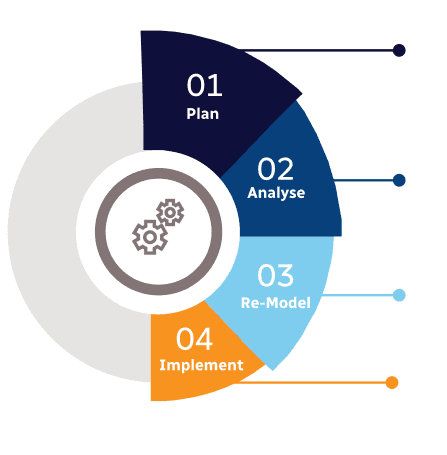
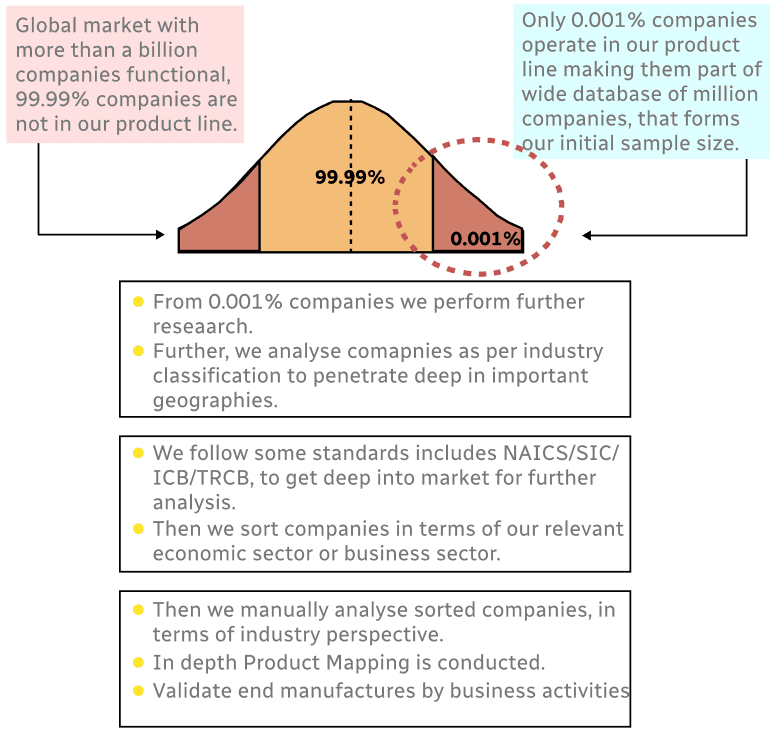
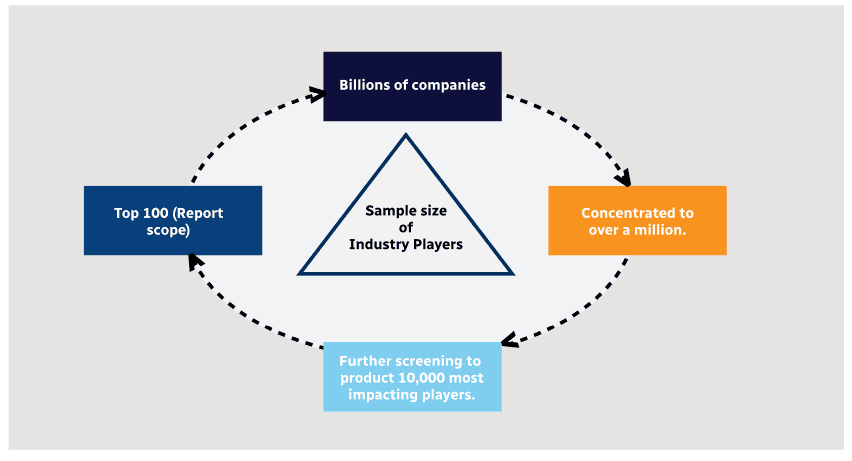
Step 1 - Identification of Relevant Samples Size from Population Database
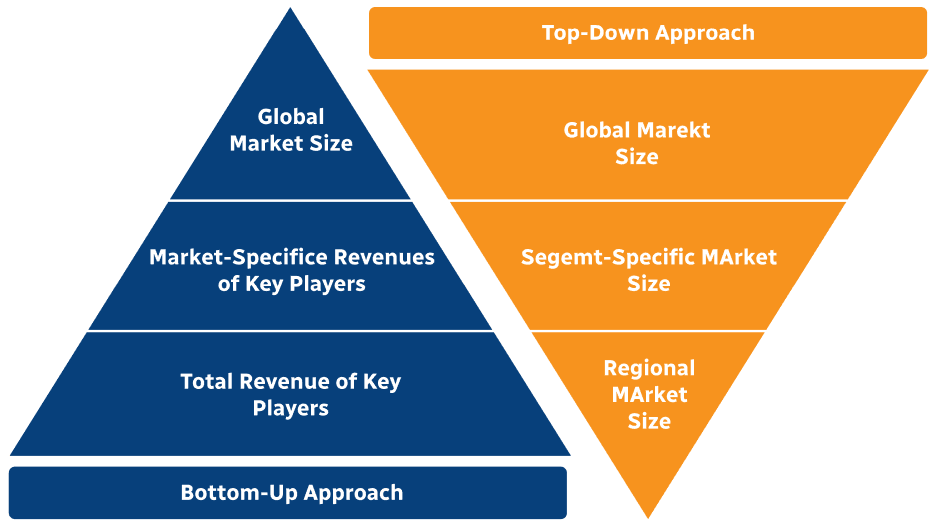
Step 2 - Approaches for Defining Global Market Size (Value, Volume* & Price*)
Note*: In applicable scenarios
Step 3 - Data Sources
Primary Research
- Web Analytics
- Survey Reports
- Research Institute
- Latest Research Reports
- Opinion Leaders
Secondary Research
- Annual Reports
- White Paper
- Latest Press Release
- Industry Association
- Paid Database
- Investor Presentations
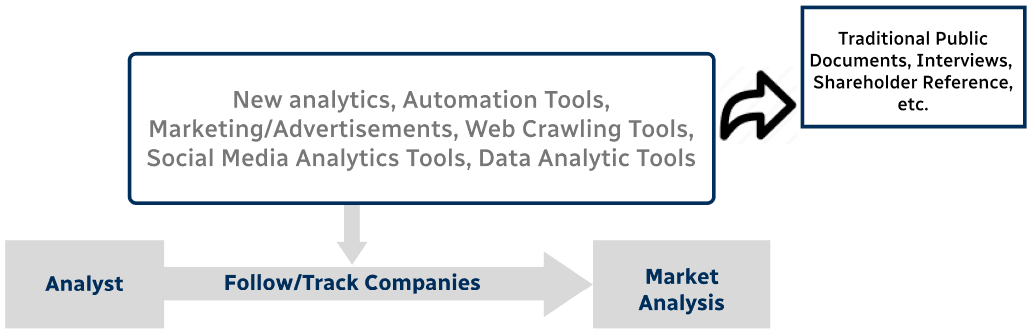
Step 4 - Data Triangulation
Involves using different sources of information in order to increase the validity of a study
These sources are likely to be stakeholders in a program - participants, other researchers, program staff, other community members, and so on.
Then we put all data in single framework & apply various statistical tools to find out the dynamic on the market.
During the analysis stage, feedback from the stakeholder groups would be compared to determine areas of agreement as well as areas of divergence