Key Insights
The global beeswax market, valued at approximately $XX million in 2025, is projected to experience steady growth, exhibiting a compound annual growth rate (CAGR) of 3.15% from 2025 to 2033. This growth is fueled by several key market drivers. The increasing demand for natural and sustainable products in various industries, including cosmetics, pharmaceuticals, and food, is a significant factor. Beeswax's unique properties, such as its emolliency, water resistance, and ability to act as a natural emulsifier, make it a highly sought-after ingredient. Furthermore, the rising awareness of the environmental impact of synthetic alternatives is bolstering the adoption of beeswax as a more eco-friendly option. Emerging trends such as the growing popularity of natural skincare products and the increasing use of beeswax in sustainable packaging solutions are further contributing to market expansion. However, the market faces certain restraints, primarily related to the fluctuations in honeybee populations and the associated impact on beeswax production. The availability and price of beeswax can be affected by factors such as climate change, disease outbreaks, and pesticide use. Market segmentation reveals strong performance across various applications, with cosmetics and personal care likely maintaining a dominant share, followed by food and pharmaceuticals. Key players like Koster Keunen, Aadra International, and New Zealand Beeswax Ltd are driving innovation and expanding their product portfolios to cater to the growing demand. Geographical variations in market size and growth are expected, with regions such as North America and Europe likely to maintain significant market shares due to higher consumer awareness and spending on natural products.
The forecast period (2025-2033) presents considerable opportunities for market expansion, particularly for companies focusing on sustainable sourcing practices and innovative beeswax applications. The development of new beeswax-based products, particularly in niche sectors like bioplastics and candles, is anticipated to drive future growth. Addressing the challenges related to supply chain stability and ensuring the ethical and sustainable sourcing of beeswax will be crucial for sustaining long-term market growth. By focusing on transparency, traceability, and fair trade practices, companies can build trust with consumers and strengthen their market position. Technological advancements in beeswax processing and refinement could also contribute to increased efficiency and improved product quality, furthering market expansion. Overall, the beeswax market exhibits a promising outlook driven by a confluence of consumer preferences, technological advancements, and the inherent advantages of beeswax as a sustainable and versatile natural resource.

Beeswax Industry: A Comprehensive Market Report (2019-2033)
This comprehensive report provides a detailed analysis of the global beeswax industry, offering invaluable insights for stakeholders, investors, and industry professionals. The study period covers 2019-2033, with a base year of 2025 and a forecast period of 2025-2033. The report’s findings are based on extensive research and data analysis, providing a clear picture of market trends, growth drivers, challenges, and future opportunities. The global beeswax market is valued at xx Million in 2025 and is projected to reach xx Million by 2033, exhibiting a CAGR of xx% during the forecast period.
Beeswax Industry Market Concentration & Innovation
The global beeswax industry exhibits a moderately concentrated market structure, with several key players holding significant market share. Koster Keunen, Aadra International, New Zealand Beeswax Ltd, Melland Ecogreen Technology Co Ltd, Paramold Manufacturing LLC, Strahl and Pitsch, Alfa Chemistry, Beeswax-Store, Beeswax Products Company LLC, and British Wax Refining Company Limited are some of the prominent players, although the market is not exclusively dominated by these companies. Market share data for these companies during the historical period (2019-2024) reveal a varying distribution, with the top 5 players collectively holding an estimated xx% market share. The exact figures are detailed within the report.
Innovation in the beeswax industry is driven by the growing demand for natural and sustainable products. This is evident in the increasing development of beeswax-based cosmetics, food wraps, and other applications. Regulatory frameworks, particularly those concerning organic certification and sustainable sourcing, are also impacting innovation. Product substitutes, such as synthetic waxes, pose a challenge, but the unique properties of beeswax, including its natural origin and biodegradability, provide a strong competitive advantage. Recent M&A activities in the sector, though not extensively documented in public information, indicate a potential for further consolidation and increased market concentration. The value of these deals, where available, are included in the full report. End-user trends indicate a preference for high-quality, ethically sourced beeswax, impacting both the pricing and supply chain of this industry.
Beeswax Industry Industry Trends & Insights
The global beeswax market is experiencing robust and sustained growth, primarily propelled by a significant surge in consumer demand for natural, sustainable, and ethically produced ingredients. This escalating preference is driven by a heightened awareness of the detrimental environmental impacts associated with synthetic alternatives and a clear shift towards products perceived as healthier and more eco-conscious. The market's expansion is further amplified by the enduring and increasing popularity of beeswax across a diverse spectrum of applications, including high-end cosmetics, innovative food packaging solutions, artisanal candles, and premium polishes. Concurrently, technological advancements, particularly in the sophisticated processing and purification techniques of beeswax, are leading to enhanced product quality, improved consistency, and greater operational efficiency, thereby intensifying the market's overall competitiveness. However, it is crucial to acknowledge that these progressive technological breakthroughs necessitate ongoing investment in research and development, alongside stringent adherence to regulatory frameworks, to ensure both their efficacy and their commitment to environmental sustainability.
Consumer preferences are demonstrably migrating towards organically certified and ethically sourced beeswax. This paradigm shift is exerting considerable pressure on producers to rigorously adopt and implement sustainable beekeeping practices and to cultivate greater transparency throughout their supply chains. The competitive landscape is characterized by a dynamic interplay between established, large-scale industry players and agile, smaller niche businesses that often focus on specialized segments. While the market penetration of beeswax in various applications exhibits regional and cultural nuances, the overarching growth trajectory remains unequivocally positive, mirroring a consistent and upward trend in global demand.
Dominant Markets & Segments in Beeswax Industry
The report identifies [Region/Country - e.g., North America or European Union] as the dominant market for beeswax, driven by several factors:
- Strong consumer demand for natural and organic products: This region has a strong awareness and demand for natural and sustainable products, creating a favorable environment for beeswax applications.
- Well-established cosmetic and personal care industry: This region houses significant manufacturers and consumers, leading to high demand for beeswax in cosmetic and skincare products.
- Favorable regulatory environment: Supportive policies and certifications in these regions increase the market credibility and ease of business operations for beeswax companies.
- Strong distribution network: The region's well-established distribution channels facilitate the smooth distribution of beeswax products throughout various supply chains.
Detailed analysis within the report provides a comprehensive picture of market dominance beyond these key drivers.
Beeswax Industry Product Developments
Recent product innovations within the beeswax industry are strategically focused on the creation of high-value, differentiated products meticulously engineered for specific end-use applications. Leading companies are actively developing specialized beeswax formulations endowed with enhanced functional properties, such as superior durability, exceptional water resistance, and robust UV protection. These pioneering innovations are directly enabled by cutting-edge advancements in processing methodologies, which afford a greater degree of precise control over beeswax's inherent characteristics and performance attributes. A significant proportion of these developments are consciously emphasizing the use of organic and sustainably harvested beeswax, thereby directly catering to the burgeoning consumer appetite for environmentally responsible and natural products. The market receptiveness to these novel product offerings is highly promising, strongly reflecting the prevailing broader market trend towards natural and sustainable consumer goods.
Report Scope & Segmentation Analysis
This report segments the beeswax market by product type (e.g., yellow beeswax, white beeswax, etc.), application (e.g., cosmetics, food packaging, candles, etc.), and geography. Growth projections for each segment are detailed in the report, incorporating competitive dynamics and market size estimations for the forecast period (2025-2033). Specific segment information, including market sizes and growth projections, is provided within the complete report.
Key Drivers of Beeswax Industry Growth
The flourishing growth of the beeswax industry is underpinned by a confluence of potent driving forces:
- Escalating Consumer Preference for Natural and Organic Products: An ever-increasing global awareness concerning the intrinsic health and environmental advantages of natural ingredients is powerfully fueling this trend. This heightened consumer consciousness directly translates into amplified demand for beeswax across a multitude of industrial sectors.
- Robust and Expanding Demand in the Cosmetics and Personal Care Sector: The inherent, unique properties of beeswax, particularly its exceptional emollient and moisturizing capabilities, are driving substantial and consistent demand within the highly lucrative skincare and personal care industry.
- Significant Expansion in the Sustainable Food Packaging Sector: The urgent global imperative for environmentally sound and sustainable packaging solutions is directly contributing to a marked increase in the adoption of beeswax-based products, such as innovative beeswax wraps and other eco-friendly alternatives to conventional plastic wraps and containers.
Challenges in the Beeswax Industry Sector
The beeswax industry faces several challenges:
- Fluctuations in beeswax supply: The beeswax supply depends on factors like bee health, weather conditions, and the availability of beekeepers. Supply chain disruptions lead to increased prices and market instability.
- Competition from synthetic alternatives: Synthetic waxes offer cheaper alternatives to beeswax, posing a competitive threat to the industry.
- Maintaining ethical and sustainable sourcing: Ensuring responsible sourcing and fair prices for beeswax from beekeepers requires industry-wide commitment and transparency.
Emerging Opportunities in Beeswax Industry
The beeswax industry is poised to capitalize on a wealth of promising emerging opportunities:
- Pioneering Development of Innovative Beeswax-Based Products: The exploration and introduction of novel applications for beeswax, spanning advanced cosmetic formulations, biodegradable bioplastics, and sustainable construction materials, are set to significantly invigorate and expand the market.
- Accelerated Growth in Emerging Markets: The burgeoning economies of developing nations present substantial and largely untapped growth potential for a diverse range of beeswax products as their consumer bases increasingly embrace natural and sustainable alternatives.
- Strategic Partnerships with Beekeepers for Guaranteed Sustainable Sourcing: Proactive and collaborative partnerships with beekeepers, focused on promoting robust bee health and championing fair trade practices, are crucial for ensuring the long-term viability and ethical sustainability of the entire beeswax industry.
Leading Players in the Beeswax Industry Market
- Koster Keunen
- Aadra International
- New Zealand Beeswax Ltd
- Melland Ecogreen Technology Co Ltd
- Paramold Manufacturing LLC
- Strahl and Pitsch
- Alfa Chemistry
- Beeswax-Store
- Beeswax Products Company LLC
- British Wax Refining Company Limited
- List Not Exhaustive
Key Developments in Beeswax Industry Industry
- May 2021: Charlotte Tilbury unveiled its "Magic Lip Scrub," a product prominently featuring beeswax, underscoring the robust and expanding market for high-quality organic beauty products.
- November 2021: Bacofoil introduced its innovative range of beeswax wraps, signaling a significant expansion and innovation within the rapidly growing sustainable food packaging segment.
- December 2021: Hilltop launched a new beeswax lip balm formulation incorporating natural emulsifiers, effectively catering to the discerning consumer demand for natural and clean cosmetic products.
Strategic Outlook for Beeswax Industry Market
The beeswax industry is poised for continued growth, driven by the increasing consumer demand for natural and sustainable products and the expansion of applications across several sectors. Future opportunities lie in innovation, sustainable sourcing, and expansion into new markets. The industry's long-term prospects are positive, but navigating challenges like supply chain volatility and competition from synthetic alternatives will be crucial for continued success.
Beeswax Industry Segmentation
-
1. Application
- 1.1. Cosmetics
- 1.2. Pharmaceuticals
- 1.3. Other Applications
-
2. Product Type
- 2.1. Organic
- 2.2. Conventional
Beeswax Industry Segmentation By Geography
-
1. North America
- 1.1. United States
- 1.2. Canada
- 1.3. Mexico
- 1.4. Rest of North America
-
2. Europe
- 2.1. Germany
- 2.2. United Kingdom
- 2.3. France
- 2.4. Russia
- 2.5. Spain
- 2.6. Rest of Europe
-
3. Asia Pacific
- 3.1. India
- 3.2. China
- 3.3. Japan
- 3.4. Rest of Asia Pacific
-
4. South America
- 4.1. Brazil
- 4.2. Argentina
- 4.3. Rest od South America
-
5. Middle East and Africa
- 5.1. United Arab Emirates
- 5.2. South Africa
- 5.3. Rest of Middle East and Africa

Beeswax Industry REPORT HIGHLIGHTS
| Aspects | Details |
|---|---|
| Study Period | 2019-2033 |
| Base Year | 2024 |
| Estimated Year | 2025 |
| Forecast Period | 2025-2033 |
| Historical Period | 2019-2024 |
| Growth Rate | CAGR of 3.15% from 2019-2033 |
| Segmentation |
|
Table of Contents
- 1. Introduction
- 1.1. Research Scope
- 1.2. Market Segmentation
- 1.3. Research Methodology
- 1.4. Definitions and Assumptions
- 2. Executive Summary
- 2.1. Introduction
- 3. Market Dynamics
- 3.1. Introduction
- 3.2. Market Drivers
- 3.2.1. Beeswax
- 3.3. Market Restrains
- 3.3.1. Beeswax
- 3.4. Market Trends
- 3.4.1. Rising Preference for Natural Ingredients
- 4. Market Factor Analysis
- 4.1. Porters Five Forces
- 4.2. Supply/Value Chain
- 4.3. PESTEL analysis
- 4.4. Market Entropy
- 4.5. Patent/Trademark Analysis
- 5. Global Beeswax Industry Analysis, Insights and Forecast, 2019-2031
- 5.1. Market Analysis, Insights and Forecast - by Application
- 5.1.1. Cosmetics
- 5.1.2. Pharmaceuticals
- 5.1.3. Other Applications
- 5.2. Market Analysis, Insights and Forecast - by Product Type
- 5.2.1. Organic
- 5.2.2. Conventional
- 5.3. Market Analysis, Insights and Forecast - by Region
- 5.3.1. North America
- 5.3.2. Europe
- 5.3.3. Asia Pacific
- 5.3.4. South America
- 5.3.5. Middle East and Africa
- 5.1. Market Analysis, Insights and Forecast - by Application
- 6. North America Beeswax Industry Analysis, Insights and Forecast, 2019-2031
- 6.1. Market Analysis, Insights and Forecast - by Application
- 6.1.1. Cosmetics
- 6.1.2. Pharmaceuticals
- 6.1.3. Other Applications
- 6.2. Market Analysis, Insights and Forecast - by Product Type
- 6.2.1. Organic
- 6.2.2. Conventional
- 6.1. Market Analysis, Insights and Forecast - by Application
- 7. Europe Beeswax Industry Analysis, Insights and Forecast, 2019-2031
- 7.1. Market Analysis, Insights and Forecast - by Application
- 7.1.1. Cosmetics
- 7.1.2. Pharmaceuticals
- 7.1.3. Other Applications
- 7.2. Market Analysis, Insights and Forecast - by Product Type
- 7.2.1. Organic
- 7.2.2. Conventional
- 7.1. Market Analysis, Insights and Forecast - by Application
- 8. Asia Pacific Beeswax Industry Analysis, Insights and Forecast, 2019-2031
- 8.1. Market Analysis, Insights and Forecast - by Application
- 8.1.1. Cosmetics
- 8.1.2. Pharmaceuticals
- 8.1.3. Other Applications
- 8.2. Market Analysis, Insights and Forecast - by Product Type
- 8.2.1. Organic
- 8.2.2. Conventional
- 8.1. Market Analysis, Insights and Forecast - by Application
- 9. South America Beeswax Industry Analysis, Insights and Forecast, 2019-2031
- 9.1. Market Analysis, Insights and Forecast - by Application
- 9.1.1. Cosmetics
- 9.1.2. Pharmaceuticals
- 9.1.3. Other Applications
- 9.2. Market Analysis, Insights and Forecast - by Product Type
- 9.2.1. Organic
- 9.2.2. Conventional
- 9.1. Market Analysis, Insights and Forecast - by Application
- 10. Middle East and Africa Beeswax Industry Analysis, Insights and Forecast, 2019-2031
- 10.1. Market Analysis, Insights and Forecast - by Application
- 10.1.1. Cosmetics
- 10.1.2. Pharmaceuticals
- 10.1.3. Other Applications
- 10.2. Market Analysis, Insights and Forecast - by Product Type
- 10.2.1. Organic
- 10.2.2. Conventional
- 10.1. Market Analysis, Insights and Forecast - by Application
- 11. Competitive Analysis
- 11.1. Global Market Share Analysis 2024
- 11.2. Company Profiles
- 11.2.1 Koster Keunen
- 11.2.1.1. Overview
- 11.2.1.2. Products
- 11.2.1.3. SWOT Analysis
- 11.2.1.4. Recent Developments
- 11.2.1.5. Financials (Based on Availability)
- 11.2.2 Aadra International
- 11.2.2.1. Overview
- 11.2.2.2. Products
- 11.2.2.3. SWOT Analysis
- 11.2.2.4. Recent Developments
- 11.2.2.5. Financials (Based on Availability)
- 11.2.3 New Zealand Beeswax Ltd
- 11.2.3.1. Overview
- 11.2.3.2. Products
- 11.2.3.3. SWOT Analysis
- 11.2.3.4. Recent Developments
- 11.2.3.5. Financials (Based on Availability)
- 11.2.4 Melland Ecogreen Technology Co Ltd
- 11.2.4.1. Overview
- 11.2.4.2. Products
- 11.2.4.3. SWOT Analysis
- 11.2.4.4. Recent Developments
- 11.2.4.5. Financials (Based on Availability)
- 11.2.5 Paramold Manufacturing LLC
- 11.2.5.1. Overview
- 11.2.5.2. Products
- 11.2.5.3. SWOT Analysis
- 11.2.5.4. Recent Developments
- 11.2.5.5. Financials (Based on Availability)
- 11.2.6 Strahl and Pitsch
- 11.2.6.1. Overview
- 11.2.6.2. Products
- 11.2.6.3. SWOT Analysis
- 11.2.6.4. Recent Developments
- 11.2.6.5. Financials (Based on Availability)
- 11.2.7 Alfa Chemistry
- 11.2.7.1. Overview
- 11.2.7.2. Products
- 11.2.7.3. SWOT Analysis
- 11.2.7.4. Recent Developments
- 11.2.7.5. Financials (Based on Availability)
- 11.2.8 Beeswax-Store
- 11.2.8.1. Overview
- 11.2.8.2. Products
- 11.2.8.3. SWOT Analysis
- 11.2.8.4. Recent Developments
- 11.2.8.5. Financials (Based on Availability)
- 11.2.9 Beeswax Products Company LLC
- 11.2.9.1. Overview
- 11.2.9.2. Products
- 11.2.9.3. SWOT Analysis
- 11.2.9.4. Recent Developments
- 11.2.9.5. Financials (Based on Availability)
- 11.2.10 British Wax Refining Company Limited *List Not Exhaustive
- 11.2.10.1. Overview
- 11.2.10.2. Products
- 11.2.10.3. SWOT Analysis
- 11.2.10.4. Recent Developments
- 11.2.10.5. Financials (Based on Availability)
- 11.2.1 Koster Keunen
List of Figures
- Figure 1: Global Beeswax Industry Revenue Breakdown (Million, %) by Region 2024 & 2032
- Figure 2: North America Beeswax Industry Revenue (Million), by Application 2024 & 2032
- Figure 3: North America Beeswax Industry Revenue Share (%), by Application 2024 & 2032
- Figure 4: North America Beeswax Industry Revenue (Million), by Product Type 2024 & 2032
- Figure 5: North America Beeswax Industry Revenue Share (%), by Product Type 2024 & 2032
- Figure 6: North America Beeswax Industry Revenue (Million), by Country 2024 & 2032
- Figure 7: North America Beeswax Industry Revenue Share (%), by Country 2024 & 2032
- Figure 8: Europe Beeswax Industry Revenue (Million), by Application 2024 & 2032
- Figure 9: Europe Beeswax Industry Revenue Share (%), by Application 2024 & 2032
- Figure 10: Europe Beeswax Industry Revenue (Million), by Product Type 2024 & 2032
- Figure 11: Europe Beeswax Industry Revenue Share (%), by Product Type 2024 & 2032
- Figure 12: Europe Beeswax Industry Revenue (Million), by Country 2024 & 2032
- Figure 13: Europe Beeswax Industry Revenue Share (%), by Country 2024 & 2032
- Figure 14: Asia Pacific Beeswax Industry Revenue (Million), by Application 2024 & 2032
- Figure 15: Asia Pacific Beeswax Industry Revenue Share (%), by Application 2024 & 2032
- Figure 16: Asia Pacific Beeswax Industry Revenue (Million), by Product Type 2024 & 2032
- Figure 17: Asia Pacific Beeswax Industry Revenue Share (%), by Product Type 2024 & 2032
- Figure 18: Asia Pacific Beeswax Industry Revenue (Million), by Country 2024 & 2032
- Figure 19: Asia Pacific Beeswax Industry Revenue Share (%), by Country 2024 & 2032
- Figure 20: South America Beeswax Industry Revenue (Million), by Application 2024 & 2032
- Figure 21: South America Beeswax Industry Revenue Share (%), by Application 2024 & 2032
- Figure 22: South America Beeswax Industry Revenue (Million), by Product Type 2024 & 2032
- Figure 23: South America Beeswax Industry Revenue Share (%), by Product Type 2024 & 2032
- Figure 24: South America Beeswax Industry Revenue (Million), by Country 2024 & 2032
- Figure 25: South America Beeswax Industry Revenue Share (%), by Country 2024 & 2032
- Figure 26: Middle East and Africa Beeswax Industry Revenue (Million), by Application 2024 & 2032
- Figure 27: Middle East and Africa Beeswax Industry Revenue Share (%), by Application 2024 & 2032
- Figure 28: Middle East and Africa Beeswax Industry Revenue (Million), by Product Type 2024 & 2032
- Figure 29: Middle East and Africa Beeswax Industry Revenue Share (%), by Product Type 2024 & 2032
- Figure 30: Middle East and Africa Beeswax Industry Revenue (Million), by Country 2024 & 2032
- Figure 31: Middle East and Africa Beeswax Industry Revenue Share (%), by Country 2024 & 2032
List of Tables
- Table 1: Global Beeswax Industry Revenue Million Forecast, by Region 2019 & 2032
- Table 2: Global Beeswax Industry Revenue Million Forecast, by Application 2019 & 2032
- Table 3: Global Beeswax Industry Revenue Million Forecast, by Product Type 2019 & 2032
- Table 4: Global Beeswax Industry Revenue Million Forecast, by Region 2019 & 2032
- Table 5: Global Beeswax Industry Revenue Million Forecast, by Application 2019 & 2032
- Table 6: Global Beeswax Industry Revenue Million Forecast, by Product Type 2019 & 2032
- Table 7: Global Beeswax Industry Revenue Million Forecast, by Country 2019 & 2032
- Table 8: United States Beeswax Industry Revenue (Million) Forecast, by Application 2019 & 2032
- Table 9: Canada Beeswax Industry Revenue (Million) Forecast, by Application 2019 & 2032
- Table 10: Mexico Beeswax Industry Revenue (Million) Forecast, by Application 2019 & 2032
- Table 11: Rest of North America Beeswax Industry Revenue (Million) Forecast, by Application 2019 & 2032
- Table 12: Global Beeswax Industry Revenue Million Forecast, by Application 2019 & 2032
- Table 13: Global Beeswax Industry Revenue Million Forecast, by Product Type 2019 & 2032
- Table 14: Global Beeswax Industry Revenue Million Forecast, by Country 2019 & 2032
- Table 15: Germany Beeswax Industry Revenue (Million) Forecast, by Application 2019 & 2032
- Table 16: United Kingdom Beeswax Industry Revenue (Million) Forecast, by Application 2019 & 2032
- Table 17: France Beeswax Industry Revenue (Million) Forecast, by Application 2019 & 2032
- Table 18: Russia Beeswax Industry Revenue (Million) Forecast, by Application 2019 & 2032
- Table 19: Spain Beeswax Industry Revenue (Million) Forecast, by Application 2019 & 2032
- Table 20: Rest of Europe Beeswax Industry Revenue (Million) Forecast, by Application 2019 & 2032
- Table 21: Global Beeswax Industry Revenue Million Forecast, by Application 2019 & 2032
- Table 22: Global Beeswax Industry Revenue Million Forecast, by Product Type 2019 & 2032
- Table 23: Global Beeswax Industry Revenue Million Forecast, by Country 2019 & 2032
- Table 24: India Beeswax Industry Revenue (Million) Forecast, by Application 2019 & 2032
- Table 25: China Beeswax Industry Revenue (Million) Forecast, by Application 2019 & 2032
- Table 26: Japan Beeswax Industry Revenue (Million) Forecast, by Application 2019 & 2032
- Table 27: Rest of Asia Pacific Beeswax Industry Revenue (Million) Forecast, by Application 2019 & 2032
- Table 28: Global Beeswax Industry Revenue Million Forecast, by Application 2019 & 2032
- Table 29: Global Beeswax Industry Revenue Million Forecast, by Product Type 2019 & 2032
- Table 30: Global Beeswax Industry Revenue Million Forecast, by Country 2019 & 2032
- Table 31: Brazil Beeswax Industry Revenue (Million) Forecast, by Application 2019 & 2032
- Table 32: Argentina Beeswax Industry Revenue (Million) Forecast, by Application 2019 & 2032
- Table 33: Rest od South America Beeswax Industry Revenue (Million) Forecast, by Application 2019 & 2032
- Table 34: Global Beeswax Industry Revenue Million Forecast, by Application 2019 & 2032
- Table 35: Global Beeswax Industry Revenue Million Forecast, by Product Type 2019 & 2032
- Table 36: Global Beeswax Industry Revenue Million Forecast, by Country 2019 & 2032
- Table 37: United Arab Emirates Beeswax Industry Revenue (Million) Forecast, by Application 2019 & 2032
- Table 38: South Africa Beeswax Industry Revenue (Million) Forecast, by Application 2019 & 2032
- Table 39: Rest of Middle East and Africa Beeswax Industry Revenue (Million) Forecast, by Application 2019 & 2032
Frequently Asked Questions
1. What is the projected Compound Annual Growth Rate (CAGR) of the Beeswax Industry?
The projected CAGR is approximately 3.15%.
2. Which companies are prominent players in the Beeswax Industry?
Key companies in the market include Koster Keunen, Aadra International, New Zealand Beeswax Ltd, Melland Ecogreen Technology Co Ltd, Paramold Manufacturing LLC, Strahl and Pitsch, Alfa Chemistry, Beeswax-Store, Beeswax Products Company LLC, British Wax Refining Company Limited *List Not Exhaustive.
3. What are the main segments of the Beeswax Industry?
The market segments include Application, Product Type.
4. Can you provide details about the market size?
The market size is estimated to be USD XX Million as of 2022.
5. What are some drivers contributing to market growth?
Beeswax: a Multifunctional Excipient.
6. What are the notable trends driving market growth?
Rising Preference for Natural Ingredients.
7. Are there any restraints impacting market growth?
Beeswax: a Multifunctional Excipient.
8. Can you provide examples of recent developments in the market?
December 2021: Hilltop launched an original beeswax lip balm containing natural emulsifiers that hydrate, replenish, and protect against UV rays. It caters to the demand for natural products recently created by consumers.
9. What pricing options are available for accessing the report?
Pricing options include single-user, multi-user, and enterprise licenses priced at USD 4750, USD 5250, and USD 8750 respectively.
10. Is the market size provided in terms of value or volume?
The market size is provided in terms of value, measured in Million.
11. Are there any specific market keywords associated with the report?
Yes, the market keyword associated with the report is "Beeswax Industry," which aids in identifying and referencing the specific market segment covered.
12. How do I determine which pricing option suits my needs best?
The pricing options vary based on user requirements and access needs. Individual users may opt for single-user licenses, while businesses requiring broader access may choose multi-user or enterprise licenses for cost-effective access to the report.
13. Are there any additional resources or data provided in the Beeswax Industry report?
While the report offers comprehensive insights, it's advisable to review the specific contents or supplementary materials provided to ascertain if additional resources or data are available.
14. How can I stay updated on further developments or reports in the Beeswax Industry?
To stay informed about further developments, trends, and reports in the Beeswax Industry, consider subscribing to industry newsletters, following relevant companies and organizations, or regularly checking reputable industry news sources and publications.
Methodology
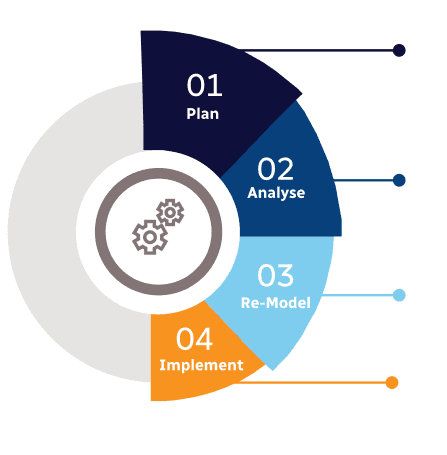
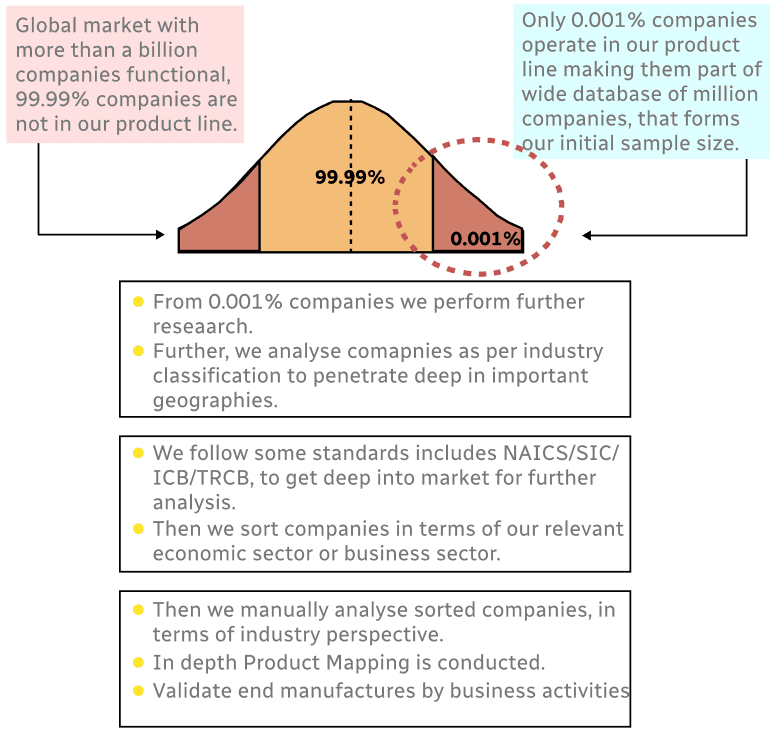
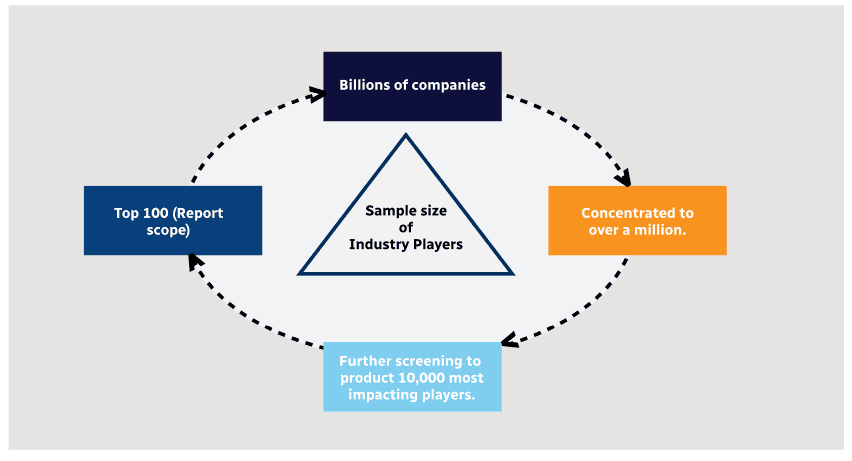
Step 1 - Identification of Relevant Samples Size from Population Database
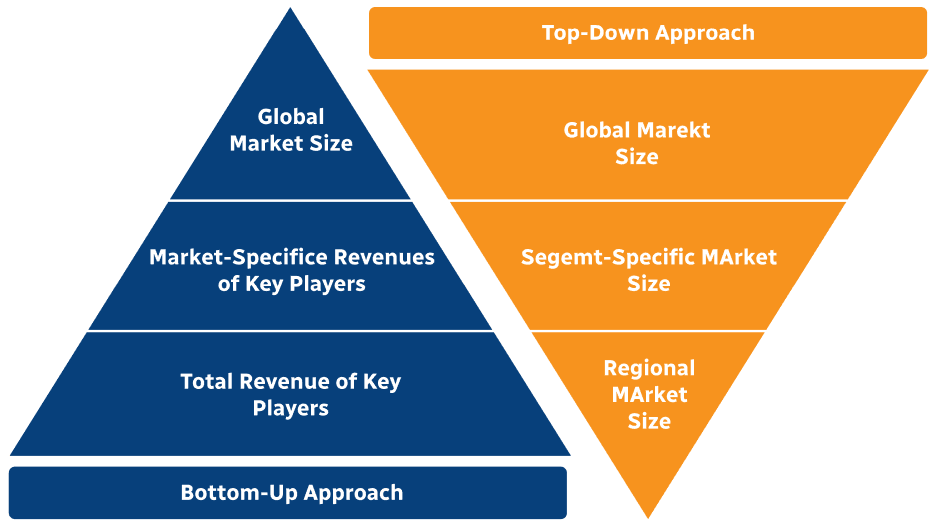
Step 2 - Approaches for Defining Global Market Size (Value, Volume* & Price*)
Note*: In applicable scenarios
Step 3 - Data Sources
Primary Research
- Web Analytics
- Survey Reports
- Research Institute
- Latest Research Reports
- Opinion Leaders
Secondary Research
- Annual Reports
- White Paper
- Latest Press Release
- Industry Association
- Paid Database
- Investor Presentations
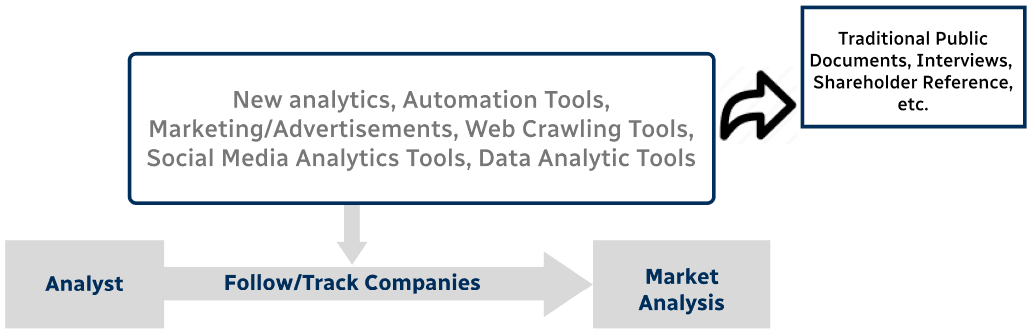
Step 4 - Data Triangulation
Involves using different sources of information in order to increase the validity of a study
These sources are likely to be stakeholders in a program - participants, other researchers, program staff, other community members, and so on.
Then we put all data in single framework & apply various statistical tools to find out the dynamic on the market.
During the analysis stage, feedback from the stakeholder groups would be compared to determine areas of agreement as well as areas of divergence