Key Insights
The global residential insulation market is poised for significant expansion, projected to reach an estimated USD 65,000 million by 2025, driven by a robust Compound Annual Growth Rate (CAGR) of 8.5%. This impressive trajectory is largely fueled by a growing global emphasis on energy efficiency and sustainability in construction. Homeowners and builders alike are increasingly recognizing the long-term cost savings and environmental benefits associated with effective insulation. Stricter building codes mandating higher insulation standards across developed and developing nations are a primary catalyst. Furthermore, rising energy prices globally are making the initial investment in insulation a more attractive proposition due to anticipated reductions in heating and cooling expenses. The "Other" application segment, likely encompassing areas like basement walls and internal partitions, is expected to witness substantial growth as comprehensive insulation strategies become the norm. Similarly, advancements in insulation materials, such as improved foam plastics and eco-friendly cellulose options, are enhancing performance and expanding application possibilities.
The market's growth, however, is not without its challenges. While demand is high, the restrains of fluctuating raw material prices for key insulation types like fiberglass and mineral wool can impact profitability and installation costs. Supply chain disruptions, particularly in the wake of recent global events, also pose a potential hurdle to consistent market performance. Nevertheless, the trends of increasing demand for eco-friendly and high-performance insulation materials, coupled with the expanding new construction and renovation sectors, are set to outweigh these limitations. Geographically, Asia Pacific, led by China and India, is anticipated to be a major growth engine due to rapid urbanization and government initiatives promoting energy-efficient housing. North America and Europe will continue to be significant markets, driven by retrofitting existing homes and stringent regulatory frameworks. Companies like Owens Corning, Knauf Insulation, and Kingspan are at the forefront, innovating and expanding their product portfolios to capture this burgeoning market.
This comprehensive report provides an in-depth analysis of the global residential insulation market, offering critical insights for industry stakeholders. The study covers a detailed examination of market dynamics, segmentation, key players, and future projections from 2019 to 2033, with a base year of 2025. The market is projected to reach substantial figures, with current market size estimated at over $15,000 million and a projected market size of over $25,000 million by 2033, exhibiting a Compound Annual Growth Rate (CAGR) of approximately 4.5% during the forecast period. This report is an indispensable resource for manufacturers, suppliers, investors, and other participants seeking to understand and capitalize on the evolving residential insulation landscape.
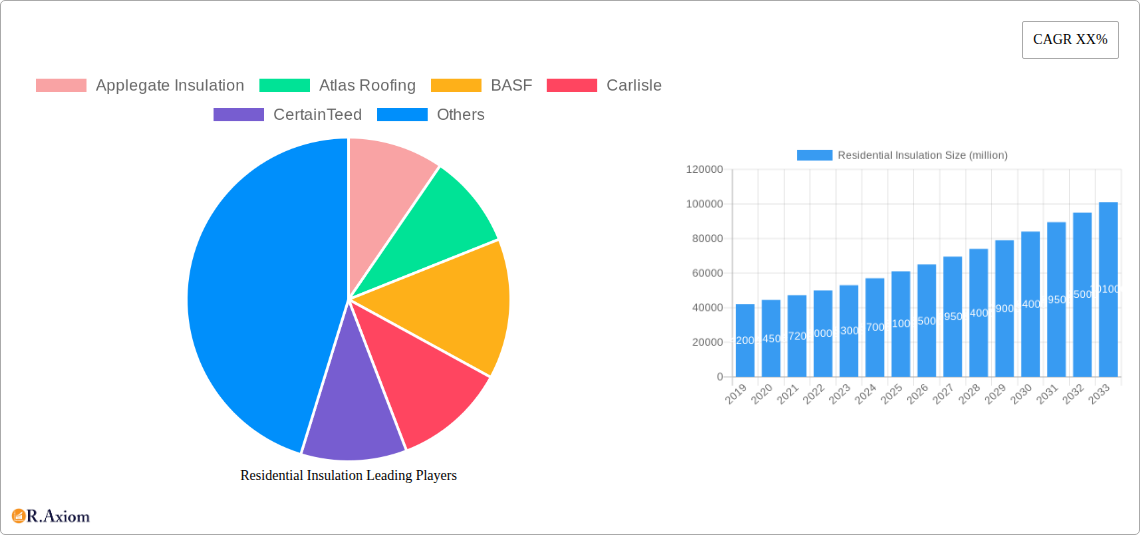
Residential Insulation Market Concentration & Innovation
The global residential insulation market exhibits a moderate to high concentration, with several dominant players holding significant market share. Applegate Insulation, Atlas Roofing, BASF, Carlisle, CertainTeed, DowDuPont, Johns Manville, Kingspan, Knauf Insulation, Nu-Wool, Owens Corning, ROCKWOOL, US Greenfiber, and Sealed Air are key contributors, each vying for market dominance through strategic initiatives. Innovation is a primary driver, fueled by the increasing demand for energy-efficient building materials and stricter environmental regulations. Companies are investing heavily in Research and Development (R&D) to develop advanced insulation materials with improved thermal performance, fire resistance, and sustainability. Regulatory frameworks, such as building codes and government incentives for green construction, are playing a crucial role in shaping market growth and pushing innovation. Product substitutes, including advanced window technologies and building envelope designs, present a competitive challenge, necessitating continuous product improvement. End-user trends are shifting towards eco-friendly and sustainable insulation solutions, driving the adoption of materials like cellulose and mineral wool. Mergers and Acquisitions (M&A) activities are prevalent, with recent deals valued in the hundreds of millions of dollars, as companies seek to expand their product portfolios, geographical reach, and technological capabilities. For instance, in 2023, the M&A value reached approximately $500 million, consolidating market power and fostering innovation.
Residential Insulation Industry Trends & Insights
The residential insulation industry is experiencing robust growth, propelled by a confluence of factors including increasing awareness of energy conservation, rising energy prices, and governmental initiatives promoting sustainable construction. The global market size is anticipated to cross $25,000 million by 2033, driven by a CAGR of roughly 4.5% from the base year of 2025. Technological disruptions are at the forefront, with advancements in material science leading to the development of high-performance insulation products that offer superior thermal resistance and reduced environmental impact. These innovations include spray foam insulation with enhanced R-values, advanced mineral wool products with improved fire retardancy, and eco-friendly cellulose insulation derived from recycled materials. Consumer preferences are increasingly leaning towards solutions that not only reduce energy bills but also contribute to a healthier indoor environment. This includes a growing demand for natural and recycled insulation materials, as well as products that offer soundproofing benefits. Competitive dynamics are characterized by intense rivalry among established players and the emergence of new entrants focusing on niche markets and sustainable solutions. Market penetration for advanced insulation technologies is steadily increasing, particularly in developed economies where energy efficiency standards are stringent. The shift towards smart homes and connected buildings also presents opportunities, as insulation plays a vital role in optimizing energy consumption and maintaining comfortable living temperatures. Furthermore, the growing trend of retrofitting older homes to improve their energy efficiency is a significant growth driver, representing a substantial market opportunity. The increasing focus on embodied carbon and life cycle assessment of building materials is also influencing product development and consumer choices. The industry is also witnessing a rise in demand for specialized insulation solutions for various climatic conditions and building types.
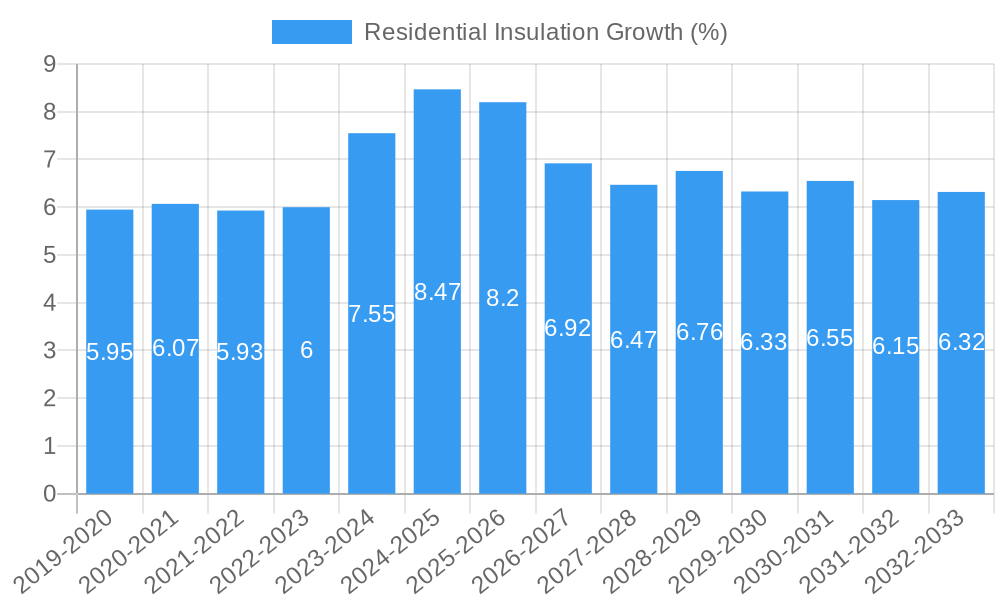
Dominant Markets & Segments in Residential Insulation
The Attic and Roof application segment continues to dominate the residential insulation market, driven by its critical role in preventing heat loss and gain, thereby significantly impacting a home's overall energy efficiency. This segment is projected to account for over 40% of the total market share throughout the forecast period. The economic policies promoting energy-efficient retrofitting of existing homes and new constructions, coupled with the need to reduce HVAC operational costs, are key drivers for this segment's dominance. For instance, government rebates and tax credits for energy-efficient upgrades further bolster demand.
In terms of geographical dominance, North America is expected to remain the leading region, primarily due to stringent building codes, strong government support for green building initiatives, and high consumer awareness regarding energy conservation. The region's robust construction industry and significant existing housing stock that requires retrofitting contribute to its leading position. Infrastructure development and the adoption of advanced building technologies further solidify North America's market leadership, with an estimated market share exceeding 35% of the global market.
Among the various insulation types, Fiberglass insulation maintains a dominant position due to its cost-effectiveness, widespread availability, and proven performance. However, Foamed Plastics, particularly spray foam insulation, are witnessing rapid growth and are expected to gain further market share due to their superior thermal performance, air-sealing capabilities, and versatility in application. The increasing demand for higher R-values and more airtight building envelopes is fueling the growth of foamed plastics.
Key Drivers for Attic and Roof Dominance:
- Significant impact on energy savings and HVAC cost reduction.
- Government incentives and building code mandates for energy efficiency.
- High volume of existing homes requiring insulation upgrades.
- Ease of installation and availability of diverse product options.
Key Drivers for North American Dominance:
- Strict energy efficiency standards and building regulations.
- Government-backed green building programs and tax incentives.
- High consumer awareness regarding environmental sustainability and energy costs.
- Active new construction and renovation markets.
Key Drivers for Fiberglass Dominance:
- Cost-effectiveness and competitive pricing.
- Established manufacturing infrastructure and supply chain.
- Familiarity and ease of installation for contractors.
Key Drivers for Foamed Plastics Growth:
- Superior thermal performance and air-sealing properties.
- Ability to conform to irregular shapes and cavities.
- Increasing demand for high-performance building envelopes.
Residential Insulation Product Developments
Product innovation in the residential insulation market is characterized by a strong emphasis on enhanced thermal performance, sustainability, and ease of installation. Manufacturers are developing advanced formulations for fiberglass and mineral wool that offer higher R-values per inch, reducing the thickness required for optimal insulation. Foamed plastics, such as spray polyurethane foam (SPF), are evolving with lower global warming potential (GWP) blowing agents and improved fire resistance properties. Cellulose insulation is seeing advancements in treatments for fire retardancy and pest resistance, while also leveraging recycled content to meet growing environmental demands. Competitive advantages are being gained through products that offer multi-functional benefits, such as acoustic insulation or moisture resistance, alongside thermal performance. The trend towards bio-based and recycled materials is also a significant technological driver, aligning with global sustainability goals and consumer preferences.
Report Scope & Segmentation Analysis
The report meticulously analyzes the residential insulation market across various key segments.
Application:
- Attic and Roof: This segment, encompassing attics, crawl spaces, and roofing systems, is a primary focus, with projected growth driven by energy efficiency retrofits and new construction. Market size is estimated to be over $6,000 million by 2025.
- Exterior Wall: This segment includes insulation for above-grade walls, basements, and foundations, with its growth influenced by evolving building techniques and energy codes. Market size is projected to exceed $5,000 million by 2025.
- Other: This segment covers specialized applications like soundproofing and thermal barriers in various residential components, contributing an estimated $1,000 million to the market by 2025.
Types:
- Fiberglass: Expected to maintain a significant market share, with a market size of approximately $4,000 million in 2025, driven by its cost-effectiveness.
- Foamed Plastics: This rapidly growing segment, including spray foam and rigid boards, is projected to reach over $5,000 million by 2025 due to its high performance.
- Cellulose: This eco-friendly option is experiencing steady growth, with an estimated market size of $2,500 million by 2025, driven by its sustainable attributes.
- Mineral wool: Known for its fire resistance and acoustic properties, this segment is forecast to reach over $2,500 million by 2025.
Key Drivers of Residential Insulation Growth
The residential insulation market is propelled by a robust combination of technological advancements, economic incentives, and regulatory mandates.
- Technological Advancements: Development of high-performance insulation materials with superior R-values, improved fire retardancy, and eco-friendly compositions are creating new market opportunities. The advent of advanced spray foam and high-density fiberglass are prime examples, enhancing energy efficiency beyond traditional benchmarks.
- Economic Factors: Escalating energy prices globally are a significant driver, compelling homeowners to invest in insulation to reduce heating and cooling costs. Government subsidies, tax credits, and rebates for energy-efficient home upgrades further incentivize adoption. For example, in 2023, government incentives for insulation upgrades in the US are estimated to have spurred over $1,500 million in market activity.
- Regulatory Frameworks: Increasingly stringent building codes and energy efficiency standards worldwide are mandating higher levels of insulation in new constructions and renovations. These regulations ensure a consistent demand for residential insulation products.
Challenges in the Residential Insulation Sector
Despite its growth trajectory, the residential insulation sector faces several challenges that can impede market expansion.
- Regulatory Hurdles: While regulations drive demand, complex and varying building codes across different regions can create compliance challenges for manufacturers. Navigating these diverse standards requires significant investment in product adaptation and testing.
- Supply Chain Issues: Disruptions in the supply chain for raw materials, coupled with rising transportation costs, can impact product availability and pricing, leading to project delays and increased expenses for both manufacturers and end-users. For instance, in 2022, global supply chain disruptions are estimated to have increased material costs by up to 15%.
- Competitive Pressures: The market is characterized by intense competition, leading to price wars and pressure on profit margins. The introduction of innovative substitutes and the need for continuous product development to stay ahead of competitors demand substantial R&D investment.
- Skilled Labor Shortage: A lack of trained installers for certain advanced insulation systems, such as spray foam, can hinder widespread adoption and project completion timelines.
Emerging Opportunities in Residential Insulation
The residential insulation market is ripe with emerging opportunities, driven by evolving consumer preferences and technological innovations.
- Sustainable and Bio-based Insulation: Growing environmental consciousness is fueling demand for insulation made from recycled materials like cellulose and sustainable sources like mushroom-based mycelium. This presents a significant opportunity for companies focusing on green building solutions.
- Smart Insulation Technologies: Integration of insulation with smart home technology, enabling real-time monitoring of thermal performance and automated adjustments for optimal energy efficiency, is a nascent but promising area.
- Retrofitting and Renovation Market: The vast stock of older homes presents a substantial market for insulation upgrades to improve energy efficiency and comfort. This segment is expected to grow significantly as energy prices rise and sustainability becomes a priority.
- Emerging Economies: As developing nations urbanize and focus on improving living standards, the demand for energy-efficient housing, and consequently insulation, is expected to surge.
Leading Players in the Residential Insulation Market
- Applegate Insulation
- Atlas Roofing
- BASF
- Carlisle
- CertainTeed
- DowDuPont
- Johns Manville
- Kingspan
- Knauf Insulation
- Nu-Wool
- Owens Corning
- ROCKWOOL
- US Greenfiber
- Sealed Air
Key Developments in Residential Insulation Industry
- 2023: Launch of new low-GWP blowing agents for spray foam insulation by major chemical manufacturers, aiming to reduce the environmental impact of insulation products.
- 2022: Several key players announced significant investments in expanding their production capacity for mineral wool and fiberglass insulation to meet growing demand, with a combined investment exceeding $600 million.
- 2021: Merger of two mid-sized insulation manufacturers in Europe, creating a stronger entity with a broader product portfolio and enhanced market reach, with the deal valued at approximately $250 million.
- 2020: Introduction of advanced fire-retardant treatments for cellulose insulation, enhancing safety and compliance with stricter building codes, leading to increased adoption in fire-prone regions.
- 2019: Increased focus on research and development for bio-based insulation materials, with several companies launching pilot programs for products derived from agricultural waste and recycled plastics, signaling a shift towards sustainability.
Strategic Outlook for Residential Insulation Market
The strategic outlook for the residential insulation market is overwhelmingly positive, driven by sustained demand for energy efficiency and growing environmental awareness. Future growth catalysts include continuous innovation in material science to develop higher-performing and more sustainable insulation solutions, such as advanced aerogels and vacuum-insulated panels. The ongoing global push towards net-zero buildings and stricter energy performance standards will further solidify the market's trajectory. Opportunities in the burgeoning renovation and retrofitting sector, coupled with the expansion into emerging economies seeking to improve housing stock, present significant avenues for growth. Strategic partnerships and M&A activities are expected to continue as companies aim to consolidate market share, expand their technological capabilities, and enhance their geographical presence. The market is poised for substantial growth, projected to exceed $25,000 million by 2033, offering lucrative prospects for stakeholders who adapt to evolving market demands and technological advancements.
Residential Insulation Segmentation
-
1. Application
- 1.1. Attic and Roof
- 1.2. Exterior Wall
- 1.3. Other
-
2. Types
- 2.1. Fiberglass
- 2.2. Foamed Plastics
- 2.3. Cellulose
- 2.4. Mineral wool
Residential Insulation Segmentation By Geography
-
1. North America
- 1.1. United States
- 1.2. Canada
- 1.3. Mexico
-
2. South America
- 2.1. Brazil
- 2.2. Argentina
- 2.3. Rest of South America
-
3. Europe
- 3.1. United Kingdom
- 3.2. Germany
- 3.3. France
- 3.4. Italy
- 3.5. Spain
- 3.6. Russia
- 3.7. Benelux
- 3.8. Nordics
- 3.9. Rest of Europe
-
4. Middle East & Africa
- 4.1. Turkey
- 4.2. Israel
- 4.3. GCC
- 4.4. North Africa
- 4.5. South Africa
- 4.6. Rest of Middle East & Africa
-
5. Asia Pacific
- 5.1. China
- 5.2. India
- 5.3. Japan
- 5.4. South Korea
- 5.5. ASEAN
- 5.6. Oceania
- 5.7. Rest of Asia Pacific
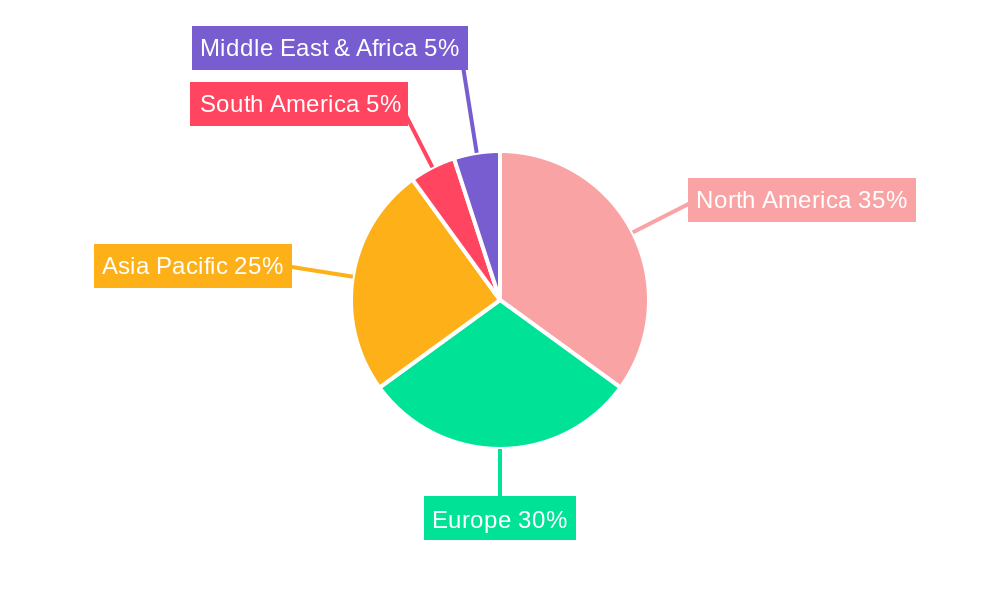
Residential Insulation REPORT HIGHLIGHTS
| Aspects | Details |
|---|---|
| Study Period | 2019-2033 |
| Base Year | 2024 |
| Estimated Year | 2025 |
| Forecast Period | 2025-2033 |
| Historical Period | 2019-2024 |
| Growth Rate | CAGR of XX% from 2019-2033 |
| Segmentation |
|
Table of Contents
- 1. Introduction
- 1.1. Research Scope
- 1.2. Market Segmentation
- 1.3. Research Methodology
- 1.4. Definitions and Assumptions
- 2. Executive Summary
- 2.1. Introduction
- 3. Market Dynamics
- 3.1. Introduction
- 3.2. Market Drivers
- 3.3. Market Restrains
- 3.4. Market Trends
- 4. Market Factor Analysis
- 4.1. Porters Five Forces
- 4.2. Supply/Value Chain
- 4.3. PESTEL analysis
- 4.4. Market Entropy
- 4.5. Patent/Trademark Analysis
- 5. Global Residential Insulation Analysis, Insights and Forecast, 2019-2031
- 5.1. Market Analysis, Insights and Forecast - by Application
- 5.1.1. Attic and Roof
- 5.1.2. Exterior Wall
- 5.1.3. Other
- 5.2. Market Analysis, Insights and Forecast - by Types
- 5.2.1. Fiberglass
- 5.2.2. Foamed Plastics
- 5.2.3. Cellulose
- 5.2.4. Mineral wool
- 5.3. Market Analysis, Insights and Forecast - by Region
- 5.3.1. North America
- 5.3.2. South America
- 5.3.3. Europe
- 5.3.4. Middle East & Africa
- 5.3.5. Asia Pacific
- 5.1. Market Analysis, Insights and Forecast - by Application
- 6. North America Residential Insulation Analysis, Insights and Forecast, 2019-2031
- 6.1. Market Analysis, Insights and Forecast - by Application
- 6.1.1. Attic and Roof
- 6.1.2. Exterior Wall
- 6.1.3. Other
- 6.2. Market Analysis, Insights and Forecast - by Types
- 6.2.1. Fiberglass
- 6.2.2. Foamed Plastics
- 6.2.3. Cellulose
- 6.2.4. Mineral wool
- 6.1. Market Analysis, Insights and Forecast - by Application
- 7. South America Residential Insulation Analysis, Insights and Forecast, 2019-2031
- 7.1. Market Analysis, Insights and Forecast - by Application
- 7.1.1. Attic and Roof
- 7.1.2. Exterior Wall
- 7.1.3. Other
- 7.2. Market Analysis, Insights and Forecast - by Types
- 7.2.1. Fiberglass
- 7.2.2. Foamed Plastics
- 7.2.3. Cellulose
- 7.2.4. Mineral wool
- 7.1. Market Analysis, Insights and Forecast - by Application
- 8. Europe Residential Insulation Analysis, Insights and Forecast, 2019-2031
- 8.1. Market Analysis, Insights and Forecast - by Application
- 8.1.1. Attic and Roof
- 8.1.2. Exterior Wall
- 8.1.3. Other
- 8.2. Market Analysis, Insights and Forecast - by Types
- 8.2.1. Fiberglass
- 8.2.2. Foamed Plastics
- 8.2.3. Cellulose
- 8.2.4. Mineral wool
- 8.1. Market Analysis, Insights and Forecast - by Application
- 9. Middle East & Africa Residential Insulation Analysis, Insights and Forecast, 2019-2031
- 9.1. Market Analysis, Insights and Forecast - by Application
- 9.1.1. Attic and Roof
- 9.1.2. Exterior Wall
- 9.1.3. Other
- 9.2. Market Analysis, Insights and Forecast - by Types
- 9.2.1. Fiberglass
- 9.2.2. Foamed Plastics
- 9.2.3. Cellulose
- 9.2.4. Mineral wool
- 9.1. Market Analysis, Insights and Forecast - by Application
- 10. Asia Pacific Residential Insulation Analysis, Insights and Forecast, 2019-2031
- 10.1. Market Analysis, Insights and Forecast - by Application
- 10.1.1. Attic and Roof
- 10.1.2. Exterior Wall
- 10.1.3. Other
- 10.2. Market Analysis, Insights and Forecast - by Types
- 10.2.1. Fiberglass
- 10.2.2. Foamed Plastics
- 10.2.3. Cellulose
- 10.2.4. Mineral wool
- 10.1. Market Analysis, Insights and Forecast - by Application
- 11. Competitive Analysis
- 11.1. Global Market Share Analysis 2024
- 11.2. Company Profiles
- 11.2.1 Applegate Insulation
- 11.2.1.1. Overview
- 11.2.1.2. Products
- 11.2.1.3. SWOT Analysis
- 11.2.1.4. Recent Developments
- 11.2.1.5. Financials (Based on Availability)
- 11.2.2 Atlas Roofing
- 11.2.2.1. Overview
- 11.2.2.2. Products
- 11.2.2.3. SWOT Analysis
- 11.2.2.4. Recent Developments
- 11.2.2.5. Financials (Based on Availability)
- 11.2.3 BASF
- 11.2.3.1. Overview
- 11.2.3.2. Products
- 11.2.3.3. SWOT Analysis
- 11.2.3.4. Recent Developments
- 11.2.3.5. Financials (Based on Availability)
- 11.2.4 Carlisle
- 11.2.4.1. Overview
- 11.2.4.2. Products
- 11.2.4.3. SWOT Analysis
- 11.2.4.4. Recent Developments
- 11.2.4.5. Financials (Based on Availability)
- 11.2.5 CertainTeed
- 11.2.5.1. Overview
- 11.2.5.2. Products
- 11.2.5.3. SWOT Analysis
- 11.2.5.4. Recent Developments
- 11.2.5.5. Financials (Based on Availability)
- 11.2.6 DowDuPont
- 11.2.6.1. Overview
- 11.2.6.2. Products
- 11.2.6.3. SWOT Analysis
- 11.2.6.4. Recent Developments
- 11.2.6.5. Financials (Based on Availability)
- 11.2.7 Johns Manville
- 11.2.7.1. Overview
- 11.2.7.2. Products
- 11.2.7.3. SWOT Analysis
- 11.2.7.4. Recent Developments
- 11.2.7.5. Financials (Based on Availability)
- 11.2.8 Kingspan
- 11.2.8.1. Overview
- 11.2.8.2. Products
- 11.2.8.3. SWOT Analysis
- 11.2.8.4. Recent Developments
- 11.2.8.5. Financials (Based on Availability)
- 11.2.9 Knauf Insulation
- 11.2.9.1. Overview
- 11.2.9.2. Products
- 11.2.9.3. SWOT Analysis
- 11.2.9.4. Recent Developments
- 11.2.9.5. Financials (Based on Availability)
- 11.2.10 Nu-Wool
- 11.2.10.1. Overview
- 11.2.10.2. Products
- 11.2.10.3. SWOT Analysis
- 11.2.10.4. Recent Developments
- 11.2.10.5. Financials (Based on Availability)
- 11.2.11 Owens Corning
- 11.2.11.1. Overview
- 11.2.11.2. Products
- 11.2.11.3. SWOT Analysis
- 11.2.11.4. Recent Developments
- 11.2.11.5. Financials (Based on Availability)
- 11.2.12 ROCKWOOL
- 11.2.12.1. Overview
- 11.2.12.2. Products
- 11.2.12.3. SWOT Analysis
- 11.2.12.4. Recent Developments
- 11.2.12.5. Financials (Based on Availability)
- 11.2.13 US Greenfiber
- 11.2.13.1. Overview
- 11.2.13.2. Products
- 11.2.13.3. SWOT Analysis
- 11.2.13.4. Recent Developments
- 11.2.13.5. Financials (Based on Availability)
- 11.2.14 Sealed Air
- 11.2.14.1. Overview
- 11.2.14.2. Products
- 11.2.14.3. SWOT Analysis
- 11.2.14.4. Recent Developments
- 11.2.14.5. Financials (Based on Availability)
- 11.2.1 Applegate Insulation
List of Figures
- Figure 1: Global Residential Insulation Revenue Breakdown (million, %) by Region 2024 & 2032
- Figure 2: Global Residential Insulation Volume Breakdown (K, %) by Region 2024 & 2032
- Figure 3: North America Residential Insulation Revenue (million), by Application 2024 & 2032
- Figure 4: North America Residential Insulation Volume (K), by Application 2024 & 2032
- Figure 5: North America Residential Insulation Revenue Share (%), by Application 2024 & 2032
- Figure 6: North America Residential Insulation Volume Share (%), by Application 2024 & 2032
- Figure 7: North America Residential Insulation Revenue (million), by Types 2024 & 2032
- Figure 8: North America Residential Insulation Volume (K), by Types 2024 & 2032
- Figure 9: North America Residential Insulation Revenue Share (%), by Types 2024 & 2032
- Figure 10: North America Residential Insulation Volume Share (%), by Types 2024 & 2032
- Figure 11: North America Residential Insulation Revenue (million), by Country 2024 & 2032
- Figure 12: North America Residential Insulation Volume (K), by Country 2024 & 2032
- Figure 13: North America Residential Insulation Revenue Share (%), by Country 2024 & 2032
- Figure 14: North America Residential Insulation Volume Share (%), by Country 2024 & 2032
- Figure 15: South America Residential Insulation Revenue (million), by Application 2024 & 2032
- Figure 16: South America Residential Insulation Volume (K), by Application 2024 & 2032
- Figure 17: South America Residential Insulation Revenue Share (%), by Application 2024 & 2032
- Figure 18: South America Residential Insulation Volume Share (%), by Application 2024 & 2032
- Figure 19: South America Residential Insulation Revenue (million), by Types 2024 & 2032
- Figure 20: South America Residential Insulation Volume (K), by Types 2024 & 2032
- Figure 21: South America Residential Insulation Revenue Share (%), by Types 2024 & 2032
- Figure 22: South America Residential Insulation Volume Share (%), by Types 2024 & 2032
- Figure 23: South America Residential Insulation Revenue (million), by Country 2024 & 2032
- Figure 24: South America Residential Insulation Volume (K), by Country 2024 & 2032
- Figure 25: South America Residential Insulation Revenue Share (%), by Country 2024 & 2032
- Figure 26: South America Residential Insulation Volume Share (%), by Country 2024 & 2032
- Figure 27: Europe Residential Insulation Revenue (million), by Application 2024 & 2032
- Figure 28: Europe Residential Insulation Volume (K), by Application 2024 & 2032
- Figure 29: Europe Residential Insulation Revenue Share (%), by Application 2024 & 2032
- Figure 30: Europe Residential Insulation Volume Share (%), by Application 2024 & 2032
- Figure 31: Europe Residential Insulation Revenue (million), by Types 2024 & 2032
- Figure 32: Europe Residential Insulation Volume (K), by Types 2024 & 2032
- Figure 33: Europe Residential Insulation Revenue Share (%), by Types 2024 & 2032
- Figure 34: Europe Residential Insulation Volume Share (%), by Types 2024 & 2032
- Figure 35: Europe Residential Insulation Revenue (million), by Country 2024 & 2032
- Figure 36: Europe Residential Insulation Volume (K), by Country 2024 & 2032
- Figure 37: Europe Residential Insulation Revenue Share (%), by Country 2024 & 2032
- Figure 38: Europe Residential Insulation Volume Share (%), by Country 2024 & 2032
- Figure 39: Middle East & Africa Residential Insulation Revenue (million), by Application 2024 & 2032
- Figure 40: Middle East & Africa Residential Insulation Volume (K), by Application 2024 & 2032
- Figure 41: Middle East & Africa Residential Insulation Revenue Share (%), by Application 2024 & 2032
- Figure 42: Middle East & Africa Residential Insulation Volume Share (%), by Application 2024 & 2032
- Figure 43: Middle East & Africa Residential Insulation Revenue (million), by Types 2024 & 2032
- Figure 44: Middle East & Africa Residential Insulation Volume (K), by Types 2024 & 2032
- Figure 45: Middle East & Africa Residential Insulation Revenue Share (%), by Types 2024 & 2032
- Figure 46: Middle East & Africa Residential Insulation Volume Share (%), by Types 2024 & 2032
- Figure 47: Middle East & Africa Residential Insulation Revenue (million), by Country 2024 & 2032
- Figure 48: Middle East & Africa Residential Insulation Volume (K), by Country 2024 & 2032
- Figure 49: Middle East & Africa Residential Insulation Revenue Share (%), by Country 2024 & 2032
- Figure 50: Middle East & Africa Residential Insulation Volume Share (%), by Country 2024 & 2032
- Figure 51: Asia Pacific Residential Insulation Revenue (million), by Application 2024 & 2032
- Figure 52: Asia Pacific Residential Insulation Volume (K), by Application 2024 & 2032
- Figure 53: Asia Pacific Residential Insulation Revenue Share (%), by Application 2024 & 2032
- Figure 54: Asia Pacific Residential Insulation Volume Share (%), by Application 2024 & 2032
- Figure 55: Asia Pacific Residential Insulation Revenue (million), by Types 2024 & 2032
- Figure 56: Asia Pacific Residential Insulation Volume (K), by Types 2024 & 2032
- Figure 57: Asia Pacific Residential Insulation Revenue Share (%), by Types 2024 & 2032
- Figure 58: Asia Pacific Residential Insulation Volume Share (%), by Types 2024 & 2032
- Figure 59: Asia Pacific Residential Insulation Revenue (million), by Country 2024 & 2032
- Figure 60: Asia Pacific Residential Insulation Volume (K), by Country 2024 & 2032
- Figure 61: Asia Pacific Residential Insulation Revenue Share (%), by Country 2024 & 2032
- Figure 62: Asia Pacific Residential Insulation Volume Share (%), by Country 2024 & 2032
List of Tables
- Table 1: Global Residential Insulation Revenue million Forecast, by Region 2019 & 2032
- Table 2: Global Residential Insulation Volume K Forecast, by Region 2019 & 2032
- Table 3: Global Residential Insulation Revenue million Forecast, by Application 2019 & 2032
- Table 4: Global Residential Insulation Volume K Forecast, by Application 2019 & 2032
- Table 5: Global Residential Insulation Revenue million Forecast, by Types 2019 & 2032
- Table 6: Global Residential Insulation Volume K Forecast, by Types 2019 & 2032
- Table 7: Global Residential Insulation Revenue million Forecast, by Region 2019 & 2032
- Table 8: Global Residential Insulation Volume K Forecast, by Region 2019 & 2032
- Table 9: Global Residential Insulation Revenue million Forecast, by Application 2019 & 2032
- Table 10: Global Residential Insulation Volume K Forecast, by Application 2019 & 2032
- Table 11: Global Residential Insulation Revenue million Forecast, by Types 2019 & 2032
- Table 12: Global Residential Insulation Volume K Forecast, by Types 2019 & 2032
- Table 13: Global Residential Insulation Revenue million Forecast, by Country 2019 & 2032
- Table 14: Global Residential Insulation Volume K Forecast, by Country 2019 & 2032
- Table 15: United States Residential Insulation Revenue (million) Forecast, by Application 2019 & 2032
- Table 16: United States Residential Insulation Volume (K) Forecast, by Application 2019 & 2032
- Table 17: Canada Residential Insulation Revenue (million) Forecast, by Application 2019 & 2032
- Table 18: Canada Residential Insulation Volume (K) Forecast, by Application 2019 & 2032
- Table 19: Mexico Residential Insulation Revenue (million) Forecast, by Application 2019 & 2032
- Table 20: Mexico Residential Insulation Volume (K) Forecast, by Application 2019 & 2032
- Table 21: Global Residential Insulation Revenue million Forecast, by Application 2019 & 2032
- Table 22: Global Residential Insulation Volume K Forecast, by Application 2019 & 2032
- Table 23: Global Residential Insulation Revenue million Forecast, by Types 2019 & 2032
- Table 24: Global Residential Insulation Volume K Forecast, by Types 2019 & 2032
- Table 25: Global Residential Insulation Revenue million Forecast, by Country 2019 & 2032
- Table 26: Global Residential Insulation Volume K Forecast, by Country 2019 & 2032
- Table 27: Brazil Residential Insulation Revenue (million) Forecast, by Application 2019 & 2032
- Table 28: Brazil Residential Insulation Volume (K) Forecast, by Application 2019 & 2032
- Table 29: Argentina Residential Insulation Revenue (million) Forecast, by Application 2019 & 2032
- Table 30: Argentina Residential Insulation Volume (K) Forecast, by Application 2019 & 2032
- Table 31: Rest of South America Residential Insulation Revenue (million) Forecast, by Application 2019 & 2032
- Table 32: Rest of South America Residential Insulation Volume (K) Forecast, by Application 2019 & 2032
- Table 33: Global Residential Insulation Revenue million Forecast, by Application 2019 & 2032
- Table 34: Global Residential Insulation Volume K Forecast, by Application 2019 & 2032
- Table 35: Global Residential Insulation Revenue million Forecast, by Types 2019 & 2032
- Table 36: Global Residential Insulation Volume K Forecast, by Types 2019 & 2032
- Table 37: Global Residential Insulation Revenue million Forecast, by Country 2019 & 2032
- Table 38: Global Residential Insulation Volume K Forecast, by Country 2019 & 2032
- Table 39: United Kingdom Residential Insulation Revenue (million) Forecast, by Application 2019 & 2032
- Table 40: United Kingdom Residential Insulation Volume (K) Forecast, by Application 2019 & 2032
- Table 41: Germany Residential Insulation Revenue (million) Forecast, by Application 2019 & 2032
- Table 42: Germany Residential Insulation Volume (K) Forecast, by Application 2019 & 2032
- Table 43: France Residential Insulation Revenue (million) Forecast, by Application 2019 & 2032
- Table 44: France Residential Insulation Volume (K) Forecast, by Application 2019 & 2032
- Table 45: Italy Residential Insulation Revenue (million) Forecast, by Application 2019 & 2032
- Table 46: Italy Residential Insulation Volume (K) Forecast, by Application 2019 & 2032
- Table 47: Spain Residential Insulation Revenue (million) Forecast, by Application 2019 & 2032
- Table 48: Spain Residential Insulation Volume (K) Forecast, by Application 2019 & 2032
- Table 49: Russia Residential Insulation Revenue (million) Forecast, by Application 2019 & 2032
- Table 50: Russia Residential Insulation Volume (K) Forecast, by Application 2019 & 2032
- Table 51: Benelux Residential Insulation Revenue (million) Forecast, by Application 2019 & 2032
- Table 52: Benelux Residential Insulation Volume (K) Forecast, by Application 2019 & 2032
- Table 53: Nordics Residential Insulation Revenue (million) Forecast, by Application 2019 & 2032
- Table 54: Nordics Residential Insulation Volume (K) Forecast, by Application 2019 & 2032
- Table 55: Rest of Europe Residential Insulation Revenue (million) Forecast, by Application 2019 & 2032
- Table 56: Rest of Europe Residential Insulation Volume (K) Forecast, by Application 2019 & 2032
- Table 57: Global Residential Insulation Revenue million Forecast, by Application 2019 & 2032
- Table 58: Global Residential Insulation Volume K Forecast, by Application 2019 & 2032
- Table 59: Global Residential Insulation Revenue million Forecast, by Types 2019 & 2032
- Table 60: Global Residential Insulation Volume K Forecast, by Types 2019 & 2032
- Table 61: Global Residential Insulation Revenue million Forecast, by Country 2019 & 2032
- Table 62: Global Residential Insulation Volume K Forecast, by Country 2019 & 2032
- Table 63: Turkey Residential Insulation Revenue (million) Forecast, by Application 2019 & 2032
- Table 64: Turkey Residential Insulation Volume (K) Forecast, by Application 2019 & 2032
- Table 65: Israel Residential Insulation Revenue (million) Forecast, by Application 2019 & 2032
- Table 66: Israel Residential Insulation Volume (K) Forecast, by Application 2019 & 2032
- Table 67: GCC Residential Insulation Revenue (million) Forecast, by Application 2019 & 2032
- Table 68: GCC Residential Insulation Volume (K) Forecast, by Application 2019 & 2032
- Table 69: North Africa Residential Insulation Revenue (million) Forecast, by Application 2019 & 2032
- Table 70: North Africa Residential Insulation Volume (K) Forecast, by Application 2019 & 2032
- Table 71: South Africa Residential Insulation Revenue (million) Forecast, by Application 2019 & 2032
- Table 72: South Africa Residential Insulation Volume (K) Forecast, by Application 2019 & 2032
- Table 73: Rest of Middle East & Africa Residential Insulation Revenue (million) Forecast, by Application 2019 & 2032
- Table 74: Rest of Middle East & Africa Residential Insulation Volume (K) Forecast, by Application 2019 & 2032
- Table 75: Global Residential Insulation Revenue million Forecast, by Application 2019 & 2032
- Table 76: Global Residential Insulation Volume K Forecast, by Application 2019 & 2032
- Table 77: Global Residential Insulation Revenue million Forecast, by Types 2019 & 2032
- Table 78: Global Residential Insulation Volume K Forecast, by Types 2019 & 2032
- Table 79: Global Residential Insulation Revenue million Forecast, by Country 2019 & 2032
- Table 80: Global Residential Insulation Volume K Forecast, by Country 2019 & 2032
- Table 81: China Residential Insulation Revenue (million) Forecast, by Application 2019 & 2032
- Table 82: China Residential Insulation Volume (K) Forecast, by Application 2019 & 2032
- Table 83: India Residential Insulation Revenue (million) Forecast, by Application 2019 & 2032
- Table 84: India Residential Insulation Volume (K) Forecast, by Application 2019 & 2032
- Table 85: Japan Residential Insulation Revenue (million) Forecast, by Application 2019 & 2032
- Table 86: Japan Residential Insulation Volume (K) Forecast, by Application 2019 & 2032
- Table 87: South Korea Residential Insulation Revenue (million) Forecast, by Application 2019 & 2032
- Table 88: South Korea Residential Insulation Volume (K) Forecast, by Application 2019 & 2032
- Table 89: ASEAN Residential Insulation Revenue (million) Forecast, by Application 2019 & 2032
- Table 90: ASEAN Residential Insulation Volume (K) Forecast, by Application 2019 & 2032
- Table 91: Oceania Residential Insulation Revenue (million) Forecast, by Application 2019 & 2032
- Table 92: Oceania Residential Insulation Volume (K) Forecast, by Application 2019 & 2032
- Table 93: Rest of Asia Pacific Residential Insulation Revenue (million) Forecast, by Application 2019 & 2032
- Table 94: Rest of Asia Pacific Residential Insulation Volume (K) Forecast, by Application 2019 & 2032
Frequently Asked Questions
1. What is the projected Compound Annual Growth Rate (CAGR) of the Residential Insulation?
The projected CAGR is approximately XX%.
2. Which companies are prominent players in the Residential Insulation?
Key companies in the market include Applegate Insulation, Atlas Roofing, BASF, Carlisle, CertainTeed, DowDuPont, Johns Manville, Kingspan, Knauf Insulation, Nu-Wool, Owens Corning, ROCKWOOL, US Greenfiber, Sealed Air.
3. What are the main segments of the Residential Insulation?
The market segments include Application, Types.
4. Can you provide details about the market size?
The market size is estimated to be USD XXX million as of 2022.
5. What are some drivers contributing to market growth?
N/A
6. What are the notable trends driving market growth?
N/A
7. Are there any restraints impacting market growth?
N/A
8. Can you provide examples of recent developments in the market?
N/A
9. What pricing options are available for accessing the report?
Pricing options include single-user, multi-user, and enterprise licenses priced at USD 3950.00, USD 5925.00, and USD 7900.00 respectively.
10. Is the market size provided in terms of value or volume?
The market size is provided in terms of value, measured in million and volume, measured in K.
11. Are there any specific market keywords associated with the report?
Yes, the market keyword associated with the report is "Residential Insulation," which aids in identifying and referencing the specific market segment covered.
12. How do I determine which pricing option suits my needs best?
The pricing options vary based on user requirements and access needs. Individual users may opt for single-user licenses, while businesses requiring broader access may choose multi-user or enterprise licenses for cost-effective access to the report.
13. Are there any additional resources or data provided in the Residential Insulation report?
While the report offers comprehensive insights, it's advisable to review the specific contents or supplementary materials provided to ascertain if additional resources or data are available.
14. How can I stay updated on further developments or reports in the Residential Insulation?
To stay informed about further developments, trends, and reports in the Residential Insulation, consider subscribing to industry newsletters, following relevant companies and organizations, or regularly checking reputable industry news sources and publications.
Methodology
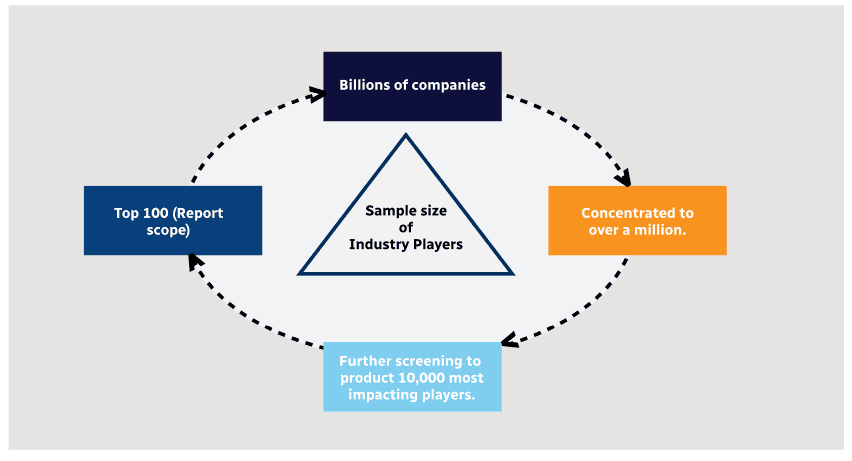
Step 1 - Identification of Relevant Samples Size from Population Database

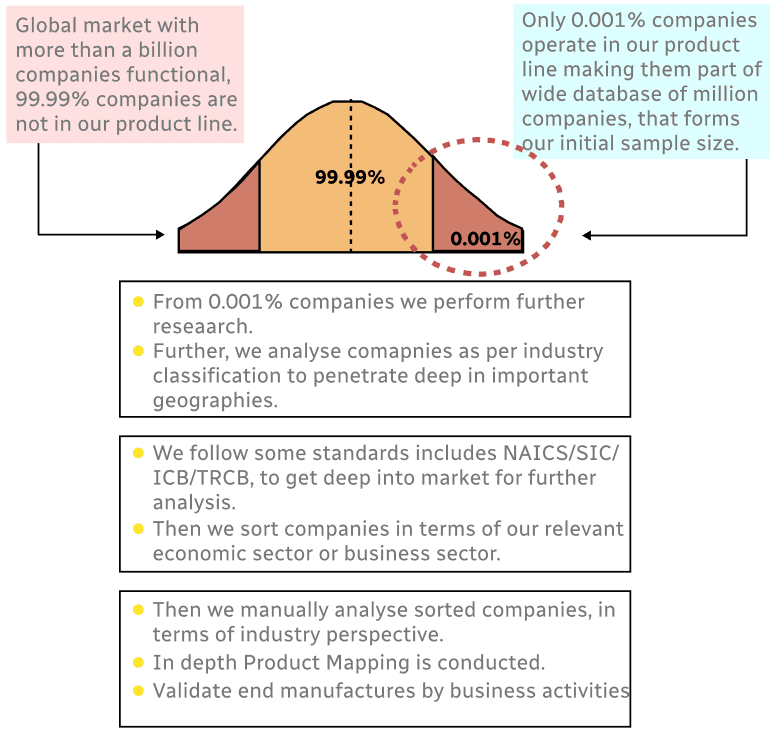
Step 2 - Approaches for Defining Global Market Size (Value, Volume* & Price*)
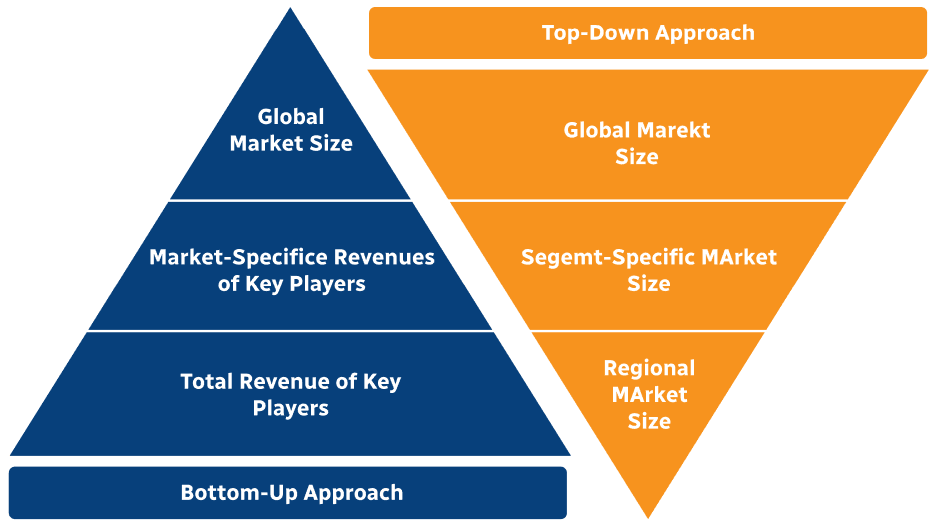
Note*: In applicable scenarios
Step 3 - Data Sources
Primary Research
- Web Analytics
- Survey Reports
- Research Institute
- Latest Research Reports
- Opinion Leaders
Secondary Research
- Annual Reports
- White Paper
- Latest Press Release
- Industry Association
- Paid Database
- Investor Presentations
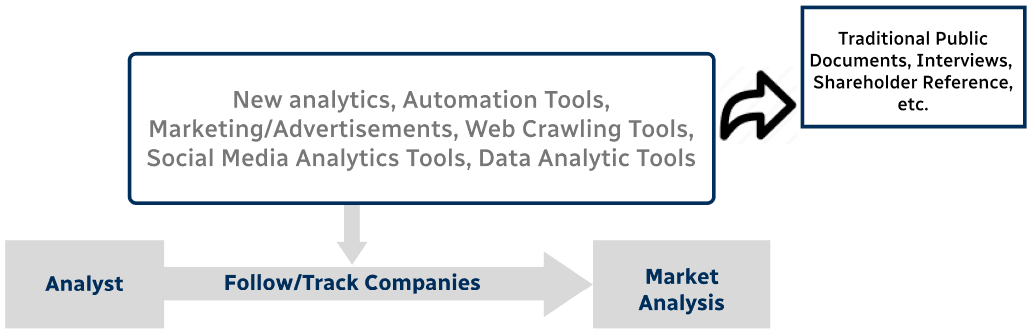
Step 4 - Data Triangulation
Involves using different sources of information in order to increase the validity of a study
These sources are likely to be stakeholders in a program - participants, other researchers, program staff, other community members, and so on.
Then we put all data in single framework & apply various statistical tools to find out the dynamic on the market.
During the analysis stage, feedback from the stakeholder groups would be compared to determine areas of agreement as well as areas of divergence