Key Insights
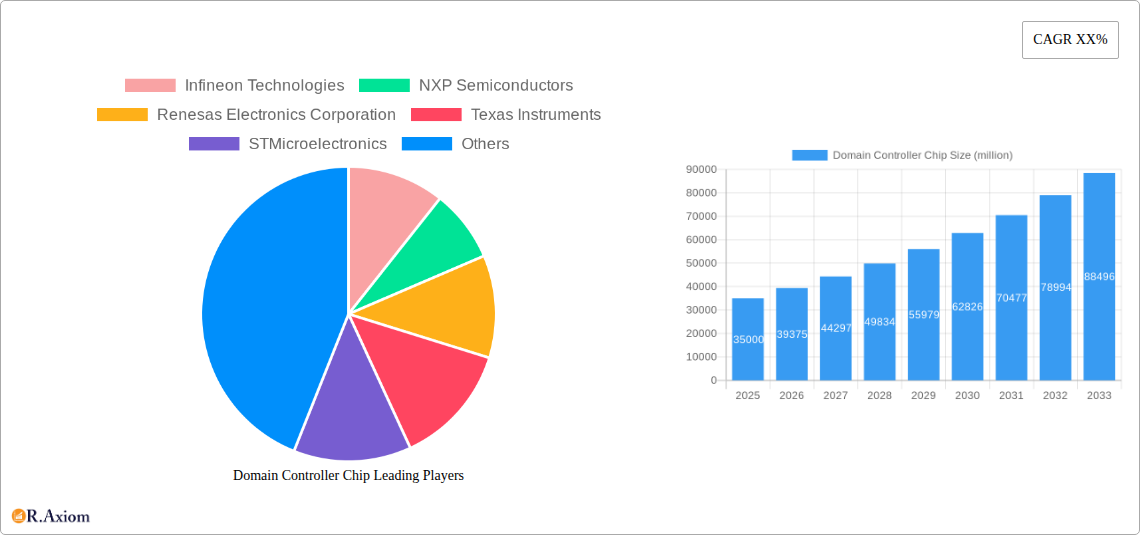
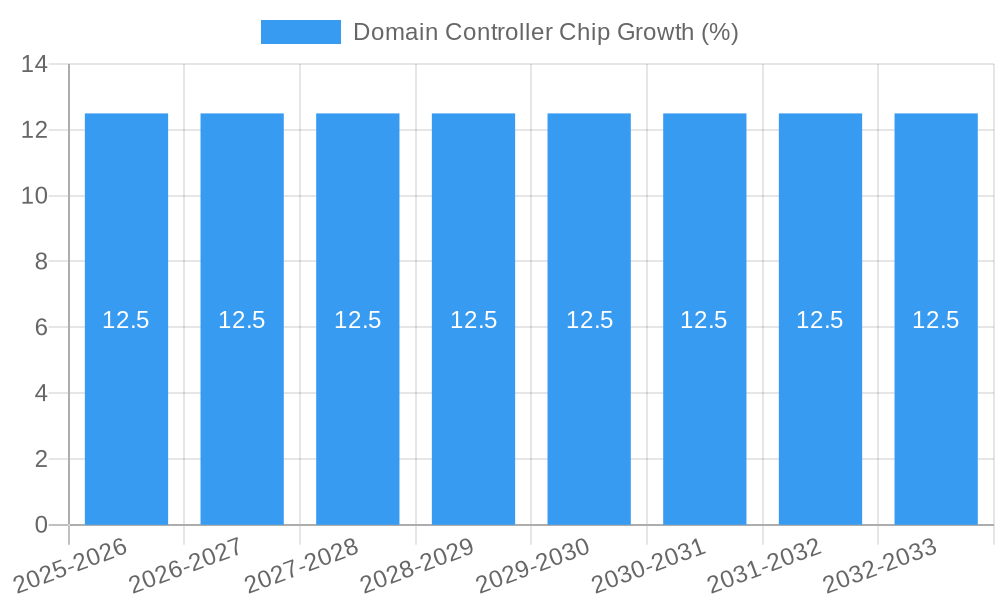
The global Domain Controller Chip market is poised for substantial expansion, estimated at approximately $35,000 million in 2025, with a projected Compound Annual Growth Rate (CAGR) of 12.5% through 2033. This robust growth is primarily fueled by the accelerating adoption of advanced driver-assistance systems (ADAS) and the increasing complexity of in-car electronics. The transition to software-defined vehicles, where centralized domain controllers manage a multitude of functions from driving and infotainment to body electronics, is a significant driver. Passenger cars represent the largest application segment due to their high volume and demand for sophisticated features like autonomous driving capabilities. Commercial vehicles are also emerging as a key growth area as fleet operators seek to enhance safety, efficiency, and connectivity through intelligent systems. The market is witnessing innovation focused on cockpit domain chips, integrating infotainment, instrument clusters, and heads-up displays, and driving domain chips, which are critical for autonomous driving functions, sensor fusion, and real-time decision-making.
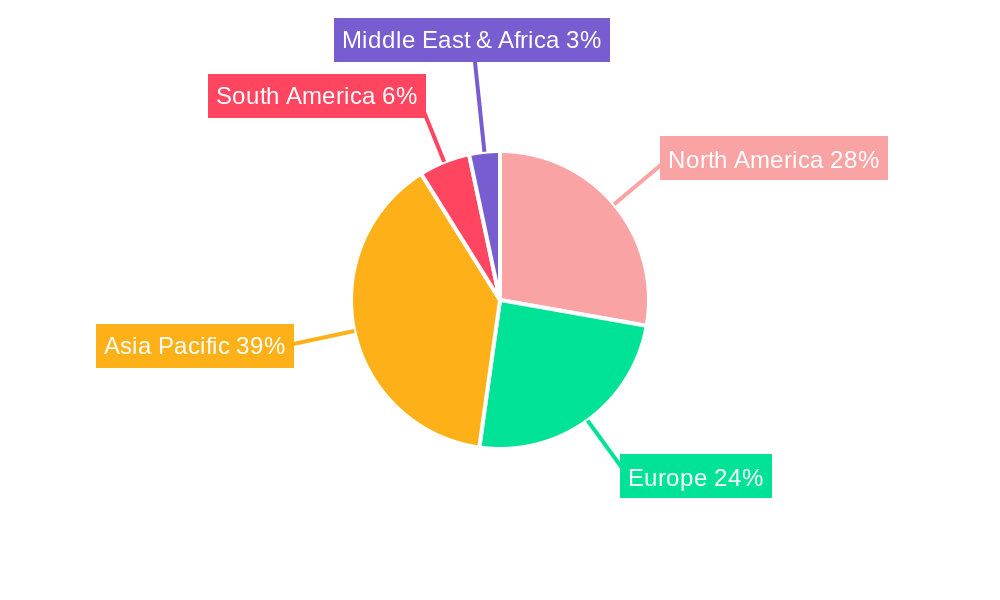
The market landscape is characterized by intense competition and strategic collaborations among established semiconductor giants and emerging players. Key players are investing heavily in R&D to develop next-generation chips with higher processing power, improved energy efficiency, and enhanced safety features compliant with evolving automotive safety integrity levels (ASIL). While the market benefits from strong demand drivers, it also faces certain restraints. The high cost of development and integration of these sophisticated chips, coupled with the lengthy automotive validation cycles, can pose challenges. Furthermore, the global semiconductor supply chain disruptions, though gradually easing, can still impact production volumes and lead times. Geographically, Asia Pacific, led by China, is expected to dominate the market due to its strong automotive manufacturing base and rapid technological adoption. North America and Europe are also significant markets, driven by stringent safety regulations and a high consumer appetite for advanced automotive technologies.
This in-depth report provides a detailed analysis of the global Domain Controller Chip market, a critical component driving the evolution of advanced automotive electronics. Covering the historical period from 2019–2024, base year 2025, and extending through a forecast period of 2025–2033, this research offers invaluable insights for industry stakeholders. The study period spans from 2019 to 2033, ensuring a comprehensive understanding of market trajectories. We examine key segments including Passenger Cars and Commercial Vehicles, and delve into product types such as Cockpit Domain Chip, Driving Domain Chip, and Body Domain Chip. The report identifies leading companies like Infineon Technologies, NXP Semiconductors, Renesas Electronics Corporation, Texas Instruments, STMicroelectronics, Qualcomm, Nvidia Corporation, Onsemi, Microchip Technology, Micron Technology, Samsung Electronics, SK Hynix Semiconductor, Winbond Electronics Corp, Western Digital Corporation, Wingtech Technology, KIOXIA Holdings Corporation, GigaDevice, Ingenic, Analog Devices, Nanya Technology Corporation, Semidrive Semiconductor, Horizon Robotics, Starpower Semiconductor, and analyzes their strategic initiatives and market impact.
Domain Controller Chip Market Concentration & Innovation
The Domain Controller Chip market exhibits a moderate to high concentration, with a significant portion of market share held by a select group of established semiconductor giants. Innovation is a primary driver, fueled by the relentless demand for enhanced automotive functionalities such as Advanced Driver-Assistance Systems (ADAS), autonomous driving, and sophisticated in-car infotainment. Key innovation areas include the development of higher processing power, improved power efficiency, enhanced connectivity options (e.g., 5G integration), and robust cybersecurity features to protect against evolving threats. Regulatory frameworks, particularly concerning vehicle safety standards and emissions, indirectly influence chip development by mandating specific functionalities and performance benchmarks. Product substitutes are limited in the core domain controller function due to the highly specialized nature of these processors. However, advancements in integrated solutions and zonal architectures could represent a long-term shift. End-user trends are overwhelmingly focused on enhanced user experience, safety, and the desire for connected mobility. Mergers and Acquisitions (M&A) activities are prevalent, with a cumulative deal value estimated in the billions of dollars, as larger players seek to acquire specialized technologies or expand their market reach. For instance, significant M&A activities have been observed with an estimated total deal value exceeding $XX million over the historical period. Market share analysis indicates that leading players individually command market shares ranging from 10% to 20%.
Domain Controller Chip Industry Trends & Insights
The Domain Controller Chip industry is poised for substantial growth, driven by the accelerating adoption of next-generation automotive technologies. The market is projected to witness a Compound Annual Growth Rate (CAGR) of approximately 18-20% over the forecast period. This expansion is underpinned by several key factors. Firstly, the increasing complexity of vehicle electronic architectures necessitates powerful and integrated domain controllers. As vehicles incorporate more sensors, cameras, and radar systems for ADAS and autonomous driving, the need for centralized processing units to manage these data streams becomes paramount. The penetration of ADAS features in new vehicle sales has already surpassed 50% and is expected to reach over 80% by 2030, directly correlating with domain controller demand. Secondly, the evolution of in-car experience, with advanced infotainment systems, personalized digital cockpits, and seamless connectivity, further fuels the demand for sophisticated cockpit domain controllers. Consumer preferences are shifting towards a more integrated and intuitive digital environment within vehicles, driving chip manufacturers to develop solutions that can handle complex graphical rendering, AI-powered assistants, and over-the-air (OTA) updates. Technological disruptions are also playing a crucial role. The advent of advanced AI and machine learning algorithms requires specialized processing capabilities, leading to the development of AI-accelerated domain controllers. Furthermore, the integration of heterogeneous computing architectures, combining CPUs, GPUs, and dedicated AI accelerators, is becoming a standard trend. This enables domain controllers to efficiently handle diverse workloads, from sensor fusion for driving to graphics rendering for the cockpit. Competitive dynamics are intensifying, with a strong focus on developing more powerful, energy-efficient, and cost-effective solutions. Companies are investing heavily in R&D to gain a competitive edge, leading to rapid product cycles and innovation. The market penetration of advanced domain controller solutions is still in its early stages for many features, offering significant room for growth as vehicle electrification and autonomy gain further traction. The overall market size is projected to reach over $XX billion by 2033.
Dominant Markets & Segments in Domain Controller Chip
The global Domain Controller Chip market is significantly influenced by the Passenger Cars segment, which accounts for the largest share of the market, estimated at over 70%. Within this segment, the Cockpit Domain Chip and Driving Domain Chip are experiencing the most rapid expansion. The dominance of the Passenger Cars segment is driven by several factors: the sheer volume of passenger vehicle production worldwide, the increasing consumer demand for advanced safety features, and the desire for a premium in-car digital experience. Economic policies that incentivize the adoption of electric vehicles (EVs) and promote technological innovation in the automotive sector further bolster this segment. Infrastructure development, such as the rollout of 5G networks, also plays a role by enabling advanced connectivity features integrated into cockpit domain controllers.
- Passenger Cars: This segment's dominance is fueled by widespread adoption of ADAS features, infotainment systems, and the ongoing trend towards vehicle electrification. The economic incentives and consumer demand for advanced safety and comfort in personal vehicles make this the primary market for domain controllers. Key drivers include government safety mandates and consumer willingness to pay for enhanced driving experiences.
- Cockpit Domain Chip: This segment is experiencing robust growth due to the evolution of in-car infotainment, digital instrument clusters, and advanced connectivity. The demand for personalized user experiences, seamless integration with smartphones, and augmented reality (AR) displays are key growth drivers. The market penetration of sophisticated cockpit systems is rapidly increasing in mid-range and premium passenger vehicles.
- Driving Domain Chip: This segment is driven by the accelerating development and deployment of ADAS and autonomous driving technologies. Features like adaptive cruise control, lane keeping assist, automatic emergency braking, and eventually, higher levels of autonomy, all rely on powerful driving domain controllers. Regulatory push for enhanced vehicle safety is a significant catalyst for this segment.
- Body Domain Chip: While currently a smaller segment compared to cockpit and driving, the Body Domain Chip market is expected to grow steadily as vehicles integrate more intelligent and connected body functions, such as advanced lighting control, power management, and integrated sensor hubs.
The Asia-Pacific region, particularly China, stands out as the leading geographical market for domain controller chips, driven by its massive automotive production and a strong government focus on developing its domestic automotive technology industry, including electric vehicles and autonomous driving.
Domain Controller Chip Product Developments
Product developments in the Domain Controller Chip market are characterized by a relentless pursuit of higher performance, improved power efficiency, and increased integration. Manufacturers are introducing next-generation SoCs (System-on-Chips) with advanced AI accelerators, integrated safety features (e.g., ASIL D compliance), and enhanced cybersecurity capabilities. Innovations are focused on enabling sophisticated ADAS functionalities, rich in-car experiences, and robust vehicle network management. These advancements provide competitive advantages by allowing automakers to offer more advanced, safer, and connected vehicles, meeting evolving consumer demands and regulatory requirements.
Report Scope & Segmentation Analysis
This report meticulously analyzes the Domain Controller Chip market across key segmentation criteria. The Application segments include Passenger Cars and Commercial Vehicles, each with distinct growth trajectories and market dynamics. The Types segmentation focuses on Cockpit Domain Chip, Driving Domain Chip, and Body Domain Chip, detailing their respective market sizes and projected growth. For Passenger Cars, the market size is estimated at $XX billion in 2025, with a projected CAGR of 19% through 2033. Commercial Vehicles, though smaller, is expected to grow at a CAGR of 15%, reaching $XX billion by 2033. The Cockpit Domain Chip segment is projected to reach $XX billion by 2033, driven by infotainment advancements. The Driving Domain Chip segment is forecast to grow significantly, exceeding $XX billion by 2033, due to ADAS and autonomous driving adoption. The Body Domain Chip segment, while smaller, is anticipated to reach $XX billion by 2033, supported by increasing vehicle electrification and integration.
Key Drivers of Domain Controller Chip Growth
Several key drivers are propelling the growth of the Domain Controller Chip market. Technological advancements, particularly in AI and machine learning, are enabling more sophisticated ADAS and autonomous driving capabilities, directly increasing demand for high-performance domain controllers. The accelerating adoption of EVs and the increasing complexity of vehicle electronics for battery management and powertrain control also contribute significantly. Stringent automotive safety regulations globally are mandating advanced safety features, which are powered by domain controller chips. Furthermore, evolving consumer preferences for enhanced in-car infotainment, connectivity, and personalized digital experiences are creating a strong pull for advanced cockpit domain controllers. The projected market size for the estimated year 2025 is $XX billion.
Challenges in the Domain Controller Chip Sector
Despite the robust growth prospects, the Domain Controller Chip sector faces several challenges. The complexity and long development cycles of automotive-grade semiconductor development present a barrier. Intense competition and price pressures from numerous players can impact profitability. Global supply chain disruptions, as witnessed in recent years, continue to pose a risk to production volumes and lead times, affecting the timely delivery of chips to automotive manufacturers. Furthermore, the stringent and evolving safety and cybersecurity regulations require continuous investment in R&D and rigorous validation processes, increasing development costs. The overall impact of these challenges on market growth is estimated to reduce potential growth by approximately 5-10% annually.
Emerging Opportunities in Domain Controller Chip
Emerging opportunities in the Domain Controller Chip market are abundant. The rapid development of autonomous driving technology presents a significant long-term growth avenue, with demand for increasingly powerful and specialized chips. The ongoing electrification of vehicles creates opportunities for domain controllers that manage power distribution, battery health, and charging infrastructure integration. The expansion of connected car services, including OTA updates, V2X communication, and advanced telematics, also fuels demand. Furthermore, the growing trend towards software-defined vehicles and the potential for domain controllers to act as central compute platforms for a wide range of vehicle functions open up new markets and revenue streams.
Leading Players in the Domain Controller Chip Market
- Infineon Technologies
- NXP Semiconductors
- Renesas Electronics Corporation
- Texas Instruments
- STMicroelectronics
- Qualcomm
- Nvidia Corporation
- Onsemi
- Microchip Technology
- Micron Technology
- Samsung Electronics
- SK Hynix Semiconductor
- Winbond Electronics Corp
- Western Digital Corporation
- Wingtech Technology
- KIOXIA Holdings Corporation
- GigaDevice
- Ingenic
- Analog Devices
- Nanya Technology Corporation
- Semidrive Semiconductor
- Horizon Robotics
- Starpower Semiconductor
Key Developments in Domain Controller Chip Industry
- 2023 January: Nvidia announces new platforms for automotive AI, enhancing computational capabilities for driving domain controllers.
- 2023 March: Qualcomm introduces next-generation Snapdragon Ride platforms, focusing on integrated cockpit and ADAS solutions.
- 2023 June: Infineon Technologies expands its automotive microcontroller portfolio, targeting domain controller applications with increased processing power.
- 2024 February: Renesas Electronics Corporation acquires a significant stake in a LiDAR technology company, emphasizing its commitment to ADAS and autonomous driving solutions.
- 2024 April: STMicroelectronics launches new secure microcontrollers designed for advanced automotive cybersecurity in domain controller architectures.
- 2024 July: NXP Semiconductors announces strategic partnerships to accelerate the development of integrated vehicle compute platforms.
Strategic Outlook for Domain Controller Chip Market
The strategic outlook for the Domain Controller Chip market remains exceptionally positive. The continuous push for autonomous driving, enhanced vehicle safety, and sophisticated in-car digital experiences will be the primary growth catalysts. Key strategies for success will revolve around developing highly integrated solutions, leveraging AI and machine learning capabilities, ensuring robust cybersecurity, and building resilient supply chains. Partnerships and collaborations between semiconductor manufacturers and automotive OEMs will be crucial for co-developing tailored solutions and accelerating market penetration. The transition towards software-defined vehicles will further elevate the importance of domain controller chips as central computing hubs, unlocking new opportunities for innovation and revenue growth.
Domain Controller Chip Segmentation
-
1. Application
- 1.1. Passenger Cars
- 1.2. Commercial Vehicles
-
2. Types
- 2.1. Cockpit Domain Chip
- 2.2. Driving Domain Chip
- 2.3. Body Domain Chip
Domain Controller Chip Segmentation By Geography
-
1. North America
- 1.1. United States
- 1.2. Canada
- 1.3. Mexico
-
2. South America
- 2.1. Brazil
- 2.2. Argentina
- 2.3. Rest of South America
-
3. Europe
- 3.1. United Kingdom
- 3.2. Germany
- 3.3. France
- 3.4. Italy
- 3.5. Spain
- 3.6. Russia
- 3.7. Benelux
- 3.8. Nordics
- 3.9. Rest of Europe
-
4. Middle East & Africa
- 4.1. Turkey
- 4.2. Israel
- 4.3. GCC
- 4.4. North Africa
- 4.5. South Africa
- 4.6. Rest of Middle East & Africa
-
5. Asia Pacific
- 5.1. China
- 5.2. India
- 5.3. Japan
- 5.4. South Korea
- 5.5. ASEAN
- 5.6. Oceania
- 5.7. Rest of Asia Pacific
Domain Controller Chip REPORT HIGHLIGHTS
| Aspects | Details |
|---|---|
| Study Period | 2019-2033 |
| Base Year | 2024 |
| Estimated Year | 2025 |
| Forecast Period | 2025-2033 |
| Historical Period | 2019-2024 |
| Growth Rate | CAGR of XX% from 2019-2033 |
| Segmentation |
|
Table of Contents
- 1. Introduction
- 1.1. Research Scope
- 1.2. Market Segmentation
- 1.3. Research Methodology
- 1.4. Definitions and Assumptions
- 2. Executive Summary
- 2.1. Introduction
- 3. Market Dynamics
- 3.1. Introduction
- 3.2. Market Drivers
- 3.3. Market Restrains
- 3.4. Market Trends
- 4. Market Factor Analysis
- 4.1. Porters Five Forces
- 4.2. Supply/Value Chain
- 4.3. PESTEL analysis
- 4.4. Market Entropy
- 4.5. Patent/Trademark Analysis
- 5. Global Domain Controller Chip Analysis, Insights and Forecast, 2019-2031
- 5.1. Market Analysis, Insights and Forecast - by Application
- 5.1.1. Passenger Cars
- 5.1.2. Commercial Vehicles
- 5.2. Market Analysis, Insights and Forecast - by Types
- 5.2.1. Cockpit Domain Chip
- 5.2.2. Driving Domain Chip
- 5.2.3. Body Domain Chip
- 5.3. Market Analysis, Insights and Forecast - by Region
- 5.3.1. North America
- 5.3.2. South America
- 5.3.3. Europe
- 5.3.4. Middle East & Africa
- 5.3.5. Asia Pacific
- 5.1. Market Analysis, Insights and Forecast - by Application
- 6. North America Domain Controller Chip Analysis, Insights and Forecast, 2019-2031
- 6.1. Market Analysis, Insights and Forecast - by Application
- 6.1.1. Passenger Cars
- 6.1.2. Commercial Vehicles
- 6.2. Market Analysis, Insights and Forecast - by Types
- 6.2.1. Cockpit Domain Chip
- 6.2.2. Driving Domain Chip
- 6.2.3. Body Domain Chip
- 6.1. Market Analysis, Insights and Forecast - by Application
- 7. South America Domain Controller Chip Analysis, Insights and Forecast, 2019-2031
- 7.1. Market Analysis, Insights and Forecast - by Application
- 7.1.1. Passenger Cars
- 7.1.2. Commercial Vehicles
- 7.2. Market Analysis, Insights and Forecast - by Types
- 7.2.1. Cockpit Domain Chip
- 7.2.2. Driving Domain Chip
- 7.2.3. Body Domain Chip
- 7.1. Market Analysis, Insights and Forecast - by Application
- 8. Europe Domain Controller Chip Analysis, Insights and Forecast, 2019-2031
- 8.1. Market Analysis, Insights and Forecast - by Application
- 8.1.1. Passenger Cars
- 8.1.2. Commercial Vehicles
- 8.2. Market Analysis, Insights and Forecast - by Types
- 8.2.1. Cockpit Domain Chip
- 8.2.2. Driving Domain Chip
- 8.2.3. Body Domain Chip
- 8.1. Market Analysis, Insights and Forecast - by Application
- 9. Middle East & Africa Domain Controller Chip Analysis, Insights and Forecast, 2019-2031
- 9.1. Market Analysis, Insights and Forecast - by Application
- 9.1.1. Passenger Cars
- 9.1.2. Commercial Vehicles
- 9.2. Market Analysis, Insights and Forecast - by Types
- 9.2.1. Cockpit Domain Chip
- 9.2.2. Driving Domain Chip
- 9.2.3. Body Domain Chip
- 9.1. Market Analysis, Insights and Forecast - by Application
- 10. Asia Pacific Domain Controller Chip Analysis, Insights and Forecast, 2019-2031
- 10.1. Market Analysis, Insights and Forecast - by Application
- 10.1.1. Passenger Cars
- 10.1.2. Commercial Vehicles
- 10.2. Market Analysis, Insights and Forecast - by Types
- 10.2.1. Cockpit Domain Chip
- 10.2.2. Driving Domain Chip
- 10.2.3. Body Domain Chip
- 10.1. Market Analysis, Insights and Forecast - by Application
- 11. Competitive Analysis
- 11.1. Global Market Share Analysis 2024
- 11.2. Company Profiles
- 11.2.1 Infineon Technologies
- 11.2.1.1. Overview
- 11.2.1.2. Products
- 11.2.1.3. SWOT Analysis
- 11.2.1.4. Recent Developments
- 11.2.1.5. Financials (Based on Availability)
- 11.2.2 NXP Semiconductors
- 11.2.2.1. Overview
- 11.2.2.2. Products
- 11.2.2.3. SWOT Analysis
- 11.2.2.4. Recent Developments
- 11.2.2.5. Financials (Based on Availability)
- 11.2.3 Renesas Electronics Corporation
- 11.2.3.1. Overview
- 11.2.3.2. Products
- 11.2.3.3. SWOT Analysis
- 11.2.3.4. Recent Developments
- 11.2.3.5. Financials (Based on Availability)
- 11.2.4 Texas Instruments
- 11.2.4.1. Overview
- 11.2.4.2. Products
- 11.2.4.3. SWOT Analysis
- 11.2.4.4. Recent Developments
- 11.2.4.5. Financials (Based on Availability)
- 11.2.5 STMicroelectronics
- 11.2.5.1. Overview
- 11.2.5.2. Products
- 11.2.5.3. SWOT Analysis
- 11.2.5.4. Recent Developments
- 11.2.5.5. Financials (Based on Availability)
- 11.2.6 Qualcomm
- 11.2.6.1. Overview
- 11.2.6.2. Products
- 11.2.6.3. SWOT Analysis
- 11.2.6.4. Recent Developments
- 11.2.6.5. Financials (Based on Availability)
- 11.2.7 Nvidia Corporation
- 11.2.7.1. Overview
- 11.2.7.2. Products
- 11.2.7.3. SWOT Analysis
- 11.2.7.4. Recent Developments
- 11.2.7.5. Financials (Based on Availability)
- 11.2.8 Onsemi
- 11.2.8.1. Overview
- 11.2.8.2. Products
- 11.2.8.3. SWOT Analysis
- 11.2.8.4. Recent Developments
- 11.2.8.5. Financials (Based on Availability)
- 11.2.9 Microchip Technology
- 11.2.9.1. Overview
- 11.2.9.2. Products
- 11.2.9.3. SWOT Analysis
- 11.2.9.4. Recent Developments
- 11.2.9.5. Financials (Based on Availability)
- 11.2.10 Micron Technology
- 11.2.10.1. Overview
- 11.2.10.2. Products
- 11.2.10.3. SWOT Analysis
- 11.2.10.4. Recent Developments
- 11.2.10.5. Financials (Based on Availability)
- 11.2.11 Samsung Electronics
- 11.2.11.1. Overview
- 11.2.11.2. Products
- 11.2.11.3. SWOT Analysis
- 11.2.11.4. Recent Developments
- 11.2.11.5. Financials (Based on Availability)
- 11.2.12 SK Hynix Semiconductor
- 11.2.12.1. Overview
- 11.2.12.2. Products
- 11.2.12.3. SWOT Analysis
- 11.2.12.4. Recent Developments
- 11.2.12.5. Financials (Based on Availability)
- 11.2.13 Winbond Electronics Corp
- 11.2.13.1. Overview
- 11.2.13.2. Products
- 11.2.13.3. SWOT Analysis
- 11.2.13.4. Recent Developments
- 11.2.13.5. Financials (Based on Availability)
- 11.2.14 Western Digital Corporation
- 11.2.14.1. Overview
- 11.2.14.2. Products
- 11.2.14.3. SWOT Analysis
- 11.2.14.4. Recent Developments
- 11.2.14.5. Financials (Based on Availability)
- 11.2.15 Wingtech Technology
- 11.2.15.1. Overview
- 11.2.15.2. Products
- 11.2.15.3. SWOT Analysis
- 11.2.15.4. Recent Developments
- 11.2.15.5. Financials (Based on Availability)
- 11.2.16 KIOXIA Holdings Corporation
- 11.2.16.1. Overview
- 11.2.16.2. Products
- 11.2.16.3. SWOT Analysis
- 11.2.16.4. Recent Developments
- 11.2.16.5. Financials (Based on Availability)
- 11.2.17 GigaDevice
- 11.2.17.1. Overview
- 11.2.17.2. Products
- 11.2.17.3. SWOT Analysis
- 11.2.17.4. Recent Developments
- 11.2.17.5. Financials (Based on Availability)
- 11.2.18 IngenicAnalog Devices
- 11.2.18.1. Overview
- 11.2.18.2. Products
- 11.2.18.3. SWOT Analysis
- 11.2.18.4. Recent Developments
- 11.2.18.5. Financials (Based on Availability)
- 11.2.19 Nanya Technology Corporation
- 11.2.19.1. Overview
- 11.2.19.2. Products
- 11.2.19.3. SWOT Analysis
- 11.2.19.4. Recent Developments
- 11.2.19.5. Financials (Based on Availability)
- 11.2.20 Semidrive Semiconductor
- 11.2.20.1. Overview
- 11.2.20.2. Products
- 11.2.20.3. SWOT Analysis
- 11.2.20.4. Recent Developments
- 11.2.20.5. Financials (Based on Availability)
- 11.2.21 Horizon Robotics
- 11.2.21.1. Overview
- 11.2.21.2. Products
- 11.2.21.3. SWOT Analysis
- 11.2.21.4. Recent Developments
- 11.2.21.5. Financials (Based on Availability)
- 11.2.22 Starpower Semiconductor
- 11.2.22.1. Overview
- 11.2.22.2. Products
- 11.2.22.3. SWOT Analysis
- 11.2.22.4. Recent Developments
- 11.2.22.5. Financials (Based on Availability)
- 11.2.1 Infineon Technologies
List of Figures
- Figure 1: Global Domain Controller Chip Revenue Breakdown (million, %) by Region 2024 & 2032
- Figure 2: Global Domain Controller Chip Volume Breakdown (K, %) by Region 2024 & 2032
- Figure 3: North America Domain Controller Chip Revenue (million), by Application 2024 & 2032
- Figure 4: North America Domain Controller Chip Volume (K), by Application 2024 & 2032
- Figure 5: North America Domain Controller Chip Revenue Share (%), by Application 2024 & 2032
- Figure 6: North America Domain Controller Chip Volume Share (%), by Application 2024 & 2032
- Figure 7: North America Domain Controller Chip Revenue (million), by Types 2024 & 2032
- Figure 8: North America Domain Controller Chip Volume (K), by Types 2024 & 2032
- Figure 9: North America Domain Controller Chip Revenue Share (%), by Types 2024 & 2032
- Figure 10: North America Domain Controller Chip Volume Share (%), by Types 2024 & 2032
- Figure 11: North America Domain Controller Chip Revenue (million), by Country 2024 & 2032
- Figure 12: North America Domain Controller Chip Volume (K), by Country 2024 & 2032
- Figure 13: North America Domain Controller Chip Revenue Share (%), by Country 2024 & 2032
- Figure 14: North America Domain Controller Chip Volume Share (%), by Country 2024 & 2032
- Figure 15: South America Domain Controller Chip Revenue (million), by Application 2024 & 2032
- Figure 16: South America Domain Controller Chip Volume (K), by Application 2024 & 2032
- Figure 17: South America Domain Controller Chip Revenue Share (%), by Application 2024 & 2032
- Figure 18: South America Domain Controller Chip Volume Share (%), by Application 2024 & 2032
- Figure 19: South America Domain Controller Chip Revenue (million), by Types 2024 & 2032
- Figure 20: South America Domain Controller Chip Volume (K), by Types 2024 & 2032
- Figure 21: South America Domain Controller Chip Revenue Share (%), by Types 2024 & 2032
- Figure 22: South America Domain Controller Chip Volume Share (%), by Types 2024 & 2032
- Figure 23: South America Domain Controller Chip Revenue (million), by Country 2024 & 2032
- Figure 24: South America Domain Controller Chip Volume (K), by Country 2024 & 2032
- Figure 25: South America Domain Controller Chip Revenue Share (%), by Country 2024 & 2032
- Figure 26: South America Domain Controller Chip Volume Share (%), by Country 2024 & 2032
- Figure 27: Europe Domain Controller Chip Revenue (million), by Application 2024 & 2032
- Figure 28: Europe Domain Controller Chip Volume (K), by Application 2024 & 2032
- Figure 29: Europe Domain Controller Chip Revenue Share (%), by Application 2024 & 2032
- Figure 30: Europe Domain Controller Chip Volume Share (%), by Application 2024 & 2032
- Figure 31: Europe Domain Controller Chip Revenue (million), by Types 2024 & 2032
- Figure 32: Europe Domain Controller Chip Volume (K), by Types 2024 & 2032
- Figure 33: Europe Domain Controller Chip Revenue Share (%), by Types 2024 & 2032
- Figure 34: Europe Domain Controller Chip Volume Share (%), by Types 2024 & 2032
- Figure 35: Europe Domain Controller Chip Revenue (million), by Country 2024 & 2032
- Figure 36: Europe Domain Controller Chip Volume (K), by Country 2024 & 2032
- Figure 37: Europe Domain Controller Chip Revenue Share (%), by Country 2024 & 2032
- Figure 38: Europe Domain Controller Chip Volume Share (%), by Country 2024 & 2032
- Figure 39: Middle East & Africa Domain Controller Chip Revenue (million), by Application 2024 & 2032
- Figure 40: Middle East & Africa Domain Controller Chip Volume (K), by Application 2024 & 2032
- Figure 41: Middle East & Africa Domain Controller Chip Revenue Share (%), by Application 2024 & 2032
- Figure 42: Middle East & Africa Domain Controller Chip Volume Share (%), by Application 2024 & 2032
- Figure 43: Middle East & Africa Domain Controller Chip Revenue (million), by Types 2024 & 2032
- Figure 44: Middle East & Africa Domain Controller Chip Volume (K), by Types 2024 & 2032
- Figure 45: Middle East & Africa Domain Controller Chip Revenue Share (%), by Types 2024 & 2032
- Figure 46: Middle East & Africa Domain Controller Chip Volume Share (%), by Types 2024 & 2032
- Figure 47: Middle East & Africa Domain Controller Chip Revenue (million), by Country 2024 & 2032
- Figure 48: Middle East & Africa Domain Controller Chip Volume (K), by Country 2024 & 2032
- Figure 49: Middle East & Africa Domain Controller Chip Revenue Share (%), by Country 2024 & 2032
- Figure 50: Middle East & Africa Domain Controller Chip Volume Share (%), by Country 2024 & 2032
- Figure 51: Asia Pacific Domain Controller Chip Revenue (million), by Application 2024 & 2032
- Figure 52: Asia Pacific Domain Controller Chip Volume (K), by Application 2024 & 2032
- Figure 53: Asia Pacific Domain Controller Chip Revenue Share (%), by Application 2024 & 2032
- Figure 54: Asia Pacific Domain Controller Chip Volume Share (%), by Application 2024 & 2032
- Figure 55: Asia Pacific Domain Controller Chip Revenue (million), by Types 2024 & 2032
- Figure 56: Asia Pacific Domain Controller Chip Volume (K), by Types 2024 & 2032
- Figure 57: Asia Pacific Domain Controller Chip Revenue Share (%), by Types 2024 & 2032
- Figure 58: Asia Pacific Domain Controller Chip Volume Share (%), by Types 2024 & 2032
- Figure 59: Asia Pacific Domain Controller Chip Revenue (million), by Country 2024 & 2032
- Figure 60: Asia Pacific Domain Controller Chip Volume (K), by Country 2024 & 2032
- Figure 61: Asia Pacific Domain Controller Chip Revenue Share (%), by Country 2024 & 2032
- Figure 62: Asia Pacific Domain Controller Chip Volume Share (%), by Country 2024 & 2032
List of Tables
- Table 1: Global Domain Controller Chip Revenue million Forecast, by Region 2019 & 2032
- Table 2: Global Domain Controller Chip Volume K Forecast, by Region 2019 & 2032
- Table 3: Global Domain Controller Chip Revenue million Forecast, by Application 2019 & 2032
- Table 4: Global Domain Controller Chip Volume K Forecast, by Application 2019 & 2032
- Table 5: Global Domain Controller Chip Revenue million Forecast, by Types 2019 & 2032
- Table 6: Global Domain Controller Chip Volume K Forecast, by Types 2019 & 2032
- Table 7: Global Domain Controller Chip Revenue million Forecast, by Region 2019 & 2032
- Table 8: Global Domain Controller Chip Volume K Forecast, by Region 2019 & 2032
- Table 9: Global Domain Controller Chip Revenue million Forecast, by Application 2019 & 2032
- Table 10: Global Domain Controller Chip Volume K Forecast, by Application 2019 & 2032
- Table 11: Global Domain Controller Chip Revenue million Forecast, by Types 2019 & 2032
- Table 12: Global Domain Controller Chip Volume K Forecast, by Types 2019 & 2032
- Table 13: Global Domain Controller Chip Revenue million Forecast, by Country 2019 & 2032
- Table 14: Global Domain Controller Chip Volume K Forecast, by Country 2019 & 2032
- Table 15: United States Domain Controller Chip Revenue (million) Forecast, by Application 2019 & 2032
- Table 16: United States Domain Controller Chip Volume (K) Forecast, by Application 2019 & 2032
- Table 17: Canada Domain Controller Chip Revenue (million) Forecast, by Application 2019 & 2032
- Table 18: Canada Domain Controller Chip Volume (K) Forecast, by Application 2019 & 2032
- Table 19: Mexico Domain Controller Chip Revenue (million) Forecast, by Application 2019 & 2032
- Table 20: Mexico Domain Controller Chip Volume (K) Forecast, by Application 2019 & 2032
- Table 21: Global Domain Controller Chip Revenue million Forecast, by Application 2019 & 2032
- Table 22: Global Domain Controller Chip Volume K Forecast, by Application 2019 & 2032
- Table 23: Global Domain Controller Chip Revenue million Forecast, by Types 2019 & 2032
- Table 24: Global Domain Controller Chip Volume K Forecast, by Types 2019 & 2032
- Table 25: Global Domain Controller Chip Revenue million Forecast, by Country 2019 & 2032
- Table 26: Global Domain Controller Chip Volume K Forecast, by Country 2019 & 2032
- Table 27: Brazil Domain Controller Chip Revenue (million) Forecast, by Application 2019 & 2032
- Table 28: Brazil Domain Controller Chip Volume (K) Forecast, by Application 2019 & 2032
- Table 29: Argentina Domain Controller Chip Revenue (million) Forecast, by Application 2019 & 2032
- Table 30: Argentina Domain Controller Chip Volume (K) Forecast, by Application 2019 & 2032
- Table 31: Rest of South America Domain Controller Chip Revenue (million) Forecast, by Application 2019 & 2032
- Table 32: Rest of South America Domain Controller Chip Volume (K) Forecast, by Application 2019 & 2032
- Table 33: Global Domain Controller Chip Revenue million Forecast, by Application 2019 & 2032
- Table 34: Global Domain Controller Chip Volume K Forecast, by Application 2019 & 2032
- Table 35: Global Domain Controller Chip Revenue million Forecast, by Types 2019 & 2032
- Table 36: Global Domain Controller Chip Volume K Forecast, by Types 2019 & 2032
- Table 37: Global Domain Controller Chip Revenue million Forecast, by Country 2019 & 2032
- Table 38: Global Domain Controller Chip Volume K Forecast, by Country 2019 & 2032
- Table 39: United Kingdom Domain Controller Chip Revenue (million) Forecast, by Application 2019 & 2032
- Table 40: United Kingdom Domain Controller Chip Volume (K) Forecast, by Application 2019 & 2032
- Table 41: Germany Domain Controller Chip Revenue (million) Forecast, by Application 2019 & 2032
- Table 42: Germany Domain Controller Chip Volume (K) Forecast, by Application 2019 & 2032
- Table 43: France Domain Controller Chip Revenue (million) Forecast, by Application 2019 & 2032
- Table 44: France Domain Controller Chip Volume (K) Forecast, by Application 2019 & 2032
- Table 45: Italy Domain Controller Chip Revenue (million) Forecast, by Application 2019 & 2032
- Table 46: Italy Domain Controller Chip Volume (K) Forecast, by Application 2019 & 2032
- Table 47: Spain Domain Controller Chip Revenue (million) Forecast, by Application 2019 & 2032
- Table 48: Spain Domain Controller Chip Volume (K) Forecast, by Application 2019 & 2032
- Table 49: Russia Domain Controller Chip Revenue (million) Forecast, by Application 2019 & 2032
- Table 50: Russia Domain Controller Chip Volume (K) Forecast, by Application 2019 & 2032
- Table 51: Benelux Domain Controller Chip Revenue (million) Forecast, by Application 2019 & 2032
- Table 52: Benelux Domain Controller Chip Volume (K) Forecast, by Application 2019 & 2032
- Table 53: Nordics Domain Controller Chip Revenue (million) Forecast, by Application 2019 & 2032
- Table 54: Nordics Domain Controller Chip Volume (K) Forecast, by Application 2019 & 2032
- Table 55: Rest of Europe Domain Controller Chip Revenue (million) Forecast, by Application 2019 & 2032
- Table 56: Rest of Europe Domain Controller Chip Volume (K) Forecast, by Application 2019 & 2032
- Table 57: Global Domain Controller Chip Revenue million Forecast, by Application 2019 & 2032
- Table 58: Global Domain Controller Chip Volume K Forecast, by Application 2019 & 2032
- Table 59: Global Domain Controller Chip Revenue million Forecast, by Types 2019 & 2032
- Table 60: Global Domain Controller Chip Volume K Forecast, by Types 2019 & 2032
- Table 61: Global Domain Controller Chip Revenue million Forecast, by Country 2019 & 2032
- Table 62: Global Domain Controller Chip Volume K Forecast, by Country 2019 & 2032
- Table 63: Turkey Domain Controller Chip Revenue (million) Forecast, by Application 2019 & 2032
- Table 64: Turkey Domain Controller Chip Volume (K) Forecast, by Application 2019 & 2032
- Table 65: Israel Domain Controller Chip Revenue (million) Forecast, by Application 2019 & 2032
- Table 66: Israel Domain Controller Chip Volume (K) Forecast, by Application 2019 & 2032
- Table 67: GCC Domain Controller Chip Revenue (million) Forecast, by Application 2019 & 2032
- Table 68: GCC Domain Controller Chip Volume (K) Forecast, by Application 2019 & 2032
- Table 69: North Africa Domain Controller Chip Revenue (million) Forecast, by Application 2019 & 2032
- Table 70: North Africa Domain Controller Chip Volume (K) Forecast, by Application 2019 & 2032
- Table 71: South Africa Domain Controller Chip Revenue (million) Forecast, by Application 2019 & 2032
- Table 72: South Africa Domain Controller Chip Volume (K) Forecast, by Application 2019 & 2032
- Table 73: Rest of Middle East & Africa Domain Controller Chip Revenue (million) Forecast, by Application 2019 & 2032
- Table 74: Rest of Middle East & Africa Domain Controller Chip Volume (K) Forecast, by Application 2019 & 2032
- Table 75: Global Domain Controller Chip Revenue million Forecast, by Application 2019 & 2032
- Table 76: Global Domain Controller Chip Volume K Forecast, by Application 2019 & 2032
- Table 77: Global Domain Controller Chip Revenue million Forecast, by Types 2019 & 2032
- Table 78: Global Domain Controller Chip Volume K Forecast, by Types 2019 & 2032
- Table 79: Global Domain Controller Chip Revenue million Forecast, by Country 2019 & 2032
- Table 80: Global Domain Controller Chip Volume K Forecast, by Country 2019 & 2032
- Table 81: China Domain Controller Chip Revenue (million) Forecast, by Application 2019 & 2032
- Table 82: China Domain Controller Chip Volume (K) Forecast, by Application 2019 & 2032
- Table 83: India Domain Controller Chip Revenue (million) Forecast, by Application 2019 & 2032
- Table 84: India Domain Controller Chip Volume (K) Forecast, by Application 2019 & 2032
- Table 85: Japan Domain Controller Chip Revenue (million) Forecast, by Application 2019 & 2032
- Table 86: Japan Domain Controller Chip Volume (K) Forecast, by Application 2019 & 2032
- Table 87: South Korea Domain Controller Chip Revenue (million) Forecast, by Application 2019 & 2032
- Table 88: South Korea Domain Controller Chip Volume (K) Forecast, by Application 2019 & 2032
- Table 89: ASEAN Domain Controller Chip Revenue (million) Forecast, by Application 2019 & 2032
- Table 90: ASEAN Domain Controller Chip Volume (K) Forecast, by Application 2019 & 2032
- Table 91: Oceania Domain Controller Chip Revenue (million) Forecast, by Application 2019 & 2032
- Table 92: Oceania Domain Controller Chip Volume (K) Forecast, by Application 2019 & 2032
- Table 93: Rest of Asia Pacific Domain Controller Chip Revenue (million) Forecast, by Application 2019 & 2032
- Table 94: Rest of Asia Pacific Domain Controller Chip Volume (K) Forecast, by Application 2019 & 2032
Frequently Asked Questions
1. What is the projected Compound Annual Growth Rate (CAGR) of the Domain Controller Chip?
The projected CAGR is approximately XX%.
2. Which companies are prominent players in the Domain Controller Chip?
Key companies in the market include Infineon Technologies, NXP Semiconductors, Renesas Electronics Corporation, Texas Instruments, STMicroelectronics, Qualcomm, Nvidia Corporation, Onsemi, Microchip Technology, Micron Technology, Samsung Electronics, SK Hynix Semiconductor, Winbond Electronics Corp, Western Digital Corporation, Wingtech Technology, KIOXIA Holdings Corporation, GigaDevice, IngenicAnalog Devices, Nanya Technology Corporation, Semidrive Semiconductor, Horizon Robotics, Starpower Semiconductor.
3. What are the main segments of the Domain Controller Chip?
The market segments include Application, Types.
4. Can you provide details about the market size?
The market size is estimated to be USD XXX million as of 2022.
5. What are some drivers contributing to market growth?
N/A
6. What are the notable trends driving market growth?
N/A
7. Are there any restraints impacting market growth?
N/A
8. Can you provide examples of recent developments in the market?
N/A
9. What pricing options are available for accessing the report?
Pricing options include single-user, multi-user, and enterprise licenses priced at USD 3350.00, USD 5025.00, and USD 6700.00 respectively.
10. Is the market size provided in terms of value or volume?
The market size is provided in terms of value, measured in million and volume, measured in K.
11. Are there any specific market keywords associated with the report?
Yes, the market keyword associated with the report is "Domain Controller Chip," which aids in identifying and referencing the specific market segment covered.
12. How do I determine which pricing option suits my needs best?
The pricing options vary based on user requirements and access needs. Individual users may opt for single-user licenses, while businesses requiring broader access may choose multi-user or enterprise licenses for cost-effective access to the report.
13. Are there any additional resources or data provided in the Domain Controller Chip report?
While the report offers comprehensive insights, it's advisable to review the specific contents or supplementary materials provided to ascertain if additional resources or data are available.
14. How can I stay updated on further developments or reports in the Domain Controller Chip?
To stay informed about further developments, trends, and reports in the Domain Controller Chip, consider subscribing to industry newsletters, following relevant companies and organizations, or regularly checking reputable industry news sources and publications.
Methodology
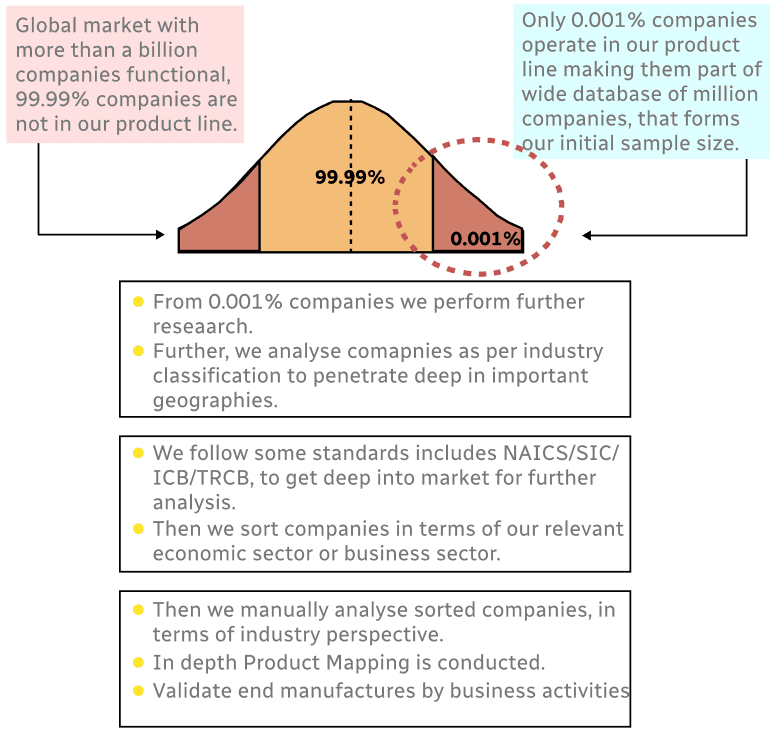
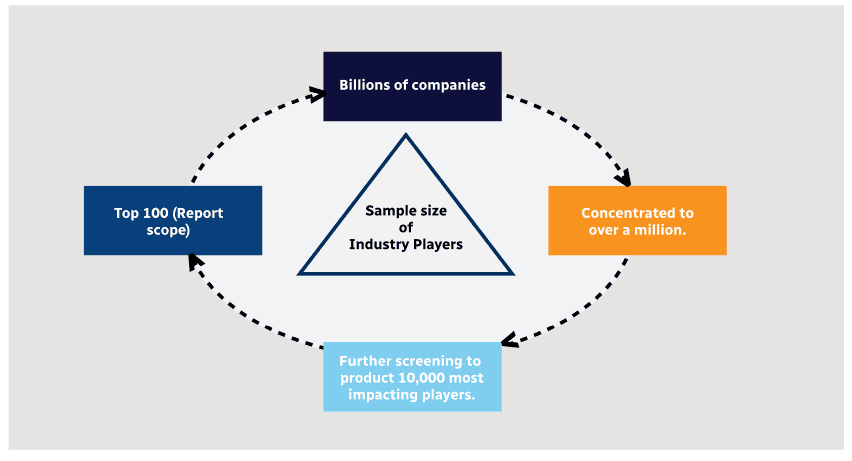
Step 1 - Identification of Relevant Samples Size from Population Database
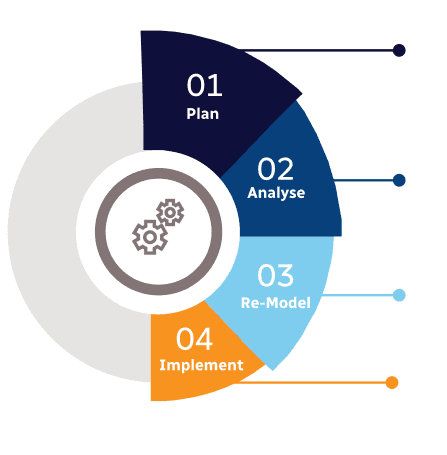
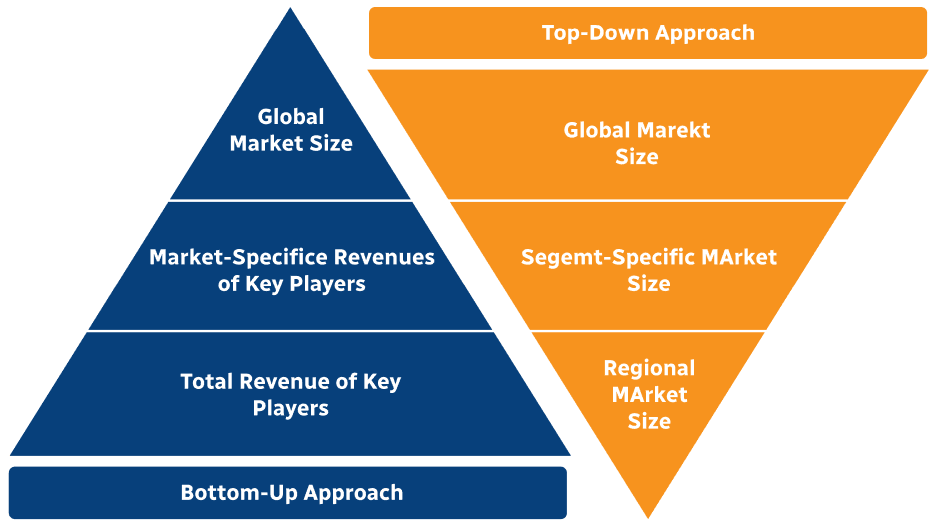
Step 2 - Approaches for Defining Global Market Size (Value, Volume* & Price*)
Note*: In applicable scenarios
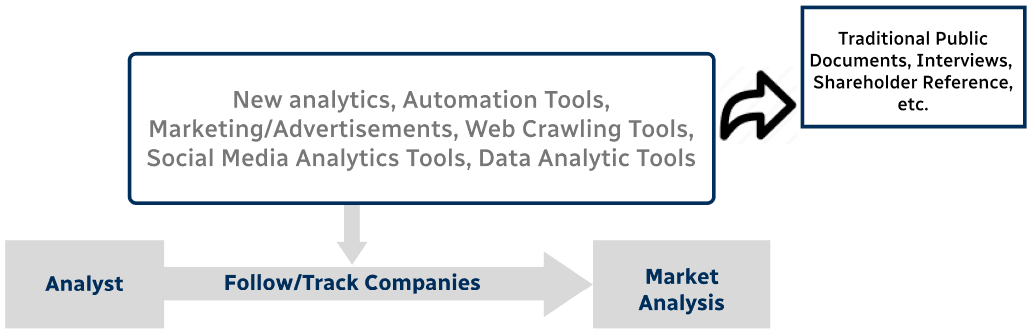
Step 3 - Data Sources
Primary Research
- Web Analytics
- Survey Reports
- Research Institute
- Latest Research Reports
- Opinion Leaders
Secondary Research
- Annual Reports
- White Paper
- Latest Press Release
- Industry Association
- Paid Database
- Investor Presentations
Step 4 - Data Triangulation
Involves using different sources of information in order to increase the validity of a study
These sources are likely to be stakeholders in a program - participants, other researchers, program staff, other community members, and so on.
Then we put all data in single framework & apply various statistical tools to find out the dynamic on the market.
During the analysis stage, feedback from the stakeholder groups would be compared to determine areas of agreement as well as areas of divergence