Key Insights
The global market for Through Hole Common Mode Chokes is experiencing robust growth, estimated at a market size of $1009 million in 2025, with a projected Compound Annual Growth Rate (CAGR) of 4.8% extending through 2033. This sustained expansion is primarily fueled by the escalating demand for effective electromagnetic interference (EMI) and radio frequency interference (RFI) suppression solutions across a wide array of electronic devices. The burgeoning consumer electronics sector, characterized by the proliferation of smartphones, tablets, and smart home devices, represents a significant driver, as these products increasingly require miniaturized and high-performance filtering components. Furthermore, the automotive industry's rapid adoption of advanced driver-assistance systems (ADAS), in-car infotainment, and electric vehicle (EV) powertrains necessitates advanced filtering to ensure the reliability and safety of electronic systems, thereby contributing substantially to market growth. The industrial segment, encompassing automation, power supplies, and control systems, also presents strong demand due to stringent regulatory requirements for EMI compliance and the increasing complexity of industrial machinery.
The market is further segmented by application and type, with Consumer Electronics Products and Household Equipment holding substantial shares, reflecting their widespread use. The "Simplex" type of common mode chokes, typically used in single-phase applications, is prevalent. However, the growing demand from industrial and automotive sectors is also driving the adoption of "Three Phase" common mode chokes. Geographically, the Asia Pacific region, particularly China, is a dominant force in both production and consumption due to its massive electronics manufacturing base. North America and Europe follow, driven by stringent EMI regulations and a mature automotive and industrial landscape. Key trends shaping the market include miniaturization of components, higher current handling capabilities, and the development of chokes with improved impedance characteristics. Restraints, such as the increasing price volatility of raw materials like copper and ferrite, and the development of alternative suppression technologies, pose challenges, but the fundamental need for reliable EMI filtering ensures continued market vitality.
This in-depth market report provides a comprehensive analysis of the global Through Hole Common Mode Chokes market, offering invaluable insights for industry stakeholders. Covering a study period from 2019 to 2033, with a base year of 2025, the report delves into historical trends, current dynamics, and future projections to equip businesses with the knowledge needed to navigate this evolving landscape.
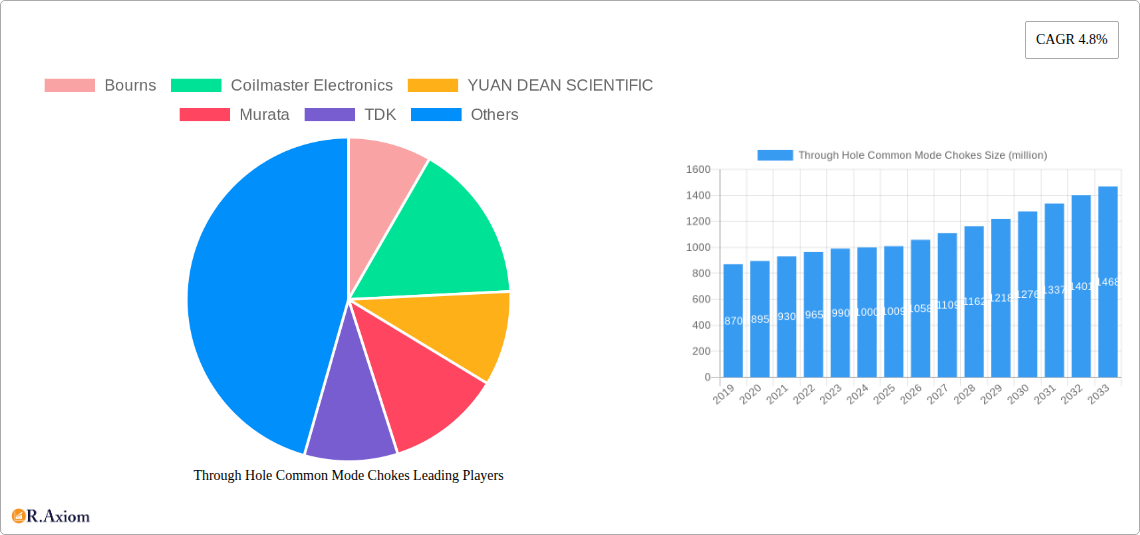
Through Hole Common Mode Chokes Market Concentration & Innovation
The Through Hole Common Mode Chokes market exhibits a moderate level of concentration, with a significant number of players operating across different geographical regions. Leading companies like Murata, TDK, and Coilcraft hold substantial market share, driven by their robust R&D capabilities and extensive product portfolios. Innovation is primarily fueled by the increasing demand for miniaturization, higher current handling capabilities, and improved noise suppression in electronic devices. Regulatory frameworks, such as EMI/EMC directives, play a crucial role in shaping product development and market entry. Product substitutes, while present in some niche applications, are generally less effective than dedicated common mode chokes for critical noise filtering. End-user trends lean towards more compact, energy-efficient, and feature-rich electronic products, necessitating advanced filtering solutions. Mergers and acquisitions (M&A) are a strategic tool for market consolidation and technology acquisition. For instance, a hypothetical M&A deal in the past year could have involved a company with xx million in annual revenue acquiring a smaller competitor for xx million to expand its product line or geographical reach. Market share is a key indicator of dominance, with top players collectively accounting for over xx% of the total market value.
Through Hole Common Mode Chokes Industry Trends & Insights
The global Through Hole Common Mode Chokes market is poised for substantial growth, projected to reach several million dollars by 2033. The Compound Annual Growth Rate (CAGR) is estimated to be around xx% during the forecast period (2025-2033), driven by a confluence of technological advancements, escalating demand across diverse industries, and stringent electromagnetic compatibility (EMC) regulations worldwide. A key driver for this market expansion is the ubiquitous presence of electronic components in virtually every aspect of modern life, from consumer electronics and automotive systems to industrial machinery and telecommunications. As the complexity and density of electronic circuits increase, so does the susceptibility to electromagnetic interference (EMI) and the need for effective noise suppression. This propels the demand for high-performance common mode chokes. Technological disruptions are continuously reshaping the market, with advancements in materials science leading to the development of smaller, more efficient chokes with higher saturation current capabilities and lower insertion loss. Furthermore, the ongoing miniaturization trend in electronic devices mandates the use of compact through-hole components. Consumer preferences are increasingly dictating the need for reliable and noise-free operation of devices, especially in sensitive applications like audio equipment and medical devices. The automotive industry's rapid adoption of electric vehicles (EVs) and advanced driver-assistance systems (ADAS) presents a significant growth avenue, as these systems generate substantial EMI that needs to be mitigated. Competitive dynamics are characterized by a blend of established global players and emerging regional manufacturers, all vying for market share through product innovation, competitive pricing, and strategic partnerships. Market penetration is expected to deepen across all key application segments as awareness of EMI mitigation benefits grows. The increasing focus on energy efficiency and power quality in industrial applications also contributes to sustained demand.
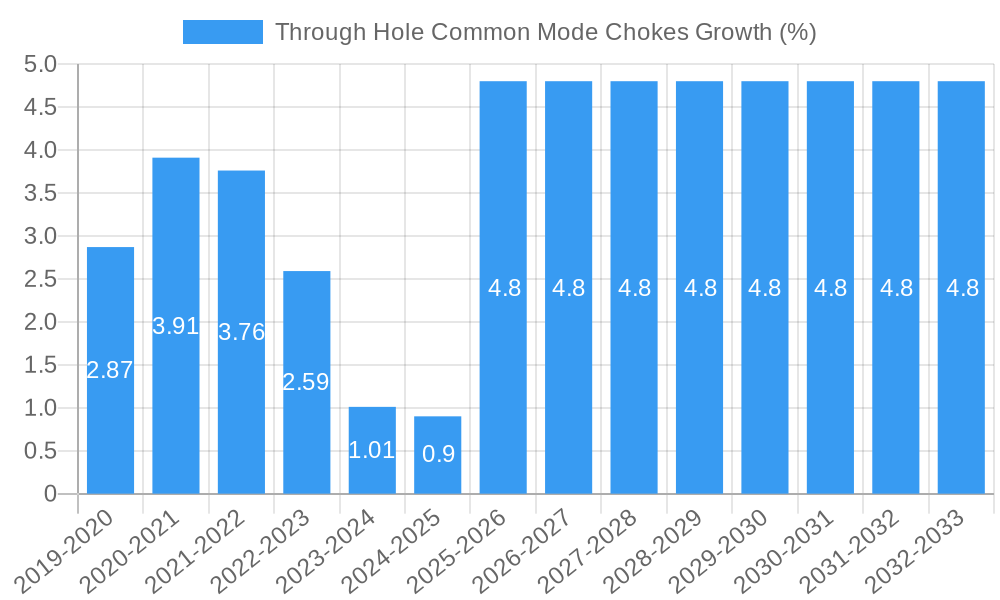
Dominant Markets & Segments in Through Hole Common Mode Chokes
The Consumer Electronics Products segment stands out as a dominant force in the Through Hole Common Mode Chokes market. This dominance is driven by the sheer volume of electronic devices manufactured and consumed globally, encompassing smartphones, televisions, laptops, gaming consoles, and a myriad of other connected gadgets. The ever-increasing integration of advanced functionalities and the trend towards miniaturization in these products necessitate robust EMI/EMC solutions, making common mode chokes indispensable. Economic policies promoting technological innovation and consumer spending power in developed and emerging economies further fuel demand within this segment. The Automobile segment is another rapidly growing and significant market. The proliferation of electric vehicles (EVs) and the increasing complexity of in-vehicle electronic systems, including infotainment, ADAS, and powertrain management, generate substantial electromagnetic noise. Stringent automotive standards for EMI/EMC compliance mandate the use of effective filtering solutions, making common mode chokes critical for ensuring the reliable and safe operation of vehicles. Government initiatives promoting EV adoption and advancements in automotive electronics directly translate to increased demand. In terms of Type, the Simplex common mode chokes represent a larger market share due to their widespread application in single-phase power lines across various consumer and industrial electronics. However, the Three Phase segment is experiencing robust growth, particularly in industrial automation and power applications, where higher power handling and more complex filtering requirements are prevalent. Infrastructure development, especially in industrial sectors and renewable energy projects, further boosts the demand for three-phase filtering solutions. Geographically, the Asia Pacific region is the largest and fastest-growing market for through hole common mode chokes. This is attributed to the region's status as a global manufacturing hub for electronics and automotive components, coupled with a rapidly expanding domestic consumer market and increasing investments in industrial automation and smart city initiatives. Countries like China, South Korea, Japan, and Taiwan are major contributors to this regional dominance.
Through Hole Common Mode Chokes Product Developments
Recent product developments in the Through Hole Common Mode Chokes market are characterized by a strong emphasis on enhanced performance and miniaturization. Manufacturers are innovating to deliver chokes with higher current ratings, improved attenuation capabilities across a wider frequency range, and reduced physical footprints to meet the demands of increasingly compact electronic designs. Innovations in materials, such as advanced ferrite cores, are enabling these performance gains. Furthermore, there's a growing trend towards multi-functional chokes that can address multiple noise suppression challenges simultaneously, offering cost and space savings for end-users. The integration of common mode chokes into more complex filter assemblies and modules is also a notable development, providing complete EMI/EMC solutions for specific applications, thereby offering competitive advantages in ease of integration and optimized performance.
Report Scope & Segmentation Analysis
This report provides a comprehensive segmentation of the Through Hole Common Mode Chokes market across key application areas and product types.
Consumer Electronics Products: This segment encompasses a vast array of devices, including smartphones, tablets, laptops, televisions, audio-visual equipment, and gaming consoles. It is projected to maintain its leading position due to high production volumes and the continuous introduction of new, feature-rich devices requiring effective EMI mitigation. Market growth is driven by increasing disposable incomes and consumer demand for enhanced audio-visual experiences and connectivity.
Household Equipment: This segment includes appliances such as washing machines, refrigerators, microwaves, and air conditioners. While not as high-volume as consumer electronics, it represents a steady demand for common mode chokes to ensure the reliable and safe operation of these essential household items. Growth is linked to new home construction and upgrades to existing appliances.
Industrial: This broad segment covers applications in factory automation, power supplies, motor drives, industrial control systems, and renewable energy infrastructure. The increasing adoption of sophisticated industrial machinery and the stringent requirements for operational reliability and safety in industrial environments make this a crucial and growing segment. Technological advancements in Industry 4.0 initiatives are a significant growth catalyst.
Automobile: This segment is witnessing significant expansion, particularly with the rise of electric vehicles (EVs) and advanced driver-assistance systems (ADAS). Common mode chokes are essential for filtering electromagnetic interference generated by power electronics in EVs and complex control systems in modern vehicles. Regulatory mandates for automotive EMI/EMC performance are a key driver.
Others: This residual category includes applications in medical devices, telecommunications equipment, aerospace, and defense. While niche, these sectors often demand high-reliability and specialized common mode chokes, contributing to a steady, albeit smaller, market share.
Simplex: This type of common mode choke is designed for single-phase AC power lines and is widely used across consumer electronics, household equipment, and many industrial applications. It represents the largest market share due to its versatility and widespread adoption.
Three Phase: This type is employed in three-phase AC power lines, commonly found in industrial machinery, power distribution systems, and larger motor drives. The segment is experiencing robust growth driven by industrial automation and the need for efficient power management in high-power applications.
Key Drivers of Through Hole Common Mode Chokes Growth
The growth of the Through Hole Common Mode Chokes market is propelled by several key factors. Firstly, the escalating proliferation of electronic devices across all sectors, from consumer goods to industrial machinery and automotive, inherently increases the need for effective EMI/EMC solutions. Secondly, stringent government regulations and industry standards mandating electromagnetic compatibility are compelling manufacturers to integrate common mode chokes into their products. For instance, FCC regulations in the US and CE marking in Europe drive compliance. Thirdly, the rapid advancement of technologies like 5G, IoT, and electric vehicles generates more electromagnetic noise, necessitating improved filtering solutions. Finally, the continuous drive for product miniaturization and higher power density in electronic devices pushes the demand for more compact and efficient common mode chokes.
Challenges in the Through Hole Common Mode Chokes Sector
Despite the positive growth outlook, the Through Hole Common Mode Chokes sector faces several challenges. Intense price competition among a multitude of manufacturers can squeeze profit margins, particularly for standard product offerings. Supply chain disruptions, as experienced recently with semiconductor shortages, can impact raw material availability and lead times, affecting production schedules. Furthermore, the rapid pace of technological innovation requires continuous investment in R&D to stay competitive, which can be a significant burden for smaller companies. Evolving and increasingly stringent EMI/EMC regulations can also pose challenges, requiring manufacturers to adapt their product designs and testing procedures to meet new compliance requirements.
Emerging Opportunities in Through Hole Common Mode Chokes
Emerging opportunities in the Through Hole Common Mode Chokes market lie in several key areas. The burgeoning electric vehicle (EV) market presents a significant growth avenue, as EVs generate substantial EMI that needs to be effectively managed. The expansion of the Internet of Things (IoT) ecosystem, with its vast network of connected devices, will also drive demand for miniaturized and efficient common mode chokes. Furthermore, the growing adoption of renewable energy sources, such as solar and wind power, necessitates robust filtering solutions for power conversion systems. Opportunities also exist in developing specialized common mode chokes for high-frequency applications and for specific industry needs, such as medical devices requiring exceptional noise suppression.
Leading Players in the Through Hole Common Mode Chokes Market
- Bourns
- Coilmaster Electronics
- YUAN DEAN SCIENTIFIC
- Murata
- TDK
- Chilisin
- TAIYO YUDEN
- Cyntec
- Sunlord Electronics
- Vishay
- TAI-TECH Advanced Electronic
- Sumida
- YAGEO Corporation
- Eaton
- Schaffner
- Laird Performance Materials
- TABUCHI ELECTRIC
- TAMURA CORPORATION
- Hitachi Metals
- Coilcraft
- Nippon Chemi-Con Corporation
- Bourns
- KYOCERA AVX Components Corporation
Key Developments in Through Hole Common Mode Chokes Industry
- 2023 March: Murata launches a new series of compact common mode chokes with improved high-frequency noise suppression for automotive applications.
- 2023 February: TDK introduces a range of high-current through-hole common mode chokes designed for industrial power supplies.
- 2022 December: Coilcraft announces the expansion of its product line with new common mode chokes offering superior performance in electric vehicle charging systems.
- 2022 November: Vishay releases a new family of high-performance common mode chokes optimized for consumer electronics to meet stringent EMI standards.
- 2022 October: YAGEO Corporation acquires a specialized manufacturer of electromagnetic components to strengthen its position in the industrial market.
Strategic Outlook for Through Hole Common Mode Chokes Market
- 2023 March: Murata launches a new series of compact common mode chokes with improved high-frequency noise suppression for automotive applications.
- 2023 February: TDK introduces a range of high-current through-hole common mode chokes designed for industrial power supplies.
- 2022 December: Coilcraft announces the expansion of its product line with new common mode chokes offering superior performance in electric vehicle charging systems.
- 2022 November: Vishay releases a new family of high-performance common mode chokes optimized for consumer electronics to meet stringent EMI standards.
- 2022 October: YAGEO Corporation acquires a specialized manufacturer of electromagnetic components to strengthen its position in the industrial market.
Strategic Outlook for Through Hole Common Mode Chokes Market
The strategic outlook for the Through Hole Common Mode Chokes market remains exceptionally positive, fueled by pervasive technological advancements and increasing regulatory demands for electromagnetic compatibility. Growth catalysts include the continued expansion of the automotive sector, particularly the transition to electric vehicles, and the rapid adoption of IoT devices, both of which generate significant EMI. The industrial sector's drive towards automation and the implementation of Industry 4.0 principles will further boost demand for reliable filtering solutions. Manufacturers that focus on product innovation, such as developing smaller, more efficient, and higher-performing chokes, along with those who can strategically expand their market reach and forge strong partnerships, are best positioned for future success. The market is ripe for companies that can offer tailored solutions for emerging applications and adapt quickly to evolving regulatory landscapes.
Through Hole Common Mode Chokes Segmentation
-
1. Application
- 1.1. Consumer Electronics Products
- 1.2. Household Equipment
- 1.3. Industrial
- 1.4. Automobile
- 1.5. Others
-
2. Type
- 2.1. Simplex
- 2.2. Three Phase
Through Hole Common Mode Chokes Segmentation By Geography
-
1. North America
- 1.1. United States
- 1.2. Canada
- 1.3. Mexico
-
2. South America
- 2.1. Brazil
- 2.2. Argentina
- 2.3. Rest of South America
-
3. Europe
- 3.1. United Kingdom
- 3.2. Germany
- 3.3. France
- 3.4. Italy
- 3.5. Spain
- 3.6. Russia
- 3.7. Benelux
- 3.8. Nordics
- 3.9. Rest of Europe
-
4. Middle East & Africa
- 4.1. Turkey
- 4.2. Israel
- 4.3. GCC
- 4.4. North Africa
- 4.5. South Africa
- 4.6. Rest of Middle East & Africa
-
5. Asia Pacific
- 5.1. China
- 5.2. India
- 5.3. Japan
- 5.4. South Korea
- 5.5. ASEAN
- 5.6. Oceania
- 5.7. Rest of Asia Pacific
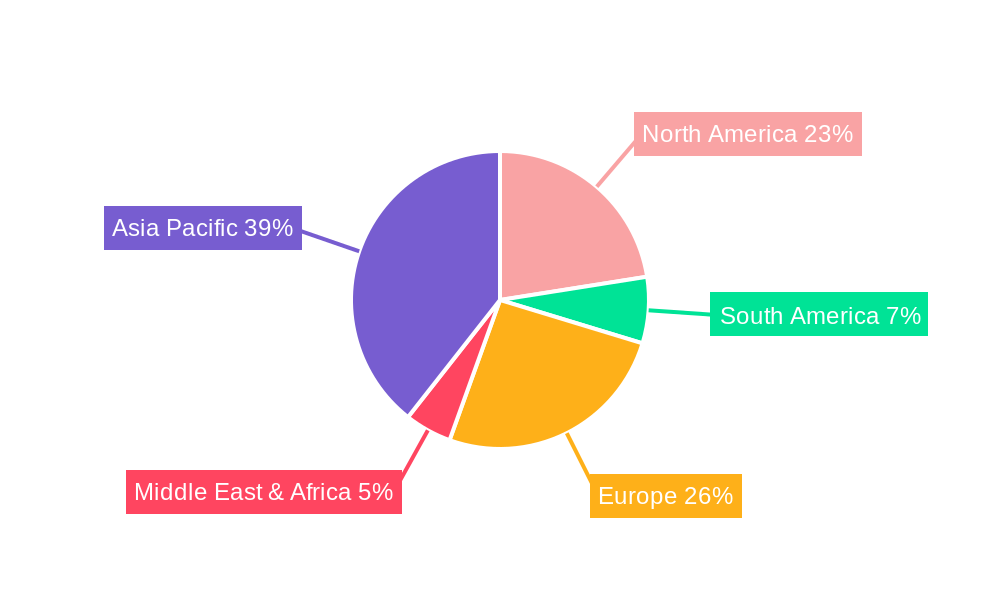
Through Hole Common Mode Chokes REPORT HIGHLIGHTS
| Aspects | Details |
|---|---|
| Study Period | 2019-2033 |
| Base Year | 2024 |
| Estimated Year | 2025 |
| Forecast Period | 2025-2033 |
| Historical Period | 2019-2024 |
| Growth Rate | CAGR of 4.8% from 2019-2033 |
| Segmentation |
|
Table of Contents
- 1. Introduction
- 1.1. Research Scope
- 1.2. Market Segmentation
- 1.3. Research Methodology
- 1.4. Definitions and Assumptions
- 2. Executive Summary
- 2.1. Introduction
- 3. Market Dynamics
- 3.1. Introduction
- 3.2. Market Drivers
- 3.3. Market Restrains
- 3.4. Market Trends
- 4. Market Factor Analysis
- 4.1. Porters Five Forces
- 4.2. Supply/Value Chain
- 4.3. PESTEL analysis
- 4.4. Market Entropy
- 4.5. Patent/Trademark Analysis
- 5. Global Through Hole Common Mode Chokes Analysis, Insights and Forecast, 2019-2031
- 5.1. Market Analysis, Insights and Forecast - by Application
- 5.1.1. Consumer Electronics Products
- 5.1.2. Household Equipment
- 5.1.3. Industrial
- 5.1.4. Automobile
- 5.1.5. Others
- 5.2. Market Analysis, Insights and Forecast - by Type
- 5.2.1. Simplex
- 5.2.2. Three Phase
- 5.3. Market Analysis, Insights and Forecast - by Region
- 5.3.1. North America
- 5.3.2. South America
- 5.3.3. Europe
- 5.3.4. Middle East & Africa
- 5.3.5. Asia Pacific
- 5.1. Market Analysis, Insights and Forecast - by Application
- 6. North America Through Hole Common Mode Chokes Analysis, Insights and Forecast, 2019-2031
- 6.1. Market Analysis, Insights and Forecast - by Application
- 6.1.1. Consumer Electronics Products
- 6.1.2. Household Equipment
- 6.1.3. Industrial
- 6.1.4. Automobile
- 6.1.5. Others
- 6.2. Market Analysis, Insights and Forecast - by Type
- 6.2.1. Simplex
- 6.2.2. Three Phase
- 6.1. Market Analysis, Insights and Forecast - by Application
- 7. South America Through Hole Common Mode Chokes Analysis, Insights and Forecast, 2019-2031
- 7.1. Market Analysis, Insights and Forecast - by Application
- 7.1.1. Consumer Electronics Products
- 7.1.2. Household Equipment
- 7.1.3. Industrial
- 7.1.4. Automobile
- 7.1.5. Others
- 7.2. Market Analysis, Insights and Forecast - by Type
- 7.2.1. Simplex
- 7.2.2. Three Phase
- 7.1. Market Analysis, Insights and Forecast - by Application
- 8. Europe Through Hole Common Mode Chokes Analysis, Insights and Forecast, 2019-2031
- 8.1. Market Analysis, Insights and Forecast - by Application
- 8.1.1. Consumer Electronics Products
- 8.1.2. Household Equipment
- 8.1.3. Industrial
- 8.1.4. Automobile
- 8.1.5. Others
- 8.2. Market Analysis, Insights and Forecast - by Type
- 8.2.1. Simplex
- 8.2.2. Three Phase
- 8.1. Market Analysis, Insights and Forecast - by Application
- 9. Middle East & Africa Through Hole Common Mode Chokes Analysis, Insights and Forecast, 2019-2031
- 9.1. Market Analysis, Insights and Forecast - by Application
- 9.1.1. Consumer Electronics Products
- 9.1.2. Household Equipment
- 9.1.3. Industrial
- 9.1.4. Automobile
- 9.1.5. Others
- 9.2. Market Analysis, Insights and Forecast - by Type
- 9.2.1. Simplex
- 9.2.2. Three Phase
- 9.1. Market Analysis, Insights and Forecast - by Application
- 10. Asia Pacific Through Hole Common Mode Chokes Analysis, Insights and Forecast, 2019-2031
- 10.1. Market Analysis, Insights and Forecast - by Application
- 10.1.1. Consumer Electronics Products
- 10.1.2. Household Equipment
- 10.1.3. Industrial
- 10.1.4. Automobile
- 10.1.5. Others
- 10.2. Market Analysis, Insights and Forecast - by Type
- 10.2.1. Simplex
- 10.2.2. Three Phase
- 10.1. Market Analysis, Insights and Forecast - by Application
- 11. Competitive Analysis
- 11.1. Global Market Share Analysis 2024
- 11.2. Company Profiles
- 11.2.1 Bourns
- 11.2.1.1. Overview
- 11.2.1.2. Products
- 11.2.1.3. SWOT Analysis
- 11.2.1.4. Recent Developments
- 11.2.1.5. Financials (Based on Availability)
- 11.2.2 Coilmaster Electronics
- 11.2.2.1. Overview
- 11.2.2.2. Products
- 11.2.2.3. SWOT Analysis
- 11.2.2.4. Recent Developments
- 11.2.2.5. Financials (Based on Availability)
- 11.2.3 YUAN DEAN SCIENTIFIC
- 11.2.3.1. Overview
- 11.2.3.2. Products
- 11.2.3.3. SWOT Analysis
- 11.2.3.4. Recent Developments
- 11.2.3.5. Financials (Based on Availability)
- 11.2.4 Murata
- 11.2.4.1. Overview
- 11.2.4.2. Products
- 11.2.4.3. SWOT Analysis
- 11.2.4.4. Recent Developments
- 11.2.4.5. Financials (Based on Availability)
- 11.2.5 TDK
- 11.2.5.1. Overview
- 11.2.5.2. Products
- 11.2.5.3. SWOT Analysis
- 11.2.5.4. Recent Developments
- 11.2.5.5. Financials (Based on Availability)
- 11.2.6 Chilisin
- 11.2.6.1. Overview
- 11.2.6.2. Products
- 11.2.6.3. SWOT Analysis
- 11.2.6.4. Recent Developments
- 11.2.6.5. Financials (Based on Availability)
- 11.2.7 TAIYO YUDEN
- 11.2.7.1. Overview
- 11.2.7.2. Products
- 11.2.7.3. SWOT Analysis
- 11.2.7.4. Recent Developments
- 11.2.7.5. Financials (Based on Availability)
- 11.2.8 Cyntec
- 11.2.8.1. Overview
- 11.2.8.2. Products
- 11.2.8.3. SWOT Analysis
- 11.2.8.4. Recent Developments
- 11.2.8.5. Financials (Based on Availability)
- 11.2.9 Sunlord Electronics
- 11.2.9.1. Overview
- 11.2.9.2. Products
- 11.2.9.3. SWOT Analysis
- 11.2.9.4. Recent Developments
- 11.2.9.5. Financials (Based on Availability)
- 11.2.10 Vishay
- 11.2.10.1. Overview
- 11.2.10.2. Products
- 11.2.10.3. SWOT Analysis
- 11.2.10.4. Recent Developments
- 11.2.10.5. Financials (Based on Availability)
- 11.2.11 TAI-TECH Advanced Electronic
- 11.2.11.1. Overview
- 11.2.11.2. Products
- 11.2.11.3. SWOT Analysis
- 11.2.11.4. Recent Developments
- 11.2.11.5. Financials (Based on Availability)
- 11.2.12 Sumida
- 11.2.12.1. Overview
- 11.2.12.2. Products
- 11.2.12.3. SWOT Analysis
- 11.2.12.4. Recent Developments
- 11.2.12.5. Financials (Based on Availability)
- 11.2.13 YAGEO Corporation
- 11.2.13.1. Overview
- 11.2.13.2. Products
- 11.2.13.3. SWOT Analysis
- 11.2.13.4. Recent Developments
- 11.2.13.5. Financials (Based on Availability)
- 11.2.14 Eaton
- 11.2.14.1. Overview
- 11.2.14.2. Products
- 11.2.14.3. SWOT Analysis
- 11.2.14.4. Recent Developments
- 11.2.14.5. Financials (Based on Availability)
- 11.2.15 Schaffner
- 11.2.15.1. Overview
- 11.2.15.2. Products
- 11.2.15.3. SWOT Analysis
- 11.2.15.4. Recent Developments
- 11.2.15.5. Financials (Based on Availability)
- 11.2.16 Laird Performance Materials
- 11.2.16.1. Overview
- 11.2.16.2. Products
- 11.2.16.3. SWOT Analysis
- 11.2.16.4. Recent Developments
- 11.2.16.5. Financials (Based on Availability)
- 11.2.17 TABUCHI ELECTRIC
- 11.2.17.1. Overview
- 11.2.17.2. Products
- 11.2.17.3. SWOT Analysis
- 11.2.17.4. Recent Developments
- 11.2.17.5. Financials (Based on Availability)
- 11.2.18 TAMURA CORPORATION
- 11.2.18.1. Overview
- 11.2.18.2. Products
- 11.2.18.3. SWOT Analysis
- 11.2.18.4. Recent Developments
- 11.2.18.5. Financials (Based on Availability)
- 11.2.19 Hitachi Metals
- 11.2.19.1. Overview
- 11.2.19.2. Products
- 11.2.19.3. SWOT Analysis
- 11.2.19.4. Recent Developments
- 11.2.19.5. Financials (Based on Availability)
- 11.2.20 Coilcraft
- 11.2.20.1. Overview
- 11.2.20.2. Products
- 11.2.20.3. SWOT Analysis
- 11.2.20.4. Recent Developments
- 11.2.20.5. Financials (Based on Availability)
- 11.2.21 Nippon Chemi-Con Corporation
- 11.2.21.1. Overview
- 11.2.21.2. Products
- 11.2.21.3. SWOT Analysis
- 11.2.21.4. Recent Developments
- 11.2.21.5. Financials (Based on Availability)
- 11.2.22 Bourns
- 11.2.22.1. Overview
- 11.2.22.2. Products
- 11.2.22.3. SWOT Analysis
- 11.2.22.4. Recent Developments
- 11.2.22.5. Financials (Based on Availability)
- 11.2.23 KYOCERA AVX Components Corporation
- 11.2.23.1. Overview
- 11.2.23.2. Products
- 11.2.23.3. SWOT Analysis
- 11.2.23.4. Recent Developments
- 11.2.23.5. Financials (Based on Availability)
- 11.2.1 Bourns
List of Figures
- Figure 1: Global Through Hole Common Mode Chokes Revenue Breakdown (million, %) by Region 2024 & 2032
- Figure 2: Global Through Hole Common Mode Chokes Volume Breakdown (K, %) by Region 2024 & 2032
- Figure 3: North America Through Hole Common Mode Chokes Revenue (million), by Application 2024 & 2032
- Figure 4: North America Through Hole Common Mode Chokes Volume (K), by Application 2024 & 2032
- Figure 5: North America Through Hole Common Mode Chokes Revenue Share (%), by Application 2024 & 2032
- Figure 6: North America Through Hole Common Mode Chokes Volume Share (%), by Application 2024 & 2032
- Figure 7: North America Through Hole Common Mode Chokes Revenue (million), by Type 2024 & 2032
- Figure 8: North America Through Hole Common Mode Chokes Volume (K), by Type 2024 & 2032
- Figure 9: North America Through Hole Common Mode Chokes Revenue Share (%), by Type 2024 & 2032
- Figure 10: North America Through Hole Common Mode Chokes Volume Share (%), by Type 2024 & 2032
- Figure 11: North America Through Hole Common Mode Chokes Revenue (million), by Country 2024 & 2032
- Figure 12: North America Through Hole Common Mode Chokes Volume (K), by Country 2024 & 2032
- Figure 13: North America Through Hole Common Mode Chokes Revenue Share (%), by Country 2024 & 2032
- Figure 14: North America Through Hole Common Mode Chokes Volume Share (%), by Country 2024 & 2032
- Figure 15: South America Through Hole Common Mode Chokes Revenue (million), by Application 2024 & 2032
- Figure 16: South America Through Hole Common Mode Chokes Volume (K), by Application 2024 & 2032
- Figure 17: South America Through Hole Common Mode Chokes Revenue Share (%), by Application 2024 & 2032
- Figure 18: South America Through Hole Common Mode Chokes Volume Share (%), by Application 2024 & 2032
- Figure 19: South America Through Hole Common Mode Chokes Revenue (million), by Type 2024 & 2032
- Figure 20: South America Through Hole Common Mode Chokes Volume (K), by Type 2024 & 2032
- Figure 21: South America Through Hole Common Mode Chokes Revenue Share (%), by Type 2024 & 2032
- Figure 22: South America Through Hole Common Mode Chokes Volume Share (%), by Type 2024 & 2032
- Figure 23: South America Through Hole Common Mode Chokes Revenue (million), by Country 2024 & 2032
- Figure 24: South America Through Hole Common Mode Chokes Volume (K), by Country 2024 & 2032
- Figure 25: South America Through Hole Common Mode Chokes Revenue Share (%), by Country 2024 & 2032
- Figure 26: South America Through Hole Common Mode Chokes Volume Share (%), by Country 2024 & 2032
- Figure 27: Europe Through Hole Common Mode Chokes Revenue (million), by Application 2024 & 2032
- Figure 28: Europe Through Hole Common Mode Chokes Volume (K), by Application 2024 & 2032
- Figure 29: Europe Through Hole Common Mode Chokes Revenue Share (%), by Application 2024 & 2032
- Figure 30: Europe Through Hole Common Mode Chokes Volume Share (%), by Application 2024 & 2032
- Figure 31: Europe Through Hole Common Mode Chokes Revenue (million), by Type 2024 & 2032
- Figure 32: Europe Through Hole Common Mode Chokes Volume (K), by Type 2024 & 2032
- Figure 33: Europe Through Hole Common Mode Chokes Revenue Share (%), by Type 2024 & 2032
- Figure 34: Europe Through Hole Common Mode Chokes Volume Share (%), by Type 2024 & 2032
- Figure 35: Europe Through Hole Common Mode Chokes Revenue (million), by Country 2024 & 2032
- Figure 36: Europe Through Hole Common Mode Chokes Volume (K), by Country 2024 & 2032
- Figure 37: Europe Through Hole Common Mode Chokes Revenue Share (%), by Country 2024 & 2032
- Figure 38: Europe Through Hole Common Mode Chokes Volume Share (%), by Country 2024 & 2032
- Figure 39: Middle East & Africa Through Hole Common Mode Chokes Revenue (million), by Application 2024 & 2032
- Figure 40: Middle East & Africa Through Hole Common Mode Chokes Volume (K), by Application 2024 & 2032
- Figure 41: Middle East & Africa Through Hole Common Mode Chokes Revenue Share (%), by Application 2024 & 2032
- Figure 42: Middle East & Africa Through Hole Common Mode Chokes Volume Share (%), by Application 2024 & 2032
- Figure 43: Middle East & Africa Through Hole Common Mode Chokes Revenue (million), by Type 2024 & 2032
- Figure 44: Middle East & Africa Through Hole Common Mode Chokes Volume (K), by Type 2024 & 2032
- Figure 45: Middle East & Africa Through Hole Common Mode Chokes Revenue Share (%), by Type 2024 & 2032
- Figure 46: Middle East & Africa Through Hole Common Mode Chokes Volume Share (%), by Type 2024 & 2032
- Figure 47: Middle East & Africa Through Hole Common Mode Chokes Revenue (million), by Country 2024 & 2032
- Figure 48: Middle East & Africa Through Hole Common Mode Chokes Volume (K), by Country 2024 & 2032
- Figure 49: Middle East & Africa Through Hole Common Mode Chokes Revenue Share (%), by Country 2024 & 2032
- Figure 50: Middle East & Africa Through Hole Common Mode Chokes Volume Share (%), by Country 2024 & 2032
- Figure 51: Asia Pacific Through Hole Common Mode Chokes Revenue (million), by Application 2024 & 2032
- Figure 52: Asia Pacific Through Hole Common Mode Chokes Volume (K), by Application 2024 & 2032
- Figure 53: Asia Pacific Through Hole Common Mode Chokes Revenue Share (%), by Application 2024 & 2032
- Figure 54: Asia Pacific Through Hole Common Mode Chokes Volume Share (%), by Application 2024 & 2032
- Figure 55: Asia Pacific Through Hole Common Mode Chokes Revenue (million), by Type 2024 & 2032
- Figure 56: Asia Pacific Through Hole Common Mode Chokes Volume (K), by Type 2024 & 2032
- Figure 57: Asia Pacific Through Hole Common Mode Chokes Revenue Share (%), by Type 2024 & 2032
- Figure 58: Asia Pacific Through Hole Common Mode Chokes Volume Share (%), by Type 2024 & 2032
- Figure 59: Asia Pacific Through Hole Common Mode Chokes Revenue (million), by Country 2024 & 2032
- Figure 60: Asia Pacific Through Hole Common Mode Chokes Volume (K), by Country 2024 & 2032
- Figure 61: Asia Pacific Through Hole Common Mode Chokes Revenue Share (%), by Country 2024 & 2032
- Figure 62: Asia Pacific Through Hole Common Mode Chokes Volume Share (%), by Country 2024 & 2032
List of Tables
- Table 1: Global Through Hole Common Mode Chokes Revenue million Forecast, by Region 2019 & 2032
- Table 2: Global Through Hole Common Mode Chokes Volume K Forecast, by Region 2019 & 2032
- Table 3: Global Through Hole Common Mode Chokes Revenue million Forecast, by Application 2019 & 2032
- Table 4: Global Through Hole Common Mode Chokes Volume K Forecast, by Application 2019 & 2032
- Table 5: Global Through Hole Common Mode Chokes Revenue million Forecast, by Type 2019 & 2032
- Table 6: Global Through Hole Common Mode Chokes Volume K Forecast, by Type 2019 & 2032
- Table 7: Global Through Hole Common Mode Chokes Revenue million Forecast, by Region 2019 & 2032
- Table 8: Global Through Hole Common Mode Chokes Volume K Forecast, by Region 2019 & 2032
- Table 9: Global Through Hole Common Mode Chokes Revenue million Forecast, by Application 2019 & 2032
- Table 10: Global Through Hole Common Mode Chokes Volume K Forecast, by Application 2019 & 2032
- Table 11: Global Through Hole Common Mode Chokes Revenue million Forecast, by Type 2019 & 2032
- Table 12: Global Through Hole Common Mode Chokes Volume K Forecast, by Type 2019 & 2032
- Table 13: Global Through Hole Common Mode Chokes Revenue million Forecast, by Country 2019 & 2032
- Table 14: Global Through Hole Common Mode Chokes Volume K Forecast, by Country 2019 & 2032
- Table 15: United States Through Hole Common Mode Chokes Revenue (million) Forecast, by Application 2019 & 2032
- Table 16: United States Through Hole Common Mode Chokes Volume (K) Forecast, by Application 2019 & 2032
- Table 17: Canada Through Hole Common Mode Chokes Revenue (million) Forecast, by Application 2019 & 2032
- Table 18: Canada Through Hole Common Mode Chokes Volume (K) Forecast, by Application 2019 & 2032
- Table 19: Mexico Through Hole Common Mode Chokes Revenue (million) Forecast, by Application 2019 & 2032
- Table 20: Mexico Through Hole Common Mode Chokes Volume (K) Forecast, by Application 2019 & 2032
- Table 21: Global Through Hole Common Mode Chokes Revenue million Forecast, by Application 2019 & 2032
- Table 22: Global Through Hole Common Mode Chokes Volume K Forecast, by Application 2019 & 2032
- Table 23: Global Through Hole Common Mode Chokes Revenue million Forecast, by Type 2019 & 2032
- Table 24: Global Through Hole Common Mode Chokes Volume K Forecast, by Type 2019 & 2032
- Table 25: Global Through Hole Common Mode Chokes Revenue million Forecast, by Country 2019 & 2032
- Table 26: Global Through Hole Common Mode Chokes Volume K Forecast, by Country 2019 & 2032
- Table 27: Brazil Through Hole Common Mode Chokes Revenue (million) Forecast, by Application 2019 & 2032
- Table 28: Brazil Through Hole Common Mode Chokes Volume (K) Forecast, by Application 2019 & 2032
- Table 29: Argentina Through Hole Common Mode Chokes Revenue (million) Forecast, by Application 2019 & 2032
- Table 30: Argentina Through Hole Common Mode Chokes Volume (K) Forecast, by Application 2019 & 2032
- Table 31: Rest of South America Through Hole Common Mode Chokes Revenue (million) Forecast, by Application 2019 & 2032
- Table 32: Rest of South America Through Hole Common Mode Chokes Volume (K) Forecast, by Application 2019 & 2032
- Table 33: Global Through Hole Common Mode Chokes Revenue million Forecast, by Application 2019 & 2032
- Table 34: Global Through Hole Common Mode Chokes Volume K Forecast, by Application 2019 & 2032
- Table 35: Global Through Hole Common Mode Chokes Revenue million Forecast, by Type 2019 & 2032
- Table 36: Global Through Hole Common Mode Chokes Volume K Forecast, by Type 2019 & 2032
- Table 37: Global Through Hole Common Mode Chokes Revenue million Forecast, by Country 2019 & 2032
- Table 38: Global Through Hole Common Mode Chokes Volume K Forecast, by Country 2019 & 2032
- Table 39: United Kingdom Through Hole Common Mode Chokes Revenue (million) Forecast, by Application 2019 & 2032
- Table 40: United Kingdom Through Hole Common Mode Chokes Volume (K) Forecast, by Application 2019 & 2032
- Table 41: Germany Through Hole Common Mode Chokes Revenue (million) Forecast, by Application 2019 & 2032
- Table 42: Germany Through Hole Common Mode Chokes Volume (K) Forecast, by Application 2019 & 2032
- Table 43: France Through Hole Common Mode Chokes Revenue (million) Forecast, by Application 2019 & 2032
- Table 44: France Through Hole Common Mode Chokes Volume (K) Forecast, by Application 2019 & 2032
- Table 45: Italy Through Hole Common Mode Chokes Revenue (million) Forecast, by Application 2019 & 2032
- Table 46: Italy Through Hole Common Mode Chokes Volume (K) Forecast, by Application 2019 & 2032
- Table 47: Spain Through Hole Common Mode Chokes Revenue (million) Forecast, by Application 2019 & 2032
- Table 48: Spain Through Hole Common Mode Chokes Volume (K) Forecast, by Application 2019 & 2032
- Table 49: Russia Through Hole Common Mode Chokes Revenue (million) Forecast, by Application 2019 & 2032
- Table 50: Russia Through Hole Common Mode Chokes Volume (K) Forecast, by Application 2019 & 2032
- Table 51: Benelux Through Hole Common Mode Chokes Revenue (million) Forecast, by Application 2019 & 2032
- Table 52: Benelux Through Hole Common Mode Chokes Volume (K) Forecast, by Application 2019 & 2032
- Table 53: Nordics Through Hole Common Mode Chokes Revenue (million) Forecast, by Application 2019 & 2032
- Table 54: Nordics Through Hole Common Mode Chokes Volume (K) Forecast, by Application 2019 & 2032
- Table 55: Rest of Europe Through Hole Common Mode Chokes Revenue (million) Forecast, by Application 2019 & 2032
- Table 56: Rest of Europe Through Hole Common Mode Chokes Volume (K) Forecast, by Application 2019 & 2032
- Table 57: Global Through Hole Common Mode Chokes Revenue million Forecast, by Application 2019 & 2032
- Table 58: Global Through Hole Common Mode Chokes Volume K Forecast, by Application 2019 & 2032
- Table 59: Global Through Hole Common Mode Chokes Revenue million Forecast, by Type 2019 & 2032
- Table 60: Global Through Hole Common Mode Chokes Volume K Forecast, by Type 2019 & 2032
- Table 61: Global Through Hole Common Mode Chokes Revenue million Forecast, by Country 2019 & 2032
- Table 62: Global Through Hole Common Mode Chokes Volume K Forecast, by Country 2019 & 2032
- Table 63: Turkey Through Hole Common Mode Chokes Revenue (million) Forecast, by Application 2019 & 2032
- Table 64: Turkey Through Hole Common Mode Chokes Volume (K) Forecast, by Application 2019 & 2032
- Table 65: Israel Through Hole Common Mode Chokes Revenue (million) Forecast, by Application 2019 & 2032
- Table 66: Israel Through Hole Common Mode Chokes Volume (K) Forecast, by Application 2019 & 2032
- Table 67: GCC Through Hole Common Mode Chokes Revenue (million) Forecast, by Application 2019 & 2032
- Table 68: GCC Through Hole Common Mode Chokes Volume (K) Forecast, by Application 2019 & 2032
- Table 69: North Africa Through Hole Common Mode Chokes Revenue (million) Forecast, by Application 2019 & 2032
- Table 70: North Africa Through Hole Common Mode Chokes Volume (K) Forecast, by Application 2019 & 2032
- Table 71: South Africa Through Hole Common Mode Chokes Revenue (million) Forecast, by Application 2019 & 2032
- Table 72: South Africa Through Hole Common Mode Chokes Volume (K) Forecast, by Application 2019 & 2032
- Table 73: Rest of Middle East & Africa Through Hole Common Mode Chokes Revenue (million) Forecast, by Application 2019 & 2032
- Table 74: Rest of Middle East & Africa Through Hole Common Mode Chokes Volume (K) Forecast, by Application 2019 & 2032
- Table 75: Global Through Hole Common Mode Chokes Revenue million Forecast, by Application 2019 & 2032
- Table 76: Global Through Hole Common Mode Chokes Volume K Forecast, by Application 2019 & 2032
- Table 77: Global Through Hole Common Mode Chokes Revenue million Forecast, by Type 2019 & 2032
- Table 78: Global Through Hole Common Mode Chokes Volume K Forecast, by Type 2019 & 2032
- Table 79: Global Through Hole Common Mode Chokes Revenue million Forecast, by Country 2019 & 2032
- Table 80: Global Through Hole Common Mode Chokes Volume K Forecast, by Country 2019 & 2032
- Table 81: China Through Hole Common Mode Chokes Revenue (million) Forecast, by Application 2019 & 2032
- Table 82: China Through Hole Common Mode Chokes Volume (K) Forecast, by Application 2019 & 2032
- Table 83: India Through Hole Common Mode Chokes Revenue (million) Forecast, by Application 2019 & 2032
- Table 84: India Through Hole Common Mode Chokes Volume (K) Forecast, by Application 2019 & 2032
- Table 85: Japan Through Hole Common Mode Chokes Revenue (million) Forecast, by Application 2019 & 2032
- Table 86: Japan Through Hole Common Mode Chokes Volume (K) Forecast, by Application 2019 & 2032
- Table 87: South Korea Through Hole Common Mode Chokes Revenue (million) Forecast, by Application 2019 & 2032
- Table 88: South Korea Through Hole Common Mode Chokes Volume (K) Forecast, by Application 2019 & 2032
- Table 89: ASEAN Through Hole Common Mode Chokes Revenue (million) Forecast, by Application 2019 & 2032
- Table 90: ASEAN Through Hole Common Mode Chokes Volume (K) Forecast, by Application 2019 & 2032
- Table 91: Oceania Through Hole Common Mode Chokes Revenue (million) Forecast, by Application 2019 & 2032
- Table 92: Oceania Through Hole Common Mode Chokes Volume (K) Forecast, by Application 2019 & 2032
- Table 93: Rest of Asia Pacific Through Hole Common Mode Chokes Revenue (million) Forecast, by Application 2019 & 2032
- Table 94: Rest of Asia Pacific Through Hole Common Mode Chokes Volume (K) Forecast, by Application 2019 & 2032
Frequently Asked Questions
1. What is the projected Compound Annual Growth Rate (CAGR) of the Through Hole Common Mode Chokes?
The projected CAGR is approximately 4.8%.
2. Which companies are prominent players in the Through Hole Common Mode Chokes?
Key companies in the market include Bourns, Coilmaster Electronics, YUAN DEAN SCIENTIFIC, Murata, TDK, Chilisin, TAIYO YUDEN, Cyntec, Sunlord Electronics, Vishay, TAI-TECH Advanced Electronic, Sumida, YAGEO Corporation, Eaton, Schaffner, Laird Performance Materials, TABUCHI ELECTRIC, TAMURA CORPORATION, Hitachi Metals, Coilcraft, Nippon Chemi-Con Corporation, Bourns, KYOCERA AVX Components Corporation.
3. What are the main segments of the Through Hole Common Mode Chokes?
The market segments include Application, Type.
4. Can you provide details about the market size?
The market size is estimated to be USD 1009 million as of 2022.
5. What are some drivers contributing to market growth?
N/A
6. What are the notable trends driving market growth?
N/A
7. Are there any restraints impacting market growth?
N/A
8. Can you provide examples of recent developments in the market?
N/A
9. What pricing options are available for accessing the report?
Pricing options include single-user, multi-user, and enterprise licenses priced at USD 3950.00, USD 5925.00, and USD 7900.00 respectively.
10. Is the market size provided in terms of value or volume?
The market size is provided in terms of value, measured in million and volume, measured in K.
11. Are there any specific market keywords associated with the report?
Yes, the market keyword associated with the report is "Through Hole Common Mode Chokes," which aids in identifying and referencing the specific market segment covered.
12. How do I determine which pricing option suits my needs best?
The pricing options vary based on user requirements and access needs. Individual users may opt for single-user licenses, while businesses requiring broader access may choose multi-user or enterprise licenses for cost-effective access to the report.
13. Are there any additional resources or data provided in the Through Hole Common Mode Chokes report?
While the report offers comprehensive insights, it's advisable to review the specific contents or supplementary materials provided to ascertain if additional resources or data are available.
14. How can I stay updated on further developments or reports in the Through Hole Common Mode Chokes?
To stay informed about further developments, trends, and reports in the Through Hole Common Mode Chokes, consider subscribing to industry newsletters, following relevant companies and organizations, or regularly checking reputable industry news sources and publications.
Methodology
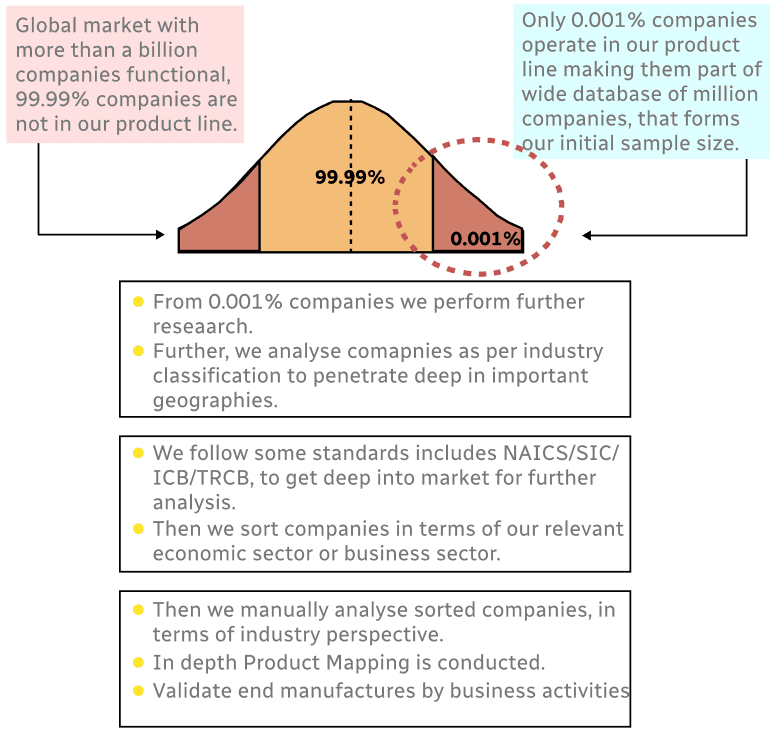
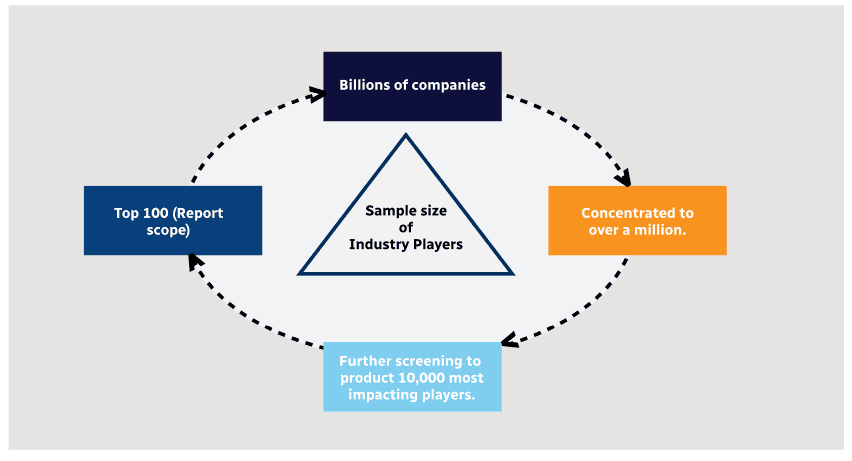
Step 1 - Identification of Relevant Samples Size from Population Database
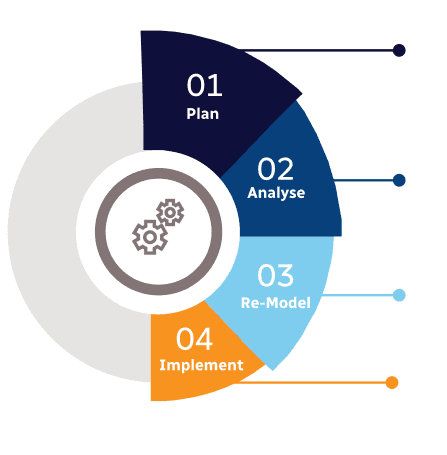
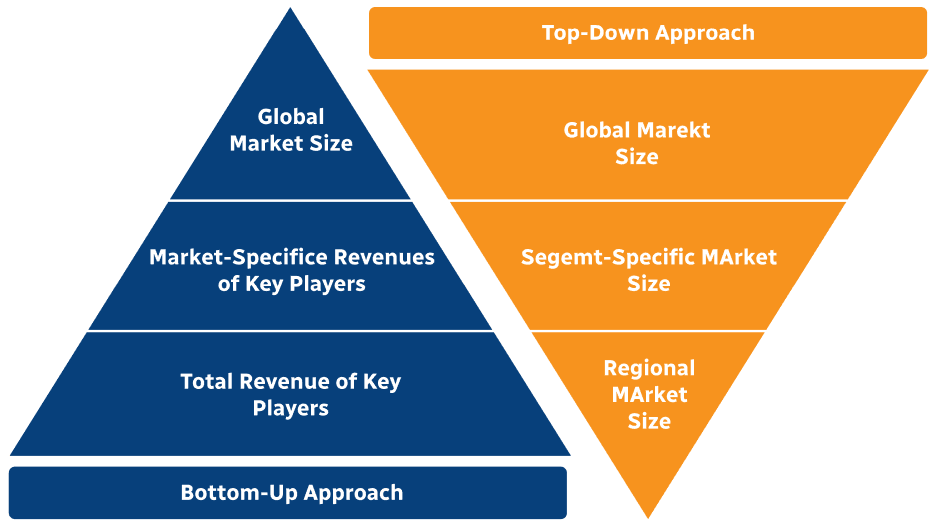
Step 2 - Approaches for Defining Global Market Size (Value, Volume* & Price*)
Note*: In applicable scenarios
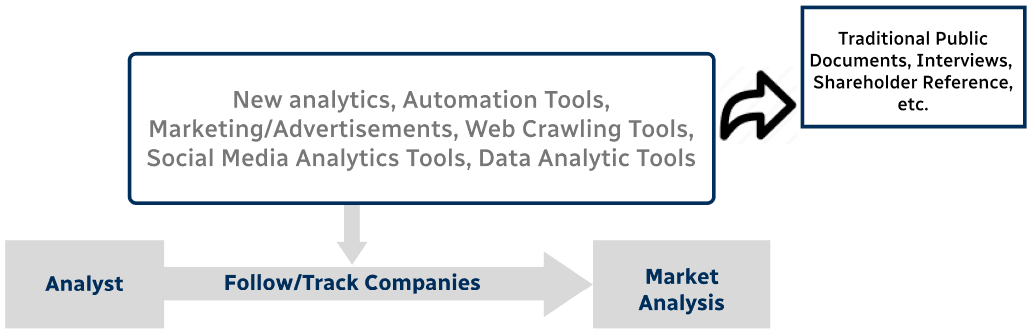
Step 3 - Data Sources
Primary Research
- Web Analytics
- Survey Reports
- Research Institute
- Latest Research Reports
- Opinion Leaders
Secondary Research
- Annual Reports
- White Paper
- Latest Press Release
- Industry Association
- Paid Database
- Investor Presentations
Step 4 - Data Triangulation
Involves using different sources of information in order to increase the validity of a study
These sources are likely to be stakeholders in a program - participants, other researchers, program staff, other community members, and so on.
Then we put all data in single framework & apply various statistical tools to find out the dynamic on the market.
During the analysis stage, feedback from the stakeholder groups would be compared to determine areas of agreement as well as areas of divergence