Key Insights
The Romanian renewable energy market, valued at approximately €1.5 billion in 2025, is experiencing robust growth, projected to maintain a compound annual growth rate (CAGR) exceeding 3% through 2033. This expansion is fueled by several key drivers: increasing government support through favorable policies and subsidies aimed at reducing carbon emissions and enhancing energy independence; a rising demand for cleaner energy sources driven by growing environmental awareness among consumers and businesses; and significant advancements in renewable energy technologies, leading to increased efficiency and reduced costs. The solar energy segment is expected to dominate the market, followed by wind and hydropower, due to Romania's geographical characteristics and abundant solar and wind resources. However, challenges remain, including the intermittent nature of renewable energy sources requiring robust grid infrastructure upgrades and potentially impacting energy reliability, and the need for substantial investments in new infrastructure and transmission networks to fully harness the country's renewable energy potential. Competition among established players like Energias de Portugal SA, Enel SpA, and Siemens Gamesa Renewable Energy SA, alongside emerging local companies, ensures a dynamic market landscape.
The forecast period (2025-2033) will see a gradual shift towards a more diversified renewable energy mix, with increased emphasis on integrating various renewable sources to improve energy security and reduce reliance on fossil fuels. The "Other Types" segment, potentially encompassing geothermal and biomass energy, is likely to witness growth driven by niche applications and supportive government initiatives. Furthermore, the increasing adoption of smart grids and energy storage solutions will play a crucial role in optimizing the integration and efficiency of renewable energy sources within Romania's overall energy infrastructure. The long-term success of the Romanian renewable energy market hinges on continued policy support, investment in infrastructure, and technological innovation to overcome the existing constraints and fully realize its potential.

Romania Renewable Energy Industry: A Comprehensive Market Report (2019-2033)
This in-depth report provides a comprehensive analysis of the Romanian renewable energy industry, covering market trends, key players, growth drivers, and challenges from 2019 to 2033. The report utilizes data from the historical period (2019-2024), with a base year of 2025 and a forecast period spanning 2025-2033. This analysis is crucial for investors, industry stakeholders, and policymakers seeking to understand the potential and complexities of Romania's burgeoning renewable energy sector. The report segments the market by renewable energy type: Solar Energy, Wind, Hydropower, and Other Types. The total market size is projected to reach xx Million by 2033.
Romania Renewable Energy Industry Market Concentration & Innovation
The Romanian renewable energy market is characterized by a dynamic landscape with a mix of established multinational corporations and agile domestic enterprises. In 2024, market concentration data reveals that the top 5 players command a significant share, estimated at approximately 65-75% of the market, with smaller firms and independent power producers (IPPs) contributing to the remaining portion. This structure is driven by substantial investments and strategic acquisitions. Key innovation catalysts include a robust framework of government incentives, the ambitious renewable energy targets set by the European Union, and continuous technological advancements, most notably in solar photovoltaic (PV) and wind energy technologies. While the regulatory environment is largely conducive to renewable energy development, ongoing efforts to streamline permitting processes are crucial for accelerating project deployment. Direct product substitutes are limited, primarily consisting of traditional fossil fuel sources. However, the compelling economic advantages and environmental benefits of renewable energy are fueling a significant and accelerating shift in energy consumption patterns. End-user trends demonstrate a clear and growing acceptance of renewable energy solutions across both residential and industrial sectors, driven by cost savings and corporate sustainability goals. Mergers and acquisitions (M&A) activity has been notably vigorous in recent years, with cumulative deal values estimated to have exceeded €500 Million over the last five years. This consolidation is largely attributable to the acquisition of smaller entities by larger players and the sustained interest from international investors seeking to capitalize on Romania's growth potential.
- Market Share (2024 Estimate): Top 5 players – 65-75%; Smaller players & IPPs – 25-35%
- M&A Deal Value (2019-2024 Estimate): Over €500 Million
- Key Regulatory Drivers: EU directives on renewable energy, national energy strategy targets, feed-in tariffs, and green certificates.
Romania Renewable Energy Industry Industry Trends & Insights
The Romanian renewable energy market is experiencing robust growth, driven by a combination of factors including increasing energy demand, the decreasing cost of renewable energy technologies, and a strong government commitment to decarbonization. The compound annual growth rate (CAGR) for the period 2025-2033 is projected to be xx%, significantly outpacing the growth of the overall energy sector. Market penetration of renewable energy sources in Romania's electricity mix is rising steadily. By 2033, we project xx% of the national electricity generation will be sourced from renewable energy sources, up from xx% in 2024. This positive trend is further spurred by technological disruptions, including advancements in solar PV efficiency, larger wind turbine capacities and improved energy storage solutions. Consumer preferences are shifting toward cleaner energy, further fueling demand for renewable energy products and services. The competitive landscape is dynamic, with both local and international firms vying for market share. Despite the growth potential, challenges remain in the areas of grid infrastructure and regulatory streamlining.

Dominant Markets & Segments in Romania Renewable Energy Industry
The Romanian renewable energy market exhibits strength across various segments, with a notable emphasis on solar and wind power. Within these segments, there's a regional disparity reflecting differing geographical suitability and infrastructure development. Western Romania, especially Arad county, showcases high potential for large-scale solar projects due to abundant sunlight. Eastern Romania, particularly Ialomita county, demonstrates a high potential for wind farms, as evidenced by recent large-scale project approvals. Hydropower remains a significant contributor, albeit with limited expansion potential due to existing infrastructure and environmental concerns.
- Key Drivers for Solar Energy: Abundant sunlight, government incentives, decreasing technology costs, large-scale project development (e.g., Rezolv Energy’s 1,044 MW plant in Arad).
- Key Drivers for Wind Energy: Favorable wind resources in certain regions, grid connection improvements, support from the national energy strategy.
- Key Drivers for Hydropower: Existing infrastructure, consistent power generation. However, expansion faces environmental constraints and permitting challenges.
- Other Types (Geothermal, Biomass): These segments present niche opportunities, but their current contribution to the overall renewable energy mix remains relatively small.
Romania Renewable Energy Industry Product Developments
The Romanian renewable energy sector is a hotbed of product innovation, actively embracing cutting-edge technologies to enhance efficiency and cost-effectiveness. In solar PV, advancements are focused on next-generation high-efficiency panels, bifacial modules, and integrated storage solutions, leading to reduced levelized cost of energy (LCOE) and improved energy yield. Wind turbine technology is seeing developments aimed at increasing rotor diameters, optimizing aerodynamic designs for lower wind speeds, and enhancing grid integration capabilities, thereby boosting capacity factors and energy output in varied wind conditions. Crucially, the development and deployment of advanced energy storage solutions, including utility-scale battery energy storage systems (BESS) and hybrid systems, are gaining significant momentum. These innovations are pivotal in addressing the inherent intermittency of solar and wind power, ensuring grid stability, and unlocking new business models. This unwavering technological focus on enhancing efficiency, reliability, and cost-competitiveness is fundamental to securing the sustained growth, competitiveness, and ultimate success of the Romanian renewable energy market.
Report Scope & Segmentation Analysis
This comprehensive report provides an in-depth analysis of the Romanian renewable energy market, meticulously segmented by technology type to offer granular insights:
- Solar Energy: This segment is poised for exceptional growth, propelled by rapidly declining technology costs, favorable government policies, and increasing investor confidence. The market size is projected to reach approximately €2 Billion by 2033. Competitive dynamics are defined by the presence of both globally recognized solar developers and resourceful local companies.
- Wind Energy: The wind energy sector is also anticipated to experience substantial expansion, driven by Romania's significant wind resource potential, supportive regulatory frameworks, and ongoing technological upgrades. The market size is forecast to reach around €1.5 Billion by 2033. Competition is particularly intense amongst established international wind turbine manufacturers and project developers.
- Hydropower: While the growth trajectory of the hydropower segment is expected to be more measured due to environmental considerations and the limited availability of new large-scale project sites, it will continue to serve as a vital and stable contributor to Romania's overall renewable energy mix. The market size is predicted to be approximately €800 Million by 2033.
- Other Types (Geothermal, Biomass, etc.): This segment, while currently smaller in terms of overall market share, presents unique and promising niche growth opportunities. Technological advancements in areas like advanced biofuels and smart grid integration for distributed generation, coupled with specific policy support, will be instrumental in unlocking their full expansion potential.
Key Drivers of Romania Renewable Energy Industry Growth
Several key factors are driving the growth of the Romanian renewable energy industry: Firstly, the decreasing costs of renewable energy technologies, particularly solar PV and wind power, make them increasingly competitive with traditional fossil fuel sources. Secondly, the strong government support, reflected in the country's renewable energy targets and incentive schemes, plays a critical role in encouraging investment and development. Finally, the EU's ambitious renewable energy targets provide additional impetus for Romania to expand its renewable energy capacity.
Challenges in the Romania Renewable Energy Industry Sector
Despite the positive growth outlook, the Romanian renewable energy industry faces certain challenges. Grid infrastructure limitations in certain areas can hinder the integration of large-scale renewable energy projects. Bureaucratic procedures and permitting processes can add delays and increase development costs. Furthermore, while government support is present, ensuring its consistent and long-term availability is crucial to maintain investor confidence. Lastly, the ongoing fluctuations in the prices of raw materials required for manufacturing solar and wind power components pose a significant risk.
Emerging Opportunities in Romania Renewable Energy Industry
Romania's renewable energy sector is ripe with emerging opportunities for strategic expansion and investment. The rapidly growing demand for integrated energy storage solutions presents a particularly promising avenue for market growth, offering vital services for grid stability and enhanced renewable energy utilization, especially for mitigating the intermittency of solar and wind power. The seamless integration of renewable energy sources into advanced smart grids represents another significant frontier, enabling optimized energy management, demand response, and the efficient dispatch of renewable power. Furthermore, the escalating corporate commitment to environmental, social, and governance (ESG) principles and ambitious sustainability targets creates a substantial and growing market for renewable energy supply contracts, enabling businesses to procure clean energy and reduce their carbon footprint.
Leading Players in the Romania Renewable Energy Industry Market
- Sunshine Solar Energy Srl - A prominent domestic player specializing in solar PV solutions.
- Energias de Portugal SA (EDP Renováveis) - A major international energy company with a significant presence in wind and solar power.
- Enel SpA - A global energy company with diverse renewable energy interests, including wind and solar.
- Siemens Gamesa Renewable Energy SA - A leading manufacturer of wind turbines and a key player in wind farm development.
- CEZ AS - A diversified energy group with investments in wind, solar, and other renewable energy projects.
- Vestas Wind Systems AS - A global leader in wind turbine manufacturing and wind project development.
- General Electric Company (GE Renewable Energy) - A major player in wind turbine technology and grid solutions for renewable energy integration.
Key Developments in Romania Renewable Energy Industry Industry
- November 2022: Rezolv Energy acquired the rights to build and operate a 1,044 MW photovoltaic plant in Arad county, marking a significant milestone for large-scale solar energy development in Romania.
- October 2022: EDPR Romania received grid connection approval for a 226.5 MW wind project in Ialomita County, demonstrating progress in wind energy expansion.
Strategic Outlook for Romania Renewable Energy Industry Market
The Romanian renewable energy market is poised for substantial growth in the coming years, driven by a supportive policy environment, decreasing technology costs, and growing consumer demand for clean energy. Strategic investments in grid infrastructure, coupled with continued technological advancements in renewable energy generation and storage, will be crucial for unlocking the full potential of the sector. The increasing integration of renewable energy into the broader energy mix signifies a long-term shift towards a more sustainable and decarbonized energy system in Romania.
Romania Renewable Energy Industry Segmentation
-
1. Type
- 1.1. Solar Energy
- 1.2. Wind
- 1.3. Hydropower
- 1.4. Other Types
Romania Renewable Energy Industry Segmentation By Geography
- 1. Romania

Romania Renewable Energy Industry REPORT HIGHLIGHTS
| Aspects | Details |
|---|---|
| Study Period | 2019-2033 |
| Base Year | 2024 |
| Estimated Year | 2025 |
| Forecast Period | 2025-2033 |
| Historical Period | 2019-2024 |
| Growth Rate | CAGR of > 3.00% from 2019-2033 |
| Segmentation |
|
Table of Contents
- 1. Introduction
- 1.1. Research Scope
- 1.2. Market Segmentation
- 1.3. Research Methodology
- 1.4. Definitions and Assumptions
- 2. Executive Summary
- 2.1. Introduction
- 3. Market Dynamics
- 3.1. Introduction
- 3.2. Market Drivers
- 3.2.1. 4.; Increased Demand for Renewable Energy and Favorable Government Policies4.; The Reduced Wind Power Tariff
- 3.3. Market Restrains
- 3.3.1. 4.; The Increasing Adoption of Alternate Clean Power Sources Such as Solar and Biomass
- 3.4. Market Trends
- 3.4.1. Ambitious Targets and Supportive Government Policies
- 4. Market Factor Analysis
- 4.1. Porters Five Forces
- 4.2. Supply/Value Chain
- 4.3. PESTEL analysis
- 4.4. Market Entropy
- 4.5. Patent/Trademark Analysis
- 5. Romania Renewable Energy Industry Analysis, Insights and Forecast, 2019-2031
- 5.1. Market Analysis, Insights and Forecast - by Type
- 5.1.1. Solar Energy
- 5.1.2. Wind
- 5.1.3. Hydropower
- 5.1.4. Other Types
- 5.2. Market Analysis, Insights and Forecast - by Region
- 5.2.1. Romania
- 5.1. Market Analysis, Insights and Forecast - by Type
- 6. Competitive Analysis
- 6.1. Market Share Analysis 2024
- 6.2. Company Profiles
- 6.2.1 Sunshine Solar Energy Srl
- 6.2.1.1. Overview
- 6.2.1.2. Products
- 6.2.1.3. SWOT Analysis
- 6.2.1.4. Recent Developments
- 6.2.1.5. Financials (Based on Availability)
- 6.2.2 Energias de Portugal SA
- 6.2.2.1. Overview
- 6.2.2.2. Products
- 6.2.2.3. SWOT Analysis
- 6.2.2.4. Recent Developments
- 6.2.2.5. Financials (Based on Availability)
- 6.2.3 Enel SpA
- 6.2.3.1. Overview
- 6.2.3.2. Products
- 6.2.3.3. SWOT Analysis
- 6.2.3.4. Recent Developments
- 6.2.3.5. Financials (Based on Availability)
- 6.2.4 Siemens Gamesa Renewable Energy SA
- 6.2.4.1. Overview
- 6.2.4.2. Products
- 6.2.4.3. SWOT Analysis
- 6.2.4.4. Recent Developments
- 6.2.4.5. Financials (Based on Availability)
- 6.2.5 CEZ AS
- 6.2.5.1. Overview
- 6.2.5.2. Products
- 6.2.5.3. SWOT Analysis
- 6.2.5.4. Recent Developments
- 6.2.5.5. Financials (Based on Availability)
- 6.2.6 Vestas Wind Systems AS
- 6.2.6.1. Overview
- 6.2.6.2. Products
- 6.2.6.3. SWOT Analysis
- 6.2.6.4. Recent Developments
- 6.2.6.5. Financials (Based on Availability)
- 6.2.7 General Electric Company
- 6.2.7.1. Overview
- 6.2.7.2. Products
- 6.2.7.3. SWOT Analysis
- 6.2.7.4. Recent Developments
- 6.2.7.5. Financials (Based on Availability)
- 6.2.1 Sunshine Solar Energy Srl
List of Figures
- Figure 1: Romania Renewable Energy Industry Revenue Breakdown (Million, %) by Product 2024 & 2032
- Figure 2: Romania Renewable Energy Industry Share (%) by Company 2024
List of Tables
- Table 1: Romania Renewable Energy Industry Revenue Million Forecast, by Region 2019 & 2032
- Table 2: Romania Renewable Energy Industry Volume gigawatt Forecast, by Region 2019 & 2032
- Table 3: Romania Renewable Energy Industry Revenue Million Forecast, by Type 2019 & 2032
- Table 4: Romania Renewable Energy Industry Volume gigawatt Forecast, by Type 2019 & 2032
- Table 5: Romania Renewable Energy Industry Revenue Million Forecast, by Region 2019 & 2032
- Table 6: Romania Renewable Energy Industry Volume gigawatt Forecast, by Region 2019 & 2032
- Table 7: Romania Renewable Energy Industry Revenue Million Forecast, by Country 2019 & 2032
- Table 8: Romania Renewable Energy Industry Volume gigawatt Forecast, by Country 2019 & 2032
- Table 9: Romania Renewable Energy Industry Revenue Million Forecast, by Type 2019 & 2032
- Table 10: Romania Renewable Energy Industry Volume gigawatt Forecast, by Type 2019 & 2032
- Table 11: Romania Renewable Energy Industry Revenue Million Forecast, by Country 2019 & 2032
- Table 12: Romania Renewable Energy Industry Volume gigawatt Forecast, by Country 2019 & 2032
Frequently Asked Questions
1. What is the projected Compound Annual Growth Rate (CAGR) of the Romania Renewable Energy Industry?
The projected CAGR is approximately > 3.00%.
2. Which companies are prominent players in the Romania Renewable Energy Industry?
Key companies in the market include Sunshine Solar Energy Srl, Energias de Portugal SA, Enel SpA, Siemens Gamesa Renewable Energy SA, CEZ AS, Vestas Wind Systems AS, General Electric Company.
3. What are the main segments of the Romania Renewable Energy Industry?
The market segments include Type.
4. Can you provide details about the market size?
The market size is estimated to be USD XX Million as of 2022.
5. What are some drivers contributing to market growth?
4.; Increased Demand for Renewable Energy and Favorable Government Policies4.; The Reduced Wind Power Tariff.
6. What are the notable trends driving market growth?
Ambitious Targets and Supportive Government Policies.
7. Are there any restraints impacting market growth?
4.; The Increasing Adoption of Alternate Clean Power Sources Such as Solar and Biomass.
8. Can you provide examples of recent developments in the market?
November 2022- Rezolv Energy acquired the rights to build and operate a 1,044 MW photovoltaic plant in Arad county, western Romania, from the Monsson Group. The project is in the late-stage development phase, and once constructed, it is expected to be the largest PV plant in Europe.
9. What pricing options are available for accessing the report?
Pricing options include single-user, multi-user, and enterprise licenses priced at USD 3800, USD 4500, and USD 5800 respectively.
10. Is the market size provided in terms of value or volume?
The market size is provided in terms of value, measured in Million and volume, measured in gigawatt.
11. Are there any specific market keywords associated with the report?
Yes, the market keyword associated with the report is "Romania Renewable Energy Industry," which aids in identifying and referencing the specific market segment covered.
12. How do I determine which pricing option suits my needs best?
The pricing options vary based on user requirements and access needs. Individual users may opt for single-user licenses, while businesses requiring broader access may choose multi-user or enterprise licenses for cost-effective access to the report.
13. Are there any additional resources or data provided in the Romania Renewable Energy Industry report?
While the report offers comprehensive insights, it's advisable to review the specific contents or supplementary materials provided to ascertain if additional resources or data are available.
14. How can I stay updated on further developments or reports in the Romania Renewable Energy Industry?
To stay informed about further developments, trends, and reports in the Romania Renewable Energy Industry, consider subscribing to industry newsletters, following relevant companies and organizations, or regularly checking reputable industry news sources and publications.
Methodology
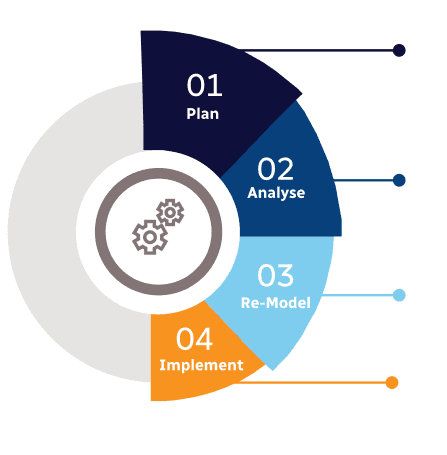
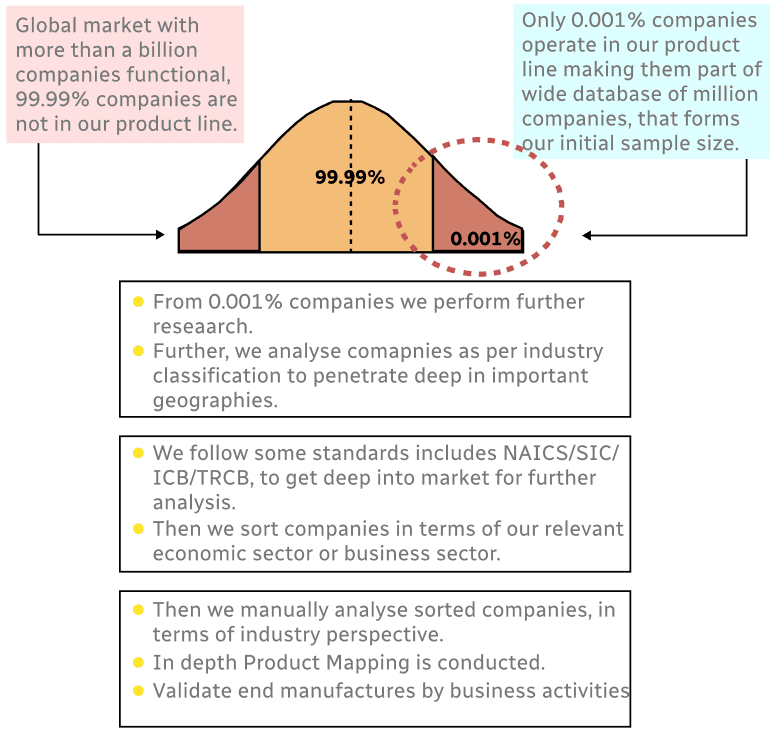
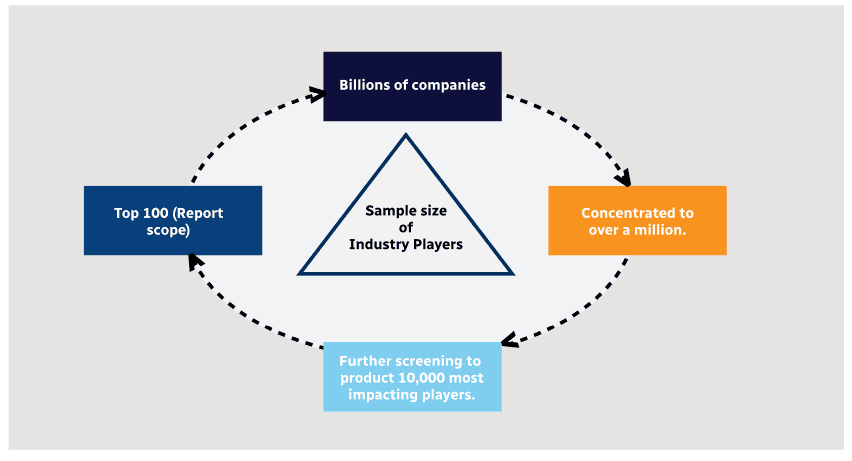
Step 1 - Identification of Relevant Samples Size from Population Database
Step 2 - Approaches for Defining Global Market Size (Value, Volume* & Price*)
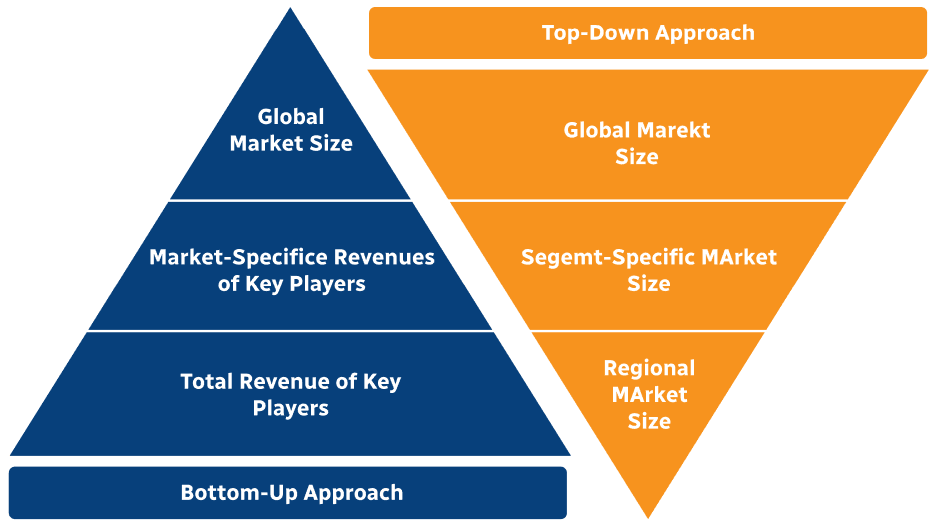
Note*: In applicable scenarios
Step 3 - Data Sources
Primary Research
- Web Analytics
- Survey Reports
- Research Institute
- Latest Research Reports
- Opinion Leaders
Secondary Research
- Annual Reports
- White Paper
- Latest Press Release
- Industry Association
- Paid Database
- Investor Presentations
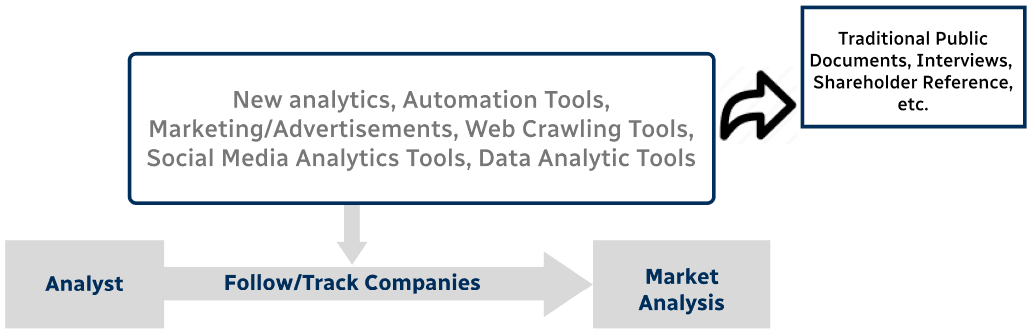
Step 4 - Data Triangulation
Involves using different sources of information in order to increase the validity of a study
These sources are likely to be stakeholders in a program - participants, other researchers, program staff, other community members, and so on.
Then we put all data in single framework & apply various statistical tools to find out the dynamic on the market.
During the analysis stage, feedback from the stakeholder groups would be compared to determine areas of agreement as well as areas of divergence